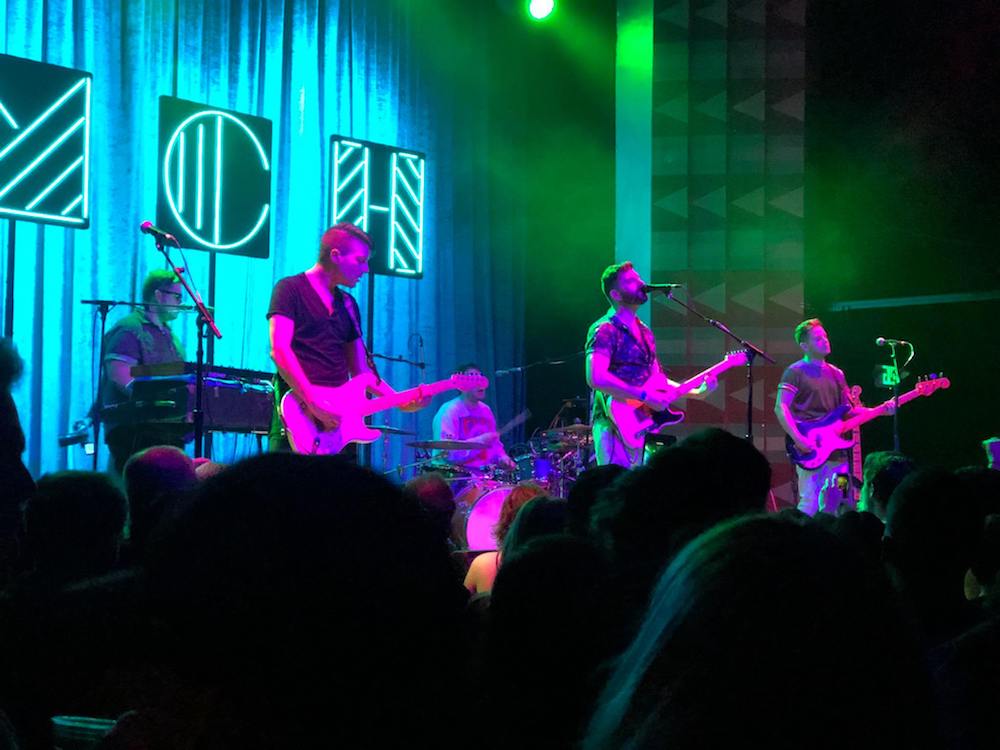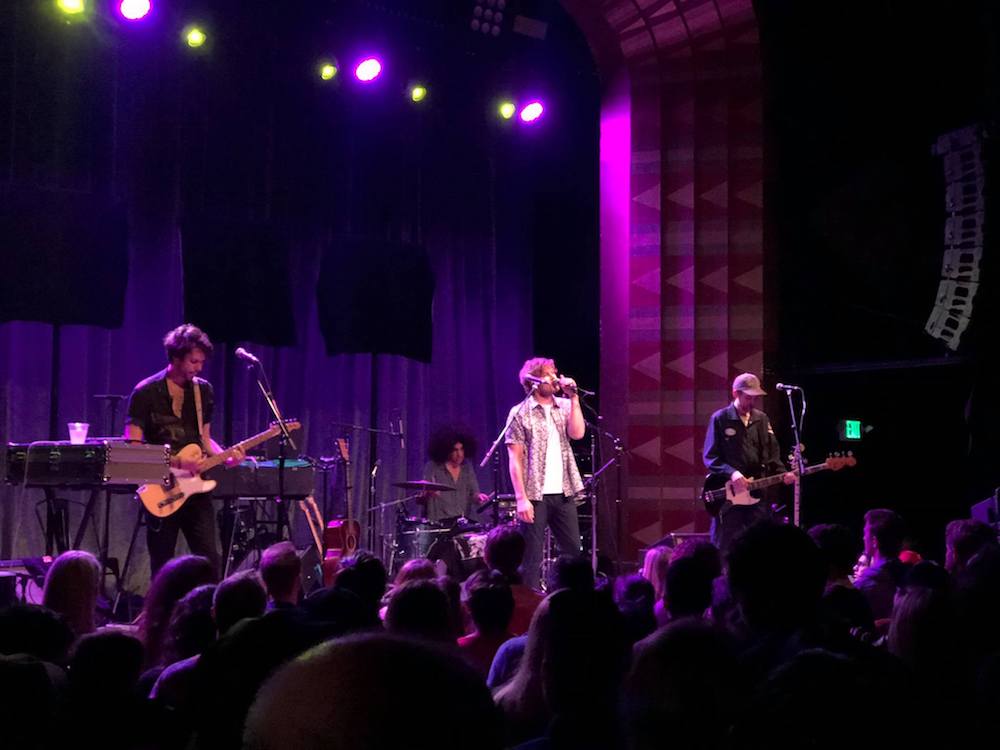
LIVE REVIEW: Sharps, Jessica Audiffred, G-Rex at Hollywood Palladium

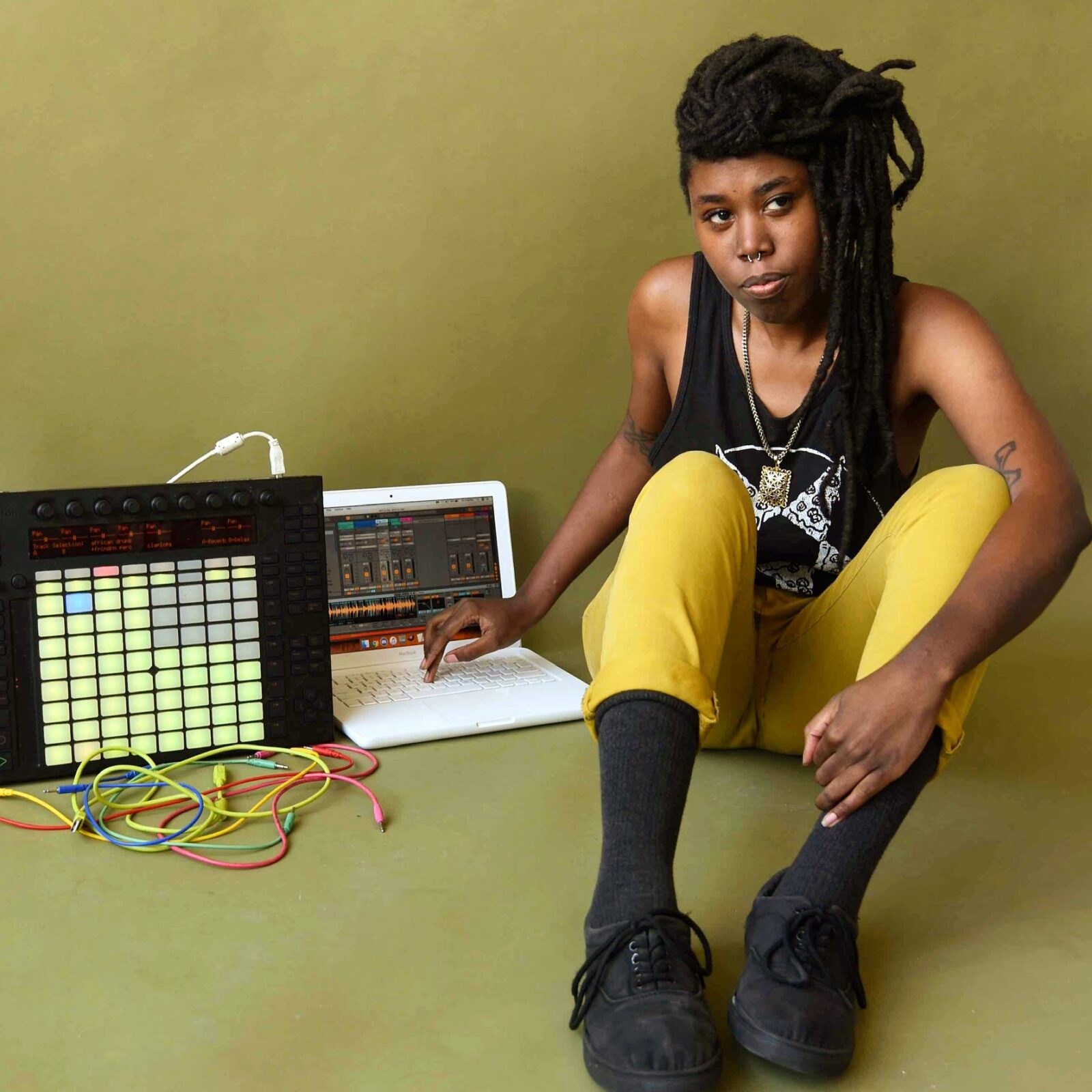
When we last caught up with Mexico City-based DJ Jessica Audiffred in 2016, she was putting out high-energy, catchy tracks like the future bass masterpiece “Higher,” the trappy “K.O.,” the intense “GTFB,” and her infectious remix of Marshmello’s “Alone.” Since then, she’s played at some huge festivals including EDC Vegas and Tomorrowland Mexico and released the EP Nice to Meet You, along with a number of singles like “This Ends Now,” a collaboration with Austin-based DJ Crizzly, and the fast-paced, chaotic, bass-boosted “Like What the F.”

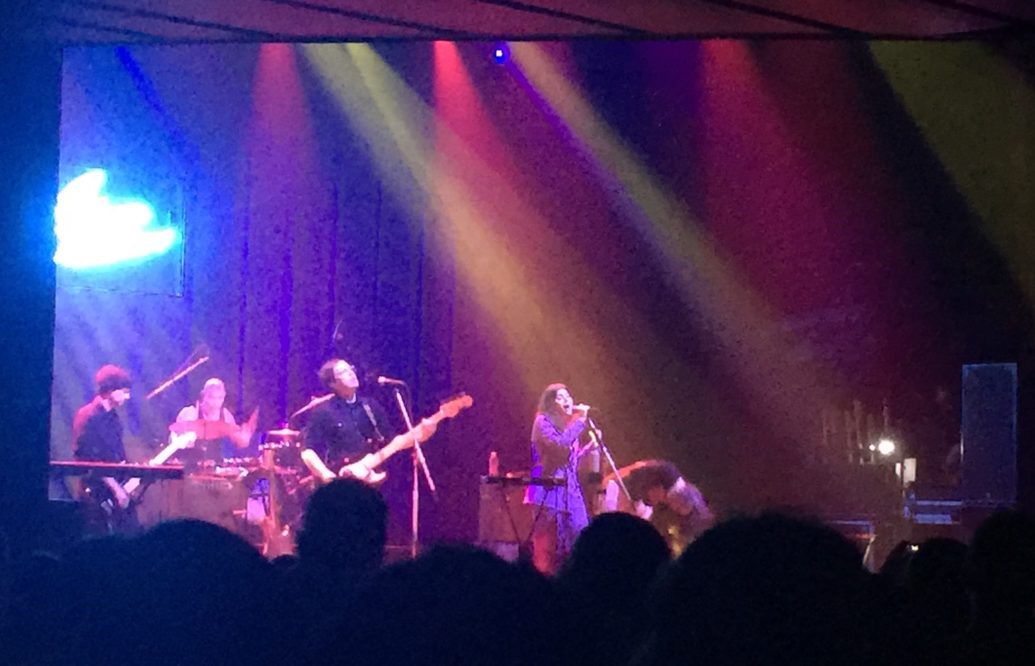
Audiffred paid a visit to Los Angeles for a show alongside Riot Ten, Cookie Monsta, G-Rex, and Sharps on Saturday, February 29 at the Hollywood Palladium, and her set demonstrated not only the colorful range of music she’s been putting out as a DJ and producer but also how well she’s mastered the art of getting a crowd riled up.

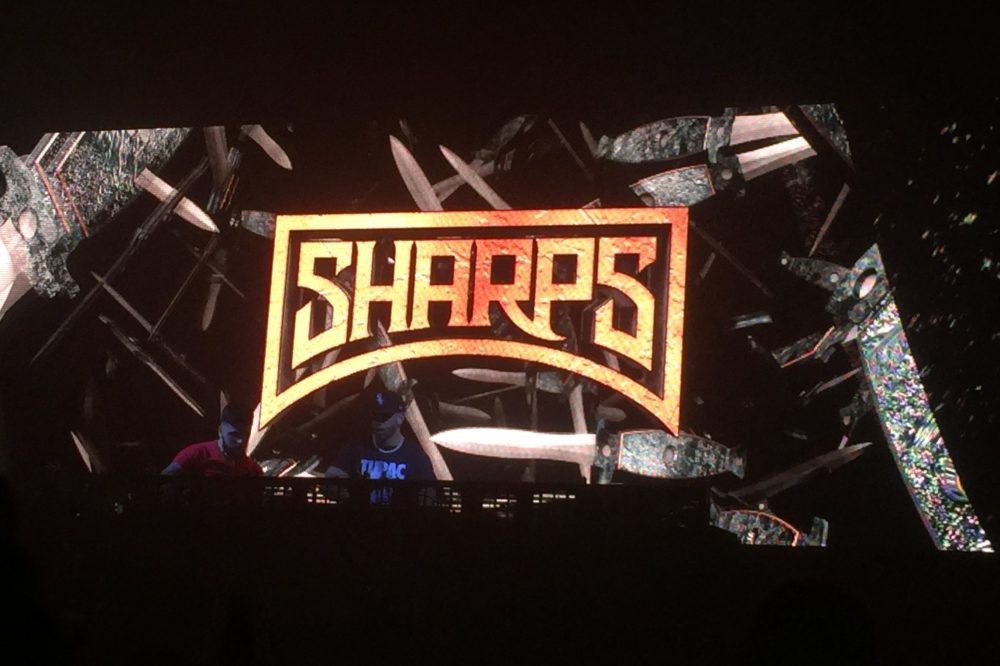
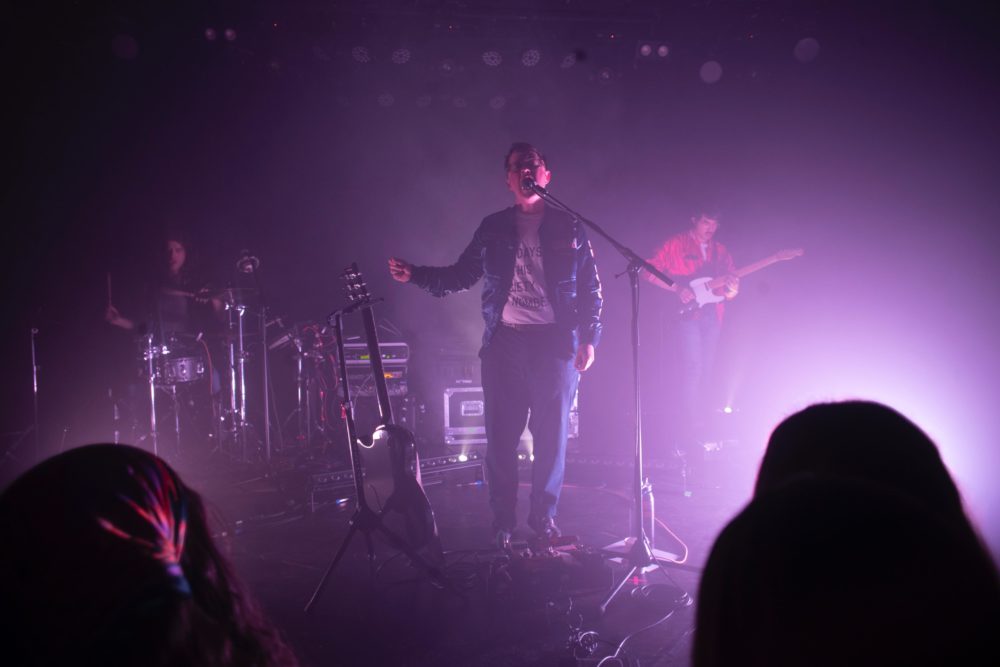
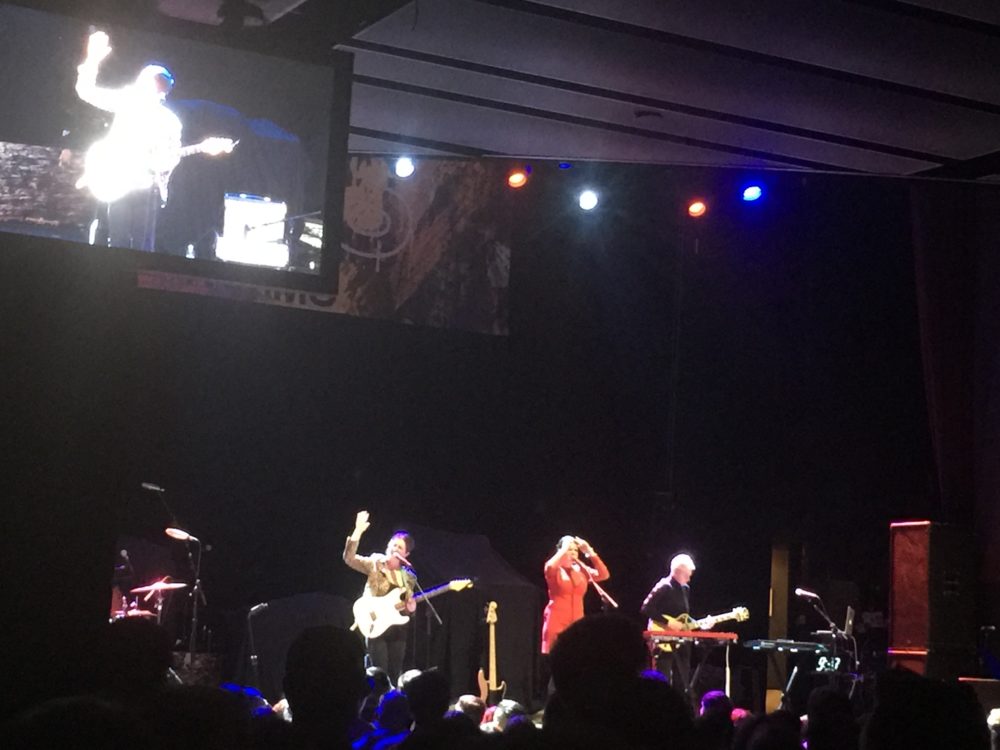
Even though it was just a one-night event, people showed up decked out in festival gear, from face glitter to colorful bras, and the line stretched through the block outside the Palladium. The night started off with Seattle-based DJ Sharps, whose bass-heavy set got people jumping and bouncing as the background screen displayed knives (ostensibly a play on his name). People head-banged to the music and even formed a mosh pit in the center of the dance floor and threw themselves at one another. Just when it seemed like the energy couldn’t get higher, Sharps announced, “Make some noise for Jessica Audiffred.”

Female DJs are still unfortunately and unreasonably among the minority in festival and show lineups, but Audiffred proved that audience members, male and female alike, will support women on stage just as much as men, if not more. People shouted “Jessica!” and “We love you!” from the crowd and sang along to any and all vocals she sampled.

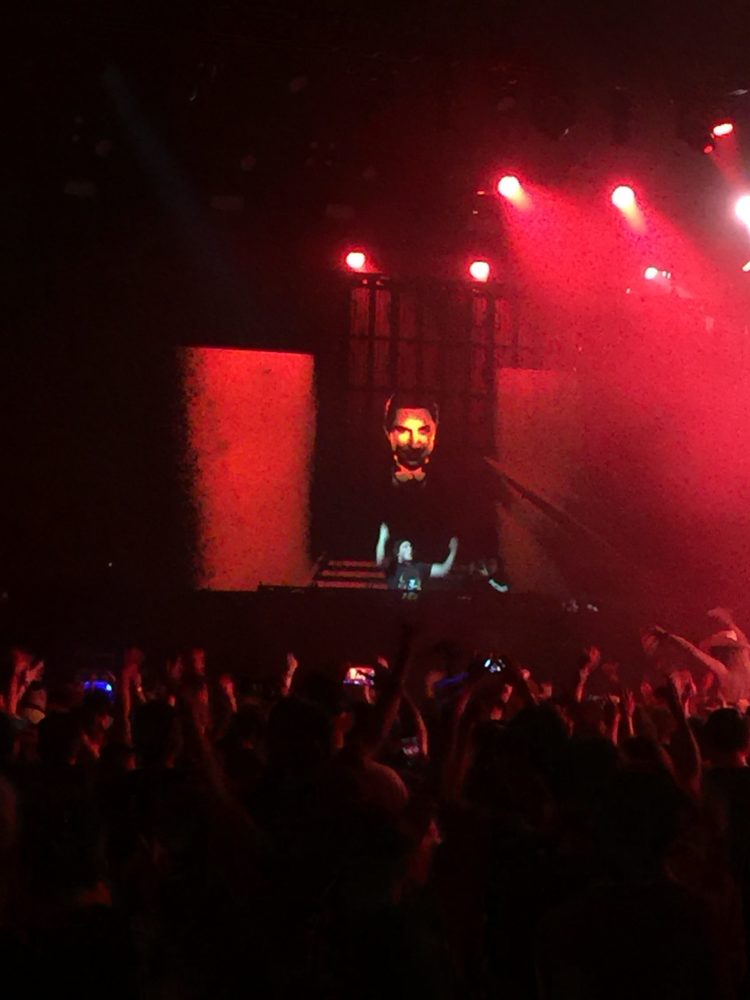
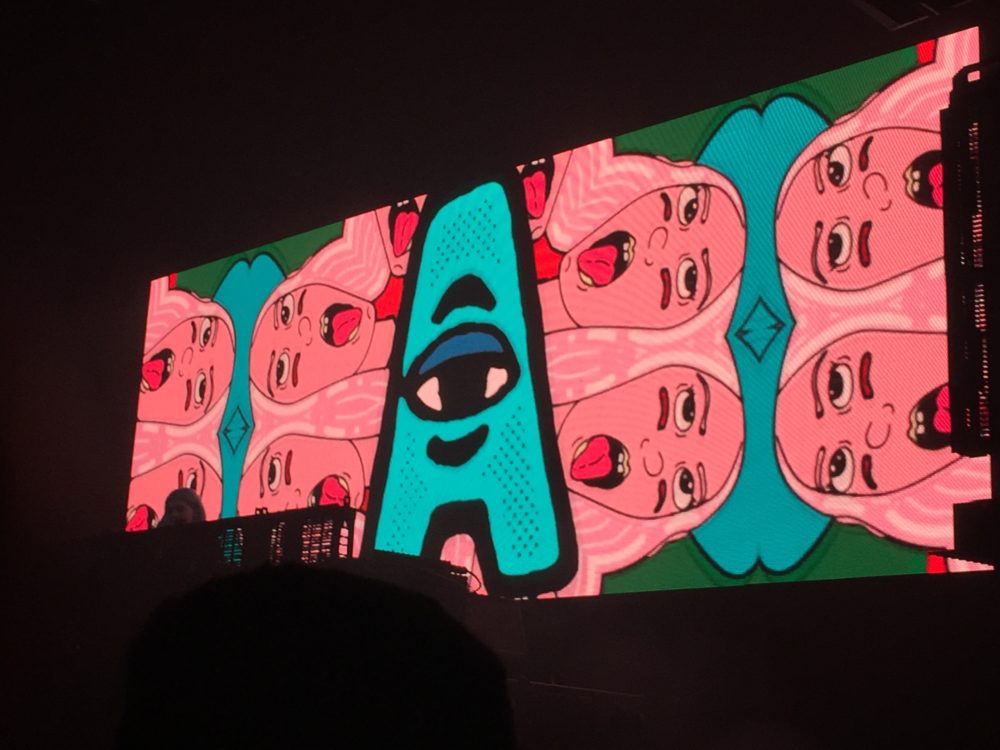
Part of Audiffred’s success is stems from her ability to put on a great live show. She throws her head back and forth and dances with her fists in the air while performing in front of delightfully quirky imagery, from Beavis and Butt-Head cartoons to dogs in sunglasses and images of her own face breathing fire. She also made the show interactive, prompting people to put on their cell phone lights and wave them in the air at one point, then turning around and having someone on stage take a photo of her with all her fans in the background later on.


Throughout Audiffred’s set, which embodied the interesting mix of upbeat and dark vibes that characterizes her music, she sampled “Sicko Mode,” elicited head-bangs with the Latin-inspired beats in “K.O.,” and produced some epic drops in “This Ends Now.”

G-Rex followed her with music reminiscent of what you hear in a haunted house and corresponding imagery of skulls, creepy baby faces, and ghost-like hands that appeared to be crawling out of the screen. His set featured voices warped both low and high, scratchy beats, and high-pitched clicks and clacks. While his music was similarly intense, G-Rex lacked the stage presence that Audiffred exudes, but he did create a mood that was spooky and thrilling.

I left before Cookie Monsta and Riot Ten came on; I couldn’t rally up the energy to stay out long past 11. But in my mind, I’d already seen the main act, which was Audiffred. Hopefully, more venues will soon be smart enough to make her the headliner.


I Believe in Nashville: How a City Becomes Family in the Wake of a Devastating Tornado

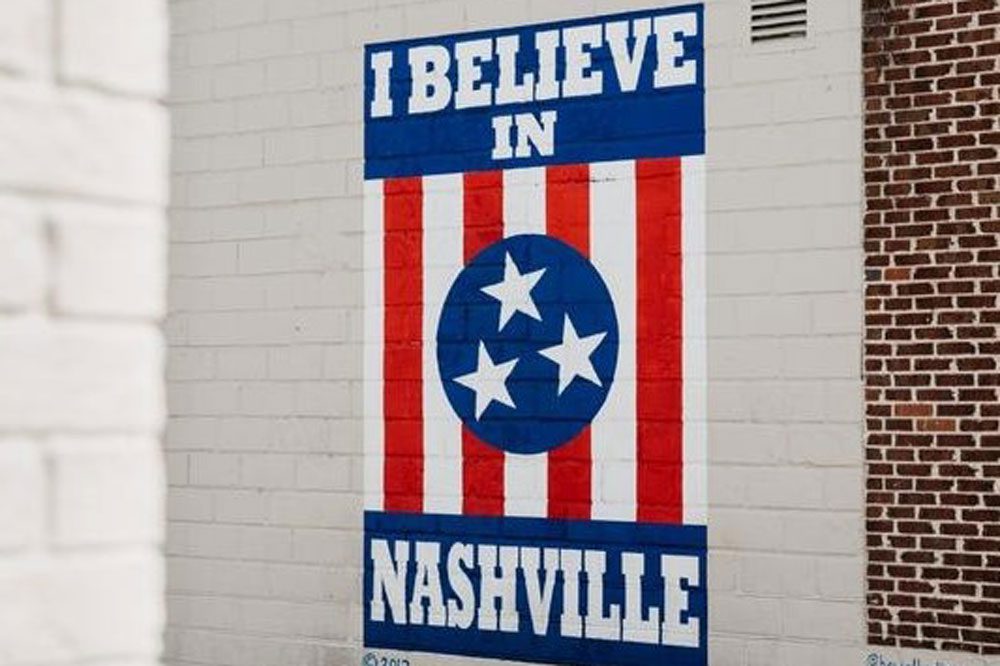
This week, Tennessee was hit by a devastating tornado that took the lives of at least 25 people and injured several others. The Nashville area took a particularly hard hit – it was home to 16 of the 24 people who lost their lives, many homes and businesses were ravaged or destroyed, including beloved rock club Basement East where locals would go to catch the best indie acts. Ironically, the “I Believe in Nashville” sign painted on the side of the building remained intact.

But in the midst of all the devastation, a word that keeps rising from the rubble is “family.” Its meaning is embedded in many artists’ reactions, whether it’s Trisha Yearwood remarking on the multiple people she saw offering up their homes as a safe place for those who have been displaced, to Dierks Bentley observing “no one comes together as a city like Nashville does.” “This community comes together to take care of its own,” Yearwood writes. “So proud to be part of the family we call Nashville.” Seeing country stars offer more than just thoughts and prayers has been heartwarming, like Kelsea Ballerini posting about ways to help on Instagram, while Chris Young pledged to donate $50,000 to the Music City Inc. Foundation, which disperses the funds to families that have been the most impacted by the deadly storm.

Further examples include Cassadee Pope, who joined forces with a stranger to help clean up the devastated neighborhood of East Nashville. “It’s just a small example of what kind of place this is. We’re a family,” she shared. Carrie Underwood used her platform on the Today show to convey, “Nashville’s a very strong community, and anytime anything like this happens, you just see how strong they are, and how they band together to fix things.” Nashvillians proved this sentiment true, exemplified through the fact that Hands on Nashville, the organization coordinating volunteer efforts to help with recovery, had more than 5,000 people sign up to volunteer in a matter of hours. And when 2,000 volunteer positions opened up online, they all were filled in minutes.

As it often does, kindness causes a ripple effect, the community continuing to find ways to lend a hand, such as Bridgestone Arena opening its doors to provide warm meals for those in need while the Ryman Auditorium donated proceeds from Hatch Show print sales during Monday night’s show to relief efforts. Additionally, the upcoming Women Who Rock event is auctioning off unique works of art created from the soundwaves of songs by Brandi Carlile and Kacey Musgraves, the proceeds to be donated to the Community Foundation’s Middle Tennessee Emergency Response Fund.

Nashville is no stranger to devastation, with many remarking how the city united in a similar fashion after the 2010 flood that left the city underwater and its citizens to rely on themselves to rebuild it. Tennessee is known as the Volunteer State, a motto that its residents wholly embrace even outside the confines of a natural disaster. I believe it is this sense of family and community that was a key component of the magic I felt the first time I came to Nashville as a bright-eyed, yet naïve 18-year-old who knew 48 hours into the trip that Nashville felt like home.

To watch so many people immediately spring into action and contribute any effort they can to help their neighbors is awe-inspiring and a true reflection of Nashville’s spirit. I wish our world would unite like this every day.

If you would like to help with the tornado relief efforts, here are some locations accepting donations and volunteers: 

Hands on Nashville – Working with the city of Nashville to coordinate volunteer opportunities.

Community Resource Center – Collecting donations such as tarps, work gloves, flash lights, batteries and toiletries to give to displaced families.

Community Foundation of Middle Tennessee – The hub for monetary donations, with proceeds to be dispersed to communities and nonprofits that are helping the victims of the storm.

Second Harvest Food Bank – Nashville-based food bank working to gather resources and supplies for the areas devastated by the tornado. They are working with the Red Cross and OEM to bring food and resources to people in shelters. You can donate money or non-perishable food items such as canned produce, ready-to-eat soups and peanut butter.

Chub Rub Is Fat, Proud, & Powerful on their Debut EP

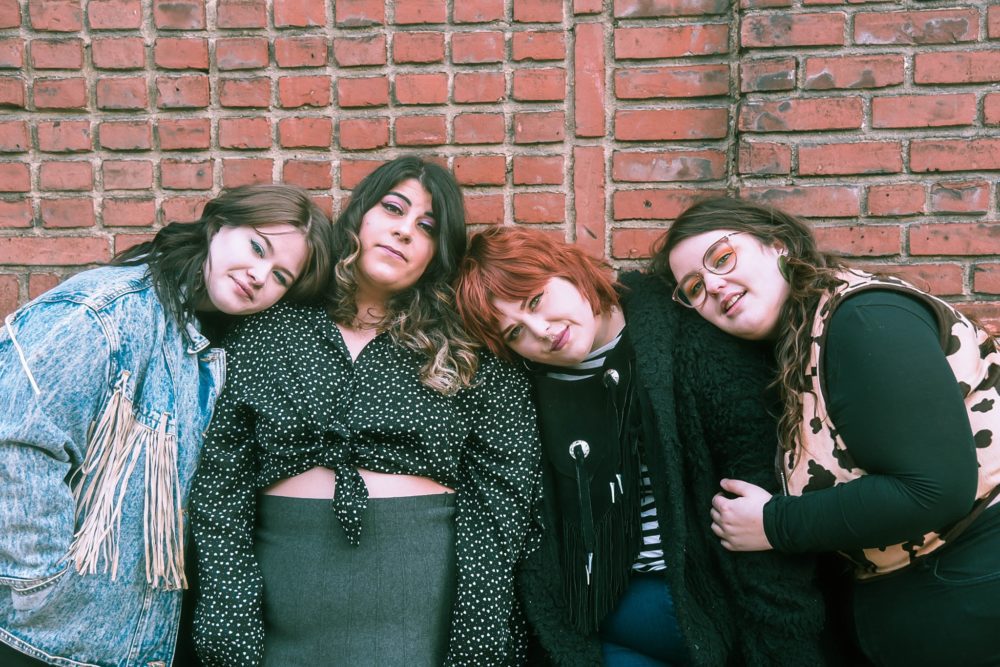
Chub Rub. Photo by Irene Victoria.

A month after the Grammys, I’m still thinking about Lizzo’s opening performance: how she belted “Cuz I Love You” in a black, bedazzled Christian Siriano ball gown, and just moments later, danced across the stage in a neon bodysuit, rapping the lyric of the year: “I’m 100% that bitch.” And let’s not forget about that flute solo.

It’s empowering that a self-proclaimed “fat bitch” is one of the most successful musicians in the world right now (side note: did y’all see this perfection?). But it often feels like the Lizzos of the world – the women who see their fatness as a point of strength, rather than weakness – exist only in these untouchable, highest echelons of fame. Where are the musicians who are fat and proud, but don’t yet have their own Rolling Stone cover?

That’s where Chub Rub comes in. If you have your own personal, tried-and-true method for mitigating chub rub in summer months, then this band is tailor-made for you, like that pair of jeans that actually fits the shape of your body right.

It’s still an incredibly radical act to be a fat woman who is comfortable in her body. In the Huffington Post feature “Everything You Know About Obesity Is Wrong,” Michael Hobbes explains, “… the most unique aspect of weight stigma is how it isolates its victims from one another. For most minority groups, discrimination contributes to a sense of belongingness, a community in opposition to a majority. […] Surveys of higher-weight people, however, reveal that they hold many of the same biases as the people discriminating against them.” Fat people rarely join together in solidarity, because calling oneself fat is still often perceived an admission of shame, or a self-deprecating insult.

This is what makes Chub Rub feel so victoriously ground-breaking: that they’re four femme people demanding “fats to the front!” at their shows, performing alongside other explicitly body-positive acts like Thunder Thighs. By encouraging support and community among fat femmes, the four-piece addresses an aspect of accessibility and inclusivity in the DIY scene that is often ignored.


Representation aside, Chub Rub’s debut Make Some Fucking Space is a triumph. The four-song EP is reminiscent of Girlpool’s debut, thriving on vocal harmonies set atop simple, stripped-down guitars. And, like the former Philly basement dwellers’ early music, Chub Rub’s lyrics are cutting and clever (“I watch too much true crime to think that I’d get away with it/But the thought of you six feet under keeps me from losing my shit,” they sing on “50 Ways to Kill Your R*pist”).

Make Some Fucking Space evolves in tone from start to finish, in spite of its brevity. The EP opens with “Portland, Maine,” a love song anchored by a ukulele and surf pop twang. At first, they try to be blase (“It was nice kissing you/or whatever,” repeats the refrain), only to ease into a confession of love: “Trying to be subtle about how into you I am/but I just wanna kiss your fucking face/and hold your fucking hand.” On the other hand, “CoDA” reflects on the emotional baggage that comes along with romance gone wrong. These first two songs aren’t as explicitly political as the ones that follow, but there’s something inherently subversive about this duality. It acknowledges that we are capable and deserving of love even after we are hurt, and that we can move forward even when pain still lingers – that we can be both confident and insecure at the same time, even when trauma is nonlinear and unpredictable.

The song title “50 Ways to Kill Your R*pist” primes us for an angry punk treatise, but instead, it’s a dark folk ballad that demands a dramatic, Western-style music video (I volunteer to direct this). The quartet sings, “I carved R-A-P-I-S-T into the side of your shitty Honda Civic/and still to this day I wish I had cut your breaks along with it.” Each couplet follows the same melody, making this a song that you can sing along to upon first listen – it’s a brilliantly subtle choice for a song that all too many listeners may be able to see themselves in. But even more anthemic is “Shrink,” the final song on the EP, which boasts the titular lyric: “If you think I don’t fit in, well/Make some fucking space.” It feels like the entire EP has built to this moment: a declaration that no matter what size jeans we wear or what abuse we’ve faced, we deserve to be on stage, whether at the local bar or the Grammys.

With their long overdue messaging and irresistible four-part vocals, Chub Rub will certainly “make some fucking space” for themselves in the Philly music scene. And, P.S.: the best antidote to chub rub is a solid pair of bike shorts. That shit is magical.

Surrija Retells Picasso Muse Lydia Corbett’s Story With New Song, “Sylvette”

Jane Lui, known professionally as Surrija, was exhausted.

Bearing the weight of both personal and industry turmoil, she stepped away from songwriting for a number of years. She had written and released three full-length albums under her given name and built a YouTube brand of viral covers, amassing over 30,000 subscribers. But it all became terribly unfulfilling.

She took time to rediscover herself, and when 2015 came to a close, she was feeling the itch again. “I wanted to go on a writing retreat somewhere where I didn’t know anyone or anything to encourage heightened senses,” she says, as long as it was “not too expensive.” Barcelona made the most sense, so she packed her bags for a five-week excursion to take in the city’s rich, beauteous history and hunt down her next muse. “I spent the last two weeks locked in my little studio apartment with a keyboard. My daily schedule was really regimented, and I loved it.”

2016 was a year of great creative rebirth. In the beginning, she immersed herself in prolific artist Pablo Picasso’s work, as well as his deep connection to the city itself. “There are remnants of his history all over the city and no one really escapes him. Reading his creative philosophies and playfulness, I really sort of… fell for his charm and understood why he was this enigma with women,” she says. Her song “Barcelona,” a centerpiece co-written with collaborator Albert Chiang, stitches her own personal “interaction with [Picasso] through space time, that he’s within the walls and floorboards of the city,” she explains.

Her relationship with Picasso quickly shifted, however, once she returned home later that year. “I started reading about the women depicted in [his work] to enrich the songs and lyrics – and that was when I found far more interesting topics and grey areas,” she says of the profound shift. In her research, combing various texts and other materials, the exploitation of women in the work became undeniable. “I discovered that these women were all in it together against this man who remains in the spotlight, while being deeply jealous, cruel, and abusive in his personal life.”

In an Artspace essay, writer Shannon Lee calls into question the debate of separating art from the artist and Picasso’s often overlooked abusive behavior. “An artist’s flaws ought to provide us with potential opportunities to revisit and re-contextualize their work,” Lee posits. Lui configures her new self-titled album, a concept record dissecting Picasso and his abuse of women, smack dab in the middle of that conversation. “Art is spacious and messy. The amount of beauty, curiosity, discomfort, perversion, texture, and meaning that art can synthesize, lets us put down our daily lives and step into a far more complex mental space by design to respond, is powerful.”

“Deconstructing an ego like Picasso’s certainly adds complexity – and we’ll continue to generate current cultural and sociological topics that re-contextualizes all art forms as the years age on,” she continues. “It certainly is a part of the basis for the music, but I also know, and I’ll be the first one to admit that I hear it in the songs: my own struggle and discomfort with reconciling his work with these women’s suffering.”

“Sylvette,” premiering today on Audiofemme, analyses Lydia Corbett, a model who became known as “the girl with the ponytail” in Picasso’s Sylvette series of paintings. Unlike most other women in the painter’s life, she was not a lover. “Because of this, it fueled his desire to find her even more so on canvas. I’d like to think that this posed both artistic challenges and obsession for him since most other portraits contained romantic and passionate fuel that she never provided.”

A 1954 Sylvette painting became the creative benchmark for the song, a stylized portrait with “cool tones of blues and greens. I wanted a smirky attitude and almost triumphant feel to [the song]. She was unscathed, and that’s the part I chose to focus on.”

The song’s original demo, written with Chiang and Paul Dateh, was a foundational piece for her to “develop opinion and figure out what the world sounds like. A lot of the demo ideas are actually intact in the final track. Once we were ready to build an official scratch, we programmed a groove with a pretty meticulous synth drum instrumental.”

Studio musician Matt Chamberlain (Tori Amos, Fiona Apple, David Bowie) then supplied a smorgasbord of eclectic sounds, layering elements on thick to further elevate the emotional punch. “The small kit sounds were guttural and so satisfying for this track. It was unimaginable fun and the most nervous I had been in a long time. I’ve been a fan of his since Tori’s From the Choirgirl Hotel and had DVDs of him playing with her on repeat for months on end. He really carved the song into its own stone.”

Elsewhere on the album, co-produced by Maxwell and Sophocles, Lui reexamines the stories of Marie Therese Walter (“Barcelona,” “Minotaur”), Dora Maar (“Dora”), and Françoise Gilot (“Gilot”). “I wanted something that can be spacious and messy, speak plainly through the women in the spotlight, and retell the stories my way – while letting him keep a supporting role and as a personal symbol of a toxic male figure.”

Surrija fuses Lui’s classical background and intense training of body, intent, and emotion with asymmetrical sounds, textures, and structures. “In this batch of songs, I wrote with the intention of not finishing them. Build, destroy, rebuild. This is so much more exciting to me now. I didn’t want to write in isolation after coming home and Albert generously swooped in as a partner. I’m very grateful for him.”

She shifts across the spectrum, engaging with off-kilter guitar chords, slightly unhinged melodies, and playful vocal lines. “I lean toward tactile sounds. I certainly attribute that to my piano and percussion playing – sounds that sound like it could be real or have audible texture. It’s a tendency that landed me squarely in this new sound that I feel at home in.”

Lui weaves in her own story, too, to give the 12-track collection a full-bodied emotional narrative. “Most of the other songs are about my father, the King Pin and often toxic figure in my life. At first, I wrote mostly about him. But without knowing so, writing about these women made me put any personal context off to the side and access the artist voice more purely, developing a new language with the least amount of ego possible.”

The process took her to the deepest, darkest parts of herself, and in those crevices, these women “gave me agency to heal,” she confides. “That’s when I realized I have the power to rewrite certain narratives to give back to them as a token of thanks.” Here, she notes an apt example. “Dora had a complex relationship with Marie Therese. Legend has it that one day, they accidentally met as a love triangle at Picasso and Dora’s apartment. The women basically asked him to choose, and his response was ‘you two work it out,’ or something to that effect. In writing ‘Dora,’ I wanted to include this confrontation but change it from being antagonistic to allies in the same boat.”

“The blending of characters and songs is not overt and is a small piece of the puzzle that probably means more to me than anyone,” she says, reclaiming her own identity within the stories. “But it was an opportunity to rewrite a narrative that fit our current discussion.”

PREMIERE: Anna Lynch Explores Love in the Age of Tinder on “Do You Miss Me Yet”

In the first lines of her new single, “Do You Miss Me Yet,” Asheville-based singer-songwriter Anna Lynch sings, “Do you miss me yet/ Or are you watching the phone?/Am I on your mind/ Or am I already gone?” It’s one of the most present and poignant songs on her lush, bittersweet new album, Apples in the Fall, the much-awaited follow-up to  her 2013 self-titled debut.

On the album’s cover, drawn by Colin Derham, Lynch brandishes an apple in the strong pose of Rosie the Riveter. It’s a nod to her roots in Sebastapol, CA, once known as the “Gravenstein Apple Capital of the World” before being overtaken by wine vineyards. “The apple industry died in my hometown… it’s a little tragic because it was this great small town thing but now there isn’t an industry anymore,” explains Lynch, noticing that the story there mirrors the death of her own simple, romantic naivety.

In Lynch’s case, that naivety has been replaced with self-respect and understanding. “Do You Miss Me Yet”  is one of several songs on the collection that calls out the pitfalls of online dating culture—a culture Lynch, who’s now happily partnered, spent many years wading through. She felt dehumanized as she swiped on Tinder, found herself “ghosted,” and spent hours overanalyzing her dating situations. Apples in the Fall documents every painstaking step in that journey — from the radiant highs of connecting with a potential lover to the sullen, dejected low of meeting your own loneliness.

For its part, “Do You Miss Me Yet,” lives where heartbreak and denial meet at the end of an amorous fling, pulling in her frustration and confusion in the Tinder age. Lynch, who cites Patty Griffin as a major influence, wrote the song in the airport in Austin, where she spent two months visiting friends a few years back, and where she began seeing a man knowing full well it wouldn’t last past her stay in the city. As a result, “Do you Miss Me Yet” is present in a difficult emotional place—its repeating minor melody leaps and falls like a once-optimistic lover, while her lyrics both enjoy and protect against her feelings for this person. It’s a strangely familiar suspense, and Lynch masterfully pulls the listener into it, as do many of the songs of Apples in The Fall.

I am currently in a relationship. Can’t say it’s perfect but it’s really interesting how once you’re in one, none of that Tinder stuff even matters,” says Lynch. “You can spend hours and even years – ask me how I know, ha – spinning yourself in circles: ‘Okay so this guy, I texted him last night, but then he hadn’t texted me this morning, but should I text him or should I wait, am I going to seem like a jerk like I’m playing games, does he want me to play games?’ It turns your romantic little-girl self into this almost-machine of who is going to one-up the next person. Like, am I going to ghost them or are they going to ghost me? That’s not a real thing, that’s not how people calculate a relationship. The Tinder thing doesn’t make any sense.” With her tender voice, Anna Lynch offers the insight she’s gained from struggle, now stronger and wiser for the wear.

LIVE REVIEW: Best Coast @ The Novo


Best Coast, the LA-based alt-rock duo consisting of singer, songwriter, and guitarist Bethany Cosentino and multi-instrumentalist Bobb Bruno, released their latest album Always Tomorrow in February and began the album’s tour in their home state, making their second stop at LA’s Novo on Friday, February 28.

After Philadelphia-based indie punk band Mannequin Pussy opened with raw, head-banging tracks like “Drunk II,” Best Coast began with an old favorite, the exultant eponymous track off 2015’s California Nights: “California nights / Make me feel so happy I could die / But I try to stay alive / I never wanna get so high / That I can’t come back down to real life / And look you in the eyes and say ‘Baby, you are mine.'” Next came the chill, uplifting breakup song “For the First Time,” with catchy bass tunes and infectious harmonies.

Cosentino, who took the stage in a blue pantsuit, has a clean, clear, emotive voice reminiscent of Neko Case and Jenny Lewis. She sings in an animated, almost theatrical style, swaying from side to side, gesturing with her hands, and enunciating each word as if she’s telling a story. Bruno was equally dynamic, jumping up and down as he strummed his guitar. They were joined by Joe Bautista on guitar and keyboard, Brett Mielke on bass and background vocals, and Dylan Wood on drums.

Cosentino exudes a rare combination of rockstar energy and relatability. She spoke to the audience throughout the show in a refreshingly honest manner. “I was really in my own head, like, no one’s gonna fucking come to this show,” she admitted before performing a crowd favorite, “The Only Place,” speaking some of the lyrics, with the audience singing along to the refrain: “Why would you live anywhere else?”

The band’s frontwoman took on an angrier tone for “Seeing Red,” singing about a different side of a breakup than “For the First Time” presents: “It’s so hard / When everything you’ve ever known is gone / And it’s okay to feel weak / It’s okay to be shaky / But god, I wish that I could just move on.”

Before performing an emotional “No One Like You,” a song about persevering through relationship issues, Cosentino announced that she was playing a love song and advised the singles in the crowd to love themselves. “You’re the nicest,” she said as the audience cheered.

Best Coast gave the crowd a taste of their latest album with “Rollercoaster,” which has the same beachy rock-and-roll vibes as their old music, before treating them to the catchy “Feeling OK” and revisiting the new album with the energetic “Make It Last” — with Cosentino screaming the lyrics “We can’t let this go on any further” and “I just want you to be happy with another” — and the angsty, guitar-heavy “Graceless Kids.”

Then, Cosentino gave the audience a heartfelt thank you, referencing the turn from her anxiety-ridden party girl persona to finding sobriety in 2017, a major theme on Always Tomorrow: “You guys fucking loved me when I hated myself and didn’t know how to love myself, and you just fucking lifted my ass up. I don’t know you, but you are the sweetest.”

Of course, the crowd beckoned the band back up for an encore, during which they played two classics: Cosentino started off the fun, cheerful “When I’m With You” slowly with just her voice and guitar, then the band joined in and picked up the pace. “What do we have? Fun!” she playfully prompted the audience to yell. They closed the show with the wistful “Boyfriend.”

After people trickled out of the venue, they blasted Best Coast’s music on the street outside the Novo. I left feeling as if I’d truly gotten a glimpse into the soul of Cosentino and her bandmates. The show captured the spirit of the first song they played: through their music and performance, they’d created another breathtaking California night.

Zach slump talks ‘Outskirts & Outcasts,’ Casual Crooks & more

With hard work and a multi-faceted team, Ohio-bred collective Casual Crooks has been steadily paving their way to becoming the next big Midwest next rap crew. Their latest release comes from group member and rapper Zach slump, who recently dropped his first project of the year, Outskirts & Outcasts. Boasting emotionally-charged lyrics and a diverse collection of beats, the record welcomes another win for slump and the Crooks.

With two features from groupmate Sioux on energetic banger “Like a Jitt” and laidback party track “Trap Trap,” Outskirts & Outcasts finds slump delivering undeniably catchy hooks and aggressive bars. The Ohio-based MC recruited multiple producers – hailing from Ireland to California – to assemble the project’s spacey and off-kilter beats, which anchor the likes of “Mad Late,” “Dash Home” and more.

Slump has already released three visuals from the album, the most recent being “Mad Late.” All the visuals are handled by Lunar Thought, Casual Crooks’ videographer.

“I had found out about his music in high school and here we are, three years later, doing all my videos,” slump says of working with Lunar. “I swear, some of my videos are his best videos! We’re starting to mesh so good.”

He plans to drop a few more clips from the project, including “Like a Jitt” and “Pulse Dance.”

“I’m really hyped for the ‘Pulse Dance’ video because it’s got a vintage sound,” he says. “We’re gonna have a party and have it like ’70s-themed.”

After he’s done promoting Outskirts & Outcasts, Zach slump plans to drop off a bite-sized five-track EP over the summer, with visuals for every song. As for a new Casual Crooks record, slump says the group’s solo projects have taken priority.

“We’re all so into making our own music, that’s it’s really hard to get that shit finished,” he says. “We have like five songs finished that are technically taped, but we’re all perfectionists, so we’ll see how long that takes to come out.”

That doesn’t mean the group is slowing down, though. The Crooks have carved out a dedicated fanbase due to their work ethic and consistency, which slump hopes will be part of his legacy.

“It’s just work, but we love it,” he says. “We really wanna leave a legacy. I know how much music means to me – I just wanna mean that to somebody with my discography.”

“It’s crazy because we taught ourselves how to record everything,” he continues. “This is going from the ground up… to creating something that’s respectable. It’s been an interesting-ass journey.”

Stream Zach slump’s Outskirts & Outcasts below.

LIVE REVIEW: Lower Dens with Ami Dang @ The Roxy

Indie pop band Lower Dens has built up a loyal following since its 2010 inception, with hits like 2015’s ’80s-inspired “To Die in L.A.” and 2016’s introspective “Real Thing” not just providing catchy music but also making people think. They released their fourth album The Competition in September and have since been touring with ambient sitar player and vocalist Ami Dang. On Thursday, February 27, they stopped by LA’s famous Roxy Theatre to perform for an intimate but enthusiastic crowd.

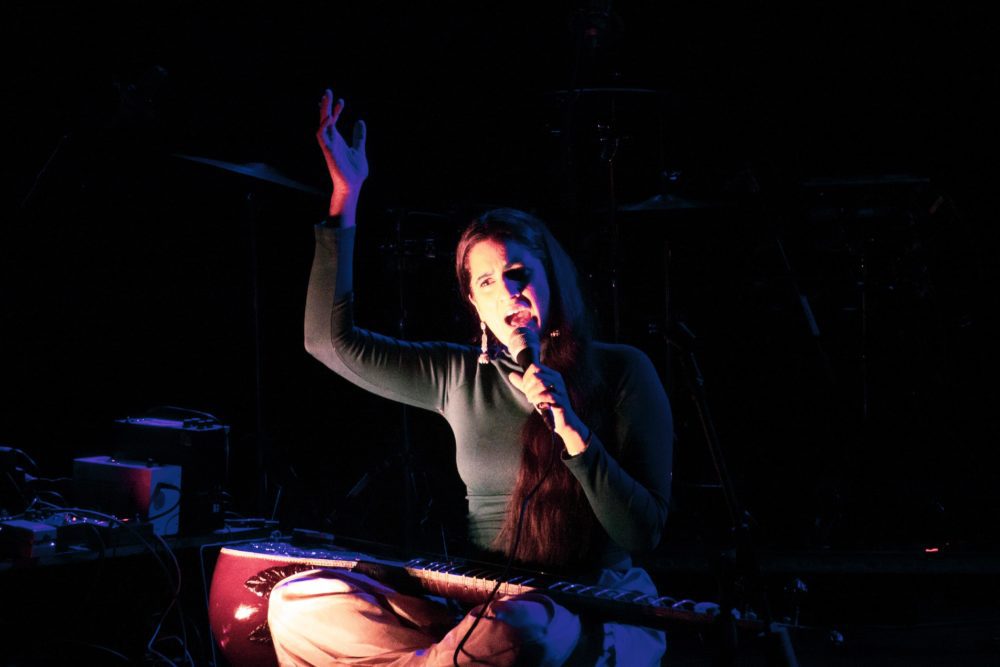
Dang prefaced each of her songs with an explanation of what inspired them, revealing deep meanings behind each. One song’s lyrics came from an old Muslim poem about “how we can not only respect and tolerate one another but find places where spiritually we align,” and another was based on One Thousand and One Nights, setting the stories to music with no lyrics to reclaim whitewashed translations. Behind Dang’s soaring, dream-like voice was a thunderous electronic sound that made my body vibrate. Her huge sitar and passionate, chant-like singing against a background of synths and electronic beats provided a sound that was both modern and spiritual.

Photo credit: Joey DeRusha

The setting was as quirky as the performers themselves, with blue lights cast by a disco ball and confetti sprinkled across the ground. The light on the stage turned from red to purple to orange as Lower Dens performed.

The main act played some of the songs off its latest album, including “Lucky People,” a mellow but dark ballad reminiscent of The Cure, and “I Drive,” an honest and relatable ode to troubled family relationships. The show also featured music from 2015’s Escape from Evil, like the slow, pleading “Ondine,” as well as the haunting “Brains” all the way back from 2012’s Propagation.

Lower Dens have built up their following through their innovative music and artful, poetic lyrics as well as lead singer Jana Hunter‘s outspokenness on issues like gender identity and racism in the music industry. But not all of these appeals translate well into live performances. Hunter’s style of singing often involves swallowing his words, leaving the audience unable to glean their intricate meanings.

The heavy backtracks made it even more difficult to make out the melodies and lyrics, and the band’s performance style was understated, with little movement or displays of emotion, which made the show feel low-energy. While this shoe-gaze style has been done to make a statement in the past, the way the Lower Dens presented themselves felt more like an attempt to play it safe, an unwillingness to commit to any statement — a surprising contrast to Hunter’s boldness in his writing and interviews.

Nevertheless, the band played for an excited crowd of people, who cheered when hits like “To Die in LA” came on and swayed along to the music throughout the performance. As someone who was familiar with Lower Dens but had not followed them closely, I wished they hadn’t buried so much of their music’s profound meaning and emotion. But the show did inspire me to listen to and research their music online when I got home, and perhaps that was the best way to experience its full depth.

Photo credit: Joey DeRusha

Katie Pruitt Finds Her True Identity With ‘Expectations’

Photo by Alysse Gafkjen

Katie Pruitt’s Expectations is a declaration of self-acceptance.

“I’ve never really been a subtle writer,” Pruitt admits in a phone interview with Audiofemme. “I’m pretty damn straightforward.”

Pruitt proves this statement across her 10-track debut album that takes the listener into her innermost thoughts and personal revelations. She recounts personal experiences spanning the past four years – particularly moving away from her conservative North Atlanta suburb to attend Belmont University in Nashville, owning her sexuality and embracing her true identity in the process. “It was a pretty personal record,” she admits. “I knew I wanted to use these songs to tell my stories as accurately as I could.”

Pruitt uses this poignant body of work to share her journey to self-acceptance, beginning with “Wishful Thinking,” which confronts the false narrative that true love is as picture-perfect as we see in the movies; rather, it is embracing ones flaws is a true expression of love. She tackles mental health struggles in “My Mind’s a Ship (That’s Going Down),” which sees her surfacing from a state of depression, depicted through a mundane daily routine she’s longing to escape from. “For me, the answer to that was gratitude for things I already had instead of looking for things that I wish I had.” she explains. “I feel I keep having that revelation over and over again.”

But she ventures to a truly personal space with “Normal.” With a softly strumming guitar, Pruitt takes us inside the halls of her Catholic school where she said seven hail Mary’s for copping an attitude while feeling “scared as hell” because she knew she was different from her classmates. “I feel like a lot of times, I just did what I was told up until leaving Georgia. There wasn’t really much diversity, so I didn’t really have many examples of what living an individualistic life looks like,” she explains, conscious to add that she was raised by a community of “good people.” “I feel I looked around and everyone was wearing the same clothes brands and saying the same things and acting the same way, and it just started to seem pretty robotic. I started to really reject it the older I got.”

Using college as an escape, Belmont became a sanctuary for the young star, surrounded by creative, artistic people who broke gender norms and immediately welcomed into the LGBTQ community, a sense of belonging she didn’t always receive in her hometown. She captures this suffocating feeling in the stirring “Georgia,” which she cites as the most vulnerable song she wrote for the album. The stunning piano ballad takes a stark look at how Pruitt predicted her community and parents would react when coming out to them, envisioning her mother shouting at the top of her lungs and her father screaming with rage that he didn’t want a daughter whose soul wasn’t saved. “He thought if I told the world/They would not see me as the same girl/ They’d say I don’t belong/That’s where he’s wrong,” she sings with a voice that could shatter one’s heart like glass in the gentlest way.

But in spite of their initial opposition, Pruitt’s parents came to terms with her sexuality – in large part thanks to “Georgia,” which she almost didn’t include on the record. After having a conversation with her parents about the content of the song, they embraced the its message, knowing it could help others. “I love my parents. They’re great people – they just struggled with this, and now we’re in a great place. The thing about the song and this story is that it’s not unique to me, and there’s people that this could help.” Priutt says. “[My mom said] ‘If you really think there’s people that this could help, I agree with you that it’s important to share.’ Honestly that was like the biggest gift. Talking about the hard stuff has gotten us to a better place ultimately.”

Pruitt’s most awe-inspiring revelation shines in “Loving Her,” a heartfelt tribute to her girlfriend, Sam. Here, she fearlessly stands up for their love in the face of adversity, opening with a striking line that sees her giving up her spot in heaven if it means she can openly love another woman. “You see I used to be ashamed / To write a song that said her name / ‘Cause I was too afraid / Of what they all might say / But if loving her is wrong / And it’s not right to write this song / Then I’m still not gonna stop,” she sings delicately, but with confidence.

“Loving Her” serves as the crown jewel of self-acceptance on Expectations, a project that begins with self-questioning and doubt and comes full circle with the anthem she calls a “big realization.” “[It’s] not only a personal revelation, but a religious revelation,” she proclaims. “If there is a God, he’s not worried about if I’m gay or not. So that first line isn’t supposed to be knocking religion – I just don’t buy that God thinks like that, and I don’t think you should either. That’s breaking all these conventions that I’ve grown up being told and this is my new religion. This is what I believe now.”

With these heartfelt affirmations, Pruitt finds true self-worth, now living freely in her identity, a powerful evolution that she pours into her compelling debut record. “Through accepting myself, I can make room for actually loving someone for real,” she observes. “Nina Simone said it’s important to make art that reflects the times. [I do it] in a very small way, but it pushes society forward.”

Follow Katie Pruitt on Facebook for ongoing updates.

PREMIERE: Cannibal Kids “Voicemail”

Cannibal Kids

Labeling yourself as a band is always a tricky situation, fraught with the peril of being compared and contrasted to many great bands (and many more terrible ones). Though Cannibal Kids’ Spotify bio cites “Japanese City Pop” and references Kero Kero Bonito, Rex Orange County, and Hiroshi Sato, what is most evident in the trio’s music is the South Florida home – it evokes high-energy, fun-in-the-sun vibes, and is as eclectic as the “city pop” genre itself. “It’s true that the artists who are labeled as ‘city pop’ these days seem to have no common musical backbone,” Hiroshi Atagi, singer of Awesome City Club, told The Japan Times. “We’ve come to realize that listeners don’t really care about musical characteristics and don’t really discriminate, much more so than we thought.”

Cannibal Kids is comprised of Damian Gutierrez (vocals, rhythm guitar), Dustin Diaz (lead guitar), and Luke Faulkingham (drums), who have been playing together since middle school. In 2017, they released their debut LP Bloom, amassing a fervent local fanbase; they wasted no time in following it up with this year’s deadheads. Though it is a bit more whimsical than their prior release, it’s still a long way off from sounding anything like the jam bands of the ’60s and ’70s. Today, they’re premiering a video for the album’s feel-good opening track “Voicemail.”

Like the song itself, the video is a light romp – it depicts the band hitting the road while a mysterious blue girl leaves forlorn voicemails, the grainy messages popping up between choruses throughout the song, gently asking for a call back. Essentially about keeping a cool head while under water in a relationship, the tune is light and airy given the melancholy subject matter. Those hints of desperation are mirrored in the video when the band is held up by would-be theives – who even go so far as to break the fourth wall in their demand for the cameras filming the video itself. The tape keeps rolling, with the band’s fate (as well as the lovers’) hanging on the line.

Follow Cannibal Kids on Facebook for ongoing updates.

LIVE REVIEW: Magic City Hippies @ The Regent

Magic City Hippies at The Regent (photo by Ashley Prillaman)

“What kind of music was that?” my husband asked as we left The Regent on a Saturday night. We had just finished watching Magic City Hippies perform for the second time (the first at the That Tent during Bonnaroo 2019). I scrolled over to Spotify and found the band’s self-written description: “a mosaic of poolside grooves and lingering, sun-kissed melodies.” That, we agreed, was an accurate description.

Miami boys to the root, the band started on the streets of the “Magic City;” Robby Hunter had been performing as a one-man-with-a-guitar-and-a-loop-pedal band, but after meeting Pat Howard (drums) and John Coughlin (guitar) at a local haunt the Barracuda Bar in Coconut Grove, a trio was formed. Originally called The Robby Hunter Band, they performed ’90s rock and hip hop covers before hitting it big with 2015’s Hippie Castle EP; the EP led to a successful tour with bands like Hippo Campus and Moon Taxi, laying the groundwork for 2019’s LP Modern Animal.

The Regent has been home to some of my favorite nights out in Los Angeles. The crowd was already pretty thick for openers The Palms and unlike some shows where the crowd merely tolerates the opener, the audience was behind them from the first licks of “Future Love (We All Make Mistakes).” A duo comprised of Los Angeles natives Johnny Zambetti and Ben Rothbard, The Palms brought both swagger and swag (Zambetti paid homage to Kobe Bryant with a jersey draped across an amp) to the stage. The set was tight, with even the bouncer bopping his head along to Zambetti’s vocals, a bit of an Alt-J invocation at times, but clearly influenced by iconic Cali locales, with songs like “Beach Daze,” “Sunset Strip,” and “Mulholland Dr.” “Levitate” ended the set with a perfect shot of melancholy hope: “All these thing that they told me / Used to mold me / But that’s the old me / We’re going straight to the stars / ‘Cuz that’s who we are.”

The Palms (photo by Ashley Prillaman)

Magic City Hippies started their set in the dark and with the first beats of “Spice,” the party began. Robby Hunter has the kind of bravado one often finds at country music shows: he’s relaxed, confident, and clearly enjoys the music he’s making. It’s a rare treat to watch a band that seems equally into playing their b-sides as their singles. “Franny” was the first song that got the crowd seriously groovin’; a woman in front of me was sliding around in sneakers and a neon jumpsuit.

“How many lives are you gonna let expire / How many sparks of love have died in vain / How many nights will it take ’til you grow tired / Hunting the one that got away,” Hunter sings sweetly on “Limestone” (my tried-and-true favorite). Vocal manipulation is a mainstay throughout Magic City Hippies’ music and is sometimes jarring to hear in a live setting. At times, the effect was a little too auto-tune-tastic for my taste; at best, the manipulation created a distinct flavor that separated songs from each other. As with many great bands, the Hippies music has a feel to it, a vibe that’s altogether their own. So the occasional vocal change-up on songs like “What Would I Do” were refreshing.

“We are here for one reason and one reason only and that’s to mother fucking party with you!” Hunter shouted into the crowd midway through the set. The group didn’t shy away completely from their cover band past, covering Anderson .Paak’s “Make It Better” and Travis Scott’s “Goosebumps.” The band doesn’t rest; there were no water breaks or long stories. From drummer Pat Howard’s relentless beats to Hunter’s occasional Sprechgesang, the band members never let up, understanding that this a paid performance and the audience is going get what they came for: the funk. I left wanting to revisit 2019’s Modern Animal… and will admit that it’s been on heavy rotation for the last few days now. With two MCH shows under my belt, I’ll be front row and center the next time they make their way back to the City of Angels.

Khari Reflects on his Hustle with “K-Balla” Video

K-Balla
K-Balla
From Khari

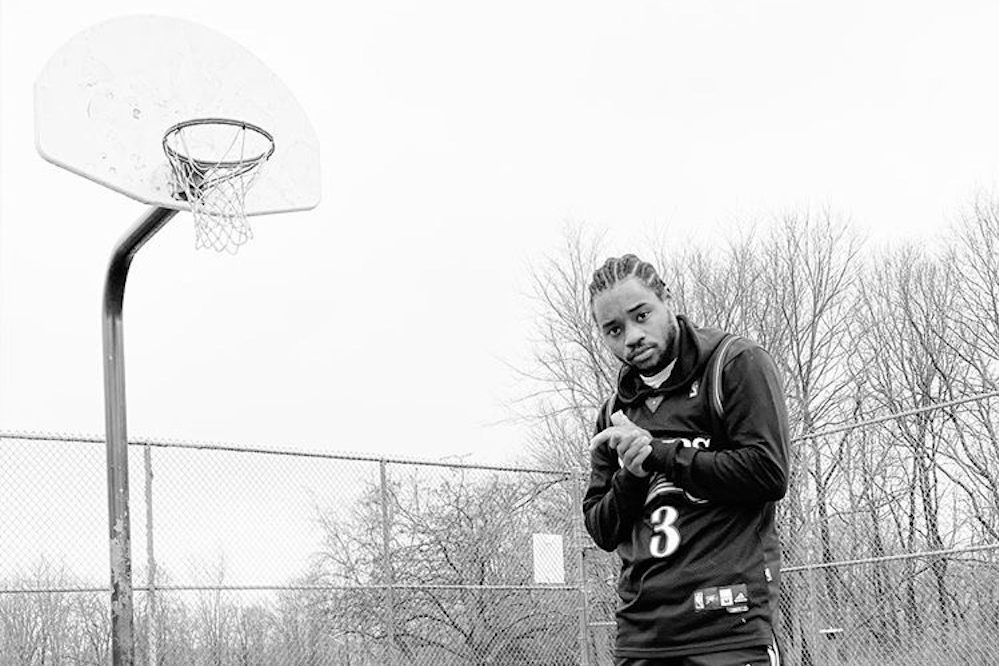
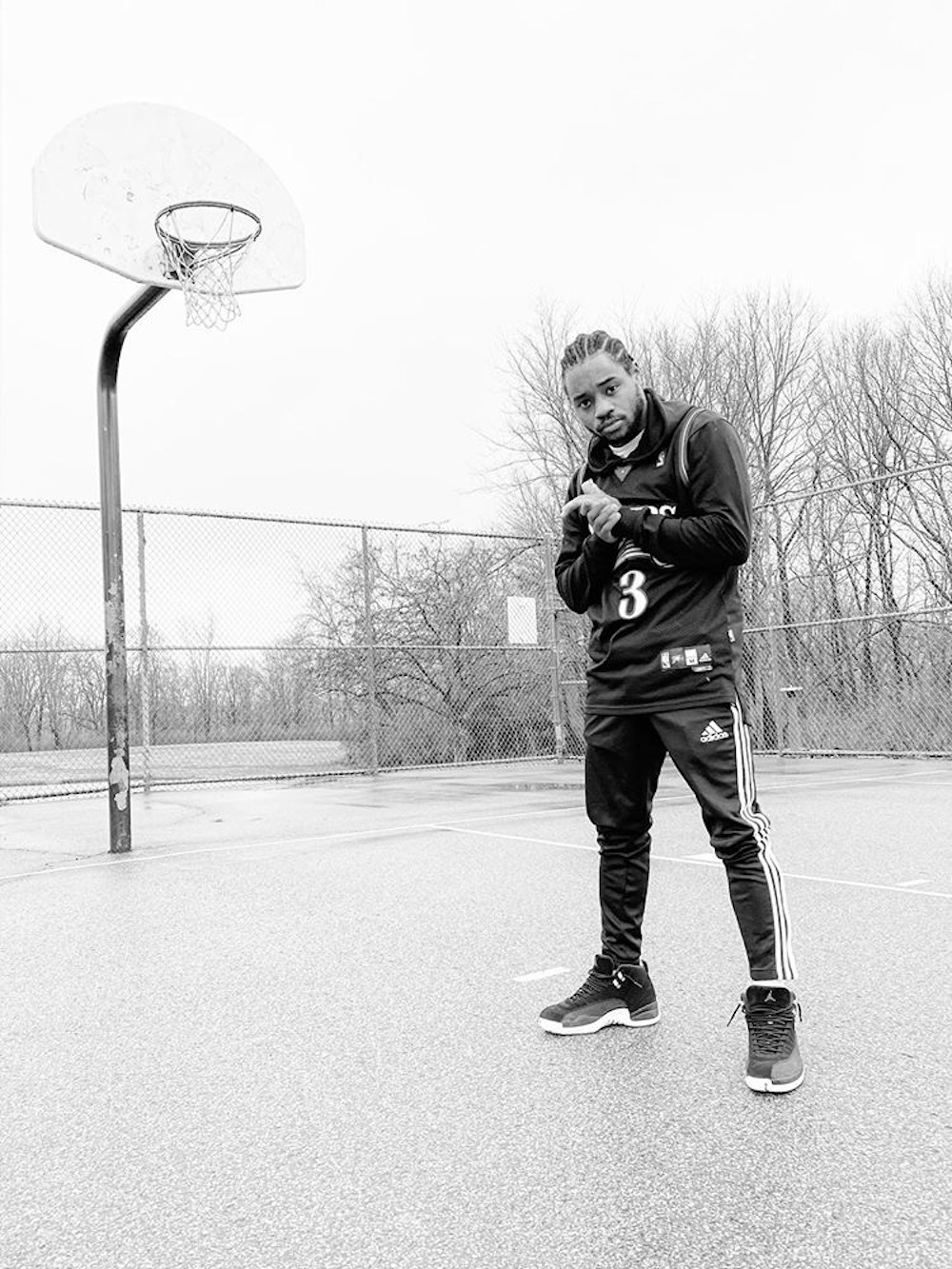
This month, Khari dropped an inspiring clip to accompany his second single of the year, “K-Balla.” The video, directed by Khari himself and filmed by NTNK Productions, finds the Cincinnati rapper reflecting on his younger self’s work ethic in basketball and rap, as he continues to chase his dreams today.

“The video works as a snapshot of the past,” he told Audiofemme. “I go back and witness a younger version of myself practicing basketball with my dad. I am a 10 year old, grinding on the court and writing raps. As the video progresses, I witness a 15-year-old version of myself on the same grind. Playing basketball and writing raps. I wanted to mirror these moments to show the dedication I put into my two crafts as a kid.”

Lyrically, Khari also recalls his ingenuity and entrepreneurship as he raps about selling his own mixtapes for $500 as a teenager, taking notes from legends like E-40 and Nipsey Hussle.

“I was on the court, in the booth, with no plan B / Never won a ring, but I bet I’d win a Grammy,” he raps.

“The song itself serves as a story and a reflection on my path as a kid,” Khari continued. “I reminisce when I went by the rap name K-Balla and I sold mixtapes to my high school classmates while also having dreams of reaching the NBA. I soon realized that hip hop would be my true passion and that’s what we tried to convey towards the end of this video.”

The two-minute clip is edited in black-and-white – a fitting filter for Khari’s genuine bars and producer Consistent’s old-school scratching.

Last year, Khari served up his Sinsinnati project, as well as his Skywalker EP, which saw contributions from B.A.N.K.$., Phresh Kyd, Amauri J and Papa Gora. So far this year, Khari has already dropped off his “Insomnia 2020” single, followed by “K-Balla.”

Watch Khari’s video for “K-Balla” below.

LIVE REVIEW: Cold War Kids and Overcoats @ The Novo

At The Novo in Downtown LA on Friday, February 21, indie rock band Cold War Kids performed their last show in a six-week tour with electronic duo Overcoats. From a cappella harmonies and classical string instruments to electric guitars and keyboards, the two acts brought together diverse styles of music for a night that kept the audience on its toes. 

Overcoats, consisting of singer-songwriters Hana Elion and JJ Mitchell, released their first album, Young, less than three years ago, but they’ve come a long way since. Over the past few years, they’ve put out the singles “Leave If You Wanna” and “The Fool,” which give off poppier vibes than their earlier music. Their next album, The Fight, is out March 6. 

Despite their musical evolution, Elion and Mitchell still present on stage much the same as they did earlier in their careers — like two good friends having a blast together. The members have been friends since they met in 2011 at Wesleyan University, and it shows. Throughout their performance, they danced together, twirled each other around, and even did a synchronized head-bang. 

The opening act’s selections ranged from their lullaby-like 2016 cover of Hozier’s “Cherry Wine” to 2019’s heartfelt “Keep the Faith,” complete with energetic guitar interludes, and the catchy “I Don’t Believe in Us” off Young. Elion and Mitchell were joined by drummer Madi Vogt and Sara Lupa on bass, keys, and guitar, and they were all visibly enjoying themselves. During the country-inspired “Leave If You Wanna,” Elion lay down while Lupa played on top of her, the audience clapped their hands along with the band, and Cold War Kids’ Joe Plummer jumped in to shake a tambourine. 

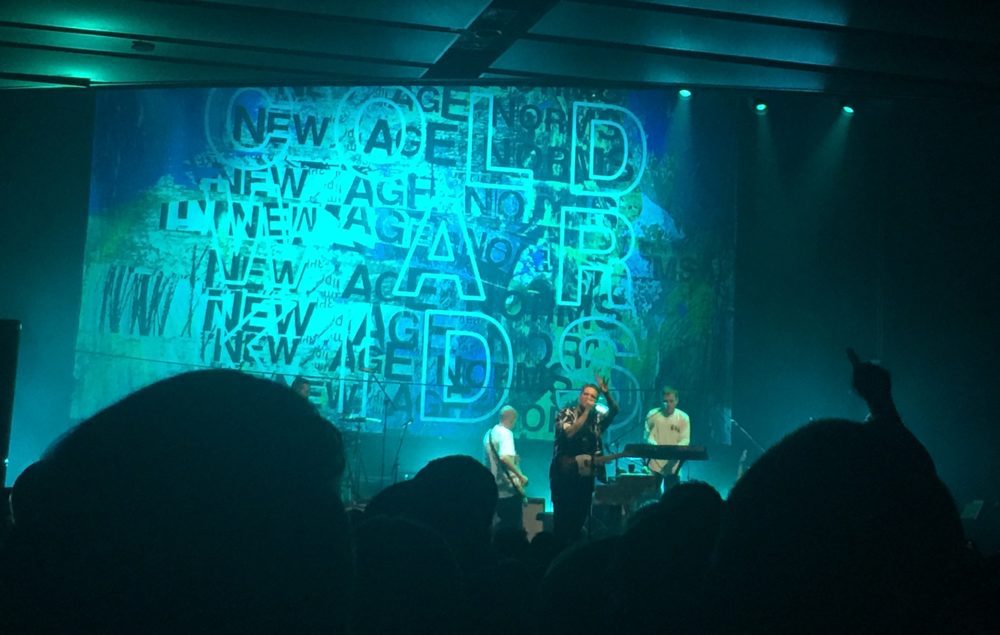
Cold War Kids built up the anticipation for their set; all the audience could hear for several minutes was the belting of an operatic voice before the band took the stage. At last, they opened with “Love is Mystical,” the first single of 2017’s L.A. Divine, full of catchy keyboard tunes and drum beats. Lead singer Nathan Willett’s voice was soulful and powerful, a bit reminiscent of a young Van Morrison. On the wall behind the stage, it read “Cold War Kids” and “New Age Norms,” the name of the band’s seventh studio album, released last year. 

The main act went on to play “Who’s Gonna Love Me Now,” a bluesy song released just the week prior, and “Lost That Easy,” a single from 2013’s Dear Miss Lonelyhearts that epitomizes indie rock with danceable synths, dreamy lyrics like “a swollen tongue, a plastic gun / red burn from an orange sun,” and triumphant chords. The audience went wild for the chart-topping 2006 single “Hang Me Up to Dry,” dancing and cheering and singing along, and the band fed off the energy of the crowd, coming down to the center of the stage to dance together. 

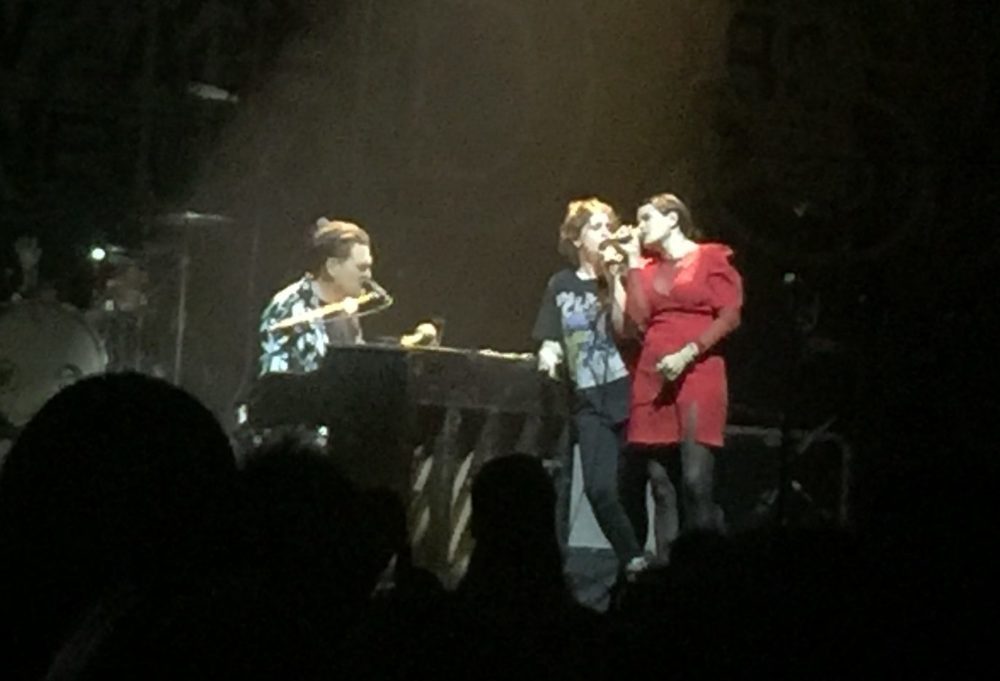
Willett performed the 2019 ballad “Beyond the Pale” by himself on the piano, then Overcoats returned to harmonize with him. Cold War Kids followed with an emotional acoustic version of “So Tied Up” and a rendition of “Calm Your Nerves” accompanied by a violinist and cellist. The same instrumentalists added a haunting layer to “Dirt in My Eyes.”

While Cold War Kids and Overcoats differ in style, and the former has been around longer than the latter, both acts appear intent on continuing to expand their musical horizons and experiment with different sounds. Altogether, they delivered something you couldn’t get just from listening to their recordings — and isn’t that the point of seeing live music?

RSVP HERE: Mamalarky Play Bootleg Theater + MORE

Welcome to our weekly show recommendation column RSVP HERE: LA Edition– your source for the best shows and interviews with some of our favorite local live bands. For the month of February we will be featuring LA shows!

Mamalarky are fuzzy jazzy indie darlings who relocated from Austin to Los Angeles a few years ago. The nostalgic feelings their psych pop evokes can be attributed to how far back their band roots stem. Singer/guitarist Livvy Bennet met drummer Dylan Hill on the first day of middle school and soon became musical soul mates. Their keyboardist, Michael Hunter, was only a grade older than them, and found his way into the project after reconnecting with Livvy and having her play bass in his band Hip Modus. After relocating to LA, their lineup was rounded out by bassist Noor Kahn. Last month they released a new music video for their song “Fury” and will be making the rounds in their hometown of Austin for this year’s SXSW festival in March. Your next chance to catch them in LA will be at The Bootleg Theater on 2/23 with Girl Friday and Eyeshadow! We chatted with them about what they were listening to in Middle School, how SXSW has changed over the years, and their band B.O.

AF: What were your favorite records in middle school?

I really liked The Unicorns’ Who Will Cut Our Hair When We’re Gone, Proof Of Youth by The Go! Team, and Hello Avalanche by The Octopus Project! Big mix of loud jangly guitars and distorted highly compressed synth hooks!

AF: What’s the story behind your latest music video for “Fury?”

The story is it’s the quickest we’ve ever written, recorded, and filmed a video song haha. It felt like an exercise in spontaneity really. It’s pretty funny watching back and remembering how sweltering it was this summer bouncing on the trampoline!

AF: Why did you relocate from Austin to LA? What are your favorite venues and bands to play with in Austin and in LA?

I got a job at a now defunct record label right out of college, and wanted to try a new place after growing up in Austin. The weather was a big pull too, the beach…it’s a very busy place which I appreciate! In Austin, we love playing Cheer Up Charlies, Barracuda, and Mohawk, ideally with bands like Being Dead, Smiile, or Hey Cowboy!
As far as LA goes I feel like we’re still learning the scene here but we love playing The Bootleg! Local bands we really love are Guppy, Healing Gems, Rosie Tucker, and Jerry Paper! There’s a billion bands here, we’re always discovering more.

AF: If your live set was a perfume, what would it be?

No perfume, no deodorant, straight B.O. <3

AF: Are you going to SXSW this year? What’s been your most interesting time at SXSW and how do you think it’s changed over the years?

Yes! We are SXSW veterans and we’re really excited to be going back again this year. SXSW has changed a lot… the whole interactive/film side grew a lot which has been pretty hectic. The city has grown, so there’s lime scooters everywhere which is a blessing and a curse for South by haha. I think in general it’s a cool place for new artists to play a million shows in front of different audiences for a week. I’m really hoping we never grow out of it. Probably some of our most ‘interesting’ SXs were in the first year or two of us being a band, playing a bunch of house shows. That’s where the true fans are born :)

RSVP HERE for Mamalarky with Girl Friday and Eyeshadow on 2/23 at Bootleg Theatre. 21+ / $10

More great shows this week:

2/21 NO AGE, Wurm 2020, Milo Gonzalez @ The Smell. All Ages RSVP HERE

2/22 Metronomy, BODEGA, Faux Real @ Fonda Theatre. $32.50 RSVP HERE

2/23 Zig Zags, The Well @ Permanent Records Roadhouse. RSVP HERE

2/24 Hnry Flwr, Cardioid, Chazzy L. @ Moroccan Lounge. 21+ / $12 RSVP HERE

 2/24 Hit Bargain, A Deer A Horse, Enemy @ Permanent Records Roadhouse. 21+ / RSVP HERE

 2/26 Soccer Mommy @ Amoeba Records. Free RSVP HERE

2/26 Neil Hamburger, Special Guests @ The Satellite. 21+ / $8 RSVP HERE

2/27 Flor de Toloache @ Lodge Room Highland Park. 21+ RSVP HERE

2/27 Bundy, Bloody Death Skull, Fellow Robot @ The Hi Hat. 21+ / $12-15 RSVP HERE

Breaks and Swells To Debut New Songs Friday at Belltown Yacht Club

Seattle-based singer Marquetta Miller met most of her fellow bandmates in blistering soul fusion band Breaks and Swells while working a cocktail bar in Seattle’s Capitol Hill neighborhood. It’s in this same neighborhood, at a dive-y karaoke bar, that Miller met legendary Seattle producer, Erik Blood, who ended up sculpting their last release, We Will Not Despair. 

We Will Not Despair, which dropped in July 2018, was an album that captured Breaks and Swells’ renewed focus after almost 8 years on the scene—and the election of Donald Trump. As Miller puts it, they decided to drift a little further from mimicking the influences that brought them together—throwback soul and R&B and the contemporary success of groups like Sharon Jones & The Dap Kings—toward more of their own sound. This also entailed getting more political than they had before, particularly with the title track. As KEXP said, the song was “a subversive act of joy in a situation that seems to feed on sucking away hope on a daily (okay, maybe hourly) basis.”

A year and half since sharing their subversive enthusiasm, Breaks and Swells are hard at work on their next batch of songs. Their forthcoming release promises to build on contemporary themes of news burn-out and desperation in the face of the Trump regime. The seven-piece group, which blends soul, funk, pop, and R&B, will be playing this Friday at Belltown Yacht Club. Miller sat down with Audiofemme this week to talk about the origins of her buzzy, mellow vocals, the new forces that have been moving Breaks and Swells creatively, and to tease the selection of new songs they’ll play on Friday.

This Q&A has been edited for length and clarity.

AF: Have you always been musical? Tell me about early influences that sculpted you into a singer.

MM: I just kind of always been that kid who wouldn’t stop singing. I always wanted to have the solos when I was little. I didn’t take voice lessons until I was quite a bit older, but I grew up  in Fairbanks, Alaska in a time when school districts actually spent money on music education. I had a comprehensive music education from Pre-K through third grade. So, I knew how to do music already and I did band and choir.

AF: When did you move to Seattle? What about the music scene in Seattle was alluring to you?

MM: I moved to Seattle 14 years ago. I came down here to be mostly around the music scene. I did sort of have aspirations of going to Cornish and then I started one year at UAS in Fairbanks going to school for music and just decided I didn’t actually like it. I already had some friends who were down here doing music in some capacity—whether they were doing engineering work or also playing in bands—so I talked with some people who liked being here. Obviously, there are a lot of really cool bands. That was one thing that I really tripped out on in moving here like, those are the Blood Brothers and there’s Ben Gibbard at the breakfast stop. I was tickled by that.

Plus, I’ve been in the Central District for many years. I mean, there really is a history of R&B music here—obviously, Quincy Jones, but also Ray Charles lived here for quite some time and Stevie Wonder did as well.

AF: Do you still feel like that is part of Seattle?

MM: I mean, I do. If anything, I think that the scene has rallied around itself a little bit. I really feel I’m seeing an increase of really intentional support. People really making an effort to go to other people’s shows, promoting other people’s shows, making sure they’re posting pictures. If you can gas somebody up, then you do. I feel like this is a really supportive scene—and across genre too. I have lots of friends who are in other bands who aren’t necessarily of a similar genre to Breaks and Swells, but they come out to our shows and I go to theirs.

AF: Tell me how Breaks and Swells became a group.

MM: We’ll have been together for eight years this summer. I worked at Liberty, a cocktail bar at 15th and Republican, and our original bass-player Kevin was also working there. He lived with our drummer Derrick. Dylan, our guitar player, started working there at some point and I actually trained him, and that day all we did was talk about the playlist I was listening to and talk about music.

AF: Breaks and Swells has a very different sound as compared to other Seattle bands. There’s funk and jazz—and the sort of face-melting power of Tower of Power and Funkadelic that is not all that common from Seattle. What inspired your sound?

MM: I think, for the most part, we all grew up with an appreciation with some area of funk or soul, R&B. I grew up listening to a lot of Motown, eighties R&B and New Jack Swing stuff like Bobby Brown and Janet Jackson, obviously Boys II Men. I’m personally a massive Stevie Wonder fan (I saw him at Key Arena when he had the Songs in the Key of Life Tour, and it was amazing. I literally cried for three hours without stopping). But, we all love the Allman Brothers, Blood Sweat and Tears. We all have a lot of different influences. Our drummer is in a math rock band and listens to a lot of hard core and emo, and everyone is into everything.

I think with our first record and early on [we played off the heyday of] Sharon Jones and the Dap Kings, Charles Bradly, Lee Fields—there was a lot of throwback going on. All of those artists have that authenticity. We tried too hard to be throwback [at first] without really thinking about what kind of music we really wanted to make. So, I think We Will Not Despair, our last record, was really an attempt to figure out where those classic old-school influences meet a newer, more R&B-pop kind of sound.

AF: I know you’re not primarily a funk band, but you draw in so much of that influence I have to ask: every band that plays funk seems to have some sort of philosophical funky saying or catch-phrase. Does Breaks and Swells have one?

MM: There is a song on We Will Not Despair called “Bomb,” and we repeat “That bomb shit!” That kind of started as a joke but we realized it’s perfect. So, it’s like, at some shows we can really get people into yelling it with us, which is pretty fun.

On the recording of the song, there’s a whole section in the background of clapping, stomping, talking, laughing and Erik Blood literally running back and forth across the doors and windows of the booth trying to get us hyped. That was the last day of recording, and everyone was super loopy after six days of recording. Blood’s got that magic.

AF: So, tell me more about working with local producer Erik Blood. What does he bring to Breaks and Swells?

MM: We did a single with Erik about two years before we did We Will Not Despair, called “Wonderful.” I met Erik at an old Capitol Hill bar called The Bus Stop—this great divey gay bar—doing karaoke there like a million years ago and one of my friends insisted that we had to meet. We talked and we knew we would work together at some point. I ran into him every once in a while and then we [reached out to him] when we had that single to record.

Erik Blood has great bedside manner. He’s not necessarily nice in the studio, but he’ll tell you what you need to do and when you’re fucking up. This whole last record, I never got to hear my vocals in the bounce mixes. I think Erik didn’t want me to be neurotic about it. He really cracks me up. I like working with him a lot.

AF: I know your most recent album was a sort of a statement against the 2016 election. What was it you wanted to say?

MM: I wanted to say, “Hold on, guys.” Like, “This might suck, but we’re going to get there.” That attitude can be about many different things—like your relationship or the state of the world. I feel like in particular that title track, people seemed to really like it. It was one of those things where I got to have a couple little digs at the man in office without being super over the top. At the end of the day, if we can stick together and focus and not be burnt out, maybe we can get through this.

AF: Has the process of making and performing the album helped you cope with Trump’s presidency?

MM: Oh yeah. It’s funny [when I wrote the] first line of the song it started out as a love song, this obsessive idea of like you’re always on my mind, I can’t get you out of my head. And then I realized, oh, I’m doing this with the news right now. I’m like what’s on HuffPo, what’s on Politico, what’s on Slate? It’s a vicious feedback loop of freaking out but also not really doing anything but being stoned on the couch and being really upset. So, I thought, I can’t do this for four years.

I think [breaking that feedback loop] requires me to refocus a bit. I mean, like, Donald Trump is not the beginning or the end of the problems that are going on right now. I mean certainly, I think he’s exacerbating a lot of them and creating many unique moments on his own, but you know, it’s like, you have to decide what you’re going to focus on and where you can actually have some impact. Is it fighting with people on Facebook? I don’t think so.

I know people don’t like to talk about politics—I don’t know what that is. But I always thought that was weird that we don’t talk about politics. The government has a big impact on [how] our day-to-day lives operate. It seems odd to me to make it taboo to discuss that. I think it’s also why we can’t discuss it in a functional, rational way. We can’t separate it from emotion. Honestly, one of the big things too, is having sensitivity and care for myself. There are things that honestly aren’t worth arguing about. I don’t think it’s an argument worth having to say its okay to take children from their families and put them in cages and potentially lose them. There’s not justifiable argument for that. I’m not going to argue about it because I think it ultimately says something about your morality, not your intelligence.

AF: So does your work in Breaks and Swells feel more productive than your eyes than engaging in these sorts of arguments?

MM: Yeah, absolutely. I think that [using music for discussion] has really driven the writing on this next batch of songs—“Ladybugs” and “Bot Fly,” are already out in the world through live sessions we did with Adam Audio at Bob Lang’s. So, we’re getting into this idea: what are these simple ways that we can care for ourselves and also care for each other? How do we find ways to chill and connect [in the current context] and how do we know that it’s OK to do that?

“Ladybugs,” explores anxiety—where you just can’t leave the house, you can’t make the effort to put on pants. I think it also struggles with the idea of wasted potential. And then the other song, “Bot Fly,” is a comment on the bro-grammer culture that’s growing up around here, toxic masculinity. It’s this idea that a dude builds a robot girlfriend and she’s exactly what he wanted—which is the worst.

AF: So, the new album builds on the previous. When do you foresee it’ll come out?

MM: We’re just now talking with Erik Blood right now about recording in May. We think it’s going to be an EP.

AF: Tell me about the show on Friday at Belltown Yacht Club. Will you play those new songs and will there be anything special for fans to expect?

MM: Yeah, so “Ladybugs” and “Bot Fly” have been in our set for about the last six months—maybe longer. We actually are going to be playing two brand new, never heard before songs on Friday as well. And, because I’ve been teaching more, I’ve been playing a lot more guitar—because I don’t play piano. So, I’ve been playing guitar a lot more than I have in so long, so I’ve been trying to write on guitar for the first time since I was 20. So, one of the new songs we’re playing this weekend is a song that I wrote. It’s been a minute since there was a full Marquetta Miller original.

Molly Sullivan Shares “Golden” Love Song Ahead Of Debut Album

Golden
Golden
Photo by Ryan Back

Ahead of her debut album, Cincinnati songstress Molly Sullivan shares her warmly earnest love track, “Golden.” The single marks the first of her album rollout, which will arrive later this year.

With tender keys and hauntingly soothing vocals, Sullivan offers a unique take on the quintessential love song. “Golden” also marks her first piano-driven single – making the switch from guitar – and one of the first songs she wrote after finding sobriety.

We chatted with the artist about her new single, upcoming album, and more. Take a listen to “Golden” and read our Q&A with Molly Sullivan below. Also, catch her performance at MOTR Pub with Soften‘s Brianna Kelly and Columbus band Nothin’ on Saturday (Feb. 22) at 9 p.m.

AF: Congrats on your new single! Tell me a little bit about the story behind “Golden.”

MS: Thank you very much! “Golden” is a love song – two people just runnin’ around bein’ taken with each other. That’s really it.

AF: As your first single this year, are you planning on releasing any more singles or a full-length project this year?

MS: Working on finishing up a full length. It will be my first cohesive album! I think I will be releasing another single or two before I have the whole work available. I’m not attached to any labels or pressures beside my own at this point – a blessing and a curse – so I have the flexibility to kind of do whatever I want. I’m not making music to make money or anything like that so I find myself doing things more for self-fulfillment than anything.

AF: Are there any Cincinnati artists you could see yourself collaborating with?

MS: Well sure! I have been super lucky to have such a crazy talented roster of folks who I have or am currently collaborating with. The current band line up is Alessandro Corona on drums, [WHY?’s] Matt Meldon on guitar, and [WHY’s] Doug McDiarmid on bass. Artists who have loaned their talents to these new recordings include [WHY?’s] Josiah Wolf, Kate Wakefield, [Soften’s] Brianna Kelly, Johnny Rusza, Jess Lamb, Sara Hutchinson, and Victoria Lekson.

AF: Was the songwriting or recording process for “Golden” any different than your previous singles?

MS: It was one of the first songs I wrote in my new home, one of the first songs I wrote on piano, and one of the first songs I’ve written since I quit drinking. My roommate and collaborator extraordinaire Alessandro would walk in the house and get excited hearing me actually work at trying to write this song and to learn the piano better. Eventually, once I had gotten it down pretty well, he set up a few mics in the dining room and started recording. It’s been incubating for about a year now and I still have doe eyes for whom it is written.

AF: Do you have any local shows coming up?

MS: Yes! I am playing with two very special acts at MOTR Pub on Saturday (Feb. 22).  [Soften’s] Brianna Kelly is a gorgeous singer/songwriter from Cincinnati. She will be playing a set with a full band – also, check out her project [Soften Forever]! Nothin’ will [also] be coming down from Columbus to shake things up a little bit with their rock ‘n’ roll “anxiety pop.”

RSVP HERE: Dear Nora Plays Bootleg Theater + MORE

Welcome to our weekly show recommendation column RSVP HERE: LA Edition– your source for the best shows and interviews with some of our favorite local live bands. For the month of February we will be featuring LA shows! 

Katy Davidson is the prolific singer-songwriter behind the indie pop band Dear Nora. The band was formed in Portland in 1999 by Davidson, bassist Ryan Wise and drummer and vocalist Marianna Ritchey. After releasing their first record We’ll Have a Time in 2001, Davidson moved to San Francisco and released two more LPs and three EPs with rotating musicians until deciding to retire the band name in 2008. They continued to write and record music under the names Key Losers and Loyd & Micheal, and also was a touring member of the bands Yacht and Gossip. Davidson picked up where they left off with Dear Nora in 2017 when Orindal Records reissued their second album Mountain Rock, and then released their fourth album Skulls Example in May of 2018. Dear Nora remained an underground favorite during their career and had a huge influence on younger musicians like Frankie Cosmos and Girlpool. Davidson now resides in the desert of Southern California, and you can catch Dear Nora’s next show on 2/18 with Nicholas Krgovich and Zach Burba (iji) at the Bootleg Theater. We chatted with Davidson about the upcoming reissue of their rarities collection, what food their music would be and their dream collaborators.

AF: You came out with your first album under the name Dear Nora after a 12 year break last year. How has your music changed and has your live show reflected these changes as well?

KD: To quickly clarify, I only really took a break from playing under the band name Dear Nora, and it was nice to put a bookend on the first version of the band at the time. But during those twelve years “off,” I was still relatively active, and I released a few records under different band names like Lloyd & Michael, and Key Losers.

To me there’s a clear thread between all the songs I’ve made during the last twenty years. My melodies are catchy, I have a strong pop sensibility, and I often sing from a zoomed out perspective. That is the same now as it has always been. I think the main way my music has changed is that my lyrics feel less like confessional journal entries and more like…poems? And we don’t just rock out with barre chords anymore. Regarding the current live show, I basically don’t know what to say. It is constantly evolving. I told my band last summer that I don’t even feel like we’re playing music. To me it’s much more about conveying a vibe and transmitting energy.

AF: If you could collaborate with any artist alive or dead who would it be?

KD: Hmmm, don’t kill me… maybe Kanye West? Definitely Ariana Grande. Or ROSALÍA, god willing.

AF: What are the differences between the music scenes in LA and Portland? What are your favorite bands and places to play in both places?

KD: I’m not saying this to be awkward or contrarian, but I don’t know much about the current music scenes in those cities, and I don’t really feel like a part of them, if a such thing exists. So I don’t know how to compare them. I live out in the desert East of LA now, so I’m honestly pretty out of the loop except for random house parties. That said, I have a deep appreciation for all the West Coast people we’ve gotten to know via touring all these years, e.g. LA Takedown, Hand Habits, Tara Jane O’Neil, Stephen Steinbrink, Jessica Dennison and Jones, Cynthia Nelson, Nicholas Krgovich, iji, Carolyn Pennypacker Riggs, and so many more. Even though there are some quality rock clubs that are very good to us, I mostly like playing “alternative spaces.” The Amigo Room at the Ace in Palm Springs is fun. The Old Western Saloon in Point Reyes is fun. The Sou’wester on the Washington coast is fun. Che Cafe is pretty great. I like wooden rooms that are multipurpose.

AF: One of my favorite releases of yours is your collection of rarities (1997-2007). How did you choose the tracks on that compilation and are there any interesting stories behind any specific songs on that release?

KD: Thank you for the compliment. How much time do you have? Because I could write a book on the subject. In fact, I am writing a small book(let) on the subject because that compilation is getting reissued this year. The gist is that I wrote a ton of music in my 20s. I carefully curated which songs went on the proper Dear Nora albums, so after a while, I had amassed a lot of extra music that needed a home. I put it all together on this compilation. As a whole, it reflects the arc of a life of a 20-something person living in an urban milieu in the early twenty-first century, West Coast USA. For more details, I highly suggest getting the box set later this year if you can!

AF: If your live set was a type of cuisine or specific food, which would it be?

KD: California Cuisine.

AF: What are you plans for 2020 + beyond?

KD: Orindal Records is releasing a vinyl reissue of Three States: Rarities 1997-2007 in late May of this year. It’s gonna be really special. 3-LP box set with an 8-page booklet. I will play a handful of solo shows in support of that reissue sometime this summer. But after that I’ll be focusing on writing new music. I will probably put out another Dear Nora album someday, but I’m in no rush at all. It could be next year, and it could be ten years from now. I don’t know.

RSVP HERE for Dear Nora, Nicholas Krgovich, Zach Burba (iji) @ Bootleg Theatre on 2/18. 21+ / $12

More great shows this week:

2/14 Tacocat, Winter @ Chain Reaction. 21+ / $15 RSVP HERE

2/14 Massage, Starry Eyed Cadet, Dummy (LA Indie Pop Party) @ Highland Park Bowl. 21+ RSVP HERE

2/14 Panache Valentines Day Village of Love with Mac DeMarco and more @ Telegram Ballroom. 21+ / $35-40 RSVP HERE

 2/16 The Paranoyds, Slaughterhouse, Kevin @ Alex’s Bar. 21+/$10-12 RSVP HERE

2/17 Isabella Rossellini‘s Link Link Circus @ Lodge Room. All Ages / $45-60 RSVP HERE

2/17 Tan Cologne, Secret Flowers @ Moroccan Lounge. 21+ / $7 RSVP HERE

2/18 Duderella @ The Satellite. 21+ RSVP HERE

2/19 The Ugly Sweaters (Single Release), Huntch (single release), Unlucky Sonny @ The Hi Hat. 21+ / Free RSVP HERE

2/20 The Blank Tapes @ Pappy & Harriet’s. All Ages / Free RSVP HERE


Drama Makes Emotional, House-Inflected Synthpop on Dance Without Me

Drama photo by Zoe Rain.

When Drama was putting together Dance Without Me, singer Lluvia Rosa Vela, better known as Via Rosa, thought of My Big Fat Greek Wedding.

“We love that movie. We watch it all the time,” she says by phone from Chicago. Via Rosa explains that she imagined herself going to multiple weddings without a date. “Everyone is dancing without me,” she explains. She then imagined herself as the only one on the dance floor at the end of the wedding. “That’s how I envisioned the album, this moment of how people are afraid to be alone and then you find the beauty in being alone.”

Formed in 2014, Drama is the Chicago-based duo of Via Rosa and Na’el Shehade. They self-released two EPs, Gallows (2016) and Lies After Love (2018), before signing with the cult favorite dance music label Ghostly International. Dance Without Me is out on February 14.
Opening with the song “7:04 AM,” Dance Without Me is the kind of album that gently pulls the listener into the groove over the course of 11 house-inflected synthpop cuts. Meanwhile, Via Rosa’s ever-so-slightly raspy voice tugs at the heart strings as she drops emotional lyrics on tracks like “Forever and a Day” and lead single “Hold On.” She captures the essence of sad dance songs – think Ultravox’s “Dancing With Tears in My Eyes” or Hercules & Love Affair’s “Blind” – beautifully.

Via Rosa and Shehade met through mutual friends and, ultimately, ended up in a studio session together where they cranked out four songs. When Shehade suggested they start a band, Via Rosa was on a chef’s career path and not thinking about music quite that seriously. But she knew that what they were doing was working. “I believed him and trusted him and went with it,” she says.

In that process, the two discovered that they had something else in common. Where Via Rosa is a chef and caterer, Shehade is an entrepreneur whose businesses include multiple restaurants. “We were in the middle of a session and, up until that point, we never really talked about what we did outside of the music studio. We would just show up and make music,” Via Rosa recalls. “He never questioned why I had on a shirt with food stains and an apron. I never questioned why he always had on all black with grease stains.”

Once they made that discovery, it led to other collaborations; Shehade brought in Via Rosa to cater events and develop a menu for a restaurant in San Francisco. “Any way that we can utilize each other’s talents, we’ll find a way,” she says.

Via Rosa says that working as half of Drama has expanded her musical horizons too, especially when it comes to house, which is a crucial component in the duo’s sound. “I didn’t realize that I was listening to house at a young age,” she explains, mentioning ’90s hits like “Shorty Swing My Way” by K.P. & Envyi and “Show Me Love” from Robin S. “I didn’t realize they were house songs. To me they were pop songs or songs on the radio.”

She adds, “Over the years, [Shehade] got me listening to more dance music and understanding dance music more and more. When I met him, I was making a lot more downtempo hip-hop, like Amy Winehouse, Sade.”

In their time together thus far, Drama has become a popular touring act too. They’ve toured Europe, played in Palestine and had multiple jaunts across the U.S., including a stretch opening for SG Lewis last fall. At The Novo in Los Angeles during that tour, they played for a remarkably large and enthusiastic crowd. “It’s such a hard city to win over because there’s so much music and so many artists there,” says Via Rosa of L.A. “It blows my mind how well our music does there.”

When we spoke, Drama had just returned from Europe, where they performed the first leg of their latest tour. In late February, they’ll head back out on the road through the U.S. and Canada for a headlining tour that includes sold out dates in California, New York and Texas. “For me, for the next couple months, I’m just focusing on that, preparing to leave little bits of my soul all over the world,” says Via Rosa.

Via Rosa says that she hopes the new music will move people to dance, as it’s done for her. “At the beginning of this, it was hard for me to dance in public,” she says. “This music has really brought a different side of me out and I think this album really shows the growth in Drama.”

She adds, “I just want people to feel how I felt when we were making it, which is sure of their decisions and not caring whether anyone is there or not.”

Neneh Cherry’s Raw Like Sushi Gets 30th Anniversary Re-Release

We were existing on the cusp of the 1990s. The ’80s as people remember it now, an era marked by new wave, John Hughes’ teen flicks and Ronald Reagan, was essentially over by 1989. Yet we were still a ways off from the sounds, sights and politics that would come to define the ’90s.

During that in-between time, music was all over the place in the best possible way. Hip-hop was at its peak of sample-heavy creativity: De La Soul debuted with 3 Feet High and Rising in March of that year; that summer, the Beastie Boys dropped Paul’s Boutique. The Cure and Depeche Mode were cementing their status as icons of the alternative, the former with the album Disintegration and the latter with the hit single “Personal Jesus.” Meanwhile, underground dance music from Chicago house to Detroit techno to U.K. acid had infiltrated its way into pop music, whether or not the average listener realized it.

That space between the ’80s and ’90s is a sorely underrated era for music. It wasn’t as easy to define and market as the early ’80s or the post-Nirvana ’90s. And, to be fair, there were loads of releases that any of us could argue were terrible (of course, that’s the case for any given era, not to mention completely subjective). But it’s also a time of albums like The Stone Roses self-titled debut and Janet Jackson’s landmark Rhythm Nation 1814, both of which went on to influence generations of subsequent artists.

I thought about this while listening Neneh Cherry’s album, Raw Like Sushi, a 30th anniversary edition of which was released digitally in January and out on vinyl on February 14. The full-length appeared midway through 1989 and went on to have chart success in multiple countries, cracking the top 40 of the U.S. album charts in September of that year. Meanwhile, lead single “Buffalo Stance” would become the album’s calling card, peaking at number 3 on Billboard’s Top 100 in June of ’89. It was a mainstream hit of its time that would settle into a sort of cult popularity over the decades that followed. It was a commercial album steeped in underground culture – mainly hip-hop and house, but also punk by way of its attitude and Cherry’s musical history – that would quietly influence the club sound of the coming decade and beyond. In fact, just last month, Robyn referred to Cherry as her “hero” in an Instagram post.

Technically, Raw Like Sushi was Cherry’s debut album, but the Swedish singer had been active for years prior to its release. She played in a string of post-punk bands, including The Slits and Rip, Rig + Panic, and had collaborated with The The. She also appeared on a 1987 b-side from the duo Morgan McVey (featuring Cherry’s future husband and frequent collaborator Cameron McVey) called “Looking Good Diving with the Wild Bunch.” That song would eventually morph into “Buffalo Stance.”

In a 2015 mini-documentary, Cherry refers to “Buffalo Stance” as a “tribute to the Buffalo crew,” group of creative Londoners led by the stylist Ray Petri that would influence British fashion of that decade and beyond. Cherry herself was part of that circle and it was through Petri, who died in ’89, that she would connect with art director and stylist Judy Blame, who became the singer’s close collaborator. Cherry’s look during the Raw Like Sushi period – big earrings, lace-trimmed bike shorts and bomber jackets – linked together the ’80s and the ’90s.

Similarly, the sound of the album links together the decade that was ending with the one that was about to start. Tim Simenon, otherwise known as Bomb the Bass, co-produced “Buffalo Stance” at a time where he was emerging as a dance music heavy-hitter. The album’s players included Nellee Hooper, who was coming into his own as a producer with his work for Soul II Soul; he would go on to produce for Björk and Madonna. “Manchild,” another single from the album features Robert “3D” Del Naja of Massive Attack as a co-writer. In fact, the connection between Massive Attack and Neneh Cherry is quite close. She was an early champion of the group and, as member Daddy G recalls in an interview with The Guardian, they recorded parts of their debut album, Blue Lines, at her home.

Listening to the 30th anniversary edition of Raw Like Sushi, which includes oodles of remixes, the depth and breadth of this album’s dance music legacy are more obvious. Arthur Baker, whose previous work on tracks like Afrika Bambaataa and the Soul Sonic Force’s “Planet Rock” and New Order’s “Confusion” made him an icon of cool ’80s, provided both a house and “nearly neu beat” remix of “Buffalo Stance.” Kevin Saunderson, a pioneer of the Detroit sound then well known for his project Inner City, gave the single a “techno stance.” Meanwhile, Massive Attack, still a couple years away from their debut album, remixed “Manchild.”

Cherry would go on to have a fruitful career; four solo records followed Raw Like Sushi, the most recent being Broken Politics from 2018. She has also collaborated with a number of other artists, including Peter Gabriel, Gorillaz and Loco Dice. But her first solo effort remains a particularly strong legacy. It’s an album so dialed into the moment in which is was made that it essentially predicts the future.

CMT Helps Women Achieve Their Dream Careers With Equal Airplay Initiative

Photo by Rick Diamond/Getty Images for CMT

On January 21, CMT announced that it would devote half of its primetime video hours to female artists, effective immediately.

For years, the conversation surrounding the dismal statistics that prove women are played significantly less than men have dominated the Nashville media cycle, but a recent resurgence of this issue inspired CMT to make a serious power play toward equality.

In January, Variety reporter Chris Willman remarked on Twitter that he heard a Los Angeles country radio station play songs by Gabby Barrett and Kelsea Ballerini back-to-back, nodding to an urban legend among the music industry that country radio is discouraged from playing two female artists in a row to maintain listenership. The comment received a since-deleted reply from a representative at 98 KCQ, a country station in Michigan, stating that they are not allowed to play two female artists back to back. The exchange prompted a firestorm of responses, including replies from Ballerini and Kacey Musgraves. “Smells like white male bullshit and why LONG ago I decided they cannot stop me,” Musgraves defiantly responded, while Ballerini used her platform to proclaim, “to all the ladies that bust their asses to have half the opportunities that men do, I’m really sorry that in 2020, after YEARS of conversation of equal play, there are still some companies that make their stations play by these rules. It’s unfair and it’s incredibly disappointing.”

https://www.instagram.com/p/B7YnjWHFxEg/

Five days later, CMT announced that half of its 29 primetime video hours now feature female artists, balancing their previous statistics that offered male artists 60 percent of those primetime hours. “We wanted to look at ourselves first and say, ‘What more can we be doing?’ This to us was the quickest thing we could do,” CMT Senior Vice President of Music & Talent Leslie Fram tells Audiofemme about instituting the new format. “We felt that another year would go by with another research study that said the same things, and we were like, ‘We have to take action somehow.’”

In December 2019, Dr. Jada E. Watson, an adjunct professor at the University of Ottawa, released a comprehensive study showing the severity of this underrepresentation on radio. Gathering data between 2002 and 2018, Watson’s findings showed that top female act Carrie Underwood received roughly 3.5 million spins – half the amount of her male counterpart Kenny Chesney with 6 million. Additionally, female acts often hear the same false narratives from executives, such as “women don’t want to hear women,” while radio consultant Keith Hill made the controversial claim, “if you want to make ratings in country radio, take females out,” in a 2015 interview with Country Aircheck.

To help combat this inequality, CMT immediately put the 50/50 airplay initiative into action with five of the ten videos played on the channel per hour representing female artists. Fans get to see the videos that established the likes of Reba McEntire, Tanya Tucker and Martina McBride as legends, and the cinematic beauty of videos by modern superstars such as Carrie Underwood and Brandi Carlile. The tactic also provides an important platform for Nashville’s rising stars like RaeLynn and Madison Kozak, the first artist signed to Nashville’s new all-female label, Songs & Daughters. “You’ll be able to see the breadth of a female artists and you’ll see some people that are outside the lines of country that aren’t right down the middle,” Fram describes. “It’ll be very diverse.”

When the news broke, many fans and artists alike took to social media with notes of support and celebration. But several social media users also responded with sexist comments, calling the strategy “a sick joke,” “forced pc” and “a horrid idea.” Fram explains that such a mindset stems from a lack of understanding of the plight women have faced trying to break ground on an uneven playing field. “For anybody out there that says we’re forcing this and it’s a gender issue, it’s not. Women are having to work harder, they’re doing everything that they’re asked to do, and they’re still not getting the exposure, which to me is really unfair,” she responds. “We’ve always said let the best songs win, but women haven’t had an equal playing field. There’s so much great music out there and so many meaningful songs.”

CMT’s equal airplay also compliments its Next Women of Country program, founded by Fram in 2013, which provides resources to up-and-coming female artists. It also includes the annual CMT Next Women of Country Tour, which sees current headliner Tucker performing in more than 40 U.S. cities alongside a rotating troupe of up-and-coming female artists. With the new measure, Fram aims to establish a well-rounded genre that reflects the views of all types of people, breaking down the obstacles that stand in the way of certain artists being able to share their voices and artistry.

“It gives them a chance to have a career based on their music. It needs to be about the music first and foremost, to really give them a shot at having a career,” she says of her vision for the initiative’s impact on artists. “My hope is that we break that cycle and that more women get signed, have an opportunity to get in those writing rooms, have an opportunity to get on tours and really have the career that they dream of.”

New Tracks from Kilamanzego and Gladie

Photo courtesy of the artist.

“Jungle Frequency” by Kilamanzego

Kilamanzego has been on our radar ever since fellow Philadelphian superstar Moor Mother name-dropped her online, but in March, the electronic producer and multi-instrumentalist will release her first EP after years of releasing one-off tracks. Her first new single in several months, “Jungle Frequency” won’t appear on the EP. But, if that means that we have even more of Kila’s music coming our way, then lucky us.

“Jungle Frequency” is ever-evolving and brilliantly arranged. With each listen, “Jungle Frequency” seems to expand, revealing more of itself: the strumming of a metallic stringed instrument, airy wind chimes, atmospheric beats. The song itself exudes an aura of confidence – it’s dense and bursting with ideas, yet controlled and deliberate. It’s no wonder that Kila’s sound is so expansive; she played bass in a variety of rock bands from middle school onward, then turned toward funky electronic music. Her style is distinguished by her incorporation of Ghanaian musical motifs and influences, drawing from her own heritage to generate something uniquely her own.

Kilamanzego is a one-person show, managing everything from production, to publicity, to album artwork on her own. As an artist who is so deliberate about communicating a particular vision, it will be exciting to see what happens when she releases her first EP next month. If she can express something so bold in just three minutes, what will she be capable of with even more wiggle room? If live performances like her studio session at The Key show us anything, it’s that this EP will surely live up to the hype.

“When You Leave the Sun” by Gladie

No one was happy to hear about Cayetana’s hiatus/break-up last year, but nonetheless, it’s exciting to see what else Augusta Koch, former member of the beloved Philly trio, has up her sleeve. Now joined by Matt Schimelfenig, Koch is one-half of Gladie, whose debut LP Safe Sins is due out on February 28.

How torturous it is for Gladie to release a song about that feeling on your sun-kissed skin in the dead of February, which is inarguably the slushiest, harshest month in Philadelphia. It might be passé to talk about the weather, but what makes “When You Leave the Sun” so compelling isn’t so much its lyrics as its fuzzy, vintage sound – if the single were accompanied by a music video, it would definitely be shot on an analog camera. Its screeching, blown-out guitars sound like a Monomania-era Deerhunter, marking a shift from Gladie’s previous single “A Pace Far Different,” which is more soothing than discordant. On this track, Koch is hopeful, urging us to find inspiration in dull moments: “On the bright days, I can feel the sun […] But I still feel it when you leave,” she sings. It’s your standard two-minute surf rock ditty, but the simplicity is enjoyable, accurately capturing the feeling of pure contentedness.

So maybe this is an appropriate anthem for this icky time in Philadelphia – I mean, how frustrating is it that it’s cold, yet not cold enough for the chilling rain to turn to snow? But, as certain as ever, the various farmer’s markets around town rage on, and the dogs still run around outside sniffing for the scent of a friend’s urine. In honor of Gladie, I’ll try to remember what the sun feels like the next time I get stranded in the rain waiting for the bus, but I won’t make any promises.

Austin Synthpop Duo Moonray Document Marital Bliss with Honeymoon EP

Honeymoon EP

Honeymoon EP

Indie Pop duo Jonray and Barbara Higginbotham may be living the ultimate millennial dream: they live in Austin, Texas and are making sweet, synth-infused music together. Their latest EP Honeymoon is mellifluous without being saccharine, tonally reminiscent of early Matt & Kim or Mates Of State. The album was partially funded by their honeymoon money (their wedding included a cake shaped like a synth, glow sticks, and a vinyl guestbook). With that first sacrifice as a wedded couple, the Higginbothams stepped firmly into the music scene.

“Heartbreak Hotel” starts the album off with a kind of 1980s poolside scene, two single people meeting for the first time, tangoing on the dance floor. From its opening beats, “Cotton Candy Disco Pie” brings us fully into Moonray’s multicolored, Memphis-design sound; you can almost picture graphic shapes swirling on the ceiling above crimped hair and bouffant skirts. “I can’t get myself together / I can’t let you go / In the night, in the night, in the night / We’re no strangers to love,” Jonray croons in unison with Barbara on “No Strangers To Love;” with its Spanish break, catchy lyrics, and playful back-and-forth, the single is a stand-out on the album. In a Top 40 EDM world, it’s pleasant to hear guitar solos breaks and the funky robot voice vocals on “When You’re Around.” The album rounds things out with “Come Away,” a trippy waltz for young lovers who are totally down to grow old together. It’s a love letter to couples who happen to be creative partners, written with self-awareness and humor, memorializing long nights spent talking and writing music – a perfectly splendid way to spend a honeymoon.

Read our interview with Jonray and Barb and listen to Audiofemme’s exclusive stream of Honeymoon below.

AF: Alright ya’ll. Tell us about your courtship… Jonray, you’ve said that it was a bit of a cat and mouse game at first?

JH: Yes, it was. When she gave me her number, it took around three weeks and five attempts to get her to hang out. When she finally said yes, we hung out for a whole week every day. Then she got scared and ran away a few times and I had to chase her around. It never lasted long – we couldn’t get enough of each other and still can’t.

AF: What was the first thing you noticed about the other person that was a turn on?

JH: I was at Baker Street after getting off work, watching a friend’s band play. I saw Barb up at the bar ordering, and I immediately stopped what I was doing and had to go up to her. She was just so beautiful, I didn’t care if I looked like a fool. I had to take a chance. Best choice I made.

BH: His friendliness and smile. He came up to me and said he had just moved to town. He asked if I could show him around. I love Austin and couldn’t resist not showing him around. He had a sweetness to him and somehow didn’t come off as a creepy guy at the bar.

AF: Barbara – your folks didn’t want you to major in theatre or the arts, so you graduated college with a degree in business. Since you’re now a professional musician, do you find that degree has come in handy in terms of managing the band?

BH: Oh, absolutely, 100%! I am so grateful they were against me majoring in Theatre Arts, [though] at the time I did hate it. My mom said to get a business degree and after I can do whatever I want. Although I did manage to sneak in a minor in Theatre Arts, taking piano and photography as electives. It wasn’t just the degree but also the experience I had while attending St. Edward’s University in Austin – I went from running organizations as VP, Chair and sitting on event committees. I believe all of that has prepared me for managing our band, branding, creating budgets and thinking outside the box.

AF: Are your parents cool with your life on the road?

JH: Yes, we are very lucky! Our parents are very encouraging of us performing and traveling.

AF: Jonray, your great grandmother was Marie Two Moon, a Native American from the Oglala Sioux Tribe. Moonray’s name came from a camping trip you both took to Inks Lake, but was also partially inspired by Marie. Did you know her very well?

JH: I had it wrong, it turns out my great great grandmother was Cherokee not Oglala Sioux like I thought. She died well before I was born and there were no official documents but notations were passed down and written in the family bible as documents. She was an extremely strong woman; her tribe settled in southern Tennessee in the 1700s where she eventually married a Mexican cowboy (surname Garcia). She did pass down traditions to my grandma including the art of preserving fruits and vegetables, making their own lye soap, farming, being completely self sufficient and wasting nothing. They even made preserves out of the leftover watermelon rind. She was born on a night where the moon had two rings. That’s how she got her name and Two Moons also inspired a song for us to be released in the future.

AF: If you could create a moodboard with images of the artists / animals / general vibes that inspired Moonray the band, what would it look like?

BH: We have one! I guess we have more of a vision board. Although we do create moodboards on pinterest related to songs. Some inspirations include Madonna, Abba, Eurythmics, Yaz, Tame Impala, Prince , Pink Floyd, 100% CHVRCHES, Some of the vibe words on our board include: Nostalgic Explorations, Time Traveler, Wild by Design, Feeling Young, Here Now, Become your most empowered self, come to life, Hidden Treasures, empowerment, sparking joy, Turn your passion into purpose.

JH: Cats, definitely cats. And Synthesizers.

AF: Moonray’s Instagram is fire. Who is in charge of the band’s branding?

JH: Wow! Thank you so much. That would be Barb.

BH: Yes, Thank you for saying that – sometimes we wonder if we are on track with it. We both do it! Sometimes, I create a Pinterest board with ideas on where we want to go with our brand depending on the release, other times I like to pull out watercolors and see what colors come to mind when listening to a song, other times I look for clippings. Jonray helps me to bounce ideas and finalize what we are going to post and he’ll sometimes take over the insta stories.

AF: Tell us about your new EP Honeymoon. What was the impetus of the album? A tune? A feeling? A story?

BH: Well, we did use our Honeymoon money to fund this EP. We still do plan on going on a Honeymoon but soon after we got engaged songs started pouring out and we wanted to make it an EP to encapsulate our love and journey as a couple.

JH: Each song depicts a phase in our relationship from the beginning of when we first met up to our marriage. Each song is dedicated to love in all its forms. The feeling we wanted to go for was one of a nostalgic journey filled with peaks, valleys and starry nights.

AF: What’s your favorite track on the EP and why?

JH: They’re all really special to me. I can’t pick a favorite!

BH: If only choosing one, “No Stranger to Love” is my favorite. Initially we hadn’t thought of adding Spanish, my native language. But we felt it needed a little shift and decided to switch part of the bridge to Spanish. It also encapsulates a special time during our relationship where things were a bit more hectic (facing alcoholism) yet love held it all together. But they’re all special in their own way.

AF: How do you prepare for a live performance? Do you have any pre-show rituals together or apart?

BH: We like to say a prayer before a performance, spend some quiet time together even if it’s five minutes.

JH: We like to do vocal warm-ups in the car. Barb likes to make essential oil roll-ons to lift our spirits as well as a cup of tea.

BH: Some yoga stretches when we arrive and shake our bodies all around.

AF: As artists, what do you hope to convey with your music? Is there a message you’re hoping to get out there into the universe?

We are so grateful to be able to create music and be able to share it with other beautiful souls. We hope our music sends a message of love and light into the universe. A beacon of light during dark times. And well, we hope to make people dance or even a head bop.

Follow Moonray on Facebook for ongoing updates.

Premiere: Lydia Ainsworth Releases Lush New EP with “Phantom Forest – String Remixes”

On Phantom Forest- String Remixes, Lydia Ainsworth pushes forward into 2020 with lush string arrangements performed by Toronto’s Venuti Quartet. The EP offers reinterpretations of four tracks from her 2019 album, Phantom Forest, that highlight the Canadian singer/producer’s background in classical and film music (she recently collaborated with Kyle Dixon and Michael Stein for “Earth Song” for the third season of Stranger Things) while maintaining a pop sensibility.

For the past half-decade, Ainsworth has been capturing the sound of modern introspection. Like her dark pop contemporaries– Austra, FKA Twigs and Sevdaliza come to mind– she vibes off an amalgamation of sounds that run the gamut from ’80s goth to ’90s trip-hop to turn-of-the-century experimental electronic music, infusing that mix with lyrics that are steeped in present-day feminism.

Her debut album, Right from Real, was nominated for the “Electronic Album of the Year” Juno in 2015 (and she was the only female artist in the category that year). Since then, Ainsworth has continued to forge a path of dramatic synthpop. On last year’s Phantom Forest, she explored themes of nature and technology in a collection of mellow, groovy dance tunes. With a voice that is, at times, reminiscent of Kate Bush and Tori Amos, Ainsworth can lead listeners into worlds that feel both mythical and very real. She does this with a knack for beats that are as suitable for listening at home as they are for a club. WIth String Remixes, Ainsworth places the emphasis on private listening, where you can stop moving and focus on her voice and lyrical content.
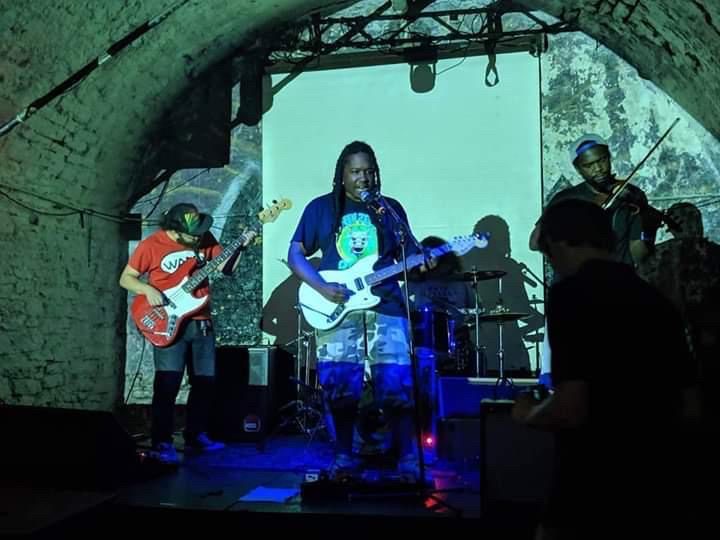
“Edge of the Throne” opens the collection, heard here as a slice of orchestral R&B that plays up Ainsworth’s strength and versatility as a vocalist. It ends with “Can You Find Her Place,” which removes the subtly funky beat of the album version to highlight the tenderness in her voice. These two tracks provide solid bookends for the EP, opening and closing a journey into another side of Phantom Forest.

The most radical transformation on the EP is “Diamonds Cutting Diamonds.” As it appears on Phantom Forest, the song is a darkwave jam with disco undertones. Here, Ainsworth ditches the dance beats and replaces the synth lines with plucky strings. The overall effect is a more cerebral listening experience, emphasizing the wildlife imagery and folk tale allusions in her poetry.

The string remix of “Tell Me I Exist” is sparse and highlights the existential dread of the social media age. Last year, Ainsworth noted that the song was about “the urge to be seen online at the cost of one’s anonymity.” In this rendition of the track, you can sense the aching in her voice as she sings, “Tell me I exist/Look what I’ve become/Prove that I’m still here/Prove that I’m enough.” On Phantom Forest, “Tell Me I Exist” is one of the standout tracks and this remix digs into what makes it so effective as a lament, grieving the loss of a time when we weren’t giving away privacy “likes”.

Phantom Forest- String Remixes also features Lydia Munchinsky on cello, Drew Jurecka on first violin, Rebekah Wolkstein on second violin and Shannon Knights on viola. The EP is now available digitally. 

IN2ITIV3 Invent Punkadelic Sound on Debut EP

IN2ITIV3

IN2ITIV3

IN2ITIV3 is making waves as a musical embodiment of the growing punk/hip hop crossover in Cincinnati’s local music scene with their debut self-titled EP. Featuring bandmates that listen to everything from B2K to Patti Smith, IN2ITIV3 settles on lyrical rap infused with punk rock instrumentation – but they are not Rage Against The Machine.

“I’m not even a quarter as good of a guitar player as Tom Morello, so it’s not that,” jokes the band’s vocalist and guitarist Kelby Savage. Violinist Frankie Strings, drummer Ezra Plymesser, and bassist Max Vignola complete the quartet. They’ve coined their unique sound “punkadelic rock,” and even more than creating warm waves of party-ready tunes, IN2ITIV3 is the natural next step for a city with both thriving and experimental hip hop and punk scenes.

“Hip hop and punk music have always kind of been in the same scenes, like in New York, in a lot of the early scenes,” says Savage, who is also behind the local Punk Hip Hop Show series. “A lot of the punks go to the hip hop parties, a lot of the hip hop kids go to the punk parties. It’s starting to make that change here now.”

That change comes with curious and open-minded artists. Thankfully, hip hop as a genre, as Savage points out, has never been one to box itself in.

IN2ITIV3
IN2ITIV3 photo by Bobby Tewksbury

“We have psychedelic influences, punk influences, and hip hop, but what makes it hip hop is that hip hop is a conglomerate of genres, so it’s hip hop by default,” he explains. “I love trap, but that’s the most overdone style. So, just take a little bit of this cadence and then put it with a punk rock beat and make something completely new, to where people are like – this is something different.”

A non-formulaic sound, however, isn’t easily earned. Savage explained over the year-long IN2ITIV3 recording process, the band used hour-long jam sessions to experiment with riffs and potential melodies. It’s also IN2ITIV3’s debut effort, so rather than collaborate with other artists, the project aims to cement the band’s own distinct sound.

“We had to tighten up our sound and just really get that solid unit working… If we do [work with features] I wanna do something unique,” he said, pointing to the likes of BADBADNOTGOOD and Free Nationals.

Moving forward, IN2ITIV3 plans to release a single called “The Moon” in April.
IN2ITIV3
IN2ITIV3

Savage has been making music for over a decade, crediting Jimmy Hendrix as his guitarist icon and also boasting a dexterous rapping flow. During the course of our interview, he reminisced about opening up for Twenty One Pilots back in 2009 in front of 60 people at a local coffee shop.

“I saw them kind of become the band that they are today,” he said of the Columbus-bred duo.

With IN2ITIV3 now rounding their two-year mark, Savage is glad their debut project has finally come to fruition and that fans are starting to come around to their uniquely engaging style.

“Where you say loss, I say learning experience,” he said of his career philosophy.  “They’re both L’s.”

Stream IN2ITIV3 below.