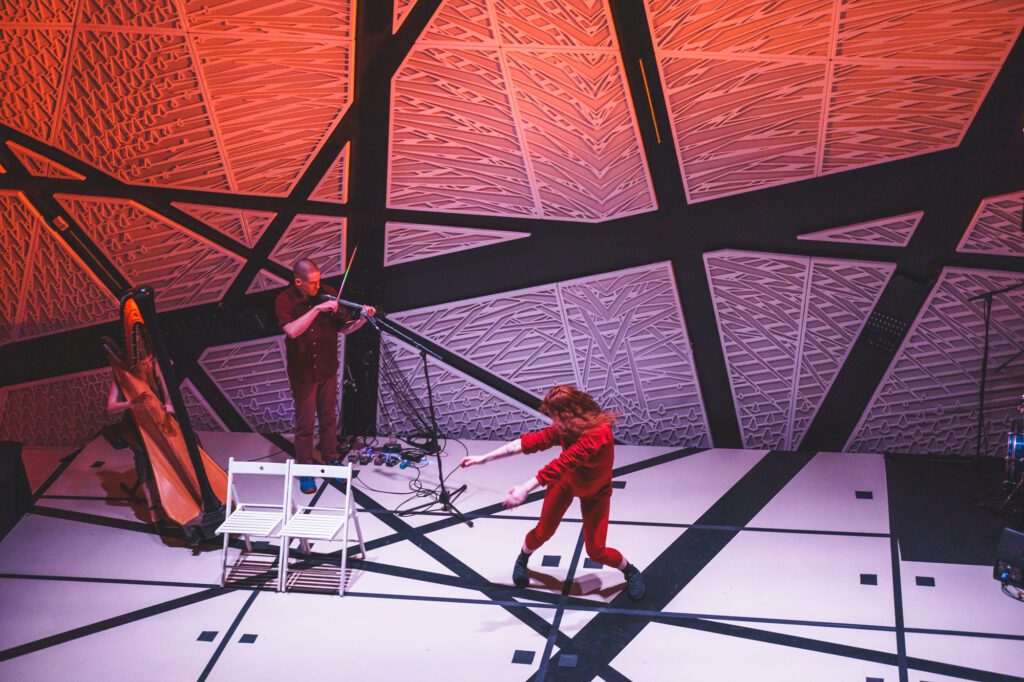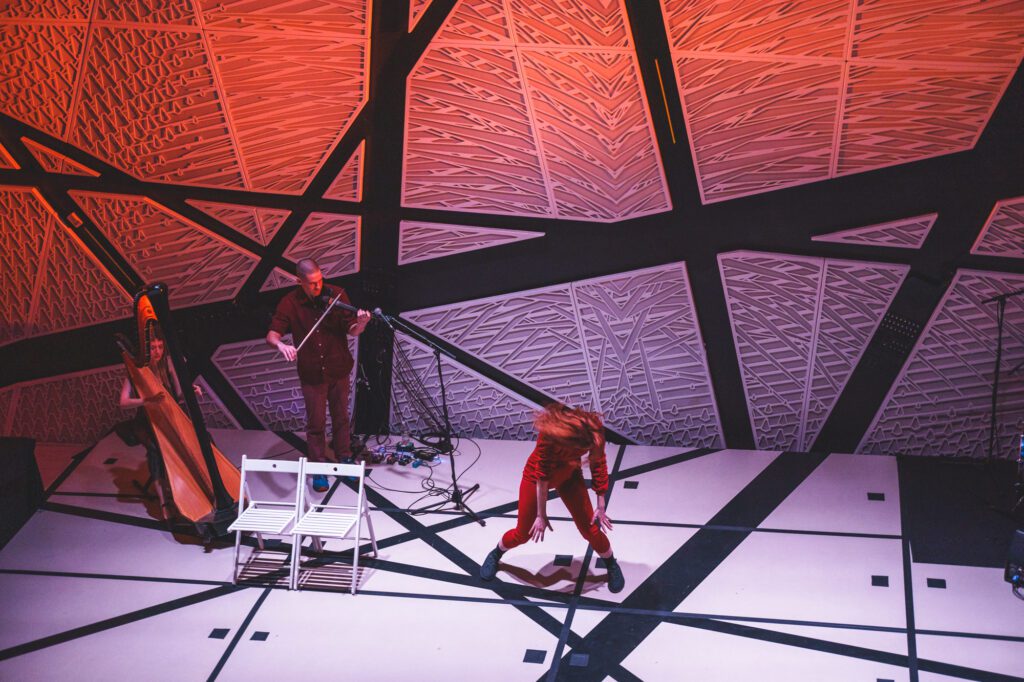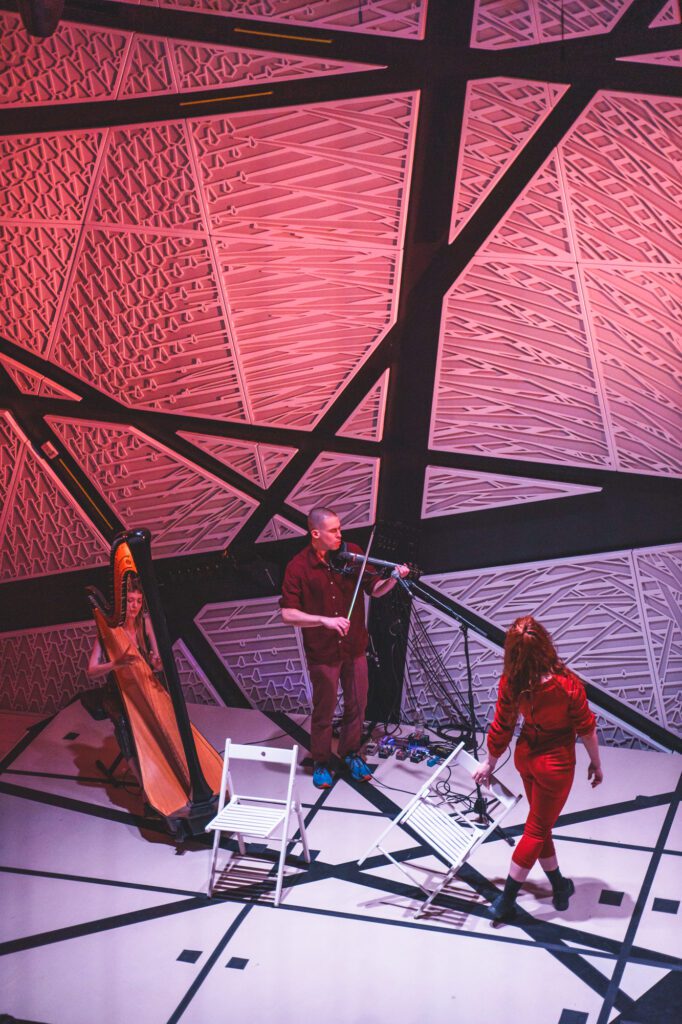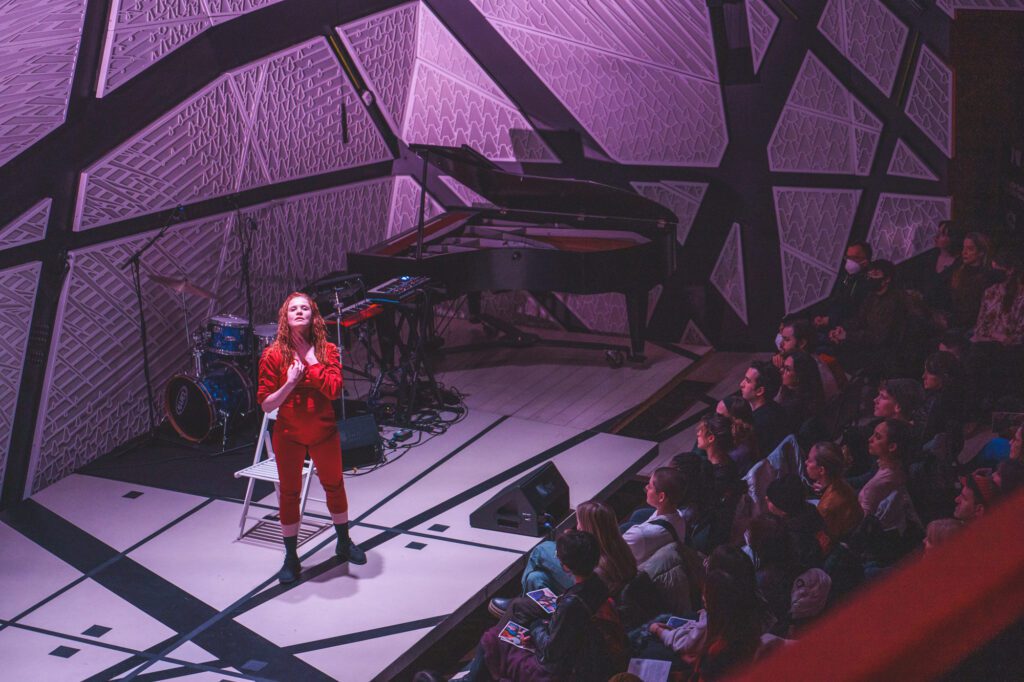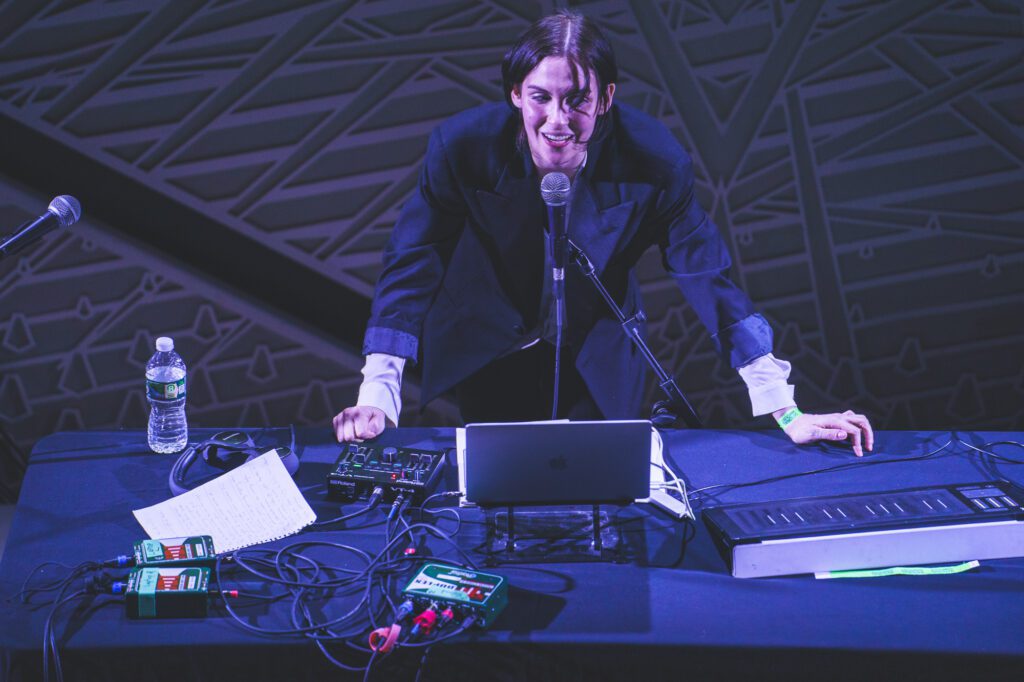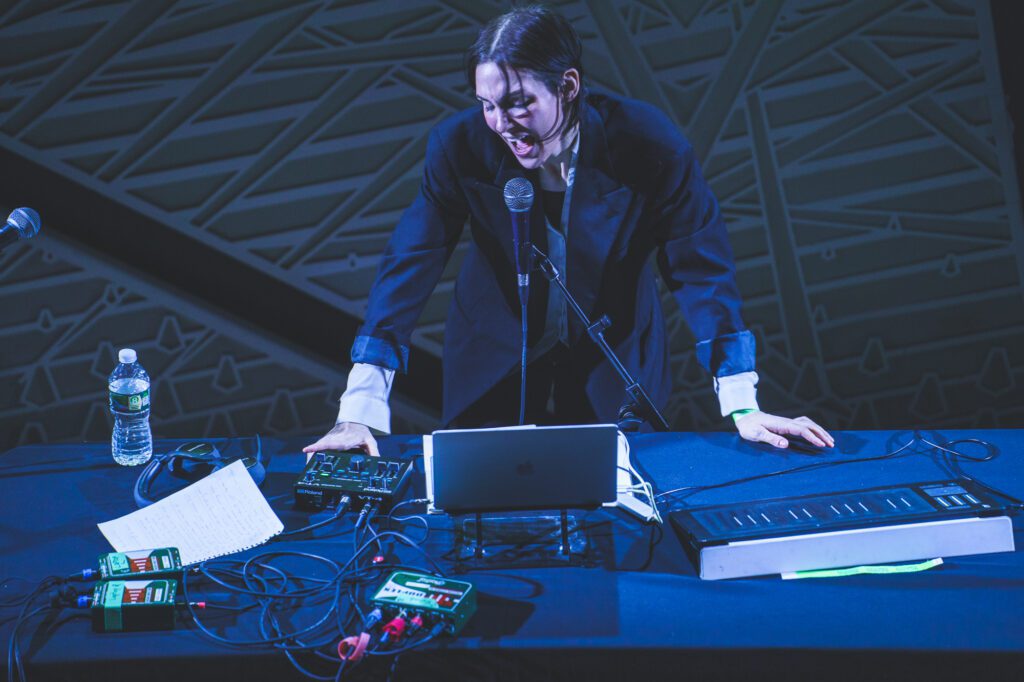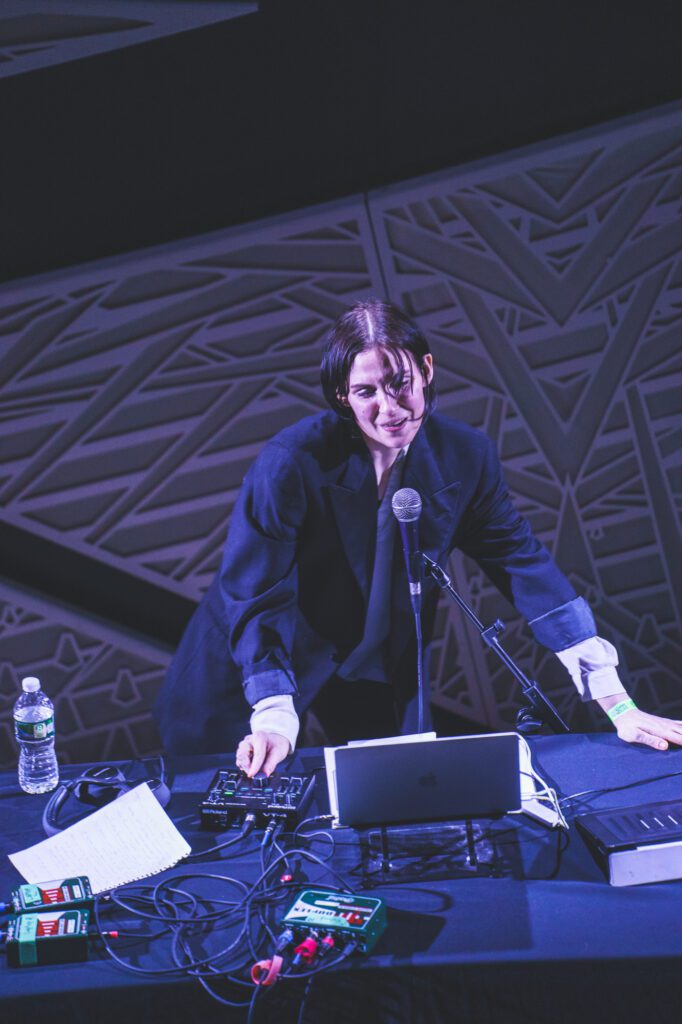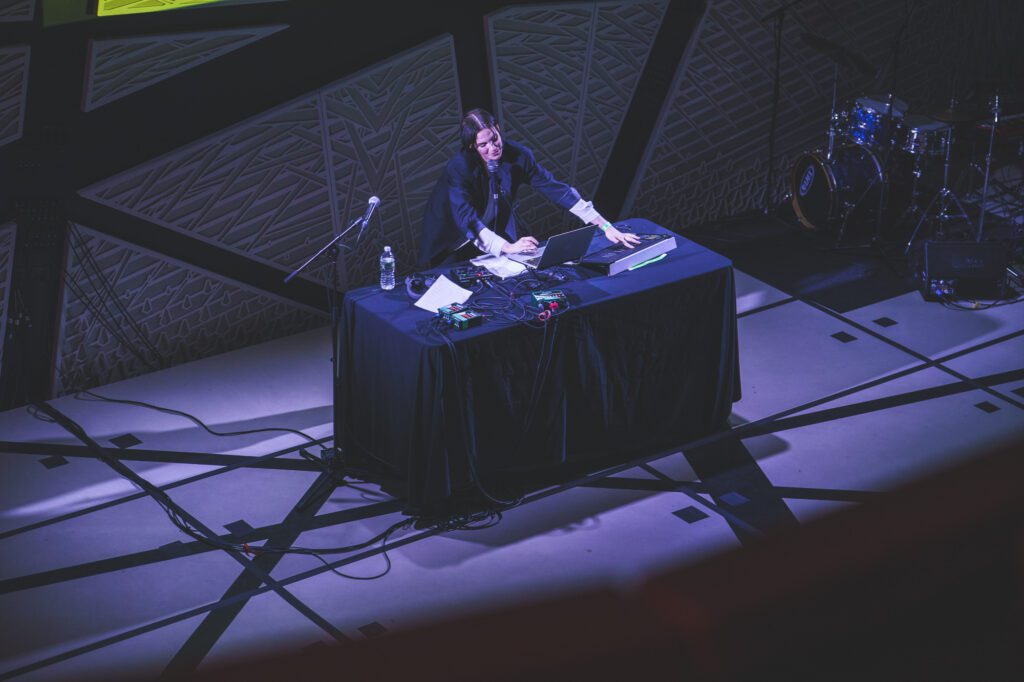
Audiofemme_TBD

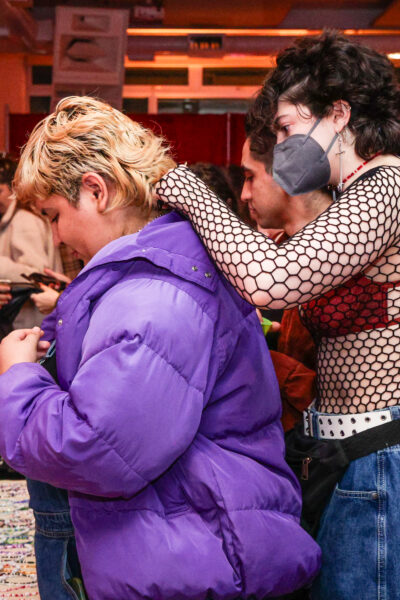
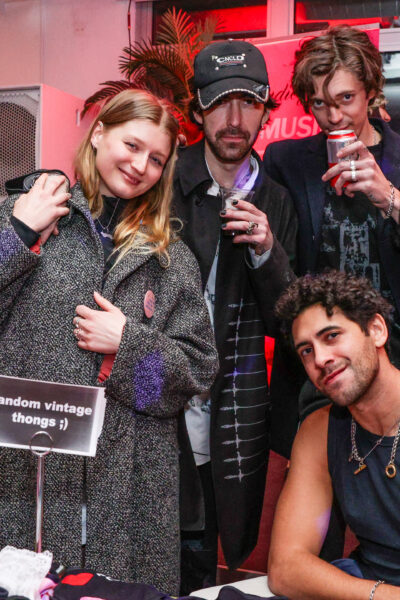
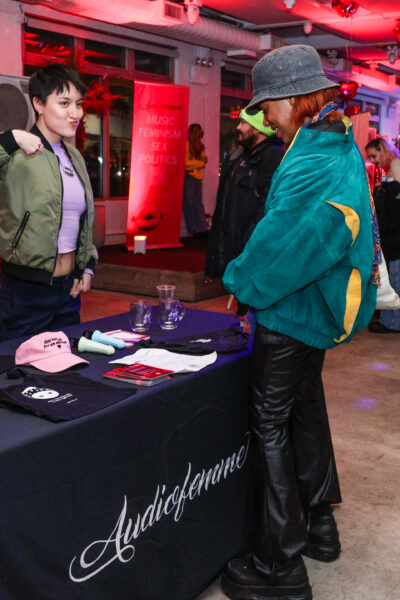
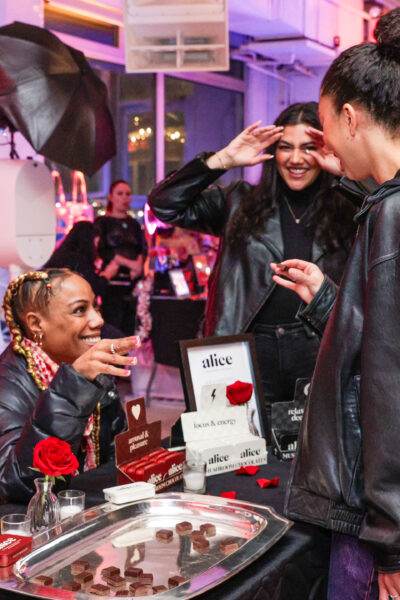
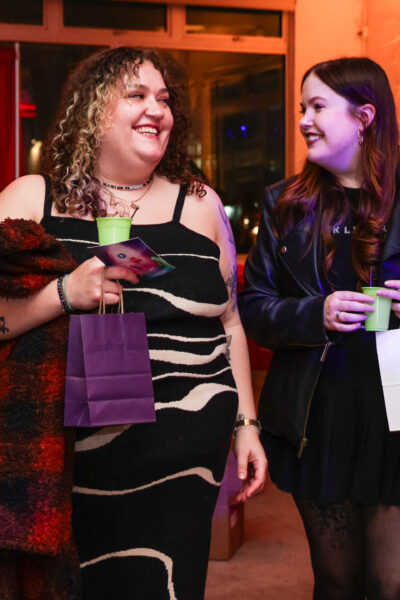
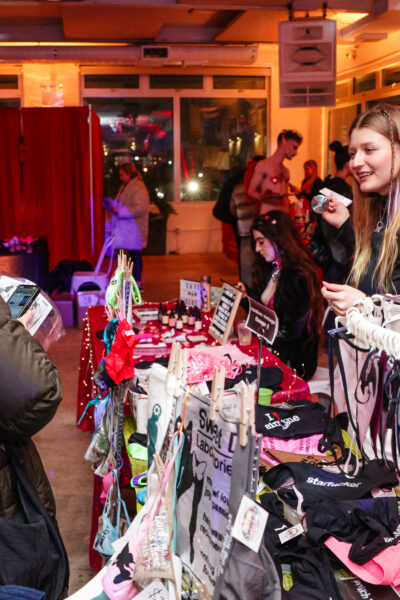
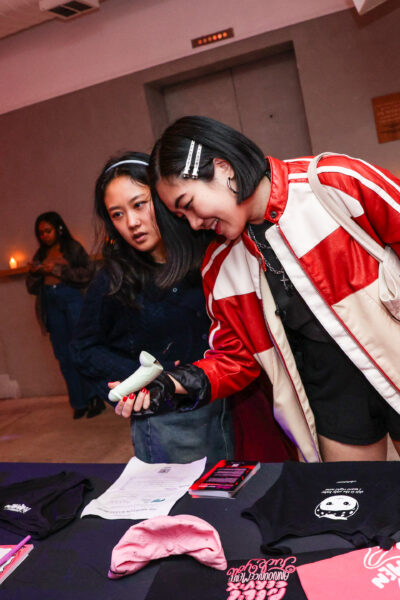
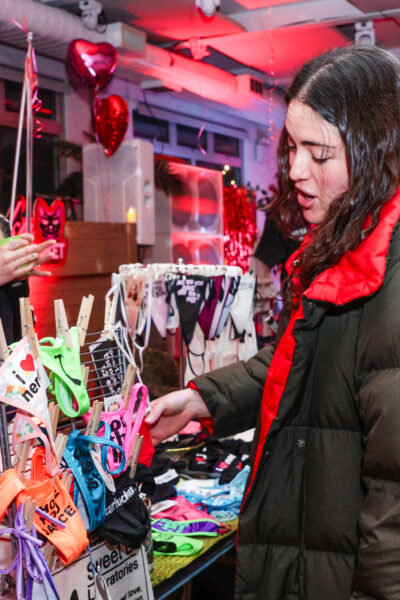
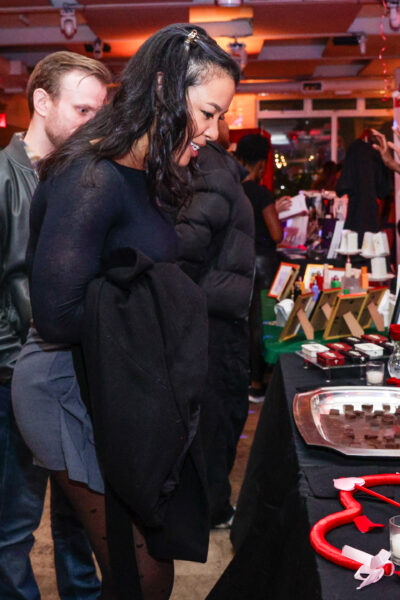
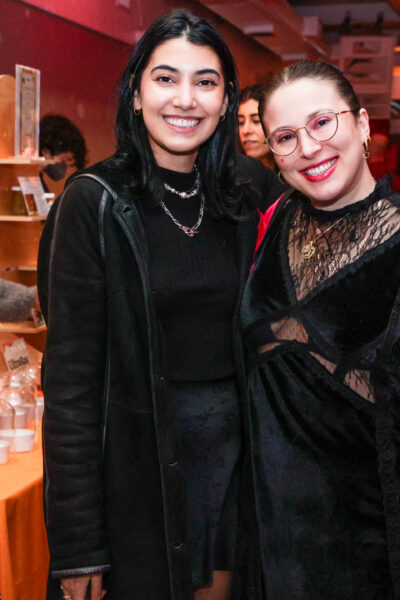
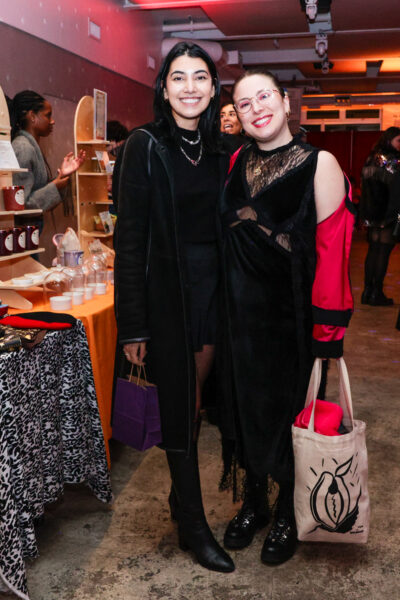
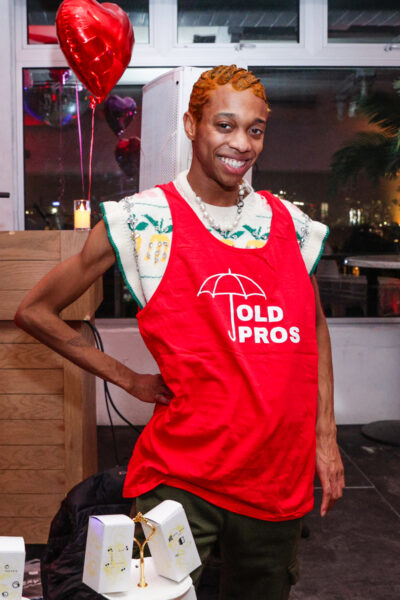
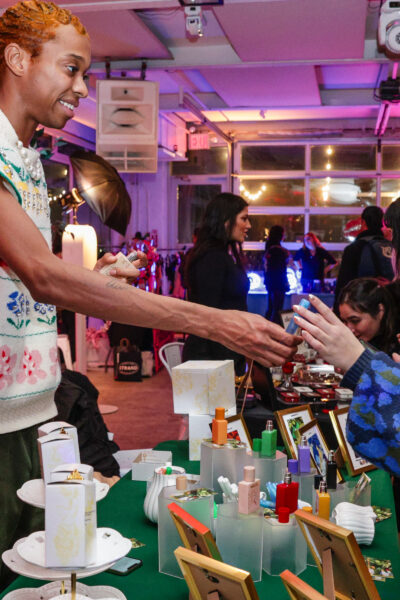
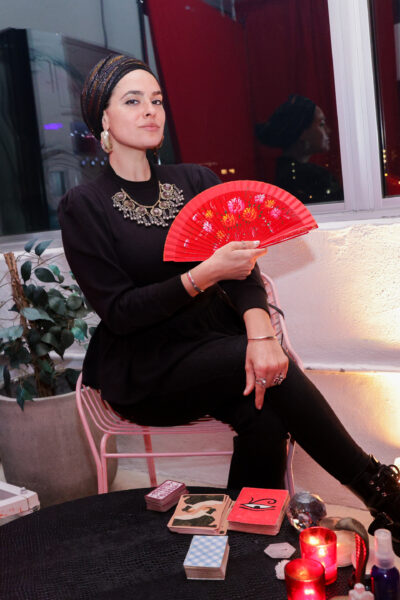
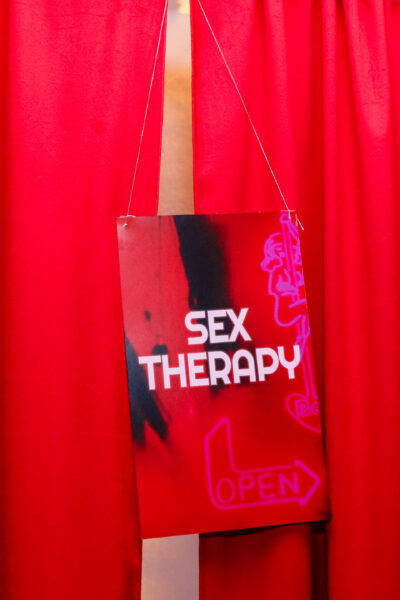
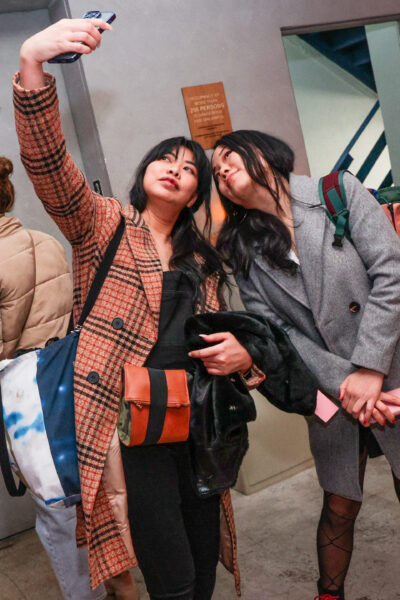
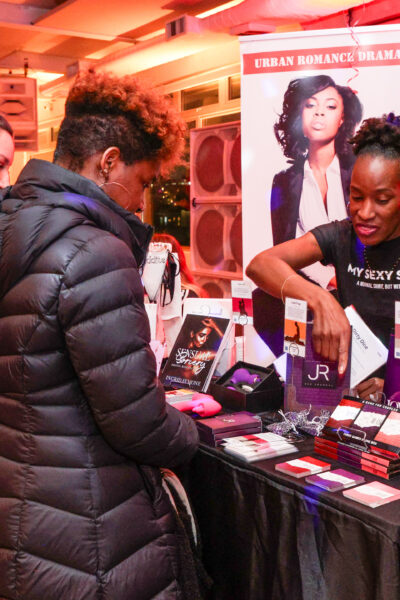
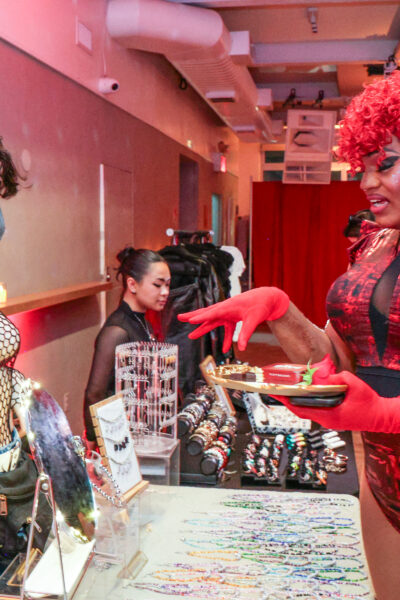
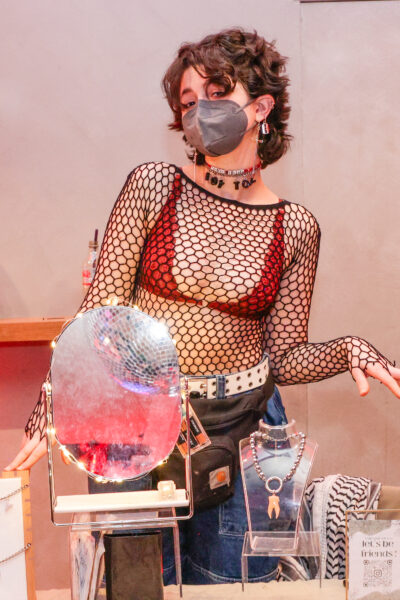
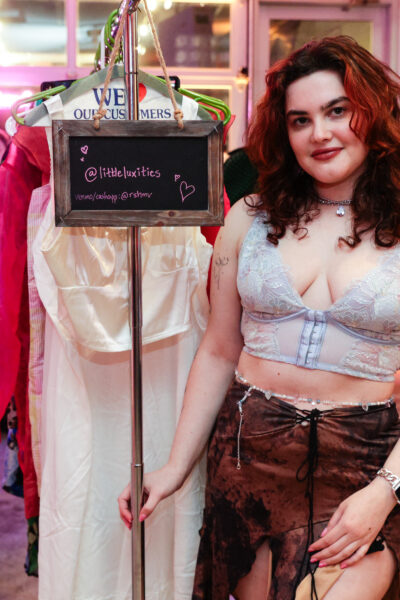
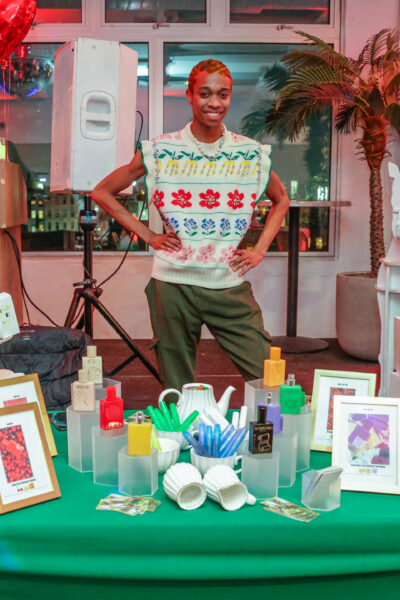
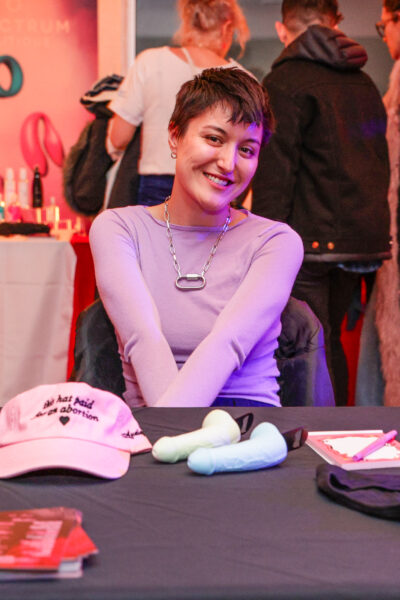
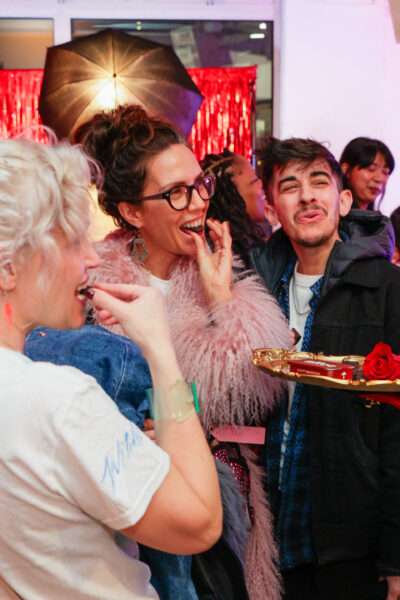
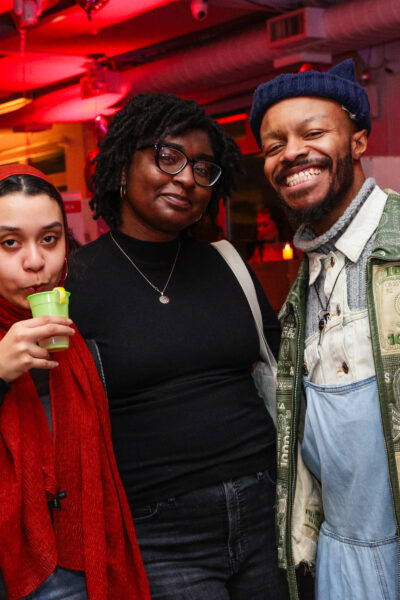
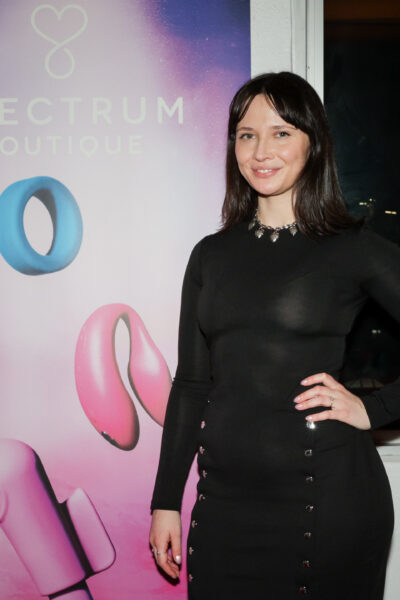
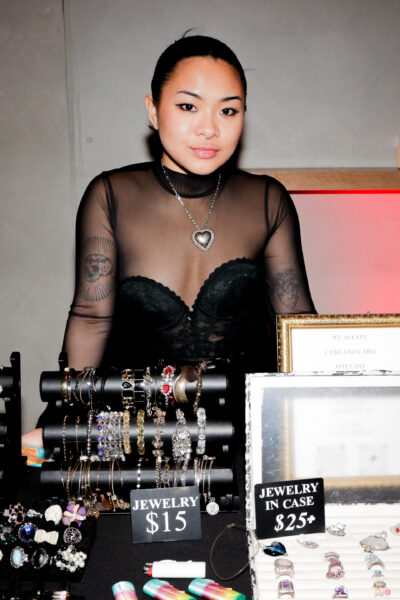
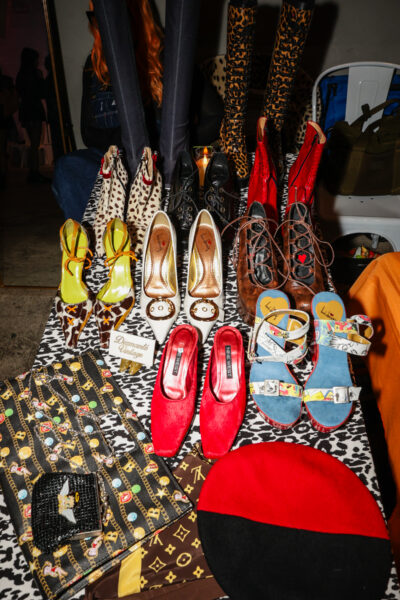
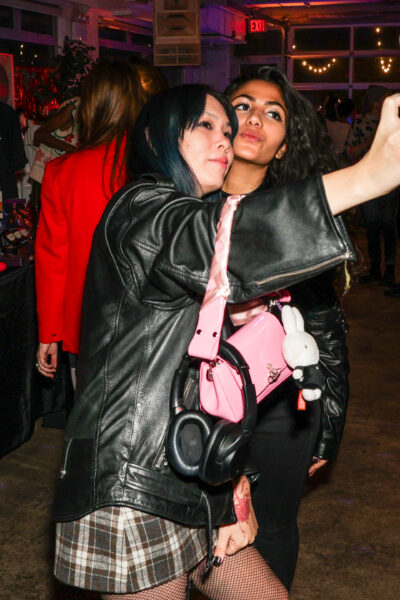
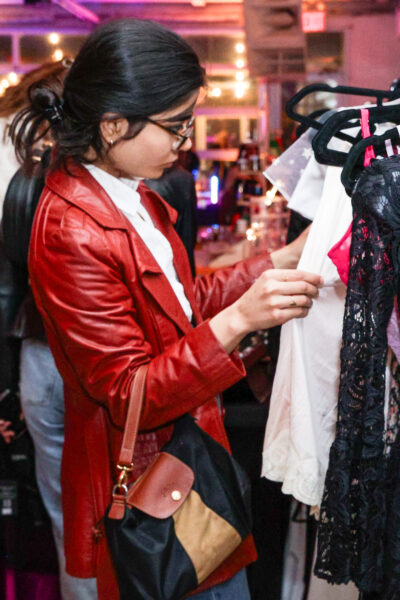
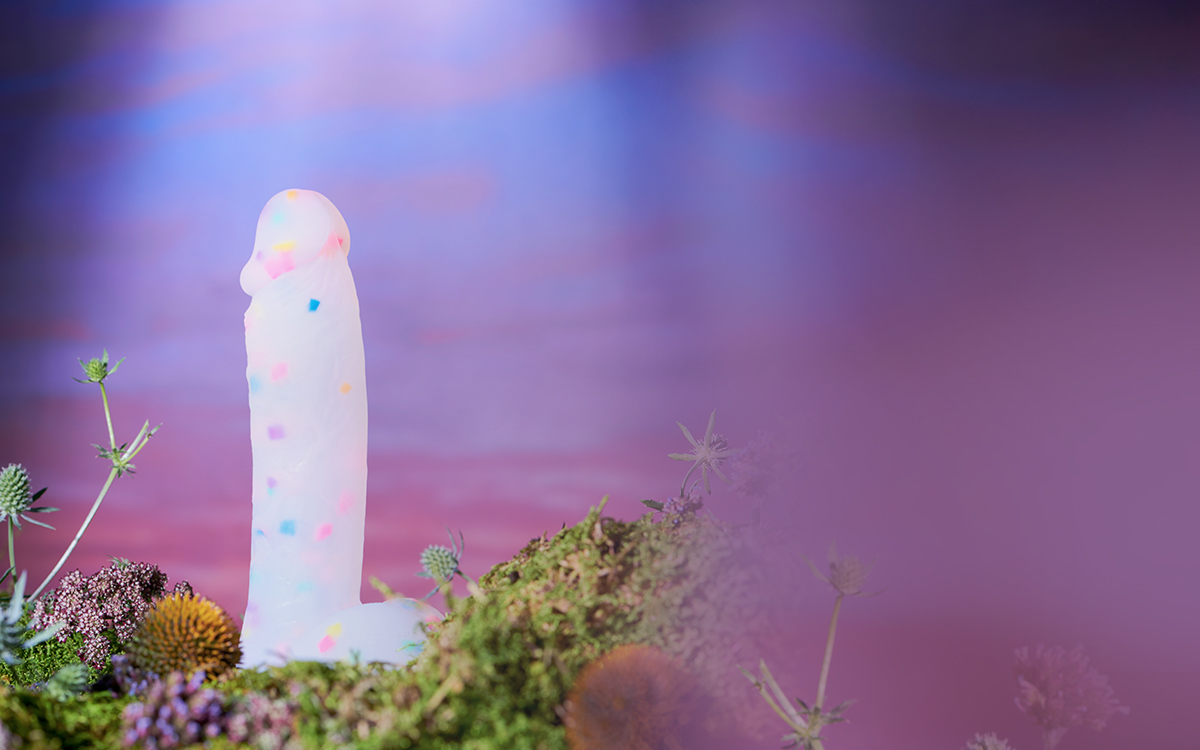
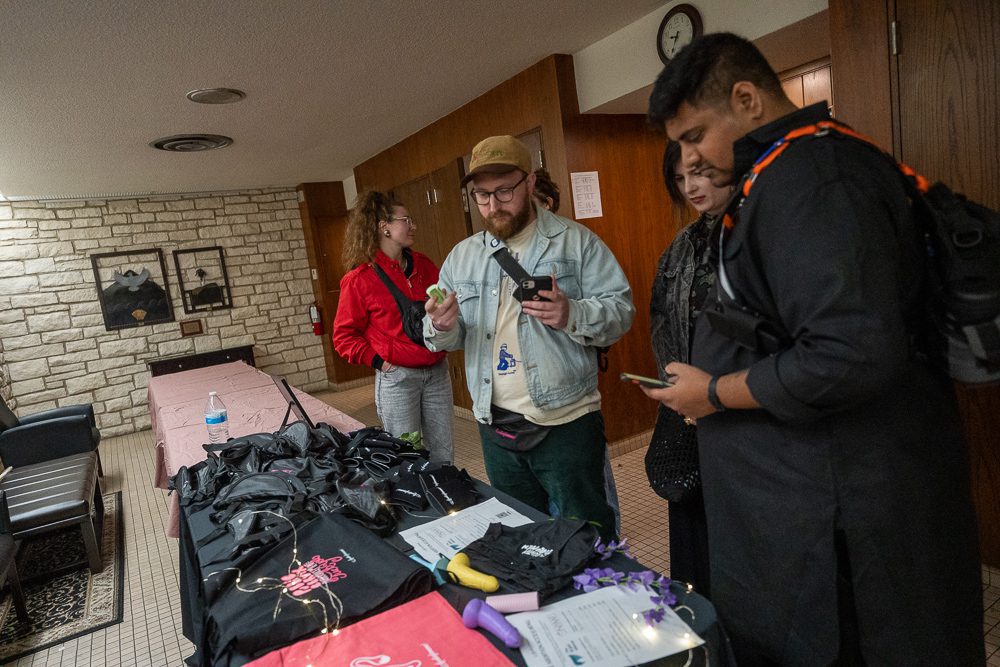
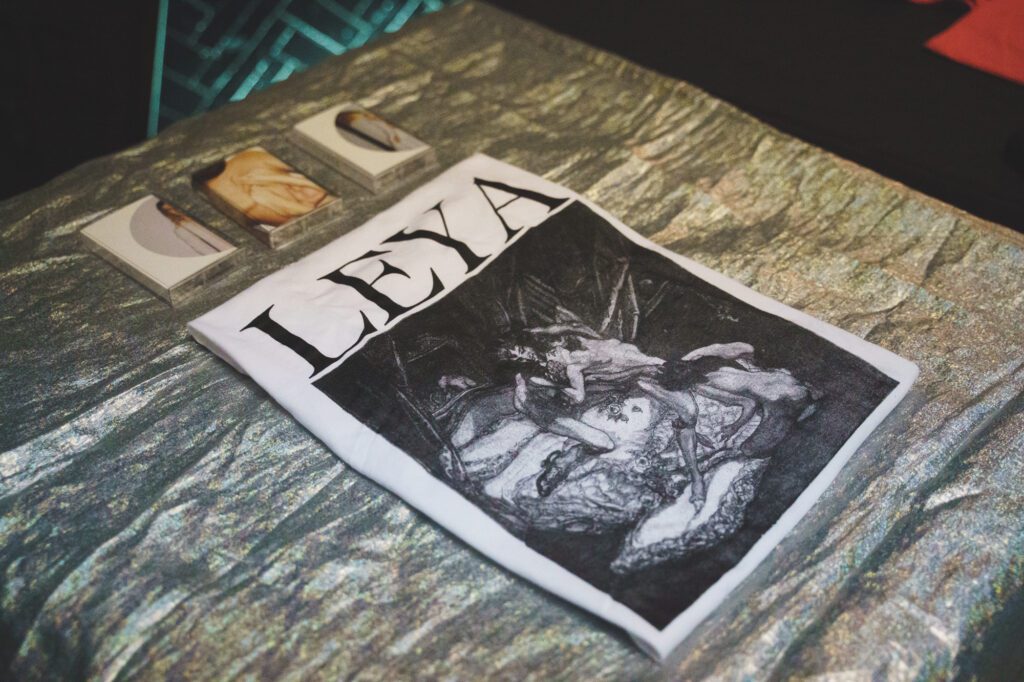
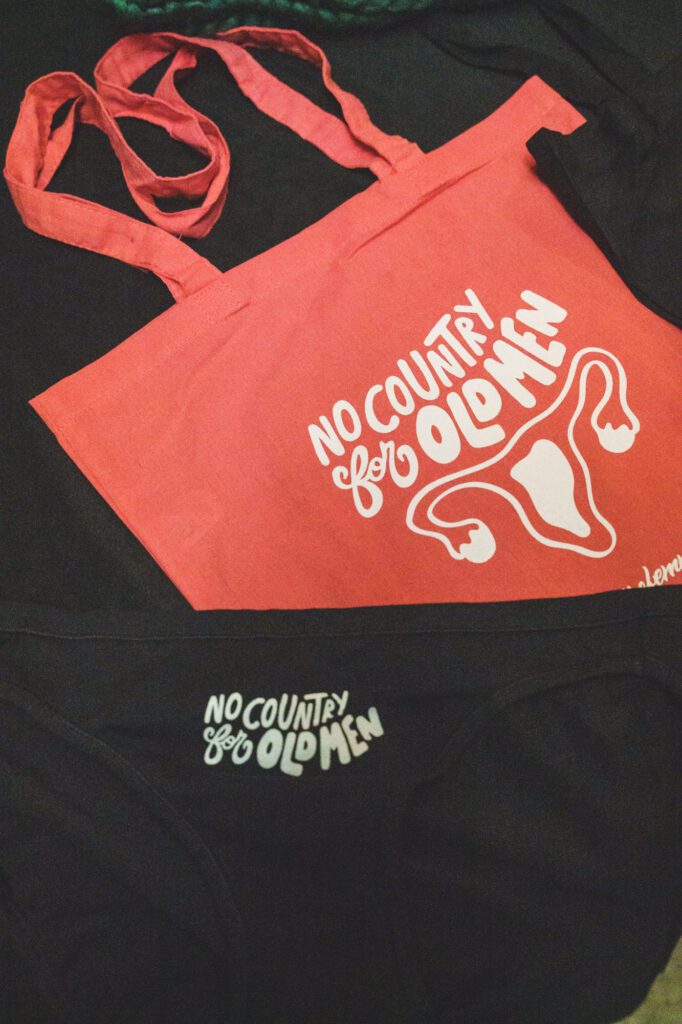
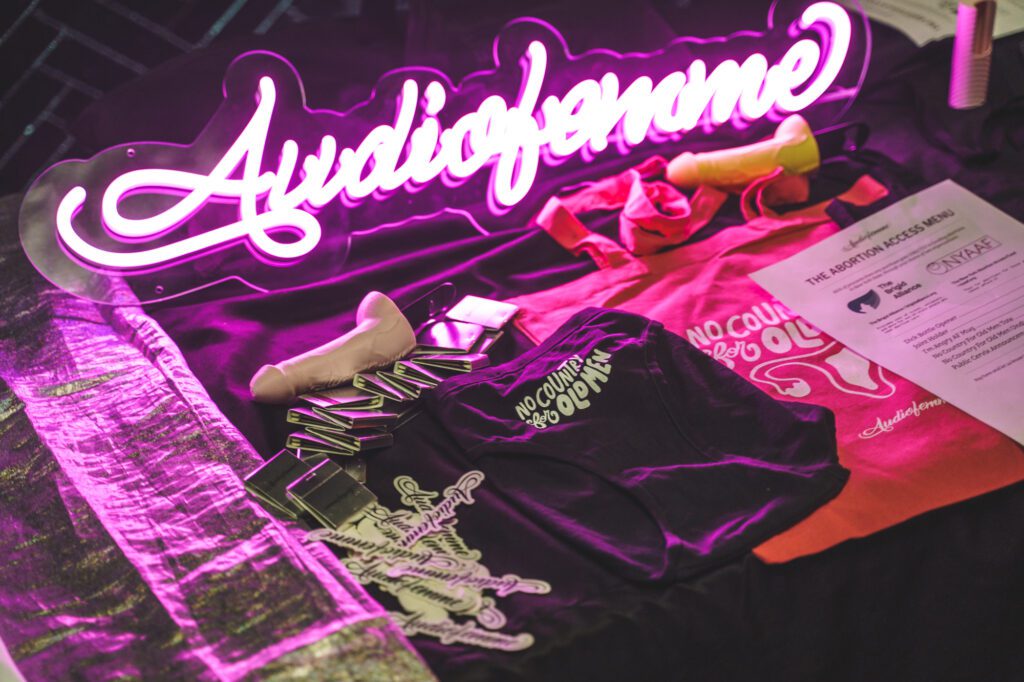
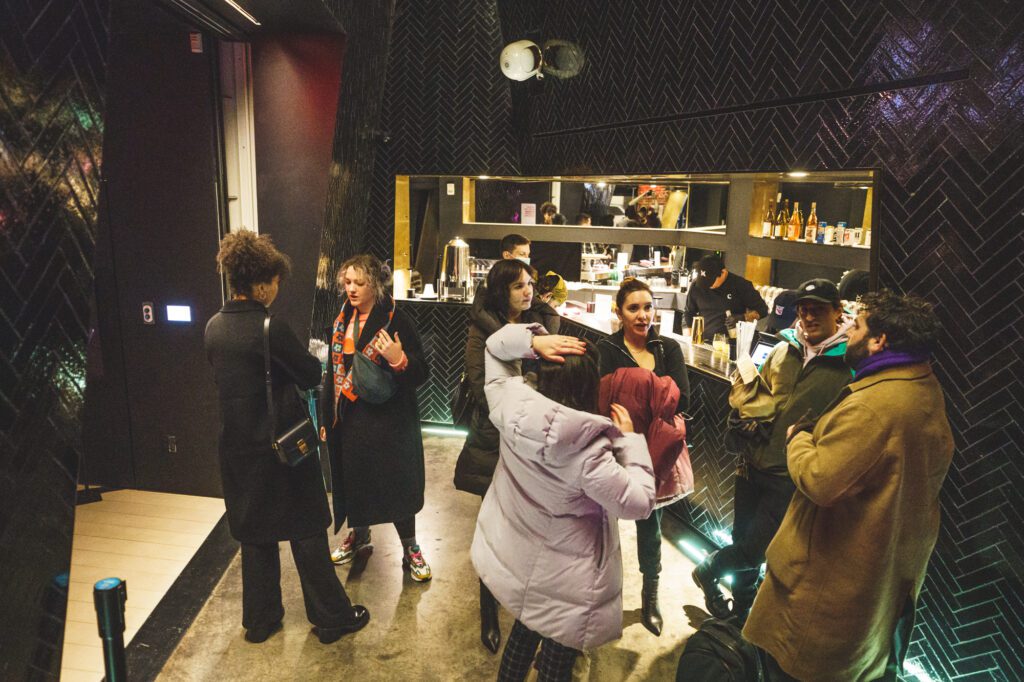
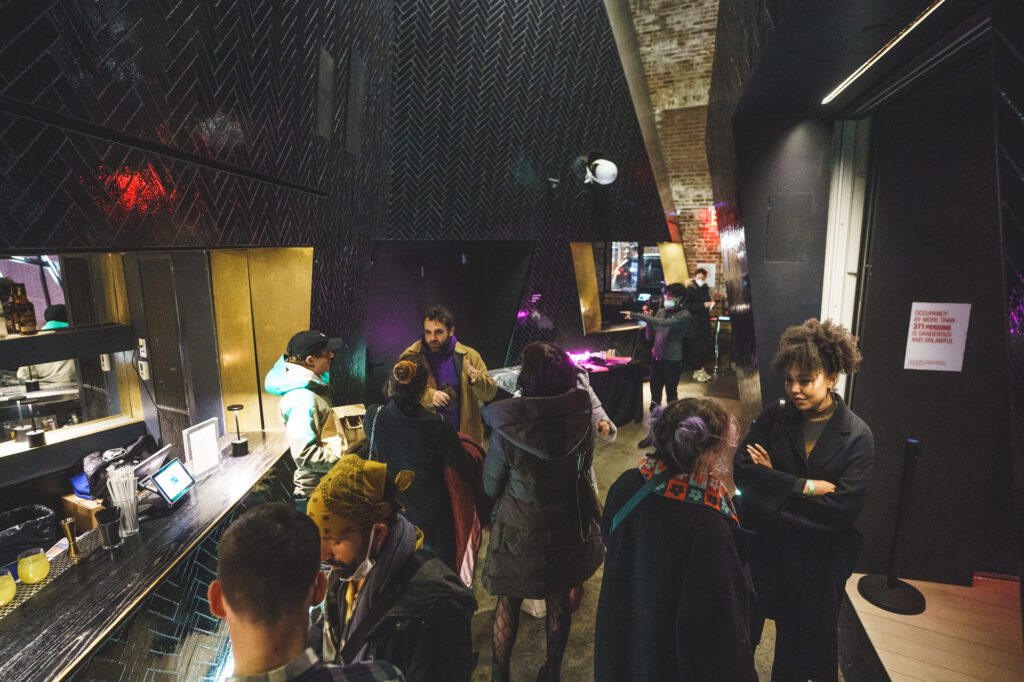
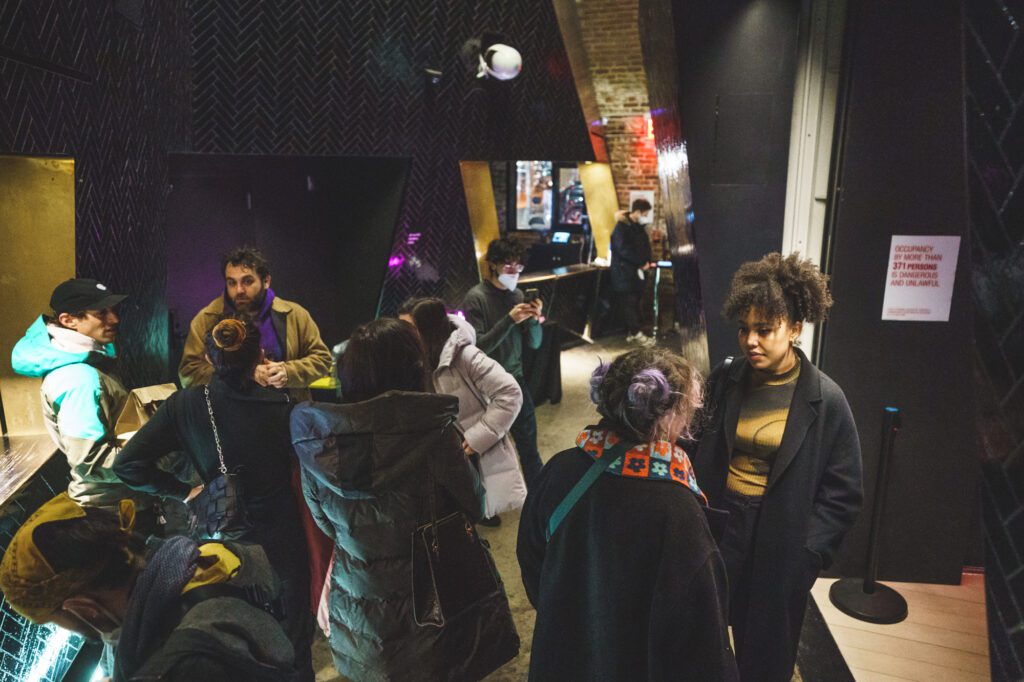
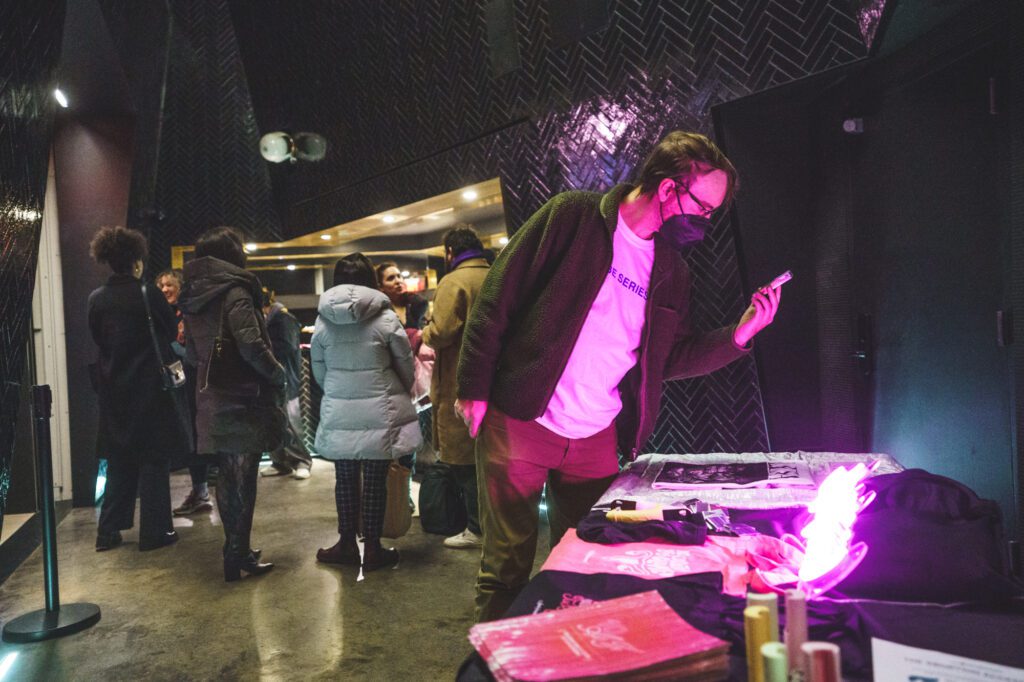
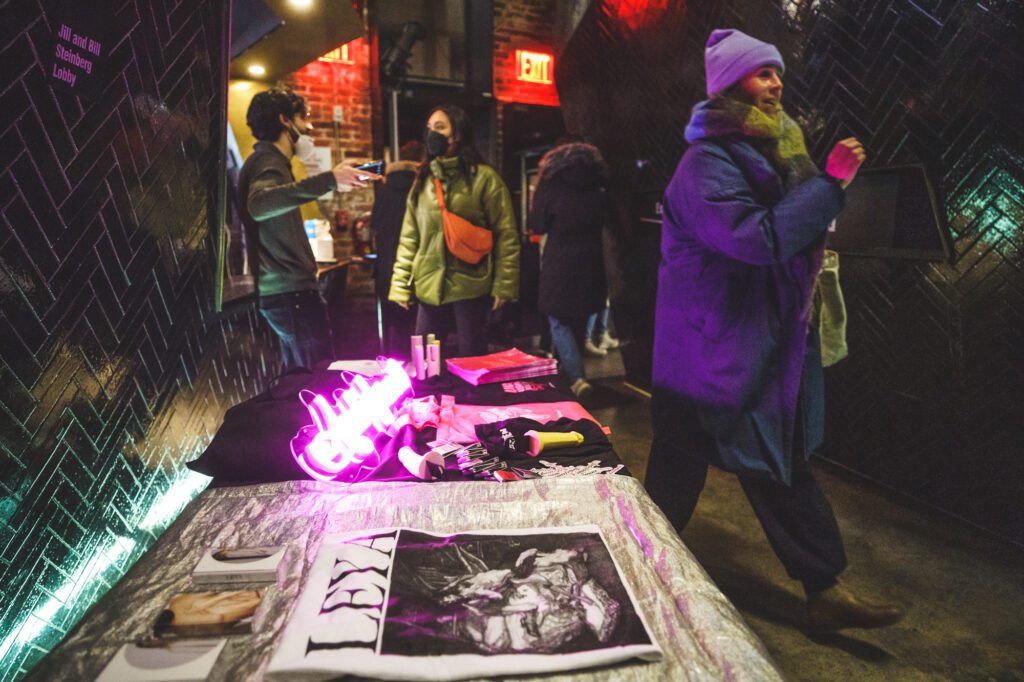
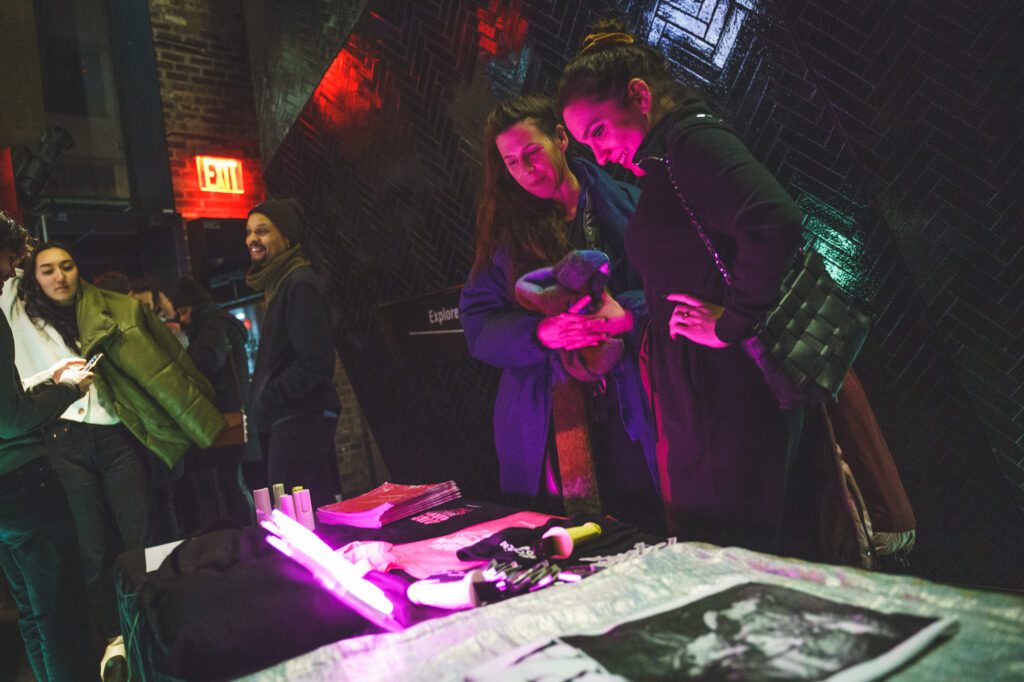
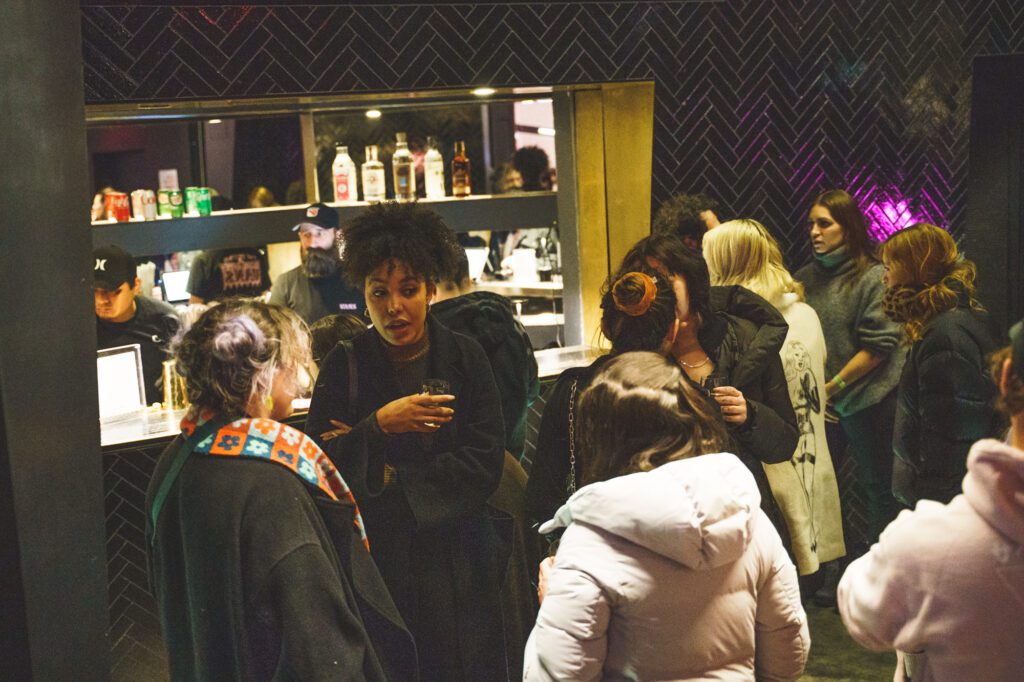
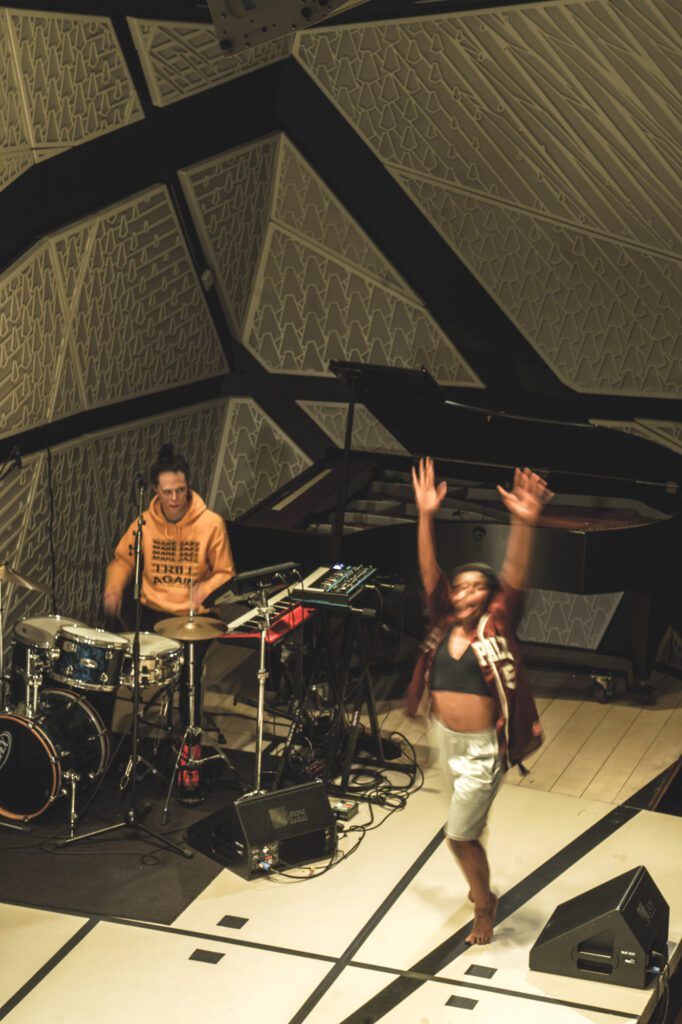
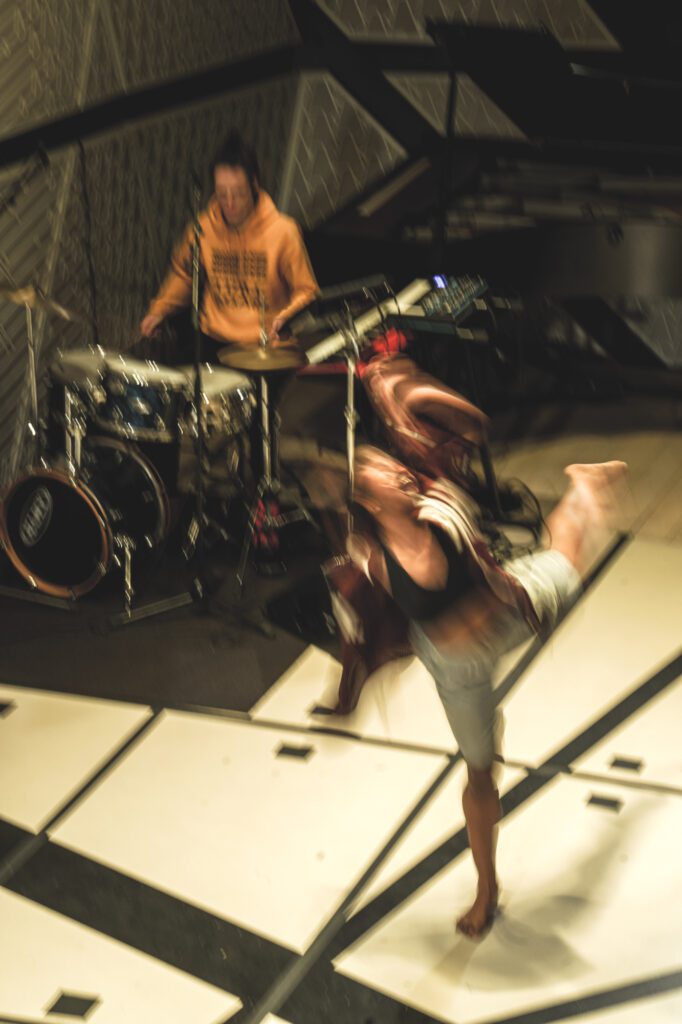
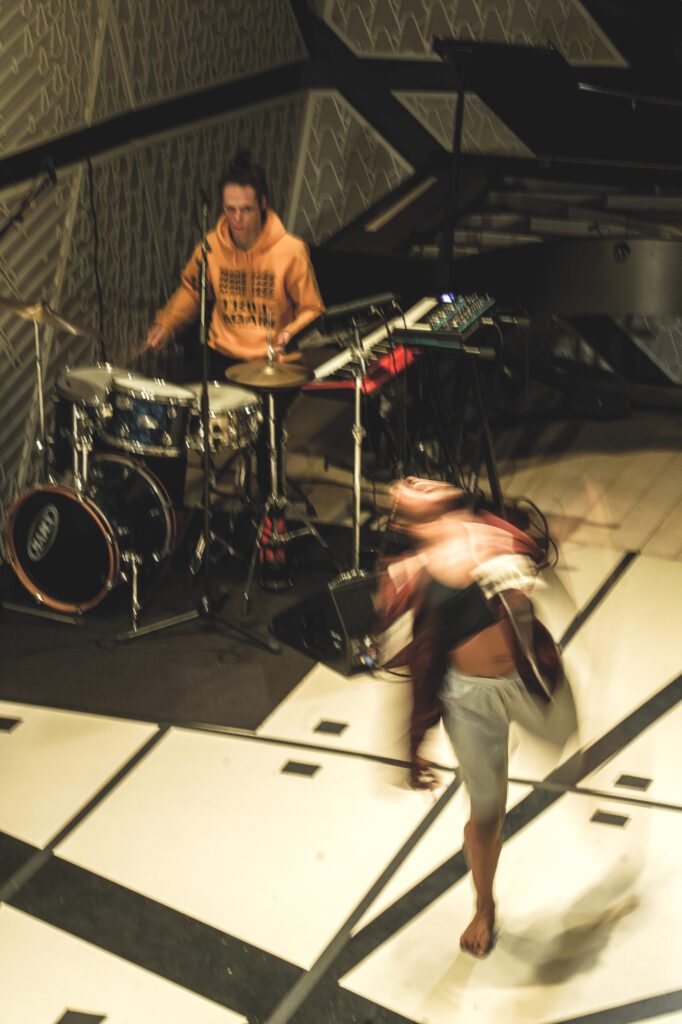
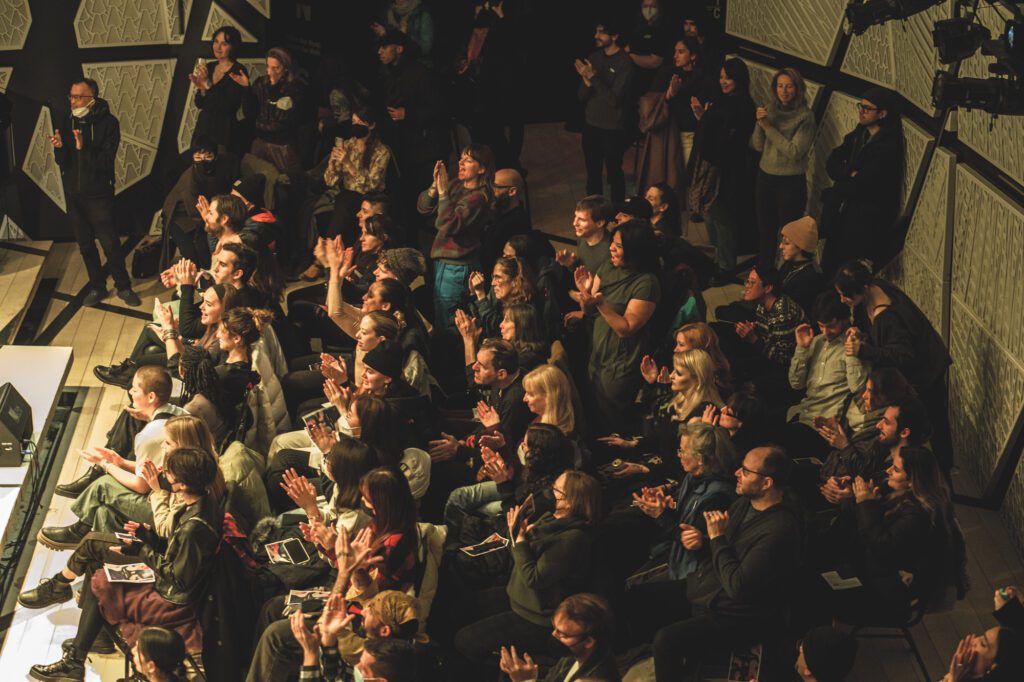
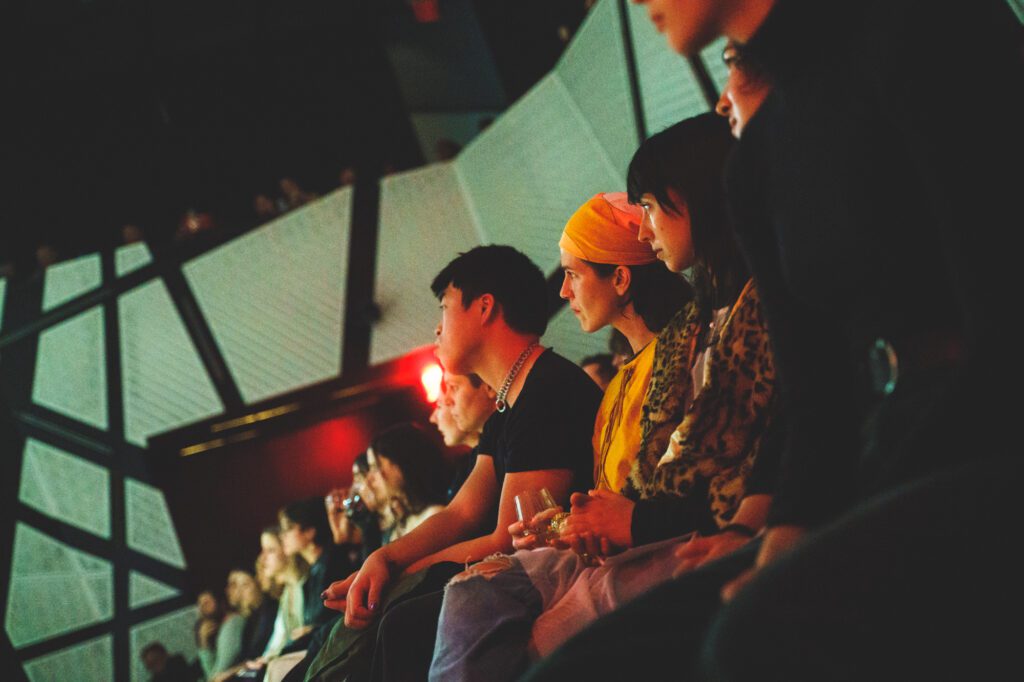
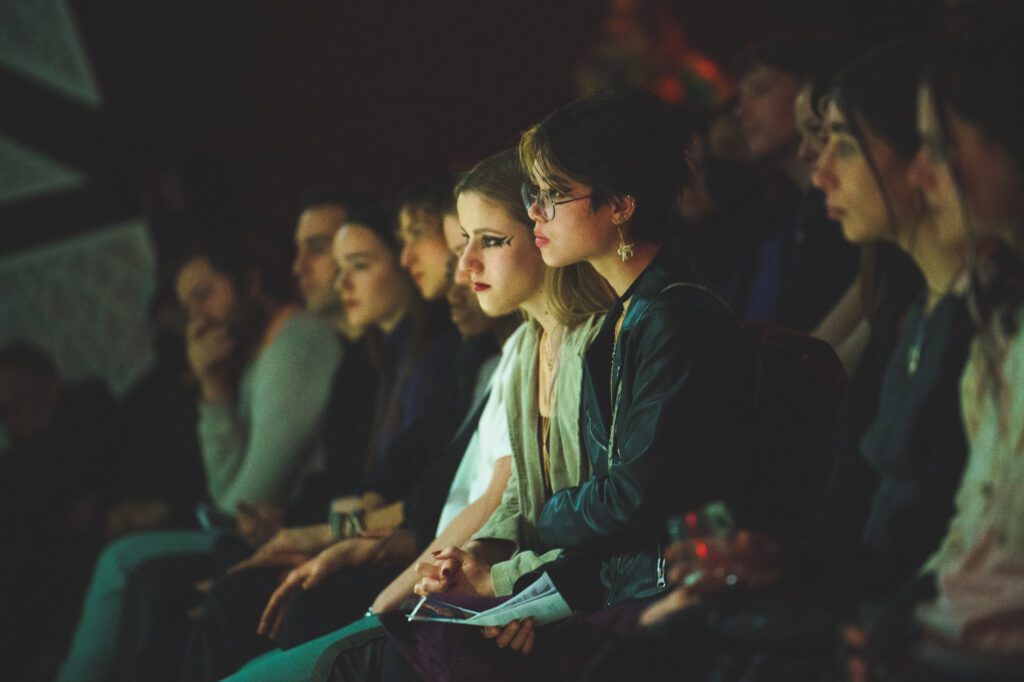
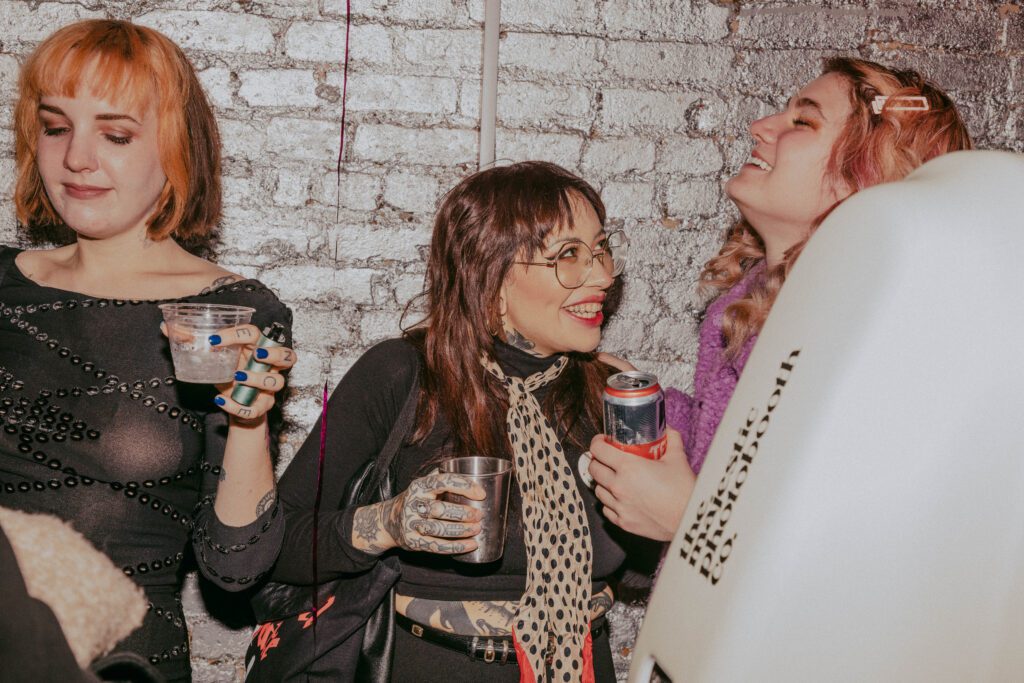
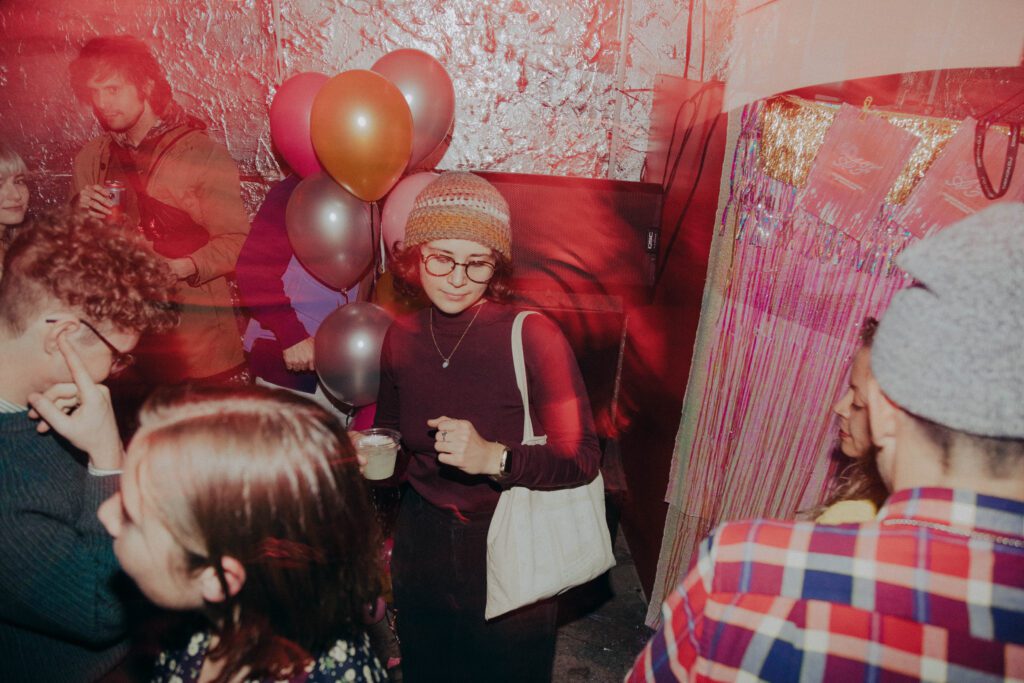
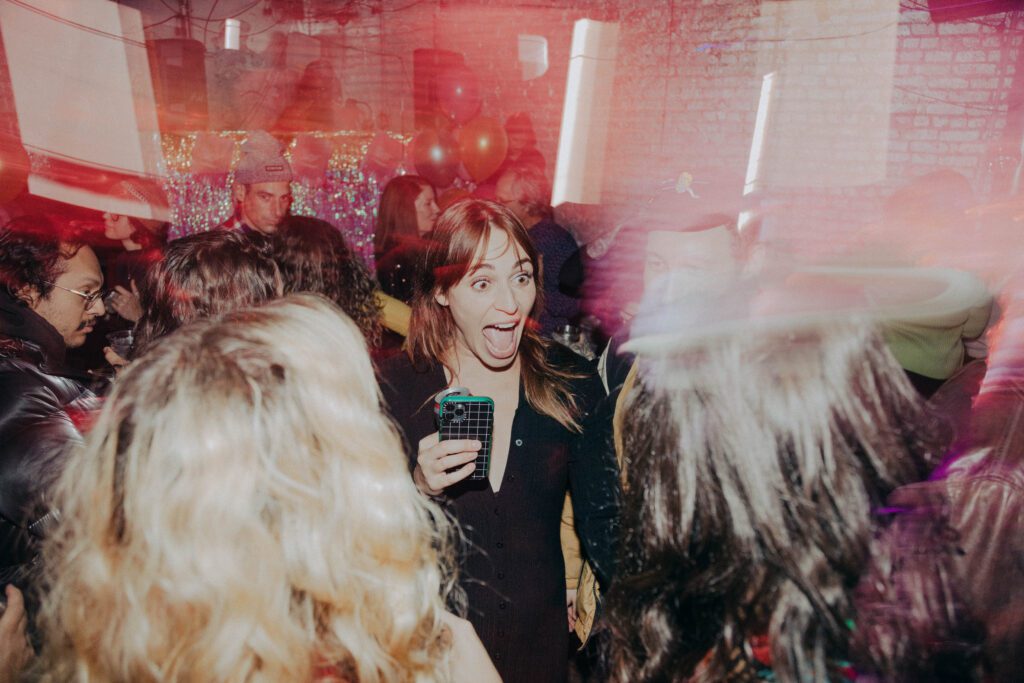
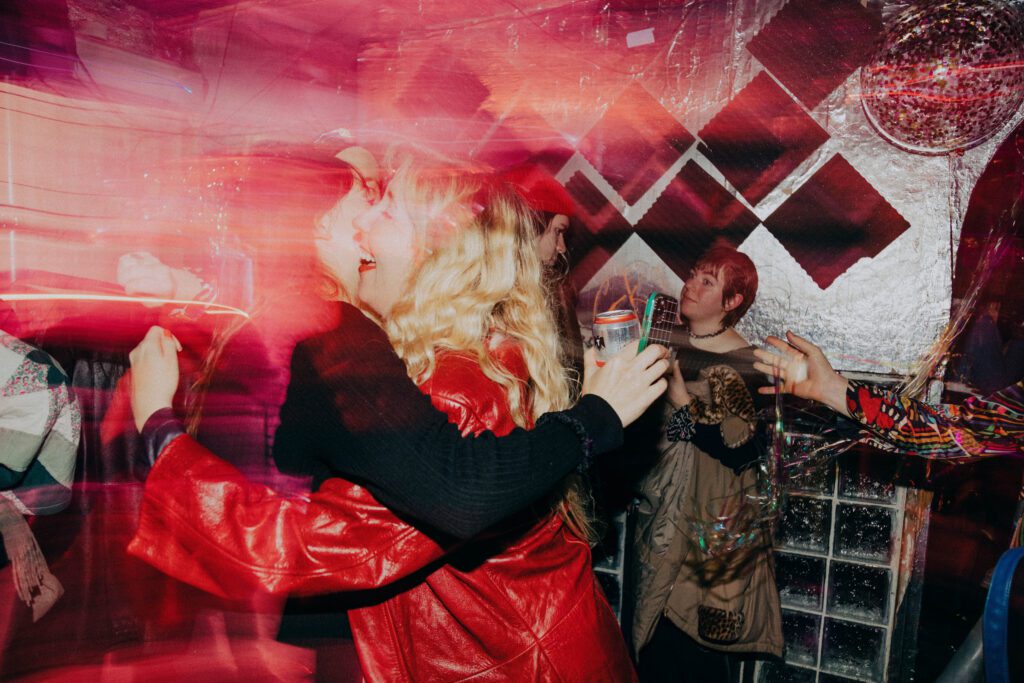
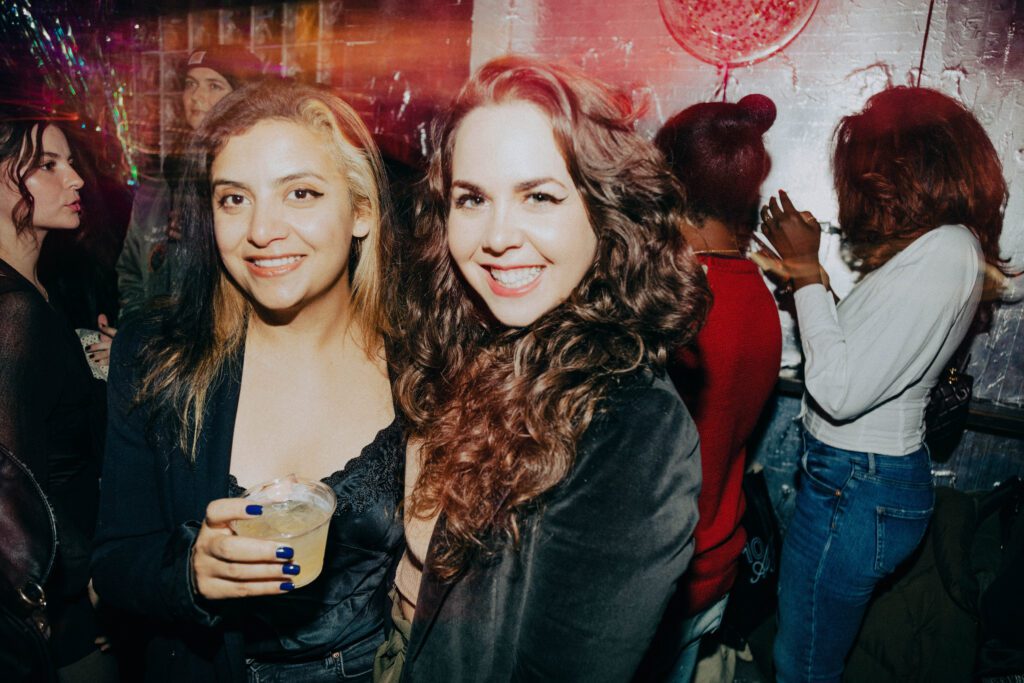
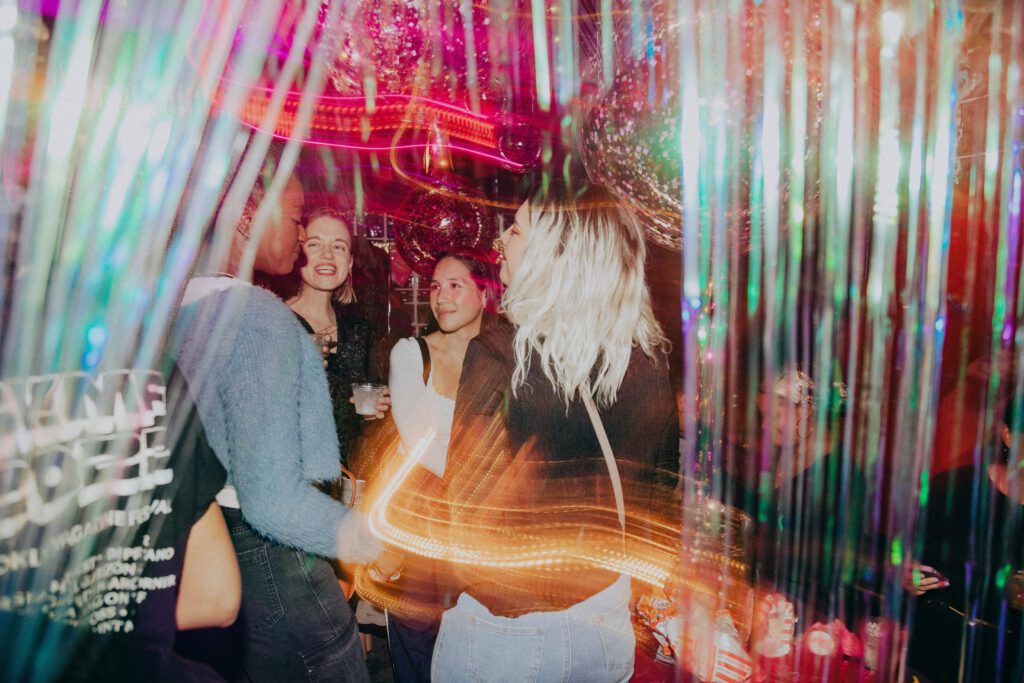
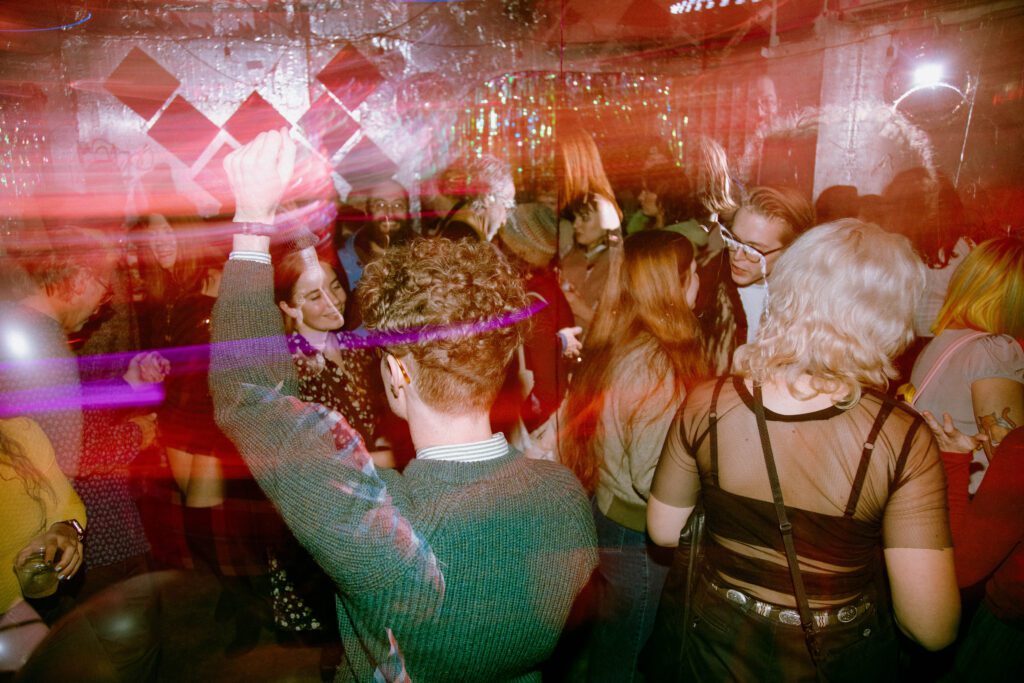
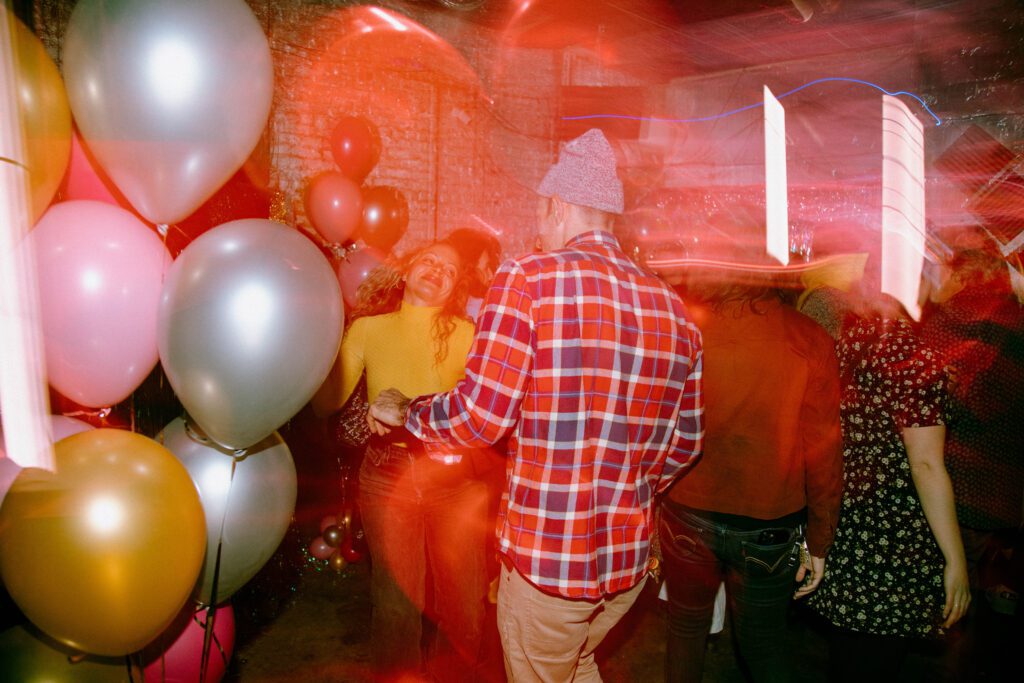
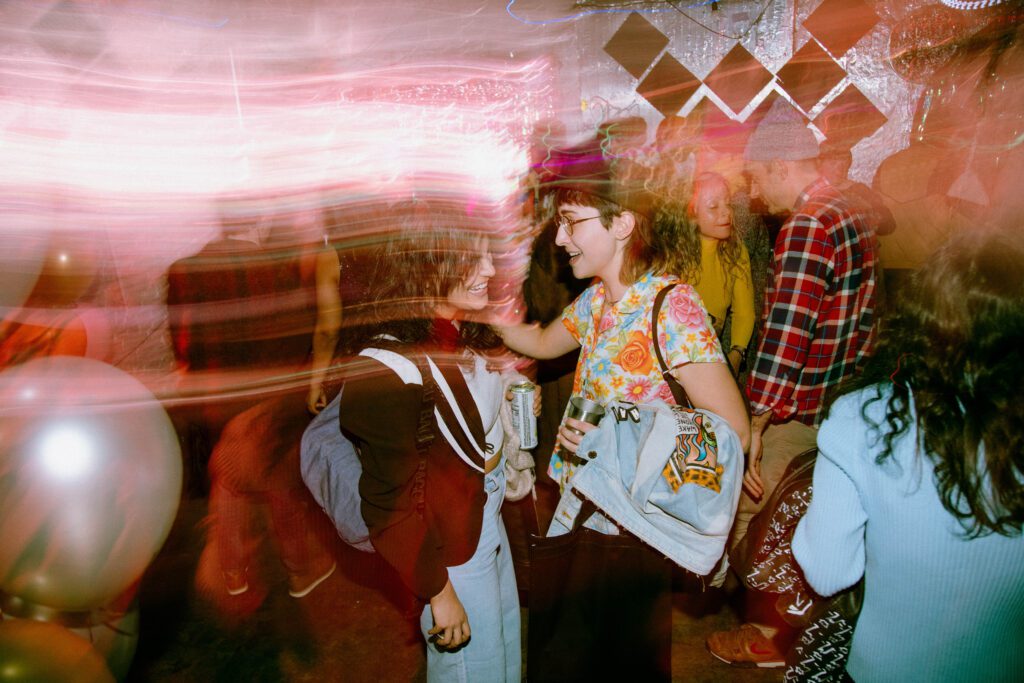
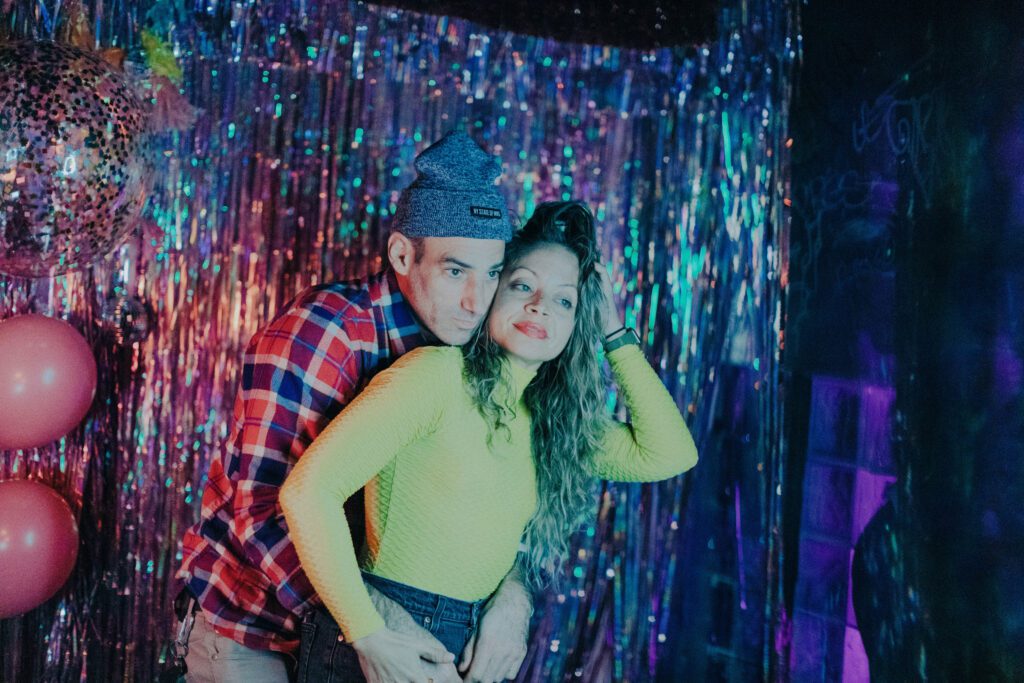
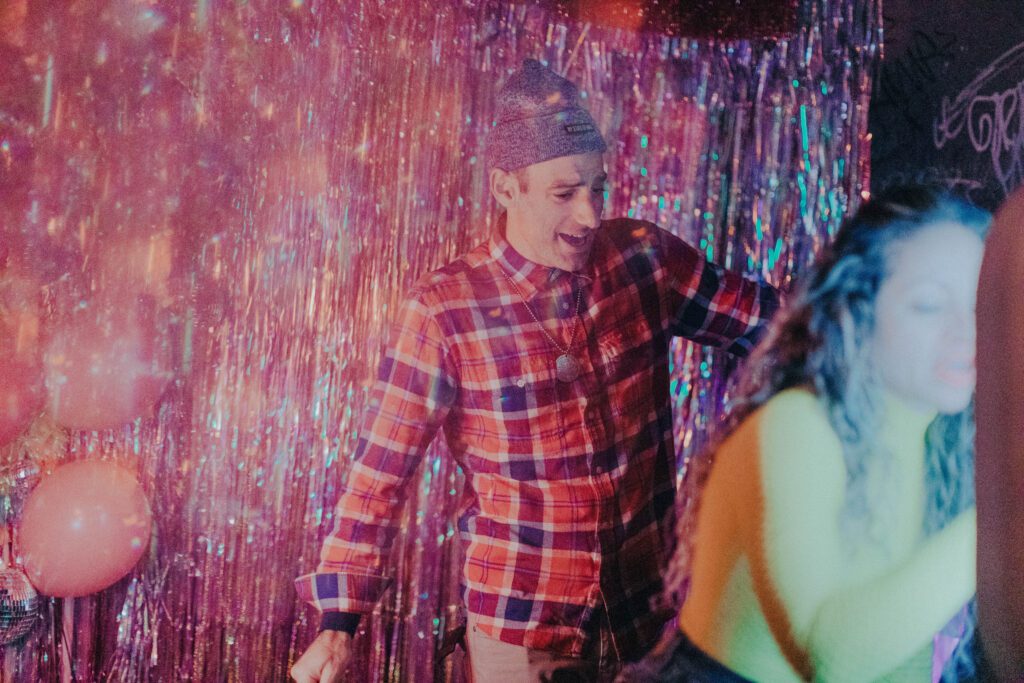
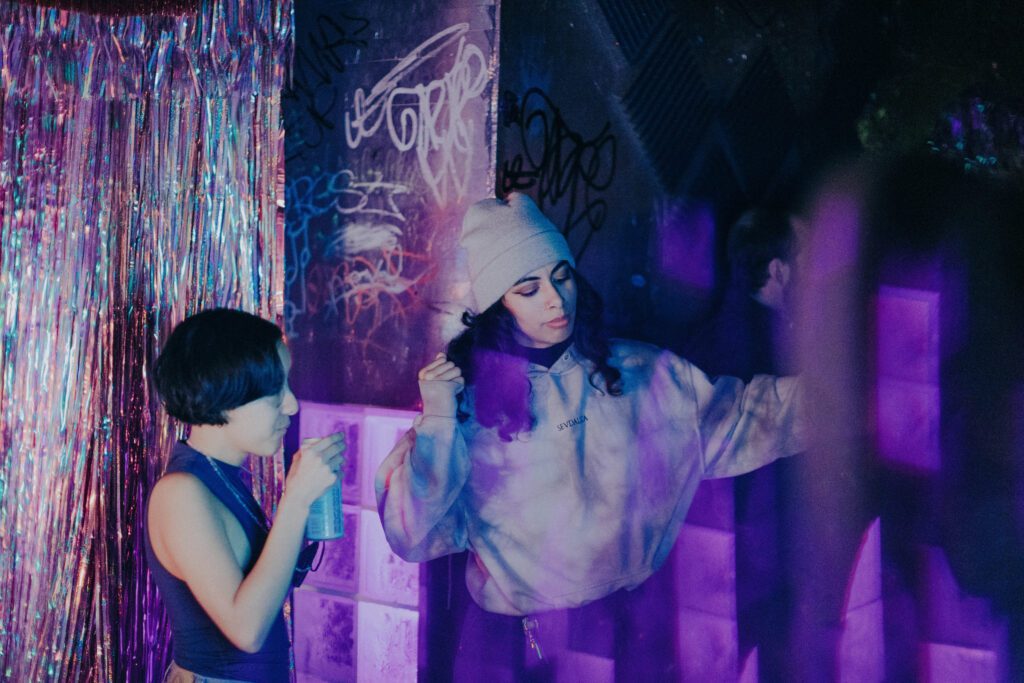
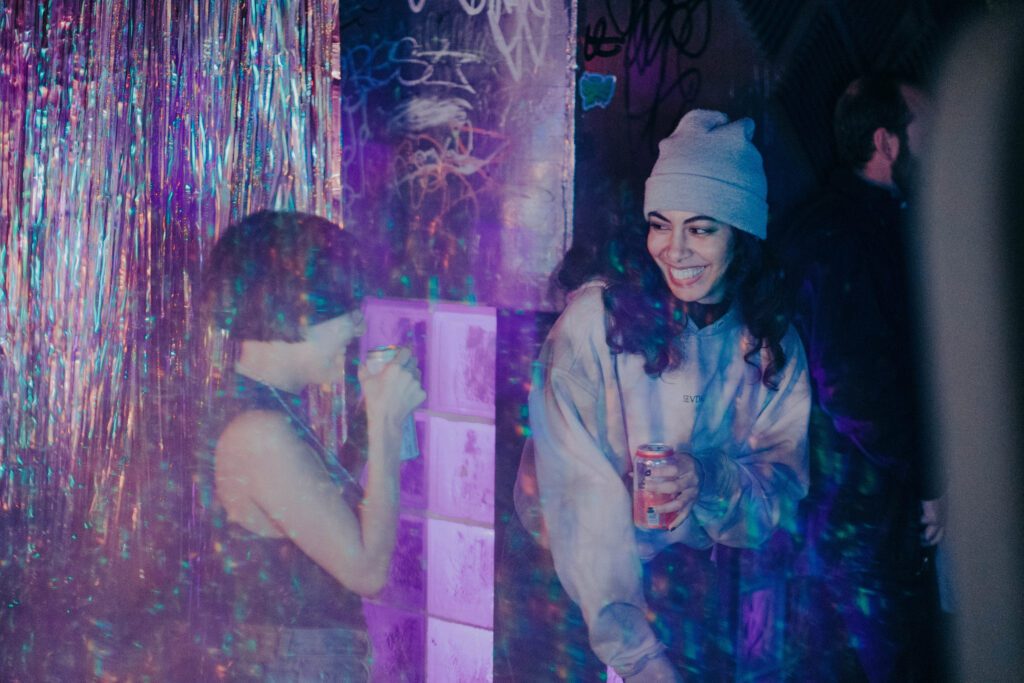
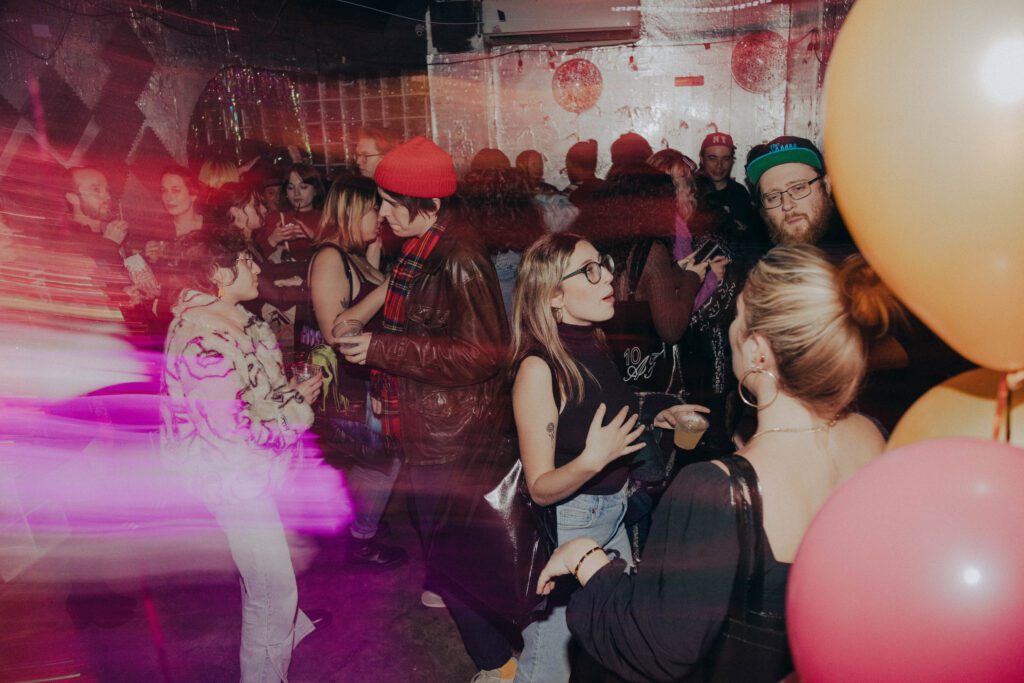
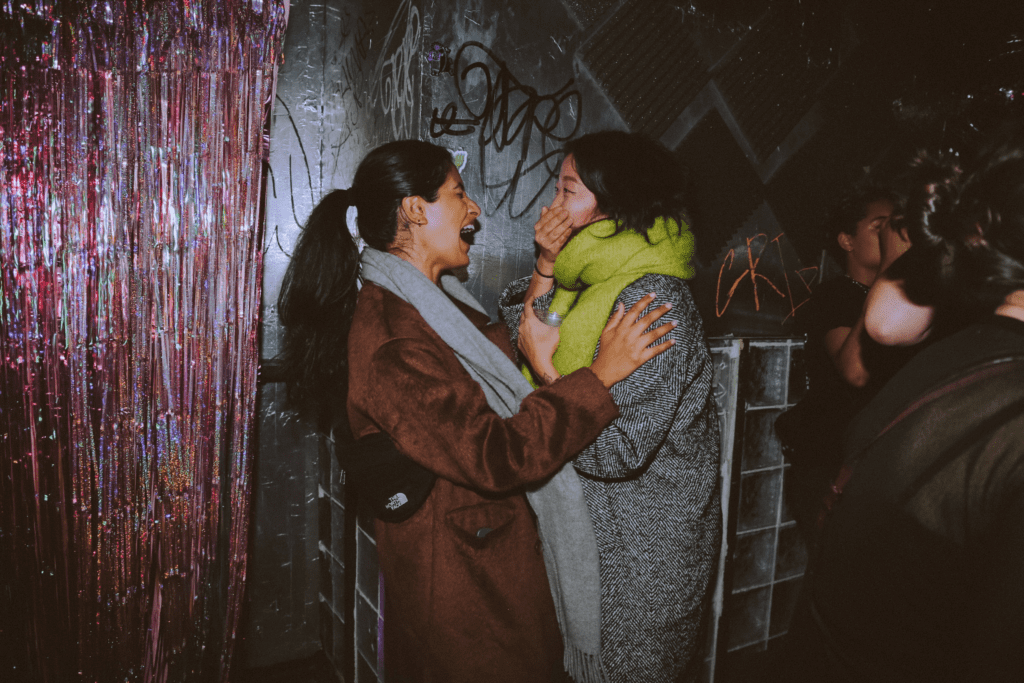
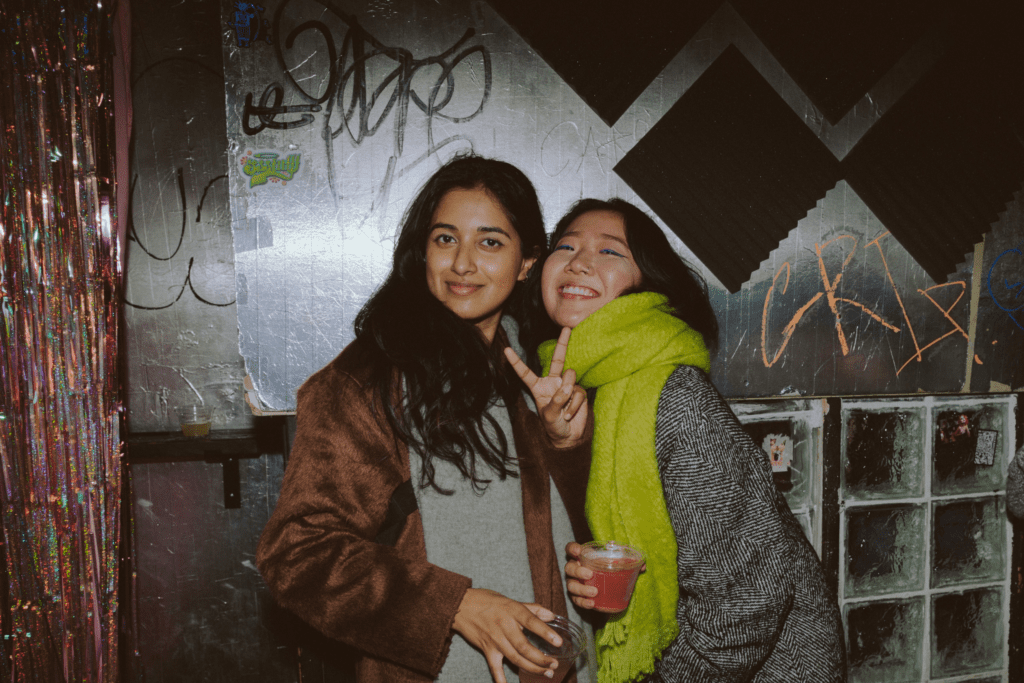
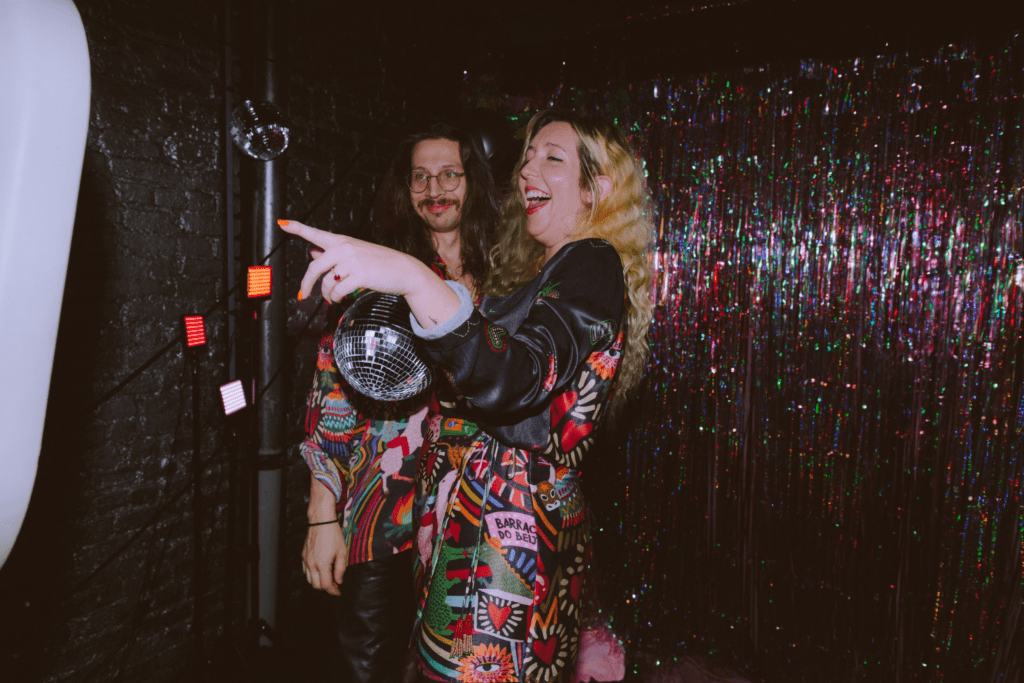
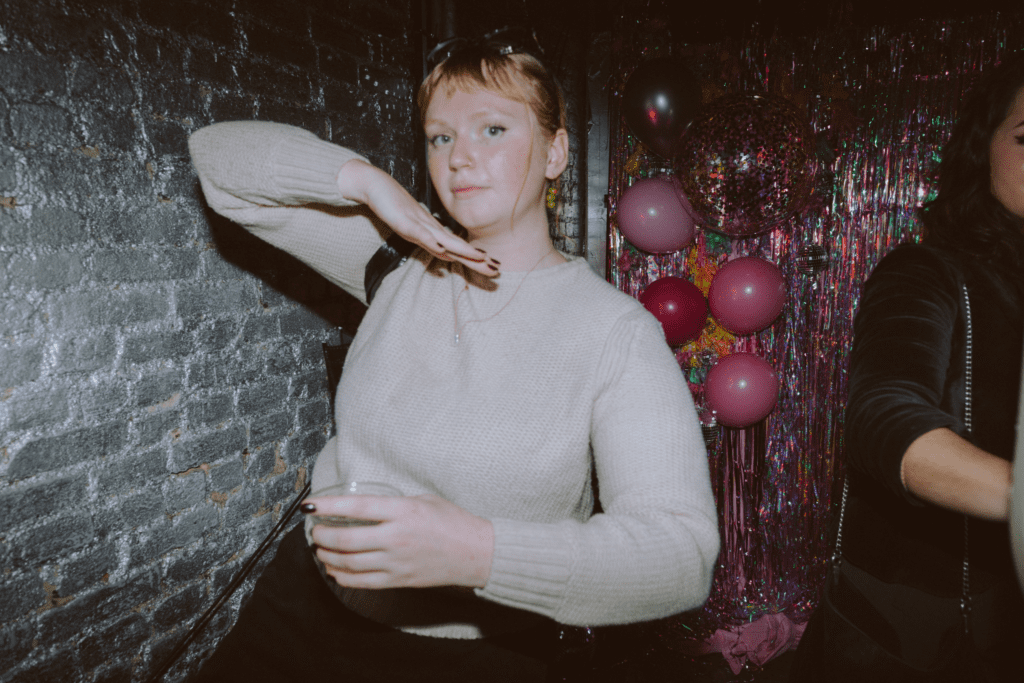
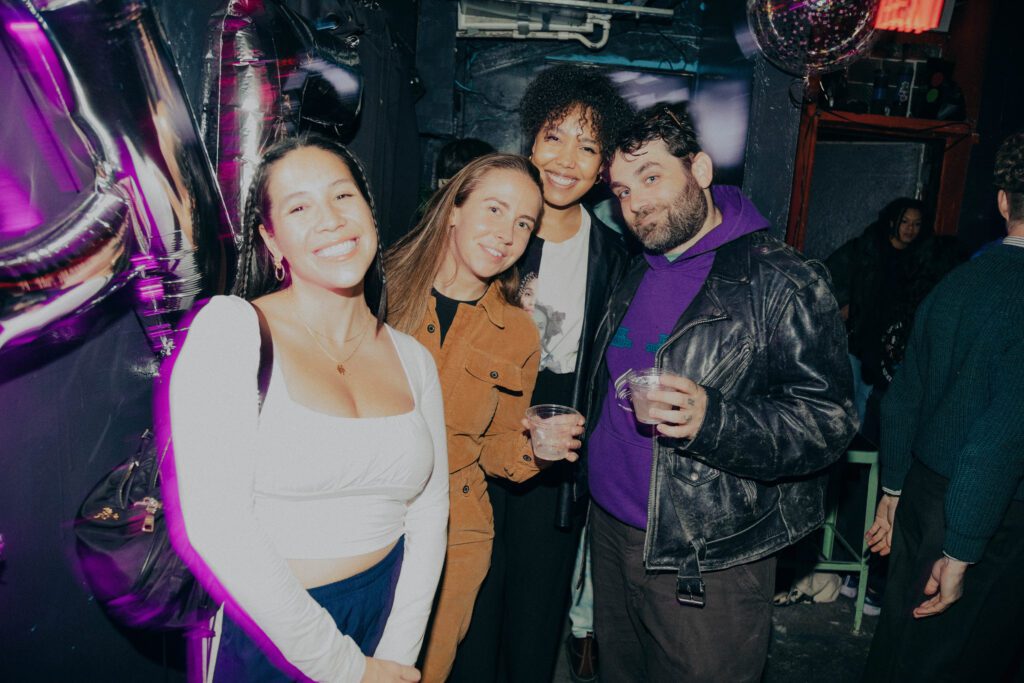
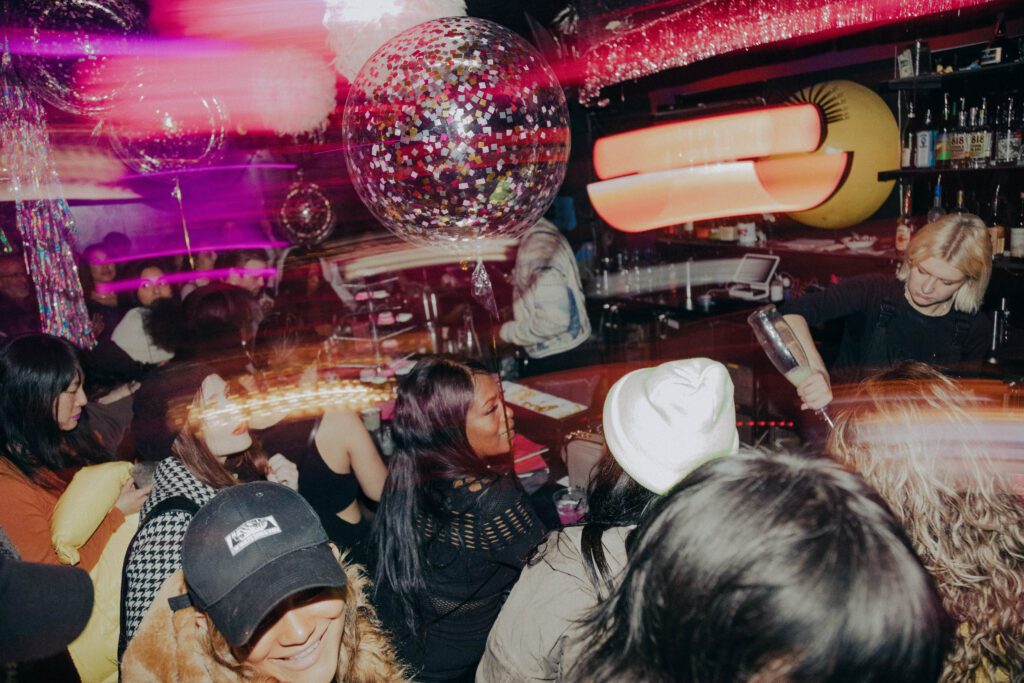
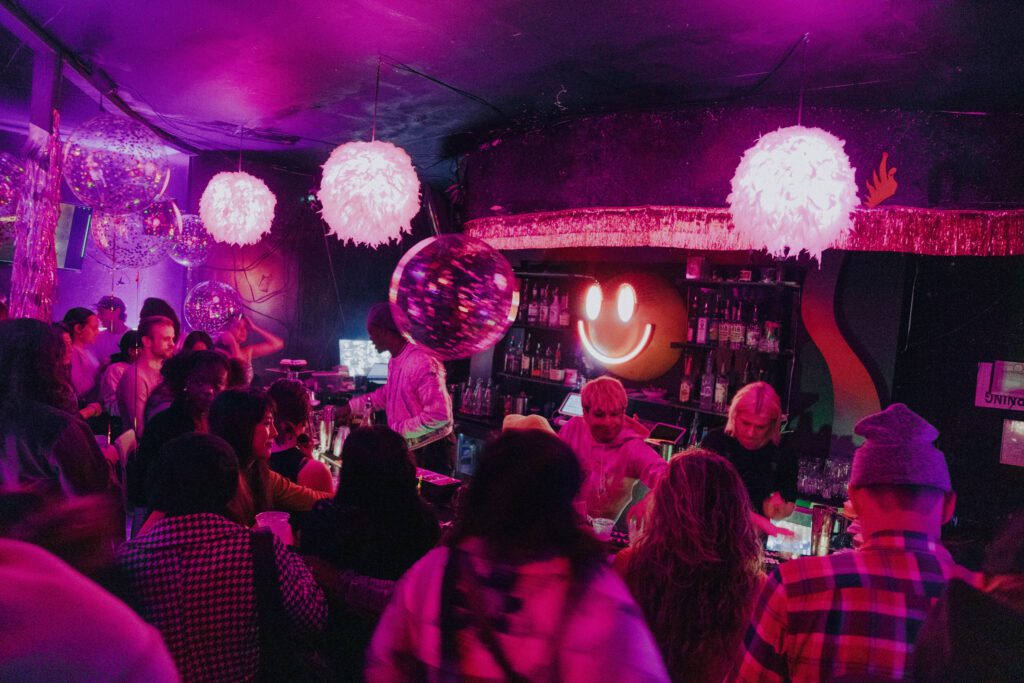
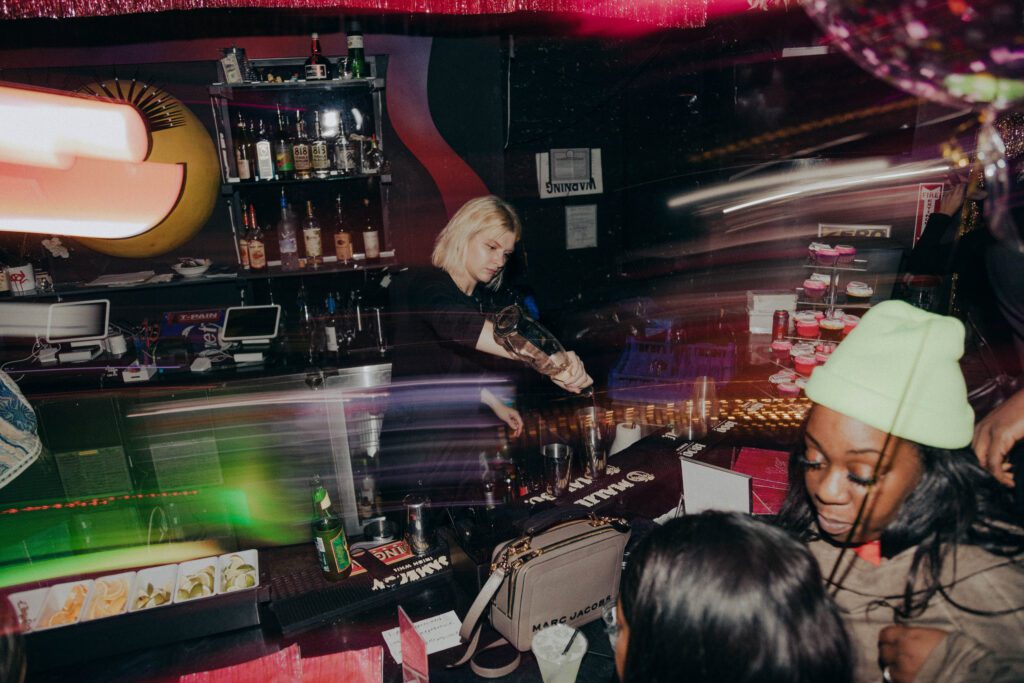
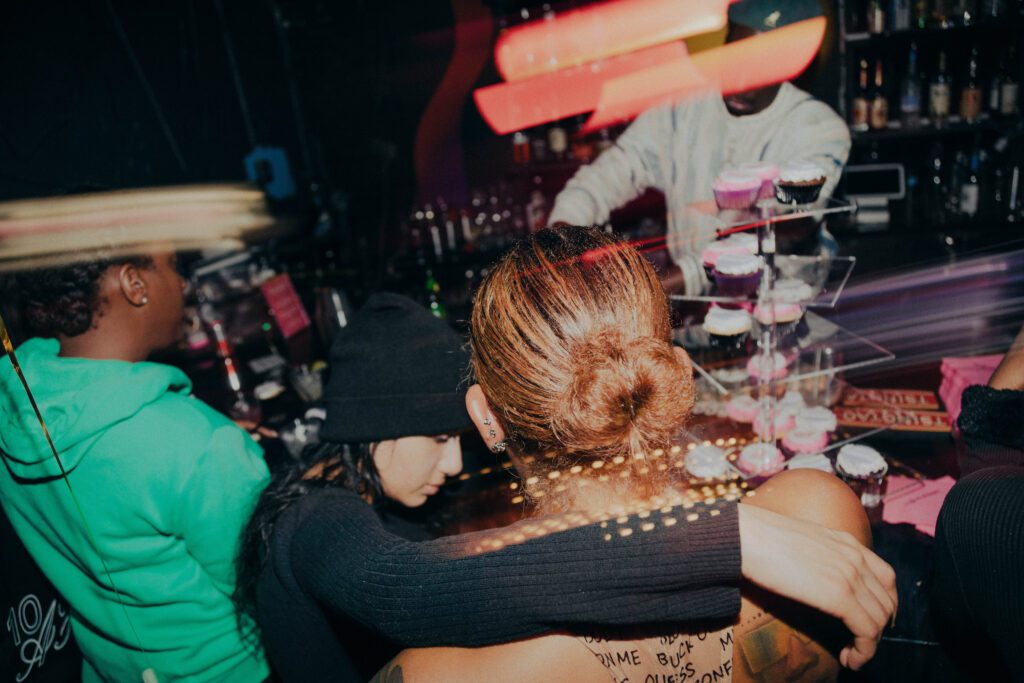
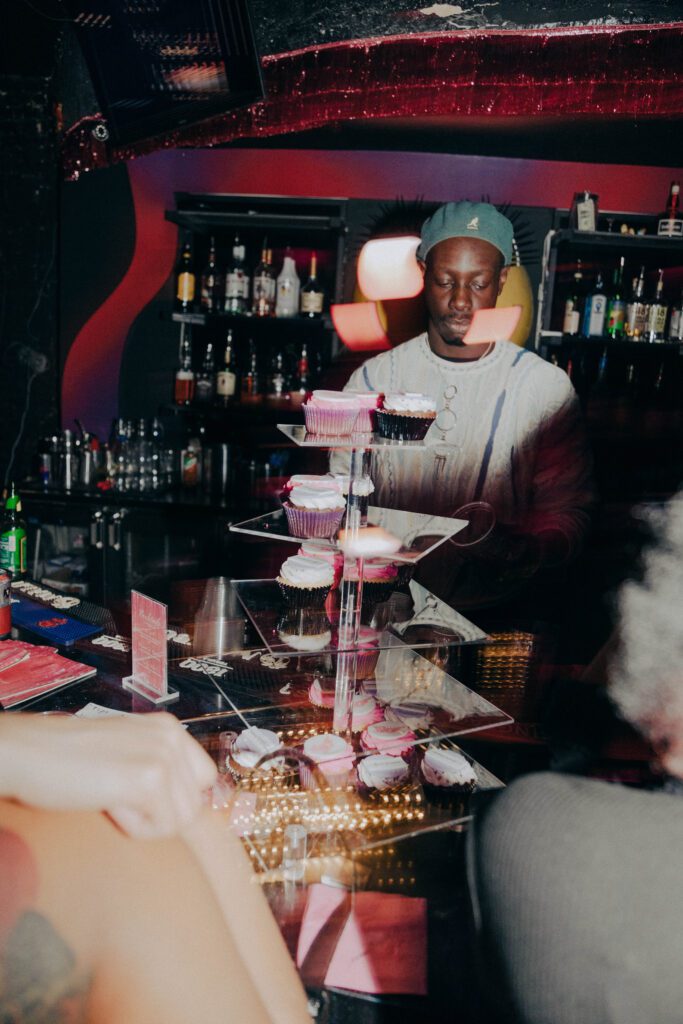
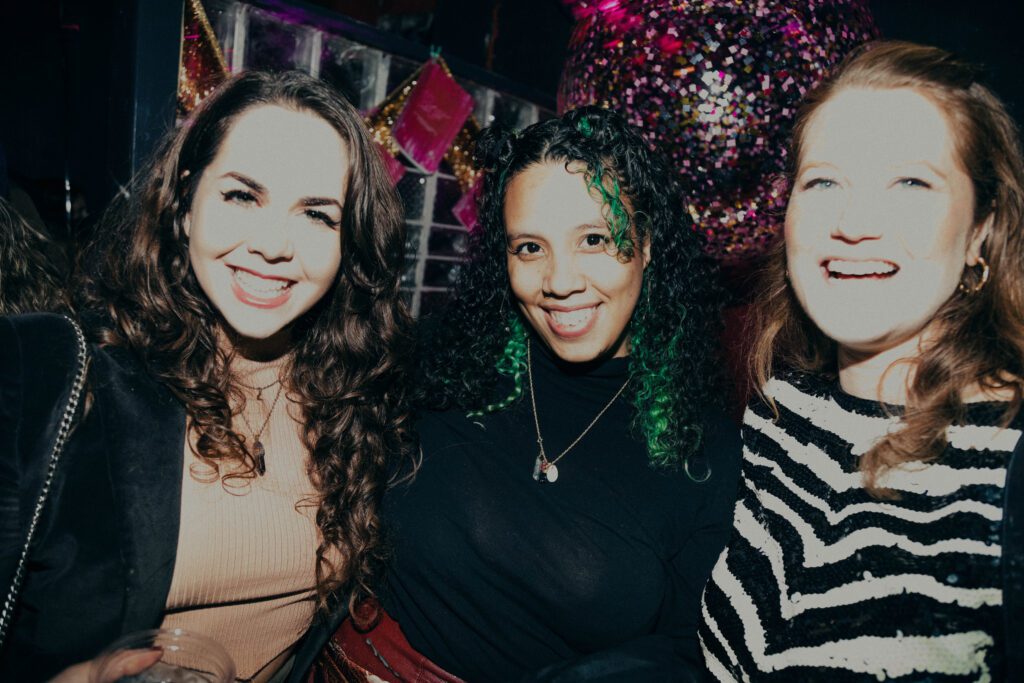
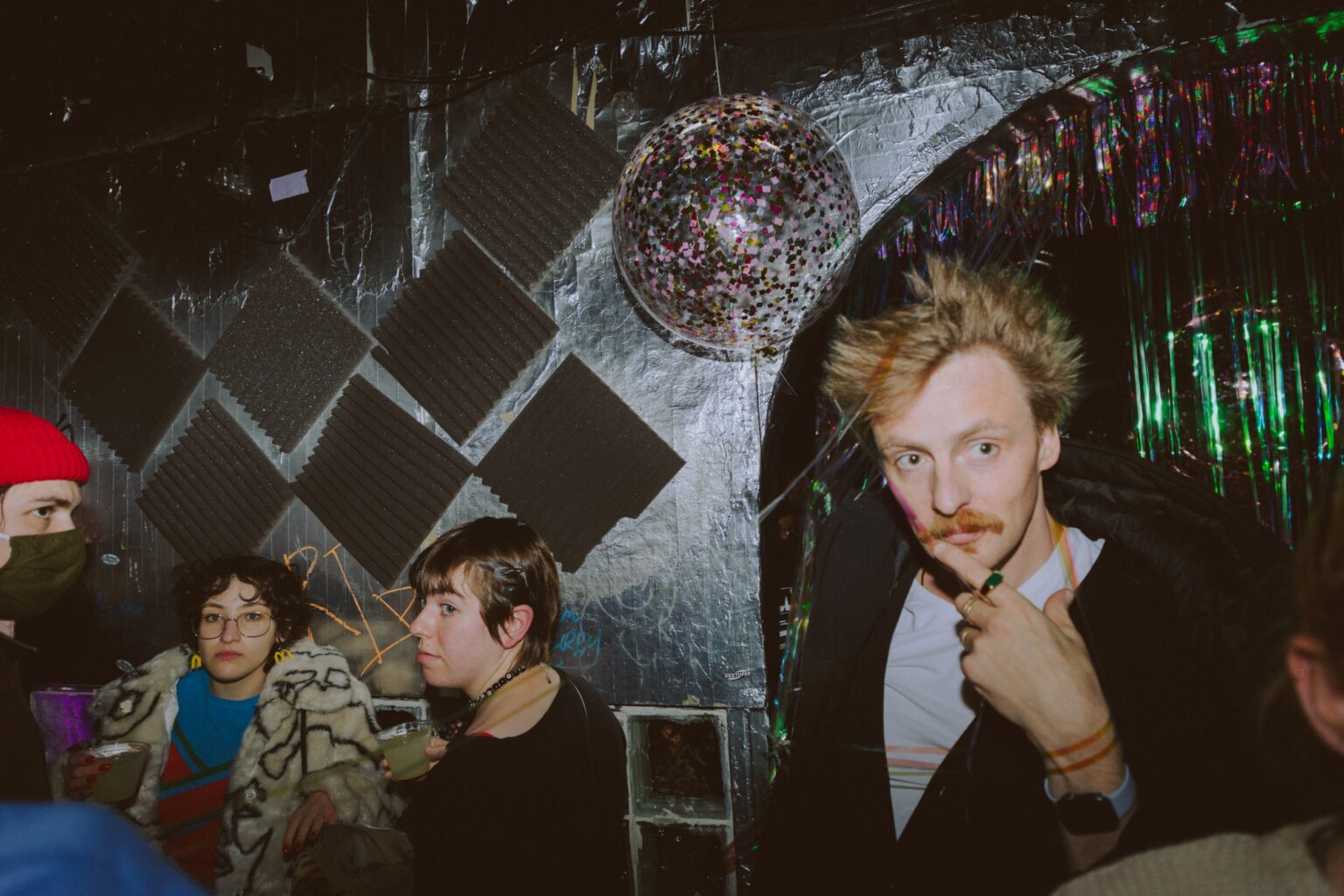
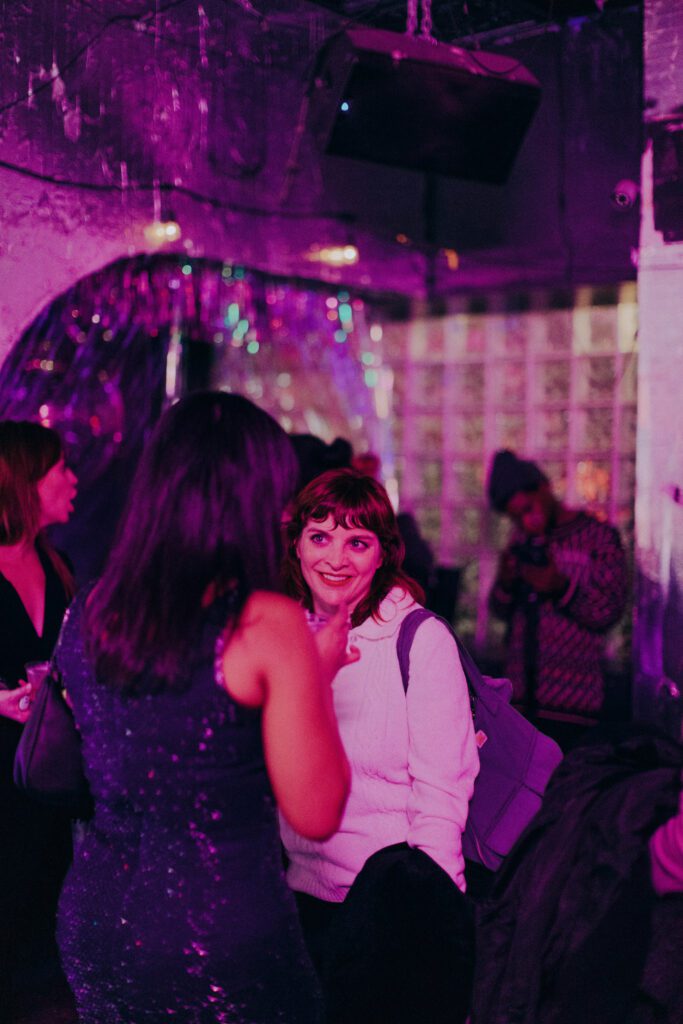
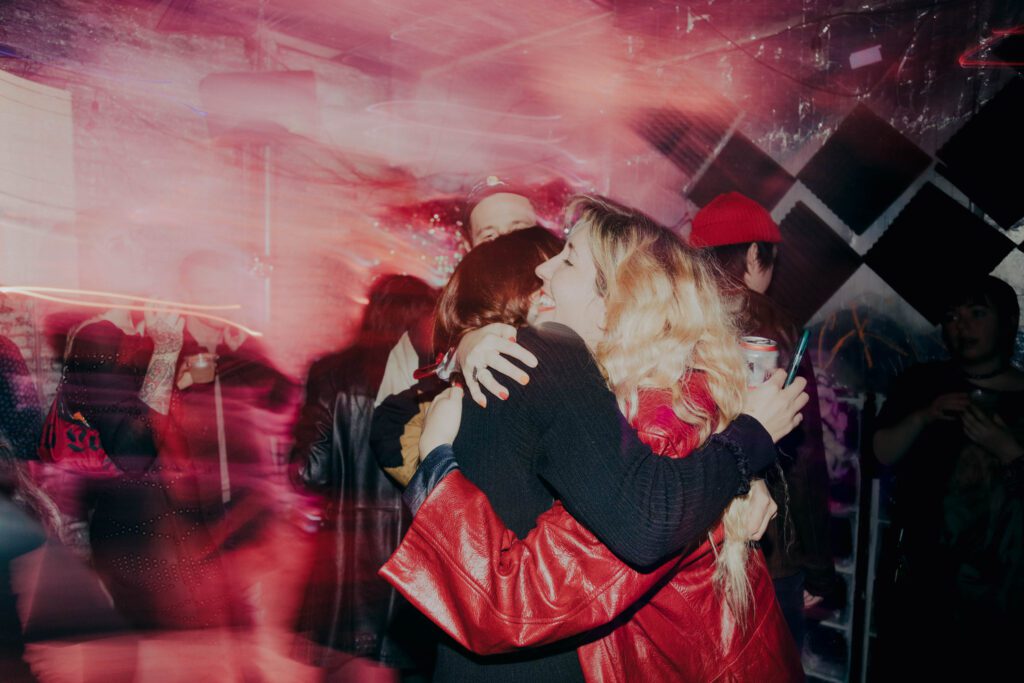
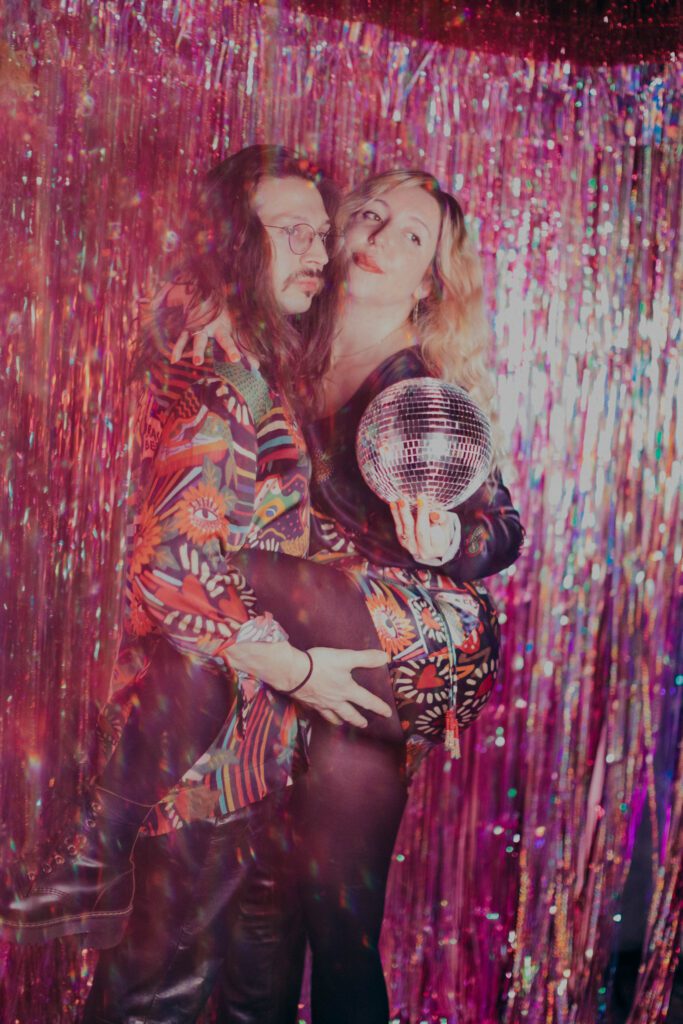
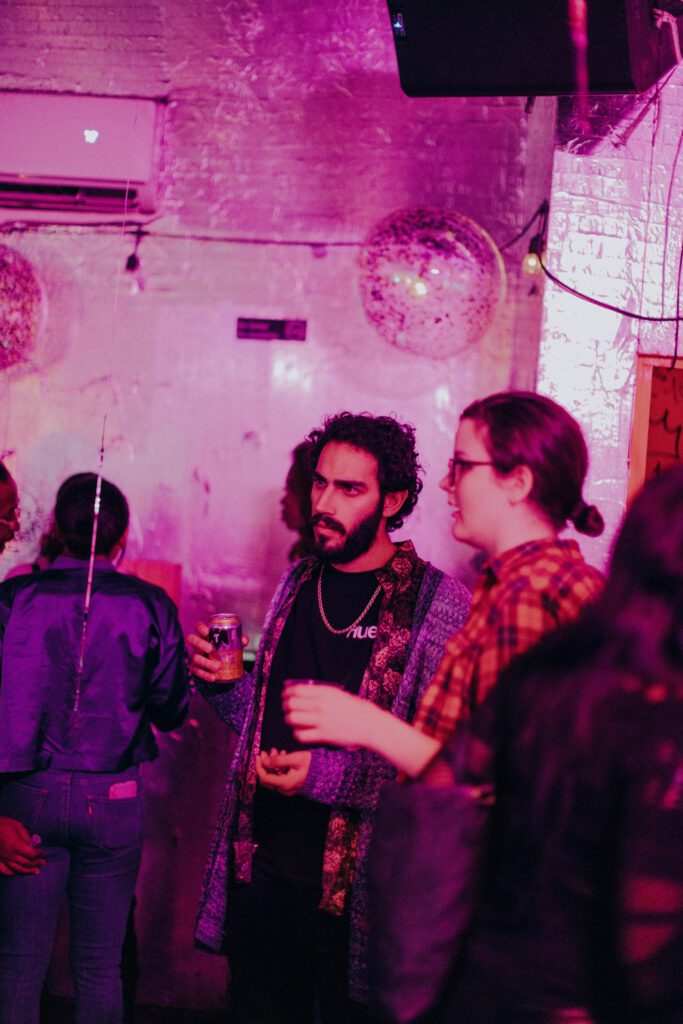
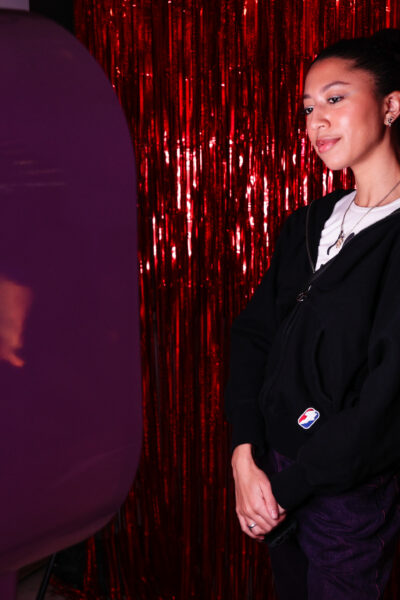
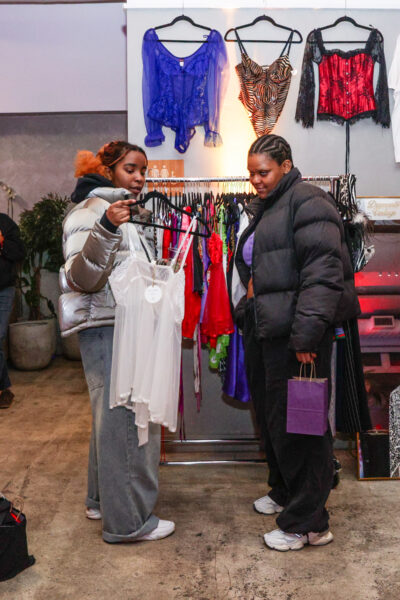
Lucky Night Market has arrived just in time for Valentine’s Day featuring cheeky activations and sexy products for sale. At this naughty marketplace you’ll find a range of goodies including sex toys, lingerie, sultry accessories, and so much more. Attendees will also discover activations throughout the event to get them in the mood, including a love tarot booth, 1:1 sex advice, a roaming cupid, and other interactive stations.

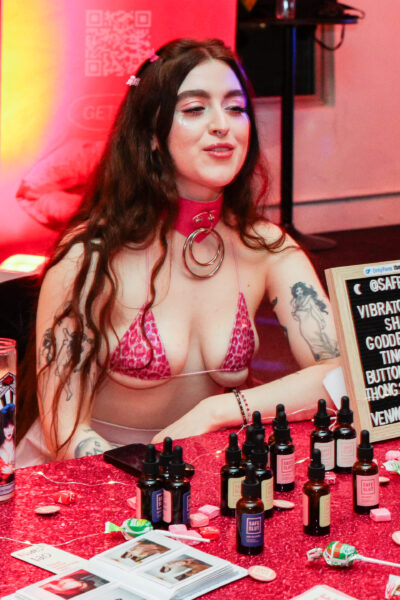
Co-Hosted by Safe Safe Slut / @safeslut
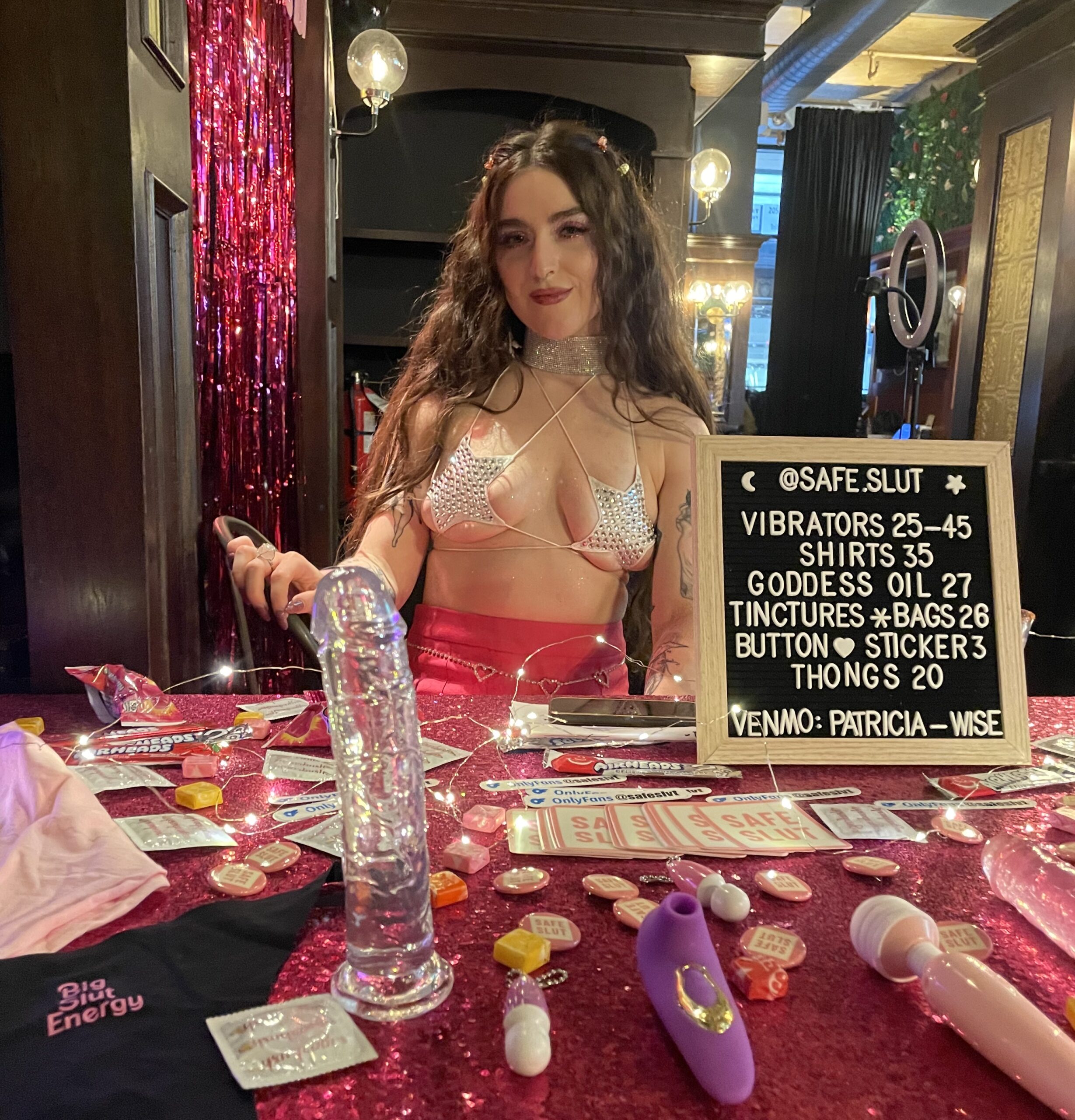
Tricia Wise aka Safe Slut is a NYC based writer, reiki master, adult model, herbalist, sex toy biz owner, content creator, activist and sexual health advocate. Tricia was diagnosed with genital herpes in November 2019. After noticing the stigma and shame surrounding being herpes positive, she created her Instagram account @safe.slut to help people take their power back while promoting sex positivity, helping to destigmatize STIs and slut shaming, and promoting safer sex practices. In addition to this, she wanted to share her passion for herbal potions and reiki healing. Tricia also spends her time writing about sex and dating on her Patreon, helping people through their herpes diagnosis with support calls and reiki, and breaking down taboos on her web series Getting Sloppy with Safe Slut. In May 2022, Tricia started her OnlyFans account, called @thecassieblack to show that you can be hsv+ and still be hot af.

Vendors

Safe Slut Sex toys, personal care products, undies, and more

Spectrum Boutique Sex toys, books, lubes

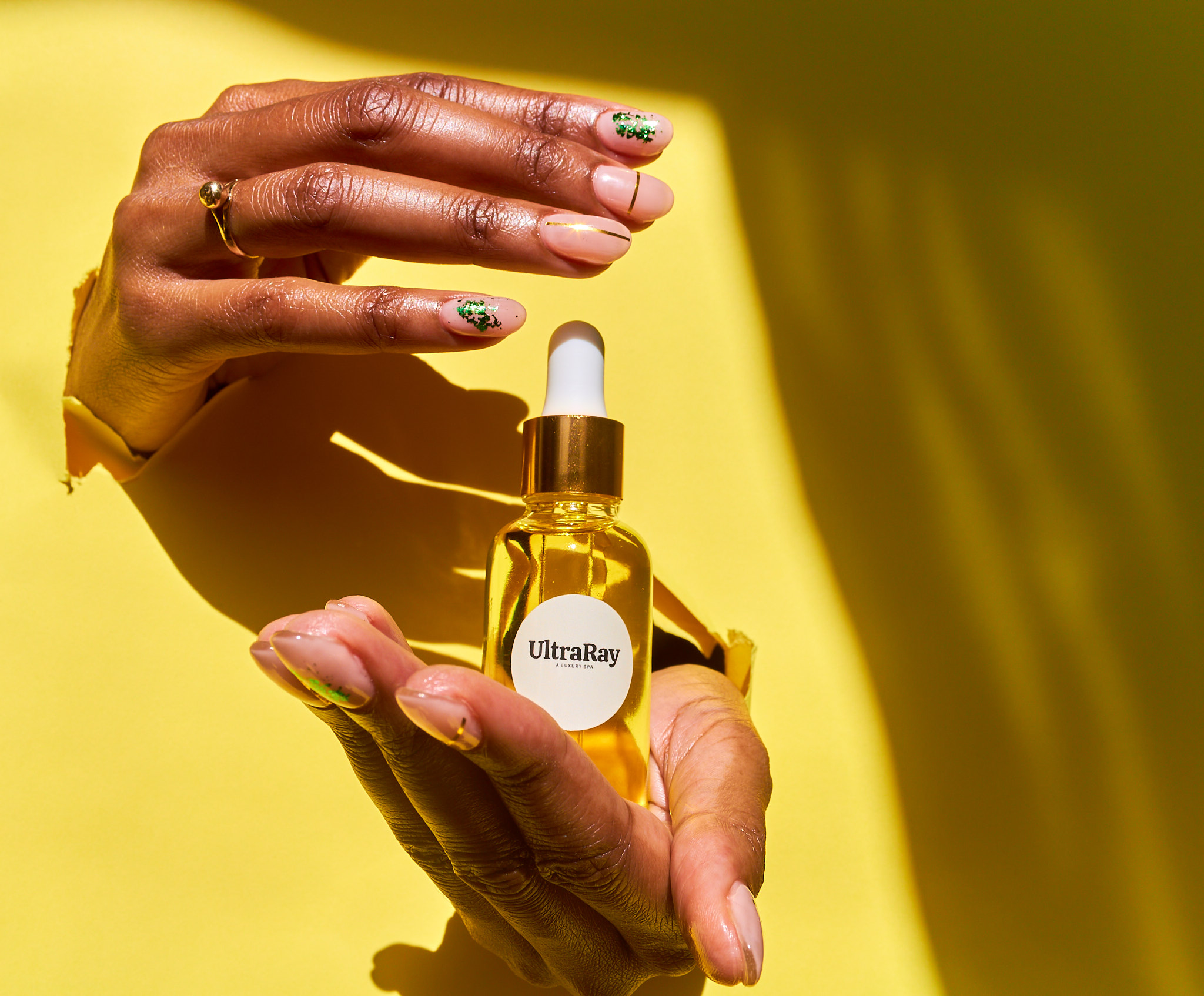
Ultra Ray Body Butters, Fragrances, Soaps, Sugar Scrubs, and Candles

Bedroom Behavior Bright Bold and Sexy Lingerie for all the Baddies

Reap What You Sew Jewelry

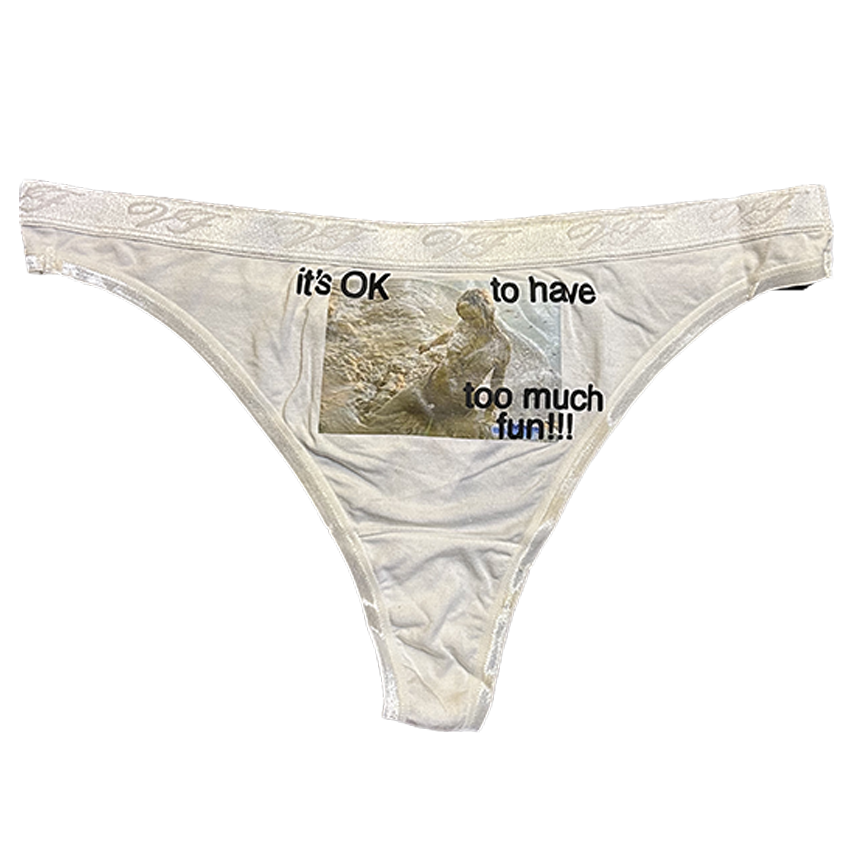
Sweet D Labs Thongs & things with cheeky sayings/philosophies/poetries hand-printed

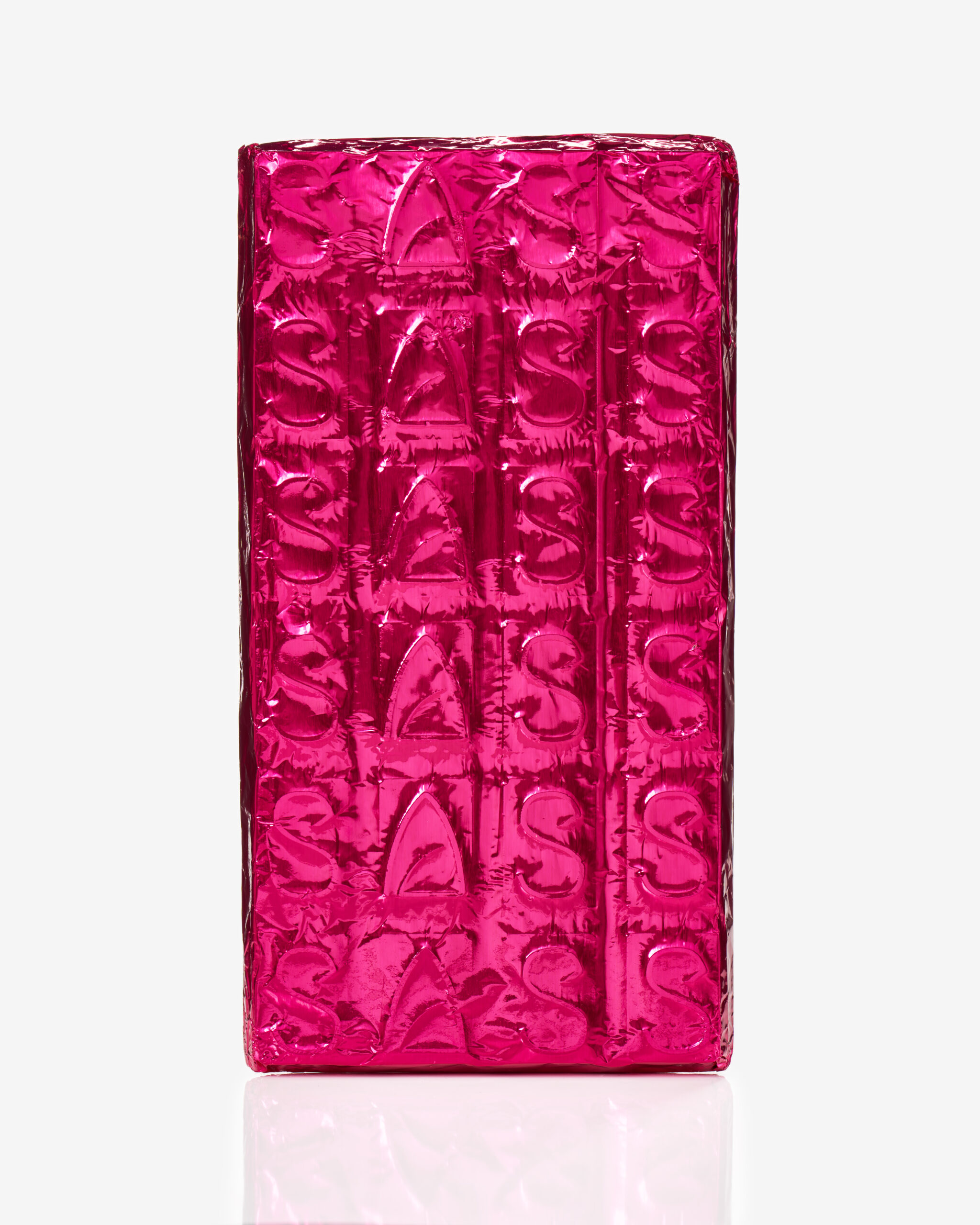
SASS Infused chocolates, topicals, and smokeables, sex positive education and products.

KICCI Custom Made Perfume

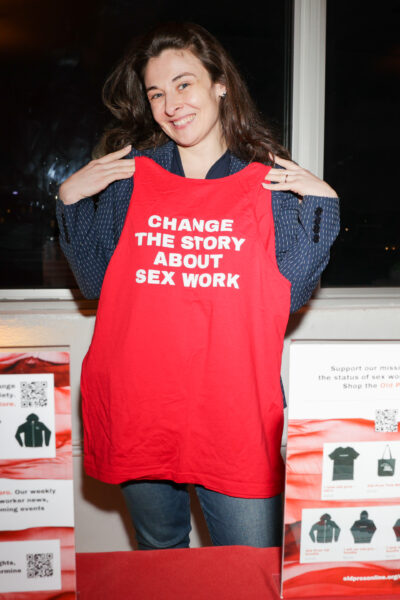
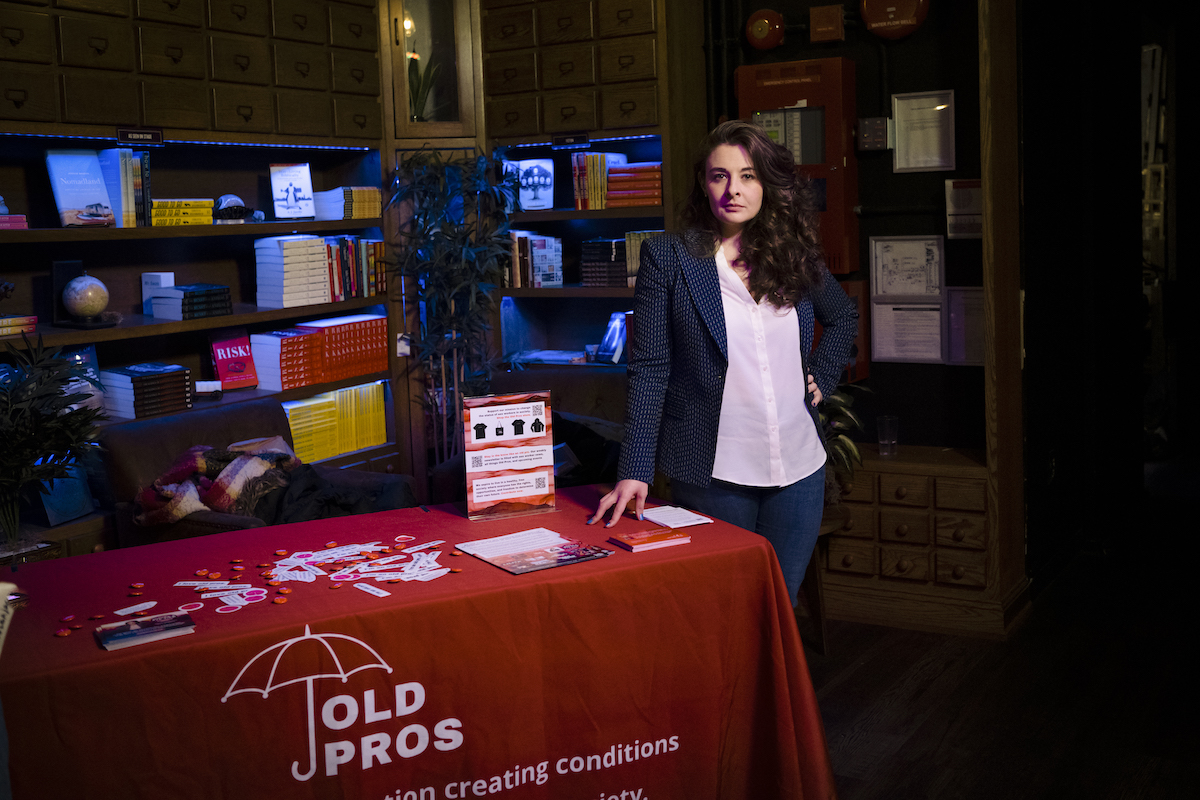
Old Pros Non-profit media organization creating conditions to change the status of sex workers in society.

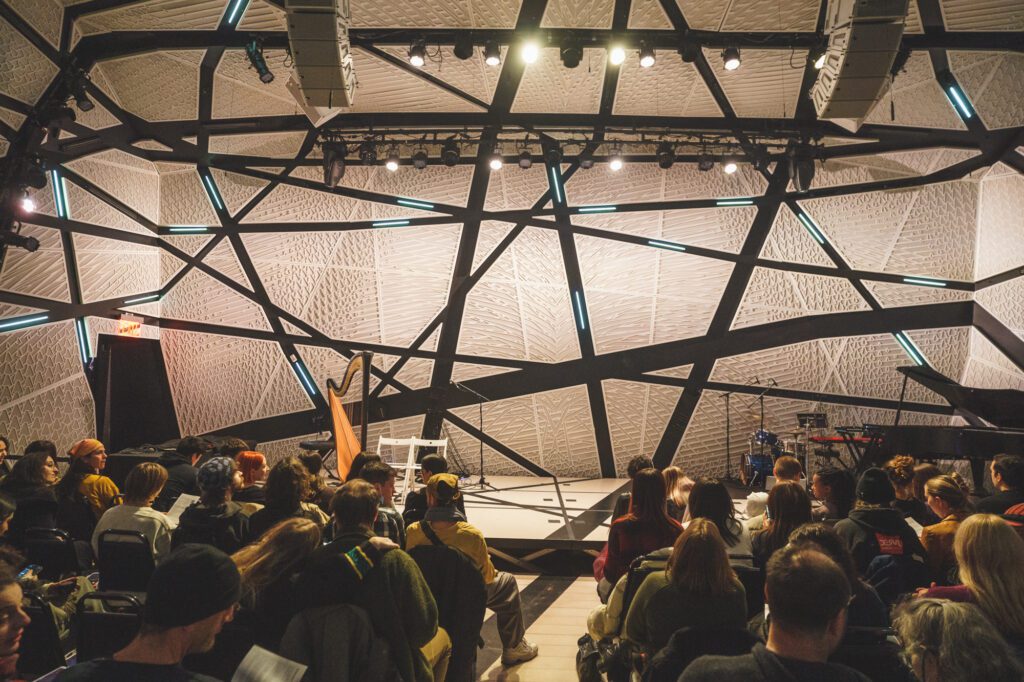
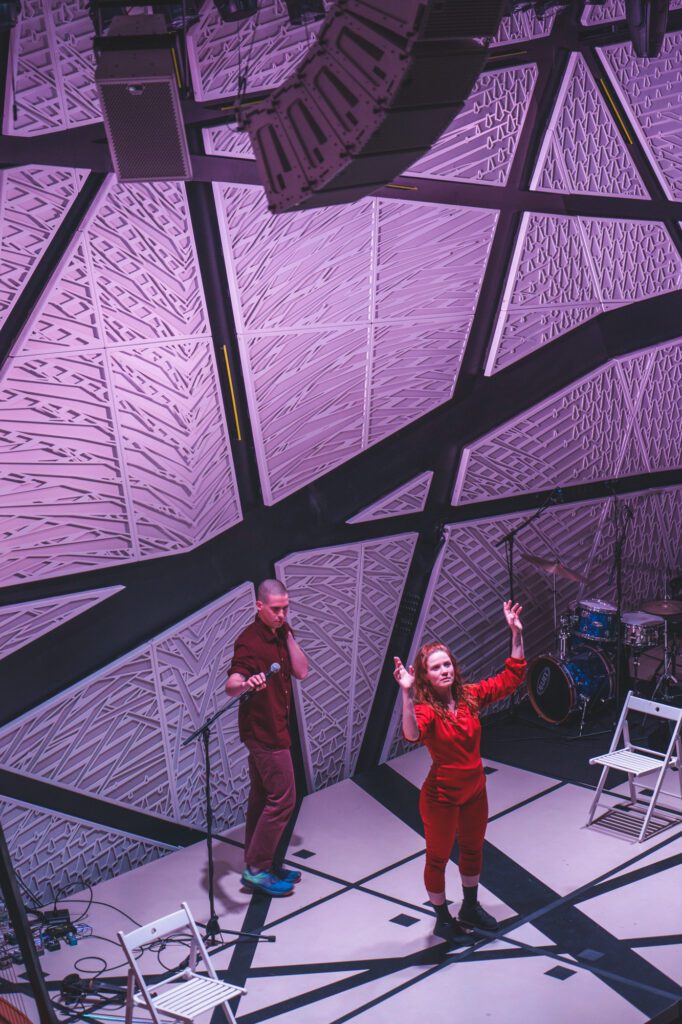
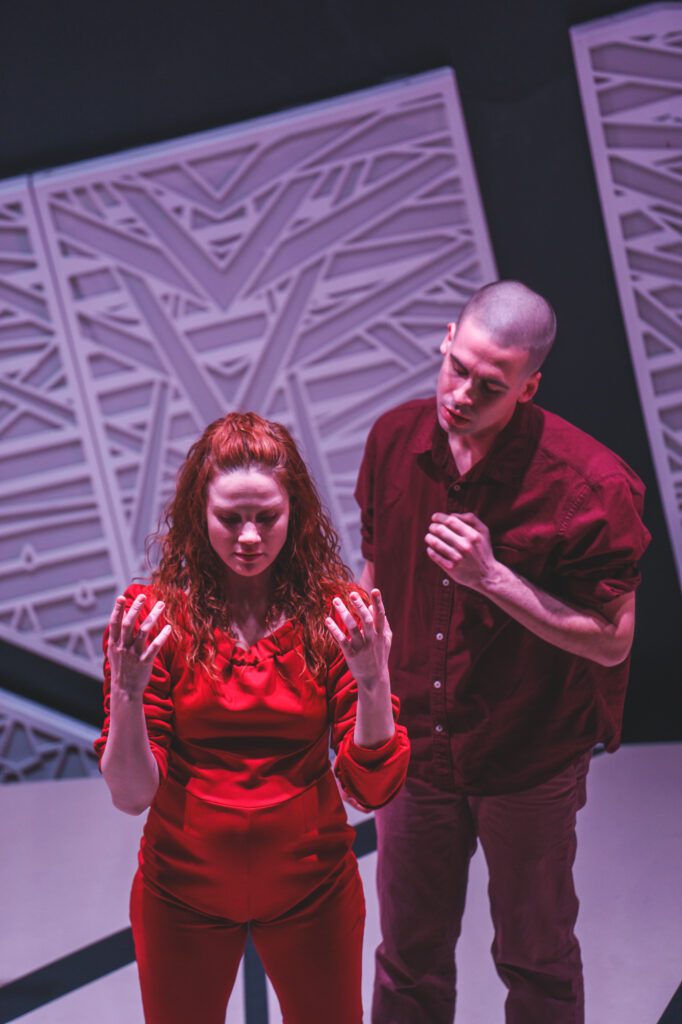
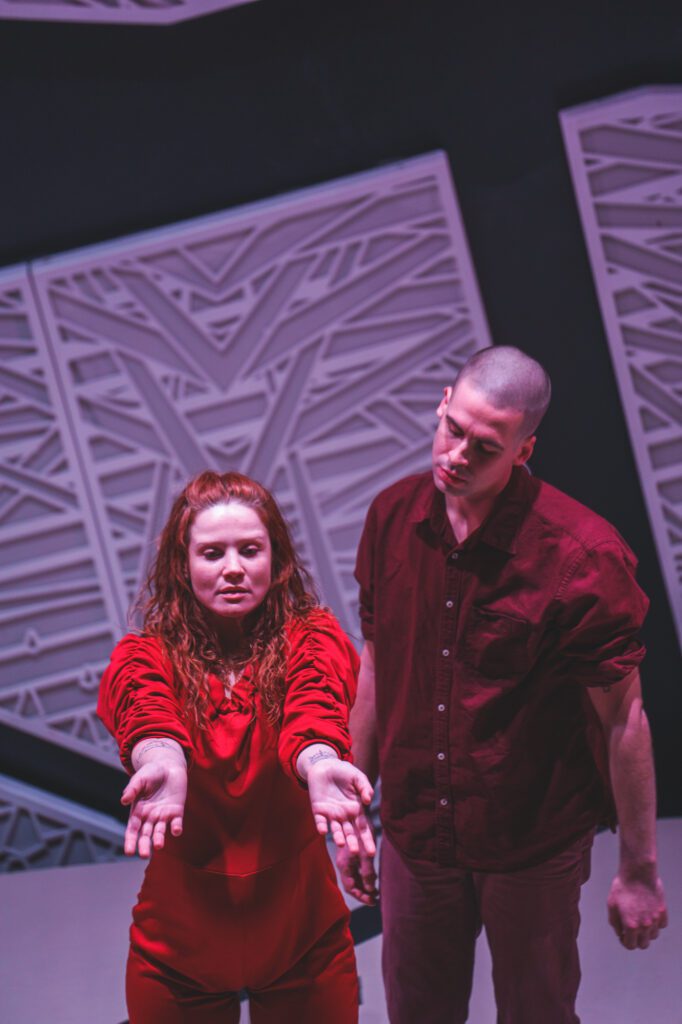
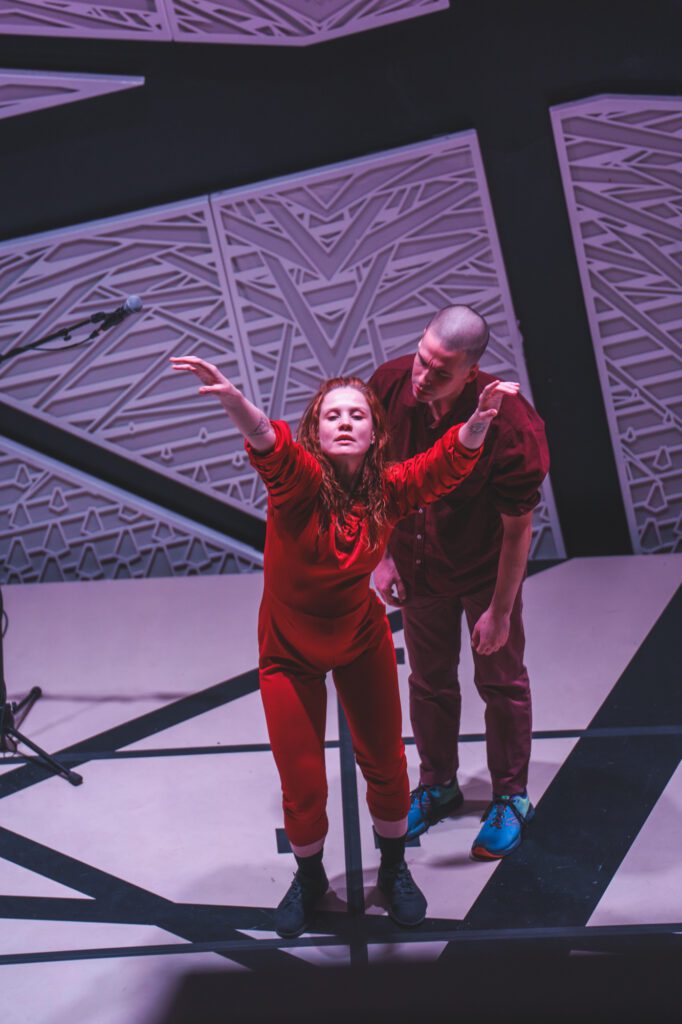
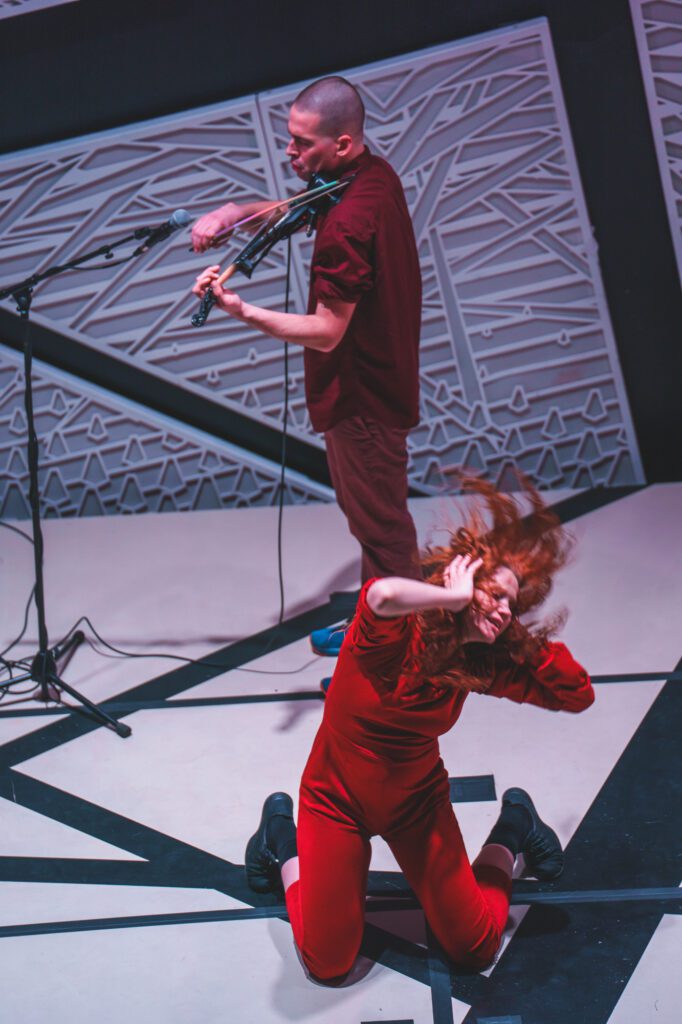
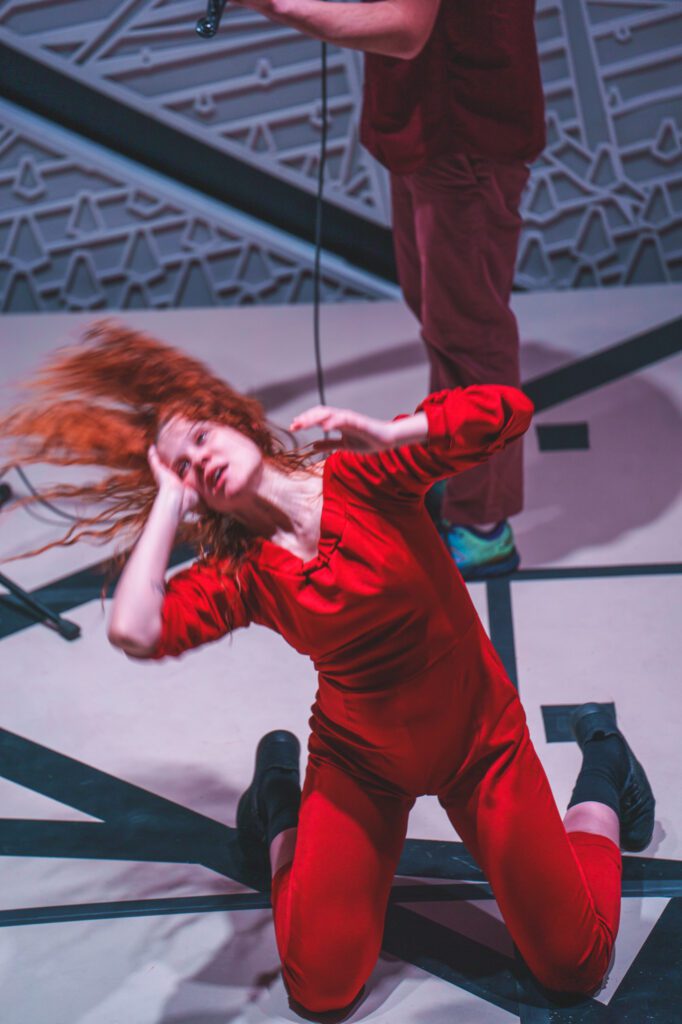
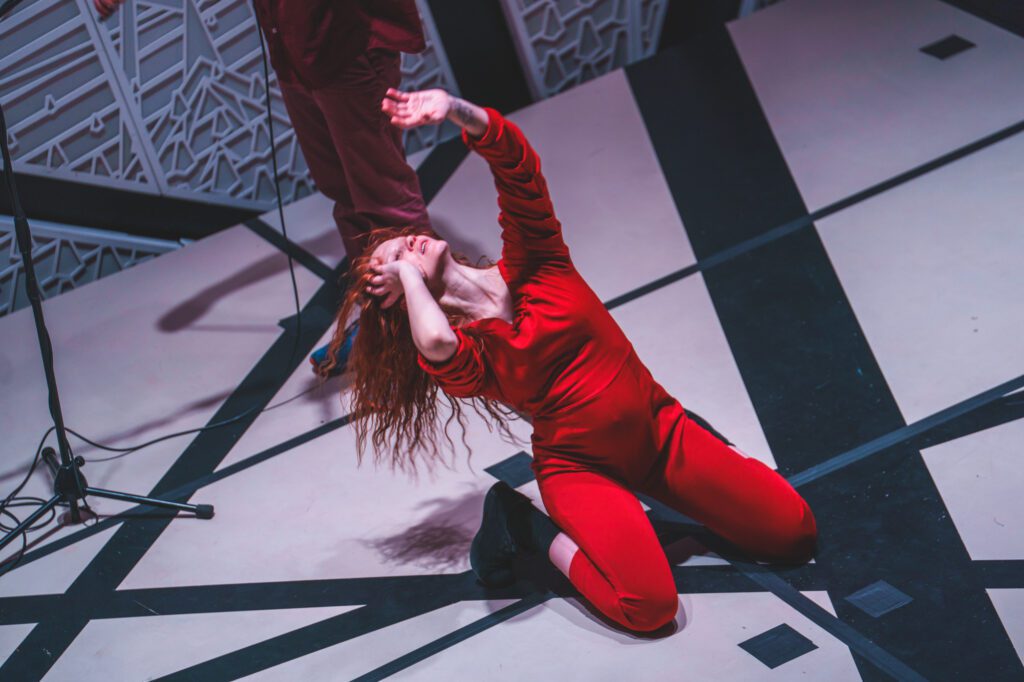
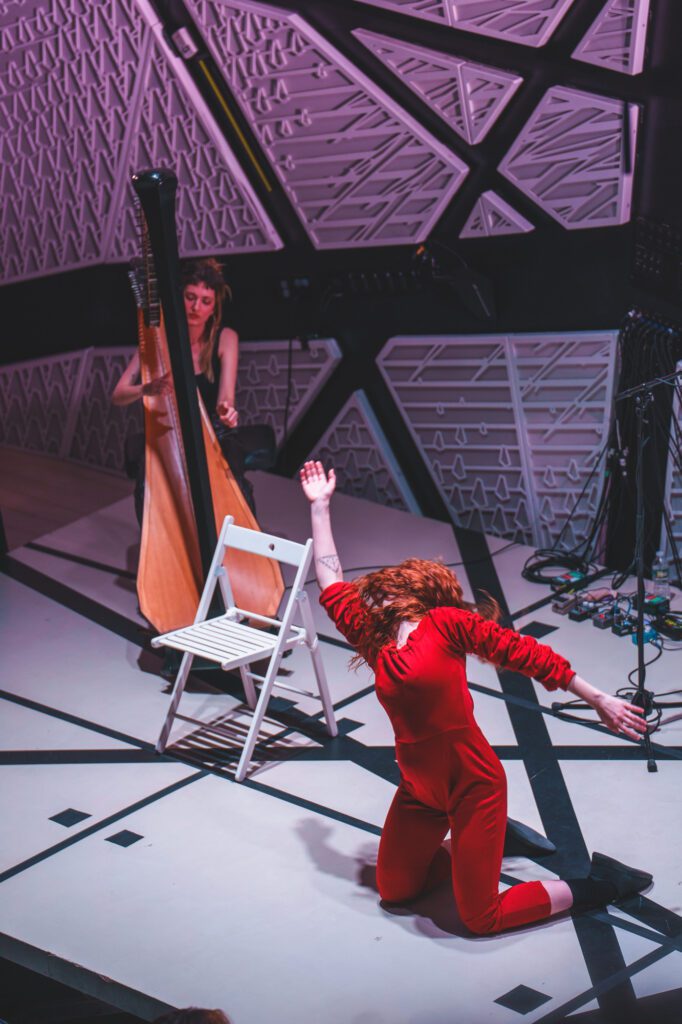
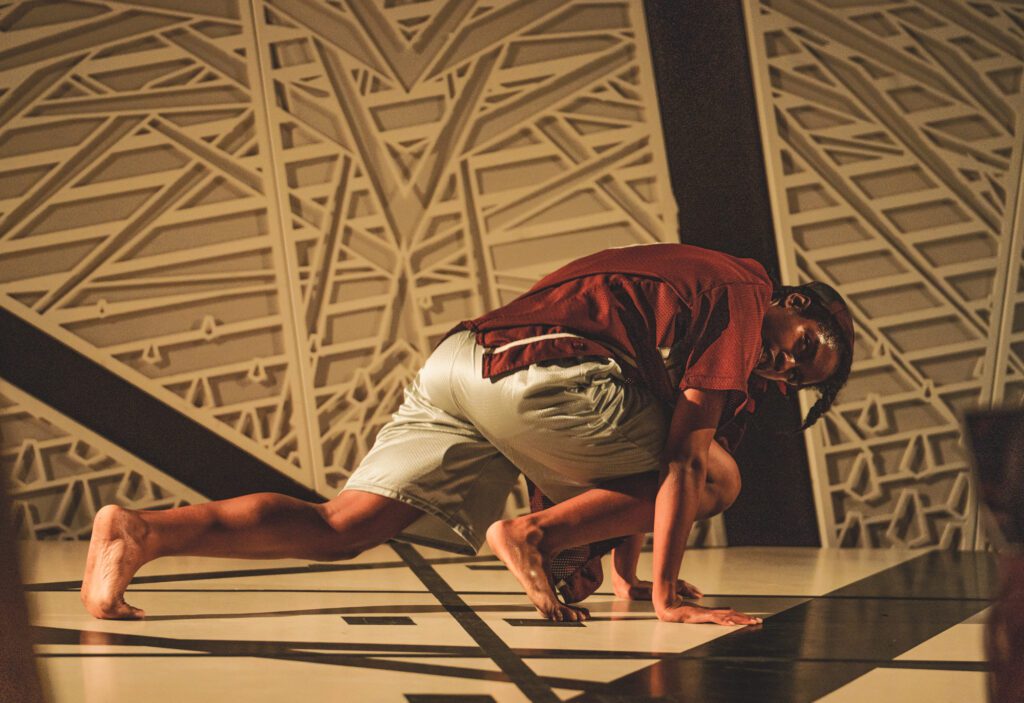
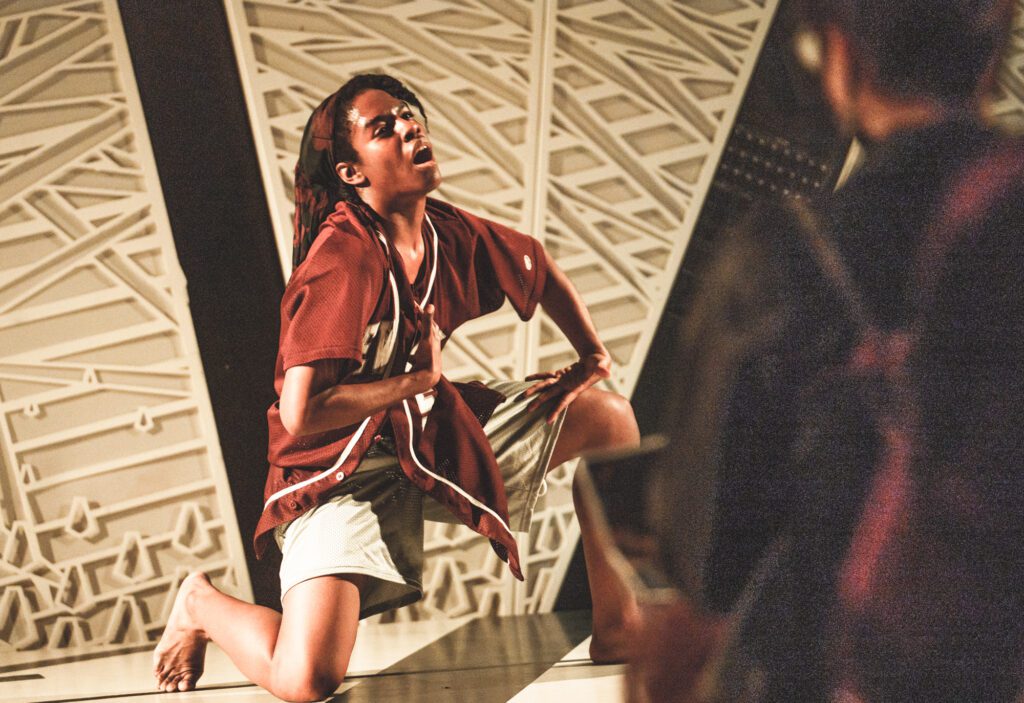
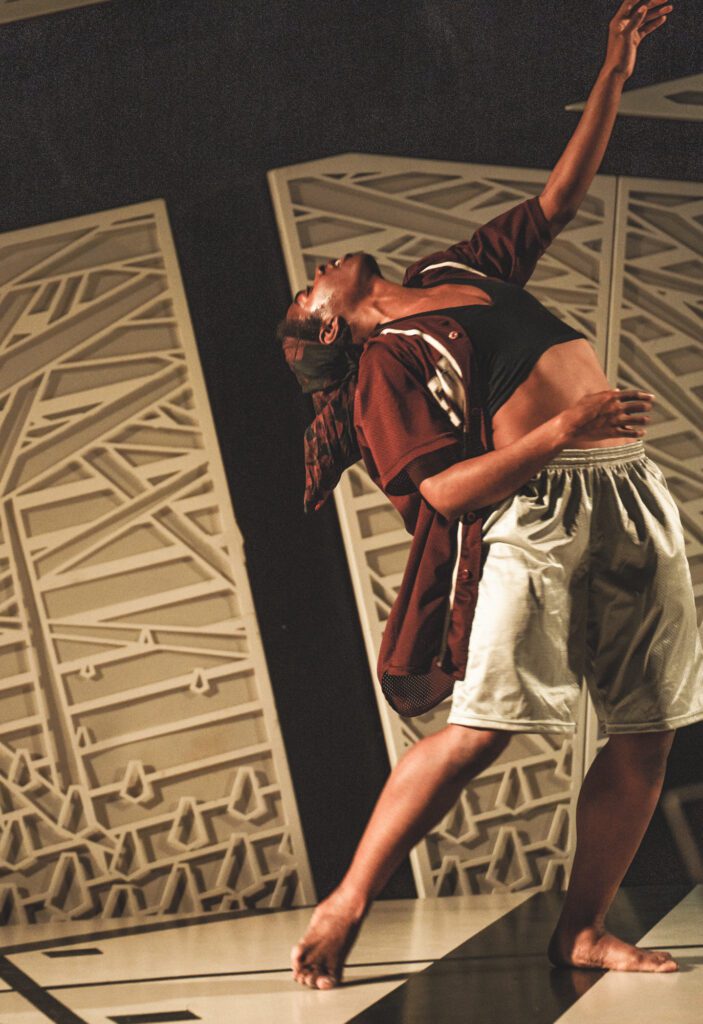
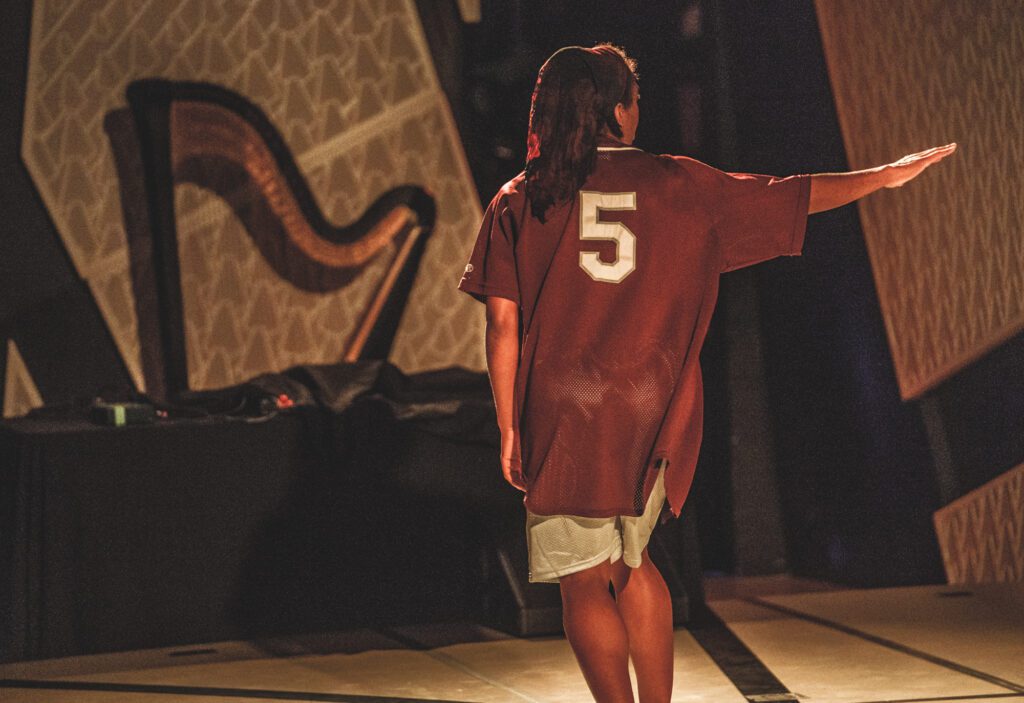
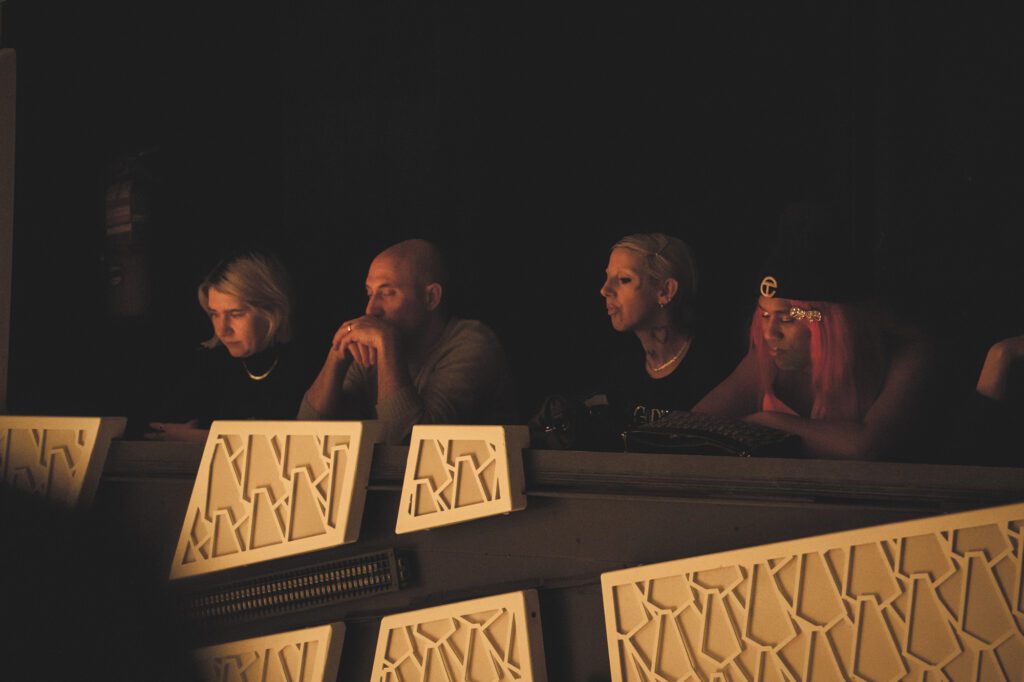
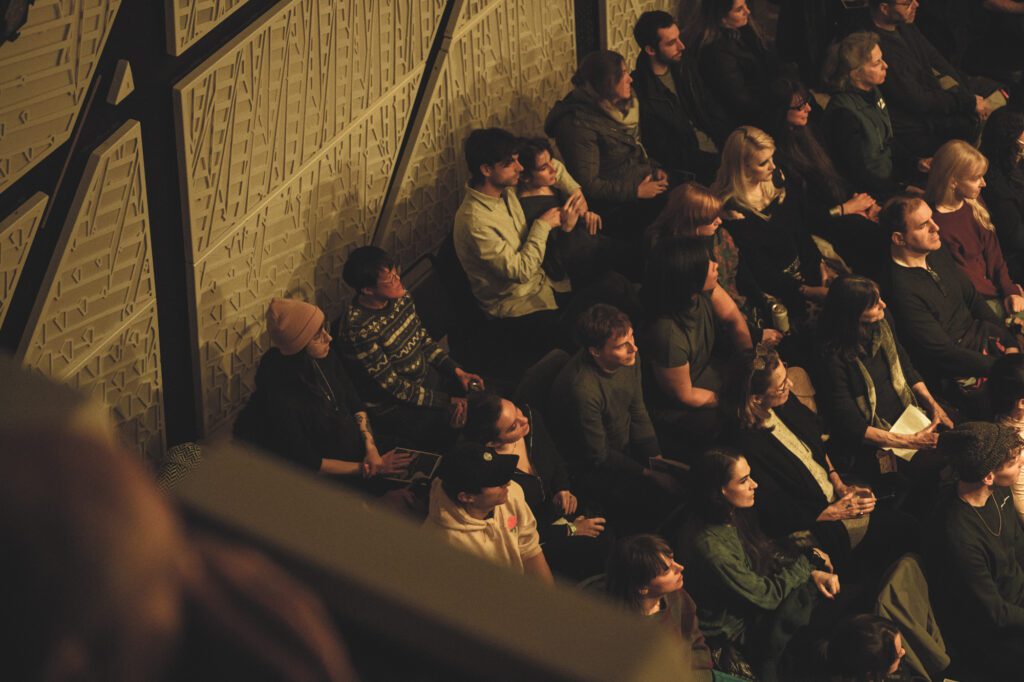
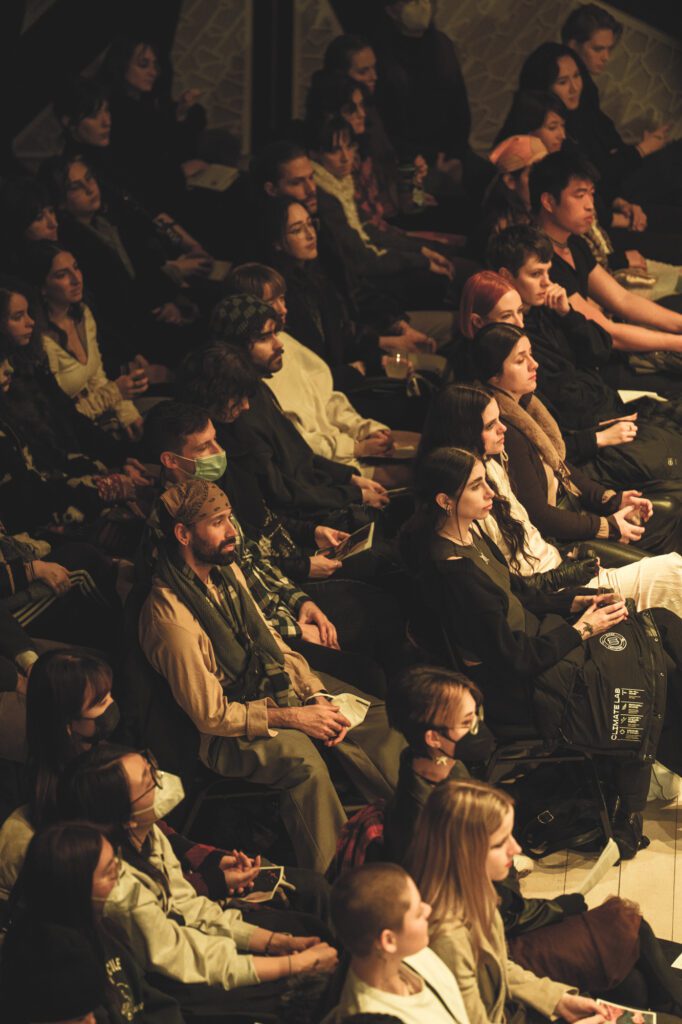
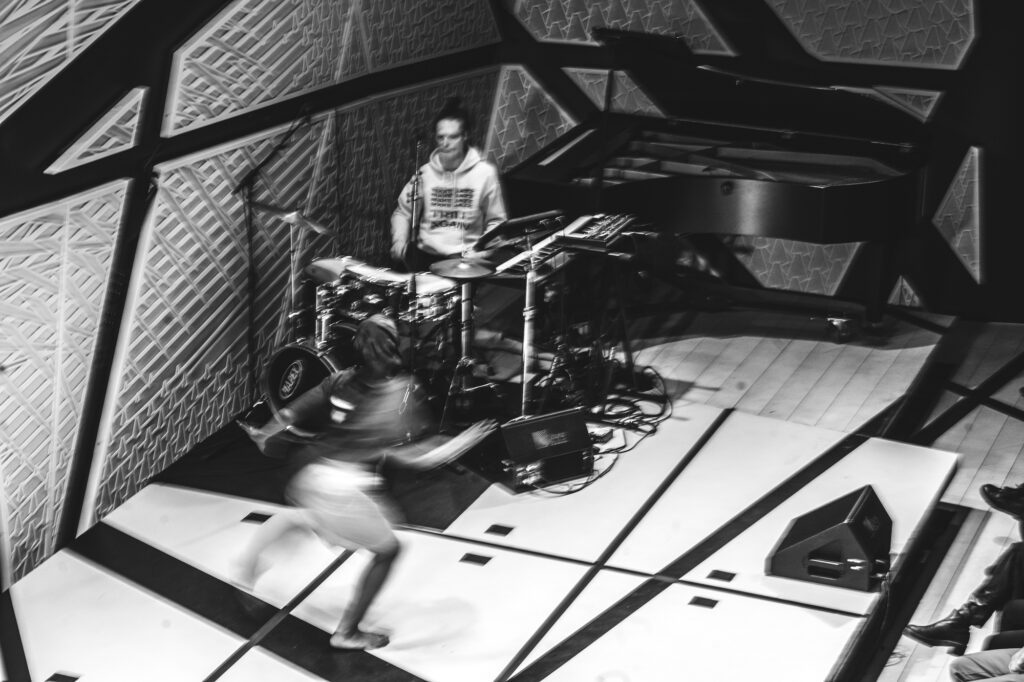
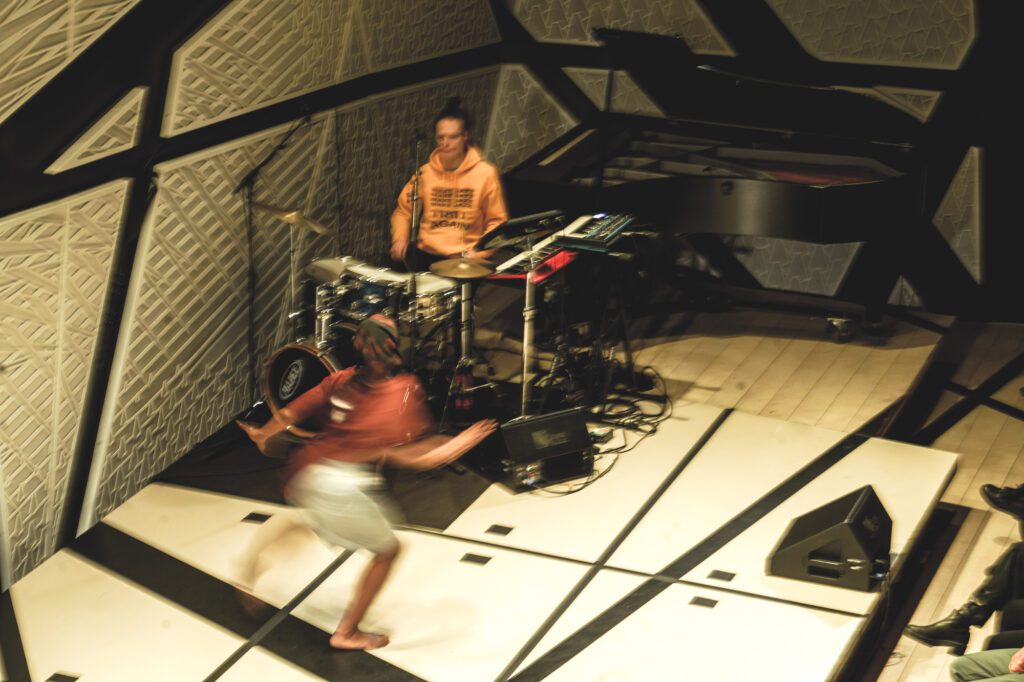
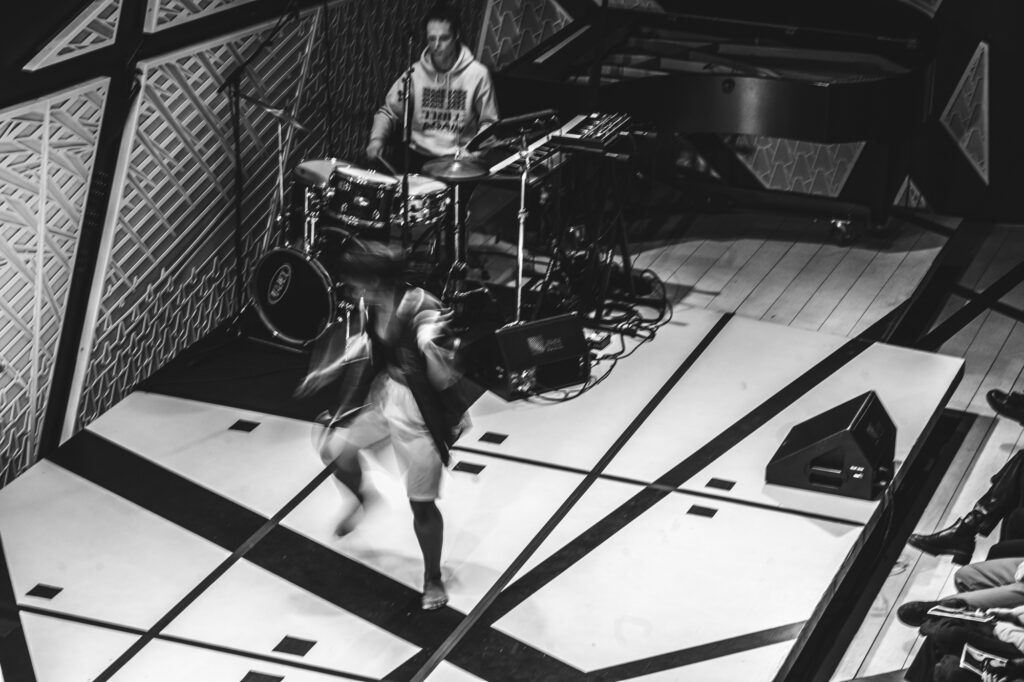
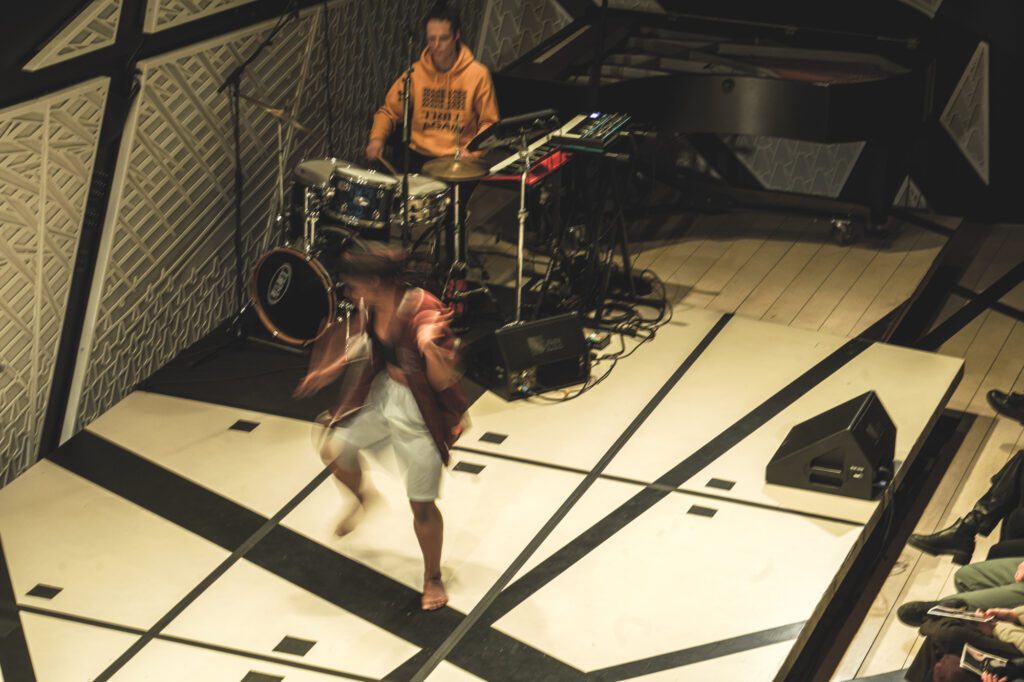
Artemis Montague

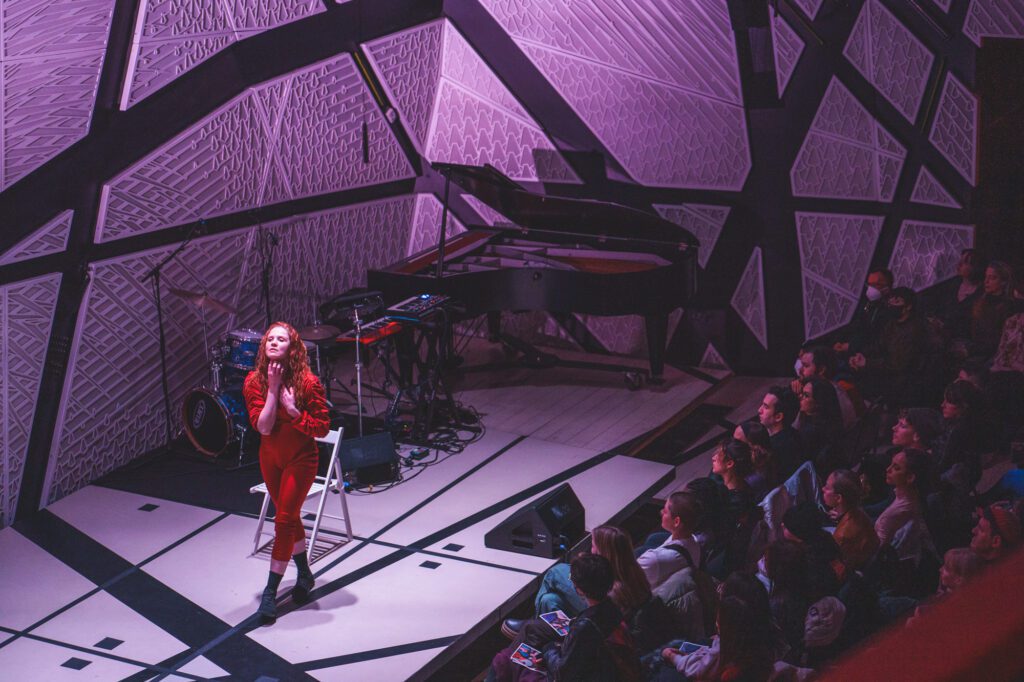
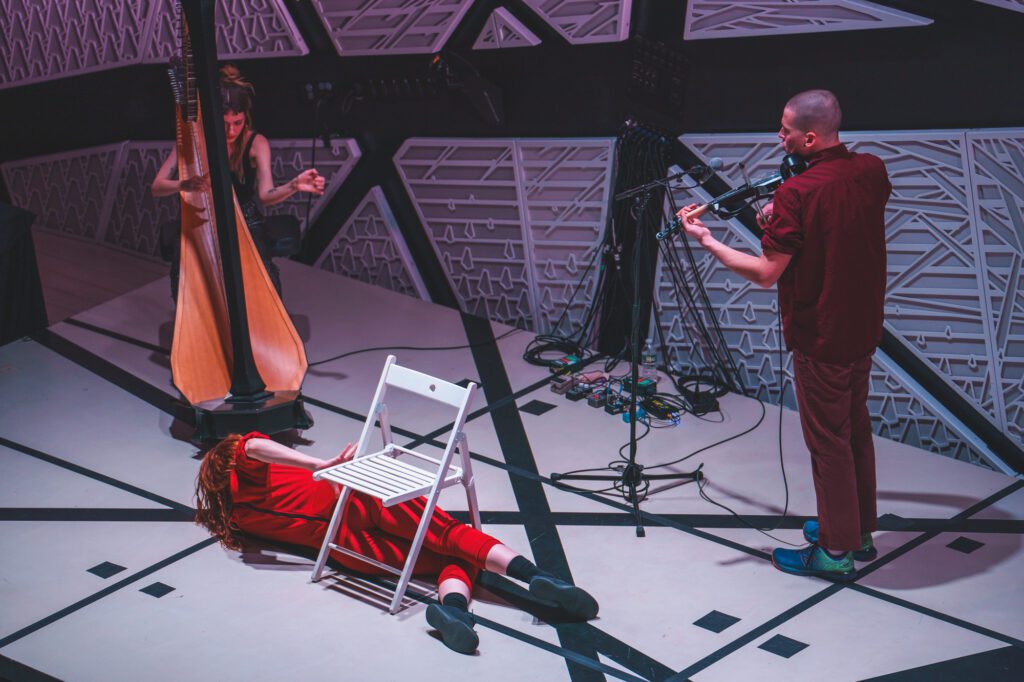
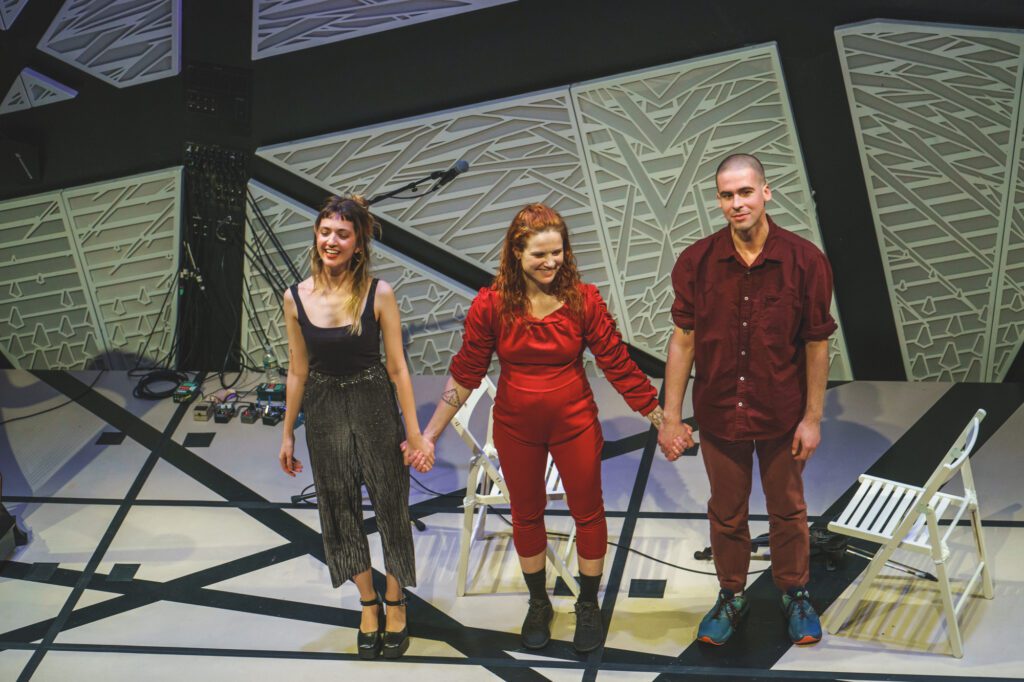
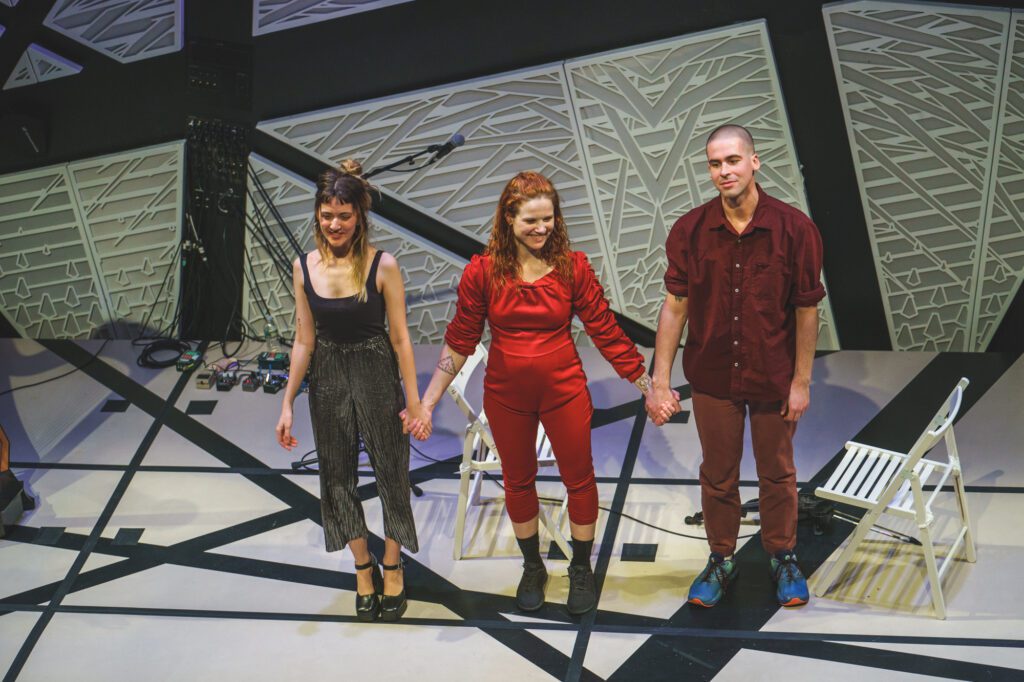
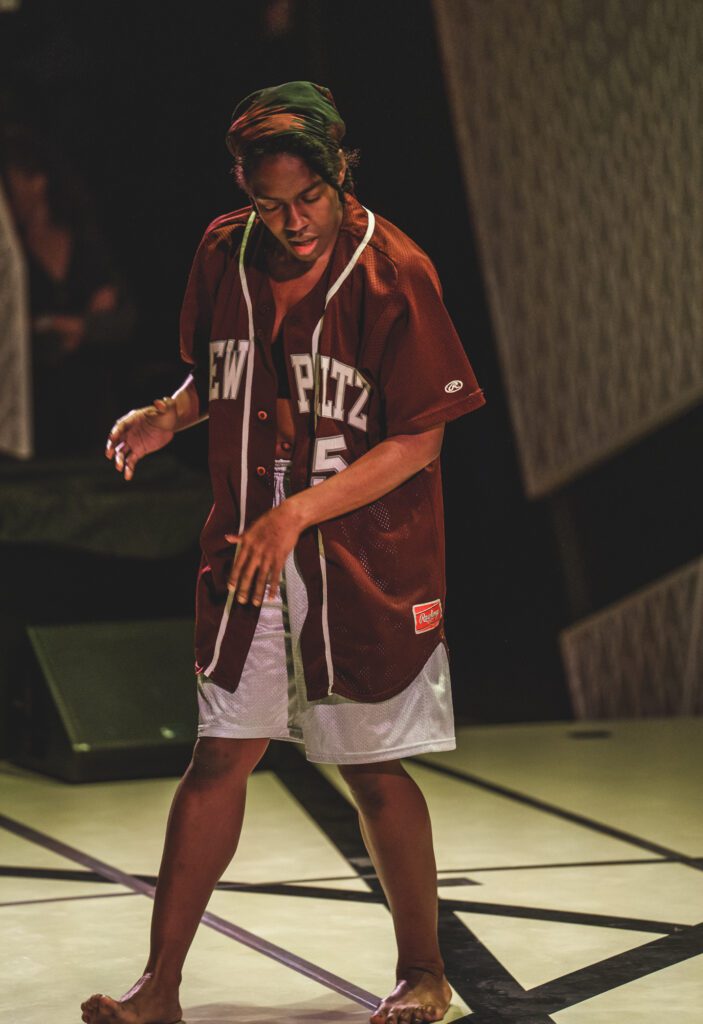
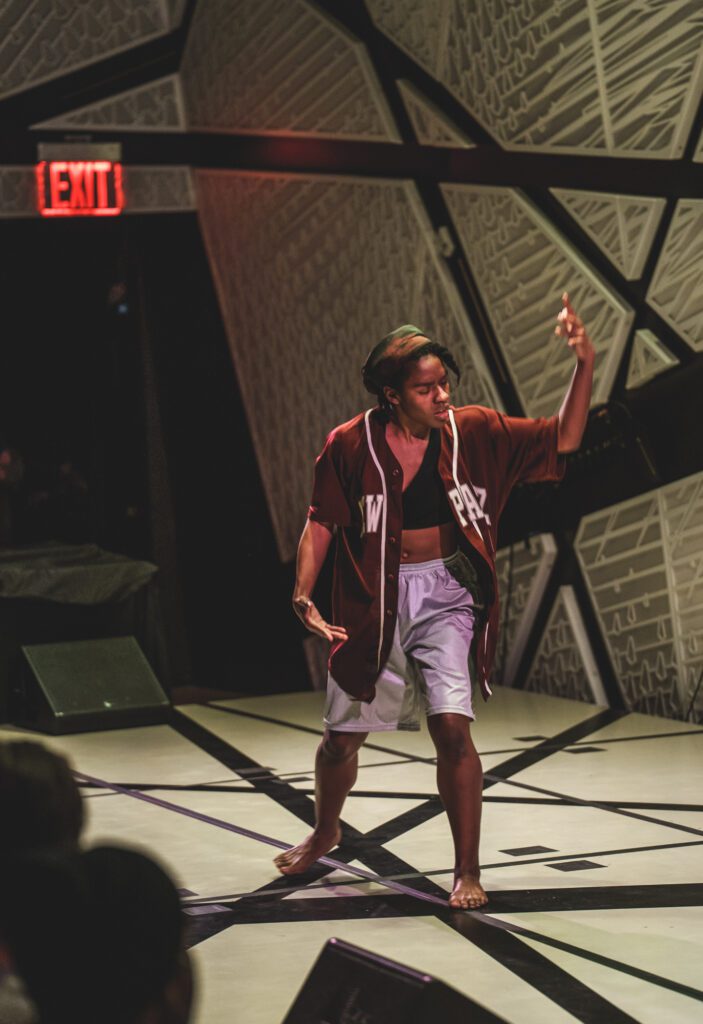
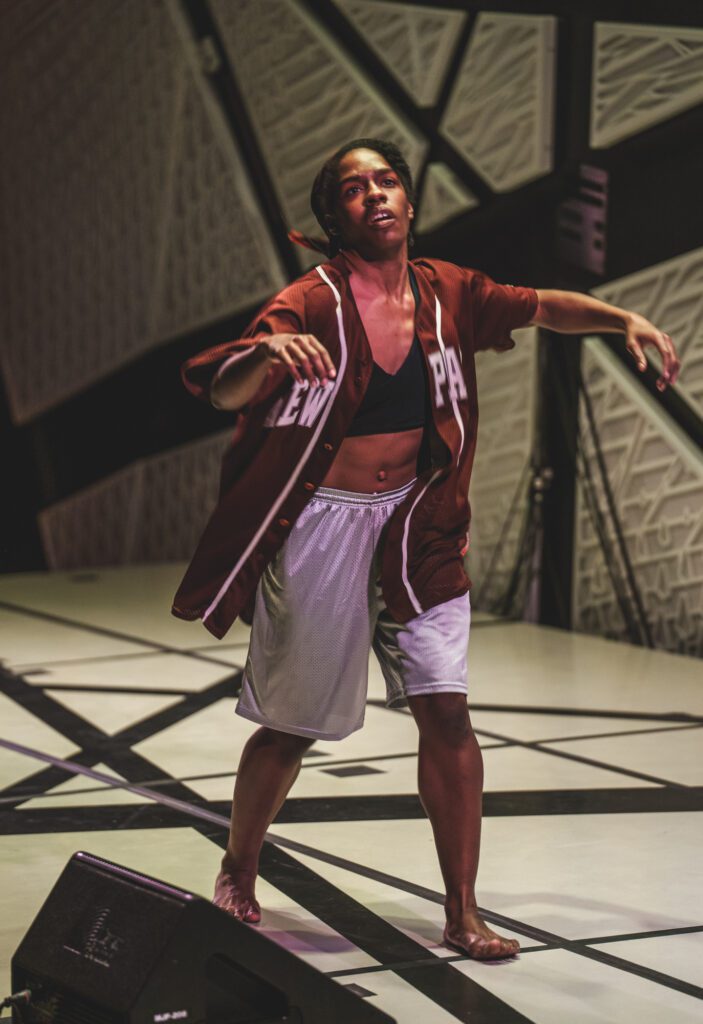
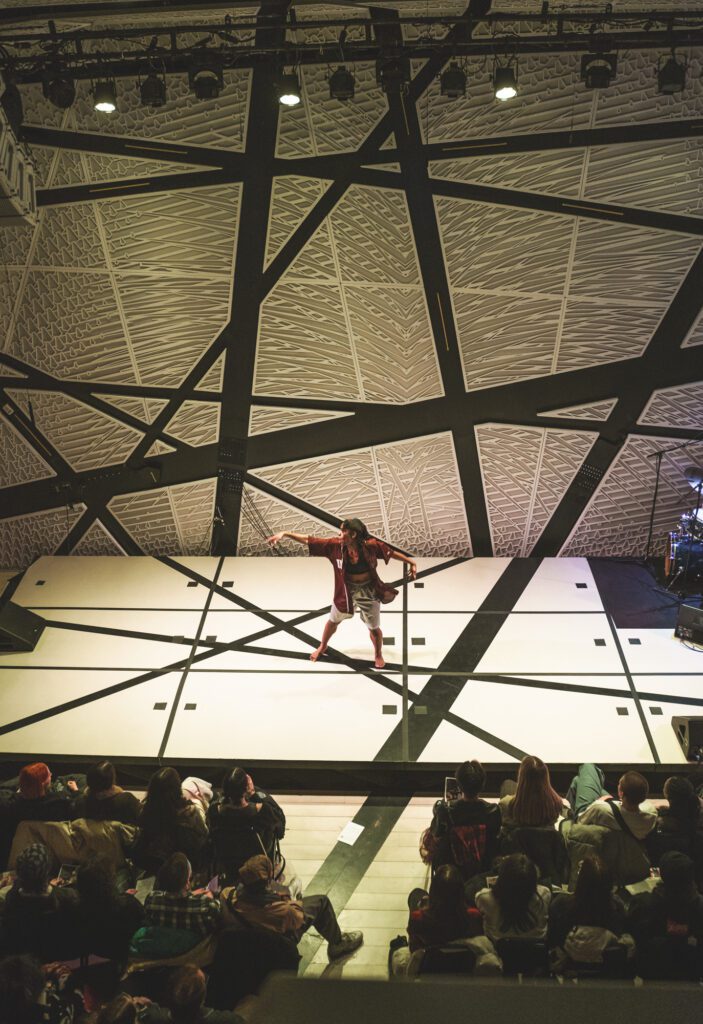
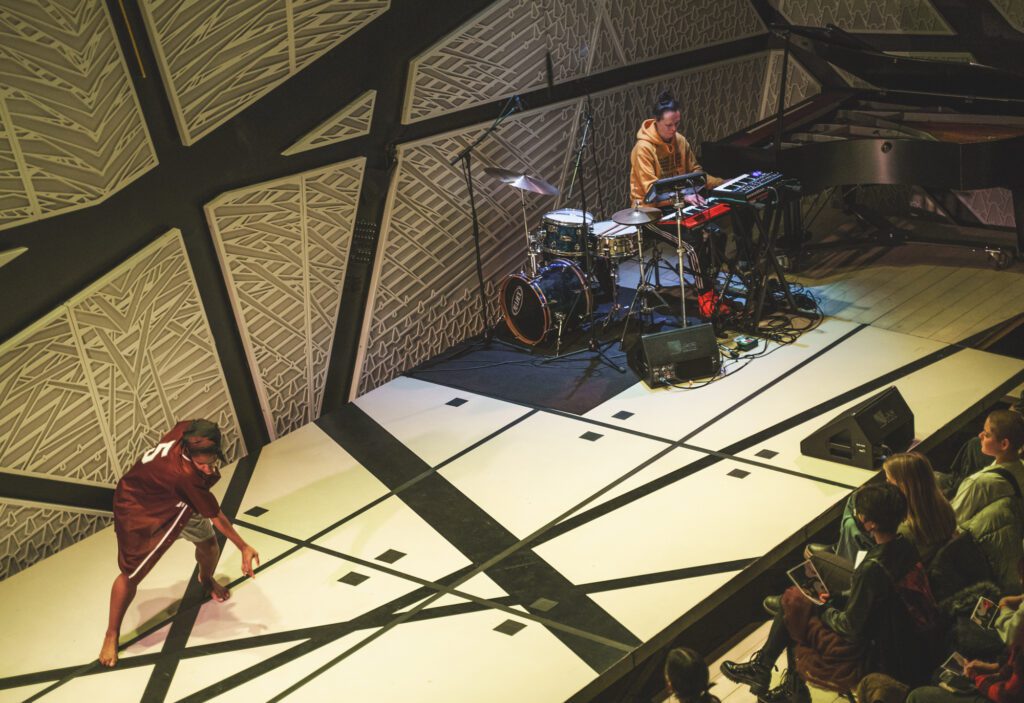
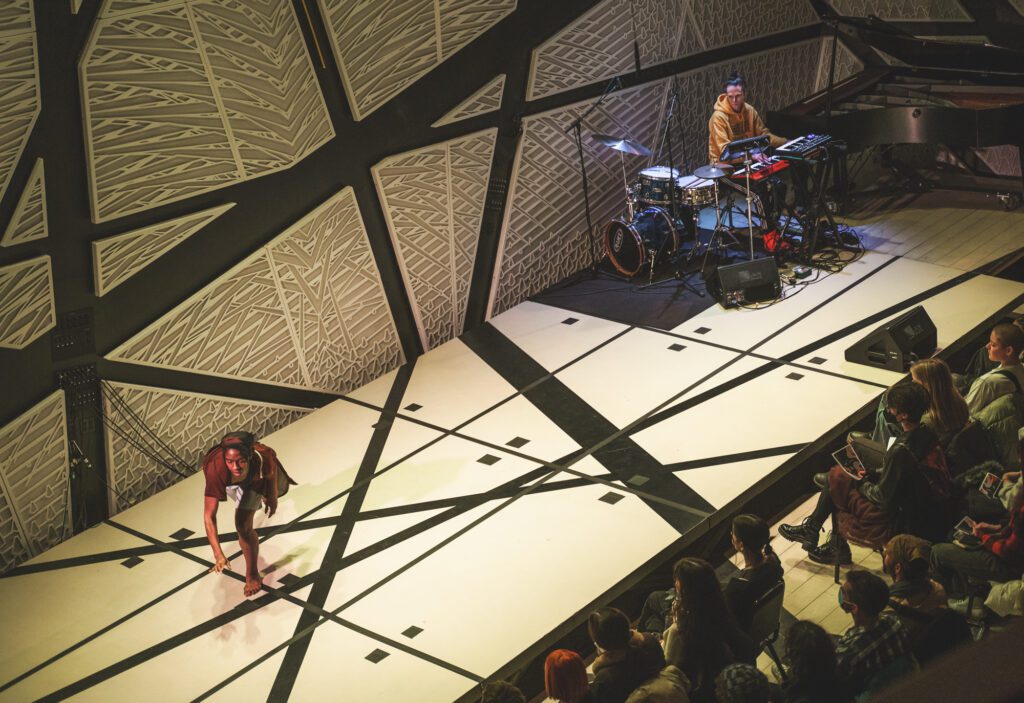
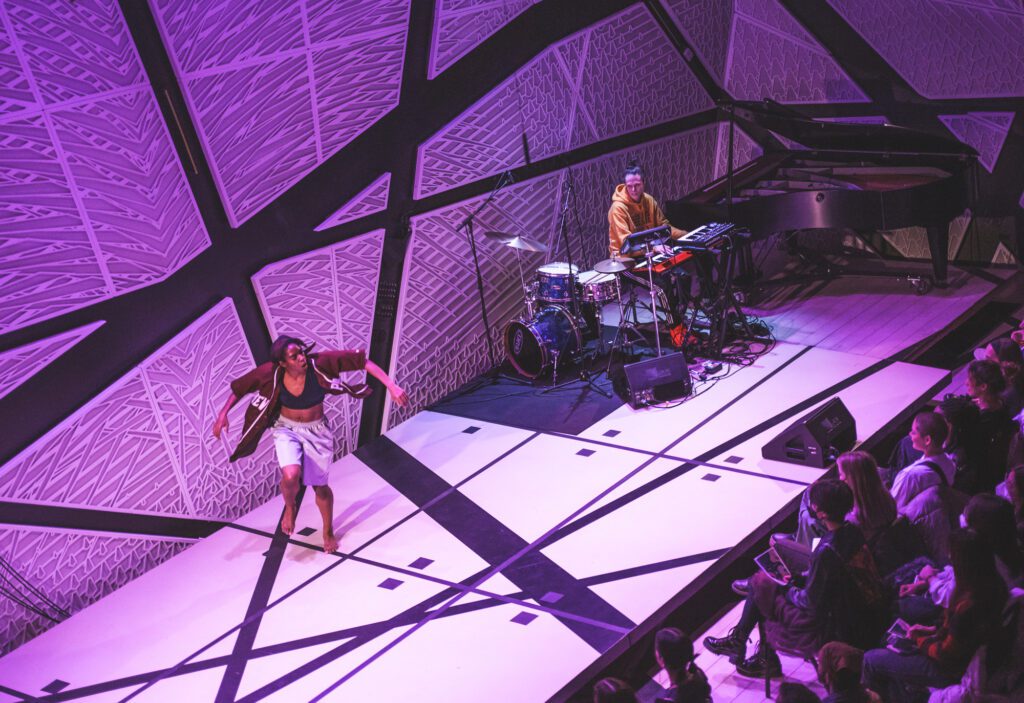
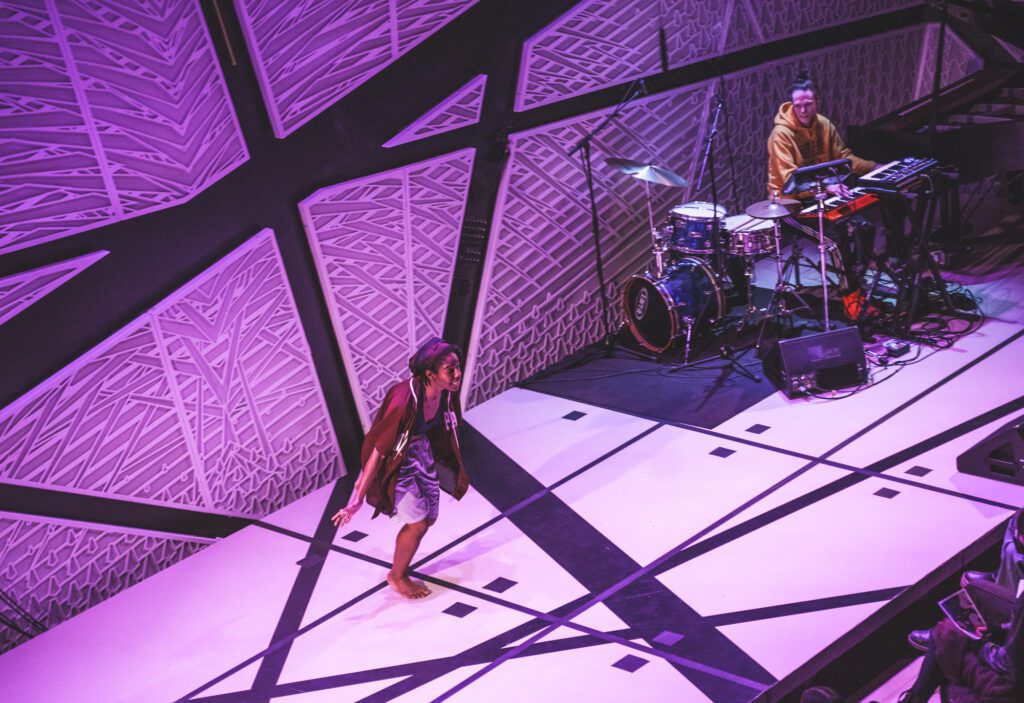
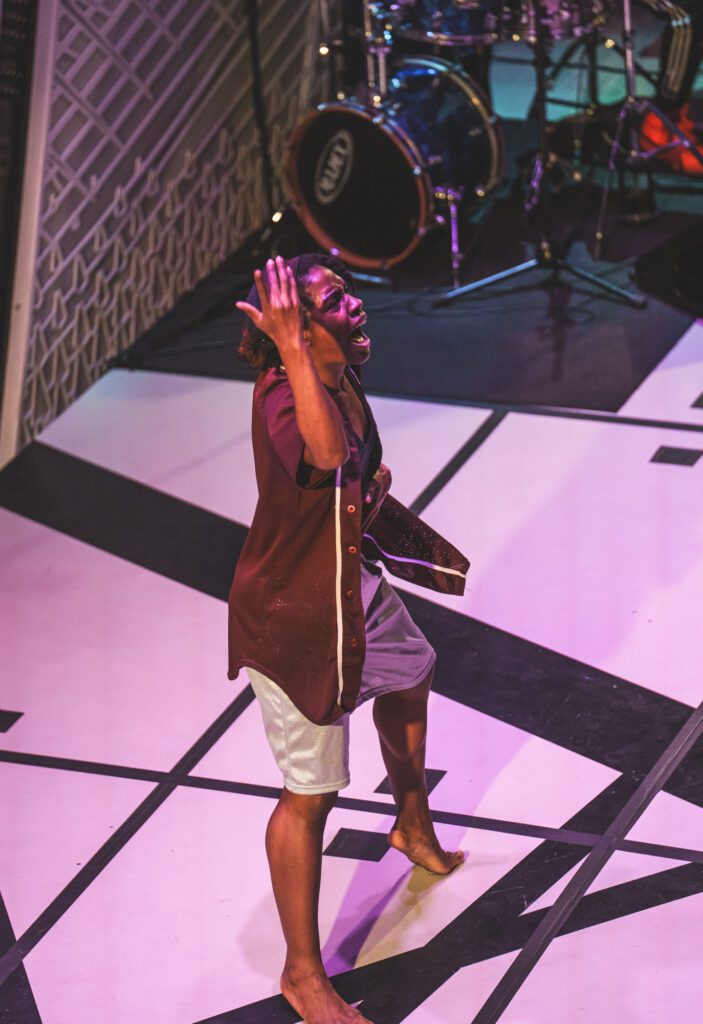
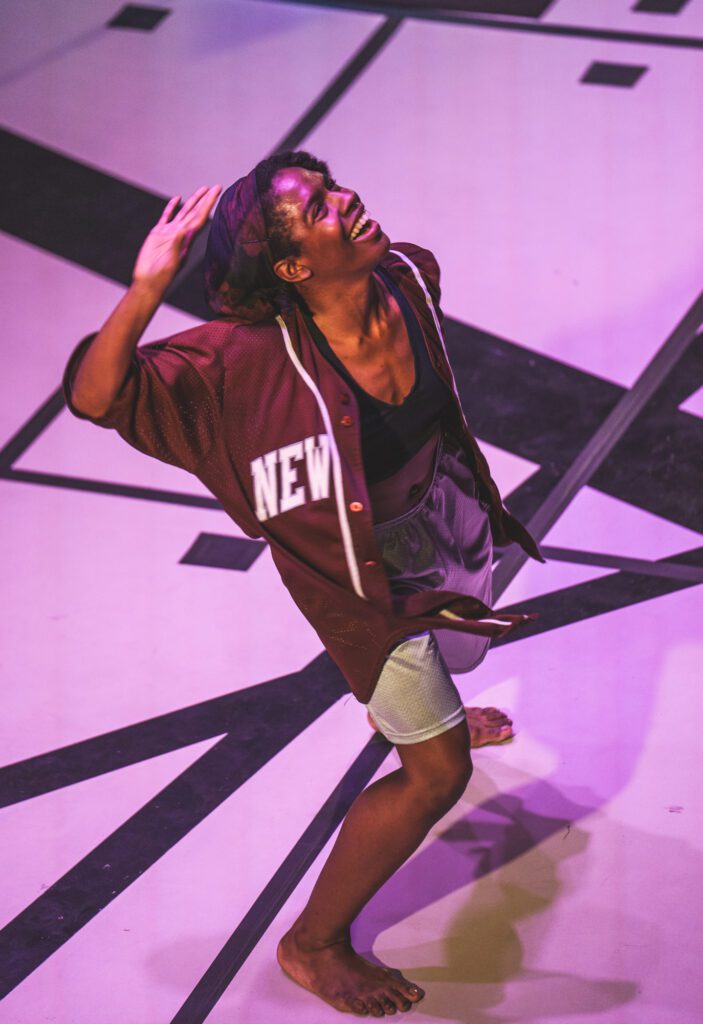
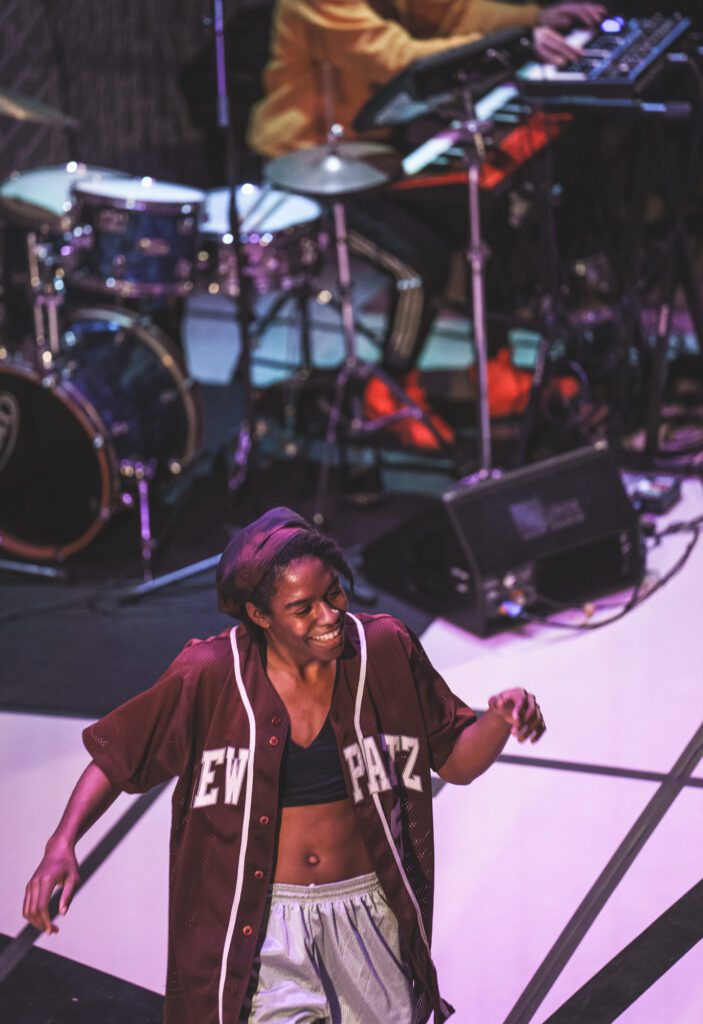
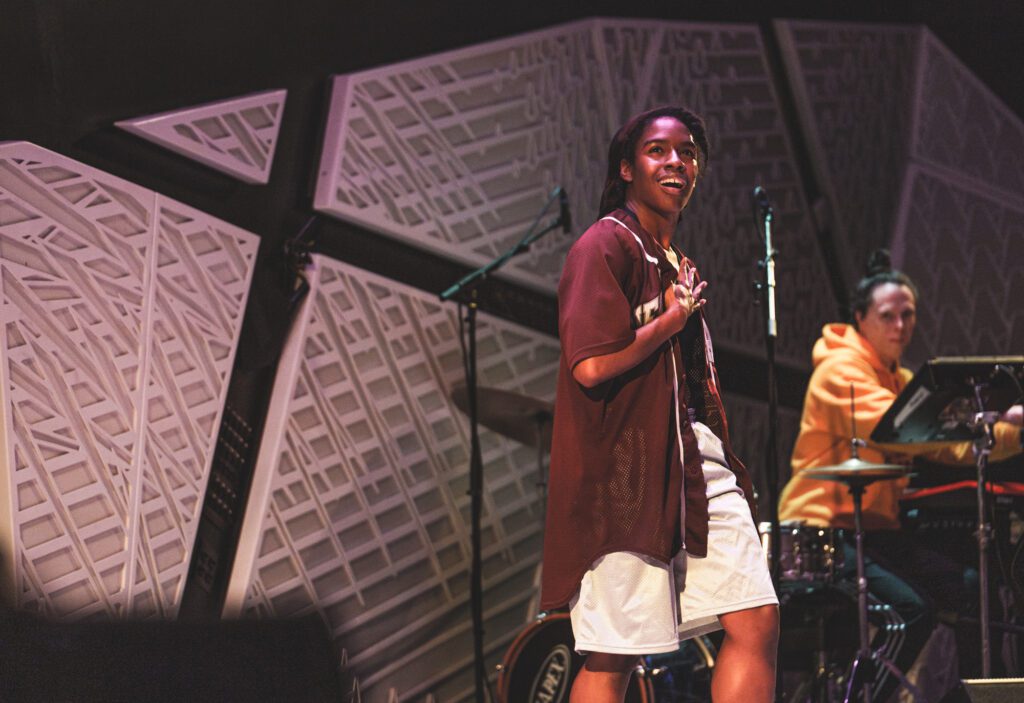
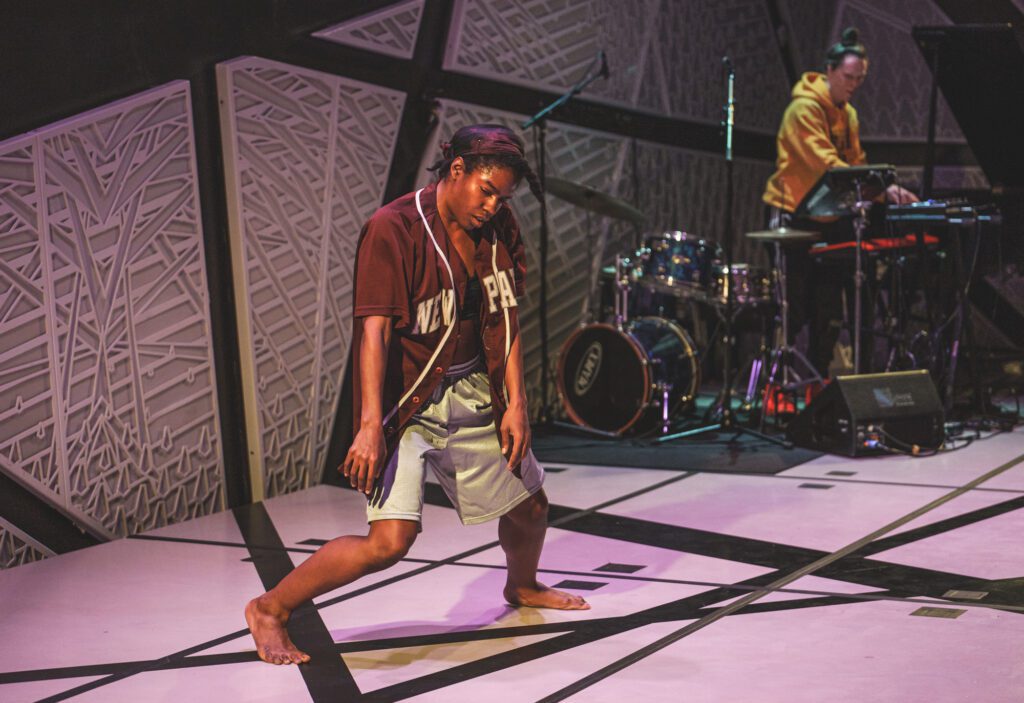
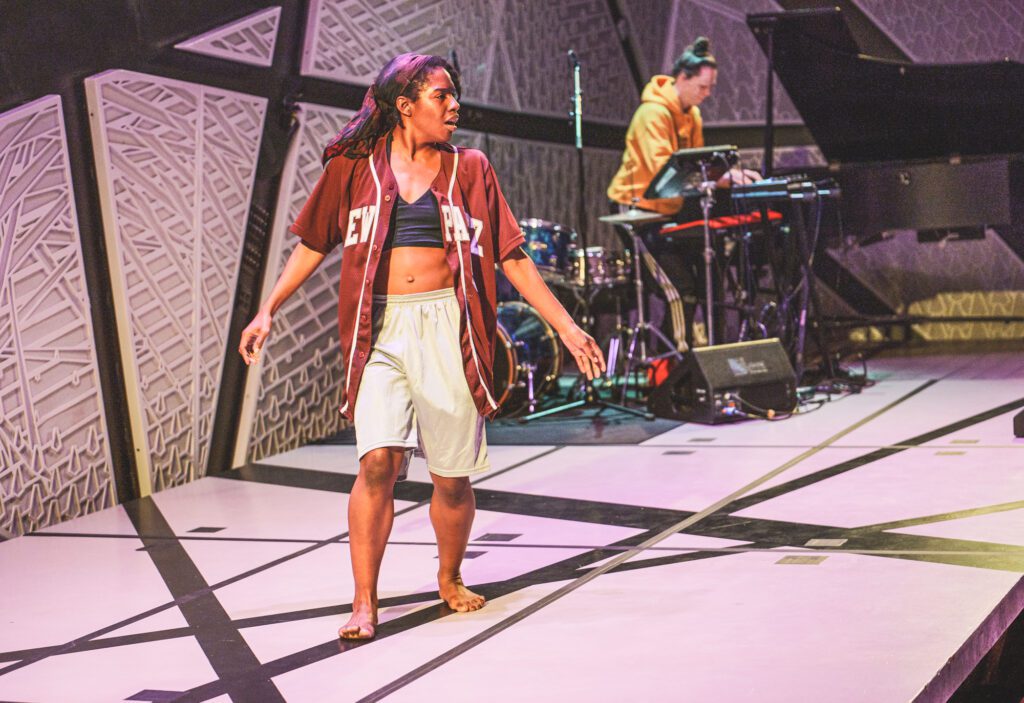
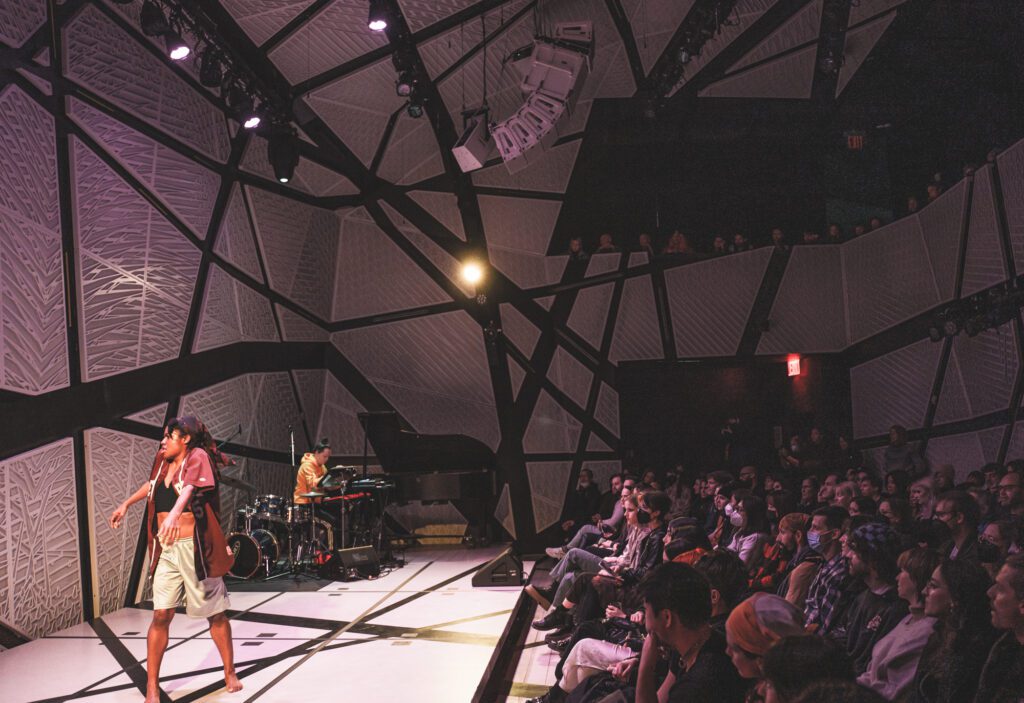
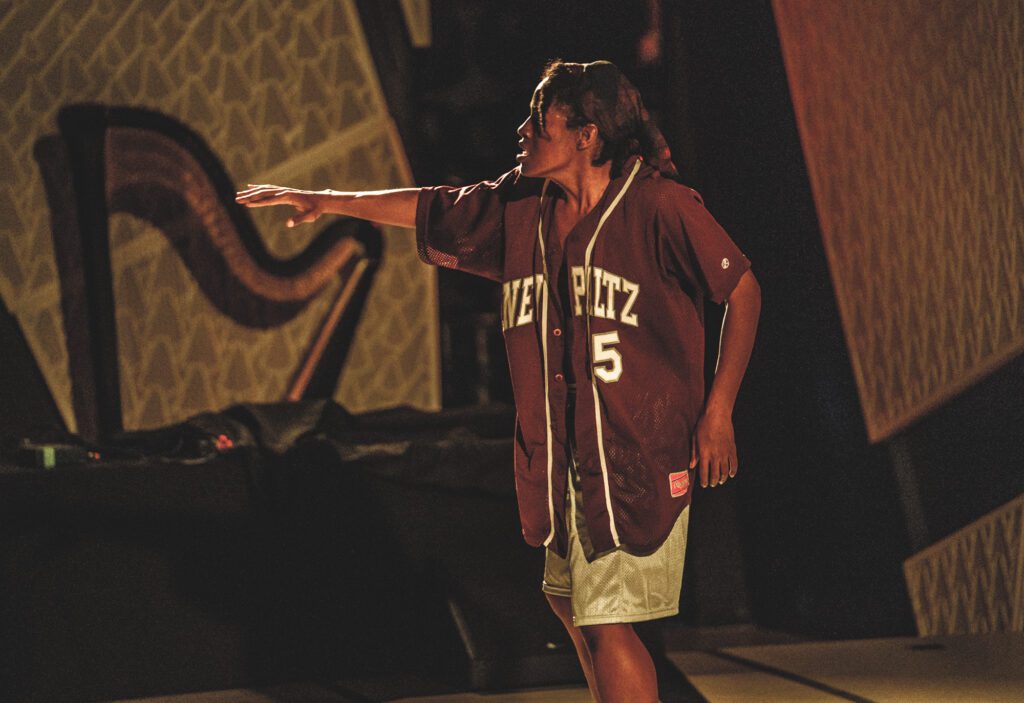
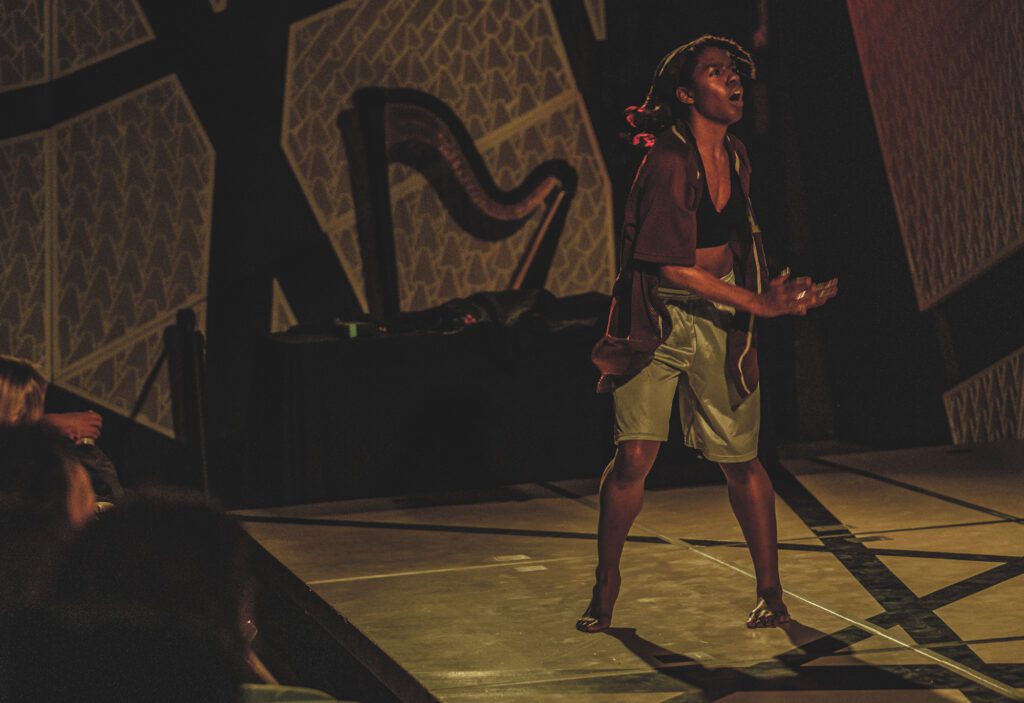
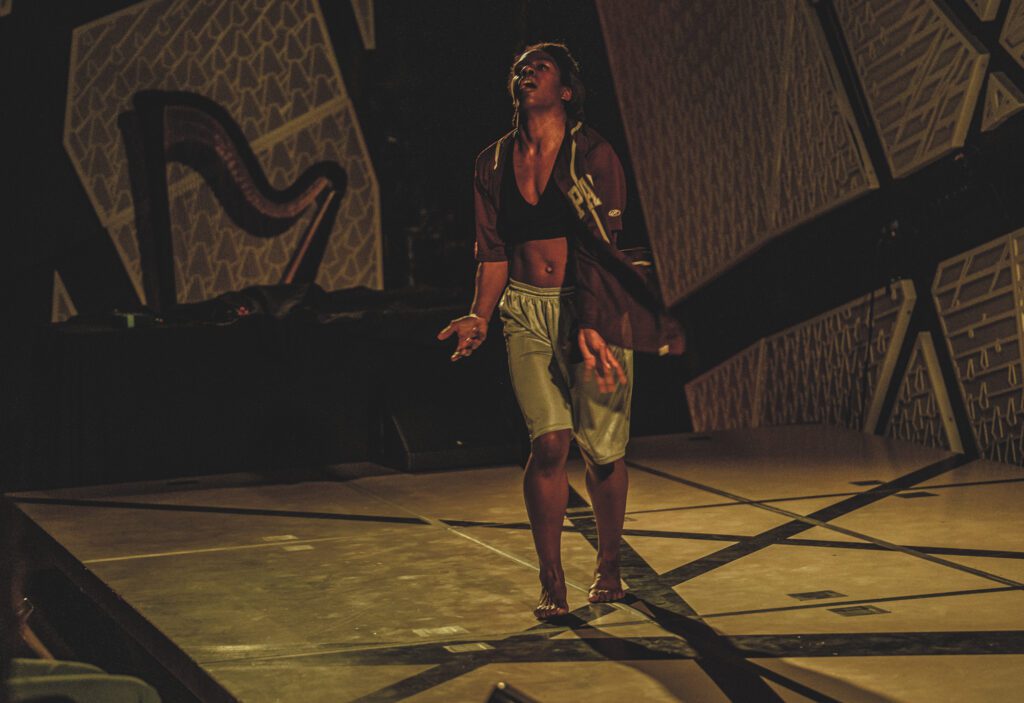
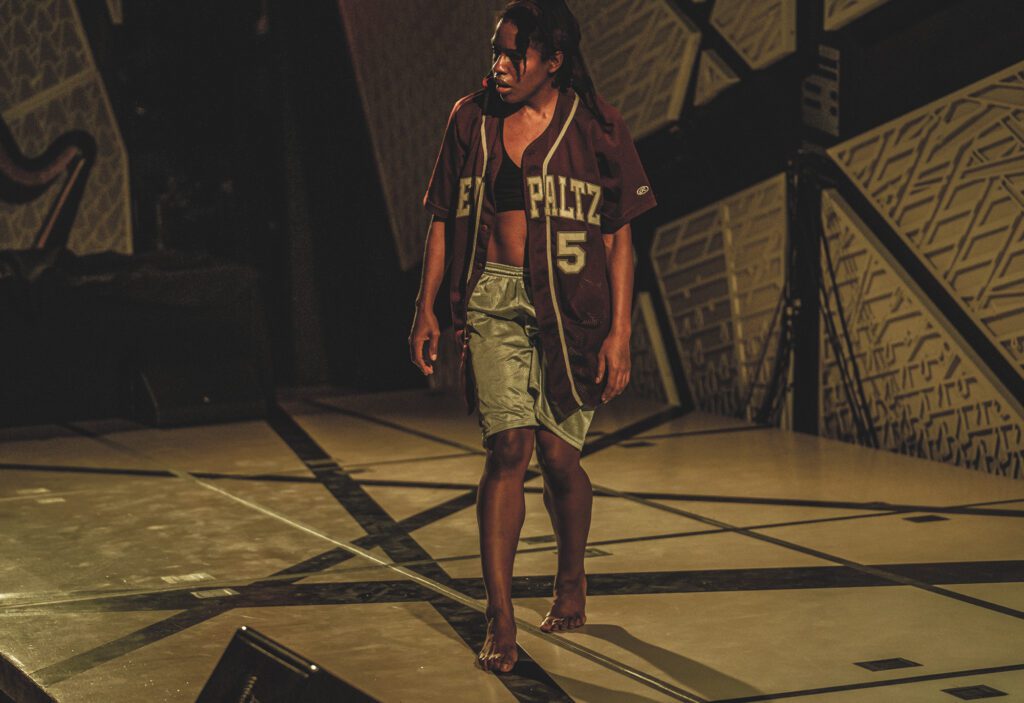
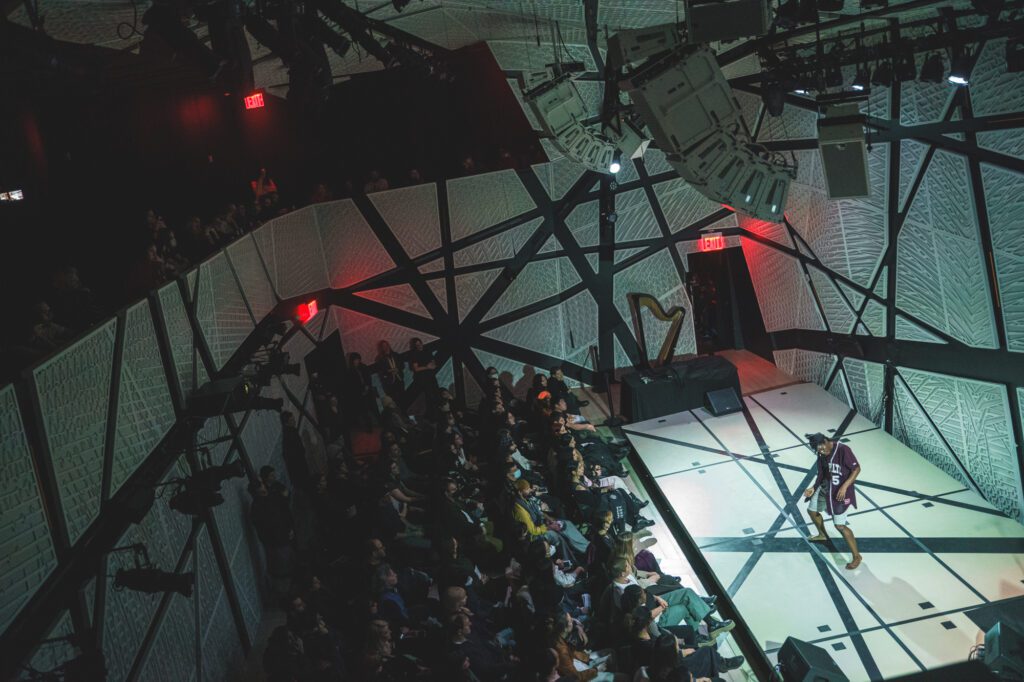
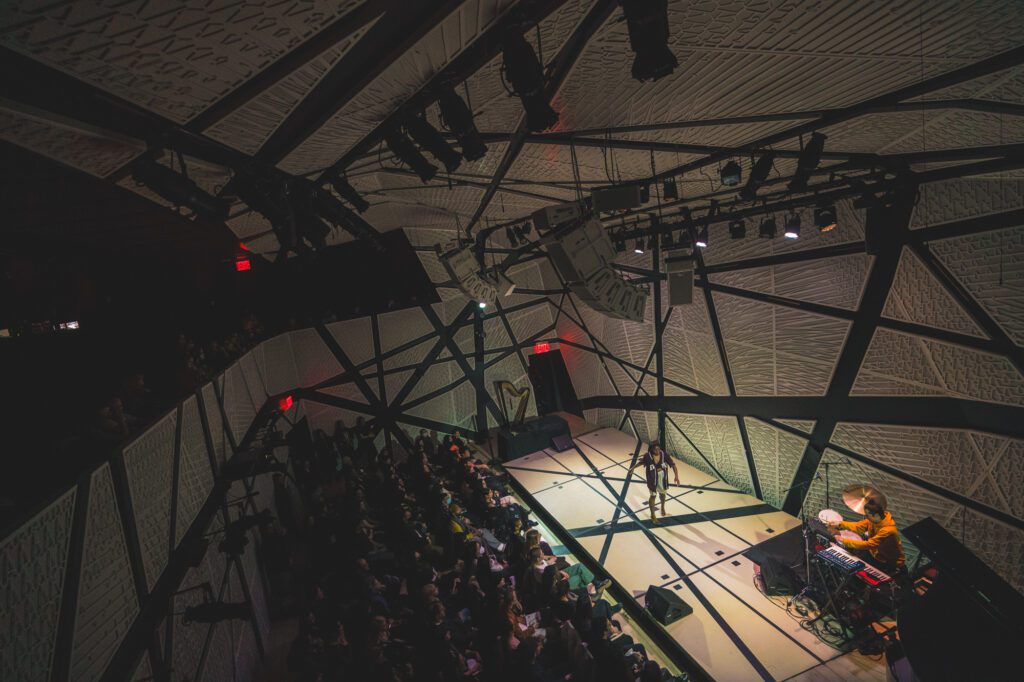
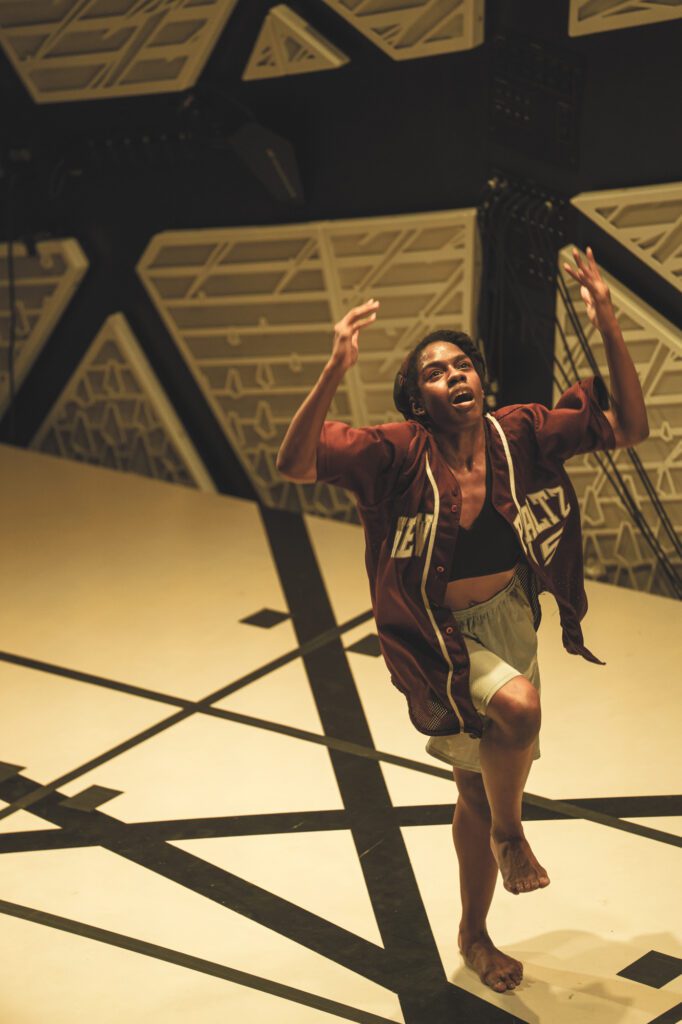
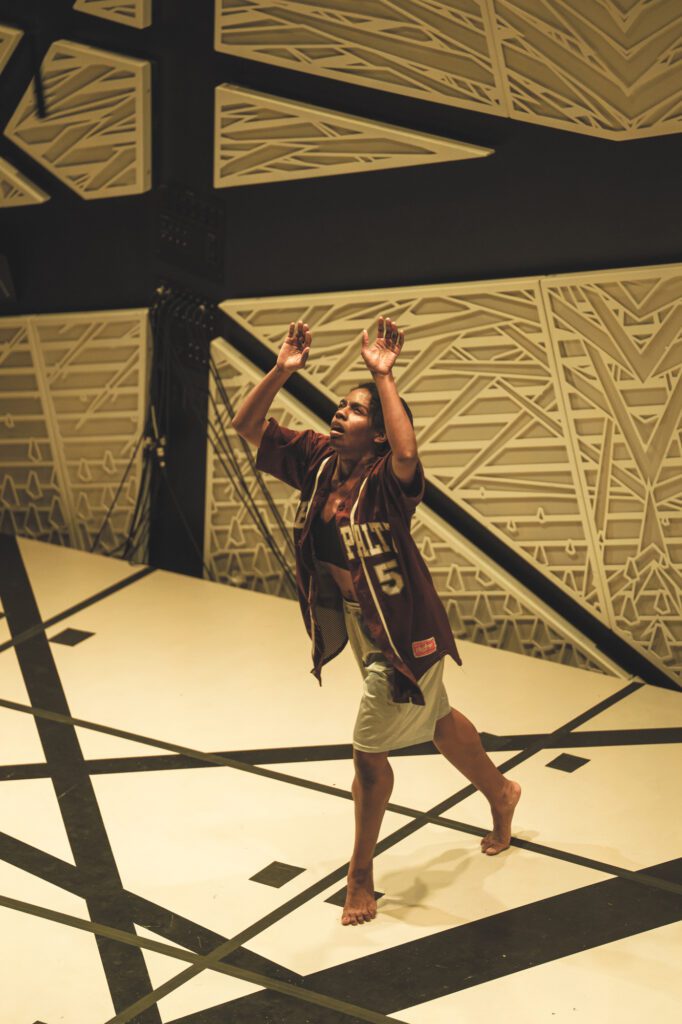
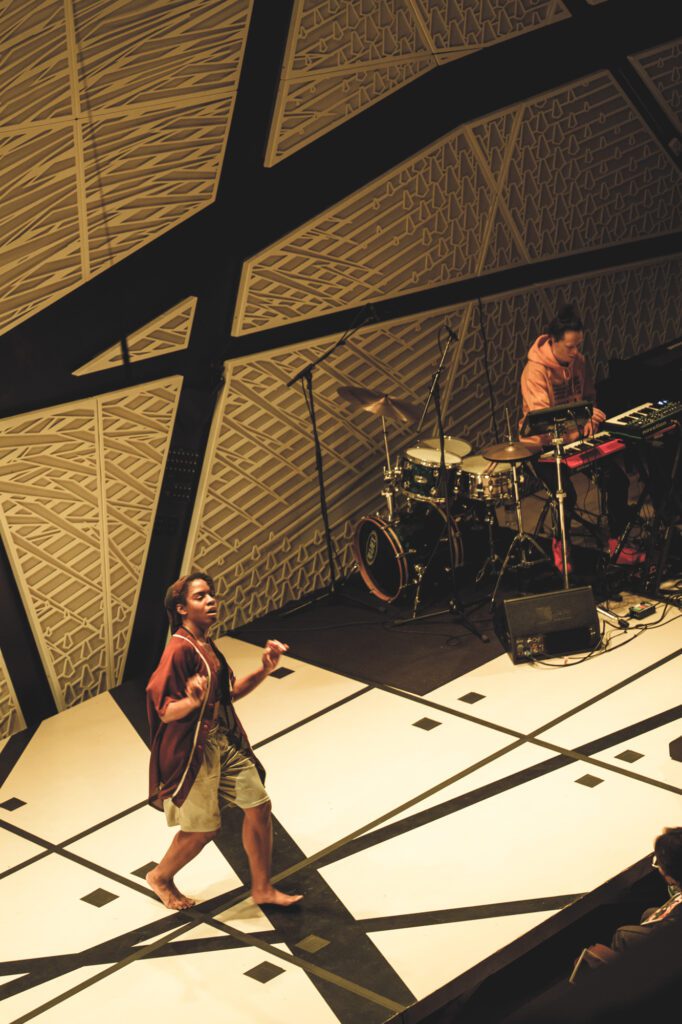
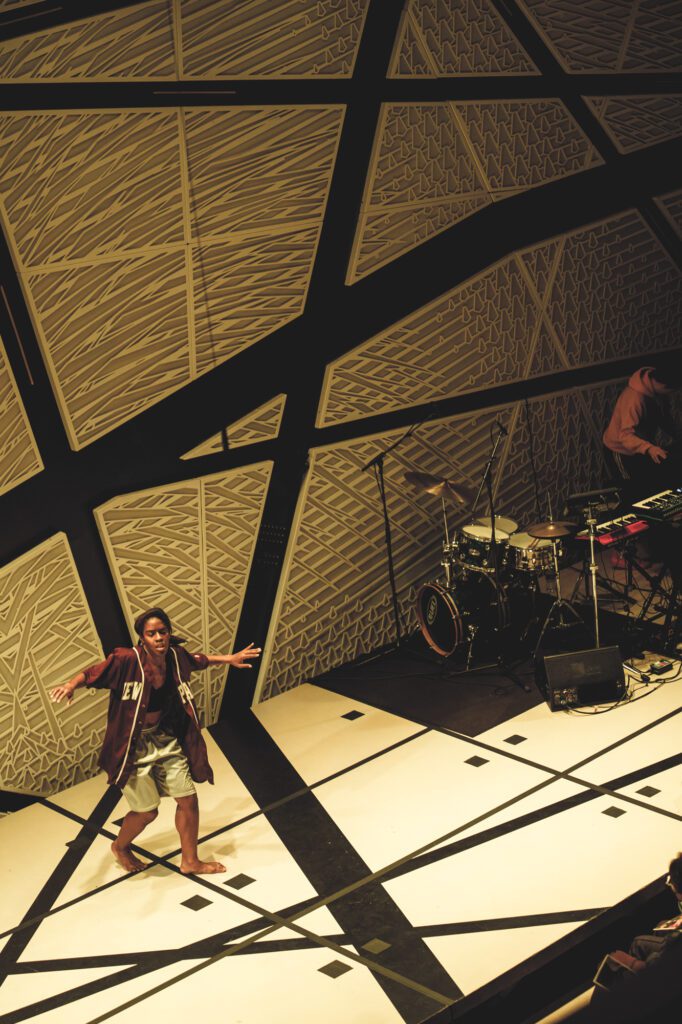
Artemis Montague is a multi-hyphenate composer-lyricist-librettist-singer who believes in art and musical theater as an affinity space, or place for community members to see themselves without the gaze of oppression. They write music and musicals for POC, and queer/trans folks, and are working on an EP of feminist, radically soft music about love, friendship and healing.

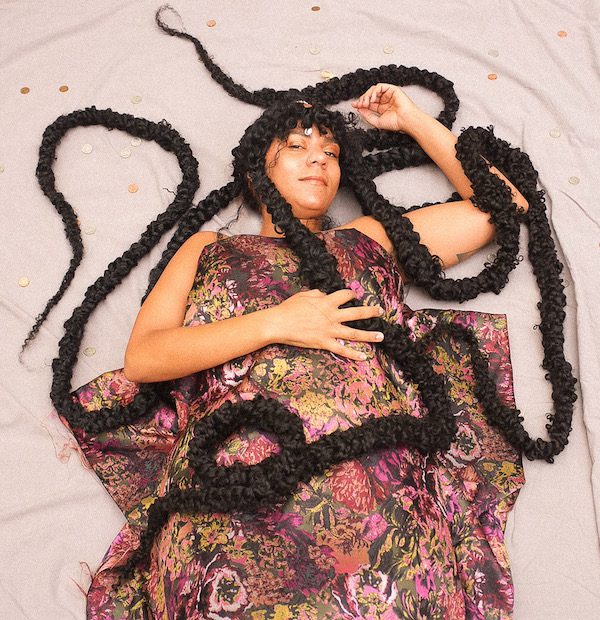
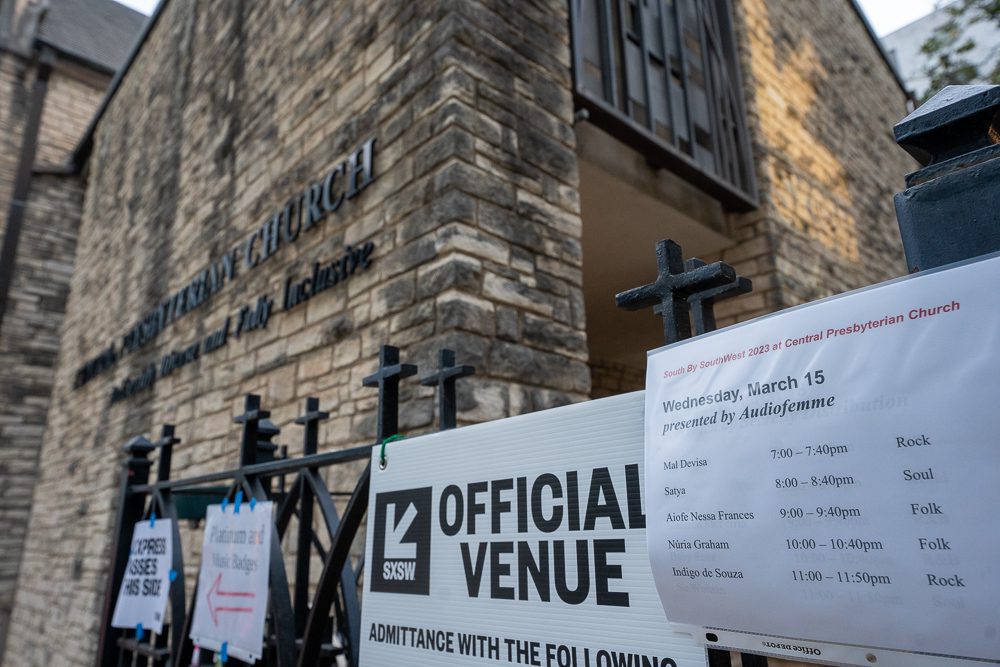
Mal Devisa

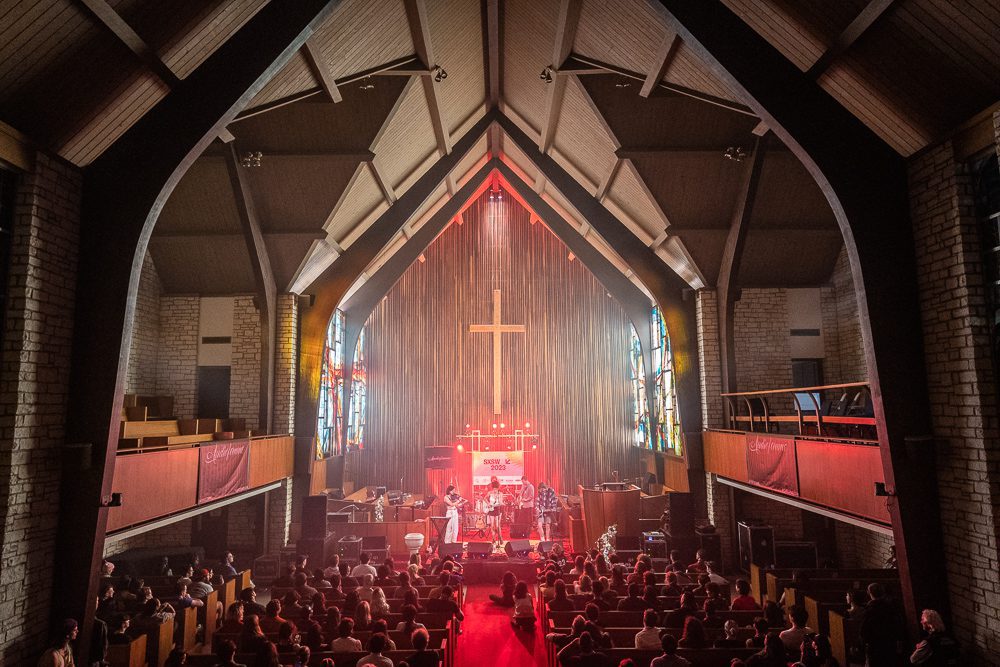
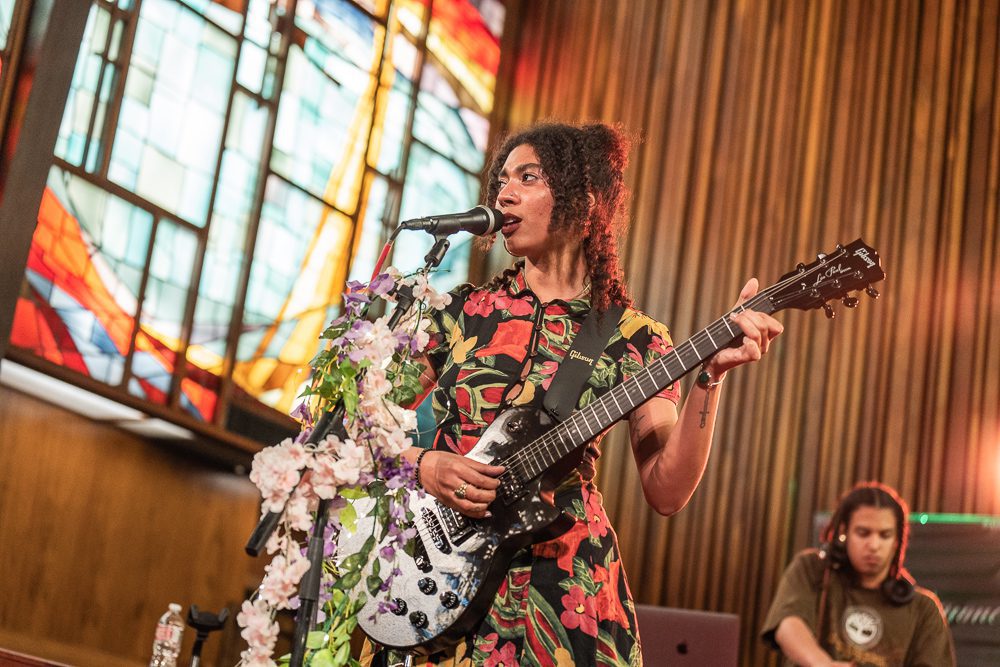
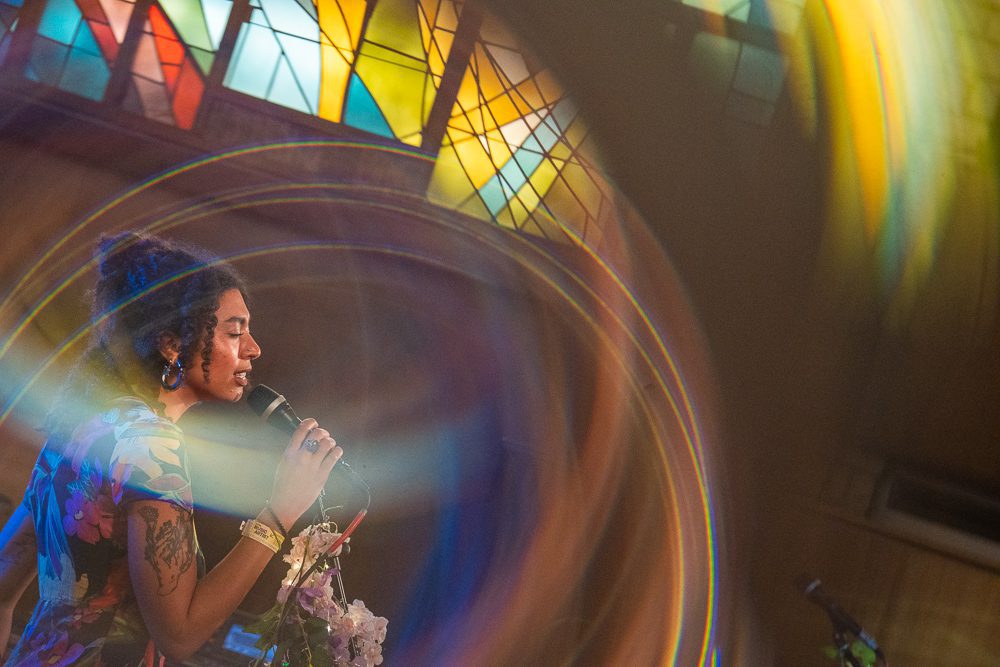
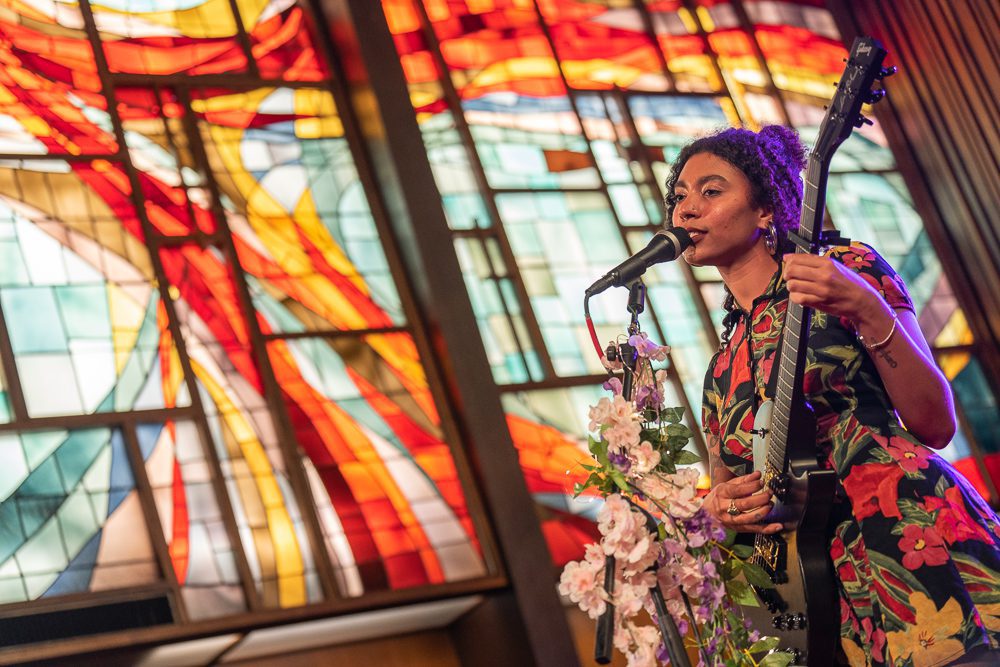
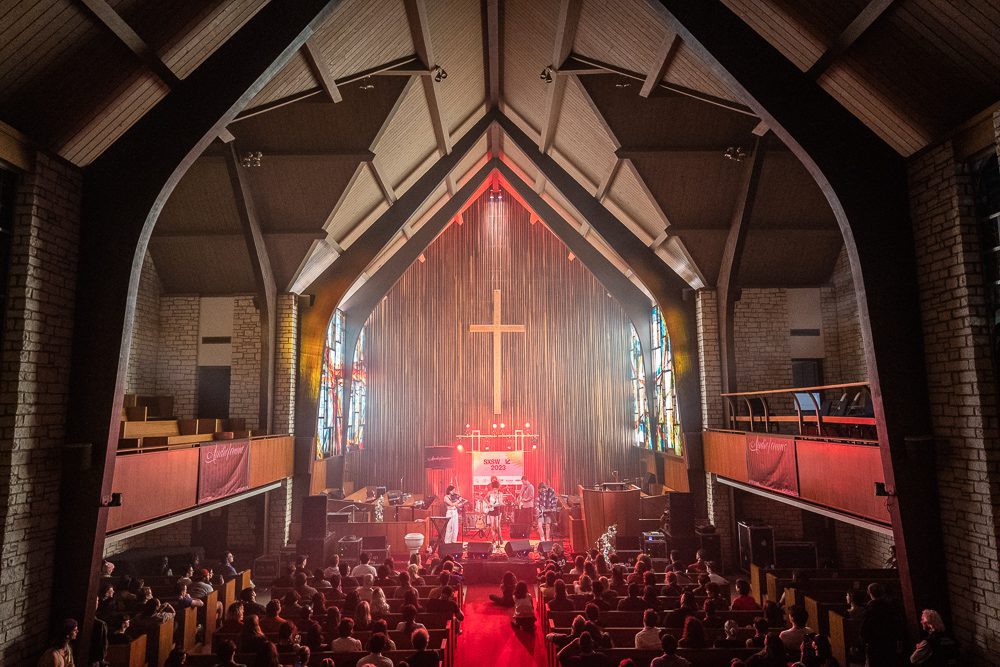
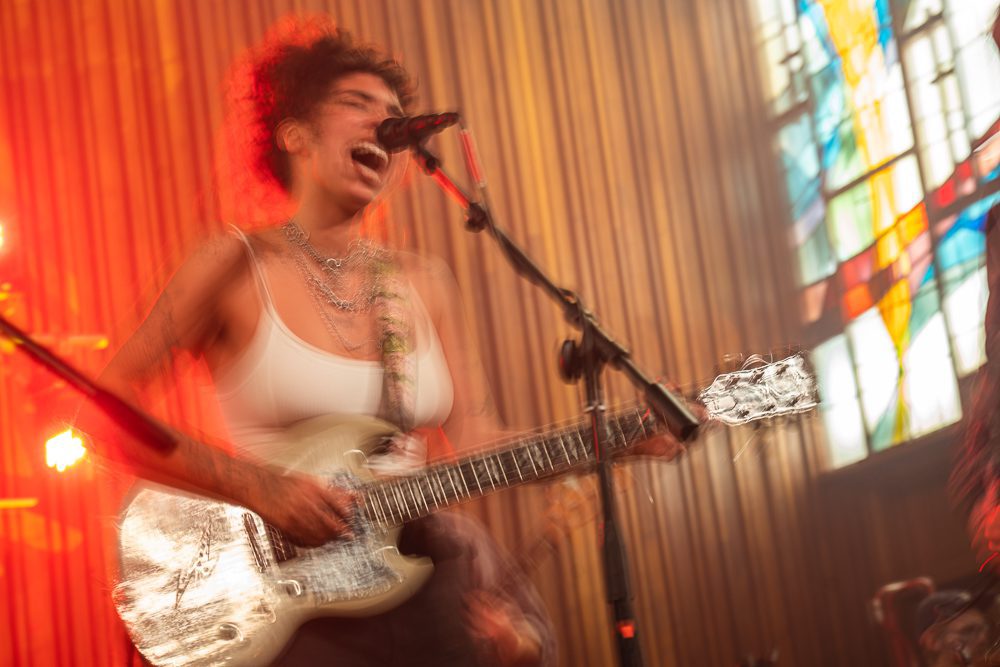
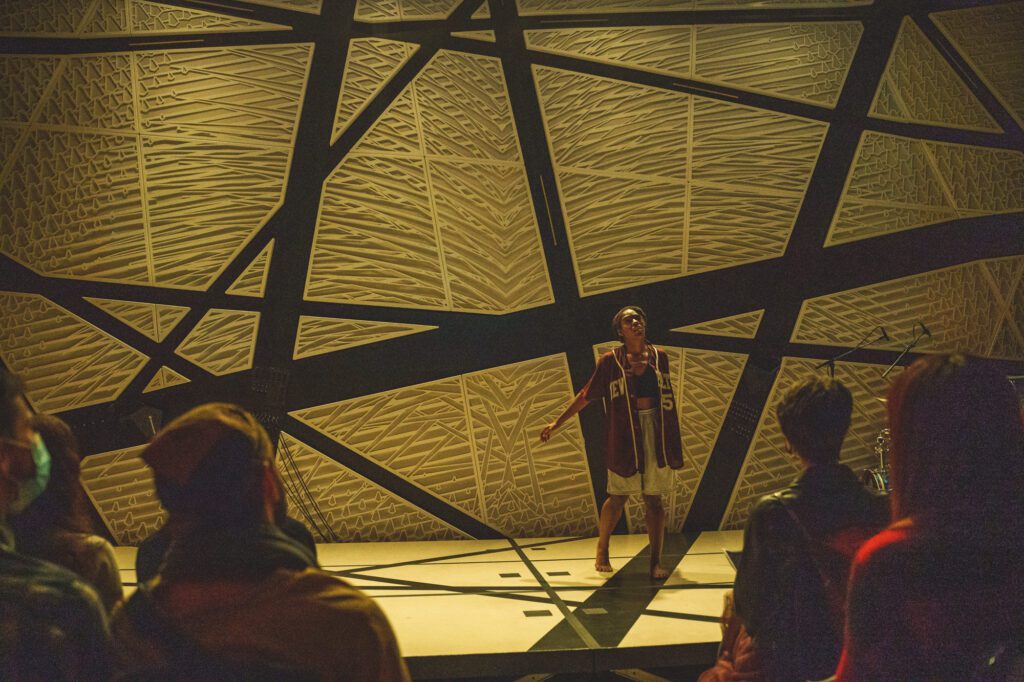
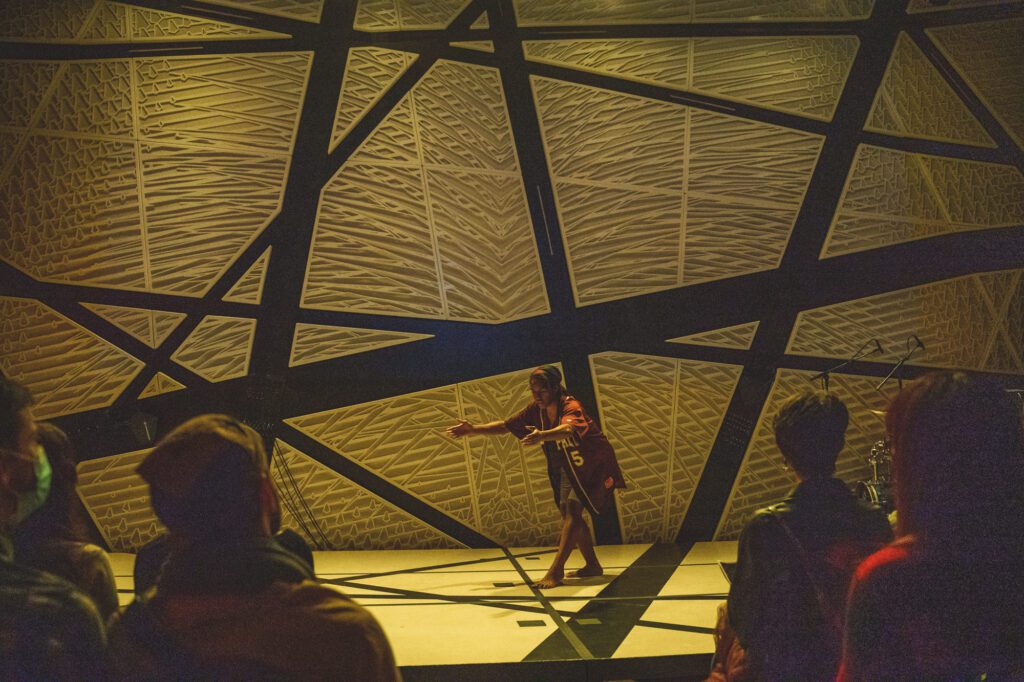
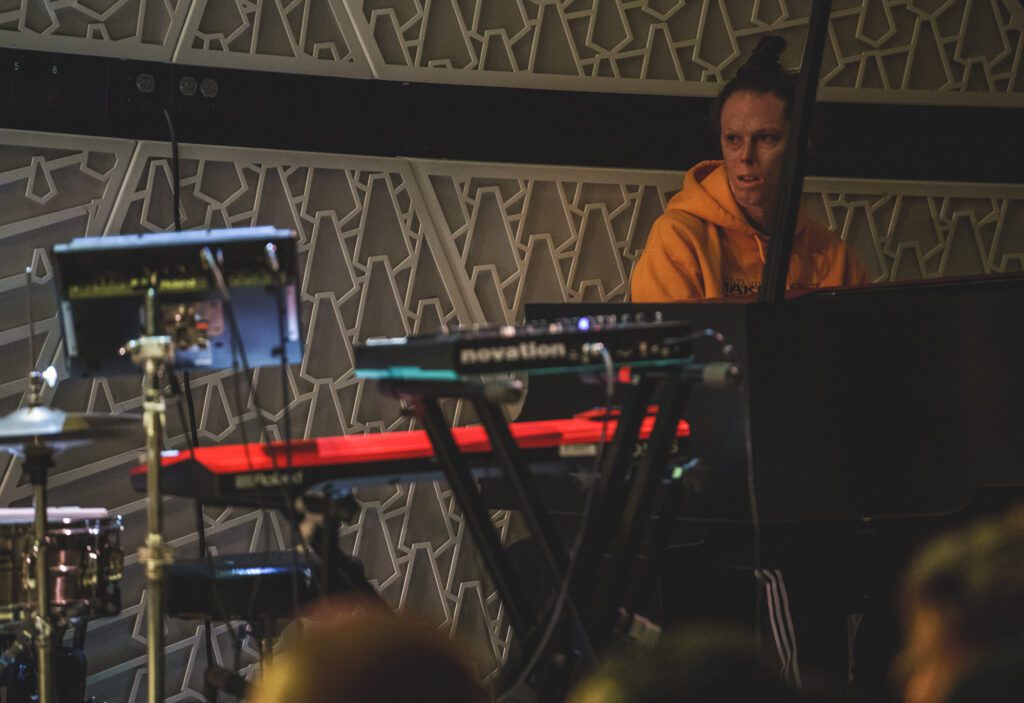
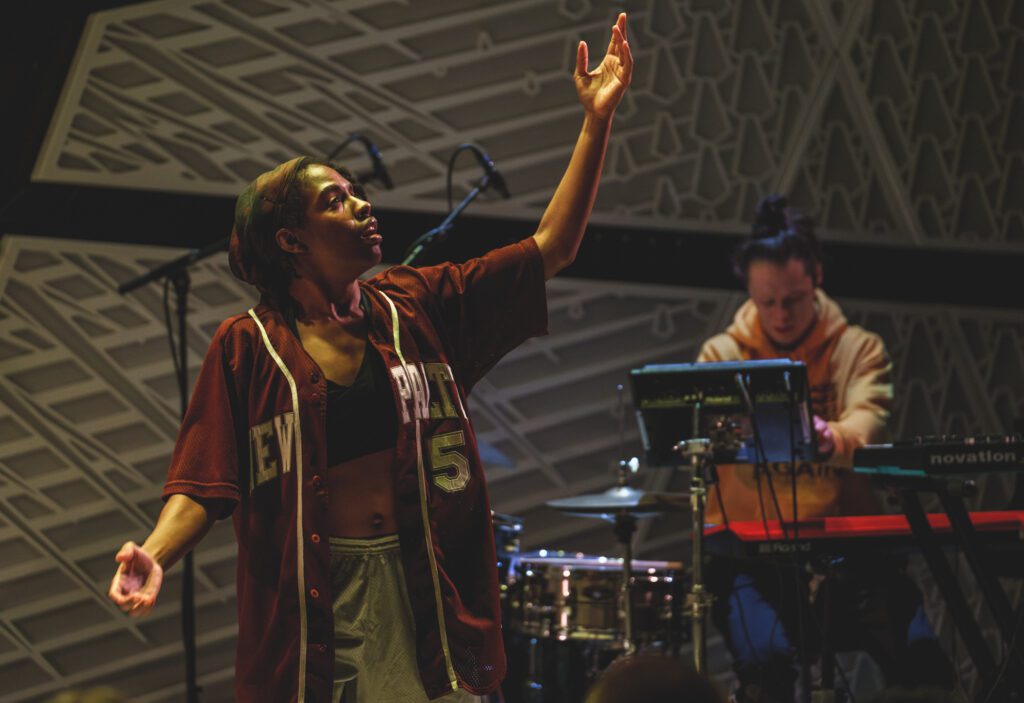
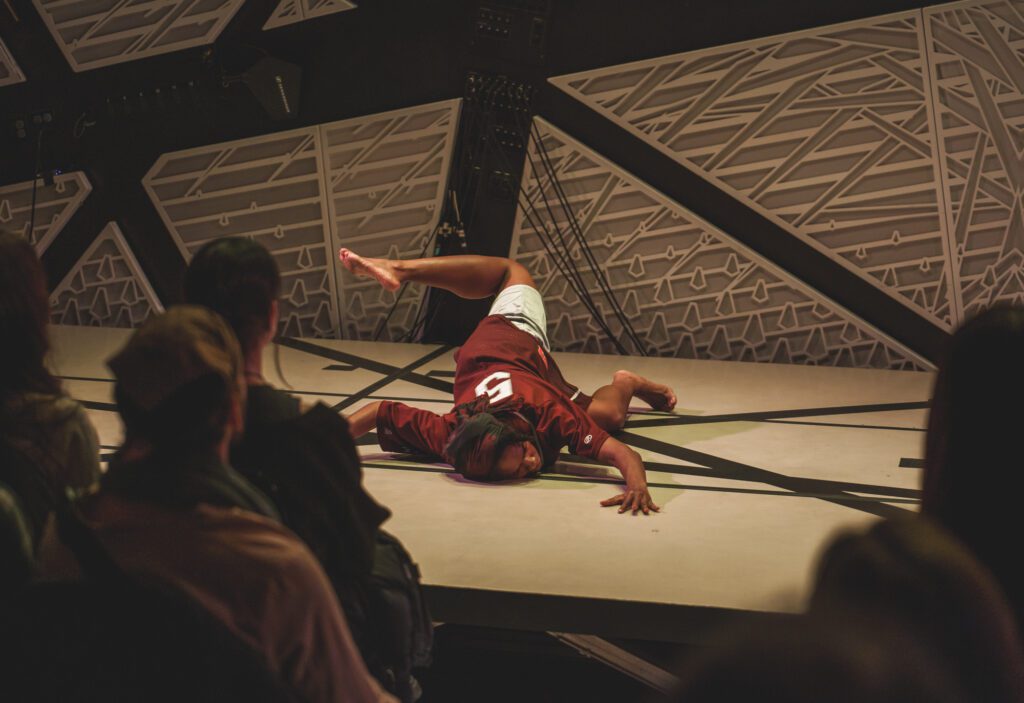
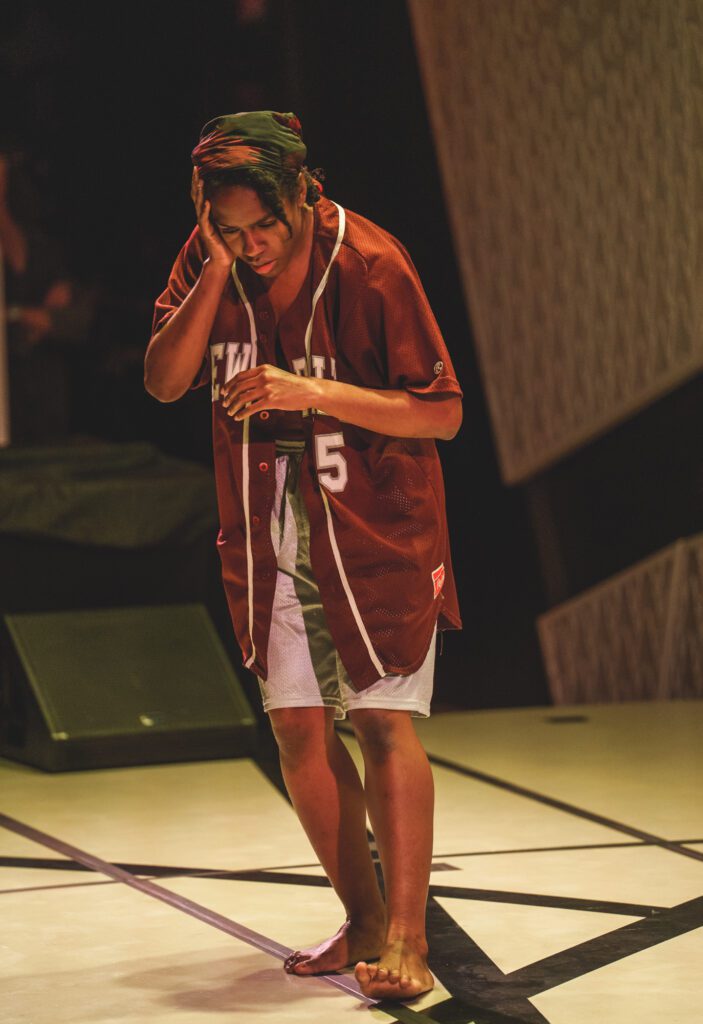
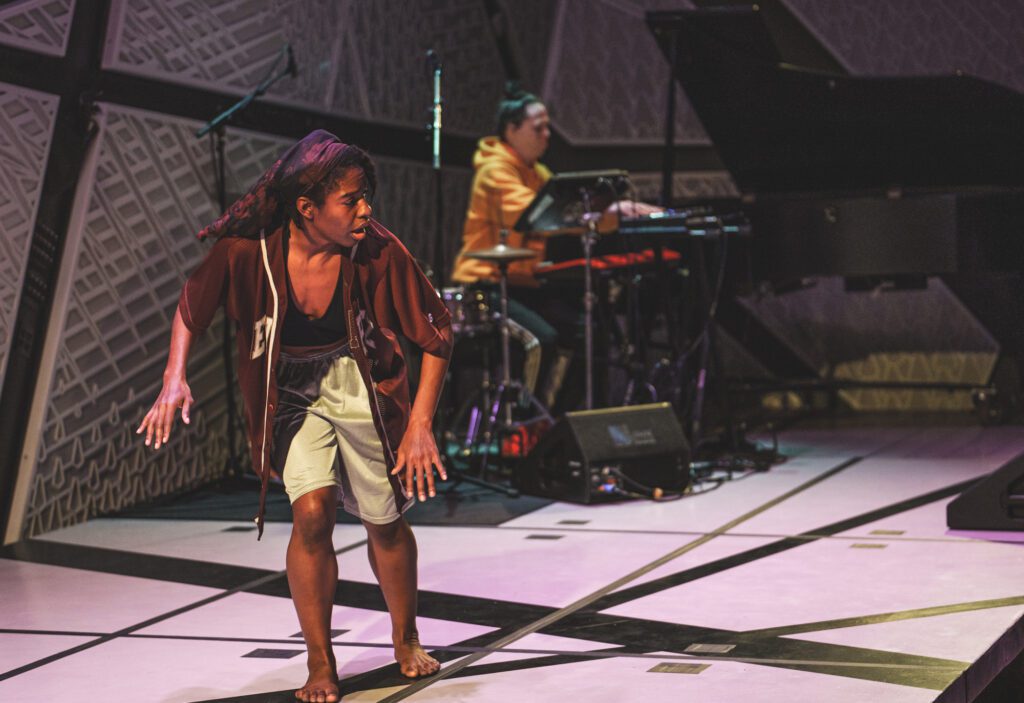
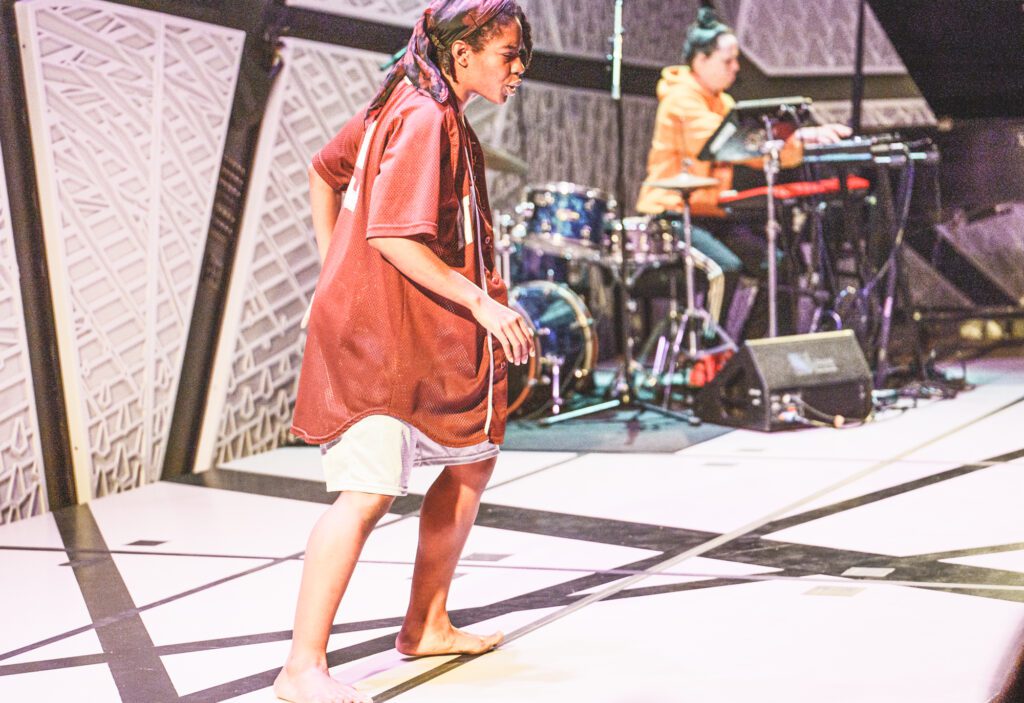
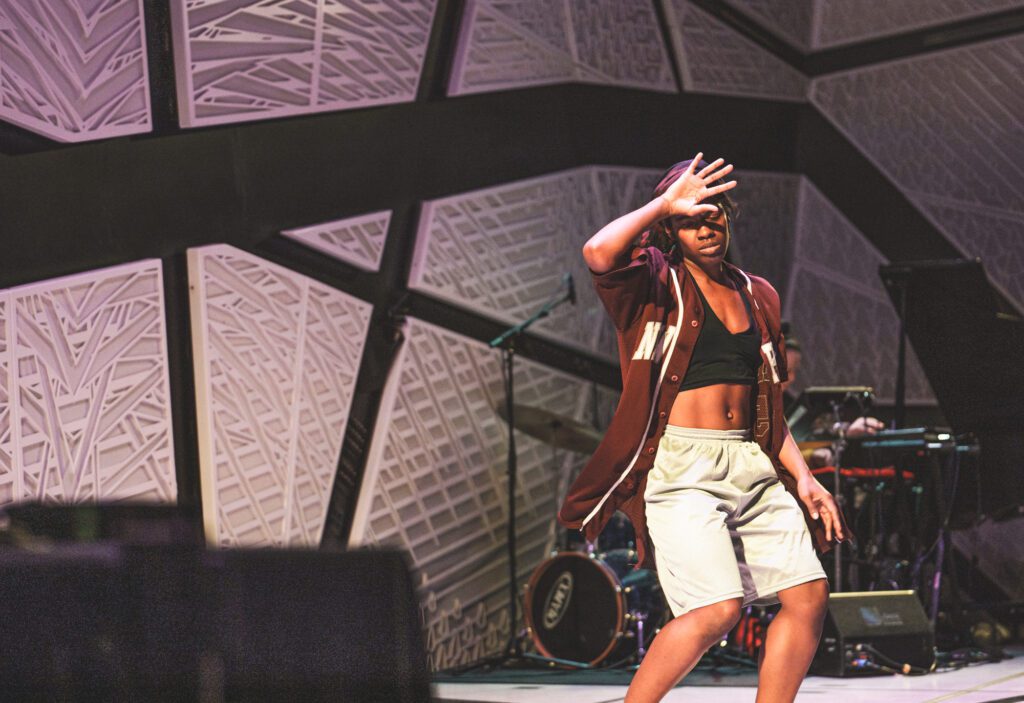
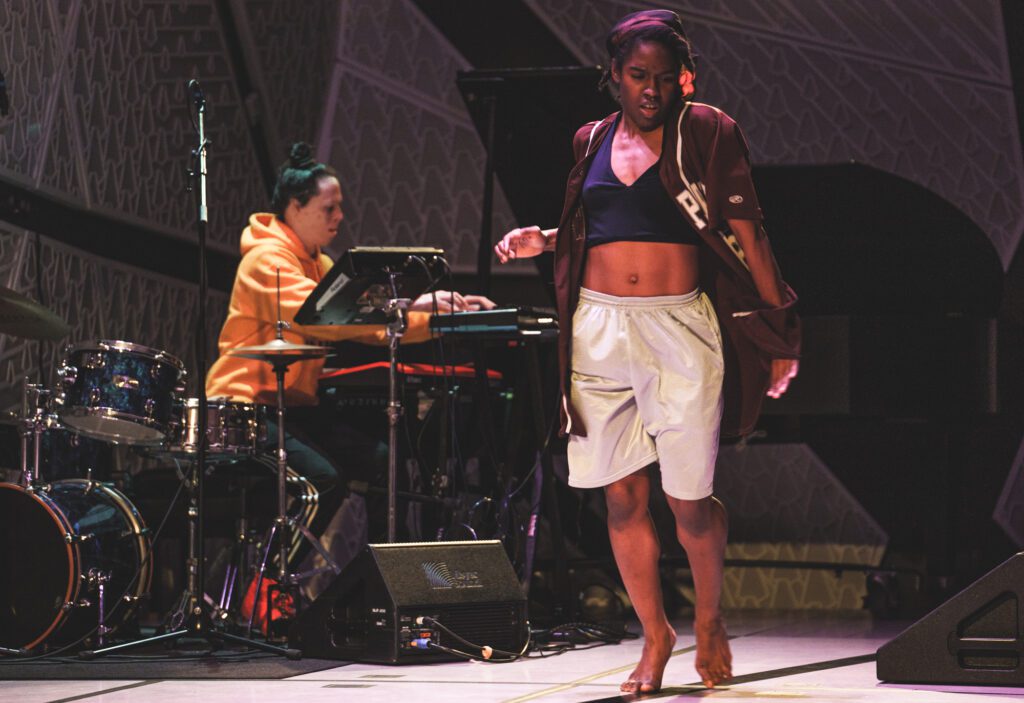
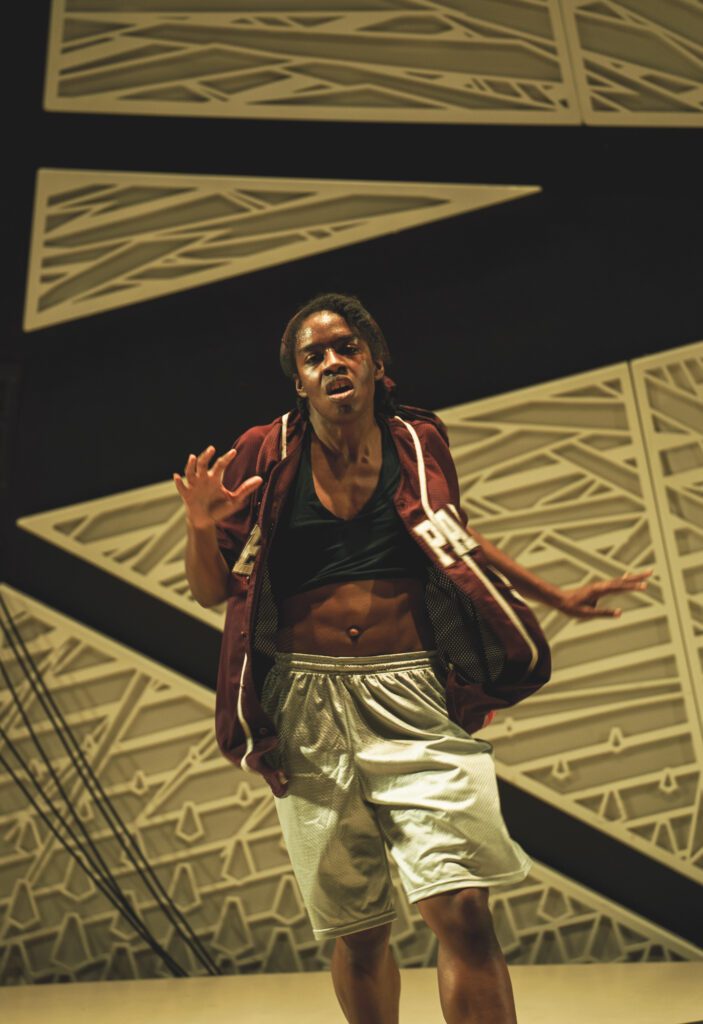
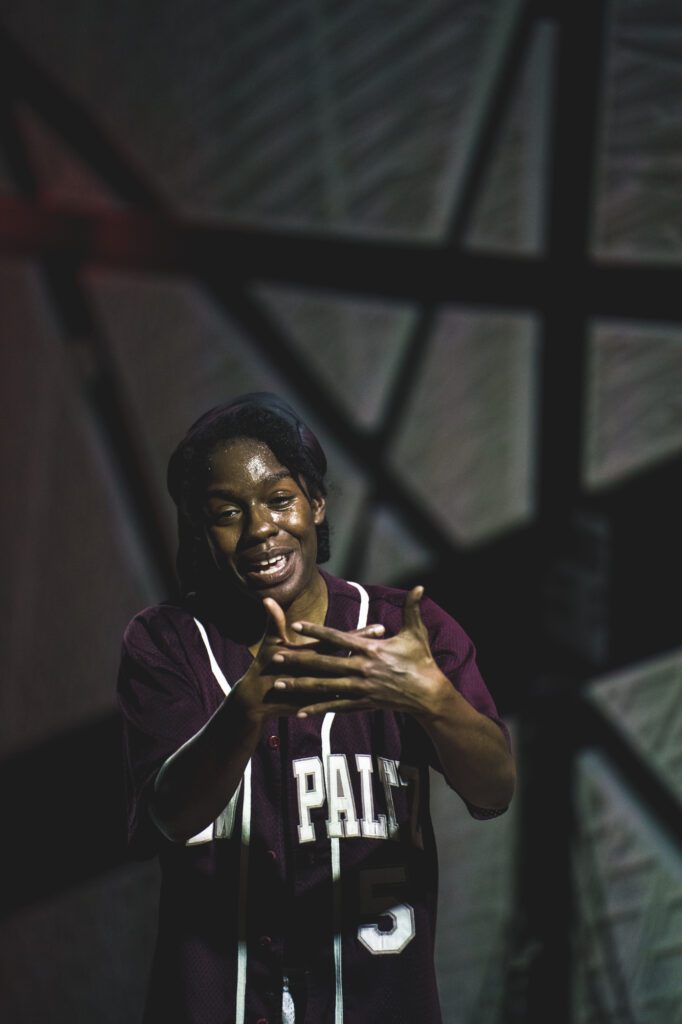
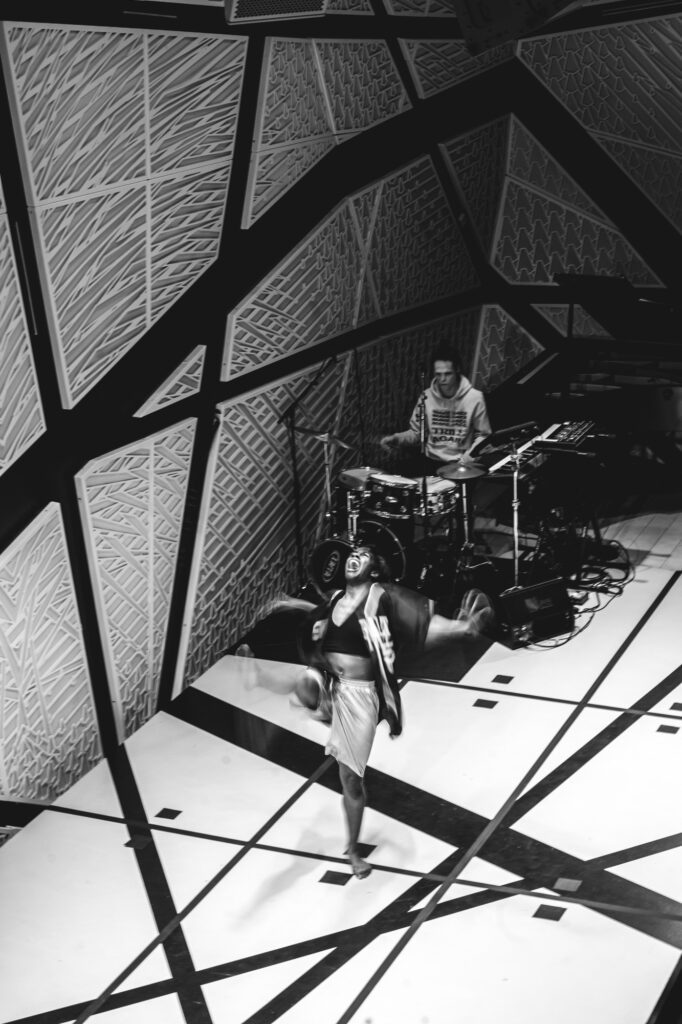
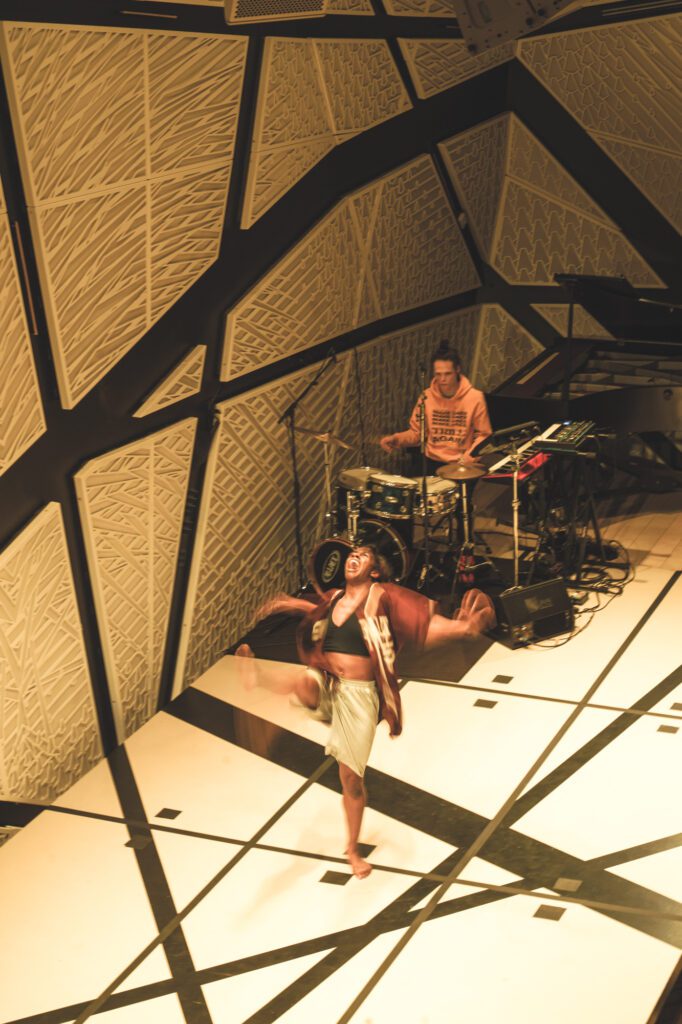
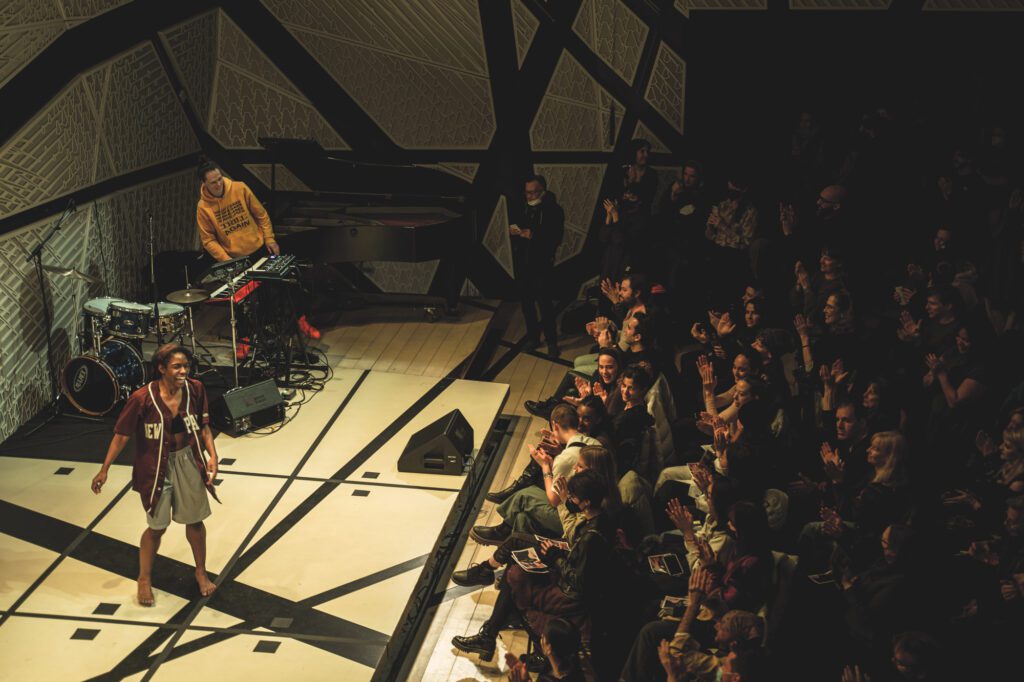
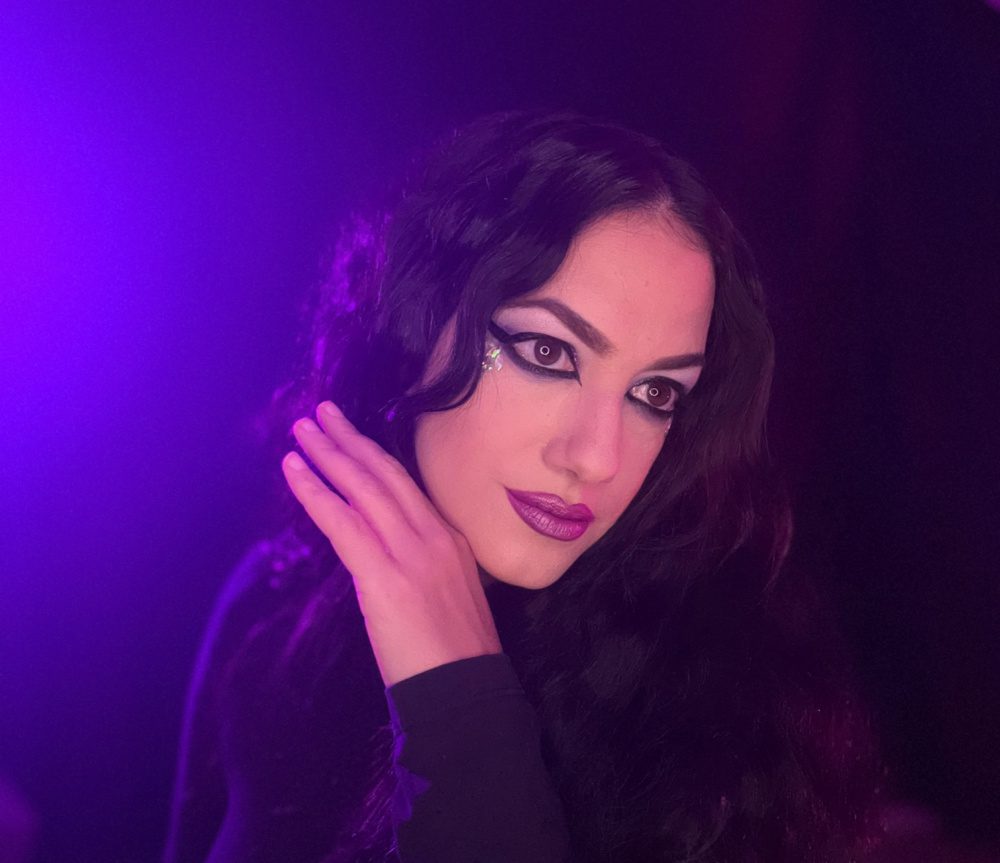
Mal Devisa is the stage name of Massachusetts-based songwriter Deja Rene Carr, what she calls a “liberation project” as she grapples with identity and other struggles related to making art. We fell in love with Mal Devisa at our SXSW showcase this spring, and can’t wait to help her realize her goal of broadening her genre scope and recording a record with some new gear.

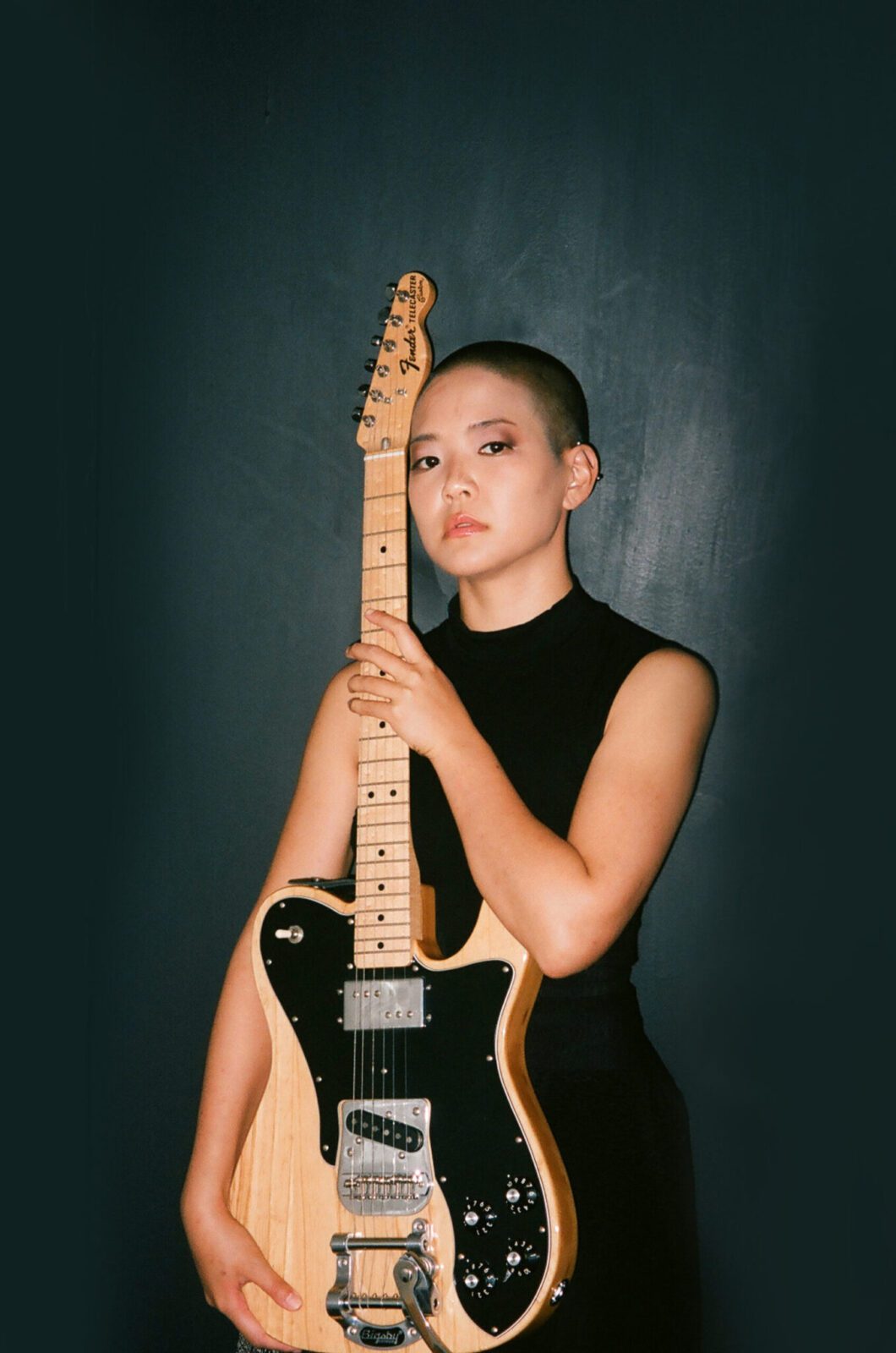
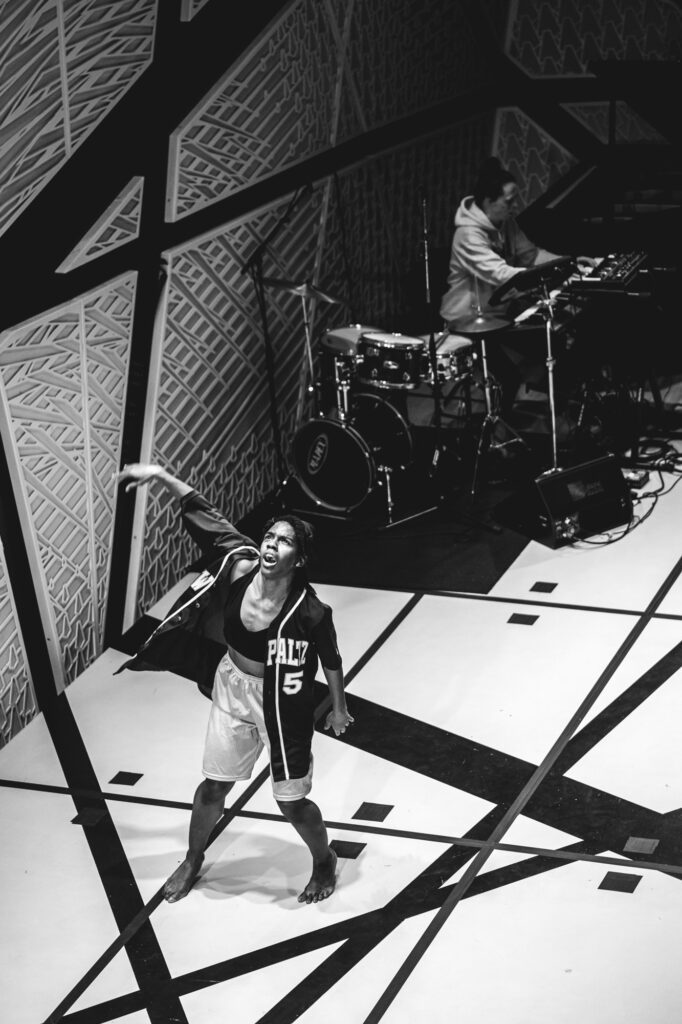
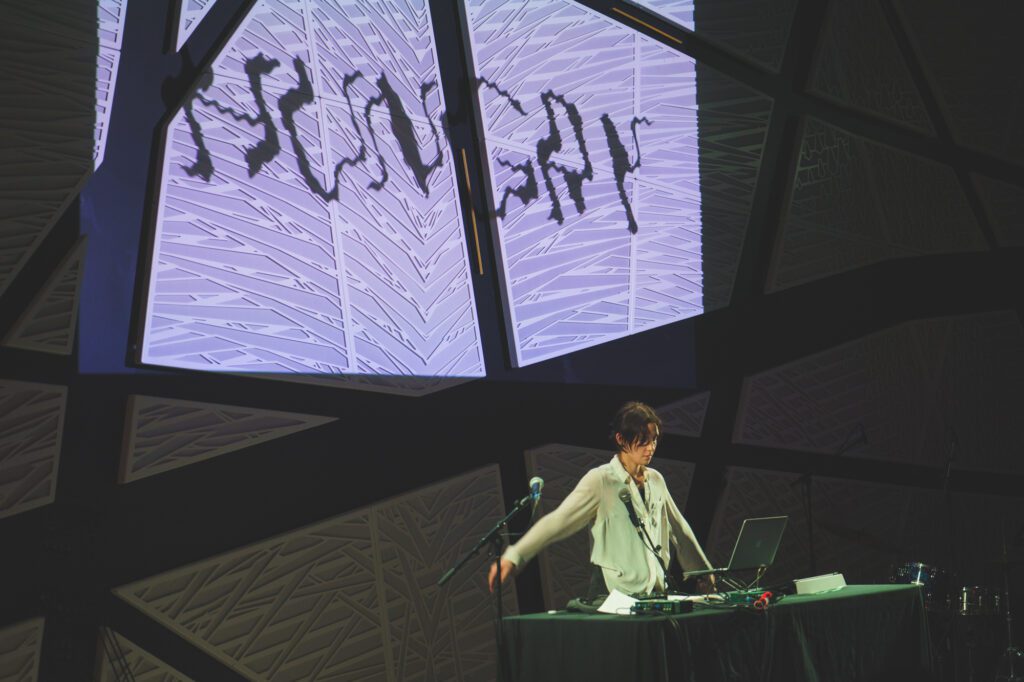
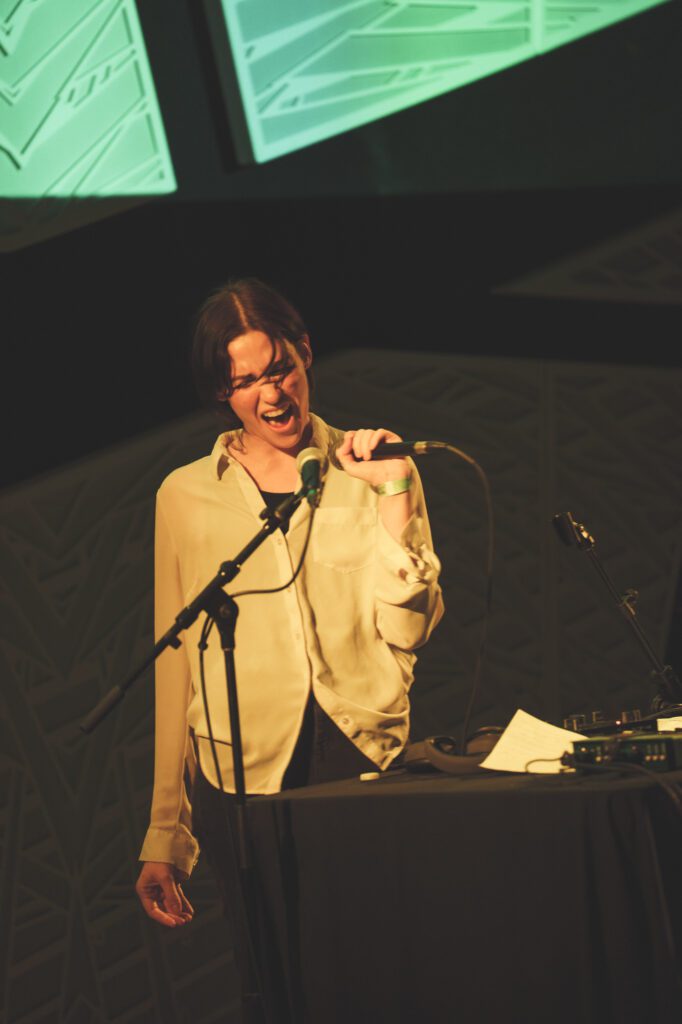
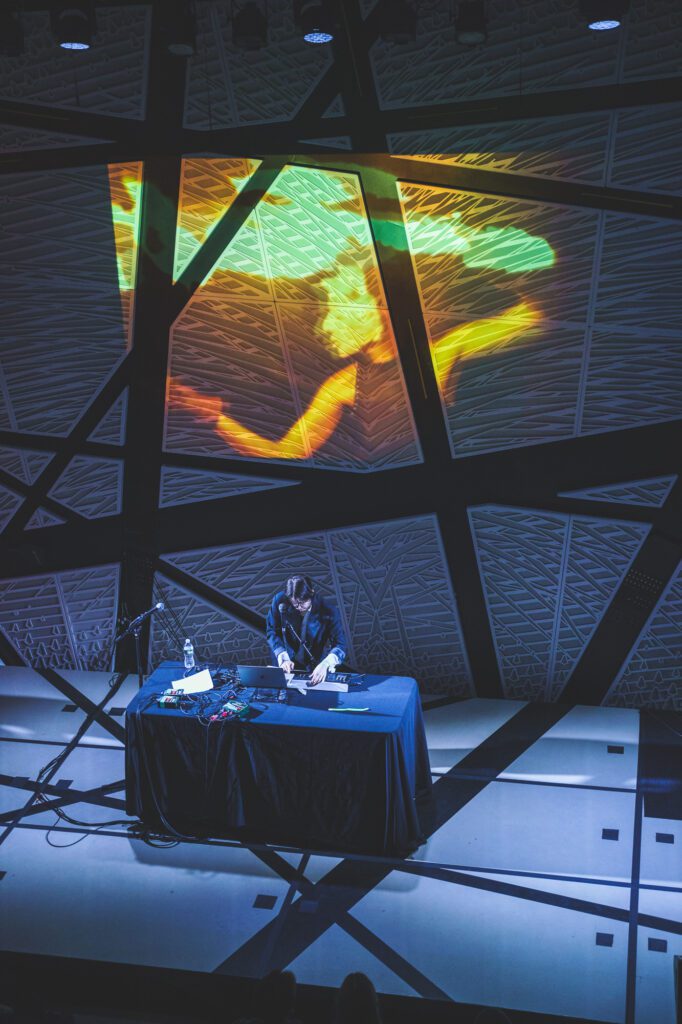
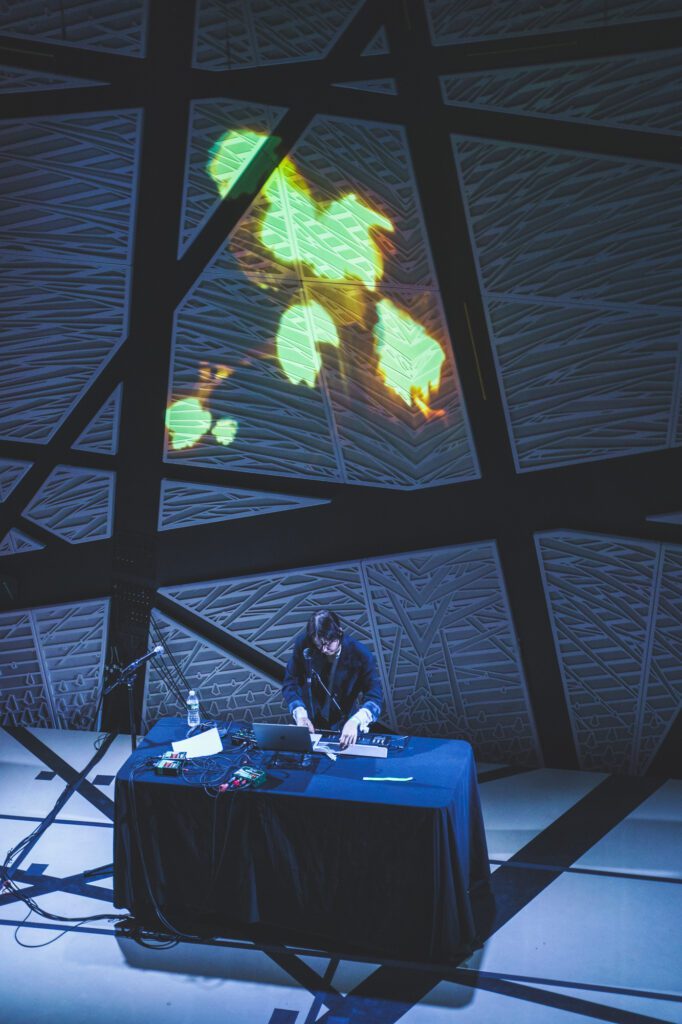
Kyoko Takenaka

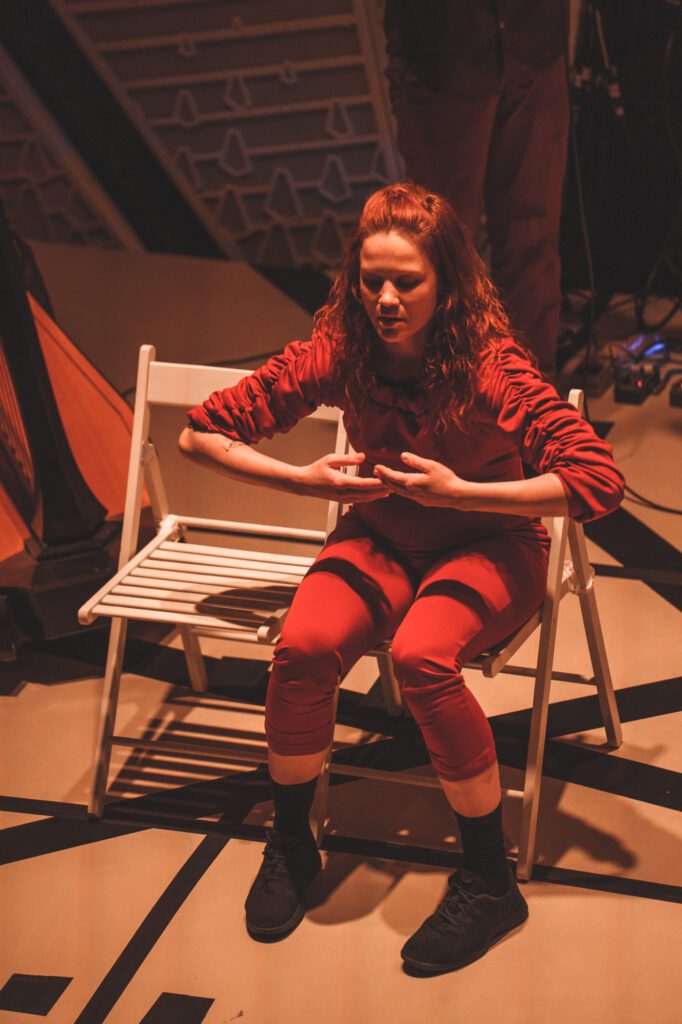
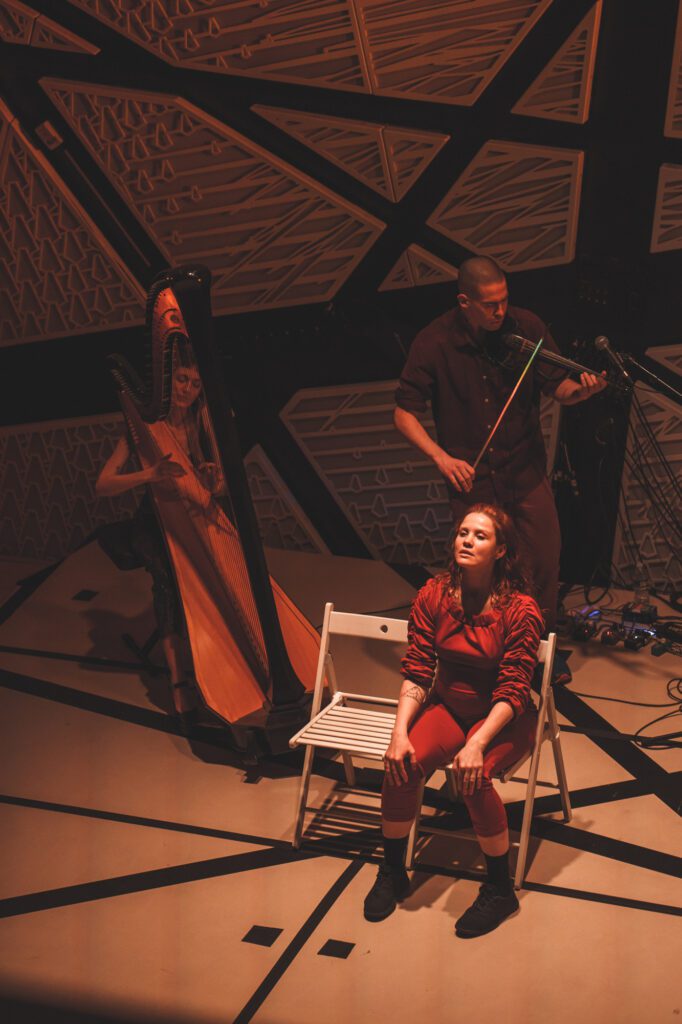
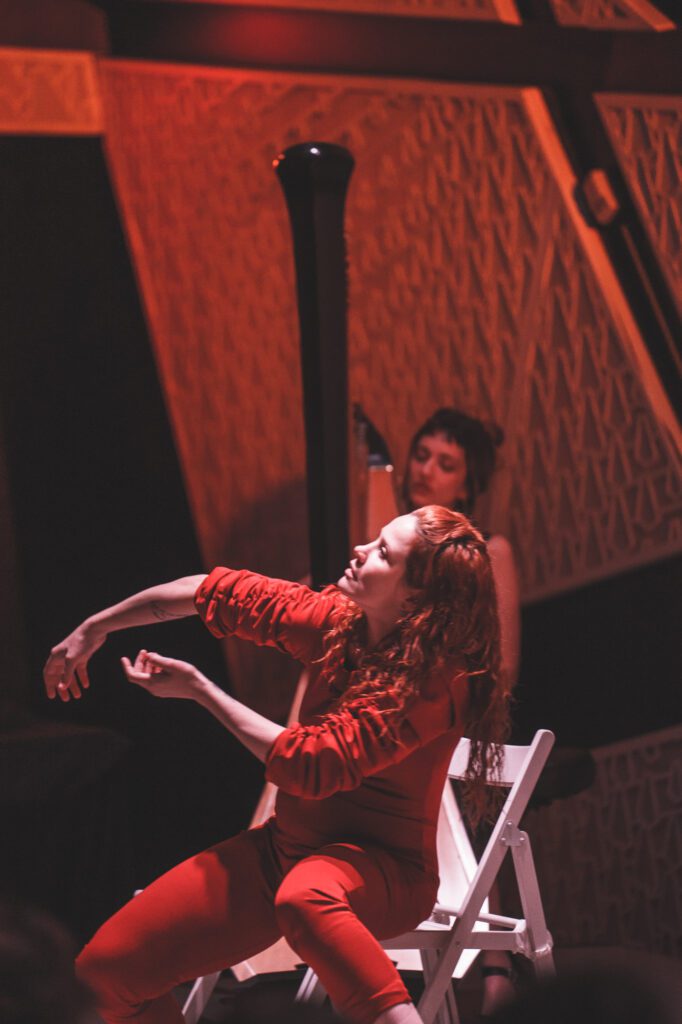
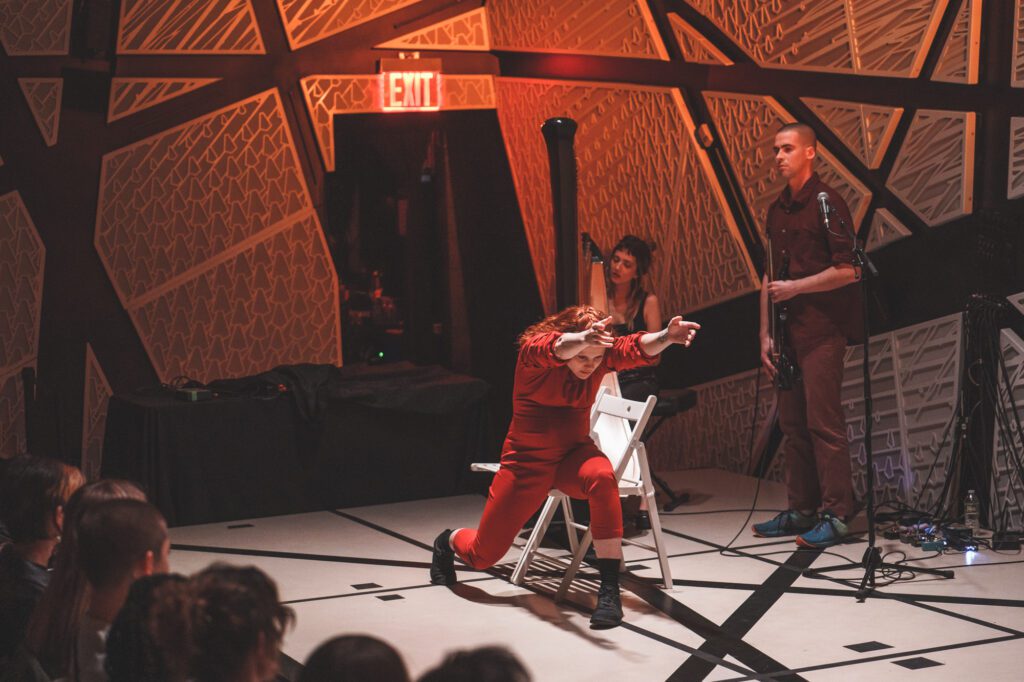
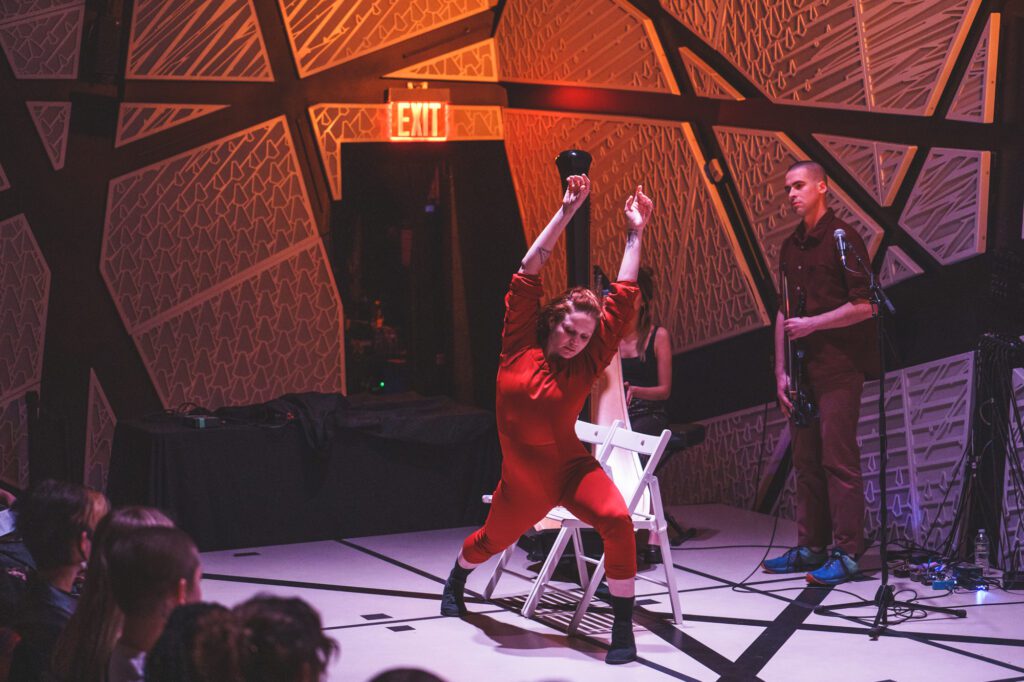
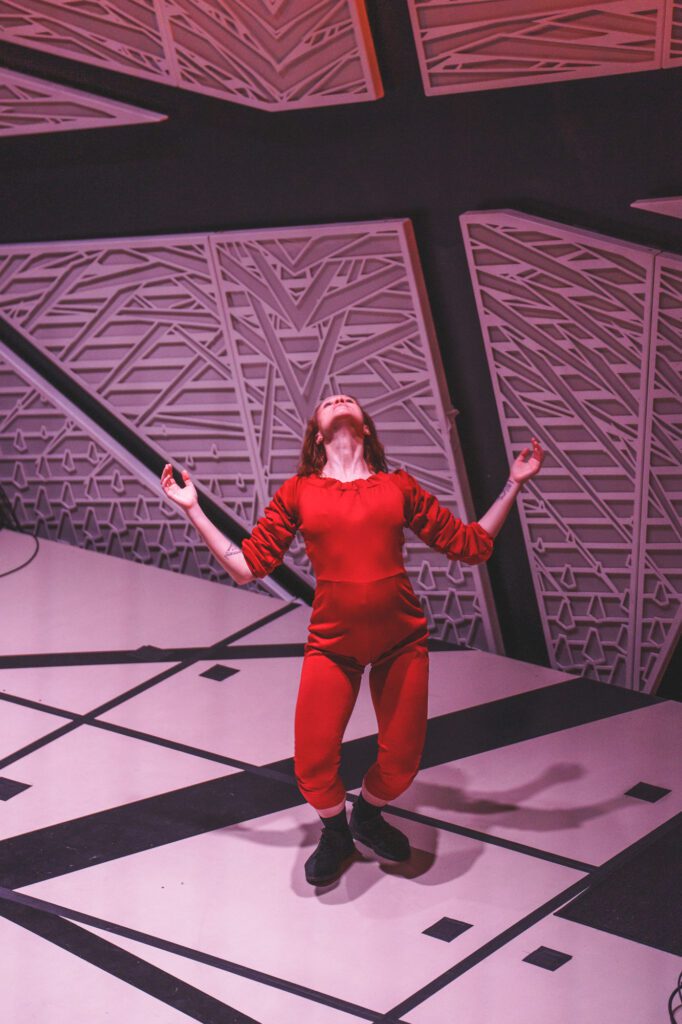
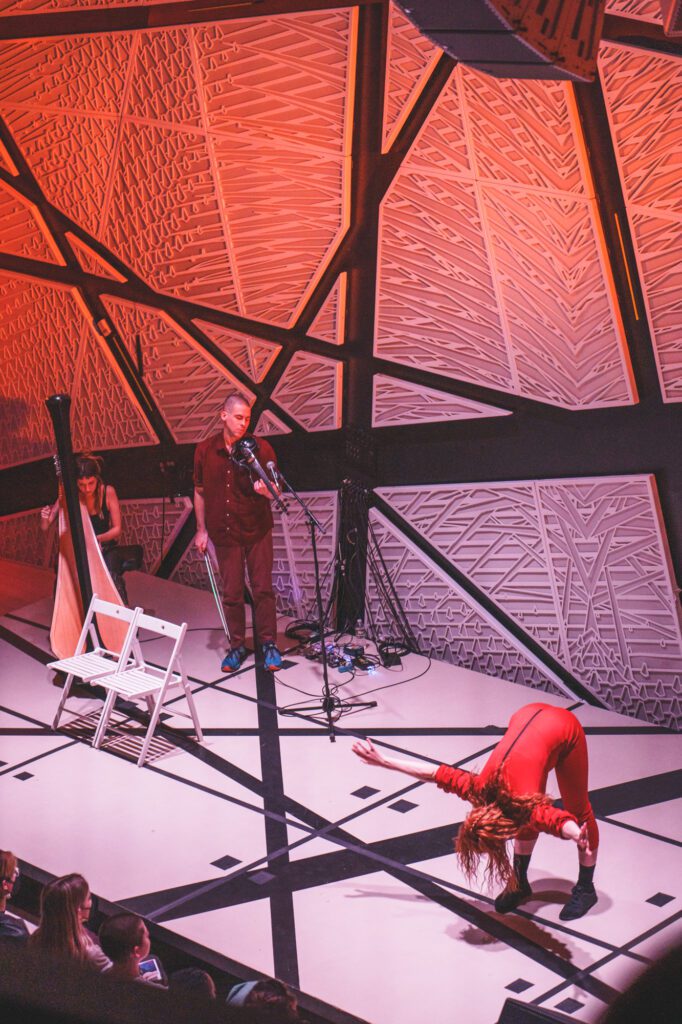
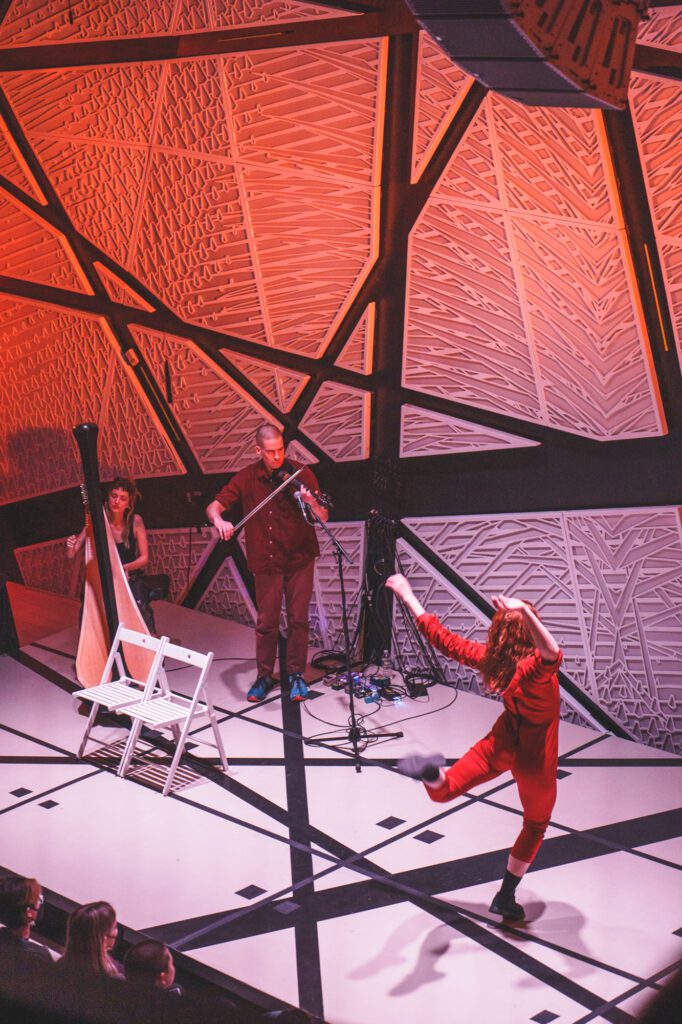
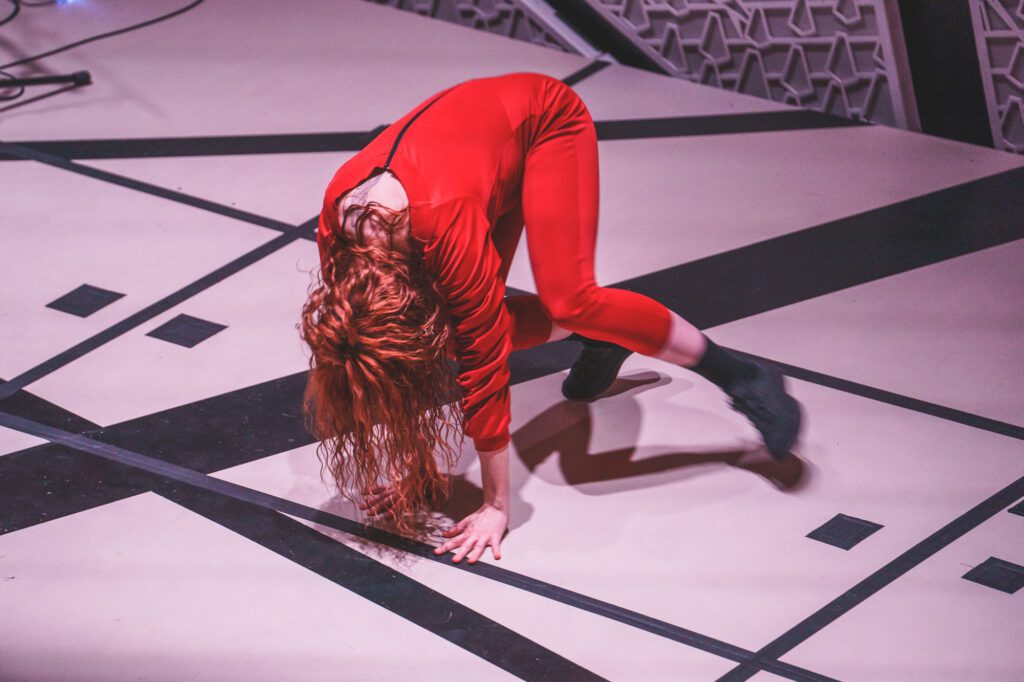
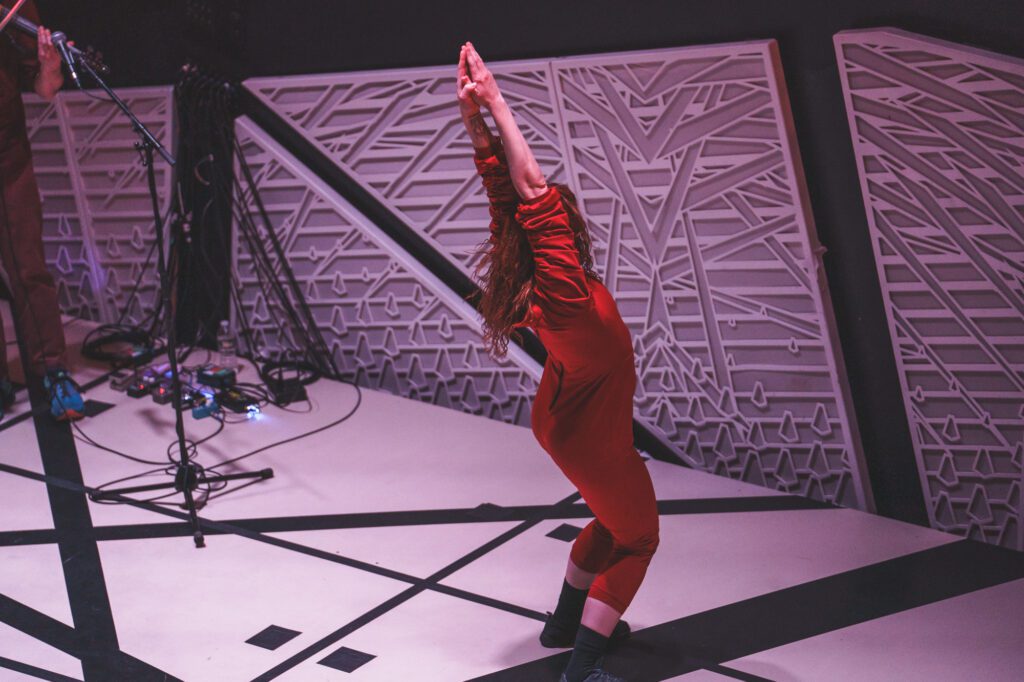
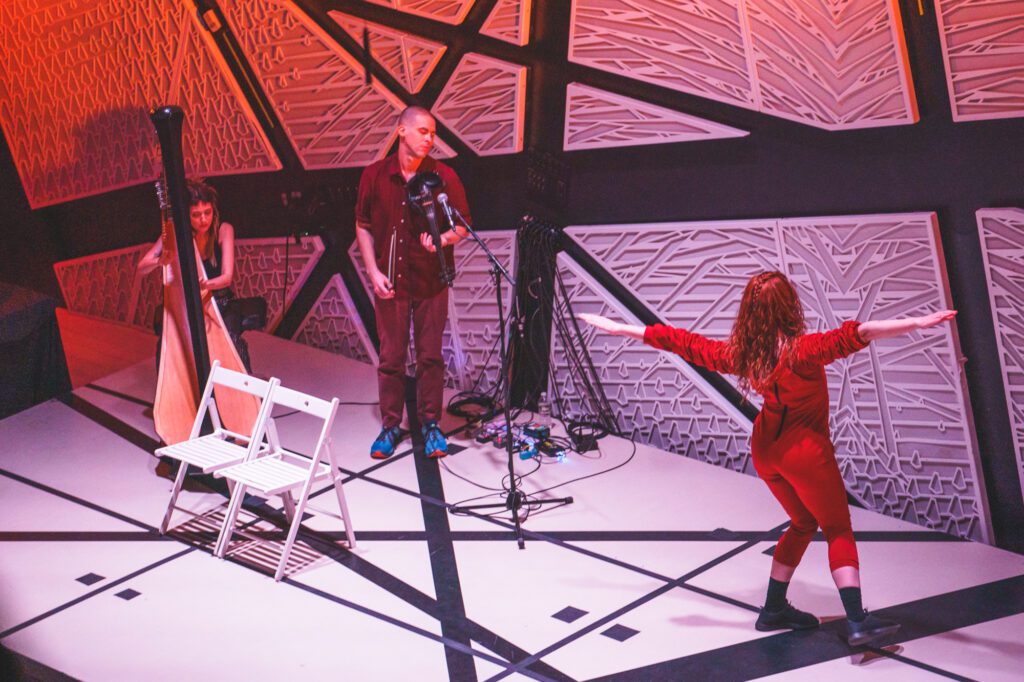
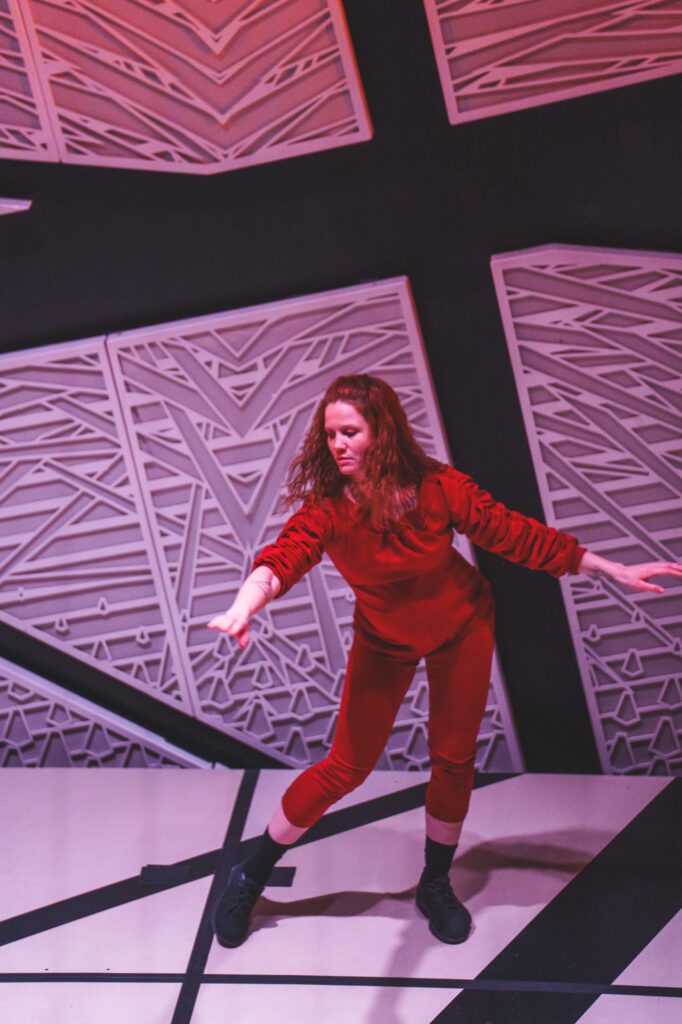
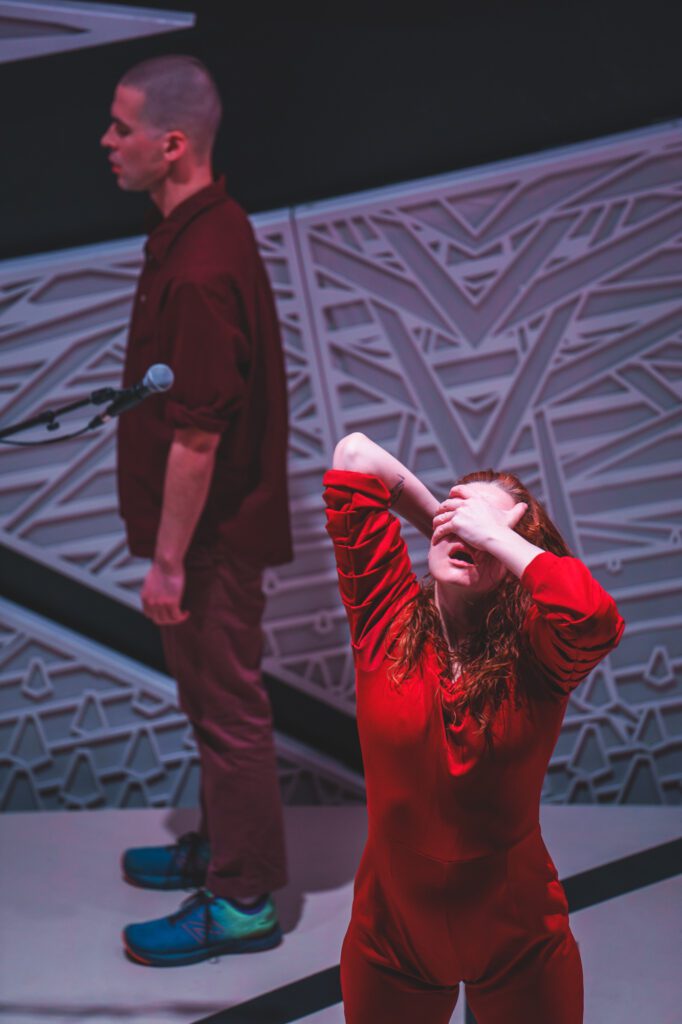
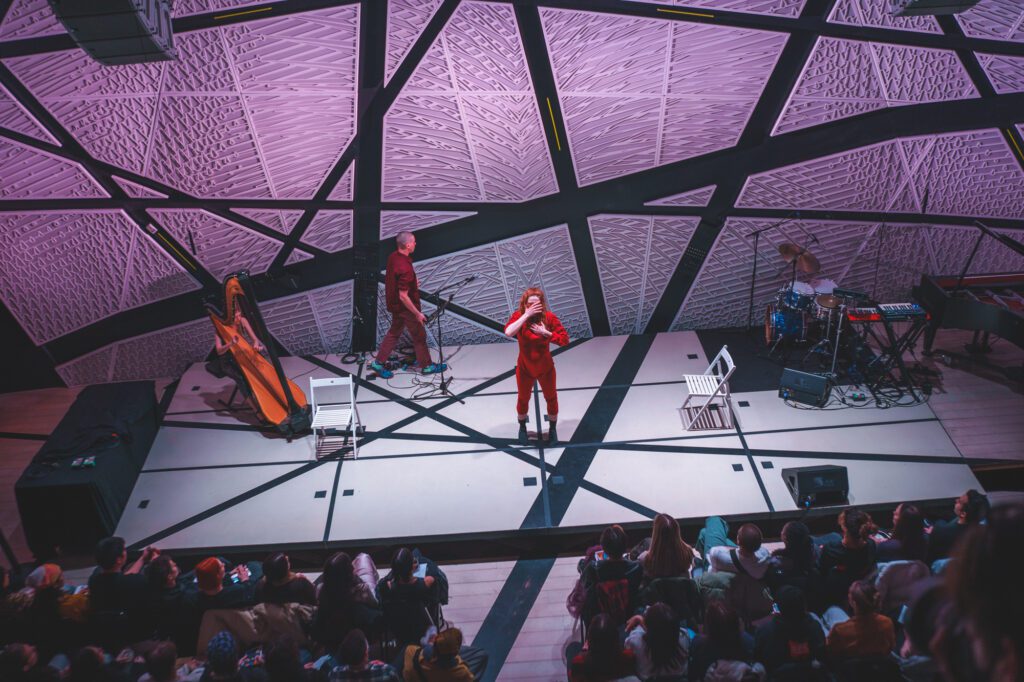
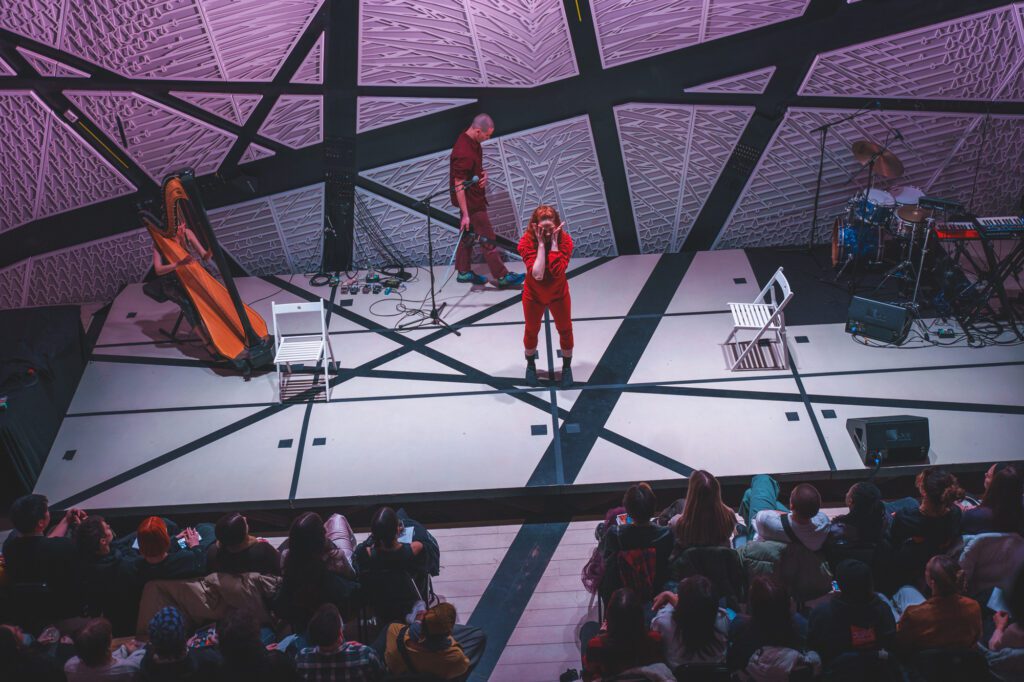
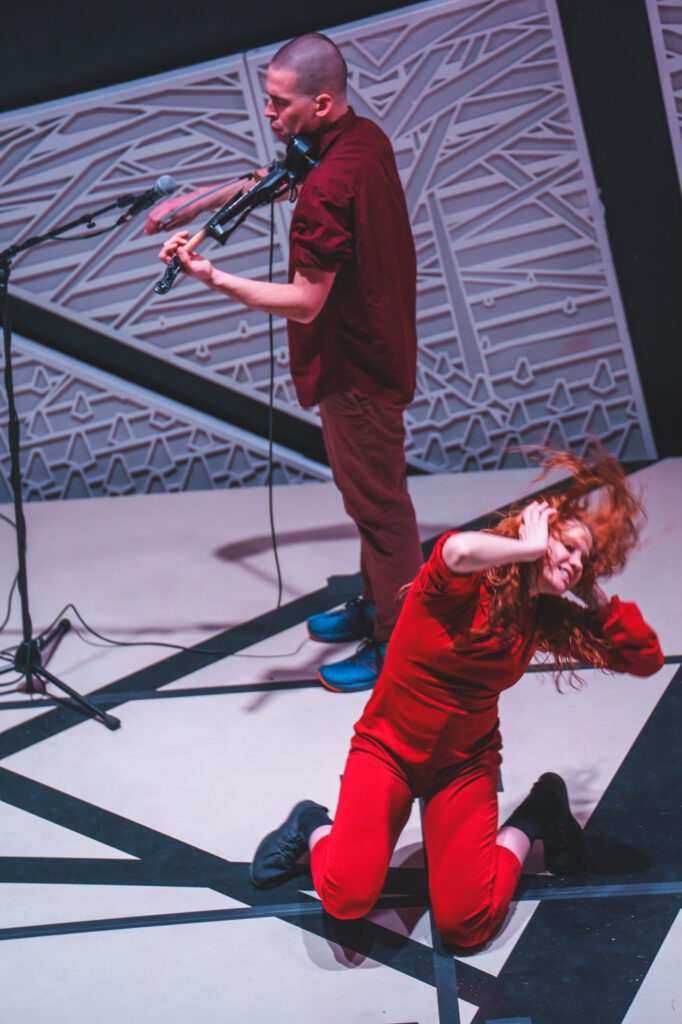
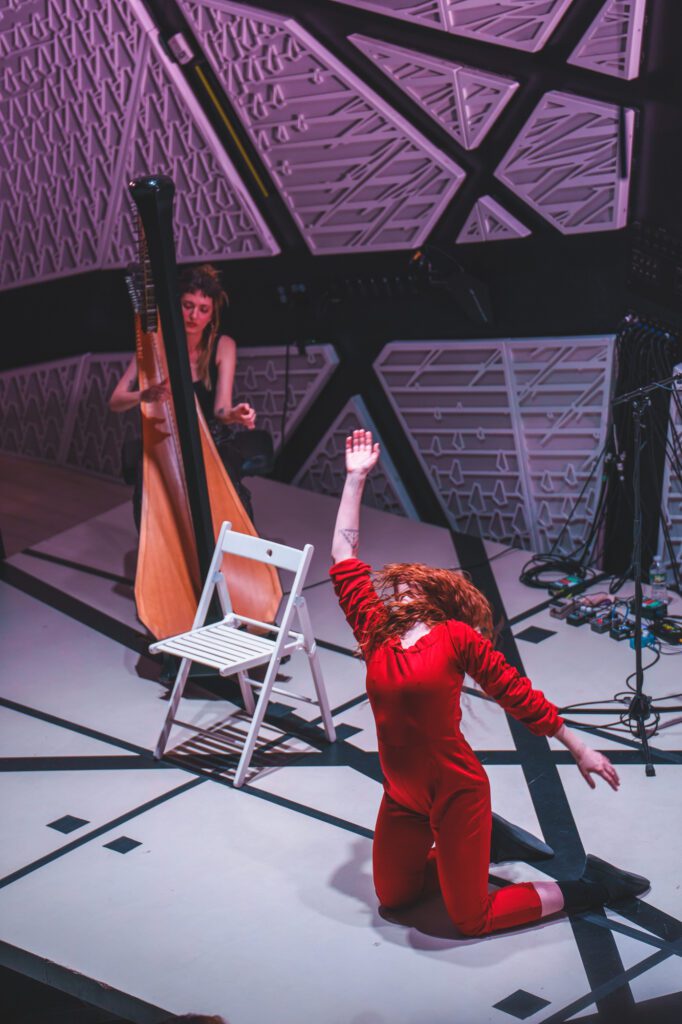
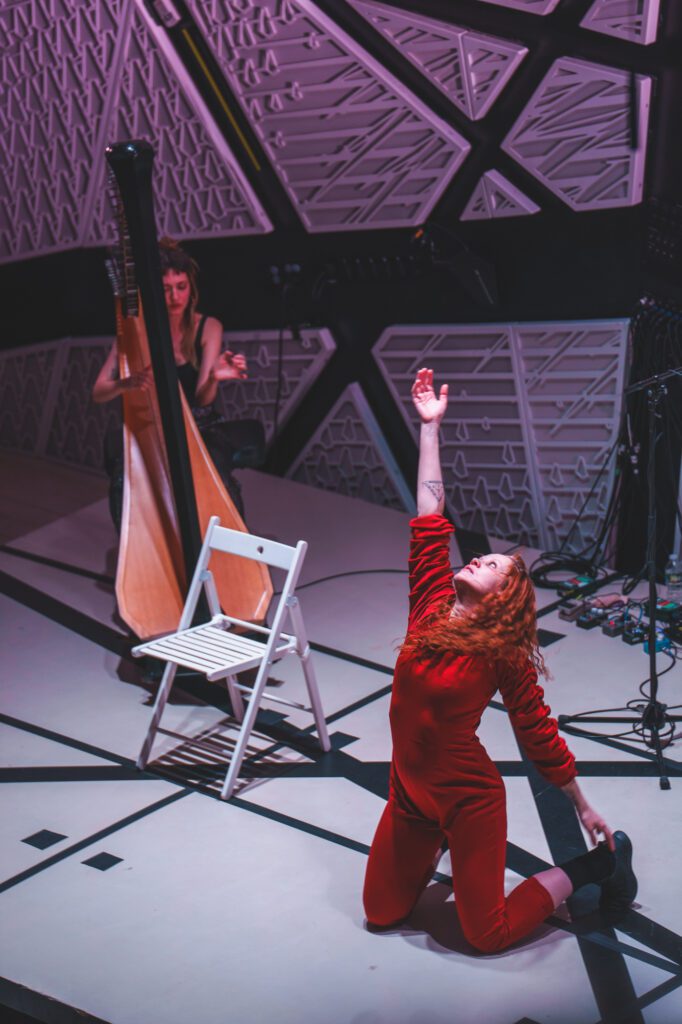
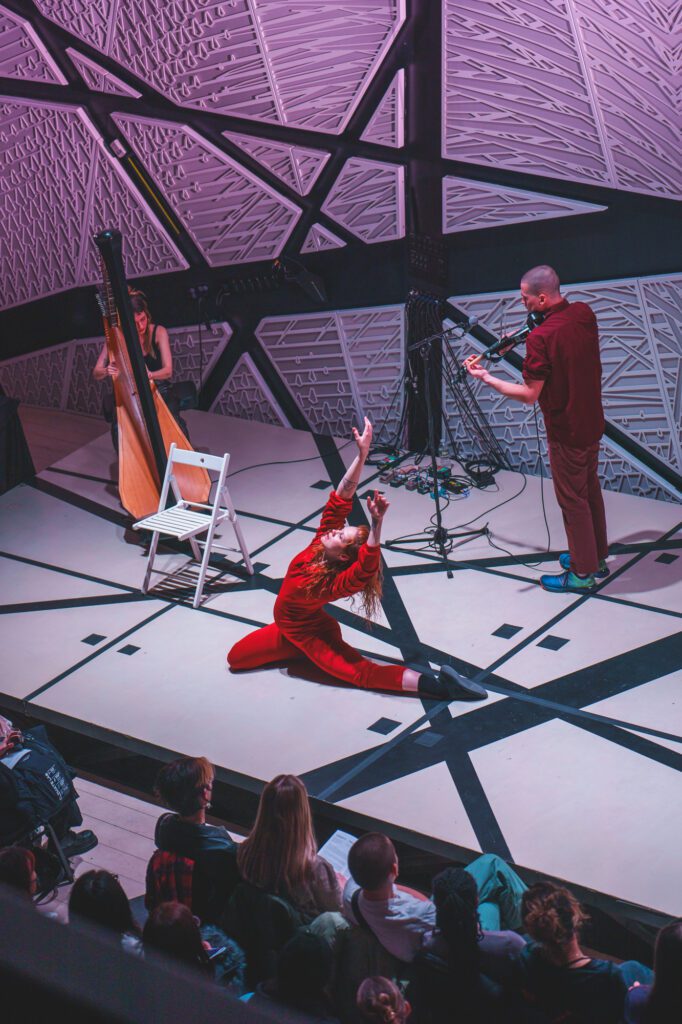
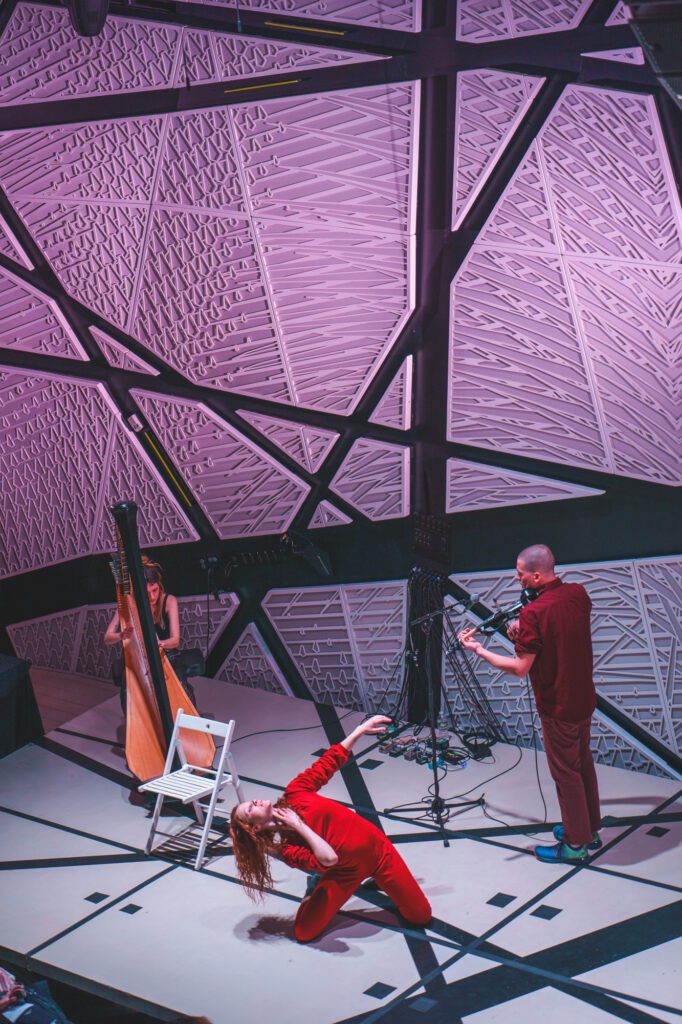
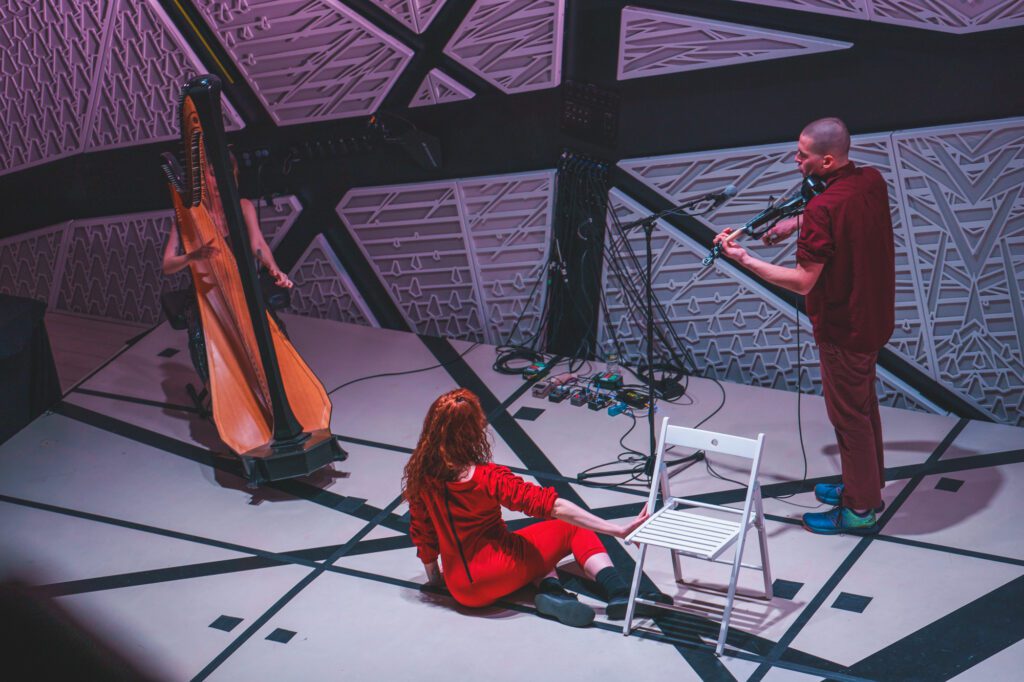
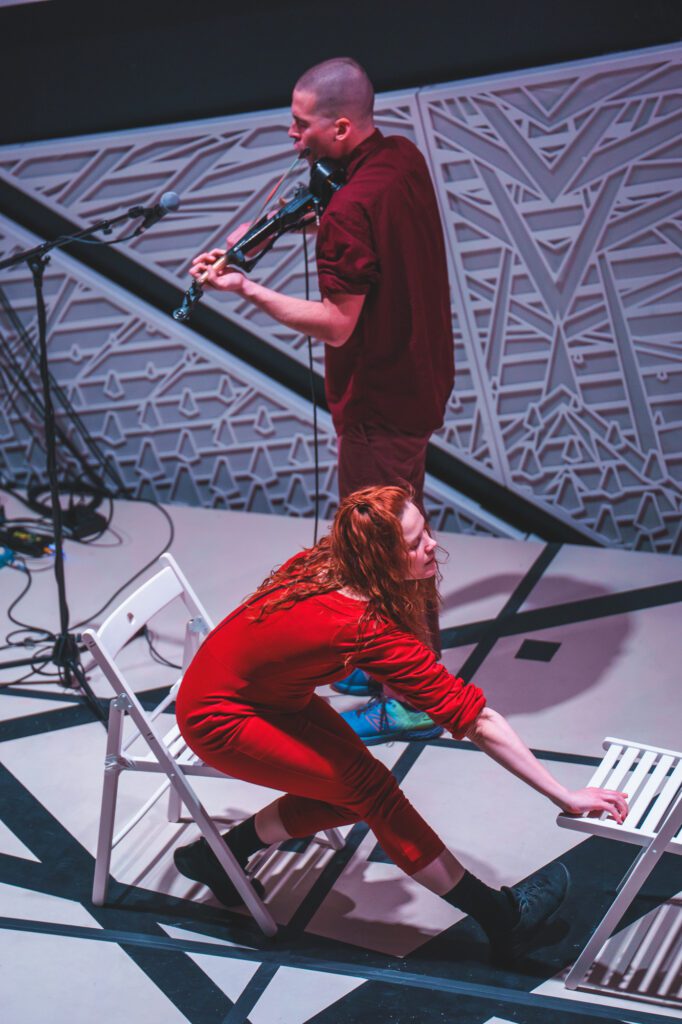
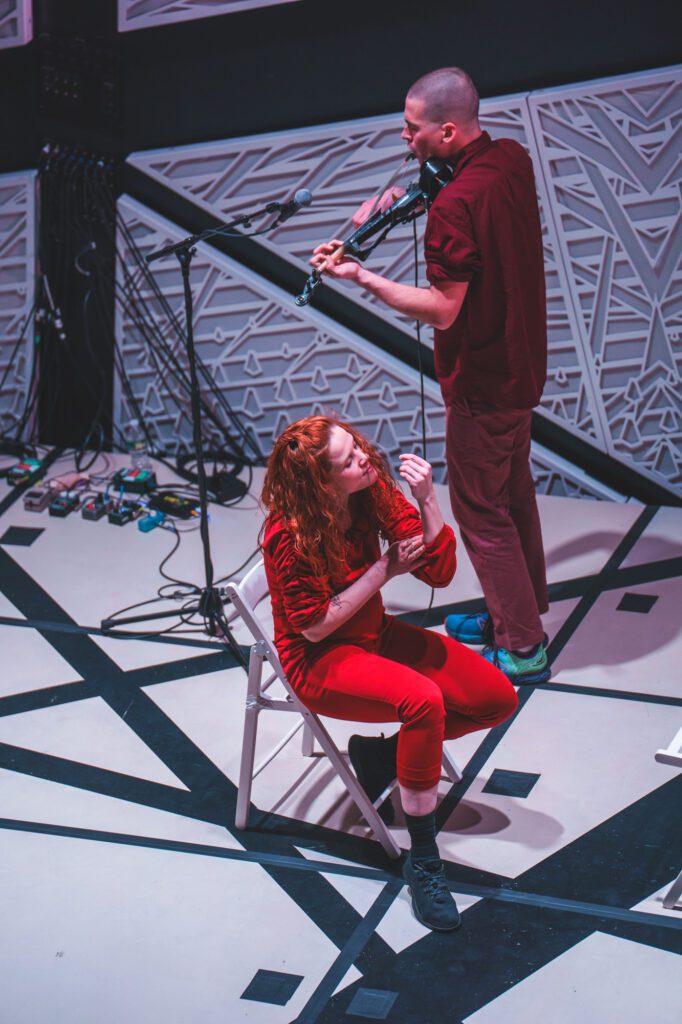
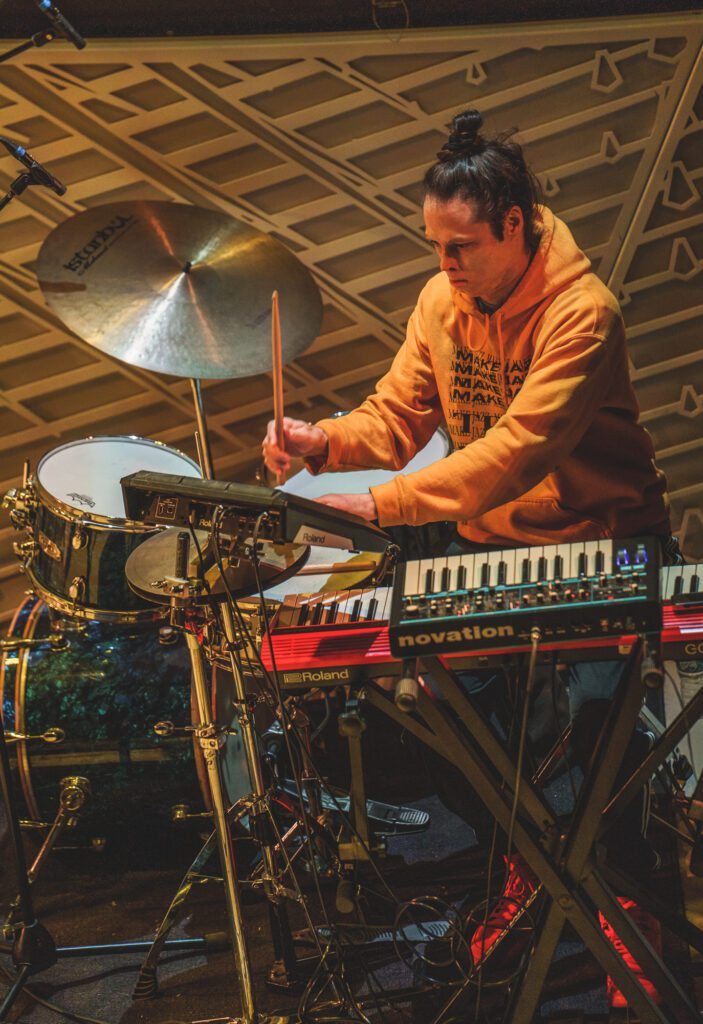
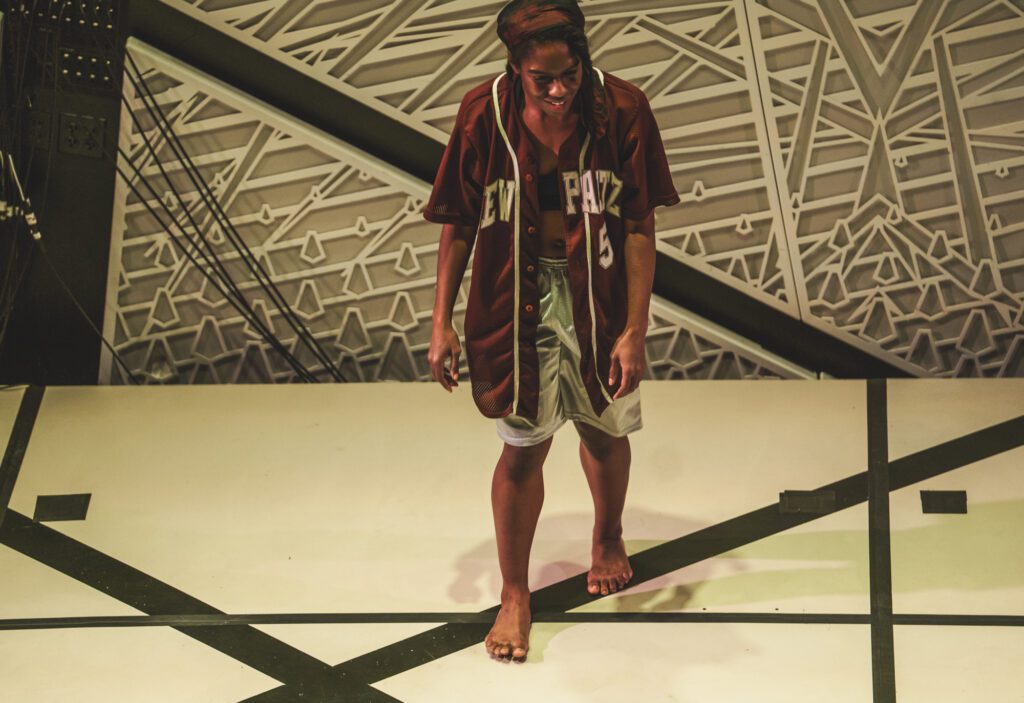
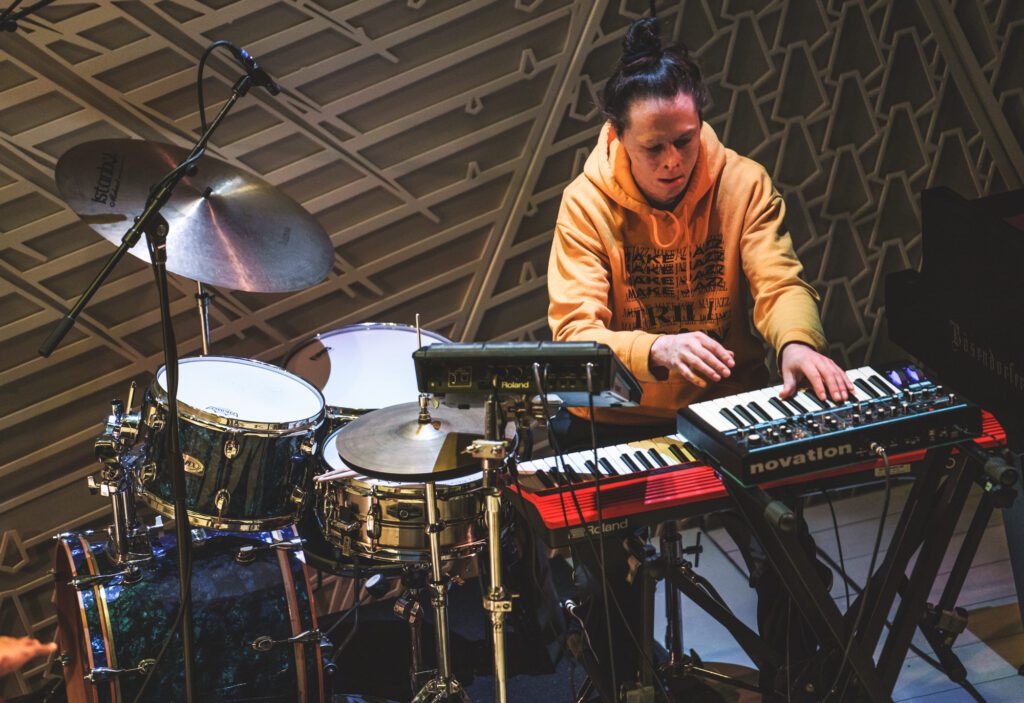
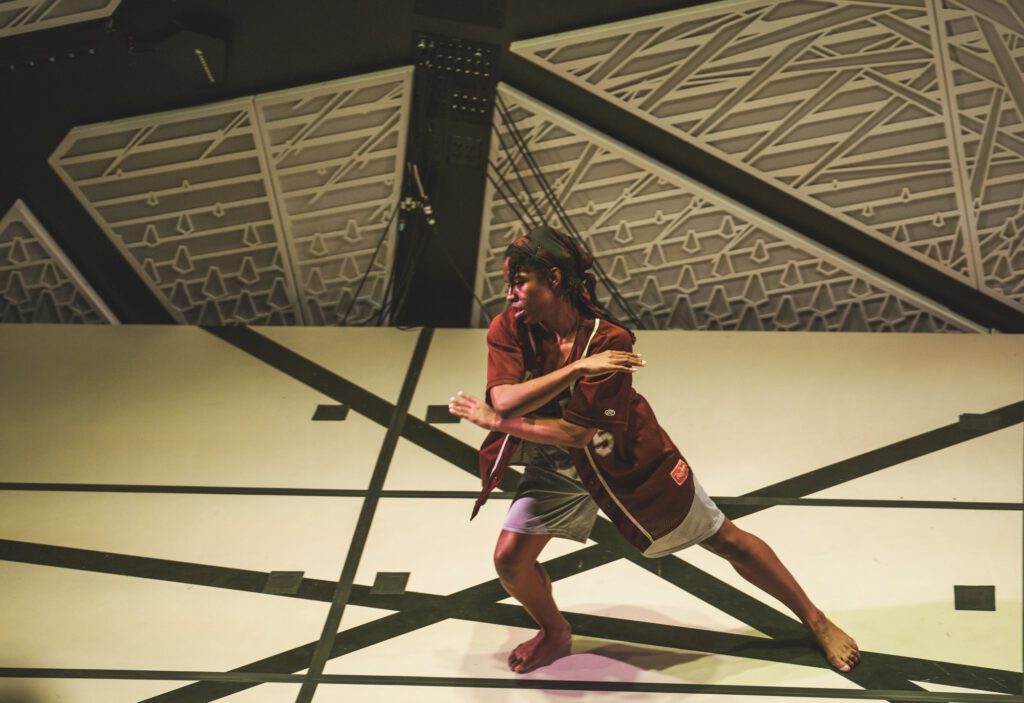
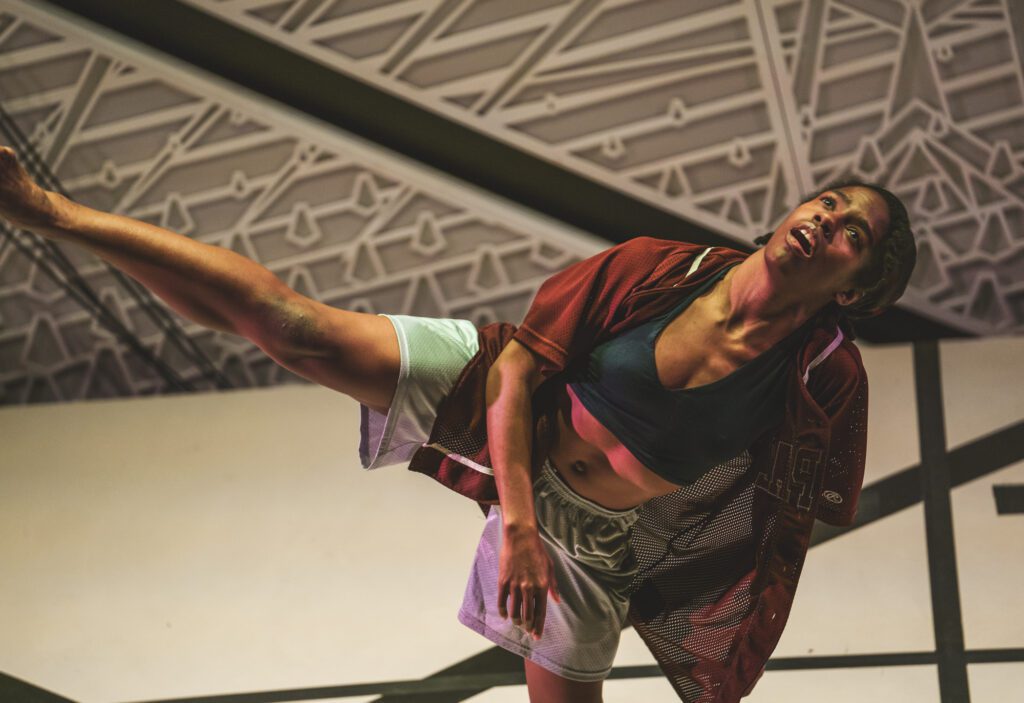
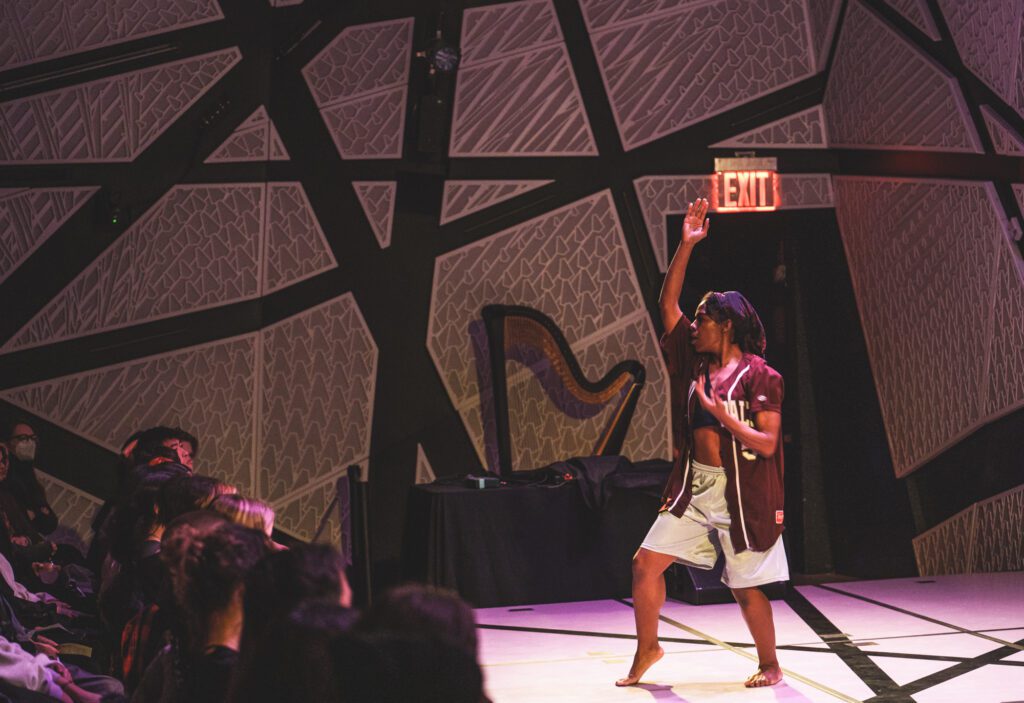
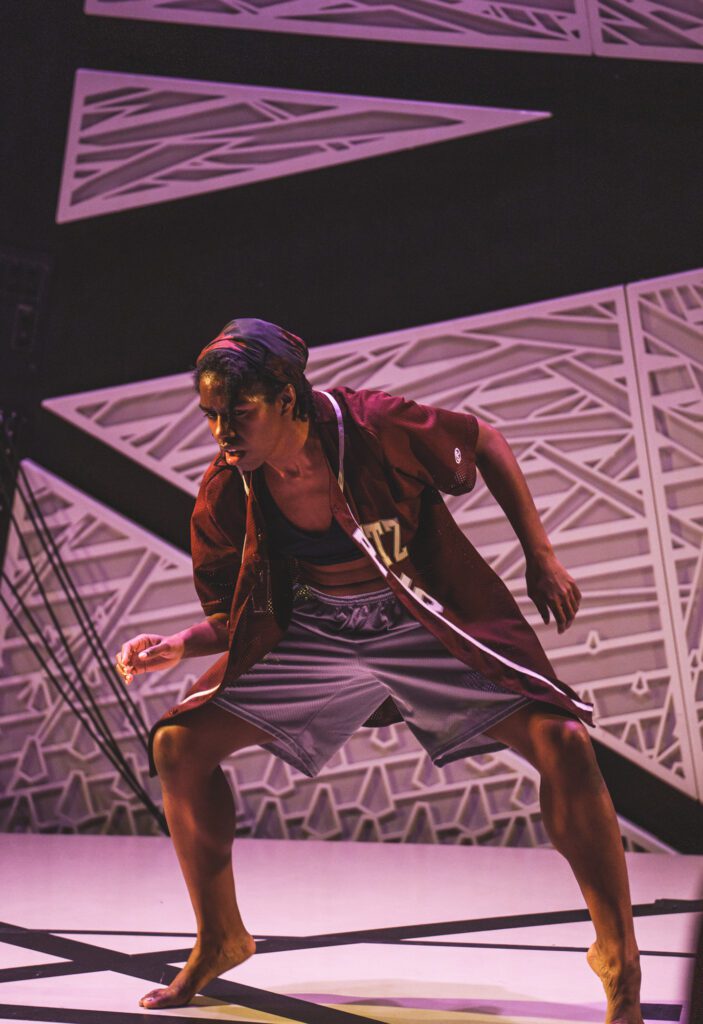
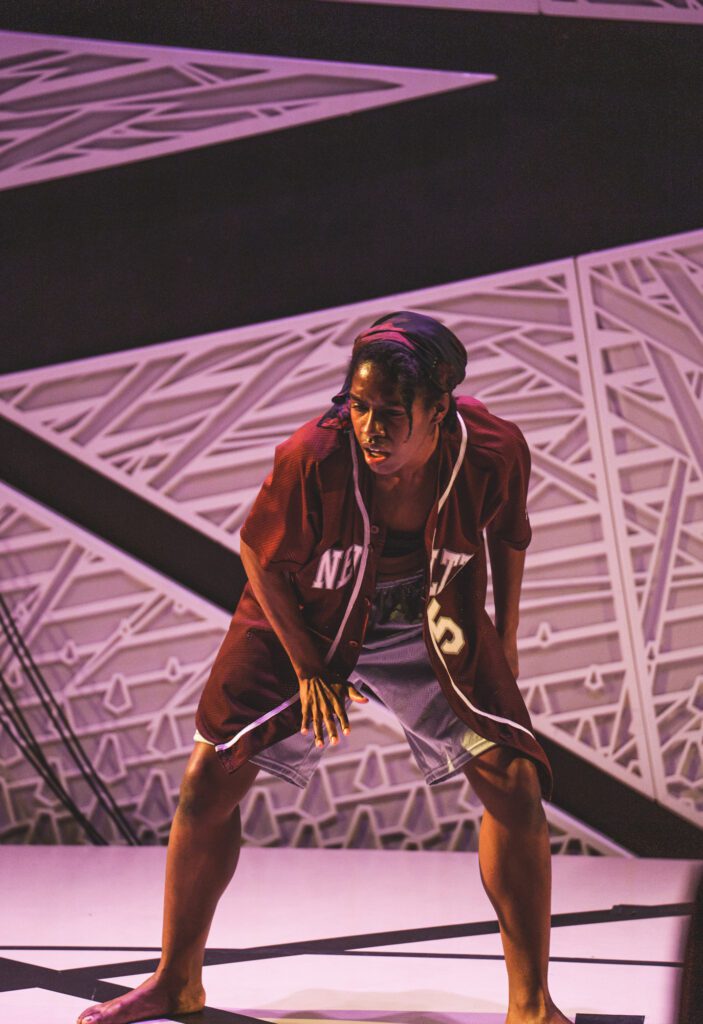
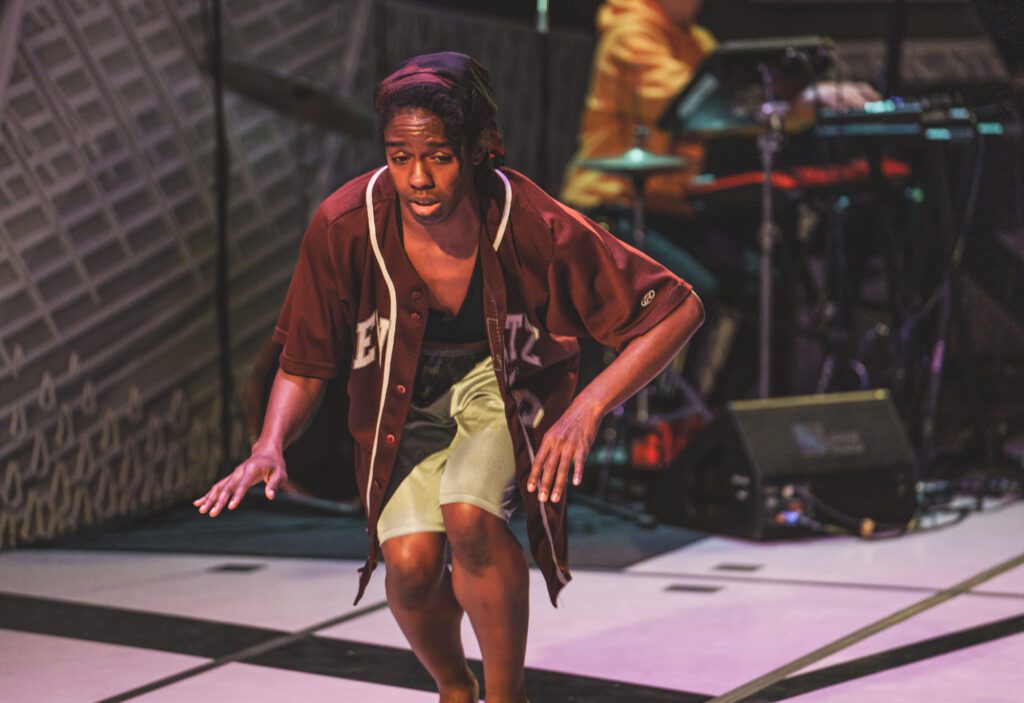
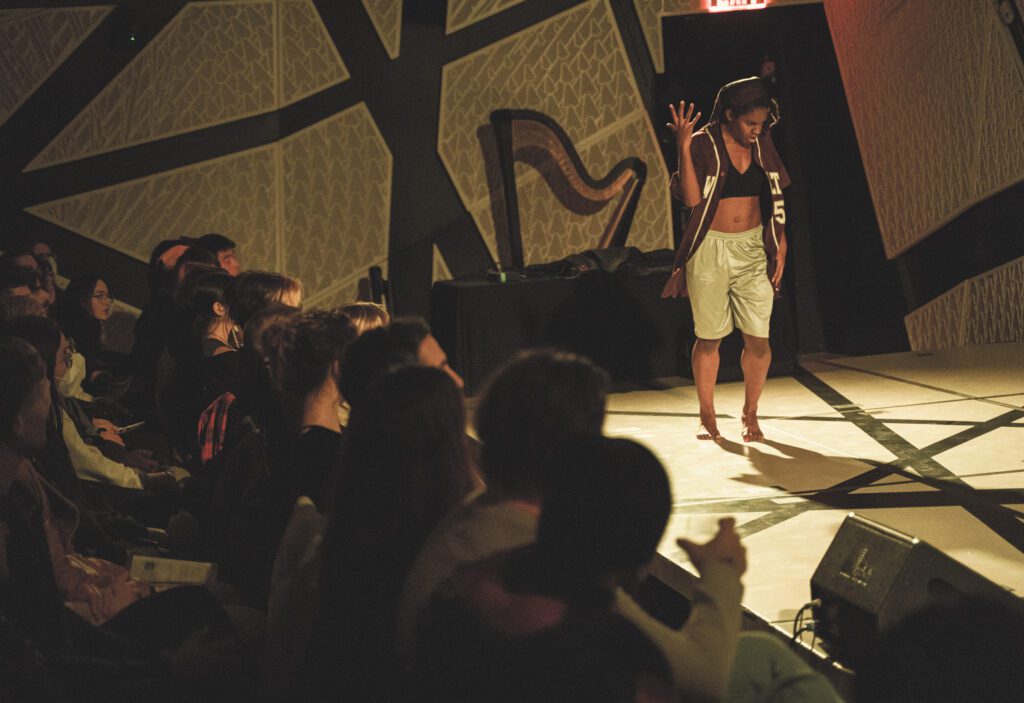
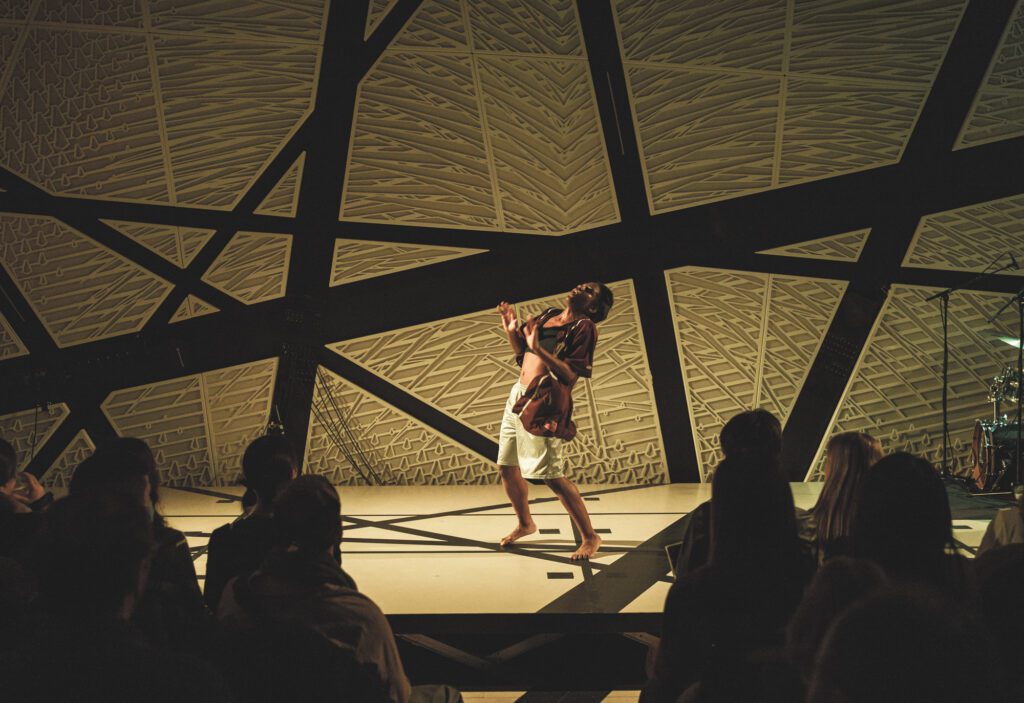
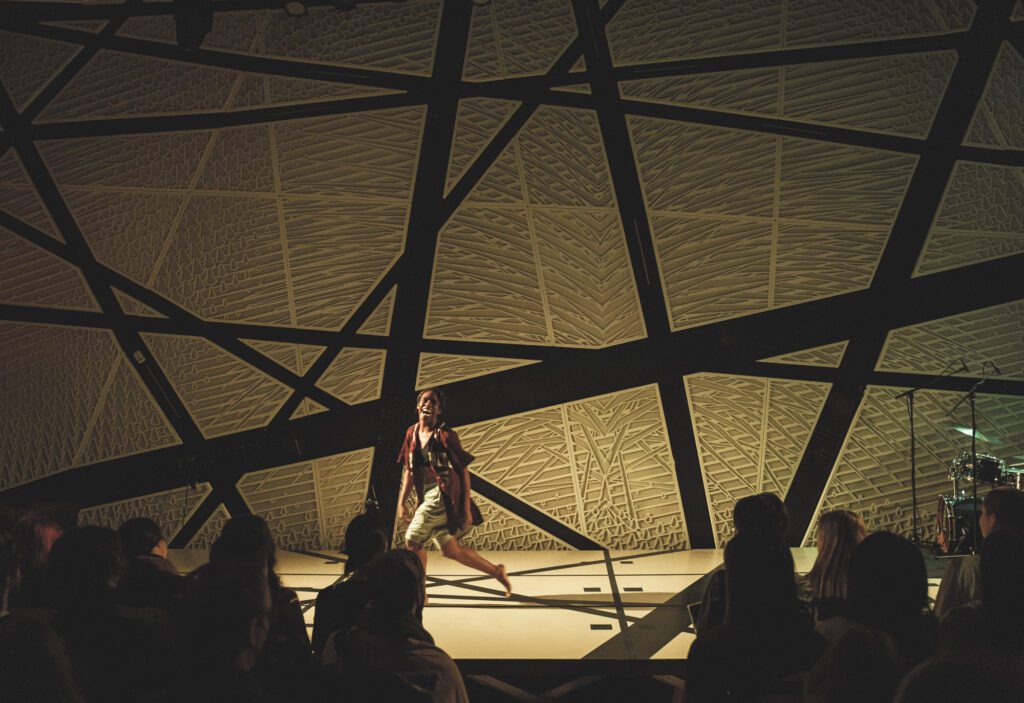
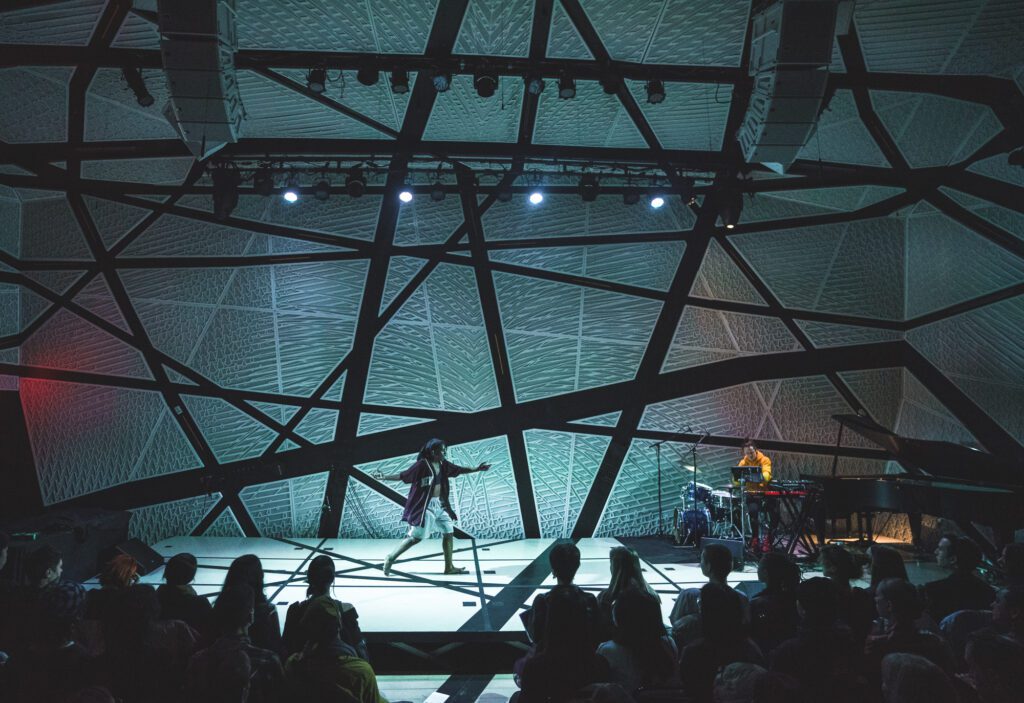
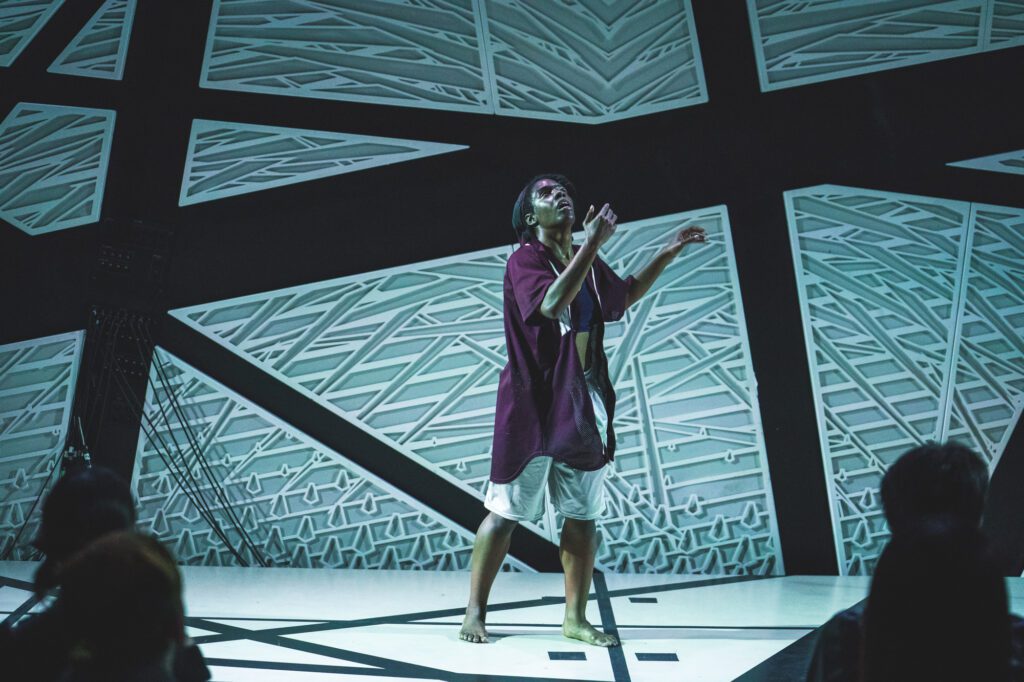
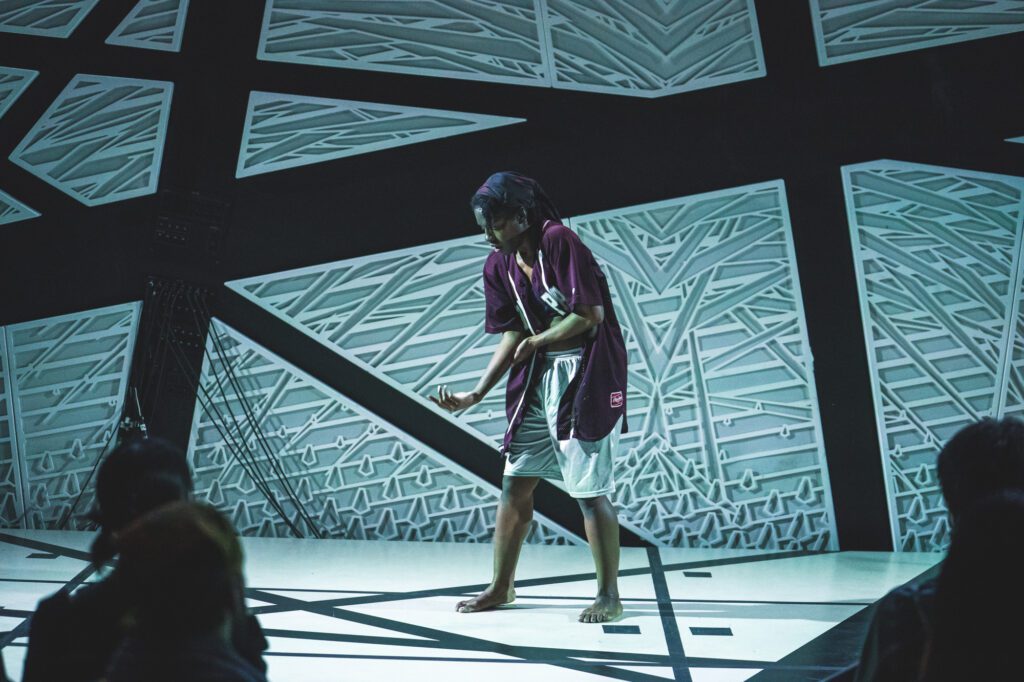
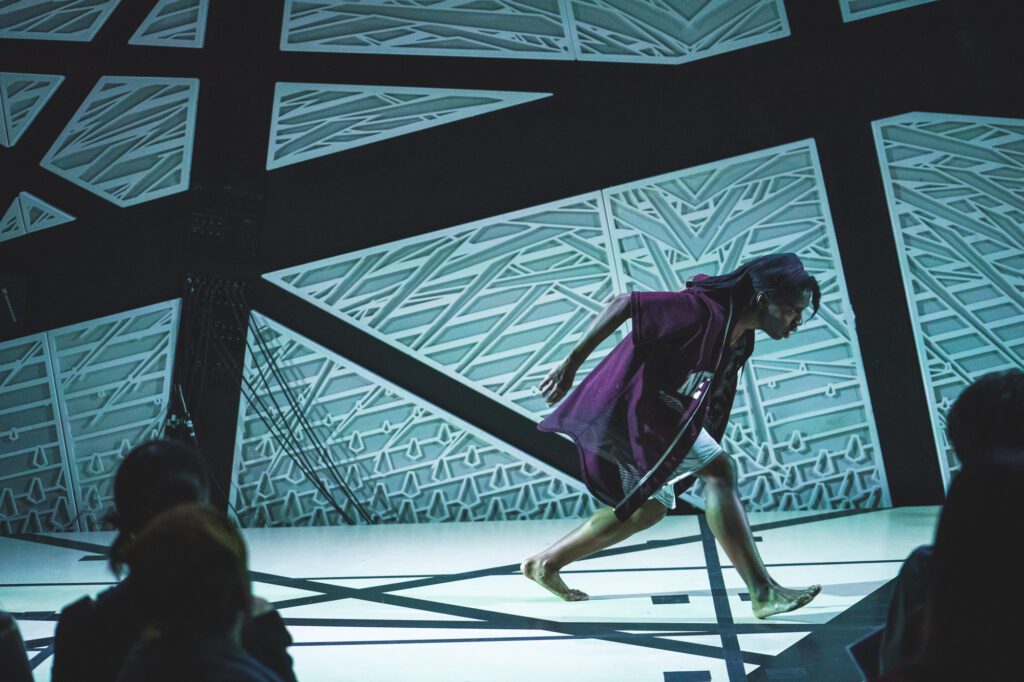
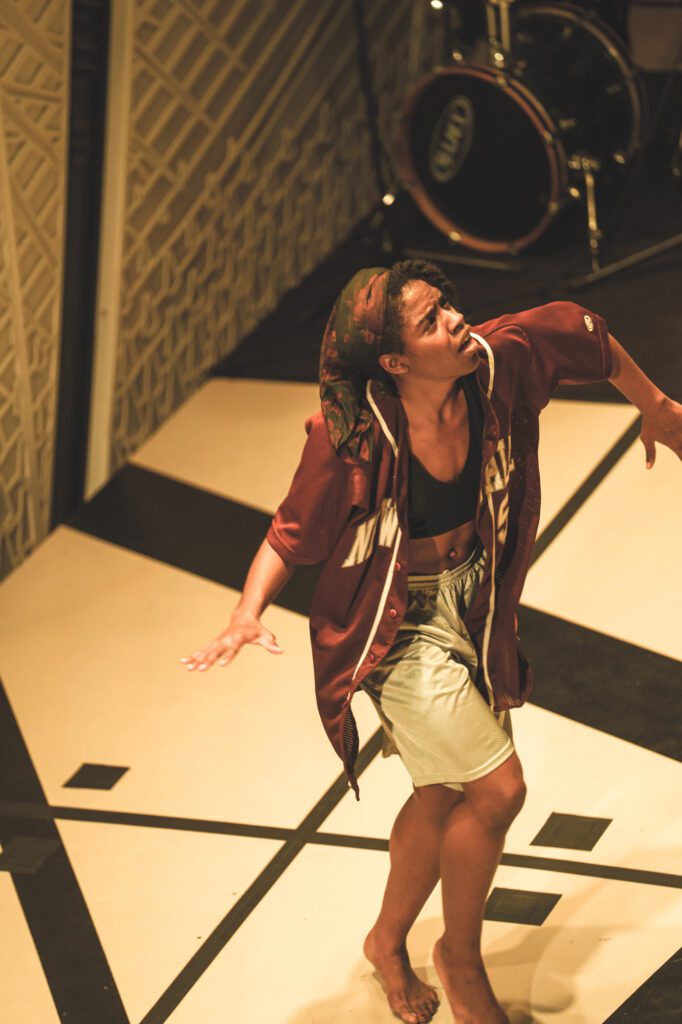
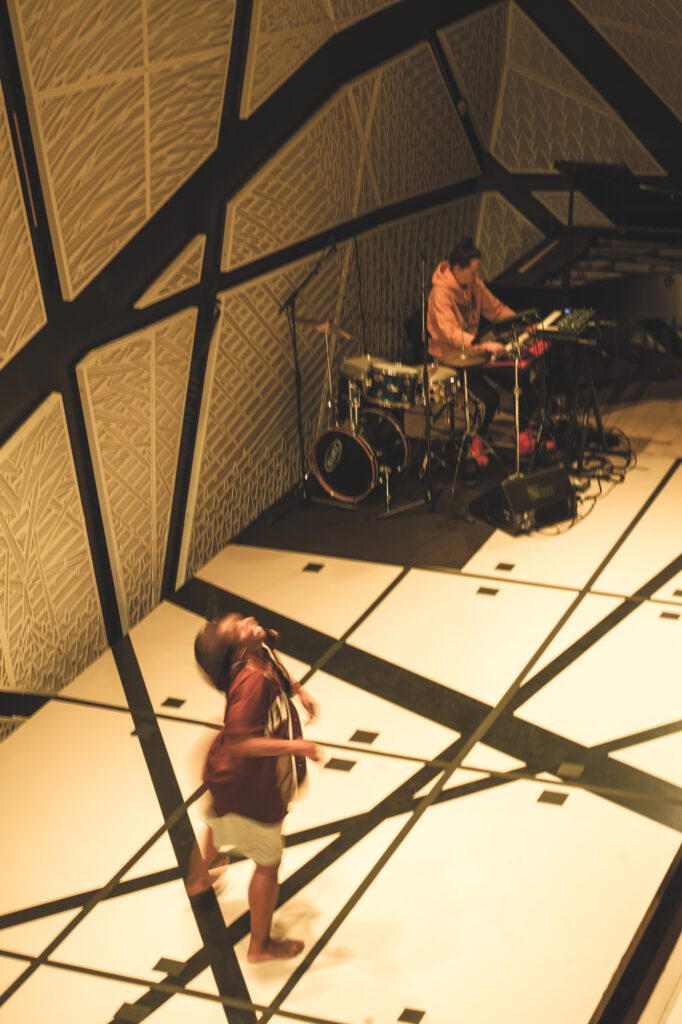
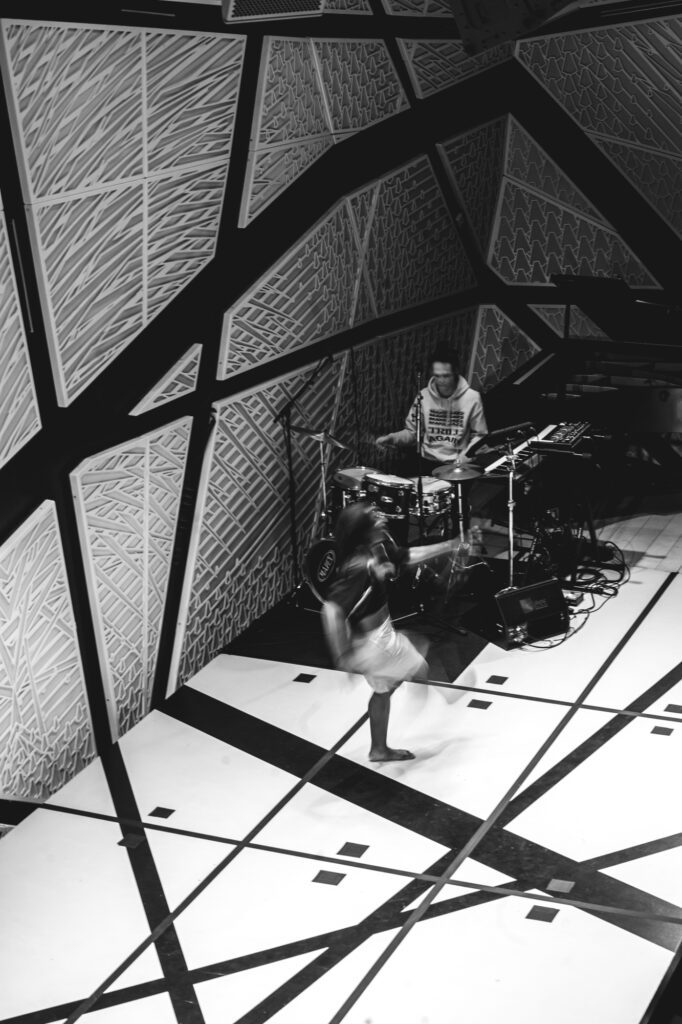
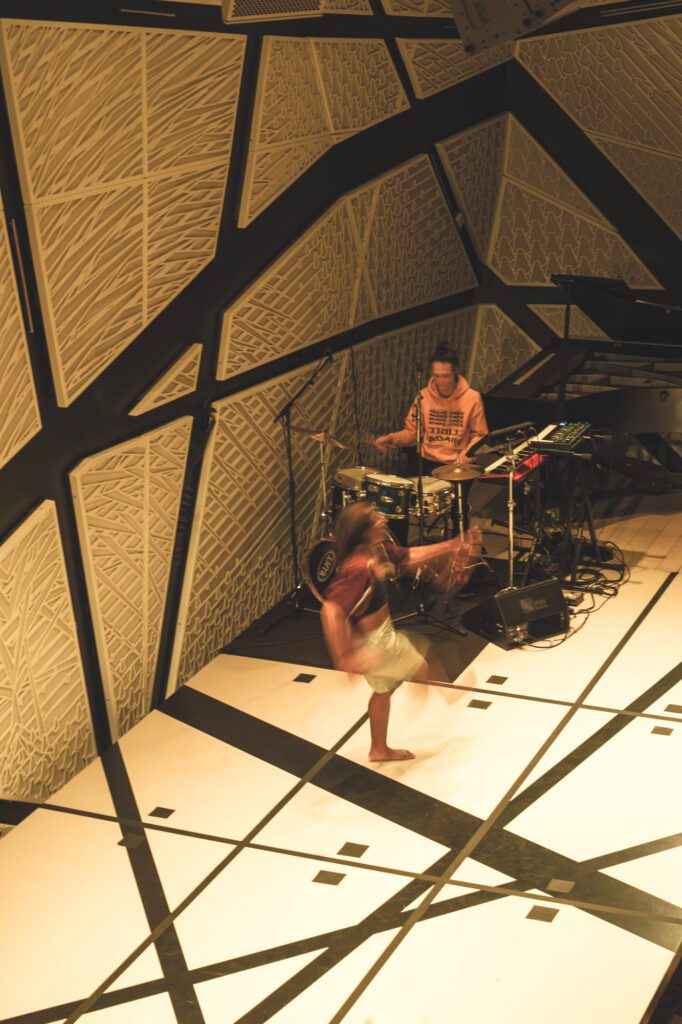
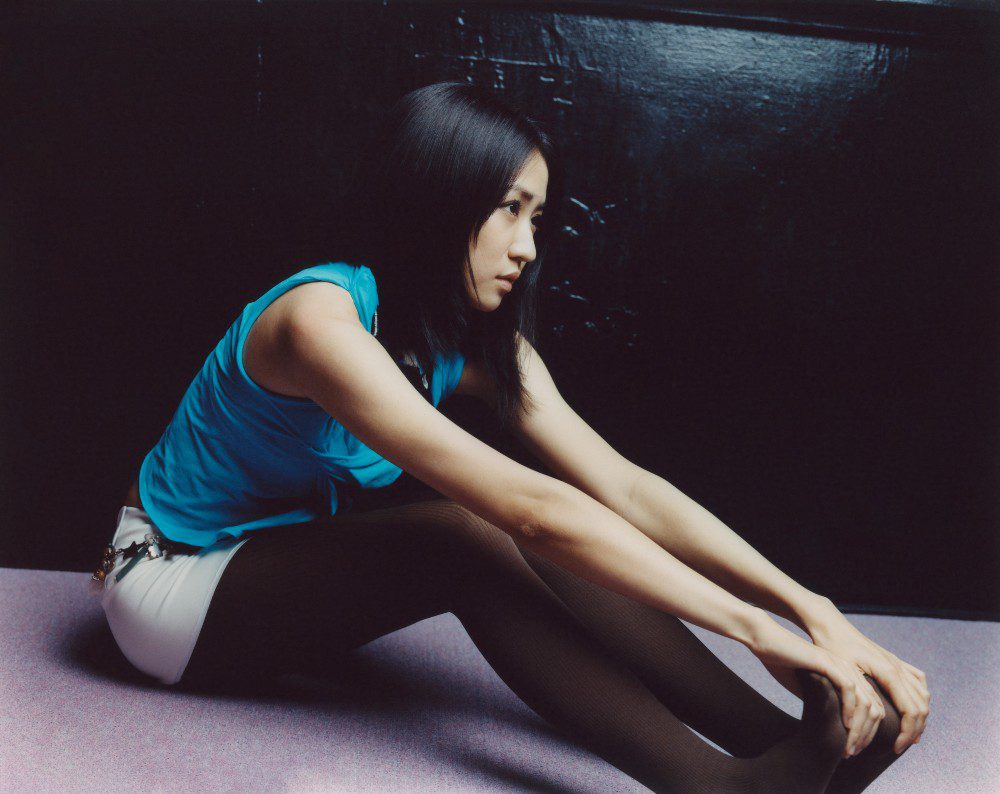
Kyoko Takenaka is a multi-disciplinary performance artist, musician, actor and filmmaker splitting their time between L.A., Tokyo and London. They believe artistic expression is a conduit for personal and collective liberation, and are constantly exploring unbinary ways of thinking, moving and creating. Through their music and art, they channel diasporic experience and create a sensory space for queer folks to take refuge.

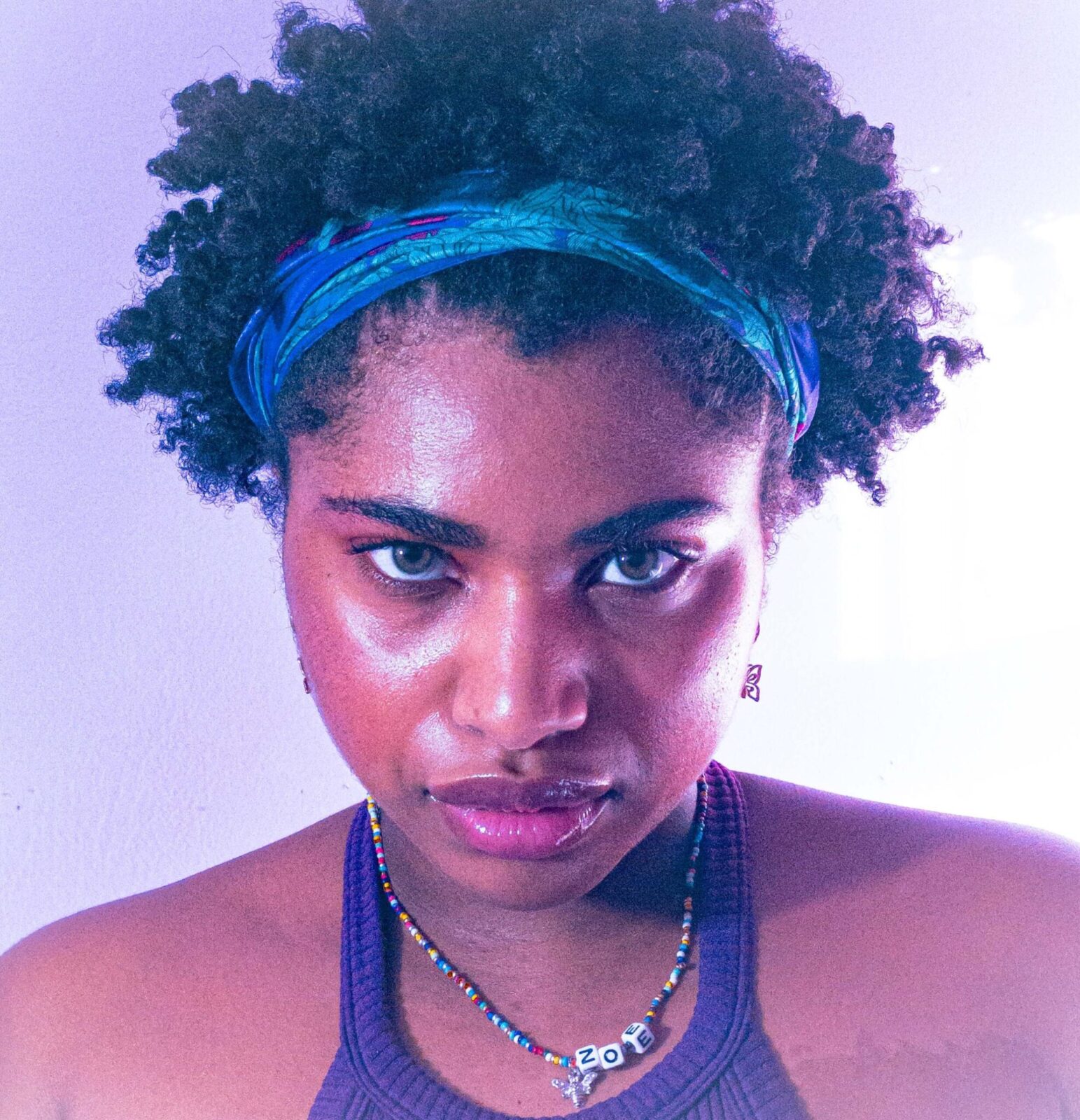
Farmer Zoe

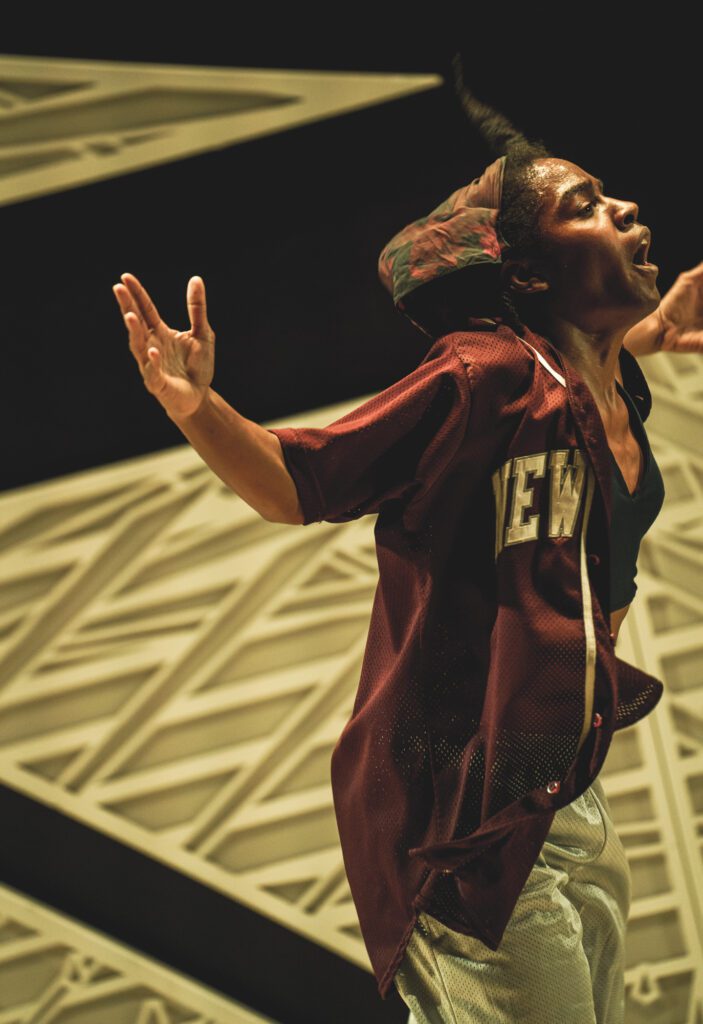
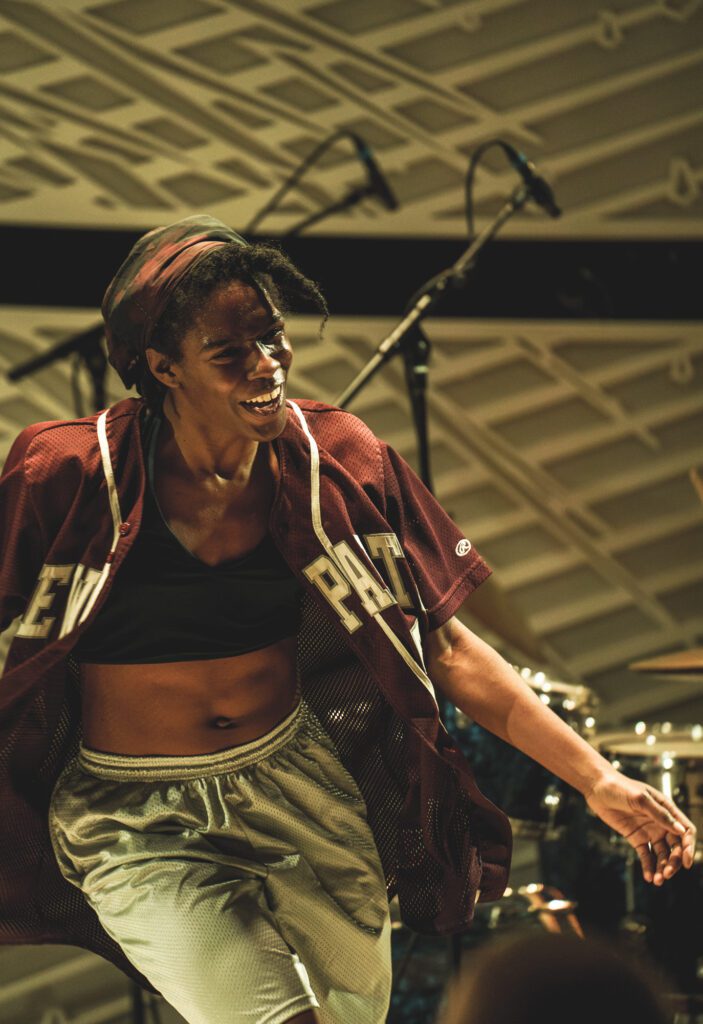
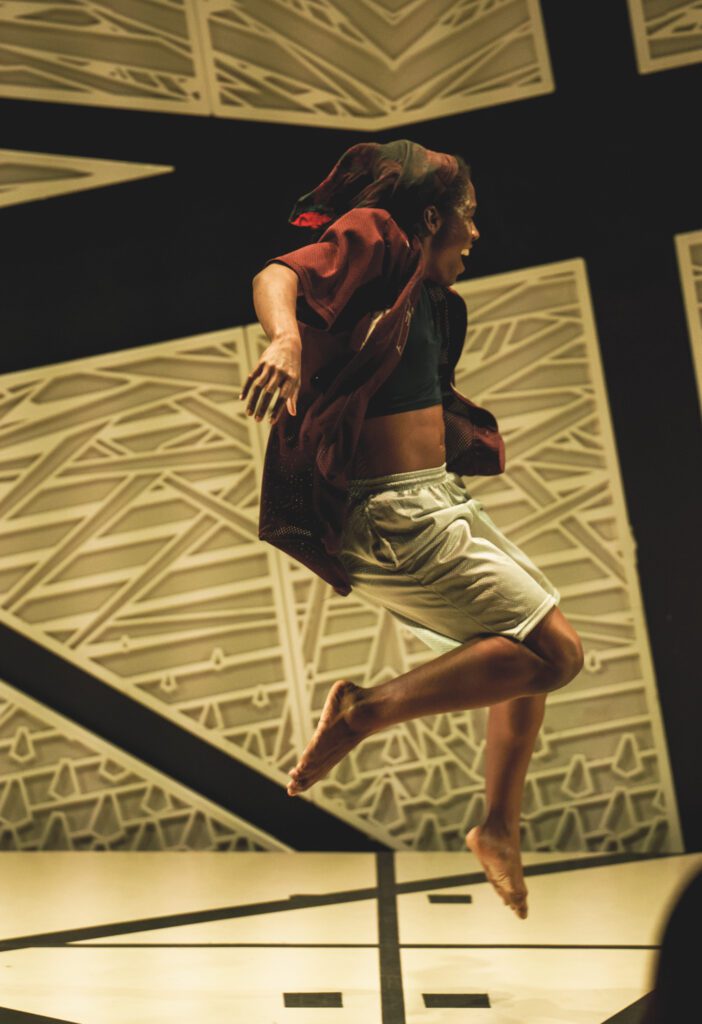
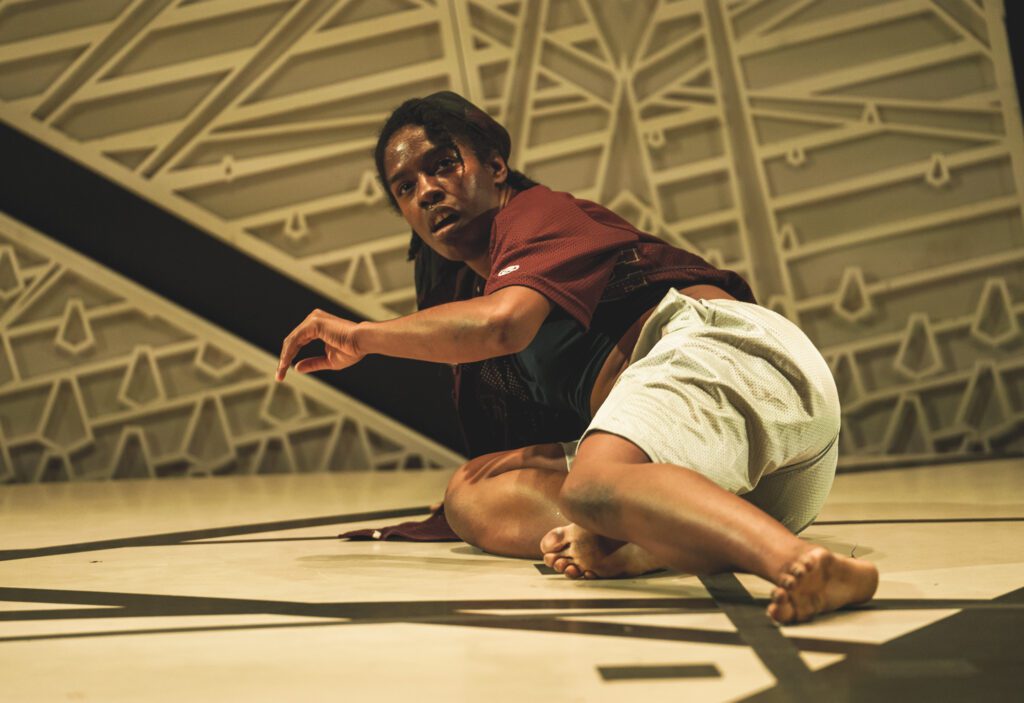
Farmer Zoe is the alter-ego of Delaware-based multi-disciplinary artist Zoe Scruggs, whose work explores how systematic oppression has shaped her relationship with nature. She does this by contextualizing her personal stories into America’s ideological framework for understanding the relationship between the human and non-human worlds, particularly where Black, ecological and labor issues collide. She’s working on a live set bridging the research-heavy fine art side of her musical practice with the freeform aspect of the Farmer Zoe persona. 

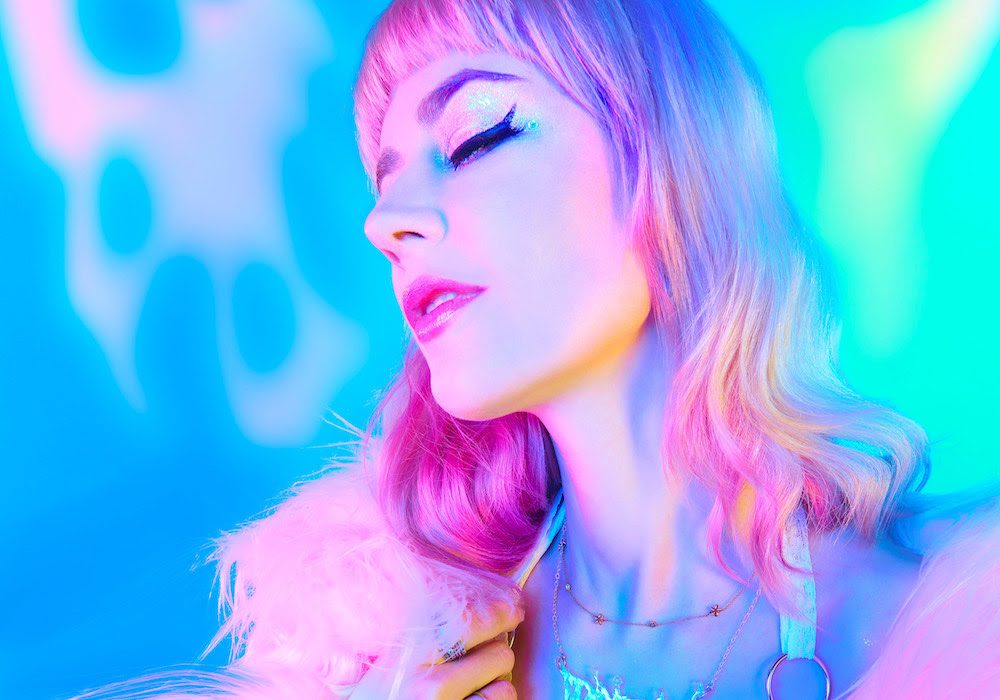
Oracle666

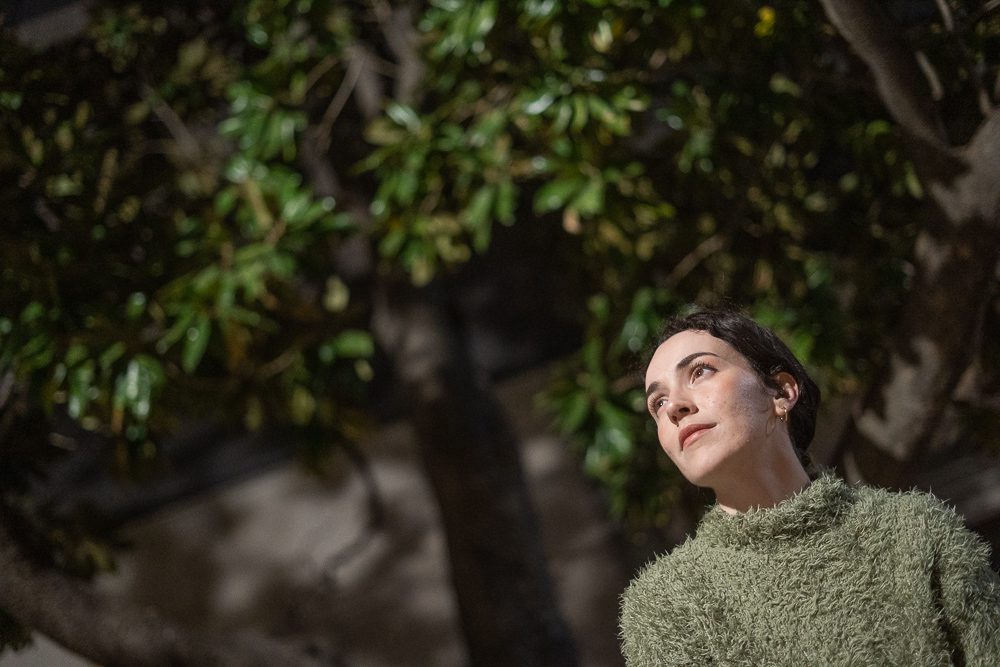
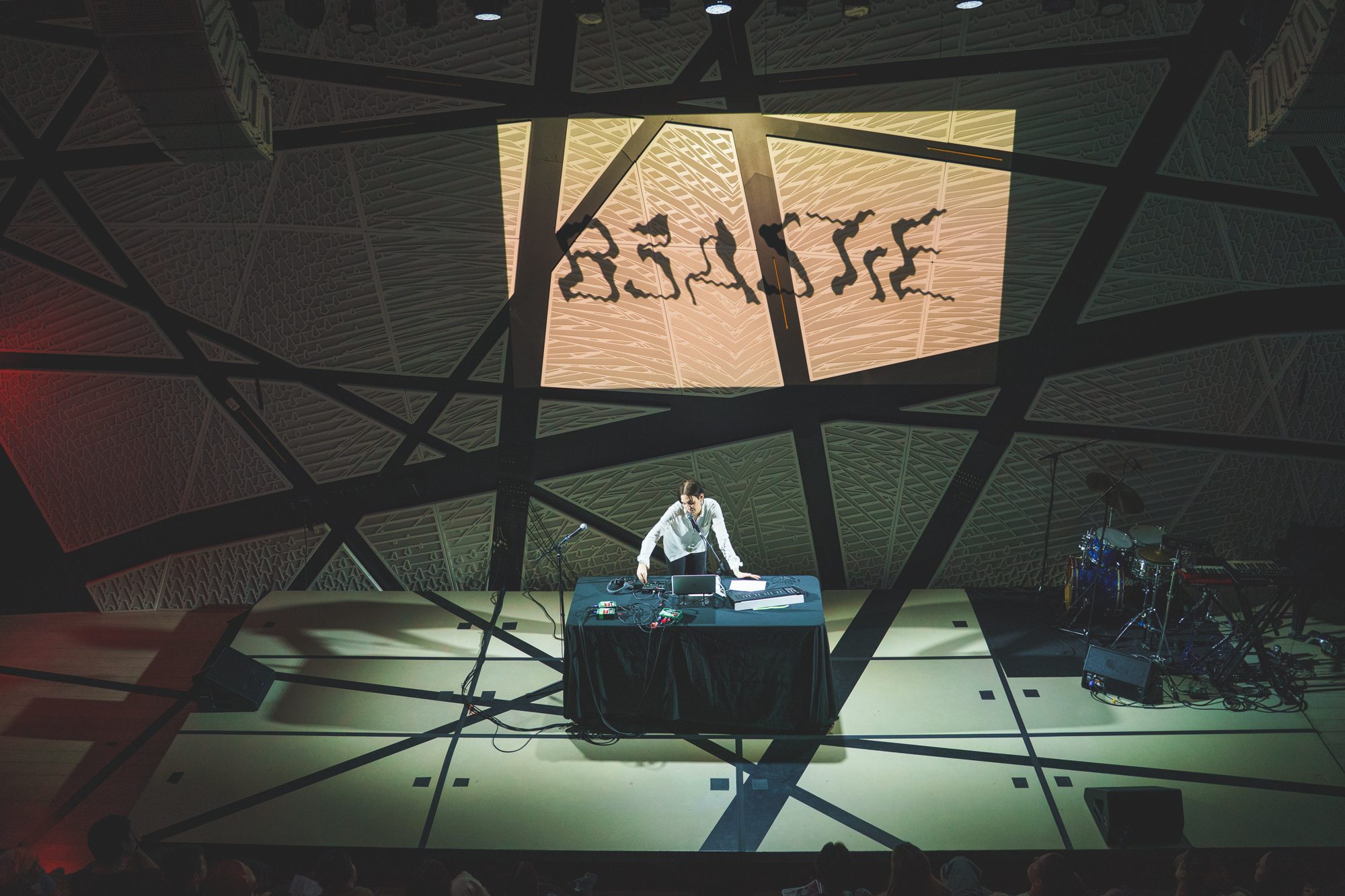
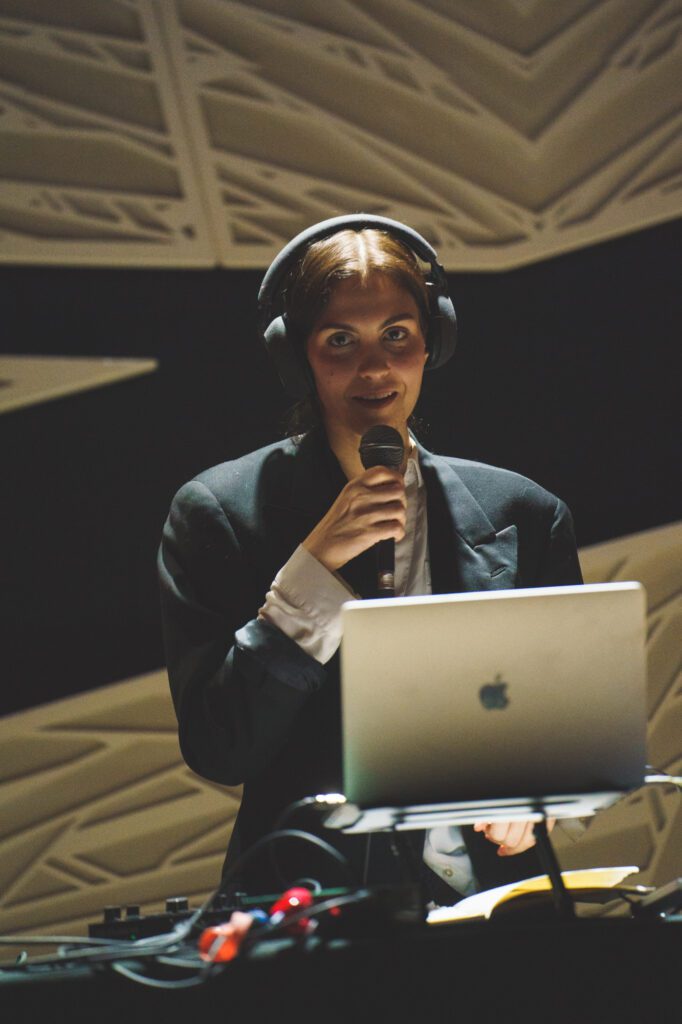
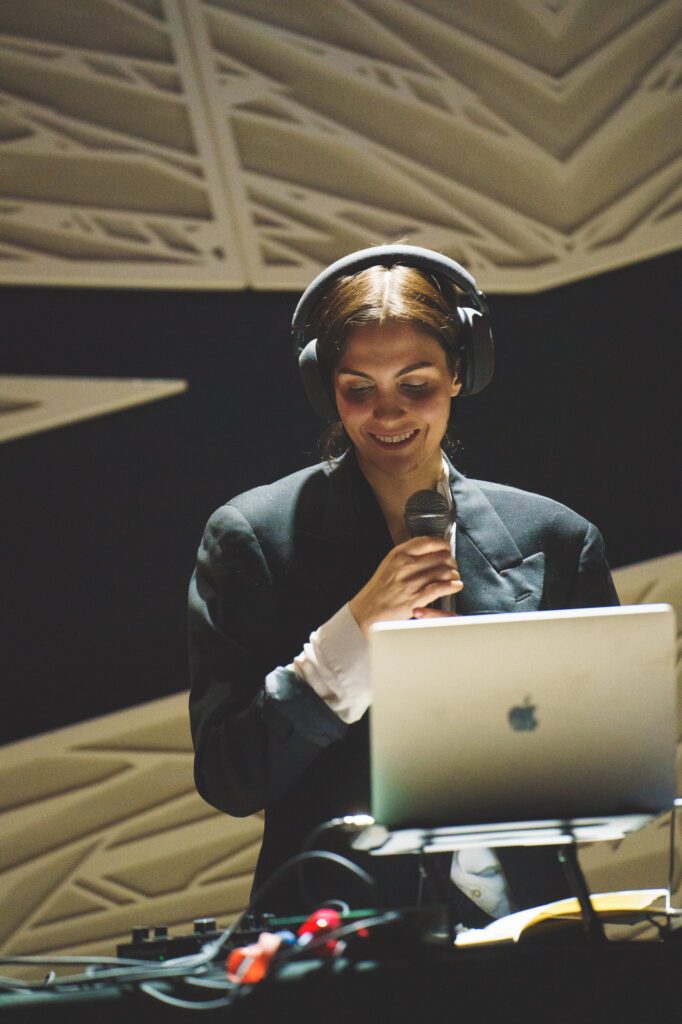
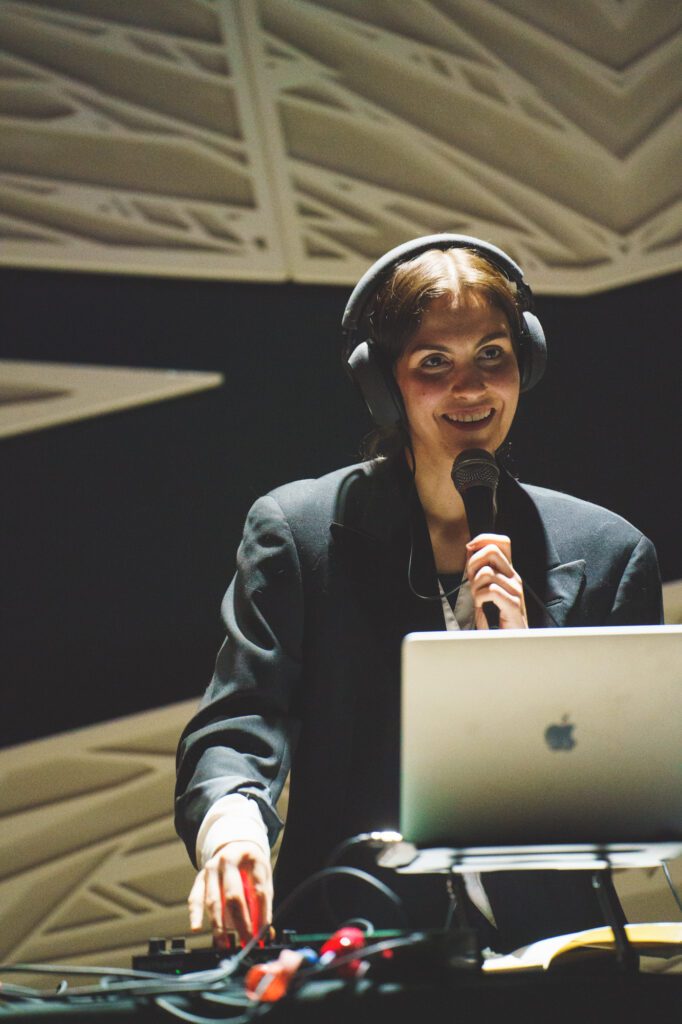
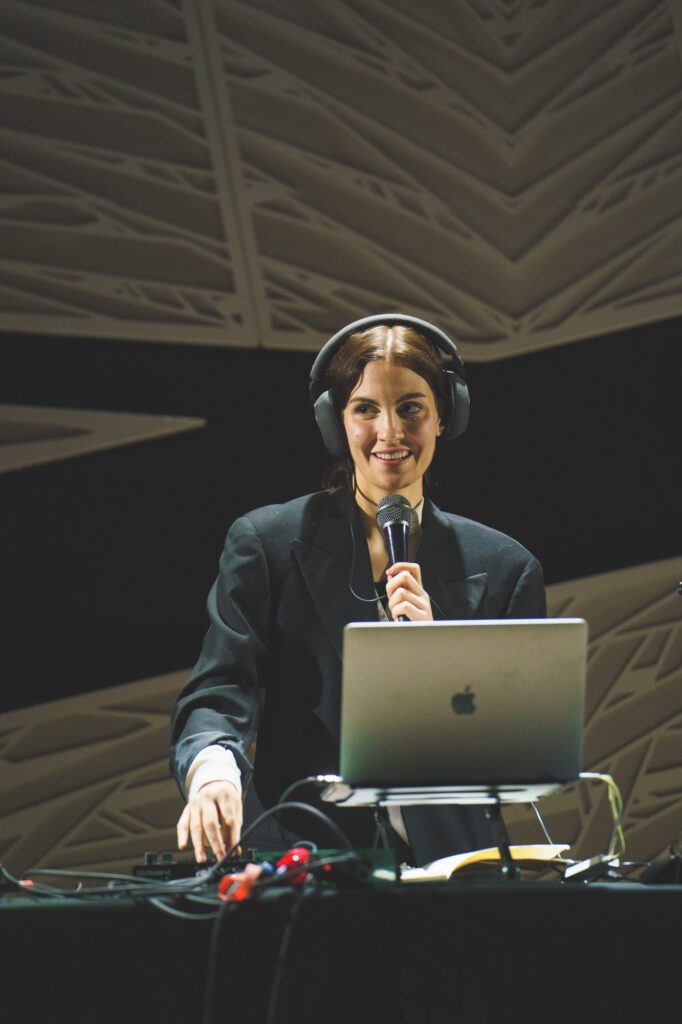
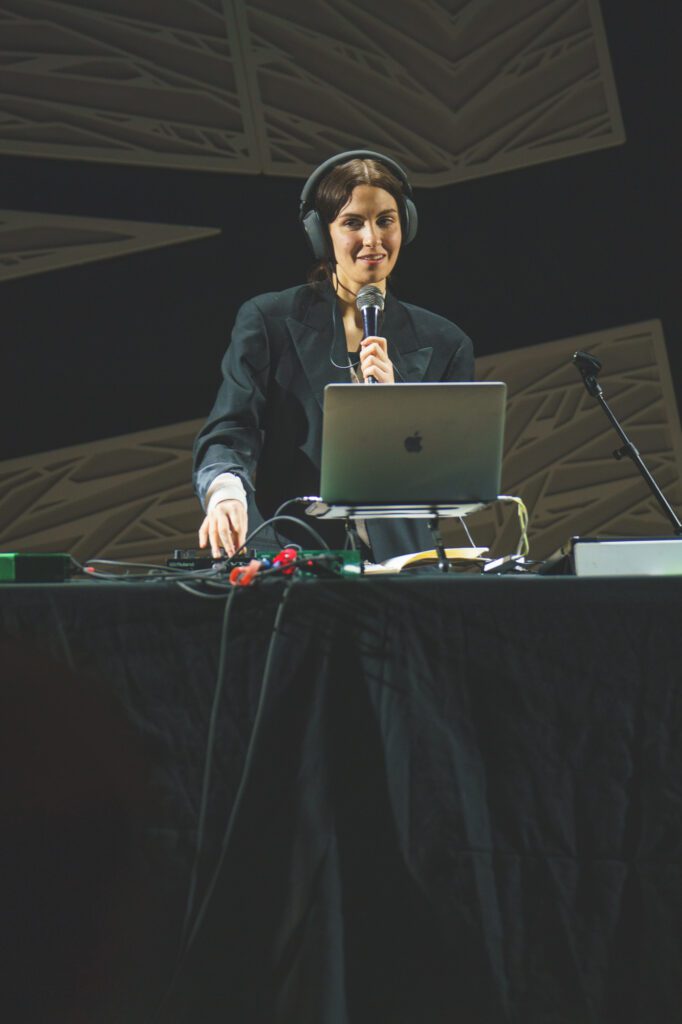
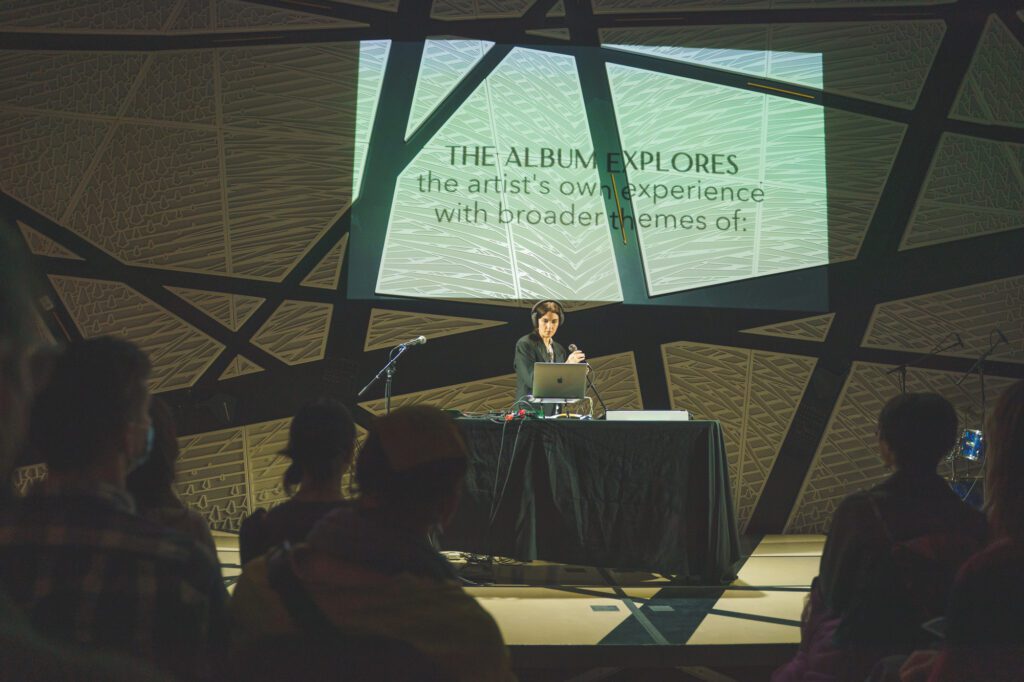
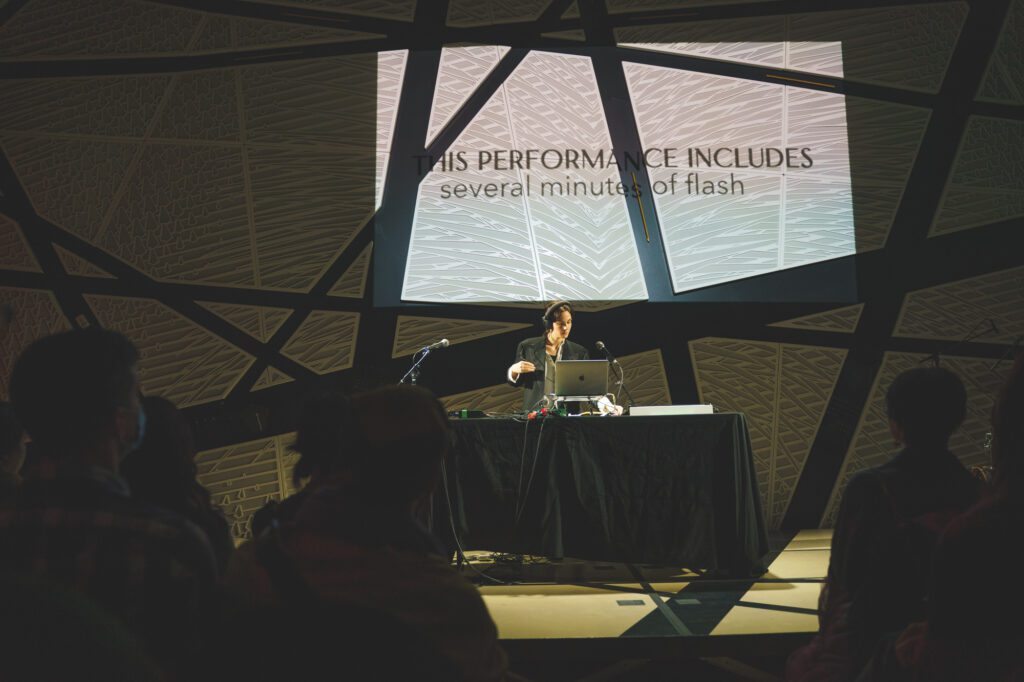
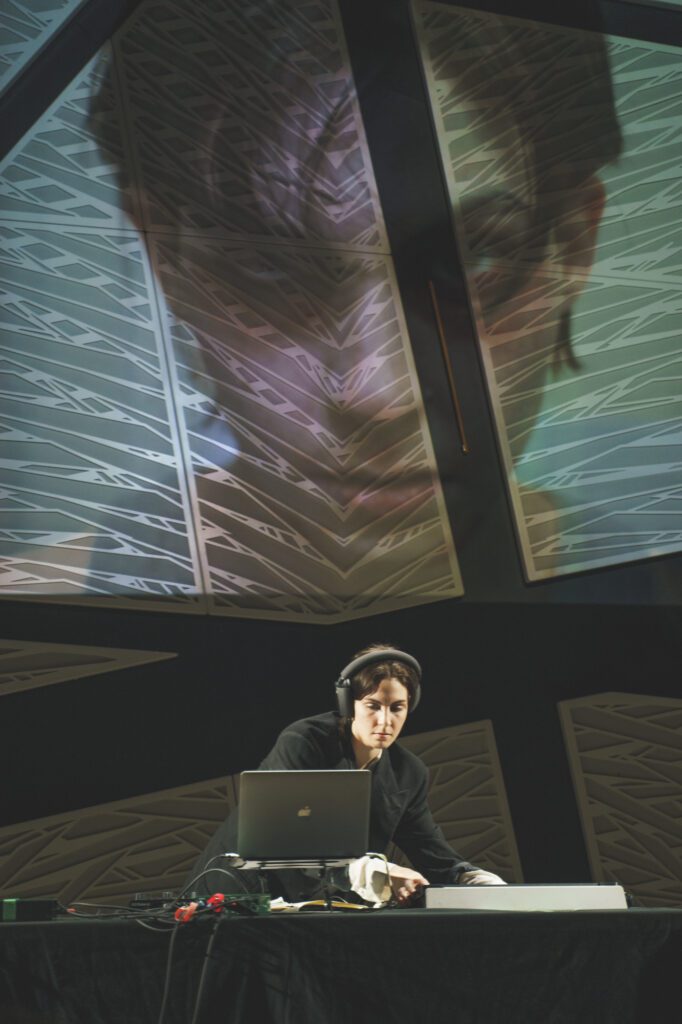
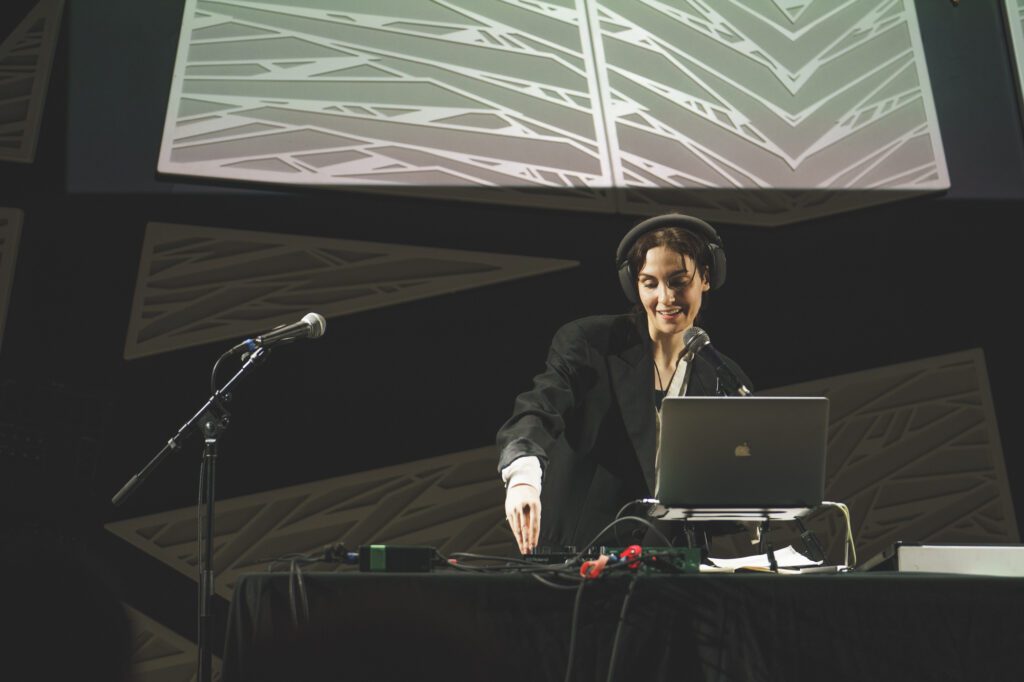
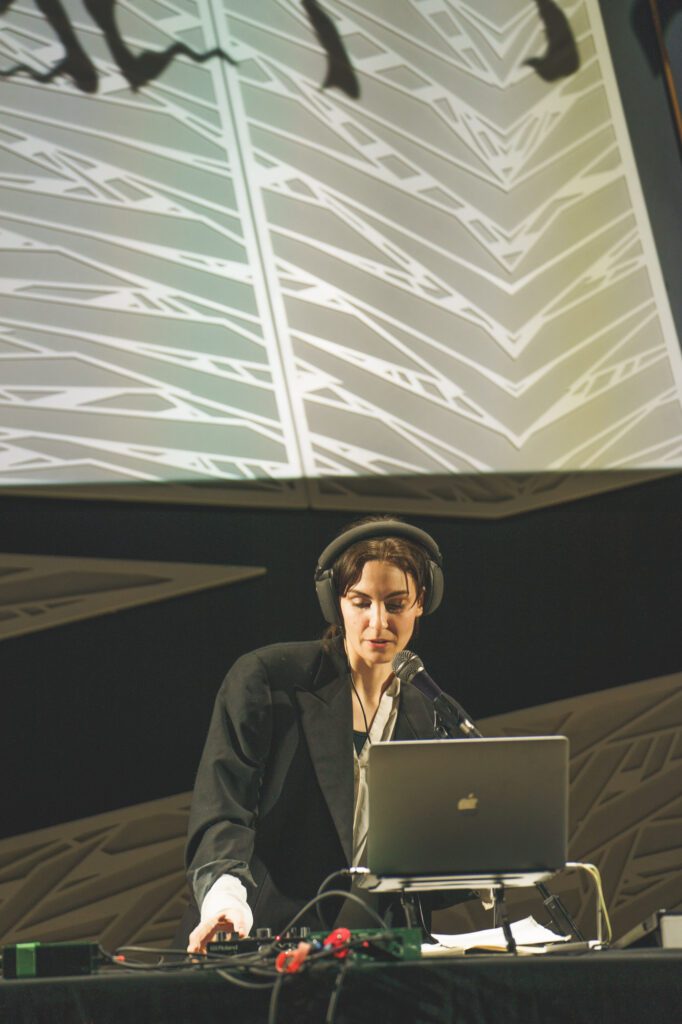
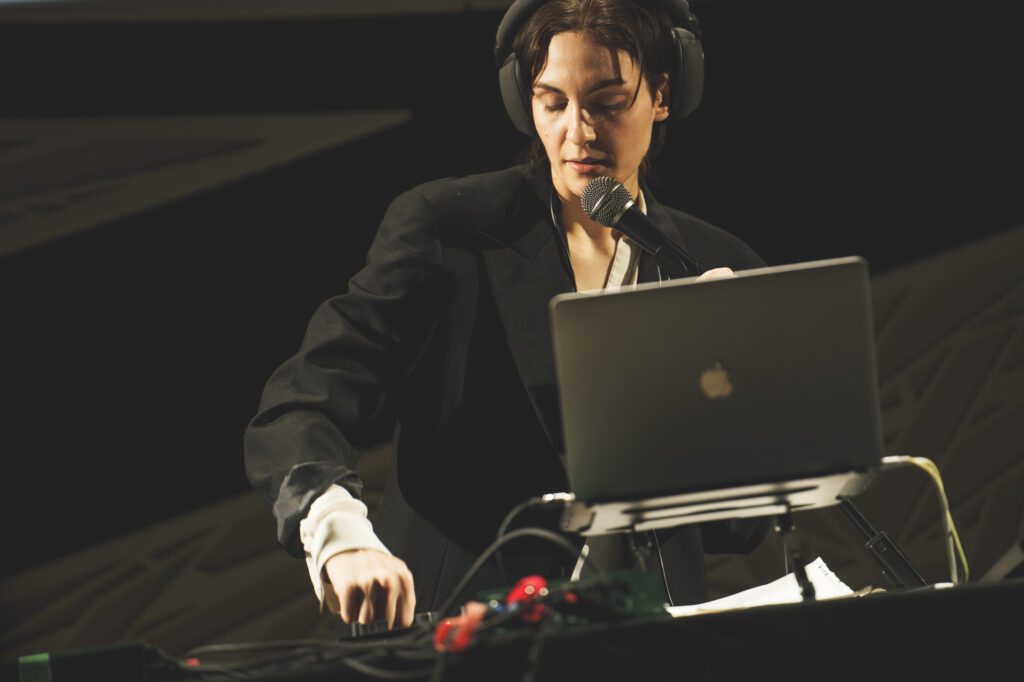
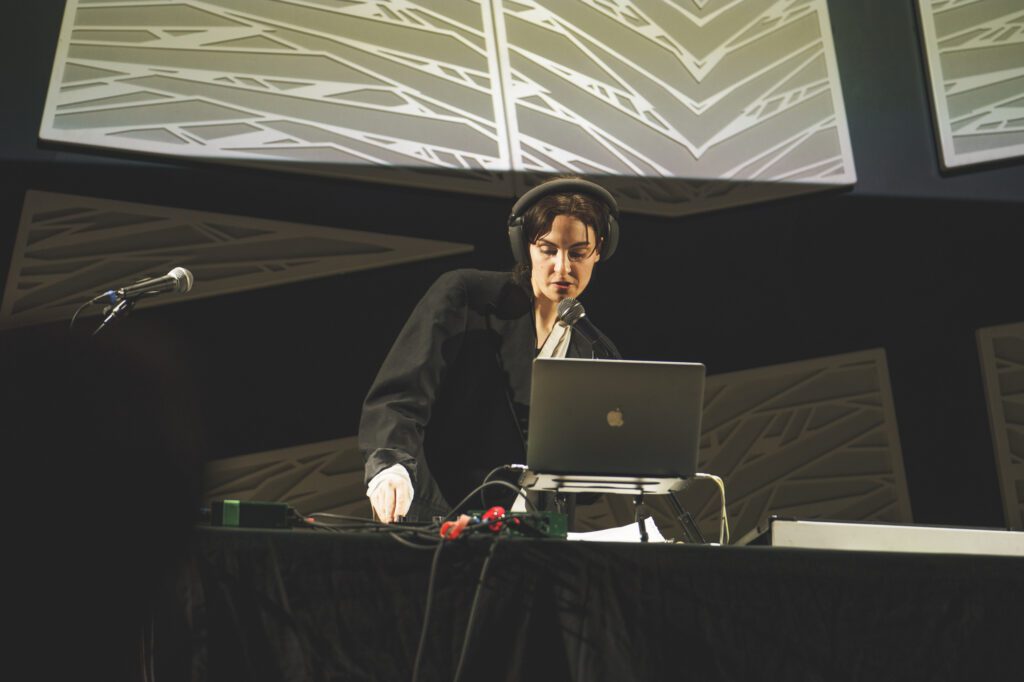
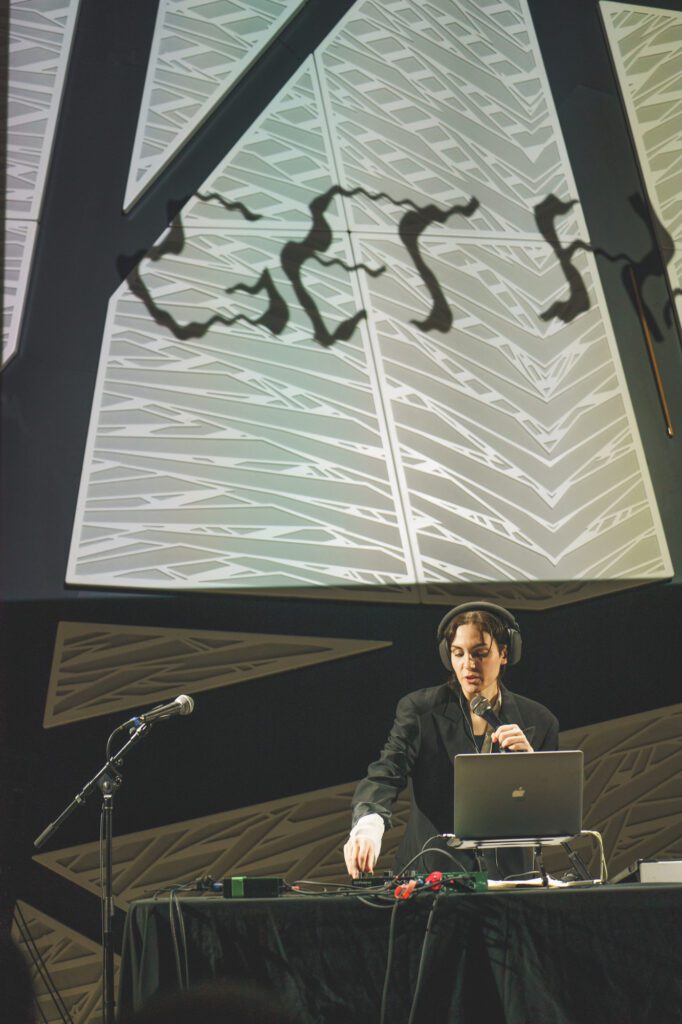
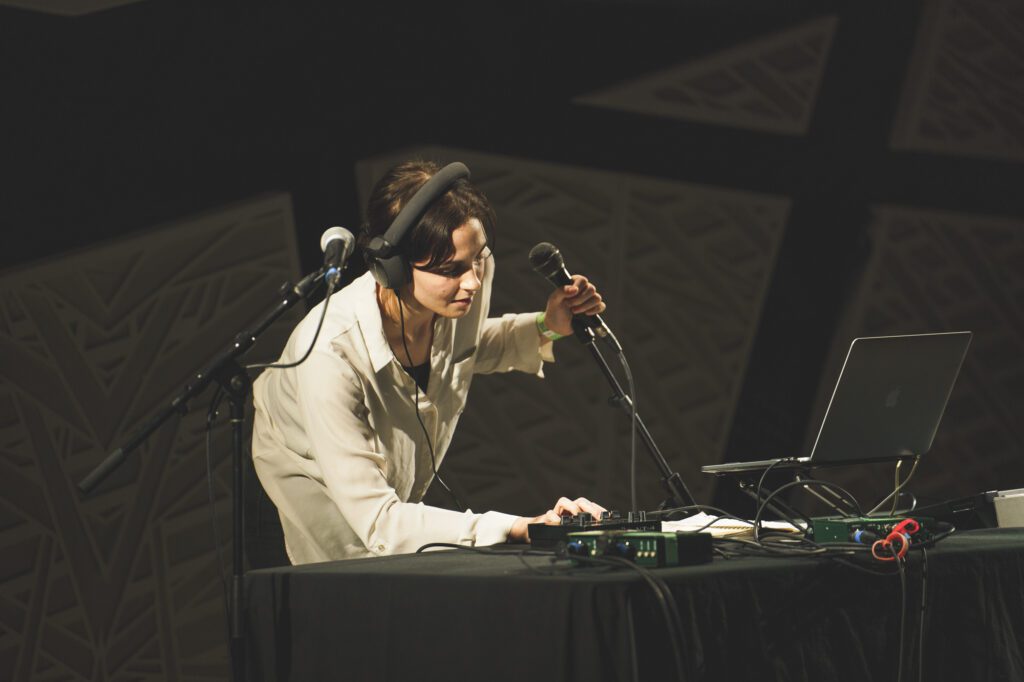
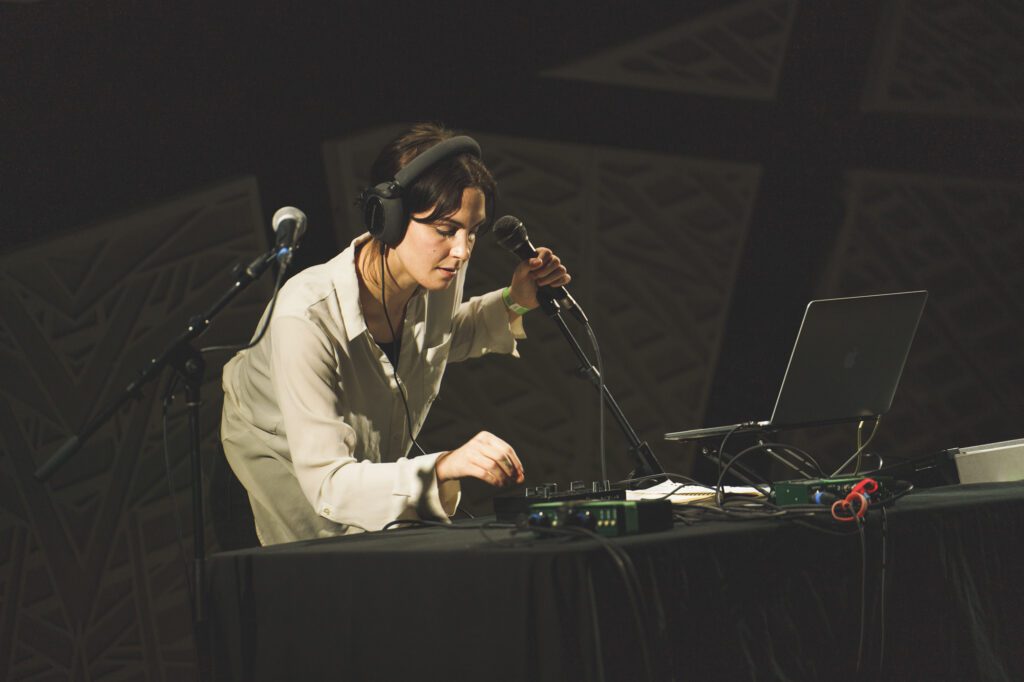
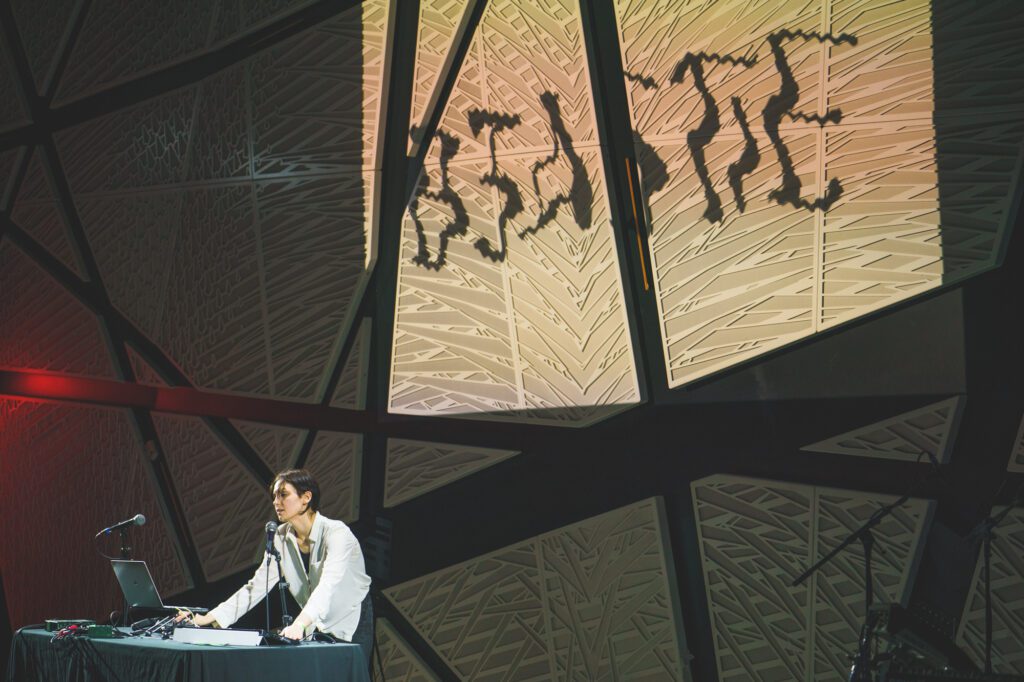
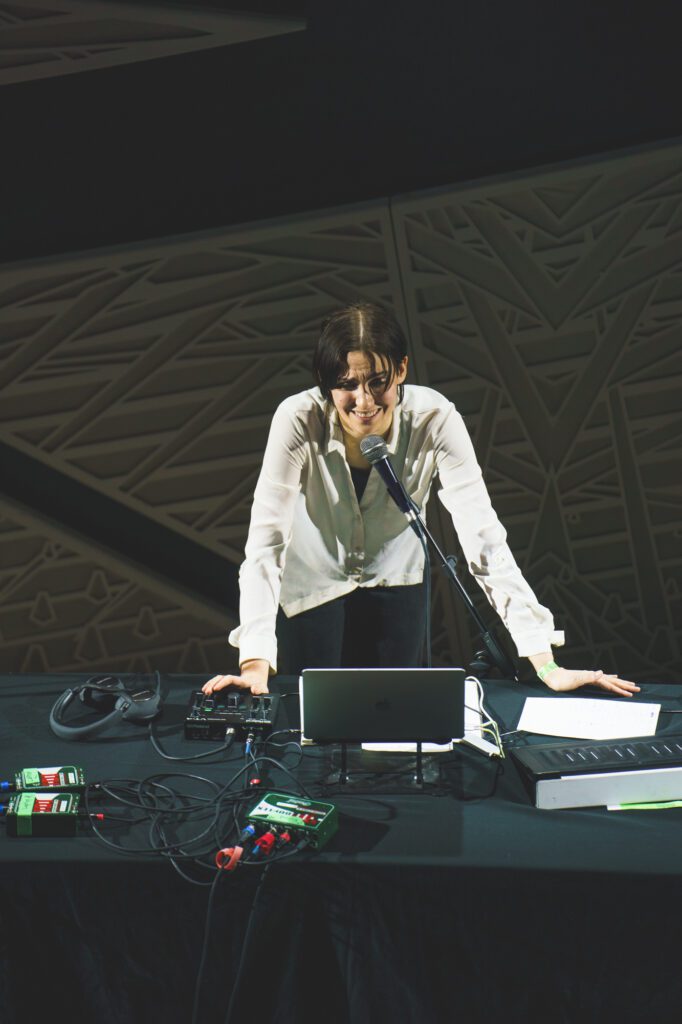
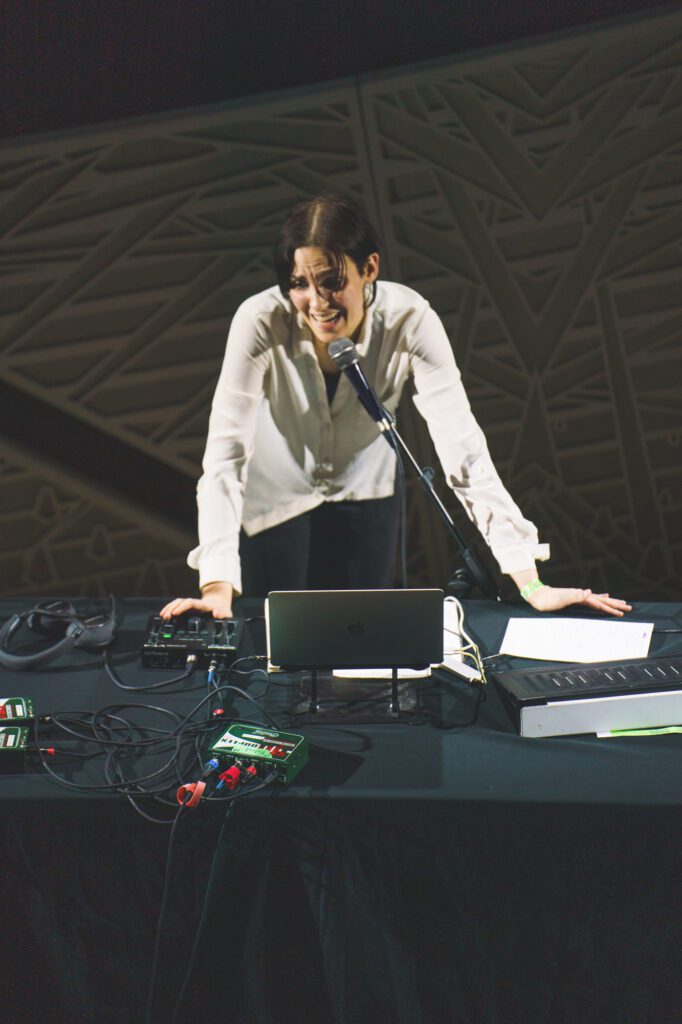
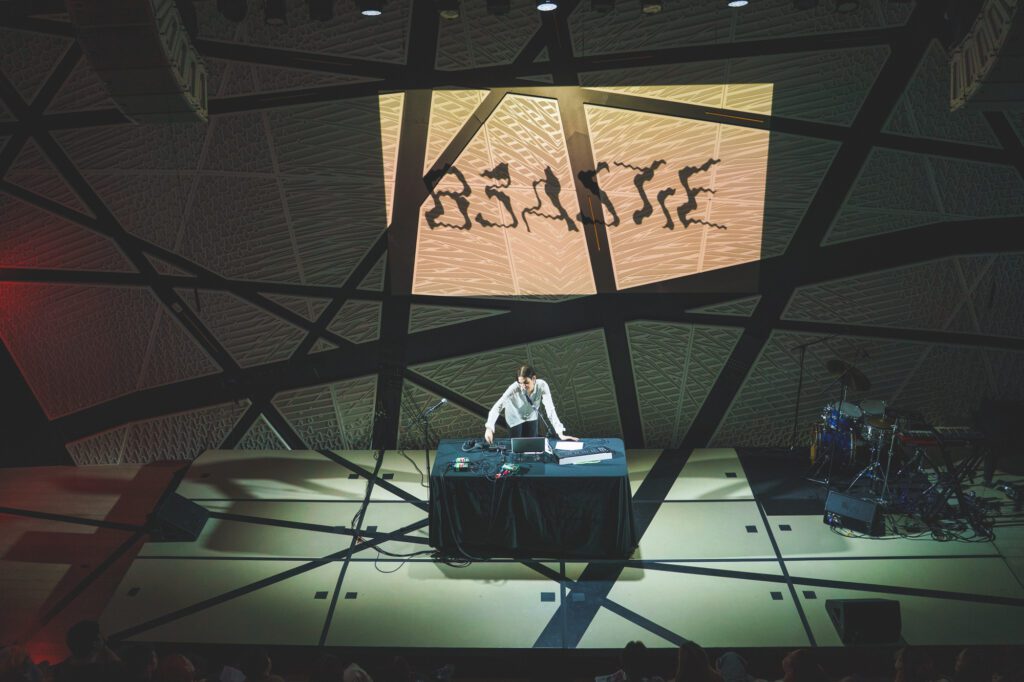
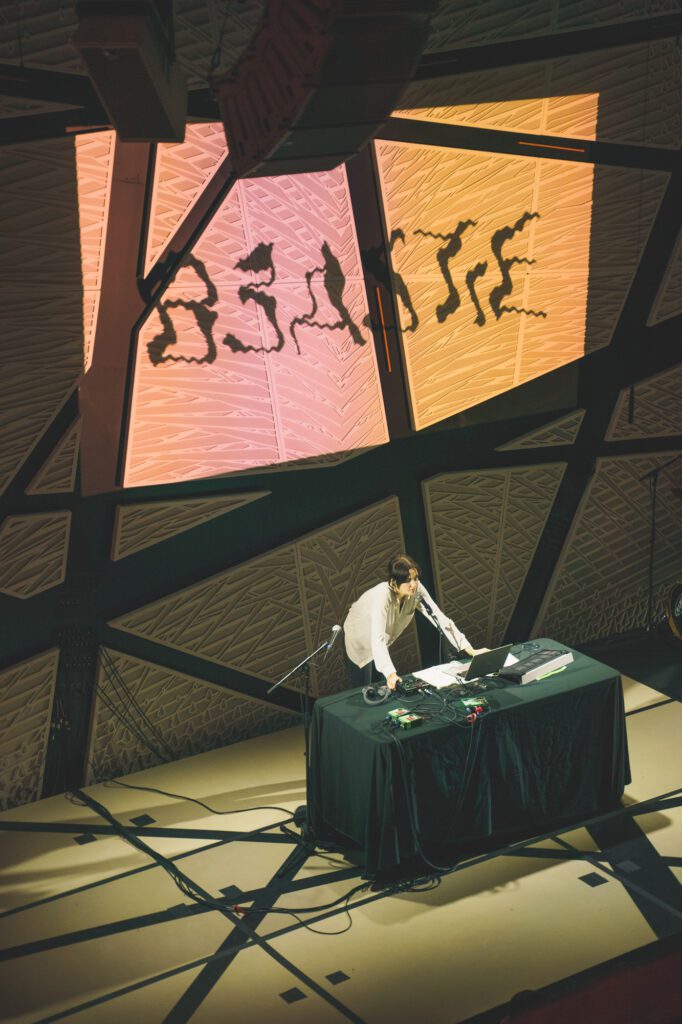
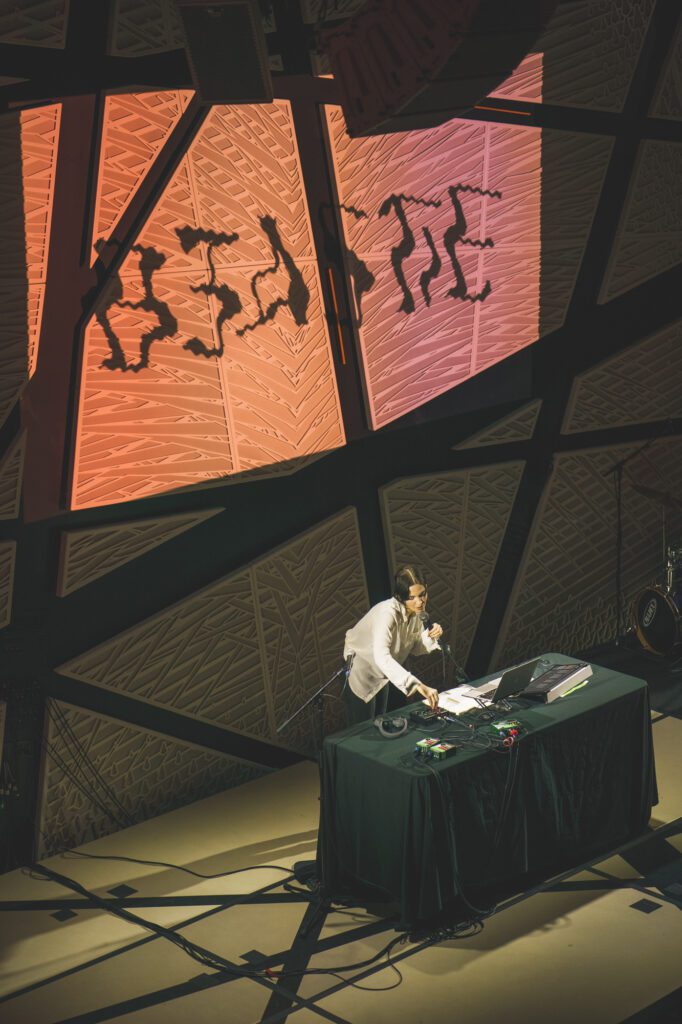
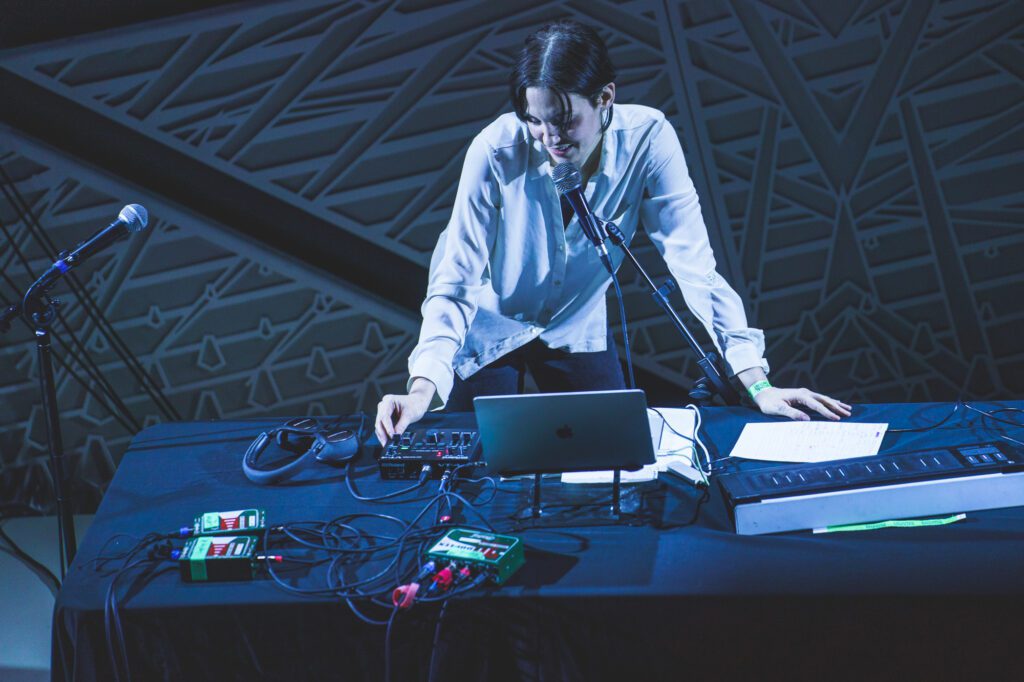
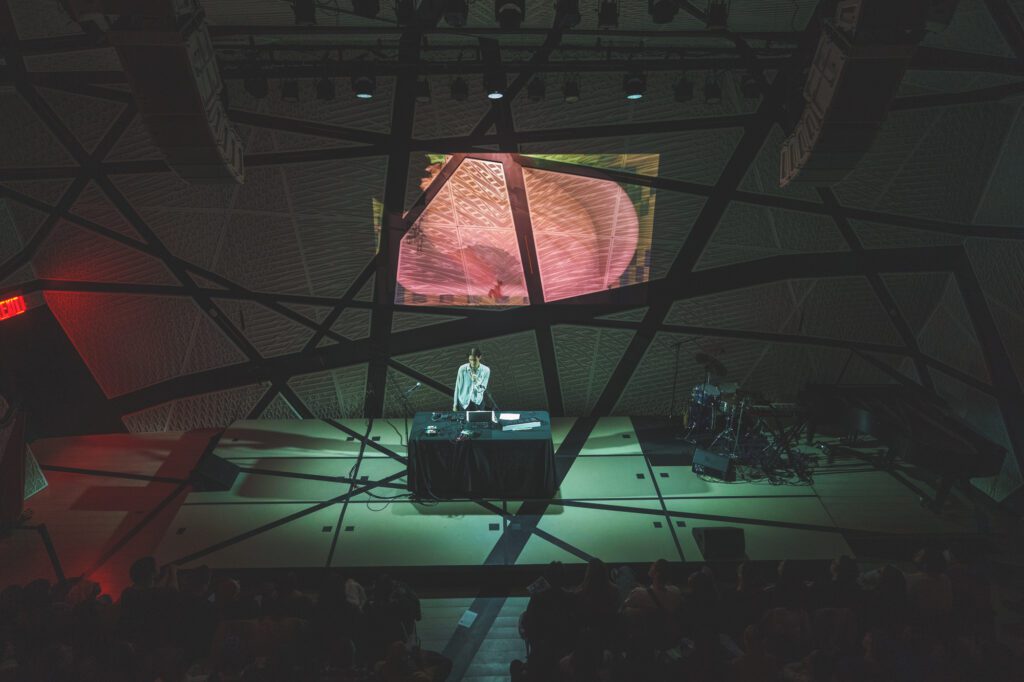
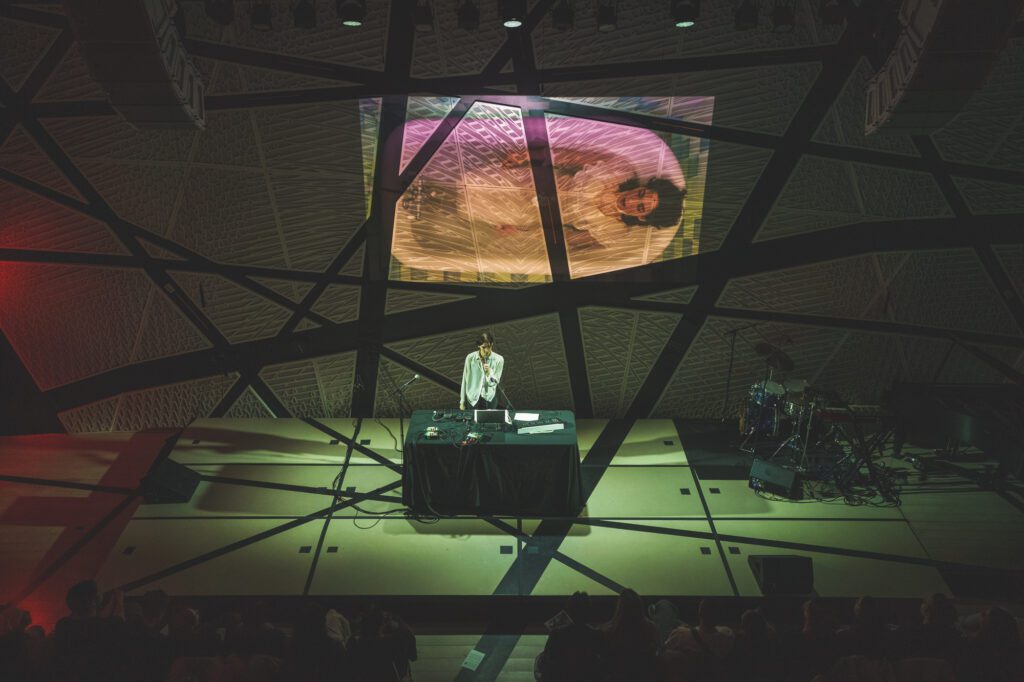
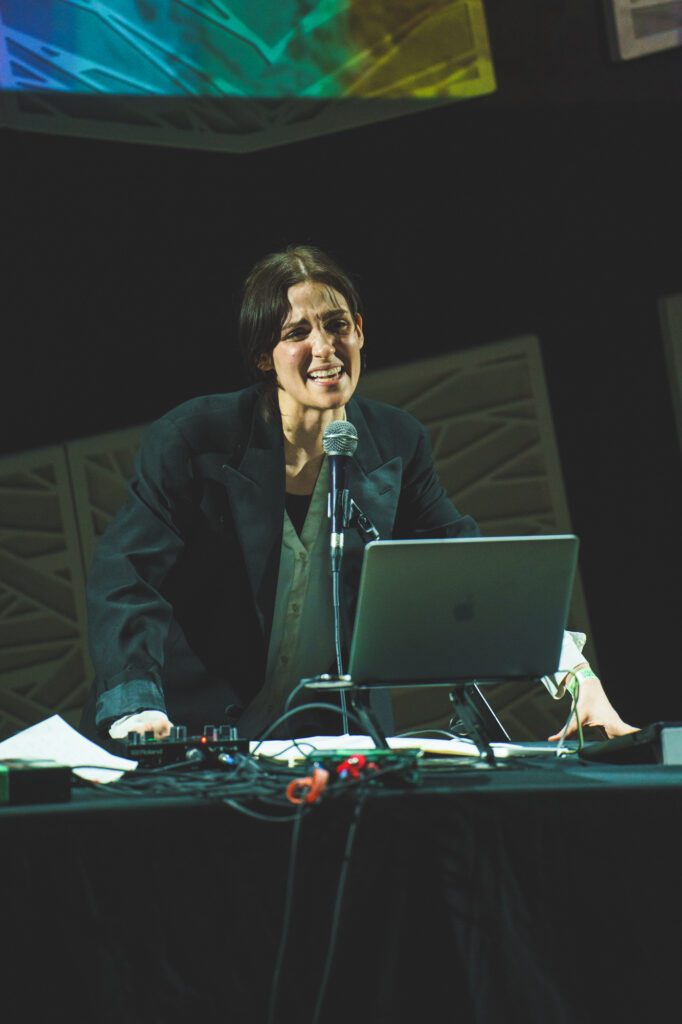
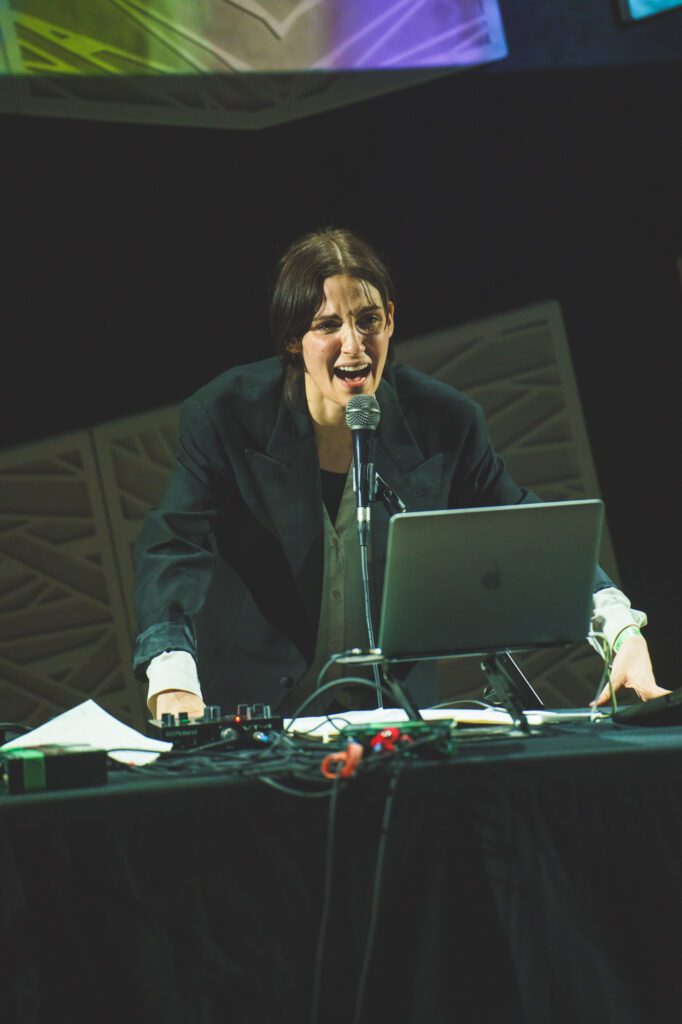
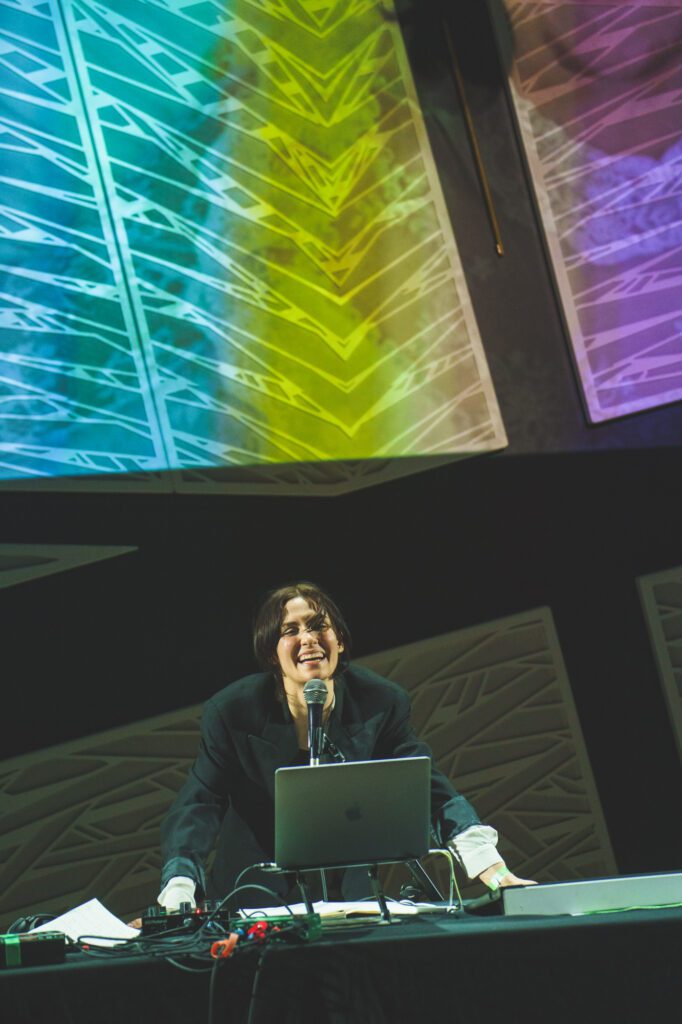
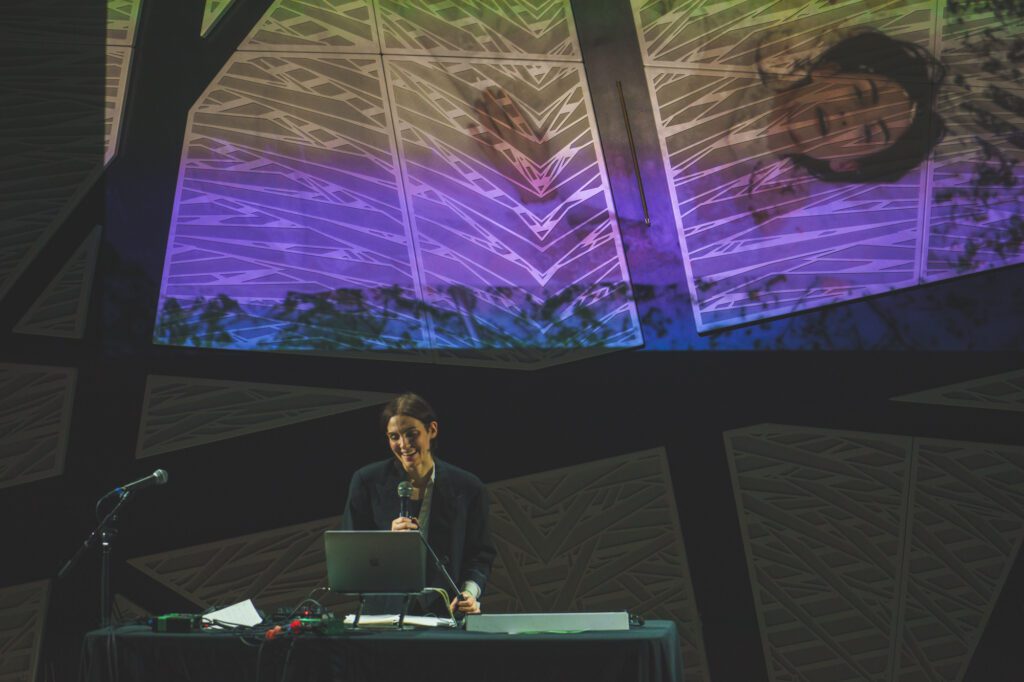
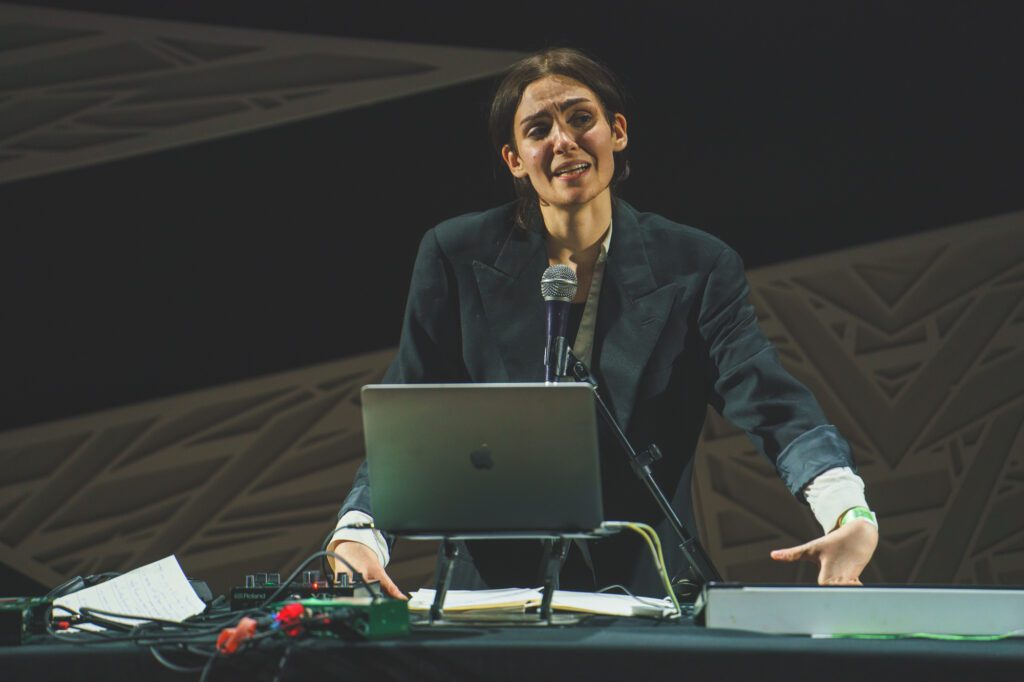
Julia Sinelnikova is a singer-songwriter and DJ who performs as ORACLE666. Light as a fluid medium and Eastern European folk tales from their upbringing in Russia serve as the foundations for their artistic practice, as they aim to create a womb-like setting for the audience’s healing and self-observation. They are working on their full-length album TIMEBENDER, which will ultimately be presented as a multi-day audiovisual showcase and performance.

Seattle’s Babes in Canyon Release Storm-Born Debut EP

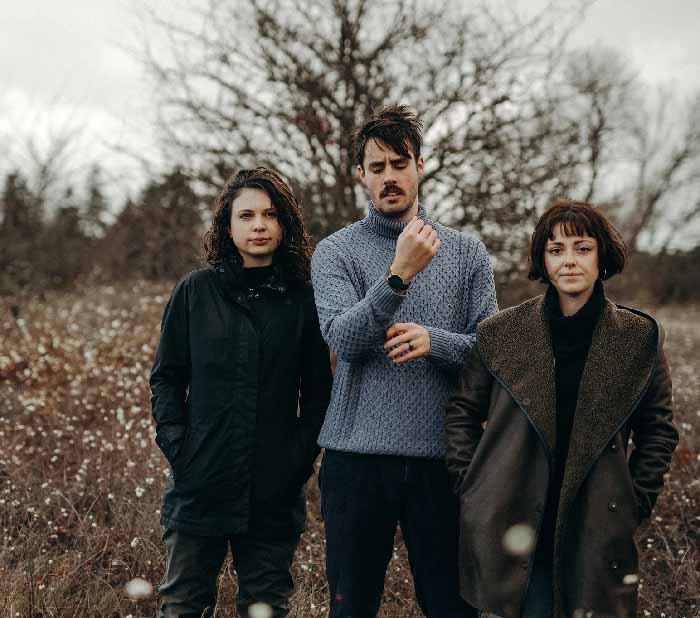
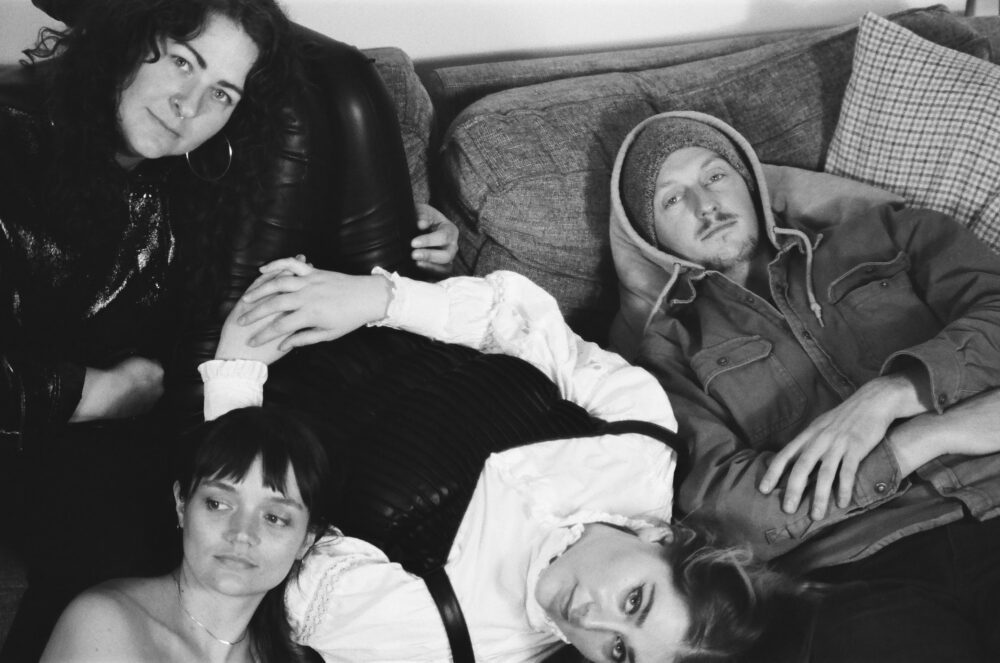
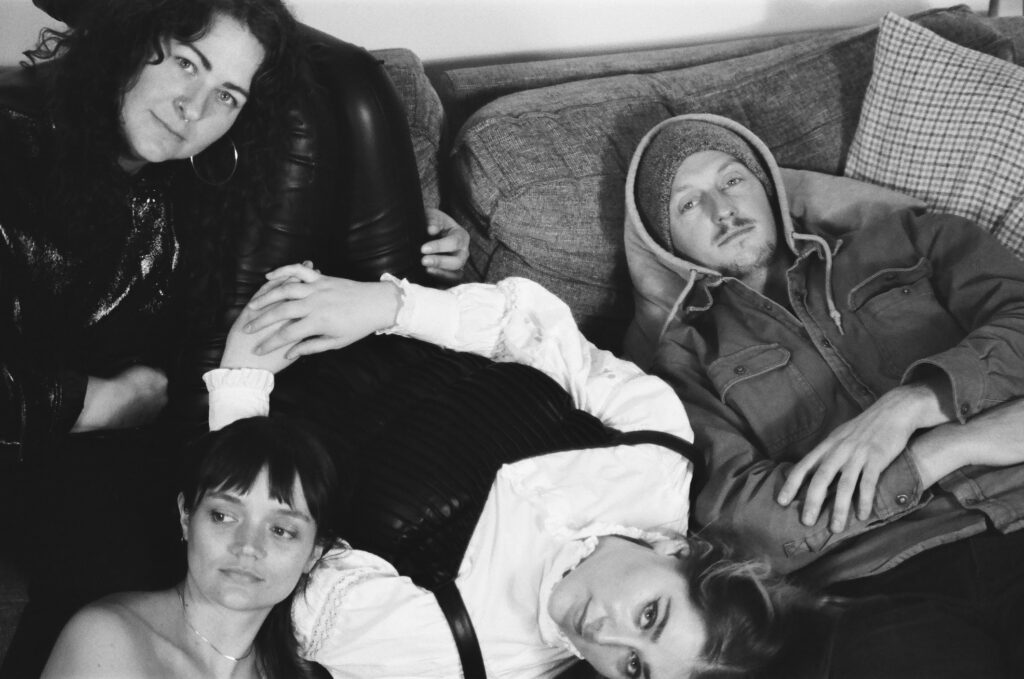
On February 24, Babes in Canyon, a new Seattle band made up of music scene veterans Nathan Hamer and Michelle Nuño and keyboardist/vocalist Amanda Ebert, released their airy, transporting indie debut, Second Cities.

Babes in Canyon, which was born from a particularly thrilling, stormy night Hamer and fiancee Ebert spent without power in a cabin in the Washington woods, represents a new creative phase centered on unfiltered expression, defined by their connection to the environment of the Pacific Northwest.

Hamer has long been on the Seattle music scene as a member of the folk-pop band, Kuinka, which he formed with his brother in 2013. With Kuinka, Hamer toured and performed for years, and while he’s still in the group now, he’s been looking for other musical outlets recently.

“During the pandemic, I just really felt the calling to write some in a different style. Something a bit more raw. I just needed to express some emotions I had been feeling,” remembers Hamer.

Hamer and Ebert met during their college years at Pace University, and in 2018 Ebert moved to Washington so they to be together. As Hamer toured and played with Kuinka, Ebert, who works in film production, watched from the sidelines, all the while missing playing and singing herself.

“I was in a band in high school that I was very into. I played keys and sang,” says Ebert. “It had been 15 years since I had been in a band and I always really wanted to do it again, so when Nathan and I reconnected and I moved out to Washington and we started writing music together.”

One weekend during the pandemic, they decided to retreat into a cabin in the woods of Acme, Washington, for some focused songwriting time. While they were there a major windstorm hit, felling trees and knocking out their power. Stranded in the cabin, the pair wrote new songs by candlelight and decided to form Babes in Canyon.

“A whole different [creative] process came out of that night, being trapped in that cabin,” says Hamer. “I instantly found it incredible that I could have these melodies in my head and hum them and then suddenly Amanda has pages of lyrics that fit so perfectly. I felt like I had a superpower in partnering with Amanda. It was so quick and easy and free.”

“The Wolf,” one of the folkier songs from the debut EP, was written that night in its entirety. It features a baritone ukulele backbone, sweet harmonies between Hamer and Ebert, and melancholic lyrics that touch on themes of loneliness and isolation.

“That song for me was inspired by a couple years ago when I moved to L.A. [where] I actually worked in tech,” says Ebert. “I [took] inspiration from a time in my life where against better advice decided to go it alone.”

With a few songs written on their cabin excursion, Hamer and Ebert tapped their long-time friend and drummer Nuño and asked her to join them in Babes in Canyon. Turns out, Nuño, who had spent years playing drums in many different groups (including Kuinka, Moon Darling, and Thunderpussy) in many different styles, was also game for something new since learning how to play bass over the pandemic.

“I was looking for a different kind of creative outlet. Something where I could express myself melodically, because you can’t really do that with drums,” says Nuño.

As a band, the three members share a really strong connection to nature in this region, and that passion also saturates Babes in Canyon, giving Second Cities a unique blend of elegant pop melody and the rugged rawness of forest-born folk. Aside from influencing their sound, nature also defined their late-night recording process at Hamer and Ebert’s two-story home and farm in Mount Vernon, Washington.

For a full week during the recording process, Hamer and Ebert hosted Nuño and producer Jerry Streeter, known for his work with Brandi Carlisle, on the farm and recorded in the same way they wrote the songs—late at night, away from the bustle of the city, and surrounded by the natural world.

“I feel like nature and night time both provide settings where your mind and your emotions are a little bit more raw and less bogged down by whatever is happening in the day. I feel like being in nature and writing at nighttime has helped us kind of clear away whatever layers of inhibition or resistance there might be and be creative,” explains Ebert. The result is the refreshing folk-tinged indie rock of Second Cities, as lush as the Pacific Northwest expanse it’s inspired by.

Follow Babes In Canyon on Instagram for ongoing updates.

Zookraught Brings Punk Chaos to Conor Byrne

Three-piece punk band Zookraught is in full “chaos mode,” as they call it. The explosive collective has been gaining momentum in recent months, and they don’t show any signs of slowing down.

Comprised of bassist/vocalist Steph Jones, drummer/vocalist Baylee Harper, and guitarist/vocalist Sam Frederick, Zookraught released their debut EP in 2022 and have been playing more notable shows of late, like a recent tour kickoff show for punk band Monsterwatch at Tractor Tavern.

As well, the group locked down a spot on the lineup of Seattle-based music festival Belltown Bloom, and come February 3rd, they’ll be playing a big show at Conor Byrne with Bad Optics and a new group called Stetson Heat Seeker, which features Ian Reed and Obi of the now-defunct Actionesse.

“Actionesse was huge for me when I first moved here… I just fell in love with them immediately,” says Jones.

Jones grew up in Boise, Idaho, and moved to Seattle in 2014 with her hometown band, Fivestar. Soon after arriving here, she immersed herself in the music community and quickly began playing with another band called The Morning After, a self-described “angry and socio-politically charged hard-rock” band.

It was in the The Morning After that Jones first met Baylee Harper, who played drums in the band, and the two immediately hit it off. When The Morning After dissolved in 2019, Jones and Harper formed Zookraught.

“Baylee and I… still want[ed] to play music together,” says Jones. “We started jamming together but then the pandemic hit… We kind of just sat on our little project for a while and then when shows started happening again we were like, ‘We have to get our shit together so we can get back on stage.'”

At first a four-piece collective, Zookraught started out as bass, drums, and saxophone, with the aim of bringing a quirky sound and energy. Their first EP, Like A Rotten Zucchini, added angular guitar melodies, to driving saxophone, prog rock effects, and the high-energy emotion of punk, and explored everything from political issues to personal relationships.

For instance, the EP’s saxophone-driven Klezmer-esque hard rock track, track, “Plastic World,” explores climate change, shifting the blame from the people to unregulated Capitalism. “It’s about how it’s not the consumer’s fault,” explains Jones. “We should not be blaming ourselves for climate change. There’s nothing we can really do. The government tries to place all the blame on us.”

On the other hand, Like A Rotten Zucchini also featured more lighthearted and straight-forward tracks like “Hunny Fuckit,” which captures the friendship between Jones and Harper.

“That was a silly, fun song that we just wrote one day when we were feeling really goofy and it has become a fan favorite. People love that song,” says Jones, adding that there’s a great fan video for the track.

Still, much of the first EP featured music written before Frederick entered the band as a permanent member, and before their full-time saxophonist stepped down, so the music they’re making nowadays has taken a slight departure from the debut EP. Now a traditional three-piece of bass, drums, and guitar, Zookraught’s writing has taken a heavier turn and incorporates more dance punk elements since adding Frederick. The group shouts out early ’90s rock band Brainiac, post-hardcore group Ex Models, and Sacramento rockers !!! (Chk Chk Chk) as major influences.

With this fine-tuned sound and a collective songwriting approach, the group is currently working on a new 6-song EP they plan to have out in summer 2023. They’re also preparing for a West Coast tour starting in March 2023, leading up to Belltown Bloom in May.

“We are so excited to play Belltown Bloom. We were supposed to play it last year and then Baylee got COVID the day of the show and we had to drop out literally a couple hours before our set was supposed to start,” says Jones. “[Belltown Bloom founders] Veronica and Valerie are just the nicest people ever and we are so excited to be working with them on that festival.”

For now, Zookraught is revving up for their February 3rd show at Conor Byrne. It’s officially a birthday show for Jones, but it’s also the perfect gift for fans awaiting a preview of their updated sound.

“We definitely have a lot of elements of punk, we have elements of dance music, especially with Sam,” says Jones. “All three of us are singing now and all three of us switch off on singing lead and it’s a very collaborative writing process these days. There’s not one clear-cut person as the lead songwriter. We are all the songwriters.”

Follow Zookraught for ongoing updates.

Whitney Ballen Kicks Off Next Musical Phase with Show at Sunset Tavern

In 2018, on the heels of her full length album You’re a Shooting Star, I’m a Sinking Ship, singer songwriter Whitney Ballen and her band were gaining momentum in Seattle. Thanks the ongoing pandemic, Ballen’s name has been noticeably absent from venue calendars, but she’s been writing new material—and on Saturday, January 14th, Ballen plays her first show back with her full band at Sunset Tavern where she will showcase new songs, and old favorites.

Ballen, who was raised in Redmond, found her footing as a singer songwriter by becoming a regular at the Old Fire House Teen Center, an all-ages arts hub known as “The Firehouse” that has played a key role in exposing teens to music on Seattle’s Eastside for more than 25 years.

“Modest Mouse. Death Cab for Cutie. Gossip. Botch. Death Cab for Cutie and all of their side projects. Rocky Votalato. All of these groups played The Firehouse early on,” Ballen rattles off, adding that her first-ever live show was seeing a local band called Arabian Nightmare at The Firehouse when she was around 13.

Around the same time, Ballen developed an interest in guitar and writing songs on her own, and by the 9th grade, staff at The Firehoue invited her to play her first ever show there. From there, Ballen’s interest in songwriting and performing snowballed.

Once in college at University of Washington, Ballen put together her first band. That band has evolved and grew in popularity over the years, as fans leaned into Ballen’s honest songwriting and unique, childlike voice, which has been compared to Joanna Newsom.

“I would just say that most of the songs that I’m writing…there’s not really any filter to them. It’s not any kind of act or anything. It’s real,” Ballen says.

In March 2020, Ballen and her band were just returning from a big tour in support of You’re a Shooting Star, I’m a Sinking Ship. “We played our last show in Dallas and flew home and the next day it feels like things started shutting down. So, we were on this high of playing the biggest shows we had ever played. We were so excited for what was next and it was like, ‘oh, nevermind.’ It was kind of a bummer,” Ballen recalls.

Quickly, the world shut down and for many months Ballens says she struggled to be creative. Her music went on hold for a while as she worked for her family’s business, a bagel shop in Redmond called Blazing Bagels, and earned a certificate in nutrition, something she was always interested in.

“I definitely wrote some songs during the pandemic for sure but because I wasn’t playing or practicing with my band just because I wasn’t, I didn’t really do anything with them,” Ballen says, noting that the pandemic lent a specific songwriting mood. The songs she wrote at that time all center around grief.

“During the pandemic I lost my cat of 17 years and both of my grandparents all in the same year,” Ballen explains. “So the songs I wrote aren’t necessarily the most happy.”

But, if they’re anything like her previous songs, that sadness won’t take away from their beauty and may in fact help listeners to further understand their own struggles. Ballen’s 2018 debut LP, which focused on the idea of comparing one self to others, particularly the curated images of others we get through social media, had that sort of bittersweet affect.

“I feel like the last album was very heavy on comparing myself to other things and what my reality is versus what maybe others’ vision of my reality is,” says Ballen. “The band and I have been practicing new songs and we even have a handful of new songs that we were playing during our tour that will eventually go on to the next record.”

At The Sunset on Saturday, Ballen will perform some of the songs from her 2018 debut LP, as well as some of these pandemic newbies. She’ll perform that night with her longtime guitarist Sam Peterson, drummer Ian McCutcheon, and her partner Jay Clancy on bass, who plays in the band Sloucher and is filling in as Ballen looks for a permanent bassist.

After the downtime during the pandemic, Ballen is looking forward to heading into the studio with her new material soon, and overjoyed to get back to the stage.

“I always say that if I have to spend a lot of time writing something then it doesn’t seem genuine to me. I’m just doing exactly what comes to my head. I never sit down to write songs, it just happens… That goes for the performance as well,” says Ballen. “I’m just going to straight up perform the way that I’m feeling.”

Follow Whitney Ballen on Instagram for ongoing updates.

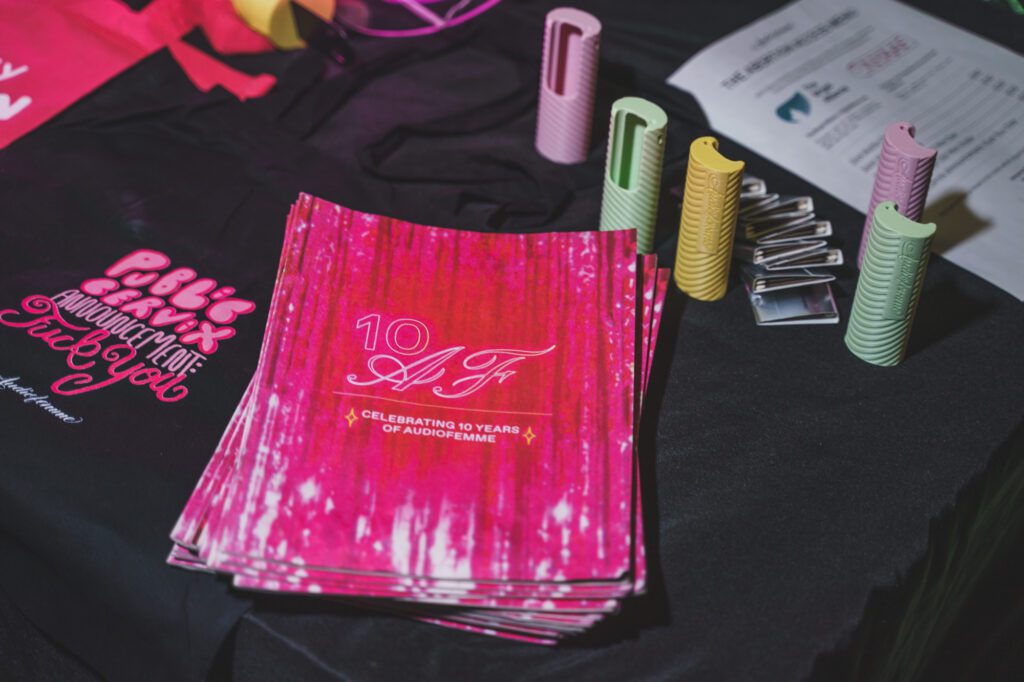
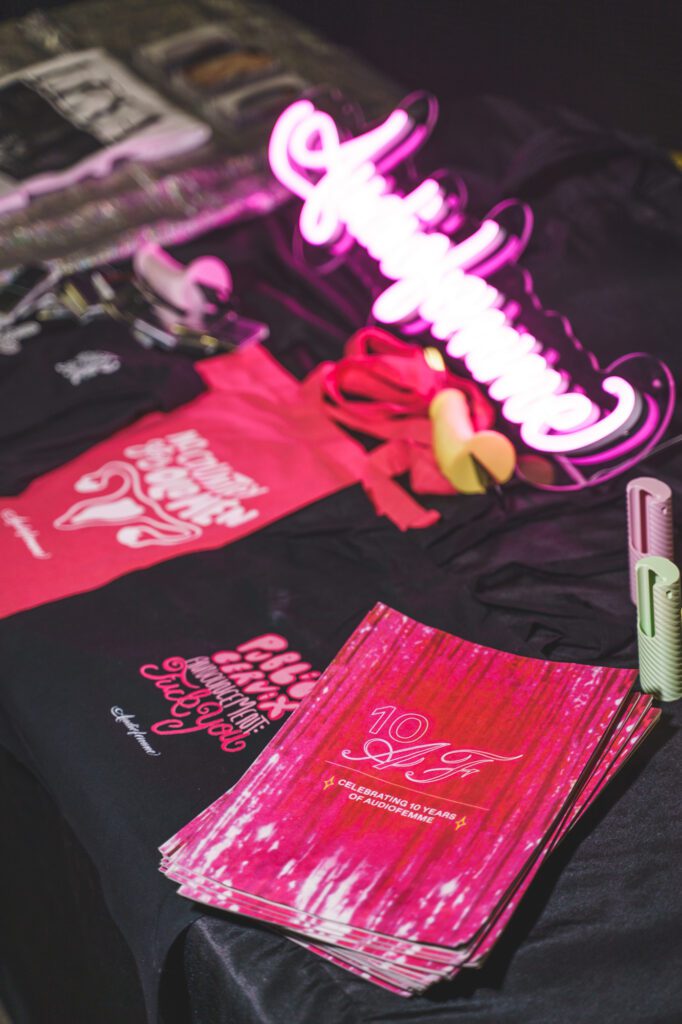
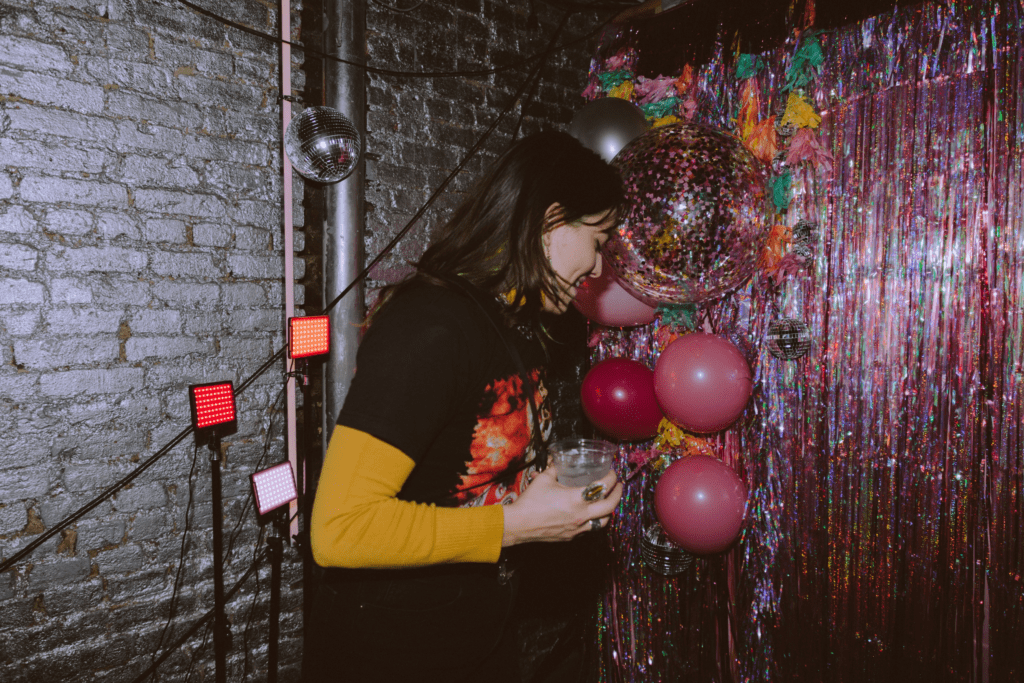
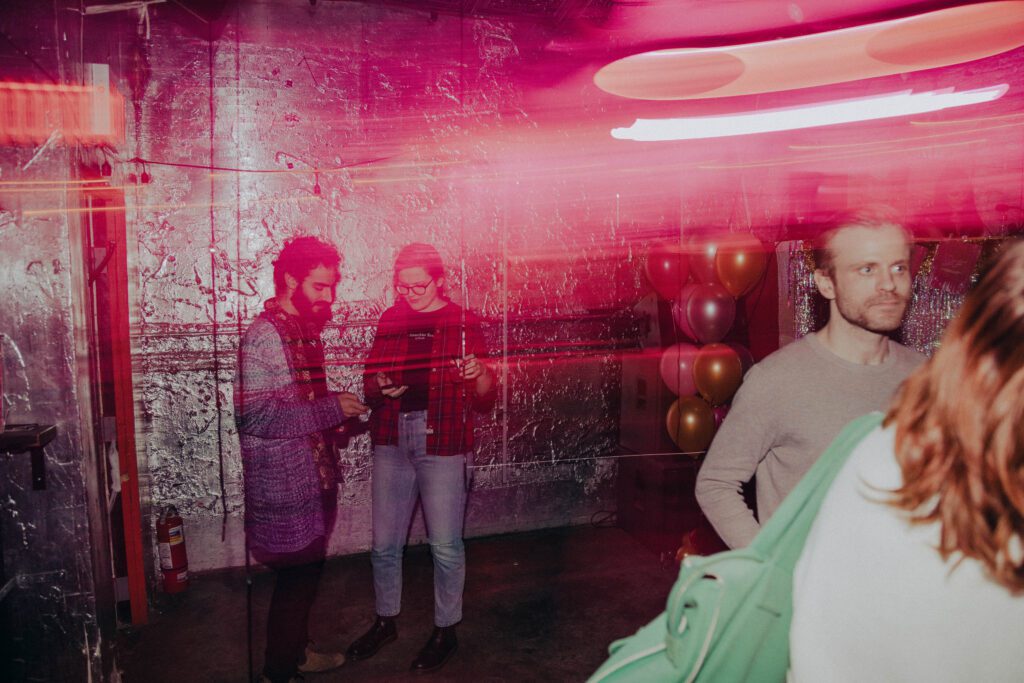
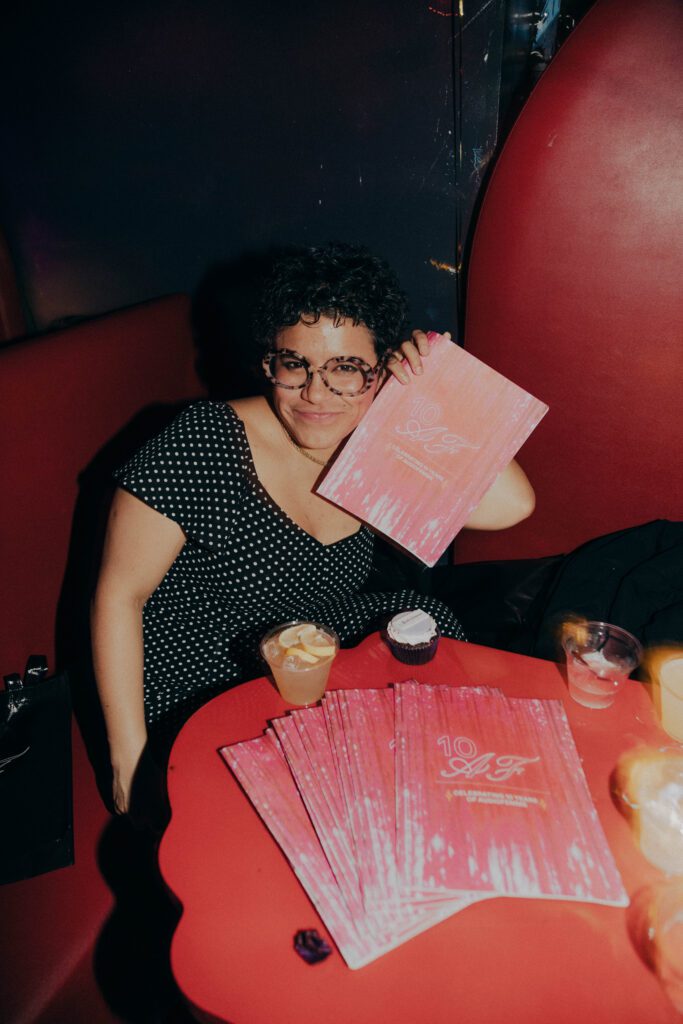
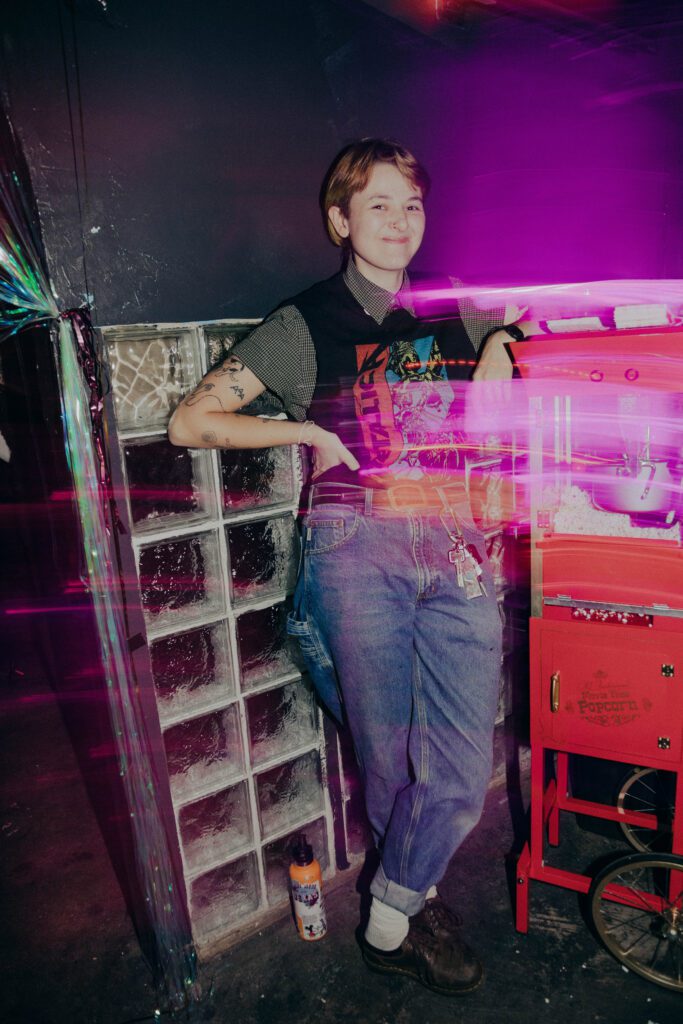
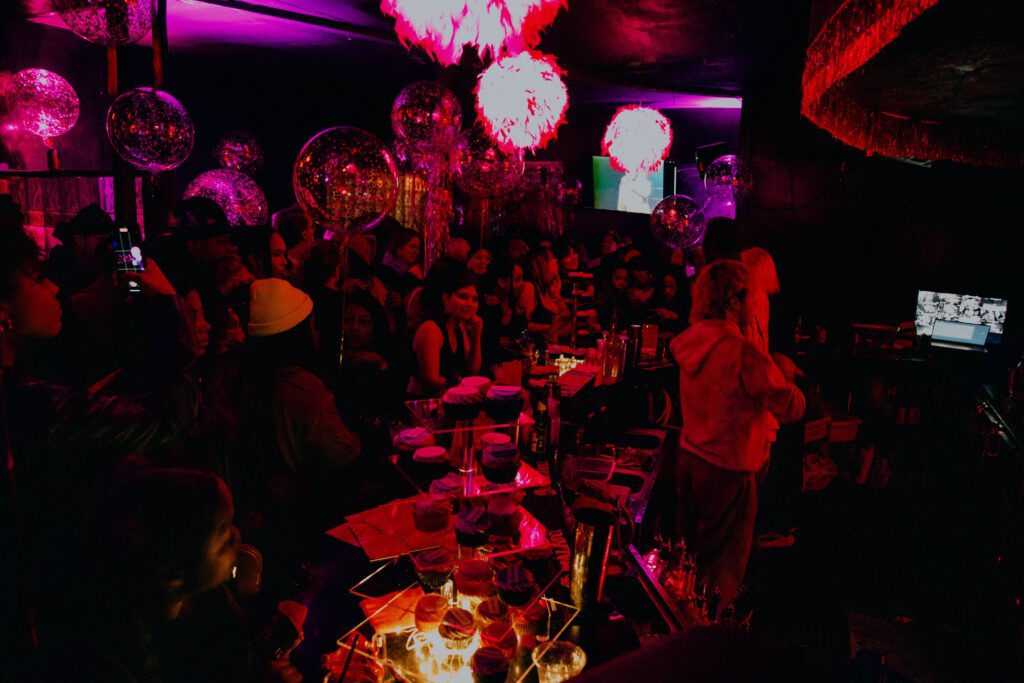
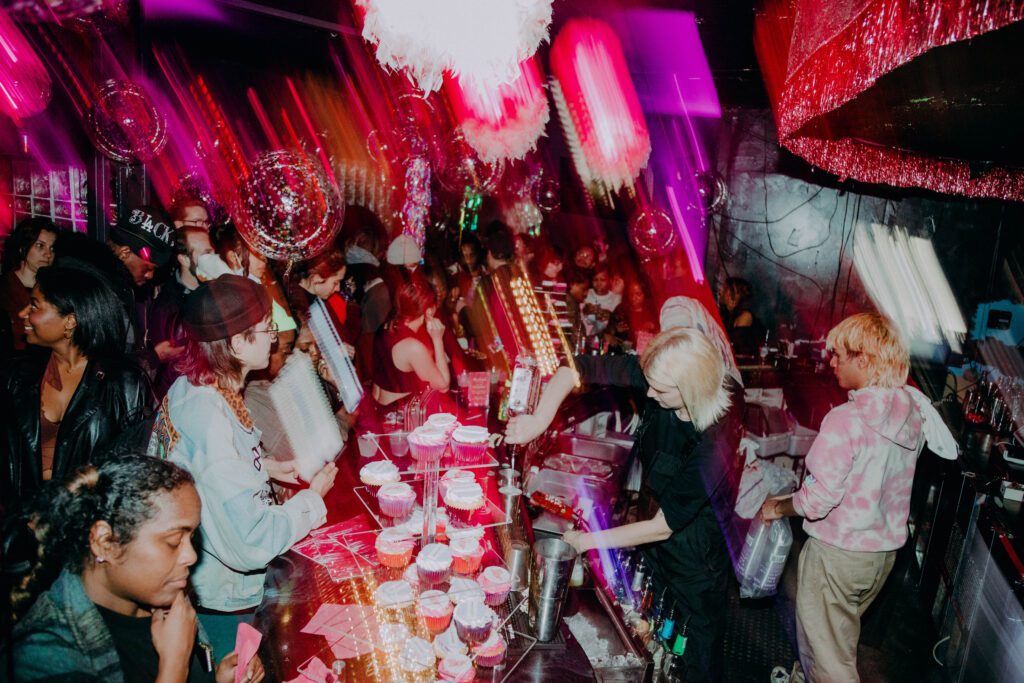
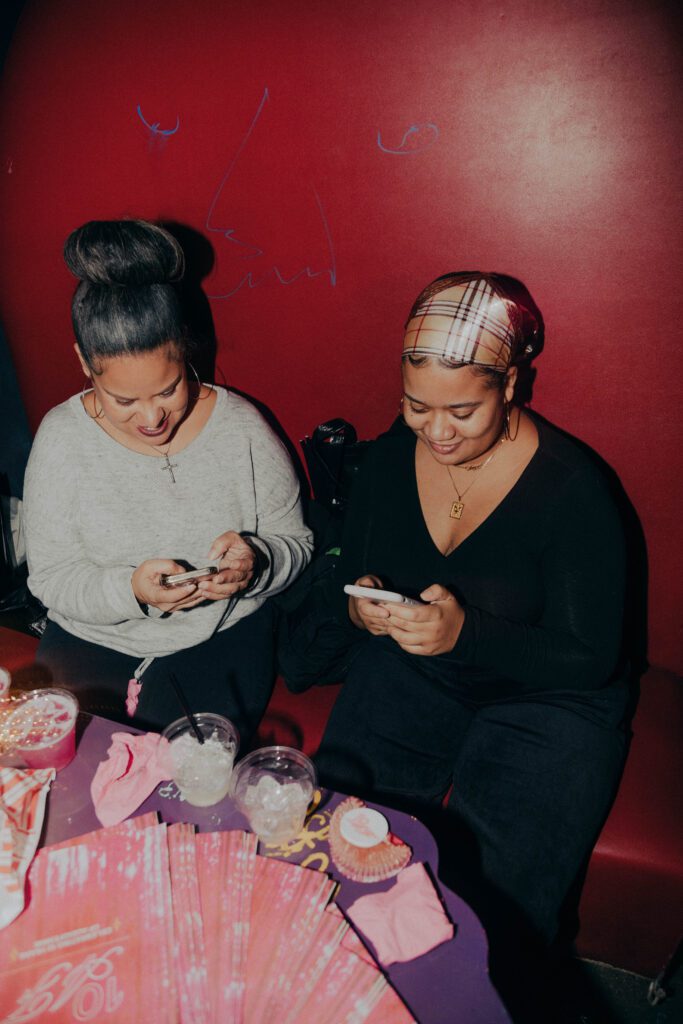
10 AF Anniversary Party

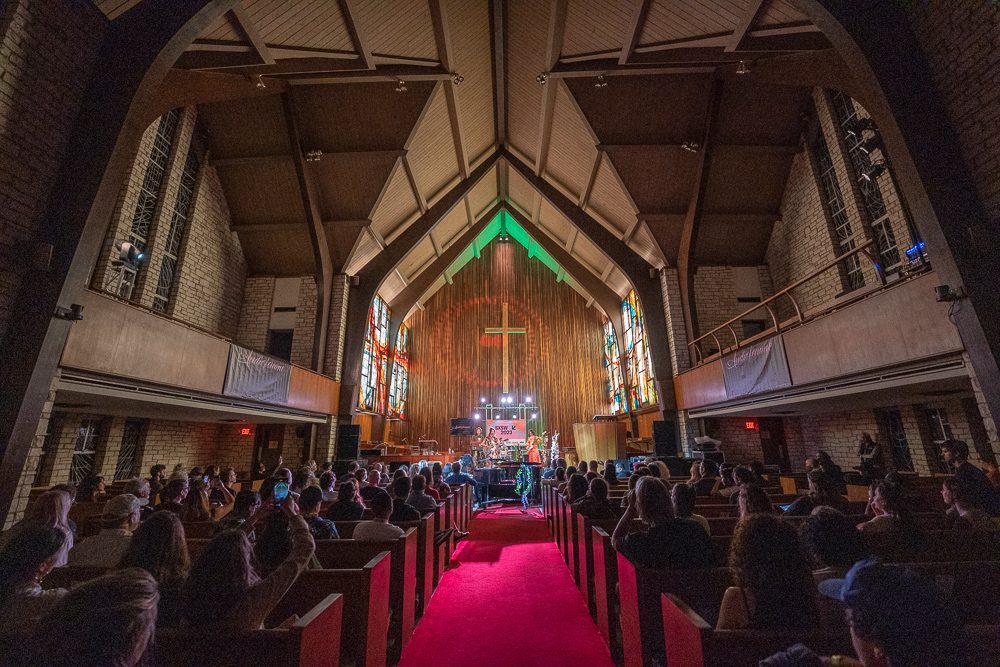
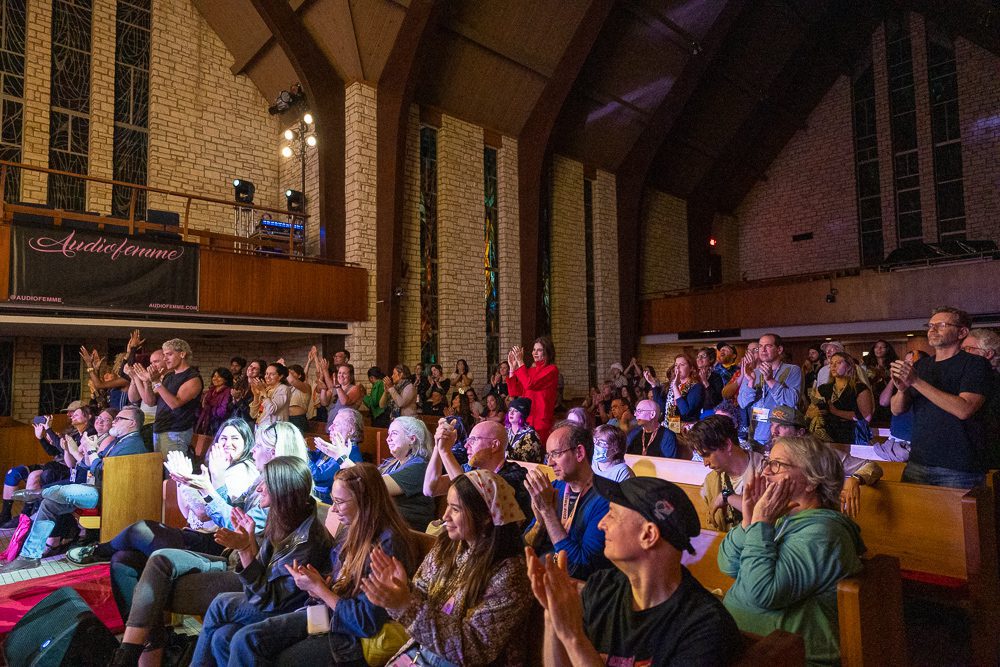
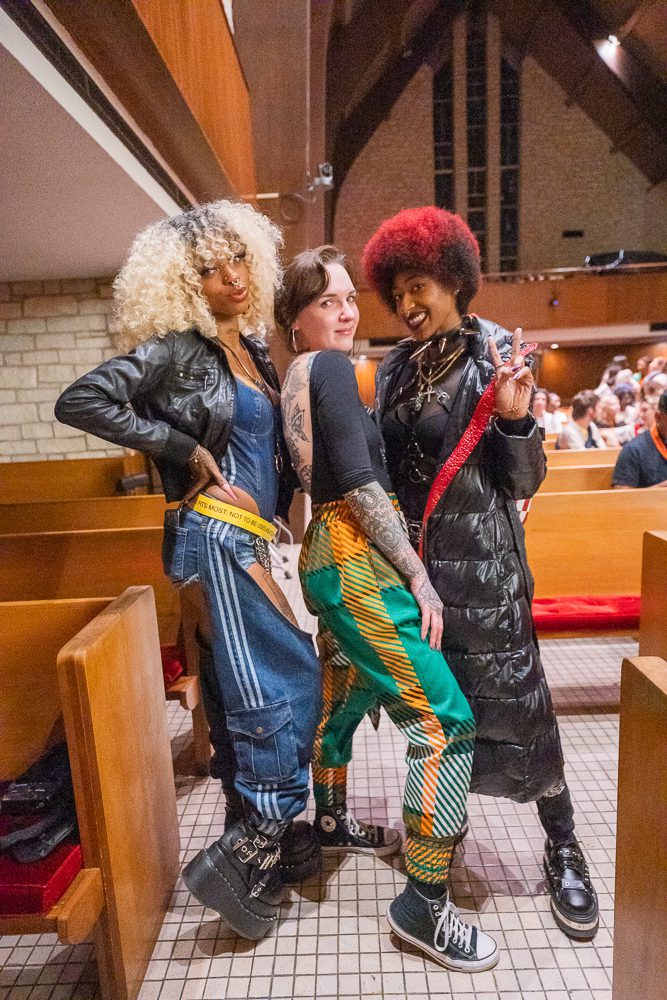
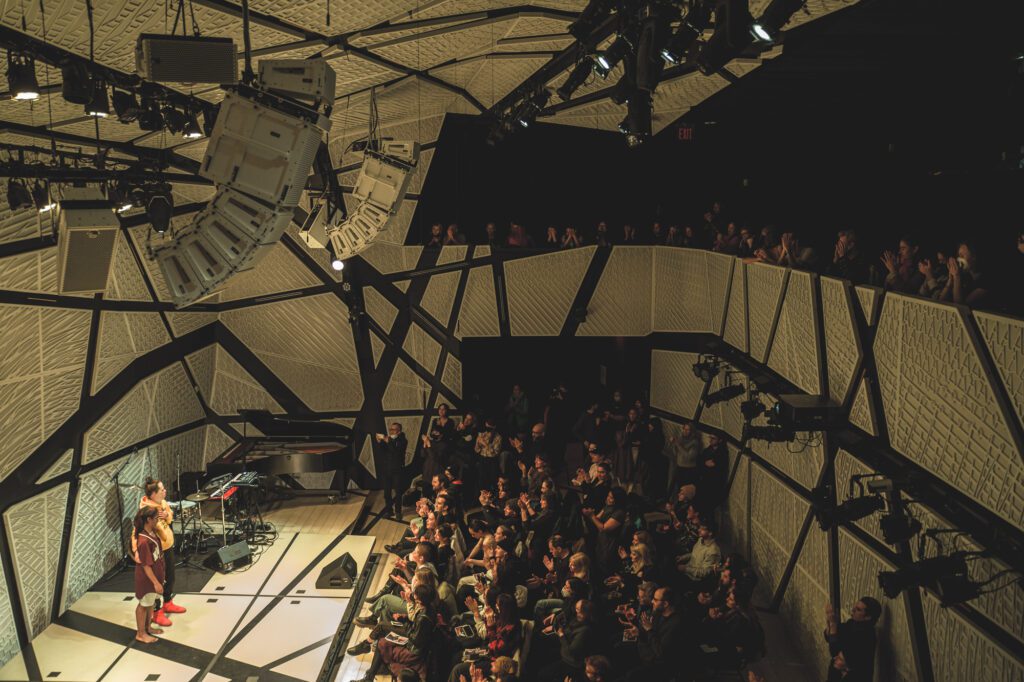
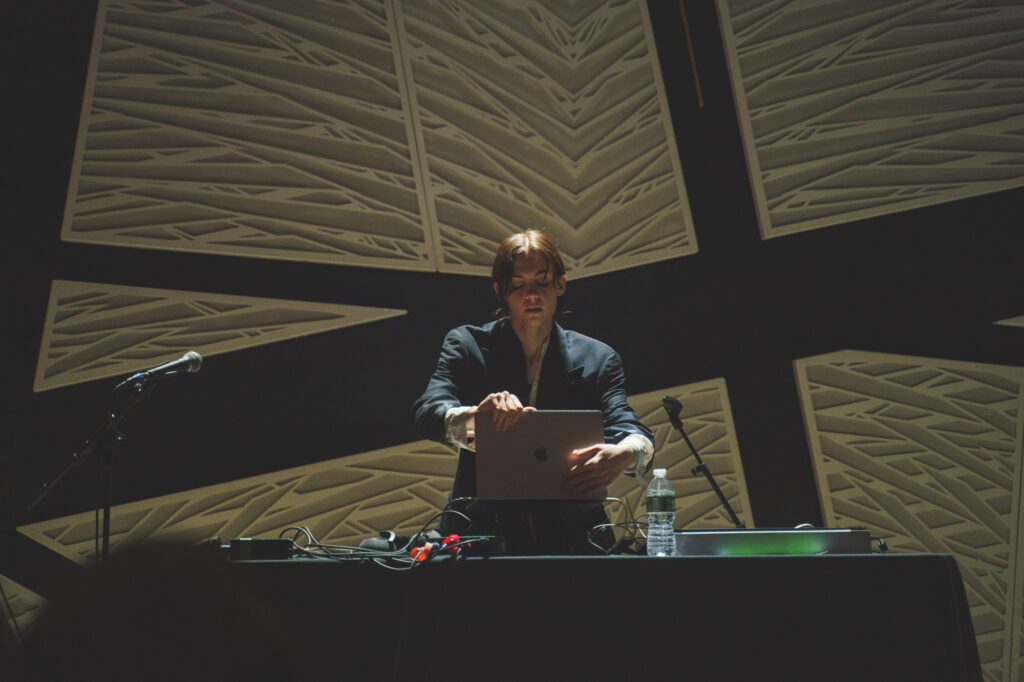
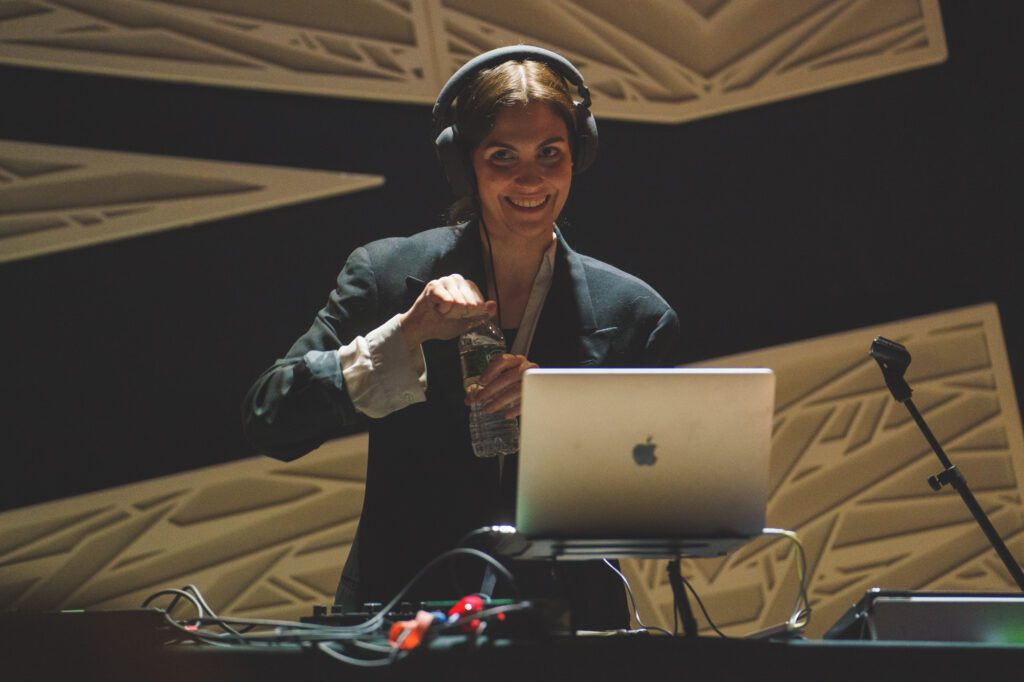
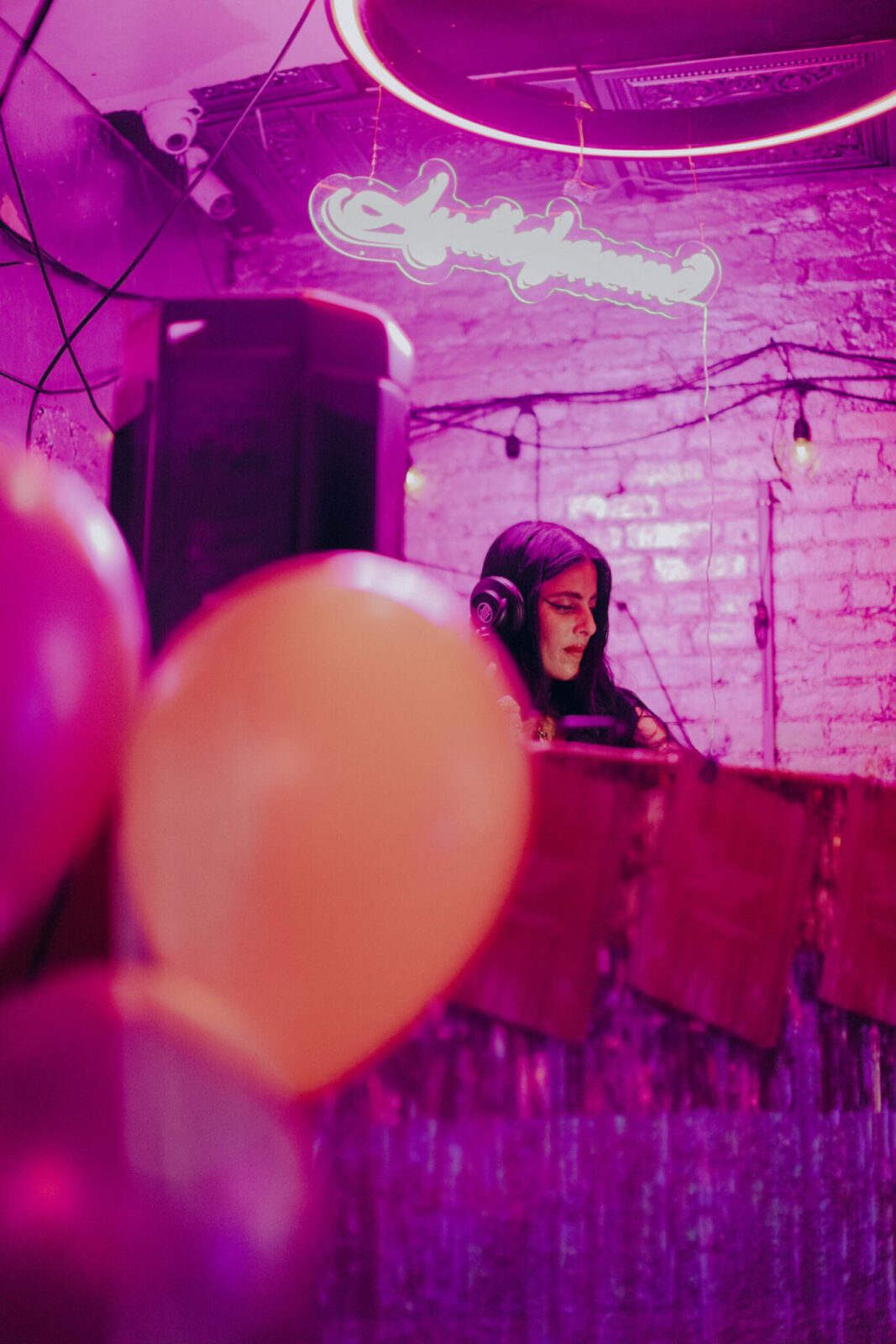
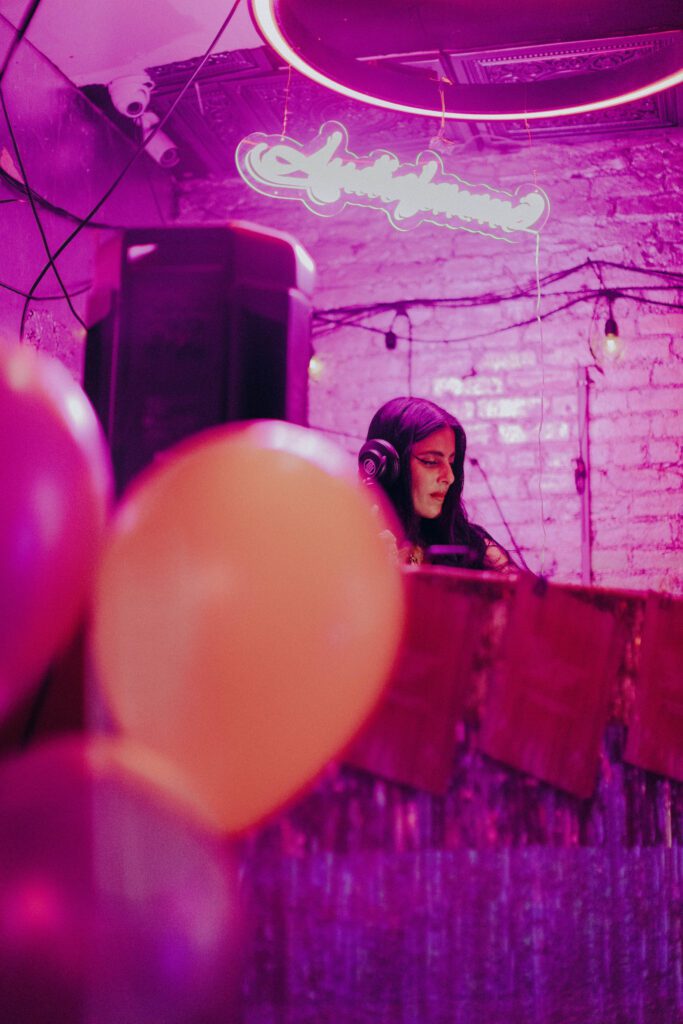
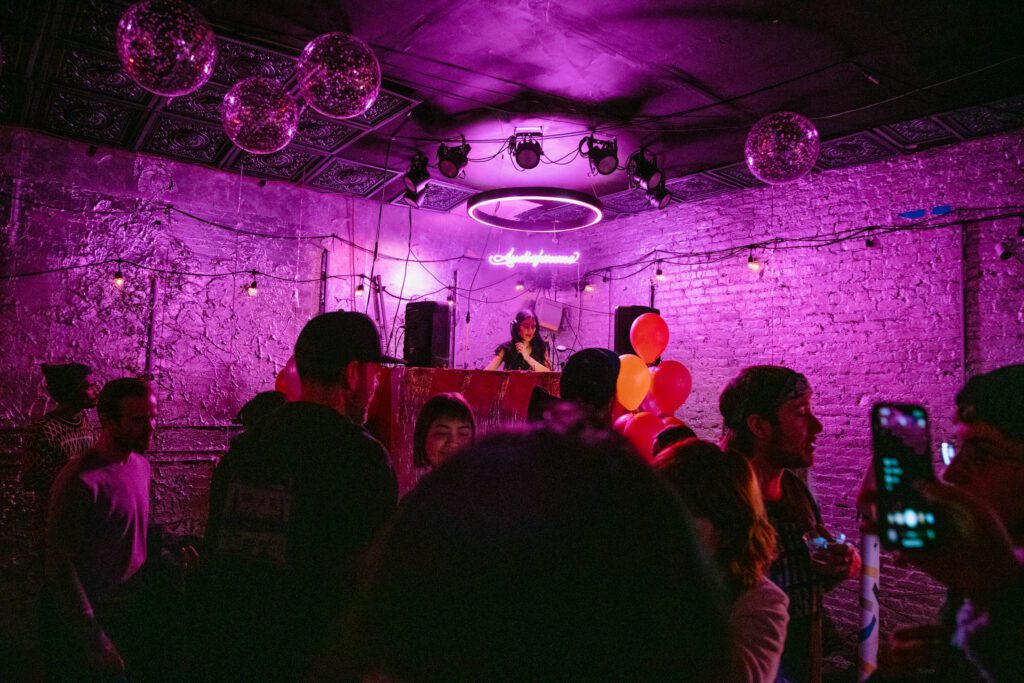
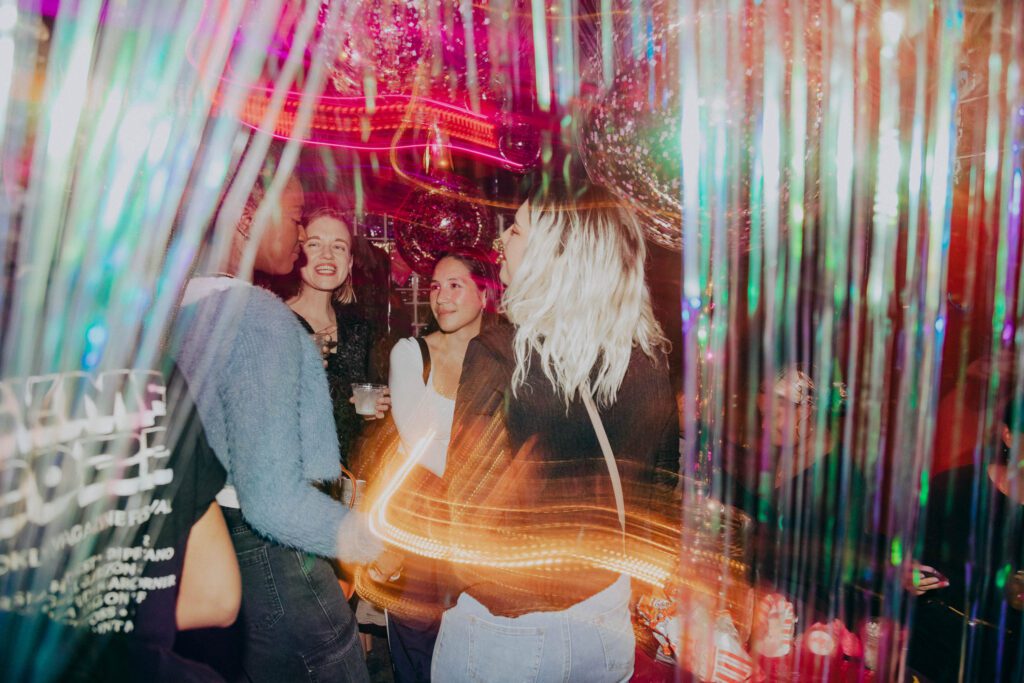
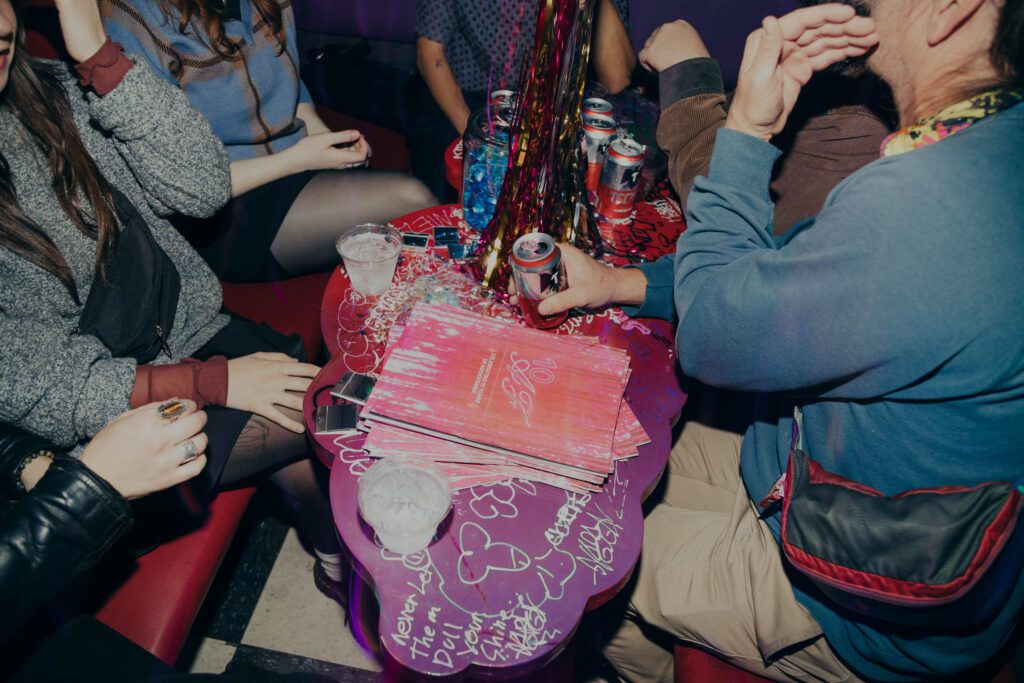
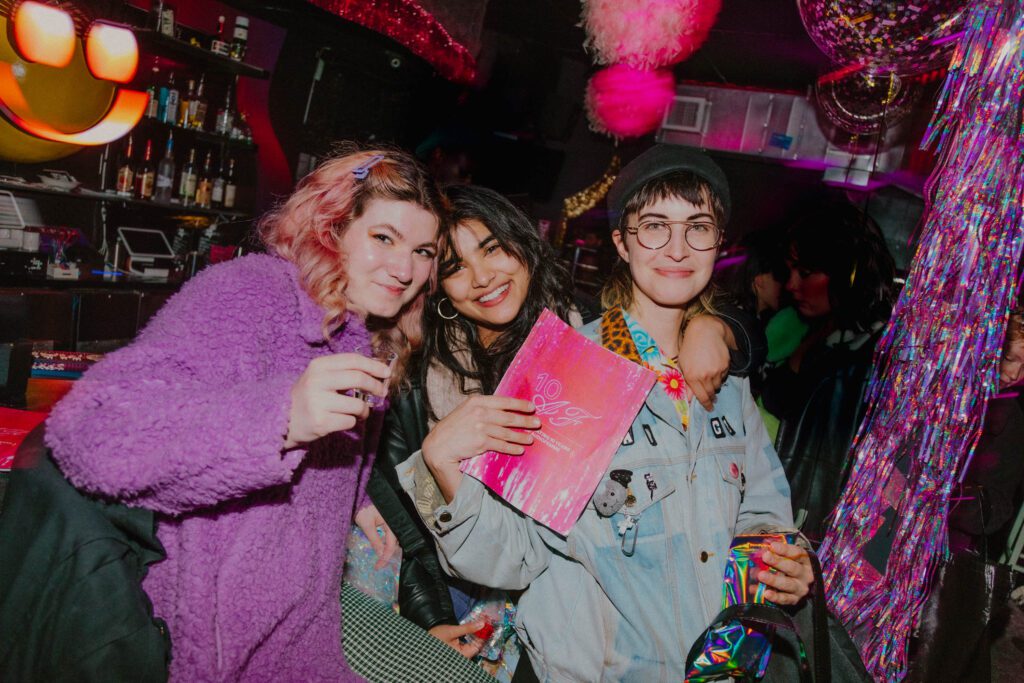
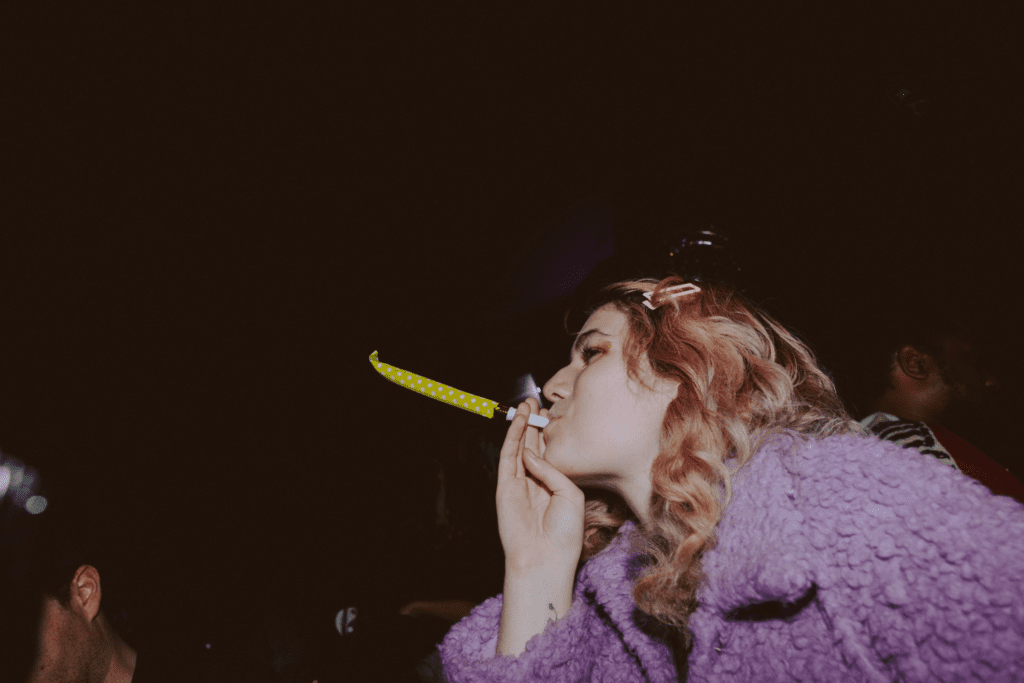
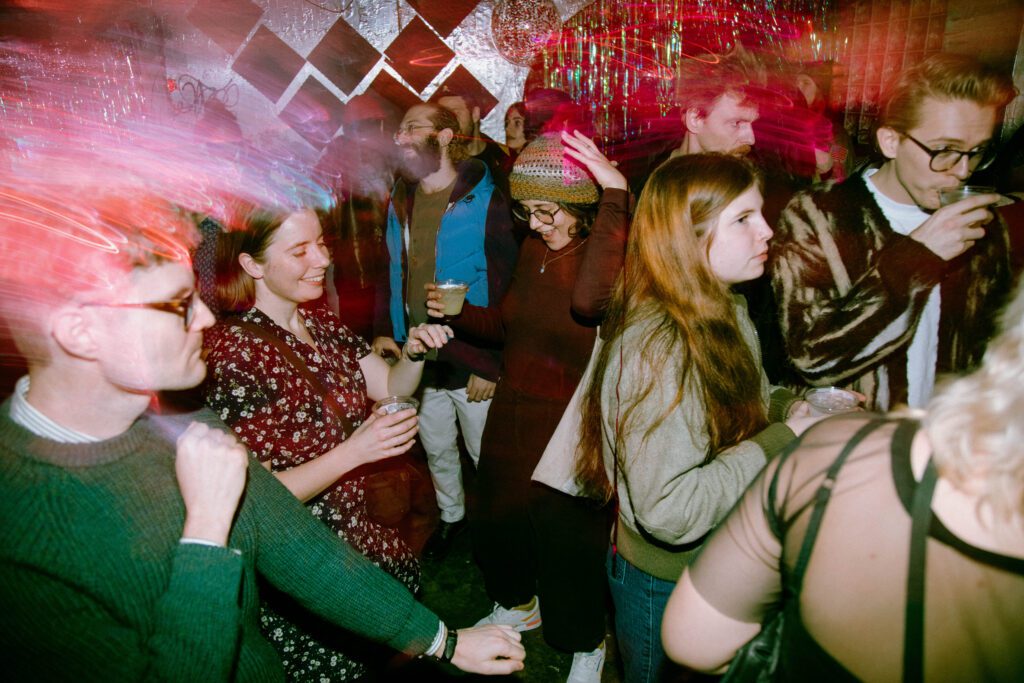
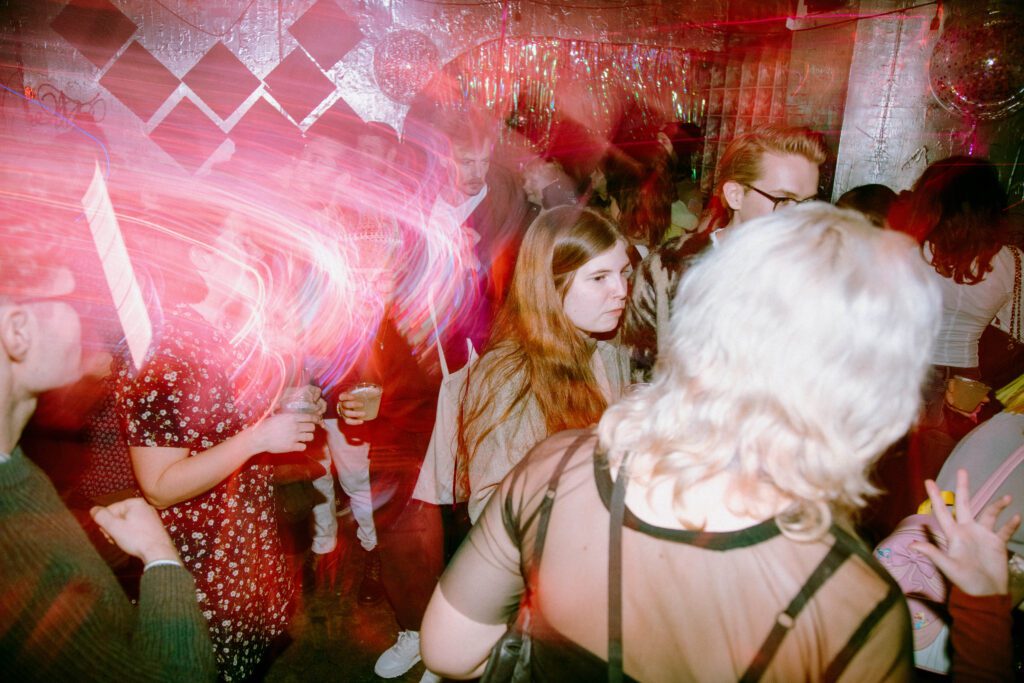
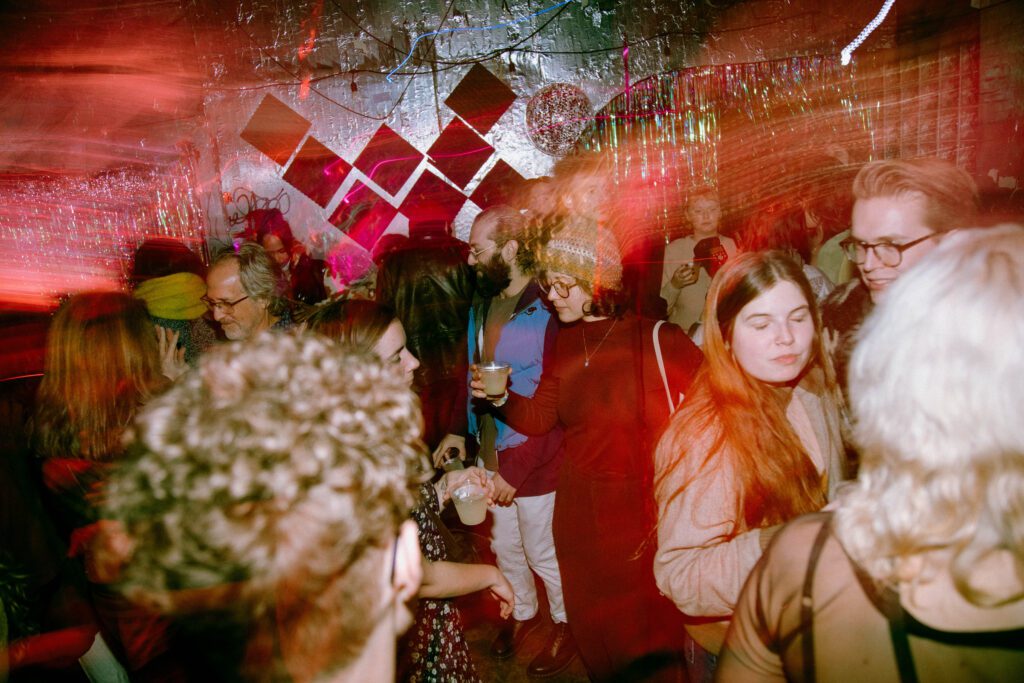
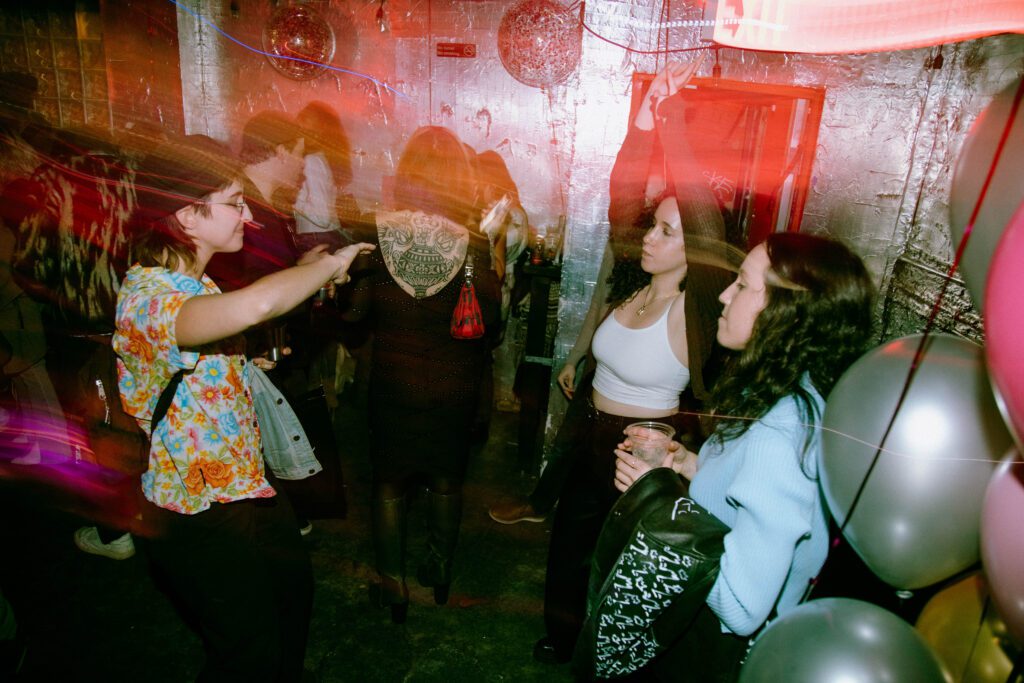
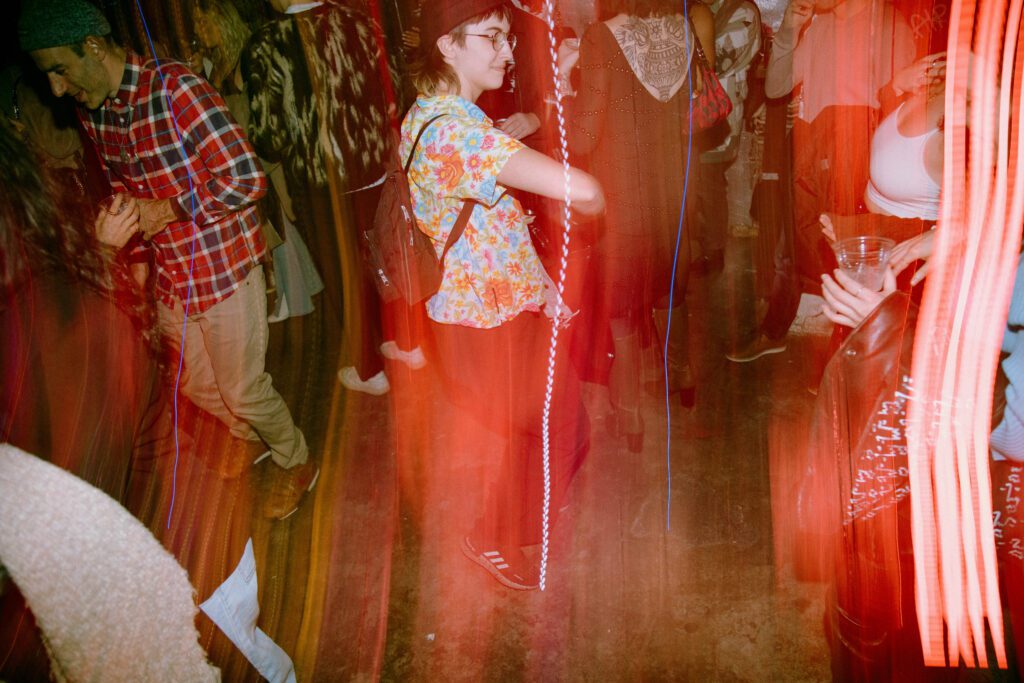
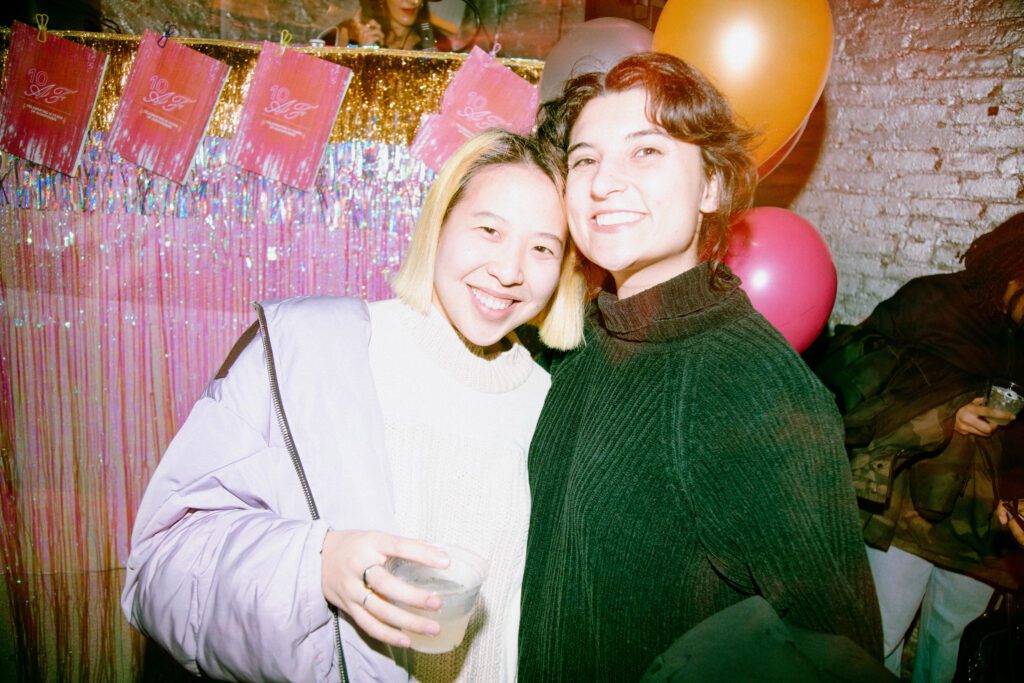
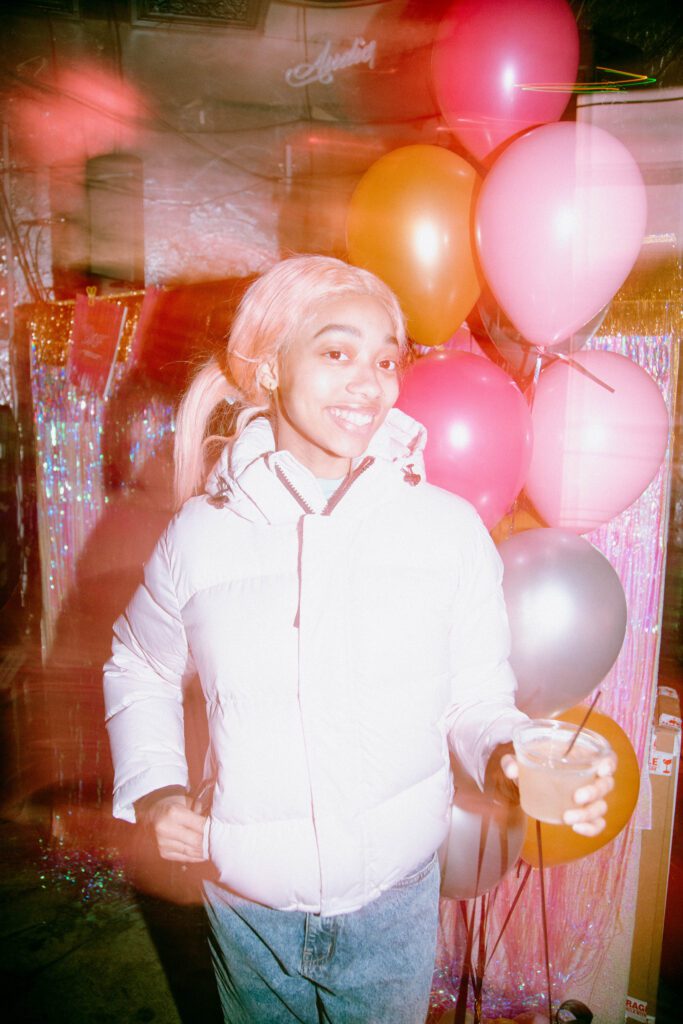
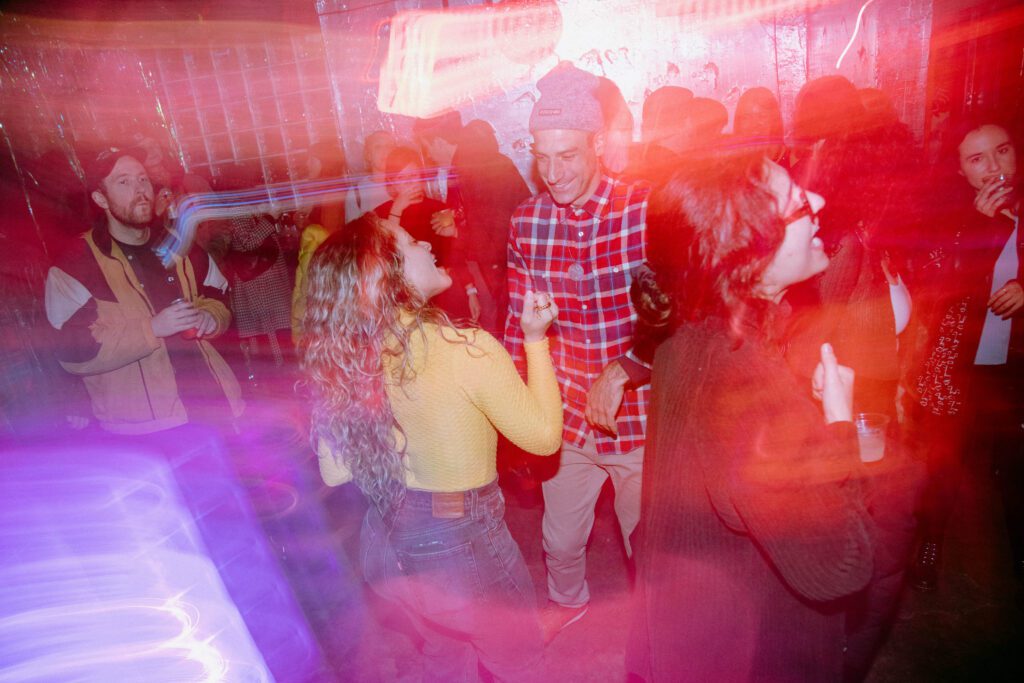
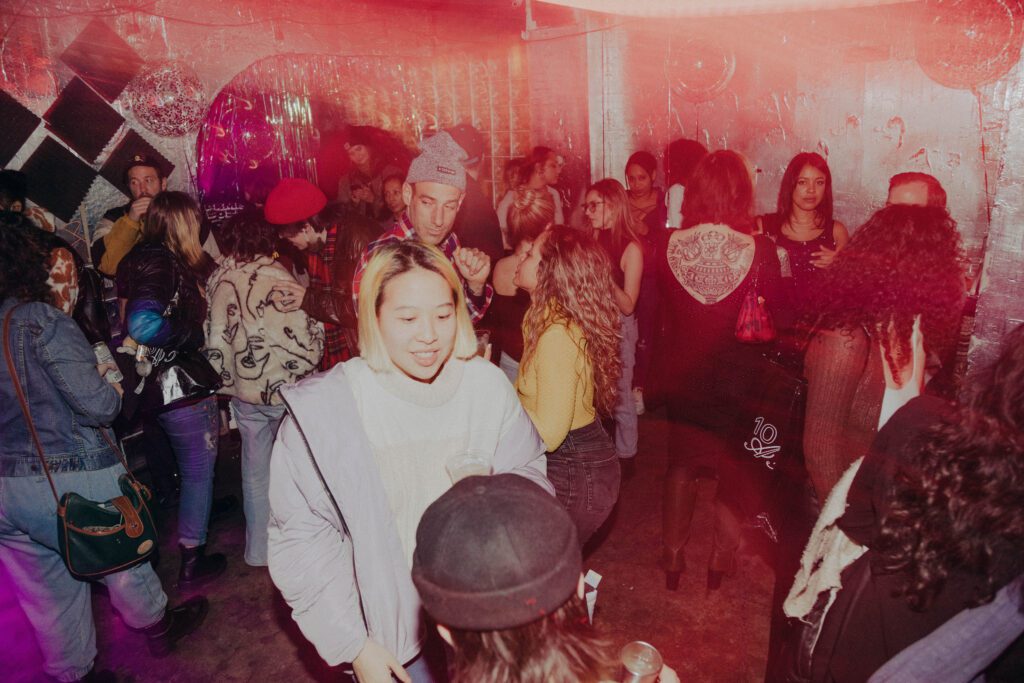
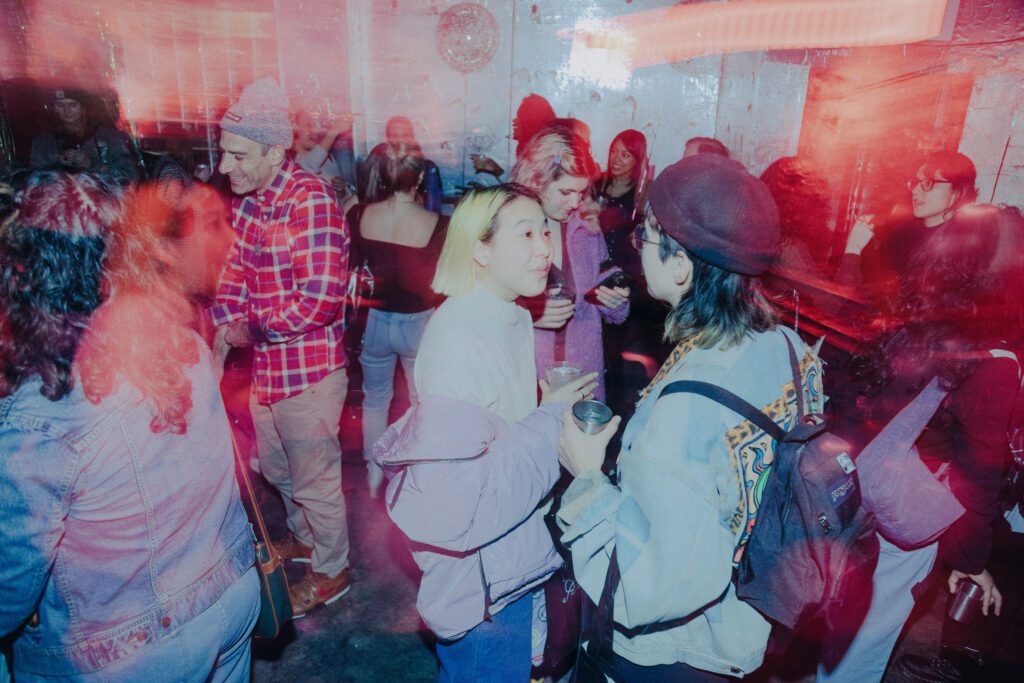
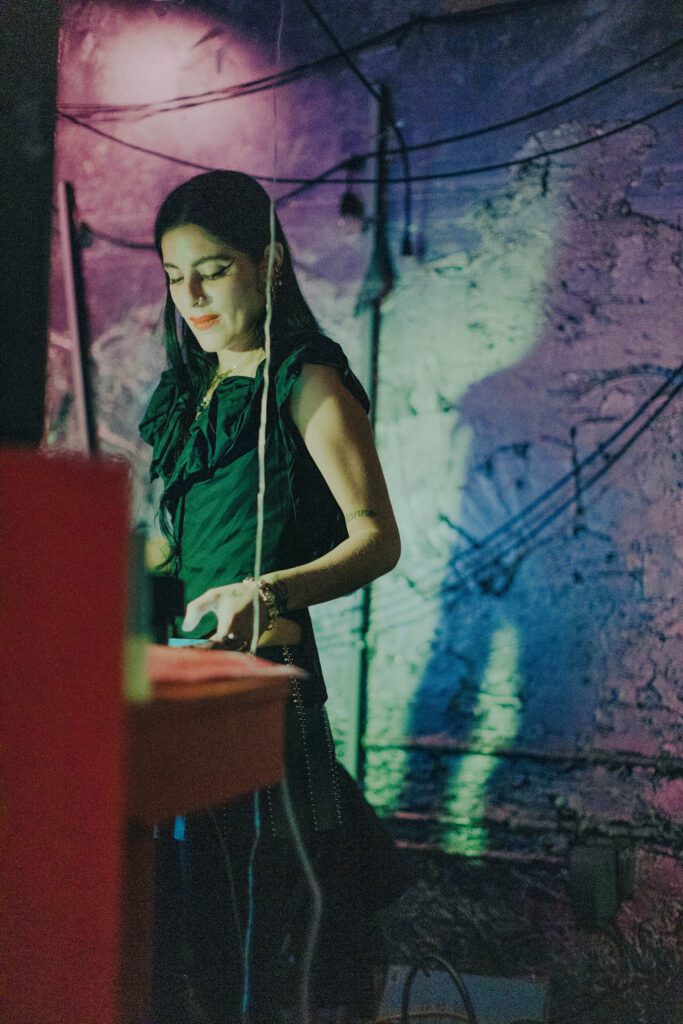
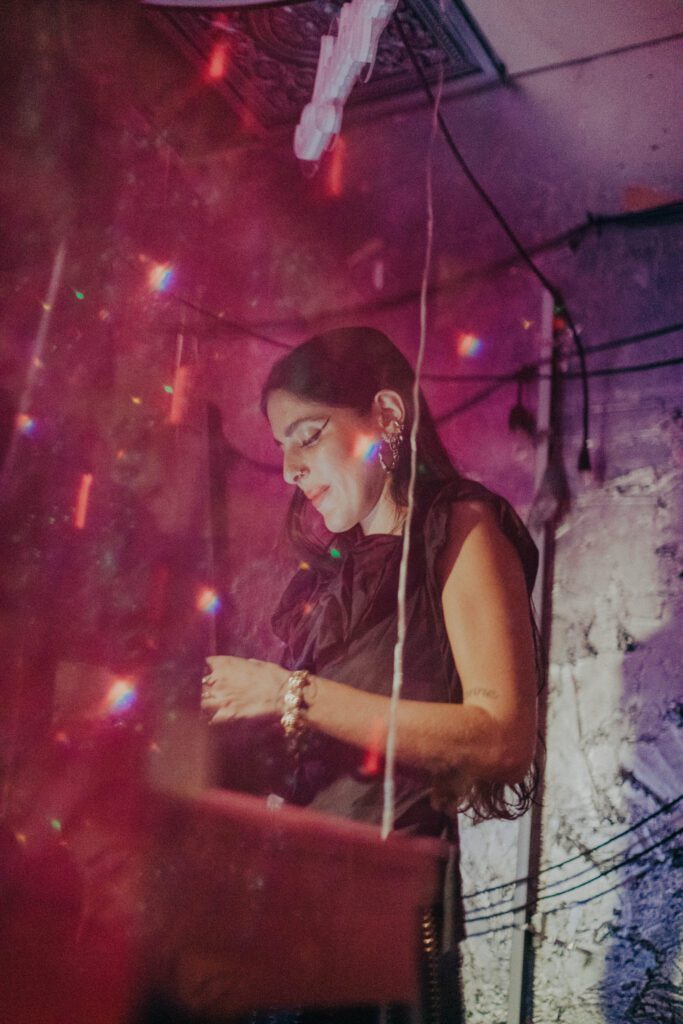
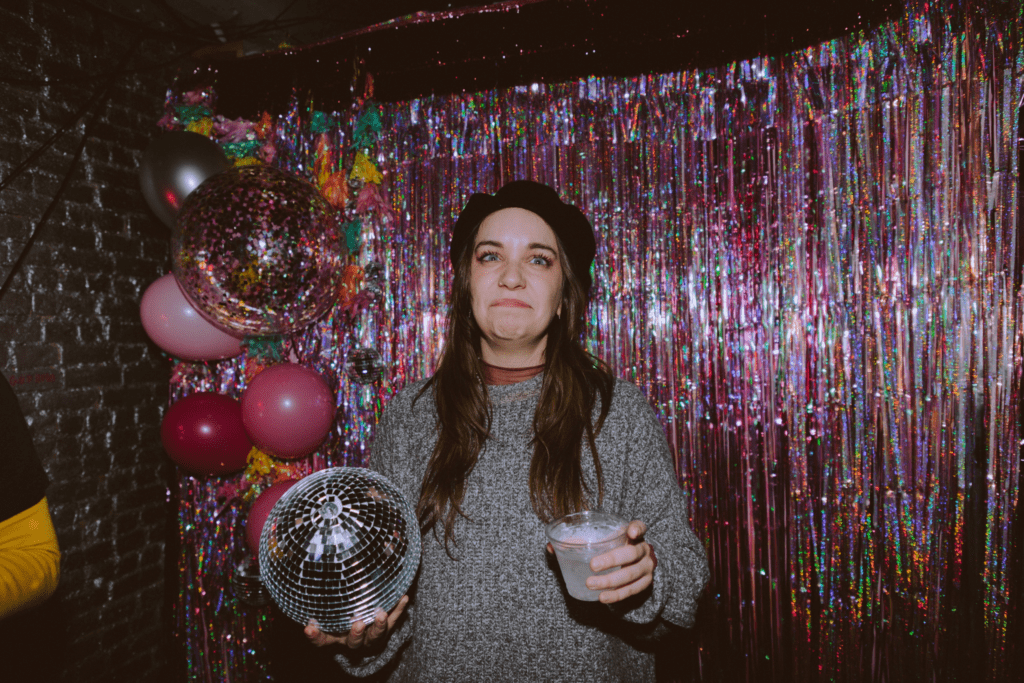
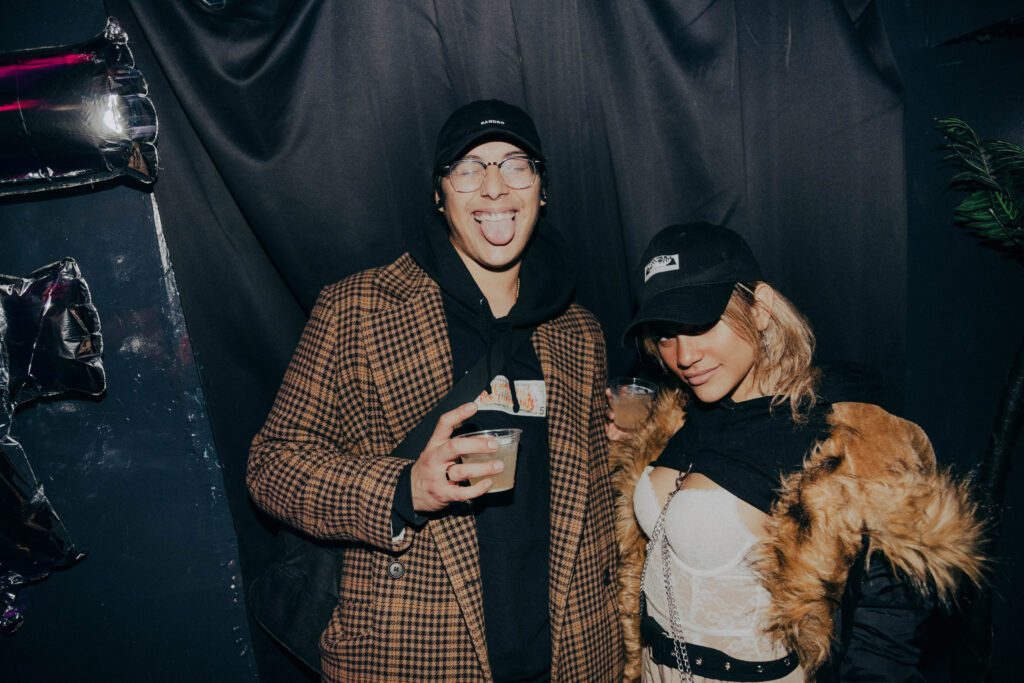
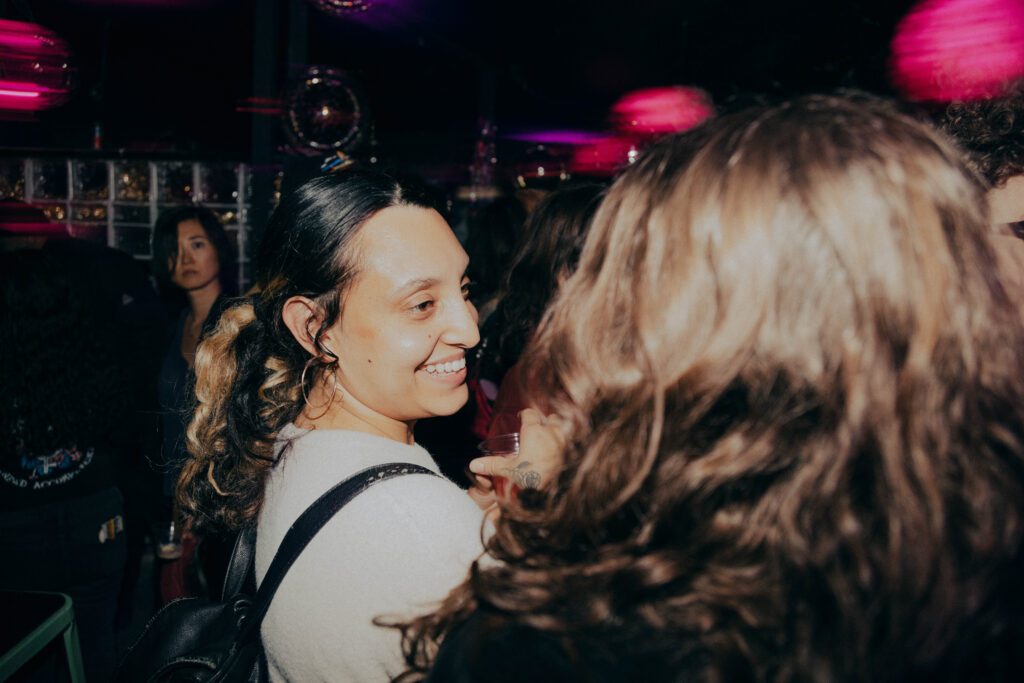
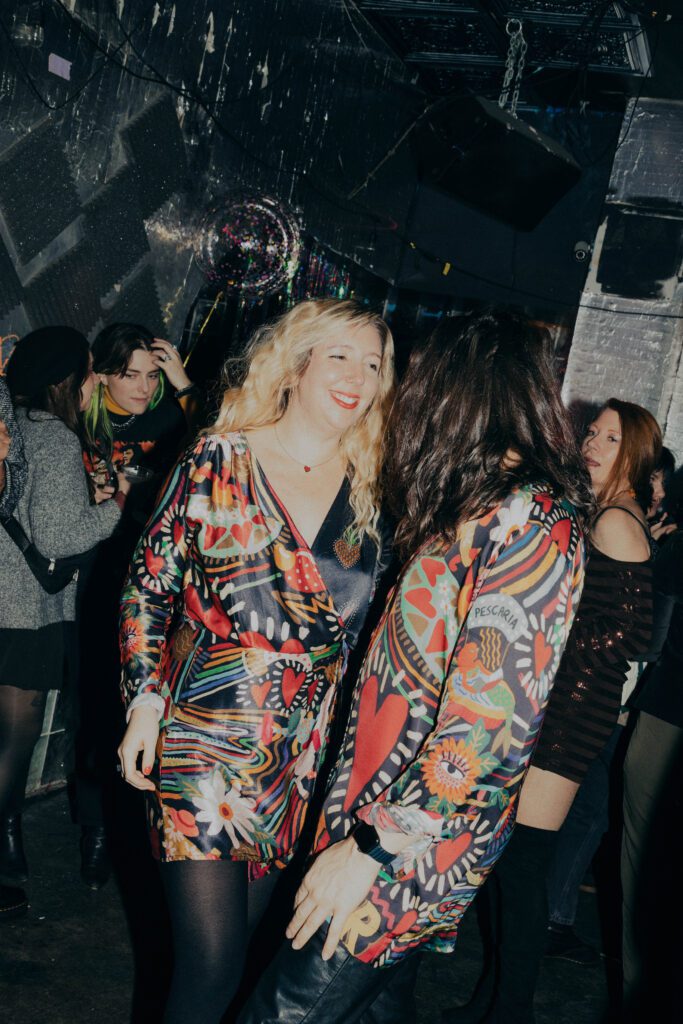
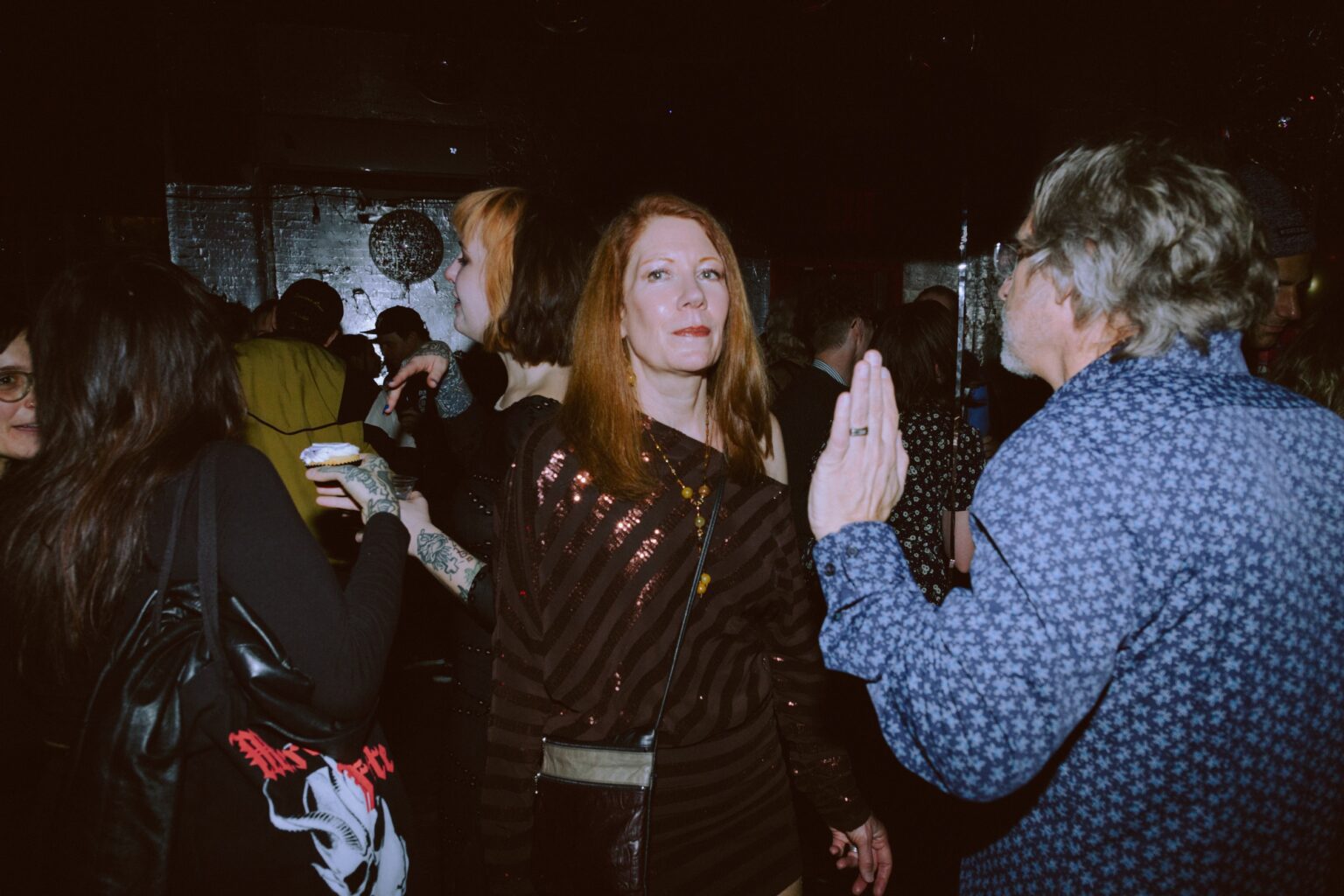
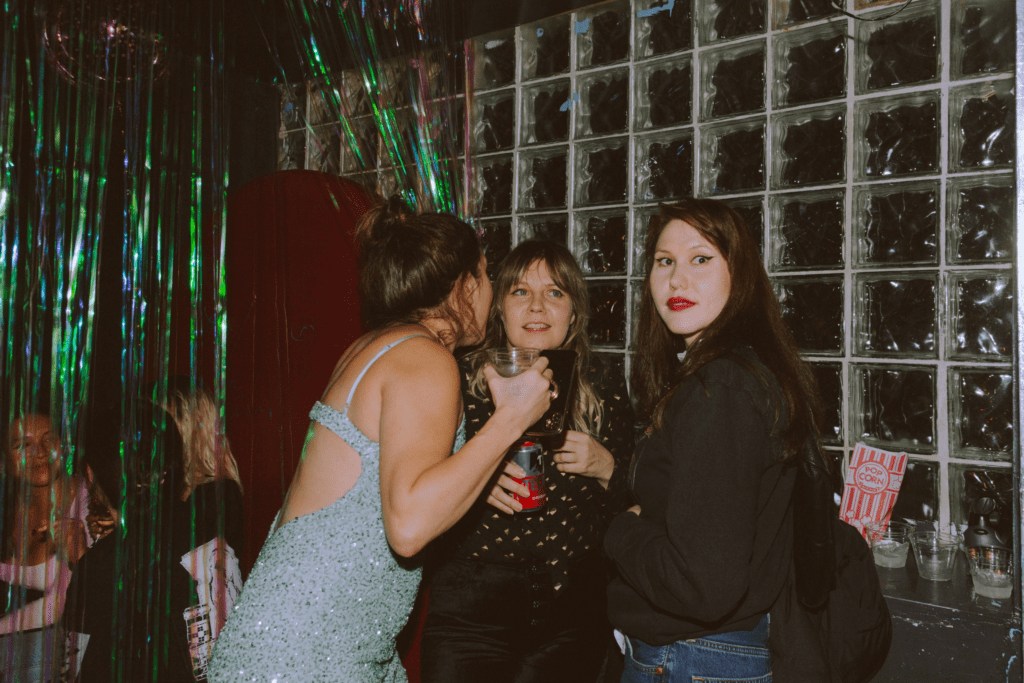
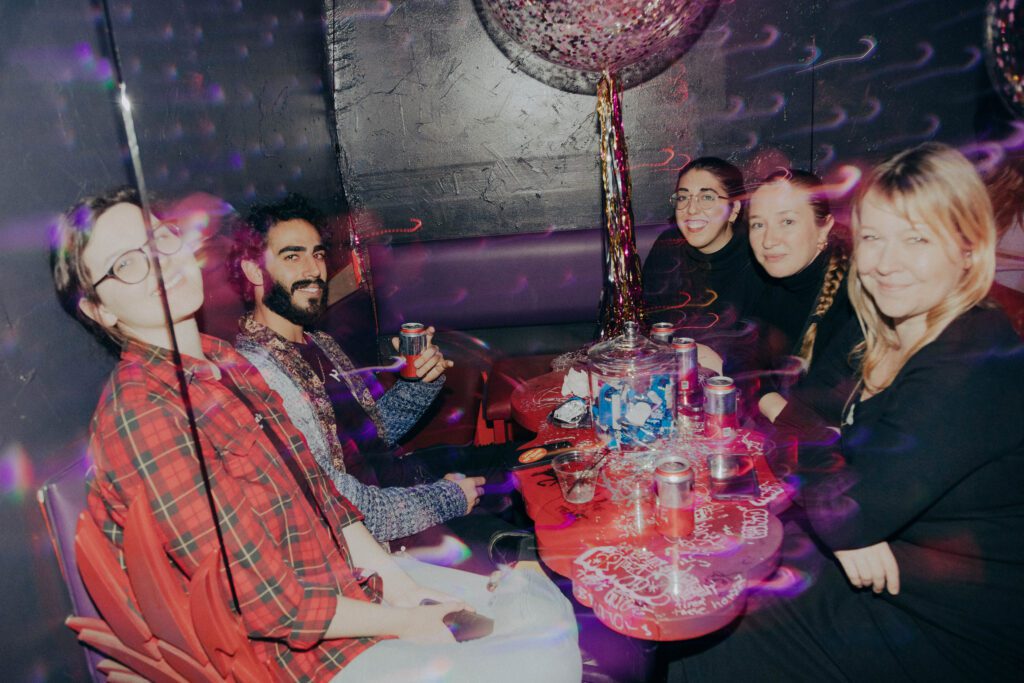
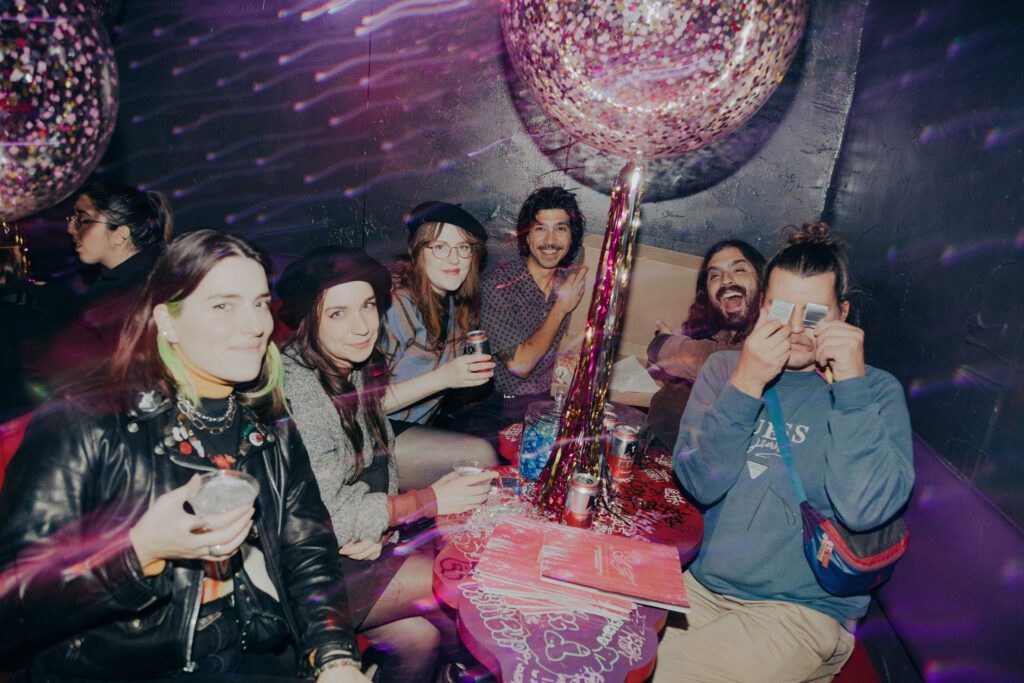
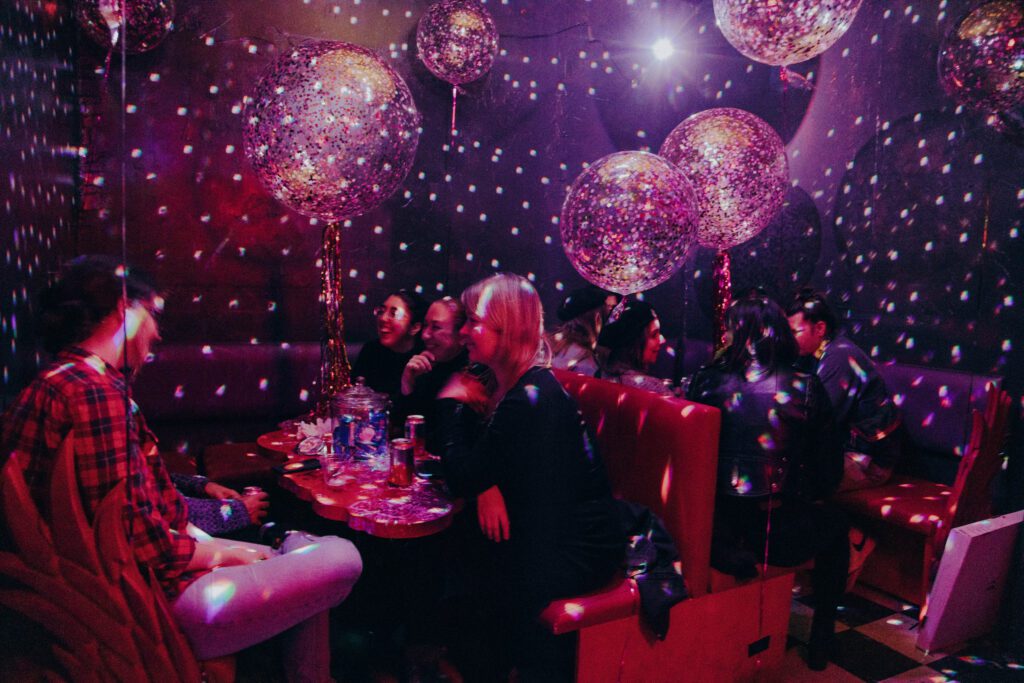
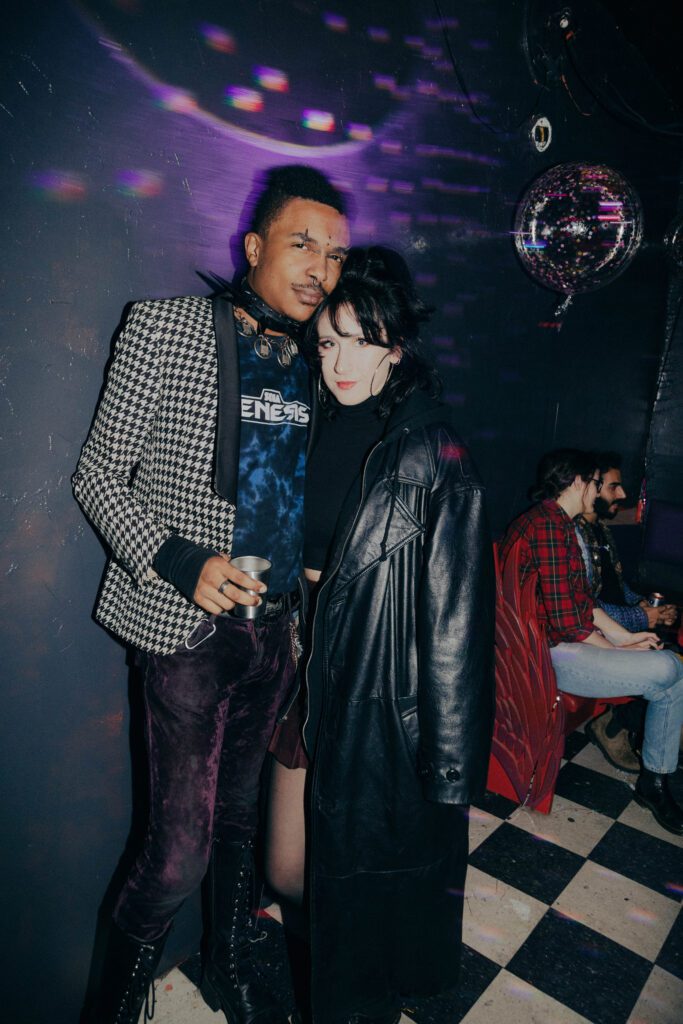
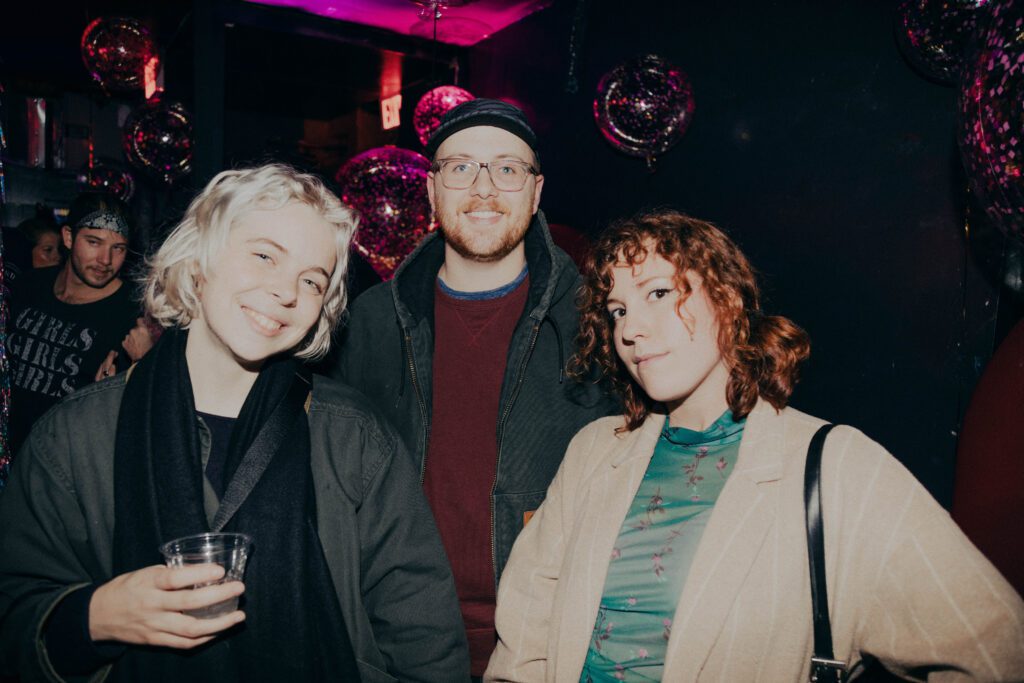
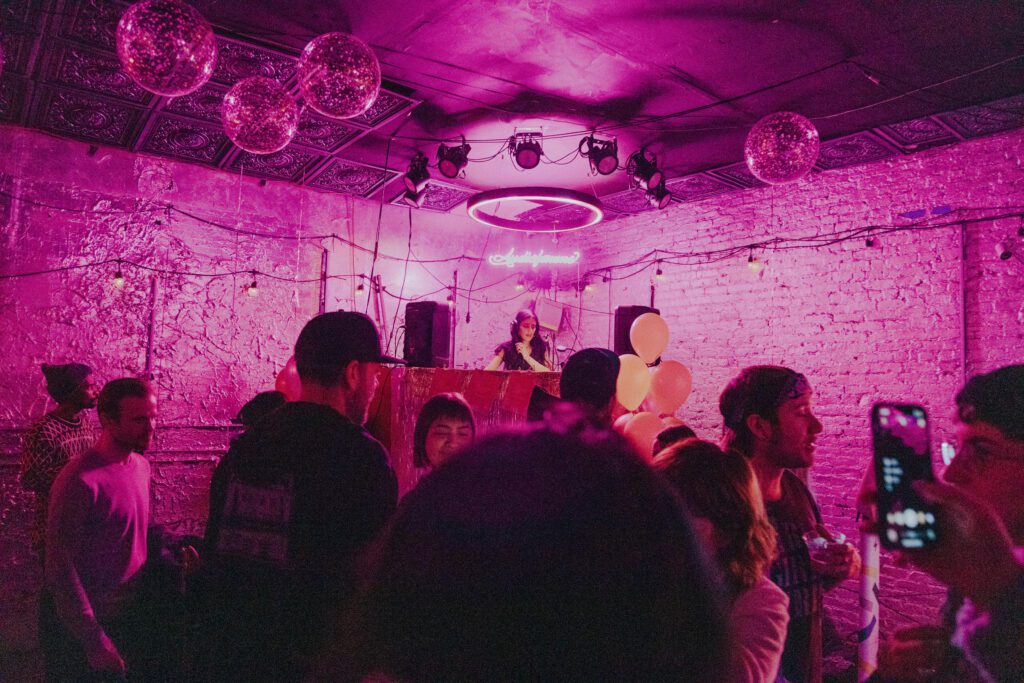
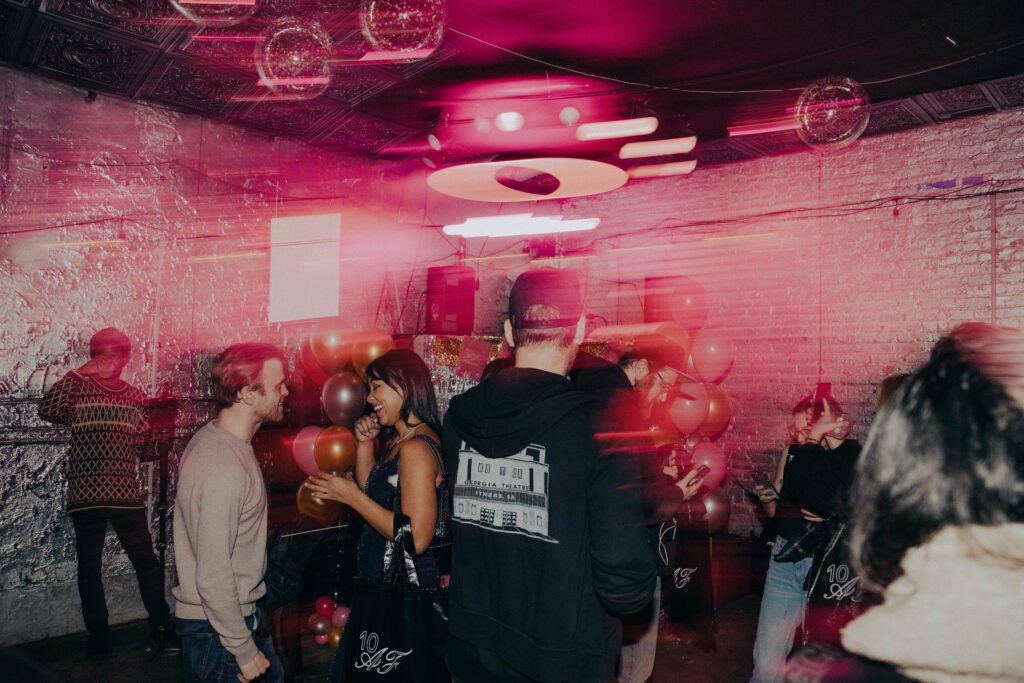
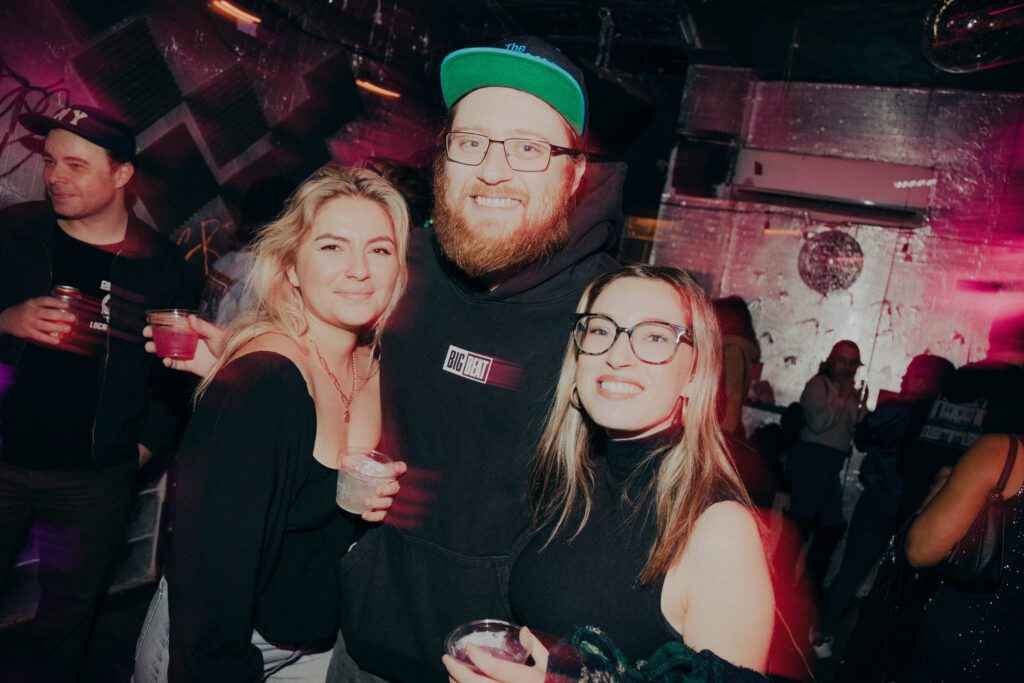
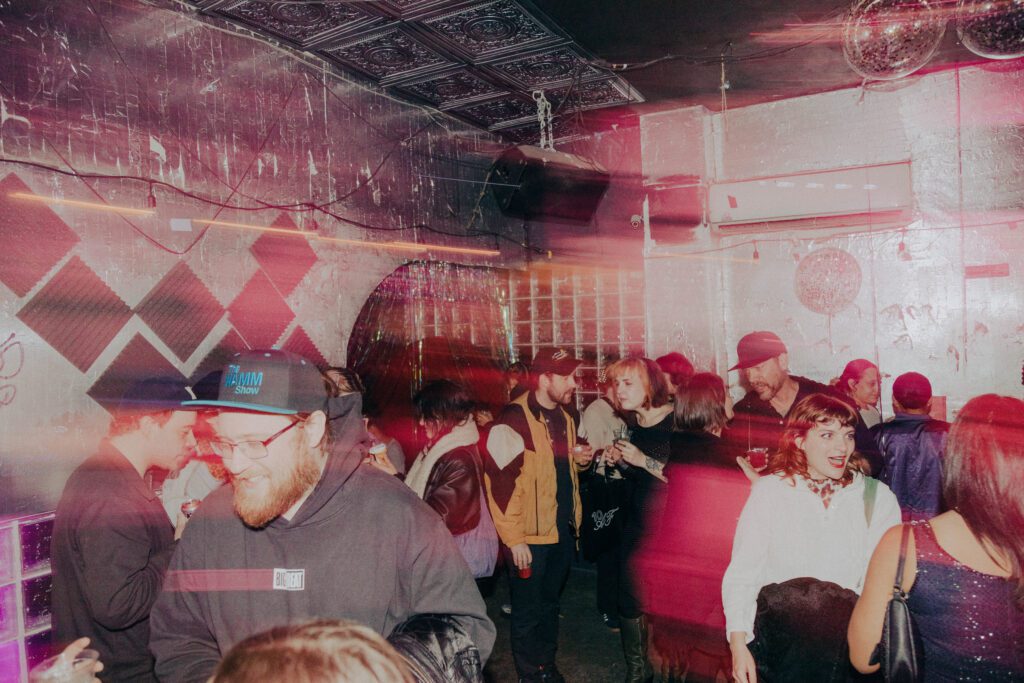
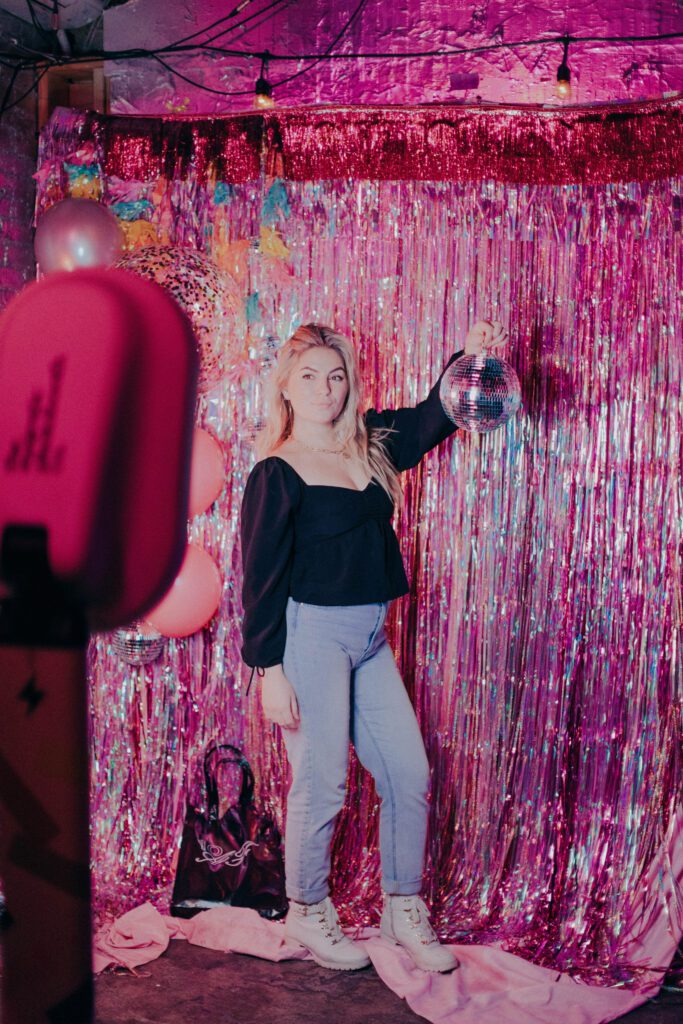
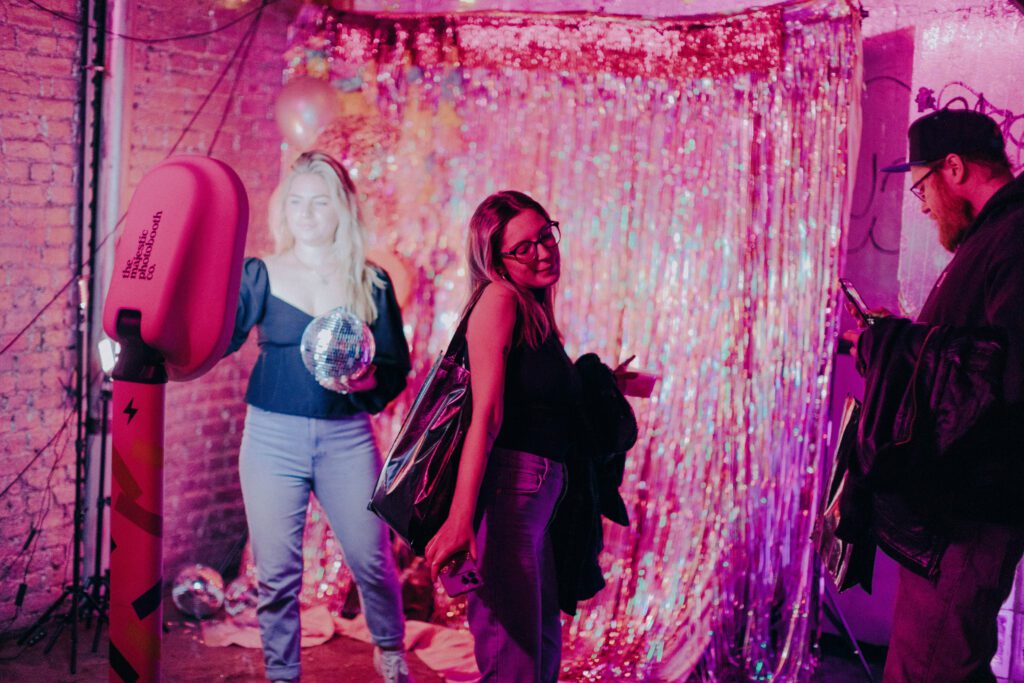
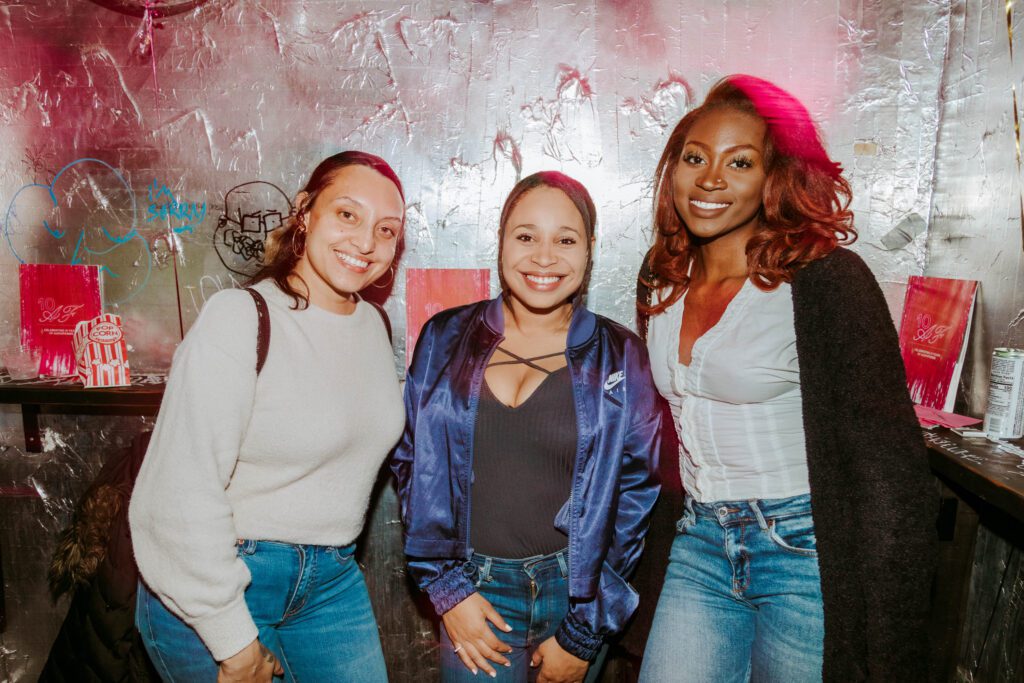
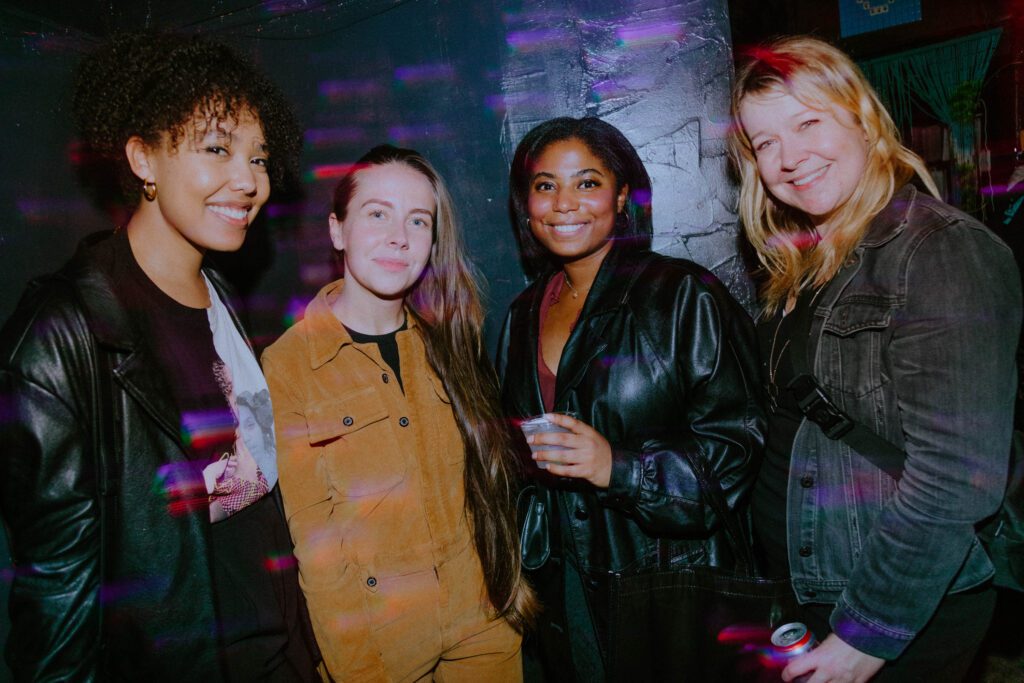
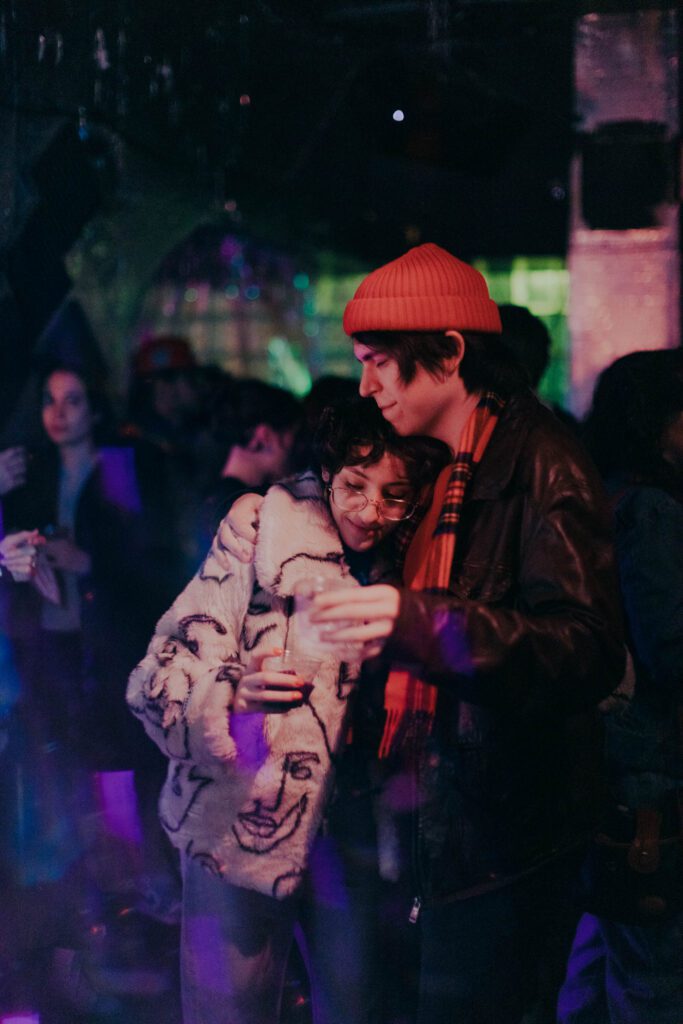
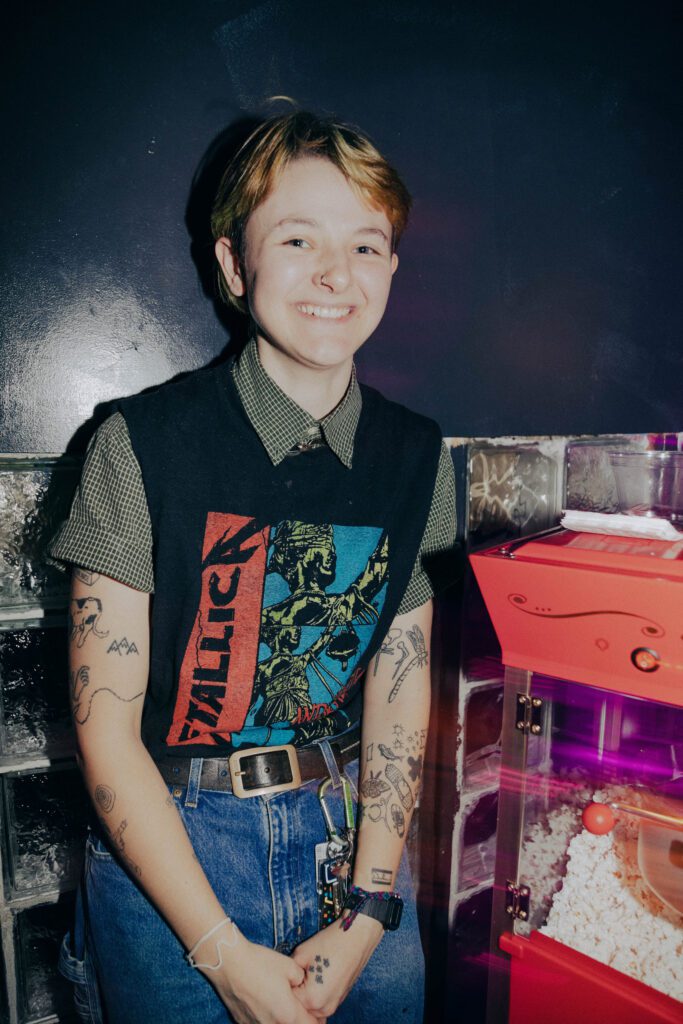
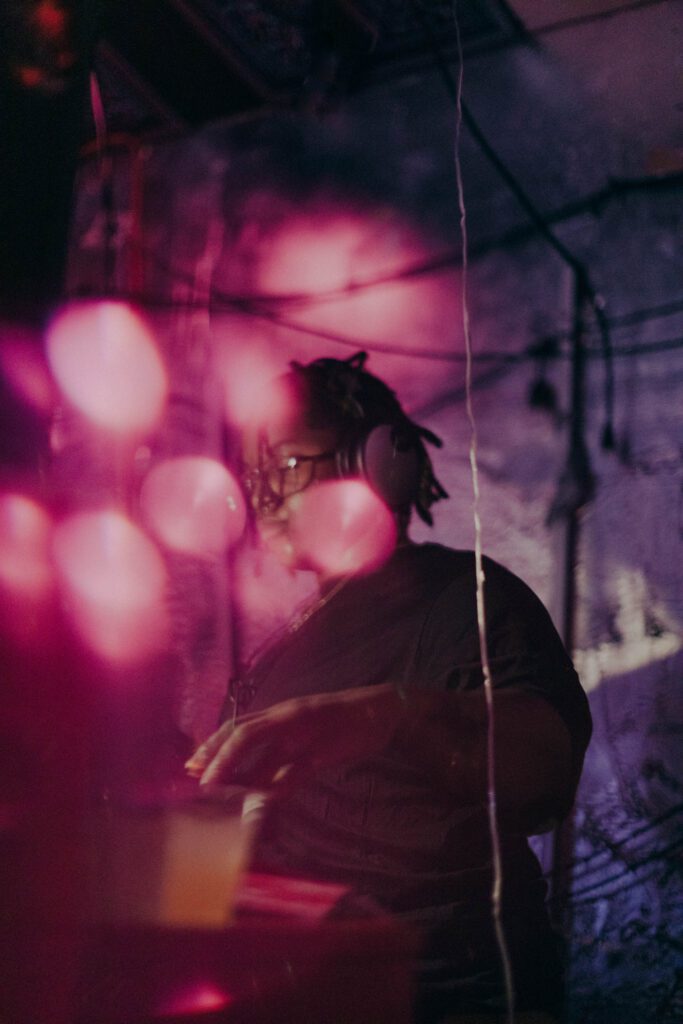
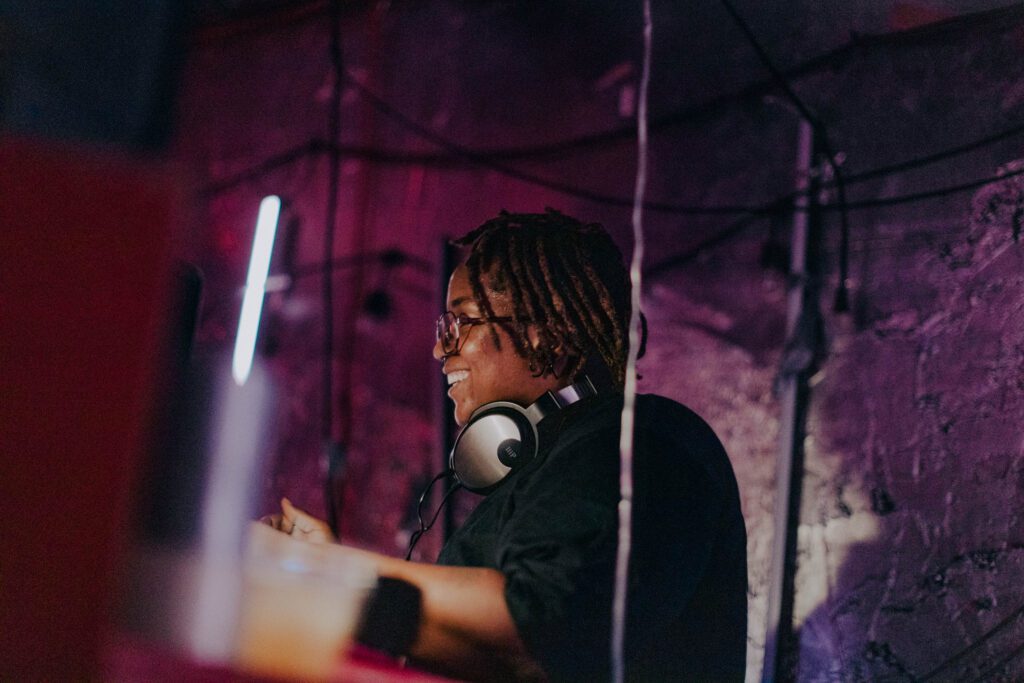
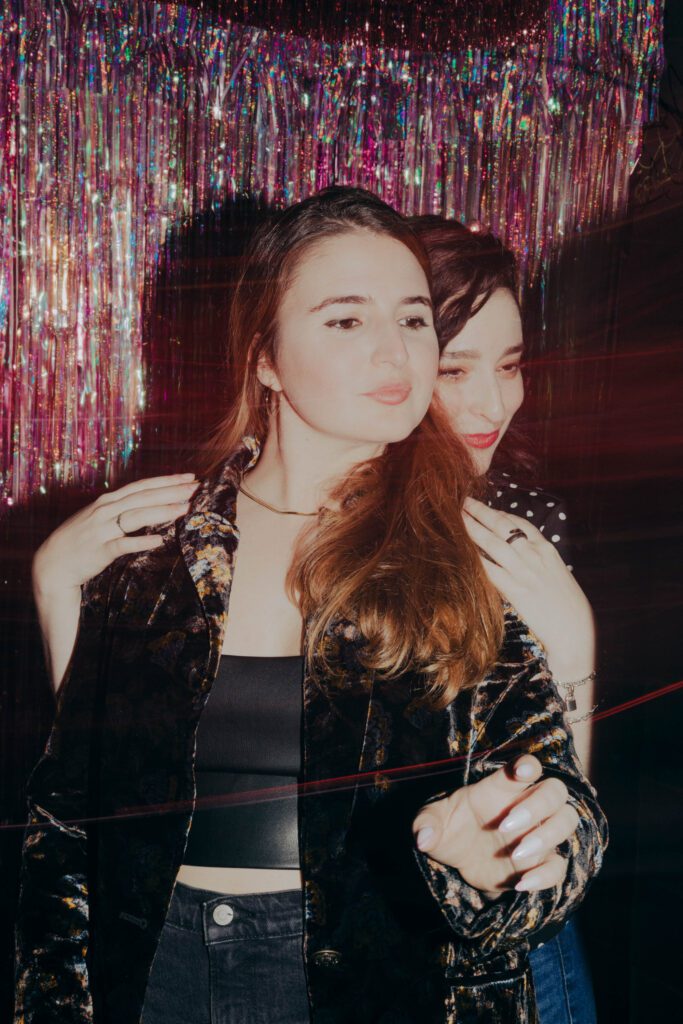
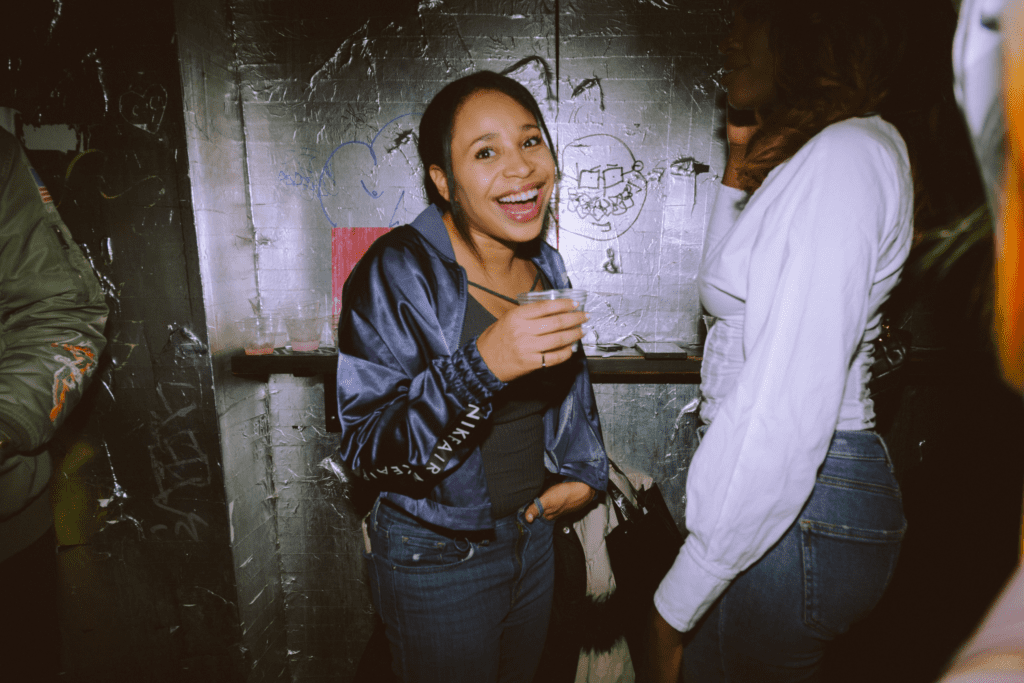
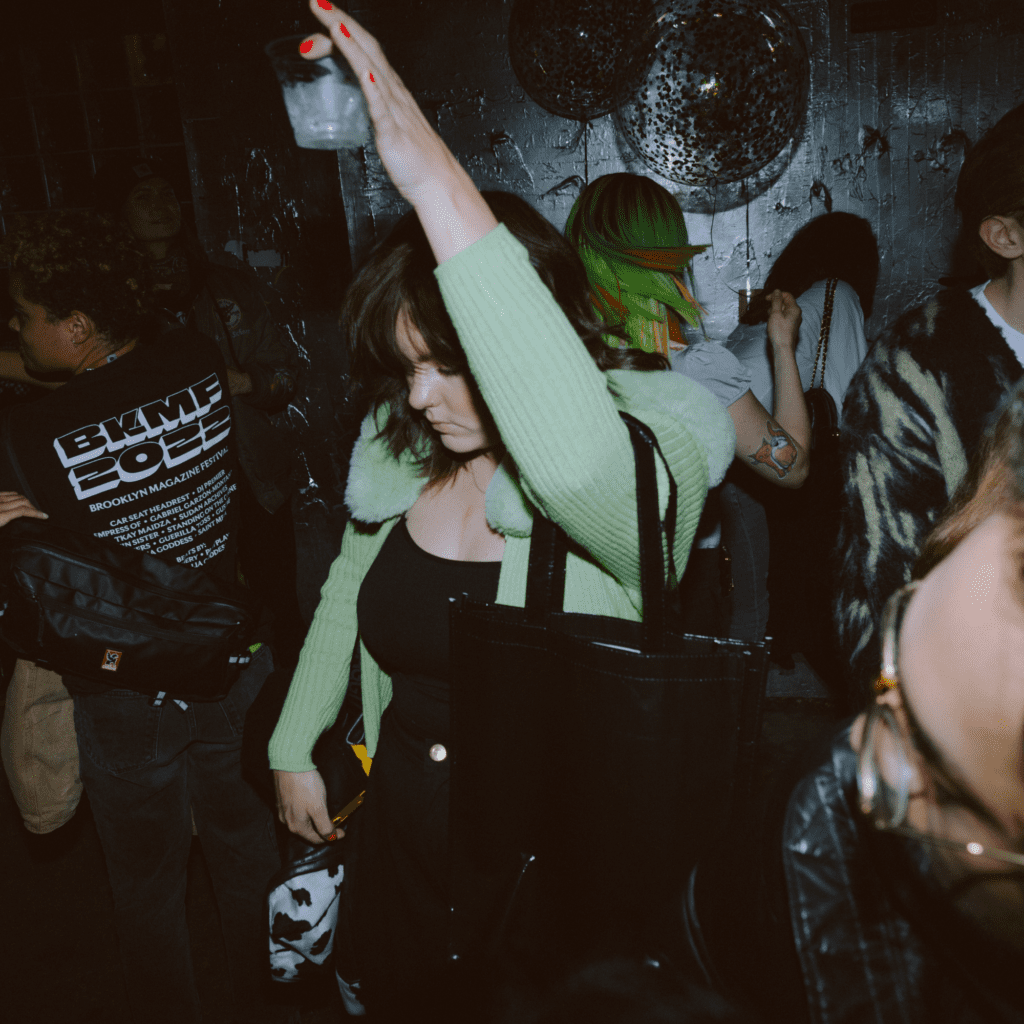
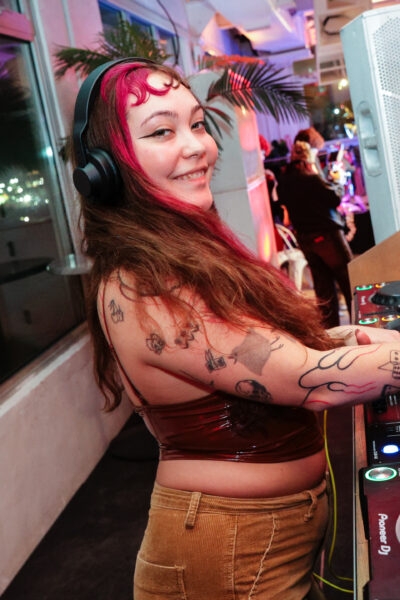
A birthday party for Audiofemme’s 10 Year anniversary, featuring DJ sets by Kristine Barilli & Chocolate Chaös. Photos by Alyssa Lester & Bridget Badore.

MUSIQUE BOUTIQUE: Big Joanie, Eszter Balint, Dawn Riding

Welcome to Audiofemme’s record review column, Musique Boutique, written by music journo vet Gillian G. Gaar. The last Monday of each month, Musique Boutique offers a cross-section of noteworthy reissues and new releases guaranteed to perk up your ears.

Four years after their great debut album, Sistahs, Big Joanie is back with a new release (Back Home) on a new label (Kill Rock Stars). The London-based power trio (Stephanie Phillips, guitar; Estella Adeyeri, bass; Chardine Taylor-Stone, drums) kick off the album with the dreamy richness of “Cactus Tree,” described as a gothic folk tale, set to a roiling rush of sound and an incantatory drum beat. “Happier Still” is a churning alt-rocker (the band cites Nirvana as one of their influences) about hanging onto your sanity by pushing through the darkness to the light. “Taut” has the relentlessness of a metronome in its dissection of a relationship, as the guitars lay down a decisive beat.

A song like “In My Arms” explores the push-pull of wanting to be close to someone you’d like to push away at the same time. There are actually two versions of the song: one skips along like a pop tune; the other, a reprise that features declamatory drum beats straight out of the Ronettes’ “Be My Baby,” with a slower, more sultry delivery that makes the song a different kind of cool. This is a group looking to make waves in more ways than one; as Taylor-Stone told NPR, “We started this band because we wanted to be in a band where we can just be Black girls who are weirdos, and now we can… it’s about creating new norms for people, and we’re really proud to have created those spaces.” And in case you’re wondering, the group is named after Phillips’ mother.

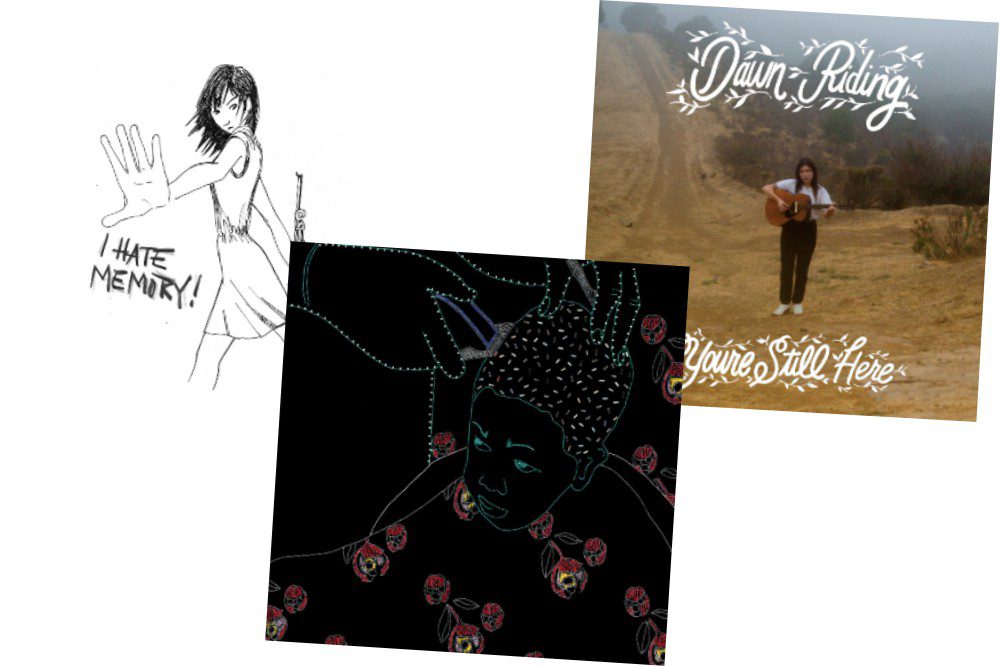
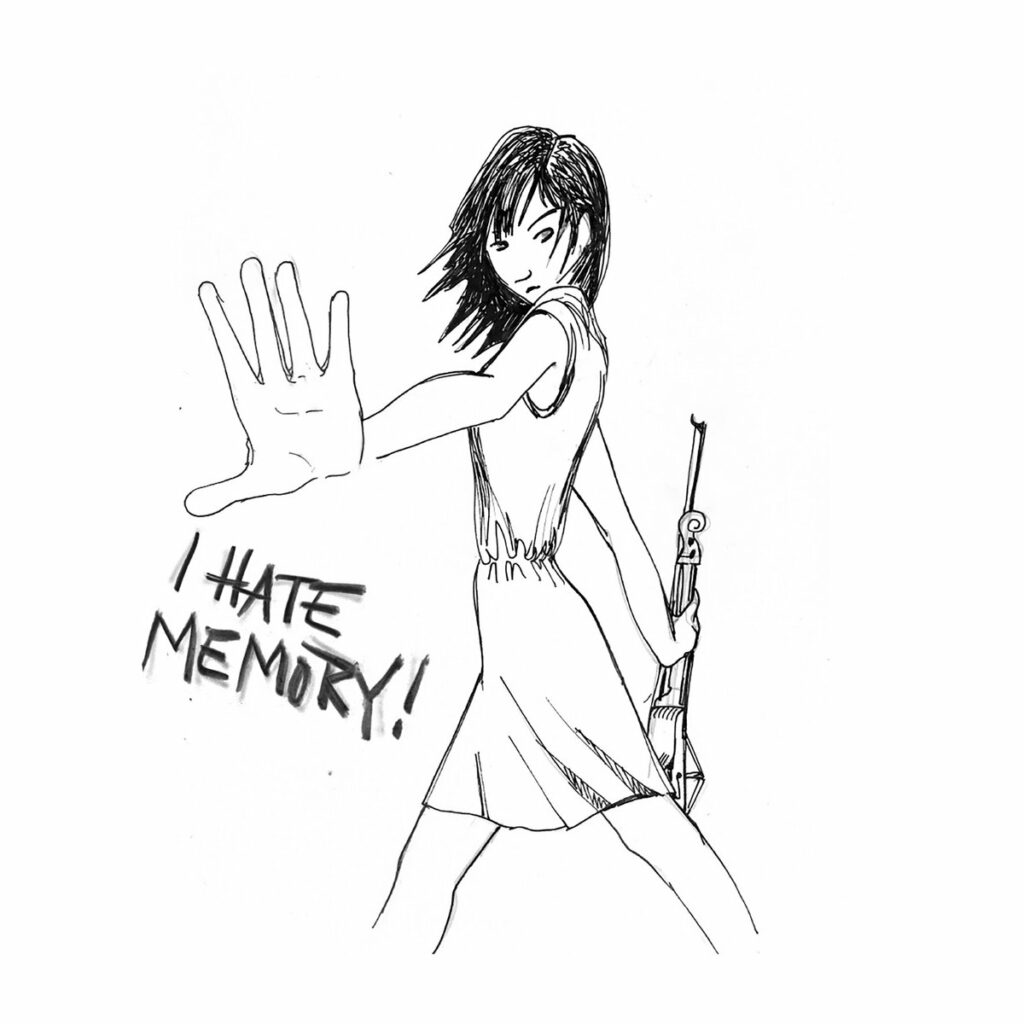
Eszter Balint was introduced to American audiences via Jim Jarmusch’s 1984 art house classic Stranger Than Paradise. She calls her latest album, I Hate Memory! (Red Herring Records) “an impressionistic travelogue,” that charts her early years, when she left communist Hungary for New York City in 1977, along with her parents. The city proved to be fertile ground for a family that ran an avant-garde group, Squat Theatre, and Balint’s home was transformed into a theater space and music venue, where the likes of Nico, Sun Ra, and the Lounge Lizards passed through. Balint ended up making her recording debut playing violin on “Beat Bop,” the classic hip hop track by Rammellzee + K-Rob, produced by visual artist Jean-Michel Basquiat.

Balint collaborated on I Hate Memory! (which has also been staged in New York), with Stew (Mark Lemar Stewart), the musician and playwright who headed up the band Stew & the Negro Problem. You can trace the storyline from the song titles (“Before America,” “The First Day,” “Campfire at the Chelsea”), and the music ebbs and flows with the pulse of the city’s streets. “Art Bodega Nation” has a nervy energy (“You want to make it in America? You don’t advertise, you don’t eat!”), “After the Party” is the piano-based chill down, “Second Avenue” is a laid-back distillation of the sights and smells of the neighborhood. Overall, a beguiling trip down memory lane.

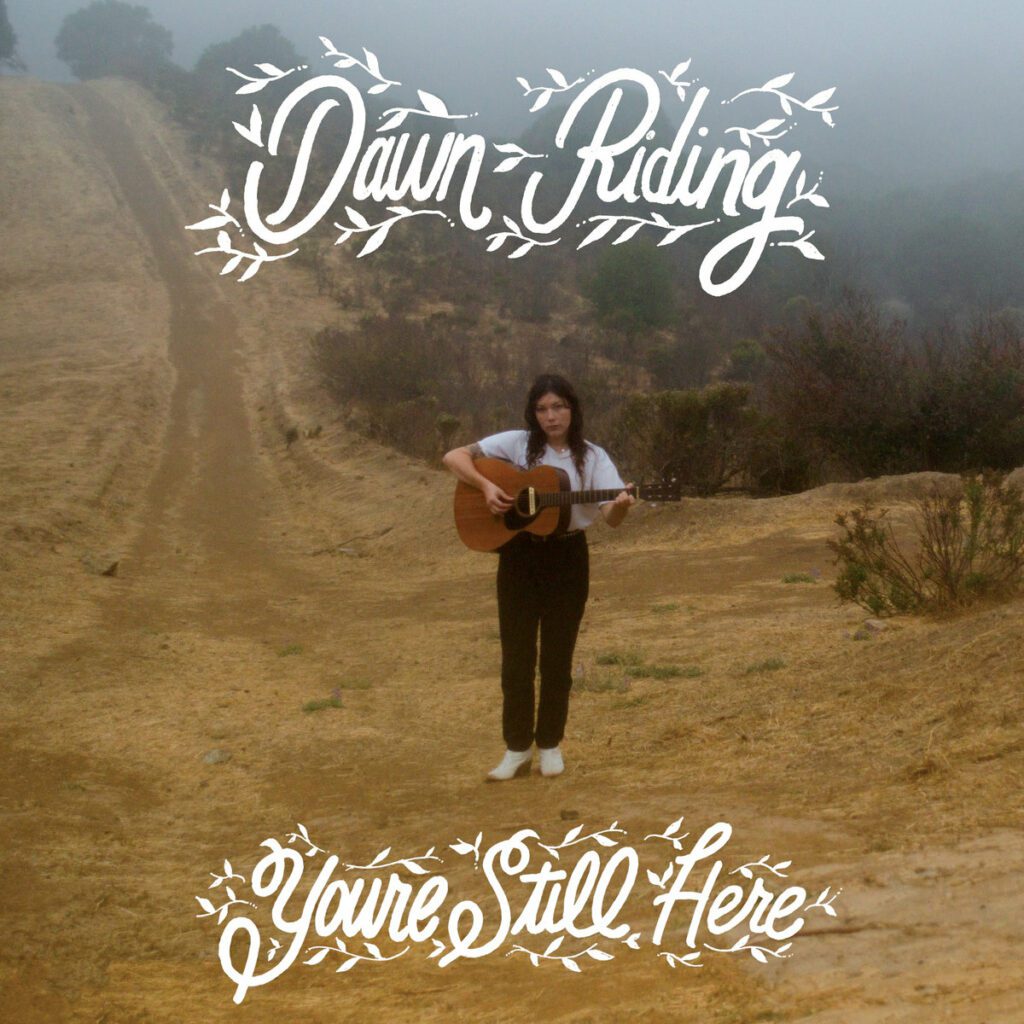
There’s a deceptiveness to You’re Still Here (The Long Road Society/Speakeasy Studios SF) by Dawn Riding (the name that singer/songwriter Sarah Rose Janko uses for this particular musical project). The opening track, “9 Lives,” starts out quietly, almost dreamily, yet if you listen to the lyrics, Riding’s calm vocal details a somber tale of a self-destructive relationship. “That was one of my nine lives; he nearly took me out,” she sings matter-of-factly, before moving on to the devastating coda: “But I moved on down the line/And now it’s just a thing I sing about.”

Similarly, “Beautiful and Dangerous,” set to delicate acoustic music, is a portrait of an enigmatic woman who’s “pretty as the lightning in the Midwest, cracks the sky in two,” an ethereal presence filling the narrator jointly with awe and trepidation. “Hold On” crackles with ominous undertones, Janko’s distorted vocals adding another spooky element as a nighttime ramble takes a surreal turn; are you holding on to be rescued, or to be pulled under? “Change in Tide” is an elegy for a departed friend, with a trumpet line rising to send off a final farewell. “Luck Run Out” expresses yearning for escape. There’s a darkness to this music, and an underlying chill. But the empathy of Janko’s voice adds a welcome dose of warmth.

Drone Rockers somesurprises to Debut New Songs at Ronette’s Psychedelic Sock Hop

An immigration lawyer by day and mastermind behind Seattle ambient rock collective somesurprises by night, Natasha El-Sergany – born in Ireland, raised partly in the UK, and has lived throughout the U.S. – is not your average Seattle rocker.

The music of somesurprises is a unique combination of sounds from her various homes: the German rock and Brit-pop soundtracking her childhood in England; bands she loved while in high school in Florida, like Radiohead and Elliott Smith; the narrative songwriting and twang native to the American South where she lived in in her twenties; the DIY ethos she’s devoured while living in Seattle for the last 12 years.

All of El-Sergany’s moving around—and the connection between the bandmembers—impacts the distinctive, drone-heavy amalgamated sound of somesurprises. They’re first on the bill at Ronette’s Psychedlic Sock Hop this Saturday, November 5th, followed by Purest Feeling from New York City, American Culture from Denver, and Tomten.

Somesurprises, which includes El-Sergany on vocals, guitar, and organ, Josh Medina on guitar and synth, Nico Sophiea on drums, and Laura Seniow on bass, began as a solo project of El-Sergany, who is self-taught on her instruments and wrote her first song at the age of 14.

“I [started] on the keyboard and and then I started playing guitar because I visited my cousin… and she had a guitar,” says El-Sergany. “She taught me some chords and I learned, like, Coldplay songs. And I was always really into the experience of listening to recorded music when I was growing up. I remember having a cassette player in England – I had this like ’60s compilation that had some Beatles songs on it. Just listened to it on repeat all the time.”

For El-Sergany, songwriting and playing music has been a constant since early childhood, though she didn’t study it in college. Instead, she studied creative writing and pre-med and then shifted to law, which is what she does now.

Nine years ago, after graduating college in Florida and living briefly in the Carolinas, Virginia, and Georgia, El-Sergany fixed her eyes on Seattle — both because it had work opportunities in law and because it had a buzzing DIY music scene.

“When I came to Seattle, I… quickly formed a noise trio with a couple of musicians in the noise scene. And then decided I wanted to focus more on writing songs. I wanted to just like work by myself for a while,” says El-Sergany. “That’s when Josh [Medina] and I met and formed the ambient duo.”

They called their duo somesurprises, and put out a tape called serious dreams in 2017, which showcases music that resembles the current incarnation of somesurprises, but more stripped down. From there, El-Sergany and Medina decided to bring in a bassist and drummer to round out their sound.

“What we’ve become together as a band is a combined intensity,” says El-Sergany. “None of us is like, depending on music for income or anything; it’s all just something that we devote time to out of love and wanting to make sounds that we want to hear.”

Those sounds include intense drones, ambient keyboard flourishes, and blurry, shoegaze-inspired vocals, which lean on a raw rock ‘n’ roll backbone. “We’re all into ’70s German rock bands, like Neu! and Harmonia, English psych-noise bands like Spacemen 3, and [artists like] Mazzy Star,” adds El-Sergany.

Though she writes many of the lyrics and early melody ideas, El-Sergany says somesurprises’ overall sound is the result of the combined vision and drive of the four members, who all happen to be August-born Leos.

“That’s something we joke about a lot,” she says. “Leos are supposed to be creative showmen, and also kind of shy at the same. I think that our strength is that we’re all leaders… that makes for an interesting dynamic [with] everyone really taking ownership of their parts [but] serving the whole.”

El-Sergany adds the band uses the music to process and explore certain emotional states, too, and that the often repetitious, drone-heavy nature of somesurprises’ sound comes from El-Sergany’s belief in “staying with” a challenging emotion until it can pass through you. It also comes from her obsession with certain fragments of songs and desire to hear them repeated—just like with that cassette tape from her childhood.

“Listening to, you know, more traditional pop and rock music and things like that I would always really love like… just a fragment of a song or like, I’d really be listening to one part of a song, in particular, and just like wanting to hear that over and over again,” says El-Sergany. “I guess it’s also… about holding on to a mood for long enough that it actually is identifiable.”

The mood of their most recent release, 2019’s eponymously named LP, is deep introspection. On songs like the eerie, orchestral “Sometimes,” El-Sergany sings, “Sometimes I only feel shame/But not always, not always.” Meanwhile, the more stripped down ballad, “Empty Threat,” touches on the relatable notion of wanting what’s not good for you.

“A lot of the songs are meditations on things that you’re not really supposed to say out loud, but once you do, you can look at [the emotion] and decide if that’s your[s] or if that’s someone else’s. [Do you] need to hold on to it anymore?” explains El-Sergany.

At Ronette’s Psychedelic Sock Hop in Fremont on Saturday, they’ll play some new tracks off a yet-unreleased record they recently recorded with Paurl Walsh and are shopping around to labels.

“I was working on a lot of this stuff totally isolated, and then brought it to the band… it continues to have the same spirit as our last LP [but] we’ve paid more attention to bringing the best out of each player,” says El-Sergany, adding that she hopes the record will come out in 2023.

Follow somesurprises on Instagram for ongoing updates.

MUSIQUE BOUTIQUE: Julie Driscoll, Robin Holcomb, Yeah Yeah Yeahs, Honey & the Bees

Welcome to Audiofemme’s record review column, Musique Boutique, written by music journo vet Gillian G. Gaar. The last Monday of each month, Musique Boutique offers a cross-section of noteworthy reissues and new releases guaranteed to perk up your ears.

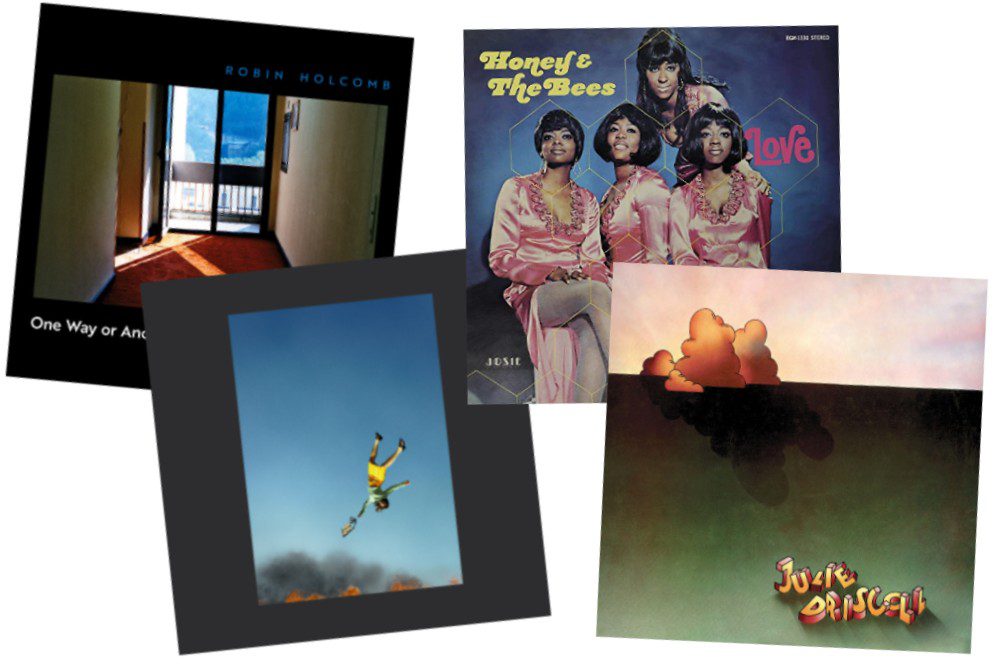
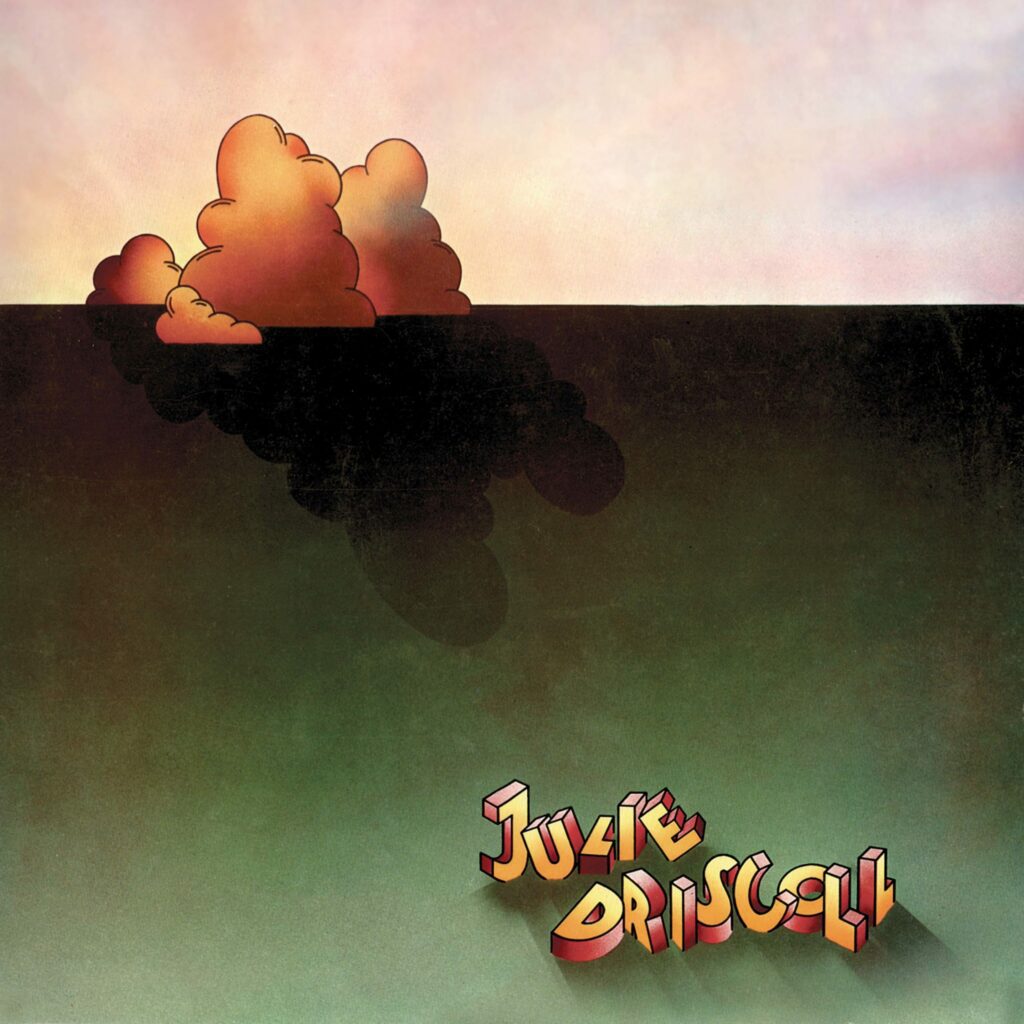
If no one told you it was a reissue, you might think that Julie Driscoll’s 1969 (Esoteric Recordings) was a new release — it sounds that modern. The British musician got her start in the blues band Steampacket, where she met Brian Auger, later joining him in Brian Auger and the Trinity (who just released the great Far Horizons box set last month, featuring Driscoll’s spinetingling cover of “Season of the Witch”). That group found success with songs like their cover of “This Wheel’s On Fire,” and also terrorized the Monkees. But Driscoll wanted something more meaningful than pop stardom, so she went solo, writing all the songs on 1969, working with her future husband Keith Tippett (though despite its title, the record wouldn’t be released until 1971).

There are folk-influenced numbers, like “Those That We Love” with its melancholy refrain “Yes, it is those that we love, who will always forsake us/And it’s those that love us, we will always forget.” The propulsive jazz-rock fusion of “A New Awakening” has an agitation that reflects the fear and excitement of charting your own course. There’s the beauty of the contemplative “Lullaby.” “Break Out” flirts with prog rock, Driscoll’s soaring voice matched by Jim Cregan’s equally expressive guitar solo. “Leaving It All Behind” tempers its description of recovering from an emotional blow by setting it against a horn arrangement of trumpet, sax, trombone, and oboe. But Driscoll’s striking voice remains the most mesmerizing element.

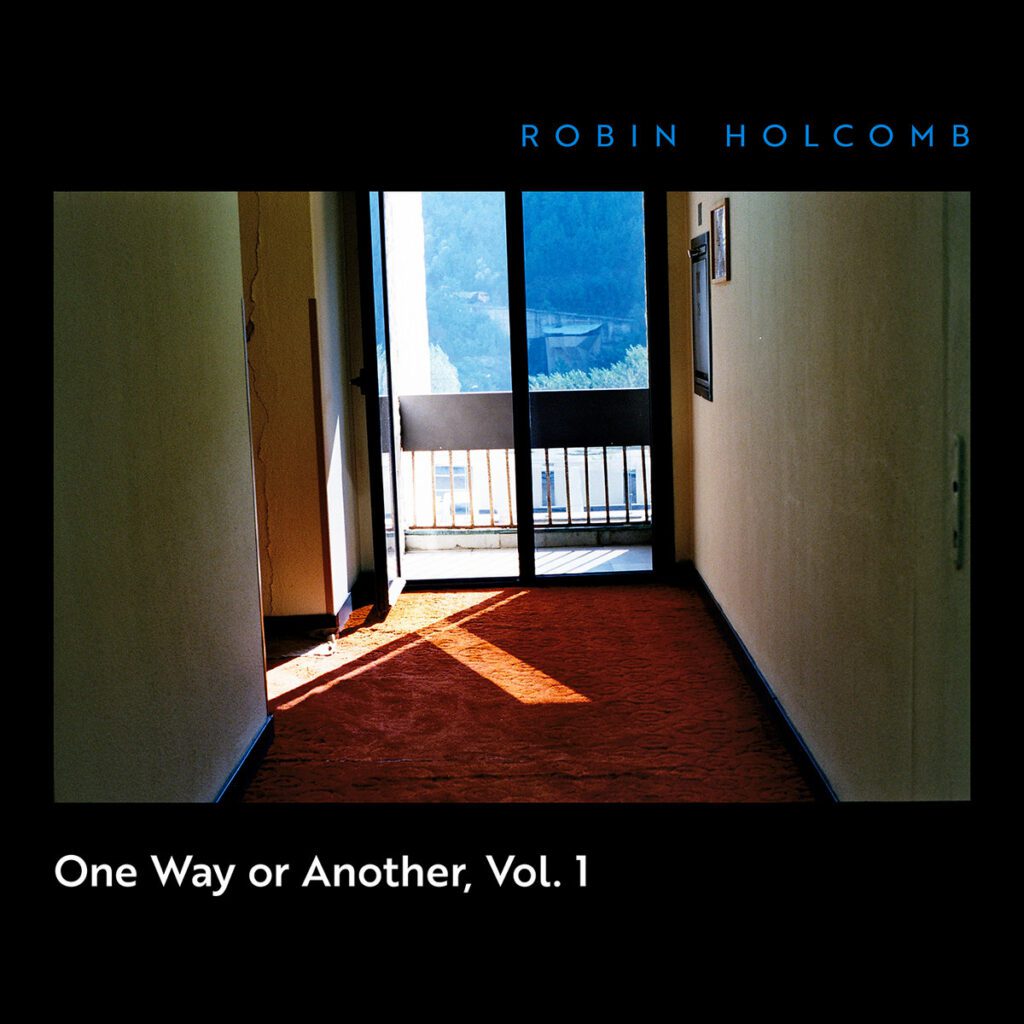
Musician/composer Robin Holcomb is known for her eclectic approach to music, moving from her classical training to avant garde jazz and hitting all points in between, eventually composing for orchestra, theater, and film, along with her solo work. One Way or Another, Vol. 1 (Westerlies Records) is as solo as it gets; just Holcomb and a Steinway grand piano, revisiting her back catalogue and throwing in a few covers, in a four-day session held at SnowGhost studio in Whitefish, Montana.  

The musical mood is lovely and serene, but the lyrics reveal there’s much going on beneath the surface, as in this couplet from “Once:” “Cheating hearts grow lonesome, you can always tell/Diamond earrings glitter from the bottom of the well.” As for the covers, Randy Newman’s “Shining” is a perfect choice, a quietly devastating number about the trap of domesticity. She transforms the R&B swagger of Lil Green & the Howard Biggs Orchestra’s “I’ve Got that Feeling” into something more ethereal and mysterious. And her version of Stephen Foster’s “Old Dog Tray” is a haunting meditation of grief that accompanies longevity. The album’s release is accompanied by a November tour.

Hard to believe it’s been that long, but yes, it’s almost a decade since the Yeah Yeah Yeahs put out an album (2013’s Mosquito). Those who wondered if they’d ever hear new material from the indie rock trio (Karen O, Nick Zinner, Brian Chase) were finally rewarded with the release of Cool It Down (Secretly Canadian). “Spitting Off the Edge of the World,” the first single and the album’s lead off track, opens with the gentle thump-thump of a drum before exploding into a lush synthesized landscape (with Perfume Genius putting in a vocal appearance, delivering the shimmering line “She’s melting houses of gold”).

The irony about this track that sounds so majestic is that it’s about the decay of the planet due to climate change. There’s a similar cast to other songs on the album, focused on the beauty that can be culled from despair. In “Burning,” the response to a melting world is one of rapture, of throwing oneself into a whirling, spinning dance as the music crescendos around you. The unfulfilled desire on “Wolf” sounds glorious, as Karen O pleads with you to run off into the wild with her. The taut, tight beats of “Different Today” echo its matter of fact observations about the sorry state of the world. Sounds to me like the perfect soundtrack for the roiling times of 2022.

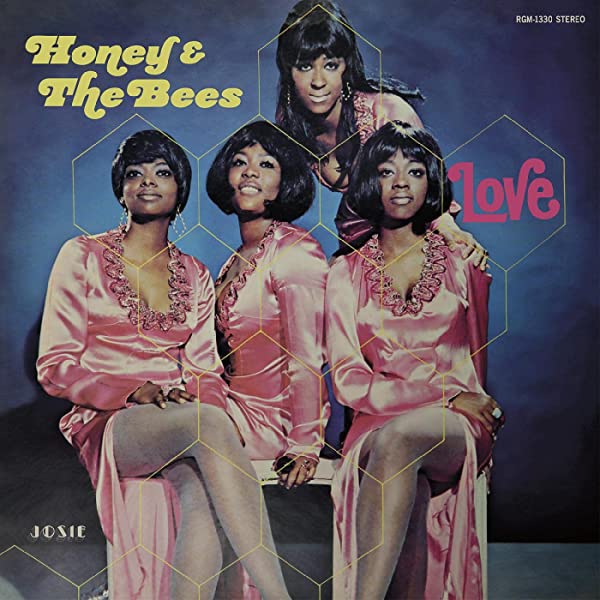
Real Gone Music resurrects one of the great lost albums of ’70s Philly soul with the release of Honey and the Bees’ 1970 album Love. The group is best known for their cover of “It’s Gonna Take a Miracle” (originally recorded by R&B group the Royalettes), a sweet slice of soul with gorgeous harmonies. Lead singer Nadine Felder has the kind of cool, clear voice that has her sounding in command even as she offers up a series of pleas, as in the songs “We Got to Stay Together,” “Make Love to Me,” “Please Have Mercy.”

The group had the further advantage of working with a number of people who’d go on to build the Philadelphia music scene into a powerhouse in the 1970s, including Leon Huff, who played piano on their records and later co-founded the Philadelphia International label with Kenneth Gamble and songwriter Thom Bell. With sophisticated arrangements of strings and horns, and a crisp remastering job, this marks the welcome return of a hidden gem. Released on (what else?) honey-colored vinyl.

Kebs Talks Skateboarding, Inclusion, and Her Debut LP with Punitive Damage

Photo Credit: Clayton Hebenik

Punitive Damage, a Pacific Northwest-based hardcore punk band formed in 2018, rips hard. With a raw ferocity and a merciless attack on their instruments, their debut full length, This is the Blackout, which drops on October 14th via Atomic Action Records, rages at our decaying system.

At the center of the Punitive Damage eruption is Seattle bassist and professional skateboarder Kebs, whose passion for skateboarding, music, and social justice adds heat to This is The Blackout‘s meaningful scorch.

A longtime Seattle resident, Kebs first began learning guitar and getting interested in punk music at 12, inspired by her older brother’s collection of Green Day and Nirvana CDs. At the time, she was also starting to skateboard, a sport she says helped nourish her interest in music even further – she always takes a Bluetooth speaker with her to the skatepark, so she can jam while she skates.

“Skateboarding and music are naturally intertwined,” says Kebs, who went pro for Meow Skateboards in October 2020. “People put out skate videos and they’re edited to music… like Modest Mouse or Built to Spill come to mind, being a kid of the Northwest. I learned of a lot of bands through skateboarding.”

Through her teens and early twenties, Kebs continued pursuing her interest in music, learning a variety of instruments, and skating. While she excelled at both, she was also meeting resistance, exclusion, and loneliness as one of the only girls grinding rails or stepping on stage.

“Sometimes I’m skating and… it will pop [into] how some dude was a dick to me at the skatepark when I was a little girl and I’ll say, ‘fuck that’ and try my hardest,” says Kebs. “So, I’m constantly pushing myself to do things that feel scary. To get up on stage in front of people that might be better musicians than me, or play after a band that was fucking killing it that has way more following. I’m reminding myself that I’m strong and can do it.”

The pushback she faced as a young person also motivates Kebs to be a voice for justice and equity in the skating community, which is notoriously dominated by men—not unlike some aspects of the music community. As executive director of the nonprofit Skate Like a Girl, she works to empower girls and trans people through skateboarding. She’s also involved with Consent is Rad, an effort working bring cultures of consent to skate communities around the globe.

“I would say, in punk and hardcore culture, ten years ago people were talking about rape culture and sexual abuse, allyship, and racism. Skateboarding is a little bit slower to pick up on that, so I’ve taken some of the things that I’ve learned from punk and hardcore and brought that to skateboarding,” explains Kebs.

Vice versa, she brings her fight for social equity to the hardcore punk scene and to Punitive Damage, which she joined in 2018 after playing guitar for a band called Lowest Priority.

“Because my work with Skate Like a Girl is about creating space for women and trans and queer people in skateboarding and skateboarding has a big culture of teaching people how to skateboard, I’ve done that in punk as well,” she says, adding that she’s helped teach friends to play instruments.

Since their formation, Punitive Damage—including vocalist Jerkova, guitarist Czecho, drummer Alejandro, and bassist Kebs—has put out a few short EPs, but this month’s 13-track This Is The Blackout marks the band’s first full-length. Sure enough, issues of social equity and inclusion are topics tackled across their releases so far, particularly through the lens of Jerkova, who writes many of the lyrics and is the daughter of immigrants.

This is The Blackout also takes on other aspects of a defunct and unjust system—with roaring, acerbic emotion and a dash of hope. Kebs’ favorite track on the album, “Big Man,” explores how we “can’t afford to live, can’t afford to die” in an expensive and exploitative world. Hard-hitting “Nothing” condemns the complacency of Boomers, and “Pure Bloods/This Is The Sixth Sunrise,” draws comparisons to the present moment and the Nahua creation story in Aztec mythology, which suggests a time of massive tumult may be a beginning, not an end.

As the album drops, Kebs is proud of the entire thing and her commitment to community that made it possible.

“I feel like you could listen to the whole thing and not get bored,” says Kebs. “I think for me, it’s empowerment—and even though shit is fucked up and hard, that collectively, all we have is us. All we have is our friends and communities and the fun we create.”

Follow Punitive Damage on Twitter for ongoing updates.

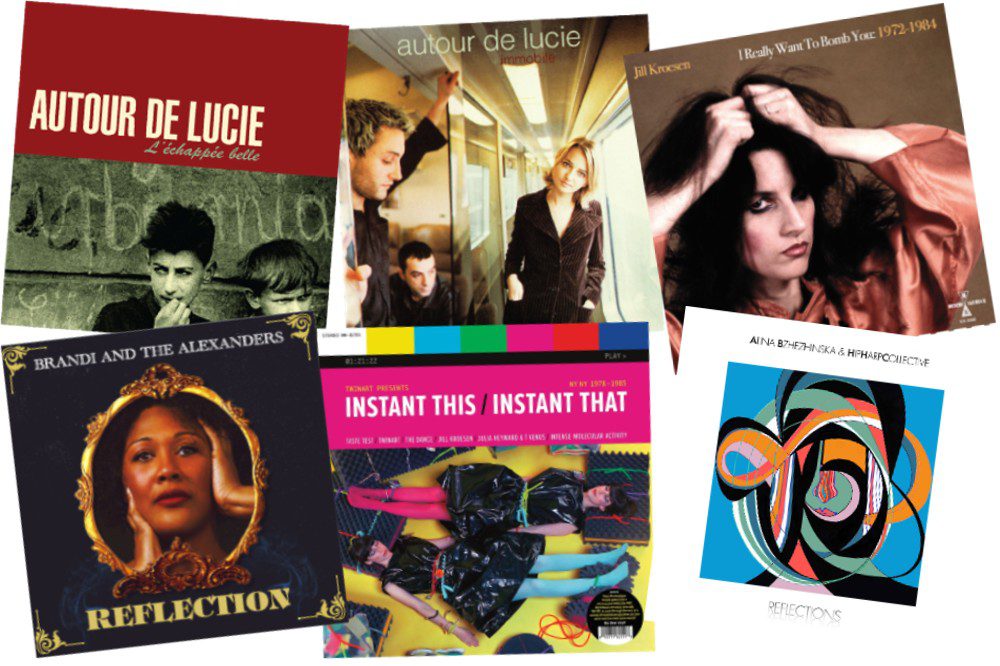
MUSIQUE BOUTIQUE: TwinArt, Jill Kroesen, Autour de Lucie, Alina Bzhezhinska, Brandi and the Alexanders

Welcome to Audiofemme’s record review column, Musique Boutique, written by music journo vet Gillian G. Gaar. The last Monday of each month, Musique Boutique offers a cross-section of noteworthy reissues and new releases guaranteed to perk up your ears.

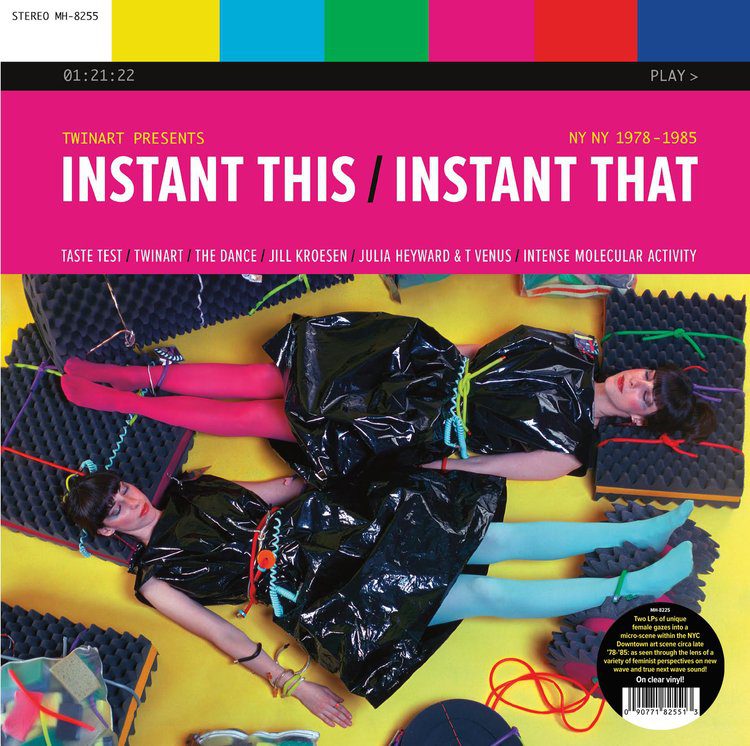
Coxsackie, New York-based rarities reissue label Sundazed Records (and their analog-cut from mono masters offshoot Modern Harmonic) have had busy month full of terrific releases, two of which focus on feminist alt-rock of the 1970s-early ’80s. TwinArt Presents Instant This/Instant That: NY NY 1978-1985 is a fascinating compilation that delves into the artistic goings on percolating in New York City’s Lower East Side at the time. It was the same fertile arts scene that Laurie Anderson, Ann Magnuson, and Sonic Youth would spring from, and these songs crackle with energy. The title track is a satiric ode to consumerism by Taste Test, a collective of visual artists and musicians, including the creative design team TwinArt (twins Ellen and Lynda Kahn) that curated the collection. Check out the song’s delightful video, the first of the numerous videos TwinArt would go on to make.

TwinArt’s own songs have a brittle edge to them. “Hands On Hands Off” is a great boundary-setting anthem (“Hands attack/You can attack back,” the lyrics warn), bringing to mind the likes of the Au Pairs, Delta 5, and Kleenex. “Double Shot of Love” is like a twisted version of the B-52’s “Love Shack.” Of the other contributors, the Dance lay down a potent groove in “You Got to Know,” and Julia Heyward has a tart sweetness as she delivers lines like “You’re so primitive/Eat the rich” in “Keep Moving Buddy.” It’s a great unearthing of long lost gems and previously unreleased goodies.

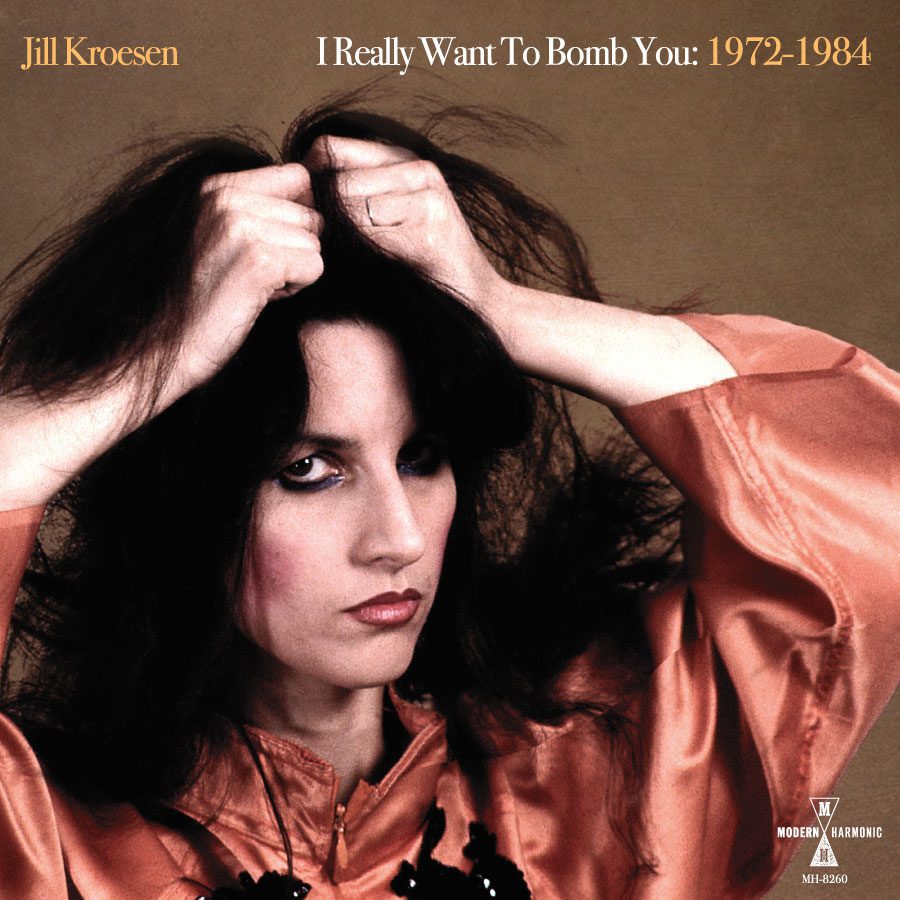
Jill Kroesen appears on Instant This/Instant That as well, and is also anthologized on her own album, I Really Want to Bomb You: 1972-1984. It vibrates with post punk/new wave/no wave fervor; all clattering disjointed edges, the snap crackle and pop of percussion, a braying honking saxophone. Then there’s her distinctive voice; alternately a stuttering monotone (“Wayne Hayes Blues”), a high pitch wailing like the cawing of birds (“I’m Sorry I’m Such a Weenie”), and a bluesy moan (“Honey, You’re So Mean”). As the song titles reveal, Kroesen has a wry sense of humor. She’s not above offering the occasional history lesson (“Alexander the Great,” “Napoleon”), and has a knack for cutting to the chase —as in the pithy “Fuck Off.”

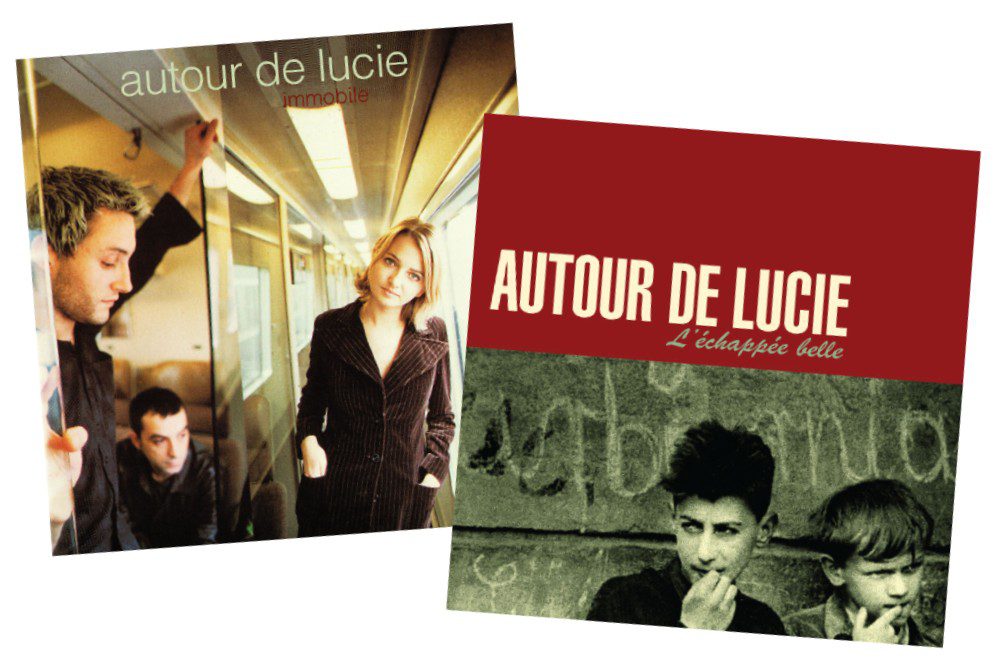
Finally, two albums by French act Autour de Lucie, L’Échapée Belle (“The Beautiful Escape,” 1994) and Immobile (1998), make their vinyl debut thanks to Sundazed. This is accessible pop rock that extends a friendly hand across the language barrier to draw listeners in. “L’Accord Parfait” is perfect for breezy bicycle rides. There’s a new wave intensity in the jagged guitars of “Selon I’humeur” coupled with the retro flavor of an organ, like a cross between Blondie and Booker T & the MG’s. The pretty English-language “Island” is reminiscent of Julee Cruise, if she were floating down the Riviera while sipping on something from a frosted glass. The short piano-based instrumental “Sagrada Familia” is an atmospheric film soundtrack in search of a movie. Valérie Leulliot’s perennially enticing voice is the icing on the cake.

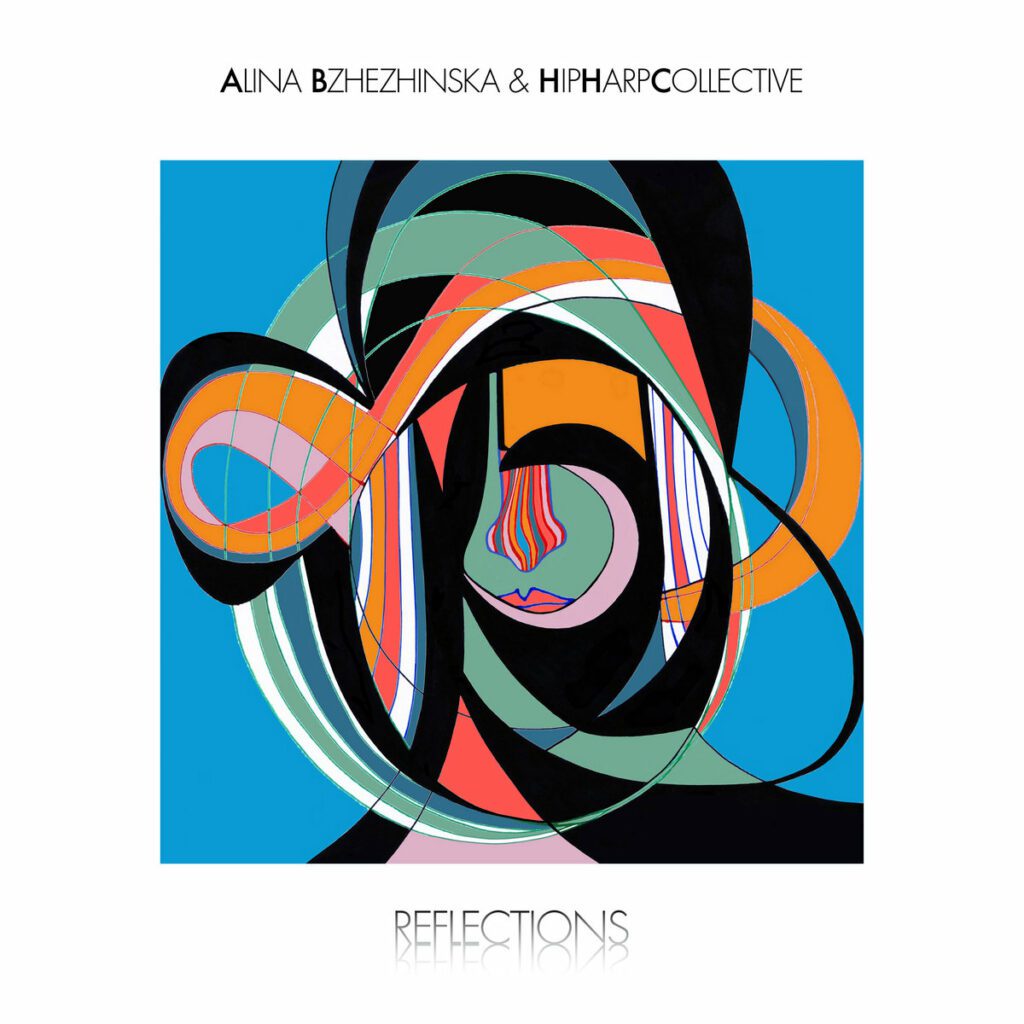
The harp isn’t an instrument you’d necessarily associate with jazz. But Ukrainian born, Polish educated, and UK-based harpist Alina Bzhezhinska (here’s her own video on how to pronounce her name) has made that leap, working with an ensemble she calls the HipHarpCollective. Their new album Reflections (BBE Music) will get you to think in a whole new way about the instrument. In “For Carrol,” a laidback beat underscores a mellow trumpet line by Jay Phelps that’s set against Bzhezhinska’s playful harp. The lively “Fire” adds Tony Kofi on saxophone to the mix, for an invigorating ride with plenty of twists and turns. That’s a danceable number, but most of the record offers music to chill out to, reflecting the disparate influences; Bzhezhinska cites Alice Coltrane, Joel Henderson, Dorothy Ashby’s “Afro-harping,” and the unmistakable pulse of triphop as the music that inspires her. Dip into a number like “Soul Vibrations” and let it spirit you away.

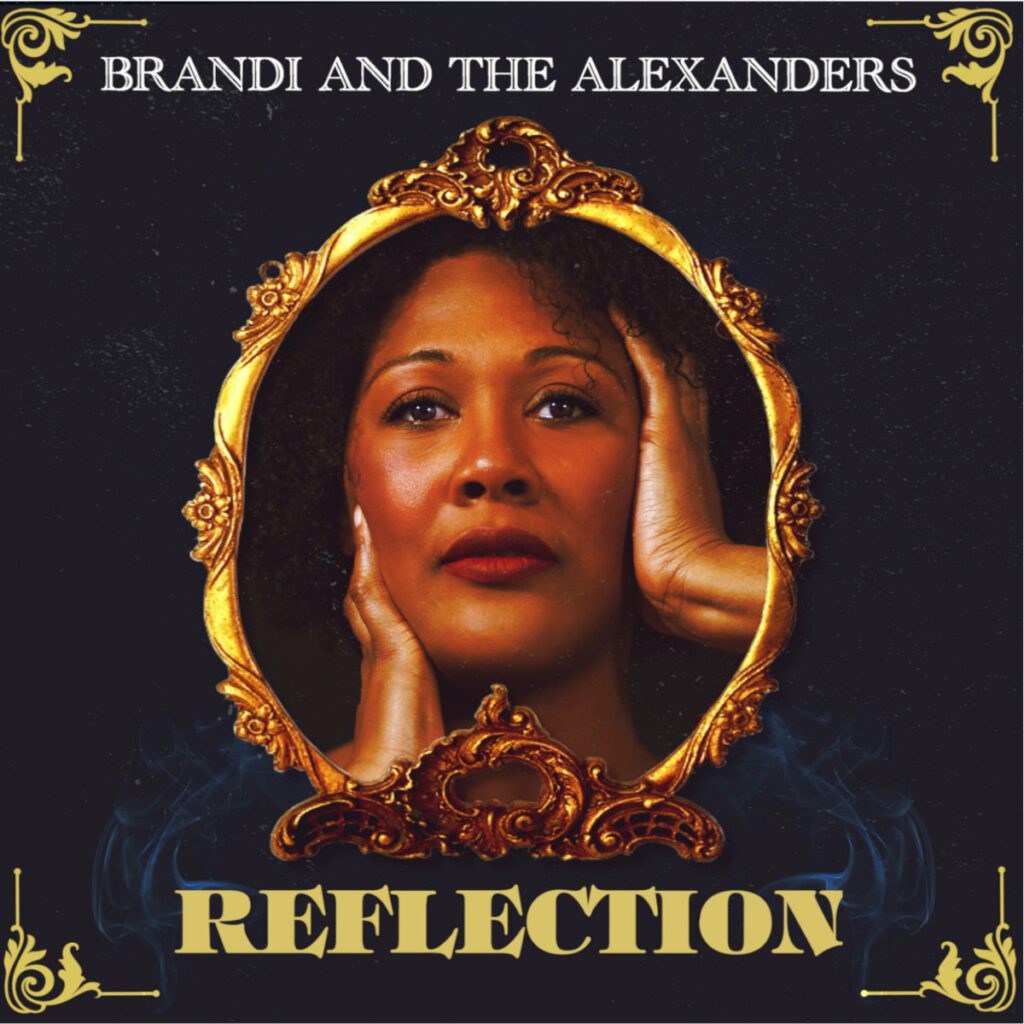
When Brandi and the Alexanders formed in 2014, they were an R&B covers band. But over the years they evolved into creating original music, citing legends like Aretha Franklyn, Lauryn Hill, and Isaac Hayes as influences. “Fire” is the lead off track from their new EP, Reflection (self-released), a powerful anthem written in response to George Floyd’s murder in 2020 and the protests that followed. “In chains, but you couldn’t keep us silent,” Brandi Thompson sings, in a song that’s a resonant affirmation of racial resilience. “I hope that a song like ‘Fire’ can be used to strike a nerve and inspire people to take action when something’s not right,” Thompson explained in an interview with radio station WFUV, and the song gets the job done as a perfect rallying cry.

Elsewhere, “Mama Told Me” is a smooth, cool track about dealing with the fallout from your parents’ break up and finding one’s inner strength. “Where You Belong” is a love song to an absent loved one, buoyed by picturesque lyrics like “Feel as cold and as empty as a steel drum in winter.” This is modern soul for troubled times, and it goes down very well.

Sam Quealy Re-Imagines a Wild Night Out in “Groovy Jungle” Video

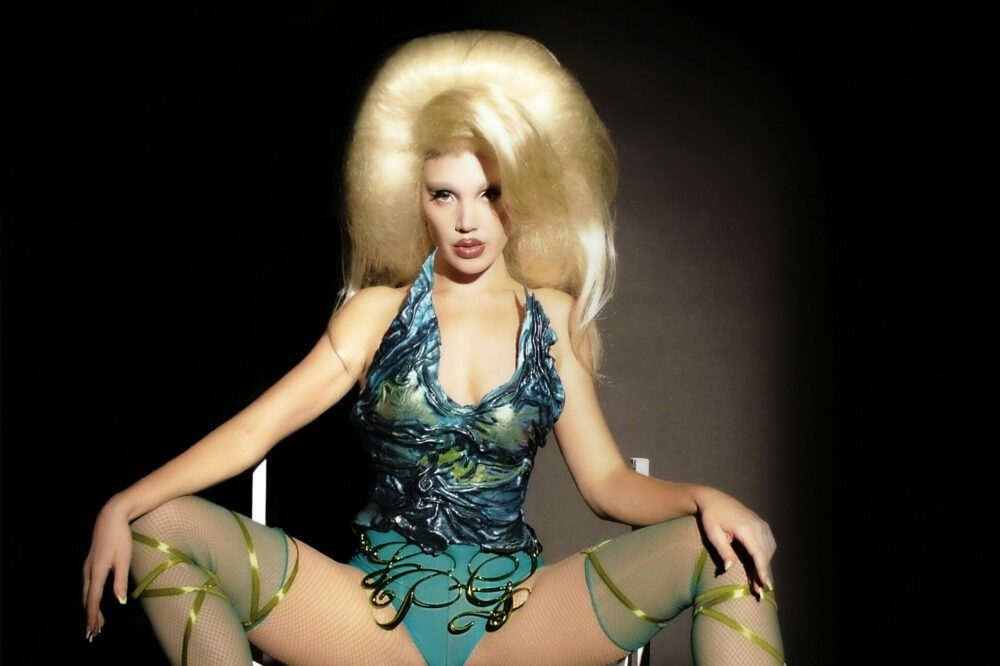
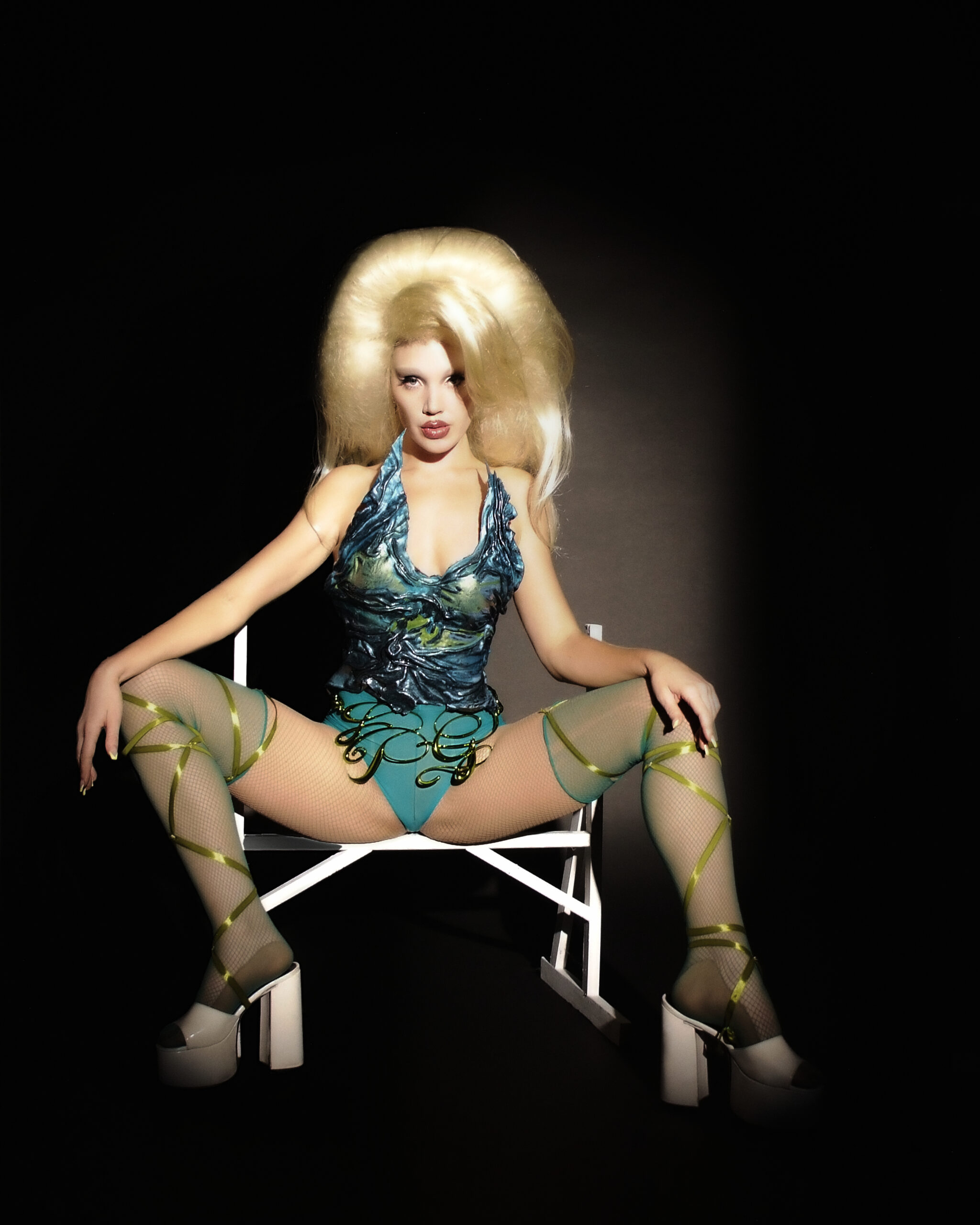
Sam Quealy in “Groovy Jungle” Credits: Creative director @alewm, photograph @wheresjd, styling @Annie_lavie, makeup @samanthalapre, hair @virginie_pineda

When we connect by phone on the Fourth of July, Sam Quealy is preparing to head back to Paris, where she has lived for the past four years, from Los Angeles. She’s been in L.A. for a week and change since the conclusion of her tour across the U.S. and Canada as opener for La Femme. In that time, she’s made two music videos, one for the single “Groovy Jungle,” which debuts today, August 31, and another for an unreleased track. Right now, though, she’s reflecting on the year that’s transpired since the release of her first single, “Sad Summer Daze.” 

“You’re always wanting to push yourself more and always thinking about the next thing, but it’s also really important to look back and and be proud of yourself as well,” she says. “It’s not just about trying to reach something.”

Quealy was born in Sydney, Australia and has lived in Hong Kong, the Philippines and the United States before her career as a dancer took her to Paris. “I was working in French cabaret, doing can-can,” she says. “Then I felt a bit restricted by the lifestyle of being a professional dancer and always doing the same show over and over and over again. It’s amazing, but I felt like I needed to be more in charge and that I had more to say, so I started writing music.”

Specifically, Quealy began making music that reflects her background in dance. Her style is eclectic, a mishmash of house, techno, hyperpop and ‘00s-style electropop all designed to make you move. “The dance aspect definitely is a big part of my performance and also my writing process in a way,” she says. “When I was choreographing dances, there’s a certain rhythm or a certain thing that I imagine should happen there in terms of accents and stuff in the music.” She approaches writing and making music in much the same way. 

For her most recent single, she dives into a deep house sound and themes of inclusivity. “I wanted to imagine that there was somewhere that you could go where they weren’t discriminating people and you had to walk through this jungle and it was just good vibes, queer-friendly, everybody there is on a good hippy vibe and this was a groovy jungle,” she says. “It’s just a sexy fun song.”

Lyrically, she has a knack for mixing sly social commentary and humor in a way that recalls artists like Peaches, Chicks on Speed and Miss Kittin. It’s a talent that’s most obvious on tracks like “Klepto.” 

“I wanted to make fun of consumerism,” she says. “We think that we need all this shit in our lives that really is so unimportant.” The character in the song was inspired by Winona Ryder’s shoplifting incident back in the early ‘00s. “She’s a famous celebrity, but she has this desire to steal something, whether it’s for attention or a rush of life,” she says. “I thought this was a really interesting concept, so I wrote that song ‘Klepto.’ This is one of my most favorite ones to do. It’s a joke, but it’s also a bit dark.”

It didn’t take long for Quealy to go from releasing her first single to embarking on her first North American tour. But, introducing herself to new audiences has had its challenges. “They don’t know who you are. They didn’t buy tickets to see you. So, you come out and they’re a bit cold,” she says. “They see me. I’m very Barbie-looking-ish. They’re probably like, we’re not going to take you seriously. Then, I prove to them, no, I’m fucking talented, I have something to say and you’re going to pay attention and listen. By the end of it, they’re jumping up and down screaming. I convert them.”

I walked in on Quealy just a few minutes into her opening set for La Femme at Los Angeles venue The Belasco and the crowd was already converted. They danced closer to the barrier between the floor and the stage, clapped and shouted with approval. She brought the set to a rousing climax with “Seven Swords,” an unreleased song slated for inclusion on her forthcoming debut full-length, that she performed with sharp, warrior-like moves that conveyed a theme of “killing an old part of yourself and rebirthing a new one.” 

“The dance and the song need to co-exist,” Quealy says. “When we made this song, this is what I imagined it to be. Even on a bigger scale, when I did it in Paris, I had four guys in high heels and G-strings and we made an army to that song, with swords.”

It’s a dynamic performance that Quealy thinks of eventually expanding.  “In the future, I would love to have it with 20 other girls with swords, make it a really big army,” she says. “This would be epic. But, let’s see. Step by step.”

As it stands, Quealy has already done a lot within her first year of releasing music. She says, “I’m proud of myself that in one year, I managed to do all of that.”

Follow Sam Quealy on Instagram and TikTok for ongoing updates.

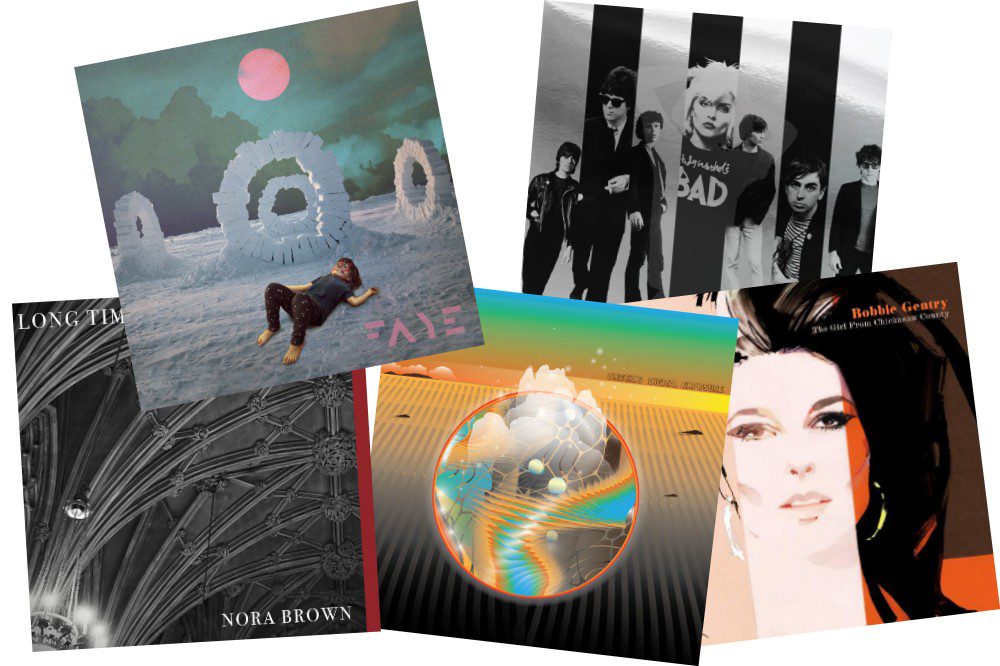
MUSIQUE BOUTIQUE: Blondie, Nora Brown, Faye, Dreckig, Bobbie Gentry

Welcome to Audiofemme’s record review column, Musique Boutique, written by music journo vet Gillian G. Gaar. The last Monday of each month, Musique Boutique offers a cross-section of noteworthy reissues and new releases guaranteed to perk up your ears.

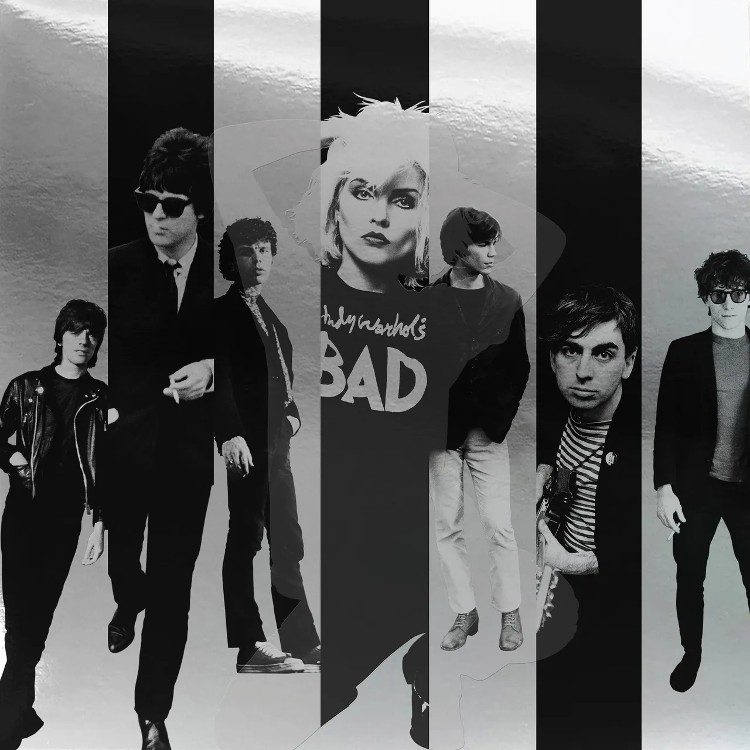
Blondie pulled off one of the greatest pranks in popular music. Their international smash “Heart of Glass” was one of the best disco songs of the era, an irresistible confection that had a bit of a tart edge (the line “pain in the ass” was enough to get the song banned from radio play on some stations). But the people who rushed off to buy the album the song was featured on, expecting more of the same, were in a for a big surprise. For Parallel Lines (1978) wasn’t a disco album at all. It was invigorating new wave, with sneering put downs (“Just Go Away”), celebrations of stalking (“One Way or Another”), and a speed-infused Buddy Holly cover (“I’m Gonna Love You Too”). As an unintentional bait-and-switch, it was magnificent.

Against The Odds: 1974 – 1982 (UMe/The Numero Group) is the box set that chronicles the band who brought new wave to the mainstream, from the grimy streets of New York City’s Bowery district to the soundtrack of The A-Team (the “Incident at Crystal Lake” episode, if you want to get specific). The box features the band’s first six albums in sparkling remastered sound. Their biggest hits are already etched in our collective memory, so it’s great to be able to dig deeply into the bonus material: a reggae-fied version of the Shangri-La’s “Out in the Streets;” the airplane tragedy of “Flight 45,” cut from Plastic Letters; various permutations of “Heart of Glass;” the garage rock trash of “Underground Girl,” and much more besides. Not to mention the accompanying 100-plus page booklet with scads of information, band interviews, and photos. It’s the first box set the band has ever released, and it’s a must have.

Nora Brown started playing music at age six, making her a virtuoso by her current age, 16. She specializes in traditional songs and homespun melodies from Appalachia, as performed on banjo. Her latest album, Long Time to Be Gone (Jalopy Records), has sixteen songs that are simple but affecting. You need skill to make an album that’s mostly instrumental be so engaging, and Brown is the kind of superb player that holds your attention throughout.

On a tune like “Miner’s Dream,” her playing is so expressive you don’t even notice the absence of lyrics. “Wild Goose Chase” has a rambling quality that brings to mind visions of geese tumbling over the hillside. Because most numbers are instrumental, it feels like an extra treat when she does sing, as on “Jenny Put the Kettle On” and “Little Satchel;” hers is a low, unaffected voice adding a light note to the proceedings. Her extensive liner notes are a bonus, relating the stories behind the songs. Brown is the kind of sure-footed musician that gets you excited about the possibilities of what she’ll do next.

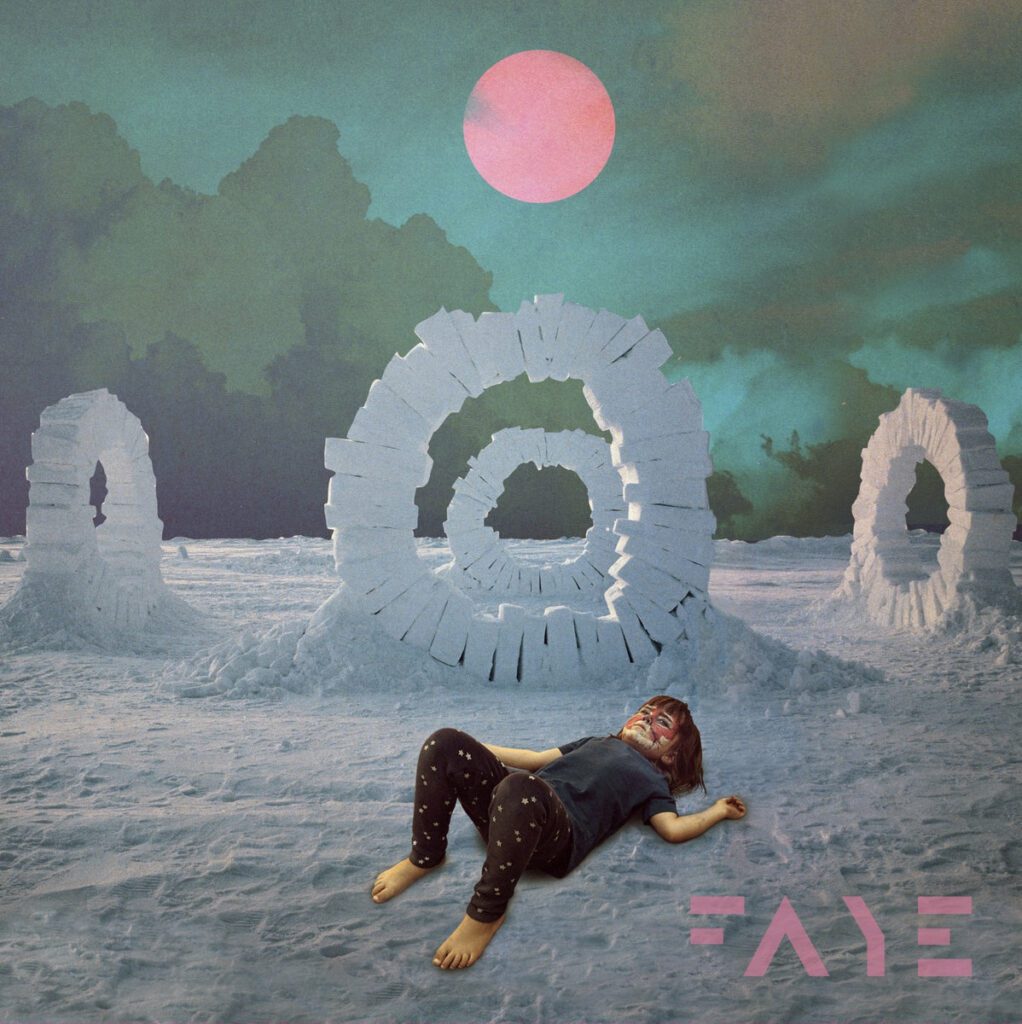
After recording an EP of what they called “first draft songs,” Charlotte, North Carolina’s Faye emerges with their debut album, You’re Better (Self-Aware Records). Faye’s core duo is Sarah Blumenthal (bass) and Susan Plante (guitar), mixing together their roots in, respectively, punk rock and classical music to whip up a batch of spunky indie pop (propelled by the drumming prowess of Thomas Berkau).

The lyrics are taut and at times disturbing: “I am the hand, you are the teeth” (“Teeth”), “Let me run my hot, dirty feet/All over clean sheets…” (“Dream Punches”), “I imagine life without a trace of this existence” (“Nag D”). But this isn’t an album of gloom and doom; the roiling power of the music sees to that. There’s a reason the power trio of guitar-bass-drums is so effective; it strips the music to its bare essentials, giving the songs a greater punch. Consider the closing song, “Mortal Kombat,” inspired by the misogyny Blumenthal and Plante have experienced as musicians. From a slow and almost somber start, the song suddenly lurches into overdrive as the two come into their own, singing “You’re in my head” as they admit about how toxic put downs can lodge in your head, and then delivering the kicker — “But I can sure walk away.” Holding their heads high, no doubt.

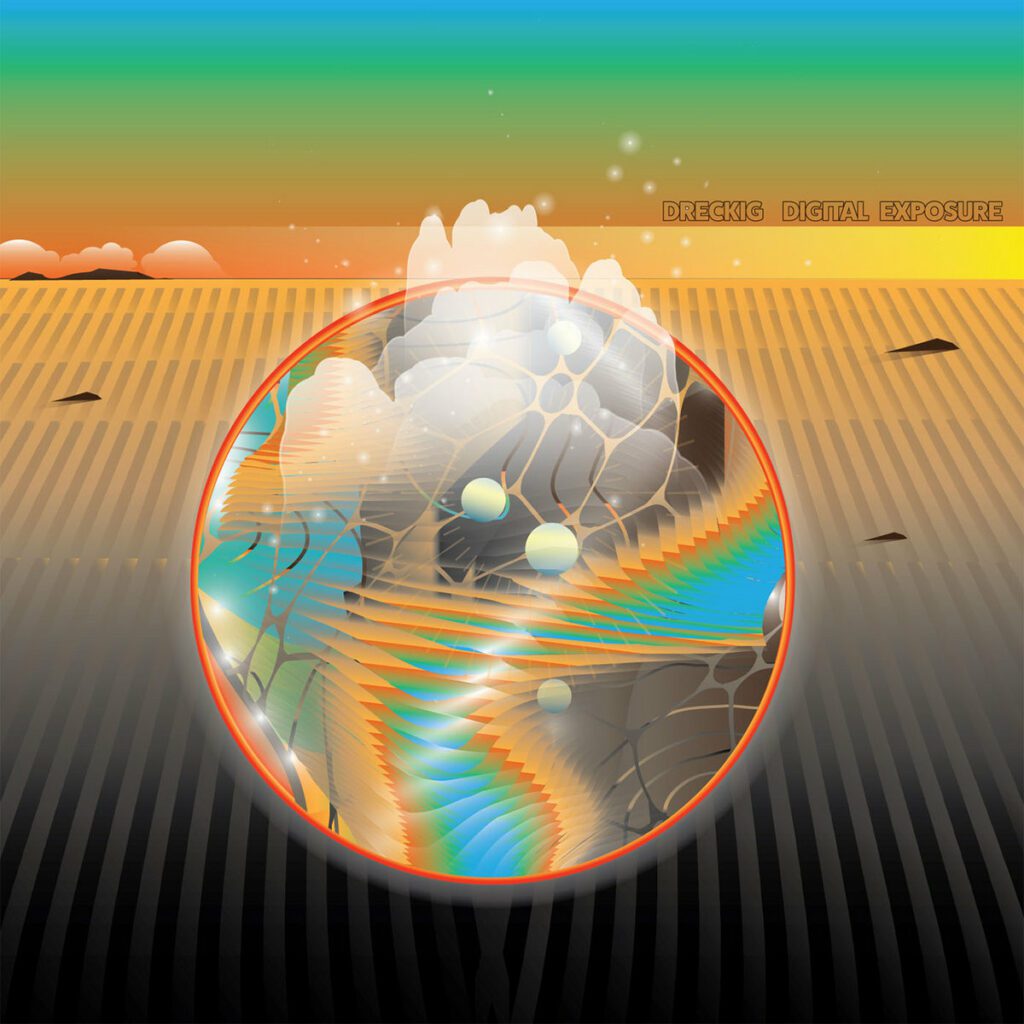
Dreckig (“dirty” in German), the Portland, OR-based husband and wife duo of Papi Fimbres and Shana Lindbeck, have created what you might call Latin Electronica on Digital Exposure (Broken Clover Records). The two sing alternately in Spanish, German, and English, and their voices aren’t the only organic sounds; the instrumentals “Dream Moon” and “Meaty Okra” feature lead “vocals” by a flute. There’s a light dreaminess to much of the music — the mood is more chill than high BPM — and songs like “Non Zero Sum” lull you into a blissful state.

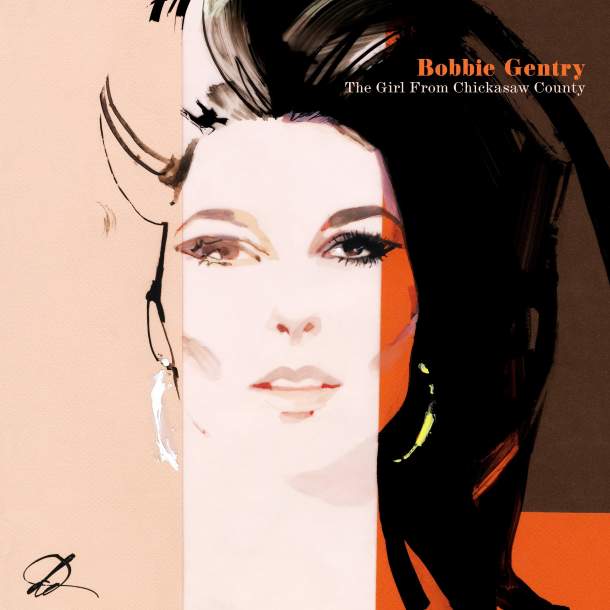
The 2018 Bobbie Gentry box set The Girl From Chickasaw County: The Complete Capitol Masters was rightly acclaimed for its insightful look at the singer/songwriter/producer whose accomplishments go far beyond the success of her signature song, “Ode to Billie Joe.” Those who didn’t want to spring for the box can now pick up the single disc drawn from the set, newly subtitled Highlights from the Capitol Masters (UMe). Check out the BBC versions of “Billy the Kid” and “Niki Hokey”/“Barefootin’,” the demo of “Feelin’ Good,” and the alternate version of “Mississippi Delta.”

Leeni Enters a Dazzling New Phase with Violet LP

When Seattle-based synth-pop artist Leeni shops for synthesizers, she finds herself looking at them and asking herself, “Are there songs in there?”

Sometimes, like magic, the instrument answers. Just a little play with a patch or a twist of the controls and suddenly, the instrument transports you into a new sonic realm.

That’s how it worked for Leeni’s new full-length, Violet, which dropped last Thursday. Her tenth release, Violet is a study of her new, expressive Prophet Rev2 synth, and a vivid portrait of the personal transformation she underwent during the pandemic isolation.

Leeni is the solo project of artist Celene “Leeni” Ramadan. Ramadan made her first-ever Leeni record on acoustic guitar in 2005, and then began teaching herself gameboy chip tune, a style of electronic music created through programming vintage video game consoles.

Leeni eventually became one of the only gameboy chip tune producers in the Seattle area, and it led her to eventually explore other types of synthesized music-making.

“I remember… buying a bunch of vintage drum machines and playing around with them and learning how to sequence and just kind of doing it by like trial and error because there wasn’t a lot of guidance,” she says.

After releasing a lot of chip tune work, including the 2007 full-length album 8-Bit Heart, Ramadan pivoted to her moody, ’60s pop-inspired band Prom Queen, where her focus remained for many years.

Then the pandemic hit. Isolated from her bandmates, returning to therapy after a long hiatus, and learning new production techniques in her new job for Prime video, Ramadan began pouring her emotions and newfound synth know-how into solo synth-pop.

“I had a studio and I would go there everyday and just work on whatever. I didn’t know what the hell was going on in the world, I just wanted to make something with whatever time I had,” recalls Ramadan.

In time, through the lens her new Prophet Rev2 synth, Violet was born. A dynamic and thrilling collection of expressive and skillfully-produced electropop songs, Violet explores Leeni’s renewed confidence in herself as an artist and producer, growing pains she’s experienced personally in the last couple years, and the beginning of a new phase in her life—an era she defines with the color violet.

On the album’s opening track, “Earthquakes,” Leeni’s lyrics explore this desire to escape the “little earthquakes” that arise in life—in her case, it’s a nod to Tori Amos’ first album, and to unhealthy mental patterns exacerbated by isolation.

“It also expresses a feeling that I was having at the time,” says Ramadan. “You think someone’s going to save you or like that if x happens I’ll be okay, but when you have these unaddressed patterns, the earthquake’s going to come.”

Likewise, on “Horizon,” a haunting track co-written and produced by Erik Blood, Leeni explores familiar feelings of distance, disconnect, and longing. “It touches on ideas about the exhaustion of prolonged hope without tangible gain,” she explains.

Aside from having used the album to help move through the difficult emotions of the pandemic era, the process of making (and sitting on) Violet helped Ramadan also better understand and embrace her creative process.

“I took so much time with these songs. I let them breathe. I wasn’t going to settle,” she says. “Sharing music is so vulnerable. I just really wanted to take as much time as [I needed] to build it right and to me all of that is confidence boosting. It is knowing that I could stand behind this work and say I absolutely cosign what I did on this record and can’t wait to share it.” She hopes to tour with Violet in the spring of 2023.

Through the emotional ups and downs of the album, there’s a real feeling of overcoming as Violet ends on its triumphant eponymous track. We’ve made it through something together—and for Leeni, who tends to demarcate phases of her life with colors, this record is a new beginning.

“I don’t have synesthesia entirely but… I have phases of my life that are different colors,” she says. “This [album] is a step into the phase of violet. It’s very harmonious, it’s regal, it’s dazzling, and to me it’s just grounded in harmony.”

Follow Leeni on Facebook for ongoing updates.

Taiwainese R&B Artist 9m88 Releases Cathartic Jazz-Influenced Sophomore LP 9m88 Radio

Photo Credit: Jac Chung Wan

One of the many miracles of music – good music – is its ability to transcend cultures, space, time and connect people from all walks of life. On her sophomore record, 9m88 (Joanne Tang) does just this. 9m88 (pronounced “Jo-m-baba”) is a Taiwanese artist who translates her love for jazz and R&B into her own iteration of the genre. Mixing Mandarin with English and traditional jazz with alternative R&B production, 9m88 Radio is kaleidoscope of sound, guided by Tang’s soft but confident vocals. 

Though Tang has been singing her entire life, she admits that songwriting – especially in English – is fairly new to her. After completing fashion school in Taiwan and moving to New York City to be closer to the industry, Tang realized she still felt called to pursue her love for singing and music. She was accepted to the New School as a jazz vocalist, and this is where her journey as a songwriter and artist began. “That was a really condensed moment of me trying to write some music, do some collaboration with people,” says Tang. “For me, songwriting is still really new. I’m still working on it, especially in English.” 

Influenced by icons like Erykah Badu, Stevie Wonder and Ella Fitzgerald, Tang possesses a melodic sensibility that breaks through regardless of the language. In “Sleepwalking,” Tang paints a sultry and light-hearted depiction of infatuation with bouncy vocals that feel akin to Ariana Grande’s “R.E.M.” In the chorus, she sings, “I am too hysterical/Got nowhere to go/Am I sleepwalking?” Her unexpected phrasing and blunt lyricism are a refreshing take on the archetypical pop R&B track. 

While the record is sprinkled with whimsy and romance in songs like “A Merry Feeling,” Tang welcomes the listener into the darker, more intimate parts of her psyche as well. “With this album, I started to be more reflective,” Tang explains. “Last year, I went through some heartbreaks and personal stuff… I thought maybe I should just document the sad feeling through writing songs and make it a healing session for myself.”

“Star” beautifully describes the pain of heartache while leaving room for hope and humor. In her glassy croon, Tang sings, “I cannot feel myself/And I just cry a lot/Me being pessimistic is cute as fuck” – allowing herself to lament a loss while loving herself at the same time. In the same, the lead track and single, “Watchu Gonna…?” finds solace in packing up and moving on. “In Mandarin, I wrote a lot of verses about tidying dishes, mopping floors… to show my statement of wanting to get rid of this messy stuff,” says Tang. The video shows Tang in an empty room, packing up the last of her ex-lover’s clothes, surrounded by her friends. “By dancing together, it feels like we are accompanying each other to get through something,” Tang says. 

As a whole, 9m88 Radio takes the listener through all the stages of heartbreak – anger, euphoria, sadness, regret and release. Tang’s portrait of love lost is a story we can all relate to, regardless of our native tongue.

Follow 9m88 on Instagram for ongoing updates. 
Dining Dead Bring Evocative Stranger Wages EP to Blue Moon Tavern

Sammy Skidmore and Emma Hayes, two born and bred Seattle-ites, first met and connected over their shared love of music at a local summer camp as seventh graders in 2006. Fast forward more than a decade later, and the two formed their group Dining Dead and released their multi-dimensional sophomore EP, Stranger Wages, which they perform at Blue Moon Tavern on Aug. 4th.

For Hayes, who grew up in Seattle’s Magnolia neighborhood, an interest in music was encouraged by her bass-playing dad, who played in a Beatles cover band. “My dad was really into music, so like, my first concerts were Elvis Costello at a winery and Queen at the Key Arena,” she recalls.

Skidmore, a native of the Green Lake neighborhood in Seattle, didn’t come from a musical family. Instead, she discovered rock ‘n’ roll by watching Josie and the Pussycats at six years old. After that, she asked for and received a guitar from her grandparents, and as she grew, began to take advantage of all-ages venues, like Vera Project, and other live music opportunities in Seattle.

“Yeah Vera Project was huge… for me. I was always going to Vera shows, and a couple DIY venues I don’t even think exist anymore… as a super young kid,” says Skidmore.

The summer before eighth grade, Skidmore met Hayes at a local summer camp. She recalls being drawn to Hayes’s Pixies band tee and woolen leg warmers. “We became friends, and she played guitar and so did I, so I thought that was super cool,” she remembers. “And she showed me a lot of cool bands. Like I remember she showed me the Pixies and the Ramones and I was like—wow, I’m obsessed.”

The two attended a few live shows together as preteens, including The Shins at Bumbershoot and Sound Off!—a battle of the bands for youth held annually at Seattle Museum of Pop Culture—before losing touch for a while.

After high school, Hayes stayed in the area to study at Seattle Central University and University of Washington. Meanwhile, Skidmore moved around—living in New York, Dallas, and Hawaii before returning to Seattle.

“When I moved back to Seattle about three years ago, I was like, who plays music?” says Skidmore. “Emma was like the only person I remembered from my youth that played music so I messaged her on Facebook [to see] if she wanted to jam sometime.”

Casual jamming quickly turned into writing some original material and playing at open mics nearby. Then, they added a bass player and drummer. Organically, Dining Dead—named for a quote in the movie Eternal Sunshine of the Spotless Mind—formed. In the years since, they’ve released January 2021’s Takeout EP, their debut full-length Medium Rare, which came out in February 2021, and now June 2022’s Stranger Wages.

Dining Dead creates reverby, moody and surf-informed alternative rock that at some points leans twangy Americana and at other points lo-fi indie. Blending the sounds of west coast and the American south wasn’t necessarily intentional, but a natural extension of the band’s history and sonic interests. Their bassist Shannon Barberry was born and raised in Tennessee, and Skidmore spent time in Dallas and Nashville, where she participated in a songwriting retreat and got into country music.

“I think it happened totally naturally, like Shannon definitely brings in some elements of that just from her own place but definitely happens naturally for me,” agrees Skidmore. “Living in Texas, I finally got exposed to country music in a way that wasn’t judgmental. I feel like in Seattle we’re like ‘oh, country’s so stupid,’ so finally listening to country and really being exposed to it in the country scene in Dallas was huge for me.”

For Skidmore, who does a lot of the band’s songwriting, the storytelling aspects of country and folk imbue Stranger Wages with a bit of southern hospitality.

The opening track, “Spaghetti,” for instance, brings a little spaghetti western to the table—as Skidmore tells the melancholy story of desire and wanting, punctuated with echo-y octave slides and twisty riffs on guitar, reminiscent of a guitar technique called a hammer-on more typically used in acoustic playing.

There’s also plenty of Seattle sounds on Stranger Wages, which Skidmore named after a mix-up with Social Security department called “Stranger Wages” forced her to wait more than six months for her unemployment money during the pandemic. Though the mishap gave her more time to write, tracks on the EP like “Gatekeeper” are saturated with the sort of aloof vocals and intense, building guitar you’d hear from MTV-unplugged Nirvana.

Though now gainfully employed at an art gallery, Skidmore, and Hayes, who’s a teacher, would love to make music their full-time gig—since it consumes their free time anyway.

They recently played their first-ever Capitol Hill Block Party, a popular festival in the Seattle area where many new and emerging bands get discovered and gain traction. Now, they’re playing two notable local shows—August 4th at the Blue Moon Tavern with with Ha Vay and August 12th with OH MY EYES and Zookraught at Conor Byrne Pub—in August, and the group is already planning and writing songs for their next project.

“We’ve already started writing new stuff. I’m always writing songs – it just kind of depends what makes it to the top and what we end up liking as a band,” says Skidmore. “We have some goals for the next project, so [drummer] Bogie [Pieper] and Shannon, the rhythm section, they’ll make the groove and then Emma and I are filling in on top instead of me coming with a completed song. That’s what we’re trying right now.”

Follow Dining Dead on Instagram for ongoing updates.
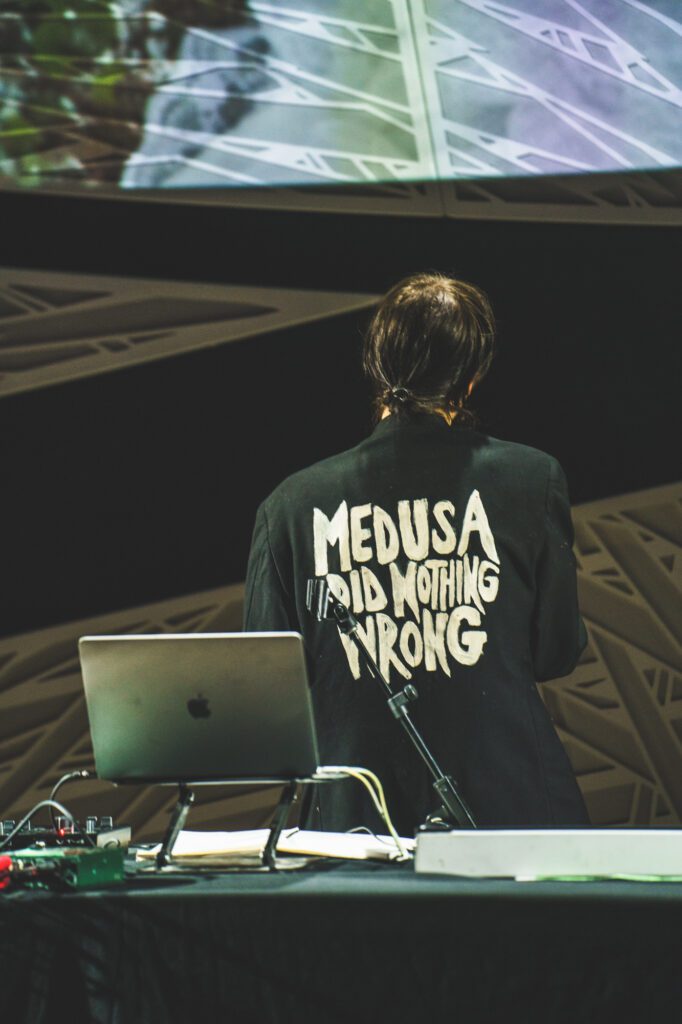
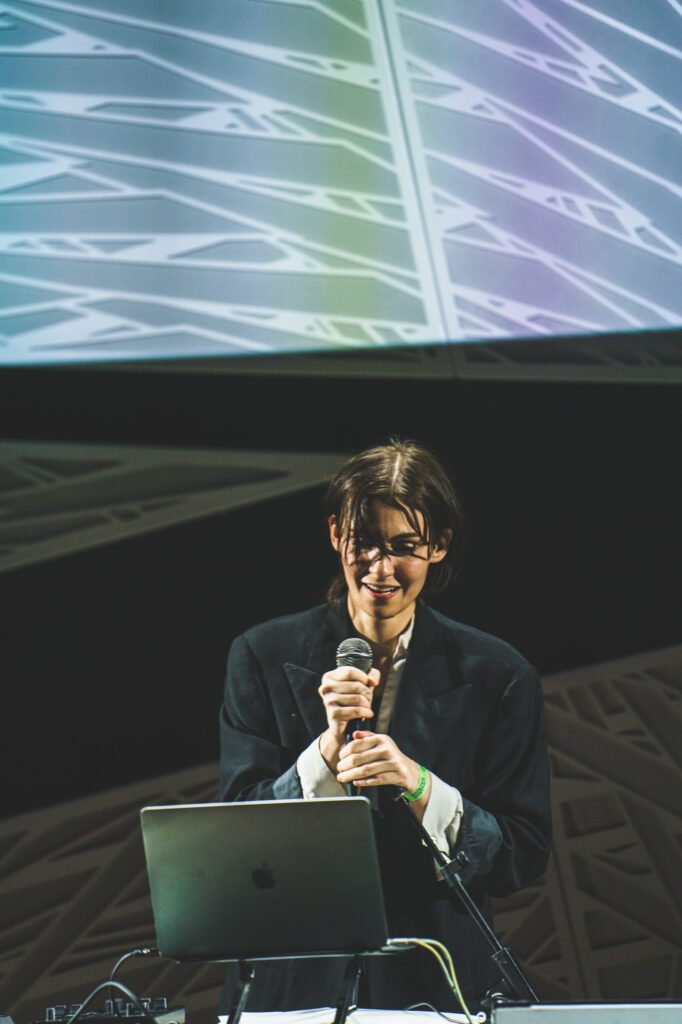
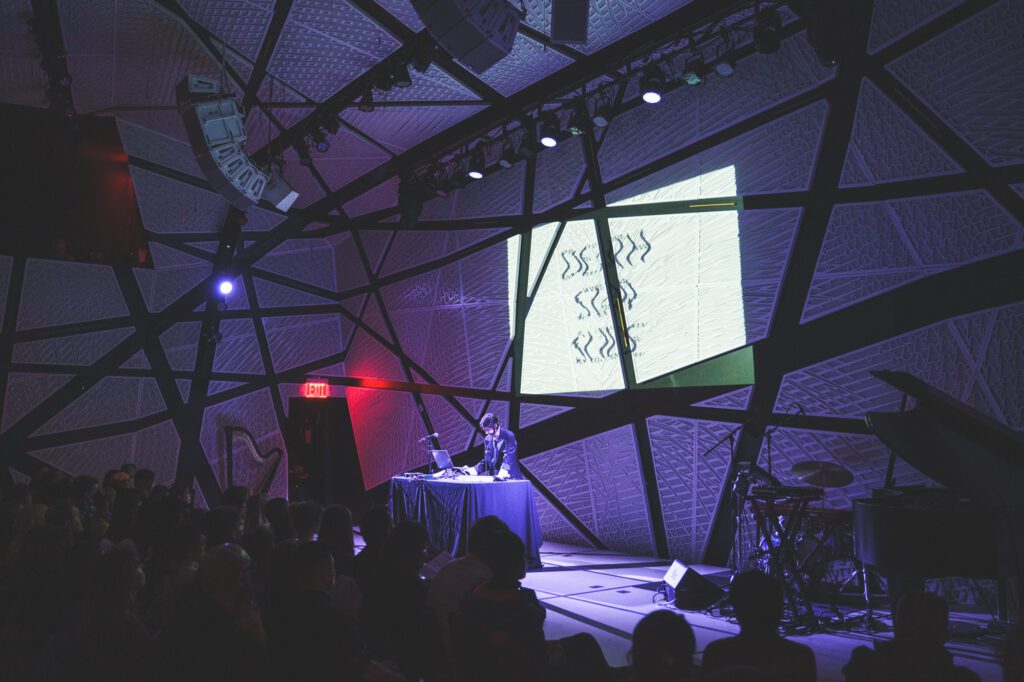
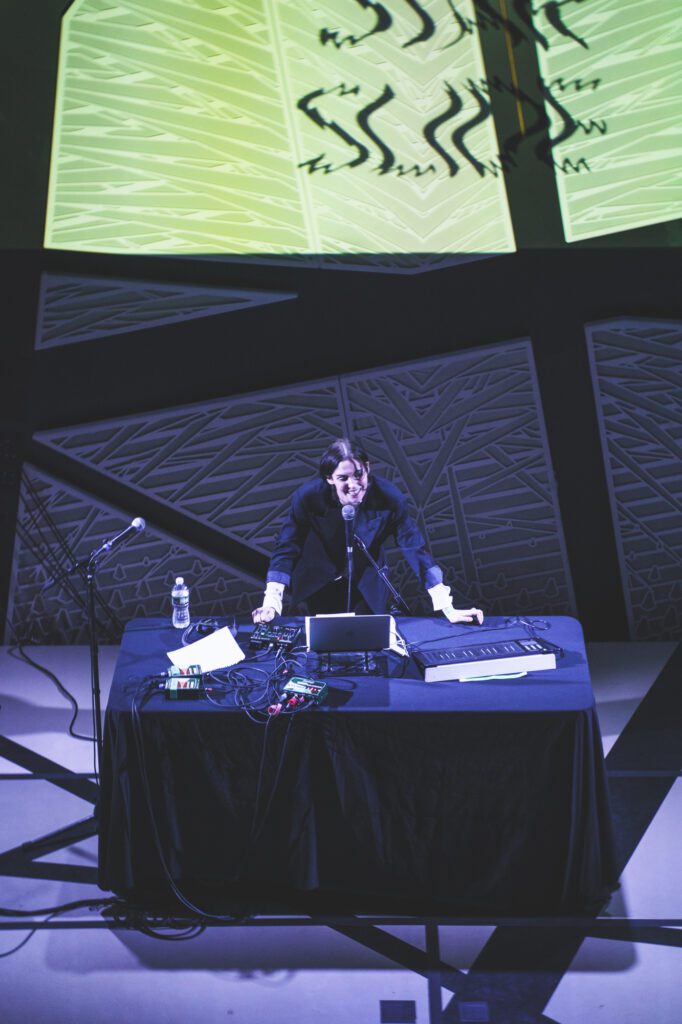
Medusa Mixes Myth and Reality with Allegory of the G/Rave

It all began with a post on Tumblr.

“Medusa was defending herself,” explains Medusa, a Buffalo-based trans-nonbinary, intersex music producer and visual artist and winner of the Audiofemme Agenda Grant, about how they got their name. “And then I read the things that people were saying in the notes about how Medusa was attacked by Poseidon and then demonized and turned into a monster and then banished from the place that she had called home for her entire life, and I was like, this is very familiar.”

Medusa came to the Greek myth by way of isolation. After being stalked on campus at their university, many of their friends felt they were making the whole thing up. They delved into the internet and started tinkering with Audacity, the early manifestations of their present musical practice. 

With their grant, Medusa is producing a short film to accompany an upcoming concept album entitled Allegory of the G/Rave, a queer retelling of the story of Medusa. They latch on to those themes of isolation and self-protection in terms of the queer experience – by chronicling Medusa’s life, transformation and persecution, Medusa intends to contribute to the emotional needs of of their young divergent audience, and to galvanize their self-worth, providing them with the representation necessary for self-actualization.

When they started playing music, they had never even been to a show. “I didn’t know what an XLR cable was,” they say. “I played with the EQ on my computer while my music played. And then sometimes I talked when I was brave enough to talk over the music, and then that was my first show, and then it just sort of snowballed, and it turned into this community, this melding of my own self-discovery and the connection with my community.”

Medusa’s birth as a musician came with their realizations that they were both queer and intersex, things they found out very publicly because they were making music about them. “That brought me more community than I ever lost in the first place. Which is and has been the biggest – I don’t know if I should say blessing, but I’ve been very lucky.”

That they hone in on this myth while adopting the moniker Medusa adds layers to the narrative, particularly given that their musical practice is driven so organically by emotion. “Auditorily it’s not quite what people call synaesthesia, but when a song is stuck in your head and affects your mood,” they explain. “That’s how it happens for me but backwards, writing. So when I’m having an emotion, I’ll hear music, not necessarily in a hallucinatory way, but the urge to translate that into actual tangible, audible sound.”

They call them “transmissions” – when they’re “having a feeling or realizing that in the background of my mind, there’s been a song playing the whole time that I have to then go check to see if it’s real, and it exists and it’s stuck in my head, or if I’m writing subconsciously because of the feeling that I’m having. And then I’ll run over to the computer and I’ll get it down…I’ll figure out oh, what song does my subconscious want that to go in?”

In that way, they update the myth for the community they have built online, imparting a certain wisdom that while being different may be off-putting to some, it’s actually a source of power, a means of self-protection if harnessed well. And because they learned it the hard way, Medusa seeks to pay it forward with this narrative film of the concept album, split into eight music videos that will run a total of thirty minutes.
“The story of Medusa being something that she didn’t ask to be transformed into, something that she didn’t want to be necessarily, and then turning into that was very relatable for me. Because after that point, you start to harness it. In an effort to protect yourself, you are different,” they say. “Do I have to be alone forever? What does the process of re-opening yourself up look like, and is it even possible? So this has been a big process of self-discovery, but translating that in a way that is useful to other queer people is not just comforting, but also inspiring.” 
Follow Medusa on Instagram, Facebook, and Twitter for ongoing updates.