TRACK REVIEW: Julianna Barwick “Meet You At Midnight”

juliannabarwick

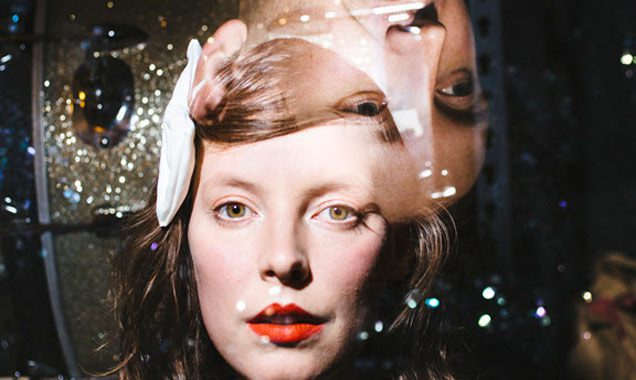
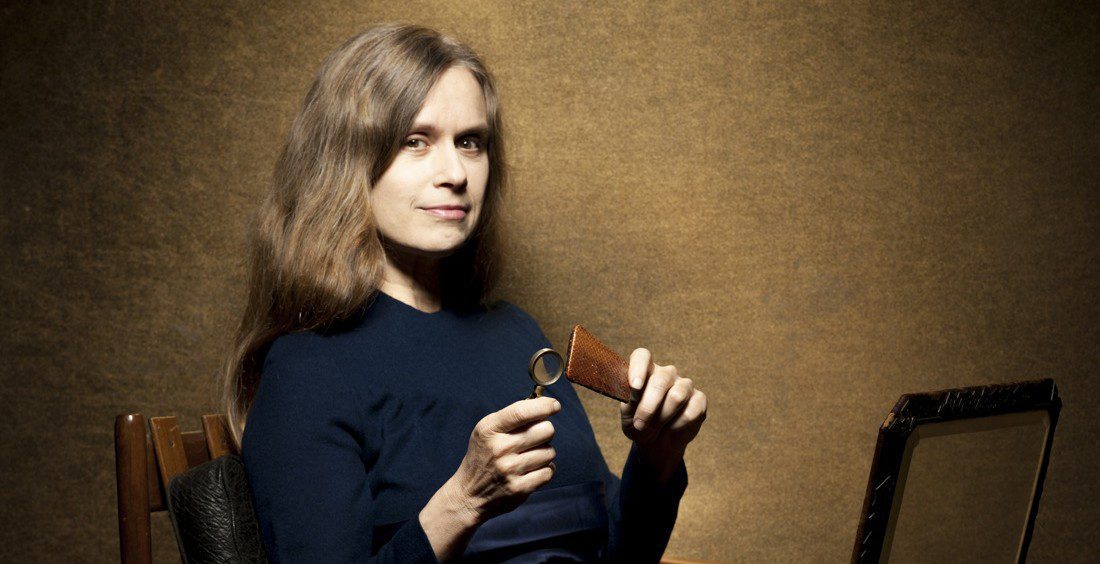
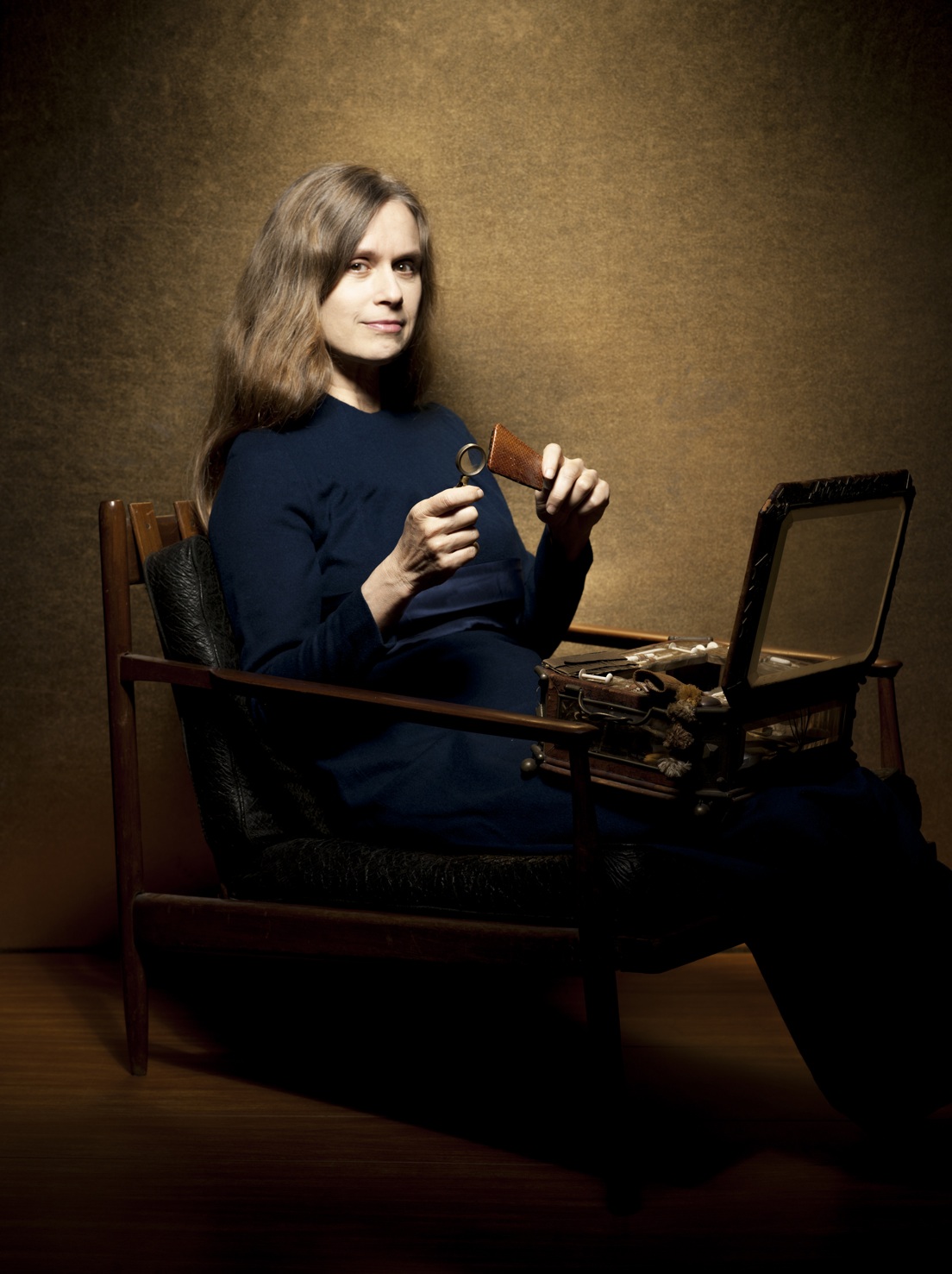
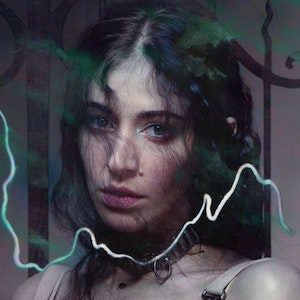
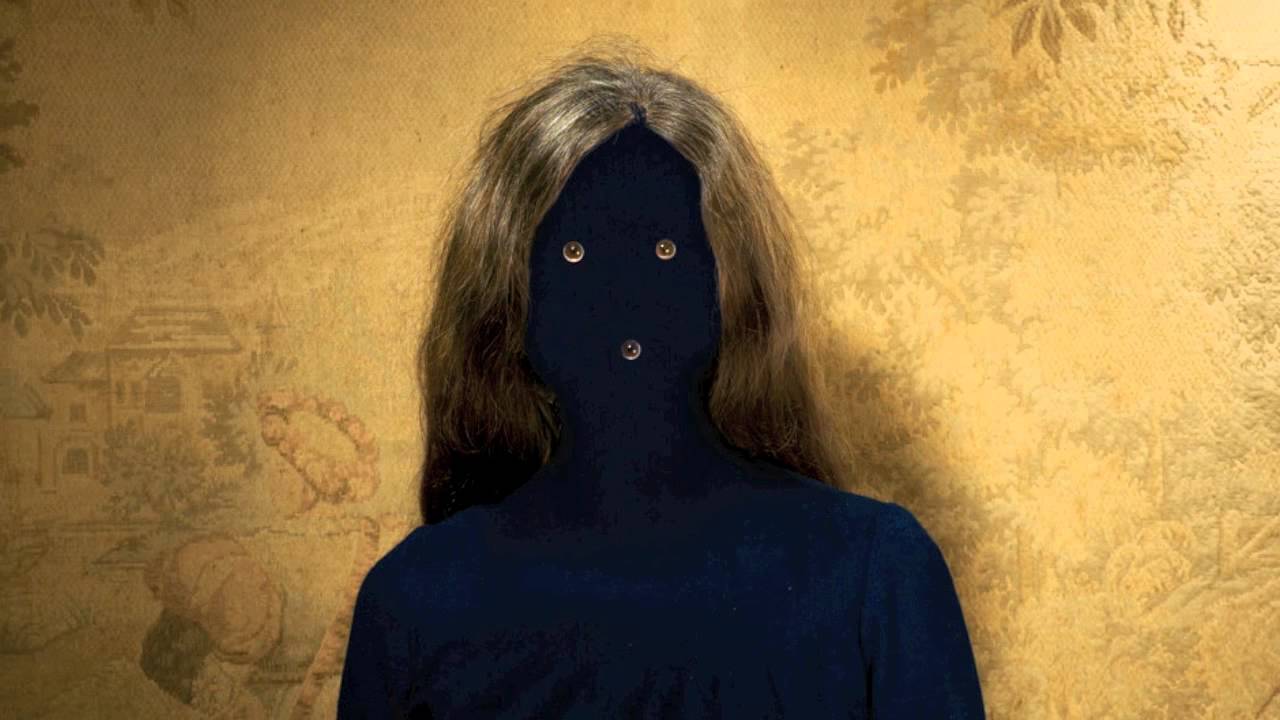
Julianna Barwick, avant-garde looping genius, loves to perform at unique venues like churches and museums. Recently, she brought her celestial vocals to Dogfish Head Craft Brewery and left such an impression that they have collaborated on a project together. Dogfish Head is releasing a special brew IPA (with a touch of red rice and wasabi) titled Rosabi, after her new album. The sounds of the brewing process were recorded and sampled on some of the tracks on this EP. Dead Oceans will release Rosabi in a limited edition of 1,000, and the records will only be sold in cases of Barwick’s signature beer. But you can hear the first track, “Meet You At Midnight,” right now to get a taste of the album.

“Meet You At Midnight” is a wonder of a ambient track. It’s fragile and gospel-like, the way one might assume, but its setting remains transient, beyond physical, visual, or auditory. Barwick reaches toward something sensational with this track, evoking a kind of pure, unfiltered feeling. The swirling atmospherics are probably not unlike the feeling you’d get from drinking a case of IPA with 8% ABV, but whether or not you’re under the influence, this is the right kind of music to listen to in your bedroom with the lights out and candles flickering. It’s an exciting opportunity that Dogfish and like-minded craft breweries will hopefully extend to other artists. There’s not enough mixed media involving the culinary arts, especially in the music world, and crafting a brew isn’t so unlike crafting a composition after all.

Barwick’s new album/beer combo won’t be available until June 3rd, but you can listen to “Meet You at Midnight” right now with a cold one in hand:

BAND OF THE MONTH: Sylvan Esso

sylvanesso2

Sylvan Esso’s self-titled debut is a beautiful study in synergy. Combining the timeless, self-possessed sound of Amelia Meath’s velveteen vocals with cleverly nuanced, exultant electronic production from Nick Sanborn, the project has captivated an ever-growing fan base that includes the industry’s heaviest hitters (they’ve supported the likes of Justin Vernon and Merrill Garbus on national tours) all on the strength of just three Soundcloud offerings. The tracks on Sylvan Esso (streaming now on NPR) are as deceptively simple as those that precede its May 13th release on Partisan Records; all that’s at work here are Sanborn’s synths and beats and Meath’s melodic acrobatics, but the dynamics between these two elements elevate the abilities of the other at every turn.

If the formula seems done to death, it must be said that these two work so exquisitely together it feels entirely fresh. They both come from folksier backgrounds; Sanborn played with Megafaun while Meath was a founding member of Mountain Man. Much as she did during her time with that band, Meath elevates everyday experiences, thus revealing the poignance that can exist within the mundane. The narrative in “Uncatena,” for instance, centers on washing dishes and writing letters. Sanborn’s handling of Meath’s swooning, antiqued melodies comes off as preternatural; whether he lets them rest unadorned over subtle textures or manipulates her lines entirely to serve as a beat or movement in and of itself, it’s always expertly executed, respectful, and perfectly at home in its broader context.

Last January, we caught up with the pair as they kicked off a headlining tour at Baby’s All Right. Their easy give-and-take was apparent even in the way they riffed effortlessly on Star Trek, the inherent un-sexiness of playing baritone sax, or an upcoming tour stop in California in which each admitted they were looking forward to being served “overpriced juice” from a “surfer dude-babe” (Meath) or “vegan girl with an undercut” (Sanborn). “We can’t describe how grateful we feel to be headlining shows at all at this point. I mean we have like three songs on the internet. We’re just so grateful to people for being attentive,” gushes Sanborn.

There was plenty reason to take note of the band’s early online presence. “Hey Mami” introduced the group with a forward-thinking look at the realities of street harassment, though couched as it was in cheery playground handclaps it was just as easy to dance to as it was to provoke conversation about the dually damaging and uplifting nature of unwarranted comments from bystanders. “Cat-calling… happens, and it upsets me. You don’t know what to do,” Meath admits. “Sometimes, it happens and you’re like, ‘Fuck you, I feel really threatened and unsafe,’ and then someone will do it and you’re like, ‘Awww yeah! I’m gonna go home and think about you later.’ Or it’s an old guy who’s like ‘Bless you,’ and you’re like ‘YES!’”

The song was released on 12” as a means of placing the band’s music in a specific frame of reference from the get-go. Sanborn says, “We really wanted to contextualize it right away. We had this idea to do just an old school format – a 45RPM single with the full acapella instrumental. I’m a DJ, and all the old 12 inches I would buy [fusion_builder_container hundred_percent=”yes” overflow=”visible”][fusion_builder_row][fusion_builder_column type=”1_1″ background_position=”left top” background_color=”” border_size=”” border_color=”” border_style=”solid” spacing=”yes” background_image=”” background_repeat=”no-repeat” padding=”” margin_top=”0px” margin_bottom=”0px” class=”” id=”” animation_type=”” animation_speed=”0.3″ animation_direction=”left” hide_on_mobile=”no” center_content=”no” min_height=”none”][were like that]. It invites remixes, it puts it in a context that we always wanted it to be in since we started working together.” Though it appeared as a b-side to “Hey Mami,” “Play It Right” was actually their first collaboration. “I did a remix for a song she wrote for Mountain Man and that became ‘Play It Right’ and we just kept sending each other stuff that we thought the other one would be into,” Sanborn explains. Meath adds, “We both have very, very distinct sounds which are actually kind of disparate. People keep calling us fucking ‘electro-folk.’”

Call it whatever you want, but it works so well it’s hard to imagine either of them involved in projects more well-suited to their strengths (not to mention playing up each other’s). “Each of us tends to have instincts to do what we’re gonna do, which is why we have individual voices. But we try to serve the song first,” says Sanborn. His DJ intuition serves Sylvan Esso especially well on pumping club anthem “H.S.T.K.” Meath’s vocals are spry and jazzy at the song’s outset, bouncing over springy beats before growing sultry and daring on the line Don’t you wanna get some? Sanborn loops that line and builds the mood into a frenzy in which tiny, thoughtful flourishes pop like flashbulbs. Tracks like this are especially vibrant when performed live, perfectly suited for the sensual, hip-hop inspired gyrations Meath executes with a dancer’s grace.

Sylvan Esso have kept up a pace that could be hard for other bands to maintain. “It’s just two of us. It’s not like we have some machine that’s just gonna keep going for us,” Sanborn says. “We can predict what will be fun for us and what will be not fun for us. Already we’ve said no to things that we thought were a bad idea.” Meath cites the importance of naps, perspective and nutrition when it comes to stamina and maintaining a good attitude, stating, “The minute I start getting to be a Grumpus Maximus, [I know] something’s going on. What’s going on? Maybe you just need to eat a bagel.” “Could I Be,” a standout track on the LP, perfectly elucidates the exhilaration and exhaustion of that hustle. And it’s incredibly effective as a motivational tool; the chugging synths and persistent beats mirror the locomotion of the “train” that Meath refers to even as Sanborn distorts her voice into a mechanical whistle. Like “The Little Engine That Could” the moral of the story is that any goal is well within reach given solid hard work.

But it’s a respect for what the other brings to the table that makes this collaboration a resounding success. “We’re a partnership, just a man and a woman in a band on completely even footing, and that’s how we treat everything,” Sanborn says. “Really early on we established this relationship of being hyper honest when we didn’t like something. One of the best aspects of this band has been being able to argue pretty vehemently and not have emotions be involved.” Meath adds, “I’ll have this hook, I’ll sing it to him, and he’ll be like ‘Okay, cool. I have this beat.'” Then, Sanborn continues, “We just keep working on it til it’s something that we both like.”

It’s an exchange best illustrated by the metaphors within “Coffee,” a breakout track for the band that, at its most simple, is about dancing with a partner. Though it had been released only days prior, the audience at the Baby’s show knew every single word from opening lines True, it’s a dance, we know the moves / The bow, the dip, the woo, to the infectious Get up / Get down of the chorus, and Meath’s imploring Do you love me? sung so confidently you get the sense she knows the answer is always going to be ‘yes.’ She wrote a treatment for the joyous video that would accompany the track. “I sat down and studied music videos for like a week,” she says, detailing a syllabus that included TLC’s “No Scrubs,” Jon Hopkins’ “Open Eye Signal,” and Sean Paul’s “Get Busy.” It splices slow-mo scenes from various dance parties – subuirban gymnasium hoe-downs, 50’s sock-hops, jaded hipster house parties, and finally, a futuristic flash mob styled by Sylvan Esso’s friends at Dear Hearts, a boutique in their hometown of Durham, North Carolina. Sanborn says the video reflects “our whole aesthetic, referencing pop but pulling the things out of it that we love.”

Pop sensibility drives every track on the record. It comes from the rustic traditions that inform Meath’s style of singing as much as how her vocal gets filtered through Sanborn’s modern approach. “With electronic music you kind of have to reinvent the wheel a little bit,” he says. “Every facet of it: hardware, software… every part of musicianship and instrumentation is changing constantly. It’s really immediate and not entirely predictable. Electronic music is moving out of rigidity.” Whether highlighting the sinister courtship rituals of the modern male on “Wolf” or listless teenage shenanigans on “Dreamy Bruises,” Meath’s imaginative lyrics and their easygoing delivery haunt those purlieus with a finesse and elegance that magnifies the contributions of both performers. “It’s mostly just being really good partners in crime,” Meath says. They’re hardly committing felonies, though; as a record, Sylvan Esso feels more like a gift.

Sylvan Esso play NYC in May 8th at The Westway, and as supporting act for tUnE-yArDs at Webster Hall June 22nd and 23rd.[/fusion_builder_column][/fusion_builder_row][/fusion_builder_container]

LIVE REVIEW: Connan Mockasin @ Bowery Ballroom

maxresdefault

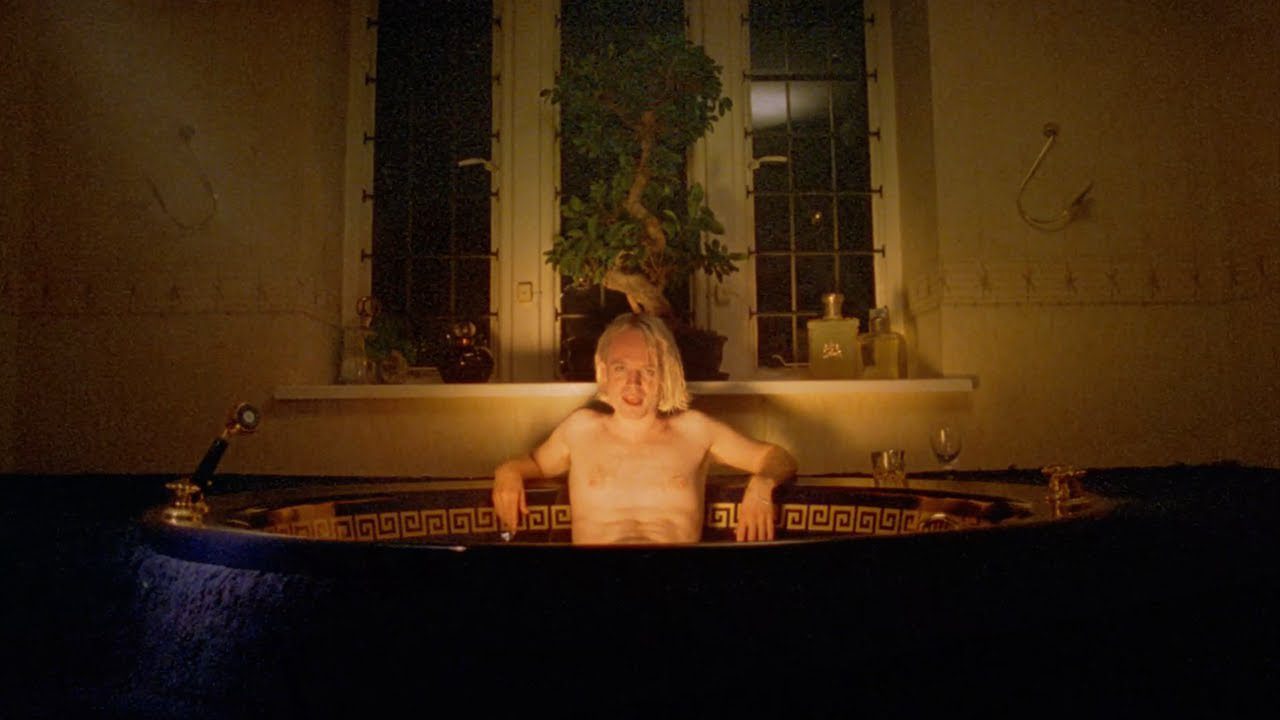
Never bring a boy from Texas to a Psychedelic show. This is one of the many lessons I learned while watching Connan Mockasin perform with his band of merry pranksters last week. The white-haired man from New Zealand headlined the Bowery Ballroom Thursday night on an early leg of his North American tour.

I arrived with the Texan quite some time before Mockasin went on, and naturally we saddled up to the bar to lubricate our wait-time. I’m not sure what my thought process was before I showed up to the Bowery, but somehow I found myself sitting with a thimble-sized gin and tonic, a bit taken aback by the throng of people clotting the perimeter of the horseshoe-shaped bar: they were a bunch of weird lookin’ kids.

Rarely am I surprised by details such as this. I tend to anticipate most crowds to a tee; I assumed a number of people at King Khan and the Shrines would be in costume, I expected that the Nathaniel Rateliff lot would be low-key. It’s not fucking ESP, but these things are consistently predictable. So maybe I hadn’t taken the time to think about what kind of birds would flock to this show, but their feathers amused me nonetheless.

Now on display: Man-in-Fez-and-Sunglasses, Girl-in-Windowpane-Plaid-Skirt-Suit, The-French-Beige-Trench-Twins, Man-in-Windowpane-Plaid-Skirt-Suit, and Boy-with-the-Blue-Rinse-Hair. Of course a dude in a dress is not a signifier for evangelical weirdness-this is New York after all, and cross-dressing turned vanilla-white-bread before the damn moon landing. That being said, there was an airborne sense of fun as well as a cultish enjoyment in everyone’s eyes, and this filled me with more eagerness for the show I was about to see.

The weirdness did not stop at the crowd’s wardrobe choices. Connan Mockasin took to the stage with a touch of messianic flair. At first there was just his band, a motley crew of strange-os with the outfits to match: the rhythm guitarist in red velveteen topped with a beret, a keyboard queen lengthened by a Morticia Adams gown and a fur cap that seemed to have a pig’s tail sprouting from its summit. It was already a visual banquet. I searched the stage for Mockasin, wondering if maybe he’d changed his hair, since I saw no evidence of his white-hot crop anywhere. Then suddenly, as if springing from a subterranean trap door, he appeared on stage. Maybe he’d been slithering through the crowd and I hadn’t noticed, but I batted a lash and he was there, a radiant alien amidst his cult of Earthly disciples.

Mockasin delivered every syrupy guitar lick that had enticed me in the first place, and with more style than I could have hoped for. He just sort of undulated all over, crooning in his freakish falsetto that sounds like the acid-bathed lovechild of Barry Gibb and Kate Bush. At one point he took a hearty swig from a wine bottle, and proceeded to use it as a slide on his fret board. It sounds showy, yet Connan possesses such an understated amount of charisma and humility that his performance was natural at best, slick at worst.

The presence of his band seemed less convincing in the sincerity department-they almost seemed gimmicky and ironic, the sort of people who long to be bizarre, whereas Mockasin has no choice: the man belongs in a curio cabinet. The stage became flooded with a cast of extras, many of the people I’d seen in the crowd earlier that evening: Fez-Man, Skirt-Suit-Guy, among others. Whether they are in the band, are friends, groupies, or just random people I’ll never know, but their presence added a surreal seasoning to the night, lending Connan a Manson or Kesey-esque quality as the leader of some jam-band ensemble of Renaissance Fair enthusiasts and identity politicians. They flailed around the stage shaking eggs, tambourines, and themselves.

It was quite a sight, but  the Texan wasn’t buying it. If he could have maintained a constant state of eye-roll he would have, though I couldn’t blame him for this reaction entirely. Right against our backs was a gaggle of plausible Burners hopping around like coked-up jesters and attempting to replicate Native American ceremonial singing. It was distracting, obnoxious, and a little too much for my Lone-Star companion to handle. He left ten minutes before Connan performed his final two songs, and five minutes before the highlight of the evening. As my friend Maria and I waited together for the encore, the gaggle of shitheads were gyrating right behind us, encroaching on our space and placing the last straw on our backs. Maria, a woman who possesses as much luck as she does sass, turned around, tipped her gin and tonic ever so slightly, and poured just the right amount on the main offender’s crotch.

Somehow we got away unscathed, though I’ll never understand how. I can’t say the same regarding the dignity of the man who looked like he peed himself.

Lesson number two for the evening: make sure your feistiest friend is twice as charming as she is mean.

Thank you Connan. It’s been weird.  But good.

[fusion_builder_container hundred_percent=”yes” overflow=”visible”][fusion_builder_row][fusion_builder_column type=”1_1″ background_position=”left top” background_color=”” border_size=”” border_color=”” border_style=”solid” spacing=”yes” background_image=”” background_repeat=”no-repeat” padding=”” margin_top=”0px” margin_bottom=”0px” class=”” id=”” animation_type=”” animation_speed=”0.3″ animation_direction=”left” hide_on_mobile=”no” center_content=”no” min_height=”none”]
[retweet][/fusion_builder_column][/fusion_builder_row][/fusion_builder_container]

LIVE REVIEW: Sabina @ Highline Ballroom

sabina

Much like butter, David Byrne makes everything better.


I was reluctant to go to the Sabina show the other week.  This wasn’t for lack of enthusiasm, just an abundance of banal exhaustion.  Having travelled from Bed-Stuy, to the garment district, to Far Rockaway, and then back to Bed-Stuy between the hours of 8 and 8, the prospect of catching an 8:21 train into Chelsea was not an alluring one.  But, I was aware of my responsibility, as well as the knowledge that anticipation is always worse than outcome.  I knew that once I was at the Highline Ballroom, actually experiencing the show, I would be grateful.  It’s kind of like going to the gym.  I hear.


So I raced home and peeled off my work clothes, ripped and latex-larded from making enormous bowling pin costumes all day.    Stuffing my mouth with the sad food that inhabits my fridge, I hopped around trying to simultaneously eat and switch shoes.  I was out the door still chewing, a task as efficient as it is visually unsettling.


Walking from the C train to the show, a man with close-cropped, white hair whizzed past me on a bicycle.  I froze, nearly getting grazed by an oncoming van.  I stood in the middle of the street, watching him dismount and go into the venue.  With a safe amount of delay, I crossed the street and followed him into the venue.  “That’s fucking David Byrne,” I thought.


After checking in at the ticket counter I roamed the dance floor, jerking my head like a rooster every which way to spot that little tuft of silver.  He’d vanished, probably to some VIP alcove imperceptible to the plebian eye.


As minutes passed I began to question myself.  Maybe it wasn’t David Byrne.  No one in the crowd seemed to be in a frenzy like I was, and surely if it were him a hoard of people would be searching with me.  But, maybe it was…


I eventually snapped back to the reason I was there in the first place: Sabina.  She started her set on the assigned hour, which is practically a lost art among musicians.  She crept on stage in the garb of a modern-day Veruschka: heeled, fringe-cuffed boots, navy silk jumpsuit, and a fur cap of Davey Crockett proportion. I haven’t seen this much charisma onstage since I saw Tony Bennett in Seattle two years ago.  Sabina’s backing band is comprised of suave gentlemen, all savants with their respective instruments.  They opened with “Toujours,” the title track and first single off of Sabina’s latest album.


One of the record’s more contemporary sounding tracks, “Toujours” has a choppy, frenetic quality to it, made all the more frantic by a B-3 keyboard pulse throughout.  Sabina’s energy radiated from the stage.  How someone can play with such enthusiasm, and in heels no less, is a complete mystery to me.  She flitted around, playfully dancing with her band mates and hopping like a baby chick.  By song three she’d already spit out four different languages in her low, Neko-esque voice.  She chats frequently with the crowd, asking them questions, encouraging their participation, and shouting out to friends.  This woman is a true performer.

Still, as captivated as a I am by Sabina, my mind won’t stop screaming “Show me the David Byrne.  SHOWWWW ME the David Byrne!” As if he heard, a little, silver head of hair appeared in the caged area by stage left.  I couldn’t tear my eyes away.  Is he going to come on stage?  Or is he just going backstage?  He started to creep behind the sound guy, into a curtained area.  With humble steps he made his way on stage, and for the first time the crowd realized what was happening.


“Who is that?” a woman in front of me asked her boyfriend.  “ It’s David Byrne!”  I had wedged myself between them and interjected with the subtlety of Rain Man. “David Byrne, definitely David Byrne, definitely.”


So my wish came true.  David and Sabina sang together for one beautifully somber song.  The music fell back, bringing their vocals to the forefront.  All I could do was shake.  These are the moments you think: “say what you will, New York aint all that bad.”


David left the stage with as much caution as he mounted it, and remained in the crowd the rest of the show.  Not in a fancy booth with bottle service, just in the crowd, bobbing his head and smiling, and chatting amicably with anyone who approached him.  I was too shy to say anything, but I was dancing about three feet away from him, so as far as I’m concerned, I danced with David Byrne.  Definitely.


The rest of Sabina’s set was entertaining, humorous, and full of enthusiasm.  At one point, during a performance of a song I’ve yet to identify, two groups of gentlemen held up finger-painted signs depicting flaming feces, each reading “Hot Poo.”  I searched the Google high and low for a song with such a title, but was left none the wiser to this inside joke.  Please enlighten me if it didn’t elude you.


Between a pop-up appearance by David Byrne, pyro-poop jokes, and one of the strangest crowds I’ve ever encountered, the night was far from a disappointment.  I’m just glad I was able to drag my ass to the Highline Ballroom afterall.

TRACK REVIEW: Todd Terje and Bryan Ferry “Johnny and Mary”

toddterje

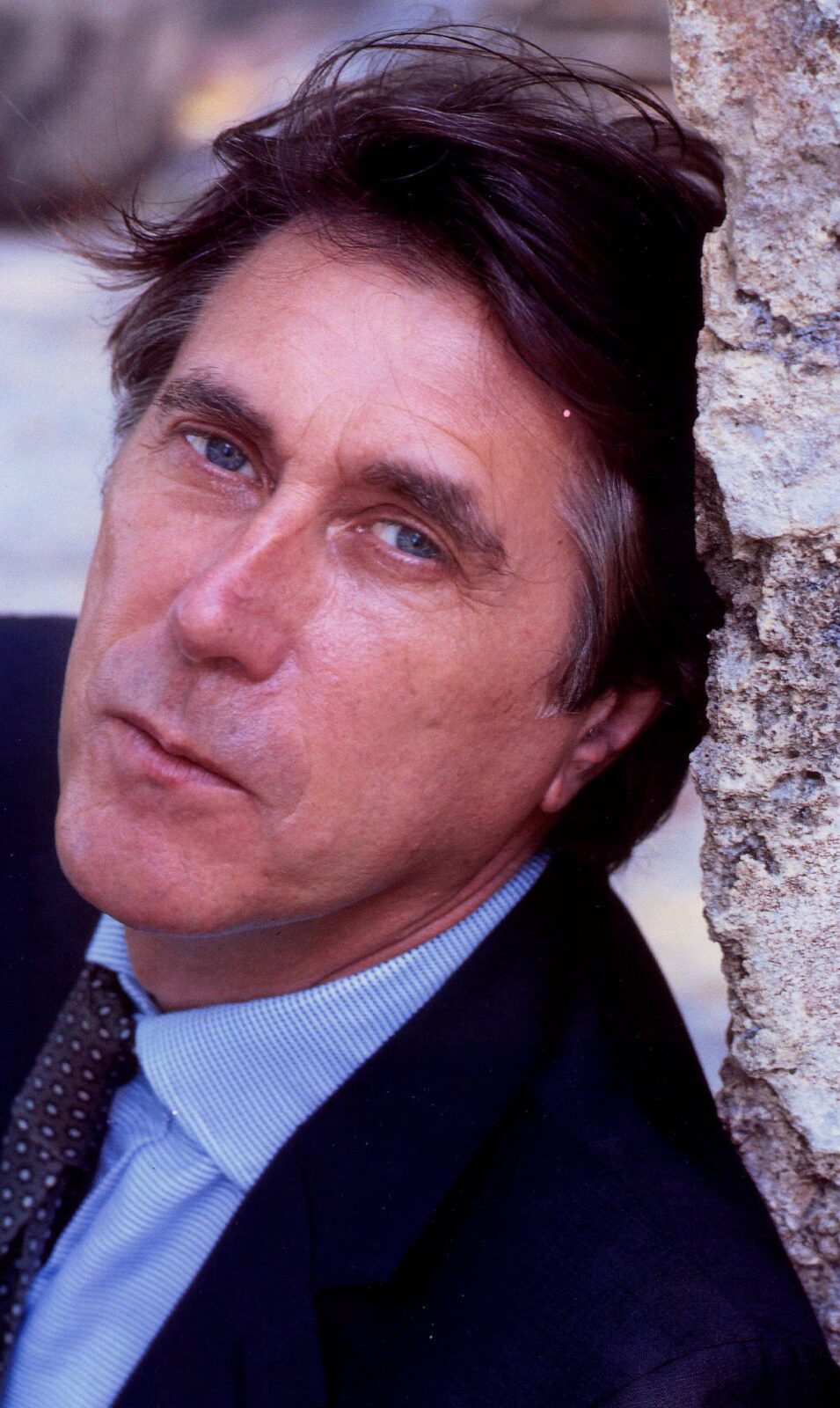
DJ and songwriter Todd Terje is a huge figure in the Norwegian dance scene. He’s messed around with classic disco, collaborated with the likes Franz Ferdinand, and created a great deal of upbeat originals. “Johnny and Mary”, a cover of Robert Palmer’s 1980 hit, is a feature from his upcoming album. Bryan Ferry, of Roxy Music, joins him for a second time in this collaboration. Together they’ve made a lasting recreation.

The downtempo complements Bryan Ferry’s hoarse narration of a couple falling apart. There’s a strong sense of atmosphere with a kind of constant fluttering that makes the story play out with a dreamy distance. The beat, the bass is mild, in no way overwhelming the way it can be in so many dance song. It’s refreshing. Somehow it seems that this classic melody should be heard through synth and electro mist.

bryan-ferr-526642

Ferry’s voice sounds a bit strained, doesn’t have the punch of a Roxy Music song, but works really well for this song, especially considering the subject matter.  He’s the channel between the audience and the distant melancholy created by the synth waves. When he repeats “Running around” the strain sounds right. This is an emotional song, but mostly in a tired, apathetic way. That Johnny and Mary are close to giving up is evident in Ferry’s tone. It’s pretty incredible.

Check out Todd Terje and Bryan Ferry’s cover of “Johnny and Mary” below:

LIVE REVIEW: Margot And The Nuclear So and So’s @ The Bowery Ballroom

margot


After living in New York for a while it’s easy to get wrapped up in the inevitable cynicism that encapsulates the city, which is usually charming but at times can be exhausting. This is most likely why I was initially welcoming of the undeniable midwestern charm of Indianapolis/Chicago-based Margot And The Nuclear So And So’s. With romantic, bordering on gushing lyrics (When you’re gone, I drink and wait and listen, till you get home. It’s fine, I smoke in the house // But I love you so who cares if you’re lazy), sweet acoustic melodies and sincere two-part harmonies, Margot And The Nuclear So And So’s knows exactly how to pull at your heartstrings.

Hailing from Indianapolis, Indiana, Margot and the Nuclear So and So’s is loosely made up of Richard Edwards (vocals, guitar), Tyler Watkins (bass, vocals), Heidi Gluck (vocals, keys, bass), Kenny Childers (guitar, vocals), Chris Fry (drums), Ronnie Kwasman (guitar).  While their music is as versatile as it is romantic, their more recent albums indicate a shift towards alt folk/Americana.

The band has had an incredibly prolific career considering that they have only been active since 2004. Their first album, The Dust Of Retreat was released in 2005 and introduced the world to their earlier full, orchestral sounds. In 2008 Margot And The Nuclear So And So’s released two full lengths, Not Animal and Animal! While there are a number of overlapping songs on both albums, their simultaneously release stemmed from a disagreement with Epic Records over which songs should be selected to complete the album. So in the true spirit of compromise, two albums were released. Animal! is the selection of songs that Margot And The Nuclear So And So’s curated, and Not Animal is Epic’s choice. Their following albums Buzzard (2010), and Rot Gut, Domestic (2012) marked a shift away from the orchestral sounds of their earlier music and towards a more folk/alternative sound. Margot And The Nuclear So And So’s most recent album, Slingshot To Heaven (2014), is their most sentimental and stripped down work to date. With more acoustic songs than electric, guitar centered melodies, and crooning vocals, it indicates a move towards an even folkier Americana sound.

On May 3, Margot And The Nuclear So And So’s played a sold out show at The Bowery Ballroom, supported by Empires and Kate Myers (who also performed with the band on the keyboard, vocals and melodica). The setlist contained mostly new music off of Slingshot  (“Hello, San Francisco,” “When You’re Gone,” “Long Legged Blonde Memphis,” “Bleary-eye-d Blue,” “Lazy” and “Go To Sleep You Little Creep”), however they played a number of old songs (“Shannon,” “Fisher of Men” and “The Devil” off of Rot Gut, Domestic, “Birds” and “New York City Hotel Blues” off of Buzzard, “Broadripple is Burning” off of Not Animal, “Jen is Bringing the Drugs,” “On a Freezing Chicago Street” “Barfight Revolution, Power Violence” and “Skeleton Key” off of The Dust Of Retreat).  The set rolled on more or less in chronological order from new to old all while vintage clips featuring UFOs played on a loop in the background.

The band was affable yet firm with the audience as frontman Richard Edwards informed the crowd, “If you keep requesting only the popular songs then we won’t play them!” It was all in good fun, however, as the audience continued to shout out requests which were honored by the band. Overall they did end up playing most of the popular songs while relishing in the fact that the vast majority of the crowd sang along enthusiastically. They were refreshingly down to earth and maintained a casual and interactive relationship with the audience, which made their performance all the more personal and emotive.

If you missed out on all the romance of Margot And The Nuclear So And So’s this time around, you can catch them in various other locations this spring/summer.

VIDEO OF THE WEEK: Boyfriend “Like My Hand Did”

Boyfriend New Orleans rapper

boyfrannnnnn

This is the way you’d imagine Tina Belcher growing up: she’s an elementary school teacher by day and a raunchy internet rap sensation by night, her inventive rhymes equal parts lewd and literate. Except this isn’t the plot of a long-lost Bob’s Burgers episode – it’s the true story of New Orleans performer Boyfriend, minting a new kind of hip-hop couched in satire, cabaret, and sex-positivity.

Dubbed the “rap game Bette Midler,” Boyfriend takes as many cues from Vaudeville vets as she does from Ke$ha and Kitty Pryde. Clever turns of phrase are as central to her appeal as her painstakingly thrifted wardrobe and Sally Jesse-esque eyewear. The nerdy aesthetic makes her feel somehow more accessible than other artists of her ilk; she owns her quirks rather than trying to come off as something she isn’t. Pushing that honesty to its most candid point, Boyfriend knowingly tackles topics ranging from period sex to masturbation to how to be Swanky on a budget, her wry tone akin to any Broad City punchline.

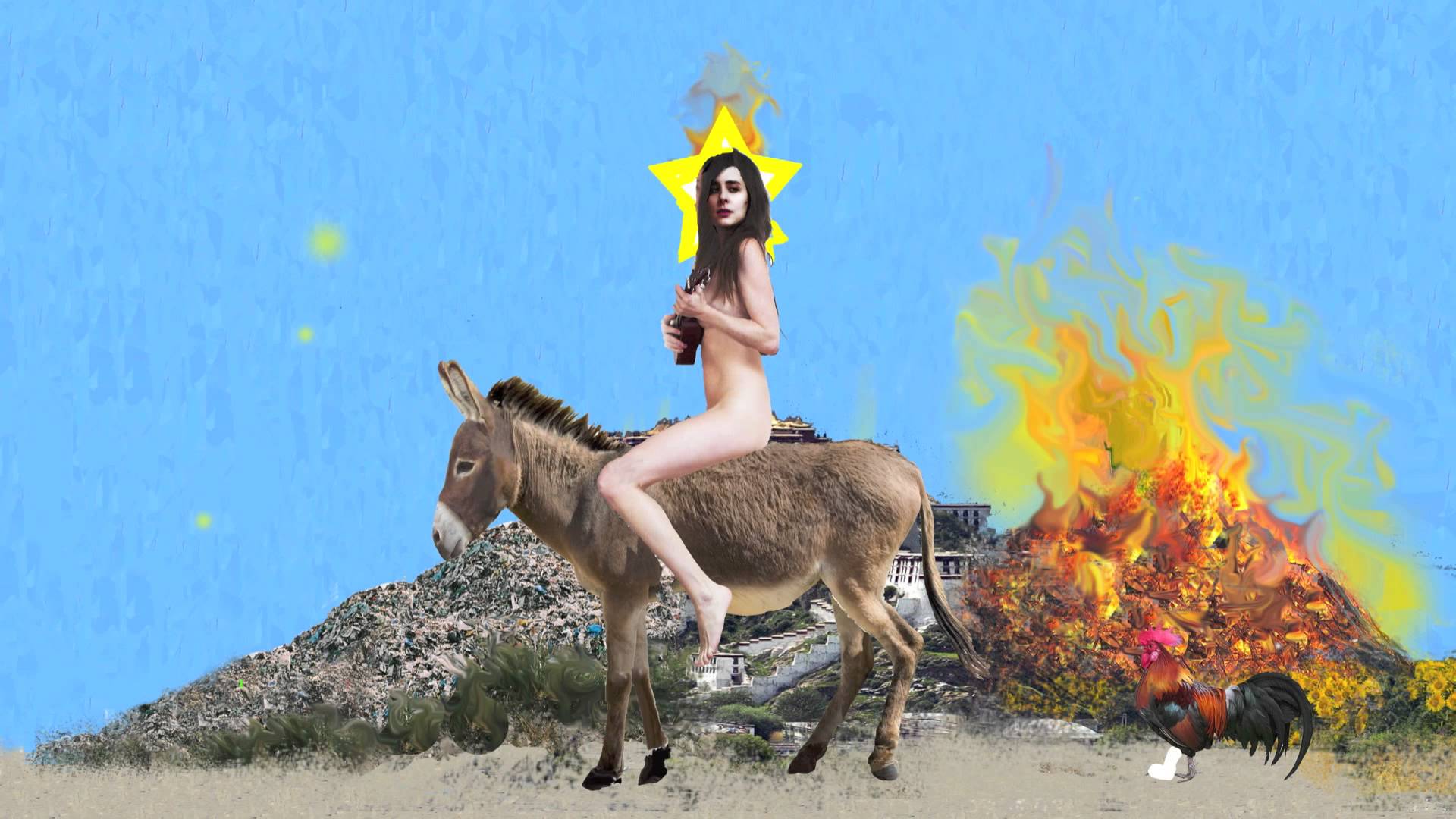
Boyfriend is known for her outrageous and stylish YouTube clips, a tradition that began with visuals she self-produced to herald the release of her debut EP I’m Your Boyfriend almost two years ago. “Like My Hand Did” is Boyfriend’s latest offering and it stays true to form, giving us lots to look forward to when her full length finally drops later this year. It’s a blistering kiss-off to a partner who failed to please, self-pleasure being preferable to his paltry efforts. The retro clip-art graphics and darker lyrics give the track a creepier vibe than we’ve seen from Boyfriend thus far, hinting that there’s some snarl behind her Granny-panties gimmick.

TRACK OF THE WEEK: Beverly’s “You Can’t Get It Right”

Frankie Rose’s penchant for lo-fi garage pop is pretty obvious by now—not only did she play key roles, over the years, as a member of the Vivian Girls, Dum Dum Girls, and Crystal Stilts, but she also developed her own sound as a solo artist. Now she’s teamed up with Drew Citron (from her touring band) for a new project called Beverly, and it might just be her best effort yet. The duo’s second single, “You Can’t Get It Right,” is a sweet taste of their upcoming debut album, Careers, out July 1 via Kanine Records.

The song has a lo-fi aesthetic with catchy guitar hooks that sound warped and almost menacing as the girls sing “And maybe this time you’ll know to get in line with me.” They bare their teeth at the same time that they flash a sweet smile. The overall sound brings The Breeders/The Amps to mind, but this tune’s got a faster heartbeat and brighter tone that makes it perfect for summer.

“You Can’t Get It Right” follows the release of Beverly’s first single, “Honey Do,” which is an equally catchy and fuzzy track. Both are good indications that Careers will be one of this summer’s highlights. Check out this week’s track of the week below!


TRACK REVIEW: Sean Nicholas Savage “Empire”

Sean Nicholas Savage

SNS_SEAN&DYLAN-photobyAngusBorsos

Few people can boast the creation of 11 studio albums by the time they’re 28.  Quebec’s own Sean Nicholas Savage, who will officially enter his late twenties at the end of the month (happy birthday Sean!), absolutely can.  What’s even more impressive than the sheer volume of Savage’s output is that he’s only been recording since 2008.  As a prolific staple in the Montreal indie scene, Savage has been represented by Arbutus Records (home to Grimes, Doldrums, and Blue Hawaii) for the last five years, and hasn’t wasted a moment since his initial signing with the label.  Following 2013’s Other Life LP, Savage releases Bermuda Waterfall on May 13th, and I suspect he’s already churning out new ballads for the next record.

“Empire” is the vulnerable core of Bermuda Waterfall.  A sorrowful track that bridges contemporary minimalism and eighties sentimentality, it is the kind of song that multiplies its infectiousness exponentially with each play.  Commencing with the twinkling chirp of keys, a patient but weighty bass line, and an unobtrusive snare beat, Sean’s clean voice chimes in with the darkly romantic phrase “We held each other in the empire of hate” that quickly comes to characterize the narrative.

His vocal style is one that is so familiar it’s impossible to recognize where you’ve heard its doppelgangers.  On the higher end of the audible spectrum, it glides between trembling, shrill, and soft with genuine ease.  This is a sensitive singing niche-one that could be butchered with cheesiness were it attempted by another artist.  That isn’t to say schmaltzy music hasn’t influenced the song; easy listening and corporate muzak rush to the mind’s forefront when hearing “Empire” for the first time.  It certainly has its roots in mid-80’s sap rock, but it subdues those elements to the most tasteful degree as opposed to satirizing them.  What could have been rendered ironic is instead painfully sincere, a quality that marks all of Savage’s music.  He writes as if meekly exposing a raw wound to a wolf pack, wincing and hoping for the best.

Isolation is another recurring feature in the annals of the artist’s recording history, and there is no shortage of it on this track. It is just too perfect that as he sings the line “Kissing myself, holding myself / As if you were, somebody else” he’s harmonizing with himself.  This kind of lyrical/formal continuity reflects the skill set of someone who’s been writing music as many years as Savage has been alive.  Likewise the thematic desolation of his words compliments the sparseness of the song’s composition beautifully. 

Savage is the kind of songwriter who has the ability to sate his listener while still inspiring a gluttonous hunger for more – kind of like watching butter settle into hot toast and spreading on three layers more, despite having plenty in the first place.  Given the combination of his talent, youth, and compulsive need to create, I expect to be slathering on much more of Sean Nicholas Savage in the near future.

Check out “Empire” below:

VIDEO REVIEW: Sylvan Esso “Play It Right”


play it right

Sylvan Esso certainly isn’t the first act to pepper electronica with folk undertones but their combination is particularly intriguing to say the least. It is pure and honest while still managing to uplift listeners and make them wanna move. The North Carolina duo released “Play It Right” via soundcloud last year and built a ton of buzz around it, but the song never got a proper video – until now. Ahead of the May 13th release of their debut LP on Partisan Records, the video highlights the simplicity of the song’s elements by echoing the track’s minimalistic vibe. Splashes of light wash over vocalist Amelia Meath, synth wizard Nick Sanborn, and two dancers, illuminating just enough to pierce the darkness of the set. Meath’s exuberant dance moves look hip-hop inspired, yet remain polished and graceful, like that of a ballet dancer; selected scenes employ slow motion to highlight both her elegance and the drama of the song, heightened as the track progresses and the dancers submerge themselves in the music. The visuals are captivating without being over-stimulating, a definite rarity when it comes to music videos. With a track this good, elaborate sets and costumes aren’t needed – Sylvan Esso basking in their own spotlights are engaging enough to grab our attention and keep it there.

TRACK OF THE WEEK: Bebe Panthere “Gimme All Your Money”

[fusion_builder_container hundred_percent=”yes” overflow=”visible”][fusion_builder_row][fusion_builder_column type=”1_1″ background_position=”left top” background_color=”” border_size=”” border_color=”” border_style=”solid” spacing=”yes” background_image=”” background_repeat=”no-repeat” padding=”” margin_top=”0px” margin_bottom=”0px” class=”” id=”” animation_type=”” animation_speed=”0.3″ animation_direction=”left” hide_on_mobile=”no” center_content=”no” min_height=”none”]

Bebe Panthare
Steven Chu Photography

Brooklyn based pop diva Bebe Panthere (aka Effie Liu, former backing vocalist for French Horn Rebellion) might be classically trained on the piano and violin, but if “Gimme All Your Money,” the first single off of her upcoming EP Pink Sweat is any indication, she’s doing everything she can to defy her classical roots. With heavy bass lines, electronic instrumentation and sexually suggestive lyrics, “Gimme All Your Money” is about as far away from Mozart, Vivaldi or Brahms as you can get. Bebe Panthere’s more contemporary influences, mainly ‘80s pop and ‘70s punk, however can be easily detected throughout.

“Gimme All Your Money” sets off with a dynamic bass line that bends and shifts throughout the track. After minimal musical development, Panthere’s vocals enter into the mix. She starts off with a slow, breathy, sultry whisper. Her voice grows stronger as she sings for a fleeting moment until it climaxes into a growling squeal, only to instantly pull back. As if the various facets of her speaking and singing voice weren’t demonstrated clearly enough in the chorus and and opening verses, she even goes so far as to tack on a rap verse at the end.

A song titled “Gimme All Your Money,” is expected to possess a certain amount of attitude, and Panthere does not disappoint. The opening line, “Gimme all your money, hand it over honey” is repeated throughout for emphasis while the song transitions into new sections musically. The vixen assumes sexual dominance when she declares, “You and I are going to rage… tonight. Face the truth. Are you trying to be funny, be a dummy? I’ll take you to school.”  Though aggressive, she never appears as if she’s over exerting herself.  Words fall out of her mouth calmly and spontaneously as she transitions seamlessly from one style to another.

Bebe Panthere describes herself as une bébé dans la discothéque and I couldn’t agree more. From her textured, dynamic music to her haute pink colored hair, she’s as  confident musically as she is aesthetically arresting. Keep an eye out for Pink Sweat, but until then check out “Gimme All Your Money”, AF’s track of the week, below.

[/fusion_builder_column][/fusion_builder_row][/fusion_builder_container]

TRACK REVIEW: Haley Bonar’s “Kill the Fun”

 haley-bonar-press-photo-1
All great stories often start with an open mic; Haley Bonar‘s included. What’s more inspiring than a nineteen year-old on a quest for musical discovery? One who actually finds it. Haley is here years later, with an eagerly awaited album, Last War (via Graveface Records), set for May 20th. With a solid band by her side I expect Last War to be every bit as poetic as her previous albums. And by the sound of “Kill the Fun,” the album’s first release, I can tell it will be the perfect summer soundtrack. The track is opposite to the title, in it’s actually lively and enjoyable. It’s structure is carefree, and  contains visually evocative phrases like “laughing at the future that was hanging from the trees.” Despite darker its darker lyrics, the synths and melodic guitar are exceptionally breezy. This uninterrupted ditty is going to be perfect when I can finally lay outside, over a quilt, and staring into the sky of nothingness.
Listen to “Kill The Fun” here via Soundcloud:

INTERVIEW: Teeny Lieberson of TEEN

Teen Teeny Lieberson

Teen Teeny Lieberson

AudioFemme caught up with Teeny Lieberson to chat about TEEN’s new album The Way and the Color, what the possibility of motherhood means to musicians, and advice for ladies aspiring to become musicians.

AudioFemme: I heard that you’re touring with Phantogram, which is awesome.

Teeny Lieberson: Yeah. We’re really excited about it.

AF: Are you going to be with them for the entire tour?

 TL: For the US leg. I think they go to Europe after that. We’re not going with them.

AF: Can you talk a little bit about how you got started with this record?

TL: I actually started it as a solo recording project. It kind of just grew from there. I was recording a little album on a four track recorder and then it just felt like the songs were strong so we decided to make a record. I asked my sisters to come play because they were free. Then, it just kept developing from there. Jane was an original member and she kept playing bass for about two years. She recorded the Carolina EP with us. She left the band this year and now we have a new bassist.

AF: What is like playing in a band with your family? Any sibling rivalry? Family drama?

TL: Not a ton. It’s good in the sense that taste-wise and choice-wise we are often on the same page and it’s pretty unspoken which makes writing easy. That’s why we’re able to do things quickly. Bickering happens. But it resolves itself pretty quickly.

AF: What was it like growing up with so many musicians in your family? Did you play together when you were young? Are either of your parents musical?

TL: Both of our parents are musicians. My father was a composer, my mother plays rock and folk music and toured. We had it around us all the time. We didn’t play our instruments very much. Catherine just started playing the drums. It hasn’t been long at all, so it’s pretty impressive. It shows the genes are there. But you know, we sang a lot. We sang constantly around the piano. It was a part of us being kids. But then as we got older we started to ignore each other [fusion_builder_container hundred_percent=”yes” overflow=”visible”][fusion_builder_row][fusion_builder_column type=”1_1″ background_position=”left top” background_color=”” border_size=”” border_color=”” border_style=”solid” spacing=”yes” background_image=”” background_repeat=”no-repeat” padding=”” margin_top=”0px” margin_bottom=”0px” class=”” id=”” animation_type=”” animation_speed=”0.3″ animation_direction=”left” hide_on_mobile=”no” center_content=”no” min_height=”none”][laughs].

AF: Your album has very heavy r&b influences, but there’s also electronic music. Can you talk a little about that process? Mixing the electronic stuff into the live instrumentation?

TL: A lot of that stuff happens post. We usually start with the bare bones of the band when we’re tracking the songs. Our producer likes us to get as much live material as possible. We record drums, bass, guitar, and keys and that forms the basic layer track. From there we go in and add whatever we want to and the producer chops things up or adds in synth or takes the drums out or adds reverb or a sound to the snare at a certain point. A lot of that is in the production. He was chopping things up as I was playing them sometimes.

AF: What are some of your earlier musical influences? What did you grow up listening to?

TL: There are so many influences. I’m definitely attracted to powerful singers, no matter what genre. When I was younger I really idolized Ella Fitzgerald and how imaginative her vocabulary was. Hearing her scat is just totally insane. I would listen to Courtney Love. Of course, Aretha Franklin, Nina Simone, Al Green, D’Angelo, Mary J Blige, Lauryn Hill, Erykah Badu. I tried to sound like them when I was a teenager. I loved that R&B singers use their voice to tell a story while also doing all of these other things and creating so much color throughout. That’s definitely what we were going for with this record.

AF: You’ve probably listened to this album a thousand times. Has your feeling of it changed now that you’ve listened so much and played it live?

TL: Yeah. It goes both ways. It kind of loses a bit of its story, of its personal touch. You have to find a new story with it when performing. So much of my writing has an indirect correlation to an experience so when the moment has passed it changes how you feel about a song. When you’re performing it, it becomes its own separate thing from the recording. That’s really fun. You can explore in a totally different way. We like emulating what we did, but we also really enjoy trying things really differently live. I know not everyone likes that, but I really do. It makes something more exciting for us and in the long run for the audience to hear.

AF: Do you have a favorite song off of the album?

TL: It changes. I definitely love “Sticky,” that’s one of my favorites. It’s one of the more personal songs. Well, that song is just about motherhood and exploring that – what comes with it, what comes with the possibility of it. The inner workings of someone’s mind; deciding whether or not to have a child. Every woman goes through that at some point. I would imagine most women go through it because it’s biological. It’s something I didn’t want to be afraid to explore. I was wondering why more people aren’t talking about it. There are so many female musicians and not many of them talk about motherhood or even just the question of it. I think it’s changing now, too, with being a modern woman and the idea of not having children. As a musician, I’m on the road all of the time I just wanted to embrace that. It seems a little taboo, which I think is ridiculous.

AF: Do you feel like you’ll eventually have kids?

TL: I don’t know. I’m getting older so it’s something I’m thinking about actively. It’s become a topic of conversation more now that I’m getting older. But my career has also become a bigger part of life. I don’t think they can’t go hand-in hand, but what I do unfortunately, requires a lot of travel. I don’t have an answer yet.

AF: “Sticky” has a really strong gospel element to it. That makes it stand out to us. Did that happen organically in the song-writing process?

TL: I actually demoed that song separate from the rest of this record. I had worked on it with this other project that I was doing with another producer we work with. I started it based on – not trying to compare it at all, but the inspiration for the song – Max Roach and Abby Lincoln. They did this record called We Insist, a totally amazing civil rights record. There’s this one song called “Driving Man” with a section in a different time signature. I actually wrote the song starting with that signature in 5. “Driving Man” has that thump and the strong vocal. It sounds spiritual, not sure if it actually is. It was a direct inspiration, for sure. I liked the idea of it being bare in the front section and building up into the chorus. It happened naturally, while also having the spirit of that song. Gospel music is also just the most powerful music in my opinion. So anytime I can channel that feeling…

AF: Now that you’ve finished this album and you’re touring, do you see the band staying together and making more albums? What’re your thoughts for the future?

TL: I think all of us are pretty into it. We’re going to keep making records for as long as its possible. Both of my sisters make music on the side. I’m going to make a solo record when there’s time. But for us as a band, we’re definitely going to keep going. We’re only just getting good now, so it can only get better. We’re starting to touch on things that make sense musically with each other. That feels good.

AF: Do you have any dream collaborations? Some that are in reach for you?

TL: D’Angelo. I’m so obsessed with him. There aren’t too many people I’m obsessed with. But he doesn’t make music anymore. Love Little Dragon. That would be really cool. I love the way she sings, love the way they approach music. I love St. Vincent, also. She’s amazing.

AF: How is it touring? Exhausting? Exhilarating? Any touring stops you love?

TL: I am somebody who I think does very well with touring. I really enjoy the freshness of a new city every day. It’s really exciting. I love how many new people you meet, relationships you make on the road. I love how spontaneous all of it feels. Festivals are definitely the highlight of touring. Especially in Europe because you meet so many musicians and it’s always the most fun. Good weather makes touring so much better.

We went to Europe last year and we actually did really well. We were surprised by how well we were doing. Audiences were great. But it was gray for thirty days straight. And cold. We were thinking, why are we tired, why are we bummed out? Also trying to stay healthy and sleep a lot. Sleeping and eating become number one. Of course they’re number one in everyday life. But on tour you’re always panicked about sleep and food. But something about your life becoming that basic can be really relaxing for people like me. All I have to worry about is when I’m gonna eat or sleep. For others, because you don’t have control over those things, it can be really uncomfortable.

I love touring. I live with my boyfriend, so being away from him is the worst part. But that’s it!

AF: Does he ever join you on tour?

TL: He did this last time which was really nice. He surprised me on the road. I think our next tour is only six weeks long. So, hopefully he’ll visit me on this next tour.

I think Phantogram and TEEN is going to be a great match on this new tour, too. Hopefully the audience will embrace us.

AF: Do you have any words of wisdom or advice for a younger girl or woman aspiring to be a professional musician?

TL: I’d say: practice as much as you possibly can, do not be intimidated by anyone (male or female), and the most important thing is to keep going at all times, even if you get a bad review or someone writes a horrible comment. I know people say this all the time, but it really is true: perseverance is number one. Perseverance separates the people who can from those who can’t. It’s really hard. I mean you’re doing what you love. But there’s so much competition in music. It’s difficult but it’s worth it.[/fusion_builder_column][/fusion_builder_row][/fusion_builder_container]

LIVE REVIEW: Baths & Young Fathers at Bowery Ballroom

“We just announced a new EP today. This is the title track and it’s about dead people,” Will Wiesenfeld stated before launching into the darkly expansive “Ocean Death.” Contrary to the somber introduction, Wiesenfeld, better known as electronic musician Baths, was all smiles. It could be that he’s excited to release the five-track collection, a companion piece to last year’s widely praised Obsidian. Or maybe the fact that, at the age of 24, he’s selling out a headlining show Bowery Ballroom on the merits of what initially amounted to a solo bedroom recording project has something to do with his good cheer. Either way, the crowd hung on Wiesenfeld’s lush washes, thudding bass beats, and cheered in encouragement during the expectant breaks and builds. That his audience’s familiarity and excitement over this ultra-new material made it seem like he’d been playing this song for ages speaks to the resonance of Baths’ music. It underscores something universal despite the honest and unabashed references to Wiesenfeld’s personal life.

Baths’ new material is certainly in keeping with the sound of last year’s moody Obsidian. Wiesenfelds’s trademark falsetto haunts the mix like a specter, floating ghostly above churning rhythms and samples of wave noises. What words one can pick out as the lyrics loops back on themselves are at once morbid (there are references to graveyards) and grandiose (“I am the ocean”). Wiesenfeld slips easily back and forth between the serious, searching quality that lends gravity to such declarations and the warm, carefree nature he exudes between songs, thanking his fans for filling the venue “On a Friday! New York City!” when, as he goes on to note, there are so, so many options.

That dichotomy gave Wiesenfeld some hesitation when it came to presenting the follow up to 2010’s Cerulean. As a debut, Cerulean introduced Wiesenfeld as a bright, bubbly beatsmith given to bouts of romanticism. His Los Angeles address drew automatic comparisons to like-minded producers Flying Lotus and Nosaj Thing, though he hadn’t really come up in any sort of scene; he’s classically trained but is also something of a savant when it came to recording his own electronic compositions, a habit he got into as early as thirteen. In many ways, Obsidian was a departure for the artist, focused on the sinister aspects of human relationships, or at the very least, bitter realism with regards to them. It’s a move that showed maturity and gained Baths plenty of accolades, but more importantly, it’s a sphere that Wiesenfeld feels absolutely confident in. His set on Friday mixed in favorites like “Lovely Bloodflow” but by and large, his more recent work dominated. Though it might seem like the heft of that material would be out o place in a live setting, it actually makes perfect sense – Obsidian (and likely the entirety of Ocean Death) is more performance-based, with a much greater emphasis on Wiesenfeld’s vocals. And the boy can certainly wail.

Baths play Bowery

In the interim between Cerulean and Obsidian, the popularity of electronic music skyrocketed. While that meant that Baths would have greater shoes to fill, it also made electronic musicians a staple at many festivals. It’s clear that Wiesenfeld is intent on rising to the challenges that both truths present. He’s done so by bringing back that human element into his electronic compositions. And far from simple sampling, DJing, or playing tracks from a laptop, Wiesenfeld recreates these pieces in their entirety while also playing his role as charismatic frontman, even if his companions on stage consist of one other performer (Morgan Greenwood of Azeda Booth) and a bevy of complicated-looking synths rather than a full band in the traditional sense. More than once, Wiesenfeld’s falsetto erupted into something more akin to screamo, his whole body trembling. These outbursts lent a personality to songs like “Phaedra,” criticized for sounding like  more wounded Postal Service. His deft renditions of the piano interludes on “No Past Lives” also served as proof of his authenticity as a true musician.

Anticon labelmates Young Fathers face the same sort of hurdles when it comes to translating their alternative hip-hop project from mixtape to stage, but they had more than enough energy to get the crowd pumped. Fronted by three MCs of eclectic backgrounds with both live and electronic drums punching up the back-up tracks, highlights of the set included the wonky stop of “Rumbling” and “Get Up” from this year’s Dead LP (the group’s debut studio recording). The Edinburgh, Scotland-based trio alternately croons and raps, the voices of members Alloysious Massaquoi, Kayus Bankole, and ‘G’ Hastings blending and bending around the others’ as often as lead verses emerged with aggressive, intelligent delivery. Bankole had a particularly spastic strut he liked to do as the sonic pace picked up; Massaquoi kept things pretty serious, a long black trench coat enshrouding his extremely tall frame.

Young Fathers play Bowery

Both Baths and Young Fathers have some growing to do, but they’re making huge strides early on in their careers. It’s noteworthy that despite the popularity of their works in the digital realm, both are set on raising the bar when it comes to delivering their compositions in a live setting. That’s a good thing, as their tour continues throughout the next month.

LIVE REVIEW: Fascinator at Pianos

Fascinator

Fascinator

As with all art, it started with a glimpse. As with all art worthwhile, my gaze lingered. This describes my first encounter with Johnny Mackay, the shaggy-haired Australian known for Children Collide, and now the force behind the psychedelic group Fascinator. I was intrigued by him, as well as his lovely girlfriend Bridget, an oboe player clad in a floral-print dress. I noticed the two while they was still part of the crowd, unaware that soon they would be covering their streetwear with glittering robes and black flat brim hats adorned with googly eyes to take the stage. Johnny introduced the world to Fascinator this past October with the video “Sexuality Mystery” and the release of a five-song EP Birth.

Yet it wasn’t just John and Bridget who ascended the stage. They were accompanied by a group of friends who danced behind them playing imaginary instruments. It took me an entire track to catch on that the drummer wasn’t actually playing the drums. To the dude playing the air guitar: mad skills homie, but I was onto you. I wasn’t even high, but it was sort of like getting really stoned and seeing a film on mute at a party and trying to figure out if the music playing is coming from the film or speakers elsewhere.

To compare a musical act to an acid trip is as cliché as it is to tell someone it’s not you, it’s me during a breakup (even if it actually tends to be the case in most instances) so I’ll go ahead and say boldly that the performance was a bit (okay, entirely) a trip. If you weren’t part of the scattered crowd, and have slowly rolled your eyes at a LSD comparison in a music review, please enjoy the music video for Fascinator’s “Mr. Caterpillar” to see what I mean:

The small back room of Pianos didn’t quite do Fascinator justice. It would have been great for a DJ set, yet if they’re going for the matching robed cult look, I want to see them perform out in a field with sunflowers Edward Sharpe-style. Unlike Edward Sharpe shows, there’s no risk of the audience sitting down during a Fascinator show. The charisma and costumes are enough to keep you dancing and stomping grass, not to mention the delectably experimental electronic beats.

LIVE REVIEW: Factory Floor @ MHoW

Factory Floor

Factory Floor play MHoW

As electrifying as Factory Floor’s self-titled debut record was, there’s only one way to truly experience the post-industrial outfit’s particular brand of tachycardiac disco – to be utterly immersed in it. At Music Hall of Williamsburg last Wednesday, the British trio’s mesmeric visions became the crowd’s own, thanks to floor-to-ceiling pixel-patterned projections and pulsating rhythms. Standing by the soundboard with the base of my skull on the booth, I could feel each throbbing beat reverberate down my spine, in my brain. Like an elixir, Nikki Colk’s anodyne vocals drifted over the manicured drone, a syrupy echo bouncing off bright-light flashes. Like a synaesthetic, it was hard for me to tell which sense was what; the synth lines purple laser beams, the drum punches articulating somewhere on the roof of my mouth rather than in my ear canal.

With an all-enveloping blitz such as this, it didn’t need to be deafening. The sensory onslaught was amplified in its repetitions and the drama of drawing them out. As danceable as the band’s catalogue is, the crowd hardly moved, transfixed and moving as though submerged in thick liquids. And you get the sense that this is exactly how Factory Floor wants its audiences to feel. They’ve existed in some form or another for almost a decade, but their singles have trickled slowly from various boutique labels in just half that time, serving as a primer for what they’d later dish via DFA. This trajectory is also a clue as to how Factory Floor operates; each spin of lead single “Fall Back,” for instance, builds the dance club around its listener, no matter where the listener is. So imagine, then, hearing that happen with the band is right there on stage, constructing an almost tangible atmosphere in real time. There are very few acts of similar ilk who even attempt to do this, let alone succeed in it.

What sets Factory Floor apart is that you get the sense they’ve thought all of this through, that this is far more orchestrated than it is by accident. It’s as if founding members Gabriel Gurnsey and Mark Harris sat down and decided to make this project as expansive and hypnotic as it could be, as though they wanted to invent an experience yet unestablished in the club scene in London, or else replicate the essence of Europe’s most notorious dance parties. When Harris left and was replaced by Dominic Butler, it was a torch he was willing to carry; but the addition of Colk’s manipulated vocals and samples were the essential elements that galvanized their aesthetic and made their record so buzzworthy. If you haven’t basked in the live iteration of their stellar debut, though, you’re missing something; they’re a must-see act, whether you come to bask in the atmospherics or move along to their voracious velocity.

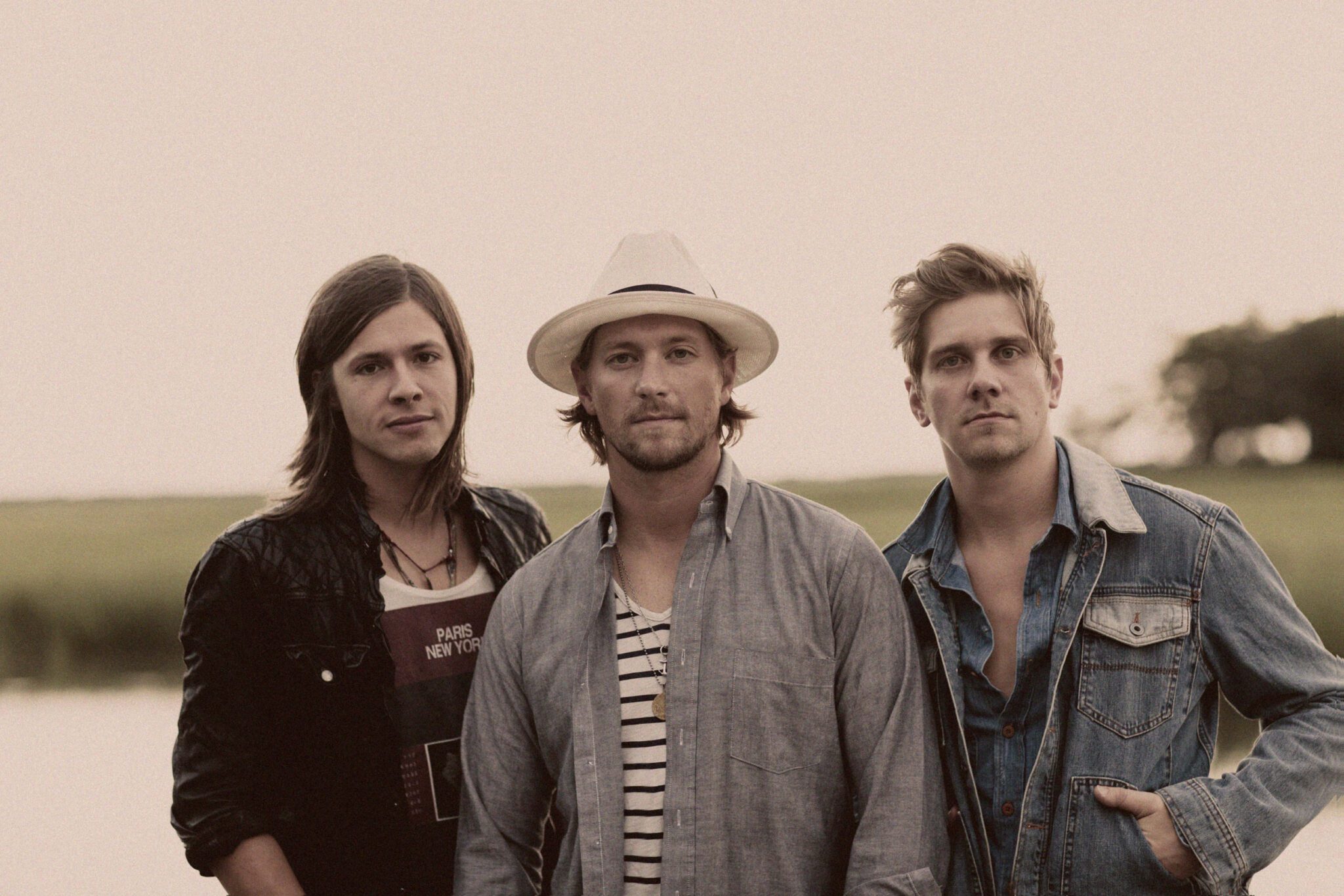
TRACK REVIEW: NEEDTOBREATHE “Where The Money Is”

NEEDTOBREATHE’s forthcoming project Rivers In The Wasteland is Southern rock at its most handclappingly jubilant, and brand new track “Where The Money Is” stands out as one of the album’s catchiest. “Ain’t no gift like the present tense,” the song opens, with bubbling cheerfulness and an energy that grabs you from the get-go. With its epic hooks and smooth, buttery vocal harmony, this track will take you home to sunny Carolina in a pickup truck. But NEEDTOBREATHE have never settled for the easy-going party folk endemic to their genre–the pop is always balanced with complicated rhythms and swinging guitar lines that evoke love of a home and strong, introspective storytelling.

The group began as a brother duo between Bear and Bo Rinehart, who started playing together in their gloriously named hometown of Possum Kingdom, South Carolina before teaming up with bassist Seth Bolt in college at Furman University in 2002. NEEDTOBREATHE gained traction first in the Christian Southern rock circuit, and their 2006 label debut Daylight was seen mostly as a devotional album. In the four releases that followed, though, NEEDTOBREATHE began a shift beyond the Christian rock niche into the larger tradition of back porch power folk. To be sure, their blend is hybridized with indie pop, laced with choruses of oohs and whoas. But NEEDTOBREATHE have never dropped their music’s devotional slant, as Rivers In The Wasteland confirms in track after track. The shift isn’t a slackening of religious themes in the lyrics, but rather an incorporation of those themes into the larger experience of love for the south, for storytelling, and for feel-good music.

NEEDTOBREATHE is not a band composed of preachers brandishing guitars; in fact, the anthemic singing slyly disguises a lot of less in-your-face introspection. “Where The Money Is” is one of the album’s loudest, hardest rocking tracks, but still contains a glimmer of how ponderous the album can be. Rather than relegate them to niche status, the band’s complexity deepens their music, making Rivers In The Wasteland an album that will surprise you, bringing a new flavor to every track.

 Rivers In The Wasteland dropped  on April 15th. To order the album, and to take a listen to what else these smooth-harmonizing gentlemen have in store, go here, and check out  “Where The Money Is” right here!

INTERVIEW: Juana Molina

maxresdefault

Juana Molina’s music has an associative, evocative magic usually reserved for smells: it can time-travel you to different seasons, countries, and decades. She chooses rhythms over images, harmonies over words, and the spooky beauty of her albums etches out a world that feels familiar but that is usually only accessible through the subconscious. To call it electronic folk minimizes its strangeness. Molina’s records are feats of editing, but it’s difficult to consider them clinically as you’re mid-listen. That’s because each track is a fully-formed world, with not just characters and scenery but also laws of physics and tidal patterns of its own.

In the mid-nineties, Molina was a successful Argentinian television comedian with a hit sketch show called Juana y sus Hermanas. Her decision to begin making records in 1996 was unpopular amongst her fan base, who figured the music for a vanity project and refused to come see her perform. Outside Argentina, Molina’s recognition has come almost exclusively from her musical career for years, but within her home country, her sixth and latest release Wed 21 marks a milestone. It’s her most overtly danceable record to date, and also her most extroverted. Argentinian audiences have responded in kind, showing up for shows in unprecedentedly large, enthusiastic numbers. That Molina’s audience and her new record share a common mood–buoyant, joyful, and ready to be transported into the little world created by her harmonies–is no coincidence. Just as she tightly stitches her loops and melodies together without leaving a trace of their seams, Molina approaches each new record with her audience in the back of her mind. As the audience grows, the music gains momentum.

I called Juana Molina up last week to talk about Wed 21, her changing audience, and her intricate, solitary recording process. Molina spent her childhood in France and is trilingual, and she told me that the title can be pronounced three ways–she says the number twenty-one in Spanish, English, or French, depending on who she’s speaking to. Words have never meant much to Molina, but the way people experience her music always has, and so it’s fitting that Wed 21 holds different nuances in different ears. Read on for more:

AudioFemme: So, Wed 21 has been out for a little while. How has it been having it out there in the world?

Juana Molina: Well, we should ask the people, but I think it’s going well. I’m very happy with the response I’ve known about. I think it’s a very happy record somehow, without being too light. I don’t have–well, I shouldn’t say that, I do have preferences for my records–but I didn’t know that this one was going to be so well-received.

AF: Is this your favorite record that you’ve made?

JM: No, my favorite record is always the first one that I produced myself [fusion_builder_container hundred_percent=”yes” overflow=”visible”][fusion_builder_row][fusion_builder_column type=”1_1″ background_position=”left top” background_color=”” border_size=”” border_color=”” border_style=”solid” spacing=”yes” background_image=”” background_repeat=”no-repeat” padding=”” margin_top=”0px” margin_bottom=”0px” class=”” id=”” animation_type=”” animation_speed=”0.3″ animation_direction=”left” hide_on_mobile=”no” center_content=”no” min_height=”none”][Segundo]because I think that that record, which I made in’98, kind of set the course for the path I was going to take. It’s like the seeds for every record I’ve made since.

AF: Did you know how you wanted it to turn out when you started making it?

JM: No, not at all. I wasn’t even thinking about making a record. We had just moved to Los Angeles at the time, and I had a few things recorded from earlier, I think from ’97. So I bought a computer and I was trying to understand how it worked. After a few months, or maybe more, I had something that I thought was a demo. I thought I would record the songs again later, in a real studio. I didn’t realize that all the takes, everything I’d done, would be impossible to repeat with the same freshness. So I decided to use it as a record, even though the quality of the recording wasn’t excellent. There’s lots of haze–things producers would hate–but I took as more important the feel and intention of the moment that I made it. And I think that’s why I love it so much. I had done a previous record, three years before that, but that record [Rara] doesn’t really belong to me, because a producer took charge of the sound. And I think he did a very good job, especially because I didn’t know how to transmit what I wanted to do. It was a time when everybody thought you needed a producer to make a record, that it wasn’t possible to make one on your own, but then the sound of the record doesn’t really represent what I do. So that’s why I consider Segundo my first real record.

AF: Has your songwriting process remained the same since your first records? 

JM: I think what’s the same about it is the fact that I get taken, absorbed–I can’t quite think of the word–by what I’m doing in a certain moment. I just start playing, and some things I record just take me somewhere else. Somewhere else totally. I am not in a room recording with a guitar, I am somewhere else. When that happens, I start working on whatever it was that absorbed me. Now, I also think about the listeners, which I didn’t do before. Somehow, unconsciously, the public and the audience is present. I can’t get rid of that presence. They exist. They didn’t exist when I was recording Segundo. They have started to exist since. When I have this thing that comes and takes me, it’s like I’m absorbed and totally taken into this new world, and I think that can happen also to other people, too. I know I’ve said this many times, but when [I get absorbed into this world,] thought and thinking disappear. You have the feeling of things coming to you, like animals coming to Snow White. It’s a very special moment and I love it when it happens; I think that when that happens you have found a truth.

AF: Is there anything except for songwriting and recording that makes you feel that way? Can you decide to get absorbed into that other world, or does it always happen by accident?

JM: No, it is absolutely impossible to determine how to get there. You can’t say, okay, today I’m going to get into the right mood to record. Once I’ve started making a record, I keep being in that mood because I keep working every day. I need space and time to dive in, like a tunnel. If I’m not playing, I don’t get into that mood. If I’m traveling, say, touring, I’m only playing the shows. It’s rare that I would play somewhere else than the shows. Sometimes I get ideas during soundcheck. I get a bit of a feeling–I wish I were home, so I could work on this–and I record it somehow, but I usually can’t really use it afterwards. I can’t get back to the same idea. But occasionally there are a few songs, “Bicho Auto,” for instance. That song was created (to use a big word) in soundcheck.

AF: You’ve said before that lyrics come last for you. I don’t speak Spanish, so I can’t understand most of your lyrics, but I’ve always thought the way the words sound is a huge part of your music. Is rhythm the thing you think about most when you’re coming up with lyrics?

JM: Absolutely. The thing is that I think lyrics are the disguise for the true melody. I make the lyrics totally fit into the melody that was there before. Lyrics have to respect–or, to submit to the melody’s desires. Sometimes I need to change letters around, because it’s not always you  can find words that fit your melody, but in general they’re pretty similar to the original. That’s why they sound so organic in the song–because they were there from the beginning, even though I write them after I’ve finished the last beat of the last little note of the song.

AF: Why do you occasionally sing in English?

JM: Very occasionally. On the first track  [“Eras”] I sing in English because that’s someone else saying that to me [The lyric is “Come, come quickly.”]. That person spoke English in the story. It’s not me talking, it’s the other person talking. And then…when I moved to Los Angeles in the late nineties I wrote “The Wrong Song,” in Segundo. It was a strange track because it was in English. The English is really wrong, that’s why it’s called “The Wrong Song.” Even though I speak English, I am in Spanish. I could do it in French and I actually have done it, because I lived in France when I was a little girl, so French is really my second language, and English is still a borrowed language. I can use words but they aren’t my own words. I sometimes don’t know if I should write in English or not. I have a very good friend, a musician, she’s from Canada. She told me once, “Listen, we’ve been listening to your music for so long. The least you can do is write us a song in English.” If I see it from that point of view, I thought it was a nice idea. So I wrote a song in English, but I didn’t dare to publish it. It feels weird [to sing in English], and I can’t really be singing if I need to think about the pronunciation. I wish I could do it. I think it would be a good thing to do. But I can’t.

AF: Four years passed between your last record (Un Dia) and this one. Why such a long break?

JM: I don’t know what happened. Just life. Love and despair. Sadness. These kinds of things get me away from recording. Then last year I thought, Oh my God, it’s been four years, and I really, really didn’t feel that four years had passed. So I started to work. I forced myself, I needed to make a record now. I started working on nothing. I just really wanted to have a record out.

AF: Do you find that your records reflect your personal life? 

JM: I wonder. I don’t know.

AF: You were talking about sadness, but as you said earlier, this record is pretty joyous.

JM: Maybe I was happy because I had gone away from those feelings, and because I was making a record again. But also, playing live has changed the way I write. When you’re on stage in a standing venue and you play very mellow songs, people get a little disturbed. They need something that takes them. I’ve discovered that I really love playing standing venues more than anything else. There’s an energy there that comes from people standing. If they’re dancing, and moving, we’re all going to the same place together. Sitting venues, even if people are really enjoying the show, I need to drag them a little bit. That’s why, when a tour is coming, I beg the booking agents to put me in standing venues.

AF: And you took all that into account while writing the songs on this album?

JM: Yeah. The possibility of there being a show influences me to do something different. Also, the audience itself has changed a lot. It’s like a party when I play, especially here [Argentina]. And I’m so happy, because that didn’t happen for years. 

AF:  Are you becoming more well-known for your singing, as opposed to acting, in Argentina?

JM: Yes, but it took a long time. People just didn’t like that I changed careers. Press was pretty mean, and absolutely ignored all the work I was doing, as a punishment. I kind of understand, it’s not that I am resentful. I was really popular making comedy, and people don’t want you to change. People just didn’t come to my shows because they thought that, because I was an actress, what I was doing was shit. But in the past five or six years, that has changed completely. Over the years I have built a completely new audience with completely different people, and only a few are fans of both things. 

AF: Would you consider doing both comedy and music?

JM: No. I did, but it was a mistake. It’s such a different mood, to make someone laugh or to make someone listen–or dance. A completely different activity. I was so vulnerable when I started to play music, because while I was acting I was impersonating a huge number of characters and making fun of them all, so nothing could hurt me because it wasn’t myself I was being. I was someone else. Being someone else allows you to act and react in a completely different way. Playing music, it’s exactly the opposite. That’s why I think they’re absolutely incompatible.

AF: Even though you’re more vulnerable, music is more rewarding?

JM: Yes, because the whole point is not to be strong. I’d rather die–we have a saying, “to die with your boots on.” You’d rather die in war than be hidden away in your house. Meaning: you’re a real soldier.

Visit Molina on Facebook, and get your copy of Wed 21 here! Check out the music video for “Eras,” off the new album, below:
[/fusion_builder_column][/fusion_builder_row][/fusion_builder_container]

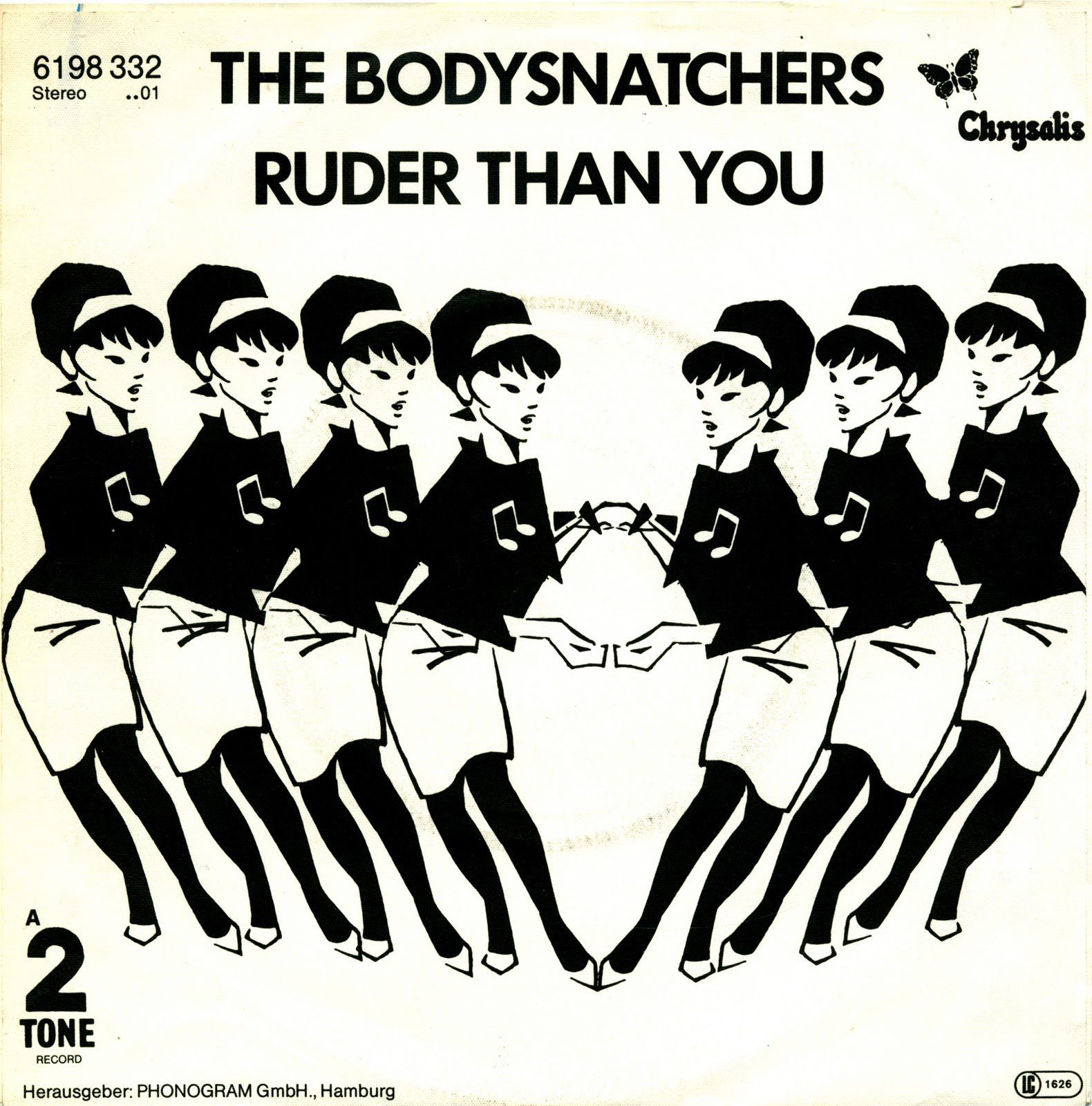
FLASHBACK FRIDAY: The Bodysnatchers’ “The Boiler”

back

Originally I was planning on writing this week’s FlashBack Friday on The Specials’ sophomore album More Specials. I own the record on vinyl, and am more than familiar with it, but I was primed to do some research anyway. I was in the middle of reading the generic titles and associations: “2-tone movement,” Madness, The Beat, Chrysalis Records, etc. when I came across a new name: The Bodysnatchers…The Bodysnatchers??? An all-girl ska/2-tone band from London couldn’t be more perfect for our weekly nostalgia bomb here at AudioFemme. My first question was: how had I not heard of these ladies?

So I was reading up about More Specials, looking through the track list, and I noticed that the female vocals supplied on one of my favorite songs on the album, “I Can’t Stand It” belong to Rhoda Dakar of The Bodysnatchers. It’s not such a surprise that these gals slipped under my radar for this long-they played together for less than two years between 1979 and ’81, releasing a few singles but no full length LP. The band’s singles were all released in 1980, their biggest hit being “Let’s Do Rock Steady” which reached number 22 on the U.K. charts that year. Other singles included “Easy Life,” “Too Experienced,” and “Ruder Than You,” the latter being a Double A side with “Let’s Do Rocksteady.”
All of these songs are pretty mediocre and commercial, with the mild exception of “Ruder Than You.” “Let’s Do Rocksteady” sounds like a cheesy record exec’s idea of 2-tone hipness; it’s like an early eighties version of The Twist. Of course, the band’s greatest song was swept under the rug due to its controversial subject matter and rough sound. “The Boiler” is a true argument for songwriter’s intuition. Prior to writing “The Boiler” The Bodysnatchers only performed Ska covers, and the song remains the first and best track the girls ever wrote.
Sung by Rhoda Dakar in the first person, “The Boiler” is the narrative of a young girl with typical Western self-esteem issues. She compares herself to the shelved, unwanted likes of “ an old boiler “ and is wooed by a tough guy who eventually rapes her. This wasn’t exactly the sort of thing Chrysalis Records was looking to push in 1980, so they demanded that The Bodysnatchers record the watered-down “Let’s Do Rocksteady” in its place. Aside from ultimately censoring a group of women who had a legitimate message to send to their audience, Chrysalis robbed the Ska-listening public of a wonderful track.
The Bodysnatchers never did get to record “The Boiler” as a group, which is a shame considering the impact it would have made coming from an all-female band. The song only exists as a bootleg live version and an un-released John Peel session, which I’d love to get my hands on. Rhoda eventually recorded the song with the bulk of The Specials in 1982 and released it on the 2-Tone label. The ensemble performed as Rhoda with the Special AKA, and while their version is haunting and certainly worth a listen, I personally prefer the organ-heavy, distorted bounce of the bootleg version.

Dakar’s vocals on The Bodysnatchers’ ‘Boiler’ are crisp and Cockney, and despite the song’s heavy lyrical content, it’s doubtless a dance track. The idea of skanking to a song about rape does lend this version a complicated air-I supposed I’d feel a disconnect between what my ears were processing and what my feet wanted to do-a real dilemma in moral ambivalence. This may have been the reason the version recorded in 1982 with The Specials took on a more somber, eerie quality. The consistency between sound and subject matter is much more digestible in the latter recording. Be sure to listen to both below:

Bootleg:

Rhoda with the Special AKA:

Though they occupied a sliver of real estate in the saga of the 2-tone movement, The Bodysnatchers left their mark with a killer song. Afterall, it’s the tiny pearls that get lost in the oceans of music history that excite me, and I’m glad to add this one to my collection. Six-degrees of separation is a fitting game for the music industry, and The Bodysnatchers opened for some of the most influential groups of their era, including Shane MacGowan’s The Nips, The Go-Gos, Madness, and The Specials. They even played the same bill as Toots and the Maytals, and got a gig performing at Debbie Harry’s birthday party in ’79.
You go girls.

[fusion_builder_container hundred_percent=”yes” overflow=”visible”][fusion_builder_row][fusion_builder_column type=”1_1″ background_position=”left top” background_color=”” border_size=”” border_color=”” border_style=”solid” spacing=”yes” background_image=”” background_repeat=”no-repeat” padding=”” margin_top=”0px” margin_bottom=”0px” class=”” id=”” animation_type=”” animation_speed=”0.3″ animation_direction=”left” hide_on_mobile=”no” center_content=”no” min_height=”none”]
[retweet]

[/fusion_builder_column][/fusion_builder_row][/fusion_builder_container]
ALBUM REVIEW: crash “Hardly Criminal”

crash

Awww yeah.

That’s my initial and abiding reaction to “Motion Animal,” the first single off Chris Richard aka crash‘s solo debut, Hardly Criminal. Crash, backup singer for the Magnetic Zeros and frontman for Deadly Syndromefinally gets to spotlight his tenor at its sultry finest on this dressed-down soul track, and the motown gods are surely pleased.

Anyone familiar with the singer’s work would be surprised to see him stick fully in one genre for a full album, though, and Hardly Criminal expands satisfyingly from soul outward. Crash grew up in Louisiana, imbibing a country-fied blend of Americana, folk, and New Orleans street-performer blues, and he can do all those styles with equally endearing swagger. “Motion Animal” comes two tracks in and holds its title as the catchiest number through the end of this record, but we hear plenty of that danceability on the down-homier “If God Was A Cajun” and the string-happy “All My Friends.” What’s especially impressive about Hardly Criminal, though, is how well crash pulls off the slower, sweeter stuff. On the succinct “Song For The Birds,” crash keeps his oddball charm in the lyrics (“Was feeding you worms/but I forgot that you don’t eat them”) but strums introspective layers of round-like, repetitive acoustic guitar, angling his voice away from soul flourish and towards a simpler, more vulnerable croon. “Britches Catch Fire,” one of the album’s most impressive demonstrations of crash’s sheer power to sustain a high note, hints at gospel in the harmonies. His versatility looms large, and surprises again and again on this record.

All told, the quieter tracks add up to a majority of Hardly Criminal, and I would have liked to see the album filled out with a couple more swingers – “Motion Animal” left me jonesing for more groove – but both in terms of songwriting and vocals, crash skillfully pulls off every style he ambles into on this collection. No matter the flavor, every single track on Hardly Criminal is worth a replay. This cat is it.

Hardly Criminal drops May 6th. You can preorder it here, and check the “Motion Animal” music video below for a soulful blast of groovy get-down:

ALBUM REVIEW: Jeffertitti’s Nile “The Electric Hour”

Jeffertitti_prism_over_face

Jeffertitti’s Nile may be one of the most eccentric bands to come on the Los Angeles scene as of late. They define their music as “transcendental space-punk doo-wop,” three ideas that may seem arbitrary at a glance, but work pretty well together when actualized. Their second full-length album, The Electric Hour, is out April 29th and it takes that definition to a new level. Recorded largely on analog tape, Jeffertitti has described it as a “sense of travel in ten-thousand directions.” This record definitely runs on its psychedelic rock vibes, but sounds more like the soundtrack to an action-packed space opera than Jefferson Airplane or the Beatles. In defining itself by putting emphasis on words that feel more literary, the project challenges the importance of more typical genre or categorization in music.

Titles like “Golden Age,” ”The Day the Sky Fell,” and the mix of sounds rapidly evoke a combination of the urban, industrial, and cosmic, though there’s not much about Jeffertitti’s Nile that is electronic. They instead combine 60s psychedelic vibes with heavy punk influence and ethereality. The “doo-wop” makes entrances in songs like “Blue Spirit Blues,” a Bessie Smith cover that lends its own unique hues to the classic. Though they are not concerned with ambience, there is still a strong sense of atmosphere in the music. The band jumps between rhythm and melody throughout the album, but they are always devoted to the idea of space. Even the titles recall some kind of special movement. “Midnight Siren” could be a ship hurtling through the darkness and a kind of screaming lullaby at the same time. The constant dynamism and fusing of musical elements works really well with something as incredibly complicated and vast as outer space.

Like most psychedelic music this is a very visual album, recalling motion through the held-out guitar notes, the ethereal background vocals. This is given focus with the “space” theme, right down to the colorful album art recalling arbitrary figures positioned in the stars. But the “punk” element is truly surprising – the quick and heavy drums that break out of the psychedelia give the intergalactic effect more human qualities. It opens up the narative of the record into something that not only transcends earth or the typical human mind set, but actively rebels against these things. Jeffertitti is serious about making themselves difficult to pin down. The “transcendent” aura shows itself in tracks like “Stay On” where wind instrument sounds temper the chaotic guitar and drums and the imagination and artistry that obviously went into the tone of the album set it apart from other acts of their ilk. The band doesn’t try very hard to make intriguing structures of rhythms; they rarely need to. If you’re intrigued by the concept, you’ll find the music mosaic enough.

Though this album doesn’t always keep your attention, it demands recognition through its rejection of musical norms. There are moments of delight and moments that take you away from reality. Give The Electric Hour a shot and listen to “Blue Spirit Blues” below:

LIVE REVIEW: Nathaniel Rateliff @ Mercury Lounge

nathaneilrateliff

Can we take a little time to talk about Nathaniel Rateliff?  Though we were all a bit smitten here at AudioFemme upon hearing Rateliff’s most recent release, Falling Faster Than You Can Run, his live performance last night at Mercury Lounge has left me slack-jawed and palpitating.  I for some reason expected Rateliff to perform solo and was pleased to see a full-band set up when I entered the venue.  Accompanying Nathaniel was a drummer, electric organist, guitarist/harmonica player/vocalist, and a bassist/vocalist cellist.  Rateliff himself volleyed between electric and acoustic guitars, taking center stage amongst this cluster of phenomenal multi-insrumentalists.


Despite what you’d like to say about the Mercury Lounge, maybe because of its cast of regulars and location, last night it struck a high note with me.  The show was intimate, filled to a comfortable capacity with a very chill and respectful crowd, and the sound was piercingly clean.  I can’t imagine a better setting for the band, save for a roadside tavern in somewheresville Montana.


Of the simple criteria that form my opinion of a live performance, the deciding one is this: does the artist sound better recorded? or in the flesh?  Naturally the latter is the most desirable, and Rateliff proves to be a true showman-someone who thrives outside the studio-womb.  His entire band communicated intricacies that exist faintly on the album, but provide much impact in person.  All of the backing band were so in sync, it was as if they were siblings breathing through one lung.


Rateliff’s music characterized by restraint, thoughtfully placed silence and emotive crescendo, all of which were delivered with enviable precision.  His songs have a way of creeping up on you, commencing with curt, whispering guitar strums and the lower end of his dynamic voice, they eventually explode into biting anthems that are prone to attack Rateliff’s oppressors-be they drink, women, or himself.


On Falling’s opening track “Still Trying” Rateliff berates himself with a dose of humor and honesty:


There’s moments I forget to tell myself//If you’d rolled in it enough you know your shit won’t even smell


This air of self-deprecation was certainly present last night, though it was met with a refreshing wealth of kindness and humility.  At one point Rateliff told the crowd how lucky he felt to be on stage with his best friends making music.  He repeatedly thanked the audience “…for coming out and giving a shit” an understated token of gratitude I think we all can relate to.


One of the most fascinating things about Rateliff’s sound is that it is freakishly accessible, and yet it could be ruined so easily.  His blend of folk, rock, and blues-tinged pop is nothing if not soulful, but it would only take the syrupy brush of a commercial producer to paint it up like Of Mice And Men, Fisher Price: my-first-folk-band garbage.  Let’s hope that Rateliff remains true to his beautiful sound and is able to dodge such unfortunate branding.  I have faith he will continue to make the right decisions for his music, that he will continue giving a shit, if you will.


Check out the video for Nathaniel Rateliff’s “Don’t Get Too Close” below:

[fusion_builder_container hundred_percent=”yes” overflow=”visible”][fusion_builder_row][fusion_builder_column type=”1_1″ background_position=”left top” background_color=”” border_size=”” border_color=”” border_style=”solid” spacing=”yes” background_image=”” background_repeat=”no-repeat” padding=”” margin_top=”0px” margin_bottom=”0px” class=”” id=”” animation_type=”” animation_speed=”0.3″ animation_direction=”left” hide_on_mobile=”no” center_content=”no” min_height=”none”]
[retweet]
 [/fusion_builder_column][/fusion_builder_row][/fusion_builder_container]
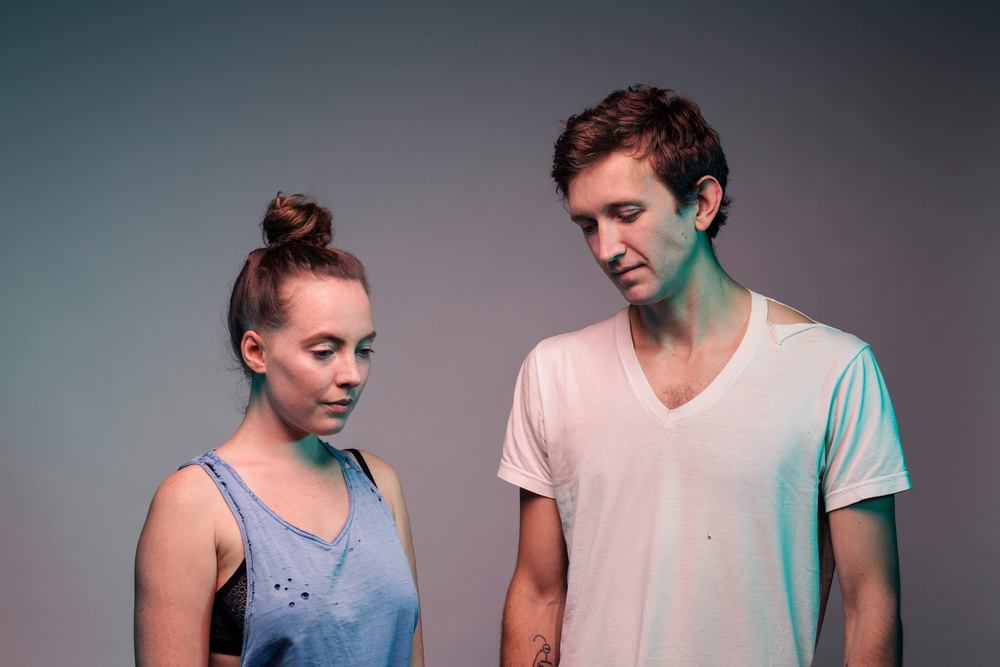
LIVE REVIEW: Juana Molina @ LPR

Juana Molina

Juana Molina

Juana Molina hails from Argentina, and, like the rich, full-bodied Malbecs her homeland is known for, Molina’s tunes sit robustly on any musical pallette. Molina is just as intoxicating, too, an experienced live performer with five records of material to cover, she managed to hit every sensitive nerve, like ripe fruit and tannins lingering on the roof of the mouth.

Molina sings mostly in Spanish, and admittedly, I understand only enough to order confidently (maybe impressively?) from a taco truck. But listening to Molina, little is lost in translation; her experimental, polyrhythmic vocal style doesn’t beg lyrics to be discernible and I suspect that even the fluent folks in the audience at Le Poisson Rouge were listening for the inventive vocal stylings, creative loops, and exuberant expression moreso than lyrics themselves. She acquiesced to the packed audience’s assumed language between songs, her stage banter spoken in warm, sparkling English stage banter with genuine sincerity and humor.

Beyond her impressive, hypnotic vocal stylings, her guitar work was simply breathtaking. Of course, she didn’t play just any guitar; that night, she was strumming a 1966 SG Special – an electric, classic style instrument. Though she vented to the crowd about how everyone has been bugging her to purchase a tuner, Molina’s layered tones rang golden, her old school flair updated within the modern movements.

Juana Molina’s performance was made extra special by how visual and fearlessly romantic it was. She sang graciously yet powerfully in her native tongue. “Eras” brought the crowd into her realm of energy through the velvety smoothness of her voice and melodic beat. As I stood there, I felt a sort of vibrational force wash over me, the rich, textured noises providing an expansive yet swaddling cocoon. No matter how varied these sounds were, they came together with a similar resilience. Her mesmerizing abilities did not stop there– in “Un Dia,” the title track from her 2008 release, she used a loop pedal to create that unique background for the song, layering keyboard atop masterfully. She was very in touch with the details – let it be said that Juana Molina does not mess around with the preciseness of her music. She knew that at one point, her guitar was having trouble tuning because of the air conditioning hitting the strings and delicate wood. Her songs are made more intimate and spiritual because of the relationship she displays with her instruments.

Molina is touring in support of Wed 21, released this past fall. Reaction from her fans? Well worth the five-year wait. Molina’s brilliant dynamism is sure to take audiences on a journey that will feel both spiritual and of this world.


video by YouTube user Raul Romero

UPDATE: Check out Carena’s interview with the vivacious Molina here.

Album Review: Pink Mountaintops – Get Back

Pink-Mountaintops-by-Julie-Patterson

I saw a photograph lying in the street

Picture of you 

Oh and how times change

Though it has been five years since we’ve heard anything from Pink Mountaintops, frontman Steve McBean has remained incredibly busy. Moving from his homebase in Vancouver to Los Angeles didn’t stop him from releasing Wilderness Heart with Black Mountain in 2010, retooling Black Mountain songs for the Year Zero soundtrack in 2012, or forming Grim Tower and putting out Anarchic Breezes under that moniker last year. Always a musician who has shuffled from project to project with a surprisingly clear vision for each (despite the generally stoney vibes that tie them all together) McBean tapped producer Joe Cardamone in releasing the band’s sixth studio album, Get Back.

With any of his endeavors, McBean’s never focused on experimenting with new instruments, electronic beats or fancy vocal effects, and Get Back is no different. With this record, he set out once again to create a pure, plain and simple rock’n’roll document, and he accomplishes exactly that; there are no frills, no underlying agendas or messages, no subtleties. Get Back sets a scene, creates a mood and proves that you don’t have to look to the future to create something new and interesting. To the contrary, McBean riffs on the past and creates an album that captures the truest essences of a rock’n’roll lifestyle, which according to him consist of “Alleys, curbs, walls, and cigarette stained gig flyers. An island on the Pacific coast. Fake British towns. Slayer posters. The beauty of youth. It’s about listening to ‘Driver’s Seat‘ and ‘Guns of Brixton‘ and hotboxing The Duster.”

Get Back may be only ten tracks long, lasting for just under 40 minutes, but for those 40 minutes it’s easy to be transported back to the irresponsibility of youth. It evokes those times when I thought it was cool to litter floors with cigarette butts, those times I had to wear sunglasses inside because I was too hungover for fluorescent lighting, those times getting drunk in the woods behind the powerlines because I was too young to go to bars and had nowhere else to go. With hook-driven guitar riffs, lyrics that sometimes veer into the nonsensical, and McBean’s dramatic yet sincere vocals, Get Back perfectly encapsulates the angst, spontaneity, romance and irresponsibility of youth.

It is no accident that Get Back brings one back to their reckless teenage years. The whole album is a nostalgia trip, and McBean makes this no secret. From “The Second Summer of Love,” which, according to McBean, was in 1987, to the distorted doo-wop of “Sixteen,” where McBean laments “and all we want tonight is to fall in love beneath the midnight sky” McBean clearly looked back to his teenage years, dredging up all of the drama and recklessness that comes along with it. This thematic approach works well, as no two things go together better than teenage kicks and rock’n’rollWhen Joe Cardamone told McBean to “Sing it like you would’ve sung it when you were 21,” I doubt that he expected him to do so with such sincerity.

But it’s not just nostalgia that drives Get Back; the record is also a sentimental exploration of hedonistic West Coast urges and how they play out in McBean’s newest home. Nowhere is this more apparent than in the record’s lead single, “North Hollywood Microwaves,” which features Giant Drag frontwoman and Cali native Annie Hardy.  Her adenoidal, X-rated ramblings over bass-driven beats and dystopic melodies give it a hyper, free-wheeling zaniness, and set it apart from the rest of the LP’s more straightforward brand of stoner rock. The album opens with driving drums, urgent guitar and grungy vocals on “Ambulance City” and moves through a veritable buffet of dirty, psych jams before ending, appropriately, with “The Last Dance.” Rather than striving to separate himself from the rock influences of the past, McBean celebrates and elaborates on them at every turn.

Get Back brings out the teenage miscreant in all of us. Make sure to pick it up when it comes out on 4/29 via Jagjaguwar records.