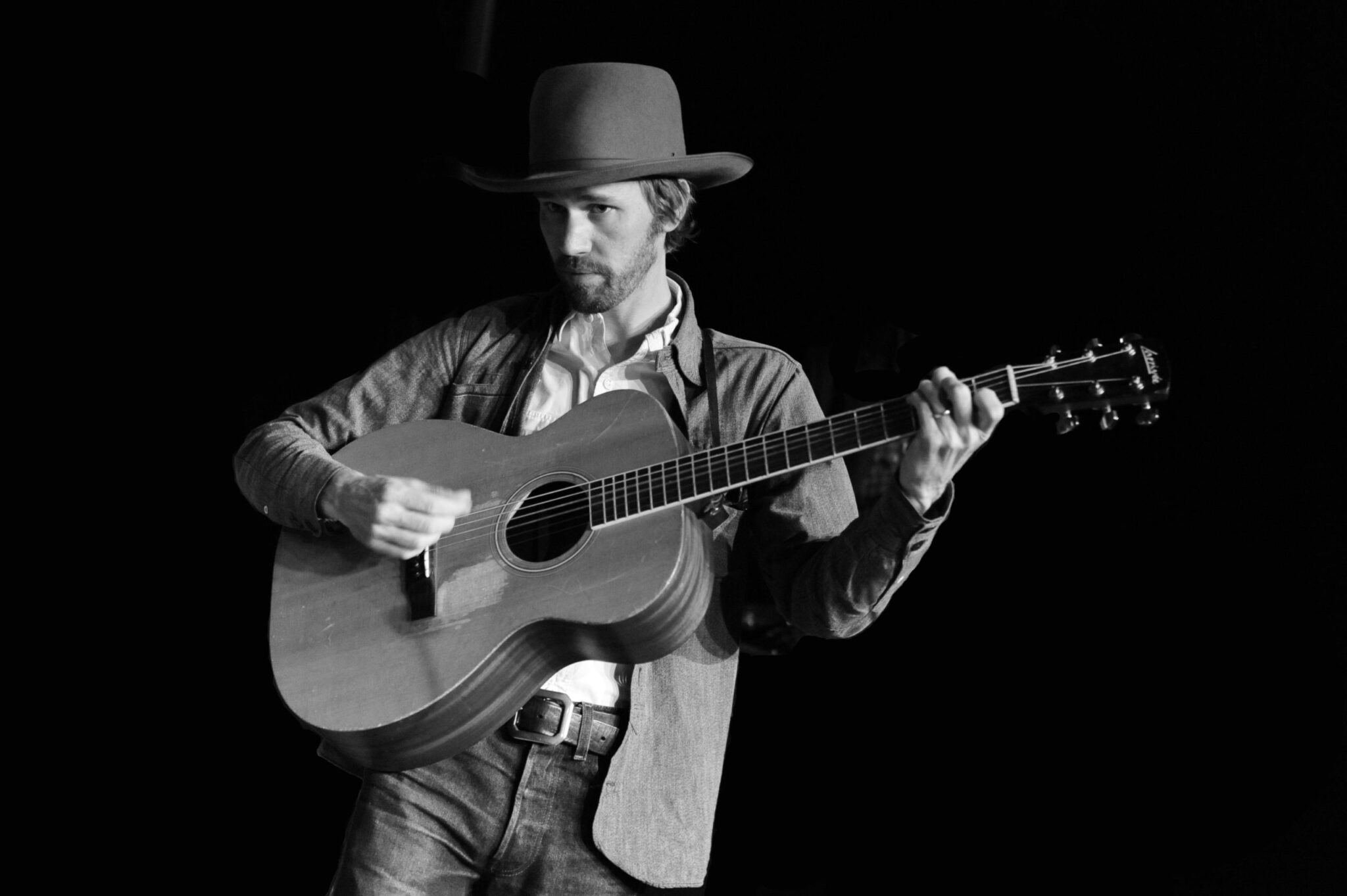
Flashback Friday: Roy Orbison’s “Mystery Girl”

mystery-girl-roy-orbison-24034328-1052-1000

Few musicians have effectively sidestepped the descent into mediocrity. Even fewer have remained truly great up until their deaths, and ascended into legends long after. Johnny Cash, Lee Hazelwood, and Lou Reed are among this musical elite. And then there’s Roy Orbison. Though most famous for recording “It’s Over” and “ Oh, Pretty Woman,” in 1964, Orbison has written, recorded and produced some of the most original and memorable ballads in pop music history. As part of the golden legacy of Sam Phillips’ Sun Records, Orbison has had a total of 22 songs placed on the Billboard Top 40, and boasted a phenomenal vocal range that stretched three or four octaves. This ability to transition between baritone and tenor popularized Orbison as “the Caruso of rock.”

Though Orbison’s most prolific years were the 1960s, his posthumously released final record Mystery Girl is one of the finest departing albums I’ve ever heard. Recorded in the Fall of 1988 three months before its release, Mystery Girl is a flawless pop-opus which touts production quality as slick as Orbison’s signature onyx pompadour.

The album is a sonic homage to mid-century American pop-rock-n’roll, a fitting soundscape considering the era’s cultural revival in the late 1980s. Mystery Girl includes songs written by giants of the industry: Tom Petty, Jeff Lynne (of ELO), and Elvis Costello to name a few. Its cast of producers is no less impressive. Mike Campbell (of Tom Petty and The Heartbreakers), T-Bone Burnett, and Brian Eno highlight Orbison’s own distinct production style.

“You Got It,” the record’s opening track, is one of the most recognizable. This is in part due its use in advertising. It is an upbeat number that recalls a breezy summer romance in the 1960s-or at least what our lens of synthetic nostalgia renders that to seem like. It’s a great pop song, but the meat of this album lies in the sweet melancholy of its more orchestral tracks.

Chief among these is “In the Real World,” which ranks with Orbison’s great songs of heartache. The song is distinctly Orbison, beginning with the gentle strum of a Spanish guitar and a single thread of that signature quivering croon. With haunting backing vocals and the emotive use of strings, it possesses the same sweeping quality of his early work, leaving the listener in a somnolent limbo between misery and bliss. This is the Orbison condition: an ambivalence that results from a sound so beautiful, you’d rather die than go on listening (or die before listening to anything else).

This condition is perfected on the album’s near-title track “She’s a Mystery to Me” which was written for Orbison by U2 members Bono and The Edge. The song’s power is undeniable. Orbison’s voice is sorrowful and slips over you like opium molasses: slow, astringently sweet, and twice as addictive. Meanwhile the orchestral accompaniment concocts a warm-whiskey sound that dissipates outward from the sternum to the cuticles. It’s the perfect medicine for gluttons of sorrow. The all-star credits continue from there; Elvis Costello’s contribution to the album is the tragic “The Comedians” which delivers Costello’s patented contrast between audible joy and verbal dejection. That Costello had written the song makes perfect sense in retrospect, but when Orbison sings it, it becomes his instantly.

My favorite song on the record is undoubtedly “She’s a Mystery to Me,” but a neck-and-neck second is “The Only One,” written by Craig Wiseman and Orbison’s son Wesley. While “She’s a Mystery to Me” has a consistent sound throughout verse and chorus, “The Only One” is far more dramatic. Its verse eases us into a simple and downtrodden ballad, and then the chorus crescendos into a crooning reprimand. The Orbison condition is contracted yet again.

Though Roy Orbison was a permanent fixture in my musical rearing, I didn’t hear this album (as far as I can remember) until two and a half years ago at a friend’s apartment. I was dumbstruck immediately. Orbison’s voice is like butter – as in, you can put it on anything and it’s improved tenfold – but I was still shocked at how timeless the record sounded. It at once seemed old, new, and impossible to date. It’s sad that Mystery Girl had to be the last album Orbison would ever record, but man, what a way to go out.

Listen to “She’s a Mystery to Me” and “The Only One” below:


PREVIEW: BROOKLYN FOLK FEST

20140206-paxton-x1800-1391712604

You’re probably wondering why I’m so happy today. I’ll tell you. It’s because Brooklyn Folk Fest is this weekend at The Bell House and I CANNOT WAIT. I am so excited and I just can’t hide it.

Six years ago, Eli Smith of the Down Home Radio Show partnered with The Jalopy Theatre, a Brooklyn-based venue and music school, to create the Brooklyn Folk Festival. With its rigorous schedule of live performances and music classes, the Jalopy has long been a beacon of folk music within New York City, particularly folk music played live, and the festival quickly became a way to expand and showcase the scene in New York. This weekend, the annual three-day event returns for its sixth year with an exciting lineup of string music and Americana as well as traditional music from other parts of the world–Balken traditional singer Eva Salina, for instance, is a returning performer who will join the festival again in 2014.

This year, the Brooklyn Folk Festival has also boldly scheduled itself to coincide not only with Easter but also with Record Store Day. That makes this weekend the BEST WEEKEND EVER–after you’ve picked up your rare, new, or limited edition vinyl, come down to The Bell House and settle in for one of the most spectacular offerings of the city’s live folk music scene. Attend a mandolin workshop! See a screening of John Cohen’s films! And hey–you might even win a free banjo.

I’ll be hanging out there all this weekend, trying not to suck at square dancing. The full schedule is listed down at the bottom of this page, but before I get there, here’s a list of the things I’m most excited to check out this year. They range from performances I’m anticipating in particular to promising reading and talks to festival traditions, because Brooklyn Folk Fest is more than a three-day hootenanny–it’s a celebration of where folk music is today, in New York City as well as out of it, in all its incarnations.

Okay, here goes:

1.  The Pete Seeger Tribute Singalong at 6:30 PM on Sunday, April 20th.

Pete Seeger was not only among the most beloved musicians and song collectors of the folk revival, he was also an environmental activist who made a special impact on New York state by helping clean up the Hudson River and founding the Hudson River Sloop Clearwater organization. It’s difficult to imagine the folk scene in New York without Seeger, who died this January. I can’t imagine a better way to pay tribute to him, though–every time I saw Seeger play, the best parts of the show, and the parts of the show that he seemed to enjoy playing the most, were singalongs. Seeger may be gone, but the momentum he created for community folk singing is alive and well.

There’s Pete Seeger leading a sold-out arena in “Amazing Grace” on his 90th birthday. Yeah, just try to stay dry-eyed.

2. Tahuantinsuyo

This pioneering Andean folk music group emphasizes preservation of their roots, using regional instruments and costumes in their performances. Tahuantinsuyo performs on guitars, flutes and panpipes, deliberately keeping the sound and rhythms authentic to their origins. While it’s a rare treat to have the chance to hear music from the Andes performed in New York at all, I’m especially excited to see these guys in the context of this festival–with so many traditions and cultures operating side by side, I’m keeping my fingers crossed for a spontaneous jam session or two. Check them out here

3. The Downhill Strugglers with John Cohen

The ass-kicking, rip-roaring Downhill Strugglers come straight out of the old-time string band tradition, but they’re very much in the business of bringing old music into the present day. They’re based out of Brooklyn and contributed to the ‘Inside Llewyn Davis’ soundtrack, and their live shows are way too much fun for anyone watching to call them preservationists. On Saturday they’re playing with John Cohen, founding New Lost City Rambler and folk music collector.

4. The Banjo Toss

What is the Banjo Toss? This is the Banjo Toss. It’s a time-honored Brooklyn Folk Fest tradition, and it’s an excellent opportunity to throw a musical instrument into the Gowanus Canal while a riled up crowd of folk fans cheers you on. If you throw the banjo farther than anyone else, this happens:

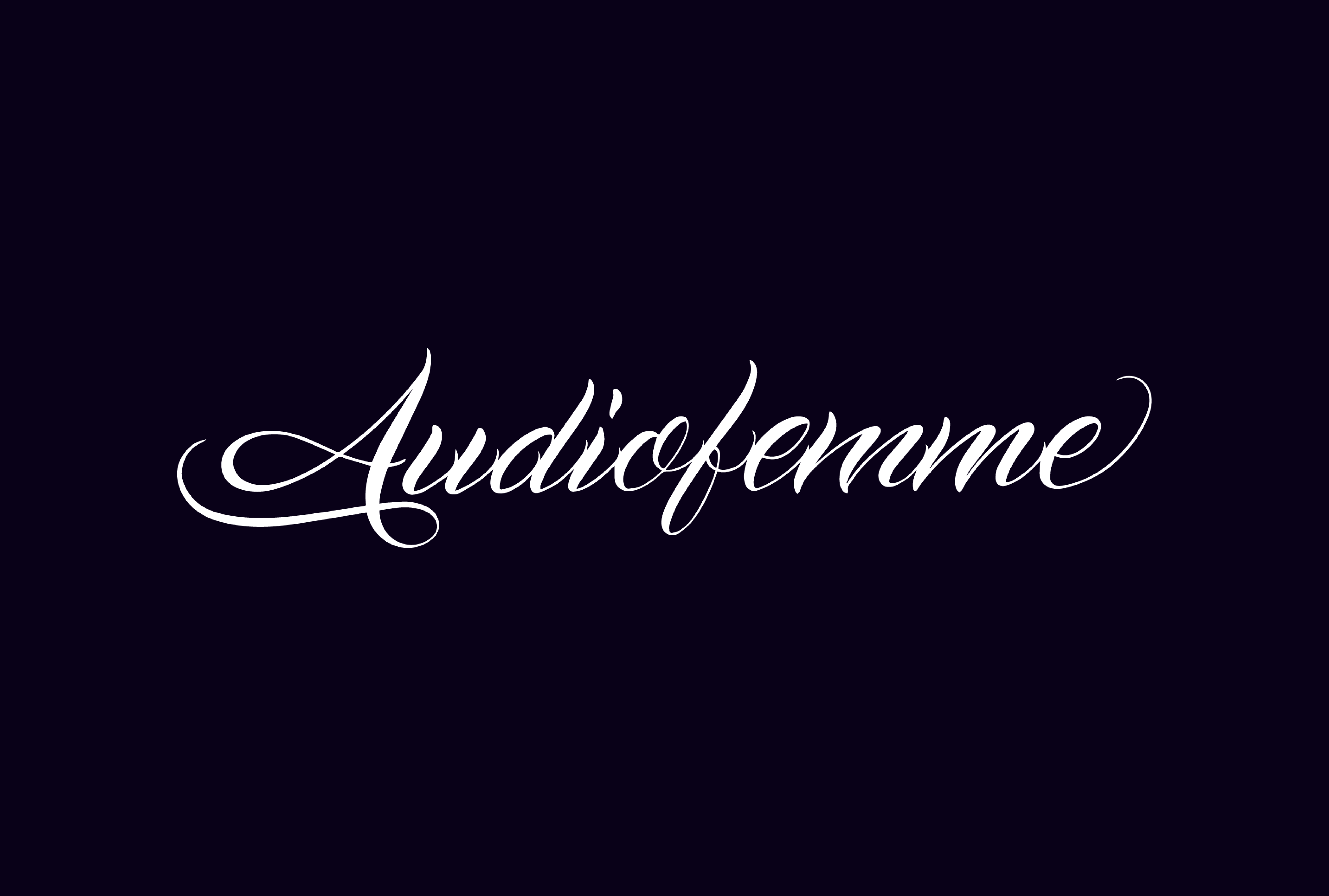
5. Jerron “Blind Boy” Paxton

Known for his intimate performance style (so intimate, apparently, that he won’t mind if you call him Blind Boy), Jerron Paxton is a versatile blues songster who flips easily between the guitar and the banjo and plays a slew of different styles: hokum, old-time, and cajun tunes, to name a few. Though Paxton’s only in his mid-twenties, he speaks and acts like an old-timer, with a baldly honest approach to the music he plays. “Old music is the least sucky thing of any type of music you can run across,” he told festival organizer and radio host Eli Smith on Down Home Radio in 2010. Paxton’s playing doesn’t suck, either, and neither does his broad-smiling energy on stage.

Those are the acts and activities that I’m anticipating most about this weekend’s festival, but they are MERELY THE TIP OF THE ICEBERG. Check out the full schedule here.  All this weekends’ events will take place at The Bell House in Brooklyn, between Friday, April 18th and Sunday, April 20th, and you can still pick up tickets here (a three-day pass is $75, and a one-day pass is a steal at $20). And while you’re dusting off your overalls and warming up your banjo-chucking arm, tell me what you’re most excited for at Brooklyn Folk Fest! The party kicks off this Friday, April 18th, with Brotherhood of the Jug Band Blues at 8 PM.


TRACK REVIEW: Amen Dunes “I Can’t Dig It”

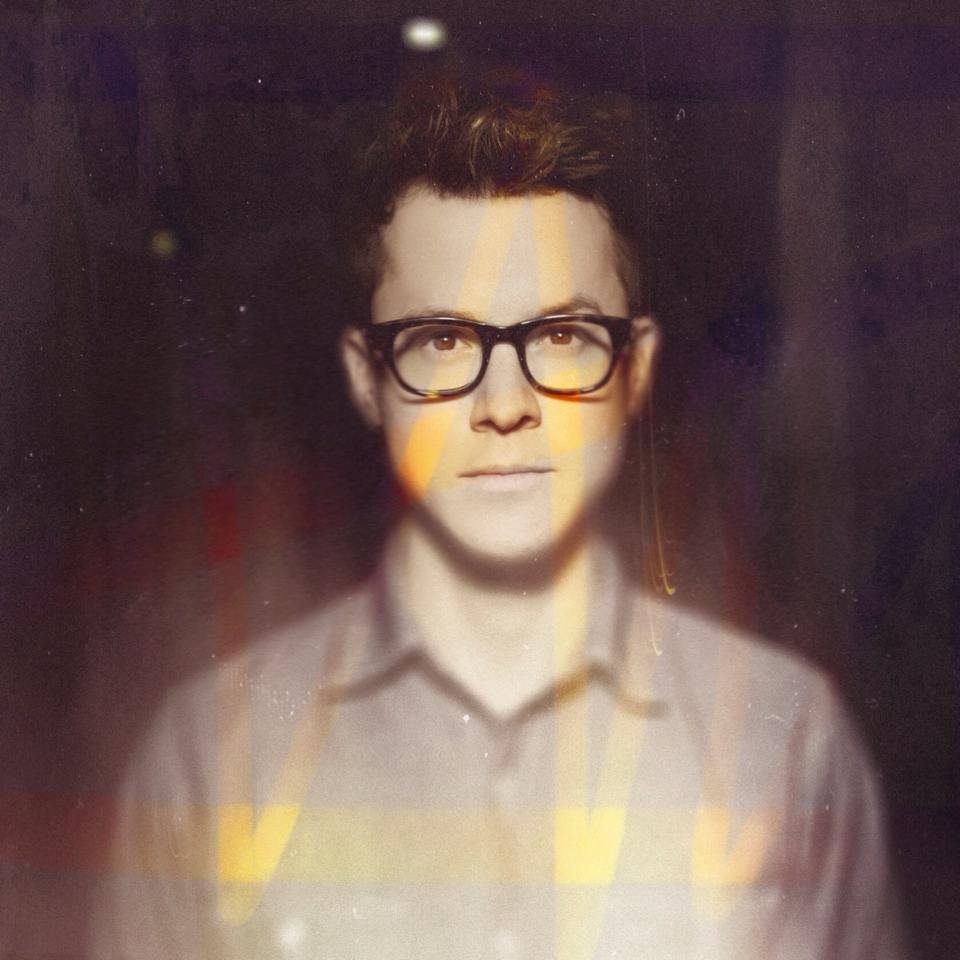
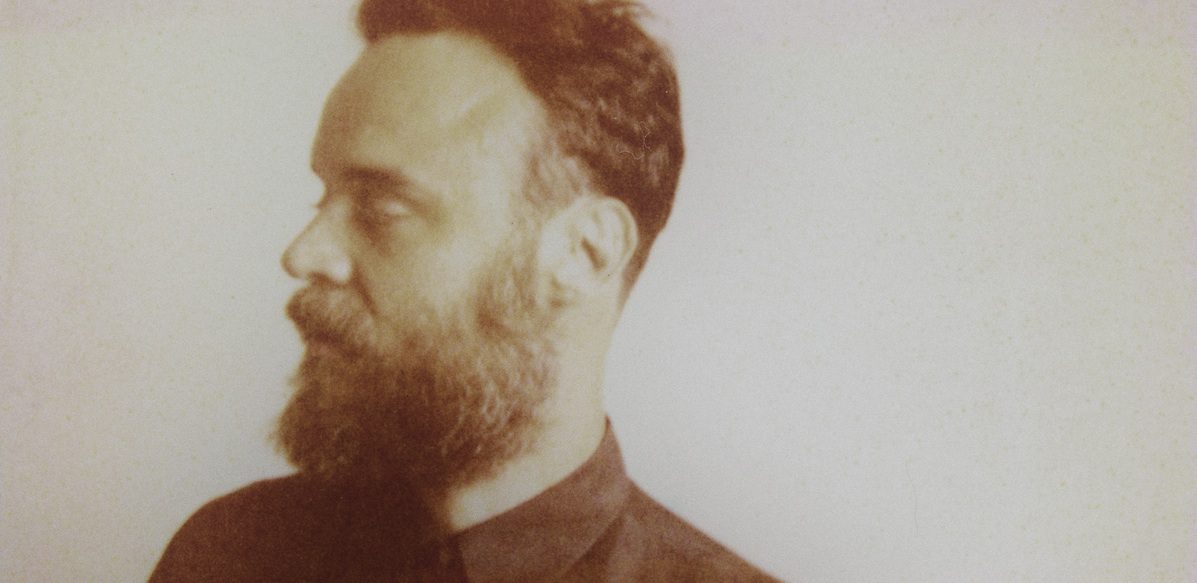
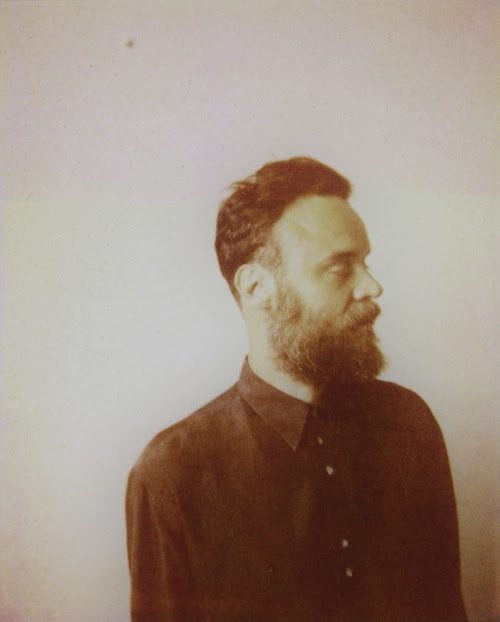
The two tracks off Amen Dunes‘ forthcoming album Love that have surfaced  (“Lilac in Hand” and “Lonely Richard”) are both on the murky side of things, but neither can touch the newest single, “I Can’t Dig It” for sheer liberated noise. Lo-fi and howly, the track is an ingloriously atonal celebration of being no good in all the right ways. Rough rhythms and war-cry vocals abound.

As always, the music is the product of Damon McMahon and friends, but Love is probably the first Amen Dunes recording that can’t be considered a solo album. Not only do we see McMahon’s longtime collaborators Parker Kindred (drums) and Jordi Wheeler (piano, guitar) join him for the length of the album, but several of the tracks feature input from other friends and neighbors. In fact, “I Can’t Dig It” gets its guitar and sax lines, respectively, from Efrim Manuck, of Godspeed! You Black Emperor, and Colin Stetson, of too many projects to list here.

Truth be told, there might be too many people on this track. Stacked as high as a too-tall deli sandwich, “I Can’t Dig It” has too many instrumental lines, rhythms, and sections to keep track of, let alone rock out to. Which is a shame, because the high-flying vocals and fast-paced, moshable rhythms would make for fantastically distorted and dirty party music if the song’s structure were a little bit simpler.

Amen Dunes newest album Love, including “I Can’t Dig It,” will be out May 13th on Sacred Bones. Can you dig it? Yeah, I thought I was gonna get through the whole review without making that joke, too. Give the track a listen below via Soundcloud:

VIDEO REVIEW: Chet Faker “1998”

Recently, a lot of our favorite music videos have come from the one and only Chet Faker, so its no surprise his latest release is eye-catching and creative. The Australian producer and singer released his debut album, Built on Glass, this week via Downtown Records/Future classic, and “1998” is the second single off of that record following “Talk Is Cheap.”

“1998” revolves around a fairly simple but mightily catchy beat that provides an breezy, dancy background to Faker’s soulful croon. The video, directed by Domenico Bartolo, is a fully animated artwork that begins with inkblots jumping, twirling, and morphing into various shapes to the song’s infectious beat. An animated Chet Faker walks through the black and white landscape, and we watch his journey through this pseudo-Chalkland from many perspectives—the camera switches from looking straight at him as he walks towards us, to following him from behind, to staring directly down or up at him. His surroundings pick up color towards the end of the film and we get an impressive 360 pan of his silhouette before it disappears into an inkblot.

The expert and quirky animation is a perfect visual representation of the song. Enjoy the video below!

INTERVIEW: Willie Watson

Willie Watson recorded his debut solo effort, the straightforwardly-titled Folk Singer Vol. 1, over the course of two days at Woodland Sound Studios, the studio owned by Gillian Welch in Nashville, TN. In those sessions, he played whichever songs came to mind: the collection features some well-known numbers like “Midnight Special,” along with rarer inclusions such as “Kitty Puss” and “Mexican Cowboy.” The track list has sprawling origins, spanning blues, folk, and rock and roll as well as decades. Collaged together by producer David RawlingsFolk Singer ambles through its ten tracks with the lowlight unadornedness of a late-night impromptu performance.

And in a way, it is. When Watson split from Old Crow Medicine Show, which he’d co-founded and been part of for a decade and a half, he wasn’t sure where he would end up next. Though he didn’t start out with the goal of making a record of traditional songs, it does seem like kind of a neat return to basics: after a long run with a band that helped define contemporary folk music, Watson’s solo career so far has been an opportunity to revel in the old songs that made him love old-time folk music in the first place.

A couple weeks ago, I got a chance to chat with Watson about his new album, the traditional songs on it, and how he came to love old-time music. Read on for more:

AF: What made you decide to put out a solo album after you left Old Crow, as opposed to forming another band?

WW: You know, it just sort of happened that way. I’ve been singing old songs–folk songs, traditional songs, whatever you wanna call them–for years. Once I was on my own, I wasn’t sure what my next move was–if I was going to have another band, or try to write a bunch of songs. At first, I did start writing songs, but I don’t think I was satisfied with what I was writing. I was starting to do some solo shows, and I had a few songs I’d written, and I would do a mix of those with old traditional songs, at those early shows. I was a lot happier doing those old folk songs, and I think the crowd was a lot happier, too. I thought those were great songs that people should be hearing, and that I wanted to be singing.

AF: You’re in a position to introduce listeners to those old songs for the first time, in many cases. How cool is that?

WW: Totally cool, and I’m happy if I can be that guy. Alternately, if they heard where they came from, they might not want to listen to me anymore. I would much rather put on Leadbelly singing “Midnight Special” than listen to me. It’s surprising, a lot of people might not even realize that these are old songs. I think if they have the record, Folk Singer, and they read the reviews and write-ups, they’ll get it–but I’ve played shows and had people think I wrote all those songs.

AF: You grew up in upstate New York, right? What was the musical community like there?

WW: Around Ithaca and Tompkins County–which is right next to Schuyler County, where I’m from–there’s a lot of old-time fiddle music. There was a banjo player named Richie Stearns and all those guys from Donna The Buffalo, they’re old-time players. There would be a weekly old-time jam every week up there. So I was exposed to that first hand, being around the scene and the music every week. Richie Stearns had a band called The Horse Flies, and they were a mix of old-time fiddle music with eighties pop. They had a drum set and they all plugged in, and Richie Stearns was playing clawhammer banjo. Judy Hyman played the fiddle and would dance around the stage, doing this headbang-y thing with her eyes rolling back in her head. I was about thirteen, and I would see this stuff and thought it was the coolest thing I’d ever seen. It was dance music, and it really moved me in a big way. That was my introduction to old-time music. I knew it wasn’t bluegrass, this old-timey thing The Horse Flies were doing. It was something a little bit different, and it really stood out. I was already listening to Neil Young and Bob Dylan. Of course, at the same time I was also listening to Nirvana, too. They did that Unplugged thing, where he sings the Leadbelly song [fusion_builder_container hundred_percent=”yes” overflow=”visible”][fusion_builder_row][fusion_builder_column type=”1_1″ background_position=”left top” background_color=”” border_size=”” border_color=”” border_style=”solid” spacing=”yes” background_image=”” background_repeat=”no-repeat” padding=”” margin_top=”0px” margin_bottom=”0px” class=”” id=”” animation_type=”” animation_speed=”0.3″ animation_direction=”left” hide_on_mobile=”no” center_content=”no” min_height=”none”][“In The Pines/Where Did You Sleep Last Night”]. I knew my dad had a Leadbelly record in the basement, and I went and got it out. Really, that changed everything for me right there. It was all coming together at the same time.

AF: Were there other kids excited by old-time and interested in playing it?

WW: Yeah. I started a band pretty quick. A lot of the old-time players had kids my age, so they all had guitars. We started a band called The Funnest Game that was kind of the same thing–clawhammer banjo, electric guitar, drums. People liked that we were young and we were playing this stuff, so we started playing shows at clubs when we were about fifteen or sixteen. And they’d pay us. Which was nice! It was like, “Holy cow! This could be a job?!” So I quickly dropped out of high school when I was sixteen.

AF: Did you meet up with Old Crow Medicine Show pretty quickly after that?

WW: It was a few years. I had that first band, and then Ketch [Secor] moved to Ithaca when…I must’ve been seventeen or eighteen. Richie Stearns knew Ketch from the festival scene and he introduced us. Ketch moved up [to Ithaca] and then Critter [Fuqua] moved up a bit later. When The Funnest Game was about to break up, Ketch and Critter’s band had just broken up. They opened together for The Funnest Game and sang together, harmonized, did their duo thing. I was floored. As soon as they started singing, I immediately really badly wanted to sing with them. And so we made that happen.

AF: Looking back on it now, how do you feel about having been a part of that band?

WW: What can I say? It was everything to me, to us. That band was my whole life for almost fifteen years. I wouldn’t change anything. We just kind of grew apart. In the early days we played a lot of old music and not as many songs, although we were always writing. I don’t have any regrets, but I’m really happy that I’m where I’m at now. I’m playing the music I want to play, and it’s real simple, and I don’t have a big light show–I’m in a good place with that.

AF: Let’s talk about how Folk Singer became the collection that it is. Can you tell me the story of how one or two of the songs came to be included on the album?

WW: Anything in particular?

AF: How about ‘James Alley Blues?’

WW: Okay, yeah. That’s a Richard “Rabbit”  Brown song, and I don’t know too much of what he’s done, I just know that song, and also he does this great version of the Titanic story. He definitely plays ‘James Alley Blues’ different [than I do], it’s more bluesy, and he’s got all that finger picking guitar stuff. I heard it and I knew my voice would be right for it, but I had to find a different way to play guitar, because I don’t really play blues like that. That open-tuning blues stuff. I knew I really wanted to do that song because it really reached out to me. I related to what he was saying, and what the song was about really hit home for me. So I just had to find a different way to play guitar, you know, find a way that the song could come out of me.

AF: Were there any notable exclusions? Songs you were sure you wanted on the album, but that ultimately didn’t wind up making it?

WW: We recorded over twenty five songs for this album. There’s still a whole bunch of stuff in the can. That’s where Dave [Rawlings] comes in. The idea was just to get in there and sing whatever was rolling around in my head. I had a little list of songs. Then Dave would say, “Okay, that’s great, but do you have anything in the key of C?” Some songs were totally off the cuff, and yeah, some songs didn’t make the cut. Like “Kitty Puss,” that song wasn’t supposed to be on there. When I flew to Nashville to record the sessions, I was listening to that on the plane before I landed. I’d never played it before. I got into the studio and they were adjusting the sound, and the guy was like, “play something,” so I just played “Kitty Puss.” That was the first time I played the song, so I remembered what words I could. I kinda rearranged the words, I think, just because I didn’t know exactly how the guy did it on the record. He recorded in the early twenties, before there were electronic microphones. Back then they were literally singing into a funnel. It was just him and a banjo, and he’d sing a lot of children’s songs and novelty songs. I’d been listening to it for a while. I didn’t expect it to be on the record, it just came out really good.


A great big thank you to Willie Watson for talking to us! Folk Singer Vol. 1 will be out on May 6th, and you can pre-order your digital or physical copy here. Watch Watson perform the first track, the classic “Midnight Special,” below:
[/fusion_builder_column][/fusion_builder_row][/fusion_builder_container]

VIDEO REVIEW: EELS “Mistakes Of My Youth” and Foals “Inhaler”

eels2

These past few months have brought us two new music videos that showcase the difficulty of youth and nostalgia from bands with animal monikers. EELS, singer-songwriter Mark Oliver Everett’s constantly developing alternative project has released a video for “Mistakes Of My Youth,” off of the forthcoming album The Cautionary Tales of Mark Oliver Everett. This new record hones in on interiority and personal struggle, a good focus for a fairly inconsistent band. The lo-fi melody of “Mistakes” is nostalgic, steady, and bittersweet.

FOALS-21

Uk indie quintet Foalstake on adolescence, “Inhaler,” on the other hand, is rife with wild, passionate movement. Both of these bands seem to be looking back to the early 90s indie rock scene. While EELS’ does so with melancholia, Foals’ channels desperate rage.

The “Mistakes Of My Youth” video hones in on suburban rebellion. Beautiful shots of streets, parks, and backyards frame the world EELS’ youth lives in. He watches old black and white cartoons; he smokes and drinks under telephone lines amid grey skies; he rides his bike around restlessly, listlessly, reminiscing about his childhood with lyrics like “Look back down the road / I know that it’s not too late.” This narrator is attempting to recreate his younger days by “repeating yesterday,” though he knows this is impossible. Behaving wildly as he did when he was younger – graffiti, broken windows – won’t restore his youth. Meanwhile, the boy in the video also represents the invert. He behaves as an adult, smoking, drinking, making out with a girl, in an attempt break free of childhood’s confines, however his angst remains. This complicated juxtaposition captures the spirit of weary teenage rebellion.

Look out for EELS new album The Cautionary Tales of Mark Oliver Everrett, coming out 4/22 on  E Works/Pias.

“Inhaler” shows teenagers and Foals as discreet cohorts. A group of kids stand under a train trestle with hoodies, headphones, skateboards, and backpacks. Their  rowdiness is palpable, resting just beneath the surface. The band is physically separate from them yet somehow still part of their delinquent resolve. Both groups cop a strong sense of rage and discontent, as if the sentiment itself is waiting to burst out, as opposed to EELS’ sense of emptiness. Here, the youth are full of temper, of resentment. Foals’ vocalist Yannis Philippakis  yelps hoarsely and glances ominously at the camera. The body’s import to youth is part of the visual motif: they are attempting to find freedom that is outside of their physical selves and we see them strive for this through acts of physical defiance, through the pushing of physical limitations. Their sense of entrapment to the point of sickness is communicated throughout. Their confusion and rage pulls them together, unites them as a force of movement seeking escape.

Foals is currently on a spring tour with Cage The Elephant and will be making stops at Terminal 5 in  NYC on 5/6 and 5/7.

TRACK OF THE WEEK: Son Lux and Lorde

Last year, producer/composer Ryan Lott, aka Son Lux, released his amazing full-length album Lanterns to immediate praise. How’s now returning with Alternate Worlds, an EP of four of Lanterns’ songs reimagined and reinvented. The tracks are all worth a listen, but Son Lux’s collaboration with Lorde on a remake of his song “Easy” is our favorite.

“Easy (Switch Screens)” ups the ante by replacing “Easy”’s originally slithering, quietly hypnotizing sound with a heavier, more intense one. The song is still rather minimalistic but the percussion takes an industrial turn here, and when paired with Lorde’s now unmistakeable voice, it’s downright sinister—but in an oh so sexy way. She sounds like a movie villain spurned as she sings Son Lux’s lyrics, “Pull out your heart to make the being alone easy.” An abrasive electrical guitar solo punctuates the track with a distorted sound that almost nears scratches on a chalkboard.

The overall effect is ever so slightly disquieting, but 100% mesmerizing. Alternate Worlds is due out May 27th on vinyl via Joyful Noise Records, but it’s available digitally right now. Take a listen to “Easy (Switch Screens)” below!


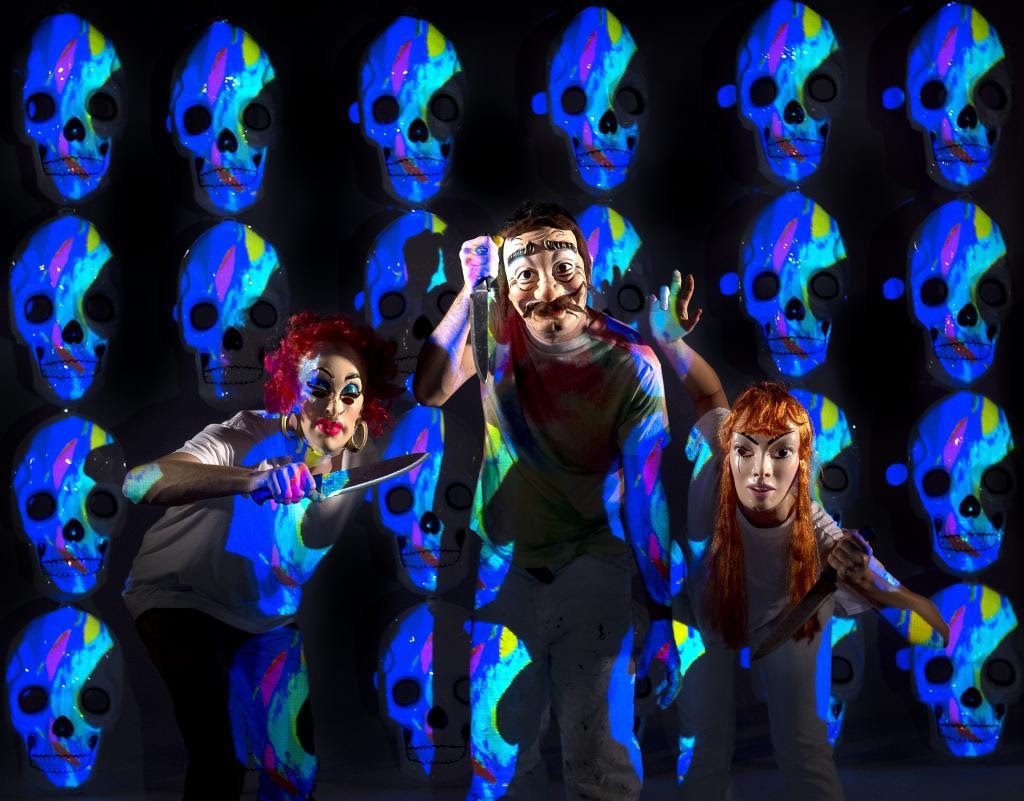
ALBUM REVIEW: “Enter The Slasher House”

Avey Tare's Slasher Flicks

Avey Tare's Slasher Flicks

Avey Tare has put out some nine-odd albums with pioneering psych-electronic quartet Animal Collective, but this decade, he’s focused more on solo work than he has on the band that originally made his bones. His latest creation, Slasher Flicks, feels like a deliberate push towards something new, in part because it’s really more super trio than it is side project, featuring ex-Dirty Projectors multi-instrumentalist Angel Deradoorian and Ponytail drummer Jeremy Hyman, who recently collaborated with Dan Deacon. Enter The Slasher House bears obvious family resemblance to Tare-fronted Animal Collective tracks, with similarly off-kilter harmony and a grab bag of digital effects and reverb.

With a name like Slasher Flicks, you might expect the album to sound cartoonish–and you’d be correct. It’s more funhouse than b-movie horror, though. The album is packed with bouncy synths, surreally poppy hooks, and rhythms that appear to operate at the whims of a metronome gone psychotic. Often, the latter is a highlight. Hyman skillfully controls his ear-catchingly angular drum lines, which never shy away from being the focal point of the tracks on this album. In fact, sometimes they’re the scaffolding the rest of the music hangs around. On songs like “Outlaw” and “Catchy (Was Contagious),” the strength of the drum beat leaves Tare’s singing in the dust.

Slathered in production and reverb, the vocals come across a little wimpy. When the songs are at their most instrumentally complex, Tare’s voice seems faint and watery, as if he’s singing from far away or his voice has been unceremoniously inserted to echo the melody. Tare’s anxious, yelling vocal style is easily recognizable, but his presence on this album doesn’t match the authority he cultivated in Animal Collective. Instead, the vocal melody defers to the rest of the music, or we lose it altogether.

The exception to that comes with “Little Fang,” a fantastically catchy number that brings all this group’s elements into synch. A pop hook and an irresistible bass lines serve as the big draws for this track, but lyrical repetition (“You’re always crashing into teeth,”) bolsters its blissfulness. Somehow, despite all the clicks and crashes of its oddball underbelly, the song comes across as sweet and summertime-simple as a Beach Boys single. Sadly, the magic balance “Little Fang” nails doesn’t stick in place for the rest of Enter The Slasher House – the bubbliness soon gives way to manic obnoxiousness, and the angularity of the rhythms turn toward chaos.

Check out the terrifying video for “Little Fang” below!

Track Review: Rodrigo Amarante “Tardei”

rodrigo

Brazilian singer-songwriter Rodrigo Amarante is best known for his work with Little Joy, Los Hermanos and Orquestra Imperial, but it’s the very personal journey back to Rio that informs his first solo record, Cavalo.  Out in May in the US via Easy Sound, Cavalo (that’s horse in Portuguese, but also Amarante’s conceptual alter-ego) was released in Brazil last year. In an artist statement, Amarante described the development of this album, written in many lands, as a strange and enlightening experience. “It was as a foreigner, separated from others and yet still somehow attached to the furniture I had left behind, bits of myself I hung up around me like dead mirrors I could no longer turn my face to, that came to focus the beauty of the empty room ahead, a hint,” he says.  The first single, “Hourglass” provided a lively introduction, but Amarante slows things down quite a bit for his latest offering, “Tardei,” the final track on the record.  Featuring the likes of Fabrizio Moretti, Kristen Wiig, Devendra Banhart, Adam Green, and Josiah Steinbrick as a backing choir, it’s a fitting and memorable swan song for the heady record.

While comedian Kristen Wiig’s appearance seems surprising, Moretti’s involvement as drummer in Little Joy makes a natural bedfellow for Amarante, though here Moretti lends only vocals. Devendra Banhart’s explorations of Latin flair within the New Weird America movement fall in line alongside Amarante’s style, and it’s likely that producer and multi-instrumentalist Josiah Steinbrick brought in Adam Green as he is a frequent collaborator of both Banhart and Green. On the surface, putting these voices together seems arbitrary, but they are all connected in some way – as musicians representing different genres, as non-musicians, as Latinos, as Americans, as friends.  And they remain mostly anonymous, featured as a ghostly chorus rather than brought to the forefront.

That element of “Tardei” is a great example of the explorations that inform the album; the song is full of smokey darkness, though it remains fairly minimal. Cavalo hinges on looking at oneself from a distance, a kind of depersonalization that allowed Amarante to discover his own interiority. It thinks of the human body and mind as a space that can be explored. Amarante’s words make this concept vivid: “To give room to this double that appears as an echo, that shows itself with distance reflected, I opened up space as much as I knew how, subtracted all undue, threw adjectives away and using different languages I was forced to a new conciseness.” The echoic, almost lo-fi qualities to the track make it feel like an ephemeral artifact, hearkening to a frightening open sky in an unknown place, or the feeling of being lost in the wilderness of a strange city. Amarante sings with powerful enunciation – even as a non-Portuguese speaker, it is easy to understand which words have more power than others. There’s something incredibly visual about the background singing which strikes a chord between ominous and beckoning, traits brought out by Amarante’s stoic humming and simple strumming.

Give “Tardei” a listen with a window nearby, so as to let your thoughts drift with this enchanting melody. And don’t forget to check out the rest of Cavalo:

LIVE REVIEW: Flagship, Terraplane Sun & Little Daylight

Little Daylight Santos
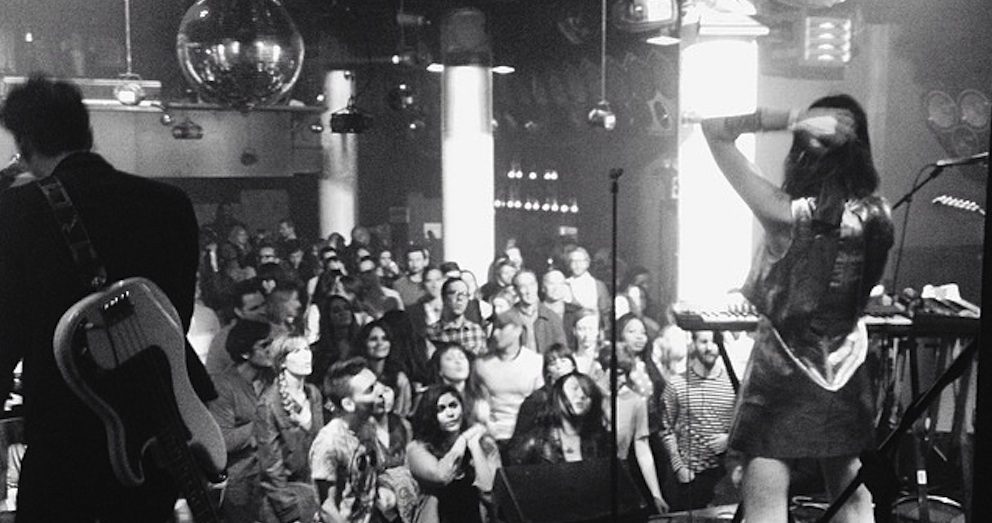
A couple things I recall from Santos Party House include Maker’s Mark and Jack Daniels being the same price (win!), two floors of pure musical craziness, and the fact that the place is known for filling up in .5 seconds for live performances. The venue lives up to its name; by the end of the night, I had fallen into a limbo of insanity. They book amazing musicians, some of which I have had the privilege of enjoying. The lineup April 2nd included three mesmerizing acts on the ballot for the Three of Clubs Tour: Flagship, Terraplane Sun, and Little Daylight.
I have been following Flagship since their debut EP, blackbush was released almost two years ago, “Still I Wait” being one of my favorite tracks of the year. That certainly didn’t ease the star struck syndrome I felt meeting Drake Margolnick afterwards. He’s drawn comparisons to Chris Martin, but he and his four bandmates create an aura all their own. Margolnick, Matt Padgett, Christopher Comfort, Grant Harding and Michael Finster hail from Charlotte, NC. Their fantastic ensemble of dream-like sounds and melodies are the perfect backdrop for Margolnick’s smooth vocalizing tranquility. Accompanied by what was more or less a light show, their set hardly felt like an opening act. I found myself completely in awe as I gazed upon Flagship, so much that I made friends with a girl from Spain who was similarly entranced. Imagine that – two admirers from across oceans, brought together in something magical, and you get a sense of the gravity of Flagship’s performance. It’s a ripe moment for the band, following their fall released self-titled album, via of Bright Antenna Records. They’re still fresh, maybe discovering their personality on the road. But their performance last Wednesday really showed that there’s nothing but a glistening future ahead. It happened to be Finster’s birthday, but it felt more like mine to have “Are You Calling” sung to me. That’s the best thing about the band’s live performance; every song felt intimate and personal, like it was written exclusively for that one moment only.
Flagship Santos Party House
Terraplane Sun is from Venice Beach, California and made a solid segue from Flagship to headliners Little Daylight, mixing up their jouyous, dancey pop with some doses of indie-infused folk. Charismatic frontman Ben Rothbard had the crowd clapping and singing hits from last summer’s Ya Never Know EP, but the real focus was on material from their latest album Generation Blues, slated for release in July. Rothbard, Chris “Cecil” Campanaro, Lyle Riddle, Johnny Zambetti, and Gabe Feenberg are dazzling multi-intrumentalists, Johnny exchanging his guitar for mandolin and Ben picking up bluesy tambourine and harmonica every now and then. “The Stone” was particularly energetic, which makes sense considering this is the band’s first single from their upcoming record.

[fusion_builder_container hundred_percent=”yes” overflow=”visible”][fusion_builder_row][fusion_builder_column type=”1_1″ background_position=”left top” background_color=”” border_size=”” border_color=”” border_style=”solid” spacing=”yes” background_image=”” background_repeat=”no-repeat” padding=”” margin_top=”0px” margin_bottom=”0px” class=”” id=”” animation_type=”” animation_speed=”0.3″ animation_direction=”left” hide_on_mobile=”no” center_content=”no” min_height=”none”]

Terraplane Sun Instagram from @meggers326

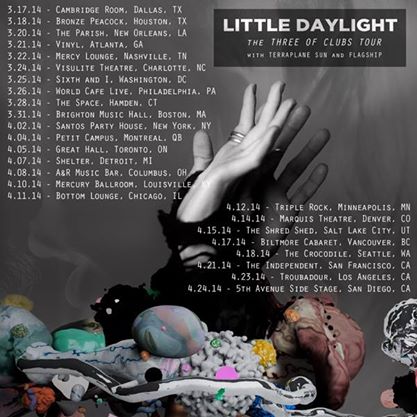
To send us all home especially sweaty and was Little Daylight. I love a girl that can rock out and do it in a gold dress and high-top sneakers. Indie-electronic-pop trio Nikki Taylor, Matt Lewkowicz and Eric Zeiler were the reason the guy next to me started puking. They are infectious but not in a sickening way, it’s just that everyone was jumping up and down to every song – especially (and perhaps ironically) to “Overdose.” Maybe he had Tunnel Vision – that would make sense, as it’s the title of the band’s electrifying debut EP. Whatever the cause, Mr. Barfy couldn’t kill the feel-good vibe gripping Santos. Little Daylight will end their tour at Firefly Music Festival, and the rest of the Three Of Clubs tour will continue with the dates posted below. Nikki Taylor was so intense and wild, I danced like I was single. I guess Santos just really knows how to party.

[/fusion_builder_column][fusion_builder_column type=”1_1″ background_position=”left top” background_color=”” border_size=”” border_color=”” border_style=”solid” spacing=”yes” background_image=”” background_repeat=”no-repeat” padding=”” margin_top=”0px” margin_bottom=”0px” class=”” id=”” animation_type=”” animation_speed=”0.3″ animation_direction=”left” hide_on_mobile=”no” center_content=”no” min_height=”none”]

Little Daylight Santos Party House
Little Daylight Instagrammed by @flagship_

Little Daylight tour

[/fusion_builder_column][/fusion_builder_row][/fusion_builder_container]
LIVE REVIEW: Sore Eros and Pure X at Baby’s All Right

Sore Eros play Baby's All Right


[fusion_builder_container hundred_percent=”yes” overflow=”visible”][fusion_builder_row][fusion_builder_column type=”1_1″ background_position=”left top” background_color=”” border_size=”” border_color=”” border_style=”solid” spacing=”yes” background_image=”” background_repeat=”no-repeat” padding=”” margin_top=”0px” margin_bottom=”0px” class=”” id=”” animation_type=”” animation_speed=”0.3″ animation_direction=”left” hide_on_mobile=”no” center_content=”no” min_height=”none”]

Sore Eros play Baby's All Right
Sore Eros at Baby’s All Right

About halfway through their set, someone in the crowd watching Sore Eros open for Pure X shouted, “Somebody call Pitchfork!” The comment didn’t have the mean-spirited air of outright heckling; it almost seemed as if it was meant as a compliment. The Northampton-based band could use the press; they’ve been releasing records since 2009 with almost no traction despite high-profile collaborators like Ariel Pink and Panda Bear. With a penchant for wordplay that goes beyond the palindrome of the band’s moniker and seeps into clever record titles like debut Second Chants and 2011’s Know Touching, it’s clear that Robert Robinson’s recording project started in pretty cerebral and intimate places. Enlisting friend Adam Langelloti early on established Sore Eros as a collaborative duo, and Andy Tomasello joined as drummer. But lately, perhaps out of the same restlessness that characterized Robinson’s earliest releases on his label Light Dead Sea, it seems like Sore Eros is searching for something bigger than the scratchy samples and whispered vocals that previously populated their work. The lineup now includes Jeff Morkeski and Matt Jugenheimer, and as a five-piece they haven’t sacrificed any of the original intimacy or cleverness, just expanded on their sound.

That’s likely thanks in part to old friends like Kurt Vile and Adam Granduciel of The War on Drugs. Both artists have had recent breakouts after paying long dues and ultimately releasing the most intricate records of their careers. November saw the release of Jamaica Plain, a three-song EP that revisits material Robinson recorded with Vile while the two were living in Boston a decade ago. And Granduciel will produce Sore Eros’ as-yet-untitled third studio album, which the band has been recording off-and-on in Philly for the better part of a year. Granduciel’s association with the project might be the extra push the band need for larger media outlets to finally take heed; at this point, at least the crowd at Baby’s All Right was convinced that the project is more than worth the attention. Sore Eros were unafraid to jam, letting chill guitar riffs unfurl in much the same way that Vile’s solos ramble on last year’s acclaimed Wakin’ On A Pretty Daze. Robinson is often self-deprecating in a humble-brag sort of way; it’s equal parts endearing and tiresome. But the building blocks are clearly in place for Sore Eros to have the kind of breakout that their friends have enjoyed, whether that means wooing Pitchfork or not.

[/fusion_builder_column][fusion_builder_column type=”1_1″ background_position=”left top” background_color=”” border_size=”” border_color=”” border_style=”solid” spacing=”yes” background_image=”” background_repeat=”no-repeat” padding=”” margin_top=”0px” margin_bottom=”0px” class=”” id=”” animation_type=”” animation_speed=”0.3″ animation_direction=”left” hide_on_mobile=”no” center_content=”no” min_height=”none”]

Pure X play Baby's All Right
Pure X at Baby’s

If Sore Eros needed another case-in-point of a band with a similar trajectory, they could easily look to Pure X for inspiration. Headlining the show, the Austin band is at a similar crossroads, just a bit further along. They’ve often drawn comparisons to Real Estate for their similarly mellow vibes and lazy, meandering guitar riffs. Their show at Baby’s, in fact, was a one-off smack dab in the middle of an extensive tour with Real Estate that’s only cemented the close associations. But while Real Estate remain the darlings of just about everyone in music journalism, praise for Pure X tends to be as casual and understated as the moods the band parlays on their most recent LP, Angel. Pure X seem to embody the sort of lackadaisical approach to life Richard Linklatter illuminated in Slacker; maybe it’s not a coincidence that the lifestyle-defining flick is set in and around the band’s hometown. But that’s not to say they should be written off. The listlessness of Angel belies the emotive power of the record, an effect felt ten-fold when the songs are performed live. Jesse Jenkins’ syrupy vocals suck you under some serious reverb, and floating in that haze it’s not unusual to find luminously rendered details throughout the atmospheric swirl – a shoegazey riff here, glinting synths there. It should be all Pure X need to set themselves apart, but their particularly blissed 70’s aesthetic, however brilliant, might be completely unappreciated by those looking for the next Real Estate.

If there’s any overarching mission statement from either act, it’s probably not more than a droll “Who cares?” Sore Eros and Pure X have been doing their thing without an apparent need for recognition from anyone. That fact alone gives both bands’ material a sense of authenticity that’s hard to come by in the Internet age, but getting overly excited about it all would be sort of antithetical.[/fusion_builder_column][/fusion_builder_row][/fusion_builder_container]
TRACK OF THE WEEK: Phox’s “Slow Motion”

Madison, WI’s Phox have been around for a few years now, steadily building hype around the world for their special brand of chamber pop. The septet, fronted by the ever so charming Monica Martin, received particular praise coming out of SXSW, and tonight they’ll be opening for Laura Mvula at a sold out Music Hall of Williamsburg show. All this without even having a full-length album out yet.

Luckily for us, their debut is on its way. The self-titled album is due June 24th, and Phox are now streaming their track “Slow Motion” to tide us over until then. The track is a gorgeous display of the band’s versatility, implementing hand claps and whistles alongside a banjo, clarinet, electric guitar, and piano. It wavers between minimalistic and lush, evoking a wide open feeling that brings early Noah and the Whale to mind. Martin’s croon is soulful and dazzling, akin to Feist. Listen to the track below and catch Phox on their tour while you still can!

ALBUM REVIEW: Toujours

sabina (1)

On a retreat from the relentless pep that her native Brazilian Girls exuded, Sabina Sciubba has come forth with Toujours, a debut solo album celebrating the artists’ many moods.  I had the pleasure of seeing Sabina last month at The Highline Ballroom, where she put on a show I’m not soon to forget.  I loved her music live, but it lost no charm in the studio.

The songs range between uplifting and mournful, and every beat in between.  On the sorrowful side, you have tracks like “Cinema,” “The Sun,” and “Fields of Snow,” all of which share an overwhelming proximity to Nico in both vocal styling and dreary minimalism.  “Cinema” in particular resounds with far more notes of Lou Reed than those of the German Uber Dame, but it’s Velvet Underground all over.  It recounts the story of a broken old whore, of whom Sabina wryly asks: “Who are you today? Propaganda or art?” These are the kind of poetic gems that illuminate Sabina’s absurdly astute command of language—all four of them. Sabina speaks Italian, German, English, and French, on top of being a songwriter, visual artist, and actress. Her skillset is enough to inspire blatant self-loathing, and she’s beautiful to boot.

“Sailor’s Daughter” is more on the sexy side of things. With all the sensuality of a Prince ballad, it bares the oft-ignored sensitive side of the German language. Cradled by sweet “oohs” and searing horns, it’s part Marvin Gaye, part David Byrne, but all Sabina.

There isn’t a song I would skip on this record, but of course I have my preferences, and surprisingly, they’re of the upbeat variety.  The title track is just weird enough to pique interest but risks none of its pop sensibility. The song opens with shrill pulses of electric organ that sound like the frantic cousin of a Hammond B3.  These first sharp cries send me straight into the dark-carnival concocted on Tom Waits’ 1983 beauty Swordfishtrombones. The rest of the song is of course more approachable, but just that little beat of screeching keys is the perfect dose of strange. Latin drumbeats and staccato vocals add interest and exemplify Sabina’s style, which always includes a vibrant mixture of world music.

“Viva L’amour” is another high point on the album. Sabina’s voice is at its most conversational and sultry.  She talks more than sings in a blasé narration that reminds me of “Spill the Wine and Take That Girl” by Eric Burden and War.  Yet the song also boasts references to 1960s surf pop and Bossa Nova.

“Mystery River” also takes notes from the ‘60s.  The song is rooted by a steady blues beat, but more so the one attempted by bands of the British Invasion than Muddy Waters.  I’m hearing Them and early Stones accompanied by a simple bass riff, and surprising jolts of mariachi horns.

Sabina has created an album as diverse as her own linguistic abilities, and it’s a pleasure to understand Toujours, despite my own lingual handicaps.

TRACK PREMIERE: Stand Up and Say No “Can You Feel”

Andre1

Stand Up and Say No is the moniker of indie rock musician and producer Andre Nault. One day when he saw one of his songs used in a car commercial, Nault realized that this is not the kind of musician he wants to be – selling out or topping the charts. He explores this experience further in the song “Can You Feel,” a short, lively rock piece that harkens back to the Strokes or Interpol, off his upcoming EP Assuming Loyal.

“Can You Feel” begins with a strange mood: resounding synths create an almost carnival-like atmosphere. Then, the serious rock bursts out and moves steadily with the somewhat out-of-place synth. The melody is fun and simple. Nault has a typical indie rock voice, more of a classic baritone like Matt Berninger, than the unique stylings of Ian Curtis or Paul Banks. He sings from the perspective of a man who’s “tired of climbing the greasy pole,” he proclaims. “Can you feel what I feel? Can you tell what’s real?” He asks us. Listen here, and decide for yourself.

Listen to “Can You Feel” below and look out for Assuming Loyal which will be out May 6th:


ALBUM REVIEW: Brash Flair “Two”

Brash Flair

Brash Flair

Trip hop duo Brash Flair is comprised of vocalist Kristin Johnston and multi-instrumentalist Joshua Wentz. They’ve been singing together since high school after which they teamed up to combine downtempo electronica, soulful vocals, and uncommon structures. Their most recent EP Two was released April 1st. Somehow, though there are only five songs on this EP, Brash Flair have managed to create a gorgeous collection of thoughts and movement that feels vast and exploratory.

My immediate thought was that they sounded a bit like Tricky or Massive Attack but with more classical/traditional structures. I was surprised and a bit delighted by the carefully placed, modest bongo beats and a soft, ascending xylophone. Those are not sounds that are easy to use without coming off as comedic or overwhelming. In slower songs like “Sleeping” and “Good Morning” the emphasis is on the vocals which keep up a steady balance of emotion and ethereality. Johnston is a soprano, but she sings more like a jazz or hip hop vocalist than a classical one. This really picks up the downtempo, especially on tracks like “Ready,” which combines a strong hip hop melody with frantic electronic fluttering, complementary piano, and quick and simple guitar strumming.

A lot of these tracks are pretty complicated. They take unique structures and warp them into something palatable, thought-provoking, and often moving. The credit here may be to Wentz’s study of architecture. The songs are experimental in the way they push at the limits of a genre like trip hop. Johnston’s vocals can be unexpectedly atypical in certain sections, particularly on “Blanket of Blue” where she ranges from jazzy to sort of flat and wondering. Fans of these genres may find themselves utterly entranced by the rhythmic patterns on this album.

As far as the meaning behind these five tracks: they seemed, to me, to exploring human autonomy. How much is a person truly able to move and affect the world and others around them? It’s easy to mistake a lot of the songs as being about love because of the tone of Johnston’s sensuous vocals, but I would argue that a larger interior exploration is going on, even in songs like “Good Morning,” which is more layered than it first sounds.

The lead single from this EP, “Your Line,” makes good on the danceable feeling hinted at in promising electronic snippets within “Good Morning.” The rhythm explores different worldly schools, especially Latin, with a house follow-through that rings almost incongruous. This complicated beat is the real focus of the song, wildly different from the other tracks. Johnston’s vocals are cut up into more rhythmic sounds which creates a very produced vibe. Though this treatment obscures most discernable lyrics, she seems to be talking about possession, repeating a word which could be “mine,” “mind,” or “line”. I love that this isn’t clear because it asks the listener to think about all three of those terms and how they relate to each other. There’s something questioning in the lyrics throughout which leads me to think about ownership – who owns the “mind” or “line?”

This album is more than worth the listen for its varying rhythmic structures, emotive themes, and the way it plays with voice. Johnston and Wentz have really taken collaborating seriously. Listen to their EP Two below:
[fusion_builder_container hundred_percent=”yes” overflow=”visible”][fusion_builder_row][fusion_builder_column type=”1_1″ background_position=”left top” background_color=”” border_size=”” border_color=”” border_style=”solid” spacing=”yes” background_image=”” background_repeat=”no-repeat” padding=”” margin_top=”0px” margin_bottom=”0px” class=”” id=”” animation_type=”” animation_speed=”0.3″ animation_direction=”left” hide_on_mobile=”no” center_content=”no” min_height=”none”][bandcamp width=100% height=120 album=1067994820 size=large bgcol=ffffff linkcol=0687f5 tracklist=false artwork=small][/fusion_builder_column][/fusion_builder_row][/fusion_builder_container]
Live Review: The Mast @ Glasslands

the mast

Brooklyn-based band  The Mast have been busy since their formation back in 2011. The release of their debut album Wild Poppies introduced the world to percussionist Matt Kilmer and vocalist Haleh Gafori. They followed that up with a 2012 single for “UpUpUp,” released along with five remixes of the song. “UpUpUp” marked a clear movement away from melodic instrumentation and subdued vocals towards heavier percussion and electronic effects. As Gafori sings “Next time your spinning thoughts are casting a heavy spell, please find it hiding in the deep of your moonlit well, yeah, your elevator up, up, up, up, up, up to the highest part of us,” she elevates both listeners and the band itself  to new heights. In a more literal sense, Gafori hits some notes up there that I’m pretty sure only dogs and small children can hear properly. Bouncy beats and infectious sopranos bring it all back down to earth.

When Pleasure Island was released on January 28th, I was very pleased to discover that Gafori and Kilmer maintained these heights throughout the entire album. The thirteen tracks that make up Pleasure Island emanate the ethereal coolness that typify The Mast’s general sound. Esoteric vocals, persisting beats, and, of course, (have I mentioned it enough?) Gafori’s soothing soprano are audible from beginning to end on Pleasure Island.

Last Friday, The Mast appeared on a sold-out bill at Glasslands, sandwiched between Milan and MNDR. Both of those acts occupy the poppier side of the electronic music genre, making The Mast the most contemplative act of the night. The aloofness that comes across on the album extended to the live performance, as Gafori and Kilmer remained relatively silent throughout the set. Gafori did all of the talking, which was limited to introducing songs, thanking the audience and promoting the new album; both seemed to be more focused on their carefully honed sounds rather than interaction with the audience. The Mast presented their music with noteworthy tightness and accuracy, played more or less as it sounds on Pleasure Island – a smart move for an up and coming band seeking to increase listenership. As Gafori finished a verse, she would step back from the mic and vibe while Kilmer drummed the backbeats, stoic and seemingly in deep concentration. The music, combined with the abstract images projected in the background, produced the otherworldly dance party atmosphere that I had hoped for.

If you haven’t been lucky enough to see The Mast perform one of their live shows, get your shit together. They have/will be playing ton of them in NYC so there is basically no excuse to miss them.


TRACK REVIEW: Parquet Courts “Sunbathing Animal”

Parquet Courts

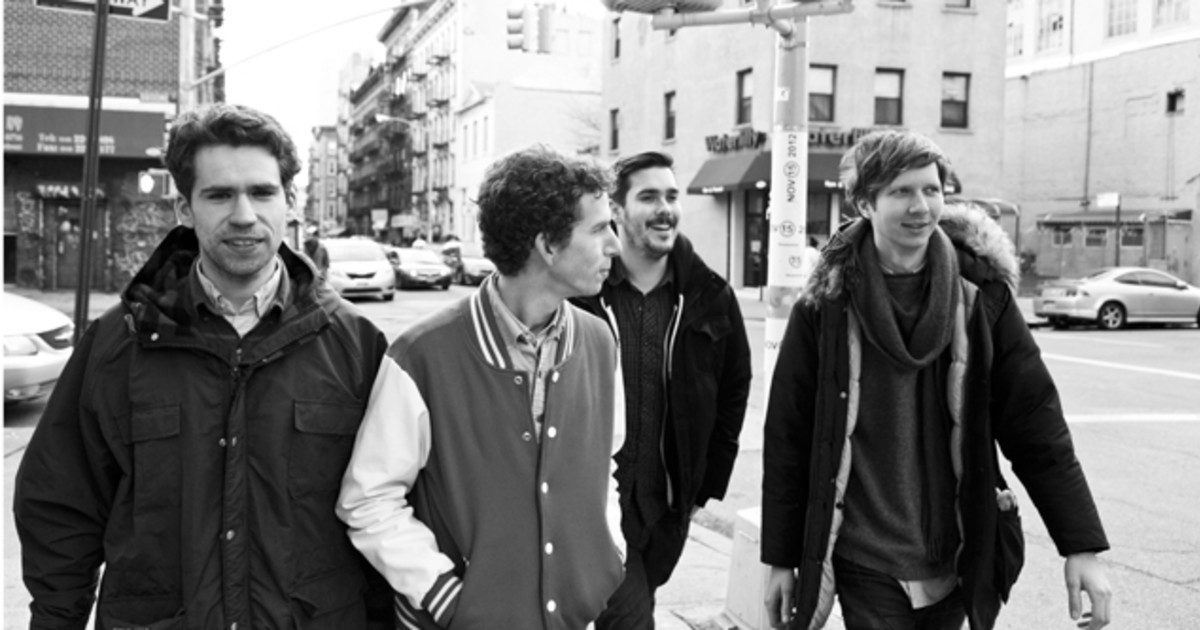
Parquet Courts, besides being the only (I think) garage-punk quartet to ever show Ridgewood, Queens the limelight it deserves in “Stoned and Starving,” are both from and intensely representative of Brooklyn’s DIY culture.  They keep it simple and keep it snotty, braiding basement-classic two-chord guitar parts with noisy hooks and lyrics that seethe with existential ennui but rarely use big words.

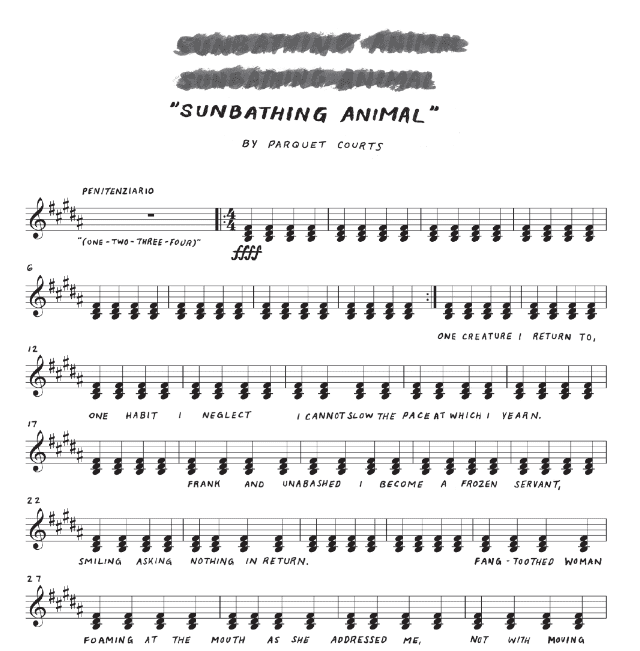
The group came crashing into mainstream view with Light Up Gold at the end of 2012, and then proceeded to have a busier year than their dope-smoking, couch-crashing, afternoon-rising music might have made you think was possible: they toured extensively in 2013 and released their Tally All The Things That You Broke EP less than a year after the full-length dropped. On June 3rd, Brooklyn’s hardest-working slackers are back with a brand new record titled Sunbathing Animal. Early in March, Parquet Courts came out with the title track off the new album–but only on sheet music. The dynamics prescribed for the song? “ffff,” aka “loud as hell.” Indeed.

Sunbathing Animal Sheet Music

“Sunbathing Animal” is now out as a single for those who can’t read sheet music, and you can buy the 7” on Record Store Day. The track doesn’t deviate from the slightly atonal simplicity that characterized the group’s first record; however, the sustained fever pitch of vocal energy that lasts the entirety of the near-four minute song marks new, exciting ground for Parquet Courts. The repetitive, rigid drum beat is almost maniacally fast, with twirling guitar solos to match. More passionate than it is disillusioned, “Sunbathing Animal” tightens the kind of instrumental sprawl that, on the first record, would have indicated boredom, and brings all that bright distortion and dissonance into what sounds like a Parquet Courts version of a highly danceable single.

 The sheet music for this track suggests a tempo of “penitenziario,” which translates to “prison.” Is “Sunbathing Animal” a punishing song, or is it penitent? Check it out below and see what you think:

ALBUM REVIEW: TEEN “The Way and Color”

TEEN2

R&B informed pop trio TEEN are capable of complex, psychedelic hooks. Their minimalist beats and thoughtful melody and harmony layering, inspired by artists like Erykah Badu and D’Angelo, create a hypnotic dialogue between the instruments and between the music and the audience. These three sisters, vocalist Teeny Lieberson, keyboardist Lizzie Lieberson, and drummer Katherine Lieberson, are joined by bassist Boshra AlSaadi on their second album The Way and Color. The new record is full of uplifting melodic structure, interesting vocal harmonizing, and discussions of power dynamics.

The opening track “Rose 4 U” is  poppy and upbeat with the slightest hint of strangeness underlying it. From the start, there’s a sense of delving in–yet to what, we are unsure. With entrancing, repetitive verse lines pinned by addictive rhythmic dynamics, the listener is pulled in. Throughout, the girls break into strong harmonization with R&B vocals that meet ambient echoes, lending the track emotional weight. The harmonizing stops towards the end of the song with Teeny singing one melody and the background singers  moving against her. There’s a typical kind of suspenseful build up as it comes to a close. Teeny’s voice isn’t mind-blowing on this track, but that actually works in TEEN’s favor here, making what could be an overly complicated song easier to approach.

“Not For Long,” The Way and Color’s single, has an intense concentration on voice for the first minute or so. Then the beat kicks in creating a strange mix of hoarse fragility in the vocals and a rolling, minimal mantra. “You should watch your step,” the listener is warned. Perhaps these are not ladies you want to mess with. The background vocals add weight to the melody in a way that is not necessarily hooky, but still has a powerful effect. TEEN has been compared to Dirty Projectors on more than one occasion–a similarity evident here in that all of the different musical parts are equally important, no vocals or instrumentals are given precedence over others. At the end  brass come in (a common thread with throughout the album) as if an epic film is about to start. The echoey chorus still overlays the track, taking he listener to a more dreamy place at three and a half minutes. The final section is lo-fi, closer to chill-wave than anything else on the album and adds a sobering effect after all of the ups and downs.

TEEN

My favorite track is probably “Sticky” which draws heaviest from R&B of all the songs on the album, and reminds me of Neo-Soul trio Moonchild. This is a super catchy song, but once again casual in its execution. The slow beat and mellow tones are easy to navigate, though not always simple. A gospel-like section emerges at a minute and a half, complete with ambiance and clapping. This could be why it stands out so clearly from the rest: the choir vocals are electrifying and reassuring at the same time, riding the line between gospel and psychedelic.  Overall every part sounds incredible, showcasing the production quality on the track as a whole, and allowing us to get lost in it thanks to the exceptional mixing.

The most heavily electronic elements I heard from this album were at the beginning of “Breathe Low and Deep”. It starts with an other-worldly melody that brings us onto the bands emotional level. Teeny strains her voice, lending it softness albeit it a grating quality at the same time. When brass comes in around two and a half minutes, the mood dropped in a way. It felt out of place, rather than perhaps like a change of pace that it was intended to. But then a truly wonderful shift happens. “Breathe loudly,” Teeny encourages us in her varied vocal tones: and I’m not going to lie, it is pretty inspirational. The guitar and horns at four minutes are full of doom, like the peak of tragedy or violence in a film, completely unexpected and invigorating. It took the focus of the track very suddenly to one’s own breathing, imbuing it with anxiety and making its mantra to “breathe loudly”, a display of inner stress rather than quietude.

Throughout, there’s a lot that can send the listener’s head spinning. All of the quick changes, sectional disparities and booming can be overwhelming. This is the kind of album you have to be awake and prepared to listen to. Even though the songs have great hooks and engage with the listener, there’s no time to take a break. It immerses the listener entirely. At times, they come very close to what verges on the familiar, but by keeping the R&B thread strong with vocalization and intonation, TEEN continues to stand out. The horns they use compliment the melody, and the production ensures that Teeny’s clear, hoarse vocals sound beautiful and unconcerned all at once. This album is truly rich and exciting.

Listen to “Not For Long” below:

ALBUM REVIEW: Nathaniel Rateliff “Falling Faster Than You Can Run”

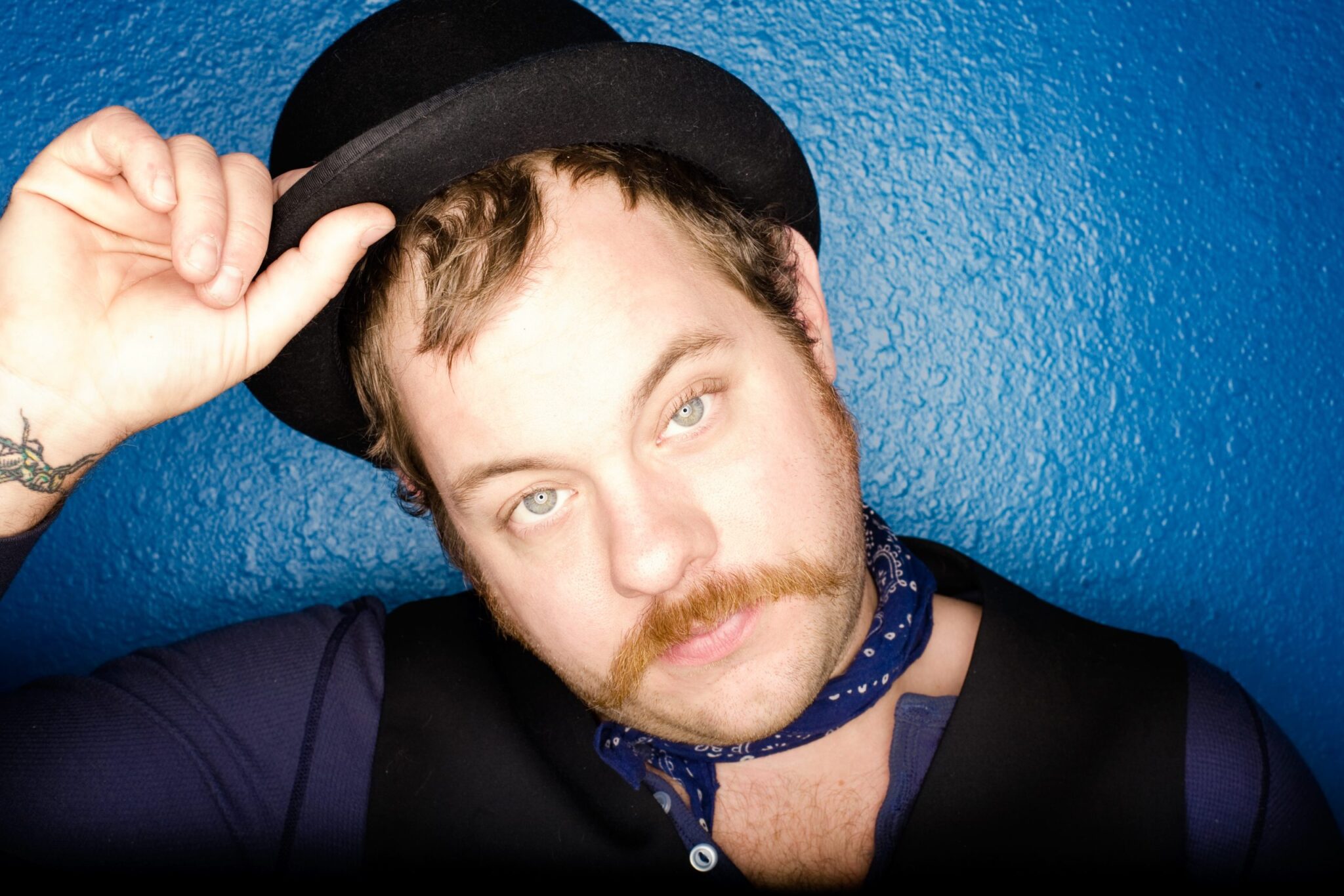
At eighteen, Nathaniel Rateliff moved from his hometown of Bay, Missouri, population 60, to Denver. He focused first on finding work, but after a mysterious bout of health issues forced him to take a break from his job at a trucking company, he slid into the indie folk scene sideways, quickly becoming a local darling of Americana and indie folk. American music, as Rateliff knows, comes from a patchwork of styles, half accidentally thrown together, half borne of different kinds of musicians playing together. Rateliff’s path into music reflected some approximation of this same amalgamation. He’s played in a number of groups, including folky rock group Born In The Flood and his more recent soul project The Night Sweats, and he released an early, homemade batch of recordings as Nathaniel Rateliff and The Wheel. Monikers and fluctuations of style notwithstanding, though, Rateliff is recognizable in any project he lays hands on, and that’s all due to the reedy, pulse-happy rhythms of his singing.

On his second full-length solo album, Falling Faster Than You Can Run, Rateliff takes us further down the direction of interior, quietly catchy songwriting he established on his Rounder Records debut In Memory of Loss, which came out in 2010. The two albums also share a penchant for bleakness. The acoustic spaciousness of the tracks on Falling Faster highlight Rateliff’s voice, and that voice often sounds pretty sorrowful:  sharp, emotional volume spikes on the choruses make each song into a miniature nervous breakdown, with plenty of room for wallowing in the acoustic guitar line. Many of the tracks were written on the road, when Rateliff was touring, and you get a real sense of nomadic loneliness listening to this collection. The lyrics are songwriter-intimate but bear far remove, as if the songs look down at their subjects from thirty thousand feet.

Falling Faster‘s best lyrical moments come when Rateliff reveals the cheekier side of his charm, as is the case on the comparatively bouncy and lighthearted “Laborman” (“I’m begging your pardon if I kinda like the way it feels,” Rateliff sings, and you can practically hear him smirking into the microphone.) Those moments of sunniness serve the album well, and a few more would have not only expanded Falling Faster‘s range, but placed well-deserved focus on the gorgeous flexibility of Rateliff’s voice.

Watch the official video for “Still Trying,” off forthcoming album Falling Faster Than You Can Run, below:

VIDEO REVIEW: Phedre “Sunday Someday”

phedre

Phédre is an avant-garde synth-pop duo from Toronto, though they have described themselves as less a duo and more a “loose, amorphous project that spontaneously sucks in any of their friends” who happen to be in orbit. Their self-titled debut album came out in 2012 with comparisons ranging from The Cramps to Ariel Pink, and Phédre returned last year with a sophomore release, Golden Age. The latest single from that release is “Sunday Someday” and its video focuses on a group of extravagant diners who enjoy tea cakes and live entertainment. It’s a softer, though no less mesmeric, hit from Phédre and the video only brings more liveliness and costume to it.

The camera pans across elite party goers in a black and white, sunlit scene. Though the visuals evoke turn-of-the-century opulence, the soundtrack is rooted in beachy avant dance pop with a vintage 80’s feel.  Synth burbles like champagne bubbles popping here and there and quirky production flourishes disallow any real sense of comfort, though the music feels carefree.  Both have echoes of their first single “In Decay” and its music video.  It was similarly filled with glimpses of rich foods and shots of wild getups. But that party was a about messy excess – half naked bodies sliding over each other, goopy syrup, and slop – somewhere between sensual and grotesque. The party in “Sunday Someday” is pristine – fur coats, towering head scarves, an elaborate headdress constructed from glittering feathers.  These disaffected party-goers aren’t participating in chaos, but creating a tense atmosphere of disdain to ease their jaded boredom. They’ve hired a dancer to entertain them while they eat, they ridicule and even trip their staff, but mostly seem concerned with their own banal conversations.

Daniel Lee and April Aliermo, Phedre’s core, play two of the elite characters, while their real-life friends, part of that “amorphous” contingent mentioned earlier, take on roles in cast and crew, from the servants to the cameraman. This piece is the result of friendly collaboration between art forms, with the involvement of musician Henri Faberge (of Henri Faberge and the Adorables), actress Briana Templeton, director Marianna Khoury, and more.

Phédre seems to be eyeing the sense of luxurious nostalgia popular among twenty-somethings today. While their 2012 album focused on wild, modern party culture, the aptly-titled Golden Age suggests a throw-back to eras gone by much longer ago. Like these newly invented personas, the record has more polish, but the contrasting synth waves maintain their lo-fi, exploratory aesthetic. Their critique of bourgeois culture and history is reflected in the last moments of the video, when the party goers eat poisoned cake in a subtle reverse of Marie Antoinette. Foam gurgles from everyone’s mouths, with April Aliermo gripping her throat as she chokes. By the clip’s end, everyone but the help is dead, face down in their plates. The music fades out as the servants hurry away in a satisfying final scene.

I can’t imagine what would be more fun than dancing to hypnotic, off-kilter pop music while watching the bourgeoisie get poisoned. Enjoy “Sunday Someday” below:

TRACK REVIEW: Prinze George “This Time”

1004974_509326385842481_1409994911_n

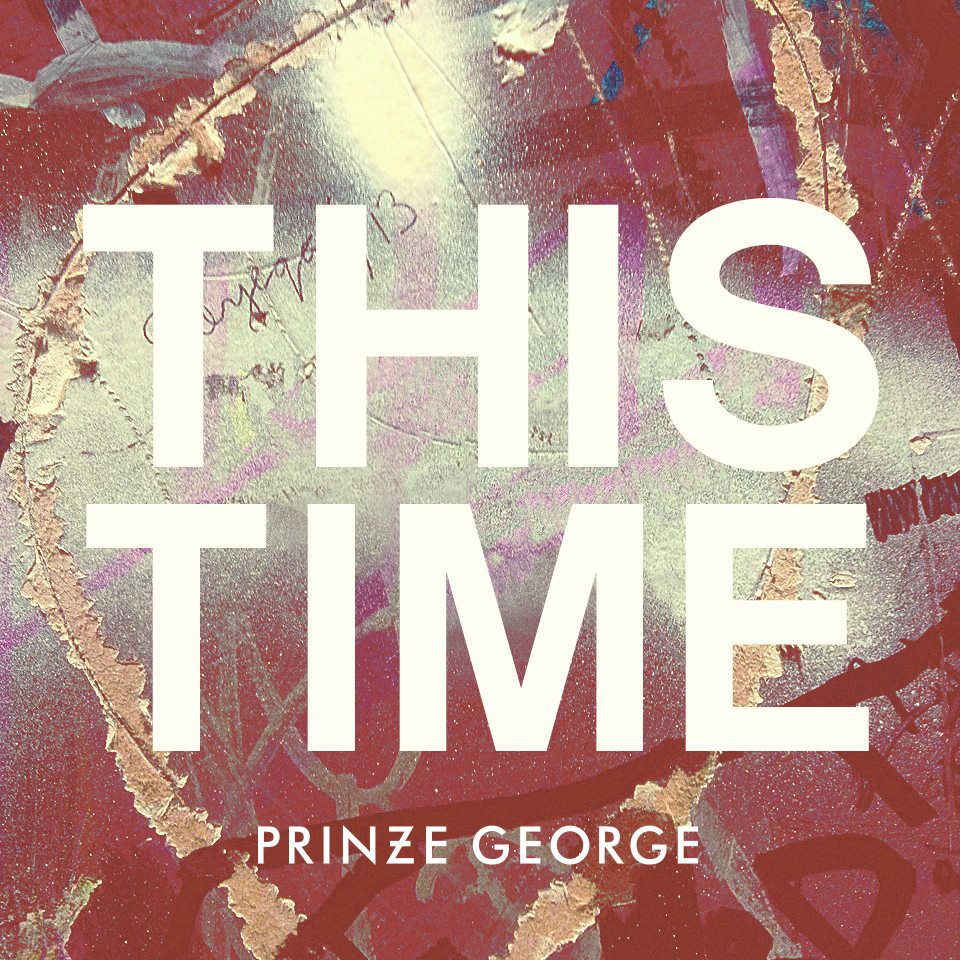
Brooklyn’s own Prinze George are an indie-pop group that specialize in thumping synths and sweetly catchy melodies. We’ve featured them before for their last single, “Victor,” and now they’ve come out with a new song, “This Time.”

“This Time” features a driving, upbeat rhythm that begs to be played on the dance floor. Naomi Almquist’s plum vocals repeat the line “There you are after all this time” over electronic pop that blends elements from the ’80s and ’90s—it brings acts both old and new to mind, from Ace of Base to Banks. This year is looking promising for Prinze George, so keep your eye on the foursome and check out “This Time” below.

ALBUM REVIEW: The Vickers “Ghosts”

Screen Shot 2014-03-28 at 5.12.40 PM

Ghosts opens with a bassline that worms its way into your brain, immediately hypnotic and catchy. The track, “She’s Lost,” unfurls with reverberating electric guitars that, at some points, craft a smooth wall of echoes and at other points, shred with gnarly intention. It’s a pretty accurate indicator of what the whole ten-track album holds: a blurring of the lines between ’60s psych fuzz and ’90s garage fuzz.

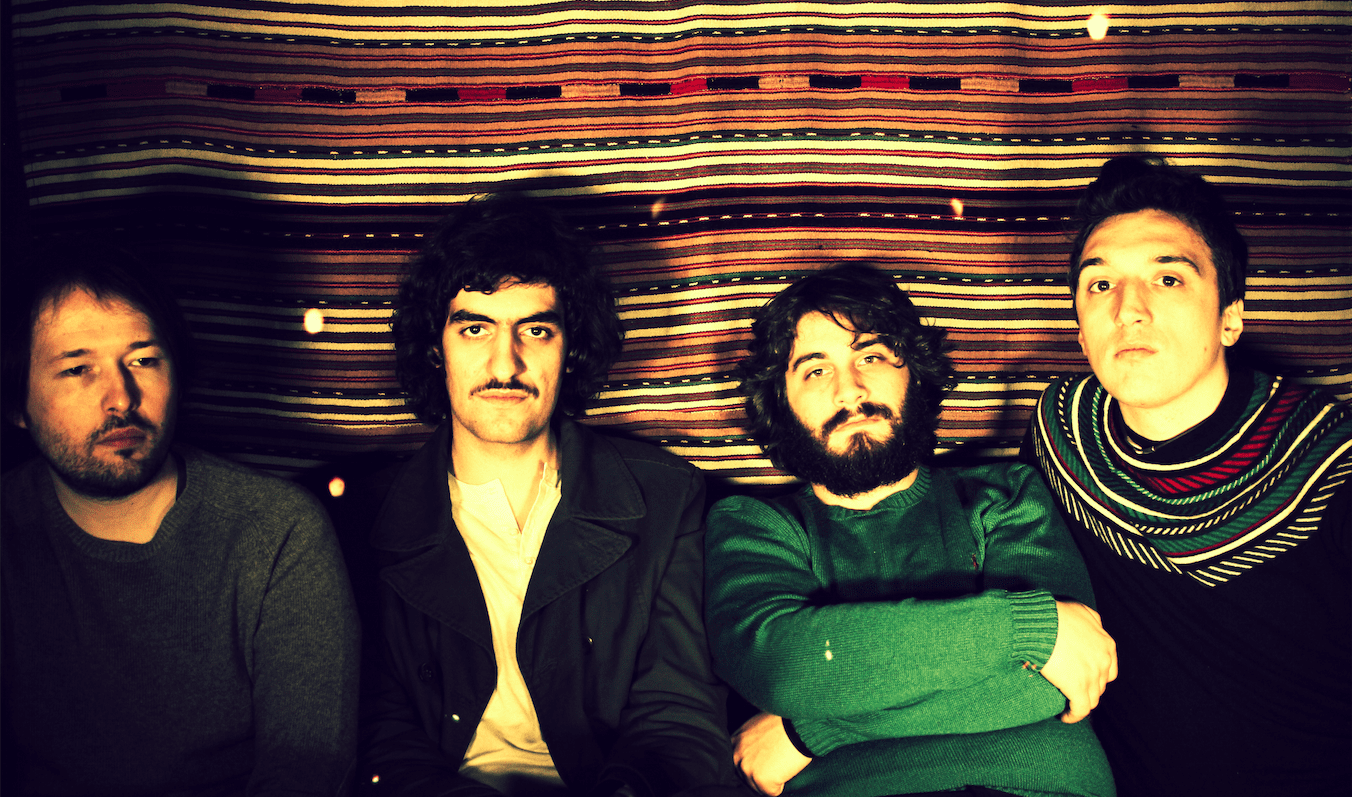
Ghosts is the sophomore full-length release from Italian four-piece The Vickers, who have been making waves in their home country since 2009. Andrea Mastropietro, Francesco Marchi, Federico Sereni, and Marco Biagiotti self-produced the album, and even recorded part of it in their own home studio in Florence, which makes the well-executed density of their songs even more impressive. This album would please even the most staunch psych-rock purists, taking cues from trailblazers like The 13th Floor Elevators. The Vickers play with instantly recognizable psychedelic tools, like trippy organs and reverb-drenched guitars that create a hazy and wobbly texture, but they approach the sound with garage-grunge sensibility.

The fifth track, “All I Need,” for example, borrows a little more from punk rock than classic psych, with its driving bass and percussion and significantly more clear, taut guitar and vocal work that brings The Arctic Monkeys to mind. “Walking On A Rope,” on the other hand, is a distinctly Beatles-inspired number that goes through several changes, switching from a somewhat jangly-pop sound to a wide open, falling-down-the-rabbit-hole sensation. The whole affair is practically an homage to “Lucy in the Sky with Diamonds.”  

Meanwhile, “Hear Me Now” and album closer/title track “Ghosts” stand out amongst the bunch as more subtle and simple songs—the former has a sludgy, grungy edge, while the latter is laid back with an air of contentment. All ten of Ghosts’ tracks together form a very well rounded bunch, with a variety of influences that present psychedelia in new lights. The entire album is now streaming on Bandcamp.

[fusion_builder_container hundred_percent=”yes” overflow=”visible”][fusion_builder_row][fusion_builder_column type=”1_1″ background_position=”left top” background_color=”” border_size=”” border_color=”” border_style=”solid” spacing=”yes” background_image=”” background_repeat=”no-repeat” padding=”” margin_top=”0px” margin_bottom=”0px” class=”” id=”” animation_type=”” animation_speed=”0.3″ animation_direction=”left” hide_on_mobile=”no” center_content=”no” min_height=”none”][bandcamp width=350 height=470 album=3889079636 size=large bgcol=ffffff linkcol=0687f5 tracklist=false t=8][/fusion_builder_column][/fusion_builder_row][/fusion_builder_container]
TRACK REVIEW: Throwing Snow’s “Summus”

1658476_10152246205389380_523226451_o

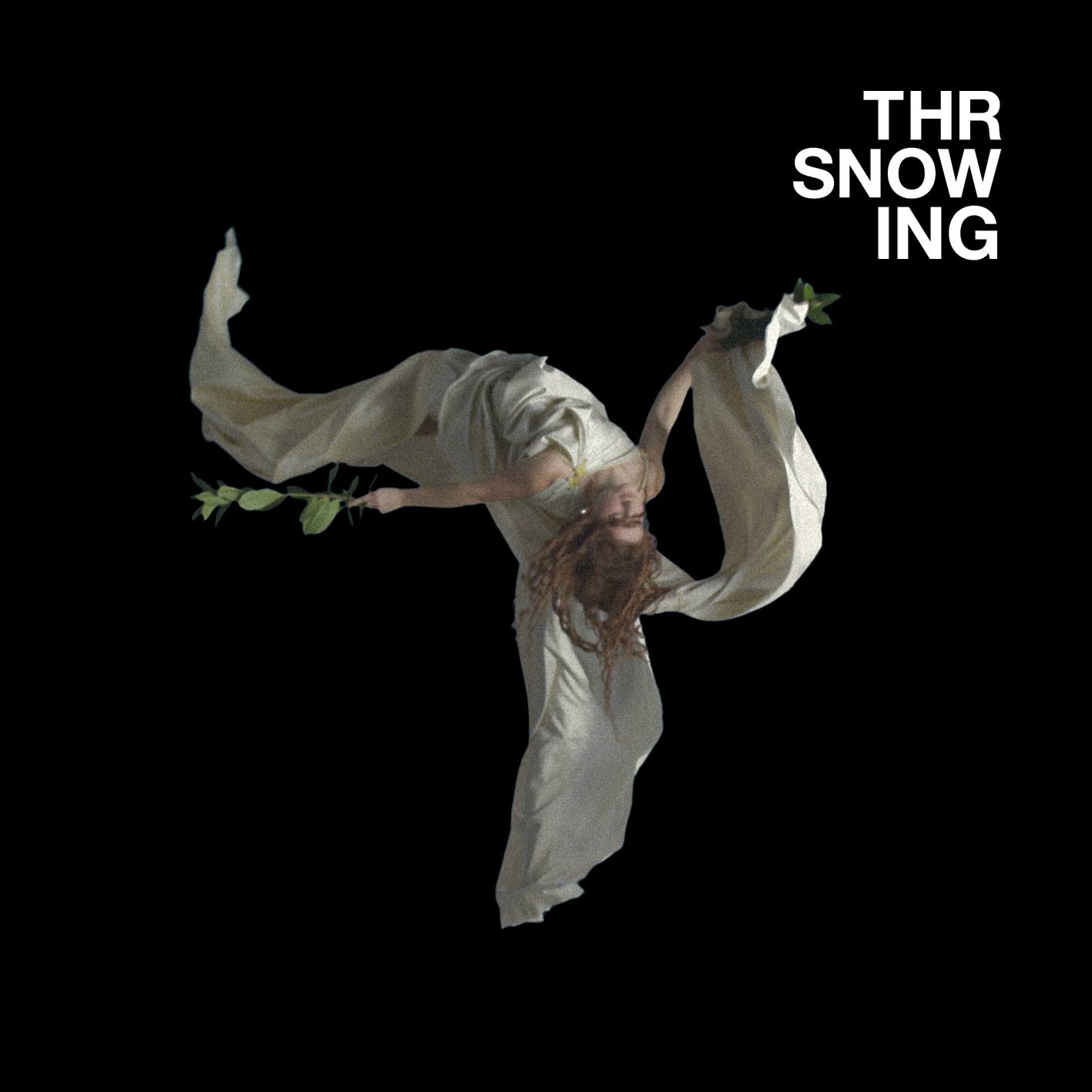
London based electronic producer Ross Tones, aka Throwing Snow, recently released his four track EP “Pathfinder,” and its closing track, “Summus,” is now available to stream online. The track has industrial sound, with a pulsating bass that acts as the song’s heartbeat. Though it starts off quite minimally, it builds and evolves into a densely layered work with multifaceted percussion and plenty of energy.

“Pathfinder” was released via Houndstooth, who say the EP is “a route into a greater portion of work” to come from Throwing Snow, so keep your eyes peeled! Listen to “Summus” in the meantime, below:

Track Review: Brian Reitzell, “Last Summer”

BrianReitzell_byDavidSlade

“I wasn’t making a pop record… I was experimenting with sounds to further my knowledge for creating music for my film projects and exploring new ways to make music.” 

 **********

Los Angeles based Brian Reitzell has been keeping very busy as a behind the scenes musician for quite some time now. Since the late ‘90s he has been in a number of bands (Redd Kross, TV Eyes), and worked as a supervisor/composer for various film and television soundtracks/scores (The Virgin Suicides, Lost In Translation, Marie Antoinette, The Bling Ring).

For the first time, Brian Reitzell has stepped out from the background to create an experimental solo album, Auto Music. Auto Music, which will be released on June 3rd off of Smalltown Supersound records, and contains 9 tracks, each with its own DVD visual key.

“Last Summer” is the opening track off of Auto Music. Weighing in at 8:30 minutes, it is impossible to classify this monster of a “song” as anything other than sonic and compositional experimentation. “Last Summer” is abstract to say the least. While listening to it straight through it becomes increasingly apparent that Brian Reitzell is not seeking to tell a story, rather to create ambiance for listening. Presumably about a California summer, this piece is rambling and seemingly endless, much like Route 101 itself. For the most part it achieves the vibe that Reitzell was going for–something soothing and relaxing.

Compositionally, “Last Summer” is anything but urgent. It seems that Reitzell doesn’t even bother with conventional concerns such as development, themes, or variations. The movement of the music is however brought to the forefront. As various elements remain the same throughout the song others are left behind and forgotten. It is forever changing, yet there are no definitive beginnings and endings, and manages to continue to move and evolve without looking back at the past or forward to the future.

About 5.5 minutes into the song, there is an abrupt shift in composition. What once was meandering, relaxed and soothing has now become harsh, abrasive and aggressive. Transitions weave in and out faster than before. The synthesizer and drums persist throughout this section whilst various dystopian sounds interact with the racket.  It eventually crashes to an end with an explosive discordant percussion section.

After listening to “Last Summer” one gets a sense that Brian Reitzell wasn’t aiming to create songs in the conventional sense, but rather experiment with musical sounds. This experimentation is somehow categorized into 9 specific tracks that will make up Auto Music. With the Help of Kevin Shields (My Bloody Valentine) on the Organ, Dave Palmer (Ponga) on the Synthesizer and Mellotron, Roger J. Manning Jr. (Jellyfish, Imperial Drag, The Moog Cookbook, TV Eyes) on the organ and Tim Young on the guitar, Brian Reitzell succeeded in creating a song that gives no fucks about ignoring pretty much every single compositional convention.

To hear the sonic experimentation in the full, wait for the album to be released on June 3rd.  “Last Summer” however provides enough experimental musings to keep you occupied until then.