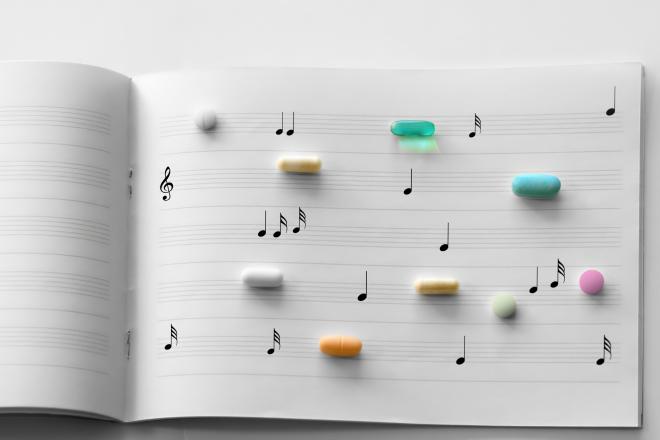
HIGH NOTES: How EDM & MDMA Became Inseparable

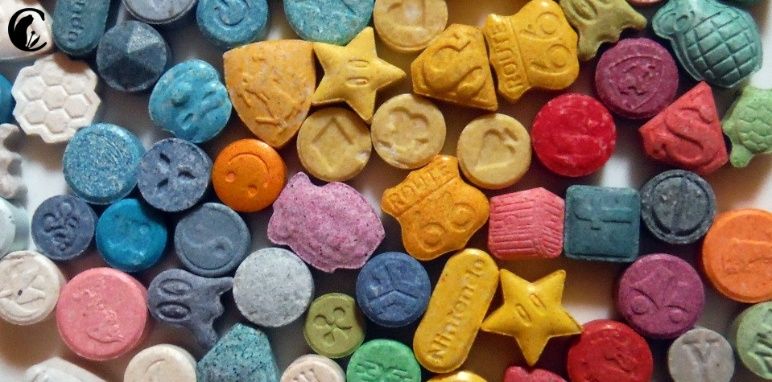
When you think of MDMA — also known as ecstasy in pill form or molly in powder form — you probably picture nightclubs, music festivals, and other settings where crowds sway to electronic dance music. But 50 years ago, you were far more likely to find it in therapists’ offices. MDMA’s journey from a therapy aid to a party drug is long, winding, and controversial. In the midst of a movement to bring it back to its medicinal roots, it’s worth asking: Where does it belong?

MDMA was first created by a German pharmaceutical company in 1912, not for human consumption, but simply as a means to synthesize a medication to stop bleeding, the Multidisciplinary Association for Psychedelic Studies’ Brad Burge tells me. It resurfaced in 1965, when the famous psychedelic drug designer Alexander Shulgin made his own. When he tried it in 1976 — the first reported use of MDMA by a human — he was stunned by the way it “opened up a person, both to other people and inner thoughts, but didn’t necessarily color it with pretty colors and strange noises,” he told New York Times Magazine. He recommended it to therapist Leo Zeff, and soon, clinicians were using it to treat anxiety, depression, and PTSD. They noticed it made patients feel all warm and fuzzy and brought their guards down, making it a trendy couples’ therapy tool in the 80s. Psychologist and psychedelic advocate Timothy Leary tried it with his wife in 1978. “No one wants a sixties situation to develop where sleazy characters hang around college dorms peddling pills they falsely call XTC to lazy thrill-seekers,” he warned.

Leary’s fear basically came true, if you replace “college dorm rooms” with “nightclubs.” To leverage the same effects that helped couples bond, people who were given MDMA by their therapists began bringing it out with them. The first club to sell it was Dallas’s Starck Club in the early 80s, Burge tells me, but it quickly spread to LA, New York, Austin, London, and other U.S. and European cities. The first people to mass-produce it for recreational use were the Harvard and MIT professors behind the Boston Group, which promoted it as a less addictive alternative to coke. A southward “Texas Group” sprung up by 1983. Due to its euphoric effects, it earned the nickname “ecstasy” in 1981, though it was at least sometimes taken as a powder — what we’d now recognize as molly (short for “molecule,” referencing the myth that it contains pure MDMA).

The way MDMA leaked out of therapists’ offices largely explains its association with electronic music. The genre gained popularity in 80s nightclubs — the same settings where MDMA made its first public appearances. During the mid-80s and 90s, EDM usurped disco as clubs’ genre of choice. The phrase “electronic dance music” first popped up in the U.S. around 1985 — the same year the DEA held hearings on MDMA in response to several high-profile overdoses, making it a Schedule 1 drug.

Initially, the co-evolution of MDMA and EDM was a coincidence; they happened to become popular around the same time. But their properties also made them uniquely suited to each other. One of MDMA’s effects is heightened sensory perception, including “increased enjoyment of music and repetitive action,” according to the Beckley Foundation. Perhaps it’s no coincidence, then, that EDM is one of the genres with the most repetitive structures. “There is some correlation between stimulants, like amphetamines, and compulsive, repetitive behavior, so you could make the case that amphetamine-based drugs are particularly well-suited to repetitive movements and music,” Julie Holland, MD, author of Ecstasy: the Complete Guide, told me. The deep, concussive bass sounds you find in almost all EDM songs seem to be particularly pleasurable on MDMA, says Burge. MDMA can also make colors more vivid, which Burge says contributed to users’ enjoyment of the flashing lights surrounding DJs and dance floors.

It’s a chicken vs. egg question. Did DJs spin beats to please rolling people’s ears, or did rolling people gravitate toward them to begin with? Cultural theorist Douglas Rushkoff, author of Cyberia: Life in the Trenches of Hyperspace, tells me it’s not quite either. “I think the easiest way to understand it is that both MDMA and EDM are components of rave,” he says. “It was rave designers who were looking to create an engine for mass transformation. EDM at 120bpm plus colored lights plus 5000 people plus an appropriated public space plus MDMA = rave. It’s a recipe, the same way the Grateful Dead and LSD and oil slide projections were the recipes for the Acid Tests.”

Another reason EDM suited MDMA users (and MDMA suited EDM-heads) is that the drug makes people want to dance. Perhaps more than any other genre, EDM shows are less about watching the performer than moving to them. Instead of the stage, people at EDM shows look around at one another, with the DJ barely visible.  

Aside from providing a surge of energy, MDMA increases dancing impulses for emotional and even spiritual reasons. That’s where the packed dance floor comes in. The peak of a roll “sees the majority of the crowd soon realizing that speech and one-to-one contact is no longer a sufficient means of reaching out and accepting the thousands of other people present. That’s why they turned to dance,” Rushkoff writes in the forward to E, the incredibly strange history of ecstasy.

“This is the ‘magic moment’ of the rave that so many people talk about for months or even years afterwards,” he elaborates in the essay “E-Prescription for Cultural Renaissance.” “Unlike a rock concert, which unites its audience in mutual adoration for the sexy singers on stage, the rave unites its audience in mutual adoration for one another. The DJ providing the rhythm is more of an anonymous shaman than a performer, mixing records from a remote corner of the room. The stage is the dance floor, and the stars are the revelers themselves. The group celebrates itself.”

Burge views this drug-enhanced connectivity as an escape from our modern, disconnected society. “We’re feeling increasingly isolated as a culture, with technology and increased mediation… spending less and less time in physical places,” he says. “And so the group sometimes describes a tribal feeling of dancing in these large groups of people in a synchronized way has this feeling of connection and intimacy that people are seeking with EDM culture.”

Shulgin himself has remarked on the way squished EDM audiences support the spirit of community that MDMA fosters. “It seems that MDMA allows most people to accept other people — that is one of the reasons the drug is so successful at raves,” he said in Julie Holland’s “The Godparents of MDMA: An Interview with Ann and Sasha Shulgin.”

At the same time, there’s a move to bring MDMA back to the therapeutic settings Shulgin first deemed it appropriate for. The Multidisciplinary Association for Psychedelic Studies has been conducting experiments on its use for treating PTSD. The first two trials have shown promising results, and if the third goes as well, the drug could get FDA approval as soon as 2021.

But for now at least, the drug has found a home at the clubs and festivals that have integrated it into the raving experience. EDM and MDMA have become inextricably linked, not just with each other, but also with the culture they’ve co-created: One where the dancing is a spiritual ritual, the audience members are the performers, and all of them are unconditionally welcomed.  

In fact, Holland doesn’t see MDMA’s medicinal and musical uses as separate entities. “There is something therapeutic about recreation, and about dance, and about a sense of community and tribal gathering,” she told me. “That feeds into some very deep, long, evolved hard wiring for us, the tribal dance component. So, for some people, that sort of feeling — where everyone seems connected, you are part of the whole, there is a ‘group mind’ on the dance floor — that experience can be in and of itself therapeutic.”
NEWS ROUNDUP: Bushwick’s New Venue, St. Vincent’s New LP & More

[fusion_builder_container hundred_percent=”yes” overflow=”visible”][fusion_builder_row][fusion_builder_column type=”1_1″ background_position=”left top” background_color=”” border_size=”” border_color=”” border_style=”solid” spacing=”yes” background_image=”” background_repeat=”no-repeat” padding=”” margin_top=”0px” margin_bottom=”0px” class=”” id=”” animation_type=”” animation_speed=”0.3″ animation_direction=”left” hide_on_mobile=”no” center_content=”no” min_height=”none”]

Elsewhere Photo by Sam Gold

  • Glasslands Founders Debut New Venue, Elsewhere

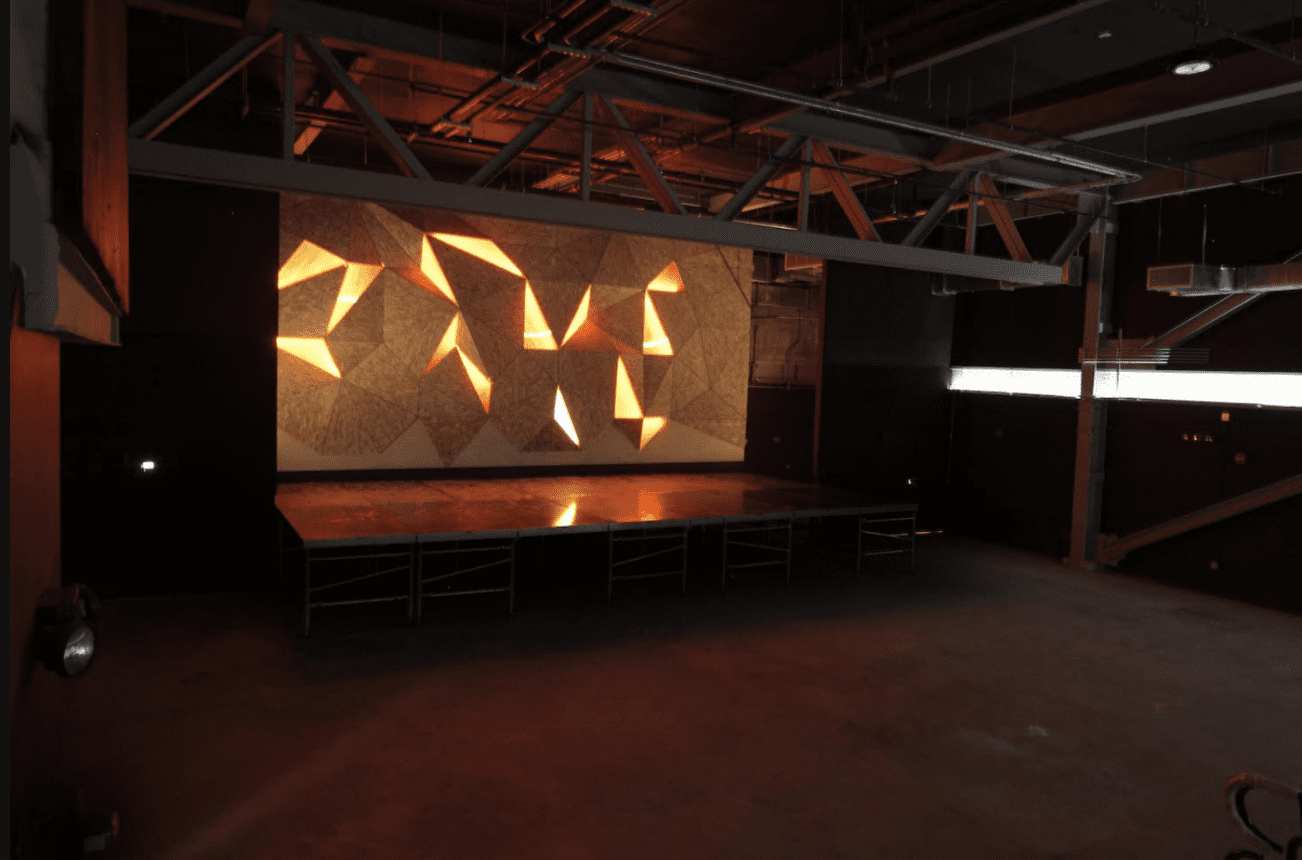
    When Kent Avenue’s DIY hotspot Glasslands closed in 2014, its founders seemed to hint that they’d open another spot eventually. Turns out that spot will be Elsewhere, a warehouse in Bushwick that will double as a community space complete with an art gallery and rooftop access. Dates have already been announced for shows as early as November. Read what the founders have to say about Elsewhere here.

  • Get Ready For A New St. Vincent Album

    It’s been a busy year for Annie Clark, a.k.a. St. Vincent: she’s directed a horror short (and will soon direct her first feature film), covered the Beatles’ “All You Need Is Love” for the new Tiffany & Co. campaign, and is about to release her next album and embark on a tour. Check out her cover of the Fab Four’s classic, as well as her new video for “New York” below. There’s no official name or release date for her album yet, but according to a recent New Yorker interview, the LP’s main themes will be “sex, drugs and sadness.”

  • Simpsons Composer Alf Clausen Fired

    He’s been using a 35 piece orchestra to compose the wacky, classic songs that make The Simpsons for 27 years, but not anymore. His work won two Emmys (in ’97 and ’98), and received 21 additional nominations, but according to Variety, Clausen was told by the show’s producer that they wanted a different kind of music. Seems like an interesting choice to make.

https://www.youtube.com/watch?v=RhG6crUCY6E[/fusion_builder_column][/fusion_builder_row][/fusion_builder_container]

ONLY NOISE: Waiting on Waits

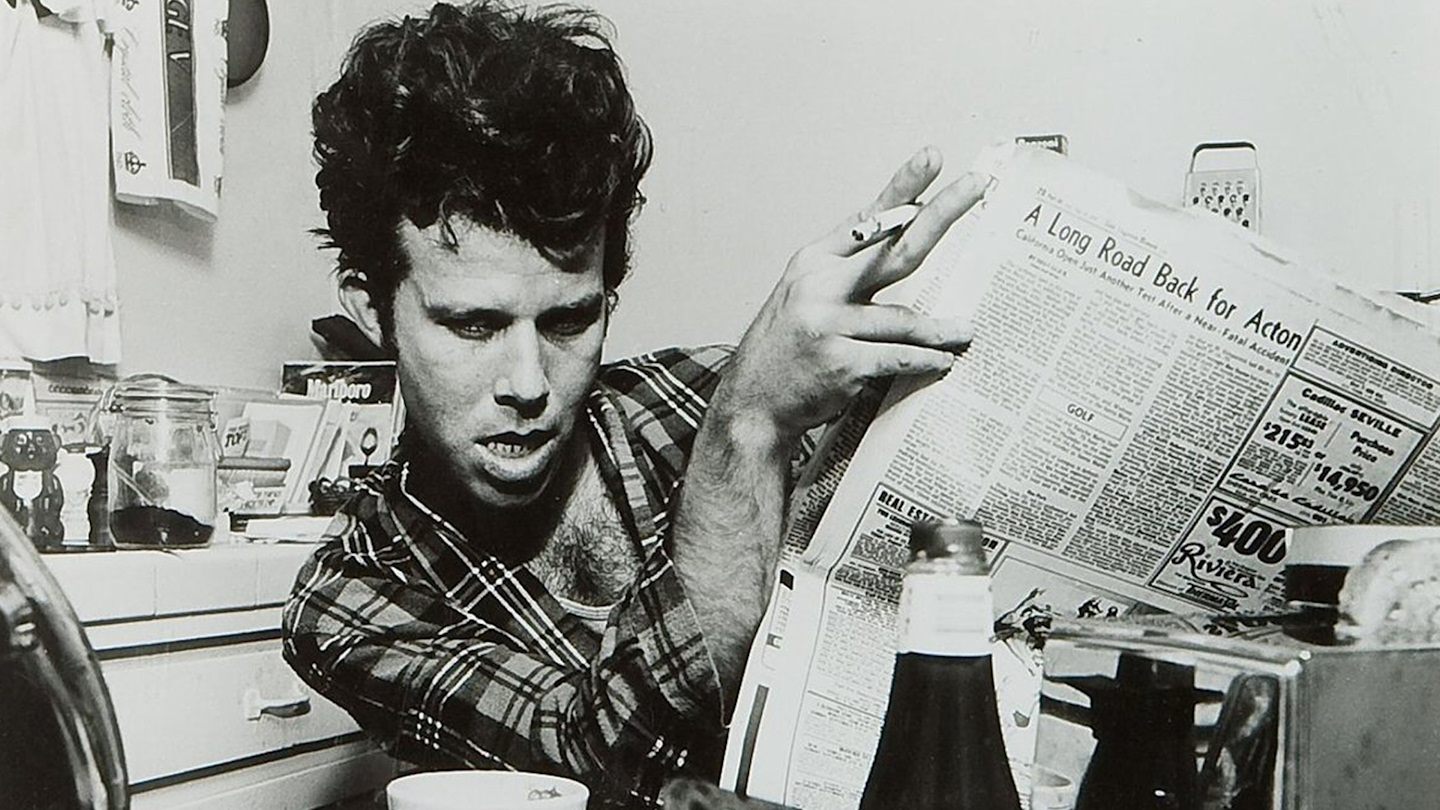
This is the closest I will ever get to Tom Waits. I’m sitting at the bar of my dad’s bistro, listening to a live performance by The Bleeding Romeos… a Tom Waits cover band. Much to Mr. Waits’ presumed chagrin, I do not sip from a flask of cheap whiskey, but a glass of red wine. And no – it is not Carlo Rossi.

My father has been planning this night for months. Having me home in Washington, fixed on a barstool, drinking in the songs of my favorite artist. I on the other hand, have been apprehensive about the evening; tribute bands aren’t really my bag. Additionally, there is an issue of ambience. Don’t get me wrong, I love my parents’ restaurant, but it’s a bistro – a classy dining establishment filled with respectable patrons and wonderful food. It’s no place for an ode to the king of scoundrels. Meanwhile, there is a perfectly wretched dive bar across the parking lot whose smoke-infused walls and carpeted floors beg for a Tom Waits cover band. It almost seems like two bookings got confused, and while muffled trombone and busted lungs rattle my dad’s joint, there is a fabulous jazz band dodging beer cans at the North City Tavern.

But I’m not here to book The Bleeding Romeos at more “Waitsy” venues. They’re working musicians, not method actors. Instead, I am here to answer one question: am I enjoying myself? Despite my reluctance, it turns out I might be. Of course, it could be the wine. It could be the simple pleasure of hearing two and a half hours of your favorite songs, fortunately played pretty true to form. Or, it could be simpler. Yes, impersonators get a bad rap, and the above scene might not sound romantic to you – but to understand its appeal, you must first know the complete desperation of being a Tom Waits fan.
I keep a long list of musicians I need to see in concert before they die. These are my favorite performers, aged between 50 and Bob Dylan, who are statistically more likely to die than those aged between Lil Yachty and 50. The litany of must-see artists goes on and on: Elvis Costello, Nick Lowe, David Bowie, Dolly Parton, Bruce Springsteen, Iggy Pop, Leonard Cohen, Nick Cave; but at the top of this list, in all caps, is the name TOM WAITS. Unfortunately, he is the least likely to go on tour of this bunch (save perhaps, Mr. Bowie and Mr. Cohen, who are respectfully resting in peace). The fact of the matter is, Tom Waits just doesn’t widely tour these days. Even when he does, he covers strange territory.

Take for instance Waits’ 2008 Glitter and Doom tour, during which he played 28 dates over a month and a half. Where were these concerts held, you ask? Oh, bastions of culture like: Dallas, Texas; Tulsa, Oklahoma; Mobile, Alabama. No New York. No Seattle. No Los Angeles or Nashville. Waits toured a portion of the American South, slapping on Columbus, Ohio and Phoenix, Arizona presumably just for kicks, and then jetted to Europe and the U.K. for sets in Prague, Edinburgh and the like. I was devastated.

Part of the reason I live in New York is the guarantee that every living musician I love will play there. NYC is like a pop culture security blanket, smothering you with endless opportunities to see great music, film, or even vintage condom collections, if that’s what you’re into. Tom Waits however, does not need New York like it needs him. He once sang, “I’ll Take New York,” but in 2008, it seemed he was leaving New York behind for more exotic locales… like Birmingham, Alabama. More recent years have found Waits scaling back his already limited tour map. In 2009 and 2010 he played two dates total, both in Cork, Ireland. In 2011, three dates in The Netherlands. In 2013, three concerts in France, and one in Mountain View, California. The pattern is not looking good.

Maybe you’ve given up on seeing Tom Waits in concert. Maybe you were alive and hip in the 1980s, and caught Waits live in his Swordfish Trombones and Rain Dogs days. For that, I would likely trade lives with you. I would take on your wife, your mortgage, and your closet of ill-fitting pinstriped shirts. I would swap my young-ish, able body for your arthritic limbs and thinning hair, just to have the memory of Tom Waits flailing on stage like a crazed train conductor.

But, until life-swapping is legitimate reality, my Tom Waits meet-cute will be reduced to secondhand smoke. For instance: I once met a girl in college from Sebastopol, California who used to babysit Tom Waits’ kids. Once released from my stupor, I implored, “What was he like?!” I had hoped to hear of his dried bat collection, his secret wooden leg, or of his nocturnal cake-baking habits. “He was nice,” she said. A couple of years later I met someone who once worked in a used bookstore in San Francisco, where “Tom Waits would come in and buy huge stacks of old, dusty encyclopedias.” Old, dusty encyclopedias! How strange. How quirky! How utterly Tom Waits. “Well,” I asked. “What was he like?!” “He was pretty shy and quiet.”

Ugh! I was again disappointed. Had these eyewitnesses no better descriptions for one of the oddest men in rock n’ roll? What was he wearing? Surely not khaki shorts and a Heineken t-shirt. What did he smell like? Perhaps a sweet mingling of cheap cologne and cremation ash? Was there a moth fluttering around his person at all times, or a bone ring on his pinky? I will never know.

It appears that my last salvation is in the hands of The Bleeding Romeos, tonight, at my dad’s restaurant. Despite my burning urge to cut the lead singer’s hair, I stand impressed at their approximation of Waits’ sound. They throw down a hefty chunk of his catalogue – everything from “Old 55” to “Swordfish Trombones” – and they don’t fuck it up. True to their namesake, the band’s most accurate rendering of Tom Waits is their version of “Romeo Is Bleeding” from 1978’s Blue Valentine.

I begin to feel like a recovering alcoholic who finds bliss in a virgin cocktail – the effect is working. When I close my eyes, I can almost convince myself I’m in some dingy club on Santa Monica Boulevard 40 ago. But when I open them I see racks of fine wine lining the walls, and those well-dressed diners, smiling. I may never get to see the real Tom Waits live – but I can at least crawl to the dive bar next door, and drink a cheap beer in his honor.

PLAYING DETROIT: Valley Hush Bid Summer Farewell With “Goodbye, Sweet Mango”

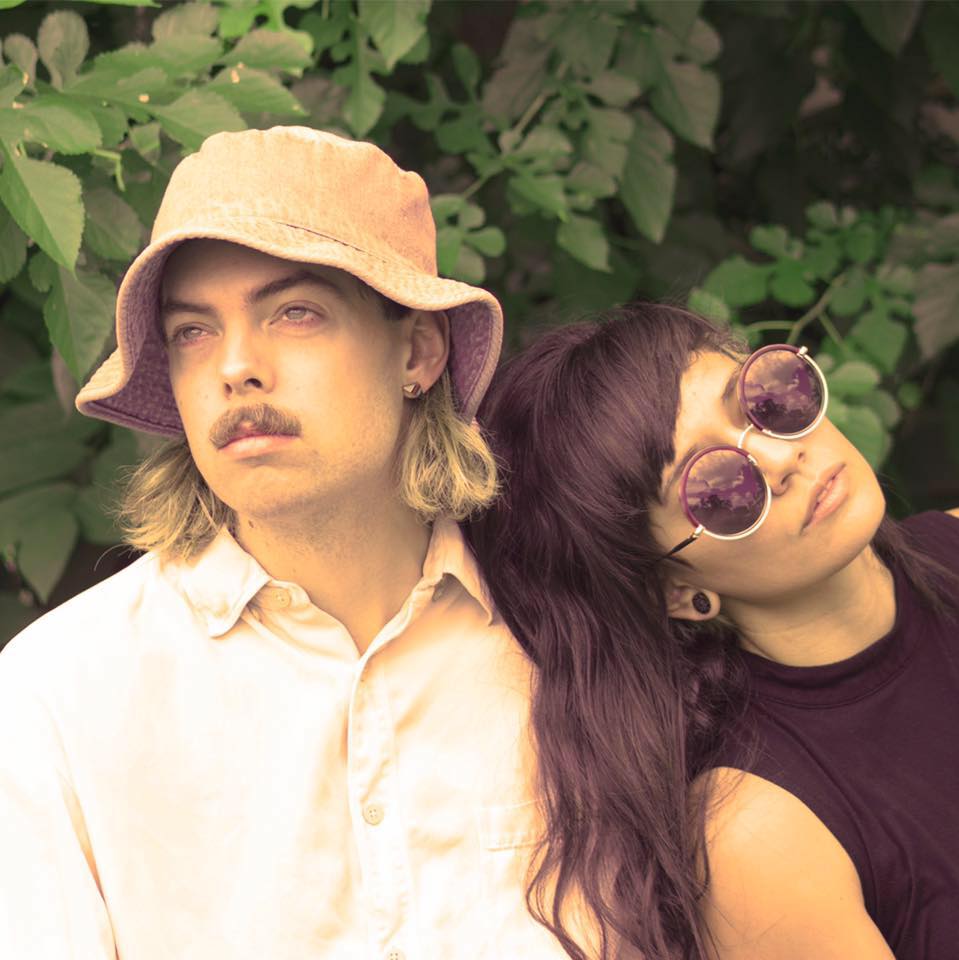
The last time we heard from indie pop duo Valley Hush, they had just released a melty, celestial self-titled debut LP that explored ambition, passion and the art of getting out of your own way. This time around, singer Lianna Vanicelli and producer Alex Kaye explore longing and loss with a soaring swan song: their latest track, “Goodbye, Sweet Mango.”
Staying true to their signature exotic existential ecstasy, Valley Hush lands somewhere in the lush canopy of jungle trees here. A dancey “Leaving on a Jet Plane” for a new generation of movers, shakers and dreamers, “Goodbye, Sweet Mango” is sugary and satisfying but mindful of the insatiable void left when a family is divided by state lines or a boyfriend (who will most definitely miss your birthday) is on tour with his band or even a life left behind in hopes of discovering something new. There is something animated about the track that moves more like a illustrated monologue against clouds swirling around a wing of a plane floating between atmospheres. The layering of breathy vocals, sizzling synths, and stark guitar breaks is nothing short of confident and proof that Valley Hush might be saying goodbye to more than just friends and fruit. They may be entering into juicy new sonic territory, too. 

Take a bite and bid farewell with the latest track from Valley Hush:

PLAYING BLOOMINGTON: Live Music Highlights from August

Rarely a night goes by in Bloomington without locals filling the basements of show-houses, bobbing their heads to punk, garage, and grunge riffs. Once a month, Rebecca recounts some of the live music highlights from the previous four weeks. Read and listen below for a bevy of Bloomington bands that should be on your radar.

(8/3) Rich Boy Junkie, Her Again, Paradise, Brian Berger @ the Bishop

[fusion_builder_container hundred_percent=”yes” overflow=”visible”][fusion_builder_row][fusion_builder_column type=”1_1″ background_position=”left top” background_color=”” border_size=”” border_color=”” border_style=”solid” spacing=”yes” background_image=”” background_repeat=”no-repeat” padding=”” margin_top=”0px” margin_bottom=”0px” class=”” id=”” animation_type=”” animation_speed=”0.3″ animation_direction=”left” hide_on_mobile=”no” center_content=”no” min_height=”none”]

Rich Boy Junkie

It was an evening of farewells at the Bishop as locals Rich Boy Junkie and Her Again performed their final shows in Bloomington. I arrived at the Bishop in time for Her Again’s set, where a substantial audience showed up to catch the doo-wop infused surf punk sounds of Claudia Ferme (guitar), Jordan Gomes-Kuehner (drums), and Megan Searl (bass), who traded in their typically deadpan delivery for visible emotion as they graced the a Bloomington stage together for the last time. Rich Boy Junkie, the indie synthpop outfit featuring Collin Thomas, Brian Berger, Cole Stinson, Sam Winkhouse, and Nick Kinney, closed down the night. In between intimate lyrics sung with an earnest sincerity, frontman Collin Thomas took time to thank the band’s supporters and reflect on the special place that Bloomington will have in their memory.  

(8/5) Jeff Rosenstock and Laura Stevenson @ The Void

[/fusion_builder_column][fusion_builder_column type=”1_1″ background_position=”left top” background_color=”” border_size=”” border_color=”” border_style=”solid” spacing=”yes” background_image=”” background_repeat=”no-repeat” padding=”” margin_top=”0px” margin_bottom=”0px” class=”” id=”” animation_type=”” animation_speed=”0.3″ animation_direction=”left” hide_on_mobile=”no” center_content=”no” min_height=”none”]

Laura Stevenson (Photo credit: Jennie Williams)

*This review was written by Jennie Williams, a friend, colleague, musician, and fellow local music lover*   

The Void, Bloomington’s all-ages collectively operated venue, sold out its largest show yet on Saturday, August 5th. This highly anticipated event featured Jeff Rosenstock and Laura Stevenson, old friends and bandmates from Bomb the Music Industry! (BtMI!). They had been touring all summer together with their own self-titled projects. Pre-sale tickets to this show were not available, which meant that even though I thought I showed up on time, I was already late and at the end of the line.

The first band to perform was a local punk group called Whelmed (an appropriate name to kick off the eagerly awaited and nearly overwhelming event). The lead vocalist welcomed the audience and introduced The Void and its mission to the crowd, which consisted of people from in and out of town. I even overheard that someone drove for over an hour and a half to see the show.

Laura Stevenson performed next, opening with “Out With A Whimper” from her 2015 album Cocksure. Stevenson was friendly, funny, attentive to the crowd, and played electric guitar with an effortless talent as she sang out devotedly over the sound of the loud speakers. For her last three songs, Jeff Rosenstock joined Stevenson on stage and played a shredding electric lead. The band closed with “Jellyfish” – an instant crowd favorite.

While the Jeff Rosenstock fans pushed forward, readying themselves for the headliner, I went over and introduced myself to Stevenson at her merch table. I bought a t-shirt and we talked about an Elliot Smith cover song she played two Christmases ago and our mutual love for Dolly Parton. Rosenstock fired up the crowd that became a chorus of voices singing every word to his songs. Rosenstock praised the audience for being respectful to one another and thanked the Void for hosting this successful and memorable night.

(8/7) Iron Cages with Beverly Bouncehouse, Laffing Gas, and Twinso @ Jan’s Rooms

[/fusion_builder_column][fusion_builder_column type=”1_1″ background_position=”left top” background_color=”” border_size=”” border_color=”” border_style=”solid” spacing=”yes” background_image=”” background_repeat=”no-repeat” padding=”” margin_top=”0px” margin_bottom=”0px” class=”” id=”” animation_type=”” animation_speed=”0.3″ animation_direction=”left” hide_on_mobile=”no” center_content=”no” min_height=”none”]

Twinso

The Jan’s Rooms crew stacked the lineup for the final show at one of Bloomington’s most popular house venues. Eager to catch the entire bill, I arrived in the basement in time for local punk band Laffing Gas’s opening set. Although I instantly regretted my oversight in not bringing earplugs along, the infectious energy that emanated from the frenzied instrumentals and fiery vocals made the minor physical discomfort worth it. The second act of the night was Twinso, an Evansville-based hardcore punk duo. Donning matching jumpsuits and orange hats, Twinso visually referenced a Devo aesthetic during their performance. The true surprise came when they began to play their instruments, juxtaposing a whimsical visual with heavy sounds: explosive bass lines and wildly accelerated drum fills.   

DC-based hardcore punk quartet Iron Cages came through for the penultimate act of the night. During yet another heavy and energetic set, vocalist Laura danced in the crowd while instrumentalists Brendan, Joey, and Nate thrashed around onstage. Lastly, local DJ Beverly Bouncehouse facilitated a charming end to the night, singing an eclectic and hilariously curated playlist of covers (“Short People” by Randy Newman and “Sweat” by the Inner Circle were definitely set highlights) on top of the songs’ original backtracks. It seemed fitting to end the house’s final show with a reminder that above all, Jan’s Rooms was a venue for old and new friends to connect to each other and have a good time.  

(8/10) Garrett Walters @ The Void 

A couple of months back I picked up Garrett Walters’ debut album, I Call My Younger Sister Twice A Day. For some reason I was intrigued by the album art so I decided to take a risk. While you can’t always judge a book by its cover, you might be able to judge an album by its cover art because I Call My Younger Sister Twice a Day played on repeat in my car for a good month or so. Walters’ live show was just as intimate as the recording itself; as the audience formed a semicircle surrounding the singer, who stepped down from the stage to get a little closer to us all, we were treated with a smattering of personal folk punk songs about the good, the bad, and the ugly of life and love Bloomington.  

(8/10) Amy O’s Elastic Release Party with Bugg and Jacky Boy @ The Bishop 

[/fusion_builder_column][fusion_builder_column type=”1_1″ background_position=”left top” background_color=”” border_size=”” border_color=”” border_style=”solid” spacing=”yes” background_image=”” background_repeat=”no-repeat” padding=”” margin_top=”0px” margin_bottom=”0px” class=”” id=”” animation_type=”” animation_speed=”0.3″ animation_direction=”left” hide_on_mobile=”no” center_content=”no” min_height=”none”]

Amy O

After moseying over to the Bishop from the Void (thankfully Bloomington is relatively small and easy to get around fast), I made it to Amy O’s Elastic release show just in time for the last few songs of Jacky Boy’s set. The room was already packed for the best turnout for a local show that I’ve been to all summer. After grabbing a drink and worming my way through the crowd, I climbed up onto a booth to catch the sludgy yet melodic basslines and nonchalantly slacker vocals of the local grunge outfit Bugg, who was the second supporting act of the night.   

The mood was high by the arrival of Amy O’s much-awaited set. She performed most of the songs off of Elastic, which was released earlier this month via local label Winspear. This was Amy O’s return home after a midwest and east coast tour and the tone felt celebratory. In between exchanges with the audience and smiles to fellow bandmembers Madeline Robinson (bass/vocals), Justin Vollmar (drums), Damion Schiralli (guitar), and Aaron Denton (keys/vocals), Amy O delivered a substantial set of tightly composed grungy basement pop.  

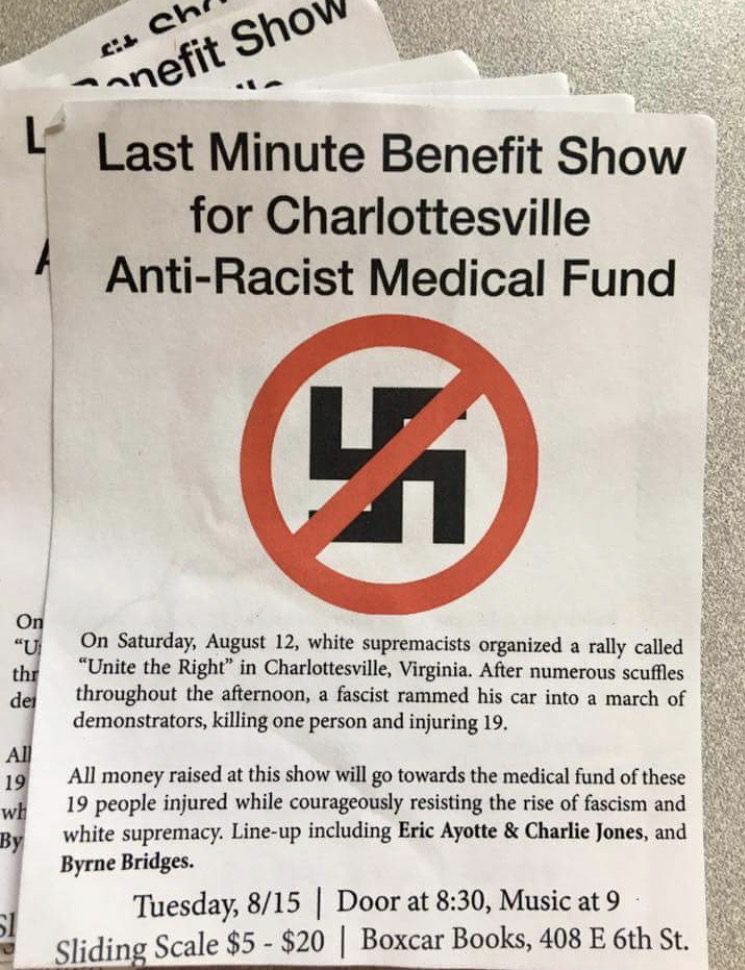
(8/15)  Charlottesville Benefit feat. Eric Ayotte, Charlie Jones, Byrne Bridges, Fresh Kill @ Boxcar Books  

Punks Give Back Bloomington hosted a last minute show at Boxcar Books, Bloomington’s local volunteer-run bookstore and activist center. The event, which featured Eric Ayotte and Charlie Jones, Byrne Bridges, and Fresh Kill, raised over $1000 to assist with medical expenses for the anti-fascist protesters who were attacked and injured by white supremacists in Charlottesville on August 12. While the atmosphere felt understandably somber, Boxcar’s comfortable and inclusive environment became a space for people to come together and begin to process their feelings.

Fresh Kill opened the night with an acoustic set once the audience settled down onto the floor. While I’ve seen these two perform quite a few times in the months since their debut, this more intimate and unplugged version of Fresh Kill provided the space for Jess (drums) and Emma (guitar) to showcase their poignant lyrics and tight vocal harmonies. The next act to perform was Byrne Bridges, a solo project that combines elements of glam and folk punk. Their set included collective moments of catharsis, including a song/social experiment where audience members were given the space to take the stage and offer things that they are sorry about while crowd sang along. Unfortunately I couldn’t stay for the final act, but reports back from people there confirm that Eric Ayotte and Charlie Jones are certainly worth keeping an eye out for more performances to come.   

(8/18) Ladycop and Tabah @ The Blockhouse  

[/fusion_builder_column][fusion_builder_column type=”1_1″ background_position=”left top” background_color=”” border_size=”” border_color=”” border_style=”solid” spacing=”yes” background_image=”” background_repeat=”no-repeat” padding=”” margin_top=”0px” margin_bottom=”0px” class=”” id=”” animation_type=”” animation_speed=”0.3″ animation_direction=”left” hide_on_mobile=”no” center_content=”no” min_height=”none”]

Ladycop

I walked into the basement of the Blockhouse just in time for the psychedelic dream pop stylings of LadyCop. LadyCop is an eight person project headed by Chelsea Sherman (vocals, keys, synth, percussion) and is comprised of Alex Arnold (guitar, bass, synth, percussion), Kenzie Main (vocals), Biz Strother (vocals), Jonathon Brunnes (bass), Josh Morrow (drums), Charles Roldan (drums) and Patrick Hitchings (violins). While not all eight member of the project were present at this live show, a fullness in sound was provided by the three-part vocal harmonies, one of the core identifying features of Ladycop’s sound.    

[/fusion_builder_column][fusion_builder_column type=”1_1″ background_position=”left top” background_color=”” border_size=”” border_color=”” border_style=”solid” spacing=”yes” background_image=”” background_repeat=”no-repeat” padding=”” margin_top=”0px” margin_bottom=”0px” class=”” id=”” animation_type=”” animation_speed=”0.3″ animation_direction=”left” hide_on_mobile=”no” center_content=”no” min_height=”none”]

Tabah

Finishing the night was Tabah, a Minneapolis-based five piece comprised of Cecelia Erholtz (vocals/guitar), Charlie Bruber (bass), Murphy Janssen (drums), Jeff Ley (guitar), and Andrew Seitz (keys). While psychedelic undercurrents ran throughout the band’s set, Tabah draws from multiple sources. Utilizing elements of folk, country, soul, funk, and hard rock, their music is delightfully difficult to pinpoint in any one genre. One common strand that ran throughout their set, however, was each member’s proclivity towards their instruments. As these elements came together onstage, Erholtz’s soulful vocal timbre weaved into the sonic tapestry with apparent ease.  


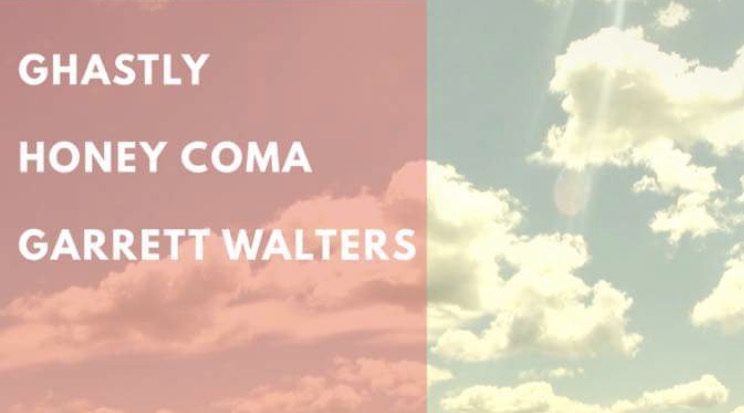
(8/27) Big Huge, Casual Burn, The Bills, and Ghastly @ The Root Cellar

[/fusion_builder_column][fusion_builder_column type=”1_1″ background_position=”left top” background_color=”” border_size=”” border_color=”” border_style=”solid” spacing=”yes” background_image=”” background_repeat=”no-repeat” padding=”” margin_top=”0px” margin_bottom=”0px” class=”” id=”” animation_type=”” animation_speed=”0.3″ animation_direction=”left” hide_on_mobile=”no” center_content=”no” min_height=”none”]

Casual Burn

The Root Cellar opened up its doors on a Sunday night for a stacked lineup of local and touring punk music. Kicking off the night was the Bills, a brand new local group. A substantial crowd had accumulated to support this power punk trio, who played a short and sweet set of original tunes. New Orleans-based post punk four piece Casual Burn was the second act of the night. Hopping on the lineup last minute, the post-punk stylings of Monet Maloof (vocals), David Sabudowskly (guitar), Nathan Bluford (drums), and Carlos Knoop (bass) were a welcome surprise. The energy emanating from this group even prompted a small moshpit, a fairly uncommon occurance in Bloomington, where most punks prefer bobbing their head subtly to the beat over heaving their bodies in any which direction.  

[/fusion_builder_column][fusion_builder_column type=”1_1″ background_position=”left top” background_color=”” border_size=”” border_color=”” border_style=”solid” spacing=”yes” background_image=”” background_repeat=”no-repeat” padding=”” margin_top=”0px” margin_bottom=”0px” class=”” id=”” animation_type=”” animation_speed=”0.3″ animation_direction=”left” hide_on_mobile=”no” center_content=”no” min_height=”none”]

Ghastly

Touring band Big Huge performed next, delivering rock and roll vibes with a southwest aesthetic. Based out of New York, Big Huge is comprised of Sam Richer (guitar), Dan Reg (vocals) Hannah Nugent (bass), Dave Chase (drums), and Dan Gaetani (guitar). Local favorites Ghastly closed the night with jangley pop punk and emotional, fervently sung lyrics that are personally and politically motivated. Ghastly is A.T. (vocals, guitar), Martin (guitar), Eric (drums, back up vocals), and Kara (bass).

[/fusion_builder_column][/fusion_builder_row][/fusion_builder_container]

TRACK PREMIERE: Whispertown “Freefaller”

[fusion_builder_container hundred_percent=”yes” overflow=”visible”][fusion_builder_row][fusion_builder_column type=”1_1″ background_position=”left top” background_color=”” border_size=”” border_color=”” border_style=”solid” spacing=”yes” background_image=”” background_repeat=”no-repeat” padding=”” margin_top=”0px” margin_bottom=”0px” class=”” id=”” animation_type=”” animation_speed=”0.3″ animation_direction=”left” hide_on_mobile=”no” center_content=”no” min_height=”none”]

Whispertown Photo by Heather Porcaro

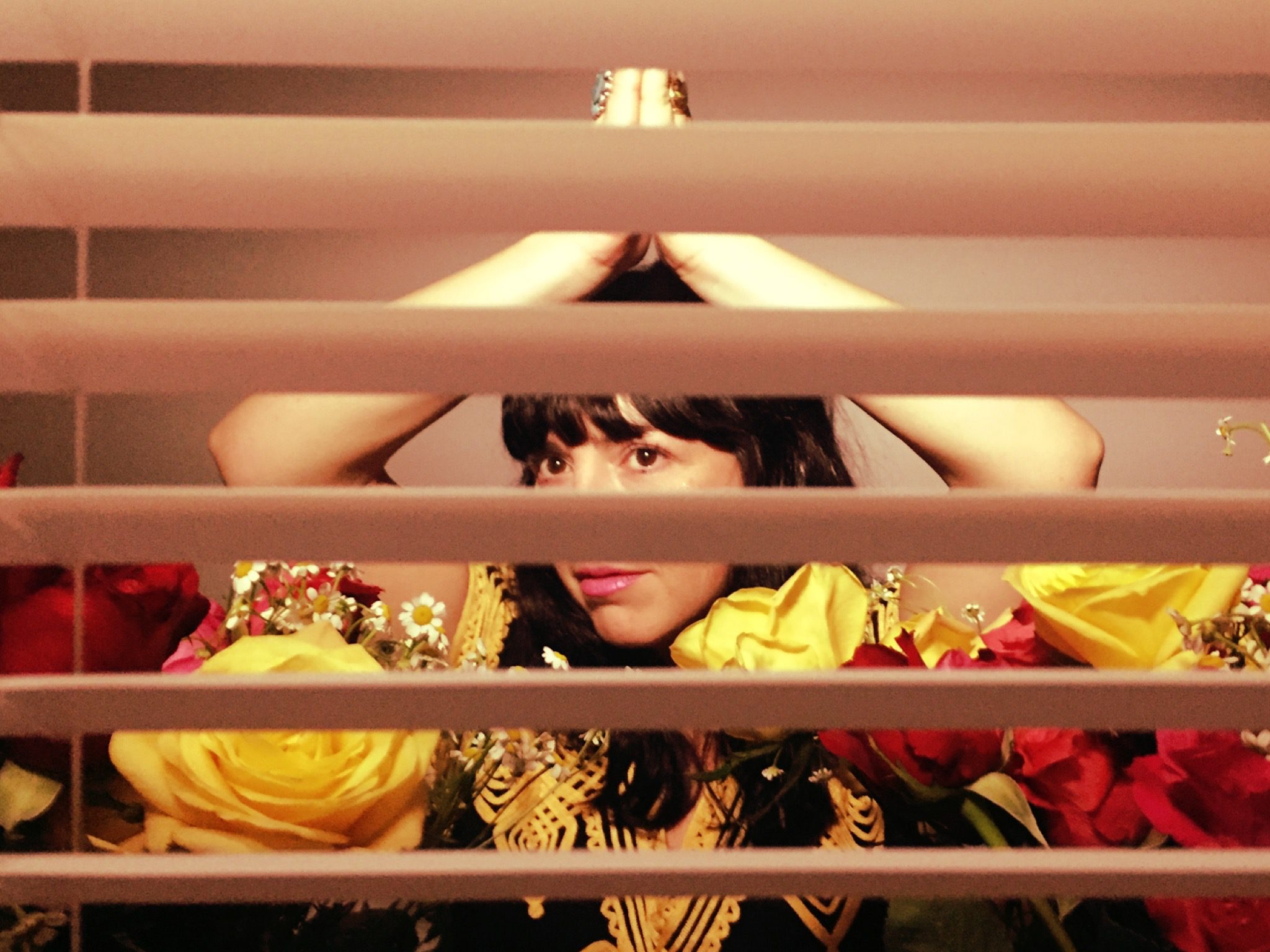
Whispertown is a one-woman powerhouse comprised of child-actor-turned-musician Morgan Nagler. Based in Los Angeles, Nagler’s music invites the listener to think beyond their mortal coil, to consider us all one being, connected through time and space. Big stuff for pretty music, but Whispertown handles the subject matter beautifully. “Freefaller” is the latest single from her forthcoming LP I’m A Man, out via Graveface Records September 1st. We talked to Morgan about her writing process, the road, and her imaginary roller rink.

AudioFemme: You’re a rare bird. LA native, right (via Oregon that is)?

Morgan Nagler: That’s right. To the core.

AF: What in your mind’s eye sets a native Angelino apart?

MN: There is a palpable common thread. I have been recently thinking on the physical effects of our surroundings, the ocean and the forest most prominently, and the desert; having all these extreme elements of nature in such close quarters marrying the diversity and abundance of vibes in the greater Los Angeles area makes for a pretty unique experience of the day to day.

AF: I keep trying to tell my NYC friends this. Los Angeles is so diverse in terms of people and terrain. I’ve fallen in love.

MN: Yeah. It truly has everything. I think that’s also why it can take a longer time to figure out, if you move here without knowing anyone. I still discover new things all the time… there has yet to be something I’m looking for that I can’t find.

AF: We’re only going to touch on this, because news outlets seem to have covered it quite extensively. You were a child actor in the 90s, appearing in sitcoms like The Fresh Prince and Home Improvement. How has your early experiences with acting come to inform your music and live performance style?

MN: Despite being “comfortable in front of the camera” as an actor, unfortunately for me that comfort did not translate to live music performance right away. I feel more nervous playing music because it is more precious, so near and dear and vulnerable. But that’s also the appeal of performing live – breaking past obstacles in the name of human connection. There is a sub-section of LA native child actors. These are my people. But ultimately it was a huge part of life up until about age 24 so it definitely informs who I am, though it seems like another lifetime.

AF: Do you feel comfortable now on stage? Or is it too intimate to be called comfortable?

MN: I do feel comfortable now, but I get nervous beforehand. After the first one or two songs usually I’m able to just vibe out. What a feeling.

AF: You’re friends with Jenny Lewis, another child-star-turned-musician. You’ve also toured with her. How does the music writing process shift when you’re on the road? Do find yourself swapping lyrics and licks with whatever musician you’re around?

MN: When you’re on the road (in a car/van) there is very little not-spoken-for time. I mostly just try and write down the words that come into my head while in the car, then revisit later. I think I’m more likely to swap ideas with fellow musicians when I am home, not touring and have more time. Lately we have been hanging out at Jenny’s in her magical jam room and bouncing ideas off each other. Also, we play a game called “mouth music” sometimes. The game is: you give someone a guitar, or someone plays piano, and they just start playing a progression of chords, then two people (normally Jenny and I demonstrate) hold hands and look into each other’s eyes and (attempt) to sing a song together in unison.

AF: Tell us about your new single “Freefaller.” It’s subject matter seems to run parallel to songs from your most recent record 2012’s Parallel; this idea of oneness, of our intrinsic connection to the rest of the world.

MN: Yes. That is a consistently running theme. “Freefaller” was born when I was turned on to Kendrick Lamar. Jenny thought that this one female rapper on his first record kind of sounded like me, so “Freefaller” was my version of rapping. But it’s also a commentary on the disenchanted, the collective “fuck it” mentality that I think we are growing away from in our culture… but also there is a strange freedom in “fuck it” that appeals.

AF: Your music makes me very happy. There’s this grounded spirituality to the lyrics that feels really good. Do you consider yourself a religious person?

MN: While I don’t identify with organized religion I consider myself extremely spiritual. Spirit – the thing that can not die – that intangible essence that is our core – and that thing we try to tune into and follow that can not make mistakes.

AF: While researching for this interview, I found myself watching your YouTube videos obsessively. Your brother created them, using public domain footage. “Parallel” in particular really moved me, with its focus on the patterns that exist throughout our universe. Does he have any plans to create videos for your new songs?

MN: Yes. He is. He is such a powerful force. I am in awe of the insane and beautiful and thought provoking visuals he has brought to life. I feel like his videos should be in museums.

AF: What inspires you to write? Do you normally start with the music, or does it come from an idea or source material?

MN: Usually it’s a turn of phrase that presents itself. I am much more lyrically oriented, sometimes I write a whole song in just melody and words and the guitar comes later. “Can’t Stop Crying” was written on a treadmill, I then sang it a capella for Jake Bellows and he composed the music. Then sometimes it magically happens all at once, as if the song already existed.

AF: Your record release show is coming up September 1st at The Bootleg here in Los Angeles. What’s your favorite LA venue to perform in?

MN: The Bootleg is actually my favorite!! The sound there is so nice and it feels musically oriented (rather than bar/nitelife oriented) … also Kyle who books it is radical. I do also love the Troubadour… but I’m East side.

AF: If you weren’t a musician, what is another occupation that interests you?

MN: It’s hard to imagine myself out of a creative field. I would say a writer, but if that’s too close to home and doesn’t count. Perhaps psychology? Or perhaps winemaker? I could definitely run a roller rink.

AF: What advice would you give someone who feels trapped in their career, totally stuck going down a road they don’t believe in?

MN: Quit! Choose something new that you do believe in! Life is so short. This series of decisions – where you live, what you do for money – it’s so easy to feel trapped and complacent, but nothing has to be that big of a deal! You can just up and move to another city…. then you can also move back!

Whispertown will follow up her LA release show this Friday with a short Southwest tour; see dates below.

10.13 – Boulder, CO @ Fox Theatre *
10.14 – Englewood, CO @ The Gothic Theatre *
10.16 – Albuquerque, NM @ Sister *
10.18 – Tucson, AZ @ 191 Toole *
10.19 – Phoenix, AZ @ Crescent Ballroom *
10.20 – Flagstaff, AZ @ Orpheum Theatre *

# with Jake Bellows, Nik Freitas, Jason Boesel & Special Guests
* with M. Ward[/fusion_builder_column][/fusion_builder_row][/fusion_builder_container]

NEWS ROUNDUP: Taylor Swift Goes Goth, NYC’s Night Mayor, & More

[fusion_builder_container hundred_percent=”yes” overflow=”visible”][fusion_builder_row][fusion_builder_column type=”1_1″ background_position=”left top” background_color=”” border_size=”” border_color=”” border_style=”solid” spacing=”yes” background_image=”” background_repeat=”no-repeat” padding=”” margin_top=”0px” margin_bottom=”0px” class=”” id=”” animation_type=”” animation_speed=”0.3″ animation_direction=”left” hide_on_mobile=”no” center_content=”no” min_height=”none”]

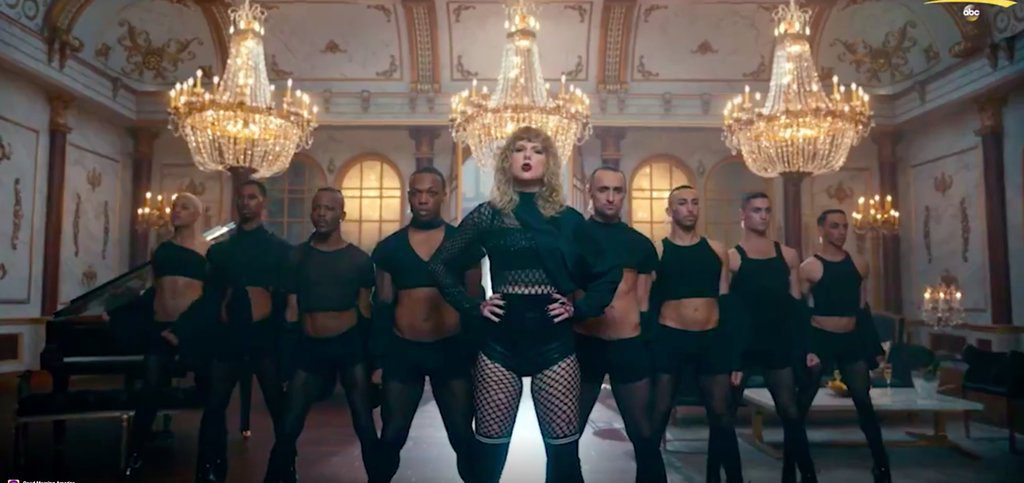
Looks like Taylor really loved Bey’s “Formation”

  • Taylor Swift

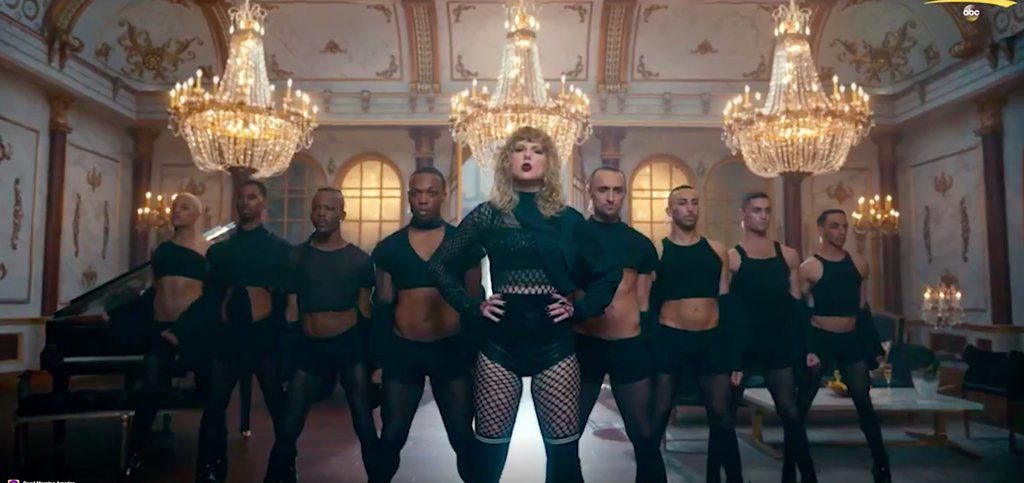
    Taylor Swift tried to overshadow the eclipse (while one artist was potentially blinded by it), by scrubbing her social media pages clean on Monday. The internet buzzed about the impending announcement of a follow-up to 2014’s Grammy-winning 1989, and by week’s end details were released: Reputation drops November 10th, with first single “Look What You Made Me Do” hinting at a darker, Goth-ier image for the singer-songwriter.


  • Soon, NYC Will Get Its Own Night Mayor

    In May, it was announced that New York City was getting a Night Mayor. The person that holds the title is in charge of the “Office of Nightlife,” and is responsible for protecting music venues, particularly the kind of DIY venues that have been shutting down at an alarming rates. Read more about the position here, and one of the people vying for it here.

  • A Fight Over Song Licensing Continues

    Some backstory: the Department of Justice is trying to enforce 100% licensing when it comes to song licenses; currently, the industry allows fractional licensing, which means everyone who “owns” a song must agree about its licensing. However, 100% licensing means that any one of those people can license the song without permission. Both BMI and ASCAP think this will be damaging to songwriters, and have teamed up to oppose the DOJ. Read the whole story here.

  • Other Highlights

    Spotify prepares to go public, hip-hop cookie dough, Solange is playing Radio City next month, RIP John Abercrombie, a new song from Beck, the Village Voice will end its print edition, Beyonce and Laverne Cox are planning a collaboration, Kim Gordon has a new clothing line, and the Allah-Lahs’s name leads to a canceled concert. 

ONLY NOISE: Campfire Songs

I never went to summer camp as a child. In fact, I didn’t really believe that anyone else did, either. Summer camp, like talking dogs and successful marriages, was the stuff of movies. Camp was a tradition I never longed for, or understood, or even thought of. So I was a bit surprised last month when my sister asked me to help out at her Teen Songwriting Retreat – as a camp counselor.

A singer/songwriter, producer, performer, and music teacher by her own right, my sister has been cutting records and touring extensively since the early 2000s. Comparatively, I am far newer to the biz, and much more detached considering I merely opine when other people make music, but certainly don’t make my own. My few musical efforts have been tortured and short-lived, contributing only to a novice career in music criticism.

Music is sort of the family business, however.  Our dad, uncle, and grandfather have all played music professionally at some stage in their lives.  Our dad has worked in pro-audio, co-owned a record store, and currently owns a bistro-cum-music venue, where my sister plays a few times a year.  Because I live so far away, and cannot contribute to the family showbiz community in quite the same way, working at my sister’s retreat seemed like a nice way to finally complete the circle.

Though I had no prior experience working with teenagers in any capacity, and the thought of singing in unison around a campfire makes my blood curdle, this occasion was not to be missed. Firstly, my sister is like, the most wonderful person in the world. Secondly, my sister’s wife (who was manning the kitchen for the retreat) is like, the second most wonderful person in the world. And thirdly, they both live on big, gorgeous farm acreage in rural Washington…in grain silos. They’re pretty much a hippie dream couple torn from the pages Modern Farmer, but better.

In the weeks leading up to the retreat my sister asked if I would be down to talk to the kids about what I “look for” in new artists as a music journalist. Perhaps I could answer their questions, and maybe even inspire them with my fangirl banter. Sure. Why not? But the more I thought about it, the more I began to wonder if I had anything at all to offer these kids aside from my jaded New York sensibilities (“All of the music venues you love will eventually shut down.” “Never trust drummers.” Etc.) Would I only be able to contribute cynical ramblings?

As it turned out, there was a lot more I could offer them. Namely: breakfast, lunch, and dinner. My task wasn’t so much to inspire young Dylans and Nilssons with tales of freelance writing, as it was to make sure they stayed alive for three days. For the camp’s duration I was kitchen assistant to the head chef (my sister’s wife), or as we called her, the “Kitchen Goddess.” The Kitchen Goddess (KG) was an expert at organizing the day and delegating tasks. This created a symbiotic relationship, as I (unlike a musician, but very much like a journalist) am great at taking direction from higher ups. The KG was like a dream editor, stepping in only when a serious rewrite was in order – like the time I over-stuffed a quesadilla, setting it up for structural failure.

Our daily routine was nothing short of divine; I can only hope that by the time I hit 70 my life will be so blissful. To start the day, the kids (ages 12-16) woke up in a yurt tucked away in the woods, roughly 200 steps from my sister’s farmhouse. From 8:30-9:30 we would enjoy the aptly but un-poetically named “Coffee, Tea, and Cocoa Hour” while watching the resident dachshund lope around the garden. Once adequately caffeinated, the KG and I would report to the kitchen for breakfast duty as the songwriters partook in any given form of exercise; some days kicked off with Tai Chi, others with freeform dance parties – anything to get the blood moving, short of Cross Fit.

As the day rolled along I’d shuffle between meal prep and long stretches of reading. I’d started the weekend with a Norman Mailer novel about a man strangling his wife to death, and finished with a historical essay on blues legend Robert Johnson, who was poisoned by a jealous husband – hardly the stuff of typical YA novels, but hey, at least one of the books was about music! Throughout the weekend I’d catch snatches of songwriting challenges the kids would participate in, the most memorable being a “Chip Bag Challenge” in which teams had to write an entire song using only the text from, you guessed it, a bag of chips. The most successful hit to surface was a severe earworm entitled, “Cheetos Crunchy.” I’m tellin’ ya, all these nascent hitmakers would have to do is send this cut to Frito Lay and they’d be set for life. The composers of “Cheetos Crunchy,” however, had far more integrity than I do.

Aside from making hits from a bag of chips, the whole goal of the retreat was to nurture the kids’ creative tendencies as they labored to write, record and perform one original song in under four days. Because of the compressed time frame, the bourgeoning writers were allowed large patches of alone time to hone what my sister called, their “song babies.” The kids would spread out all over the farm, sitting in the grass with their guitars and notebooks. My main interaction with these rehearsal periods occurred on my break time, usually spent picking blackberries or collecting eggs from the chickens.

It was one such evening in the blackberry brambles that I heard the cry of a song baby. A sixteen-year-old kid named Caleb* from Blaine, Washington was strumming his guitar aggressively, singing the roots of a well-formed ballad. It struck me that this was the closest I had ever come to witnessing raw process in terms of songwriting. Hearing a song’s formation is a bit like watching time-lapsed photography of a plant sprouting – you’re not quite sure how all of that change occurred in plain sight, and yet went unnoticed.

By the time Sunday rolled around, all eight of the kids had achieved more than most artists accomplish in a year: they’d written great songs, recorded them in a nice-ass studio, and performed in front of a crowd. Meanwhile, my crowning achievement had been finding a trick to chopping onions without weeping: sunglasses.

All jokes aside, there was more to the retreat than morning coffee, s’mores, and singing. The entire weekend was like a crash course in vulnerability – whether that meant pouring your soul into an in-progress composition and sharing it with a dozen strangers, or playing your favorite song for the group. The crazy thing was that when it came time to share music, or even just stories, the kids were the brave ones; I on the other hand, a 27-year-old college graduate, found myself worrying if a bunch of teens would think my favorite song was cool. While I squirmed in vulnerable moments, the participants of the 2017 Teen Songwriting Retreat flourished. Maybe that’s the difference between a musician and a critic.

PLAYING DETROIT: White Bee Adds Neo-Soul Buzz to “Beat State”

The term neo-soul has been popping up around the Detroit music scene more and more frequently these days. Used to describe a blend of R&B, soul and non-traditional inclusions of jazz and hip-hop, neo-soul is becoming more of an overall aesthetic than just a sonic nuance. And no one embodies this quite like foursome White Bee. Their latest track “Beat State” may be difficult to peg to one genre, but is an easy-to-swallow blend of creamy jazz vocals and tenderized percussive arrangements paired together for a perfectly patient concoction. Shannon Barnes  (Guitar/Vocals), Alex Niemi (Drums), Michael O’Brien (Bass/Backing Vocals) and Scott Ryan (Keys) together create a serene, textural velveteen on “Beat State” – a little Tame Impala smoothness, a hint of vocal climbing a la Feist, and a dash of new John Mayer, White Bee is a unique and delightful grab-bag of good vibes.

Lay it on thick with White Bee’s “Beat State” below:

VIDEO PREMIERE: Holly Overton with Midnight People “Summer Solstice 2017”

Over the weekend I saw a glitter-painted, broadly-grinning Holly Overton emerge from DRTY SMMR in a candy-striped Beach Boys-inspired outfit, and I knew it would be a good night. There are those artists, those human beings, that have a celebratory spirit, that radiate positive energy and want to share it with the community. This ethos no doubt drove Holly Overton with Midnight People’s Summer Solstice concert, an art piece and performance on the Our Wicked Lady rooftop, which we are premiering right the hell now.

Filmed by Jeffrey Jones on the eve of the summer solstice, Holly shared that the event was set to honor the “change of seasons, a time for growth, reflection and newness. We celebrated this theme through our freedom of expression and camaraderie under the longest day.”

The end result is something sonically satisfying and luminous. A Yukata-clad Holly is at the center of it all, belting out her seriously Gwen Stefani-esque vocals over the kaleidoscope of color and sound. According to Holly, the atmosphere of the event was about creating a “mystical night of strength and empowerment.” Consider it achieved.

But in spite of the fantastical vibes, the video allows real moments of intimacy. That’s Holly’s sister and Fairy Light Couture designer Heather Overton doing her make-up before the show, and the ending…well, I don’t want to give anything away.

Holly believes the healing power of community, and that’s why she made the video. “Artists are the resourceful strong voices in times of crisis, so I hope Brooklyn artists and beyond believe in themselves fully, ignoring how society dictates they should live, and utilize their gift during this political shit storm, to challenge and inspire themselves and others to stand up for those who are suffering, from the smallest to the boldest actions,” she said. “Unity consists of those who have the strength to stand alone.”

Having now caught real-life glimpses of Holly’s energized set and the lovely crowd that came to see her, I believe in her ability to bring people together when the world is in mass hysteria (read: always). And seriously, she really, really, sounds like Gwen Stefani.

There’s only a month or so of the summer left now; the days are getting shorter, and you can’t fight that. But when you surround yourself with positive energy and midnight people, you can make the evening last forever.

Go ahead and see for yourself.

Holly Overton with Midnight People play Alphaville August 26 with The Shivas, Twiga and Idaho Green. 

FESTIVAL REVIEW: Highlights from Echo Park Rising

[fusion_builder_container hundred_percent=”yes” overflow=”visible”][fusion_builder_row][fusion_builder_column type=”1_1″ background_position=”left top” background_color=”” border_size=”” border_color=”” border_style=”solid” spacing=”yes” background_image=”” background_repeat=”no-repeat” padding=”” margin_top=”0px” margin_bottom=”0px” class=”” id=”” animation_type=”” animation_speed=”0.3″ animation_direction=”left” hide_on_mobile=”no” center_content=”no” min_height=”none”]

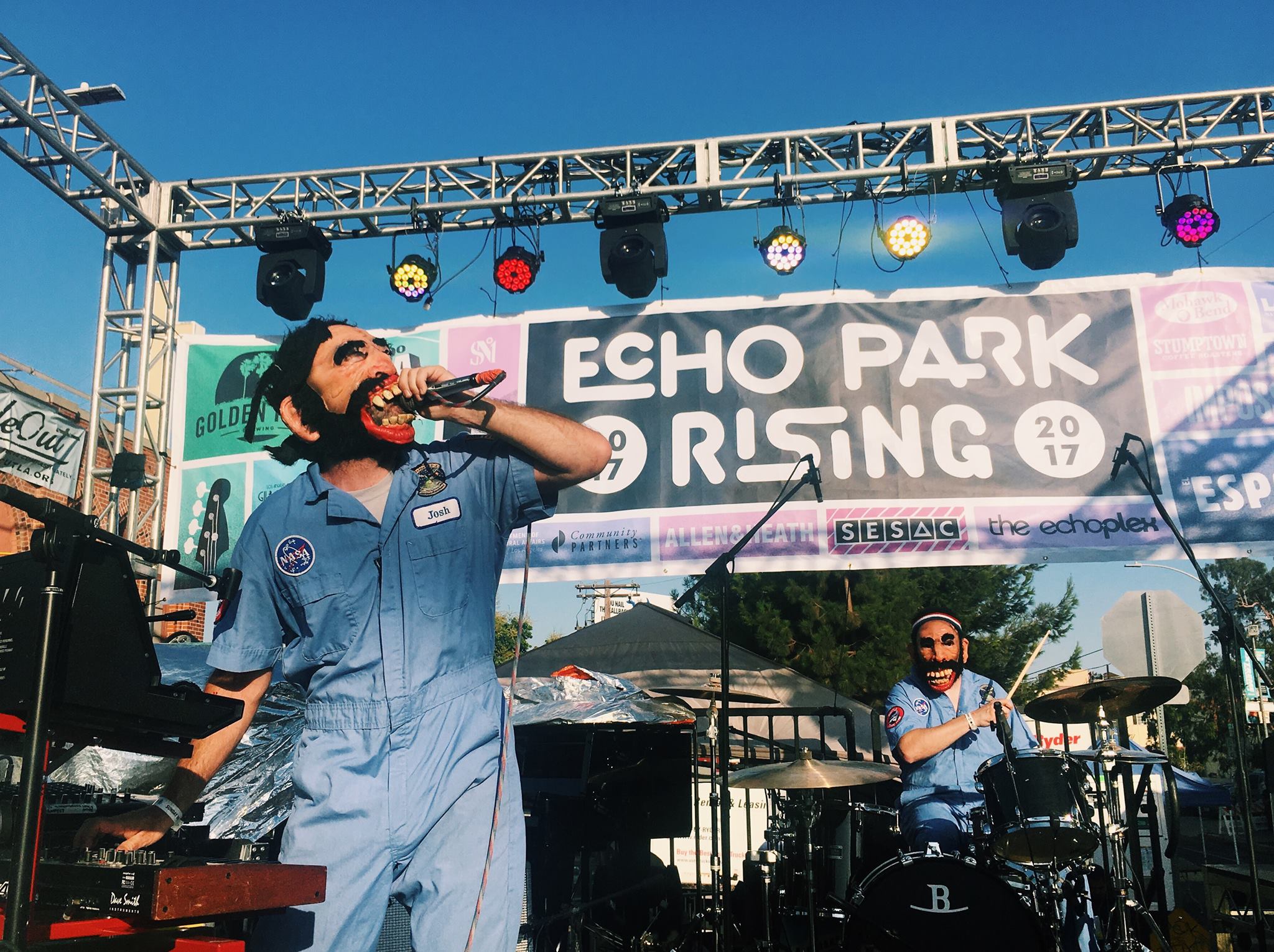
Fartbarf at Echo Park Rising (taken from Echo Park Rising’s Facebook page)

Don’t believe what your bitter NYC friends tell you – Los Angeles is magical city. It sprawls magnificently in all directions, hiding its best gems in clear sight. Echo Park Rising is a free festival that offers the best parts of Los Angeles up front: good food, great music, free cold brew, & secret shows in questionable locations.

While the festival technically started on Thursday, I didn’t venture over from the Westside til Saturday. Parking was easy to find, as was the free food. We were offered Stumptown Coffee, RXBARs, and the impossibly good Impossible burgers. I mention this because while I normally leave a festival feeling like my wallet was stolen, Echo Park Rising makes a point of giving attendees value at every turn. The locations easy to walk to, and the drinks were priced in normal LA fashion (“That Modelo will cost you $6”) and best of all, the shows were great. Below are some of the highlights.

Ramonda Hammer @ The Echo

Ramonda Hammer is not a “grunge character study”; the band gives a clear nod to its Nirvana roots in songs like “Bender”, while “If, Then” gives the genre a fresh coat of paint. Lead singer Devin Davis is confident and controlled on stage, her voice fighting against Justin Geter’s guitar riffs. When I recently interviewed Davis, she struck me as a genuine & down-to-earth person; her on stage persona matched our Skype session, the intensity of her voice balanced by soft, pleasant interplay with the crowd in-between tracks. The set ended with Ramonda Hammer covering Nirvana covering David Bowie’s “The Man Who Sold The World.” It was a bit meta, but the crowd was into it.

https://soundcloud.com/newprofessor/ramonda-hammer-the-man-who-sold-the-world-david-bowie-nirvana-cover

L.A.P.D. @ Taix Restaurant 

Taix Restaurant is a wonderful location for a music festival. The restaurant, est. 1927, is a trip through time, with dim lights and LA street scene photography lining the walls. The Champagne Room is down a long hallway in the back, past tables full of folks eating escargot for lunch. Los Angeles Police Department (L.A.P.D.) is the moniker for Ryan Pollie’s bedroom pop music act. Originally Pollie recorded his music from his actual bedroom in Los Angeles, creating a true lo-fi sound. Pollie talked to Impose Magazine about his writing process, saying “The cool thing about a lo-fi record is that I produced the record and mixed the record and it is all one voice consistently. I think that’s what a good producer does, anyway. There is so much music right now that it is often refreshing to hear something that isn’t from a studio.” Pollie may be signed to ANTI-Records nowadays, but his music continues to have that dreamy, lush, stripped-down sound that fans love.

Sam Morrow @ Little Joy

Upon entering Little Joy, a few things became apparent to me: I didn’t have a beer and I needed to dance. Sam Morrow’s blend of bluegrass and modern country is refreshing in a festival where rock, punk, and dream pop are fairly pervasive. The crowd wore the hipster equivalent of cowboy hats, whiskeys in hand while they shuffle-stepped in time to the music. Raised in Houston, years ago Morrow would have told you that he listens to “anything but country”; after a stint in rehab, Morrow revisited the music of his childhood, finding comfort in the storytelling and soulful twangs. Little Joy is a delightfully intimate venue, allowing the audience to get down right next to the singer himself. It was the perfect way to round out Saturday evening.

Bob Villain @ Little Joy

A man with stark white hair, dressed in a white tattered button-up and a blue hat, brushed past me and made his way to the stage. Bob Villain was running late to his set. It was early in the day Sunday, so I ordered a beer and waited. At 2:55pm, thirty minutes late, a man who I can only say looked like Freddy Krueger walked onto the stage. The man with the stark white hair was Bob Villain; he had put on a dark wig, a bandana, and had tied twigs to his hands. White face paint completed the terrifying look. The set felt like a deleted scene from Twin Peaks. Villain’s “Video Games” cover delighted the crowd and afterwards we sat quietly, dumbstruck by whatever evil magic just transpired.

Latumba @ An Undisclosed Location Off The Grid

After leaving Warm Bodies at The Echoplex (which sounds exactly as advertised), I set off to wander Sunset. I heard some noises to my right, and up a dark set of stairs I found an apartment complete with a bar, transcendental artwork, and a band setting up, especially intriguing due to their numerous saxophones. Latin fusion band Latumba is an experience from the very first note. The crowd rocked, swayed, shouted, strained along with music from this year’s Death By Conga LP, released via LA imprint Pure Weirdo. It’s the closest I’ve ever gotten to experiencing Jack Kerouac’s America: “We fumed and screamed in our mountain nook, mad drunken Americans in the mighty land. We were on the roof of America and all we could do was yell, I guess–across the night…”.

It’s the hidden, secretive nature of Echo Park Rising that makes it special. It reminded me of my early twenties in New York, stumbling upon illegal shows in Brooklyn lofts, hoping that the strange pillow fort in the corner wouldn’t be set ablaze by a still-smoking American Spirit. In between sets, I stumbled upon artist Naia Izumi performing on the sidewalk, her striking voice cutting through the passing crowd. It’s that kind of happenstance that makes Echo Park Rising one of my favorite festivals of the year. It gives its audience what they want: the new, the fresh, the hotness.[/fusion_builder_column][/fusion_builder_row][/fusion_builder_container]

CHECK THE SPREADSHEET: Attitude is Everything

Hello! Thank you for checking the monthly DIY tour guide. I play on tour with three Brooklyn-based bands and have been on the road for at least a week each month this year (aside from one). Going on tour is a goal of many bands and in today’s super connected world it is easier than ever to attain. While being relatively easier to logistically set up, it is still a challenging undertaking on your wallet and  personal and emotional health.

Touring can teach you who your friends are, how strong your relationship is and most importantly who you are. At best, it’s an incredibly fun and hilarious adventure, and at worst, a dehumanizing experience that shoots you straight into an existential crisis the moment you return home. In this monthly column, I will share my experiences and attempt to break down specific aspects of DIY touring so you can more easily hit the road yourself!

I was first introduced to Giantology, a two-piece garage band from Chicago at a show in Long Beach, CA. They’re an inspiring example of a band that just wanted to go on tour and did it. You don’t have to wait until you’re huge in your hometown, have a record on some label or even a booking agent. They were booking their first 3-month tour at the same time as they were writing their first songs. It was their bassist’s first tour ever. If you want to do it, the first step is having the attitude that it is not only possible, but with enough determination and organization it is something you can actually make happen in a matter of a few months.

[fusion_builder_container hundred_percent=”yes” overflow=”visible”][fusion_builder_row][fusion_builder_column type=”1_1″ background_position=”left top” background_color=”” border_size=”” border_color=”” border_style=”solid” spacing=”yes” background_image=”” background_repeat=”no-repeat” padding=”” margin_top=”0px” margin_bottom=”0px” class=”” id=”” animation_type=”” animation_speed=”0.3″ animation_direction=”left” hide_on_mobile=”no” center_content=”no” min_height=”none”]

Giantology basically jumped straight into touring like a bunch of bosses.

That doesn’t mean there won’t be setbacks; the trick is to not let ’em get you down. In Mobile, Alabama I played in two bands to an audience of exactly one person. The co-singer/guitarist in Ex-Girlfriends got onto the floor and screamed her lungs out to the single middle-aged podcast host from Florida like he was the A&R rep of Universal Music or the editor of the Rolling Stone or something. Personally, I get very discouraged and slightly humiliated when no one shows up after you’ve driven half way across the country and you’ve already played at this exact bar twice before, but she did not give a fuck.

I also felt similarly bummed when I played for the first time in front of a sold out room with Kino Kimino in San Francisco at The Independent. There was one moment when all I had to do was play the riff from “So Fresh and So Clean” as a transition between songs. I messed up and felt like a biggest idiot. Whether you’re playing to one person or 1,000 people, it’s always going to be something.

[/fusion_builder_column][fusion_builder_column type=”1_1″ background_position=”left top” background_color=”” border_size=”” border_color=”” border_style=”solid” spacing=”yes” background_image=”” background_repeat=”no-repeat” padding=”” margin_top=”0px” margin_bottom=”0px” class=”” id=”” animation_type=”” animation_speed=”0.3″ animation_direction=”left” hide_on_mobile=”no” center_content=”no” min_height=”none”]

photo by Jose Berrio (joseberrio.com)

Here are some tips to keep your anxiety low, morale high, and generally give zero fucks when things get tough…

  1. Take care of yourself. It’s easy to drink cheaply and/or free every night on tour, but that’s the fastest way to get depressed or sick. You’re probably going to do it anyway, so always keep gummy vitamins on hand in the front of the van. Wellness Formula works in a few days for bad colds, but gives you really smelly burps. Oregano Oil also works, but might make your mouth numb for a few minutes.

Drummers: Bring sandals & hemorrhoid cream (to avoid blood-ass from eating too much gas station food). Take shoes off right after the show and put sandals on – your band mates will thank you.

Beauty Rest: Melatonin /Advil PM and ear plugs can regulate your sleep schedule when you’re trying to crash in bizarre places surrounded by kind (but likely drunk and loud) strangers who let you have their floor, futon, or doggie bed to rest on.

  1. Remember that you’re on the same team. No matter how close you are as friends, being in the same smelly van with the same few people to talk to for 24 hours a day will make you want to murder each other.

Your gear is going to malfunction, you’re probably going to get a cold or an engine mount in your 20 year old mini-van will break, and there’s a chance you’ll end up in the middle of the U.K. somewhere after calling 47 hotels and still end up sleeping in the van. All these things will make you even more on edge with only a few people in your immediate vicinity to take your frustrations out on. Be kind to each other…none of this shit matters. No matter what goes wrong, you’re basically married to the same dream and that is what will inevitably hold you together.

Pro tip: When a bandmate is having a temper tantrum, imagine them as an adorable five-year-old.

  1. Gratitude. Be thankful for everyone who plays, promotes, does sound, feeds you, buys merch, and puts you up. Even if only one person shows up to your show, be thankful that they did. The first time we played in Wilmington, NC only one person came to our show and then the next time we came through town, that one person (Travis of Deadly Lo-Fi) threw us the best show of that whole tour.

I appreciate the bassist in Sharkmuffin so much, because she always appreciates every person involved, and makes it a point to shout out each person in her social media posts after the show. This not only makes a difference the next time we come through town – it really helps you feel more honored to be there and that what you came to share in the first place was worth it when you take the time to feel thankful for everyone individually.

Check back the third Monday of every month for more tips from Tara’s touring life.[/fusion_builder_column][/fusion_builder_row][/fusion_builder_container]

NEWS ROUNDUP: Reactions to Charlottesville, Prince’s Pantone Purple & More


  • Music + Politics: Responses To Charlottesville  

    The horrible events of last weekend show that change is necessary in this country. Here’s some ways the music world reacted to Charlottesville:

    Spotify is cracking down on racist bands. Yeah, unfortunately, white supremacists make music too, and it makes its way to streaming services. Earlier this week, after Digital Music News published a list of 27 white supremacists bands an author found on Spotify, Spotify removed many and is investigating the rest. The company stated, “material that favors hatred or incites violence against race, religion, sexuality or the like is not tolerated by us.”

    Wilco released “All Lives, You Say?” It’s a typically laid back Jeff Tweedy tune, but politically charged. A tribute to Tweedy’s father, buying the song will benefit the Southern Poverty Law Center.

    Johnny Cash’s family makes a statement. After a picture of a “self proclaimed neo-nazi” wearing a t-shirt with the singer’s name began circulating, his daughter Roseanne reiterated her late father’s passion for equality; the singer released an album about the inequality Native Americans faced in the 60’s, a risky career move. 

  • Prince Gets His Own Shade Of Purple

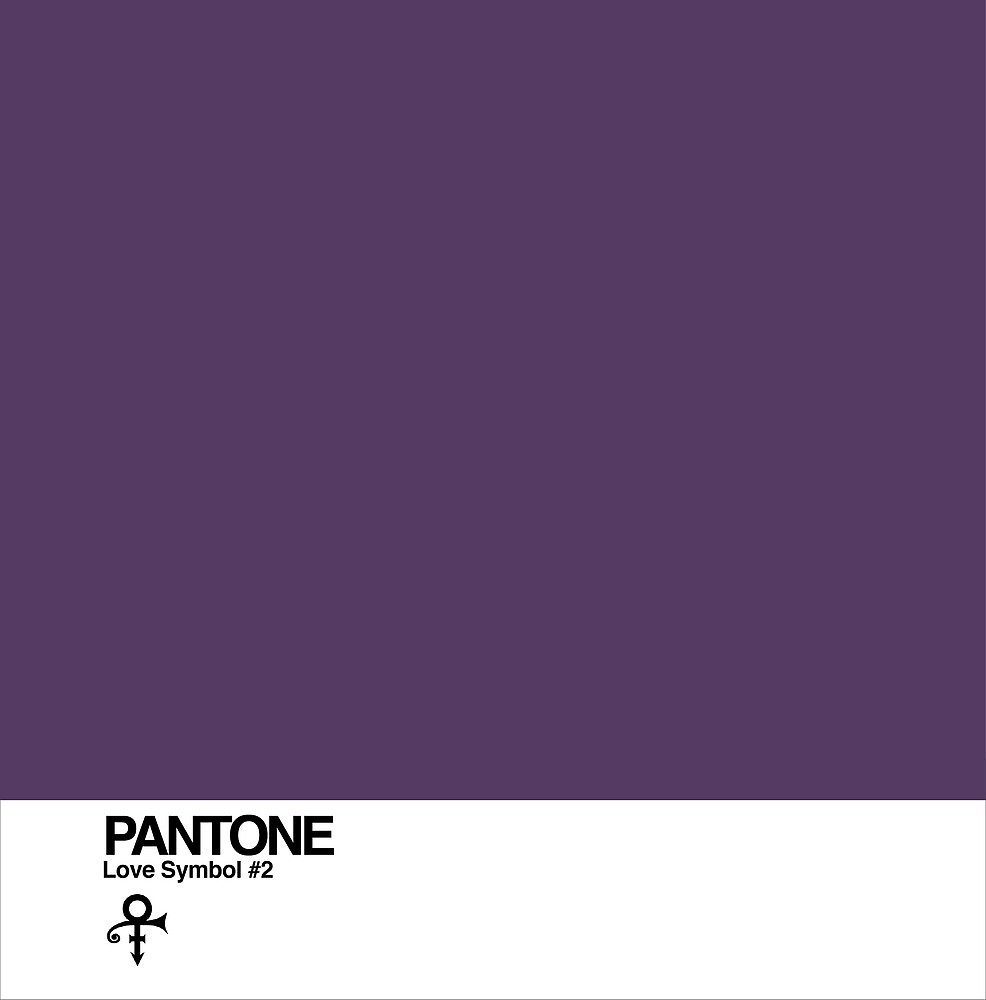
    Purple, associated with individualism, ambiguity, and of course, royalty, was a fitting color for Prince to embrace. This week, the Pantone Color Institute gave the late artist his own shade, dubbed “Love Symbol #2.” The symbol refers to the character Prince renamed himself as in the 90’s. As far as shades of purple go, “Love Symbol #2” is deep, dark and mysterious; a good fit for The Purple One.

https://www.youtube.com/watch?v=i3LHatq2u4k

https://www.youtube.com/watch?v=bwd_UCiuPww

PREVIEW: Audiofemme Anniversary Bash w/ Haybaby, Wooing, & Parrot Dream

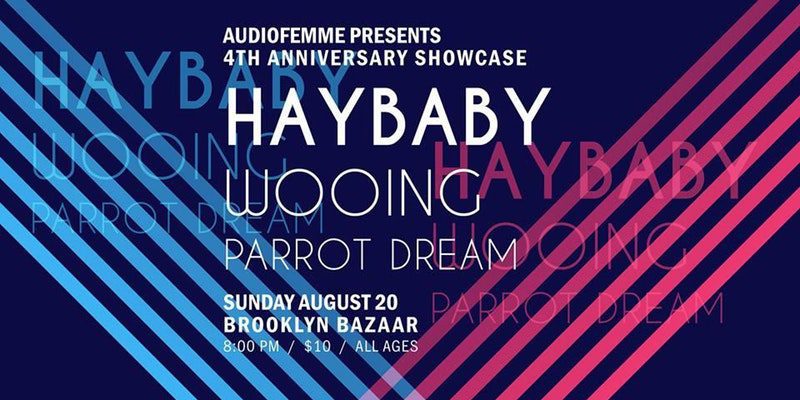
On Sunday, August 20th, Audiofemme takes over Brooklyn Night Bazaar in honor of our fourth year on the interwebs! Since our inception, part of the blog’s mission has been to showcase not only the writing of female-identified journalists, but also some of Brooklyn’s best emerging bands. One of our favorite ways to do that is to throw a big ol’ party with a killer line-up, and we’re super excited about the three bands playing our anniversary shindig. Read on (and take a listen!) for more info on Haybaby, Wooing, and Parrot Dream below, and if you’re able to make it to Greenpoint on Sunday, be sure to say hi to your hosts. We can’t wait to see you there!

Make sure to arrive early for Parrot Dream, whose delicate tropicalia melds the indie sensibilities of Brooklyn, which they now call home, with their origins in Santiago, Chile. Cristina Appel and Gonzalo Guerrero have been at the group’s core since the release of their debut EP Set Sail Someday, with a rotating cast fleshing out live performances and latest single “Jungle.” They’ve just finished mixing their long-awaited full-length debut, so don’t miss their sneak-preview set.

Though she’s just twenty-three, Rachel Trachtenburg has probably been in way more bands than you. By the time she was six, she was performing in an eponymous family act with her mother and father. Next came Supercute!, an indie pop duo with Julia Cumming (now of Sunflower Bean fame), as well as a brief stint with The Prettiots. But it’s her current project, alt-rock trio Wooing, that has totally, well, wooed us. Their latest EP, Daydream Time Machine, sounds exactly as its title would suggest – it’s a woozy, slightly nostalgic head trip with psychedelic pop flourishes. Check out their set, and you’ll be sure to fall in love, too.

Last November, we swooned over “Yours,” Haybaby‘s scathing send-up of rape culture. Vocalist Leslie Hong deadpans exhausted acquiescence to male entitlement, but an explosion of turbulent grunge rock reveals her true rage against being seen as an object. As a stand-alone single, “Yours” bodes well for the impending full-length follow-up to Haybaby’s 2015 debut Sleepy Kids, though no official date has been set for the album’s release. Suffice to say there will be plenty of new scorchers alongside fan favorites during the band’s headlining set.

Audiofemme’s Anniversary Showcase starts at 8pm and will be 10$ at the door, but you can snag tickets here just in case.

ONLY NOISE: Beautiful Losers

Repeat after me: Loser. Double loser. Whatever. Moron. If you were a certain age in the late 1990s, this insult – when paired with the correct hand motions – was the ultimate dis to peers, siblings, and losers of every stripe. The term “loser” in the nineties and early ‘00s was plastered all over the place, from Beck’s breakout hit, to anti-drug PSAs, and that movie starring Jason Biggs’ trapper hat. The identity of the “loser” in music, however, is a far more complex thing than a girl with her finger and her thumb in the shape of an “L” on her forehead,” as Smash Mouth sang.

The loser is not simply a spinoff of Jay and Silent Bob, or Bill and Ted, or Beavis and Butthead (as you can see, losers often come in pairs). It seems that the loser of song tradition is more akin to a hero than a villain. A flawed bearer of mediocrity and wearer of slouchy clothes, the loser archetype is as quintessential to rock ‘n’ roll as the rambler and the romantic. Some losers are self-proclaimed, like Derrick Harriott as he sang his reggae hit “The Loser,” and Merle Haggard, who released the gorgeous but self-effacing song “I’m a Good Loser” on his 1971 record, Hag. “Yeah I’m a good loser/Born to be that way/This dog, he never had his day,” croons Haggard, no doubt lamenting a long-gone woman.

Though country stars were often self-critical in Haggard’s era, hearing him sing the words, “I’m a good loser” is still jarring to this day. Who could ever think of Merle Haggard, one of the coolest men in the history of country music, as a loser? Only he had the power to slander his name, illuminating the fact that loss plagues all of us – even rich and famous country singers.

In many ways, Haggard was a loser. He certainly didn’t have a winning relationship with cigarettes, drugs, or alcohol, the combination of which contributed to his many years of poor heath, and eventual death in 2016. The Hag was also known to lose in love, and to the law. He was married five times and served two and a half years at San Quentin prison in 1958 for burglary and attempted escape from county jail. Add all that up, and you might not call Merle Haggard a winner – but he sure lost with the best of ‘em.

The desperate nature of a country music persona made the genre natural loser territory. From Hank Williams singing “You Win Again” to Linda Ronstadt’s “Sometimes You Just Can’t Win,” to the real-life rise and fall of Townes Van Zandt – the songs wouldn’t have been as good if everybody was winning all the time. But music’s hopeless manifesto didn’t reside only in blues and country – pop is full of losers, too. Of course there’s “Three Time Loser” by ultimate sexyman Rod Stewart, “Teenage Dirtbag” by Wheatus, “The Winner Takes It All” by ABBA, and countless others. Even The Beatles, the untouchable Fab Four, had a song about being a loser: “I’m A Loser” from 1964’s Beatles For Sale. “I’m a loser/And I lost someone who’s near to me,” sings John Lennon. It’s hard to imagine John, Paul, George or even Ringo identifying as losers while watching them perform this cut to a crowd of shrieking women, but then again, as the song warns, “I’m a Loser/And I’m not what I appear to be.”

Still, The Beatles don’t quite fit the loser archetype. I mean, look at those suits and those haircuts. Even when they got mustachioed and Sgt. Peppered it was hard to see them as anything but rock n’ roll all-stars. Folks like Roy Orbison, on the other hand, had a tougher time making it as a cool kid. “Roy was the coolest, uncool loser you’d ever seen,” Bruce Springsteen said of Orbison in a 2012 keynote address at SXSW. I doubt Orbison would deny such a claim had he been alive to hear it. The dark genius behind masterpieces like “Only The Lonely” and “Crying” knew much of loss and sorrow.

Orbison, aka, “The Big O” went through numerous catastrophes in his lifetime – in fact, there is even a section of his Wikipedia page entitled, “Career decline and tragedies” – and it’s lengthy. Orbison suffered heartbreak, infidelity on the part of his first wife Claudette (yes, that “Claudette”), and a lifetime of mourning. In June of 1966, Orbison and Claudette were riding motorcycles through Gallatin, Tennessee when Claudette struck the door of a pickup truck that had pulled out in front of her. She died instantly. Only two years later while touring England, Orbison received a call relaying that his home in Hendersonville, Tennessee had burned down, leaving his two eldest sons dead. If to be a loser you must suffer great loss, then perhaps Orbison was the biggest loser in rock ‘n’ roll history.

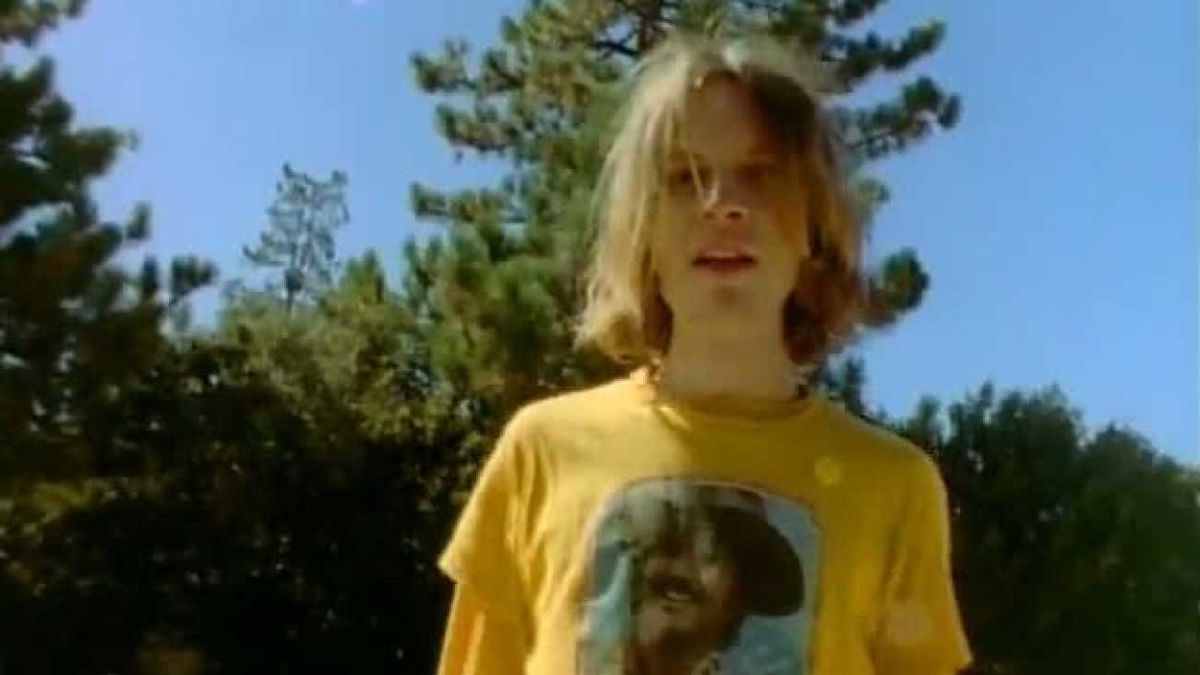
Where Haggard and Oribson’s losses were the stuff of tragic poems, the loser that rolled up in the ‘90s was cut from a different cloth. Take Beck’s “Loser” for instance – the lo-fi hit that put him on the map in 1994. Far more blasé than self-loathing, Beck traipsed through that music video like a shabby bon vivant rather than a hopeless burnout. He owned his loser-dom in secondhand duds and ill-fitting hats. Beck was the loser we’d never seen in music before: mildly defiant, nihilistic, and chic in his refusal to look to the future. Suddenly, the loser wasn’t tragic – it was cool.

But where have all the losers gone? We’ve seen plenty of pop stars in the past decade donning thick-rimmed glasses and identifying as “geek” (which, by the way, is not the same thing as a loser), but where are the deadbeat, worn-down, desperate stars of today? And please do not mention Ed Sheeran – he has a full torso of professional tattoos, and is therefore stripped of any potential loser accolades. Everyone keeps shouting that “the ‘90s are back!” but I don’t see rock ‘n’ roll losers anywhere. Who are kids supposed to look up to these days anyway, Adam Levine? That guy has far too many abs to be a loser. Mainstream music seems to be populated solely by shiny, auto-tuned sex symbols (and Ed Sheeran), and it’s just not enough. We need our poor, our weary, our roughened-up chumps, too. We need our losers. We are lost without them.

PLAYING DETROIT: Mona Haydar Debuts “Dog” with Feminist Bite

Poet, activist and rapper Mona Haydar is flipping the script with “Dog” (ft. Jackie Cruz), the first single from her forthcoming EP.

Haydar, a Flint native best known for her much-publicized “Ask A Muslim” project – in which she and her husband opened the door to strangers’ questions in hopes of dismantling the stigma surrounding her culture – is taking on another fight: the male gaze. Given she’s written poetry since kindergarden, it was only a matter of time until she penned a scathing takedown of the hypocritical creeps that pop up in her DMs. Reminiscent of TLC’s “No Scrubs” (but updated to fit her unique experience), Haydar’s vibe is playful but her vitriol is real.

Haydar spits with tongue in cheek, “Sheikhs on the DL/Sheikhs in my DM/Begging me to shake it on my cam in the PM,” then calls out fuckbois, gas-lighting, and ghosting in one swift verse: “Emotional terrorist/Thinking that you’re errorless/But you need a therapist/Boy you need an exorcist.” The end of the video provides the sobering stats that inspired the song: 27 women in the U.S. have been assaulted or abused in the time that it took to watch the video. Empowering and cheeky, “Dog” is delivered with bark and bite, solidifying Haydar as the resilient voice of a generation with her star on the rise.

[fusion_builder_container hundred_percent=”yes” overflow=”visible”][fusion_builder_row][fusion_builder_column type=”1_1″ background_position=”left top” background_color=”” border_size=”” border_color=”” border_style=”solid” spacing=”yes” background_image=”” background_repeat=”no-repeat” padding=”” margin_top=”0px” margin_bottom=”0px” class=”” id=”” animation_type=”” animation_speed=”0.3″ animation_direction=”left” hide_on_mobile=”no” center_content=”no” min_height=”none”][/fusion_builder_column][/fusion_builder_row][/fusion_builder_container]

PLAYING BLOOMINGTON: Meet Fresh Kill

Jess Mann and Emma Johnson of Fresh Kill, one of the newest bands to appear on the local scene, began writing songs together almost immediately after Emma started taking drum lessons back in February. In the notably short span of time that has since passed, the two have been busy writing and recording songs, releasing an EP, and playing a string of shows around town. Still, the momentum that Fresh Kill has created over the summer is just ramping up as new music, more shows, and perhaps even a regional tour are on the horizon for this duo. Last week, I sat down with Jess and Emma over cocktails. As we chatted, I learned about their collaborative process, the underlying political motivations of their work, and their hopes to contribute positive changes to the Bloomington music scene and community.

As Fresh Kill is still in its early stages, Emma and Jess hesitate to place their music in any one specific genre. Sometimes it’s hard, sometimes it’s soft, but it always features tight vocal harmonies and poignant lyrics of a vaguely autobiographical sentiment. Beyond these trademark qualities, the two prefer to grow organically as songwriters. Rather than tethering themselves to any one style, Jess and Emma seek the freedom and space to move in whatever directions seem natural. During our chat, Emma reflected on her intent to expand the boundaries of Fresh Kill’s sound as they evolve. “We’re still in such an early stage. We’re still figuring that out and I imagine that the stuff we continue to write is going to change and grow. I’m personally interested in the drums, learning a bunch of different genres and then bringing that into whatever we create.” Jess concurred and added, “Let us have an album first.”  


Jess and Emma’s songwriting process is a collaborative one where each provides strengths that contribute to the final product. Emma writes the lyrics, but often enlists the help of Jess with the wording. Their compositions are also the result of a team effort. While their songwriting methods are fluid and varied, Emma generally provides the overall skeleton of a song or idea and Jess fills it in with guitar chords and an arrangement.

As soon as the two have finalized a new song, they waste no time recording it. While Jess originally went to school for audio engineering, she prefers a quick and dirty method of recording and mixing. She explained, “I don’t want to sit on it. Recording can be such a complex and lengthy process; let’s make it as quick and painless as possible.” Emma added, “That’s definitely what we do with our demos. I think maybe in the span of four hours, we recorded all of them. We even took a lunch break. I think they went online that night. I’m always really impatient and as soon as we do something that I’m excited about, I need to share it immediately!”

As our conversation shifted, we began to discuss the Bloomington music scene, and the two explained what they perceive to be its strengths and weaknesses. While Jess and Emma both acknowledged that they feel a great deal of support from many of the individuals who make up Bloomington’s tight-knit scene, it can often feel like a boy’s club, specifically a white boy’s club. Jess remarked, “There are always exceptions, but it’s still a boys club. I mean there are some really rad women, femme, and queer people playing music but most of the people playing music are white dudes. Some of them are cool and conscious of their positions, but a lot of them don’t see the point in actively including people who aren’t like them.” Emma pointed out that in Bloomington, it is still usually considered a novelty to have a show where white men are represented as the minority. “It’s not that there aren’t rad femme folks, queer folks, or nonbinary people making music, it’s that when it does happen it’s exceptional in some way. It’s very rare that there is a show that’s majority of those people playing where it’s not really intentionally curated to be that way.”

According to Emma and Jess, a true push toward making the local scene more inclusive involves both explicitly curating shows and other spaces that feature underrepresented musicians and also normalizing inclusivity at all shows. Jess and Emma are using their positions in the local scene to do just that. Jess was previously part of Missfits, a music collective for women and other gender minorities. Missfits, which ran for about a year and a half, had its final event last summer.

Fortunately, one year later, it seems that similarly motivated projects have risen in its wake and are shaking up the local scene. Both Emma and Jess are fans of Shut Up and Listen, a serial zine created by Jesse Grubb and Bethany Lumsdaine that provides a platform for underrepresented musicians. Jess contemplated the impact of these projects. “Sometimes you have to make a point and be really intentionally clear about why you’re pointing out the music that is made by the people who aren’t dudes, and maybe things have changed a little bit or maybe I just have a different perspective, but it’s cool to be at a point where you can write a zine about underrepresented musicians in Bloomington and not really have to make a big point out of that fact.” According to Emma, the two have a similar perspective when it comes to planning Fresh Kill shows. While Fresh Kill may not have explicitly political lyrics, the political identities of both Emma and Jess motivate all of their creative projects.

When they aren’t working on Fresh Kill, Jess and Emma, who are recent graduates at Indiana University, are busy with other jobs and creative projects. Jess works at Landlocked Music, one of Bloomington’s local record stores, and participates in several activist organizations. Emma co-produces and co-hosts Kite Line, a weekly radio program and podcast about prison issues, which she explained is an “attempt to create a platform and bridge for communication and dialogue with folks who are incarcerated or their families and people who have been affected by the prison industrial system to share their stories and break down certain stigmas.”  

When asked about new music, Jess and Emma excitedly assured me that they are writing and recording for a fall release. Although they didn’t divulge too much information about what that would entail, they told me to expect greatness and I’m inclined to believe them.  

Check out Fresh Kill’s acoustic set at Boxcar Books in Bloomington TONIGHT (August 15th) for a benefit show for the Charlottesville Anti-Racist Medical Fund.  


MORNING AFTER: Peanut Butter and Fish Tacos With Medium Mystic

Little Edie is off kitty Prozac and living her best life in Queens. The former teen-mom bodega cat turned Medium Mystic muse is joining us for coffee (she’s having a “coffee phase”) and tacos. It’s sporting of her; Edith really prefers bacon, egg, and cheese on a bagel (never crossaintwich) and is very particular about her Fancy Feast, inspiring the song “Trashy Feast.”

“We were just coming back from the grocery store with like so much of it,” Brenna Ehrlich explains. “And we were like, ‘We gotta give her fancy feast, not like trashy feast.'”

“We” includes herself and Morgan Enos, the other half of Medium Mystic, the die-hard jangle pop half. Brenna has punkier leanings (she lists Bratmobile and X as favs, and I can def hear a bit the latter’s influence in their demo), but the pair meld their tastes together for a sound that’s bright and quick, but never shallow, and melodious enough to make you genuinely shimmy instead of doing that weird head-bob (you know the one).

They’re also very much boyfriend-girlfriend (I mean, they live together) and passionate music journalists who enjoy looking at the scene in the same satiric lens I do. So going into this piece I deeply fear the scrutiny that’ll fall on me, the Overly Earnest Trash Blogger, all my colloquial observations sandwiched between the usual self-centered rants.

But lol, whatever. We’re all gonna have a fancy feast today, guys. You, me, and Edie.

THE SCENE: We’re at Morgan and Brenna’s new place on the border of Ridgewood and Flushing (Me: “Like in The Nanny?” Brenna: “Like The Nanny“). It’s immaculate in its new-ness, filled with Beatles paraphernalia, and I cannot take my eyes off their massive bookcase. Allegedly the two voracious readers can’t fill it properly because Brenna has too many stray books from past jobs – weird things like the NoFX autobiography (Brenna: “It’s called Hepatitus Bathtub and I have two copies of it”) and hokier paperback grocery store finds (Morgan: “where there’s a big unicorn and a beautiful woman on it and it’s called like, Sapphire’s Promise.”)

I die.

The take-out tacos are from a nearby place and Morgan bills them as strict “peanut butter and fish” since I said those are the only two things I won’t entertain for breakfast. But it’s fine; I have chicken-and-vegetable-filled tortillas. Edie tries to get a bite as we start talking.

1:24 I’m trying to explain, in much more neurotic detail than this, the story of how this column came about. You can all recite it by now, but to recap, it was birthed from my Brooklyn Year One experiences of dealing with deception, misinformation, and ice cream truck guys.

“Moving to Brooklyn is so funny. Your first year is like…what do you call it?” Brenna asks Morgan. “Disney Land?”

“Yeah, your first year is like an alcoholic Disney Land,” he confirms. Morgan is wrapping up Brooklyn Year One (Queens Year One?) after moving from rural California to be with Brenna, and he recognizes certain benefits.

“Speaking of ice cream trucks, I love hearing the ice cream truck. It’s a slice of Americana that’s just gone somehow,” he says.

“In Wiliamsburg or just in general?” I ask.

“Just in general. Until I moved to New York I’d never really seen ice cream trucks around. But you think about what your parents tell you that there were ice cream trucks all the time –”

“– and running for the ice cream truck –” Brenna adds.

“Running for the ice cream truck. Now kids run down the street to play Pokemon Go or something. It’s a very tactile part of our culture, the ice cream truck.”

“I love when there’s two competing melodies. There’s one that’s playing [fusion_builder_container hundred_percent=”yes” overflow=”visible”][fusion_builder_row][fusion_builder_column type=”1_1″ background_position=”left top” background_color=”” border_size=”” border_color=”” border_style=”solid” spacing=”yes” background_image=”” background_repeat=”no-repeat” padding=”” margin_top=”0px” margin_bottom=”0px” class=”” id=”” animation_type=”” animation_speed=”0.3″ animation_direction=”left” hide_on_mobile=”no” center_content=”no” min_height=”none”][she intones the melody of “Do Your Ears Hang Low”]” and the other more carnival-y one.” (I think “Pop Goes the Weasel”?) Brenna’s on Brooklyn Year Nine so the ice cream trucks are “omnipresent.”

Together they’re both liking Flush-wick, and they seem settled on living here until they die (maybe). I comment on how there’s so many cemeteries in the area, which Brenna explains accordingly:

“I think it has the most cemeteries in the United States. I would check that fact.” (I Googled later, nothing solid). “I know it’s called the Cemetery Belt, which is very creepy and weird. But at least we’re not like, next to it.”

“It’s great as long as you’re not built on top of it and experiencing some weird poltergeist things, because that would explain why the apartment’s a steal,” is my very sane musing.

“Don’t think I didn’t wonder it,” she says. “But there’s been no hauntings.”

“So far,” I counter.

1:40 The secret to why the Medium Mystic hub is the cleanest apartment I’ve seen in the city yet: Morgan swears by Pledge All Purpose.

“The Pledge is almost gone though,” Brenna observes.

“Yeah, because I use it as perfume, I wear it as cologne, I spray it and I walk through it,” he says.

“You shower in it.”

“We’re seeing Jon Batiste [tonight] and he’s sponsored by Chase, and I’m hoping that we can be that for Pledge. You ever wonder if you say something with a phone around, whether it gives you the sponsored ad of what you want?”

“I think it does,” Brenna says.

“I think it does,” I echo. “Because I’ve seen things that I’ve talked about on the phone – and now I’m going to sound like I’m crazy –”

“So let’s try it,” Morgan leans over my iPhone. “BOY I COULD SURE GO FOR SOME PLEDGE ALL PURPOSE CLEANER. USEFUL FOR WOOD, GRANITE AND TILE.”

None of us ever get Pledge coupons, but the attempt is admirable.

1:56 Somehow, some intense talk of Randy Newman has led to the airing of the grievances re: the scene, and while this very quickly turns into an accidental roasting of everyone I’ve dated so far, we also tap-dance upon how creating a blur of sound is really big in music right now.

“I think it’s hard to make music that people remember,” Brenna muses, mentioning that it’s so easy to go to a show and hear a band where everything sounds good musically, “But it’s not like, ‘Oh, I want to hear that song again.'”

“Everything blends together,” I interject (again, accidentally roasting all my exes).

“Ok, on the record,” Morgan says. “You know how bands used to have the same hair and the same suits—the Monkees, the Beatles. But we don’t do that anymore, it’s like, ‘There’s Josh, he’s got the Slayer shirt on; there’s Kevin with the shorts on.’ I feel like bands should be a four-headed monster.”

“A Hydra?” I ask. “I’m remembering from Hercules.” Morgan and Brenna agree this is the right terminology (thanks, Disney).

“You know, when Mick Jagger met the Beatles, he said they were like a four-headed monster, and I think that’s what bands should be. They should have personality.” He brings up how Sonic Youth would have tension in it now that Kim Gordon and Thurston Moore are divorced. “And that’ll be us in six months,” he jokes.

“That better not be,” Brenna says. “I had a bad dream about that. And then my brain went to, ‘Who’s going to have to move out of the apartment? Who gets the couch?'”

“Who gets that cat?” I chime in (Brenna would). “But I mean, you guys seem to be in love and stuff, are you guys in love?”

I can feel the whiplash from their simultaneous, “Yeah!”

“I would hope so,” says Brenna.

“We’re just talking,” Morgan jokes. “We’re seeing each other.”

“We’re not putting any labels on it,” Brenna says, joining him in the parody.

“I was thinking we could not put a label on it, bro.”

“It’s okay, I won’t text you too much.”

“I’m just gonna wait like two weeks or two years to text you. We’re just in the same room. It’s a thing.”

“We’re not chill,” Brenna finally straightens up. “I think at a certain point it’s like… like, you moved here.”

“You did. So I guess it’s not like, super casual?” I confirm.

“No,” Brenna says.

Morgan feigns bewilderment. “What? I thought it was.”

2:01 As Guided by Voices plays in the background, Morgan and Brenna try to teach me how to place Chess. Here is what I’m learning:

  1. The knights are the horsies.
  2.  It’s more complicated than checkers.
  3. Piece trading is important because sometimes pieces need to die, but you wouldn’t want to trade a     knight for a rook.
  4. Check is when you can’t move something
  5. Actually, wait, I think Morgan just put me in checkmate.
  6. Goddammit, fuck.
  7. Well at least I got four of the little guys.

2:42 Around the 20 minute mark of idly talking about bodega arguments and the artistic merits of Hanson, Morgan asks if we could record a video performance.

It’s a really great question; I’ve never really tried. “There’s a thing that… this thing, do you think that’s record?”

So Naturally Edie, the star of the whole damn show, joins us for this special acoustic performance of “This is a Head.” In contrast to their demo, Brenna takes the lead on vocals, and the elasticity of her cadence adds a playful, sassier element to the track and— well, I literally recorded it, guys, so just join us in the living room and see for yourself.

After their living room set, I say my farewells to Medium Mystic (and Edie) and grab an Uber back home. It’s a reluctant parting, though.

As a band and a couple, I’m pleasantly mystified by their chemistry, by this simple idea that two wordsmiths can converge to create art and, who knows, maybe even a life together. They have this ability to be musically perceptive and musically critical while maintaining a sort of levity (and yes, quickness).

I’m also very charmed by the idea that anyone can have monogamous relationship, period. Might be a Queens thing. For now, I’ll just bask in the afterglow of our discussions, passing graveyards on the return to Greenpoint.

You can follow Medium Mystic on Facebook, listen to them on Bandcamp and catch them at the Footlight September 13.[/fusion_builder_column][/fusion_builder_row][/fusion_builder_container]

NEWS ROUNDUP: RIP Glen Campbell, A Celebrity Reptile & More

  • Country Star Glen Campbell Dies

    After a tough battle with Alzheimer’s – chronicled publicly in heartbreaking 2014 tour documentary I’ll Be Me – country and pop star Glen Campbell died on Tuesday, at age 81. He was heralded for his songwriting, vocal and guitar abilities, and many stars paid tribute to him this week after the news of his death: unlikely friend Alice Cooper, his fellow country star and former partner Tanya Tucker, Jimmy Webb, and John Mayer. Timely enough, an old Radiohead cover of Campbell classic “Rhinestone Cowboy” was recently unearthed. Listen below.

  • The Crocodile Named After Motörhead’s Lemmy

    The late bass player was recently honored by scientists, who dubbed a prehistoric crocodile Lemmysuchus obtusidens. Apparently, good ol’ Lemmysuchus was a nasty, brutal, violent, animal that was one of the biggest predators of its era with huge teeth and a spiked tail. When Lemmy wrote “Love Me Like A Reptile,” he probably wasn’t thinking of this.

  • Webster Hall Begins Major Renovations

    One of the city’s most beloved venues will be closed for major renovations starting today, after being bought by Brooklyn Sports & Entertainment and AEG Presents. The process, which will include turning one of the hall’s performance rooms into a waiting room, is going to take an estimated 18 months. 

  • Other Highlights

    Taylor Swift begins testimony, learn about the Transparency in Music bill, a new song from Bully, Alice Glass (of Crystal Castles) returns, read about some groundbreaking country artists, MTV is bringing back TRL, Liam Gallagher is very, very sorry,  pop as propaganda, Mean Girls: the musical, and the 20th anniversary of Backstreet’s Back.

ONLY NOISE: Bringing It All Back Home

By the time you read this, I’ll be home. Not the home I’ve made for nearly a decade – not New York home. I’ll be “home” with a big “H.” The “home” Carole King sang of in “Home Again,” the home James Joyce fled but could never stop writing about, the home of countless poems and plays.

It’s not controversial to say that most songs are about love in some capacity, but I would wager that music about home – whether leaving or returning – makes up a hefty portion of the American songbook as well. Some say there’s no place like it, some say you can never go back to it, but everyone seems to have an opinion on the matter.

I recently conducted a small and unscientific social media survey attempting to crowdsource peoples’ favorite songs about home. This is something I frequently do for various reasons, including a desire for musical diversity, and plain ol’ laziness. But of all my little studies, I’ve never been met with so many responses as this one produced. Home is clearly a topic that hits, well, home.

But why? The participants in my study don’t have too much in common, so their suggestions were all over the sonic spectrum. The only consistent factor between the contributors is that each of them has left home; none of them currently reside in the place they grew up. That seems to be the defining aspect for music about home as well – the longing needs the leaving. How can you miss something, how can you return to something, unless you’ve left it to begin with? In fact, the only song I’ve found thus far about just staying at home is Dolly Parton’s “My Tennessee Mountain Home.” But only the angelic Ms. Parton could be wise enough to appreciate what she has in the moment – the rest of us must lose it first.

While I love and respect Dolly’s depiction of home, I sure as hell can’t relate to it. “Church on a Sunday” and “June bugs on a string” are foreign things to me, about as foreign as Tennessee itself. Bob Dylan’s 1961 “I Was Young When I Left Home” however, strikes quite a chord. “I was young when I left home,” Dylan cries. “And I been out a’ramblin’ ‘round/And I never wrote a letter to my home.” This early-career track captures a far more familiar feeling than Parton’s jovial country ballad. While Dolly evokes domestic satisfaction, Dylan unmasks guilt.

Guilt, along with a strong cocktail of superiority and shame, seem to be the base ingredients for songs about home. Dylan’s portrayal of guilt came in the form of negligence – the thought that while, and perhaps because you are off making a life for yourself, the people you left behind are suffering: “It was just the other day/I was drinkin’ on my pay/When I met an old friend I used to know,” Dylan continues. “He said your mother’s dead and gone/Your baby sister’s all gone wrong/And your daddy needs you home right away.”

The call home is something many of us will experience at some stage in our lives, and it is always a strange beckoning. Revisiting the point of origin you love or hate, or love and hate, is an exercise in ambivalence. We miss home, and we dread home. We want to pay our respects to the cities that birthed us, but we also want to look good for it like home is an old flame; we want to let it know we’re doing just fine without it. As Dylan sings, “Not a shirt on my back/Not a penny on my name/Well I can’t go home this a’way.” The thought of returning to our doorstep worse off than when we left it seems humiliating.

I was young when I left home, too, but “home” for me has always been a fragmented thing. Before I left for New York, I’d lived in nine different houses, and my parents have since moved into their tenth, then eleventh, abode (oddly enough, I sometimes think I moved to New York to settle down). When I “go home,” it isn’t technically going home. The remnants of my childhood belongings are in boxes, save for some clothing hung in the closet and records parked in my dad’s collection. I don’t really have a childhood home, but this is more of a blessing than you might realize. For instance, my childhood home will never burn down. I will never have to sell my childhood home, or squabble over its title with siblings. I will never watch it decay or become condemned – because it doesn’t exist. Home for me has never been a house – it has never been measured in shingles or siding, but in people and meals and songs. I remember when interviewing Bill Callahan last summer I asked what made him feel at home. “My wife,” he said. “My nylon string guitar if that’s all I got to hold on to. Bob Odenkirk as Jimmy McGill.”

Similarly, my version of home resides more in my father’s jumbo 6-string guitar than any midcentury bungalow or wrap-around porch. My dad hasn’t owned a home since 1998, and his rentals have been numerous. Some were even pretty badass – one had a pool table and a hot tub, but while the billiard balls and Jacuzzi did not travel on, the instruments and 4,000 LPs always have. When moving, the turntable and albums were always the first things to be unpacked and set up properly.

Still, “home” encompasses a lot more than just the nuclear family and its hearth. It’s the surrounding town too, and for me that’s the tricky part. The dissonance of visiting a place you never quite belonged is best depicted in songs like Catch Prichard’s “You Can Never Go Home Again” and Blaze Foley’s “Clay Pigeons.” Songs like these remind us that home is a construct; it is a perfect merging of time and nostalgia that you can never physically return to. Foley was well aware of this fact when he sang, “I could build me a castle of memories/Just to have somewhere to go.” 

It’s a troubling thought, but maybe we’re so intrigued by the idea of returning home because we want to be rewarded for escaping it in the first place. Look at movies like Garden State and Columbus, or really, any flick about self-righteous, post-collegiate white people returning home to assert their superiority over the ‘townies’ they left behind. Music has a far more graceful relationship with home I reckon, but one can’t help but notice the conflict residing in cuts like “A Long Way From Home” by The Kinks. “I hope you find what you are looking for with your car and handmade overcoats,” Ray Davies snipes. “But your wealth will never make you stronger ’cause you’re still a long way from home.”

Perhaps it is the artists who fled home so quickly that spend the most time singing about it; those who are never home, who are in constant motion, are the ones continuously pondering stillness. Or maybe home is so appealing because the future is always so uncertain. To quote another Kinks song about home, “This Time Tomorrow”: “I don’t know where I’m going, I don’t want to see.”

PLAYING DETROIT: Frontier Ruckus Share “Enter the Kingdom” Video

Frontier Ruckus has been dishing out deeply personal, heavy-hearted folk rock for fifteen years. Their latest installment of polite devastation comes in the form of Enter the Kingdom. Their fifth record (released in the February of this year) comes full circle with the striking visual for the album’s title track, which premiered on Billboard last week.

Written, edited and directed by Ohio native and Detroit transplant Jay Curtis Miller, “Enter the Kingdom” is a beautiful midwestern narrative following the death of a family’s matriarch, an estranged father figure and a wedding that shrinks, swells and sings in the absence of both. Frontier Ruckus frontman Matthew Milia admits the video’s interpretation may stray from his personal connection to the song’s meaning, but agrees that the clip still explores the weight of loss and the complexities and frailties of family. “The family’s scattered, all that once mattered will die/ I sleep in the bush that separates the houses/ I wake with a push from random ex-spouses” sings Milia, alongside a sweeping string section and tender backing vocals. Miller accents the drama by pairing childhood flashbacks, mental projections and delicate close-ups that feel more like portraiture than music video. Just over seven minutes long, “Enter the Kindom” gives space to connect, reflect and dive deep into a world that only Frontier Ruckus can create: quiet tales of surrender, triumph and heartbreaking malaise.

Grab the tissues and enter Frontier Ruckus’ uneasy kingdom below:

[fusion_builder_container hundred_percent=”yes” overflow=”visible”][fusion_builder_row][fusion_builder_column type=”1_1″ background_position=”left top” background_color=”” border_size=”” border_color=”” border_style=”solid” spacing=”yes” background_image=”” background_repeat=”no-repeat” padding=”” margin_top=”0px” margin_bottom=”0px” class=”” id=”” animation_type=”” animation_speed=”0.3″ animation_direction=”left” hide_on_mobile=”no” center_content=”no” min_height=”none”]

 [/fusion_builder_column][/fusion_builder_row][/fusion_builder_container]

TRACK PREMIERE: Lily and Horn Horse “Next To Me”


Lily Konigsberg is one third of Palberta, a confusing, experimental, instrument-swapping trio based in upstate New York. Matt Norman creates intricate, instrumental compositions under the moniker Horn Horse. Fate brought them together when Matt went to his former residence in search of a lost blanket only to find Lily, its new tenant and fellow Bard graduate. The rest, as they say, is history. The two soon became collaborators and together, they make up both parts of Lily and Horn Horse, combining their strengths to make a welcomingly different type of pop music.

The duo recently signed to Ramp Local to release their debut LP, Next To Me, due in late September. The title track is a quick but satisfying single which, according to the two musicians, is “about schooling an oblivious suitor, and becoming aware of infinite love.” Lily’s voice is soft and light as she repeats several lines, almost like a mantra put to melody: “Do you see what I see? / Listen to me beforehand, baby / If you want to get next to me.”

Though undeniably a dance track, Matt’s compositional flair shines through in cinematic flourishes and jazzy, stuttering synths that at one point melt convincingly into the sound of traffic. The vocal lines are catchy but unexpected, and pair well with the many rhythmic layers. It’s pop music with a playful quirkiness, so their supporting spot on Deerhoof’s fall tour makes perfect sense. Catch both bands together in Brooklyn at Villain on 10/7, and stream the single “Next To Me” below.

https://soundcloud.com/ramplocalrecords/lily-and-horn-horse-next-to-me/s-U6E6g

HIGH NOTES: A New Column About the Intersection of Music and Drug Culture

[fusion_builder_container hundred_percent=”yes” overflow=”visible”][fusion_builder_row][fusion_builder_column type=”1_1″ background_position=”left top” background_color=”” border_size=”” border_color=”” border_style=”solid” spacing=”yes” background_image=”” background_repeat=”no-repeat” padding=”” margin_top=”0px” margin_bottom=”0px” class=”” id=”” animation_type=”” animation_speed=”0.3″ animation_direction=”left” hide_on_mobile=”no” center_content=”no” min_height=”none”]

image via Shutterstock

It’s hard to talk about drug culture without talking about music culture. From the abundant weed references in reggae to the psychedelic imagery in 60s rock songs, drugs have irrevocably shaped music. And, in turn, music has shaped how drugs are used and thought of.

Just look at festival culture. There’s no setting quite like music festivals where drug use is so widely accepted and publicly celebrated. As of March 2015, 25,605 Instagram posts about 15 of the world’s most popular festivals talked about MDMA, 9,705 talked about weed, and 4,779 referenced coke, according to a DrugAbuse.com study.

Why is this? Of all the places people can get high, why have concerts, clubs, and festivals become among the most popular? What do we gain from getting high as we listen to music? What might we lose?

On the first Monday of every month, I’ll explore those questions in a new column about music and drugs, along with ethnographic questions like: How does a drug become a club drug? Why are certain drugs associated with certain genres (even to the point that they’re named after them, as with psychedelic music)? How do drugs shape other aspects of music-centered cultures?

I’ll also delve into political issues like: Why are the drug-testing stands you see at European festivals absent from American ones (hint: we’ve got the RAVE Act to thank for that)? And scientific ones like: Why does MDMA make music sound so good?

I’m also here to help you navigate the world of drugs and music yourself. I’ll talk about how to stay as safe as possible at festivals, get the most out of musical settings where you’re planning to take drugs, avoid the combinations that truly are dangerous, and make comedowns and hangovers less awful.

My interest in this topic is personal. Like many people, I got introduced to drugs through music festivals. At the time, I knew shockingly little. After all, most festivals’ sites and signs echo what we learn in health class: “say no to drugs.” The reality is, many of us say “yes.” We decide that despite the risks, what we get out of drugs is worth it. And that’s nothing to be ashamed of.

Perhaps it’s this shame that’s made identifying with music a stand-in for identifying with drugs. I plan to drop those pretenses and acknowledge how central drugs have been to various musical subcultures. Through both music and drugs, people seek to alter their minds and expand their perspectives. And hopefully, this column will do that, too.

[/fusion_text][/fusion_builder_column][/fusion_builder_row][/fusion_builder_container]

BAND OF THE MONTH: Weeping Icon

[fusion_builder_container hundred_percent=”yes” overflow=”visible”][fusion_builder_row][fusion_builder_column type=”1_1″ background_position=”left top” background_color=”” border_size=”” border_color=”” border_style=”solid” spacing=”yes” background_image=”” background_repeat=”no-repeat” padding=”” margin_top=”0px” margin_bottom=”0px” class=”” id=”” animation_type=”” animation_speed=”0.3″ animation_direction=”left” hide_on_mobile=”no” center_content=”no” min_height=”none”]

Photo by Nothing Matters

Stalwarts of NYC’s DIY scene, experimental noise punk band Weeping Icon released their debut EP Eyeball Under on Kanine/Fire Talk Records in July. Thematically, the record touches on hard-hitting topics like street harassment, religion, anxiety, sexism and secrets in “safe places” like the doctor’s office, as well as anger and frustration with current events in politics. Weeping Icon are uncompromising and display a brutal honesty that is sure to weed out those that can’t handle the truth.

While listening to Eyeball Under I can vividly recall the live shows I’ve experienced with my jaw on the floor and hair whipping around in front of my face. Sara Fantry’s searing guitar tones, Sara Lutkenhaus’s dizzying noise progressions, Sara Reinold’s driving bass lines, Lani Combier-Kapel’s kinetic drumming, and vocal deliveries that range from sultry to electrifying battle cries are key elements to the band’s sound. Luckily, the band has found a way to capture the raw energy of their live performances in these recordings.

AudioFemme had the pleasure of dissecting the collective mind of Weeping Icon. Stream their latest record while you read the interview below, where we discuss the making of the album, the growth of NYC’s music scene, and empowerment through music.

Audiofemme (AF): How did you come together? When did Weeping Icon form?

Lani Combier-Kapel (LCK): Sara Fantry and I played in ADVAETA for 7 years together and towards the end would jam alone on harder, noisier riffs. When that project disbanded in fall 2015, we started jamming more and decided to start another project. Two more Saras later and voila!

AF: What is the significance of the band name? What does it mean to you?

LCK: If you look up weeping icon in google image search, you’ll find all of these Christian paintings with water damage coming out of their eyes and it looks like they’re crying. A lot of them are of the Virgin Mary and some of them supposedly have a funny smell. I’ll leave the rest to interpretation, but it’s a real crazy image to work with.

Sara Fantry (SF): I’ve always been fascinated by idol worship, and the hugely physical reactions people have to their own religious truths. No level of contesting information seems to sober fanatics. Weeping icons are often said to cry blood. Thousands of people show up to witness and experience them. To me, they represent the morbidity in extreme dogma.

AF: How long have you been working on Eyeball Under?

LCK: The whole thing was written and recorded in less than a year. All the songs on the EP are the first ones we had written together – actually, “Jail Billz” is the first song we wrote. It feels good to just spit it all out instead of taking an overly long time to perfect it. The album was recorded live and all instruments were recorded in one day!

[/fusion_builder_column][fusion_builder_column type=”1_1″ background_position=”left top” background_color=”” border_size=”” border_color=”” border_style=”solid” spacing=”yes” background_image=”” background_repeat=”no-repeat” padding=”” margin_top=”0px” margin_bottom=”0px” class=”” id=”” animation_type=”” animation_speed=”0.3″ animation_direction=”left” hide_on_mobile=”no” center_content=”no” min_height=”none”]

“Eyeball Under” Album Art by Justin Frye

AF: Can you tell me more about the album artwork and working with Justin Frye?

Sara Lutkenhaus: (SL): We love all of Justin’s visuals so we sent him our album and let him run wild.

Sara Reinold (SR): Justin was great to work with – he came up with a few variations and we were able to pick and choose aspects that we liked in each, He was open to ideas and suggestions, allowing us to really shape the perfect cover. It was a great experience, hope we can work together again in the future!

LCK: PC Worship is a huge influence for me musically and we all love Justin’s visual work. I love what he ended up doing and it helped frame the rest of the art and photos for this release.

AF: How did you translate the wild live energy into your recordings? What was the process like? Who did you work with?

SR: We recorded pretty much in a live setting, with all of us playing together in the same room – then we overdubbed vox and some extra synth parts afterward. The connection between the four of us and how we communicate when we play live is very important to the music and our sound. If we had recorded any other way I don’t think we would have gotten a correct representation of the band.

We tracked with Jeremy Backofen at Kirton Farms in upstate New York. The studio sits on an amazing piece of land with views for miles and bonfires aplenty. We took a long weekend there and had a great time. We mixed with an old buddy of mine, Alan Labiner, who’s worked with some artists known for experimenting: Yeah Yeah Yeahs, TV on the Radio, Celebration. Alan was amazing to work with; he really understood what we were going for. He worked quickly, translating our many thoughts and ideas into exactly what we wanted. You can badly describe a weird noise to him and with a few clicks, that weird noise is a reality.

LCK: I don’t play to click tracks, sorrynotsorry. Also, Joe Plourde helped us overdub the vocals and I’m glad we did – they sound so much better than the originals did.

SF: One thing I think has become very specific to our live show is playing without pauses in between songs. We try to turn every transition into its own ambient or harsh noise experience. We wanted our album to retain that, so three of the tracks are noise transitions. Also on the tape and vinyl (out in September), the tracks flow into one another seamlessly. To continuously make sounds for a half hour without a break for thought, applause, or pulling your bra strap up after it fell down, means listening to one another, filling in gaps differently, and facing down new challenges every time. I’m excited to see how this idea manifests on our next album!

AF: What gear do you use to create noise elements?

SL: I record a lot of different sounds onto my sampler at home. There are 2-3 synths I mostly use and then I contact mic pretty much whatever I can find.

LCK: I’m still figuring out my drum machine. It’s broken and half the pads don’t work on it but I guess I don’t use many sounds anyway. On “Jail Billz,” I overdubbed some metal drum sounds using Lutkie’s gear! She’s a noise goddess.

SF: I use some weirdo pedal sounds, plus I try to incorporate non-traditional noise making items to play my guitar with. Those may or may not be secret things.

AF: Why is noise important to your expression? What does it represent?

SL: Noise can describe things so perfectly when words can be awkward or inadequate. It’s also sensitive to every environment, which means it’s always going to sound slightly different. It demands being present to try to respond.

SR: Noise allows us to tap into that primal energy. As the bassist, I get to express all of these pent up emotions by a gut rumbling sound. The four of us exerting this primal energy in our own different ways is at the core of the band, especially on this EP, where we see themes of anger, retaliation, fear… All this built up energy has to go somewhere, and the noise elements help us to express it beyond the constraints of the English language.

LCK: Even when you’re alone in silence, you can still hear noises – houses creaking, the A/C on, water dripping from a leaky faucet, upstairs neighbors. This is the real world we live in. Unless you’re in a controlled environment like an anechoic chamber, you’re gonna hear random shit. We’re just taking these kinds of noises and ramping them up a few notches – sort of like our environment is screaming at us.

SF: My parents would never understand my appreciation for noise. Their generation is dubious over whether rap music even qualifies as music (IT DOES). To me, noise is the next frontier. It’s what hasn’t been done and never will be finished. It’s limitless.

AF: Did writing “Jail Billz” give you more power when facing street harassment? Was there a particular encounter that broke the camel’s back and drove you to write this song? How do you deal with catcalling and harassment? When I am catcalled lately this song comes to mind. It reminds me that I don’t have to take their shit for a single second. I feel it is empowering in those moments to have this song in the back of my head and know that I am not alone and that I have the power and the right to retaliate.

LCK: Honestly, this song was written so subconsciously that I think my mind just started yelling out those words without me thinking much about the context of it. Of course, I went back and rewrote them but I remember just yelling out “I’ve got a sword!” out of nowhere, and who else would I want to kill other than shitty men? Heheheh. In all seriousness though, being catcalled and being touched without permission just plain sucks and is predatory behavior. The fact that it’s still so common is a societal flaw that keeps women afraid and weak because we feel unsafe. We need to all stand together and maybe create our own Mafia.

SF: You know, I do think this song & Lani’s lyrics have empowered me more. Lately, I walk down the street feeling tougher, fiercer, the words “I’m not afraid to slit your throat” running through me like a mantra. None of us condone violence of course, but it’s interesting how we teach the subordinate half of our species to be non-violent, and the dominant half that violence is sometimes justifiable. If (certain) men were afraid of us the way they are often afraid of each other, they would think twice about bullying us with their desires, words, and touch. I want to feel ready with that violence, not to abuse, but to keep myself and other women or bullied people protected. And thanks for saying that — we aren’t alone, and it’s important to remember that.

AF: What have you learned from your previous projects that drive Weeping Icon?

SR: What I have learned from being in so many bands over the years is you really have to take the time to learn about each member’s personalities and how they will react to things if you want to be in a healthy collaborative relationship. It’s important to know how to share ideas and opinions without stepping on anyone’s toes, and how to take criticism without getting angry about it. I’ve been in many different kinds of band formations, all who had very different writing processes and different ways to be collaborative. Maybe one person writes all the parts and brings it to the band, maybe they write just the main chords and let everyone write their own parts, or maybe everyone writes songs separately… It’s important to be open to the many possibilities. What I LOVE about Weeping Icon is we all actually sit down and write the songs together, collectively, in the same room at the same time. I love this approach as everyone has a say and we can be honest with our opinions. Being in other bands has helped me appreciate this approach so much more.

LCK: Collaboration is great but you’re never gonna see eye to eye with everyone on everything. So in my experience, it’s important to just give someone what they want every once in awhile, especially if it’s not something you super care about. I like to sit on a scenario for a moment and think, “how much do I REALLY care about getting my way on this?” Most of the time, I don’t actually mind all that much! Not reacting in the moment is hard but ideal.

However I always keep in mind: someone who likes getting their way will try and come to a compromise – but they are still getting their way! Letting other people take control is and should be okay as long as it’s not taken advantage of. This the most important lesson and is something I now take into account every time I work in a group.

Also, being able to try all ideas without question and letting go of ideas is a big one. Let go of that ego. Your idea is NOT always the best one! Use that idea for something else!

AF: Do you feel empowered by the NYC/Brooklyn DIY scene? How has it changed over the years? How do you give back to the community?

LCK: I’m a big optimist when it comes to the NYC music scene – it really has the capacity to grow musicians in a way that’s toughening because there’s just so much out there. You really have to be part of a community or be proactive to play shows. So that’s what I did – I immersed myself with as much underground music and communities as I could handle by going to shows and eventually working shows.

All of us in Weeping Icon are regular flies on the walls at local shows. Sometimes we won’t say yes to playing a show simply because we want to see another one that same night. We’ll be the ones at the apartment noise show and there’s like five other people. My partner sometimes says, “you’re always out!” and I’ll answer “no way, I hardly went out this week! I just went to four shows and had two band practices.”

I’ve been on the Programming Team at Silent Barn for four years now and I listen to so much random music submissions every single day because of it. Now, when I hear something unique, my ears immediately perk up and I know it’s something I should take a closer listen to. Music that I play is affected since I kinda know exactly what I’m into when I’m practicing or writing songs. I guess the more you immerse yourself in something, the more developed your taste gets.

AF: What are some local bands you are inspired by?

SL: Oh man, Signal Break, Dawn of Humans, L.O.T.I.O.N., Palberta, and Macula Dog. But I think we all got schooled by Martin Rev when he played in June. He is so good.

SR: Bambara, Ritual Humor, Yvette, also, Russell Hymowitz is my bass idol. He’s an inspiration.

SF: So much stuff! I’m sure to leave out so many: Parlor Walls, Pill, Heaven’s Gate, PC Worship, Smhoak Mosheein, Gold Dime, Conduit, Uniform, Dead Tenants, Squad Car, Shimmer, HVAC, so much more…ALL THE WOMEN / QUEER + NON-GENDER BINARY PEOPLE IN THE SCENE PLAYING BALLS OUT TITS TO THE SKY.

LCK: PC Worship (have to second this), Moor Mother, Boy Harsher, Heaven’s Gate, The Dreebs, Deli Girls, Beech Creeps, Lutkie.

AF: Do you have plans to tour?

SF: Oh ya, it’s happenin’ soon!

LCK: You have a hookup in St. Louis?

Weeping Icon’s Eyeball Under is available for purchase on cassette and digital formats now via their Bandcamp. Keep your eyes peeled for the vinyl release September 22; follow Weeping Icon on Facebook to keep up with live shows and upcoming releases. [/fusion_builder_column][/fusion_builder_row][/fusion_builder_container]