Welcome to our weekly show recommendation column RSVP HERE – your source for the best NYC shows and interviews with some of our favorite local live bands. This week we’ve doubled up and listed the best shows from 12/20-New Years!
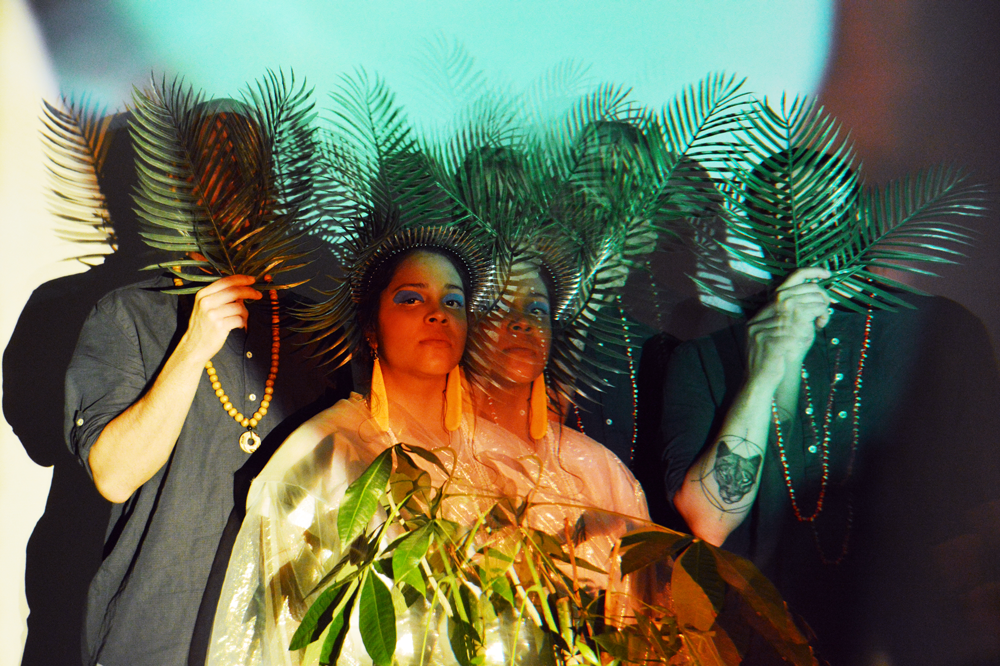
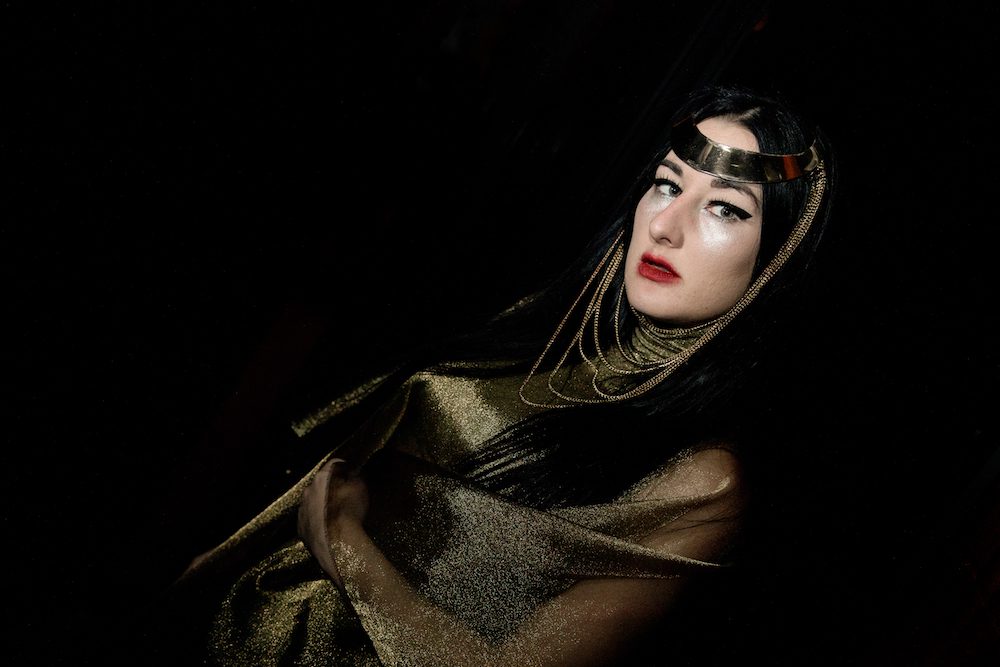
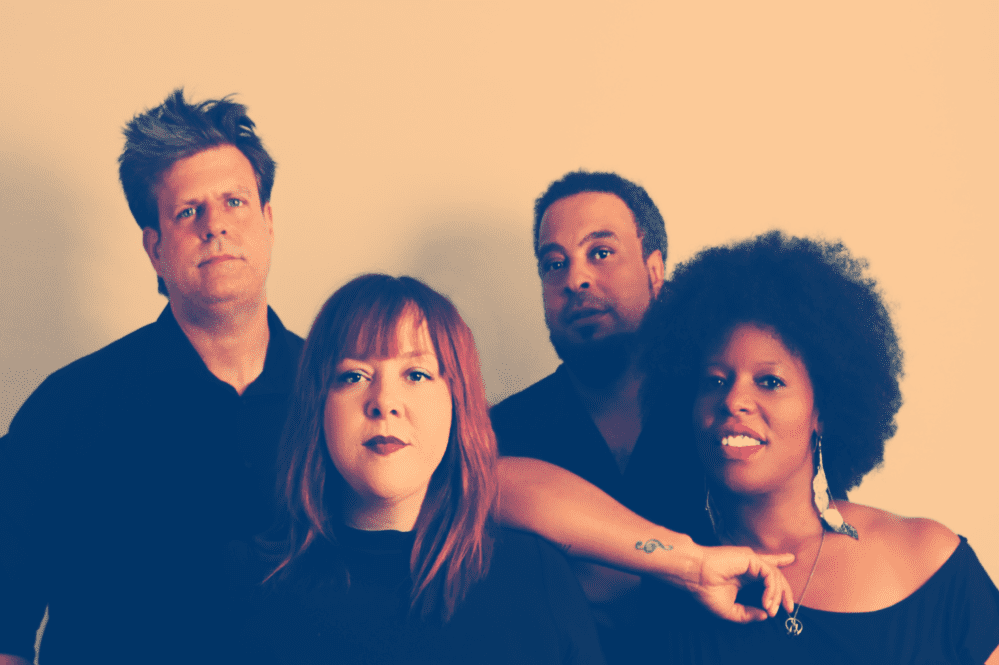
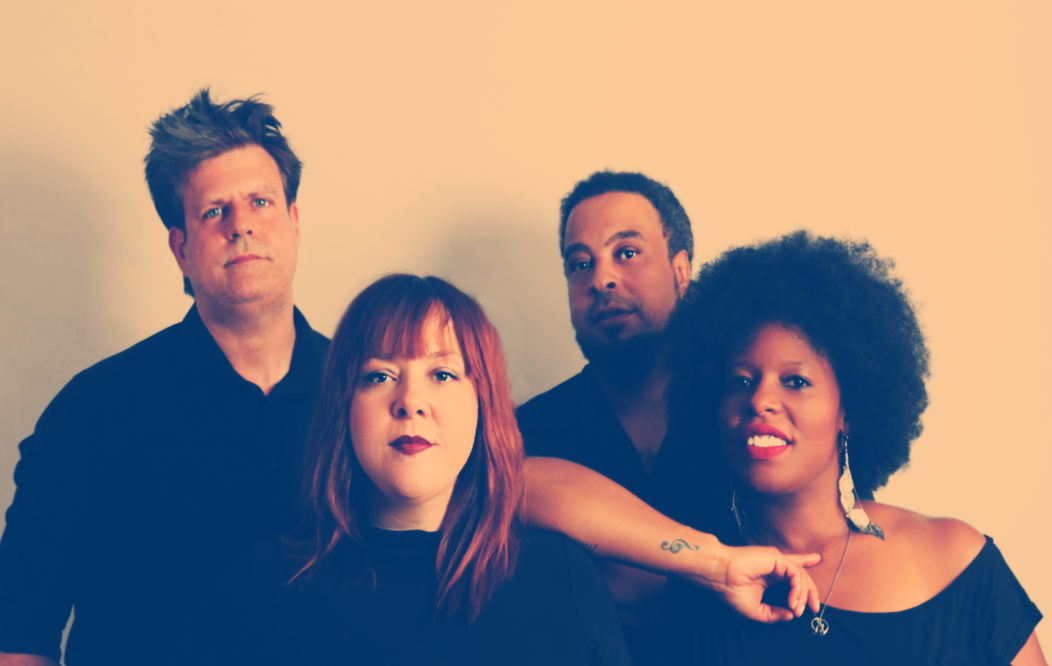
My favorite show of 2019 was Combo Chimbita at Ace of Cups in Columbus, Ohio, so I’m so happy to be ending this year’s RSVP HERE column with an interview with them! The NYC-via-Colombia tropico-psychedlia meets cumbia rock band has a live set that takes you to another dimension of afro-futurism punk. Combo Chimbita consists of vocalist Carolina Oliveros, Prince of Queens on analog synths, Niño Lento on guitar and Dilemastronauta on a drum set that includes unique percussion instruments and crazy looking cymbals. Frontwoman Carolina Oliveros’ voice is so powerful it will make you cry and the way she plays the guacharaca is so intense it’s almost scary – I seriously thought she might slice someone’s head off. On their latest release Ahomale, which is a Yoruba word that means “adorer of ancestors,” Oliveros set out with the intent to connect with ancestral cosmology, a spirit that becomes animated in their live show.We spoke with the band about their Sun Ra Arkestra, music in Colombia, and inspirations behind their live show…
AF: What were some of your favorite cities you visited and shows you played while on the road in 2019?
Dilmeastronauta: LA, San Juan, NY
Niño Lento: San Juan, PR/Chicago/LA
Prince of Queens: This year we went to so many places! Playing in San Juan in January was amazing, LA, Chicago and Austin is always great for me – so many friends and the crowds are always amazing. One of my favorite shows was in Berlin for Día de los Muertos with Turbo Sonidero; that was an incredible party.
Carolina Oliveros: Berlín, Barcelona e Italia, LA, Chicago
AF: What are your favorite records to listen to while on the road?
D: SunRa “Nuclear War is a Mother Fucker,” Concha Buika “Don’t Explain”
NL: Bocanada (Gustavo Cerati), Lejos de Mi Amor (Polibio Mayorga)
PoQ: When you spend so much time on the road you listen to too much music sometimes… I like silence honestly! But I think always at some point during tour we hit that moment where we listen to classic rock and español and we all sing soda stereo really loud with the windows down.
CO: Me gusta mucho escuchar mucho afrobeats. Me pone alegre y contenta.
AF: What are the differences in the way the direction of music is going in Colombia vs the US?
D: Both cities offer something unique. I feel like NY provides me with access to witness more of the Caribbean diaspora music while Colombia offers its own roots plus, rock, metal etc.
PoQ: I think music in the US might be driven more by the diaspora and the immigrant experience. A lot of amazing music coming out from Colombia feels more focused on re-imagining and inspired by tradition and roots music. I think they are both super relevant and in many ways crossover.
CO: Se que colombia musicalmente en este momento es un gran referente, siento que se está haciendo mucha música que está conectada a las raíces.
AF: What are your favorite percussion instruments to use during your set?
D: Timbal!!!
PoQ: I don’t play it but the Carolina’s guacharaca is special.
AF: What is the inspiration behind the synth sounds you use?
PoQ: I love techno and sound design in general. I always try to approach synth playing more as a sound design tool than a traditional keyboard per se. I love analog sound and just unexpected freak out moments of synth.
AF: What are some of the biggest inspirations and influences on your live show? What are you looking forward to most about your show with Sun Ra Arkestra?
D: I look forward to witnessing the legacy of Sun Ra among the members of his band, their ability to improvise and to be colorful.
PoQ: Too many inspirations! I’m inspired by artists than transcend time and generations. Sun Ra Arkestra, los Wemblers, tabou combo, BIG sound on stage and full on rhythm. I’m not really a religious person but music is spiritual and powerful sound and stage presence can take you places far and deep. That’s what I am into. Honestly just meeting them and hearing them play. So much to learn and experience.
CO: Me gusta muchos lxs artistas que son únicxs y espontánexs y que proponen algo diferente en vivo, que no tienen miedo a explorar y dar creatividad para sus shows. James brown, Janis Joplin, mayra Andrade, La Lupe , celia cruz , concha buika. Tocar con Sun Ra será una de las experiencias más impactantes de mi carrera. Agradecida con tu interés de tocar con el combo .. sera una noche memorable, para ser feliz y hacer vibrar al público. Si quieren candela, candela le vamo a dar !!
AF: What are your plans for 2020 and the next decade?
D: I wanna tour in Latin America, it has become a dream I would like to fulfill.
PoQ: Travel to South America, write some new music and keep exploring, searching and interpreting those energies that keeps us together making music.
CO: Seguir poniendo sabor en el fogón. Haciendo beats poderosos , mucha letra que conecte y retumbe , muchos lugares para conquistar y mucha Alegría y nuevos amigxs
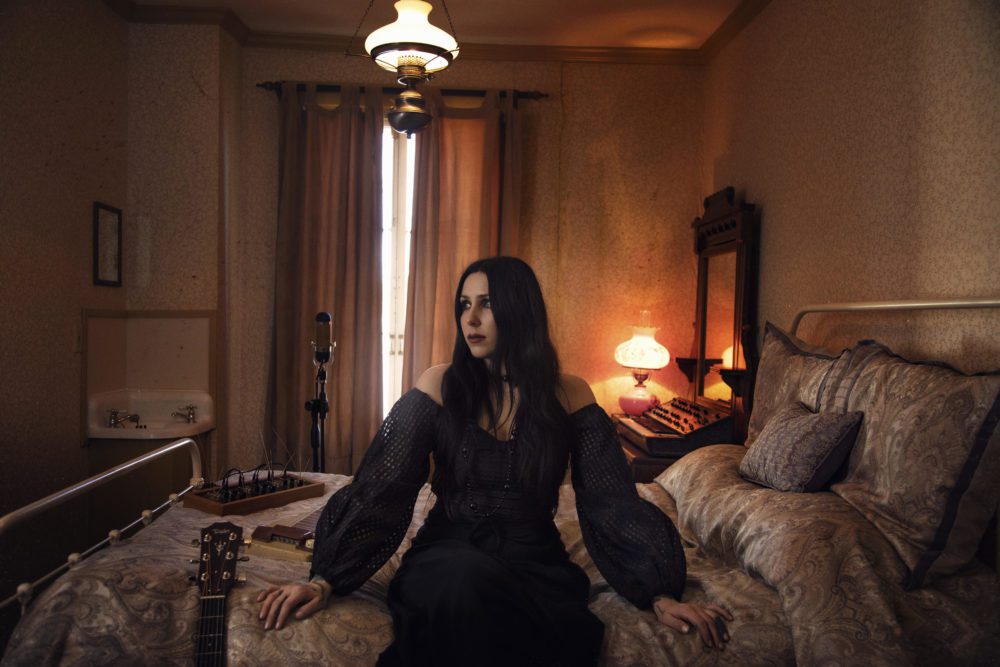
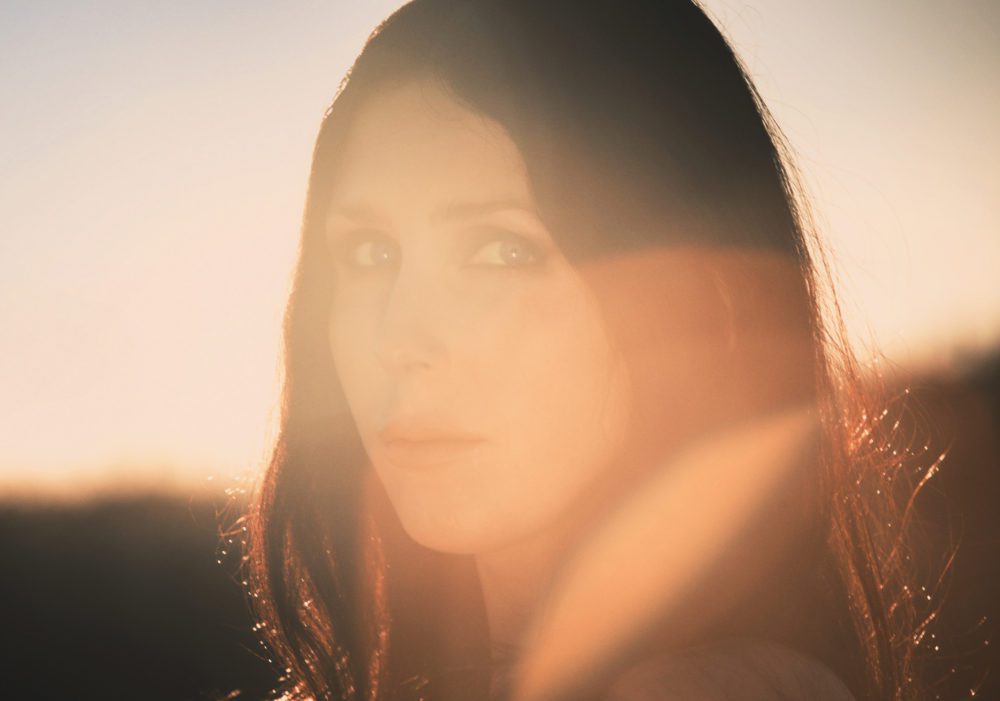
On Birth of Violence, released this past September, Chelsea Wolfe shines in quiet introspection. Eschewing the heavy crunch of 2017’s Hiss Spun, Wolfe drew from folk music influences and acoustic sounds, weaving threads of spirituality, perceptions of femininity, personal reflection and modern, dark Americana that stands out as both a highlight of 2019 releases and of Wolfe’s career. Complex, emotional and aware, it is Birth of Violence is a fitting soundtrack for the end of the decade.
Wolfe had been on the go for years and says that making Birth of Violence gave her a chance to settle into her Northern California home, where she had moved two years earlier and would record the album. That process came with its own challenges, she explains in an email interview – “mainly of making a great-sounding record in a makeshift home studio.”
“The catalyst for this acoustic album was that I was starting to lose my mind on the road last year, and there was this nagging voice telling me to take a break or I was going to snap. These acoustic songs came out during those moments, as some sort of personal solace,” she says. “So, I decided to block out much of this past year to make Birth of Violence, and to take some time to focus on personal healing. It’s not easy to stop a moving train, and it isn’t fun to tell your bandmates and team that you need to take a break, but I knew it was something I needed to do, and luckily everyone was really supportive.”
The result was not what Wolfe herself had initially expected. “To be honest, I first envisioned this album being extremely stripped down, just guitar and vocals and a few overdubs, but as the songs were coming together, it felt lonesome – the process of working alone, but more importantly the songs themselves felt a bit far away, like they needed a setting to live in,” Wolfe says. She brought in bandmate Ben Chisholm to engineer and help produce the album. “Ben and I have worked together for about 10 years now so our musical language flows easily, and I feel like he really understood my abstract concept of this album being my ‘space western’ sonically.”
Initially, Wolfe’s influences for this album came from folk singers like Joan Baez, Odetta and Jackson C. Frank. Later on, she incorporated David Bowie and John Lennon into that mix, which she credits with inspiring her to add drums, overdubs and other elements that would go on the build Birth of Violence.
A little more than a month before the album’s release, I caught Chelsea Wolfe live in Los Angeles. She played a semi-secret show inside an East Hollywood venue called The Virgil with Ionna Gika, who would be her tour mate in the fall, opening the night. The space was small and full, although not uncomfortably so, and when Wolfe played, she dominated the room. She wore black that night, a gold light shining on her and brocade drapery framing the stage. Her new songs – like “The Mother Road,” “American Darkness” and “Deranged for Rock & Roll” – brimmed with a striking mix of power and intimacy. It was one of those shows where snapping a cell phone pic felt inappropriate, maybe even intrusive.
In October, Wolfe headed out on her acoustic tour. “This was probably the first time I had a strong, cohesive vision for the stage setup: a way to bring my personal ritual to the live set,” says Wolfe. “Taking time off the road gave me the space to tend to my spiritual practice and learn how to bring it with me in small ways when I returned to touring.”
Chelsea Wolfe photo by John Crawford.
Her stage for this tour included the use of branches and fabric that she describes as reminiscent of “the remnants of a beautiful old shipwreck” and performed in a circle, which she says provided a spot for her to focus her energy. Her stage wear was made by Jenni Hensler, with whom Wolfe has worked throughout her career. “This collection was very Victorian-modern, inspired by the term “soiled dove,” a common name for prostitutes in the Victorian Era. We wanted to own that phrase and bring power to it; do it our way,” says Wolfe. “I’ve never connected with the traditional, societal definition of “feminine,” and have been expressing my own version of femininity since I started out – balancing my soft and strong sides, sometimes leaning more to one side than the other. On Hiss Spun and Birth of Violence I really started to embrace the feral, instinctual side of being a woman, and put a lot of that into the music, the artwork, and the stage.”
Her trek across the U.S. and Canada had a few of its own surprises. In Detroit, she was expected to play Senate Theater, but there was a last minute change of venue. “The show was moved to a small bar, and ended up being this super energized, fun night where we were all crammed in this warm space together on a cold night. That was one of the first shows on the acoustic tour where I really felt things coming together,” she says. In Texas, she had another kind of surprise. “There were certain haunted places, like in Dallas at the Texas Theatre where Lee Harvey Oswald was arrested,” Wolfe recalls. “During sound check I felt a cold hand on my left shoulder and turned around, certain someone was there.”
As for 2020, Wolfe will hit the road again in March, when she takes the acoustic tour to Europe. After that, she says, she’ll begin writing the next album with bandmates Chisholm, Jess Gowrie and Bryan Tulao. She adds, “We’ll be announcing a few more tour dates for 2020 soon.”
It was the spring 2009, and I had a leisurely day off, getting ice cream and going to see a tribute event to the Brothers Quay. I rode the subway back to Davis Square, checked my voicemail, and panicked. I knew I was interviewing Jenny Owen Youngs for Venus Zine that day, but I had miscalculated time zones and missed her call. I sat on a bench behind the subway station and called her back, super flustered and apologetic.
I’d only been writing music journalism for a few months and had yet to make a dime off it. But it felt like my dream collision of music and writing, far more akin to a true calling than my dreary day job of trademark research. I couldn’t believe I’d done something as stupid as forget how time zones work.
My memory jump cuts from that anxiety to laughing a lot as she put me at ease, joking about how often she’d been described as “angry” after people heard her song “Fuck Was I” in Weeds. Which was extra funny considering it’s a ballad with strings and self-indicting lyrics that happen to include the f-bomb. I remembered that and how she kept saying she wanted to melt faces and how palpable her love for her new record Transmitter Failure was.
At the time, I’d been working too much and taking on way too many interviews and reviews. I’m mortified by a lot of things I wrote. I hate it that my review of a Peaches album is referenced several times on Wikipedia pages. I hate a lot of the dumb, pseudo-clever things I had to say then, but I stand by the Jenny Owen Youngs interview and a lot of things I wrote in a review of the album.
There were a lot of things I didn’t know when I talked to Jenny Owen Youngs that day. Like that ten years later I’d be on disability, but bringing in income as a freelance writer. Or that I’d be living far from Boston. Or that Transmitter Failure would have only grown on me more after all these years.
I’ve always loved the album cover, how Youngs looks like a science student attempting to fix a radio. To fix something that’s broken. To literally make music. And, just as I wrote back then, I love how the songs are diverse but still cohesive. The barroom stomp of “Clean Break” sits alongside the tenderness of “Here Is a Heart,” yet both are fairly bitter songs, lyrically speaking. “Clean Break” wishes for a breakup to happen via surgery. “If I come to and still feel you/creeping in my skin/It’s back, I lie under the knife/and start over again,” she promises. On “Here Is a Heart,” she willingly delivers her heart “battered and braised/grilled and sautéed/just how you like it.” Youngs’ skill at archiving manifestations of broken-ness is undeniable.
The album hit me hard when I started painting in 2013. I needed to express things that words couldn’t get to, so I took it up with the same ill-informed but enthusiastic approach with which I’d begun music journalism. I attempted a lot of ridiculously over-conceptual paintings that I lacked the skill to pull off. But, as with music journalism, I gradually learned to find confidence that my own ideas had a place. To slow down and let art speak to me the way music did. To ask the canvas questions the way I interviewed musicians.
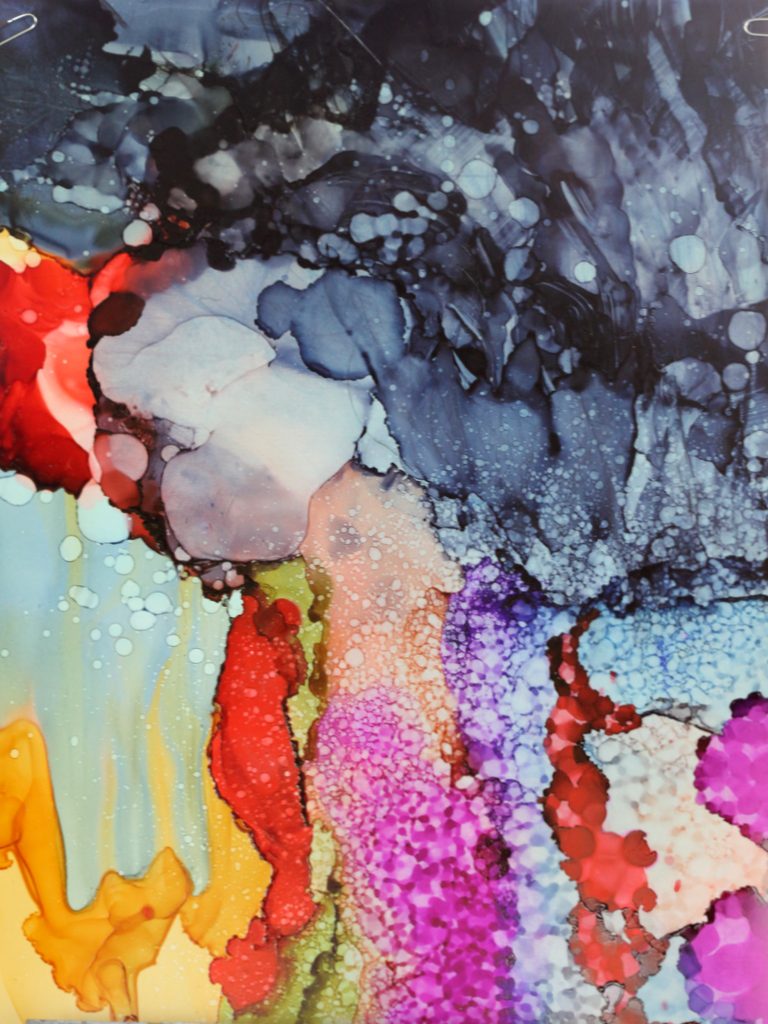
“Clean Break.” Alcohol ink painting by Erin Lyndal Martin.
Of course, selecting a good art soundtrack was important. I wanted to have feelings without drowning in them. I wanted music that helped me trust in my process, not chase down some perfect crystallization of rage or sorrow. Once again, I found a friend in Transmitter Failure. Youngs uses a light touch to maneuver the songs from section to section, and I needed that in my art. If I have a night I need to turn off my ringer, clear my head, and hunker down with paint and ink, it’s Transmitter Failure I put on. Sometimes I try to paint what the songs look like to me – so far I’ve painted “Clean Break,” “Dissolve,” and “Here is a Heart” in watercolor and acrylic ink. I hope to paint the rest and then do them all again.
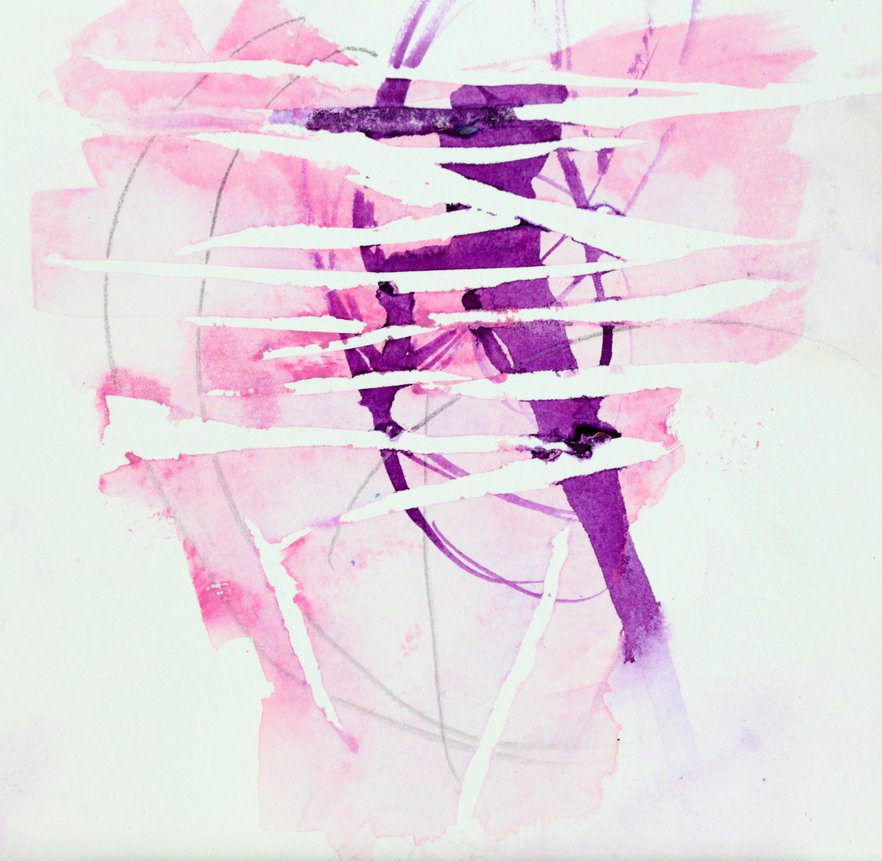
“Here Is A Heart.” Watercolor and acrylic ink painting by Erin Lyndal Martin.
Back in 2009, Youngs invited me to a concert she was playing near Berklee College of Music. The show made me feel contemplative, and I took my time walking to the subway. I put on an hour-long piece of piano music and listened as I walked to the subway, rode back to Davis Square, drove to my apartment, and fed my cat. I wrote a friend saying how I didn’t know how one song could hold so much.
Of course, I also didn’t know that the songs Youngs played that night would hold ten years of growth, change, and inspiration. Not bad for an album about things falling apart.
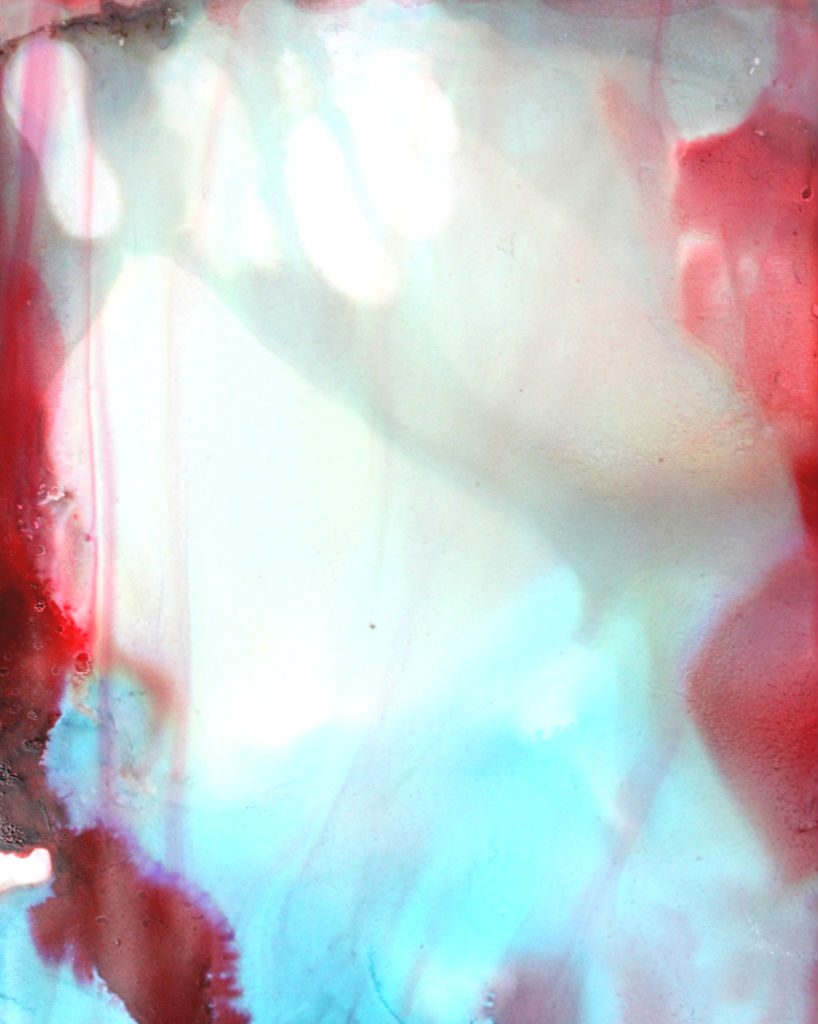
“Dissolve.” Alcohol ink painting by Erin Lyndal Martin.
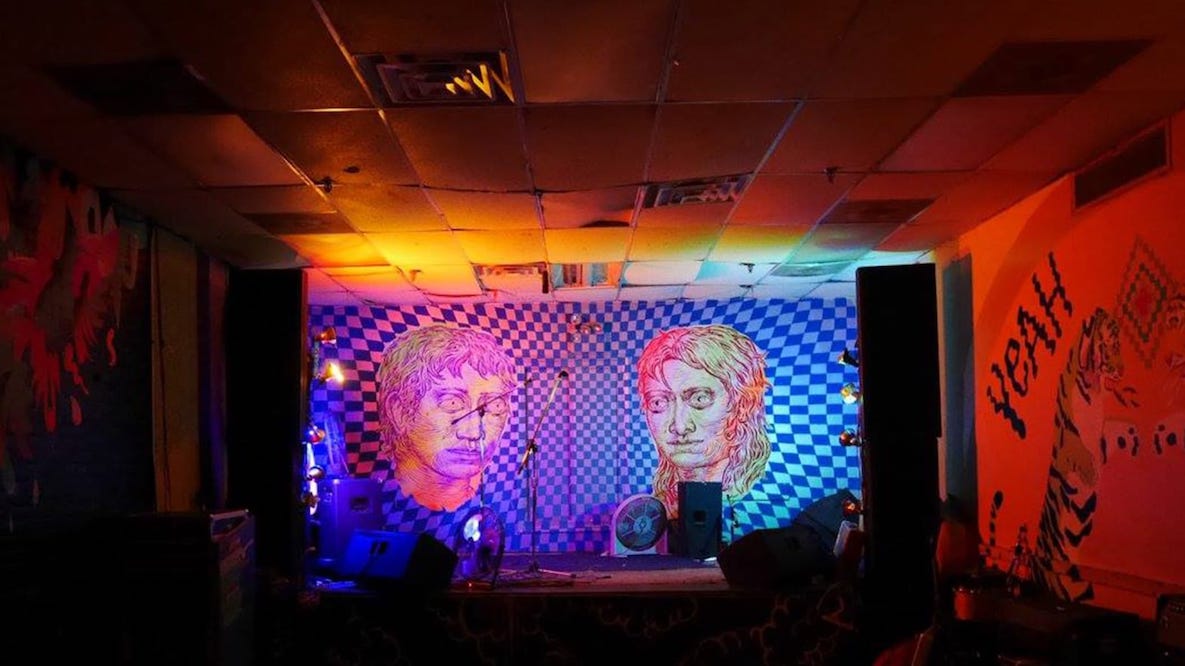
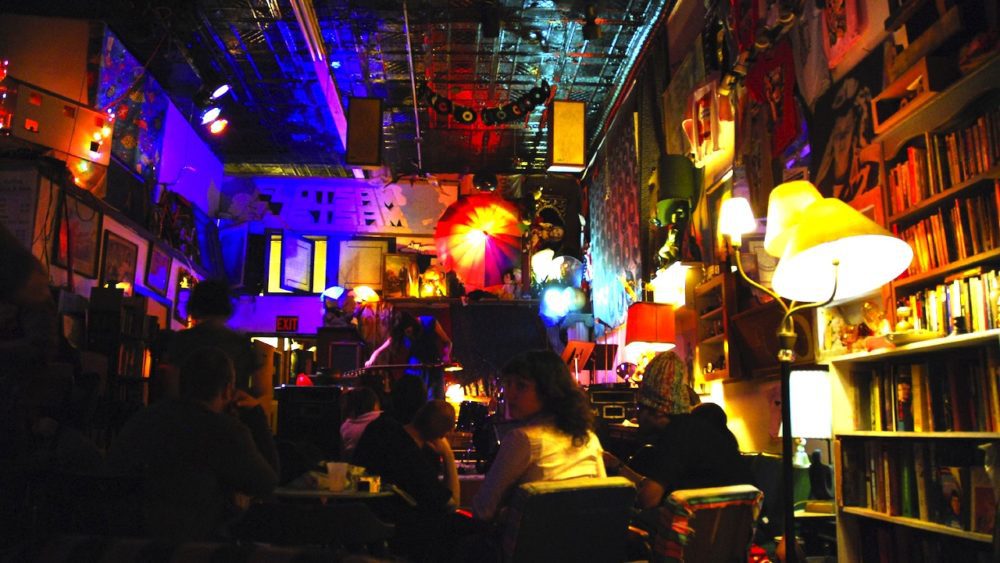
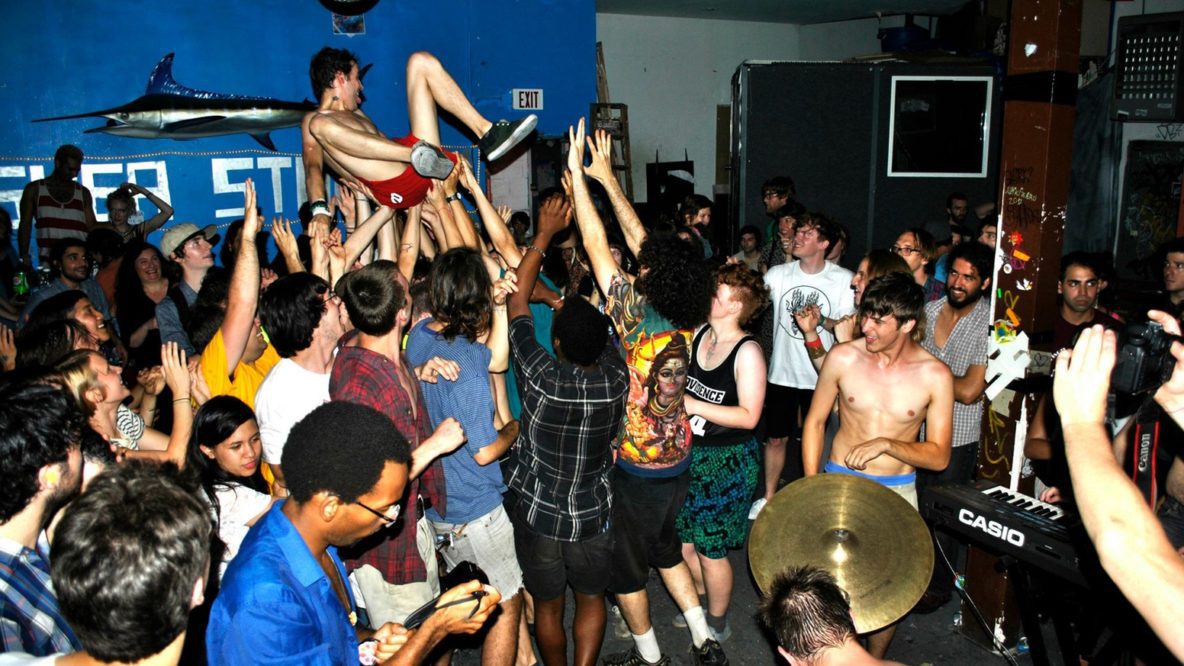
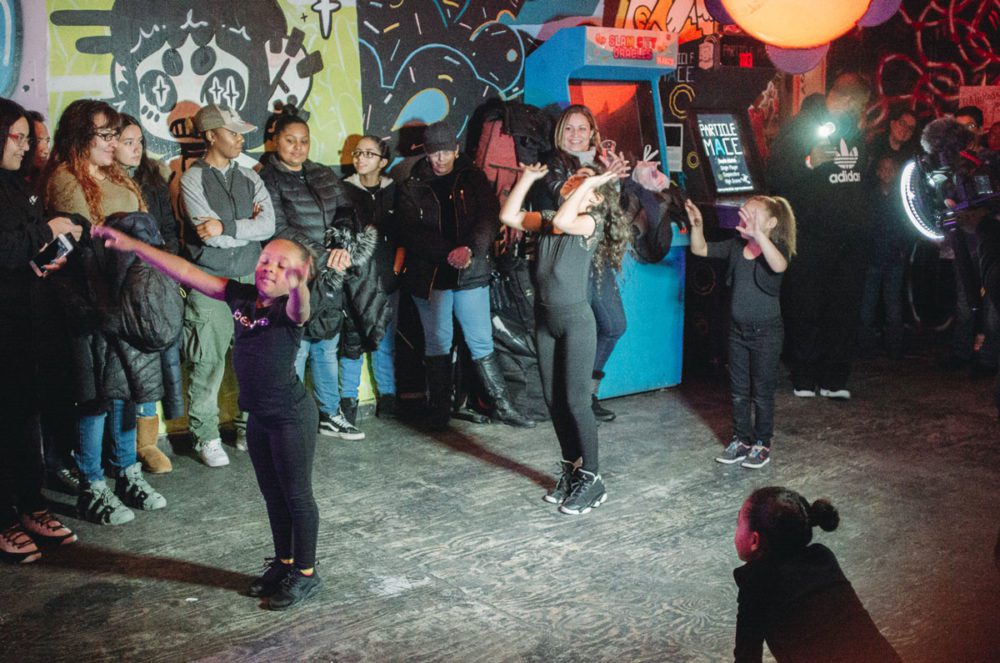
New York wouldn’t be New York without its creative community. And yet, even with this long-standing cultural identity, it’s incredibly difficult to open an event space with all the required licenses and permits. On top of this, New York’s rate of gentrification prices out venues and show-goers, creating a landscape where places open and close constantly. Thankfully, this doesn’t stop people from doing it anyway – most without a monetary goal in mind, creating spaces for the love of music, art, activism and bringing people together to party. As this decade comes to a close, it does feel like the assault on New York’s nightlife has become more severe, but like our beloved cockroaches and rats, DIY and the punk ethos are resilient. Here is a list of 60 show spaces – venues, bars, and community-run DIY spaces, that have closed their doors in the 2010s.
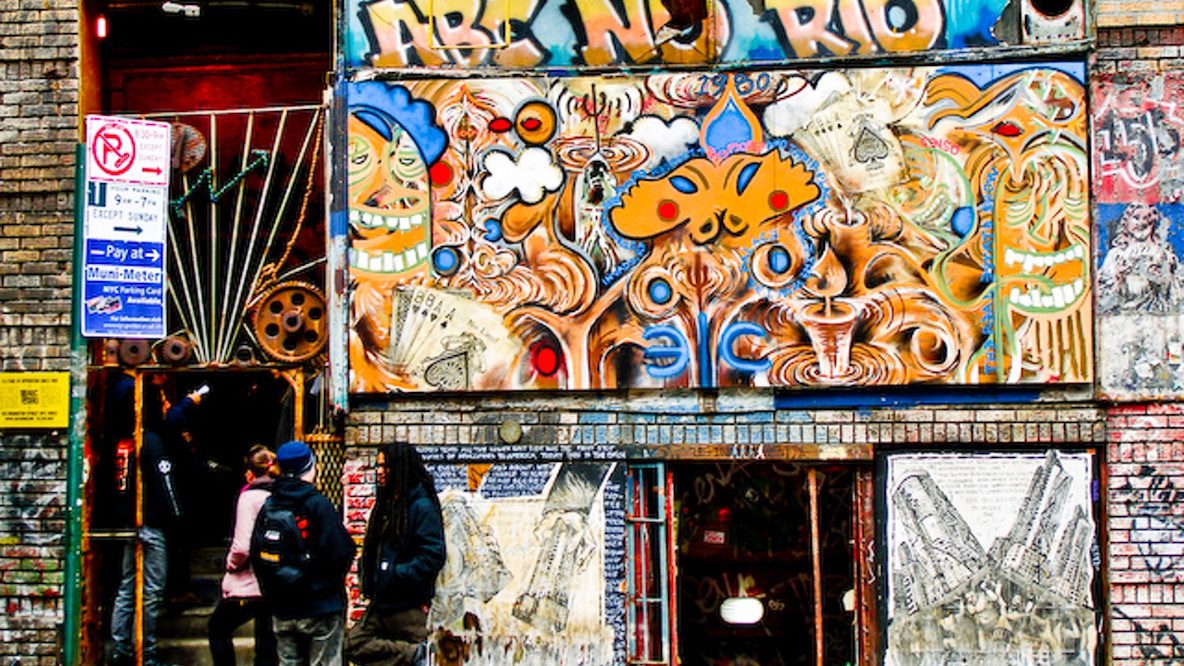
ABC No Rio (1980-2016, building new location)
The story of ABC No Rio offers some hope. After operating at their 156 Rivington Street location for more than 30 years as a community center for arts and activism with a show space, art gallery, zine library, darkroom, silk screening and computer lab facilities, ABC No Rio vacated their original location (which was demolished) and are building a new center. Over three decades, ABC No Rio cultivated the punk/hardcore scene in NYC with their Saturday matinee shows, and served as a home for organizations like Books Though Bars, the NYC Food Not Bombs Collective and COMA: The Citizens Ontological Music Agenda. ABC No Rio’s show space was entirely volunteer run and created a safe space at a time when punk and hardcore shows were so violent that other venues banned those genres.
This happy ending didn’t come easily. They fought legal battles from their inception on New Years Day 1980, when 30+ artists occupied the basement of an abandoned building with an art show that made a statement about NYC’s housing policies titled ‘The Real Estate Show.’ The show was raided by police, but the city negotiated and later gave the collective the storefront and basement of 156 Rivington Street. In 1994, when the city planned to sell the building, activists squatted in the vacant floors of the building, causing the eviction process to go on for years alongside protests and a petition to raise money and legitimize their collective. Ultimately, the city sold the building to ABC No Rio for $1 in 2006 in an agreement that the organization would bring the building up to code, requiring them to demolish and rebuild the structure.
Despite not having a current space, ABC No Rio volunteers “in exile” are continuing their programs at other venues. Their hardcore/punk collective books matinees at the People’s Forum, their Zine Library is now located at the Clemente, and their screen-printing shop is open every Thursday in Bushwick. Support the re-building of ABC No Rio by donating here, and visit their exhibit “No New Jails NYC – The Art & Design of a Movement” running through January 15th at MoRUS (155 Avenue C).
Big Snow Buffalo Lodge (2011-2013)
Run by Yoni David, Jeremy Aquilino, RJ Gordon, and Daniel Arnes, Big Snow Buffalo Lodge was located in Bushwick at 89 Varet Street at Graham Ave. Big Snow was entirely volunteer run (aside from hired security), and prided themselves on paying every band that played. The booking duties were shared between the founders, plus Luke Chiaruttini (before he left to focus on booking Shea Stadium full time). Ava Luna, Baked, Bueno, Lost Boy ?, Leapling, Celestial Shore, and The So So Glos were among the bands who frequented Big Snow, and the venue occasionally provided a space to record demos for bands as well. Big Snow unfortunately decided to close due to safety concerns after co-owner Yoni David was shot in the arm outside of the venue.
Cake Shop (2005-2016)
Opened by brothers Nick and Andy Bodor in 2005, Cake Shop was a long time staple stop for touring bands from all over the country and felt like the last cool place in Manhattan that your crappy lo-fi band could play at. My favorite part about Cake Shop was that they had vegan pastries and there was no cell service in the basement (sorry I missed your text asking for a list spot). Andy and Nick briefly opened a sister venue in Williamsburg, Brooklyn called Bruar Falls from 2009-2011, which turned into Grand Victory (2012-2016). At their last show on NYE 2016, they talked about opening a new location, and in 2017 Andy opened a venue called Wonders of Nature at 131 Grand Street in Williamsburg.
Death By Audio (2007-2014)
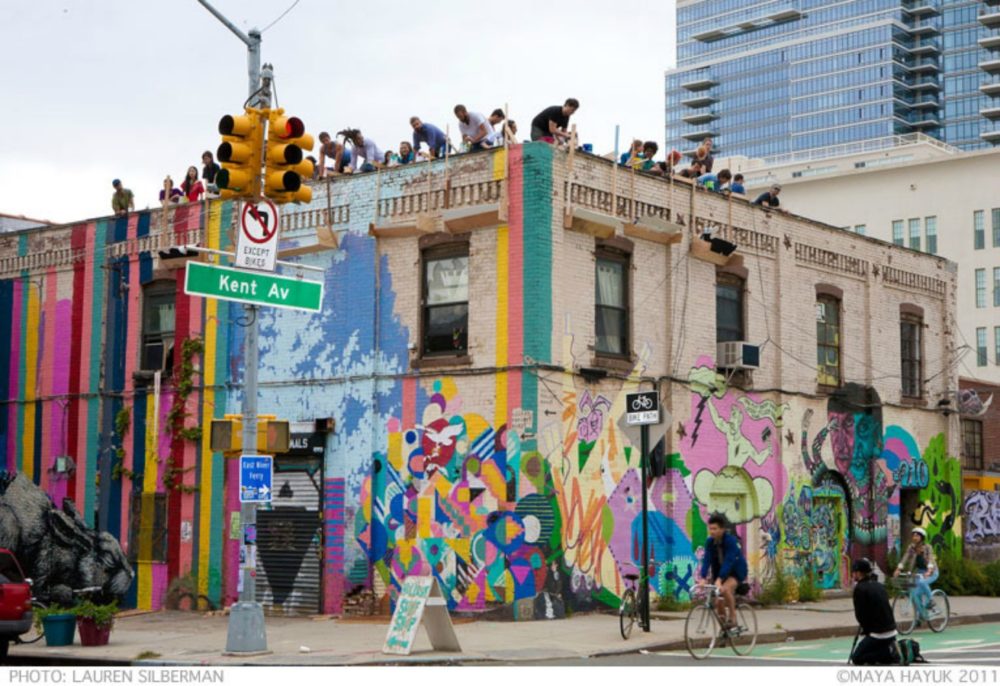
Located at the Williamsburg waterfront on south 2nd and Kent in an old warehouse, Death By Audio was not only a venue, but also an effects pedal workshop, recording studio, record label, and living space. Originally founded in 2002 by Oliver Ackerman of A Place to Bury Strangers as a space to build his handmade effects pedals, with the help of Matt Conboy, they turned Death By Audio into a venue in 2007 that was booked by Edan Wilber. Bands that lived at the space included Grooms, Coin Under Tongue, Fuk Ton, Sister, The Immaculates, French Miami, Dirty on Purpose, Famous Amos and A Place to Bury Stangers. A fun fixture of their living space was a giant military surplus net that hung from the ceiling and connected to the lofts on the second floor, with a hammock hanging from the ceiling above it. In 2014, Vice bought the building to turn it into their headquarters, forcing DBA and Glasslands, who also shared the building, to move out. Death By Audio’s effects pedal factory moved to Ridgewood and still makes gear that’s used most notably by Nine Inch Nails, U2, Wilco and Lightning Bolt.
Matt Conboy directed the documentary “Goodnight Brooklyn: The Story of Death By Audio,” that you can watch here, and Famous Class Records released a 26 track compilation of live bands recorded at DBA called Start Your Own Fucking Show Space including many of the bands who lived there, plus Deerhoof, Parquet Courts, Shellshag, Screaming Females, METZ, Ty Segall, Thee Oh Sees and more.
photo by Walter Wlodarczyk
Glasslands Gallery (2006-2014)
Housed in the same building as Death By Audio on the Williamsburg waterfront, Glasslands Gallery was created by Brooke Baxter and Rolyn Hu, who owned the space until they sold it to PopGun’s Rami Haykal and Jake Rosenthal in 2012. Glasslands’ origin story begins in 2004 with Glass House, an experimental show graffiti covered warehouse space at 38 south 1st street in Williamsburg, run by Baxter and street artist Leviticus. When they moved into a larger space they renamed the venue Glasslands and from 2006-2012, the venue held some of the first shows for bands like The Yeah Yeah Yeahs, MGMT and Dirty Projectors.
When ownership changed hands in 2012, Glasslands became a solid stop for touring bands such as Angel Olsen, FKA Twigs, and Grimes. Their signature clouds were installed above the stage, replaced at some point by a light installation made of plastic tubes (though I personally prefered the clouds). They booked more DJ nights and late night parties around this time, and their final show was New Years Eve 2014, closing out their run with the secret line-up of DIIV, Sky Ferrera, Smith Westerns (final show), and Beverly. Popgun Presents continued to book shows at other venues like (le) poisson rouge and Warsaw, until they opened their new, much larger space, Elsewhere, in 2017.
photo by Sophia Louise
Goodbye Blue Monday (2005-2014)
Named after a Kurt Vonnegut reference in “Breakfast of Champions,” Goodbye Blue Monday was opened by Steve Trimboli at 1087 Broadway in Bushwick in 2005, after he closing his previous bars Be Bop Cafe in Tribeca and Scrap Bar. Goodbye Blue Monday began as a cafe / junk shop of things that came “mostly from dead people” and soon turned into one of the most underrated music venues in Bushwick. Due to their free open booking policy, it was a venue where many musicians had their first show ever. They never took a cut from the door (if there was a cover), fed bands that were touring, and held ‘Teacup Tuesday’ open mics every week. Goodbye Blue Monday was the perfect space for NYC’s misfit musicians and those starting out who didn’t know enough people to be booked at a more curated DIY space. Trimboli sold the bar post-bankruptcy in 2010, but lived above the bar and set up a few crowdfunding campaigns to help save the space. Goodbye Blue Mondays closed in November 30, 2014 when their lease was about to end and the landlord tripled the rent. The Looking Glass Bar opened in its place, and Nyssa Frank at The Living Gallery took over hosting Goodbye Blue Monday: Tuesday Open Mic The Way Y’Like Open Mic.
Monster Island + Secret Project Robot: Kent Ave (2004-2011) / Secret Project Robot: Meserole Street (2011-2016) / Secret Project Robot: Broadway (2017-2019)
Founded by Rachel Nelson and Erik Zajaceskowski in 2004, Secret Project Robot is a not-for-profit artist run space that has lived in three locations and is currently looking for their next home. Before Secret Project Robot, there was Mighty Robot, a loft on Wythe Ave in Williamsburg run by Zajaceskowski, where they held art parties at the space as well as at the waterfront junkyards. Shows included large abstract visuals and hosted some of the first shows for the bands Liars, TV on the Radio, Lightning Bolt, Acid Mothers Temple, Panda Bear, and many more. In 2004, Zajaceskowski and Karl LaRocca found a larger, three-story space on Kent Avenue and named it Monster Island. The new building housed Kayrock Screenprinting, Live With Animals, Oneida’s O-Cropolis, Todd P’s rehearsal studio, and the new Mighty Robot space, then renamed Secret Project Robot. In this incarnation, Secret Project Robot teamed up with Rachel Nelson to focus on art installations and hosting events, including black light installations, drawing brunches, poster shows, and regular art shows along with their regular concerts. Monster Island was demolished in 2011 and was rumored to become a hair saloon, but the lot is still vacant.
Post-Monster Island in their “living art phase,” Secret Project Robot moved twice in Bushwick and created a bubble in their yard where artists could “recreate the world according to their liking, people could be free, comfortable and able to reimagine a further more perfect realm.” Rachel Nelson and Erik Zajaceskowski also founded Happy Fun Hideaway, a bar on Myrtle Ave in Bushwick, in 2013, and Flowers for all Occasions, a cafe/gallery/bar in 2015, both of which are still currently open!
Shea Stadium (2009-2017)
Shea Stadium was an all-ages venue founded in the spring of 2009 by producer Adam Reich and the band the So So Glos (who also helped build Market Hotel) with the mission to document the DIY scene by recording every set performed there. Nora Dabdoub and Luke Chiaruttini booked countless bands and the Shea Stadium website has over 1,000 sets archived, with the most popular including King Krule, FIDLAR, Frankie Cosmos, Wavves, Speedy Ortiz, and Diarrhea Planet. Their second floor loft at 20 Meadow Street in Bushwick felt like a second home for many artists, and when they were forced to close in March 2017 Aaron, Nora, and Luke launched a Kickstarter campaign that raised close to $100,000. Their landlord at Meadow street declined their request to re-open an up-to-code Shea in the original location, and they have been searching for a new home ever since. This has been a grueling task, with their last update explaining that they have “toured 30+ spaces, called hundreds of numbers and looked through thousands & thousands of real estate listings” so far, and as of “the second week of Sept 2019, we’re in negotiations on a space and if all continues to go well a lease could be in hand soon.” In the meantime, they are booking shows as Shea Stadium Presents. They recently hosted a benefit show at Trans Pecos for The Mark Fletcher Studio, a studio that will provide free analog studio time for musicians.
@PHOTOGRAPHYALEX
Silent Barn (2006-2018)
Silent Barn collective began in 2006 as a co-living space for artists in Ridgewood, Queens at 915 Wycoff (now the home of Trans-Pecos). They threw shows in their kitchen and basement (which was also a home for the video game collective Babycastles). When they were shut down due to coding issues in 2011, they launched a Kickstarter soon after that raised $40,000 to fund their move to a legal all-ages art space. In 2012 they moved to a three-story building at 603 Bushwick Avenue run by 70 volunteers, called “chefs.” The new location had a huge yard with a sculpture garden and a bar/cafe in their performance space, along with art spaces for Disclaimer Gallery, Casa Experimental, Vital Joint, the Title:Point theater company, Gravesend Recordings, Aftermath Supplies, and many other artist-in-residence studios who lived in the higher floors of the building. Educated Little Monsters (ELM), a program that provides “resources, artistic outlets and economic opportunity for youth of color,” particularly those who are local to the Bushwick neighborhood, met at Silent Barn since 2014.
When Silent Barn closed in 2018 due to financial strain, they felt a responsibility to help the ELM program find a new home with their community partners Bushwick Street Art, The Lab Recording Studio and Color Scenes. In their closing statement Silent Barn explained “Over the years, we’ve seen the role that D.I.Y. music venues play within the greater machine of gentrification, and how often the communities who would most benefit from these resources—the neighborhood’s native communities—are excluded from them entirely,” and encouraged their supporters to donate and become a supporting member of ELM.
The Glove (2016-2019)
The Glove was an all-ages experimental art space founded by a group of musicians and artists from a previous DIY space called Bohemian Grove. Along with their venue, the space had gallery exhibitions, a vintage shop, guitar shop, was home to the Bad Seeds by Stonie Clark hair salon, and a permanent psychedelic dungeon lounge art installation by ESTU Fabrication. Like many DIY spaces, The Glove fell into the bureaucratic hellhole of NYC coding laws, and temporarily shut down in 2018 after the city cut their power. They launched a GoFundMe and kept their doors open until their lease ended the summer of 2019, forcing them to close. Co-founder Dean Cercone, in an interview for Dazed, explained what so many other showspace owners feel: “Running a space like this in New York is as annoying as it is beautiful. As fruitful as it is scary. It takes precedence over a lot of things we do in our normal lives now.”
Every show space has a unique legacy. Support small and community run venues that are still open today & walk down memory lane with this list of 50 more spaces that have closed in the 2010s:
94 Evergreen (2012-2014)
285 Kent (2010-2014)
AVIV (2014-2016)
Body Actualized Center (2011-2014)
Brooklyn Bazaar (2011-2019)
Brooklyn Fireproof East (2006-2014)
Bruar Falls (2009-2011) / Grand Victory (2012-2016)
Cameo Gallery (2009-2015)
Cheap Storage (2010-2015)
Coco 66 (2009-2011)
Delinquency Blvd (2012-2012, re-opened as Sunnyvale in 2015)
Don Pedro’s (2001-2017)
Emet (2013-2014)
Fat Baby (2005-2017)
FreeCandy (2012-2015)
Galapagos Art Space (1995-2014: relocated to Detroit)
Hank’s Saloon (2005-2019)
IDIO Gallery (2014-2017)
Kings County Saloon (2006-2015)
Leftfield Bar (2012-2017)
Legion Bar (2005-2018)
Little Skips (2009-2019)
Living Bread Deli (2012-2013 renovated + reopened as Rosegold in 2017)
Lulus (2010-2014)
Manhattan Inn (2009-2016)
Market Hotel (2008-2010, reopened in 2015)
Matchless (2002-2017)
Nola, Darling (2014-2015)
Palisades (2014-2016)
Party Expo (2010-2013)
Passenger Bar (2013-2015)
Public Assembly (2008-2013) / Black Bear Bar (2014-2016)
Radio Bushwick (2010-2014)
Ran Tea House (2011-2014)
Santos Party House (2008-2016)
Showpaper 42nd street Gallery / Babycastles Arcade (2010-2011)
Sidewalk Cafe (1985-2019)
Spike Hill (2005-2014)
Suburbia (2011-2017)
Surreal Estate (2010-2011)
The Acheron (2010-2016)
The Continental (1991-2018)
The Flat (2012-2015)
The Gateway (2016-2018, re-opened as The Broadway in 2019)
I graduated high school in 2010, which means I have been an adult for the entirety of the decade, according to “society.” I spent six of those months in high school, three and a half of those years in college, four of them working at an office job that I thought I’d never leave, and the past year and a half freelancing and making small amounts of progress toward my creative goals. I spent approximately nine of these months absolutely heartbroken, those same four years in that office vacillating in and out of anxiety. I also started doing improv and quit doing improv, and it took about seven years to figure out that I am not a natural performer.
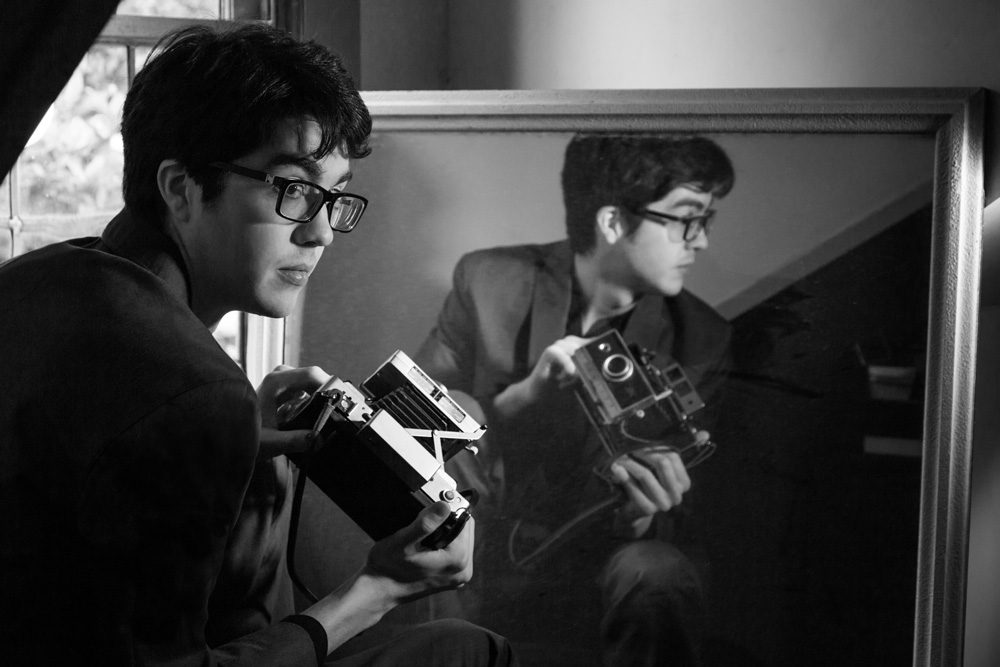
Will Toledo began Car Seat Headrest in 2010, recording alone in his parents’ car, lest he be heard by anyone. He recorded four albums named for four numbers, two whose album art is a picture of – you guessed it – a car seat headrest, and diligently uploaded them to Bandcamp. He went to college, didn’t get out much. One more album after those four, and one college transfer later, Will Toledo wrote Twin Fantasy, an album about being absolutely heartbroken. Then he signed with Matador, and produced two more albums, had a well-publicized legal issue with The Cars’ Ric Ocasek, and then recorded Twin Fantasy again, and did a whole lot of touring, which is basically a day job.
I think Will Toledo and I are about the same age. Millennials get a lot of crap for their extended adolescence, though it’s the economic collapse of our actual adolescence that eventually made it harder for us to grow up. Well into my twenties, I put my entire trust in the fact that the adults around me knew exactly the right thing to do. In reality, nobody has anything figured out! Nobody! There is no clear answer to anything in life. Time is linear, but life is not always. You can change a lot in a decade.
Of the albums Car Seat Headrest recorded this decade, it is Teens of Denial that speaks generationally. Released in 2016, Teens of Denial was the first fully new Car Seat Headrest album since signing to Matador in 2015. It was also my personal album of the year. Two years out of college and the world had never seemed crueler. Certainly globally so, but also on an individual level. In your darkest hour, everything feels like a personal attack.
Teens of Denial is a straight-up rock album, but it isn’t about sex (well, sort of), it isn’t about drugs (only kind of), and it isn’t about rock and roll (Ric Ocasek almost stopped this album from being released, but Dido didn’t mind being quoted). And with regards to personal attacks, the protagonist of Teens of Denial is accosted by Jesus himself. Jesus calls him “the scum of the earth,” on “(Joe Gets Kicked Out of School for Using) Drugs With Friends (But Says This Isn’t a Problem).”
The internal world of Teens of Denial is vast and complicated, often contradictory. On the dense and percolating “Vincent,” the protagonist laments, “If I’m being honest with myself / I haven’t been honest with myself.” “Vincent” was the lead single, a non-obvious choice, but one that functioned as an introduction to the album’s headspace: over seven minutes long, and obliquely about the protagonist’s mental state (“In the back of a medicine cabinet / you can find your life story / and your future in the side effects”).
Toledo stopped hiding behind vocal distortion on this album. He’s here, voice cracks and all, and ready to shout about how people talk down to him: “You have no right to be depressed! / You haven’t tried hard enough to like it!” The arrangements are huge and full; the production is so much clearer than even his previous Matador release, Teens of Style, which compiled some of Toledo’s best Bandcamp cuts.
If it weren’t evident enough already, Teens of Denial has a wicked sense of humor. The scrapped version of “Not What I Needed” started with The Cars’ “Just What I Needed” riff and ended with the straight-faced first few lines of its lyrics. Like a coming-of-age movie, it’s this levity that counterbalances the album’s big emotional payoffs. “Drunk Drivers/Killer Whales,” starts steady and unassuming, but crescendos to the big declaration of “It doesn’t have to be like this.” And it doesn’t! “It doesn’t have to be like this” can mean a lot of things. In the context of the song, it’s the protagonist making a decision that would keep him from danger. To realize he’s too drunk to drive and so, “get out of the car and start to walk.”
Earlier in the decade, in 2011, Will Toledo released Twin Fantasy under the name Car Seat Headrest. In 2018, he released the same album, re-recorded with a full band, under the name Car Seat Headrest. This isn’t a case where hindsight is 20/20: it’s more that hindsight brings out new dimensions. Matador states the difference thusly: “he no longer sees his own story as a tragedy.”
Yes, you can have second chances. It’s called artistic growth! Look it up! Twin Fantasy (2011) is rough around the edges in that way that evokes desperation, a need to throw your heart at the person who hurt you. It rules; as someone who lives and dies by lo-fi, I was a fan. 2018 Twin Fantasy, now titled Twin Fantasy (Face to Face), sounds clearer, but the lyrics are left emotionally unpolished, teenage in their sentiments. To admit flaw is to admit humanity.
A newfound confidence runs through Twin Fantasy (Face to Face). Car Seat Headrest, the band, shines on every single track. The sprawling “Beach Life-In-Death” benefits greatly from frenetic drumming. Guitars lacerate and bring teenage Toledo’s wobbly infatuation to life. A newly audible bass line caresses the melody of “My Boy.” The band builds gloom on “Famous Prophets” and brings finality on “Twin Fantasy.” Where the old “Bodys” had the detachment of being too cool (or too awkward!) to dance, the new track gradually crescendos, careening like an underage drunk. Suddenly, this story is cinematic. Suddenly, this story has a heartbeat, and muscles, and arms to be held in. It’s the sound of someone feeling less alone than they felt seven years earlier.
Because what’s a coming-of-age story if you haven’t come of age yet? The protagonist of Twin Fantasy (Face to Face) repeatedly sings “The ocean washed open your grave.” This story still hurts. It always will. But he’s made peace with it now. After looped vocal reverb, the spoken word part of the last track alludes to the “fantasy” part of “Twin Fantasy:”
This is the end of the song, and it IS just a song. It’s a version of me and you that can exist outside of everything else, and if it is just a fantasy, then anything can happen from here. The contract is up, the names have been changed. So pour one out, whoever you are. These are only lyrics now.
In my own interpretation, Twin Fantasy is about falling for the idea of a person, rather than an actual person. That distance and circumstance may keep you apart–you may never meet again, but you can always sing his first name aloud, trying to make it fit in with the lyrics of “Ana Ng,”a song about falling for a person living very far away from you. This last spoken word monologue is the album’s movie disclaimer, the “any resemblance to actual persons living or dead is purely coincidental” blah blah blah. These are only lyrics now. The credits roll, the lights come up, and Twin Fantasy is a story in past tense.
Car Seat Headrest, now a full band. Photo by Mikeal Beland.
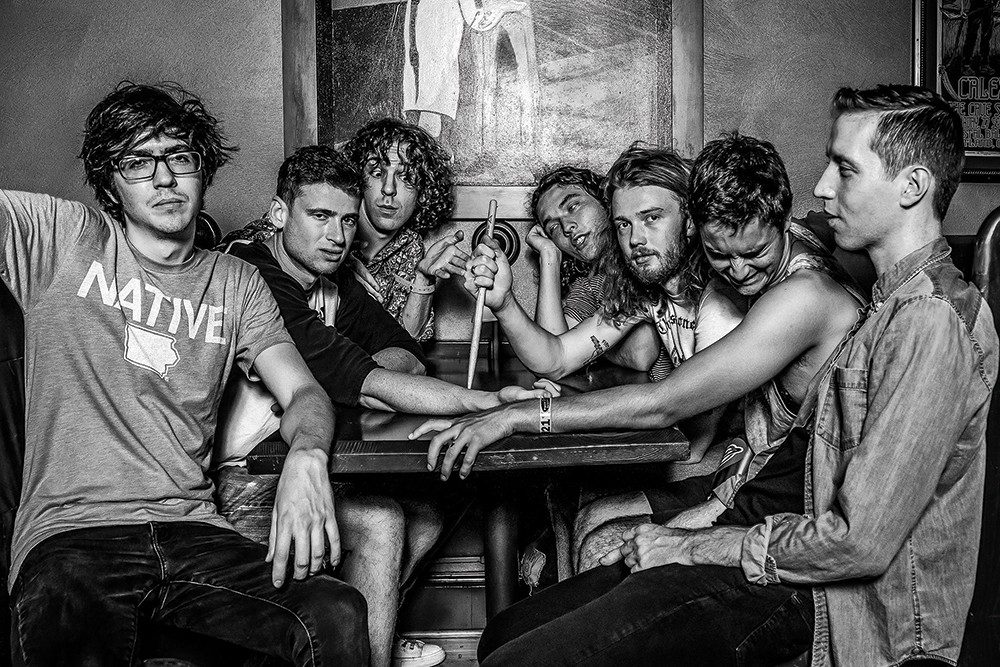
This December, we’re going to act like ten years isn’t a really long time, but it is. You can change a lot in a decade. I certainly stumbled back onto my own path. I think Will Toledo did too. Car Seat Headrest began the decade a solo act, and ended it a full band, signed to Matador. The Twin Fantasy tour welcomed the band Naked Giants as additions to live Car Seat Headrest, arrangements stretching to create new contexts for old songs. Will Toledo ditched the guitar for most songs, embracing his role as a performer. This year Will Toledo also produced Stef Chura’s fantastic record, Midnight. That’s a world’s difference from recording Twin Fantasy in your bedroom (or your parents’ car).
This isn’t a scenario where someone older than you is telling you exactly what to do about jobs, or heartbreak, or how you’re feeling (“Get a job / eat an apple / it’ll work itself out”). It’s a scenario where someone your own age is saying “hey dude, me too.” It’s so much better to realize we’re all lost sometimes. To quote the song quoted in “Cute Thing:” “And the truth is, we don’t know anything.”
Ten years is a long time. Ten years can hold artistic growth, and periods of despair, and love and stress alike. Not necessarily in that order. Get out of the car and start to walk.
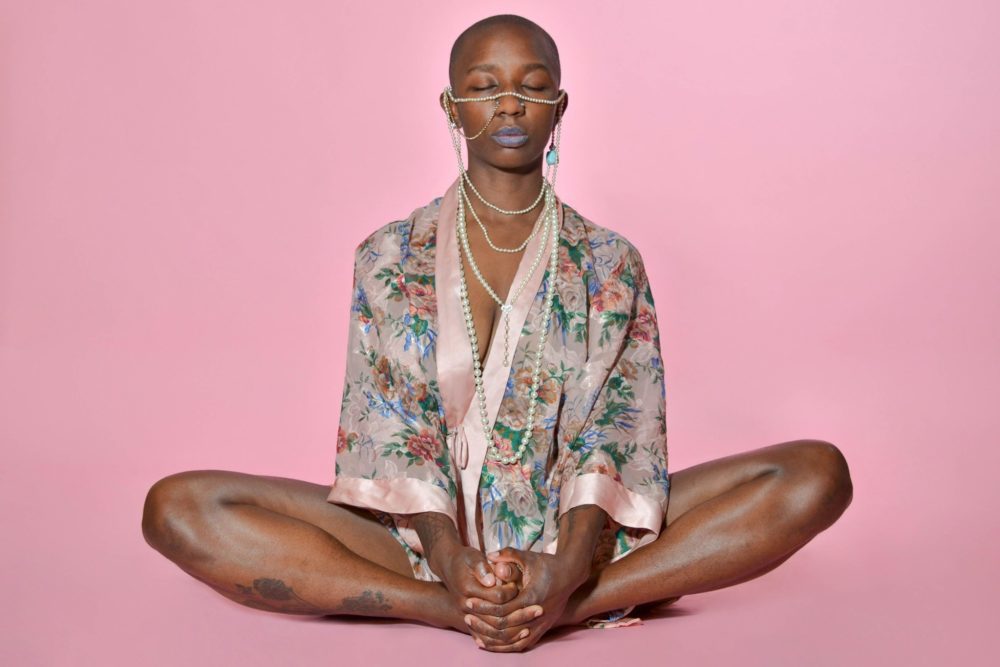
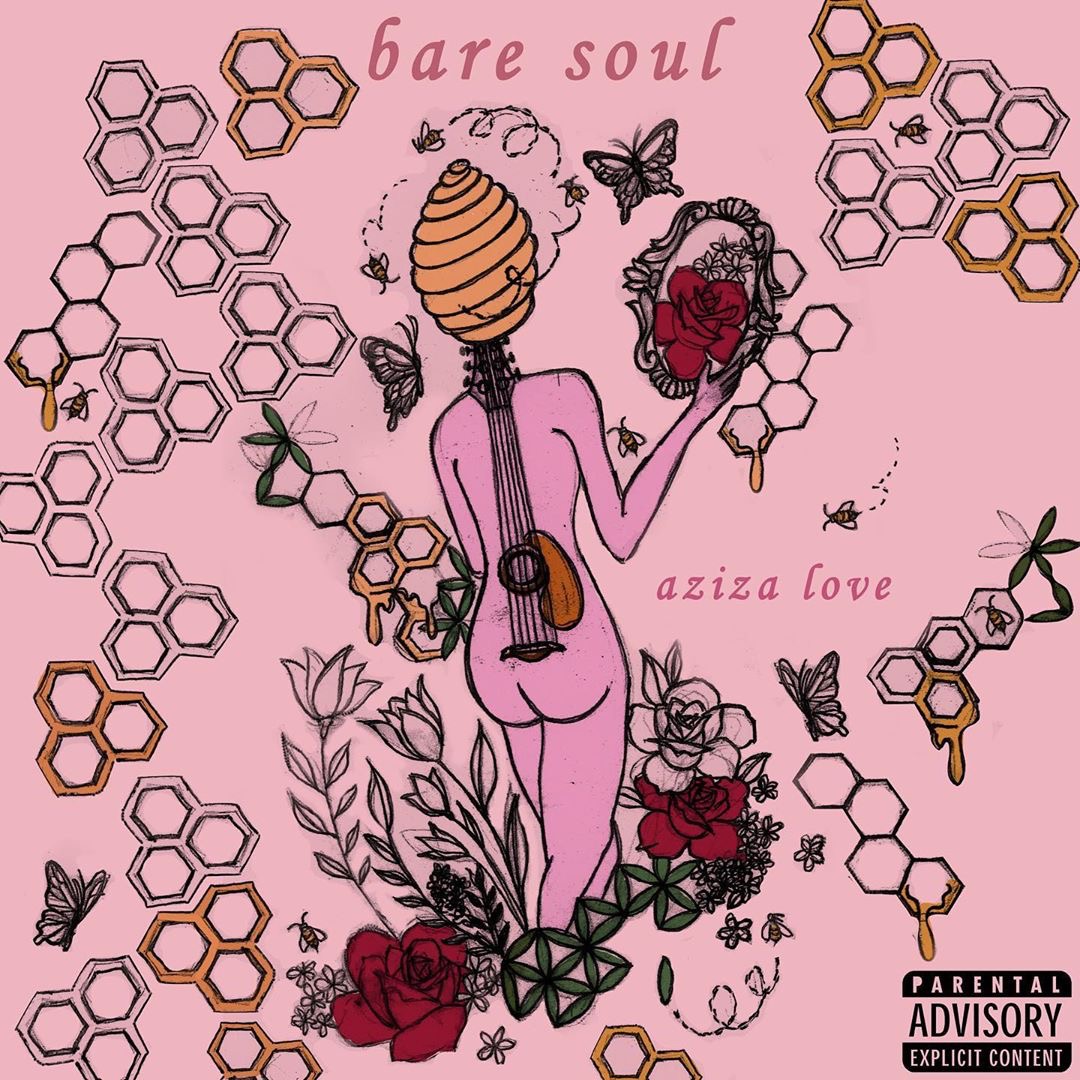
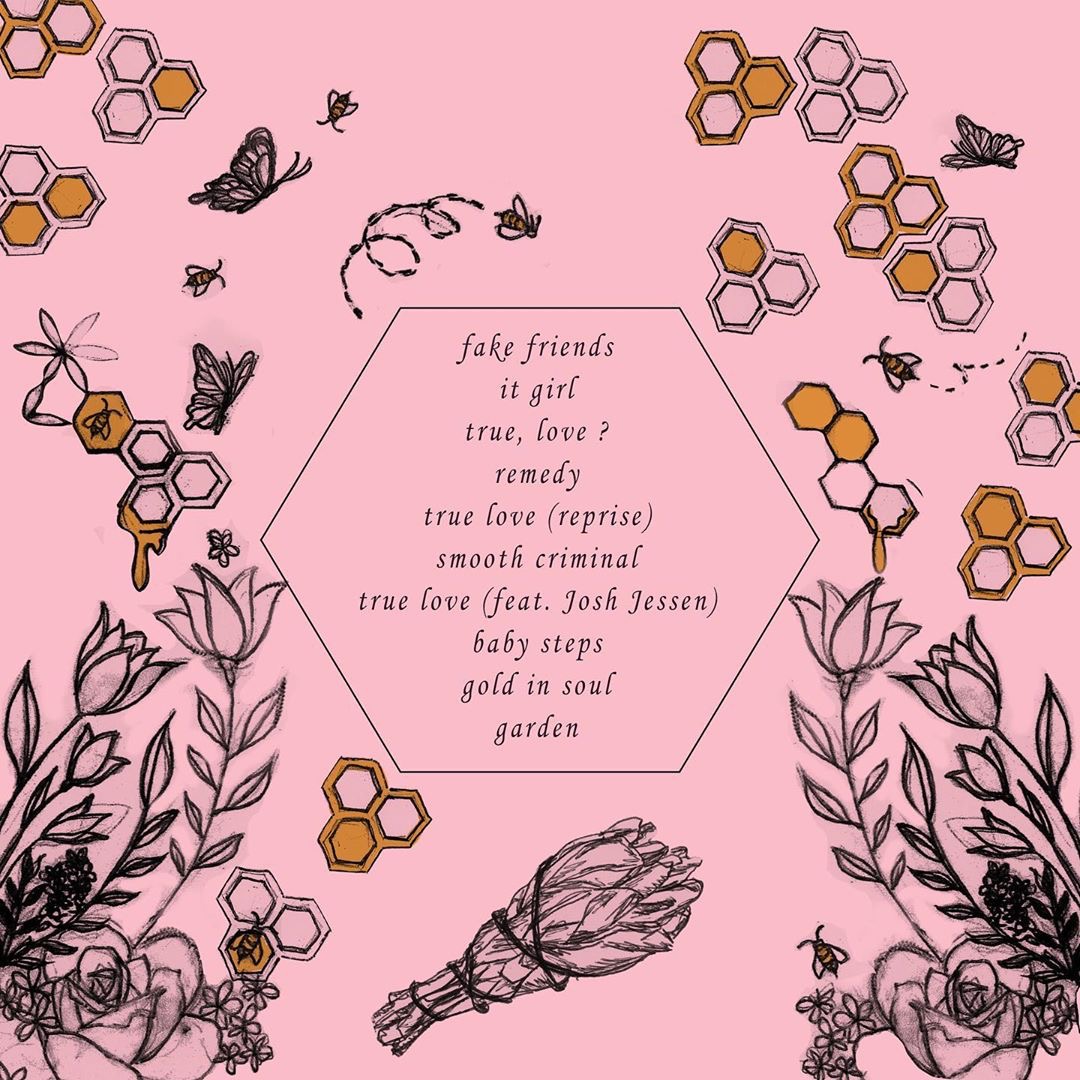
Aziza Love and her guitar take us on an adventure to find self-love on her debut solo album, Bare Soul. Drawing the listener in with power-punching intro, “Fake Friends,” all the way through the vulnerable “It Girl,” to the blues-tinged “Smooth Criminal,” Aziza takes each step of the way to create a space for herself—and us—as we marvel in awe at her journey.
“This whole album is me holding space for myself, for my healing,” she tells AudioFemme. Bare Soul took a year to create, with some of the songs written up to five years ago, and now that it’s out, Love can exhale a breath of relief. “I’ve put a lot of heart and soul and energy into music, in general,” she says. “I’ve experienced a lot of trauma in the past years and art and self-expression is the way I like to heal.”
Forming an album born out of hardship creates the incredible ability to shed light, offer love, and pave an inspiring path for others to follow. It is, however, not an easy task.
“It’s been a very over-stimulating process and a vulnerable process to have everybody getting a look at my bare soul,” says Aziza. “Some songs are more relevant now than I thought they’d be. Some songs I’ve healed a great amount through. I’ve been very honest with myself in where I am in my healing process, whereas before I hadn’t been, because I wasn’t speaking my truth.”
Although it wasn’t initially intentional, the Chase Watkins-produced record guides the listener through Aziza’s path of healing, as she confronts friendships, insecurities, addiction, relationship expectations, and love.
“In ‘Fake Friends,’ ‘It Girl,’ [and] ‘True Love,’ I’m seeing that the people around me—we aren’t on the same page. I’ve been hurt by x amount of people, I’ve internalized it, and now I have to realize that I’m worth it,” she explains. “’Remedy’ is me coping with alcoholism. And then going into the ‘True Love Reprise,’ it’s me asking what is meant to be, and what is truth?”
The album was recorded in a warehouse—while Aziza had a slight cold—which added an extra texture of transparency and rawness. She’ll follow up the project with a release event in Cincinnati next month.
Realizing the importance of self-expression and healing, the conversation turned toward the late Juice WRLD. The 21-year-old artist passed away last week after suffering a seizure, ending a long-fought battle with drug addiction and depression.
“This album—one—is to hold space for myself and—two—to really encourage everyone to speak their truth. It is liberating,” Aziza says. “And not just to speak it, but allow it to manifest into something beautiful. I think if we all really take the time to actually listen to each other and feel each other, we’ll have so much more compassion.”
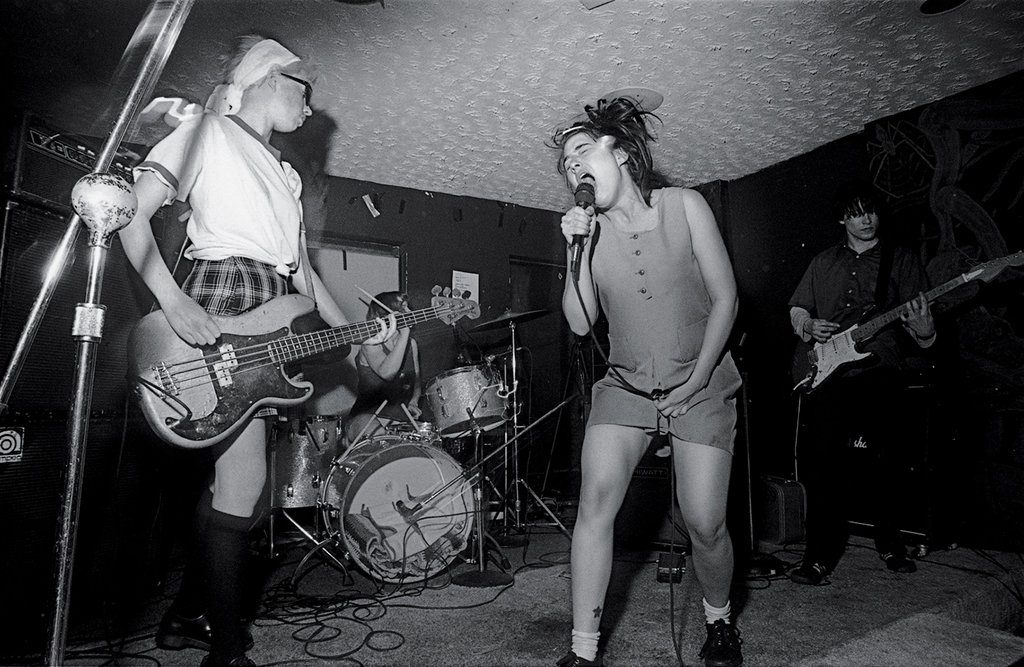
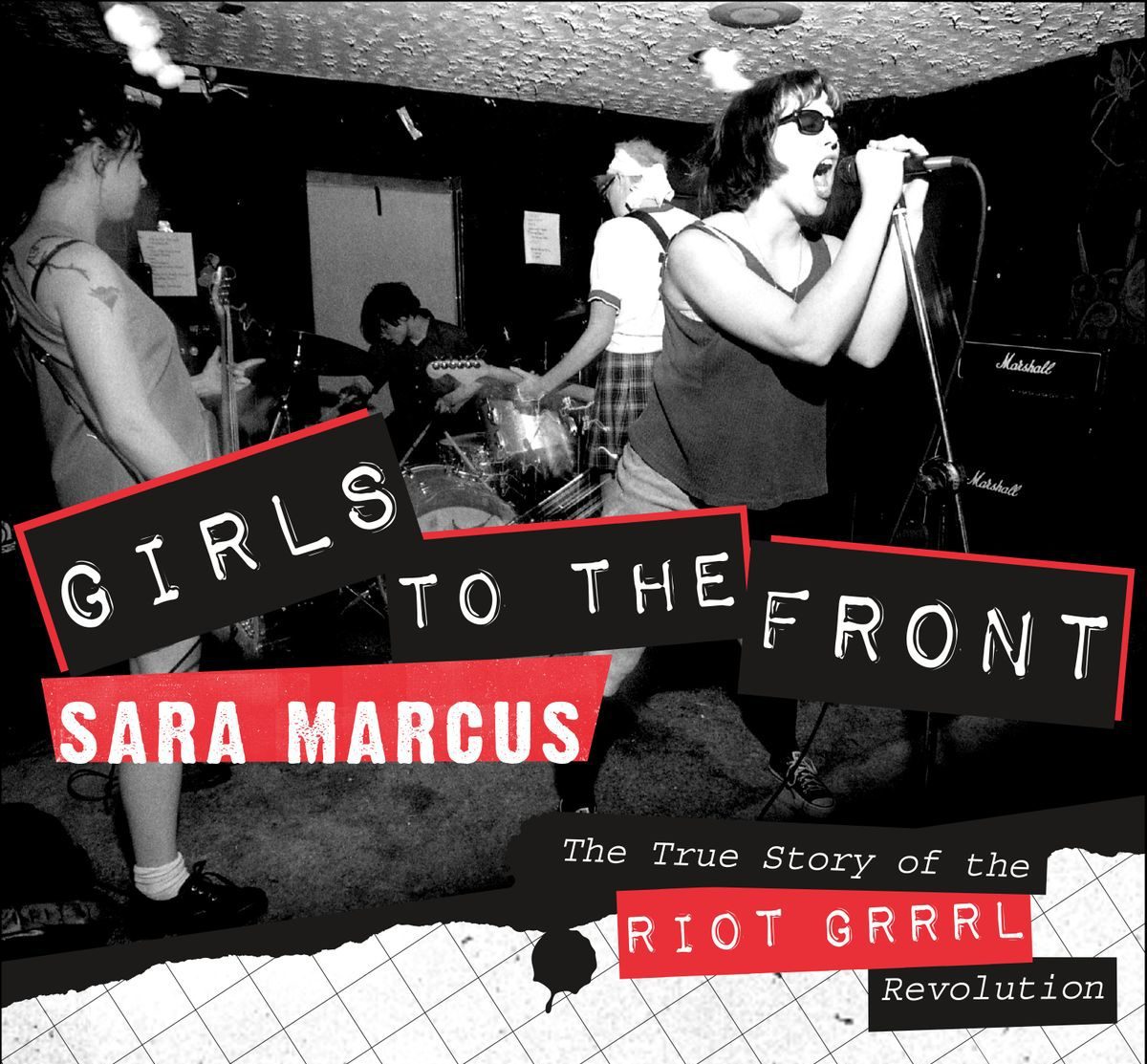
If I hadn’t read Sara Marcus’ Girls to the Front: The True Story of the Riot Grrrl Revolution, I wouldn’t be a rock writer. It was 2013. I had recently graduated art school and was dividing my time between three retail jobs: a liquor store, a grocery store, and a clothing store. One of my friends had recommended it to me, and even though I didn’t think of music as a big part of my identity anymore — something I’d felt pushed out of because I didn’t have the right taste or the correct opinions or the appropriate body of knowledge — I suddenly found myself reading about music a lot.
Maybe it’s because I was hanging out with female DJs. Or I wanted to ably push back when men told me everything that was wrong with what I listened to in break rooms. After four years of honing how my eyes took in information, it’s possible I was trying to improve my ears, too. But when I read Marcus’ 2010 release on long bus rides between cash registers, something in me changed.
Girls to the Front blends passion with criticism, betraying Marcus’ clear love for and intimate experience with riot grrrl while carefully laying out its many skeletons. Male critics love to trot out the feminist punk phenomenon as evidence they remember women play music, too: “I’m not sexist; I’ve heard of Bikini Kill!” But Marcus declares the movement as an important part of music history worthy of critical scrutiny — and hardly a beginning or end point for women in rock. Reading her book turned on a light in me I didn’t realize existed, and made me want to build on her work.
I don’t think I was the only one to react that way, either. In many respects, Girls to the Front anticipated the next 10 years of music books. 2010 to 2019 was a banner time for publishing women writing about rock. And I’m not just saying this as someone who was so inspired by a book about ladies’ sweat-stained expressions of rebellion that I made a slow professional shift; I have the receipts. Not only did this decade give us more women’s stories, but we also witnessed small but meaningful strides in the kinds of stories prioritized (memoirs from the likes of Kim Gordon, Liz Phair, Carrie Brownstein, et al became so ubiquitous they didn’t even fit into this list). What follows is a roving, incomplete list of books — one from each year — that marked small but powerful shifts in the rock ’n’ roll landscape.
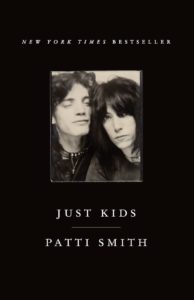
2010: Patti Smith’s Just Kids
The 2010 debut from ’70s punk-poet icon set a new standard for memoirs well beyond the rock pantheon. In lyrical prose, Patti Smith describes her relationship with photographer Robert Mapplethorpe — its evolution from friendship to romance to creative wellspring. Even more than a eulogy for one of her most formative friendships, though, it’s a love letter to her influences: Jean Genet, Arthur Rimbaud, William Burroughs, and so on. She gives longform life to Rainer Maira Rilke’s romantic ideas of art as a calling. And because of this title’s wild success — it was a bestseller that garnered numerous awards including the 2010 National Book Award for nonfiction — Just Kids opened the memoir floodgates for everyone from Kim Gordon to Ani DiFranco.
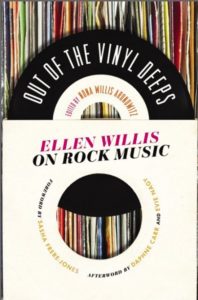
2011: Out of the Vinyl Deeps: Ellen Willis on Rock Music
Ellen Willis is probably best remembered as a feminist cultural critic who touched on everything from decriminalizing drugs to antisemitism on the Left. Somewhat lesser known is that she began her career as a music writer. In 1968, Ellen Willis became the first pop music critic at The New Yorker — the first ever music critic to write for a national audience. Despite influencing writers such as Griel Marcus and Ann Powers, Willis died in 2006 never seeing her music criticism get its due. In this tome, her daughter, Nona Willis Arnowitz, brings together writing that, while very of its time, was a hugely important landmark for music coverage.
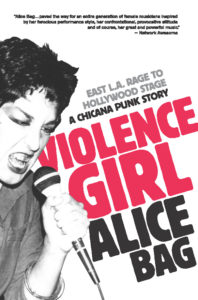
2012: Alice Bag’s Violence Girl
Before she was releasing Christmas tracks about punching nazis or clacking away on typewriters alongside Allison Wolfe and Kathleen Hanna, Alice Bag was screaming with The Bags. She first cemented her punk legacy with a cameo in Penelope Spheeris’ Decline of Western Civilization, but Bag has long proven her stay power. In her book, she describes growing up Latinx in L.A.; unlearning the violence she grew up surrounded by; going hip-to-hip and lip-to-lip with both men and women; and how these experiences shaped her life’s work as an activist, educator, and musician. Early L.A. punk was queer and brown, and it had so many women — and Alice Bag will not let you forget.
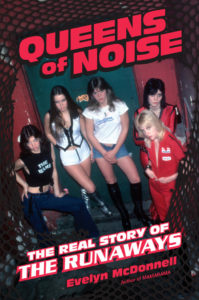
2013: Evelyn McDonnell’s Queens of Noise: The Real Story of the Runaways
I do a women’s rock history podcast, and my first season is on the Runaways; there may be some heavy bias in this choice. But I’m letting it stand because Evelyn McDonnell has long written about the varied and important ways women have contributed to popular culture, and to me, this is her magnum opus. Queens of Noise provides cultural context while separating fact from fiction for one of rock history’s most storied, undervalued bands. In 2015, the Runaways’ bassist Jackie Fox revealed she was raped by the band’s manager and producer, Kim Fowley. While McDonnell’s book hints at this, she resists outing Fox or even letting Fowley’s predatory, abusive behavior define the band’s legacy. The book is not about what was done to these women; it’s about what these women did for themselves.
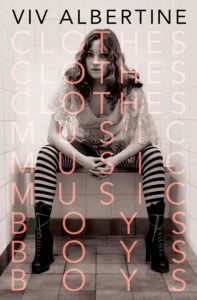
While Viv Albertine’s memoir tells the story of being an influential musician at the center of 1970s British punk, it’s also an account of everything that comes after that: marriage, motherhood, cancer, divorce — even relearning how to play the guitar. Among other things, Albertine reveals shrinking her musical past to emotionally accommodate her husband and fighting with her publisher to forego a ghostwriter. Thank the stars she won that fight, because her voice is strong, insightful, and intimate. One of the simple elegances of Albertine’s autobiography is how she marks time in a way familiar to so many women and femme music lovers: what she was wearing in that moment, what she was listening to, and who she was dating.
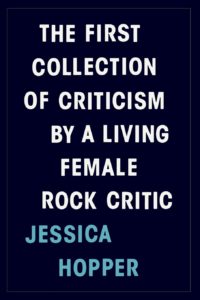
2015: Jessica Hopper’s The First Collection of Criticism by a Living Female Rock Critic
When I initially saw this in a bookstore, I actually scoffed. At the time, I was regularly reading so much excellent music criticism from women that my brain couldn’t yet wrap itself around the bold and unfortunate fact of the title. Highlights include Jessica Hopper’s essay on emo (“Where the Girls Aren’t”); Hole fact-checking Wikipedia during an oral history of Live Through This; and an interview with journalist Jim DeRogatis where Hopper unpacks her initial instinct to separate R. Kelly’s art from his abuses and admits that was a mistake.
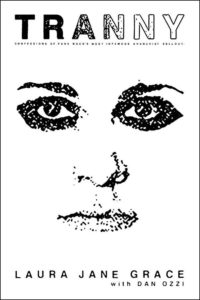
2016: Laura Jane Grace’s Tranny
Against Me!’s Laura Jane Grace uses diaries entries dating back to the third grade to open up about transitioning, which makes it a landmark trans memoir. But beyond what the book means for transgender visibility, Grace also talks about what led her to punk and anarchism; being part of one of the most celebrated punk bands of the aughts; and reconciling her DIY punk past with finding commercial success — and what it meant when early audiences rejected Against Me! for “selling out.”
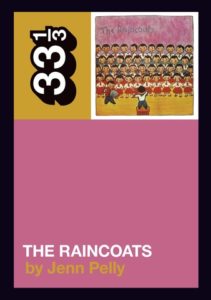
2017: Jenn Pelly’s The Raincoats – The Raincoats (33 1/3)
Stories of ’70s heroines really came of age this decade, but so did the critics raised on them. If contributing Pitchfork editor Jenn Pelly’s articles are like singles, here was her first LP. Drawing on glimpses into the Raincoats’ personal archives and using interviews from bands such as Sleater-Kinney and Gang of Four, Pelly provides a tender, collage-like account of the Raincoats’ self-titled debut and how its influence lives on. But perhaps as important as the book was its New York launch party, which bridged multiple generations of music. In attendance was a veritable who’s-who of women in rock, and it led to Bikini Kill’s reunion tour.
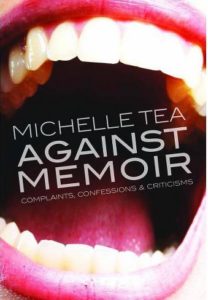
2018: Michelle Tea’s Against Memoir
Against Memoir is exactly what the title suggests: it’s not a memoir, but it’s not NOT a memoir, either. Which also to say, it’s not a music book, but it’s not NOT a music book. Some writers observe things like how music is made or who it’s made with; Tea chronicles what happens after it’s heard, sandwiching it between myriad other cultural observations and self reflections. The result is a piecemeal queer history of music that resists historicization. Highlights include her “Transmissions from Camp Trans” — Camp Trans being the trans-inclusive music festival that sprung up across the road from trans-exclusionary Michigan Womyn’s Music Festival — and her history of HAGS, a ’90s San Francisco dyke gang orbited by Tribe 8 who kept bands like L7, Lunachicks, and 7 Year Bitch on heavy rotation.
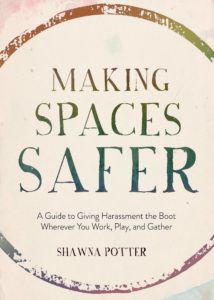
2019: Shawna Potter’s Making Spaces Safer: A Guide to Giving Harassment the Boot
Drawing on over 20 years of experience fronting the hardcore band War on Women, Shawna Potter has been an active voice for improving physical and psychological safety for marginalized people in music spaces. She’s led trainings at large clubs and tiny DIY venues alike, and now she has a book of actionable advice for minimizing and responding to harassment. Potter takes the conversation beyond acknowledging the aggression targeted at so many people in music, especially women and gender-nonconforming people, and declares, “Here’s some things we can do about it.” This, like so many other titles on the list, gives us a glimpse into what the next decade (hopefully) holds: a more inclusive future for women in rock – musicians, fans, and writers alike.
Welcome to our weekly show recommendation column RSVP HERE – your source for the best NYC shows and interviews with some of our favorite local live bands.
Lola Pistola does not plan on stopping anytime soon. With a raw energetic live show that’s not to be missed, Lola Pistola debuted their grunge and noise pop soaked album Curfew last year on Burger Records, toured the US with drummer Robert Preston (who also fronts Pink Mexico), and are closing out the year with a show at Our Wicked Lady on December 13 with Toward Space, Metalleg, and Johnny Dolphins.
Currently Brooklyn-based, Lola (aka Arvelisse Ruby) grew up in the Puerto Rican punk scene and is also a florist, photographer and contributor to AltCitizen. We chatted with Lola about her love for grunge and NYC’s ’70s punk scene, the changing landscape of New York’s current scene and what her live set would smell like.
AF: What is your favorite part about where you come from and where you are now, both geographically and musically? Where do you want to go?
LP: My favorite part about being from Puerto Rico is how important arts is for creatives and Puerto Ricans in general. No matter the occasion, there’s always music and a sense of community and bonding, whether it’s with family or friends. We have an unusual approach to what we do. I believe Puerto Ricans excel in arts, in music, in theater because we are just moved genuinely by what it means to be oneself and are passionate about our legacy. I loved loved loved being an spectator of the underground punk scene there. It’s chaotic, and loud, and there are many talented and unique bands that are still active after more than 15 years. I think that definitely made me fall in love with music, and learn about the punk scene around the world, specially in Spain and in New York. I’d daydream about playing at CBGB’s, about smoking cigarettes with Debbie Harry, reading poems with Patti Smith, maybe even finding Courtney Love and partying with her too. I feel like now, there’s a lot of that scene that’s undeniably dead. It’s no ones fault. Truly the world is just changing and affecting how we connect with new experiences – how we even promote shows for example. But still, the great thing about New York is the accessibility to local and touring bands, either underground or mainstream, and how there’s a new sound and act popping left and right. For me, I feel like I just want to continue making music, regardless of where I am, and to truthfully to be able to successfully connect with people. I want to continue moving forward where I can be heard, without worrying about scenes, without worrying about how many likes I get on social media. I want to go around the world and back until I fall down or nobody likes my songs anymore. That’s were I want to go.
AF: What shows/bands/artists have had the biggest influence and inspiration on your live set? If your live set was a color what color would it be? What smell would it be?
LP: Let’s just say I spent a lot of time watching Nirvana videos on YouTube using a shitty internet connection. Physically I take on more from movies and dance performances. If my set was a color it would be not a color, but the cathartic after-effect of strobe lights, hinted with the scent of salt water.
AF: If you could share the stage with anyone alive or dead who would it be and why?
LP: I’d love to perform with Iggy Pop, and I don’t think I need to explain why. Present Iggy Pop – full of wise and uncontrollable coolness, and more in control than ever of his voice and vision. His last two albums are definitely part of my favorites of the decade.
AF: When you’re performing do you ever look at a specific stranger and wonder how their day was?
LP: That’s interesting, but not really. I think the whole act, while performing is such an egocentric approach that I am only worried if they can really see me. If I lock eyes with anyone, I just want to make sure they see me.
AF: If you were a street performer and had to do something other than music, what would you do?
LP: A cartoonist.
AF: What are your plans for the next year/decade?
LP: I’m just waiting to be discovered and get a six figure contract, so I can record a couple of bangers and not work anymore. But also, joke aside, I just plan on doing what I do now, just 10 times bigger. I don’t have time to stop now.
In Seattle’s Ballard neighborhood, there’s a beloved diner called Hattie’s Hat—a dim wonderland of emerald vinyl booths, thrift store treasures, and, backlit against the large oak bar, dozens of gleaming bottles of liquor. A dive bar with highway-diner charm, it just so happens to be the spot where the members of Wild Powwers, one of Seattle’s most original post-grunge rock trios, met while working as bartenders.
In the five years since, Wild Powwers has released three albums, one EP, and a live record of their quintessentially moody rock. In fact, their popular sound is a lot like Hattie’s—two parts rasping, aggressive punk, one part vintage glam.
Their latest album, Skin—which was recorded by Billy Anderson (Melvins, Neurosis, Jawbreaker) and mastered by Ed Brooks (Pearl Jam, Heart, REM)—dropped in October of 2018. Brooding, aggressive and fully-formed, Skin captures Wild Powwers at their best. Seattle audiences have another chance to hear it live on Friday, December 20th, when Wild Powwers headline a killer bill with Razorclam and Deep Creep at Belltown Yacht Club. Audiofemme caught up with lead singer Lara Hilgeman before the show for a little background on the group’s evolution, the impetus behind Skin, and more.
AF: How did Wild Powwers get its start?
LH: All three of us worked at Hattie’s Hat in Ballard at the time and Lupe still does. We were all playing in other bands. Lupe and I decided we wanted to form a band one day when we were bartending, and talking about how Powers was a cool name (it’s also a whiskey at our bar). We started jamming in Lara’s basement, and we swooped Jojo after 6 months of playing together. Everything just clicked and we never looked back.
AF: You guys have been together for 5 years, playing in Seattle and all around the country. What about Seattle keeps you here as a group? And, are there qualities that define live shows in Seattle as compared to other cities?
LH: What’s kept us together is the same thing that keeps a couple together – we love each other and even at the low points we still love what we are doing and want to keep doing it. We’re continually inspired by each other and love writing together.
Seattle is our home base, and our sound is indicative of three people who spend a lot of time in a basement writing music when it’s too miserable to go outside. We have a pretty cool community here that supports us immensely. We love our city even though it’s changed dramatically over the years.
Seattle shows are interesting in the way people behave at them. It seems like they are intensely focused on what they are watching. Sometimes they’ll let loose and start a friendly mosh pit (like at our most recent local show), and we are grateful for all of that. We also get FAR less sexist commentary at shows here than we do on tour. In so many other cities, we have people tell us they’ve never seen women do what we do, which is unfathomable in Seattle. We feel extremely supported at shows here.
AF: I’ve always wondered about those iconic pink coats I see you guys wearing at festivals and shows. Were they inspired by the Pink Ladies in Grease?
LH: Ha! Not at all. The pink coats were more inspired by those cool satin baseball jackets from the 70s. Pink just seemed like the right color when we were looking at our options, and we’re lucky our friend Drew worked at an embroidery shop that made it happen for us.
AF: I like to think of a band’s sound like an evolution—and each new album is like a step on that journey. Tell me about the new album Skin, and how it builds on past work you’ve done?
LH: Skin feels like we all finally settled in to our sound, and the upcoming album seems even more like that. Our sound is constantly evolving, and we’re inspired by so many different genres, but on Skin, we definitely sound more like what we sound like live, which had been hard to capture in the studio up until that point.
AF:Tell me what birthed the title track. I’m curious about whose perspective it is.
LH: The title track is all about the feeling of being two people trapped in the same body. I definitely feel like I have a Dr. Jekyll and Mr. Hyde situation happen when I drink too much – something seems to switch in my brain and I’m a different person. It doesn’t happen as often anymore, but at the time of writing that album I was at a very low point in my life, and I was drinking often and doing stupid things.
AF: Also—“Twins.” I love that switch at the bridge—what’s the story behind that song?
LH: “Twins” is about feeling connected to someone or something that isn’t necessarily good for you, but you feel so kindred to it, like you could be twins. It’s mainly about a relationship with someone that is so toxic, and you know it is, but you can’t help but feel like you’re cut from the same cloth.
AF: What has working with Billy Anderson and Ed Brooks been like? What do they bring to Skin? Did they stoke any sonic realizations?
LH: Billy and Ed are both so wonderful to work with and are extremely skilled in their crafts. Billy was patient with us and had a lot of ideas to throw at us that we loved. He is an extremely inspired and creative person, and would have us do things like hit drum sticks on walls and trash cans and whatever else we could find. He’s passionate about finding and harnessing tone, and was really inspiring and hilarious to work with.
Ed is a master at what he does, no pun intended. He reels in our sound while also honoring all of the dynamics in it. He’s patient, and really took the time to explain to us the entire mastering process as it was happening.
AF: I love how your bio calls your sound a “glam creep strut.” Is that how do you define your sound as a group currently? Was it ever intimidating to say you make punk/grunge in Seattle? Do you feel automatically aligned with the history here?
LH: We call ourselves glam creep strut because we have no idea what else to call us. We’ve actually never claimed to be a grunge band; I think it’s just a term that tends to be blanketed over any band that has moody or aggressive music. We all appreciate the grunge scene from the ’90s, but it’s never been a goal to replicate that sound, or any sound for that matter. When someone says grunge it makes us think more of a time and place and less of a genre of music. We’re obviously inspired by the place we live, but definitely don’t feel held back by what we write, and feel that our sound as a band is spans many genres. At the end of the day, it sounds like Powwers.
AF: Have you toured with Skin? What’s next?
LH: We’ve toured with Skin all around the country a lot this year. We are headed out to Treefort in March and might add a few dates around that with our good friend, Prism Tats. Then, we’re focusing on releasing our next record, What You Wanted, and heavily touring in support of that in 2020.
Check out Wild Powwers at Belltown Yacht Club on December 20 and follow the band on Facebook for ongoing updates.
Year after year, the same holiday standards come pouring through our speakers when the calendar flips to December (or before Halloween in recent years). While these often become ubiquitous, there are several artists who deliver original renditions of these holiday standards, in addition to offering new classics of their own.
The women featured below deliver a mix of original songs and covers that uniquely shine, whether it’s three superstars uniting for an iconic holiday number or a burgeoning superstar penning one of the saddest Christmas songs you’ve ever heard. Check out Audiofemme’s pick of five Christmas songs by the women of country music.
Kelly Clarkson, Trisha Yearwood and Reba McEntire – “Silent Night”
When Clarkson, Yearwood and McEntire took the stage during Clarkson’s 2013 special, Kelly Clarkson’s Cautionary Christmas Music Tale, they delivered one of the most beautiful renditions of the holiday standard regarded as “the most beautiful song ever written.” The trio defines the word “perfection” with their performance, as Yearwood’s powerful voice reaches new heights, while Clarkson provides enchanting harmonies. And when McEntire joins in, her voice adds even more magical layers. When they end the performance a capella, their harmonies knock the wind right out of you.
Kacey Musgraves – “Christmas Makes Me Cry”
Challenge: Try not to tear up when listening to “Christmas Makes Me Cry.” Between singing about broken hearts and those who couldn’t make it home for the holidays, Musgraves doesn’t try to disguise the fact that there’s a somber side to Christmas that’s often forgotten. “I wonder if I’m the only one/Whose broken heart still has broken parts/Just wrapped in pretty paper/And it’s always sad/Seeing mom and dad getting a little grayer,” she sings. What I appreciate most about the track is how Musgraves extends a hand to those experiencing grief during the Christmas season, and this compelling country queen recognizes them with this gem. “Christmas Makes Me Cry” is poignant, emotional and beautiful, reflecting the intense emotions of the Christmas season and the foundation that Musgraves builds her artistry on.
Loretta Lynn – “It Won’t Seem Like Christmas”
Before Musgraves, Loretta Lynn set the precedent for melancholy Christmas tunes, and “It Won’t Seem Like Christmas” has all the makings of a Christmas classic. Penned solely by the country icon, Lynn turns tear-in-my-beer mainstay country lyrics into her own Christmas original. Between the twinkling of the piano keys and her timeless voice, she paints a peaceful scene of decorative Christmas trees and flying snowflakes. But the pain inside her is anything but peaceful as she sings of missing the person she loves. “It Won’t Seem Like Christmas” is a highlight on her 1966 Country Christmas album that features six original numbers, including heartbreaker “Gift of the Blues” and sassy “To Heck With Ole Santa Claus.”
Cam – “I’ll Be Home For Christmas”
Get ready to be stunned when you press “play” on Cam’s cover of this holiday classic. With a voice that’s timeless and modern at the same time, Cam truly captures the sadness and longing expressed in the song in a way that resonates. While I’ve heard the track countless times during the holiday season, Cam’s version made me realize how heartbreaking this standard is, written from the perspective of a solider who hopes, but ultimately doesn’t make it home for the holiday, making for one of the most powerful renditions of the popular hit I’ve heard.
Katie Pruitt – “Merry Christmas, Mary Jane”
If you want a Christmas song that’s original and modern with a dash of humor, then look no further than Katie Pruitt’s “Merry Christtmas, Mary Jane.” With a soulful voice that cuts like a knife, Pruitt tips a cheetah-print Santa hat to the one thing that’ll take her spirits high: marijuana. Her voice is so striking you almost miss the humorous little gems she sprinkles in (“All these Christmas lights would look twice as good/As we hotbox around your neighborhood”), all of which she expresses in the midst of bluesy guitar riffs. This unique holiday tribute demands a spot on your playlist.
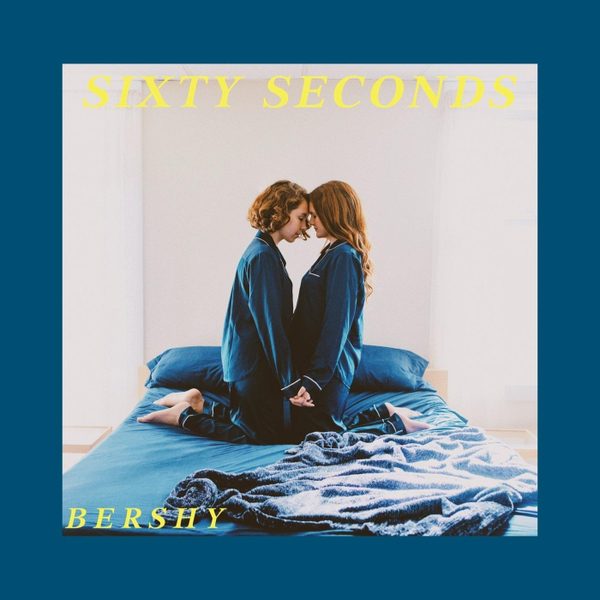
Ahead of her forthcoming EP, Bershy dropped off her latest single, “Sixty Seconds.” The Cincinnati-based pop singer wrote the song in a heated moment of relationship doubt.
“I wrote that song in like 15 minutes after what I can only describe as an existential love crisis,” she told AudioFemme. “I have now been with my partner for like a year, but when we first got together I was like, ‘Oh my god, I’m so in love with you, nothing will ever go wrong.’ And we had our first fight and I was like, ‘Do I even love this person? What do I want out of this?'”
With the new track, Bershy remembers the value of taking a minute to think things through and accepts that moments of obscurity and self-doubt are a part of relationships.
“We’re humans, having a squabble, it’s ok,” she said. “‘Give me sixty seconds’ sounded better than, ‘I need a minute,’ but that’s basically what it is.”
The new track also marks the singer/songwriter’s second dive into the pop genre, following her single, “Say Fire.”
“I’m like in this weird, experimental phase,” Bershy said. “I’ve been doing folk music since I was like 15 and then switched to ‘dream-pop’ last summer.”
With two breezy pop singles under her belt, she’s currently working with Cincinnati producer Mike Landis to drop one more song, which will be followed with a four-track wrap-up EP, arriving this spring.
“A lot of the songs are about relationships as a whole,” she said. “I also think [that] being a queer person informs how I think of culture and politics. So, I get a lot of inspiration from that, but love is so easy to write about!”
Nath Ann Carrerareturns to Joe’s Pub on December 10 for a night of narrative songs leading into the winter solstice. Singer-guitarist Carrera delves into queer-feminist themes through gothic Americana described as “cultish non-essential lesbian-separatist murder ballads,” “gender-variant black masses” and more. Recently, Carrera enjoyed sold out performances of “I Don’t Want to Throw Rice, I Want to Throw Rocks: The Early Southern Gothicism of Dolly Parton,” a deep dive into the country superstar’s late 1960s and early ’70s work.
Carrera’s solo show will include a guest performance from singer Amber Martin. The two collaborate with each other as Witch Camp, who pepper stunning folk styles with ’70s occult horror vibes. They will unveil a new, original song, “Blessed Be the Sterile Man.”
When Trish Nelson’s The Secret Society of the Sisterhood, debuted at a Los Angeles cemetery in 2018, the candlelit, full moon storytelling event generated instant buzz for both its setting and its eclectic lineup of guests. The bi-coastal event will make its only New York appearance of 2019 at Joe’s Pub on the eve of the full moon.
Joined under the theme “What I’ve Gained From Loss,” this gathering of the Secret Society of the Sisterhood will featuremusician JD Samson (Le Tigre, Men), comedian and writer Desiree Burch (Flinch), author and Food and Wine editor Kat Kinsman, along with Wyatt Cenac (Wyatt Cenac’s Problem Areas) and Nelson. Suzzy Roche and Lucy Wainwright Roche are the musical guests and Cristina Pitter and Lovewin will be the featured visual artists for the evening.
Over Thanksgiving break, I found myself with a friend in a San Francisco hotel room on a rainy day without any plans. I also found myself with a bag of cubensis mushrooms another friend of mine had just grown, as well as the Soundcloud link Dirtwire’s latest album, Electric River.
Dirtwire — consisting of trio Evan Fraser, David Satori, and Mark Reveley — describes itself as “an americana, bluegrass, blues, electronica, folk, world group from Oakland.” This album in particular was inspired by the band’s experimentation with psilocybin mushrooms. Its cover depicts Maria Sabina, a Mexican medicine woman who healed people using this increasingly popular psychedelic, and one of the tracks, “Sabina,” is even dedicated to her.
“We wanted to capture a name for that magic that is the psychedelic experience, and we decided on Electric River,” the band said in a press release. “We have been using psilocybin mushrooms as a tool to open ourselves to other dimensions of sounds and creativity since the first recording Dirtwire ever made. We feel it’s time to tell this story and are very excited to see that there is a change going on in the collective consciousness in terms of how we relate to plant medicine.”
My first impression of the album’s first song, “Talking Bird” featuring Mbilou and Aya, was that I thought I’d heard it before. What it reminded me of, I realized, was the Bwiti music from Gabon that’s used for iboga ceremonies. After looking further into it, I realized that’s because Mbilou — who’s playing the mongongo (“mouth bow”) — is part of the Bwiti tribe.
The next track, “Cannonball,” sounds like a completely different band (in part because it is just the usual Dirtwire members), giving off chill indie-rock vibes reminiscent of alt-J and incorporating harmonica, the one instrument that provides a constant thread throughout the album. In fact, each song sounds like it could be from a different artist, which is what makes the album appropriate for a mushroom trip. The music helped direct my friend and I through a variety of philosophical discussion topics, from the meaning of karma to the motivations of men’s rights activists to how goddamn pointless life feels sometimes.
Some of the songs have more obvious spiritual influences; “The Eagle and the Condor” ostensibly references an ancient Amazonian prophecy that society would split into two groups for 500 years starting in the 1490s, with the cerebral, masculine Eagles overpowering the intuitive, feminine Condors. The music sounds like two different energies in conversation, with voices warped as if blowing in the wind with these two birds.
The group’s blues influence is most evident in “Psyloon,” with its heavy harmonicas and irregular rhythms. String instruments feature heavily on this track, as well as “Ali,” while “Datura” paints a jungle scene with wind instruments. “Strength in One,” featuring Trevor Hall, is a catchy and inspirational track that conjures up Xavier Rudd, with lyrics like “if we gonna survive, better find a new way.”
The highlight of the album, though, is the hauntingly beautiful and hymn-like “Seem to Freeze” featuring Emma Lucia. It begins slow and gentle and then the rhythm picks up, building to a chorus you can’t help but sway to (especially if you’re on mushrooms). The mood of the trip hit its peak each time I heard Lucia’s breathy “ooh ay ay ay” and the enchanting chimes that follow.
Overall, Electric River represents all the beautiful and varied facets of psychedelic mushrooms, from their tribal origins to their vast modern musical influence. And best of all, that’s evident whether you yourself are tripping or not.
When the Bloomington-area dream pop ensemble abruptly called it quits via Facebook in early 2018, they had been riding high on the release of their debut Routines, as well as a compilation of cassette releases, Tapes #1-3, the year before. “Since the beginning, all of us have always lived in different places and as a band have operated (and thrived) on spontaneity and coming together when the moment is right,” read the statement announcing the hiatus. “That moment could come again at some point in the future but for now we’re letting this project rest and taking some time to focus on life/work/school/other projects/etc.”
That moment has evidently arrived, as the band (now a six-piece, still co-fronted by Drew Auscherman, Keagan Beresford, and Kevin Krauter, who has a solo record coming out in February) returned to New York City for two back-to-back shows last week at The Dance, a new-ish Baby’s All Right-affiliated venue situated near Astor Place, across the street from Joe’s Pub. Though the Wednesday show was announced in November, along with Hoops’ first post-hiatus single “They Say,” the Thursday gig was rather spontaneous, with ticket-holders from night one receiving a invite via email the same day to attend night two for free. Whether practicing for their impending one-off at Chicago’s Thalia Hall in support of Whitney this Sunday, or buoyed by excitement at the prospect of getting back together, Hoops’ comeback seemed completely natural, as though their hiatus hadn’t happened at all. Met with warm enthusiasm by the crowd, the band debuted a slew of new songs as well as revisiting favorites from their previous albums.
Hoops inhabit the sentimental niche carved out by acts like Mac DeMarco, Beach Fossils, Unknown Mortal Orchestra, and their ilk: feel good, earnest indie pop that veers from the mainstream by introducing subtle twists here and there – an unexpected guitar solo, a little pedal magic, manipulated vocals. Like “They Say,” Hoops’ newer songs flirted with an almost funk-inflected terroir, but even tunes that might’ve seemed mellower on the band’s LPs, like “All My Life” and “La La La,” had the crowd swaying throughout the white-washed, neon-lit space whilst sipping on $6 cans of Piels. Krauter wore his hair a little longer, while Beresford sported a newly-shaved scalp, but essentially, not much had changed in terms of how they approached playing together, flexibly swapping instruments now and again but also sounding tight no matter the formation. Hoops give off an authentic, hard-working air born out of their Hoosier roots, but their glossy new tracks hint that they’ve added some shine to their production.
By the end of their set, the room was in a full-on “One! More! Song!” chant before the band re-emerged from the green room upstairs (via the swanky spiral staircase to stage right) to play their encore. There’s no word yet on when they’ll release a new album, or if they’re planning to play more shows, but Hoops certainly seem to have a knack for leaving fans wanting more.
Welcome to our weekly show recommendation column RSVP HERE – your source for the best NYC shows and interviews with some of our favorite local live bands.
photo by Kevin Condon
My first impression of Mattie Safer, bassist/frontman of the new disco-punk project Safer, is that he has a much calmer presence than you would expect from someone who has been living and working as a musician in NYC for 20 years. Along with pursuing his solo project, he’s the bassist and singer in Poolside (who recently toured with Kasey Musgraves), and was a pivotal member of the The Rapture from 1999-2009, in which he played bass and shared vocal duties with founding member Luke Jenner. Safer released debut EP Sleepless Nights earlier this year and their latest single “Countercultural Savior” came out last month. He will be celebrating his birthday on the rooftop of Our Wicked Lady on Wednesday, December 11th with The Wants, Godcaster and Extra Special, and we got to chat with him about what he would want to hear on his ideal birthday party playlist, craziest moment on tour and what’s next for him in 2020…
AF: Who are your favorite bassists? What are your favorite dance moves? Favorite style of hat?
MS: Favorite bass players are James Jamerson, Verdine White, Tina Weymouth, Robbie Shakespeare, and Deborah Scroggins. Favorite dance move, I keep it to a simple two step for the most part, but if could do the Harlem Shake or had a sturdy milly rock I would definitely break them out. With hats it’s really the bigger the better. Why stop at ten gallons?
AF: What’s been your craziest moment on stage? Craziest moment on tour this year?
MS: I mean, there have been amps that blew up and stage invasions, but the craziest thing that happened to me on stage happened this year, playing at a festival with Poolside in Mexico City. We finished “Harvest Moon” and the crowd just kept cheering and getting louder, and we let it run for couple of minutes, not really sure of what to do, but it wasn’t letting up and we had one more song to play so Vito just started it up. It was an incredibly touching moment, to feel that kind of connection and joy with a crowd of ten thousand plus people. Transformative.
AF: Someone throws you a surprise party — what’s on the playlist?
MS: I want to hear some Earth, Wind & Fire, some Marvin Gaye, Cymande, Janet Jackson, SWV, Gladys Knight & The Pips, Diana Ross, Chaka Khan… Basically a lot of things that make me want to put my hands up in the air and sing along like a diva. Oh, and who doesn’t love the B-52s?
AF: What’s the saddest disco song you know?
MS: The Donna Summer version of “MacArthur Park”.
AF: What are your plans for Safer and any other projects in the next decade? Lastly, if you could choose any brand of coffee can as an instrument, what would it be?
MS: There is a finished Safer album that is looking for a home. I just want to keep making music, performing and connecting with audiences. More touring – there’s still a lot of places I haven’t been, and a lot of cool cities that have changed a lot since I was last in them. As far as coffee cans go, some people like Café Bustelo, but I really feel like the resonance on a Chock full o’Nuts can is something magical that deserves more shine and attention.
In the dark of the club, I’ll scroll through the voluminous list of artists contained on one of my flash drives, quickly settling on Depeche Mode. I’ll scan the track list, maybe giving the choice a second or two of though before queuing “Everything Counts.” Depending on the gig, it might be the original version of the song or a remix, but, for the past few years, some variation of that 1983 hit has crept into more of my DJ sets than I can recall. It’s not entirely intentional, but it’s not a random selection either.
It might seem like a basic choice. “Everything Counts” is now a classic in the Depeche Mode catalog, absolutely a song that you would expect to hear when DJs are playing synthpop or ’80s alternative sets. To be totally honest, it’s ordinarily something I find a little too obvious for the dance floor. For years, there were a number of other songs from the band that I preferred to play. Sometime after Trump was elected, though, I heard “Everything Counts” as more than just a club hit. What stuck with me was the refrain: “The grabbing hands, grab all the can/All for themselves after all.” I could see people singing along with the jam and, even if they had done this hundreds of times before, their passionate response struck a chord with me. Maybe, collectively, we were all feeling “Everything Counts” harder than we had in the past. It’s a classic, but one with newfound relevance.
I DJ in and around downtown Los Angeles, in neighborhoods where local subcultures settled after they were essentially priced out of Hollywood and West Hollywood years earlier. The parties I play are usually in small clubs or bars where the cover charge is either non-existent or nominal. They’re non-elitist spaces – almost defiantly so – in neighborhoods that are currently in the midst of gentrification. Out on the smoking patio, certain subjects consistently come up in conversation, like the rents that keep rising and the various jobs and side-gigs that help us attempt to keep up with that. It’s the same sort of conversations that come up with rideshare drivers on the way home, short jaunts taking us down streets where there are visibly many more people sleeping than there were a few years ago. Quite often, “Everything Counts” is the song stuck in my head as I try to fall asleep.
At home, I listen to Construction Time Again, the album that spawned “Everything Counts.” Released in 1983, it was Depeche Mode’s third album and significant for a few reasons. It was their first album with Alan Wilder credited as an official member, marking the start of what would become a Golden Age for the band. Musically, they delved into heavier, darker electronic sounds – the industrial band Einstürzende Neubauten is said to have been an influence on this album – that would mark the evolution of their sound for albums to follow. Lyrically, both Martin Gore and Alan Wilder would tap into political concerns, income inequality and environmental degradation among them, that continue to impact communities around the world.
I find it difficult to think of another album that speaks as poignantly about American Life in the 2010s as this one that was made in the U.K. well over 30 years ago. Trump’s election was a tipping point. He’s the loudest, most visible symbol of a particularly vile strain of late-capitalism greed that plagues the globe. So, while I might turn to Construction Time Again in part because of his presidency, it’s not solely because of that. What I hear now when I listen to this album is both a document of the early 1980s and a warning, perhaps an unintentional one, of what was to come.
On some songs, the messages are obvious. In “Pipeline,” Martin Gore proposes a Robin Hood plan: “We’re laying a pipeline/Taking from the greedy/Giving to the needy.” It’s the reaction against the avarice depicted in “Everything Counts.” In “The Landscape Is Changing,” written by Alan Wilder, nature’s future is bleak – “The landscape is changing/The landscape is crying/Thousands of acres of forest are dying” – and the message to “just take good care of the world” is loud. Sadly, this plea has only grown more urgent in the face of continued environmental crisis.
In other places, admittedly, the lyrics are a bit more open to interpretation. In “More Than a Party,” another Gore-penned song, there are the lines, “Keep telling us we’re to have fun/Then take all the ice cream so we’ve got none.” I hear this now and think of the ways the American public now has been duped over and over again until we ended up with multiple generations of people saddled with debt via student loans or health care costs, inhabiting cities where the cost of living has been steadily growing beyond our wages.
There’s a mix of hard emotions throughout the album – cynicism, fear, frustration – but there are also traces of optimism. The last full song on Construction Time Again is “And Then…,” a somber, but hopeful tune that isn’t well known outside of fan circles. It opens with a suggestion to take a world map and “tear it into pieces.” The song calls for a “universal revolution,” but, seemingly, it’s one that would be fueled by love. We’re told that “if we trust in our hearts, we’ll find the solution.” If there’s a lesson to be learned from this album, it’s in this song. Sure, the “grabbing hands” are working against the masses, but we have the power to change that.
On 11/17/19 Audiofemme celebrated its relaunch! To mark the occasion, we hosted an event at Rosewood Theater – a gorgeous private space in Chelsea, NYC. Talent for the night included intimate sets by Zola Jesus, Mothica, Jess Williamsonand Purple Pilgrims. We threw in complimentary flash tattoos by Tessa and tarot card readings by Meredith Graves, as it’s not a party without a little blood and magic…Peruse our photo gallery of the night. All images courtesy of Jeanette D. Moses.
The way that SHEL – a folk group comprised of sisters Sarah, Hannah, Eva and Liza Holbrook – met Christian rock band Jars of Clay is like a scene out of a movie. The two acts were eating at the same restaurant in Nashville when Jars of Clay frontman Dan Haseltine approached their table, asking if they were a different female-fronted indie group, Lucius. The serendipitous encounter prompted the sisters to go back to his table and share how they’ve been longtime fans of the Grammy winning rock-gospel group, working up the courage to give him a CD of their work. “He listened to the CD and he got back to me and he’s like, ‘It’d be so fun to work together,’” Eva Holbrook recalls to Audiofemme via phone interview from a recording studio in Nashville.
Haseltine put these words to action, inviting SHEL to perform as part of Jars of Clay’s Family Christmas concert in Nashville in 2018, their chemistry and mutual love for the holiday sparking the idea for a collaborative EP, A Family Christmas, released on Nov. 22. “So much of the time that we spent bonding as bands happened at the Family Christmas show,” Eva explains. “I think we also shared this love of Christmas music and doing unique arrangements, as well as writing original Christmas music. That was something both bands were really excited about.”
The two acts wrote and recorded the festive EP this summer. The six-song endeavor features covers of two powerful classics, “Go Tell it on the Mountain” and “What Child is This,” alongside four original songs written by the band members. In the midst of working on the project, Eva was recovering from skin cancer removal surgery that left her with 20 stitches underneath her left eye. But still she persisted, making her way to the studio to lend her voice to the project that she describes as one of her favorite experiences in the studio. “I think I expected to feel really self-conscious about my appearance, but I was more caught up in the joy of creating, and it was a very fresh experience for our band,” she shares. “It reminded me what is important and what really brings us joy.”
Sharing joy is one of the messages interwoven into the EP, particularly on two of the original numbers penned by Haseltine. “Something New” is a cheerful letter to Santa with a dash of social awareness mixed in, as Haseltine sings “I don’t want anything made of plastic” and a member of SHEL echoes “straws get stuck in turtle’s noses,” while Hannah and Haseltine glow on the duet “Happy For the Holidays” that follows a shipwrecked couple happily secluded on an island during the overwhelming time of year.
“The holidays become so much about gifts and superficial things, but underneath all of that, I feel like there’s this feeling that we all remember from our childhood that we’re trying to get to,” Eva notes. “When I heard those songs, it brought up that emotion again.”
But the EP’s true standout shines in the form of the dreamy “Wonderful Feeling.” The whimsical folk tune touches on the nostalgic feeling of seeing Christmas through innocent eyes. Written by Liza in 2018, the song sees her taking lead vocals for the first time. “It’s a wonderful feeling/Draw near to those dear/And let the world hear/All of our hearts are singing,” she sings angelically, with a twinkling harp and fiddle supporting her along with her collaborators’ peaceful harmonies. Though Liza was originally tepid about incorporating “Wonderful Feeling” into the project, it quickly became a favorite among both groups, so much so they released it as the EP’s first single.
“I think for all of us, it really captures the magic of Christmas this time of year,” Eva observes. “I think life for everybody right now is so chaotic and can be very disconnected. But when you put your devices down and when you’re all in one room and you’re sharing stories, sharing the beautiful and delicate experiences that come from winter and the celebration of joy and hope and rebirth, all of these beautiful things, I think it touched that subconscious feeling inside of every single one of us.”
Having the opportunity to work with a group they’ve admired since childhood was a dream come true for the sister quartet. Eva uses striking words from 19th century Scottish poet George McDonald to frame how she hopes listeners will be impacted by A Family Christmas: “The best thing you can do for your fellow man, next to rousing his conscience, is not to give him things to think about, but to wake things up that are in him.”
“I feel like that’s my goal with every project – if it’s touching something deep inside of me and that awakens joy or sadness or anything on the spectrum of those essential human emotions, then I’ve done my job as a vessel for inspiration,” Eva determines. “I hope that it awakens beautiful things inside of people.”
SHEL and Jars of Clay will present the second annual Family Christmas concert at Liberty Hall in Franklin, Tenn. on Dec. 7.
Global warming, nationalism, consumerism, addiction… the human race is having to address its own greed head on. Brothers Wade and Robin Divver formed The Endangered Species as an act of activism, the music becoming a pathway to speak their minds and encourage others to fight back. It’s also, in many ways, a tribute to their heritage; their parents were in a band of the same name, and the brothers not only inherited their appreciation for music, but also their parents’ gear, already emblazoned with the moniker. Nearly eight years in the making, their debut self-titled album arrived in October, and now they’re premiering a video for one of its most urgent tracks, “A Thousand Years Away.”
The music video parallels the song’s somber lyrics (“Don’t take for granted all that you have/You’re living today as if there’s no tomorrow/If that’s what you want, that’s what you’ll have/Children will be born into a land of sorrow”) with stark images of children covered in ash, bombs exploding in the distance, polar bears trekking across melting ice flows. The brothers ask the listener to “save a life a thousand years away,” an idea that may seem foreign to those who think the world may end any day now (not to mention those who insist that climate change is a hoax, often to further corporate profits). In that regard, “A Thousand Years Away” is a challenging message, one that asks people to really look into the future and imagine what happens if we continue to use and abuse our planet.
Watch “A Thousand Years Away” and read our interview with Wade Divver below:
AF: You were both raised on Rock & Roll Road in Hereford, Arizona. What kind of music did you both grow up listening to?
WADE DIVVER: You know, the good stuff: Bon Jovi, Bryan Adams. No, seriously… my older brothers will never let me live down the CD with the giant jeep tire on it (So Far So Good). Outside the adolescent choices of music, the influence of endless stacks of records and cassettes from all classic rock artist from Led Zeppelin, Lynyrd Skynyrd, Aerosmith, Bob Marley, Santana, Doobie Brothers, Allman Brothers, Elvis, John Lee Hooker, B.B. King, Hendrix, Bob Dylan, anything and everything. Coming from a large family, there was always new music being brought to the speakers. Our older brother Jasper worked in a record store in DC and was always the first to hear bands like Primus, Tool, Rage, NOFX, Clutch, and the list goes on. Music is the universal language of the world. No matter where you are; the beat, the vibe, the words, the heart, it makes everyone’s foot tap eventually.
AF: The Endangered Species is a project born out of tragedy, founded eight years after your father’s murder. Was the music a kind of slow boil created over years or was it a sudden creative spurt?
WD: My father’s death is an inspiration to carry on after tragedy, but not the motivation behind the music. My family has always been musical. There is a baby picture of my sister sleeping in a kick drum. Sure, a few songs are dedicated to the issue and the event; however, the rest of the music is far more in depth and less entwined with our personal past. Injustice, inequality, ignorantly blissful people, government corruption and corporate greed are some of the more underlying issues in our music. Some of the songs are heartfelt and emotional based on recent episodes in our current situations. To say that my father’s death was the motivation is not the case, simply a reason to rise above the hate that one may find themselves dealing with and want to direct it outward, but to rather turn that energy into something more meaningful.
AF: How do you write together? Does one person take the lead on lyrics, one person on the melody or do you trade back and forth?
WD: Robin and I are very similar in our styles of music and choices of tone and vibe. Some songs are true collaborations. In some songs, one of us is more of a supporting role and will play the bass, back up rhythm, or some vocal support. For example, on “Sleepless Nights,” Robin completely wrote the song independently; however, the bass line I wrote to compliment it, and it became synergy. Our debut album is more so a back and forth support album. I would write a song, Robin would write a supporting rhythm and/or play the bass as he does on “Widow’s Son,” really solidifying the deep and dark tone of the song. The song “Mirror on the Wall,” Robin plays minors to my rhythm while Casey Higgins executes our lead guitar playing. Lyrically, isolation is my best medium, and situational frustrations typically motivate my content. I feel Robin has more heart in his lyrics. He will find himself isolated late at night, inspired in the witching hours to not sell his soul to the devil at the crossroads and will touch on his soul to inspire his in-depth lyrics. I also feel he draws more off our father’s death than I do, however the impact of the incident on a twelve-year-old is unmeasurable. I’m his number one fan and hope to be a part of every project he puts forth.
AF: Tell us about the writing process for “A Thousand Years Away.”
WD: “A Thousand Years Away” was inspired by frustration. Every day all we see is our lovely impact on the world: war, hate, death, greed, consumerism. We are such parasites. We need to have a symbiotic relationship with the only viable planet that we know of. We have inherited heaven and we are turning tomorrow into hell.
AF: Was it difficult writing about a subject as depressing as global warming?
WD: The song is about more than global warming; that’s just one effect to our horrible human cause. It’s about our lack of care as humans. It’s about our inability to see through the governmental lies sold to us through media and educational institutions. Only a few get to enjoy what we call life anymore. Sure, it’s what you make it; however, the pain of having eyes that see through the bullshit, you find yourself motivated to write about the darkness hoping to find a light at the end of the endless tunnel. Our impact is far larger than global warming. We are the only species paying to live here, killing each other over useless consumer goods and resources, fueling obsolete technologies. Overconsumption in the name of corporate greed. Sold the lies of what we need. In the words of Tyler Durden, “You are not your wallet and you are not your fucking Khakis.”
AF: How do you keep yourselves mentally and emotionally healthy while tackling such heavy material?
WD: I personally feel it’s my job. As Edmund Burke once said, “The only thing necessary for evil to prevail is for good men to do nothing”.
AF: What music are you both listening to nowadays? Any new bands we should keep an ear out for?
WD: As mentioned earlier all music is good. However, I feel music has lost a lot of content and meaning. I listen to the words of what’s out there, especially in the mainstream, and wonder how the hell are these people getting paid to spout this crap and sell this on the waves. What has the industry become? The Endangered Species wants to change that, [to make] music with meaning, music with heart and soul. Not music mass produced, cut and spliced to fit a time slot on Cumulus radio to meet the demands of huge corporate music gods. Unless, of course, they have a time slot for us – then long live the beast, we will drink the Kool-aid.
AF: What do you hope the audience takes away from an Endangered Species show?
WD: T-Shirts.
Follow The Endangered Species on Facebook for ongoing updates.
Following up her debut solo EP, Views From The Cut, Aziza Love will release her debut solo album, Bare Soul, later this month.
“Over these years I’ve watched myself choose everything and everyone else first… from people I’ve worked with, intimate relationships, family, friends, lovers,” the former TRIIIBE songstress wrote in an Instagram post announcing the upcoming project. “I lost myself in the search for their happiness. Lost myself in the promises of reciprocity. No more.”
Along with the album’s cover art and release date, Aziza has also shared Bare Soul‘s tracklist. The 10-song album, which is expected to drop on Friday, December 13, will include her previously released song “Smooth Criminal.”
“Bare Soul is a call to action, a reminder to be authentic… Bare Soul is me,” Aziza wrote in another post, calling the project a “declaration of heart thoughts” and her “story, raw and uninhibited.”
Aziza has previously teased snippets of “Baby Steps” via Instagram, which will also land on the upcoming album. Former collaborator Josh Jessen is featured in the record on “True Love,” which was used in Aziza’s short film, Phoenix Rising: Ashes To Ashes.
“Without any formal background in filmmaking, but a relentless need to express my experience, I took on the challenge to learn how to navigate Adobe software to make my visions come to life,” she wrote of the visual on YouTube. “My hope is to create space for black and brown members of the LGBTQA+ community to express genuine emotion, express love, to dance and smile and frown and be free and angry and joyful all in a beautiful way.”
The announcement of the album follows Aziza’s short film and her appearance in standout track “Anytime,” from earlier this year.
TRIIIBE recently won Hip Hop Artist of the Year and Artist of the Year at the 2019 Cincinnati Entertainment Awards. Aziza contributed to the Cincinnati-based group’s latest album, III AM What III AM, and performed at Bunbury Music Festival. Aziza also made a guest appearance on “Anytime,” the standout track from Oski Isaiah’s recent album F*ck A Job.
Find the tracklist and cover art for Aziza Love’s upcoming album, Bare Soul, below.
Welcome to our weekly show recommendation column RSVP HERE – your source for the best NYC shows and interviews with some of our favorite local live bands.
The So So Glos are the quintessential New York City punk rock band. Formed in 2007 in Bay Ridge, Brooklyn by brothers Alex and Ryan Levine with drummer Zach Staggers (who they met in pre-school), The So So Glos have shaped the DIY music scene first hand over the past decade. They co-founded and resided in the venues Market Hotel and Shea Stadium, have released three full length records, gone on countless DIY tours and toured in support of Titus Andronicus, Diarrhea Planet,Desaparecidos, and more. In anticipation of The So So Glos playing one of the final shows at Brooklyn Bazaar Friday 11/29, we talked with Alex and Zach about how the DIY scene has developed over the past decade, their favorite records to listen to on the road, and where to get the best slice in and outside of NYC…
AF: How is the state of the DIY scene different now than when you first started So So Glos in 2007? How do you think things will progress going into the next decade?
Alexander Orange Drink: It’s been quite a trip to see the DIY scene transform over the past decade. When we started out, it seemed like there were very few DIY spaces where rock ‘n’ roll was welcome. It was way more of a noise rock, (dare I say pretentious) – artsy scene. Despite so many venues closing and an ever changing NYC, I think some aspects of the underground have become way more inclusive for all types of people and artists. If we were in any way a part of helping that move forward I feel grateful.
AF: You’ve toured extensively over the years, what was your favorite band to tour with? Favorite city/non-NYC DIY show space? What’s your favorite tour story?
AOD: There’s been so many friends and extended family who we’ve toured with. It’s impossible to pick a favorite! So many hospitable venues and staff that have welcomed us. The Bottle Tree in Birmingham, AL was always a great place to roll through. They’ve got really cool trailers backstage. One time we got assaulted by the Britney Spears entourage, another time we got strip searched at the border and once my medicine was confiscated in Germany.
AF: What are your favorite records to listen to on the road?
AOD: Modern Lovers, She’s So Unusual, 2Pacalypse Now, The Specials (first album), The Idle Wheel, Songs of Leonard Cohen, too many more…
AF: Where’s the best place to get a slice of pizza in NYC? Where’s the best place to get a slice of pizza outside of NYC?
Zach Staggers: This is a much debated topic for any New Yorker and there are many exemplary spots to get a slice. That said, any pizza experience has as much to do with the environmental factors surrounding the slice. For instance, if you stop at New Park for a slice after a idyllic day in Rockaway, then, at that very moment that is the best slice in the world. Or, say if you are in the godforsaken hell zone of the low to mid 30’s on the west side of Manhattan — Pizza Suprema becomes your messiah. Perhaps, it’s just a beautiful day in the neighborhood, where Rosa’s of Ridgewood provides my staple, comfort pizza. But all this said for the record I like to rep the Margherita slice with the infamous sesame seed crust at Ciccio’s on Avenue U. It’s a little known pizzeria and doesn’t get the respect it deserves. Outside of New York? While there are good slices in Philly and some other select cities I will plead the 5th.
With her new holiday special, The Kacey Musgraves Christmas Show, Kacey Musgraves proves that her star power only continues to grow.
The idea for the made-for-TV event arose from a conversation Musgraves had with her band leader last year about creating a classic holiday special that brings her 2016 album A Very Kacey Christmas to life. Musgraves and her team transformed this vision into an elaborate set of pink glistening Christmas trees, gorgeous ensembles that her stylist Erica Cloud describes as “Wes Anderson meets Gucci” and range from a chic, tan Western suit to a gorgeous red gown, and a star-studded cast that includes Fred Armisen, Zooey Deschanel, James Corden, Lana Del Rey, Camilla Cabello and more, with beloved Schitt’s Creek star Dan Levy serving as narrator. Musgraves’ nana, Barbara Dean, also makes a special appearance.
Musgraves delivers on this clever, creative concept that’s set up like a telethon, complete with a live studio audience and a team of operators in the control room. Combined with an elaborate set that looks like the interior of a Victorian dollhouse, Musgraves achieves the classic feel that she was aiming for while stepping out of her comfort zone, sharpening her new acting and scripted comedy skills.
She sets the stage by opening the show singing “Let it Snow” with James Corden in the middle of an artificial snowstorm that blasts through the windows of her makeshift home before trying to sing “Silent Night” with Fred Armisen while an intrusive handyman carries out his nosiest chores in the background. The “High Horse” singer also allows her band to step into the spotlight, engaging in playful banter with them as they step from behind their instruments to test out their own comedic chops.
Her unique ideas shine throughout the special, whether floating upside down on the ceiling as she sings “Present Without a Bow” with Leon Bridges or adding fiddle, steel guitar and accordion to give “Silent Night” a country edge while still capturing its beauty. But the purest moment, one that is distinctly Musgraves, is when she sings “Christmas Makes Me Cry.” “It feels like we’re supposed to be happy during the holidays, but sometimes they just make you really sad,” she begins. “So I wrote this song for anybody who might be feeling a little bit lonely.” With just her guitar and a microphone, sitting poised in a bedroom set with giant tree in the corner, the gentle, but heartbreaking song feels like a moment separate from the glamor and flash around her. Musgraves steps outside of the extravagance of it all to deliver a human message, speaking to the outliers and lonely souls as she so poetically does.
The heartfelt moment is curtailed with a snarky comment from Levy (“so Kacey had an emo moment in her bedroom…”), leading into the second half of the show that feels more natural and confident, demonstrated by a series of solid one-liners shared between Musgraves and the Schitt’s Creek star, such as when he hands her a tin of “homemade” cookies that were “processed in a factory” (“that’s what I call my kitchen,” he says) and expired in 2017 (“always looking out for your health,” he replies). Musgraves rounds out the show with the debut of her charming new duet with Troye Sivan, “Glittery,” and a dreamlike rendition of “I’ll Be Home For Christmas” with Lana Del Rey. And when the final, and arguably most precious, guest star appears at show’s end – her nana – Musgraves brings it back to that human place that makes her so beloved.
The Kacey Musgraves Christmas Show reflects what the Grammy winner does best: creating a classic aesthetic that mixes her own brand of western flair, country music and 70s style with a modern look, demonstrating her ability to compellingly reimagine holiday standards while creating some of her own. With this special, Musgraves proves how the success of Golden Hour has positioned her as a burgeoning superstar with the gift to draw all walks of life to her – a power she’s always possessed, but one that glow even brighter in this dynamic and celebratory event.
The Kacey Musgraves Christmas Show premieres on Amazon Prime Video on Fri., Nov. 29.
Cincinnati’s CityBeat hosted the 22nd annual Cincinnati Entertainment Awards at Memorial Hall this Sunday in Over-The-Rhine. The awards ceremony honored the city’s grinding music makers, legends, and up-and-comers.
To kick off the night, the returning Cincinnati Music Ambassador Award – which is awarded to homegrown icons – was renamed the Bootsy Collins Music Ambassador Award in honor of the funk legend, who accepted the honor via video.
The evening, which was hosted by former WNKU music director Aaron Sharpe, also saw several energetic performances from the likes of Maria Carrelli, Bla’szé, Patterns of Chaos, Rock winner Go Go Buffalo, and Multimagic.
As for the awards, TRIIIBE won the coveted Artist of the Year and the Hip Hop awards, with Carriers taking home Album of the Year for Now Is The Time For Loving Me, Yourself & Everyone Else. Other awards included Arlo McKinley for Best Singer/Songwriter, The Tillers for Best Live Act, 500 Miles to Memphis for Best Music Video, and Madqueen for New Artist of the Year.
By genre, Dallas Moore took home the Country star award, Tiger Sex reigned in Punk, The Cliftones won in World / Reggae, Blue Wisp Big Band for Jazz, Lift the Medium for Metal, Freekbass for R&B, Ricky Nye for Blues, Moonbeau for Electronic artist, Bluegrass for the Rumpke Mountain Boys, and Sundae Drives won as Alternative artist.
Although several of the winners – including Rumpke Mountain Boys, Dallas Moore, and Ricky Nye – were either late or absent, the no-shows were due to busy touring and concert scheduling conflicts, which is just a reminder of the active music scene that the CEAs aim to celebrate.
Watch the entire 2019 22nd Annual Cincinnati Entertainments Awards below.
If you read that to the tune of Donny and Marie’s “A Little Bit Country, A Little Bit Rock ‘n Roll,” then one of two things must be true: you’ve got a truly unique sense of humor combined with an encyclopedic knowledge of music, melody, and phrasing…or you’re running on exactly as many hours of sleep as I am and are more than a little bit frazzled by the impending holidays.
The soulful dream-pop band, known for their funky rhythms and introspective, emotive lyricism, made a splash with their self-titled debut EP less than two months ago, but their intrinsic awareness of their voice and identity as a band adds a self-confidence and freedom of expression that’s hard to find in a debut.
Of course, this is hardly their first rodeo; Abby Wren, the lead vocalist and founder, alongside drummer/percussionist and vocalist Julian Scott, had been playing for years as Atlanta’s beloved Secondhand Swagger before transitioning to Wren and the Wravens and solidifying the lineup with Tiffany Cherry White lending vocals, keys, synth, and bass to the already power-packed sound, as well as Rob Lane on vocals and guitar.
I caught up with Abby before the turkey-induced haze hit too hard and got the chance to talk all about Wren and the Wravens’ debut EP, the inspiration behind some of the records most intimate lyrics, and the creation of the merriest funkin’ Christmas party Atlanta has ever seen.
AF: Wren and the Wravens got its start with another name, Secondhand Swagger. What led to the formation of Wren and the Wravens?
AW: Our previous band name, Secondhand Swagger, shifted to the name “Wren and the Wravens” after changing the direction of our vibe and overall dynamics. That naturally occurred after doing a little rearranging. It’s all about growth.
AF: How did the four of you get your start in music, and at what point did you realize it was more than a hobby?
AW: Each one of us has been playing music with the intention of doing it forever since we were kids. Music chose us. We didn’t really have a choice. In fact, it’s the easiest part. The hardest part is making a full-time living and chasing opportunities. We do our best.
AF: You just released your debut self-titled EP in September — congratulations! What’s it been like to release your first project together?
AW: Thank you so much. It’s really cool that you recognize the depth in releasing an EP. This experience has been mostly amazing and a little intimidating. The music industry can be terrifying especially since we have such an unclassified yet relatable sound. We are proud to share it with you. Also, connecting with top-shelf producer, Ryan Snow, has been a game-changer for us. Ryan might be magical.
AF: You’ve got such an eclectic sound, drawing from pop, soul, and R&B. What artists or bands inspire you as songwriters and performers? How do you draw from them and combine it with your own unique, fresh groove to create something with so much vibe?
AW: We do have an eclectic sound. We get told that a lot. I think the combination of our very different backgrounds and cultures blended with our individual and shared influences create our quilted sound. It’s kinda deep when you think about how people organically come together and create a batch of tunes. I can’t really explain it. It literally just comes out.
AF: Diving further into the EP, can you tell us a bit about what was the recording process like? Are you self-produced, or did you collaborate with a producer?
AW: Great question. We began the process of recording these tracks in our home studio as early as November 2017. Fast forward a year and a half later, after tracking them, adding vocals…and all the things, we slowly realized that we did not have the proper set up to make it as good as it could be. Then we met Ryan Snow. He became our producer/engineer/mixer. He and his team at BSE polished up what we had, adding and subtracting different parts until we came up with this masterpiece. When we first heard the difference in quality we were blown away. We couldn’t be happier.
AF: What inspired the record lyrically?
AW: Sometimes we make subtle lighthearted jokes about how “feely” our songs are, but they really are. Every one of these songs is inspired by something or someone in our lives. “I Think We Know” was written about the moment that you realize there’s a mutual feeling of love between two people in the beginning stages of a relationship. It’s fun. It’s sweet.
“I Found Out” actually begins with a short clip of me interviewing my 90-year-old grandmother. That song is about heroes. She has survived two husbands and two children. I’ve never once heard her complain and she’s always smiling.
“Do You” Was written about the footprints of a particular past relationship that has left a lasting impression…wondering if you ever cross their mind. “Ain’t the Same” is about getting older and wiser. It’s about the deep perspective shift that comes along with age. Things are always changing. “What’s It All About” is about the life of an empath and the ups and downs of being sensitive. It’s a pretty vulnerable song. “On the Ground” is about getting your feet back on the ground after fighting hard for something or someone that you believe in.
AF: How do you go about the songwriting process? Does one of you tend to write the songs and then work them out together, or is it a group effort from start to finish?
AW: Our chemistry together is very rare and special. We pretty much show up to rehearse and when the stars are aligned we create magic on the spot. It’s 100% a group effort when we write songs.
AF: How do you vibe off of each other creatively and continually push one another to evolve as songwriters and performers?
AW: We vibe off of each other in both rehearsal and live shows through supportive energy. We truly uplift each other and help each other grow. There’s never any kind of competition or negativity. It’s pretty awesome.
AF: Speaking of performing, what has it been like for you to play your songs in front of your fans?
AW: Playing our new EP for our fans has been joyful because we feel like we have truly found our voice. Our sound will continue to grow and change, but our overall genuine intentions have been set. It’s on now!
AF: What do you hope your fans take away from a Wren and the Wravens show?
AW: We hope that people feel our words and creativity as deep as we do when we are playing it for them. That’s the goal, right?
AF: What’s been your favorite show you’ve ever played in Atlanta?
AW: Oh gosh. That’s like asking someone what their favorite song is. Ha! The first thing that came to mind is our annual Christmas show that we have every year at Venkman’s, called “Merry Funkin’ Christmas.” We add horns, percussion and lots of lights. It’s always super fun and people get really into it. This year, it’s December 6th at 9 PM.
AF: As a band, you’re very involved in the community, donating your time, energy, and talent to organizations like Songs for Kids and Re-Imagine ATL. What drives you to go the extra step and give back to the community?
AW: We do enjoy being a part of the community. Since we are more of a business now, we are busier and have less time than we used to, but when the opportunity arises we definitely love to be a part of growth in the community.
AF: What’s next for Wren and the Wravens?
AW: The next thing that Wren and the Wravens will be releasing is a Christmas EP. After that, we have another single that we hope to release by late spring. In the meantime, our goals are to get song placements in TV, film, and commercials. Our songs are perfect for that.
RSVP for Merry Funkin’ Christmas at Venkman’s on December 6 and follow Wren and the Wravens on Facebook for ongoing updates.
Ticket Giveaways
Each week Audiofemme gives away a set of tickets to our featured shows in NYC! Scroll down to enter for the following shindigs.