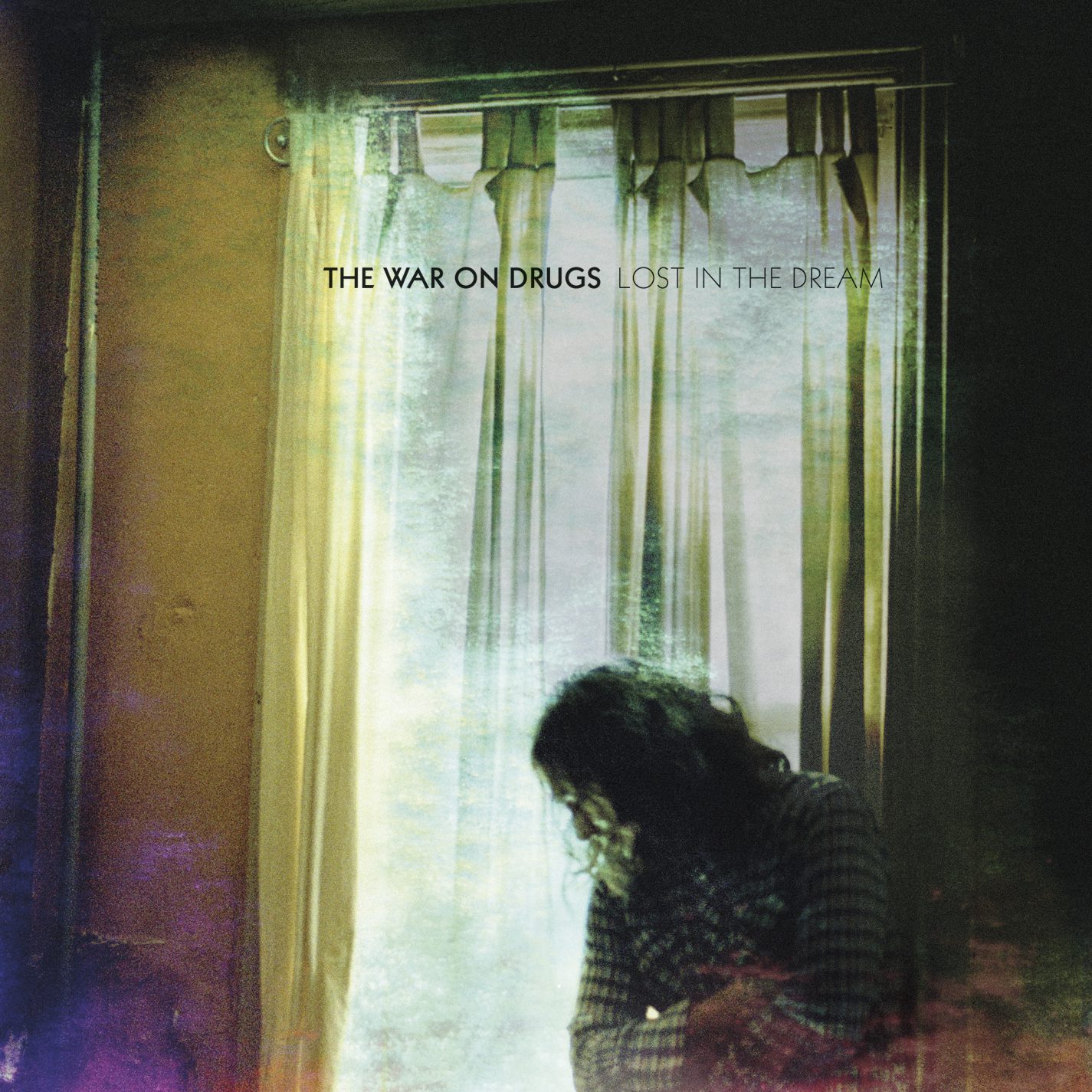
TRACK REVIEW: “Red Eyes”

wodlp3.11298covertext

Channeling late eighties classic rock and an oft-noted kinship with Bruce Springsteen’s raw jubilance, The War On Drugs have released three albums since their inception in 2003. Over the course of the decade, the line-up has fluctuated–notably, founding member Kurt Vile left the group in 2009 to devote his energy to a solo career–but the thesis of the project remains as cohesive and simple as frontman Adam Granduciel, when he moved from California to Philadelphia in 2003 and began recording, conceived it to be. Classic passion crosshatches experimentation and introspection; the grainy, pounding drum beat coexists with caramel vocals, smoothly moody and wise.

The band’s third full-length release, Lost In The Dream, will be out next March, accompanied by a lengthy international tour kicking off in Australia in the last few days of this year. Until then, you can listen to the album’s first single, “Red Eyes,” a track that feels compact despite being sprawling, by built-for-radio three-minute scorcher standards, at five minutes.

If War On Drug’s project is a kind of re-envisioning of the electric guitar-based music of a few decades ago, the group focuses on the highlights, bringing pummeling drums and euphoric vocal lines to the forefront. The song evokes a scene of natural beauty as seen from the driver’s seat of an energy-drink-and-cheeseburger-fueled road trip, undertaken solo–all the unabashed freedom of a Springsteen song, but with an added touch of loneliness and a sense momentous life change just around the corner. “Red Eyes,” though too introspective to be a straightforward anthem, delivers a fast pace and a weighty undertow.

Listen to “Red Eyes,” off the forthcoming album Lost In The Dream, here via Soundcloud:

VIDEO OF THE WEEK 12/2: “Hidden Structures”

 holograms

The Holograms‘ new video for “Hidden Structures,” off the full-length September release Forever, shows a basic juxtaposition between silence and noise, listlessness and energy. The Swedish foursome loaf on the rooftop of a graffiti-branded shack, stand discontentedly in front of pastel high rises and grassy hills, sit moodily in greenly lit bars, and pile into a station wagon that, against the grey backdrop of Scandinavian highway, looks nearly cartoonishly red. An Asian man stares at the camera, smoking mistrustfully.

By contrast, the band’s brand of heavy, epic synth-rock doesn’t let up once on this track. This rawness is par for the course–with the release of their debut album a little over a year ago, The Holograms established an energy-driven, fast kind of post-punk so cohesive that that made listening to their music feel like a full-body experience, a throttling surround-sound effected by the band’s cohesive vivacity. Their recent follow-up wavered little from the course already set, sticking to large, heavy themes expounded upon via synthesizer, but expanded the breadth of the sound, carving out deeper intricacies of their bass lines and moving further away from communality in the direction of the most insular, most introverted edges of synth-punk.

With scenes of record shops and fast driving, there’s glimmers of rock and roll in the video, but ultimately it’s the divide between outer isolation and inner rage that adds complexity to this song. The effect is one of looking out at the world–in this case, a sparsely populated, quiet and monotone Scandinavian landscape–and creating a vastly different world inside your head. When the band set out to make the new record, they were famously broke and despondent, connecting little with their more electro-inclined Scandinaian musical brethren.  The video for “Hidden Structures” plays off that dichotomy, opening up the song to a loneliness that feels gritty and true.

“Hidden Structures” is featured on the Forever album, out via Captured TracksWatch the videos for “Hidden Structures” below!


ALBUM REVIEW: Cruel Optimist

worriersCOcover

It’s a rare but exciting thing when you can tell you’re going to like an album within the first few seconds of listening to it; like getting a small gift when you’re least expecting it. Hearing the punchy electric guitar riff and Lauren Denitzio’s raw vocals laid atop a bedrock of noisy pop-punk in Cruel Optimists opening track felt, to me, very much like unwrapping a present. I was giddy and captivated pretty much immediately.

The short album—a mere eight tracks, none of which exceed the three minute mark—is the first full-length release by Brooklyn’s own Worriers, a pop-punk outfit that began as a side gig for Denitzio (also known as Lauren Measure, previously of The Measure [fusion_builder_container hundred_percent=”yes” overflow=”visible”][fusion_builder_row][fusion_builder_column type=”1_1″ background_position=”left top” background_color=”” border_size=”” border_color=”” border_style=”solid” spacing=”yes” background_image=”” background_repeat=”no-repeat” padding=”” margin_top=”0px” margin_bottom=”0px” class=”” id=”” animation_type=”” animation_speed=”0.3″ animation_direction=”left” hide_on_mobile=”no” center_content=”no” min_height=”none”][SA]). The band involves a rotating cast of characters, with Denitzio firmly at the center of the project as songwriter, guitarist, and vocalist. For Cruel Optimist, she recruited drummer Mikey Erg, bassist Tim Burke, and guitarist Rachel Rubino.

Though the album has a boisterous beginning, it quickly tones things down with its second track, “Precarity Rules.” Denitzio’s voice is particularly spotlighted in the subdued song as she delicately croons “Some things you didn’t see and some things I didn’t know / Except the joy and relief every time you came home,” deftly paired with a gauzy, high-pitched guitar riff. The chorus ditches the guitar riff, though, and trades it for gritty distortion as Denitzio gruffly declares “You’ll get to know me over my grave.” It’s these kinds of twists and turns in the narrative as well as the sound that permeate the entire album and keep things interesting throughout.

“Passion,” the third track, makes another 180, punching up the tempo and adopting power chords and a jumpy, ska-influenced guitar that brings the Dance Hall Crashers or early No Doubt to mind. But the true highlight of the album is its fifth track, “Never Were.” It’s passionate and powerful and fun—the kind of pop punk song that elicits air drumming and mild head banging—but the chorus is sweetly earnest, with Denitzio singing “I keep reminding myself I make mistakes all the time…Here’s to promises we try to keep.” The promises she’s talking about are the ones she made to her “radical politics” from an early age, and how they’ve evolved as she grew up from simply “being bored and angry with nothing to lose.” She touches on personal privilege growing up (“Parents won’t let me work so I could get good grades”) and acknowledges how it facilitated her participation in “social protest” and “anarcho-feminism,” all in a way that’s remarkably grounded.

The album’s careening energy lasts right up until the last second, swerving from undeniably catchy and melodic hooks to noisy distortion and back again. Combined with Denitzio’s vaguely Dolores O’Riordan-esque manner of singing and the record’s melange of thoughtfully written lyrics, both personal and political, the overall package is a solid winner. This is the kind of album that begs for multiple successive replays, not only to unravel its many meanings and stories but also just to rock out to. You’d be a fool to deny it.

[fusion_soundcloud url=”https://api.soundcloud.com/tracks/109812166″ params=”color=ff6600&auto_play=false&show_artwork=true” width=”100%” height=”166″ iframe=”true” /][/fusion_builder_column][/fusion_builder_row][/fusion_builder_container]

ALBUM REVIEW: Sound Beach Time

600890_10152410099957589_1807369710_n


“Time and again I hear your voice in every language that I ever knew”


In October, 2008, Band of Outsiders reunited to perform at a benefit. They hadn’t been a band since their farewell concert in 1988. Inspired by the reunion, they decided to start writing new music. The subsequent four track EP, Sound Beach Quartet was released on April 28, 2012. On November 11 2013, Sound Beach Time was released off of Hanky Panky records in Spain. It is their first full length album as a reunited band, and contains 8 new tracks in addition to the first 4 released on Song Beach Quartet.

Based out of the East Village, Band of Outsiders is made up of guitarist and vocalist Marc Jeffrey, guitarist and vocalist David Lee, guitarist and vocalist James McCarthy and drummer Richard Maurer. The project was active throughout the 1980s, performing at clubs throughout the city. Their music is richly textured with a dynamic interaction of guitar between McCarthy and Jeffrey.  Steady, driving drums and subtle yet complex bass lines compliment the guitar driven compositions. Incidentally, they played their final performance as a band at CBGB’s in 1988.

After first listening to Sound Beach Time I thought, ‘wow these guys have clearly been working together for ages’.  Every song is instrumentally complex, weaving together each part seamlessly and artfully. The whole album appears as a  friendly competition between the band members, over who has the best musical chops. The various parts complement one other, making the individual parts sound even cleaner. This showcasing of refined composition skills and musicianship is the standout quality of the album, and is most clearly highlighted on “Gods of Happenstance,” “Lost and Found” and “One Life is Not Enough.”

The album as a whole is nothing if not versatile. From trippy, psychedelic guitar solos to spacey melodies, the tracks vary greatly. Jeffrey, Lee and McCarthy also have differing vocal qualities and each take turn singing lead on the album, which provides the listener with a distinct atmosphere for each track. Some songs, such as “Lost and Found,” “Gods of Happenstance,” and “Why Would You,” are spacey and quirky, while others have that indelible NYC vintage punk vibe (“The Graveyard” and “Dead Reckoning” fall into this category).  “Your Pleasure is Mine”  and “As it’s Written” veer toward psych rock, perhaps suggesting a path the band is heading down creatively if they choose to keep playing together.

As a testament to the acquired circumspection attendant with a career that spans many decades, there are several songs that are unabashedly sentimental, engaging themes of love lost, growing old, and the sad realities of life, especially in “Gone for Good, in which the singer waxes existential: “It makes me sad // everything I had // So much is gone for good.”  Oh, the life of a rockstar.

Sound Beach Time is the manifestation of old friends getting together to write music, and contains 20 years worth of bottled up ideas spread out onto 12 tracks. The end result is as dynamic as it is epic, from beginning to end: an accomplishment indeed.

Listen to “One Life Is Not Enough”, here via Soundcloud:

[fusion_builder_container hundred_percent=”yes” overflow=”visible”][fusion_builder_row][fusion_builder_column type=”1_1″ background_position=”left top” background_color=”” border_size=”” border_color=”” border_style=”solid” spacing=”yes” background_image=”” background_repeat=”no-repeat” padding=”” margin_top=”0px” margin_bottom=”0px” class=”” id=”” animation_type=”” animation_speed=”0.3″ animation_direction=”left” hide_on_mobile=”no” center_content=”no” min_height=”none”][fusion_soundcloud url=”https://api.soundcloud.com/tracks/112928061″ params=”color=ff6600&auto_play=false&show_artwork=true” width=”100%” height=”166″ iframe=”true” /][/fusion_builder_column][/fusion_builder_row][/fusion_builder_container]

TRACK OF THE WEEK 12/2: “Home Is Where”

dbones

Montreal trio, Diamond Bones crafts an infectious brand of dream pop infused with ethereal synths, and electro-shoegaze. Although the band has only been together for a little over a year now, Diamond Bones has landed a number of pretty impressive gigs–a spot on this year’s POP Montreal Festival (known for showcasing a number of both high-profile pop-rock North American and European artists, as well as up-and-coming local acts across Canada), slots opening for artists like UK-favorite Chad Valley, Detroit’s indie-pop darlings Dale Earnhardt Jr. Jr., and the “chillwave” duo Keep Shelly in Athens. The band has traversed all across Canada and the East Coast (you might remember them from the AudioFemme Showcase as part of CMJ 2013 back in October) and shows no intention of slowing down.

Relentless touring and a stacked itinerary hasn’t stopped the band’s creative flow. Diamond Bones has been hard at work piecing together material for their debut full-length to be expected some time early next year, and released a video for the single “Home Is Where” just a few months back. “Home Is Where” is a carefully cultivated work of art. Its numerous layers and textures takes listeners into a sonically resplendent state of ambiance (think of the merging of shoegaze heroes like Slowdive and dream pop artists like Washed Out), a tone that works hand-in-hand perfectly with the alluring, theatrical extravagance of the video for the single.

The band will be making a number of stops along the East Coast for a brief December tour. Be sure to check out Diamond Bones performing alongside NYC’s Relations and We Can’t Enjoy Ourselves THIS Thursday, December 5th at Bar Matchless in Greenpoint ! Check out “Home Is Where” here on Audiofemme :

BAND OF THE MONTH: The Denzels

denzels

“You’re the love of my life and I hate you.”

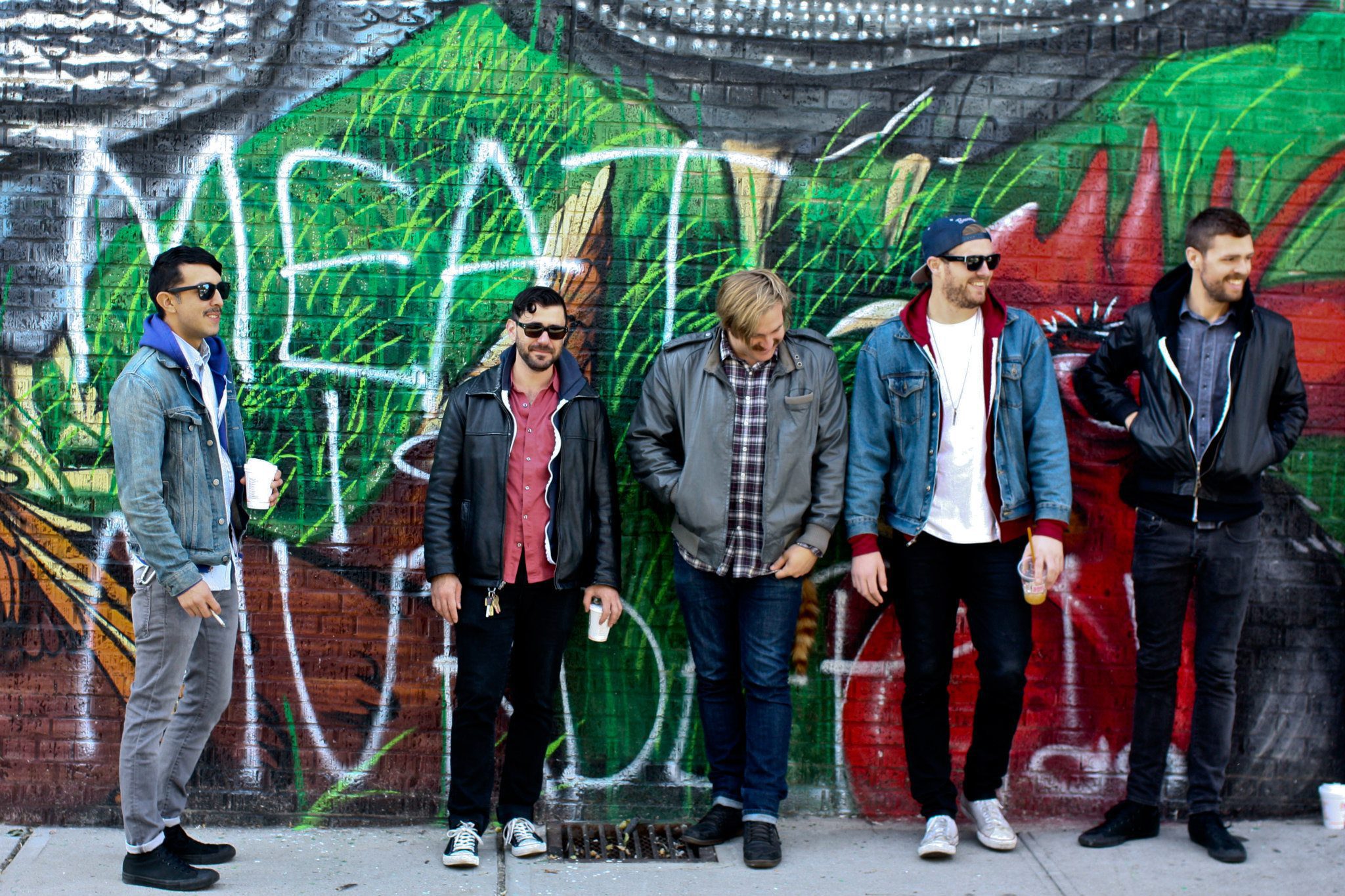
If you’re wondering why Bushwick’s The Denzels sound so surfpop-y and West Coast garage-y, it’s because they’re originally formed in California. Their relocation to Brooklyn was a smart move for the indie rockers, who quickly got involved with the local DIY scene and self-released their debut EP, Slow Death, in 2011. Their sound has been Real Estate-esque from the start, serving up straightforward, upbeat pop melodies that you can’t help but tap your feet to.

Less than a year after their debut, the band signed to Brooklyn label Admirable Traits and released their sophomore EP, Easy Tiger. The five songs retained the effortless catchiness that the band had a clear aptitude for but fleshed out their sound and songwriting with tunes like “Rae Rae” and “Cure,” which captured a certain, sweet poignancy within their unabashed pop. The band’s last release, “222,” took a turn for a harder, unwieldy sound, with the guitar shredding instead of plucking along and lead singer Tommy Hinga donning a strident, angry tone—none of Easy Tiger’s “ooh”s or “aah”s in sight.

[fusion_builder_container hundred_percent=”yes” overflow=”visible”][fusion_builder_row][fusion_builder_column type=”1_1″ background_position=”left top” background_color=”” border_size=”” border_color=”” border_style=”solid” spacing=”yes” background_image=”” background_repeat=”no-repeat” padding=”” margin_top=”0px” margin_bottom=”0px” class=”” id=”” animation_type=”” animation_speed=”0.3″ animation_direction=”left” hide_on_mobile=”no” center_content=”no” min_height=”none”][bandcamp width=100% height=120 album=457731043 size=medium bgcol=ffffff linkcol=63b2cc]

Now, The Denzels are returning to form with their 7” single, “Blow,” set for release tomorrow, Dec. 3. The single sees the band reengaging with the surfy pop they do so well, but this time it’s a little more languid and confident. The two songs on the record take their time, both of them clocking in at over four minutes whereas the majority of the group’s previous work stays safely in the two to three minute mark. The second track, “Self Talk,” is a rose-tinted ditty that, much like all of The Denzels’ tracks, hides its somber lyrics. “We are not designed to find someone we like, we compromise,” sings Hinga.

a4205167231_10

With two EPs and two singles under their belt, The Denzels have honed their craft well. We’re patiently waiting for The Denzels to release a full-length album, but until then, you can listen to their new tracks here:

[bandcamp width=100% height=120 album=281924698 size=medium bgcol=ffffff linkcol=63b2cc][/fusion_builder_column][/fusion_builder_row][/fusion_builder_container]

FLASHBACK FRIDAY: Cross-Genre Covers

Glastonbury Festival 2008

In 2005, Ben Folds recorded an indie-rock cover of Dr. Dre’s 1992 gangsta rap song “Bitches Ain’t Shit.” Although the recording was a half-joke, Folds’ introspective take on the gruff, expletive-riddled track was such a massive success that he eventually got tired of playing the song and retired it from his set list, ceremonially performing “Bitches”‘s swan song at Glastonbury Festival in 2008. Interestingly enough, that very same year, Jay Z had originally been turned away by the festival–Glastonbury, its representatives claimed, focused on guitar-based music, and didn’t include hip hop acts in their line up–but wound up performing due to overwhelming demand. Unaccustomed to have festivals turn him down, the rapper retaliated. He began his set with a farcical Oasis cover, holding an electric guitar in his hands, fumbling chords, and butchering the lyrics to “Wonderwall.” When the song was finished, he looked out into the audience with a spectacular poker face. Glastonbury’s booking agents may have felt Jay Z was the wrong performer for the festival; his audience disagreed. An oceanically huge crowd went nuts at the end of the “Oasis” spoof, and screamed even louder as he launched into “99 Problems.”

All of which gets me to thinking about cross-genre covers. Both Glastonbury songs–a hip hop song played as a rock song, and a rock song played as a hip hop song–garnered a massive and positive response and poked fun–to varying extent–at the genre they emulated. They were novelties; that is, when the songs changed genre, they assumed bizarre new meaning, sometimes for the better, sometimes for the worse, and sometimes just for the more hilarious. Without further ado, here are five more bizarre cross-genre covers of songs you’ve heard before, and now may never hear the same way again.

1. “99 Problems” by Hugo: An artist who is himself a cross-genre mash-up of sorts, Hugo Chakrabongse Levy is a half-Thai, half-British bluegrass musician who covered Jay Z’s classic song on his 2011 debut album Old Tyme Religion. Hugo’s vocals on this song sound live, with a very slight Memphis-style slapback-like sound to them, and are accompanied by a strong bass line and knee-slapping percussion and banjo. It works, channeling a slightly more sinister aspect of the song as opposed to Jay Z’s liberated, powerful original.


2. “My Humps” by Alanis Morissette: This song is simply bizarre. The original is bizarre, and the cover is bizarre in an entirely different way. Sorrowful and pretty, closely backed by a piano, Morissette’s clear and unironic enunciation of the lyrics in Black Eyed Peas’ 2005 release makes the song hilarious, even though the vocals and piano melody are quite lovely.


3. “Enter Sandman” by Iron Horse: Here’s my theory as to why bluegrass covers both metal and hip hop so well: though they’re all very different genres instrumentally, all three lend themselves to minor mode and dark thematic matter. Since 2001, Iron Horse has released eleven whole albums full of tribute material, several of which covered Black Sabbath, Led Zeppelin, Van Halen, and, as here, Metallica.


4.  “Believe” by Dollar Store: As much as I love Cher, “Believe” is not my favorite–all I got out of the 1998 original was that someone in the studio was really excited about using a vocoder that day. What the track really needed was some loud-ass slide guitar. No, seriously: really unabashed, powerhouse country is the genre that “Believe” should have been recorded in all along. It just matches the song so well. There, I said it.


5. “Ghetto Supastar (That Is What You Are)” by Pras featuring Maya & Ol’ Dirty Bastard: Released in 1998, this hip hip cover of Dolly Parton and Kenny Rogers’ “Islands In The Stream” replaced the duo’s close-harmony pop verses with rap lyrics and kept the chorus similar to the original rendition. As it happens, though, this song is kind of a super-cover, because although Parton and Rogers recorded the song in 1983 and have since been considered its performers, “Islands” was originally written by the Bee Gees, and was named after an Ernest Hemingway novel by the same name.

FLASHBACK FRIDAY: Pink Moon

nick-drake-folk-rock-60s-acoustic-music-classic-rare-photo-9a

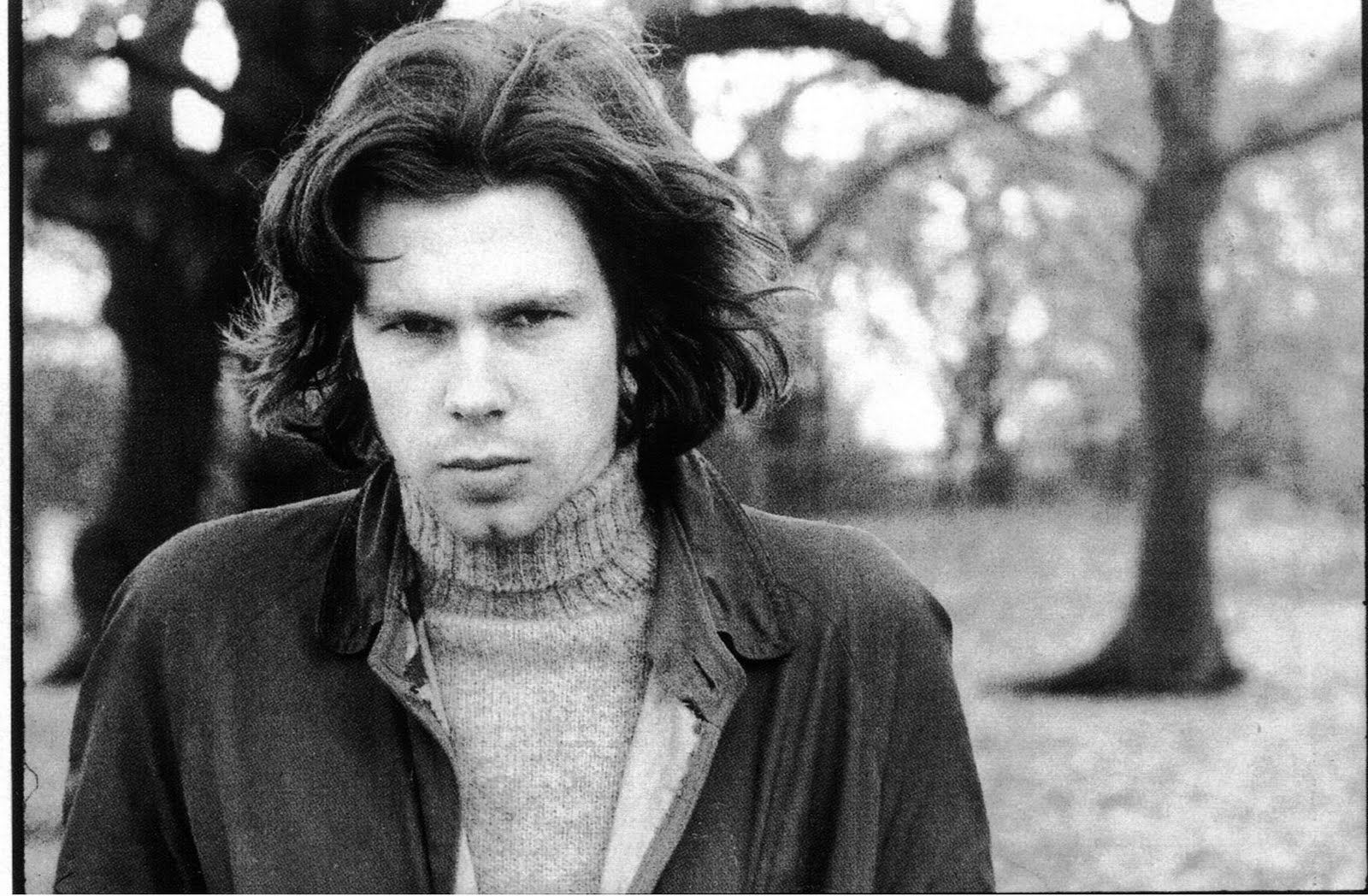
British folk artist Nick Drake died on November 25th, 1974.  In light of the anniversary of his death, my newest installment of Flashback Friday will focus on his final album, Pink Moon.

Nick Drake was a British folk musician who is known for his distinct vocal tones, sweet melodies and haunting lyrics.  On November 25th, 1974 Nick Drake overdosed on anti depressants. While it was never determined whether or not the overdose was accidental, his deep depression during this period comes across when listening to Pink Moon. Unfortunately like many tortured artists Nick Drake only achieved commercial success after his untimely death. Drake wrote three albums, Five Leaves Left (1969), Bryter Layter (1970) and Pink Moon (1972).

Pink Moon is easily the most depressing Nick Drake album, which is saying a lot. It is also one of the most underrated albums of the 70s.  Contrary to his previous albums, Pink Moon is completely stripped down and minimally produced. Other than the piano solo on the title track “Pink Moon”, all that can be heard on the album are vocals and acoustic guitar.

If I could describe Pink Moon using one word it would be “simplicity”. Simple melodies, songs and lyrics characterize the 11 tracks on the album.  By calling it simple I am not insinuating that Pink Moon is unsophisticated. To the contrary, Drake stripped the excess and left the important parts of the lyrics and the melodies. The lyrics are short, containing one or two verses.  Although Drake was terse, the descriptive and emotionally evocative lyrics succeed in telling a genuine, relatable and moving story.

“Open up the broken cup

Let goodly sin and sunshine in

Yes that’s today

And open wide the hymns you hide

You’ll find renown while people frown” (“Thing’s Behind the Sun”)

 Nick Drake was a master at creating haunting and beautiful yet simple melodies. Pink Moon exemplifies this. In “Horn”, for instance, lyrics are absent and the melody consists of a simple repetitive line on the guitar . In most of the songs on the album, the guitar pattern repeats with little to no variation. Furthermore while the piano solo on “Pink Moon” mainly consists of descending notes, it is one of the most gripping piano solos that I have ever heard.  By expelling all of the flourishes and distractions from the music, the listener is able to get acquainted with the core melody of each song.

Nick Drake did not not shy away from his imperfections. Drake’s voice falters from time to time. For instance after a long verse he might throw away a note to catch his breath. He utilized a large vocal range in the album, and sometimes sounds slightly sharp when he reaches his lowest register. The best example of this is when he sings the line,  “pink, pink pink pink pink moon” in “Pink Moon”. The note descends with each word. Drake is slightly sharp on the final word, “moon”.  Although there are no glaring mistakes, Nick Drake’s guitar is also flawed. The imperfections however somehow add to the charm of the album by making Drake seem more relatable. This gives the album more power to evoke emotion from the listeners.   Nick Drake achieved a difficult task in Pink Moon. He managed to create a masterpiece seemingly effortlessly. With simple melodies, lyrics and instrumentation, the album comes across as honest and relatable. Pink Moon is just as relevant now as it was when it was released over 40 years ago. Nick Drake has influenced a number of his contemporaries, most notably Elliott Smith, Andrew Bird and Sufjan Stevens. Check out the title track, “Pink Moon” here.

[fusion_builder_container hundred_percent=”yes” overflow=”visible”][fusion_builder_row][fusion_builder_column type=”1_1″ background_position=”left top” background_color=”” border_size=”” border_color=”” border_style=”solid” spacing=”yes” background_image=”” background_repeat=”no-repeat” padding=”” margin_top=”0px” margin_bottom=”0px” class=”” id=”” animation_type=”” animation_speed=”0.3″ animation_direction=”left” hide_on_mobile=”no” center_content=”no” min_height=”none”][Facebook][/fusion_builder_column][/fusion_builder_row][/fusion_builder_container]

FLASHBACK FRIDAY: “Stand On The Word”

maxresdefault

The moment I signed on at Audio Femme, I began harassing everyone I know to play me, sing me, tell me of great music they thought I might not be familiar with.  A few weeks ago a friend of mine put on a song that I’ve been listening to every day since.  I even made her bully the bartender to put it on that night when we went out (it was my birthday, ok?).  The song in question is Larry Levan’s mix of The Joubert Singers’ gospel oeuvre “Stand On The Word.”

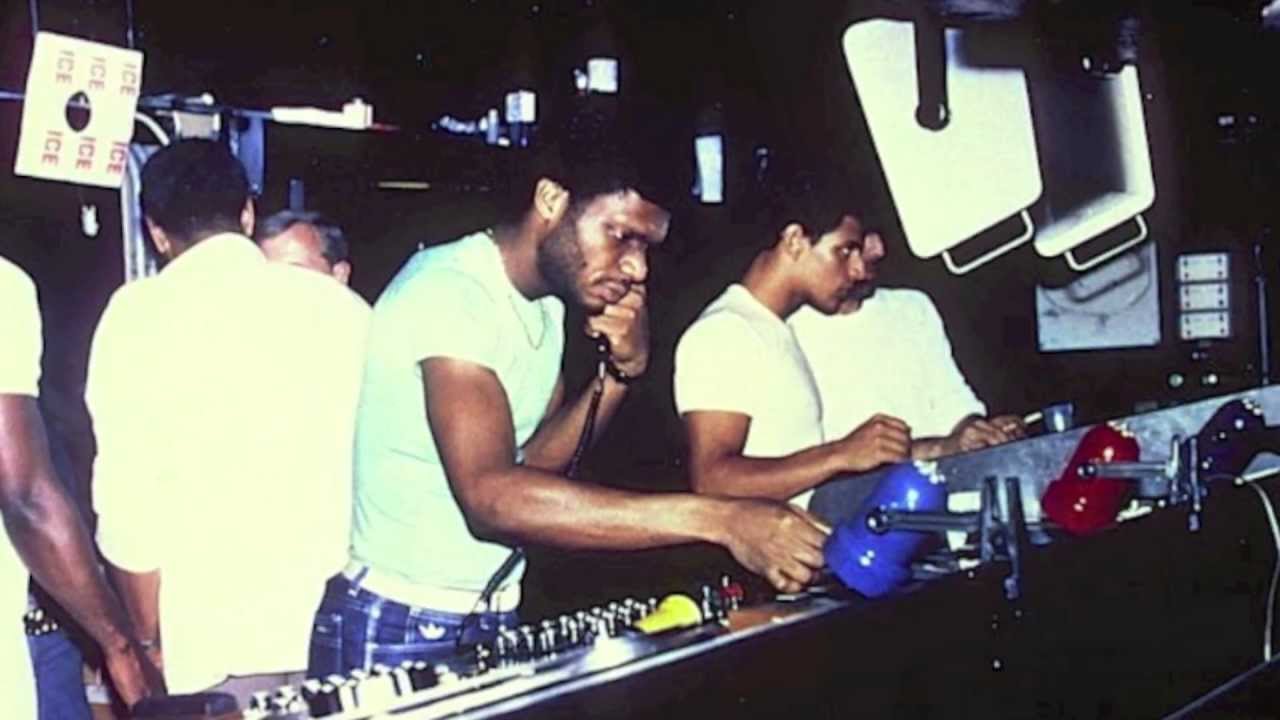
I had heard of Levan, but wasn’t privy to his impact in the New York dance scene in the 70’s and 80’s.  He worked with the infamous Frankie Knuckles and held a weekly spot at Paradise Garage.  His sets were known as “Saturday Mass” and his following included the cream of the drag queen crop.  Levan led a tumultuous, drug-filled life, and lost most of his contemporaries to AIDS and the substances he so enjoyed.  Yet despite his over-the-top existence, he was one of the most important DJ/producers of the disco/post disco/house/garage scene; a presence diverse and worthy enough of so many forward slashes.

The Joubert Singers on the other hand, led a more sober life.  They were a gospel choir native to the First Baptist Church in Crown Heights, Brooklyn.  Phyllis McKoy Joubert wrote the song and it was recorded in the church in 1982.  There were only a couple hundred copies of the record pressed, and they were distributed among members of the church.  Walter Gibbons, owner of Jus Born Records discovered the album and played it at the record store he worked at then, the Rock and Soul shop on 7th avenue.

The original version is over nine minutes, and while it’s a find in itself, the Larry Levan mix is perfection.  The track opens with tinkling piano, and builds up with synchronized harmonies and a single, thumping drum.  By the time the chorus hits the song is in full swing, and the once delicate piano is transformed into a faith-shaking funk melody.

The songs original nine minutes is paired down to a little less than five, but what is lost in time is made up for in full-bodied, skin-chilling soul music.   “Stand On The Word” is a bit of a staple in the dance music community, and it was remixed in 2008 by the French musical project Keedz.  The Keedz version is the most commercially successful iteration of the song to date.

I highly recommend a resurgence of this track in the DJ/House community.

Until then I’ll just keep harassing bartenders about it.


[fusion_builder_container hundred_percent=”yes” overflow=”visible”][fusion_builder_row][fusion_builder_column type=”1_1″ background_position=”left top” background_color=”” border_size=”” border_color=”” border_style=”solid” spacing=”yes” background_image=”” background_repeat=”no-repeat” padding=”” margin_top=”0px” margin_bottom=”0px” class=”” id=”” animation_type=”” animation_speed=”0.3″ animation_direction=”left” hide_on_mobile=”no” center_content=”no” min_height=”none”]

[retweet][/fusion_builder_column][/fusion_builder_row][/fusion_builder_container]

LIVE REVIEW: Eli Paperboy Reed 11/14

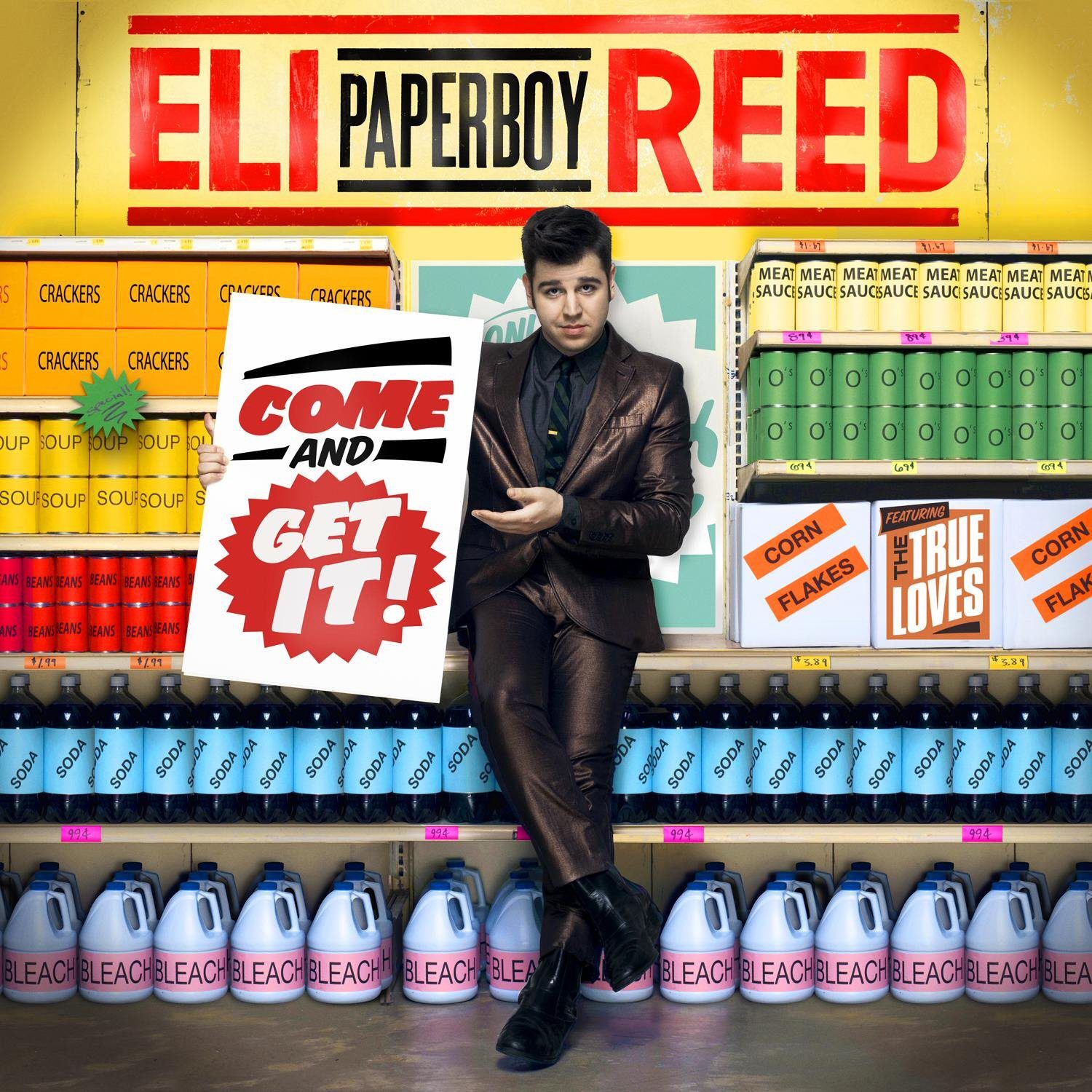
elireedmusicsep0ct20102Eli Paperboy Reed‘s live set at Union Pool last week showcased with gusto what his forthcoming album from Warner Bros, of which we’ve heard snippets, only intimates. Reed, who performs live with a full band, including a mighty talented brass section, drums, synth and bass, is standing squarely atop the tipping point on which artists find themselves right before they launch into mega fame (I will not be a bit surprised when I see him on stage at a mainstream music awards show. However I’ll be insanely surprised to find myself watching a mainstream music awards show). His talent, and the extent to which his songs will invariably garner mass appeal, is evident when watching him live in a way it’s not when listening to his studio recordings (see our track review for “Woo Hoo“, here). This is likely because his singles’ high gloss production quality (as amazing as it is to hear with headphones on), actually deters from the grittier, more compelling aspects of his musical style.
These creative leanings are shaped mostly by a 90’s era soul/funk throwback, whose revival we’re experiencing now in full force, transcending pretty much every strata of the music industry, and whose roots herald back to the days of Jamiroquai, New Radicals, Tribe’s The Love Movement, etc etc (btw can we talk about how “Virtual Reality” came out SEVENTEEN YEARS AGO?!?!). When performed live, with all the bells and whistles attendant with polished live performance intact (especially when that performance is perfectly executed as it was by him that night), his music translates into something more unique than I would have given him credit for previously. He played much of his new work, including the dancy “Woo Hoo” and others. My personal favorite, however, was his cover of Robyn’s ever-pertinent-to-my-life “Call Your Girlfriend”, which had me nearly swooning, not gonna lie, and even compelled me to cheer for an encore.
Union Pool was the perfect venue in which to debut his new work and showcase the ethos his music generates: retro but unique, and hip yet unassuming. Walking into the show felt like entering a movie set, with the small stage’s velvet curtains, vintage flood lighting and impeccably dressed hipsters framing the scene. And even from the band’s opening chords, the crowd was dancing. What better way to announce yourself to the world? We can’t wait to see more from this young talent.
Catch him on December 11th, performing on Letterman with Nick Lowe.

LOUD AND TASTELESS: HAIM

Every Thursday, AF profiles a style icon from the music world. This week’s icons are the Haim sisters, whose long-awaited debut full-length dropped earlier this year to plenty of rave reviews. 

haim-grown

HAIM’s Days Are Gone is a sleek melange of ’70s rock and roll, ’80s pop, and contemporary R&B that garnered pretty much across-the-board acclaim. The sister act is made up Alana Haim, Danielle Haim, and Este Haim, who each have their own distinct ways of dressing, but whose styles blend with one another seamlessly to create a modern, feminine rock ‘n roll aesthetic. The sisters rely heavily on the color black, frequently sporting black leather jackets and vests, little black dresses, black moto-style jeans, and black booties. But they often combine these harder items with softer pieces, like floral mini-skirts, oversized button downs, and their one go-to accessory: quirky sunglasses. Their look is casual but never messy—it’s as simultaneously carefree and polished as their sound. Check out our Pinterest board for some of their signature looks and our picks of shoppable items inspired by the coolest sister act around.

[fusion_builder_container hundred_percent="yes" overflow="visible"][fusion_builder_row][fusion_builder_column type="1_1" background_position="left top" background_color="" border_size="" border_color="" border_style="solid" spacing="yes" background_image="" background_repeat="no-repeat" padding="" margin_top="0px" margin_bottom="0px" class="" id="" animation_type="" animation_speed="0.3" animation_direction="left" hide_on_mobile="no" center_content="no" min_height="none"][prw username="audiofemme" boardname="rock-roll-chic-haim" maxfeeds="10" divname="myList" printtext="0" target="newwindow" useenclosures="yes" thumbwidth="100" thumbheight="100" showfollow="medium"]

[/fusion_builder_column][/fusion_builder_row][/fusion_builder_container]

EP REVIEW: “Sleeper Remixes”

CarmenVillain_bySimonSkreddernesHonestly, I’m still at a loss as to why this 12″–an assembly of three remixed tracks off 2013’s full-length Sleeper–exists. Carmen Hillestad, alias Carmen Villain, who ended a successful modeling career three years ago to focus on playing and writing music, released Sleeper this past March, bringing with it a delicately crafted blend of ethereal psych-rock and lo-fi nineties grit. The vocals on that album–the best and most conspicuous aspect of Villain’s performance–seemed to by turns float over and grab at the melodies, always with a palpable undertone of something ominous in the background. The first single off that album, “Lifeissin,” struck that balance exquisitely, creating out of Villain’s voice a persona that was empathetic as well as occasionally becoming a bit obscured and even scary. Unadorned bored-but-beautiful vocals, which, at some points, channelled Nico of The Velvet Underground & Nico, made creepy lyrics (“Stories be told, this is a life, open the curtains/Do you believe I’m going to hell?”) creepier.

But the least satisfying aspects of Sleeper–the album’s floating directionlessness  that couldn’t, for all its distortion-licked guitar lines and catchy, cyclical vocal hooks, carry momentum through all twelve tracks–can only be magnified through remix. The original album needed more grabbing and less floating. On the most recent EP, Villain abandons all semblance of storytelling in the vocals in favor of creating an entirely atmospheric sound. Her voice has no life of its own on this recording, and merely operates in service to the instrumentals.

Which would be fine, if the original versions of the songs didn’t depend so heavily on the persona Villain created to fit them when she released her first album. The mysterious, mysteriously dark character that we first encountered moving through Sleeper  does not really make an appearance on this newly envisioned collection of tracks. However, since the songs were initially created with a heavier vocal presence, the listening experience feels lacking, as if there’s a giant hole in the sound.

“Most of my songs are about escaping something–escaping this weird vacuum, an unsatisfying world,” Villain has said. Indeed, the three extended tracks on this album– “Dreamo (Peaking Lights Remix),” “Obedience (Bjørn Torske Remix)” and  “How Much (A JD Optimo Mix)”–all have a hunted feel to them. This is mostly due to the percussion line, which carries strong weight on every track, leading the surrounding collection of instrumentals in gentle, almost playful, journeys up and down their registers. The color of the melody is always shifting slightly, never sitting still for longer than a few seconds. The attention paid to keeping the instrumentals alive and vibrant on this album adds nice dimension to each track, although (for me, at least) this is no substitution for the strong vocal presence we saw on the full-length release. That being lacking, the mystery on its way towards being developed in Sleeper now feels flattened, overly obscure and boring.

Imagine going to a play, and discovering that in this play there will be no actors and no story line, only an elaborate stage set and really, really good lighting. That’s kind of the experience of listening to Carmen Villain’s remixes. Somewhere in the reinterpretation, these songs have lost a lot of their pull since appearing as originals on Sleeper.

You can go here to purchase the Sleeper Remixes EP via Amazon, or here for the original Sleeper CD via Saki Store. Also, be sure to check out “Dreamo (Peaking Lights Remix)” via Soundcloud below!

[fusion_builder_container hundred_percent=”yes” overflow=”visible”][fusion_builder_row][fusion_builder_column type=”1_1″ background_position=”left top” background_color=”” border_size=”” border_color=”” border_style=”solid” spacing=”yes” background_image=”” background_repeat=”no-repeat” padding=”” margin_top=”0px” margin_bottom=”0px” class=”” id=”” animation_type=”” animation_speed=”0.3″ animation_direction=”left” hide_on_mobile=”no” center_content=”no” min_height=”none”][retweet][/fusion_builder_column][/fusion_builder_row][/fusion_builder_container]

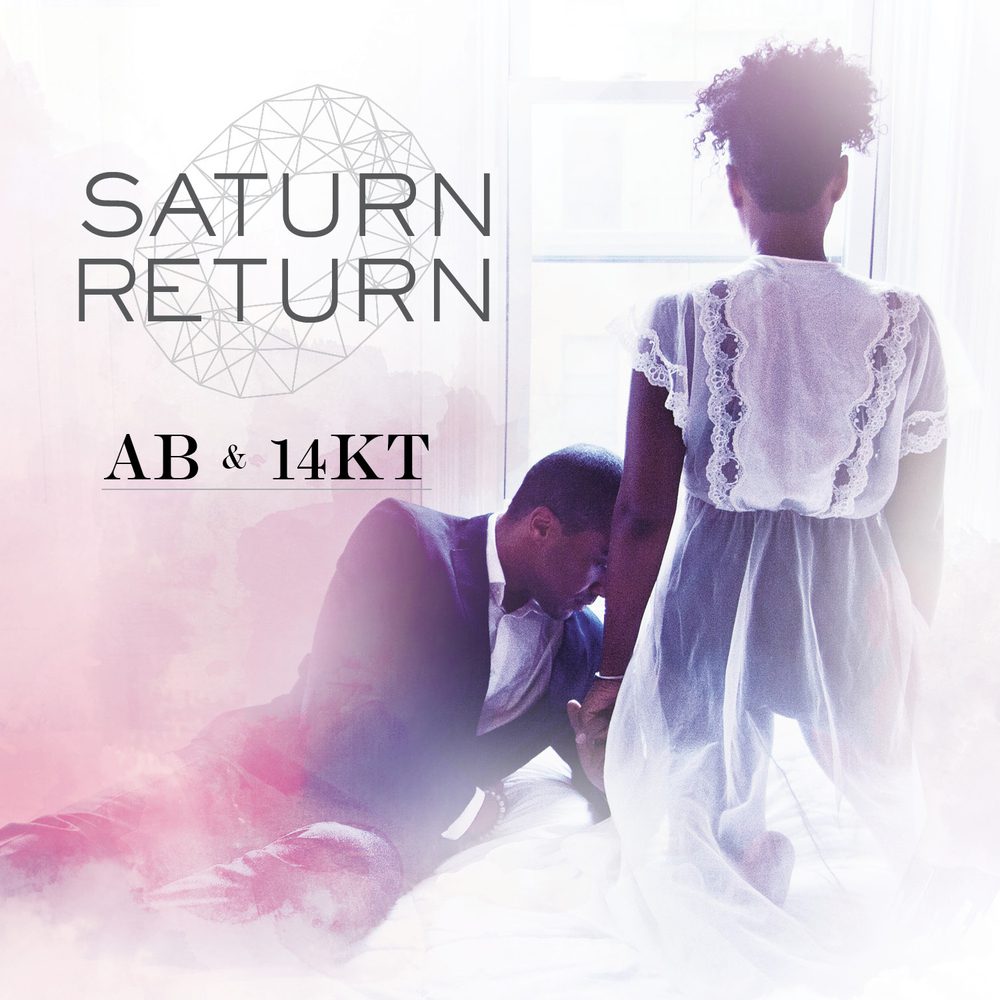
ARTIST PROFILE: AB + 14KT

Saturn Return

ALBUM REVIEW: Saturn Return, by Rebecca Kunin

Saturn Return– A Saturn return occurs when Saturn arrives at the exact position where it was located at one’s birth. It takes Saturn approximately 29.5 years to orbit the sun. Astrologers believe that a new life phase is signaled by every return. A Saturn return marks a life transition.

Progressive soul singer Aaron “Ab” Abernathy and producer 14KT were, once upon a time, both going through transitional periods in their lives. They leaned on each other for support, and after five years of therapeutic collaboration Ab &14KT released Saturn Return: an 11-part saga detailing Ab’s relationship with a girl named Lalah. While the story centers around a romance, Saturn Return poses general questions about life, love, loss and grief.

Saturn Return is a collage of genres, textures and emotions. From electronic experimentation to jazz, funk, soul, hip hop, even gospel, this album encompasses a wide spectrum of musical influences. While the styles of each song vary, they flow perfectly into one another, musically and thematically. When it comes to the compositions, it does not seem like Ab and 14KT have left any stone unturned. Saturn Return consists of seamless transitions (especially between Track 6 and 7 and Tracks 8 and 9), while Instruments such as the harp, violin, standup bass and piano color every track of the album. Ab’s voice, however, is the best instrument on the album. From falsettos to intricate runs, Ab continuously demonstrates his refined vocal techniques. Subsequently, 14KT takes Ab’s vocals and creates choirs, harmonies and a number of sound effects throughout each track of Saturn Return.

I recommend first listening to the album all the way through, from beginning to end with the lyrics in front of you. Focus on the music and nothing else, as it’s not the type that reaches out and grabs you. You may have to work for it, but trust me, it is well worth the investment.

The album’s 11 tracks tell the story of an entire relationship, from before it begins, to after it is over.  As you can imagine, this album spans a plethora of emotions and a wide range of musical styles. “Today Love” is the first chapter in the story. The spacey, experimental soul song first introduces us to the narrator, Ab, and then the object of his romantic interest, Lalah.  In the song, he pines after a mystery girl who doesn’t yet know his identity. “Don’t you act like you don’t know/I’ve been around.”  The harmonization and falsettos introduce us to the Ab’s vocal span, while the echo effect, and the interpolation of the bass, violins, guitar and organ introduce us to 14KT’s production.

 “Lover’s Galaxy”, the protagonist’s courtship phase, is a funky, upbeat track that mixes various rhythms and melodies to create a blend of hip hop and jazz.  In “Can I Be Your Lover”, the two begin to date. This smooth, romantic track ends with Lalah’s response to Ab’s voicemail in “Lover’s Galaxy”, “Hey Ab this is Lalah. I just saw your message and it kinda made me smile.”  “Heavenly” is another smoother, soul song, colored with harmonic vocals, snappy rhythms and soothing falsettos. With lyrics such as, “What more can I do baby/Tell me what more can I say/Fairytales and magic spells cannot compare to the pleasure that you bring,” “Heavenly” takes the prize for most romantic track on the album.

The tone of the album completely changes after “Sweat Pants & My Cardigan,” featuring Shelley Barnes.  The somber opening piano chords set the tone for what is easily the opus’ saddest song, organized as a conversation between Barnes and Ab, who take turns narrating the verses. The two are teetering on the verge demise, with lyrics like “Getting bored, and you snore/Just ignore what I’m feeling inside.” “Sweat Pants & My Cardigan” is almost gospel, consisting of call and return styles and rich harmonization. The track ends with the woman leaving a voicemail for Ab pronouncing the relationship’s terminal end:  “I’m just not sure if this whole thing is going to work.”

In “Forget Who I Am”  the music, underpinned by funk/hip hop beats, along with upright bass and Jazz piano, dissipates halfway through to reveal a fight between the couple. The drama continues to escalates in “God (Food & Water),” with loud electric rock guitar and Ab’s melodic screams, standing in stark juxtaposition to the  gospel choir.

Finally, the album’s title track brings home the overarching motif, and marks the beginning of a new chapter for both the artists. “Lost myself in my pattern/Unaware of things that mattered/I stumbled, fell and staggered ‘till I found myself in Saturn.” While  “Message to my Unknown Love” hints that the narrator is beginning to move on,”Tomorrow Love” ends on a hopeful note, with Ab and 14KT looking toward the future.

The pair gave us a small glimpse into their lives with Saturn Return. They let us in on a more personal level, however, when Audiofemme had respective chats with them both. Continue reading to see what happened when our writers, Rebecca and Madison, pried their brains open. Before you do though, take a break and listen to “Forgotton”, off Saturn Return here via Soundcloud.

Here’s what Ab had to say about life, love and his work as an artist:

AF: My favorite aspect of this album is the range of emotions that you display in each song. Each song seamlessly blends into the next to tell a story. When you set out to write Saturn Return did you know that it was going to be an entire album? Did you intend for it to follow the trajectory that it did?

 AB: When I wrote this album I had no specific direction for it. The writing for each song was based on what I was going through at that specific point in time. The lyrics to each record on Saturn Return is therapeutic in a sense.

AF: What was the writing process for the album as a whole? How did you decide to transition from one song to the next?  

 AB: There wasn’t a set writing process for the album at all. Me and KT had finished nine records for this album in 2010 and I disappeared in 2011. In the later part of 2011, I spoke to him about the Saturn Return process after realizing that’s what both of us were experiencing after my friend Evelyn Bandoh, who was a co-worker of mines at the time revealed what Saturn Return was to me. Once I realized what it was and how it was perfect for the album, all that was left to do was put the album in order and tie the story together. That’s when KT came to my studio in DC, MLK day weekend of 2012 and we worked on the last two records which were “Forgotten” and “Sweatpants & My Cardigan.” Everything came together perfectly.

AF: I first listened to this album in order from beginning to end. How would you recommend listening to the album?

AB:  In order from beginning to end.

AF: Will you be performing this album in it’s entirety?

AB: I’m not sure yet. Me and KT have to get together and find the most effective way to roll this album out in it’s live version.

 AF: You began working on this album 5 years ago. Are the lyrics as personal to you now as they were 5 years ago? When did you finish writing the lyrics?  

AB: They’re very personal because it signifies where I was at in different periods of my Saturn Return. I have lived every single one of these records but not in the order of this album. I finished all the lyrics January of 2013 when I decided to add lyrics to the title track.

AF:  I understand that Saturn Return is an astrological term that describes when Saturn returns to the position that it occupied at one’s birth. A Saturn Return occurs approximately every 30 years. Each Saturn Return marks a new beginning and a transition into a new life stage. Why did you decide to name the album “Saturn Return”? Is it meant to signify a transition in life and/or music? If so, what is the transition?     

AB: I took it to KT and we decided to name the album Saturn Return because both of us were transitioning into adulthood and the pressures that come with it in the midst of creating this album. Also, we were aware that our friends were going through the same struggles but couldn’t put a name on what they were feeling. I believe the title brings light to something my peers were unaware of. I kept telling KT I want people to think of this album like a book. One would recommend a book to someone going through something…I hope someone will recommend this album just like a book to someone going through Saturn Return…or even a break-up cause that’s what Saturn Return is…a difficult break up with your past to transition to the next level.  

AF: In my opinion the track “Saturn Return” signals a change in the tone of the album. Does this track represent the beginning of the transition that you went through writing this album? 

AB: The title track is definitely signals a change in the tone of the album. This was the very last track that I wrote to on the album on the second to last day of mixing the album at The IS Studio (KT’s studio). It doesn’t represent the beginning of the transition that I went through writing the album but it does represent the understanding of what I went through during the five years of living while creating the album and how trials and tribulations can help you find yourself and prepare you for what is coming in the future.

 AF: You utilize many genres on Saturn Return, from electronic and funk to soul, jazz and R&B. Why was the style so varied throughout the album? How did you decide to pair the lyrics of each song with the music that it is accompanied with? 

AB: I like singing in different styles. I think it’s important that I don’t limit myself when it comes to expressing my artistic character. The music that KT and I created told a story before I added lyrics to it. It was important that I sat with the music and let the message come to me. It’s what I do with most of the records I work on.

AF: Saturn Return is markedly different from the work that you have done previously. Is this the beginning of a new direction in your music?   

AB: I don’t think my music is headed in a new direction. I’m a soul artist and plan on continuing to stay in the arena.

 AF: “Sweatpants and Cardigan” has a very intricate narrative. Explain how Shelly Barnes and your parts interplay.

AB: This record is open ended…here you have Shelley (representing Lalah) and me internally speaking on how we feel about each other. Like most unhealthy relationships we know how we feel but we haven’t told the person we’re in the relationship with. Both characters are hurt for different reasons and Lalah makes the first move to exit.

 AF: Which song on the album best represents the collaboration between both your and 14KT’s musical styles and why?

AB: That’s tough. I would say the entire album. We crafted a sound together. The whole album has a vibe from top to bottom that is our sound. Even on the three records he produced on his own and the two I produced on my own…we both added elements that gave it the Ab & 14KT signature mix of sound that was appropriate for the record we were working on.

 AF: How did your collaboration with 14KT affect the music and production of this album? What did the collaboration process entail?

 AB: I believe our collaboration was deeper than the music and the production. The process entailed more of two friends talking about real life and encouraging each other while working on music during the process. So many things happened within our personal lives within those five years. We would have serious conversations and then next thing you know we were in the studio and KT was creating drum patterns and I was on the keys creating melodies and going through different patches. Then he’d get on the keys and do something, Then I get back on the keys and do more and we kept building the music while we were also building up each others lives through support.

 AF: You have said that you and 14KT worked on this album together because you were both going through similar experiences. Was the album a collective blend of the both experiences? 

AB: Yes. Certain songs speak to our personal situations in different ways.

 AF: Can we expect more AB and 14KT collaborations in the future?  

AB: Only time will tell…

***
Audiofemme’s Madison Bloom then got the opportunity to chat with 14KT over the phone, from his studio in Ypsilanti Michigan. I think the two may possibly have become best friends during the process. Here’s what went down:


Ypsilanti Native Kendall Tucker, aka 14KT, has taken a hiatus from Athletic Mic League and released his first full-length collaboration with his long-time contemporary, vocalist/songwriter AB.  Saturn Return, a 48 minute soul opus, is a textural, funk-ified R&B testament to the existential dread turning 30 and reassessing your entire life.  I never knew a quarter-life crisis could sound so damn sexy, but lo and behold, it does in this case.

I had the pleasure of chatting with Kendall over the phone about the record, Detroit, and the standards we hold ourselves to.

14KT: Hello?

AF: Hi Kendall sorry, about that [fusion_builder_container hundred_percent=”yes” overflow=”visible”][fusion_builder_row][fusion_builder_column type=”1_1″ background_position=”left top” background_color=”” border_size=”” border_color=”” border_style=”solid” spacing=”yes” background_image=”” background_repeat=”no-repeat” padding=”” margin_top=”0px” margin_bottom=”0px” class=”” id=”” animation_type=”” animation_speed=”0.3″ animation_direction=”left” hide_on_mobile=”no” center_content=”no” min_height=”none”][messes with recording software].

14KT: No it’s alright

AF: I’m atrocious with technology. How are you doing?

14Kt: I’m doing pretty good, pretty good. How ‘bout yourself?

AF: I’m doing really well. I just had a chance to listen to your album with Ab and
it sounds amazing.

14Kt: Aw thank you, thank you very much.

AF: So, my first question is a little corny, but I kinda had to wonder: why not 18KT?  Or 24 for that matter?

14KT:  (Laughs) I mean 14’s my favorite number. 

 AF: Why’s that?

14KT: Well 14 was like my basketball number, so it kinda stuck with me when I was younger.

 AF:  Ok, right on.  I was just wondering cuz, you know, it was 14, and I thought, eh, it could be 24….

14KT:  Yeah, people have asked me that before, y’know, like “you could go up to 24!”

 AF:  I thought maybe it was because the more Karats you have, the softer the gold is, so 14 is a lot harder than 24.

14KT: True.

AF: So, your record is pretty textural, it sounds like there’s been a lot of work put into it, not just with the songwriting but the production especially. 

14KT: Yeah, well Saturn Return wasn’t really Saturn Return when we started making it, but we started recording songs about five years ago.  It’s been years of like, working on it little by little. 

 AF: I know production has always been important, but I feel like it’s becoming more and more prominent, and with things like Ableton and other types of software, it’s becoming so much more approachable for really anyone with a computer to make music.

14KT: Yeah, definitely.  Technology has made music easier to make, so pretty much everybody’s doing it, like there used to be a time when singers stayed singers, and rappers stayed rappers, and producers stayed producers but now everybody to produce and make your own stuff.  That’s the world now.

 AF: That’s a great thing about the record: we are in this age of computers, but that doesn’t infect the sound of that album.  There’s still a lot of instrumentation there and it seems that it was composed by people who knew music before they just started messing around on computers.

14KT: Yeah I mean we’re fans of records, and just music in general, what we used to make this album was more organic.  Computers were used but a lot of the stuff that was played, we just played.  We’d just jump on the keyboard and play some melodies. 

 AF: So, I was doing some research on ya and I had never heard of the town that you’re from…is it Ypsilanti?  How do you pronounce that?

14KT: (Laughs) It’s pronounced as “Iiipsilanti, Michigan.”  The “Y” always throws everybody off.

 AF: Iiipsilanti, ok.  I was looking on The Wikipedia because I was trying to figure out what this place was, and one thing that was written that I wanted to get your opinion on was that: “Ypsilanti is the Brooklyn to Ann Arbor’s Manhattan.”

Is that bullshit, or is that true?

14KT: (Laughs) I didn’t know Ann Arbor had a Manhattan.

 AF: Ok, I thought maybe you’d call some bullshit on that.

14KT: Yeah, I can’t say that.  Ypsi and Ann Arbor are right next to each other but their kinda the same, but not the same.  They’re both college towns, but Ann Arbor’s a little more expensive, and Ypsi is like “Little Detroit.” It’s like a smaller version of Detroit, it kinda has a Detroit feel to it a little bit, but it’s like a mixture of Ann Arbor and Detroit a little bit.

 AF: Do you identify yourself with the scene in Detroit?

14KT: I have to because I’ve been going up there a lot, but I’ll always rep Ypsilanti, where I grew up… I never lived in Detroit but, half of my family lives out there, so yeah I’m part of Detroit hip-hop, I’m part of Michigan hip-hop.

 AF: I read a description of the album, and it was kind of describing the concept behind the album…that you and Ab had gone through some difficult periods in your life together and that inspired the record. Comments?

14KT: Yeah, within the last five years for me and Ab, a lot of personal things were happening in our lives, and we were friends so we would just talk about things, and these things had nothing to do with music, so we would just talk about things we were going through, which was our Saturn Return.

I was getting challenged on each category of love, of my career, of my family, and just personal goals and moving forward, and I was telling Ab this, we were sitting in a car, and I told him some of the things, you know, how it affected me with my relationships with friends, and he was like: “man you’re going through your Saturn Return,” and I was like, “what’s that?”

 He started to explain it to me, and all the while we’re sitting in the car while he’s talking and explaining this, we’re listening to the music we’d created, and it’s playing in the background, and when he said that phrase, and he was going through the same stuff that I was going through at the same time, we just felt like it was important for us to put that [record] out.

AF: So, the concept of Saturn Return, is it almost a period of purging and shittiness before you really hit your stride? Almost like a phoenix rising from the ashes type of situation?

14KT: Yeah, I mean, some people can call it somewhat of a midlife crisis, but most of the time you feel like that’s when you’re grown. You know, when you turn 21 you’re grown, but really I think Saturn Return is like the year you turn 21. That’s when you’re grown, that’s when you start realizing things, that everything you do can affect not only you, but anybody. You are going through a phase where you get real down, you get real negative about things… If things aren’t working out, and a lot of things start happening–people might pass away, you might fall out with friends. Around that age people get married, people have different focuses in their life and where they want to go and it might not have anything to do with you, so you might fall out with family, you might fall out with friends, you might fall out with dating…you might not even understand dating anymore because maybe it was fun when you were a little younger but you got older and maybe it got a little more serious, or harder for you to find someone. All these things become more complex.

AF: Right, and in the [record] description I think it mentioned becoming aware of your own mortality.

14KT: Yup. The key to it, and I still feel like I’m still in my Saturn Return, but I feel like I’m coming out to a certain degree, and the key to the coming out is understanding that everybody goes through it, and recognizing it while you’re in it, because if you don’t, you freak out. But if you understand that that’s kind of what happens and what you go through, then you can understand that this is something you gotta go through and it’s gonna make you better and you’re going to learn a lot.

AF: It’s funny because what you’re talking about is something very similar to what Freud spoke about, and it was something he prescribed to the end of people’s lives, you know, that state of: “have I led a meaningful life?” and you seem to have come to that place several years before which I think is very amazing and a great thing to be self-aware of.

14KT: Yeah, I think the earlier you’re aware of it, the more you’ll conduct your life a little bit differently. But like I said, most of the time when you’re young you’re not doing that, you’re still learning things and trying things and you get to this point where you’re like: “what have I accomplished?” then you start freaking out because you feel like you don’t have any time left for whatever reason, or you got too old, or whatever excuses you want to come up with which are not true, but it’s just what people go through, it’s just normal, very normal.

AF: So, what age did you go through your Saturn Return?

14KT: They say it starts when you turn 29 but I think mine was when I turned 30, because 30 is when you start to evaluate, like: “where am I at? What am I doing? How do I feel?” But when you actually get there you’re like: “alright, where am I at?” And you start really realizing all of these things, and I think from 30 a lot of things started happening which forced me to start thinking on a different level, and I wasn’t ready for it because it was all happening all at one time. So I’d say 30 is the age that it started.

AF: Well that’s a wonderful story, and it certainly created a series of eventsthat allowed for a great record to come out of it, so that’s a wonderful accomplishment on your part. I don’t want to keep you too long but I do have one more question for you, it’s kind of a silly question since we just got off a very serious topic: I was feeling very thematic with my questions today and I was thinking about Detroit and its history as an automotive haven, and I wanted to ask: if your music was playing out of a car stereo, what kind of car it would be…one that embodies physically, the way your music sounds. Guys love car talk, right?

14KT: Most of the record is kind of melodic, so it’d have to be a car that is kind of wide inside, that’s kind of intimate, or sexy in the inside…I would probably have to go with…a Lincoln.

AF: Nice! Well, it was lovely talking to you Kendall, I’ll look forward to the tour dates, I hope you guys hit up New York.

14KT: Yeah, New York is actually on our list, we’re working on it. Thank you very much.


[/fusion_builder_column][/fusion_builder_row][/fusion_builder_container]

LIVE REVIEW: Daniel James, Empress Of & SOHN

Empress Of

It’s winter in Brooklyn, make no mistake.  The lovely, mild autumn we knew only weeks ago has been replaced by bitter, brutal winds hellbent on penetrating every last layer of coats and sweaters to sink into our frozen bones.  But every season has a soundtrack; we can’t listen to beachy pop all year round.  And because humans have unwisely adapted to function through winters without hibernating, there are still plenty of shows to go to.

For those of us that brave the chill, there are rewards to be had.  You see, every once in a while, a song comes into my life at the exact moment that I need to hear it.  Everything clicks thematically, from the visions and sentiments the lyrics evoke, to musical arrangements that marry emotional and atmospheric elements completely outside the music itself.  The three bands that played Glasslands last night embodied the dark, lonesome winter I’m slowly settling into, warming it just a little.

The first of those acts was London-based singer-songwriter Daniel James, originally from Northern Ireland.  James manages to execute a huge sound as a soloist, one that similar bands enlist six or seven members to pull off.  The tracks he’s released via Soundcloud borrow from folk, gospel, and dabble in electronica.  Live though, James is left to his own devices – soaring vocals, acoustic guitar, and percussion by way of stomping on a drum pedal.  What the stripped down live set-up loses in orchestral production, it gains in soul.  In the course of providing his own backing beats, James grows so breathless he can barely sing, but his voice never falters.

[fusion_builder_container hundred_percent=”yes” overflow=”visible”][fusion_builder_row][fusion_builder_column type=”1_1″ background_position=”left top” background_color=”” border_size=”” border_color=”” border_style=”solid” spacing=”yes” background_image=”” background_repeat=”no-repeat” padding=”” margin_top=”0px” margin_bottom=”0px” class=”” id=”” animation_type=”” animation_speed=”0.3″ animation_direction=”left” hide_on_mobile=”no” center_content=”no” min_height=”none”]

Daniel James
Daniel James mid-stomp

James has an endearing stage personality that goes beyond his accent; he is funny and gracious and warm, and the audience was extremely receptive.  There’s a weight to his songs that you might not expect based on his easy laugh and genuine smile.  For every yearning love song (and there are plenty), there’s an impassioned political call to arms or a narrative drawing parallels to the struggle of slavery.  Sonically, James owes a lot to acts like Timber Timbre or Fleet Foxes, but if his set was any indication, he’s more than able to pay down that debt, even without a full band.

James was followed by Empress Of, the moniker of Lorely Rodriguez.  Her synthy, sparkling EP Systems and a handful of CMJ appearances have generated a lot of buzz for the Brooklyn-based artist.  While Systems presents Rodriguez as a precious, otherworldly performer – the cover portrait makes her look like a Greek bust, her vocals are layered with angelic reverb  – she’s much less fragile in person.  Her quirkiness comes through in the compositional choices she makes.  Her awkward stage banter places her solidly on planet Earth.  And her voice possesses a power that’s shocking when untouched by production, approaching the complexity and strength of Bjork’s wildest shrieks.

[/fusion_builder_column][fusion_builder_column type=”1_1″ background_position=”left top” background_color=”” border_size=”” border_color=”” border_style=”solid” spacing=”yes” background_image=”” background_repeat=”no-repeat” padding=”” margin_top=”0px” margin_bottom=”0px” class=”” id=”” animation_type=”” animation_speed=”0.3″ animation_direction=”left” hide_on_mobile=”no” center_content=”no” min_height=”none”]

Empress Of
Empress Of

She mostly sticks to tweaking those vocals electronically, looping and distorting them at appropriate moments.  Accompanied by a live drummer as well as a synth player, she was otherwise free to move with her own beats, swirling her arms above her head.  Technical difficulties from her road-weary mic frustrated her slightly, but she carried on.  “This is my last show of the year,” Rodriguez explained, a note of regret in her voice.  “But that’s ’cause  I’m gonna make a record.”  She was met with excited shouts and applause from the audience, which at this point was pretty packed in.  That new album holds a lot of promise; the strongest songs she played were totally new, introduced in the last half of the set.  Gradually, people in the crowd began shedding layers, forgetting the frigid temperatures outside.

London-via-Vienna producer SOHN kept the audience moving, but brought back decidedly heavier moods.  Having built a reputation on a sporadic stream of solid singles released on Soundcloud, SOHN is absolutely poised to release one of the best records of next year.  He’s a master of the build-up, knowing just how much to hold back, and just how dramatic a crescendo of synths can be when tethered by skittering percussion or chopped vocals.  It’s the vocals, really, that are the kicker, existing in the same realm as Justin Timberlake, How To Dress Well, The Weeknd or Rhye (who SOHN has remixed).  SOHN’s falsetto is heartbreaking enough on its own, but when it’s expressing the kinds of distress and disorientation highlighted in most recent single “Bloodflows” for instance, by repeating the forlorn line “My love my love my love don’t love me” it’s almost too much to handle.  In the next moments that line is hacked to pieces and collaged over an insistent back beat, providing relief from shared anguish.

[/fusion_builder_column][fusion_builder_column type=”1_1″ background_position=”left top” background_color=”” border_size=”” border_color=”” border_style=”solid” spacing=”yes” background_image=”” background_repeat=”no-repeat” padding=”” margin_top=”0px” margin_bottom=”0px” class=”” id=”” animation_type=”” animation_speed=”0.3″ animation_direction=”left” hide_on_mobile=”no” center_content=”no” min_height=”none”]

SOHN at Glasslands
SOHN finishing out the night

When SOHN’s set ended, the room was pulsating, but the cold was waiting outside.  SOHN, Empress Of, and Daniel James had all done their part to drive out the bleakness of the oncoming winter, and had succeeded in unique ways.  James brought heartfelt songcraft, and Empress Of’s burbling beats and virtuoso vocals, followed by SOHN’s thick synth layers were enough to thaw the frostiest showgoers.  At the same time, each act’s set was threaded through with dark underpinnings that reflect the hollowness of colder weather, either through afflicted lyrics or electronic arrangements that crystalize around a solemn motif.  Even if sunny summer jams don’t feel appropriate in November, there’s no shortage of songs that sound just right beneath our heavy blankets.[/fusion_builder_column][/fusion_builder_row][/fusion_builder_container]
LIVE REVIEW: Shannon & the Clams

Shannon and the Clams at 285 Kent

“It’s so awesome that you guys know the words!” gushed Shannon Shaw.  “I used to sing at open mic nights and now you guys are singing my songs.”  Her voice broke a little, just for a moment.  But by the time she launched into her next number, it was back to its full bellow, and the crowd went crazy.

[fusion_builder_container hundred_percent=”yes” overflow=”visible”][fusion_builder_row][fusion_builder_column type=”1_1″ background_position=”left top” background_color=”” border_size=”” border_color=”” border_style=”solid” spacing=”yes” background_image=”” background_repeat=”no-repeat” padding=”” margin_top=”0px” margin_bottom=”0px” class=”” id=”” animation_type=”” animation_speed=”0.3″ animation_direction=”left” hide_on_mobile=”no” center_content=”no” min_height=”none”]

Shannon and the Clams at 285 Kent
Shannon & The Clams at 285 Kent

Shaw is the Shannon, of course, in Shannon & the Clams, who played Saturday at 285 Kent.  It was the second of the Oakland-based trio’s NYC area shows over the weekend, having played Friday at Mercury Lounge as well.  The band is the perfect example of what can happen when musicians are earnest in their kitsch instead of embracing it for irony’s sake.  The Clams live in their gimmicks so fully that it informs their performances and ignites their fans.

On Sunday, the band appeared onstage smeared in glitter.  Guitarist Cody Blanchard (who also provides vocals) had pomaded his hair into a curlycue that flopped in the center of his forehead; later Shaw would tease him for sweating so much that the curl came out.  Both Shaw and Blanchard wore matching red-and-white-striped button ups.  Blanchard completed his look with a coordinating bow-tie, Shaw with a jumper and her signature bleached-blonde bob.  And the music followed form; drummer Ian Amberson, seemingly  dosed on about 7,000 5-hour energy shots, kept time to the band’s rolicking collection of surf-rock anthems, lovelorn garage numbers, and doo-wop throwbacks.

All of that was fun, for sure.  But the transcendent moment came when one member of the audience hopped up on stage and dove off into the droves.  It gave Shaw an idea.  Before she introduced the next song she said, “If there’s anyone in the audience who’s never done a stage dive and wants to but is maybe a little afraid… can we make a safe space for them to do that?”  And the sweaty mass obliged.  The Clams launched into “I Don’t Wanna Be In A Cult No More” from 2011’s Sleep Talk, a fast-paced punk rock ditty, and the kids lined up.  And they weren’t all shirtless boys (although there were a few of those too); there were more girl divers than I can ever remember seeing at a show.  If a diver hesitated, arms from the audience would reach out and up, anticipating and encouraging the impending leap.  No one was dropped or kicked in the head.  Each person passed along in the sea of bodies looked ecstatic, aglow.  “That was awesome,” Shaw stated when the song was over.  It sounded like she was starting to get choked up again, but in the next moment she was belting out another rocking, rolling verse.  And the adoring crowds kept surfing.

[/fusion_builder_column][/fusion_builder_row][/fusion_builder_container]
TOP PICKS: Record Store Day’s Black Friday Releases

Record-Store-Day-Black-FridayHere’s another reason to love the holidays: Record Store Day’s Black Friday event—an opportunity to snag special vinyl and CD releases, re-acquaint yourself with your local record stores, and get a head start on the season’s general merrymaking. This Nov. 29 will be RSD’s third annual Black Friday celebration, which aims to subvert the prototypical, corporate-run Black Friday model by providing us with “pieces of art in the form of limited special editions” and “an excuse to celebrate both the pieces themselves and the special indie record stores who carry them.” Basically, it’s a chance for an ethically justifiable vinyl shopping binge, and a perfect way to stock up on some truly unique gifts for your friends and family (and yourself). Here are our top picks for this year’s Back to Black Friday bash, and our recommendations for where to find them:

Mystical Weapons — Crothesque

418455676641

A rare recording of an improvisational collaboration between Sean Lennon, Deerhoof’s Greg Saunier, and multi-instrumentalist Shahzad Ismaily, originally captured for WNYC show “Spinning on Air” and featuring original illustration by Sean Lennon himself.


Nas — Halftime

418455677027

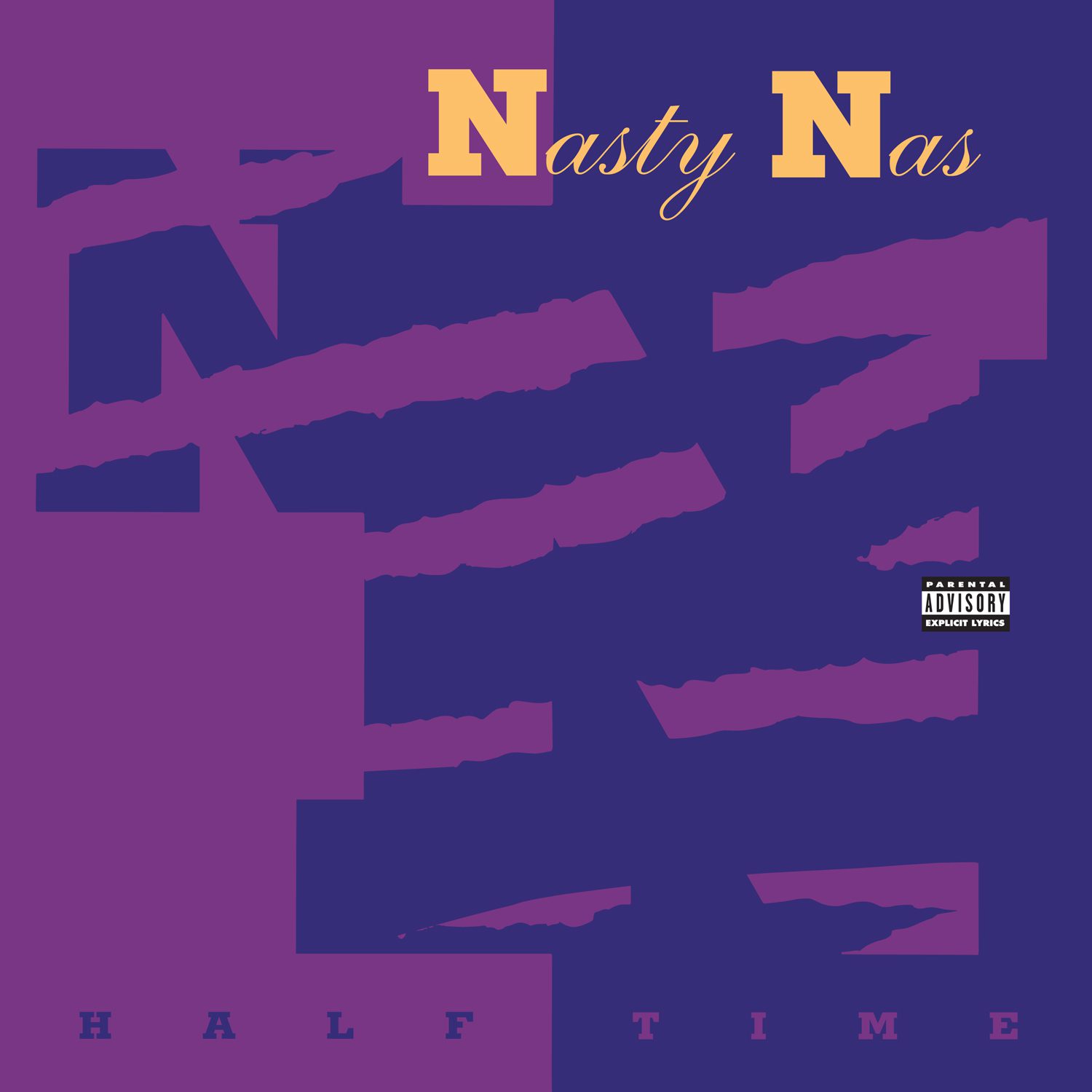
Nas’ debut single, “Halftime,” was released in 1992 under his original moniker, Nasty Nas. This reproduction of the original 12” LP includes the song’s LP version, instrumental version, and a remix version.


Chocolate Milk — Action Speaks Louder Than Words

418455675575

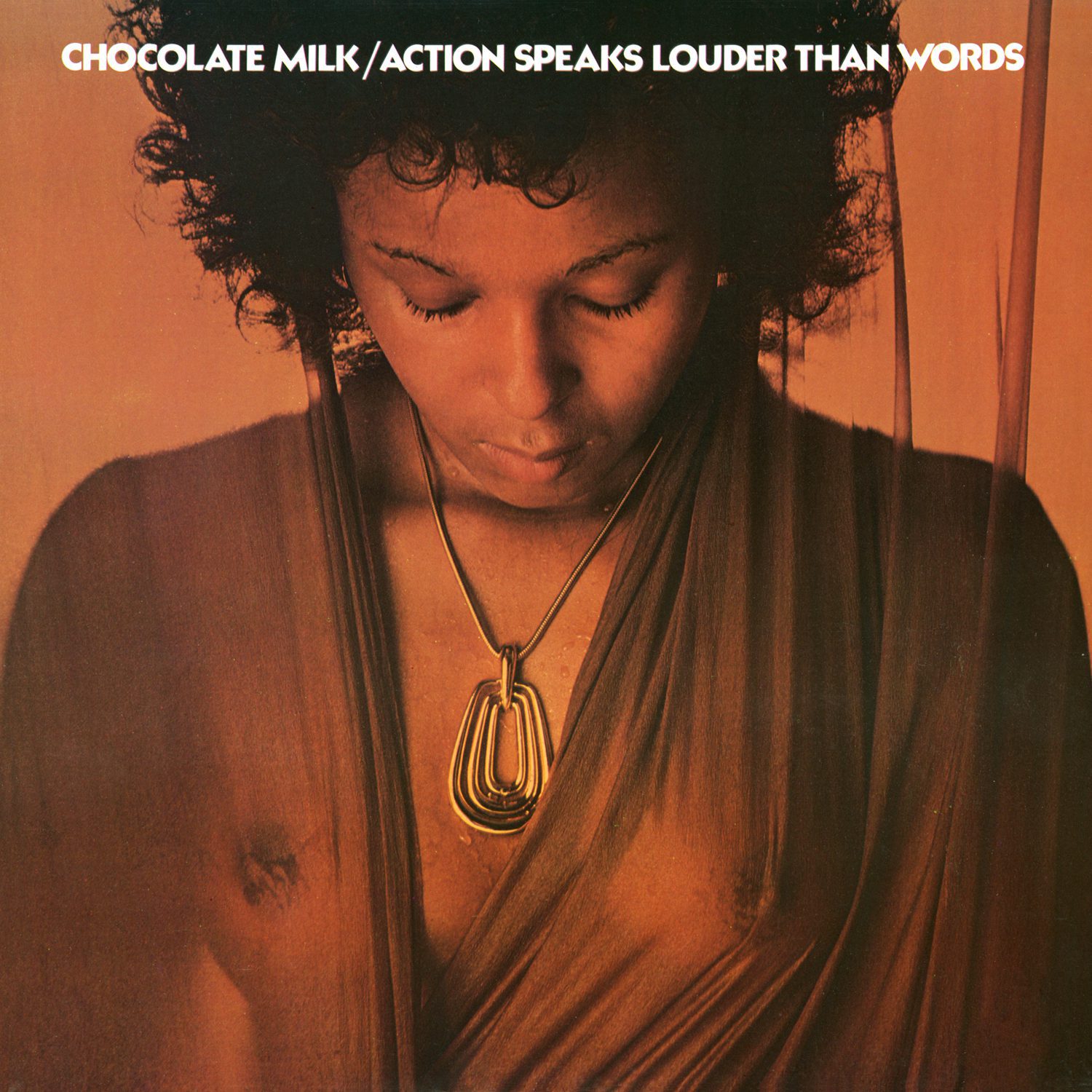
Released in 1975, Chocolate Milk’s debut funk/soul album was later sampled by some legendary hip-hop artists like Eric B. & Rakim, the Geto Boys, and Stetsasonic, among others. Now the classic album is returning fully remastered and in limited edition colored vinyl (chocolate colored, of course)—a definite gem.


Dawes — Stripped Down At Grimey’s

418455674222

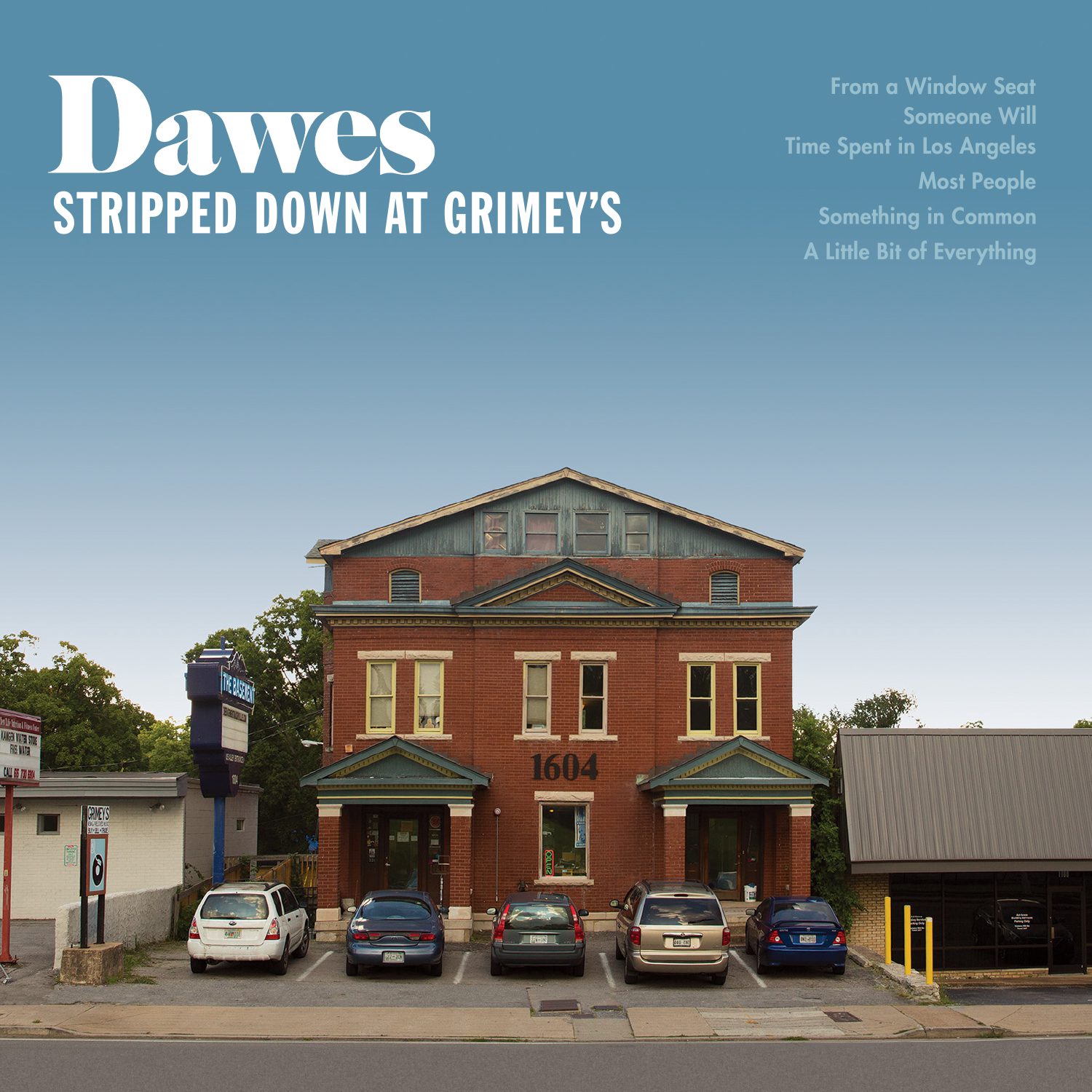
A 6-track live recording of Dawes’ intimate performance at Nashville’s Grimey’s in March 2013. Includes four tracks from the band’s third full-length album, Stories Don’t End, released earlier this year, and the LP comes in a pretty orange color!


Anti-Records Fall 2013 Compilation — Hot Wacks

418455674426

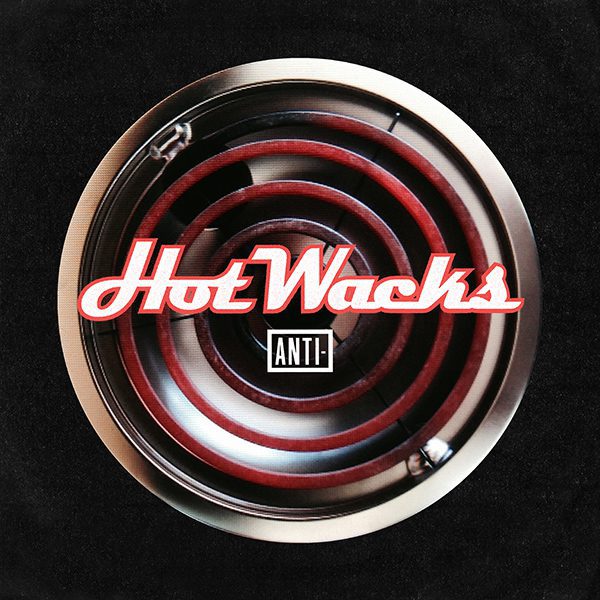
Designed after classic “loss leader” LPs of the ‘70s, this compilation offers an intro to a few of Anti-Records’ new artists as well as demo versions and unreleased tracks by some of the label’s well-established acts (Dr. Dog, Man Man, Mavis Staples). This is a fun purchase at a very low price ($5.99!).


Elvis Costello & The Roots — Wise Up: Thought — Remixes and Reworks

418455676313

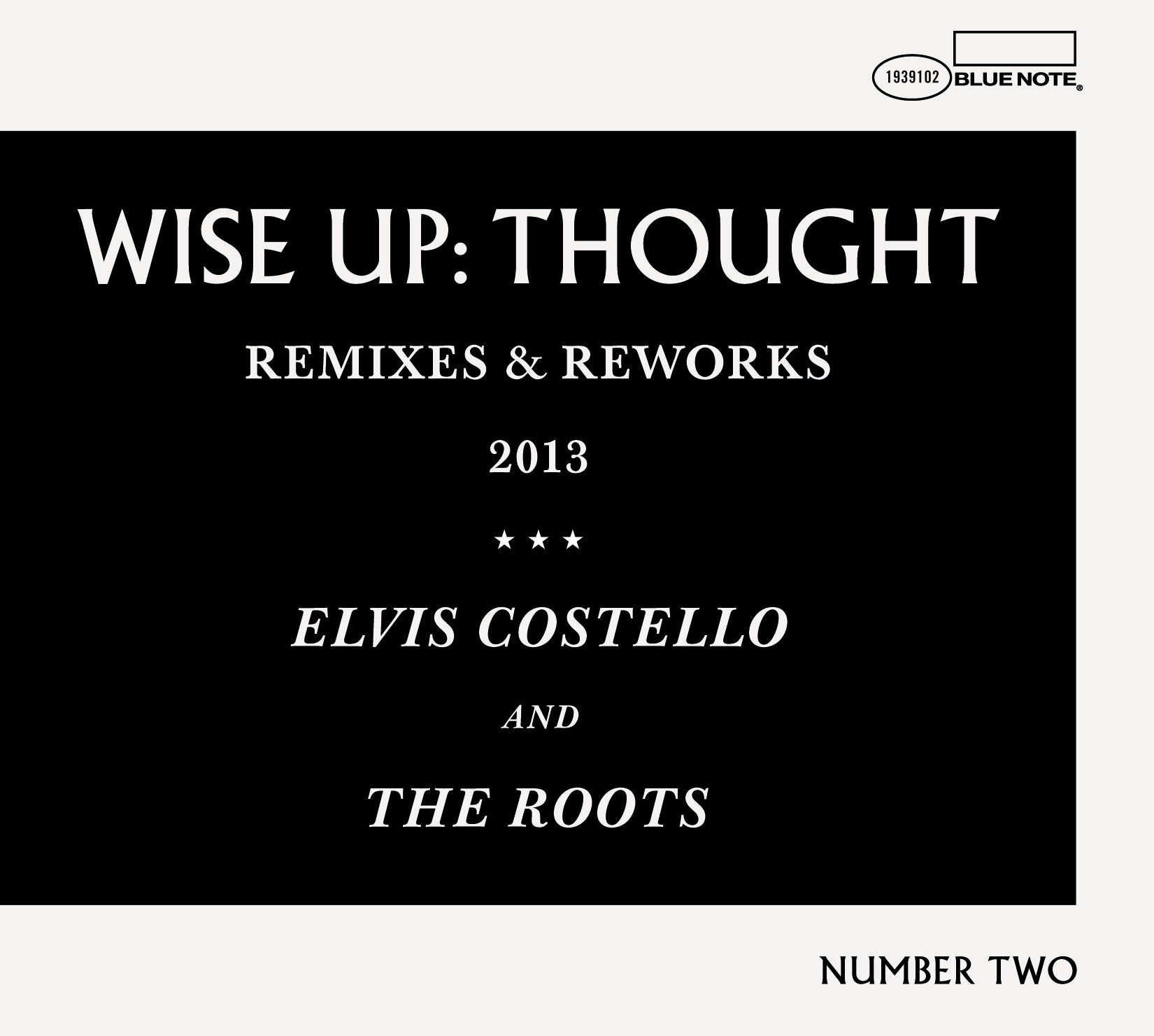
Produced by Elvis Costello and ?uestlove alongside Steven Mandel, this collection of remixes is sure to take Costello and The Roots’ collaborative, genre-blending album, Wise Up Ghost from earlier this year, even further than it already went.


Sondre Lerche — Rejection #5

Sondre

This 12” single is the first of the Public Hi-Fi Sessions, a series of limited edition releases from Spoon’s Jim Eno’s new Public Hi-Fi Records. Eno plays drums on the single as well as B-side “Screen Door.” Once the series takes off, this debut is sure to become highly sought-after.


Our picks of participating record stores:

Rough Trade NYC

64 North 9th St., Brooklyn NY

Cake Shop

152 Ludlow St. , New York NY

Rebel Rebel

319 Bleecker St., New York NY

Academy Records Annex

83 Oak St., Brooklyn NY

Earwax Records

167 North 9th St., Brooklyn NY


TRACK OF THE WEEK 11/25: “Gillie Amma, I Love You”

four-tetIn the spirit of giving thanks and giving back, we’re featuring Four Tet’s mesmerizing “Gillie Amma, I Love You” as this week’s track of the week. The song comes from upcoming double album BOATS, part of the ambitious Everything Is New project benefitting Dalit (“untouchable”) children in southeast India.

The track samples the dulcet voices of the Light of Love Children’s Choir, comprised of only some of the 600 children who reside at the Light of Love Home and School in Andhra Pradesh, India. Four Tet unwaveringly focuses on the children’s voices, some softly speaking, others singing or humming, all of them expertly and delicately layered so as to create an atmospheric, almost elegiac quality. Very little is added instrumentally—a velvety synth quietly thrums along, building up only slightly near the end as the voices become echoes. The song closes with a few raspy, indistinguishable noises and whispers, like ghosts. It’s an overall amazingly subtle but powerful effect—melancholy, meditative, and time-stoppingly gorgeous.

[fusion_builder_container hundred_percent=”yes” overflow=”visible”][fusion_builder_row][fusion_builder_column type=”1_1″ background_position=”left top” background_color=”” border_size=”” border_color=”” border_style=”solid” spacing=”yes” background_image=”” background_repeat=”no-repeat” padding=”” margin_top=”0px” margin_bottom=”0px” class=”” id=”” animation_type=”” animation_speed=”0.3″ animation_direction=”left” hide_on_mobile=”no” center_content=”no” min_height=”none”][fusion_soundcloud url=”https://api.soundcloud.com/tracks/116363999″ width=”100%” height=”166″ iframe=”true” /]

“Gillie Amma, I Love You” is the fourteenth track on the 29-track-long BOATS, featuring new original music from No Age, Deerhoof, Dan Deacon, YACHT, Son Lux, Bear In Heaven, El Guincho, A Sunny Day In Glasgow, and a whole slew of other artists. The double-disc compilation will be the second of two albums released Jan. 20 (the first being Scottish band Marram’s album Sun Choir featuring collaborations with Owen Pallett, doseone, and Jarvis Cocker) via Scottish-based arts collective Transgressive North, which is working in partnership with charity organization Scottish Love In Action to raise funds for the Light of Love Children’s Home. Proceeds from the two releases, as part of the six-year long effort behind the Everything Is New Project, will go directly to providing food, clothing, education, and medical care to the Dalit children cared for at Light of Love. Every track included on BOATS features samples of the Light of Love Children’s Choir.

The project describes itself as an “attempt to counter any inherited preconceptions the children might have about their own value and legitimacy by giving them the opportunity to ‘star’ in music and film works specifically designed to celebrate and empower their identities and means of expression.” You can learn more about the Everything Is New Project, and the organizations behind it, at these websites:

www.everythingisnewproject.com

www.transgressivenorth.com

www.sla-india.org

[/fusion_builder_column][fusion_builder_column type=”1_1″ background_position=”left top” background_color=”” border_size=”” border_color=”” border_style=”solid” spacing=”yes” background_image=”” background_repeat=”no-repeat” padding=”” margin_top=”0px” margin_bottom=”0px” class=”” id=”” animation_type=”” animation_speed=”0.3″ animation_direction=”left” hide_on_mobile=”no” center_content=”no” min_height=”none”][retweet][/fusion_builder_column][/fusion_builder_row][/fusion_builder_container]
MIXTAPE REVIEW: “NO.SLEEP Mix.01”

ODESZA_byMarybethCoghill2

Coming on the heels of September’s My Friends Never Die EP and its subsequent remixes, Seattle duo ODESZA (Harrison Mills aka Catacombkid and Clayton Knight aka BeachesBeaches) have curated NO.SLEEP Mix.01, the first in what is to be a series of mix tapes. The group has a penchant for sun-drenched harmony and music that feels less like melodic-based music than it does a three-dimensional immersive environment, a surround-sound experience of lush bass hums and trilling melodies that shimmer like wind chimes over a beat. Those familiar with ODESZA’s work won’t be surprised to hear that NO SLEEP, released November 20th, delivers an array of songs featuring warm vocal harmonies and re-assuringly upbeat bass lines.

Tracks wind together and morph into each other. The group maintains a more or less even tempo throughout this album–danceable,  but not frantic, with ample space given for each beat to expand to its full reverberation–and strike a balance between catchiness and intimacy. KAASI & TÂCHES’S onomatopoetic “Heartbeats” features broken vocals and a pulse of beat that you can feel almost physically (and would feel literally physically, if you were hearing the track performed live). Catchy, often R&B-based vocal hooks mark the movement from track to track, punctuating a low-key bottom line groove common to nearly every song. Voices are commonly left undoctored, their organic warmth accentuated by a surreal, heavily re-mixed backdrop. This is especially effective on Laura Mvula’s “She (Eagles For Hands Remix),” a quietly powerful number with heavy soul influences.

The tracks “Not Giving In” by Rudimental and “Two Dots” by Lusine, two songs so complementary that, after having heard the mix tape, it would be difficult to talk about them separately, stood out on this album. Two experiments in simplicity–individual expressions, but integral to one another. A single act of setting a melody in motion and watching it cause a chain reaction, making harmonies with itself and generating a momentum that carries one song into another.

The juxtaposition between raw and artificial–the evocation of a single motif, coming from two different angles and several different artists, comprised the theme of this mixtape. Aided by the collection’s pondering aesthetics, NO.SLEEP explores the tensions within the songs to their fullest extent.

Listen to ODESZA’S “My Friends Never Die (Little People Remix),” their contribution to the NO.SLEEP mix, via Soundcloud:

[fusion_builder_container hundred_percent=”yes” overflow=”visible”][fusion_builder_row][fusion_builder_column type=”1_1″ background_position=”left top” background_color=”” border_size=”” border_color=”” border_style=”solid” spacing=”yes” background_image=”” background_repeat=”no-repeat” padding=”” margin_top=”0px” margin_bottom=”0px” class=”” id=”” animation_type=”” animation_speed=”0.3″ animation_direction=”left” hide_on_mobile=”no” center_content=”no” min_height=”none”][retweet][/fusion_builder_column][/fusion_builder_row][/fusion_builder_container]
TRACK REVIEW: “Smash”

LandisThe person named “Most Likely To Be A DJ” in the high school yearbook is most likely to be a DJ, right? Those superlatives do come true!! At least in the case of Landis, who was his high school’s resident DJ. The difference now is that he has bragging rights after getting support from the world famous Tiësto. A southern Florida native, Landis grew up admiring the EDM scene and wanting insinuate himself into it any way he could. He interned at the music studio of Brass Knuckles and came in contact with the likes of David Solano, DJ Crespo, and Robbie Rivera. He subsequently honed his craft and began to create remixes of songs from popular artists such as Adele, Swedish House Mafia, and Alesso. This garnered a considerable amount of attention and soon he was opening for Hardwell and performing the main stage at Electric Daisy Carnival in Orlando.

Landis recently collaborated with Corporate Slackrs on the climbing electronic hit, “Smash”, now out on Juicy Music. It starts off with a steady escalating beat and at 1:44, we are told by an interjecting voice to “lose yourself”. And we do. The track promptly smashes (song title alert!) into a million pieces and comes back together with a bass heavy synth that keeps you going after the beat drops. The woozy feelings of the in-between-sounds in a house track emerge way through. The “Mortal Kombat”-esque rhythm continues and comes down with about 30 seconds to spare. Just in time for you to regain consciousness and get back to reality. The trailing ending could make for a seriously mind-blowing loop of the song.

Landis’ collaboration with Corporate Slackrs is a match made in house heaven. Their styles flow so effortlessly and create a playground of rough bass and hard hitting electro beats. A star on the rise, Landis is sure to make some serious dents in the EDM world.

Check out Landis & Corporate Slackrs on their electronic hit “Smash”:

[fusion_builder_container hundred_percent=”yes” overflow=”visible”][fusion_builder_row][fusion_builder_column type=”1_1″ background_position=”left top” background_color=”” border_size=”” border_color=”” border_style=”solid” spacing=”yes” background_image=”” background_repeat=”no-repeat” padding=”” margin_top=”0px” margin_bottom=”0px” class=”” id=”” animation_type=”” animation_speed=”0.3″ animation_direction=”left” hide_on_mobile=”no” center_content=”no” min_height=”none”] [retweet][/fusion_builder_column][/fusion_builder_row][/fusion_builder_container]
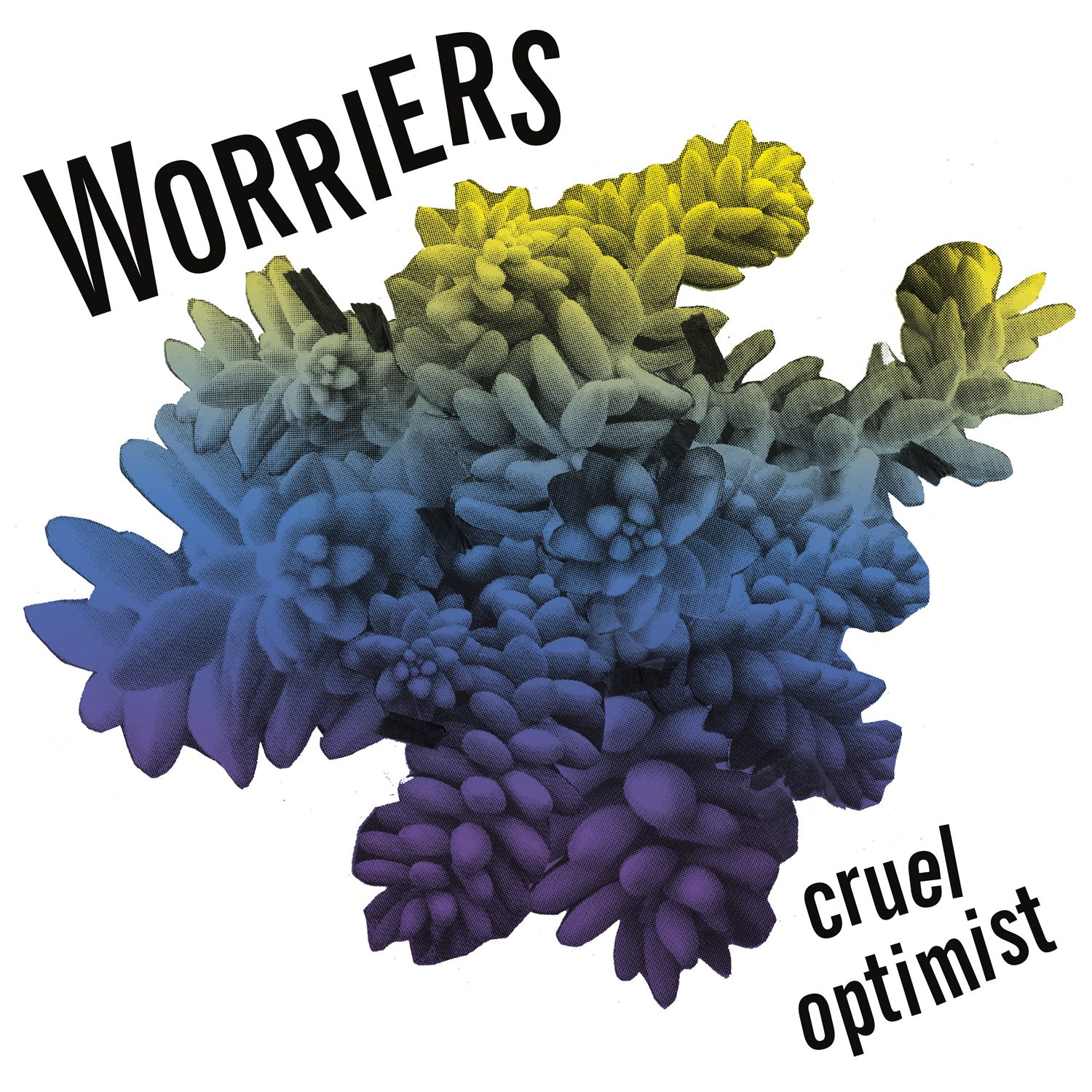
MIXTAPE REVIEW: “0 to 60: Love Sounds”

0-60-love-sounds-extralarge_1383760769999Sabi is a singer/songwriter from Los Angeles California and was originally part of a Hip Hop girl group known as The Bangz. Soon, however, she’ll be known for something else. She recently released her mixtape, 0 to 60: Love Sounds, and is subsequently letting the world know who she is as a solo artist, stating “I want listeners to walk away from hearing this EP and have a real conversation about love, ‘real’ meaning being honest about their fears and scars so that they can begin to heal. That has been my process this past year, and while I feel like my personal growth has been off the charts, there’s still a ways to go. I just wanna share my experience.”

I love the fact that this 0-60 is focused on love in all of its permutations and combinations. While many artists strive to create music that centers around their feelings of romantic love towards another, she opts instead, to explore the theme of loving yourself and the life you lead in all of its importance. This motif is carried home again and again thanks namely, to her angelic voice–her gentle croonings communicating an honest outlook on love throughout the EP.

The second track, “Cali Love” is a great way to kick off the compilation. It’s so upbeat and fun, truly embodying the California ethos and packing a punch thanks to the songstress’ positive energy. By the end of it one indeed does feel the Cali love. The title track, “Love Sounds” brings out her sensual side. I envisioned her lying atop a Grand Piano in a sequin evening gown, perhaps, singing this song to a room filled with people lost in the haze of cigarette smoke. “Better than this”, the fourth track on the mix, has more of an old timey feel to it, soulful and reminiscent of Eryka Badu in “The way you Love me.” Further, it showcases her scatting skills, giving the listener another reason to believe in her talent.

Especially enjoyable throughout, are the snippets of  her radio interview on Power 106, which give the EP a more authentic feel. For example, when Sabi discussed feeling very strongly about the idea that you must become one whole person, who is content and full of love for yourself, and then unite with another whole person who is full of love for themselves in order to have a successful relationship, one is clued into the sentiments behind her music writing.  “24k” is very unique in theory, but in practice it wasn’t quite as innovative as perhaps she was hoping for. The song starts out quite intriguing, and then plateaus; and unfortunately, I didn’t feel that the lyrics were quite as unique as the concept. Despite her originality as an artist, clear in her musicality, technical proficiency as well as her songwriting, one of my favorite tracks on the mix is her cover of “Dreams” by Fleetwood Mac, which takes the song’s original folksy underpinnings and gives it an R&B sheen.

All in all, this album is the prescription for a broken heart, helping to heal old wounds. I appreciate the fact that even though the entire mix is about love, it is still remarkably dynamic. As opposed to the standard albums filled with love songs that are either so mushy that it makes you want to puke, or so depressing that it makes you want to slit your wrists, Sabi is able to capture so many different kinds of love, and the various emotions equated with them.

If you need some babymaking music in your life, Listen to Sabi’s title track, “Love Sounds”, here:

[fusion_builder_container hundred_percent=”yes” overflow=”visible”][fusion_builder_row][fusion_builder_column type=”1_1″ background_position=”left top” background_color=”” border_size=”” border_color=”” border_style=”solid” spacing=”yes” background_image=”” background_repeat=”no-repeat” padding=”” margin_top=”0px” margin_bottom=”0px” class=”” id=”” animation_type=”” animation_speed=”0.3″ animation_direction=”left” hide_on_mobile=”no” center_content=”no” min_height=”none”] [retweet][/fusion_builder_column][/fusion_builder_row][/fusion_builder_container]
PLAYLIST: Remembering John F. Kennedy 50 Years Later

JFK

50 years ago today, John F. Kennedy was assassinated. It was an event that shook the entire nation and his progressive politics are something we still need to incorporate in our society today. Every person I have come in contact with from the baby boom era remembers where they were were when they found out he was assassinated and how they felt like they lost a family member that day. In remembrance, here are some songs from the 60’s to present time that commemorate his lasting memory for a more peaceful world. 

 afjfk

1. “The Sound Of Silence” – Simon and Garfunkel (1964)
While not entirely obvious, Simon and Garfunkel wrote this song in response to JFK’s assassination. The lyrics are quite ambiguous and can be applied to different situations. But a line such as, “When my eyes were stabbed by the flash of a neon light”, is alluding to the gun shot. Also, “And in the naked light I saw / Ten thousand people, maybe more / People talking without speaking” is about the thousands of people that went to his funeral and showed support, at a loss for words.

2. “The Day John Kennedy Died” – Lou Reed (1982)

A kind of eerie song listening to it now with the death of Lou Reed, but not entirely so. It’s a soft yet striking ballad in tribute to JFK’s longing for a more harmonious United States. A key lyric pertaining to that exact thought, “I dreamed I replaced ignorance, stupidity and hate / I dreamed the perfect union and a perfect law, undenied”.

3. “He Was A Friend Of Mine” – The Byrds (1965)
This short and sweet song embodies the feeling that so many felt when Kennedy was shot, as though they were losing a close friend or beloved family member. The voice of their generation was suddenly gone, and no one knew how to deal with the void in their lives and in their country. “He never knew my name / He never knew my name / Though I never met him /I knew him just the same / Oh, he was a friend of mine.”

4. “Sleeping In” – The Postal Service (2003)
Written ten years ago, The Postal Service takes a more modern assessment and gets right to the point in the opening lyrics: “Last week I had the strangest dream / Where everything was exactly how it seemed / Where there was never any mystery of who shot John F. Kennedy”.  It captures the displacement felt in today’s skeptical, conspiracy obsessed climate and a yearning for less complication.

5. “Sympathy For The Devil” – The Rolling Stones (1968)
A kind of cautionary tale urging listeners to be aware that there’s evil in everyone. Mick Jagger’s theories suppose that all of these tragedies are the result of a human being, not just the “Devil”, from the crucifixion of Jesus to the murder of JFK. “I shouted out / Who killed the Kennedys? / When after all / It was you and me”. The “devil” exists, and when we think he doesn’t, he makes himself known.

6. “The Brain Of J” – Pearl Jam (1998)
The title is pretty self explanatory. A howling track with metal tinged riffs, it gives an aggressive, interrogating point of view on Eddie Vedder’s thoughts on the ordeal 35 years prior. It’s mostly about the random and disturbing disappearance of JFK’s brain. Vedder has my thoughts exactly…who steals a brain, honestly? “Who’s got the brain of JFK? / What’s it mean to us now?”

7. “Civil War” – Guns N’ Roses (1990)
Probably one of my favorite songs of all time, an epic 7-minute protest song of sorts, referencing various assassinations. “And in my first memories / They shot Kennedy / And I went numb when I learned to see” – hardly a sight to forget, according to Axl Rose. Most of the people Rose is referencing to were committed to spreading the idea of peace and justice, but he also profiles those who can’t handle it and go berserk.

8. “Public Enemy #1” – Eminem (2006)
One of the most recent allusions, Eminem is telling the trials and tribulations of being in the public eye. Once you’re famous, you inevitably become a target, not only to backlash and nasty articles written about you, but also more dire attacks. The idea of celebrity in any profession is terrifying.  People know your every move and think they know you to the point of wanting to be you. “Like the day John F. Kennedy was assassinated in broad day / By a crazed lunatic with a gun / Who just happened to work on the same block in a library book depository / Where the President would go for a little Friday stroll / Shots fired from the grassy knoll”

Post any additional songs you’d like to add to this list in the comments!

FLASHBACK FRIDAY: “Meat Is Murder”

the_smiths_meat_is_murder_1993_retail_cd-frontIt’s rather astounding when you actually realize that The Smiths were only together for five years considering that in their incredibly short lifespan, they managed to acquire an obsessive, cult-like fan base through their jangly guitar-ridden, pessimistic 80’s pop alt-rock. The band crafted one full length record after another, four years in a row: The Smiths, Meat is Murder, The Queen is Dead, and Strangeways, Here We Come–an ambitious goal most artists today would likely hav difficulty achieving. But then again, this is coming from a band who penned lyrics such as “I want to leave, you will not miss me/I want to go down in musical history.” Upon release, their 1984 self-titled debut was glorified by the likes of both the Rolling Stone and the reputable John Peel–the BBC disc jockey known for his extensive catalog of live studio recordings (such as this one), better known as “The Peel Sessions”.

The sound of 1985’s Meat is Murder (the follow-up to The Smiths) leans in the same direction as their debut release–dark, sad, and poppy–but it’s easy to see that the band strived for more musical experimentation, and went in slightly more political direction (the cover and title/title-track referencing Morrissey’s militant devotion to vegetarianism). Throughout Meat is Murder, Morrissey’s sardonic, lyrical melodrama charms listeners over the band’s backdrop of hypnotic, 60’s rock inspired riffs and lush layers of acoustic guitar, chunky bass lines, and the constant snaps of strident drums. The opener, “The Headmaster Ritual”, kicks off with short sweeps of Johnny Marr’s signature, jangly guitar chords synchronized to the fervent pounds of Mike Joyce’s drums. A velvety bass line follows shortly after. Morrissey’s whines and wallops suddenly interrupt the musical interplay—”Belligerent ghouls run Manchester schools/spineless swine/cemented minds….I want to go home, I don’t want to stay.” A sprawling presentation of sound is similarly brought forth in songs like “Nowhere Fast,” “Barbarism Begins At Home,” and “I Want The One I Can’t Have”, where Morrissey brazenly croons I want the one I can’t have…and it’s driving me mad/ It’s written all over my face,” as Marr continues to captivate with his use of disjointed chords and fluttering notes. The melodrama found in slower songs like “That Joke Isn’t Funny Anymore”, “Meat is Murder”, and “Well I Wonder” is balanced out with peppier songs such as “Rusholme Ruffians” and “What She Said”, all while still holding evidence of sardonic taunts–“What she said was sad/ But then all the rejection she’s had/ To pretend to be happy/could only be idiocy”.

For most Smiths fans, however, the musical highpoint of Meat is Murder is “How Soon is Now?” The song opens with a salient 7 seconds of eerie tremolo that secured The Smiths their spot in alt-rock history. “How Soon is Now?” is often regarded as one of the prime examples of Marr’s experimental guitar work, where he creates a muddled but melodic atmosphere, all while armed with a plethora of guitar effects—the recurring wails, dreary chimes of guitar harmonics, and the haunting tremolo that continuously reverberates throughout all 6 minutes of the song—as Morrissey dramatically moans ‘How can you say/I go about things the wrong way/I am human and I need to be loved/Just like everybody else does’. Though only 10 songs and 46 minutes long, Meat is Murder presents listeners with an extensive range of lush instrumentation and satiric, lyrical wit.


[fusion_builder_container hundred_percent=”yes” overflow=”visible”][fusion_builder_row][fusion_builder_column type=”1_1″ background_position=”left top” background_color=”” border_size=”” border_color=”” border_style=”solid” spacing=”yes” background_image=”” background_repeat=”no-repeat” padding=”” margin_top=”0px” margin_bottom=”0px” class=”” id=”” animation_type=”” animation_speed=”0.3″ animation_direction=”left” hide_on_mobile=”no” center_content=”no” min_height=”none”] [retweet][/fusion_builder_column][/fusion_builder_row][/fusion_builder_container]
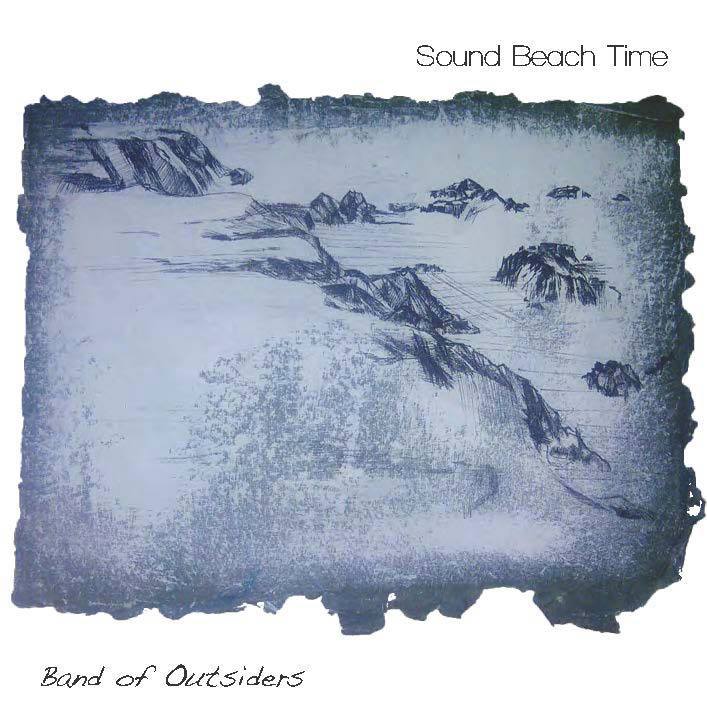
EP REVIEW: “Wet”

Wet (1)
Feel all those feelings / But don’t make that call

I am a notoriously messy person. I moved into my apartment in March of this year and there’s yet to be a day when the floor isn’t covered—littered—with clothes. But I adore the messiness, it works in it’s own orchestrated layering, all the props of my life laid out in positions that no one else will ever see them in. This is the best scene I can offer to relate how listening to Wet’s initial EP feels. Not to be all “love is hard, love is a messy room” but love is certainly not the no-strings-attached luxury hotel suite that most pop songs paint it to be and this band manages to capture that. Although the EP was put out by Neon Gold Records about a month ago, I caught two of their live performances this past month and I couldn’t let this mesmerizing mini-album fade into the ether without gushing over the  Brooklyn band’s first release.

There’s recognizable elements, but they’re rearranged and chopped up in a way that has inspired a number of mashup phrase descriptors from the group’s proponents. There’s the skittering drums of an electronic act like Purity Ring, but realized with a human touch courtesy of drummer Joe Valle. There’s the same dreamy, otherworldly vocals, provided by frontwoman Kelly Zutrau, who, despite her pearly voice channels a distinct grunge-glam aura aesthetically that’s almost as pleasing as the music. Zutrau’s vocals are often layered in the that special electronic-breathy way—that feels like Imogen Heap officially invented, but have been used much better by others since her—and the harmonies that Wet constructs feel equal parts lacquered and child-like. This might be the ultimate appeal of the band, they’re a fully-realized musical act of 2013 that have yet to become snapped up into the endless cyclings and machinations that this year seems to have brought on to the fullest degree. All of their touchstones feel current but they themselves feel new, not like something rehashed or constructed to please. There’s an honesty to their music—a lot of which stems from the wide-eyed, poignant lyrics—that is missing in nearly every other act I’ve listened to this year.

The sticky, molasses draw of Wet’s debut EP is that these songs are about love as it actually occurs in real time. The characters in these tracks see past (unlike the myopia of most pop) and present pictures of relationships that are full of both frustration and fascination–that feel limitlessly flawed and also endlessly present. Take “Don’t Wanna Be Your Girl” for instance. It’s a truthful take on gut-wrenching loss and eye-sparkling adoration, even while the title and most of the lyrics suggest a clean break, there’s still lines like “I just want to see your face at home” that directly conflict with “I just want to see you up and out / out of the door.” By presenting these two dichotomous lines the song sums up the doublemindedness that break-ups breed with uncanny precision. “No Lie” walks through the dreariness of watching the object of your affection lose interest in you. It’s the flipside to “Don’t Wanna Be Your Girl,” examining the wound of being left with only an immense sense of loss and empty promises. But this song doubles in power by assuming the role of the rejected and actually delving into not just the loss, but the feeling of being left, of having love and not being able to keep it. Converging that kind of intensity with the slow-drift R&B that Wet has perfected makes for a song that is able to mimic its lyrical content in the actual song. Which is the point of the entire genre of R&B, at all, ever, right?

Without a doubt though, “You’re The Best” is the best song on the four track EP. It’s the most upbeat and at least masquerades as a happy love song and it has the best vocal effects on huge swaths of harmonies. It was initially styled as “U Da Best” which felt more like Wet’s personality (look at their website to see a lady made of keyboard strokes scroll/dance behind their Soundcloud player to see more) but I can understand wanting to use proper grammar and spelling (I guess). The reason this song is the actual, actual best though is once again the fact that it’s based in reality. Even though it’s a super sweet song about being super in love and thinking that your emotions and the power of love can combat the rest of the bad stuff, it still acknowledges the rest of the bad stuff. Like being in someone’s arms and loving them but not being 100% sure if they’re the end all be all of all relationships you’ve ever been in and sometimes feeling lonely still even though there’s a great, reliable and handsome person who loves you. Or the part about “when we’re sleeping / our friends they creep in / and all the rest” that skillfully sums up just how much friendships and relationships with people outside your couple-y love bubble can sometimes just fuck up the dynamics of your love situation. It’s a head-over-heels love song that also discusses specific problems and hiccups that occur even amidst all the heart-eye-emoji feelings, and eventually decides “baby you’re the best / we’ll figure out the rest.” Or wait, does it? I love hearing it that way but then sometimes the line “I think we better quit while we’re ahead” feels so ominous and makes me rethink my whole interpretation of the track. That’s because it’s good and good things are the best at being slippery, undefinable and amorphous.

I’ll end this review by talking about the first song on the EP which is simply called “Dreams.” Ostensibly, this song is about dreams, but it’s more about how much more possible your dreams seem when someone else believes in them as much as you. It’s a song dedicated to wanting to hear about someone else’s dreams and trying to help make them come true. Even with subject matter this heart-warming, the wavering, rainbow guitar lines on this song—provided by the trio’s third member Martin Sulkow—distract me from the actual lyrics almost every time. It feels the most psychedelic and noodly of any of their recorded songs, but then again, at their live show at Mercury Lounge they played a new song that seemed to be inching into more of a drone-space that had me really excited. If this band is pop, it’s pop in the sense that the songs feel universally appealing and they’re easy to listen to, but the musical complexity of them makes me recoil at the simplistic genre terminology of “pop.” This is what 2013 sounds like, this is what being in love and struggling through loss and selfishness and rejection sounds like. It’s what feeling lonely and happy and jealous sounds like. It’s the human experience filtered through a mesh of synthesizers and beats and incredible lyrics. And, if we’re lucky, this is what 2014 will sound like too.

Listen to “Don’t Wanna Be Your Girl”, here via Bandcamp:

[fusion_builder_container hundred_percent=”yes” overflow=”visible”][fusion_builder_row][fusion_builder_column type=”1_1″ background_position=”left top” background_color=”” border_size=”” border_color=”” border_style=”solid” spacing=”yes” background_image=”” background_repeat=”no-repeat” padding=”” margin_top=”0px” margin_bottom=”0px” class=”” id=”” animation_type=”” animation_speed=”0.3″ animation_direction=”left” hide_on_mobile=”no” center_content=”no” min_height=”none”][retweet] [/fusion_builder_column][/fusion_builder_row][/fusion_builder_container]
FLASHBACK FRIDAY: My Morning Jacket

My Morning Jacket
From humble Kentucky beginnings to performing on Saturday Night Live, cartooned appearances on American Dad, and alongside Bob Dylan on a nationwide-tour, My Morning Jacket has made it somewhere, to say the least. Their penchant for blues and folk-tinged rock captured my ears from the first time I heard them. I was sitting in Spanish class in 9th grade, out of sight of my teacher, of course. The album I was surreptitiously listening to It Still Moves, which has been out 10 years this September. Talk about feeling old. I broke the CD a long time ago, but the digital copy will always exist; Indeed, it has stood the test of time.

When I say that this is probably my favorite album of all time, it’s probably my favorite album of all time. I mean, one look at the album cover and you have a hard time saying “no” to listening to it. The songs still carry weight as if hearing them for the first time all over again. From the tropical flavored opener “Magheeta” to the magnificently somnolent (in the best way) closer “One In The Same”, to the ubiquitous track seven snoozer, there’s no “bad song”. Oh, and the fact that their usual recording spot is in a grain silo is pretty badass, to boot. Lead singer and guitar player Jim James’ arresting lyrics always fit the bill. The band would not be what it is without his reverbed crooning, adding celestial atmosphere to their songs. “Golden” captures the feelings this album elicits perfectly: barreling down a long road, going who knows where, with someone you love by your side.

Halfway through the album, their hazy, listening on a Sunday afternoon vibe, begins to crescendo into their showpiece, “One Big Holiday”. The furious tapping on the high hat at the beginning communicates to the listener exactly what’s about to go down. The music, replete with blaring guitar solos off the Richter, speaks for itself, as lyrics are minimal. Following this, the album immediately dives into the comedown track, “I Will Sing You Songs”. A song regarding a relationship nearing its’ inevitable end set to a beautiful dream-like arrangement. One of my favorite parts on the album is in the middle of “Run Thru”. Slow to rise, it takes a complete 180 with a synth heavy interlude complete with Iron Maiden style riffs. Imagine watching bread bake in the oven then a guitar rips out of the bread and blows your mind. A weird occurrence, but that’s exactly what it would be like.

The ethereal beauty of their double tracked vocals, especially on the end of “Steam Engine”, is so melodic and makes an imprint on your mind whether you like it or not. It becomes their trademark by the end of the album, and you want to hear more. It Still Moves is a sleeper, groundbreaking album: something you wouldn’t expect to move music forward. Without My Morning Jacket, I doubt the whole folk and blues-rock movement would’ve taken a turn for the better. Festivals such as Austin City Limits and Bonaroo are breeding grounds for bands of this sort, but My Morning Jacket gave them a confident voice by doing what they did.

Watch “One Big Holiday” performed at Bonaroo. They may have now traded in their T-shirts for suits, but when you get down to it, this is what My Morning Jacket is all about.

[fusion_builder_container hundred_percent=”yes” overflow=”visible”][fusion_builder_row][fusion_builder_column type=”1_1″ background_position=”left top” background_color=”” border_size=”” border_color=”” border_style=”solid” spacing=”yes” background_image=”” background_repeat=”no-repeat” padding=”” margin_top=”0px” margin_bottom=”0px” class=”” id=”” animation_type=”” animation_speed=”0.3″ animation_direction=”left” hide_on_mobile=”no” center_content=”no” min_height=”none”] [retweet][/fusion_builder_column][/fusion_builder_row][/fusion_builder_container]