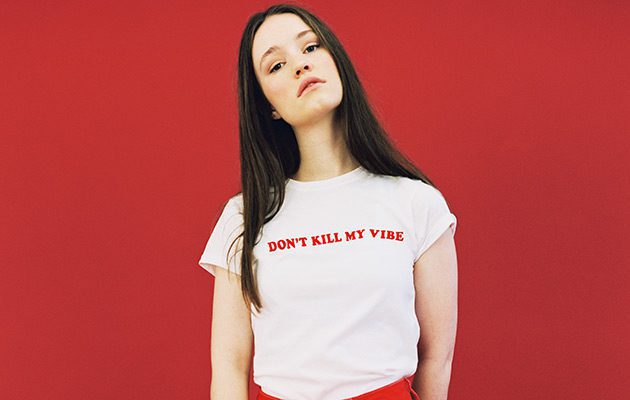
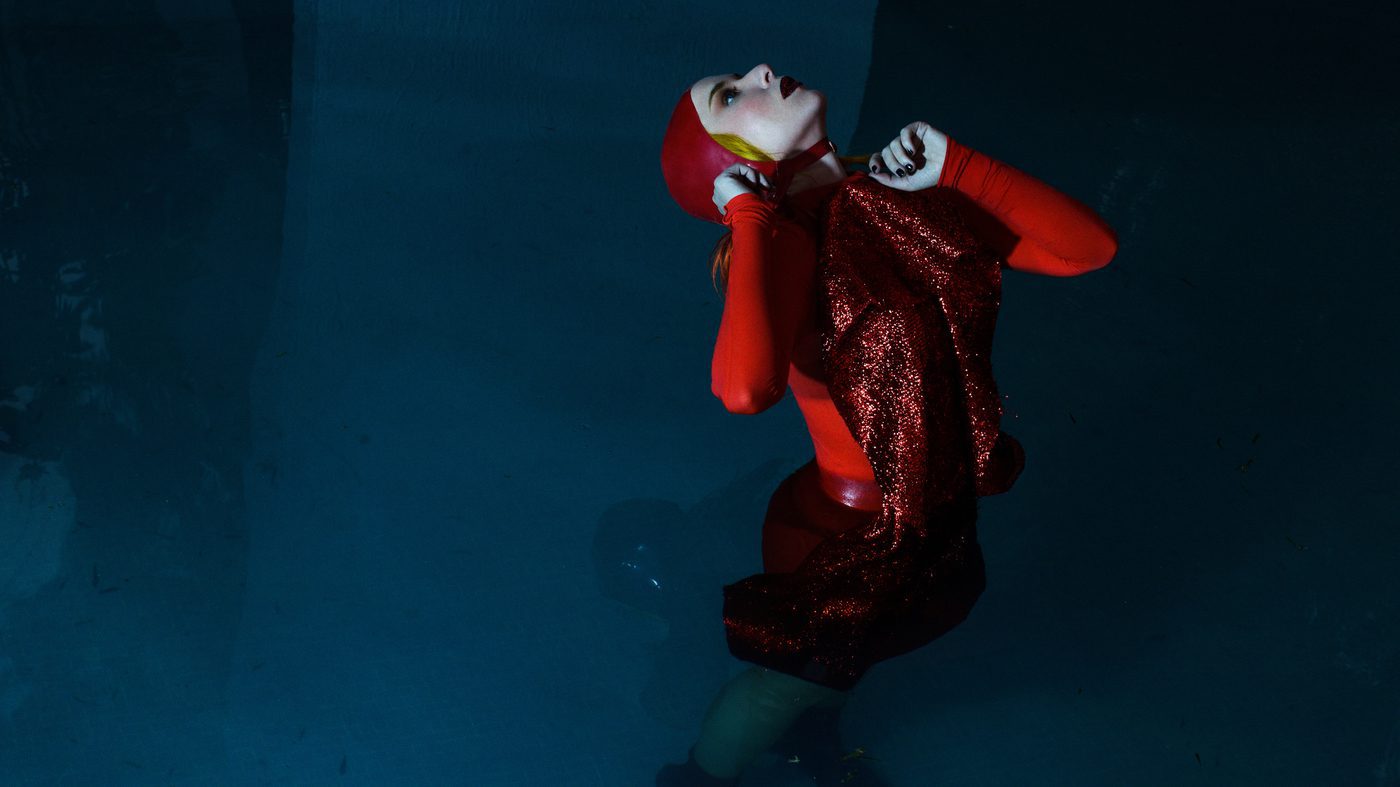
Within seconds of Sigrid’s “Don’t Kill My Vibe,” the Norwegian pop star has effectively communed with every woman in the world.
“You shut me down/You like the control,” she sings in the opening measures. “You speak to me like I’m a child.”
I’d be hard pressed to find a woman who doesn’t know exactly what she is talking about. Sigrid may be young (only 20, in fact), she may know her way around a catchy melody, and she may even be signed to a mainstream record label like Island – but she is no one to be trifled with.
“Don’t Kill My Vibe” is an anthem for anger and empowerment in the face of perpetual naysayers. It is an anthem that we unfortunately still need right now, as qualified, intelligent women like say, Senator Elizabeth Warren, are silenced and told to “take her seat” by a room full of white dudes. And they don’t mean Solange’s seat at the table – but a seat in the sidesaddle. A seat on the back of the motorcycle, which is so lovingly referred to as “riding bitch.”
Sigrid refuses to sit down, let alone sit down and shut up. Instead, she refers to throwing herself from once frightening heights, and intones with a delicious wattage of snark:
“You think you’re so important to me, don’t you?”
Whether you’re belting this in the kitchen after a breakup, cursing your boss at your cubicle, or persisting on the Senate floor, “Don’t Kill My Vibe” is a perfect battle cry. At once uplifting, liberating and furious, this is a pop ballad with bite. From its snapping drums and moody vocoder, to Sigrid’s raw, emotive vocals, “Don’t Kill My Vibe” makes it hard for me to keep my hands down – because they want to be fists in the air.
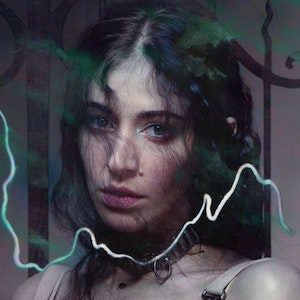
Check out the trippy lyric video for Sigrid’s “Don’t Kill My Vibe” below:
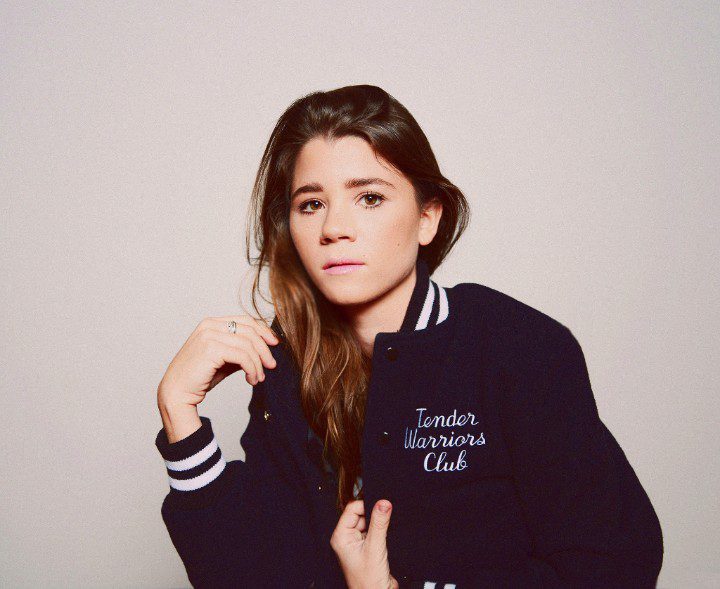
Aly Spaltro, under the moniker Lady Lamb, released her newest EP Tender Warriors Club last month; it’s a vulnerable, stripped down collection created with acoustic guitar, unlike much of her prior work. To honor her more intimate approach, she’s also been conducting a solo acoustic tour across the country, and while there are a few dates in small clubs – like the Knitting Factory in Brooklyn on February 11 – most of the shows take place in unexpected locales: living rooms, galleries, coffee shops, and other small spaces that fit no more than 75 people.
The tour has been positive in an almost unexpected way for Spaltro. “Each one is so different than the last, and they’re all so unique and have a lot of character,” she says. “The hosts have been really, really amazing. It’s been unique to be closer to people than a normal venue and get to know people in their homes, to be able to see the crowd, to see everybody’s faces. It is very intimate.”
Spaltro’s booker was excited about the living room tour idea, so they collaborated with Illinois-based Undertow Music Collective to find the right spaces. She posted on social media asking fans to submit places where she could potentially play. “They would submit photos and information about their places to Undertow, and then I would go through and pick the spots,” Spaltro says.
On top of meeting awesome people, there have been plenty of adorable pets to meet, too, which it’s hard to not be jealous about. “Most people put their pets away [fusion_builder_container hundred_percent=”yes” overflow=”visible”][fusion_builder_row][fusion_builder_column type=”1_1″ background_position=”left top” background_color=”” border_size=”” border_color=”” border_style=”solid” spacing=”yes” background_image=”” background_repeat=”no-repeat” padding=”” margin_top=”0px” margin_bottom=”0px” class=”” id=”” animation_type=”” animation_speed=”0.3″ animation_direction=”left” hide_on_mobile=”no” center_content=”no” min_height=”none”][during the shows] because they get too excited,” Spaltro says. “But they at least excitedly run out the door to meet me the second I get there. And that’s one of the more exciting moments of my day.”
Spaltro’s attention to intimacy on both the EP and during the tour are a perfect balm for the tense climate the world is currently experiencing. But Spaltro said that this wasn’t even intentional. “It just so happened that the world is going through a really tumultuous time,” she says. “And I think I found through the last few weeks that the country collectively feels pretty heartsick, so I think that it’s especially moving right now for us all to just get together in small rooms and sing together. It’s basically one big sing-along.”
In fact, the inspiration for her EP was more personal – the phrase “tender warrior” popped into her head as she listened to and comforted a close friend on the phone who was going through challenging times. “She told me that she had just impulsively bought a flight to go to Paris by herself on a weekend that was going to be really hard for her,” Spaltro remembers. “Knowing that was a courageous thing for her to do, and she was terrified to do it, I was really inspired, and I called her a tender warrior.”
From there, she began thinking about the many people in her life who exemplify the tender warrior spirit, which to her means “someone who perseveres through hardship with grace and courage even when it’s really difficult.”
As she began building the album out, she wasn’t necessarily looking to create a solo acoustic EP; however, she found herself channeling a more sensitive and emotional side, which easily lent itself to the sonic palette for Tender Warriors Club. “I was trying to write full band songs for my next full-length record, but I was finding that the songs I was writing definitely wanted to be solo songs,” she says. “So I let it be what it wanted and recorded them the way I wrote them, just on one guitar.”
And from her experience of singing such emotion-packed songs in front of a tight-knit group, she admits that she’s “learned a lot about just taking things more as they come and not taking things too seriously or being a little less controlling out of fear that things are going to backfire on me in my life.”
Still in the midst of touring and celebrating Tender Warriors Club, she isn’t focusing so intently on creating a new record just yet. Spaltro says that when she does, her next effort is likely to return to the full band format that characterized 2013 debut Ripely Pine and its follow-up, 2015 LP After. “I think my next record will be more along the lines of my others where it’s full band with some solo songs mixed in, but I guess I never know until I sit down to write it,” she says. “That’s where this record was sort of a surprise, because I wasn’t expecting to write something so stripped down. We’ll see when things start coming together.”[/fusion_builder_column][/fusion_builder_row][/fusion_builder_container]
Maria Taylor has a long history of creating music – she played in her first band when she was just fifteen, and spent most of the ensuing decades as a cornerstone of famed Omaha label Saddle Creek, releasing records both as a solo act and as part of duo Azure Ray (alongside Orenda Fink). Last December, she put out In the Next Life, her sixth solo record, this time on her own label, Flower Moon Records. The album sees vocal accompaniment from longtime collaborators like Conor Oberst, Joshua Radin, Macey Taylor, and others.
In the past three years, Taylor has taken time away from music to focus on family; she got married in 2013 and has two young children, slowing her prolific musical output somewhat. The result is that Next Life is an album full of appreciation and love for family as well as a personal reflection of a life spent seeking out higher fulfillment. The tracks are delicate and intimate, the type of warm and glistening folk music that resonates deeply. She reflects on the past (“Pretty Scars”), promises made to her children (“A Good Life”), perseverance (“There’s Only Now”) and living life to the fullest (“If Only”), with wisdom, grace, and gratitude.
Taylor has been touring to showcase her latest album, and we chatted with her briefly about how it’s all been going.
I see that you recently released In the Next Life and are touring for it. How has the reception around it been so far? Was it what you expected it might be?
It seems to be well received. I never really have any expectations when I release a record, but it’s always nice to feel like your fans are on the same page as you. We are all growing up together.
What inspired you to create this album?
I had taken three years off since having two kids. I adore being a mom, but writing and playing music has been such a part of me for my whole life. I really felt like I needed to write this record to remember my identity other than just being a mom. It was also important for me to show my kids this side of me, for them to see what I love and what makes me happy.
What has it been like setting up your own label and releasing music through it? I imagine there’s a certain sense of elation and pride behind doing so.
It’s been a really gratifying experience. I couldn’t do it without my husband. He’s the label head. It’s a ton of work, but it’s been a fun process, and we’ve even released my friend Louis Schefano’s record on the label.
You’ve toured alongside many notable acts and have some fantastic features on In the Next Life. Are there any past joint performances that shine particularly brightly in your memory?
Hmm. I think that the time I played with Bright Eyes at The Town Hall in New York was one of my most memorable performances. He played seven shows in a row and had guests each night. I was on stage playing two of my songs with his amazing band plus Gillian Welch, Dave Rawlings, Nick Zinner, and Ben Gibbard. I remember looking around and thinking, ” Oh my god, what the hell is happening?!”
Who would be an artist or band that you’d love to play with (living or deceased)?
I’d love to play with Carole King.
When playing live or writing an album, it is difficult to keep your solo work separate from the work you do with Azure Ray?
In Azure Ray we always wrote individually, so the writing process is the same. When I’m playing live I usually don’t play any of my Azure Ray songs. I have so many newer solo songs that I want to play, it’s hard enough to narrow that down to a set.
Your musical history is quite prolific at this point. What do you have in mind for next moves?
I’ll always write music—as long as i’m breathing! But my kids are my first priority now. Their needs will dictate what I do with my time from now on.[/fusion_builder_column][/fusion_builder_row][/fusion_builder_container]
When Beyoncé so wisely instructed “All the single ladies” (ALL the single ladies) to “put your hands up,” it was a different time. It was 2008. A year of innocence. We had elected Obama. Beach House had released Devotion. And single ladies everywhere felt empowered by Queen B’s anthem for autonomy. I’d just moved to New York, 18 and wet behind the ears. I couldn’t wait to have my own fashion line, a loft in Soho, and to party with The Strokes – all of which happened in rapid succession. (#AlternativeFacts.)
Back then, 99% of my friends were single, and we relished in seasons of not giving a fuck about it. Our lives were spun of work, college, fun…and the impending recession. But still! Life was good. Lovers came and went like party guests. Some stayed longer than invited. Others left before even taking their coats off.
Nearly ten years on, paradigms have shifted, and rightly so. People met cute and moved in. People got married. Some got babied up. Hell, even Beyoncé, Ms. Single Lady herself, got married to Jay-Z – and I hear it’s going really well!
Naturally, my single friend percentage declined. It is in the single digits these days…like, in the 1-3% range. Which begs me to entreat: “All my single ladies (All my single ladies!) Now put your hands up!” All six of them. All six of your combined hands. Put them up, for the love of god. I guess with my hands we have eight. Strength in numbers.
Did anyone ever stop to ask: why are we putting our hands up?? Maybe Beyoncé wanted all the single ladies to put their hands up – because they were about to be shot by a firing squad? Maybe that’s what that song is about…elimination of the single ladies. She did marry Jay-Z that year after all. Perhaps it was meant as a kindness…to put us single ladies out of our perceived misery.
Ok, that’s a bit extreme, but I can’t help being wry. As we approach Valentine’s Day – the preferred holiday of single people everywhere – the commodity of coupling up can be oppressive. The polyester teddy bears lining shelves at Duane Reade. The lingerie ads. 50 Shades Darker.
Valentine’s Day is perhaps the most polarizing commercial holiday; the holiday that cruelly bisects the population into those with, and those without. Those who will dance together in the kitchen to Joni Mitchell’s “A Case Of You” – and those who will sob to it over a box of self-gifted Russel Stover’s. Those who shall feast upon prix-fixe dinners of lamb chops and heart-shape chocolate cakes – and those who SHAN’T!
Parks and Recreation may have given us stags “Galentine’s Day,” and I’m sure Pinterest is rife with “fun alternatives” to drinking an entire bottle of wine in front of the mirror while cry-singing Cat Power, but I say fuck that shit. We don’t need alternatives. The single ladies don’t need saving. I don’t wanna go to the club with “gloss on my lips/a man on my hips,” as per Bey’s example.
Instead, all my single ladies: let’s dwell. Let’s lament. Let’s feel the pain. Love does hurt after all, and so does its absence. But that’s all right. This shit makes the world go ‘round. This Valentine’s Day, I want you to imagine all of the songs that have ever been written. Yup, all of ‘em. How many of those do you reckon are love songs? A pretty big portion I’d say. Finally, think about how many of those love songs are happy love songs, versus the ones that spring from raw, unbridled agony.
You see my point.
Would Roy Orbison ever have written “Only the Lonely” if he were just peachy and happily married? Would Stephin Merritt have written any songs, ever? Would I have any sad bastard music to listen to at all?
No.
Some of the best music comes from good old-fashioned anguish. So when you’re feeling unbearably lonely, remember that you’re in good company – albeit the miserable kind.
I admit: there is a time to “put your hands up” and feel emboldened by solitude. I do it every day, when I eat my lame yet efficient dinner of sandwich meats, mayo, and hot sauce wrapped in a plume of romaine lettuce. Standing up. By the sink. I celebrate the fact that I can make the decision to do so without the democratic process. Without having the “What are we doing for dinner?” conversation. I can eat my sad lettuce wrap in peace. Blaring Pulp and singing along, still chewing. There is always a time to champion sad salad wrap singing, and 2am laundry doing, and in-bed pizza eating. And there is also a time to pour yourself a carafe of merlot, put on a depressing record, and be alone with everyone who’s ever written a song.
This Valentine’s Day, let’s get dismal. Just for one night. No one will even notice! (Because they will be on a date!)
Let’s start with Morrissey’s “Please Help The Cause Against The Loneliness.” A bubblegum number to the uncaring ear; but listen closer: sweet, sweet isolation! Leave it to Moz to wax desolate – this bouncing tune scrutinizes the pity cast upon the unwed…and who better to scrutinize than the infamous asexual himself? “Please help the cause against the loneliness,” Moz croons, as if there is a charity handout for our kind (if only!).
Next turn up some Liz Phair, who knew that you could still be completely alone while lying right next to someone. Phair’s snarky “Fuck and Run” is the quintessential opus for bad decisions. A sloppy, pitchy, honest, pathetic, undeniably brave song. This is diary caliber realism – all about that forbidden bed you keep crawling back into. Phair really hits it home when she asks the simple questions, like:
“Whatever happened to a boyfriend/The kind of guy who tries to win you over?/And whatever happened to a boyfriend/The kind of guy who makes love ’cause he’s in it?/ And I want a boyfriend /I want a boyfriend/I want all that stupid old shit like letters and sodas.”
While we’re reveling in emotional immaturity, let’s listen to “I Don’t Want To Get Over You” by the barons of broken hearts – Magnetic Fields, the band that truly did “make a career of being blue.”
As we’re discovering, a bit of wallowing can be cathartic. Despite all of the song’s clever imagery, one line says it all for me:
“I could leave this agony behind/Which is just what I’d do/If I wanted to/But I don’t want to get over you.”
And haven’t we all been down that dark hallway?
If love’s impact on the history of music, film, art, literature, and war (I’m talking to you, Helen of Troy) isn’t making you feel at one with your solitude – may I throw but one last metaphor at you?
A friend of mine recently returned from a trip to Paris: the city of lights and love and innumerable sauces. She regaled me with tales of part-time lovers and fine meals. At the end of one such fine meal, she chose a dessert to cap off the perfect dinner. She chose framboise surprise. Raspberry surprise. Ooh la la! To append an American dish with “surprise” usually suggests catastrophe (tuna surprise), but the French weren’t gonna fuck this up! It would be exquisite; mountains of frothy pink mousse encasing shortbread and sorbet, the whole thing crowned with gold-dipped sugar lattices. Quelle surprise!
When the dessert was gently placed on the table, raspberries there were. The surprise however, was missing. It was 12 raspberries, up-ended on a plate. 12. Fucking. Raspberries. That’s it. C’est tout.
My point is: sometimes love is all that frothy pink mousse and more. Sometimes a relationship is a rich and mysterious and delicious dessert, worthy of all the pain, paintings, opuses and arias. And sometimes – it’s 12 fucking raspberries on a plate. That you just paid 10 Euros for.
A soothing and heavenly departure from her history as a folk artist and frontwoman of The Normandies, Kaylan Waterman slipped into new waters with her latest project VESPRE. Introducing this new exploration with the track “Siren,” VESPRE produces an aural shimmering pool of blurry constellations, reflective and curious. “Siren” rides the line of R&B, ethereal electronica and unearthed Disney princess without begging for comparison (although there are Madonna-esque moments that are pleasantly unexpected.) Waterman’s voice never frays but waivers and trails patiently, like a comet in slow motion with a clear and defiant trajectory. What “Siren” offers is a mirror and an escape both confrontational and reassuring. Waterman paints an entire personal history with a few thoughtfully crafted lines: “It’s a fight to the finish/I’m heading straight for the limit/It was a war to begin with/No telling who’s going to end it.” Placed in her swirling, celestial abyss, it acts as a measured anthem of low-key empowerment.
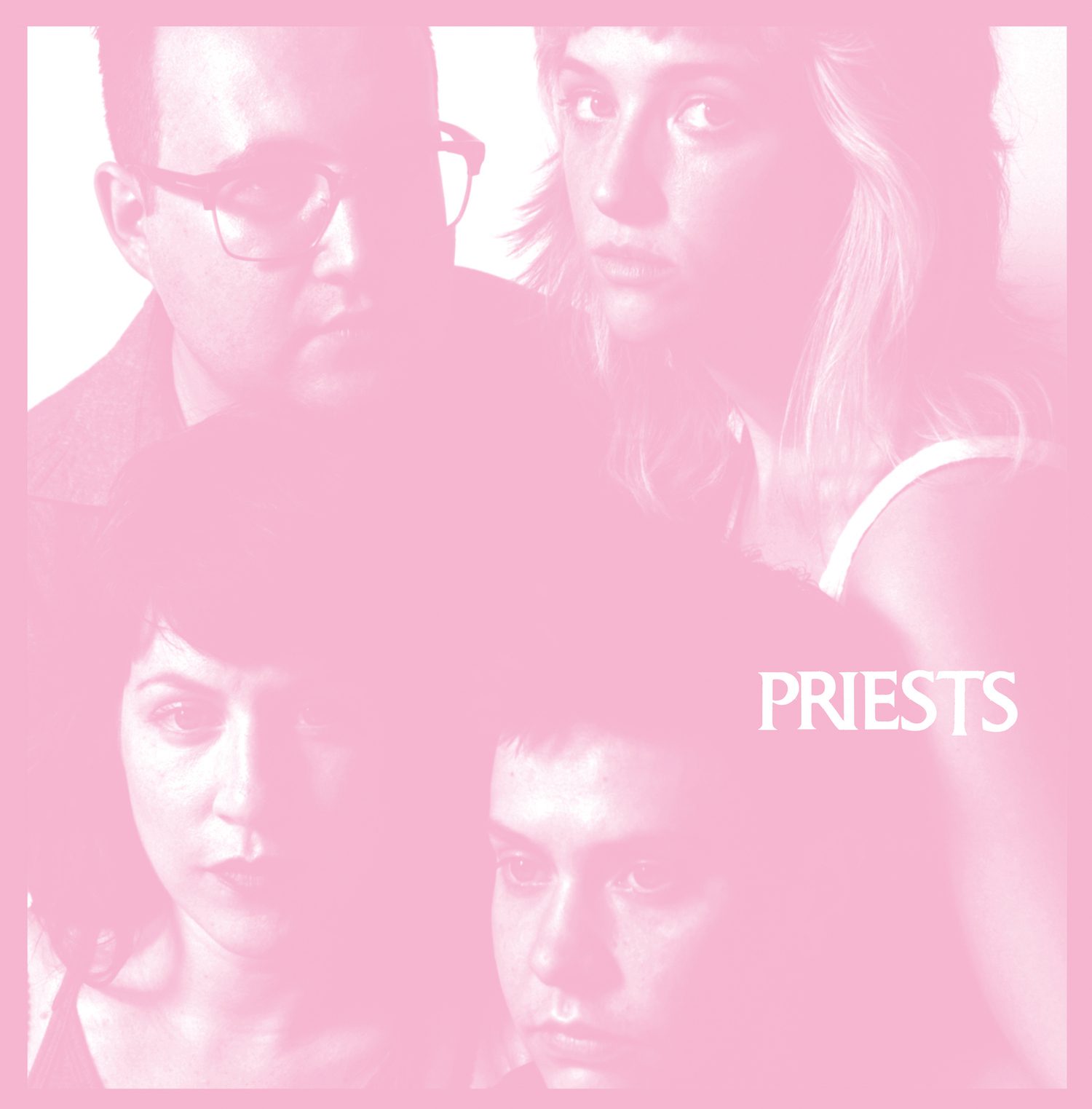
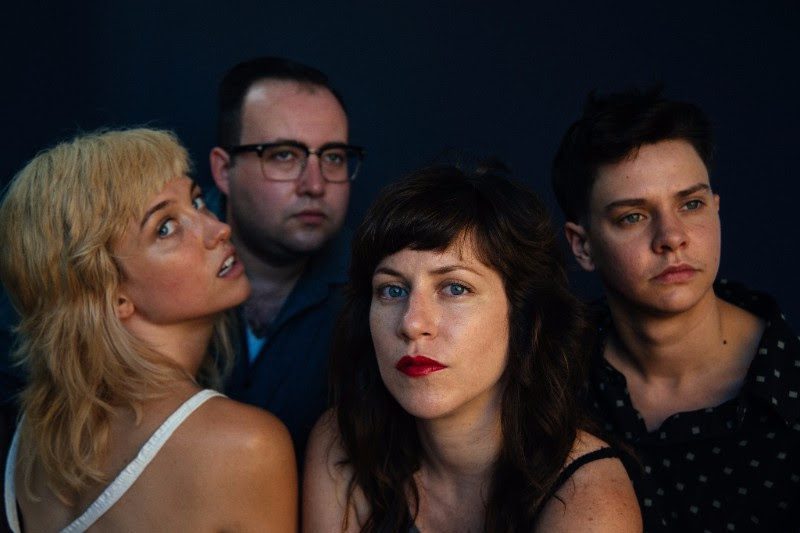
“Art is inherently political. Art informs politics and politics inform art,” said Priests frontwoman Katie Alice Greer in December when her band played a surprise show at Alphaville in Bushwick. This was post-election, and Greer was comforting a distressed audience, but her stance wasn’t surprising; that America is, in reality, a dark place isn’t news to Priests.
It’s fair to say I’ve been waiting for the release of this record, their debut full-length Nothing Feels Natural, for about three years. I first saw Priests at The Pinch in DC when they opened for Pygmy Lush in late 2013. Out came Greer, clad in a velvet leotard, dancing wildly, crooning and alternatively wailing into the microphone. She hypnotized the audience and then woke them up abruptly. She was shameless and original, endearingly femme but fiercely angry at the same time. I’ve been hooked ever since.
On their first release, 2013’s Tape 2, there is a track called “U.S.A. (Incantations).” Backed by horror punk riffs reminiscent of the Twilight Zone theme, Greer tears America a new one. “When people defend the USA I think of Stockholm Syndrome,” she says, “This place was born on a selfish lie. There is nothing to salvage, no great ideals that just got a little skewed.” Greer’s unabashed statement on the truth of America’s crooked imperialism and inequality made me want to scream, made me think that if everyone in the country listened to this song, maybe we’d get our shit together.
We didn’t. Three years after the release of the confrontational Tape 2, Priests have given us Nothing Feels Natural. In true DC DIY fashion, they eschewed the major label release and put the record out on their own label, Sister Polygon.
What makes Priests’ work so potent is their ability to seamlessly tie together the personal and the political. They shift back and forth between themes, illustrating the ways that our political policy affects the moral climate of our society at large as well as the dynamics of our interpersonal relationships. On the first track, opening like a call to arms with its sparse, precise drumming, Greer sings “You want some new brutalism? You want something you can write home about.” This is true; it’s easy to wonder how vitriolic they’ll get in this present political climate, when they were already warning us about America’s rotten core of white male hegemony back in 2013.
But, surprisingly, they don’t go for the overtly political or rabidly angry. The tone is understated, anger served with sarcastic lyrical slights rather than direct address. This album is a testament to the way that toxic masculinity in our public policy and pop culture sifts through layers of influence until it directly affects us in our everyday lives. On “Jj,” the opening riffs are super surfy, and Greer’s vocals are softer and coy. She recounts the beginning of a relationship, and how, as it often does, something changes instantly and everything’s ruined. The moment she finishes wailing “I thought I was a cowboy because I smoked reds,” the tone of the song shifts. Suddenly the surfy riffs are gone, replaced by way more nostalgic, soaring ones. Greer cries, over and over, “You thought I was disgusting,” moving on to say “I wrote a bunch of songs for you but you never knew and you never deserved them.” She does something inherently unfeminine, and that somehow affects Jj’s perception of her, the beautiful perfect creature she’s supposed to be. Every one of us has felt this way. It’s all so familiar — the emotional labor, the self-flagellation, but also the realization of power.
Priests’ interpretation of America’s toxic masculinity is more inclusive than that though, beyond the mere realm of romantic relationships between men and women. “Pink White House” is a powerful rejection of the so-called “American dream,” the supposed end game in all of this. The problem with the American dream, Greer posits, is that it excludes most of America, in all of its white, Christian, patriarchal glory. She points out the irony, repeating “Anything you want, anywhere you want,” over and over. Growing up we’re told we can be whatever we want to be. But in order to fit in this specific, acceptable mold, you actually can’t. But there’s power in the rejection of that ridiculous standard, as Greer would have it: “I’m really not concerned with what you think / You are just a cog in the machine and I am a wet dream soft and mean thick like steam.” A middle finger to the American dream and the expectations of femininity that come with that, she taunts – don’t you judge me, you want me, you want my life.
Overall, this is a great album. It’s audibly interesting, showing a wider range of Priests’ artistic tastes and never redundant in terms of sound. Mostly, though, Priests took the fire and fury expected of them in the age of Trump and turned that on its head, maintaining their raw spirit, but offering a new, more vulnerable spin. These ten tracks relate to our own vulnerabilities and questions of worth as humans, of whether we deserve to be loved and respected just the way we are.
Just as art informs politics and politics inform art, politics inform our interpersonal relationships and vice versa. In “Lelia 20” she sings, “You are a common thief / You’re still using the braun to get the best of me,” but also, “it could be much worse.” It could, but not in this context. Not if you’re still unhappy. That’s what she’s getting across, that you shouldn’t settle for “it could be much worse,” in your own life and relationships. We deserve more, we deserve better.
Priests knew this three years ago, we just weren’t listening.
Let’s be honest: the world is a mess lately. But on their sophomore record, Tiny Mirrors, San Francisco-based indie pop duo The New Up find plenty of ways to channel the negativity into something positive. Since fatefully meeting at a music festival, Noah Reid and ES Pitcher have self-released three EPs and one full-length, but Tiny Mirrors is their first record to reflect both the unstable political climate and sweeping personal changes, including the birth of their daughter. Any time an artist sets out to create new work, they are expected to come out on the other side completely changed, but Tiny Mirrors takes that to extremes.
A little bit grungy and dark at times, the album is a perfect reflection of both turmoil and hope. No matter where you live, there’s a palpable tension in the air lately, but there have also been acts of resistance; when The New Up ask “Do you think we should let it all go, forget about the things that we can’t change?” on “Almost Human,” it’s followed by the warning, “We’ll forget about the things that we could.” Lead single “Future is Now” is all about finding a way forward, backed by an inexorable beat. Music can be a powerful tool to help articulate our feelings and emotions when we find ourselves unable to do so, and that’s exactly what this album does.
What was some of the inspiration behind Tiny Mirrors?
In some ways we were just writing about our experiences and what we were seeing around us on a day to day basis in our own lives. But quite honestly, I think there was a part of us that was looking around ourselves and reading the writing on the wall about where the human race is headed, and we felt compelled to speak about it through our music. A funny thing happened as we got deep into the writing and producing process, though: we realized we also wanted to give people a reality check that they are the ones who are in control of their own lives, and that in order to keep their worst fears from happening they have to remember to exercise that control and not continue to be apathetic in the face of imminent threats. This was all before the election recently, of course, so after this whole alternate universe became a reality, we realized that our music was unfortunately all the more timely. But it was the desire to create a soundtrack for the range of emotions that we experience from being alive in this day and age that inspired us to make this album and give listeners something they could use every day to remind them that they are not alone in feeling alone.
What does this album mean to you, both collectively as a band and on personal levels?
As a band it means incredible growth in every way. Musically, stylistically, lyrically, sonically, conceptually, and from a production and songwriting standpoint, every aspect of the band and the music has grown immensely. To us, it feels like the growth that happens between a 12 year old and a 17 year old, where you start to look at the person differently and then one day you see them and you think to yourself, “Wow, you’re kind of like an adult now.” The music really means something deeper to the band, and we really feel like we have a message and that we’re connecting with listeners in a way that just wouldn’t have been possible for us in the past.
Personally, this album represents a metamorphosis. While recording it there were births, deaths, political turmoil, unfathomable suffering and pain, unspeakable beauty, and a shit ton of self-reflection and self-improvement and shedding of things that weren’t helping us achieve our goals. If there weren’t some underlying solid foundations, one could almost say that we’re entirely different people from when we started to record the album. Whether it was the writing and recording of the album or whether that was just something that came out of the process, it has been a downright transformative time in our personal lives.
I saw that you had some personal ups and downs in the year while you were creating Tiny Mirrors. How does it feel to reflect back on that time now that your album is set to release soon?
It’s pretty crazy. Looking back, it’s almost unbelievable how high the highs were and how low the lows were. It’s not like we’re manic depressives or anything, but life just has a way of taking you on a rollercoaster ride sometimes and all you can do is try to hold on as tight as you can and not get thrown off out into the wilderness. Ironically, it seems like since those times, things have been thrown even more into turmoil. Thinking back to how we felt then and how things are now is a real gut check. There’s an almost palpable sense of uncertainty that’s so thick you could almost reach out and touch it. As people who are pretty steadfast in our sense of morality and solid in our ability to not be brainwashed, it’s crazy to think about how crazy we thought things were then, but then to look at things now and see how the truth has been twisted into an unrecognizable pile of garbage. It just reminds us that we can never be complacent; we can never think that things are in a good place and that we can sit back and let the world go silently in the direction of unity. That reality never existed, the only difference is that now we all know that we must always stay vigilant. I think that’s what reflecting on the process now most reminds us of.
What genre would you say your music best fits in to, if it fits into one at all?
Usually we like to let writers and other music industry professionals call out what we sound like, because we’ve always felt that our music was hard to fit into one genre, and genres have become so narrow and specialized that we thought that we would never fit into one. Luckily, there’s been a little bit of pushback on the increase in sub-genres in the last few years, and we can now kind of fit ourselves into a few if we mix them together. So considering we’ve got a little garage rock in us, a little indie, a little shoegazer, a little electronic and dance, and a little alternative, we just like to wrap that all up in a little bow that we call electro garage rock.
Are there any songs on the album that you feel a particularly strong connection with? If so, which ones?
That’s a tough one. That’s like asking someone, “You’ve got 12 babies–are any of them your favorite?” We might have one that we connect with a little more strongly, but we’d be hesitant to say it as we don’t want to risk making the other ones jealous.
What have been your favorite stop(s) on your North American tour?
It’s still going, and we’ve got a lot more dates to hit, but there are a few places that we always enjoy playing. Portland is always super fun, and you can’t beat our hometown, San Francisco. One of the shows that really surprised us was when we played in Reno recently. We’ve heard rumblings that there is an artist revival going on there (’cause it’s one of the only places that’s still affordable for artists), which is why we decided to play there, but to be there and actually witness it was really cool. The arts district is undergoing a major revival, and some of our friends have moved there and are part of this exciting renaissance.
What are you hoping people take away from your album?
Kind of funny you ask that. On the inside cover of the hard copy of the album (yes, we actually still have our music available in a non-digital form), there is an excerpt titled, “Some things we hope you feel while you listen…,” and the first thing on that list is, “The wind through your hair as you drive through the hot desert.” It goes on to note things like, “winning doesn’t create real happiness,” “the power to change the world and yourself is in you,” “fear and hate, hope and love are two side of the same coin,” “blame is a diversion from the truth,” and “the inevitable is definitely NOT inevitable.” It could be confused for fortune cookie wisdom, but if you think about those things as you listen, you’ll really get the meaning. The music is really meant to be a soundtrack to the moments in your life you wish you could bottle up—the ones where you feel free for a moment or two—so that whenever you listen, you feel empowered and are reminded of the fact that you can do anything you really put yourself into. The fact that that sentiment and so many other important ideas have become cliched (or even ridiculed) is exactly what we’re fighting back against, and what we want to help listeners reconnect with by being unafraid to appreciate those feelings again. There’s a definite political element to it, and we’re hoping to inspire people to get out and do something about all of this insanity—especially vote! The politicians who are in there right now are not going to listen to anyone; they’re going to do whatever they want, no matter how much people protest. So the only thing that is really going to have an effect on the direction of where we’re going is to VOTE!
What plans do you have in mind for the future?
What’s up next depends a lot on what happens now. We’re pushing hard to make the biggest splash possible with this new album in the U.S., but we’re also making a huge push to make it a big success in the U.K. and EU. We’ll be doing a lot more touring in the spring and summer, with some East Coast dates planned for May and June. After that, as long as everything goes as planned, we will be doing a U.K./EU tour. We’ve already got the team in place to make it happen, so it’s much more likely than not that it will happen, but of course we don’t even know if we’ll still be alive in June, so we can only be so sure that anything’s gonna happen, right? After that, we’ll hunker back down in the studio in the fall to start recording the next album, and we’ll probably stop touring for a bit so we can focus on that. If everything explodes with this album, that whole timeline may get pushed up sooner by a bit, which we would welcome.
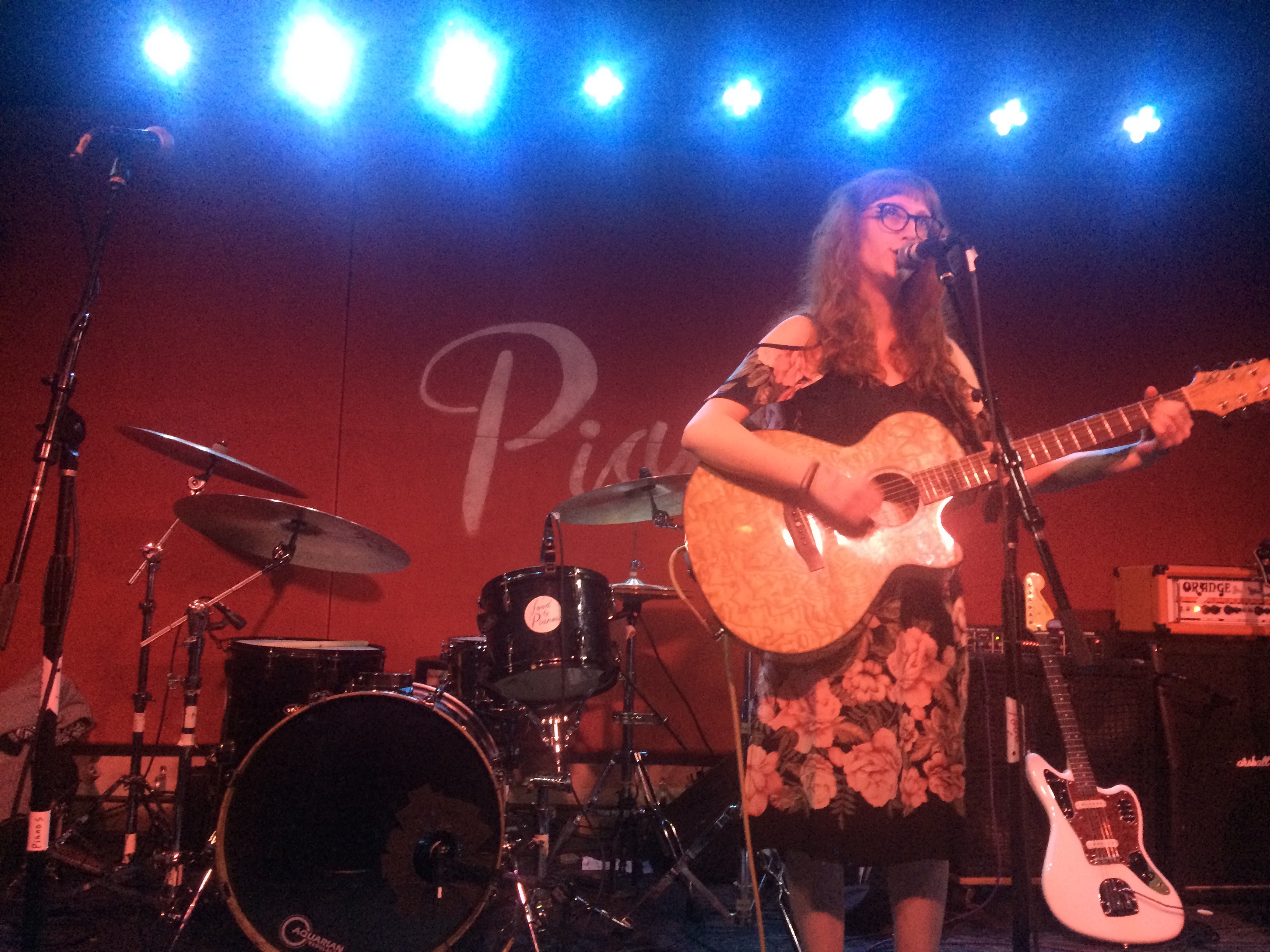
I always end up sprinting through the lower Lower East Side, the annoying part 15+ minutes off the L, Mercury Lounge and Berlin and all those dive bars I’ve cried in and made out in—usually on the same night. I sprint because I am always late, just like I was late to Avery Mandeville and the Lords of Liechtenstein’s dual album release show at Pianos. It was a classic case of, “I’ve heard of them but never listened to them,” mainly because Friday’s entertainment all hailed from my area of New Jersey. I ran away from that world, that scene, harder than I ran to Pianos, but there is a hometown solidarity that forced me—and a bunch of transplants—out that night.
In New Jersey you have friends. In New York you have allies.
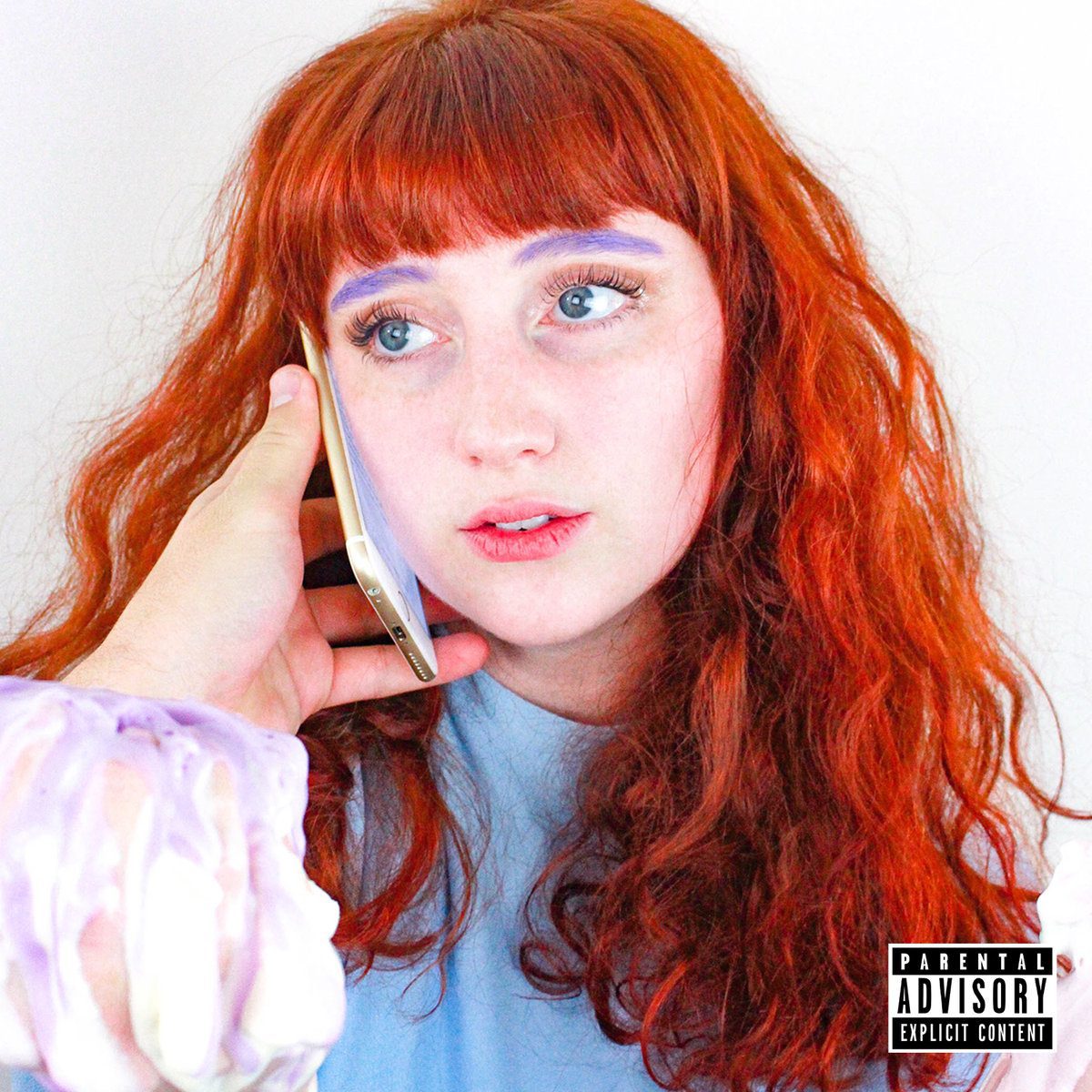
The bigger draw was the album cover of Mandeville’s Salty EP: the flame-haired, lilac-browed songstress on her iPhone, an adoring gaze contrasting with the “Parental Advisory” sticker clashing in the corner. It was pleasingly emblematic of her half acoustic, half electric set. Her skill is in using her silk taffeta voice—quality, with a textural stutter that tapers off certain phrases—to tell thoroughly modern stories without making it like a novelty.
The sweetness comes across unplugged in tracks like “Alexander,” prefaced that it was written during her time spent living in this “beautiful, horrible city.” Who knows what drove her out of here—for artists I see the only excuses as financial recuperation or death—but I understand the ache of “I can’t save you, I’m a stranger from the sea.” A shore siren found over her head in brackish city waters… yeah, that makes sense.
When joined on stage by her backing band the “Man Devils” (a…ha) she gets an energy boost, the wobbling guitar solos certainly not hurting her case. But her power is her own songwriting, when she brings the coarse language and internet era touches to her tracks. This is best heard in “Dick Pix,” from the “House of the Rising Sun”-esque intro to the sass behind the line, “You guys don’t intimidate me, I got my leopard jacket and my new haircut.”
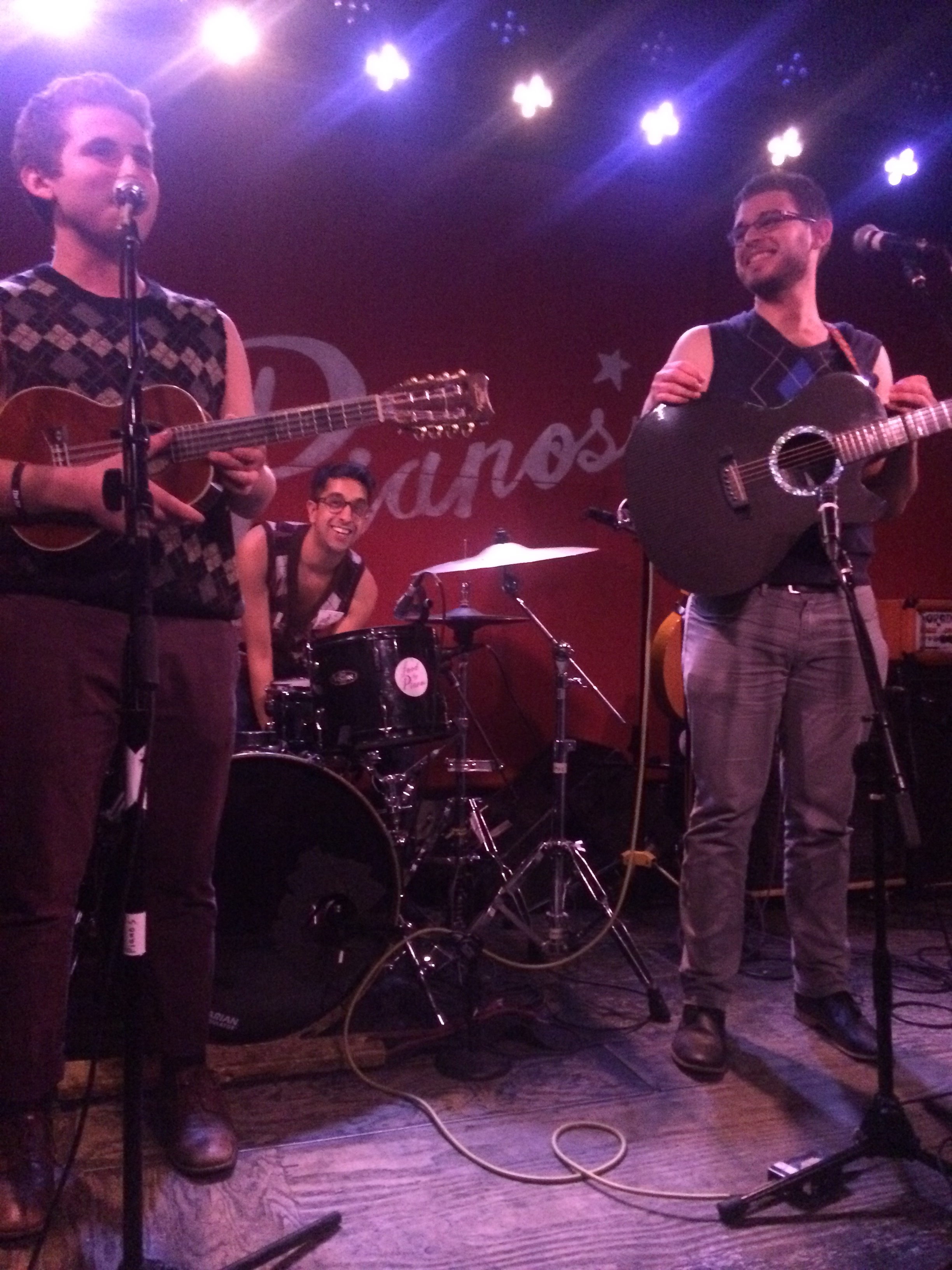
Lords of Liechtenstein were next, veterans in the New York folk scene with that air of, “Wait, did I go to high school with these guys?” Fronted by brothers Noah and Dan Rouchwerk, the Lords’ fourth album Downhill Ride to Joyland is characterized through and through by ping-ponging lead vocals. It was those harmonies that I tuned an eager ear for—why form a band with your sibling if not to create such a pleasing melodic blend?
The friend who invited me to this show prefaced that the Lords were definitely “Not My Thing,” and I’m not going to counter that statement. Country folk is a hard sell, and choosing to lapse into a country accent when you’ve probably done Inkwell open mic nights and downed many, many pork rolls (Taylor Hams?), is a harder sell. Nevertheless, the part of me that loves Neil Young can appreciate the quiet beauty in “Utica,” a song about wrongful imprisonment.
Really, their schtick almost relies on a proud nerdiness, and like the argyle sweater vests they don on stage and the replicas they sell in the merch booth, they wear it fairly well. There’s a bravery in taking those unconventional, even dark detours in history, be it a theoretical Jonestown rally song with “Kool Aid” or a lament over the anti-Semitism of Roald Dahl in “Long Lost Boy.” They’re also comfortable rocking really tiny instruments, which kept my eyebrow perpetually raised. Ultimately, the Lords’ sound works best on the more leveled, gentle end of the spectrum, although I’ll cop they can pump out a very enthusiastic Paul Simon cover.
Mandeville came back to share a mic for “Satellite,” the final track off the Lords’ LP and the final song of the night. It’s another stunning song with successful vocal melding, and I couldn’t help focusing on the playful pre-song banter of “We like to be close,” “But not too close.” It’s that sense of silly familial love that feels like a happy homecoming to everyone in the room; even up front with my jaded neo-New Yorker stone-face, I couldn’t help feeling it a little.
I grew up at the shore and spent the entire time looking over the ocean for skyscrapers. I couldn’t run away fast enough, because I wanted something harder. My North Brooklyn scene of indie-grunge-post-punk-psychedelic peers certainly delivers that. It is beautiful, never horrible, but always hard. Finding that hometown comfort on the Lower East Side was a respite I don’t regret.
In New York you have allies. In New Jersey you have friends.
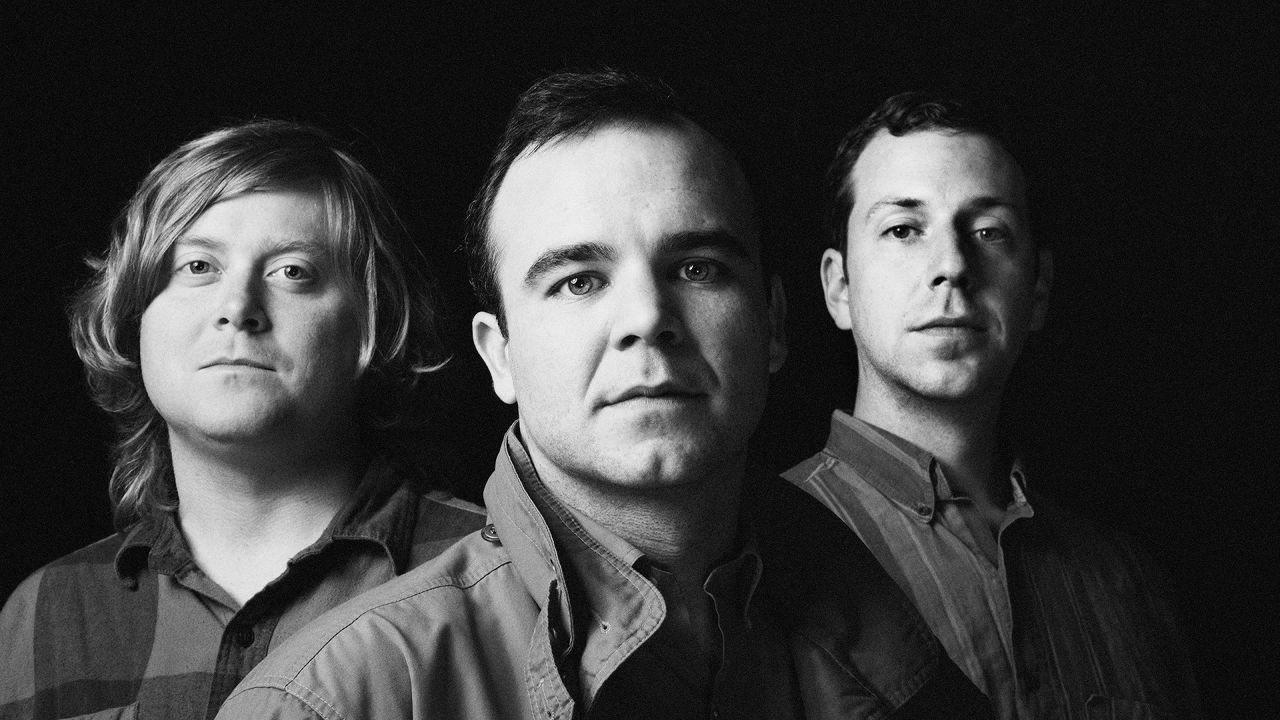
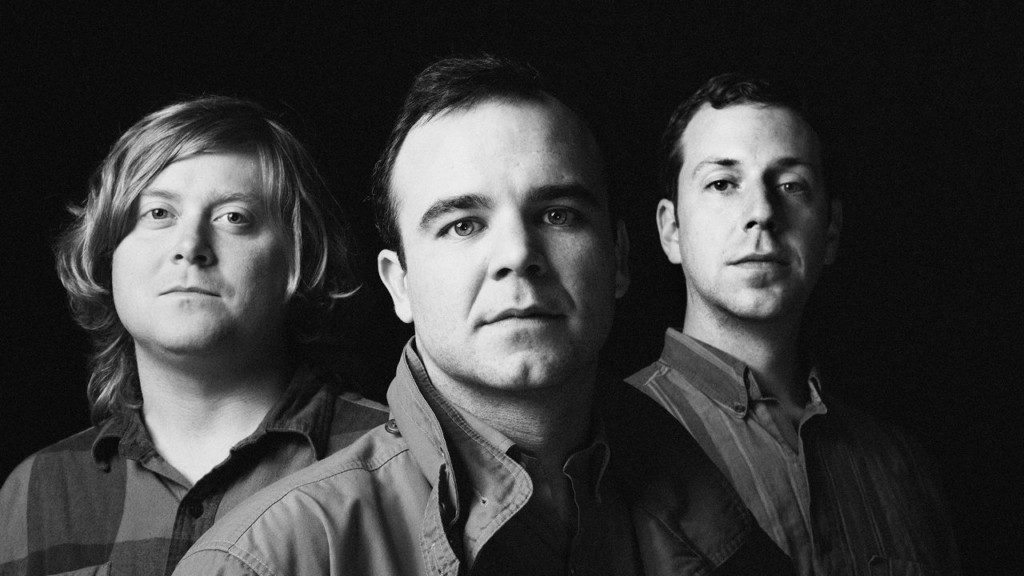
Two years ago, Baltimore trio Future Islands had a huge breakthrough with poignant single “Seasons (Waiting on You),” finding the success they’d been seeking since 2006. Hoping to continue that momentum, they released a teaser single from their forthcoming record The Far Field just last week. Titled “Ran,” their latest track does not reinvent the wheel; rather, it redirects the aforementioned wheel toward, well, the future. A subtle evolution of contemporary catharsis, “Ran” falls into line with Future Islands’ racing movie-trailer-esque encapsulation, magnifying the many warped intricacies of a single feeling with bellowing tenacity.
“What’s a song without you/when every song I write is about you?” concedes singer Samuel T. Herring, returning with his signature tenderized, chest-pounding vocal exorcism. He’s theatrical, vulnerable and filled to the brim with guttural fight or flight, and his notoriously unique inflection resonates with a sense of well-rounded heartache on “Ran”, each breath an emotionally acrobatic moment. Islands’ ability to unite emotional strain with synth-drenched melody and steadfast percussion reveals a masterful conviction and commitment to navigating the contemporary. For a song that seems determined to revive a love affair that is D.O.A/D.N.R, Future Islands do what they do best: illuminating various, winding paths from the darkness. (Oh, and growling. Lots of growling.)
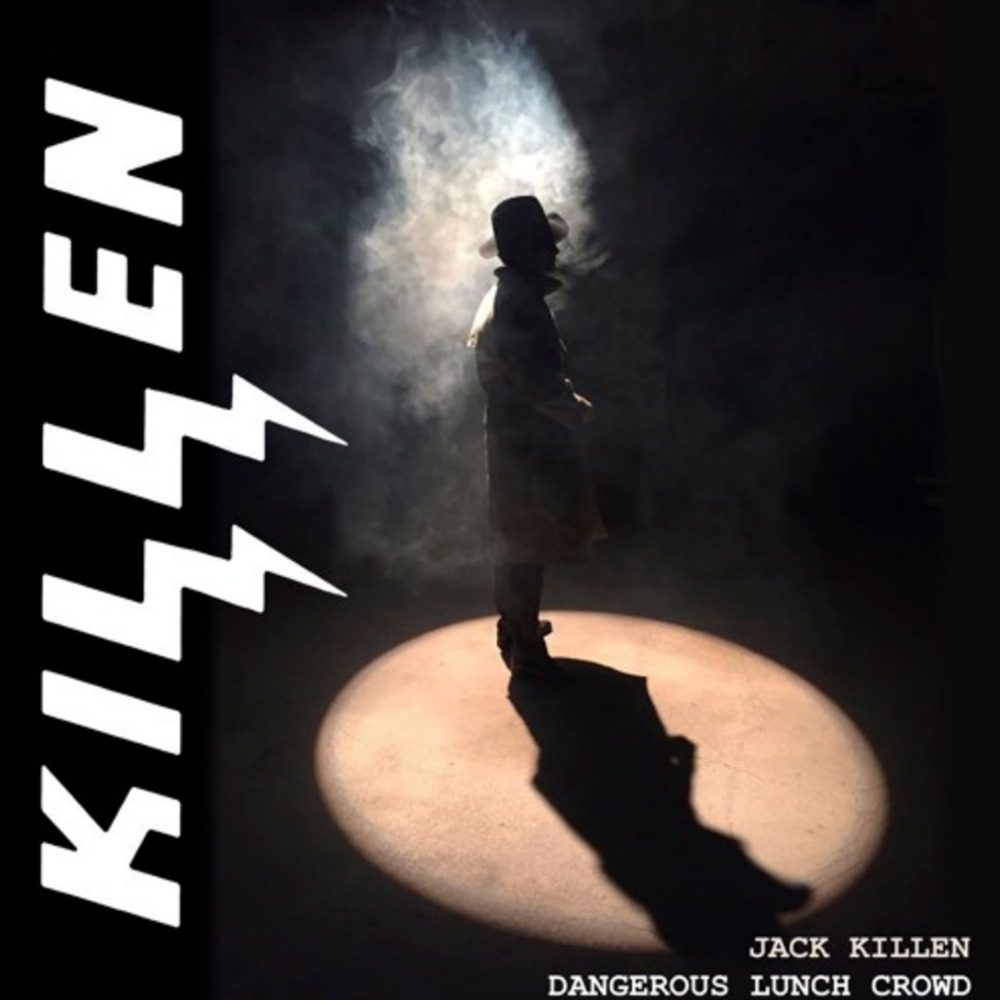
It was a dark and stormy night when I met Jack Killen at the TriBeCa bar Nancy’s Whiskey Pub. The rain outside, and the bustling, old fashioned environment inside, made it a fitting time and place to discuss his latest EP.
Dangerous Lunch Crowd is largely inspired by his love of detective novels. “I like to write about pulpy subjects, and I thought it was cool to do a concept, detective fiction EP,” Killen explained. “It’s always, there was the girl, there was the bad guy, there was this detective or cop. And that’s basically it, you can make a story out of that. I think Raymond Chandler said, if you don’t know what to write, make the phone ring. Kick down the door. Do something dramatic.”
The four songs on Dangerous Lunch Crowd are crafted with help from this formula; their plots could be taken straight off the back of a detective novel. “Genevieve,” about a troubled relationship, starts with unexpected action: “You threw a glass of shiraz on my favorite t-shirt.” It also includes my favorite, highly specific lyric from the EP, “I remember you tweaking in my crummy apartment/ Watching a slowed down version of acat video by some guy in Japan.”
Meanwhile, power ballad “Lower” narrates a dark past, and the epic “Symphony Of Skin” could be interpreted as a familiar plot line of the detective seduced by the dame who waltzes into his office. “Renegade” opens with bare piano chords, and you can almost see the sun lighting up a strange cast of characters in a smoky bar: “There’s a party for the unwanted, the desperate and the haunted.” A cheesy guitar solo starts, stirring up trouble. His girl wants the kind of life he can’t afford. He’s a straight shooter who knows the rules well enough to break them.
“Renegade is about, for sure, a criminal,” Killen elaborated. “You know ‘Atlantic City’ by Bruce Springsteen? One of my favorite lines is in there: ‘Last night I met this guy, and I’m gonna do a little favor for him.’ Willie Nelson, Kris Kristofferson, they were all doing the outlaw rock thing. It’s like, how do you get ahead in the world? That’s what the song’s about.”
Josh Slater, who directed the videos that accompany Dangerous Lunch Crowd, shares the obsession with pulpy detective stories. Jack listed some of their favorite writers, including Ed McBain and Charles Willeford. They also share a fondness for gritty, lo-fi music videos. The three released so far share a sincere goofiness, with loose, offbeat plots that seem like something you’d stumble across while watching TV at four a.m.
Besides the literature and outlaw rockers he mentioned, what are Killen’s other influences? Musically, “If I could sound like Warren Zevon meets Sparks, that would literally be my dream,” he says. “I’m hopelessly obsessed with Warren Zevon. He’s tongue in cheek, but it’s so dark.”
When it comes to his work ethic, however, inspiration comes from an unexpected source: Charles Ives. “He was always the coolest guy to me, because he was a full time insurance salesman all of his life, but he’s also one of the most important American classical composers,” he explains. “He did a kind of bastardized American folk tunes. They’re cool as hell. He shows, if you’re neurotic enough, you can do it all.” Killen has also learned how to balance his musical life with a full time job. He’s a beer distributor, which lends its own source of inspiration. “I love the beer business because you get to go door to door, you get to talk to all the people. I’ve been living here for 11 years, and my largest influence, for sure, is just chaotic craziness of New York.”
Visiting these places ties back into the detective novelists, too. “I love Forlini’s. You read an Andrew Vachss novel, and they’re at City Hall, at that bar right there. Whether or not they make up fake names, they’re actual reference points of the city. And places like this,” Killen gestures enthusiastically at the Nancy’s Pub crowd. “It’s so exciting! Like, who are all of these people?”
Dangerous Lunch Crowd, recorded and produced by Graham Dickson of Crystal Fighters, is out now via Axis Mundi Records. Stream the EP below!
While many artists are already pledging that the profits from their album purchase will be donated to a charity, Bandcamp has one-upped them all (not that philanthropy is a contest, because as long as people are contributing, everybody wins). Today, any proceeds the website makes will go to the ACLU. So get online, buy some great music, and support one of the most important organizations ever!
Musical Responses To The #MuslimBan
Last Friday Trump signed an executive order forcing airports to detain and deport immigrants and refugees entering from seven Muslim-majority countries, regardless of their immigration status. Protestors, lawyers and the taxi drivers weren’t having it. Neither were many musicians, who responded in various ways. Grimes and Sia announced they would match donations made to the Council on American-Islam Relations and the ACLU. Ethically questionable ride-share app Uber turned off surge pricing during a JFK taxi strike protesting the ban, which many interpreted as a way to profit from the taxi drivers’ act of solidarity. In response, “Uber Everywhere” artist Madeintyo said he would be switching to Lyft.
As for actual music, Spotify compiled a playlist of 20 songs from artists who were once refugees, including Queen, Regina Spektor, M.I.A and the Fugees. We also recommend NPR’s Music In Exile series, which tells the stories of musicians who are refugees.
With several events abruptly canceled thanks to police and fire departments raids, the DIY venue in industrial Bushwick is closing, hopefully temporarily. The venue’s Facebook page states: “In the face of recent challenges we’ll be dark for the next two weeks as we restructure and plan for the future.” Scheduled shows are being postponed and/or relocated to nearby venues, such as The Gateway, Silent Barn and Trans-Pecos. 2016 took a lot of important venues away; hopefully Shea Stadium won’t be 2017’s first casualty.
Jennifer Clavin has a stern message for rock critics, and it comes in the form of the latest single from her band Bleached, “Can You Deal?” It’s the title track from a forthcoming four-song EP (which will be out on Dead Oceans March 3rd), and it was inspired by Clavin’s frustration with a music community more focused on her gender than on the content of her records. Last year, Bleached released their sophomore album, Welcome The Worms, and it dealt with some pretty heavy topics – abusive relationships, drug and alcohol addiction, searching for a sense of self – and pound for pound, each scorching guitar riff matched those issues with raucous gravitas. The production dwarfed the lo-fi sound of their debut record, 2013’s Ride Your Heart. But Clavin says that relatively few music writers wanted to delve into any of that; instead, one question kept coming up in interviews: the dreaded, reductive, “What’s it like to be a girl in band?”
It’s a tricky question, one that assumes male-ness as the default; no one would ask a male musician what it’s like to be a guy in a band. If the question is rephrased to exclude gender markers, it becomes, simply, “What’s it like to be a person in a band?” which reveals how acutely lazy the sentiment behind the question is. A woman cannot compare her experience as a woman in a band to this supposed “default” because she exists as a woman even when she’s not playing music. There are lots of musicians, Bleached included, who sing about personal experiences in their work, and while the best confessional songwriting taps into something relatable and universal, it’s still rooted in something specific. There is no universal experience that all women share based on their gender, but “Can You Deal?” points out how frequently folks seem to forget that.
More often than not, women are asked this question as a means of provoking some kind of feminist declaration. That can feel like a trap for a band or musician that doesn’t focus on politics in their work, especially since men are never asked to take a similar stance. It’s obvious that there’s still gender bias in the music industry – from festival line-ups that favor male acts, to rude sound guys who dismiss female players’ ability and know-how, to ads for gear featuring scantily clad models – and for some musicians, that’s certainly worth discussing. But asking a woman to re-live whatever gender-based affronts she’s experienced (which are, arguably, part of a larger system of patriarchal culture) doesn’t combat the issue in any real way, especially when it comes at the expense of ignoring the actual art that she’s making, the influences behind it, or what she hopes to achieve with it.
In the interest of putting this very tired question to bed once and for all, Clavin compiled essays, visual art, poetry, and lyrics from dozens of women in the industry. The resulting zine is also called “Can You Deal?” and features work from her bandmates, as well as Lizzo, Tegan Quin, Patty Schemel, Jane Weidlin, Liz Phair, Sadie Dupuis, Alice Glass, EMA, Julien Baker, Mish Way, Hayley Williams and more; it’s out the same day as the EP and all proceeds go to Planned Parenthood. Bleached will be touring to promote both throughout April, and hopefully this time around, Clavin will get to spend more time professing her love for Black Sabbath than railing against stereotypes.
Listen to “Can You Deal?” below and pre-order the LP here.
One thing that never tires me about Rubblebucket is that they can create unique, stand-alone tracks that each sound like they’re each from a completely different band. That, and their gratuitous use of brass (I’ll always be a ska kid at heart, I guess). Having not heard new music from the Brooklyn group since their 2014 release, Survival Sounds, it feels like a blessing to be graced by their new EP, If U C My Enemies, which comes via the band’s So Sensation Records.
The EP begins with a tinkling of keys on the track “Donna,” which sees Kalmia Traver’s washed out vocals and a groovy sax. If you close your eyes, you can practically see Traver on stage, dancing to this psychedelic number as she hits her perfectly timed falsetto. Next is the titular track, which hops around from being subdued and grounded to upbeat and energized. It kicks off with a heavy saxophone that’s balanced out by a perky trumpet from bandleader Alex Toth, then transitions into a quintessentially quirky Rubblebucket song with the help of Traver’s ascending vocals. The single is empowered and punchy, grabbing you by your shirt collar and dancing your around the room on its uplifting synths.
Following is “Not Cut out for This,” which is airy and sobering. The trumpet and lulling synths give it a more classic ska feel, and it’s the perfect dose of reality in such a small collection of songs. If U C My Enemies closes out with “Forlornification,” a funky, exuberant track that’ll leave your head buzzing with synths and brass. Its layered, gospel-like vocals and brass/guitar combo come full circle to enchant and haunt your mind, in the best way possible.
Rubblebucket plays their EP release show tonight at Greenpoint venue Warsaw. Stream the EP below.
If you are paying attention to the political sector right now – and I’d be concerned yet impressed if you’ve managed to escape it – every day may feel like a battle. Those who have suffered depression will be uncomfortably familiar with this sentiment. The difference being: now we experience distress as a collective whole. Shared unrest can at least make us feel less solitary, but it comes with its own set of side effects. A sense of widespread and impending doom, for instance.
In times like these, it is easy to write off seemingly frivolous forms of catharsis. To put away pleasure and fortify yourself with facts instead. To bury the arts under a headstone reading: “Trivial.” I’ve certainly found it difficult to appreciate art at face value lately. How could I dare enjoy something pretty amidst the calculated intolerance being issued by our new government? Surely I’m not the only one who feels guilt and futility lest I’m actively educating myself on the matter or combatting it – on foot or on paper.
And then, as if she could feel our hearts breaking, our shame and impotence triumphing, a respected member of the New York music community wrote a post on Facebook urging artists and musicians:
“DO NOT BE AFRAID OR FEEL ASHAMED to spread your work, or promote your shows amongst this chaos! It is in no way selfish. The community you build with your work, and the shows you’re playing are helping people heal, and find togetherness, and give people a moment of goddamn peace. Do not let Drumph oppress your work. Artists, you are SO IMPORTANT especially in times like this. Use your magic.”
She was unassailably right, and I try to remember that statement every day. In a rare moment of optimism, my hope is to push her words further. To highlight that while dialectics and dissent and physical resistance are all of utmost importance right now, so too is the creation and support of art. To learn from previous art and make new work that addresses our current despair.
It is my personal belief that the best art is birthed from conflict, internal or otherwise, and not necessarily from a pure urge to depict beauty alone. This, incidentally, leads me to liking a lot of “unpleasant” music, literature, film, and visual art, as my friends and family could tell you. Otto Dix’s depictions of the First World War, Hemingway’s accounts of The Spanish Civil War, the IRA drama The Wind That Shakes The Barley, Thatcher/Reagan era punk music, and of course George Orwell’s 1984.
The latter two have a special relationship for me, and given 1984’s recent resurgence in popularity, I found it an apt tie-in to the importance of embracing the arts in trying times. This isn’t the first instance post-publishing that 1984 has been all over pop culture. Its sales spiked 5,771% after Edward Snowden leaked the NSA’s phone tapping secrets to the world. 30 years prior, punk bands of the late ‘70s and ‘80s found its text all too applicable to Margaret Thatcher’s reign in Britain, especially groups like Subhumans, without whom I may have never read 1984.
Subhumans’ 1983 debut record The Day The Country Died is essentially a 1984 concept album, with dystopian themes throughout. Specifically, Orwell’s masterpiece is referenced in the opening track “All Gone Dead” (“So long to the world, that’s what they said, it’s 1984 and it’s all gone dead”) and “Big Brother,” which makes references to the novel’s voyeuristic telescreen spying on its citizens. In hindsight, the record and the novel reveal eerie premonitions: today, a majority of the United Kingdom is monitored by CCTV cameras (1 for every 32 people, as The Guardian reported in 2011).
Currently sales of 1984 are up 9,500%, the novel reaching the top of the Amazon best-seller list in the days after Presidential Counselor Kellyanne Conway stated that Press Secretary Sean Spicer gave “alternative facts” when discussing the number of those in attendance at President Trump’s inauguration. This paradox uttered by Conway immediately reminded thousands of Orwell’s terms “doublethink,” which refers to “reality control” and “newspeak” – the eradication of independent thought.
What I find most remarkable, is that in spite of this shitstorm we’re facing, people are actually trying to better themselves in every way possible; taking time out of their weekends to schlep to JFK and resist Trump’s immigration orders, creating and signing petitions, and even simply reading a piece of relevant literature – swapping out fantasy fiction for something radical, political, and “unpleasant.”
The fact that the arts are intersecting with politics at a volume that hasn’t occurred in decades, to me marks the end of cynicism in the creative world. When pop stars like Sia and Grimes donate tens of thousands of dollars to the ACLU and CAIR, when countless performers turn down a large paycheck for the sake of their political integrity (the star-studded scoff at the Inaugural Ball, I mean), when commercial singers like Janelle Monae and Alicia Keys and Madonna show up at the Women’s March on Washington – you know there is a paradigm shift at hand.
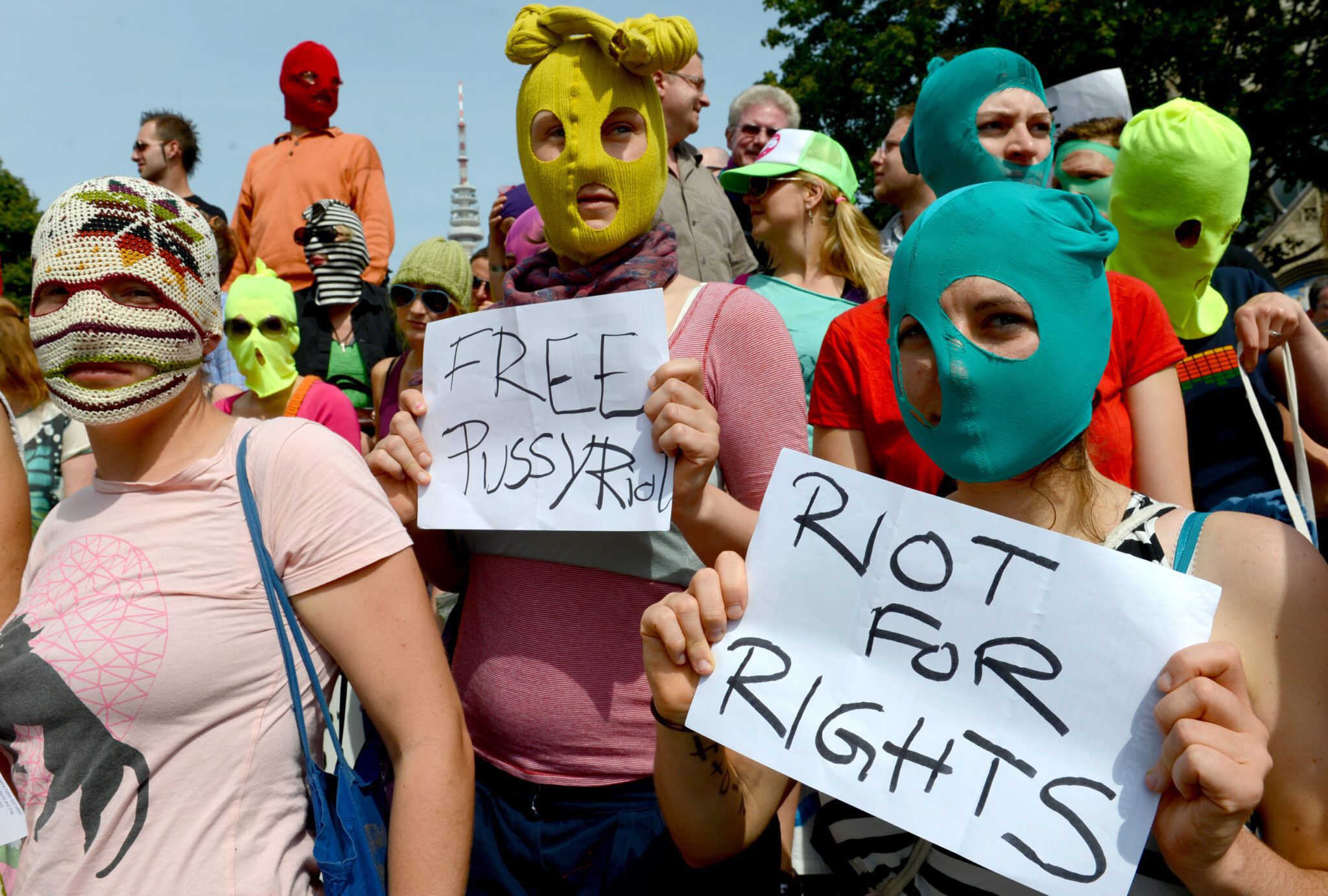
It is a sign that art can be radical. Music can be radical. I am not saying we should all hold hands and sing “Kumbaya.” I am saying we should hold our fists in the air and sing Pussy Riot, and keep making music that is topical, and angry, and full of conflict. We should read Orwell and Marcuse and Debord, but we should also write the next 1984, and the next Reason and Revolution, and the next The Society of the Spectacle.
It seems to me that if we could focus all of our efforts – especially artistic efforts – with a critical and productive lens, if we could make every atom of our reality about discussing and re-shaping what we can no longer accept, then we have a shot at real progress. There is a time for art that perceives itself (but isn’t actually) in a vacuum. There is a time for post-modern distraction, and the navel-gazing art of identity politics, and artistic fetishizing of antiquity. Now is not that time.
Modern Baseball’s latest track doesn’t offer the courtesy of an introduction or a closing instrumental, starting immediately with a subdued garage rock vibe that stays consistent until it ends just as abruptly as it begins. But with a healthy dose of lo-fi panache, “This Song is Gonna Buy Brendan Lukens a New Pair of Socks” addresses frontman Brendan Lukens’ struggles, both within the music industry and in his personal life as well.
The Philadelphia punk rockers strip down to basics – not just sonically, with driving riffs and keys reminiscent of church organs, but also in their modest request for something as simple as socks. The irony is that, in pursuit of his most essential needs, Lukens is willing to lay his frustrations with those around him completely bare. Socks can’t heal broken relationships, and from the level of discontent he’s espousing, it’s doubtful that such a simple comfort will be effective in providing him the same.
If that sounds a little gloomy, fear not – the song will rock your socks off! Find it on a split 7″ via Big Scary Monsters and Lame-O Records, alongside music from Thin Lips and The Superweaks. All three bands are touring together through Europe and the UK; you can listen to the single below.
Ty Segall’s “Break A Guitar” is a classic hair metal rock ‘n’ roll number straight out of the 80s, complete with screaming guitar solos and rocker attitude. The basics of the song itself aren’t very complex: it’s got repetitive guitar riffs peppered with an unwavering drumline, and carefree, self-assured vocals throughout. But that doesn’t mean it isn’t fun to throw on and jam out to, particularly at top volume.
In fact, this single as a stand-alone is a bit refreshing—it demonstrates that his recently released second self-titled album is the exact type of raw, impassioned garage rock we’ve come to expect from Ty Segall. His previously released single, “Orange Color Queen,” seemed to be a deviation from that—a melodic and mildly unexpected love song, it hinted at the possibility of a new direction. But overall, this album—Segall’s ninth over the course of his prolific history—is as hard-hitting as past works. The inclusion of more honest, contemplative songs reflect a more refined work overall, while “Break A Guitar” represents that vintage Ty Segall sass.
He’ll be touring the U.S. this year with his full band, meaning there will be ample opportunities to experience the exuberance of his live shows. Get amped for destruction with “Break A Guitar” below:
“My whole life just seemed like a cloud of fog,” Rosie Carney states frankly on her website, sharing explicit details about the pain she’s experienced: bullying, sexual assaults, an eating disorder, being dropped from a major label at the age of seventeen. Now twenty, it’s no wonder Carney, who hails from Ireland, has such a haunting voice. But on her single “Awake Me,” lyrics like “I’ve been a fool for more than half of my life, I’ve tried to hide/ Awake me,” seem to show that she is confronting andovercoming her past. Not that she needs to claim any great sorrow to be taken seriously as a singer – she’s able to express multitudes even when her voice hovers close to a whisper, and create mountains of tension just by lingering on a pause. All that accompanies her voice are simple, repetitive guitar arpeggios, but as her voice ascends higher and higher in spirals toward the end of the song, it’s easy to imagine her leaving behind the fog, the bullies, the stigma of mental illness – everything.
Find some release and resolve in the gorgeous track below:
It’s strange to think of ex-lovers in terms of how they rank compared to one another, but perhaps there’s some truth and treasure in having a “best ex.” It could be a former partner who will jump your car when your battery dies, or one who has no ill intent when comforting your hurting heart with your favorite bottle of rosé and an LCD Soundsystem record, or simply the one that shines brightest in your memory, even if the timing wasn’t right. Ann Arbor/Ypsilanti/Detroit minimalist DIY rock quartet Best Exes tap into the estranged sincerity of having loved, moved on and lingered in a city that bursts at the seams with former flames and new sparks on their new cassette releaseCactus.
Short and sweet, Cactus is cozy equivalent of saddle shoes, a borrowed sweater and organic cigarettes. Best Exes encapsulate that nuanced innocence by means of lo-fi guitar twang, endearingly uncertain vocal harmonies and retro bass lines that nuzzle fuzzy percussion. The playfully combative “Weird Kind of Nice” could read as a texting conversation, politely begging to feel anything other than alone. Vocalist Jim Cherewick channels early Caleb Followill; when paired with Linda Jordan’s pacifying, nasally charm Best Exes feels like a less literal She & Him – thoughtfully cluttered and platonically tepid.
This observation is particularly true for the last half of the record. The track “Friends” repeats Exes’ pleasant theme of colloquial cadence with 50’s sock-hop flare. “Oh Well” is a bit more verbose and emotively physical, reading like a lengthy letter about the wrongs of the other (Jordan sings of infidelity and throwing a lamp across the room) and is possibly the most openly conflicted track from these real-life characters. The final track, “Blessing” is undoubtedly the most well-rounded and fearless example of the pop-infused, passive torment of Cactus. Though embedded throughout, Cactus‘ disguised nostalgia is not always pleasant and its foreseeing of the future is not always easy to swallow. However, Best Exes’ collective ability to compose lovingly languid tales of self-searching through exploration of previous exploits make the big picture feel less small.
Don’t text your ex! Instead, take a listen to Cactus via Best Exes’ bandcamp:
If you’re reading this right now, chances are you’re one of the millions who is displeased (to say the least) with the recent election of Donald Trump. And what can help us combat our anger, sadness, and overwhelming show of emotions more than musical support?
Dave Eggers-backed protest org 30 Songs, 30 Days and record label collective Secretly Group are working in accordance to present Our First 100 Days. Essentially it’s a subscription service benefitting organizations threatened by Trump’s agenda (donations go to protect reproductive health, the environment, undocumented immigrants, the LGBT community, and the working class). A mere $30 gets subscribers exclusive, unreleased, or rare tracks from artists, including Mitski, Toro y Moi, PWR BTTM, and more. By day 100 of Trump’s presidency, the playlist will have 100 songs meant to inspire change and offer that musical shoulder to cry on that we all desperately need right now.
The first of these is Angel Olsen’s single “Fly on Your Wall,” and it’s a great way to kick off the project. Although Trump’s whirlwind of damaging policy makes it seem as though we’ve been stuck in some bizarre time lapse for years already, we’re barely two weeks in; “Fly on Your Wall” provides a valuable sense of grounding back in reality with a strident, march-like tempo. The guitar and bass chords hit hard and heavy right in the core with every pluck. Grungy and melancholic at first, the song builds toward optimistic revery as Olsen croons, “It’s only real in my mind” as though issuing a protective mantra. I want to take it as a sign that things aren’t as bad as they seem and that maybe there’s hope somewhere, but that’s mostly because that’s what I need to believe right now. At the very least, it’s a vital reminder that despite Trump’s promises to defund arts and humanities programs, there are many performers willing to stand up to him with a triumphant songs of resistance.
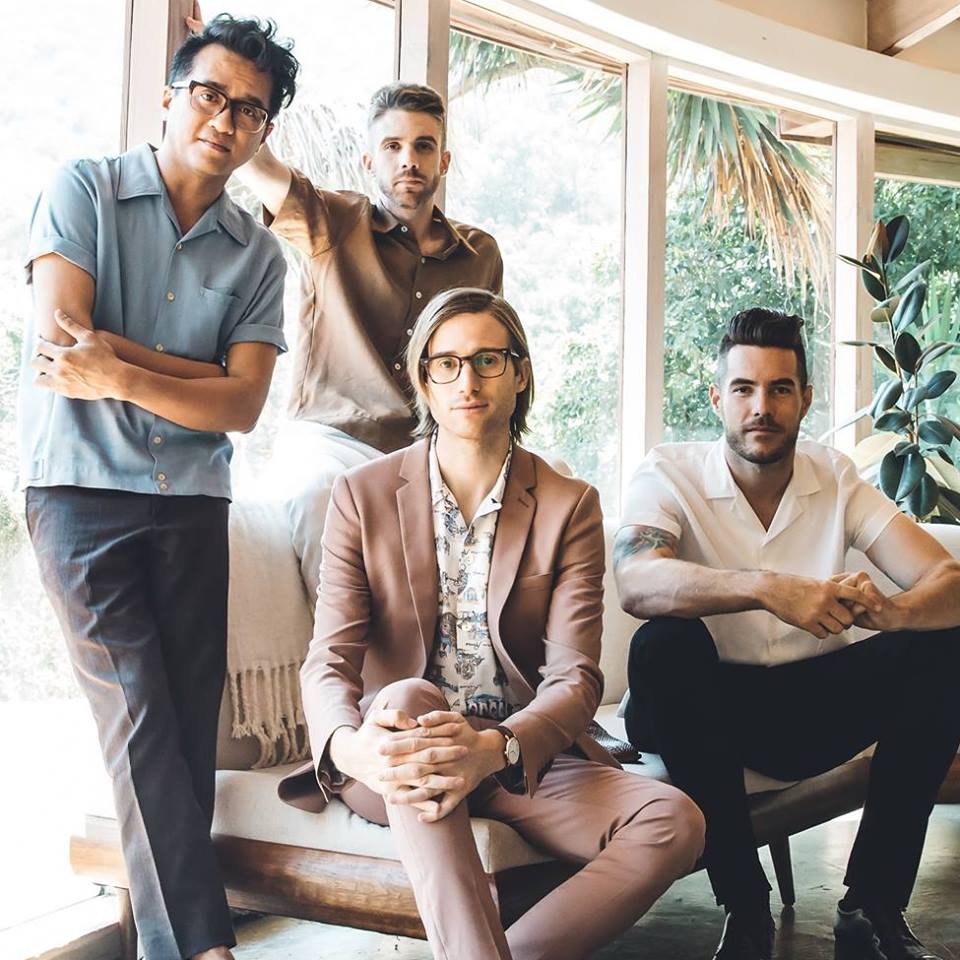
Los Angeles-based indie rockers Saint Motel just released a remix for their single “Move,” and Jenaux’s high-energy rework seems like the perfect excuse to revisit the band’s big-budget video for the original. A play on the glitchy aesthetics of of their record, Saintmotelevision, the videois set in a 1960s-era newsroom struggling with its ratings. The band is called in to stoke viewership, but accidental fire and destruction is the only thing that can finally send those rating skyrocketing.
The video’s sharp, perfectly-timed transitions match the song’s upbeat bursts of energy, while the Sixties motif highlights the band’s retro grooves. With such fiery beats, it’s no wonder the band winds up engulfed in flames.
You can stream Saintmotelevision now on Spotify, watch the video below, and download the remix via the band’s website.
“Say You Will,” the latest track from Shy Girls, a.k.a. singer-songwriter Dan Vidmar, is melancholic and yearning, perfect for those rainy mid-winter days. The bare-bones production and uncomplicated synths leave plenty of room to showcase Vidmar’s impressive vocal range and smooth, R&B-tinged delivery. It’s the fourth single from stark and emotional debut Salt, released January 17 via Hit City Records. You can stream the single below via SoundCloud or check out Spotify for the full album.
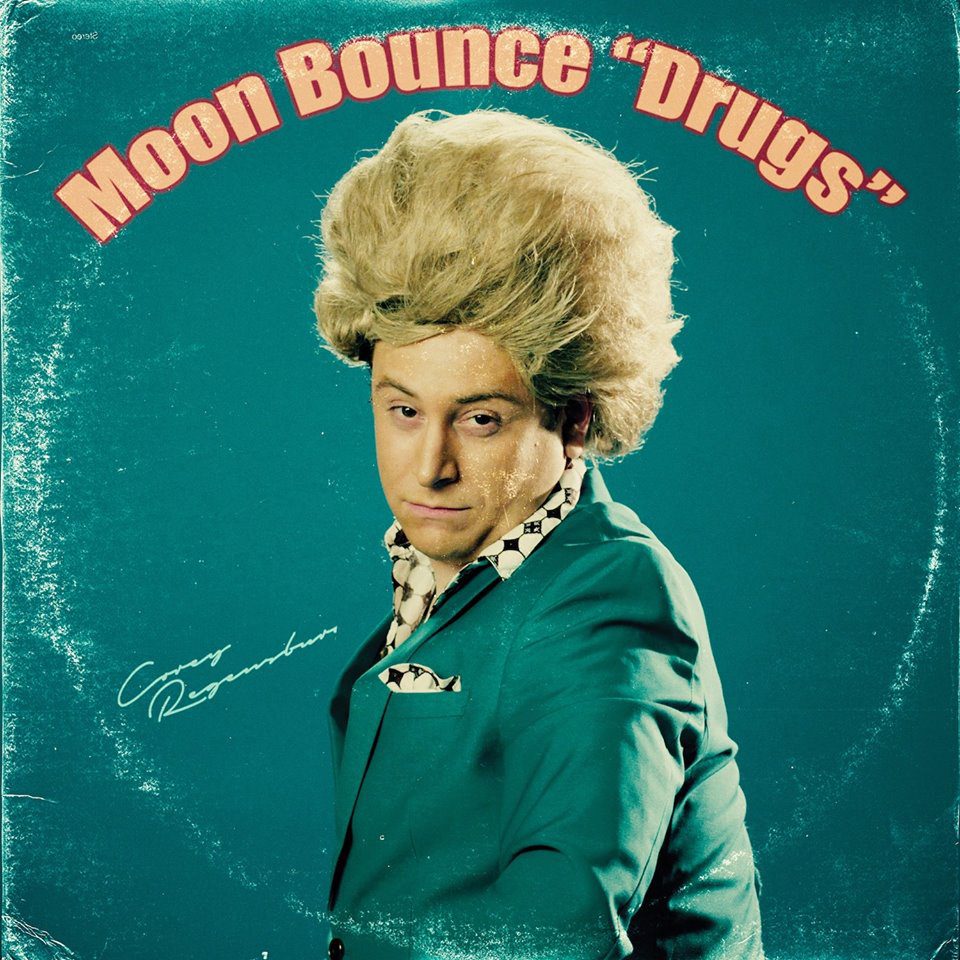
Unsurprisingly, Moon Bounce’s video for the single “Drugs” is as trippy as its title suggests. Spoofing terrible album art from Wayne Cochran, Grace Jones, Prince, and more, the titillating track takes listeners on a tongue-in-cheek waltz through the aisles of a record store that would make any collector’s head spin.
The campy video seems like it easily could’ve come from the goofy fellas who brought us Flight of the Conchords, an effect heightened by Moon Bounce frontman Corey Regensberg’s groovy falsetto. Here, he plays a hapless crate-digger, as well as the over-the-top characters that come to life on each album cover and sing to him. Perhaps this is an endorsement for taking drugs while vinyl shopping, or perhaps a cautionary tale against it. Regardless of your interpretation, the video is fun and the synth-pop melodies are completely addictive.
Moon Bounce is gearing up to release a new album, Clean House, in March. Mark your calendars now, folks, because it’s sure to be a good one.
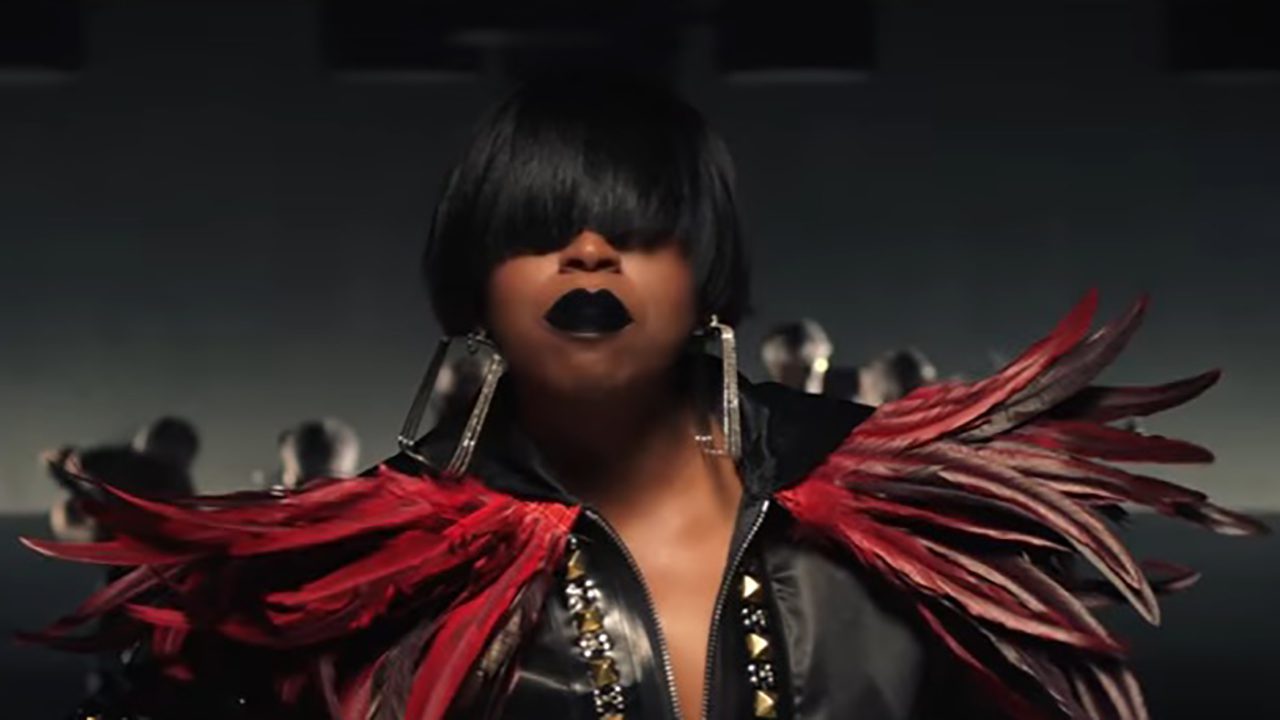
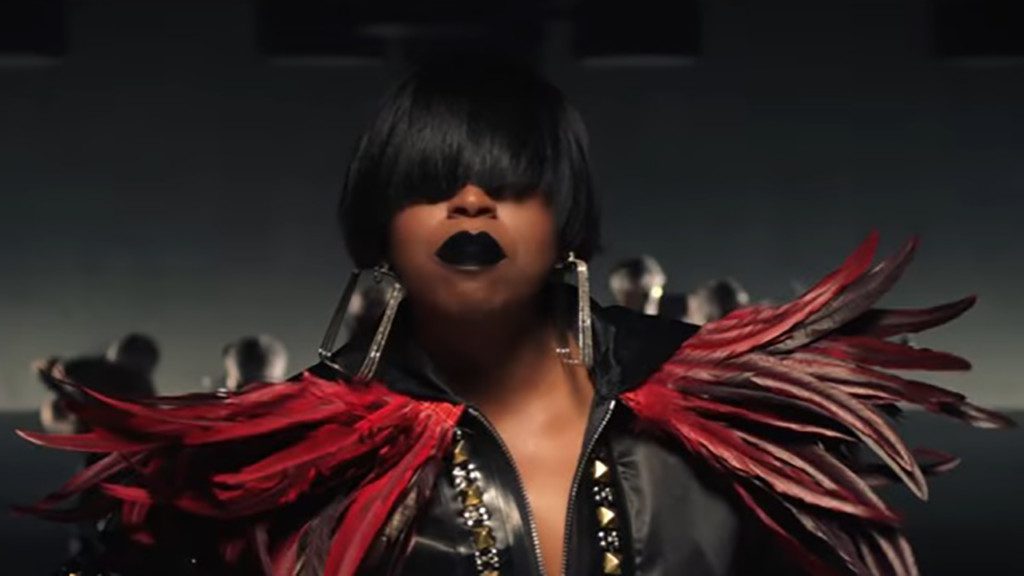
Last night Missy Elliott released “I’m Better,” a new song and video featuring the song’s producer, Lamb. The sparse, downtempo track creeps along with clinks of keys and surges of bass, while the video is vintage Missy, depicting backup dancers in stunning outfits suspended by ropes, underwater, and on exercise balls. Along with the track comes an announcement of a soon-to-be-released Missy documentary; watch the trailer here and listen to Missy and other artists discussing her ground-breaking work – some describe her as “a creative genius” and “extraterrestrial.”
Madonna Gives Speech Women’s March In D.C.
“Good did not win this election, but good will win in the end,” she began. The speech resulted in Madonna’s songs being banned from the radio station Texarkana’s Hits 105. Apparently they weren’t happy with the speech’s profanity, and that she said she had thought about blowing up the White House. Hey, we’ve all been there. Watch the speech below:
“I’m going to a town that’s already been burnt down.” Lily Allen turned Rufus Wainwright’s “Going to a Town” into a political protest, singing its poignant lyrics over Mark Ronson’s subtle string arrangements. The accompanying black and white video shows footage from the London Women’s March, where she also performed the song. Check out the video, which was directed by Bafic:
There aren’t a whole lot of pop stars that are moved by The Accelerationist Manifesto – the philosophical text penned by Nick Srnicek and Alex Williams. In fact, I’d feel safe waging that Austra’s Future Politics is the only electro pop LP to be inspired by the post-capitalist school of philosophy.
Crudely put, Accelerationism in its left-wing iteration is the eventual deterioration of capitalism by way of its own expansion – the theory that capitalism will asphyxiate from dwindling oxygen in a room it has outgrown. Metaphors that come immediately to mind include the metastasizing of cancer cells, and Violet Beauregarde from Roald Dahl’s Charlie and the Chocolate Factory. Violet is so inundated with the object of her desire (gum) that she expands and near explodes. The desired object, in excess, is her demise.
All of this is rolling around in my head as I stand in a large crowd at Greenpoint’s Warsaw, waiting for Katie Stelmanis and company to appear on stage. Admittedly, I am a newcomer to Austra’s music, but I suspect I am the only one, as the room buzzes with anticipation around me. I reflect on Austra’s video for their new record’s title track, and wonder if it was inspired just a teensy bit by John Carpenter’s Orwellian film They Live.
The music video opens with a manifesto of its own:
“How do we find hope when things seem so bleak?
For me, hope lies in the future. It lies in the potential of a future world that doesn’t exist yet; a world can be created only if we can imagine it. It’s time to build visions that are radically different from anything we’ve known before.
It’s time for future politics.”
Austra’s music videos are frequently narrative, and “Future Politics” bears no exception. Aerial shots depict hoards of unconcerned citizens on autopilot – walking to work like zombies in a shining but sterile metropolis. Like Rowdy Roddy Piper’s (RIP) character in They Live, Austra’s subjects undergo an awakening, signaled by a bloody nose and epileptic dance moves.
“I don’t wanna hear/That it’s all my fault,” Stelmanis sings. “The system won’t help you when/Your money runs out.”
They are forever changed after their revolutionary activation, and find refuge amongst like-minded outcasts on the edge of town, relishing in the little nature that is left for them.
At Warsaw, the stage is bathed in carmine light. Stelmanis seems fond of the color red, as it overwhelms the cover of Future Politics and many of the singer’s outfits. I can’t help but feel that it’s intentional – the sanguine shade of revolution, love, and anger. One of three keyboards is emblazoned with the words “BRIGHT MUSIC, DARK TIMES.” On the corners of the stage, orange “flame” props blow around like air dancers at a car dealership. When Austra finally take the stage, (Stelmanis in a long crimson dress) they burst without hesitation into Future Politics’ opening track, “We Were Alive,” which exhibits Stelmanis’ otherworldly voice. Live, the song gives me chills, in part for its musicality, but also for its beautiful bleakness. “What if we were alive?” Stelmanis bellows. I wish I had the answer to her question.
Austra plays several songs from their new LP, all in album order. Stelmanis says very little between songs, which surprises me slightly. Due to the political nature of the record, I half expected some rhetoric – words of upheaval or inspiration at the very least. But perhaps her music is enough. Art has been a medium of dissent since its birth; you don’t need a sermon to understand that George Orwell was critical of the government, or that Francis Bacon wasn’t a big fan of the Catholic Church.
But understanding the subtext of art doesn’t guarantee a revolution. Art will always reflect our societal consciousness, whether intended by its maker or not. The artist is a medium through which we understand our world. Art is inevitable. Action is up to us.
Check out Austra’s latest video, “I Love You More Than You Love Your Self,” below. Future Politics is out now onDomino Records.
Ticket Giveaways
Each week Audiofemme gives away a set of tickets to our featured shows in NYC! Scroll down to enter for the following shindigs.