ONLY NOISE explores music fandom with poignant personal essays that examine the ways we’re shaped by our chosen soundtrack. This week, Tawny Lara navigates sobriety with a reminder from a musician who lost his battle with addiction.
May 18th marks two years since the world lost Chris Cornell. The frontman for Soundgarden, Temple of the Dog, and Audioslave had openly discussed his struggle with substance abuse, depression, and panic attacks that started when he was 14. He had been sober for thirteen years before relapsing, just months before his suicide. Cornell shared about his addiction in a now infamous 2006 Spin interview:
“At first [alcohol led me] to prescription medication and then to pretty much everything. I’d had several years of being in control of my alcoholism. I was pretty reliable; I took care of business. And then when my personal life got out of hand, I just got loaded. So I went through a couple of years of depression again. I didn’t eat, I drank a lot, I started taking pills, and at some point you just get sick of it. I was pretty sure that nothing like that would ever happen to me. Then I ended up having as bad a problem as anyone’s going to have and still be alive. So I realized I’m not special. I’m just like everybody else.”
Cornell’s quote resonated with me on a personal level. I didn’t know it at the time, but my sophomore year would be my last traditional year of high school. I passed out in science class from a near overdose on Xanax and Hydrocodone and got expelled during junior year. My father (a heavy metal musician) was in and out of my life at the time, dealing with his own depression and alcohol abuse. My mother (his former groupie/music trivia aficionado) was there physically but preoccupied with her own mental demons. I was an only child who desperately needed guidance, and I settled for drugs instead. I went on to abuse drugs and alcohol for fifteen more years. I finally got clean at age 30, documenting my entire journey along the way on my blog, SobrieTeaParty.
In my first few months of sobriety, I experienced what’s called a “pink cloud” – life at a higher frequency. Colors were brighter, sounds were louder, feelings were stronger. I remember calling my dad, who’s now sober, asking him if he’d experienced these sensations, too. True to his heavy metal roots he said, “Yeah… it’s like life is turned up to 11!” We laughed, on the same sober journey together.
In my sobriety, drug-related deaths began affecting me differently. Scott Weiland died on his tour bus in 2015, five days after I quit drinking. He was 48. When I heard the news, I grabbed my heart. It felt like someone had stuck a pin in it. I couldn’t stop thinking, This could have been prevented. I envisioned Weiland’s lifeless body on his tour bus. For the first time in years, I thought about when I passed out in science class. I felt the gravity of that situation, realizing that I almost died, too. That feeling returned when I heard the news of Chris Cornell’s suicide in 2017. This could have been prevented. That familiar ache came back just two months later, when Chester Bennington, the 41-year old lead singer of Linkin Park and Cornell’s close friend, took his own life on what would have been Cornell’s 53rd birthday. This could have been prevented. Bennington was the godfather to Cornell’s son; he also sang “Hallelujah” during Cornell’s eulogy. These people – these young people – were dying because of addiction and mental health issues. Through therapy and support groups, I was able to identify and work through the reasons I drank and drugged in the first place. Once I understood my own mental health issues, I could finally understand mental health and addiction on a macro level.
In addition to hearing and seeing things differently, sobriety also helped me relate to art on a deeper level. The lyrics to Audioslave’s 2005 hit, “Doesn’t Remind Me” suddenly made sense to me. Around this time, I was struggling with something I learned was called “sober firsts” – experiencing activities all over again, one day at a time, without drugs or alcohol. I wondered what life would look like when it came to dating, going to a concert, and dealing with my family during the holidays. My wondering led to extreme anxiety and complete avoidance. So, I found happiness in the present moment – simple things like enjoying the scenic route to the A train, establishing “the usual” at the same few restaurants, and going home right after work to enjoy downtime. The lyrics to “Doesn’t Remind Me” are about finding pleasure in mundane activities to avoid thinking about the heavier things in life. Or maybe this is what I need those words to mean.
The lyrical structure to “Doesn’t Remind Me” follows a basic formula: “I like ______ and ______ ’cause it doesn’t remind me of anything.” Cornell sings these lines in a calm, melodic manner, allowing the listener to relax with him as he lists the things he likes to do.
“I like colorful clothing in the sun
Cause it doesn’t remind me of anything
I like hammering nails and speaking in tongues
Cause it doesn’t remind me of anything”
For the chorus, Cornell disrupts the song’s established calm demeanor to deliver his iconic raspy scream. This scream takes the listener to a more heightened state of emotion while Cornell alludes to how he was hurt in the past:
“The things that I’ve loved, the things that I’ve lost
The things I’ve held sacred that I’ve dropped
I won’t lie no more, that you can bet
I don’t want to learn what I’ll need to forget”
The line, “the things I’ve held sacred that I’ve dropped” inspires me to meditate on what I’d subconsciously dropped in my life while I was active in my addiction (writing, physical/mental health, self-love) – as opposed to behaviors that I’m consciously learning how to let go of in sobriety (saying yes to everything, letting anxiety overpower my thoughts).
Thanks to therapy, peer support groups, and support from loved ones, I’ve learned how to work through those fears that held me back in early sobriety. I figured out how to date, and even found love with another person in recovery. I’ve discovered the joy in actually remembering sober concerts. And when it comes to family, I now have the tools to speak up for myself, establishing boundaries in order to make family time less stressful.
Based on some rough calculations, it appears that Cornell was around one year sober when Out of Exile, Audioslave’s sophomore album which features “Doesn’t Remind Me,” was released. I don’t know what Cornell went through when he was writing this song; I can only speak on what it means to me. When the temptation to get lost in anxiety comes my way, I play this song, allowing it to return me to the present moment that doesn’t remind me of anything. I appreciate it because it does remind me that I’m not the only one who feels overwhelmed by the past. The voices of Cornell, Weiland, and Bennington still inspire me to grab my heart, reminding me why I’ve chosen a career as a recovery advocate. I’ll continue to do my part to raise awareness in hopes that one day we can all stop saying, This could have been prevented.
The Music Resource Center of Cincinnati is a stable home for low-cost musical equipment and artistic guidance for Cincinnati’s teens. Four times a year, the organization hosts a city-wide showcase where the public joins the Center as audience members and Cincinnati’s youth can put their talents on display.
“The showcases are a place for our students to perform the music they have been writing and recording in the studio,” said Wally Hart, the Rap Coach and Development Assistant at the Center. “They are open to the public. We invite friends, family, and people from the community to come and see what the students are doing and what MRC is all about.”
Chaya J. sings at Music Resource Center showcase. Photos by Wally Hart.
On Tuesday, May 7th, the MRC hosted another successful showcase with around 70 attendees in the audience. This year marks the org’s 10th year of showcases.
“I love observing the confidence that builds in the young artists with every performance. That confidence goes beyond just the performance,” said Wally. “They gain a greater sense of self-confidence in many areas of their lives.”
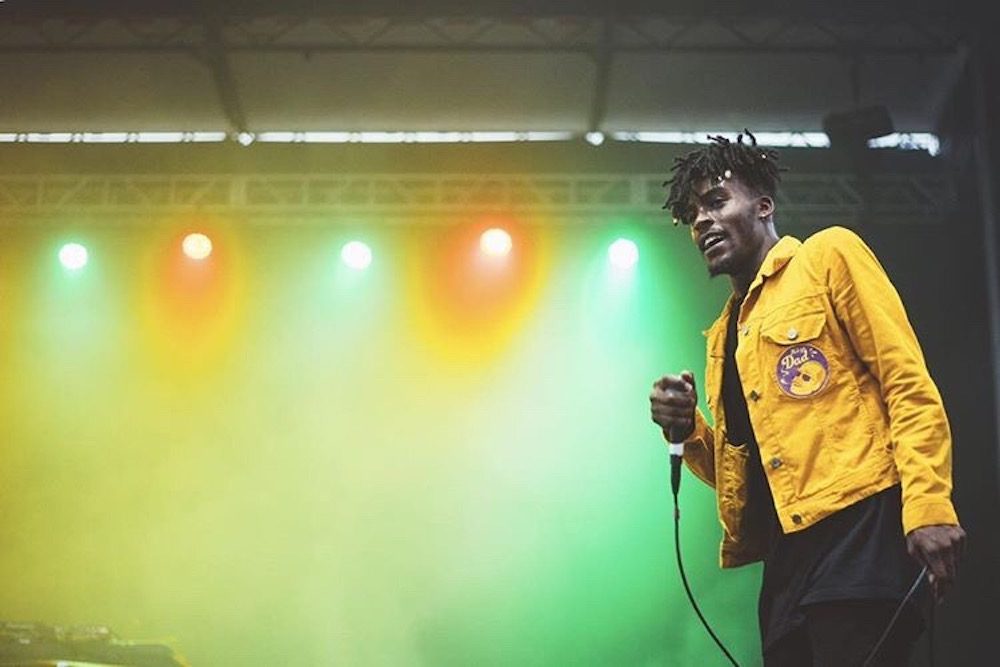
Hip hop artist Spirit performing at the MRC showcase.
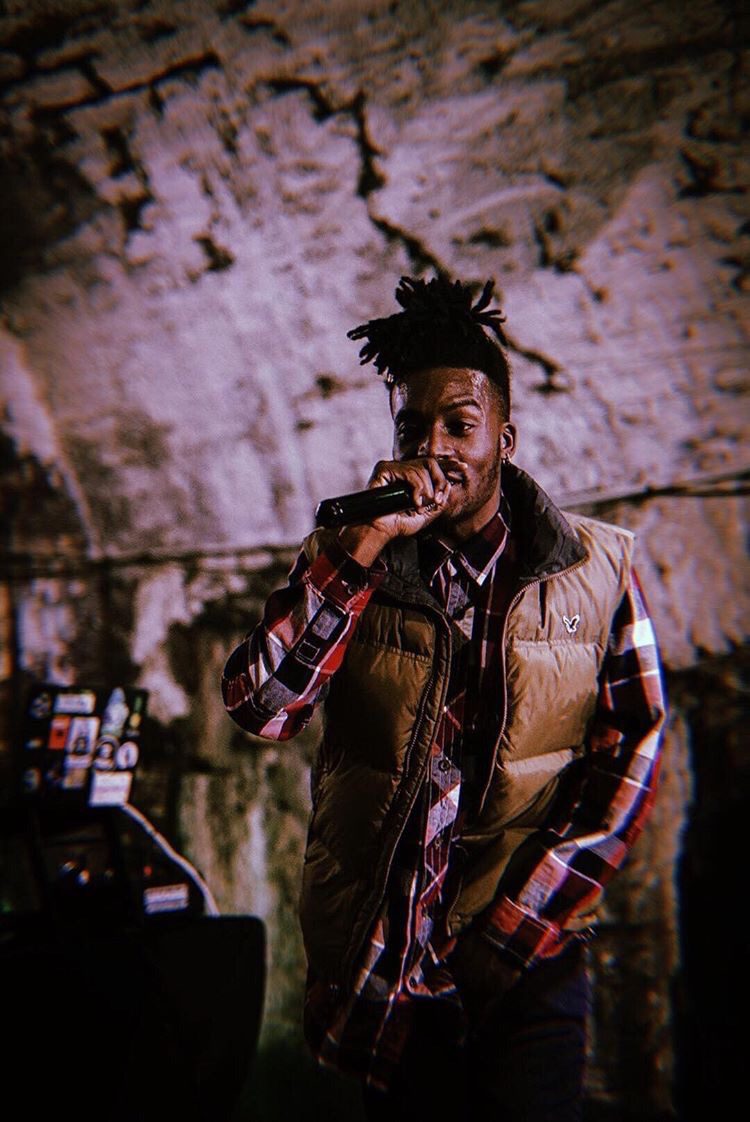
Soulful brothers Sean and Savion performed original songs, marking their second showcase and original music debut. Rapper Spirit unleashed some verses, following up his EP Now More Than Ever, released last year. Pop singer/songwriter Grac:E held down three original singles. Chaya J., a sophomore, sang three original songs. She recently dropped off her EP, History, It Never Changes, earlier this year.
Spirit closed out the performance with a speech, expressing his gratitude for the Center, as he’s a senior in high school and will soon age out of the program.
“I talked about why I did music, I talked about society’s current issues, moral decline in music… People were touched, and I felt good I let it out,” he said. “Think about it – millions of kids want to rap and make music, but how many get the luxury of recording on professional equipment for as little as 2$ a month… That’s why I am there every day as soon as they open and the moment they close!”
The next Music Resource Center showcase will be September 18. The organization and its staff continue to be a source of opportunity and encouragement in creating Cincinnati’s next wave of musical talent.
When asked why these showcases matter so much to the organization and to Cincinnati teens, Wally replied, “Parents, family, and friends of the students get a chance to watch their kids flourish. Friends and family of the staff get to see why we are so passionate about MRC. Donors get a chance to witness first hand the magic that their contributions assist. It truly is magical.”
Though she’s not quite 25, Troi Irons has lived a lifetime of experience in the music industry already, having arrived in Los Angeles as a preteen and quickly getting caught in its clutches. Once signed to a major label, Irons is now fiercely independent, having released two EPs (Turbulence in 2016, and ANTIHERO last year).
Her next project, Lost Angels, takes a hardened look at sycophants and starfuckers, her jaded lyrics intensified by her hard-rocking sonic influences. Its self-produced title track, premiering exclusively on Audiofemme, offers a first glimpse at the album as a whole; the song bursts with emotion and depth and follows her last single, “Strangers,” released earlier this year.
Here, she opens up about her long-awaited debut album, directing the upcoming “Lost Angles” music video, and expressing her self-discovery journey through her art. Stream her new single and check out her interview below.
AF: Congrats on your new single! Tell me about “Lost Angels.”
TI: Thanks. “Lost Angels” is the title track off my upcoming debut album. It’s a signal flare for every alienated person in the middle of it all, who sees the bullshit and is not at home in this weird world.
AF: What can you tell me about your upcoming album?
TI: It’s a concept album – a modern take on the parable of the prodigal son. It begins at the end, summarizing what’s transpired. The second song starts at an LA party and the album journeys through alienation, arrogance, love, self-harm, religious anxiety… the clicking point is when the main character cuts out all the noise and distraction during a rock concert and realizes what really matters. Then there is a shedding of old ways and rebirth. The last song is called “Home.”
AF: Will fans see a video for “Lost Angels” any time soon?
TI: Yes! The “Lost Angels” video will be my directorial debut and it’s been rad putting it together. It’s crazy because I was producing, styling, mood boarding, writing treatments, doing everything for my previous videos but I would give the director title away to some “experienced” guy. Only I know the story so it makes sense that I should tell it how I see it. I drew inspiration from Rene Magritte and the Galerie d’Apollon as well as Judy Blame.
AF: What most inspired this track? Living in LA?
TI: It’s really about growing up in the industry and in LA. I moved to LA to attend college at 12 so that’s what LA meant to me at first – it was school. Once I turned 15, it really hit me that I was forming the rest of my life and paying thousands of dollars for it and I wasn’t sure I liked the path I was laying. It gave me anxiety. I felt incredibly suicidal. No one knew but I was constantly stoned during my last two years. I would smoke on the rooftop and stare down at all the little ants scurrying from class to class. I thought about jumping. Who do you run to? How do you say, ‘I love learning and I have this incredible opportunity but I’m terrified of debt and I don’t know about my major and it’s moving too fast.’ That sounds so spoiled.
Then there was the industry. I got into the industry because I picked up the guitar while I was waiting for school to start. And the industry is weird because it’s nothing like college or a linear job where you work hard and you move up. It’s like you work hard and you try to make the right choice but people are snakes. Everyone wants to be a star – especially the suits. Everyone wants to be rich, and no one says what they mean. For shits and giggles, while school and the industry are happening, you throw in coming of age and you’re lost. You know who you are but not where you are. Nothing is home. No one is trustworthy.
Cantrip plays the release show for Authentic Luxury at River Dan’s on May 4th.
Seattle has a vibrant community for free improvisation, and guitarist Simon Henneman is a veteran member. Since the early 2000s, Henneman has been playing at Cafe Racer, a local hang known for its weekly free Racer Sessions jam, and eventually he began curating other jam sessions in the city and collaborating with several other legendary Seattle musicinas, like drummer like Greg Keplinger, who toured as a drum tech with Soundgarden and Pearl Jam.
For his part, Henneman plays in a variety of different groups, from his group with Keplinger called WA, to Diminished Men, a local favorite since 2007. And though he’s interested in a variety of different styles, Henneman’s musical voice is defined by angular melodies and sound-play, and is bolstered by his loyalty to a variety of local jam sessions.
He defines his most recent release, Authentic Luxury, as a work of “post-modern shred guitar,” which rapidly moves between different time-feels, melodies, and moods. Released with improvisational trio Cantrip in May, the LP really captures Henneman’s exploratory and “non-idiomatic” guitar work as well as his creative bond with other local musicians, highlighting why his relationship to the Seattle’s scene is so supportive and progressive.
AF: What was the impetus for this new album? Is there an underlying theme that drives it?
SH: I was mostly just trying to make a non-idiomatic shred guitar record or a shred guitar record that didn’t seem like a shred guitar record. It’s really just a way to sum up what I’ve been working on the last few years, but in a rock trio kind of format. I think a lot of it is really funny and deadly serious at the same time. I hope that comes across.
AF: What got you into the guitar? When did you start playing?
SH: I was a really nerdy kid into computer programming and Dungeons and Dragons – I didn’t really know anything about or listen to music, though I had some piano lessons when I was younger. I couldn’t get into the basic electronics class that I really wanted to get into and a friend told me guitar was cool so I took that class and became totally obsessed with the guitar. It was a really badly structured class; after roll call the music teacher just hung out in his office doing paperwork while the guitar class all hung out learning from each other. [It was] a lot of people asking each other, “What was that you just did? Can you show me how you did that?” which was actually really great. I started playing guitar when I was thirteen, so thirty something years now.
AF: How long have you played music in Seattle? What bands/groups have you been a part of?
SH: I was born in Seattle but grew up in Arlington, a former logging town, about an hour north of Seattle. I’ve lived here off and on my whole life. I was really into free improv and free jazz when I first started hanging out in Seattle and there is a great community for that here. There are always free improv jam sessions happening, right now and for quite a few years the Racer Sessions at Cafe Racer, before that was the Mt. Non Fiction sessions at the Blue Moon on Sunday nights that I curated for a couple of years, and before that was a great session called Sound of the Brush which was curated by Tom Swafford and Gust Burns. Right around the same time as Sound of the Brush Monktail, I was really active with their Coffee Messiah improv session series.
I got to know a lot of the free players through these sessions. I started playing with my band Diminished Men in 2007. I have a group called WA with Seattle drum legend Gregg Keplinger. I play in a country band called Contraband Countryband. I have a fifteen-piece big band that occasionally plays my music called Meridian Big Band. I play in a band called Shitty Person which is kind of a downer rock thing. I have a band called UbuludU that started as a version of Cantrip, but is now a really loud stoner rock power fusion kind of thing. I do a dual guitar instrumental rock thing with the Dave Webb Band (which is also sometimes called the Simon Henneman Band). We’re doing a tribute to ’70s fusion music at the Royal Room on May 16th. The last few years I’ve been doing a ton of tribute gigs to Marc Ribot’s Cubanos Postizos, Black Sabbath, John Coltrane, Frank Zappa, metal versions of Thelonious Monk, Eric Dolphy, and others. I really just like all kinds of different music and playing whatever I like. I don’t really subscribe to any strict genres.
AF: Aside from a guitar focus, what influences do you bring to Cantrip? I hear psychedelia and certain world music styles—is it reflective of your most current listening?
SH: Cantrip came about initially as a way to return to some of the music I had maybe only done once at a tribute or other gig. It then became a way to sum up what I’ve been up to the last few years and the chance to play some [of my] material, like “Zeno’s Klaxon” or “Machingo” that I never thought I’d be able to play with people.
I’ve really gotten into the guitar in a big way in the last few years, so it’s definitely a guitar record. There’s a lot of improvisation on the record—I don’t like to write out guitar solos, I think it’s way more exciting to improvise them. In that way, the group is always related to current listening because what I’m listening to comes out in [the improvisation], but some of the tunes are a decade old and some are a year old.
As far as what actual direct influences, I’d say Frank Zappa, John Coltrane, Diminished Men, Hermeto Pascoal, Steve Vai’s Flex-Able record, and the guitar playing of Shawn Lane, Ruth Crawford, Kaija Saariaho, and probably a lot more. Right now, I’m listening to a lot of technical death metal like Obscura, Necrophagist, Viraemia, as well as 20th and 21st century classical and Western art music, and stuff like Billie Eilish and JLin.
AF: Haha, right on! The particular group on this album—tell me about them. Do you play with this group a lot?
SH: It was originally a trio with me on guitar and a different rhythm section for each gig until I played with Chris Icasiano and Mike Murphy. The way they played the material was really close to how I was hearing it in my head so it solidified this line-up. I’ve known Chris for years through the improv sessions at the Blue Moon initially and then through the Racer Sessions and [label] Table and Chairs. Mike and I just met about a year and a half ago through a friend that was in a great theatrical prog rock band called Moon Letters. We don’t have a lot of gigs in town lined up right now, but I’m booking a West Coast tour for us this summer.
AF: What does Cantrip mean?
SH: Cantrip is a Scottish word that means either a short spell, incantation or a witch’s trick.
AF: What parts of Seattle’s music scene inspire you?
SH: There’s a lot of different people doing different things. There are so many amazing and unique drummers here. The folks that I’ve met through the Racer Sessions are really inspiring. I feel like I can do just about anything musically here that I’d want to – there’s people to work with for almost anything a person would want to do. That being said I’d still like to find a twenty-something shredding metal drummer that’s down to rehearse three times a week and can improvise like a champion so I can do some of the technical death metal stuff I’ve been working on live, ha.
AF: You’ve been making music here in Seattle for a while,- what are your future goals for your music?
SH: I’d like to have more people hear it, or at least have the people that are out there that would be into it in other places be able to find it. As great as the internet is, there’s still a parsing problem when it comes to finding new things. I’ll bet there’s all kinds of amazing music I can’t find yet. I’d like to continue to grow and learn as much as I can.
AF: How would you define the kind of music maker you are?
When Hedy Phillips met fellow 1D fans in their twenties, they became her support system outside the fandom, too.
ONLY NOISE explores music fandom with poignant personal essays that examine the ways we’re shaped by our chosen soundtrack. This week, Hedy Phillips finds her people beyond the parameters of a boyband’s assumed target audience.
I was 25 years old the first time “What Makes You Beautiful” by One Direction caught my attention on the radio. It fell right into what my typical musical tastes were at the time and still are — upbeat, poppy, and so damn catchy. I had no idea that that song and the band behind it would end up becoming such a huge part of my life and give me the greatest community I’ve ever found myself in.
At its start, One Direction was made up of five teenage boys who were more like adorable puppies than human kids. They were so easy to like that I quickly fell into being a huge fan. Though to me it didn’t feel like a big deal that they were a few years younger than me, I very quickly realized that society seemed to think that their whole fanbase was made up of screaming 12-year-olds. It didn’t help that the group was marketed that way, but it made it hard for anyone past puberty to love them and not be ridiculed.
I’m not kidding when I say that I got picked on by everyone in my life when I became a fan – the whole first year was so mortifying, I waffled on whether or not I should stick it out. My boyfriend at the time thought it was weird, my friends didn’t understand the appeal, my parents thought it was a passing fad. But no one seemed to understand that the age of Harry Styles, Louis Tomlinson, Zayn Malik, Liam Payne, and Niall Horan meant literally nothing to me. Why should I care that they were younger than me? This was about the music. And I loved the music.
Their fourth album, Four, (released in 2014) arrived just in time for my four-year-long relationship to hit the end I had been dreading. I was struggling with the big changes I knew were coming in my life. It feels cliche to think that music saved me, but it did. When I put that album on, specifically the track “Girl Almighty,” it not only took me away from everything hard in my everyday life but gave me the strength to start my life over with a smile on my face. It was everything I needed.
One Direction was one of the first musical acts that relied heavily on social media to grow their fame. They were the reason I ramped up my Twitter usage — I had to know what was going on at all times and I had to be able to tune in to their little live chats they did with fans. It was there on Twitter, on a quiet nothing day in 2013, that I stumbled upon a couple fans who lived in my area and were over the age of 12. In fact, they were in their 20s, just like I was, and suddenly I didn’t feel quite so alone in this huge fandom.
We grew our little posse on Twitter and collected more people who were at the same life stage and in the same age bracket. There were a ton of us older fans all drifting around just waiting to be found; it didn’t take long for some of these women to become my closest friends and confidantes. Those of us who lived near each other would meet up for drinks or dinner or movie dates. At one point we even formed our own little health club (and called it #HotForHarry because we have a sense of humor) to motivate each other to get in shape for an upcoming concert tour.
But what so many people failed to understand about us — and still seem to — is that we didn’t become fans of these “hot boys” because they were “hot.” I still cringe a little bit even thinking about that because it was never, ever about that. Sure, we can appreciate that they’re attractive guys, but their work gave us a safe haven and a community of people we could lean on.
I was living in California at the beginning of my time in the fandom, and when my relationship with my boyfriend exploded, it was my fandom friends who were there for me — one even sent me flowers from Atlanta to cheer me up. And when I moved across the country to New York City to start over, my first friend here was a fandom friend who is still my closest friend in the city.
We’ve come together to go to One Direction concerts — and solo concerts for the boys now that they’re off doing their own things — but I’ve also gotten to cheer them on when they’ve gotten married or had babies or started new jobs — all the things that those of us older fans struggled to find cheerleaders for in the fandom before we found each other.
Sometimes I forget how these people came into my life because they’ve become such daily staples. When my dad got sick last year, these women were sending me messages every single day asking how he was doing and offering to help in any way they could. These are people all over the world who I’ve found simply because I heard a bop on the radio seven years ago.
We’ve all grown a little older together — the boys included — but so much of society still seems to think that the boys’ fans (yes, we still call them boys even though they’re in their 20s now, too) are all young girls, simply because of where they came from. All of us “old ladies” are happy to show up to prove society wrong, and the beauty of having such a strong community is that we don’t care anymore.
It was hard to be the “older fan” back in my early days in the fandom, but not anymore. The boys certainly don’t care how old we are. We’re there to support them and their music. We just got lucky that we found a great group of friends because of it. Even when I’m by myself, going about my day in New York, I don’t care if anyone has anything to say about an old One Direction shirt I’m wearing. I’m not shy about it anymore, because my community — my people — have shown me that music doesn’t care how old we are.
Princess Tiana solidified her place in Cincinnati’s music scene earlier this year with her single “Trip.” Since then, she’s been dropping videos to tease her next release, a full-length project titled Going Places. The seven-track album follows 2017 EP Believe It, and although it took her two years to prepare and it’s been a long road, she’s very excited to release it this spring.
“Every song is fun,” Cincy’s pop princess told Donuts n Akahol in a recent interview. “It’ll make you wanna roll the windows down [and] pop the top back!” Her latest offering is a sassy remix of Ella Mai’s addictive single, “Shot Clock,” which Mai released late last year.
Directed by Dre Shot This, Tiana maintains the basketball theme in her new music video for the single but puts her own spin on it, showing off impressive choreography and her signature vocal versatility.
Princess T wrote in an Instagram post that the remix is the perfect way “to welcome [Ella Mai],” who arrives in Cincinnati Wednesday (May 1) for her sold out show at Bogart’s.
The new CJ Knowles-produced beat breathes fresh life into the song and lets Tiana’s vocals shine. She keeps Mai’s attitude in her lyrics, but gives her man a little more time to meet her needs. Contrasting with Ella’s deep soulful tones, Princess Tiana plays up her high-pitched vocal range, complimenting the new beat. “You better rush, pick it on up, come and brighten my mood / Shot clock / Twenty-four seconds, maybe one minute ’till I change my mind,” she sings.
Make sure to keep an eye out for the soon-to-be-released Going Places, and until then, enjoy Tiana’s spiced up version of Ella Mai’s “Shot Clock.”
Since the launch of PLAYING ATLANTA, I’ve had the opportunity to talk to some incredible bands, most of whom I’ve known for a while. Every now and then, though, a new local act comes onto my radar, and it’s always a pleasant surprise.
A pleasant surprise, yes. But there’s a refreshing wisdom and sensibility in the high school senior that caught me off guard. Her voice and lyricism are even more unexpected; she can belt with the best of them as she pens songs about weighty topics like self-doubt and inequality.
After listening to her latest single, “New Me,” exactly once, my mind was made up; I sent her an excited message and got an equally enthusiastic response. Read on for all the deets on the Atlanta music scene, Amy Winehouse’s lasting influence, and the state of the music industry through the eyes of a young woman who’s determined to make her mark on it.
AF: How long have you been writing and performing? Is it something you’ve always wanted to do, or did you grow into it?
AK: I’ve been performing since I was four years old. My sister went to a performing arts high school, so I was constantly around music and performance from a young age. I’ve been in countless musicals and choirs, and have had a passion for singing my whole life. I picked up the guitar at age 13, and pretty much knew immediately I loved it.
AF: What’s your writing process like? How has it evolved since you started writing?
AK: When I first started writing songs as I began learning guitar chords, they were pretty terrible. But the process has always felt the same. Melodies and lyrics tend to fall right out of me when I sit down for a few hours and focus. I usually start with a melody, and find corresponding chords to go with it. Lyrics come slower but are the most important element I try to put into each song I write. This process is very personal and raw for me.
AF: Who do you consider your greatest inspirations? Do they differ from the music you listen to when you’re just hanging out?
AK: My musical inspirations are Amy Winehouse, Nirvana, Lorde, Joni Mitchell, and Fleetwood Mac. I think all these artists have inspired a part of my music in someway. Joni and Lorde’s lyricism is unmatched. Fleetwood Mac and Nirvana’s guitar and rhythm chops are authentic and incredible. And Amy Winehouse’s vocal strength is astoundingly present.
AF: You recently released a single, “New Me,” and it’s incredible! Such a banger. What inspired the song? How did you conceptualize it to capture the strength and assurance it conveys?
AK: I wrote this song in a time in my life when I was starting to really take responsibility for my music as an artist. I was tired of people underestimating me because of my age and gender. The amount of times people have condescendingly told me how to soundcheck, or how to write a song “the right way” was staggering. I wrote my newest single “New Me” about turning my cheek to words and my own inhibitions, and no longer apologizing for what I want to do, no hesitation.
AF: How do you combat self-doubt, both in the industry and in your own life, and stay true to yourself?
AK: “New Me” is a call to myself to combat my self-doubt and those little voices in the back of my mind. Being an artist is a selfish act, but can bring so many people together. Staying true to myself is a duty that comes with a music career. I work at this in many ways (staying off social media when it pulls me too deep, playing songs for joy and not because I have to) and will continue even though I’m far from perfect.
AF: We’re living in a time where inequality is finally getting the attention it deserves. Can you talk some about your experience as a woman in the music industry? Have you ever found yourself having to prove yourself or work harder to be taken seriously, even though music itself should really be the great equalizer?
AK: I constantly have to prove as a woman I know what I’m doing when I walk into places like Guitar Center, an Open Mic, or even my own headlining shows. Even at a young age it’s easy to see the stark inequality in the music industry for girls and women,at every level. Mansplaining at open mics, studios, and public spaces is normalcy in this career.
AF: How has the Atlanta scene surrounded you and supported you, both as a woman and a music industry professional?
AK: I am lucky to have lived in Atlanta all my life. I’ve had the opportunity to get my start in this welcoming music scene to now playing shows at Smith’s Olde Bar, Atlanta City Winery, Eddie’s Attic, the Decatur Book Festival, Tin Roof Cantina, and more. The ATL scene has also given me the chance to meet so many incredible musicians, and understand the importance of connections. Meeting local artists like The Pussywillows, Indee Killed the Popstar, Chelsea Shag, and Pony League have inspired me and helped me widen my performance openings.
AF: If you had to give any advice to your younger self, what would it be?
AK: Pick up the guitar sooner and start writing terrible lyrics to get to the good stuff!
AF: What’s your desert island record?
AK: Rumours by Fleetwood Mac.
AF: You recently put on a benefit concert for The Decatur Education Foundation. Why is it so important to you to give back to the community and support education — and music/arts education/resources — for students in the area?
AK: Giving back to the community is extremely important to me. I wanted to organize a benefit concert for the Decatur Education Foundation because they give incredible arts grants to students, and nothing is more influential than music and arts education. That is how I found my initial interest in the arts, and I believe it’s essential to the future musicians of our industry. Two local musicians performed, as well as my band, and we successfully raised more than $1000.
Keep up with Andi on Facebook, and stream “New Me” on Spotify now.
Border crossings are headline news nowadays, with stark images of children and adults being processed as they cross imaginary lines in the sand. Portland-based singer-songwriter Anna Tivel’s song “Fenceline” paints a picture of what that crossing looks like and what an immigrant sees for themselves within the land they’re trying to reach.
“I crawl in the dirt, to the edge of a country / My hammering heart and the dust in my eyes / I traded the night for the last of my money / And holes in the old fenceline,” Tivel gently sings, allowing a simple guitar strum to accompany her piercing voice. “Fenceline” manages to bring the listener along, without preaching or passing judgement; it’s the simple story of a journeyman, looking for a place to call home.
The song served as the lead single for Tivel’s latest record, The Question, which arrived in April via Fluff & Gravy Records. Audiofemme is pleased to present the exclusive premiere of this haunting live-in-studio rendition of “Fenceline;” read on for our interview with Anna Tivel below.
AF: Many critics have compared your songwriting to poetry. Are you fan of traditional poetry and if so, are there any poets you go to for inspiration?
AT: Poetry is a world that I love so much and am only starting to dig more deeply into. I love the more contemporary, rough edged stuff that makes you squirm and smile and feel seen. Ada Limon is amazing and I’ve been reading her most recent two anthologies lately. A friend just turned me on to Rita Dove and I’ve been working my way through a book of Margaret Atwood’s poems. It seems like an endless and never ending well that I’m excited to submerge myself in.
AF: You grew up in northern Washington state, a truly beautiful part of the country. When did you first start writing your own music and how did the scenery you grew up around effect your songwriting?
AT: I first started writing songs in my mid-twenties in Portland. I was waiting tables and playing fiddle with other bands on the side and borrowed a friend’s guitar and got instantly hooked. The northwest is always creeping into my writing – rivers and deep forests and stillness and rural space. I grew up in a wild place with deer and frogs and hawks and coyotes and I think that wonder and natural cycles will always be part of me. There’s a slowness to rural places that always seems to match the pace my thoughts and creativity seems to move at. I’m forever attracted to the juxtaposition between the natural world and the things we create to mold it to serve us – big oil rigs in the middle of nowhere desert, factories skirting rivers, etc.
AF: Tell us about “Fenceline.” What was the genesis of the song?
AT: “Fenceline” came out of hearing a really beautiful interview on the radio with a border guard. He talked about finding wire cutters and holes along the two mile stretch of fence he was in charge of patrolling. He told some deeply affecting stories about people he met who were trying to make a better life, people he let through and people he had to send back. It got me thinking about all the ways we build divisions, from simple fences to the gates of heaven where you have to have lived ‘right’ to make it through.
AF: When you’re performing, how aware of the audience are you? Do you adjust performances regularly for the crowd or do you find that a crowd’s mood shifts toward your own?
AT: There’s a real magic to the way a group of listeners shape a show. I like to think of it as a conversation that has just as much to do with the audience as it does with the person on stage singing. Every little grunt of recognition and inclined head creates such a specific energy in the room. I always shut my eyes because it feels a bit too raw and terrifying to look at everyone while singing, but I’m always working on being more open with audiences. Shows seem to feel the most human when I’m vulnerable and then people are vulnerable with me in return. There’s sort of a sharing of permission that happens I think, if I’m willing to really let my heart out then people feel that and open up their own hearts and it can get to a very special place on a good night. It’s definitely something I think a lot about though because I’m pretty introverted and would rather stand in a corner with a bag over my head.
AF: What artists do you have on rotation right now?
AT: Oh man, so much good music out there. I’ve been listening a lot to my friend J.E. Sunde’s new record which is not quite out yet but is so dang amazing. I return over and over to Bruce Springsteen, Tom Waits, and Gillian Welch and am a big fan of Andy Shauf and Adrianne Lenker, Anais Mitchell and Jeffrey Martin. On this spring tour I’ve been working my way through Randy Newman’s catalogue which is totally joyful. There’s just so much good stuff to find.
AF: As a musician, do you have any goals you’re working on right now in terms of mastery? Instruments you’d like to learn or projects you currently have on hold?
AT: All the time. I really want to get myself to learn more guitar. Whenever I sit down I just get so excited about writing that I don’t tend to focus much on learning new chords and musical bits, but I’ve been trying hard to just play sometimes, try new things, listen to sounds. Also I just got an electric tenor guitar that I’m super stoked on. I’m a fiddle player and it’s tuned the same so the intervals make more sense to my brain than guitar. I’m writing a lot right now and just enjoying the brain freedom that comes after a record gets finished and the slate is cleared for new ideas.
AF: What advice do you have for a young singer-songwriter who is just now picking up their guitar and finding their voice?
AT: Just be honest and try to be as free as you can. There’s no wrong way to go about writing songs. I really believe that. The deeper in your body and brain you can get and the more you can shake off ideas of what it ‘should’ sound like, the better. It’s a weird and wonderful way to move through the world.
Anna Tivel’s The Question is out now on Portland label Fluff & Gravy Records, and you can catch her on tour through the end of May.
Two weeks ago, I was checking out a yoga class in Ubud, Bali when the sole other student observed that I kept tripping on steps. “Not a good step day for you, huh?” he asked. We got to talking, and I asked what he did.
“I help people find their life purpose.”
“Sounds like something I could use.”
“Oh yeah?”
“Well, I’m in the middle of a transformation of sorts.” Like everyone in Ubud, I thought to myself. “I’m healing from Lyme disease, and I’m starting to build a new life. Rethinking my career and stuff like that.”
“Take my number, then, and let me know if you want to do a session.”
I met him in a small house by the water that was so newly built it didn’t have an address. In the bathroom, I tripped on a step. “I’m trained by shamans in Mexico, and I do reiki,” he explained. Not exactly what I expected — but maybe better. “Do you believe in spiritual entities?”
“Um, yeah — I believe I have one on me, and I think it’s causing my illness,” I replied. I’d arrived at this conclusion after many plant medicine ceremonies and sessions with spiritual healers.
“Tripping a lot can be a sign of that,” he nodded. “They’re trying to bring you down to a lower frequency, because that’s the environment they thrive in.” He went on to explain that people unconsciously agree to host entities and that they feed off our resources and control our minds so that we feed them. Most people have some bad entities, but they have enough good to quiet them. Sometimes, though, the bad take over. Entities sounded like bacteria. I became even more convinced that an entity (or entities?) was causing my sickness.
The shaman had me lie on a bed and said a prayer to get the entities off me. “I got almost everything, but there’s one that won’t leave,” he said afterward.
“Where is it?”
“Can you tune into it?”
“I’m not getting anything,” I said as I rested my hand right below my heart, where my ribs meet.
“Why is your hand there?”
“I don’t know.”
“I think it’s telling us where the entity is. It’s in your solar plexus.”
He invited me to come back to clear the early childhood trauma he saw in my solar plexus and to participate in a cacao ceremony he was attending at the healing center Pyramids of Chi. In a cacao ceremony, a ritual originating from the Mayans and Aztecs, people drink cacao together to elevate their state of consciousness. Apparently, it’s the thing to do in Ubud.
The next day, I tried to order a ride to Pyramids of Chi, but my Go Jek app (like Uber for Bali) wasn’t working. So, I asked the nearest taxi stand on the street for a ride. They didn’t have any cabs, but they had motorcycles. I held my breath as I got on the back of a motorcycle and grabbed my driver’s shoulders for dear life, and I didn’t let it out until I heard a dog howling at the entrance.
The center’s name is literal: It consists of giant white pyramids, including one where they held the cacao ceremony. Several dozen people sat on little cushions as the leader explained the purpose of the cacao, which was mixed with water, palm sugar, and spices: to open the heart. Then, we stood and pivoted to pray to the four directions, and the leader chanted the names of spirits ranging from Ganesha to Mother Mary. After we drank the cacao, the room erupted into ecstatic dance. Dreamy, spiritual sounds filled the pyramid as people hopped up and down and swayed from side to side.
During this dance, I contemplated such things as the Biblical family tree and whether the frequencies of colors correspond to sounds. I also began to plan the next few months of my life, suddenly feeling confident in possibilities that seemed distant. Why did people use coffee — or cocaine, for that matter — when they could just use this?
Next, we paired up for two activities. For one, we and our partners gazed into each other’s eyes and “bowed” to each other in our own way. I pulled the sides of my dress up and curtsied. My partner gazed at me lovingly and whispered, “You’re beautiful.” I felt like a princess. A line from the movie A Little Princess came to me: “All girls are princesses.” It brought tears to my eyes. Even with everything happening, even when I felt like I had nothing, I was a princess.
For the next activity, we and our partners put our hands on each other’s hearts and sang along to a song: “I love you, I’m sorry, thank you, forgive me.” As I looked into my partner’s eyes, it felt as if we were giving each other permission to forgive ourselves. I saw my beauty through her own and felt deeply that I was not my mistakes.
The last stage of the ceremony was a sound bath. In a separate pyramid, we each lay on a little bed as people hit gongs. The idea was that each of these gongs creates a healing frequency, causing our bodies to vibrate at these frequencies as well. The leader told us to close our eyes and just take in the vibrations, but the excitement the cacao was causing in my mind turned to anxiety, and I spent most of the ceremony contemplating how to overstay my visa in Bali without getting in trouble.
But then, just as it came to a close, a thought came to me out of nowhere: “It’s OK. The Lyme isn’t there anymore. I told it to leave.” I felt the muscles surrounding my heart release as if they were letting out a breath of air.
The next morning, I kept coughing up mucus. It came in waves, almost like purging during an iboga ceremony. I realized it was coming from that exact spot right in the middle of my chest. It was as if the shamanic healing and the cacao were cleaning out my heart and solar plexus.
Afterward, I walked through Ubud and bought myself a pink jeweled dress. “All girls are princesses,” I thought. The time had come for me to claim my crown. I was glad I tripped over those steps.
Statues half hidden by rising tides, buildings sunk beneath desert sands, a post-apocalyptic fever dream… Aaron Rice‘s latest LP Neverfade/For Dusk has a ’90s R&B familiarity, mixed with an otherworldly darkness all his own.
The opening notes of “In Time” immediately call to mind scenes from Blade Runner; Harrison Ford running down his list of Voight-Kampff questions, staring into Sean Young’s endless brown eyes. “Ghosttown” is a clear standout, with its computerized backbeat and soaring, catchy vocals. Overall, Rice showcases a tight vision for the record, with a mix of chill tracks and dance beats like “One Week” keeping things interesting. It’s easily a record to get lost inside, each landscape vanishing into the next. Everything is at once familiar and remixed.
Listen to Audiofemme’s exclusive stream of Neverfade/For Dusk and read our interview with Aaron below.
AF: You’re based in Minneapolis. Can you give us an inside look at the music scene there?
AR: The music scene in Minneapolis is very much alive. It’s very much a scene. It’s a big community. It’s a small community. I would also mention I’ve been a little removed from the scene here these past few years so I’m probably not the best person to speak on its behalf. There’s a new wave of young kids doing some really cool stuff.
AF: You recorded this album in Los Angeles. Why the change of scenery?
AR: A couple years ago I moved to LA. One of my best friends and creative partners lives there and I wanted to be closer to him. I also wanted adventure and warmer winters. And though the move was short-lived, that’s where the first big bulk of work on the record started.
AF: Minneapolis is an indoor city much of the year, with underground tunnels and covered walkways connecting buildings. Los Angeles is freeways and ocean and ripe fruit. Did the change in scenery effect your music in tone or subject matter?
AR: Yes, for sure. I took long walks in LA almost every day… even in December and January. I think even that alone had huge effects on my well being and in turn my music as well. Life changes when you don’t have to fight the elements of winter and cold for months on end.
AF: What artists would you cite as influences for Neverfade/For Dusk?
AR: The Knife, Caribou, Sade. TLC. Whoever made the soundtrack for N64’s Wave Race. Asap Rocky/Clams Casino. I’m sure there are more, but those come to mind.
AF: How do you approach writing music? Do you start with a beat, a lyric, subject matter?
AR: All of the above. More often than not it’s the beat or at least some chords, then vocal melodies, then lyrics or subject matter. The feel of the non-lyrical aspects of a song usually help shape the subject matter and lyrics.
AF: Which song from the record is the most personal for you?
AR: That’s tough. They’re all very personal. Probably the first track, “In Time.”
AF: Can you tell us about that song? What was its genesis?
AR: I think the music started when my friend Alex and I were messing around with beats at his apartment. He made the strangest one or two bar, two chord loop, with an even stranger drum pattern. I loved it. We messed around with the chords and built them out to what they are now, and I think it set the tone for the whole project for me. It wasn’t the first track made for the album, but it’s the first one I would always think about when thinking of the album. The lyrics took a long time to write. I had a strong sense of what I wanted them to convey, but nailing down the way to convey them was tricky. I was in a fairly long relationship where I think I always knew I loved the person, but it was after we split that discovered that I was in love with them. The song is about that. It’s a declaration – and that sort of thing has always been hard for me.
AF: What feeling or vibe do you hope to convey at a live show? How do you want people to feel as they leave?
AR: I often think of this music as introspective dance music. It’s not really the kind of music you’d really want to dance to with someone- I guess the hope is that it might bring someone to a place where they can move and sort of dive into themselves. The best or favorite performances I’ve been to are the ones that make me feel, so I keep that in mind when preparing for shows.
Aaron Rice’s debut LP, Neverfade/For Dusk is slated for release on May 10th – follow him on Facebook for the latest updates.
Soccer Mommy’s “Your Dog” reminds the author that everyone deserves respect, even on their darkest days. Photo by Daniel Topete
ONLY NOISE explores music fandom with poignant personal essays that examine the ways we’re shaped by our chosen soundtrack. This week, Lauren Rearick compiles a playlist of songs she’s leaned on to cope with mental illness.
Nearly eight years ago, I was diagnosed with depression and anxiety. I had long suspected that my lifetime of continual worries and lingering sadness had been something more, and although receiving confirmation made me feel validated, it also made me feel afraid and alone.
The stigma surrounding mental illness continues to lessen, but there are still times when it can seem as if you’re the only one in the world going through it. It’s hard to explain to others why you constantly worry, or fear something as simple as driving to a new destination, when you don’t even understand the reasoning behind your own emotions. Additionally, it feels like mental illness is some secret that, once shared, will forever impact your relationships – it becomes this hidden extension of you.
I continue to work towards getting better, and while I have found methods of treatment that work for me, I’ve also found coping mechanisms. Along with watching endless amounts of uplifting cartoons (Sailor Moon and Adventure Time are my go-tos) I’ve turned to music, and those feelings and fears that I once thought were unique to me have revealed themselves through others’ songs. From my fear of being alone to a promise that even the most broken pieces will eventually fit together into something beautiful, here are the seven songs that helped me navigate relationships and life while contending with depression and anxiety.
“Your Dog” – Soccer Mommy
I used to believe that having a mental illness made me unable to have normal relationships. As it turns out, I was waiting for someone who practiced understanding. “Your Dog,” from Soccer Mommy’s 2018 LP Clean, is a note to demand your worth, and to accept nothing less than kindness from others. There’s a furious beauty to the song, a message of empowerment that seems so soft when presented, but is made to land with an impression. In particular, the line, “I don’t wanna be your fucking dog/That you drag around/A collar on my neck tied to a pole/Leave me in the freezing cold,” struck an immediate chord with me, reminding me that one should never be forgotten, even on their darkest days.
“#23” – IAN SWEET
The entirety of IAN SWEET’s Shapeshifter album is an ode to anxiety, with the release detailing vocalist Jillian Medford’s struggles with mental illness. While I’ve found myself connecting with the whole album, “#23” openly talks of isolation, and as it continues, Medford expresses a desire to change, but an inability to make it happen. I have so often been there; wishing I could make my emotions just disappear. When I’m feeling totally alone, I know I have others I could call upon, but sometimes just listening to this track is enough – it reminds me that someone else potentially feels the same.
“Everybody Does” – Julien Baker
The intimacy of Julien Baker’s music has connected with numerous fans, including myself. In my initial experience with depression, I had a constant fear that I would be left alone. Even without depression, I think we all have a fear that we could potentially lose a friendship or a relationship, and on “Everybody Does,” — a single which appears on Baker’s 2015 debut album — the singer appeals to that worry. The song isn’t meant to encourage; rather, it reminded me that I’m not the only one fearful of being alone, and knowing that is comforting. In particular, the line: “I know myself better than anybody else / And you’re gonna run / You’re gonna run when you find out who I am” really resonates with me, but as Baker explained in an interview with Stereogum, she’s come to realize “it’s a fallacy to believe everyone will run when you tell them who you really are.”
“TV Dreams” – Katie Ellen
Even with continuing work, medication, and treatment, I still have bad days. And for those moments when I need a reminder that it’s okay not to be okay, I listen to “TV Dreams.” This track was one of the first songs released by Katie Ellen — the project of Anika Pyle and Dan Frelly, born from the ashes of their former band, Chumped — and later appeared on the band’s 2017 debut Cowgirl Blues. It incorporates both soft and harsh moments, with confessional proclamations to be there for someone, even if that someone has since moved on. “TV Dreams” reminds me that sometimes things won’t work out, and I may never understand my every feeling, but the ensuing confusion is something others experience, too.
“Let Down” – Radiohead
There’s no telling when I’ll have good or bad days, and when I’m at my lowest, “Let Down,” from Radiohead’s critically lauded Ok Computer, has provided a small glimmer of hope that things will change. This line: “Don’t get sentimental, it always ends up drivel/One day, I am gonna grow wings,” has etched itself into my memory and heart. There’s something truly comforting in feeling as if one day, I’ll have the ability to move on from where I am now.
“Reality TV” – Remember Sports
Hidden beneath the chaotic drumming and fast guitars of this single from 2015’s All Of Something is a message of just needing someone to rely on. The line “Take my mind off the empty space in this heart of mine / and I’ll take your mind off the empty space in your bed tonight,” has always resonated with me, helping me to realize I was relying on the wrong person to get me through a tough time. “Reality TV” is a musical reminder that no one has it all figured out – sometimes we’re just passing through.
“Bus Ticket” – Cayetana
The music of Cayetana has always been particularly therapeutic for me, and this proves especially true on “Bus Ticket,” a song that explores adjusting to a new medication and finding yourself again. This track, featured on the group’s sophomore release New Kind of Normal, has a quiet rage, and it instills in me a sense of pride, pushing me forward when I’m at my lowest. From reflections on strength inspired by others to the desire to finally get some serious “shit off my chest,” I think this is the track that finally reminded me that feelings things more than others or being afraid of something simple doesn’t make me any less of a person.
Audra Kubat reps Detroit in NPR’s Tiny Desk Contest this year. Photo by Daniel Land.
For indie bands on the rise, it’s become a rite of passage to perform a live set in Bob Boilen’s office as part of NPR’s Tiny Desk Concert series, which has been ongoing since 2008. But since 2014, the inception of an annual contest to discover new talent has allowed unsigned acts to get a piece of the action, too. Not only does the winning band get a chance to play for the esteemed All Songs Considered host, NPR also sponsors a national tour, often with life-changing results. Past winners have included Grammy-winner Fantastic Negrito (2015), Gaelynn Lea (2016), Tank and the Bangas (2017), and Naia Izumi (2018). With thousands of submissions, the contest seemingly pulls talent out of the woodwork, attracting artists from all different backgrounds and styles. Here are six artists based in Detroit that threw their hats in the ring this year. The winner will be announced this month. Good luck!
Audra Kubat
Detroit folk mainstay Audra Kubat breaks hearts with her chilling rendition of “Oh Mother.” Her graceful delivery and wise lyrics recall sitting alone in a deserted dive bar or falling asleep to the sound of rustling leaves.
Allye Gaietto
Singer-songwriter Allye Gaietto showcases her earnest writing style and crystal clear vocals on “Soon,” an unreleased song she performed for her Tiny Desk submission. The lyrics here are just devastating and Gaietto delivers them with a range of emotion, gliding from a shimmering falsetto into a strong belt that could move mountains. It’s a genuine, beautiful performance.
Strictly Fine
Up-and-coming seven-piece funk/alt-jazz group Strictly Fine go through a full range of emotions in their performance of “In My Life.” All seven of them squished into a room to perform their unique genre of music, which includes a full horn section, jazz croons and a whole lot of funk.
Greater Alexander
Greater Alexander’s soothing folk music is perfect for this stripped-down setting, with just his vocals and acoustic guitar. “Smoke” sounds like a gentle hymn that starts on the ground and drifts into the clouds.
Carmel Liburdi
Carmel Liburdi shares her brand of folk music in her eccentric song “One Too Many.” The song showcases her knack for storytelling and almost circus-like performance style that combines theatrics, timeless rhythms, and mouth trumpet.
Handgrenades
Handgrenades strip things down for their submission, opting for acoustic guitar, muted drums, and a xylophone. As always, the harmonies are on point and the band is super tight. The video is filmed in what looks like the band’s practice space, full of different synths, concert posters and somebody’s cat, making it feel like you snuck up on them for an intimate glimpse into an everyday rehearsal.
Only a few years ago, it was no surprise to hear an Atlanta musician say, “I’m moving to Nashville to play music.” It makes sense, right? It is the music capital of the South – or, at least it was. But for Nate Cain, lead vocalist and guitarist of the tart-pop quartet The Hipps, the opposite was true. After a stint in Tennessee, he made the decision to return home to Atlanta and pick up where he left off, alongside childhood friend and keyboardist James Deveau, drummer Wade Sullivan, and bassist and vocalist JT.
Following the January release of their latest single, “Take It Off My Hands,” I caught up with Nate to talk about the transition from solo songwriter to lead vocalist in an incandescent pop band, the first good song he ever wrote, and his favorite music venue in the city.
AF: Let’s start with the basics! How did The Hipps form? Were you all involved in bands growing up, or was it something you became interested in as you got older?
NC: The keyboard player, James Deveau, and I have known each other through friends since we were both in high school. When I graduated, we lost contact, and I was playing music in Tennessee while going to school. I decided to move back to Georgia and when I did, I made sure to contact James and start working together again. From there, I met the other guys working at a music shop in Alpharetta. We all come from different sorts of backgrounds, so our music definitely has some unique vibes to it.
AF: What initially inspired you to pick up an instrument or write a song?
NC: I actually started writing when I was in sixth grade. I think initially I just wanted to create something, and that’s what I enjoyed the most. I tried to start a band and got three other kids at my house to put together some makeshift sounds. I remember my buddy looking at me after I played what I thought was the best out of the three of the songs I had written, and he just was like, “We can’t play that, man.” So I think for the next couple of years, my audience remained my dog in my room. I just wrote bad song after bad song until I finally got one right. From there, I guess I just got addicted to writing.
AF: Who do you consider your greatest musical inspirations? Are the bands who have inspired your sound different from the bands that you listen to when you’re just hanging out?
NC: I’d say we’re all somewhat predictable in that we like everything. Like, none of us are super against any genre. But then again, there’s almost always artists that someone listens to that no one’s ever heard of, right? I think for me specifically, I’d have to say some influences that I can’t ever get out of my system are Father John Misty, Darwin Deez, and James Taylor. Those are three that I just have never stopped listening to. I love the integrity of their art. Interestingly, when I am just listening to music casually, usually I’m just trying to find something new. Whether it’s pop, indie, rap, country, or whatever. Lately, I’ve actually been listening to ton of Lennon Stella. She’s great.
AF: You guys just released a song, “Take It Off My Hands,” and it’s so rad. Can you walk us through your creative process? What inspired it, and how was it different from other songs you’ve written before?
NC: So I actually wrote “Take It Off My Hands” about four or five years ago. It’s a pretty simple song. Back then, I was going for more of what Darwin Deez does. Which I guess is sort of like sweet, hyper-indie, sorta bedroom pop sounding tunes. Just go listen to “Bad Day” by him and you’ll see what I mean. But “Take It Off My Hands” was slower, more simple, and definitely a deeper concept than what I was comfortable with singing about at the time. I was going through a pseudo identity crisis, and that’s what the song is about. It also brings in the idea that you need support and love from people to make it through life.
AF: How has your creative process changed since The Hipps was formed?
NC: Back when I wrote that song, and really up until the time when I formed The Hipps, I pretty much wrote all the songs by myself and then brought it to musicians and had them learn my parts. Back then, I was just trying to dip my music into the local scene where I could, here and there, while being in school and in Little Moses, another band I played lead guitar in with Nick Carpenter (now known as Medium Build). Now it’s completely different. At this point, I’ve dived into the deep end with The Hipps. It’s my baby, and we’re not gonna stop pushing as hard as we can. Ultimately that means we’re a team and we write songs and finalize arrangements together. That being said, when we’re in the studio, a lot of things change. That’s partially due to wanting the song to come out better and realizing places where we could’ve done better, but also we’re super thankful to be working with Paul Rogers and Jimmy Mansfield. Paul finds genius pockets of secret sunshine in arrangements that I never would’ve thought of, and Jimmy is an incredible engineer. We’re thrilled with how “Take It Off My Hands” came out, and so excited to show you guys what else we’ve got.
AF: What’s been your proudest moment as a band?
NC: I think we’d all agree that our release party for our single would probably be that moment. It was a relatively small show of maybe 150 people at 529 in East Atlanta Village. The moment was playing the last chorus of that song and being able to step back from mic ’cause the audience was loud and clearly knew the words. I think that was cool for all of us, having worked hard to get a great sounding song out in existence and literally hearing what we had worked on sung back at us. But we keep having great moments, and hopefully that will continue. We’ve had the chance to open for Trongone Band, The Suffers, and recently Daniel Donato. All of which we were honored to be able to be the supporting act.
AF: The Atlanta music scene has grown exponentially over the last few years. What’s it been like to be part of the city’s music and arts scene?
NC: That is 100% true. When I first moved back from the Nashville area, I had a hard time finding good indie music. Ever since, it’s been this exponential growth. We have so much love for the Atlanta music scene. Every once and while you strike gold with an experience here. Shout out to people that are changing or have changed the game like Rowdy Dowdy, 529 – specifically Kyle with Irrelevant Music – Creative Loafing, Tuna for Breakfast… I mean there’s just so many people. So many creative people in this city. It’s wonderful.
AF: What’s next for you guys?
NC: Next for us will be more singles, videos, and, ideally before the end of this year, we will release an EP and tour the crap out of it right out the gate.
AF: Last one! Best show you’ve ever seen in Atlanta, and best place for a late night hang?
NC: Best show I’ve ever seeeeeen? Sheeesh that’s a hard one. I will say that we just played with a touring band at Smith’s. They’re called Sexy Dex and The Fresh. I listened the their recordings and thought they were pretty impressive. But seeing them live was wildly entertaining. They are great musicians and their show was incredible. Locally, I’d say 529 has it nailed down right now better than anyone else. You could go there blindly on a Friday or Saturday, not knowing the bill or anything, and you’ll likely have a great night full of great music. Again, props to Irrelevant Music.
Keep up with The Hipps on Facebook, and stay tuned for fresh releases and 2019 tour dates.
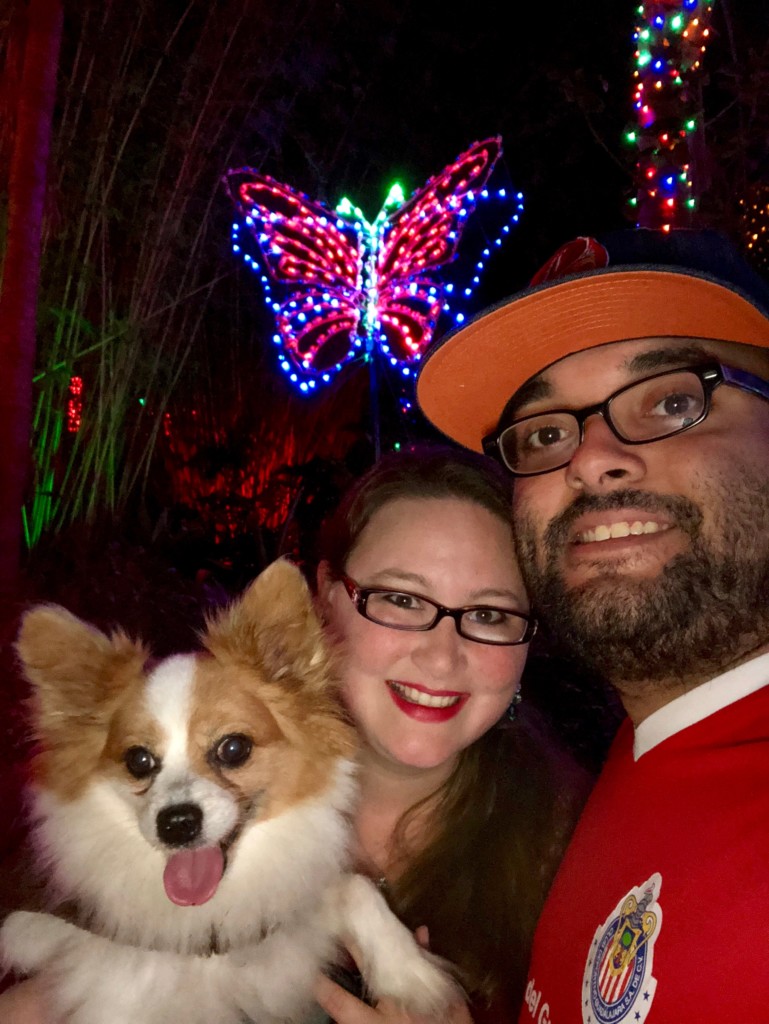
Randy Ojeda is the laid-back guy wearing glasses and a baseball cap at all the rock shows, whose warm presence is most acutely felt as he entices you to grab a beer with him even though you just met. He’s is an easy-going, music-loving people person through and through. But Randy is also a shrewd businessman. Along with his business partner and long-time friend Jason, Randy spearheads Cigar City Management – a music management company based out of Tampa, Florida – and works with acts from all over, including right here in Brooklyn. Randy’s business savvy paired with his gregarious nature also landed him a role recruiting artists for Symphonic, a digital music distribution company. However, Randy started his role in the music industry as a musician himself, picking up bass as a kid. Afterwards he went on to get a degree in – brace yourself – law. There is also another demanding role he fills daily, which is that of a Dog Dad for a little papillion named Mojo.
Randy & Mojo (All photos courtesy of Randy Ojeda unless otherwise noted).
AF: Please introduce us to your pup.
RO: Meet my best friend, Mr. Mojo Risin. Mojo is an 11-year-old Papillon. He loves long walks, roughhousing, and tennis balls. He also has a bit of a foot fetish, as Sharkmuffin’s Tara Thiessen can attest to, but we don’t like to kinkshame him. He’s the perfect dog. I always say he’s got the heart of a large dog in the body of a small one. He’s a great cuddler, but he’s not just a lap dog. He loves to play, loves to be chased, and makes friends everywhere he goes. At the dog park they call him “the Mayor” because he runs up to the fence to greet every new dog that enters. He has his own Instagram.
AF: How did you find your Mojo?
RO: I got him from a breeder who had a litter of Papillons. I’ve always been obsessed with characters and creatures with big ears, like Dumbo. A neighbor had just gotten a Papillon (which means “butterfly” in French) and I thought a dog with those big, butterfly ears was the most adorable thing. I set out to find one of my own, and when I met this particular litter, there was one dog who wouldn’t leave me alone, who kept wanting to play and be near me. That was Mojo. We bonded right away. He’s been my little buddy ever since.
If I were to do it over again, though, I would definitely get a rescue pup. As great as Mojo’s breeder was (and of course I’m happy with the dog Mojo has become), there are so many amazing rescues and dogs who really need homes. I just wasn’t educated on the rescue system at the time, but now my cousin Amanda does a lot of work with rescues in Tampa, and she’s taught me a lot. If you want to get a Papillon, there are two great national rescues that I recommend: Papillon Haven and Pap 911 Rescue.
AF: Did you have previous pets?
RO: Growing up, we had an adorable teacup chihuahua named Candy. She was a pretty classic chihuahua, so she was very loving and protective with her family, but rather standoffish around everybody else. Most of my friends were scared of her. Have you ever seen a grown adult run from a 3-pound dog? I have and it’s hilarious.
We also had a cat named Fluffy, popularly known as Fluff Daddy. Fluff Daddy later changed their name to P Kitty, before eventually dropping the P and just going, simply, with Kitty. Fluffy was a few years older than Mojo and was pretty settled into our home when I first brought Mojo. Mojo, ever the socialite, was immediately drawn to Fluffy, who swatted at him right away. It set the tone for their relationship. Fluffy would often hunt Mojo for the fun of it, never hurting him but just being a cat. Fluffy also never used a litter box! Instead they went to the bathroom outside like a dog. The world was Fluffy’s litter box! Fluffy would have been right at home in New York, where anywhere can be a bathroom if you’re really determined.
AF: When did you start playing music?
RO: My dad gave me a box of his old vinyl records when I was in middle school. Typical “dad rock” – The Beatles, Stones, Pink Floyd, Led Zeppelin, etc. I thought it was cool that some of the Zeppelin records were numbered, like comic books, so that’s where I started. By the time I got to “Dazed and Confused” I was hooked. At the same time, we had just gotten broadband internet, replacing our dial-up connection (just saying that makes me feel so old), so I got really into downloading music. I became obsessed with finding new bands, learning about new genres, and just discovering as much music as possible. Playing music just became the natural evolution of that obsession.
AF: Why did you choose the bass as your first instrument?
RO: I started with bass and a little guitar, mostly because sick basslines were my favorite part of any song. But also, I really wanted to be in a band, and I had friends who were already really good at the other instruments – nobody else wanted to play bass, though, so I was just trying to fill what was needed.
AF: What was the name of your first band and how did it come about?
RO: My first band was called Car Full of Midgets, named after a really obscure reference from the short-lived Clerks animated series. I’m not sure if that name would be allowed today. We formed because we really wanted to play in the middle school talent show so we learned “Back in Black” by AC/DC. I did the Brian Johnson part, so I was on vocals and became the de facto front man. After the talent show, we kept playing together and learned more songs that we liked, while attempting to write our own songs. Eventually we decided to try and book a gig. We literally looked up music venues in the phone book (remember those?) and called each one. Whoever actually answered didn’t take a couple kids seriously at all, so we asked my dad to call back the venues that did answer. I guess he became the band’s manager. He talked a local dive bar, The Brass Mug, into letting us play a short set during an Open Mic Night. We weren’t old enough to get into the bar, but they let us load right onto the stage, play three or four songs, and load immediately back out. It was a Monday night, so my dad had to convince all the other parents to let us stay out on a school night, and we all had to promise we would get our homework done before our set. It was basically just my dad and a few regular, very drunk bar patrons, but it meant everything to us.
AF: When did you decide to switch from playing music to the business side of the industry?
RO: I kept playing in bands throughout high school and into college, but kind of called it quits when I decided to go to law school. I honestly thought I was done with music – I wanted to work in the tech industry, and went from reading Pitchfork to reading Fast Company, for example. But I went to law school in Chicago, at the same time that Chicago was having this musical renaissance. Chance the Rapper had just dropped his first mixtape, and I was really tuned into the hip hop scene there at the time. So I got pulled back in. I started working with hip hop artists and producers, just trying to help and gain experience. Through my school’s network, I connected with some entertainment lawyers, and thought maybe that was the path for me, but I didn’t really vibe with the role that a lawyer plays in an artist’s career. The industry has changed a lot recently, and now managers do so much – a manager is really critical in developing an artist. You’re not just involved in the business or negotiating a deal, like a lawyer is, but you’re involved in creative decisions, branding, and all the day-to-day stuff that really makes this business exciting and rewarding. It leaves a lot of room for creativity and sometimes you have to throw out the rule book. I love that.
AF: Tell us about the history of Cigar City Management, and how the company came to be.
RO: I was working in hip hop for a bit, and although I loved the music, hip hop has a lot of misogyny, violence, and a bad drug culture that at times left me feeling ashamed of the type of work I was doing. I needed something that was more me, something I could be proud of, and I really wanted to put a spotlight on artists who were doing something unique. I wanted to support diverse voices – women and non-binary musicians, people of color, immigrants, members of marginalized groups, etc., and I wanted to find artists who believed in the type of causes that I believe in. There are so many awful people in the music industry, so my mission was to find people who are good, who genuinely care about more than just sex, drugs, and rock & roll. That is essentially the mission statement of Cigar City Management: Music Should Be Good. I formed the company with my business partner, Jason. He’s our CFO and does all the math. I don’t math. He’ll deflect all the credit, but I really couldn’t do this without him. I like connecting with people and making things happen, but I hate dealing with the financial part of the business, and it’s just not how my brain works. So, in many ways, Jason helps me keep the lights on. Because we work with a lot of emerging bands, the margins are very important. You have to keep track of every dollar and where money is coming and going, or else you’ll never actually make money. The bands that survive are the ones who understand that and take it seriously. If you want music to be your business, you have to treat it like a business. If you don’t keep an eye on it, it’s funny how easily money disappears.
Photo Credit: Rachel Angel
AF: How did you become friends with your partner, Jason?
RO: We met in high school. We both attended an all boys’ Catholic school and most of the people we went to school with were exactly the type of person you’d expect to go to an expensive private school. Some of us had started forming our own little clique of weirdos and loners, the people who didn’t fit the mold. We’d hang out during free periods and lunch, and our mutual friend Matt Roberts, who I was in a band with at the time, started bringing his guitar to school so we could write and jam. One day Jason picked up the guitar, and effortlessly played some Stevie Ray Vaughn licks. I had no idea he even played guitar, but I knew right away that he was definitely the best guitarist at our school. Matt and I asked him to join our band, and for a couple years we seriously underutilized Jason’s talent – we were this scrappy metal band and wanted Jason to play chugga-chugga riffs, but he was a bluesman at heart. After the metal band broke up, Jason and I continued to play and write together and over time he became my best friend (besides Mojo, of course). I don’t know anybody who does more for their friends and the people he cares about than Jason. He’s the guy who will drop everything to help you move, help solve a problem, or just be there when you need it. He was the best man in my wedding, and I wouldn’t want to be in this business with anybody else.
AF: Who are some of the bands you are currently working with?
RO: We have a pretty excellent roster – Big Bliss, A Deer A Horse, Fruit & Flowers, Jackson Boone, Kino Kimino, Parrot Dream, Pecas, The Fantastic Plastics, and this one band called Sharkmuffin. Have you heard of them?
Randy and Sharkmuffin on the way to play an acoustic set at the TIDAL offices. Photo Credit: Steven Anselm.
We also just added two really cool bands – Ganser, from Chicago, and Fever Beam, which is the first band from my hometown that I’ve managed. I’ve got links to everybody and to our Spotify Playlist on our website.
AF: Any shows or other events coming up with your roster?
RO: There are always a ton of great shows coming up. Big Bliss is playing the Grim Streaker album release show on May 16th at Alphaville. Fruit & Flowers is playing with City of the Sun at Webster Hall on June 15th. On June 28th, Ganser is playing the Flipper 40th Anniversary Show at Reggie’s in Chicago. Fever Beam is going to be on tour in April and A Deer A Horse is hitting the road again this summer. Also, both Parrot Dream and Sharkmuffin are playing Waking Windows Festival in Vermont on Saturday, May 4th. And you can catch The Fantastic Plastics every Wednesday night at 9pm Eastern on their very own Twitch Channel, which is totally the most futuristic way to tour.
AF: Tell us about your role in Symphonic.
RO: I do Artist & Label Outreach for Symphonic. It’s an invite only platform, so I seek out artists and labels that I think would be a good fit for the services Symphonic provides and I connect them with the rest of the team. So far, I’ve brought in some really cool artists and labels. It’s a great gig – they certainly take care of me, give me plenty of autonomy, and it’s perfect for me because I can bounce between the Tampa and Brooklyn offices.
AF: Are there any new Symphonic events or products we should check out?
RO: Expect to see Symphonic NYC continue to grow. There are some events planned throughout the year in New York, but nothing that I can mention right now. I can say that the New York Office hosts charcuterie Fridays for artists, so hit me up if you want an invite for free cheese.
AF: What is your spirit animal?
RO: My spirit animal, specifically, is Kermit the Frog. He’s pretty responsible but surrounds himself with a bunch of troublemakers. He’s constantly trying to wrangle everything together and hone the team in, because he knows there’s genius there, but yet he remains calm when all hell inevitably breaks loose. That’s pretty much me. I think Kermit could probably drop the Muppets altogether and get a real job – I’m sure he’d be an asset to any company. But how could he live without the Muppets? Could you imagine Kermit with a 401k?
AF: If Mojo was a musician, what instrument would he play and what genre of music would he write?
RO: I’ve actually thought about this fairly often over the years. He’s named after Jim Morrison, so you’d expect him to be a psychedelic crooner; however, I think Mojo is actually more into early electronic music, so he’d probably start like a synth pop or krautrock group. Maybe he’d be on vocals or synth. When I first got Mojo, I was listening to a lot of Kraftwerk and some of their cuts, like “Computer Love” in particular, would typically calm him and lull Mojo to sleep. So, I think he’d be on that wave. I think his project would have a strong visual aesthetic; however, for such a cute dog, he’s very weary of photos, though. So, he wouldn’t tour very much and would only give the occasional rare interview. He’d be like the Burial of dog-fronted bands.
AF: Does Mojo have a favorite food?
RO: Mojo has never met a food that he doesn’t like. He actually goes really crazy for ice, though. Straight ice, right from the ice maker. We live in Florida and Mojo has quite a lot of fur, so on hot days I give him an ice cube after our walk and he loves it. It’s definitely a low-cost dog treat, and it cools him down. If he even hears the sound of ice, he’ll come running. We give him a lot of fruit, too. On special days we’ll take him to Twistee Treat, where they serve a Pup Cup ice cream. He eats it so fast.
AF: How does Mojo inspire you in your career day-to-day?
RO: We have a screened-in patio, which can be essential in Florida. Mojo likes to hang out there and “chase” lizards, but the only problem, for him, is that most of the time these lizards are on the outside of the screen. So, he never actually catches these lizards because it’s basically impossible. Yet every day he goes out to the patio and tries his hardest to catch a lizard. One day, an unsuspecting lizard somehow made its way to Mojo’s side of the screen and Mojo captured the lizard in his mouth. He brought it right up to me, so I could see what he had accomplished. He didn’t hurt the lizard, he immediately dropped it and let it run away, but I could tell he was proud of himself. He did it. Being successful is all about finding the perfect mix of timing, perseverance, and luck. Mojo knows to never give up.
AF: How was your SXSW?
RO: This was definitely the best SXSW I’ve been to, from a professional standpoint. I think all of our artists really stepped up. I sit behind my computer all day, so sometimes it can be hard to objectively see how well we’re doing, but at SXSW you can very visibly see the growth. In many ways, it’s a stress test for artists. Everything about being in the industry, being in a band, is exacerbated – so you can figure out in one crazy week whether you have the stomach for this business or not. I’ve seen bands both rise and fall at SXSW. This year was pretty smooth: no meltdowns, no mediations, no interventions. Just a lot of great music and some incredible nights. Knock on wood for next year.
AF: What do you miss most about Mojo when you are on tour?
RO: My wife and I don’t have kids yet, so Mojo is pretty much our baby at the moment and the three of us make up our nuclear family. There’s something about just being all together – having my wife, Liz, next to me in our bed, with Mojo laying by our feet. It makes me feel all warm and fuzzy and reminds me that the love we have is worth more than any concert or music video. Don’t get me wrong, I’m really grateful for getting to do the work that I do and I’m thankful that because of music I’ve been able to see so much and do a lot of really, really cool things. But I’m not at home unless I’m with my family – and along with my amazing wife, Mojo is a very big part of my family. When we’re together everything feels right.
Family Photo: Mojo and his parents, Liz and Randy.
Along with rock, punk, jazz and a vibrant hip hop scene, Seattle has musicians who thrive in the in-between – who have a knack for suspending themselves between styles and bring in multiple influences, highlighting Seattle’s quirkiness and creativity. The Pornadoes, “The World’s Only Swingasurfajazzabilly Band,” are a perfect example of that ethos. Their cinematic music is an ingenious melting pot; think surf music legend Duane Eddy meets country legend Chet Atkins meets “Greased Lightning.”
The Pornadoes mesh the swelling excitement of ’60s early rock and surf guitar, country and rockabilly-style vocals, with the harmonic and rhythmic complexities of swing and jazz music. It’s all accented with clever, humorous lyrics (see: “Waiting on a Spring Divorce”) delivered with the sort of emphatic twang of early 1950’s rock n’ roll, underscoring both nostalgia and timeless relevance of their sound.
The local four-piece recently dropped their fourth release since 2011, Go Tiger, GO!, which they recorded at Seattle’s legendary Seattle London Bridge Studios. Lead vocalist Jasper McCann and lead guitarist Jason “Mr. Goessl” Goessl sat down with Audiofemme to talk about recording the new album, Seattle’s ties to surf guitar, their ties to each other, and the origins of their sexy sound.
AF: Hi guys! To start off, tell me what forces brought The Pornadoes together?
JG: I formed The Pornadoes in 2011 as a guitar-driven instrumental surfabilly trio. The name “Pornadoes” came from an episode of Bones. My partner at the time suggested that would be a great name for a surfabilly band. So, I called my fellow Midwest transplants Tom Zgonc (drums) and Ethan Sobotta (bass) to form the band. Ethan and I met at Shell Lake Jazz camp in Northern Wisconsin in the early ’90s. We went to University of Wisconsin Eau Claire together for a few years in the mid ’90s. We lost track of each other for about a decade and met up again at a show at the Tractor in Ballard that we were double billed at. At the time he was playing with Wages of Sin and I was in Sunday Evening Whiskey Club. Tom Zgonc grew up in Minnesota and also went to school at UWEC. However, he was there a couple years before Ethan and I and didn’t meet him until we were in Seattle. We figured it must have been fate that brought three UWEC music kids together in the PNW so we had to start a band. Also these cats can read my mind musically so we never really had to rehearse to much. Our first shows were pop-up BBQs for Jack’s BBQ before he had his restaurant. I wrote the tunes and scratched out the basic chord structure and they made the magic happen! We self-released Now Serving in 2012. We got our first dozen shows because of the name alone.
JM: I joined in early 2015. The Pornadoes did a gig for one of my burlesque shows that went on the road to Walla Walla in summer of 2014. We started rapping about jazz and music in general and we became friends. I started to sit in with the fellas on some gigs and sing standards, and then Goose and I had a fair amount of beers at the Sloop Tavern one fateful night and he asked me to join the band and be the frontman. The rest is… history?
AF: I’ve learned there is a legacy of some cool surf-rock/guitar music in Seattle—does that legacy inspire or guide your music?
JG: Nokie Edwards from the Ventures has always been one of my favorite guitarists. Though he was born in Oklahoma he grew up in Puyallup. The Pornadoes’ second instrumental album was recorded at Jack Straw for Sonarchy Radio, which aired on KEXP at Midnight on Sundays. I was heavily inspired by Ventures In Space. So I called the album In Space. Much like the Ventures, we recorded this album with live in-studio sound effects happening in real time. I had my good friend and audio guru Robb Davidson (Nel’s Motel studios) bring in samples and do real time audio sampling of the trio. We recorded this album from front to end with no breaks or stops and only one take, staying true to the In Space vibe.
JM: Apparently Walk Don’t Run was recorded in West Seattle, right down from Parliament Tavern. The first surf record I ever got was Surfing by The Ventures. Wailers and The Sonics are inspirations too.
AF: What was your first exposure to this sort of guitar sound, Jason? Is this where you started?
JG: I started playing guitar when I was nine because I wanted to be Slash from Guns N’ Roses. After going to a jazz camp when I was twelve I fell head over heels down the jazz rabbit hole. High school was a blur of Miles, Parker, and Coltrane. My first year in college a friend introduced me to Marc Ribot and suggested I get some effects pedals. His punk approach to jazz launched me out of my “jazz box” and into a whole new universe of sound. I got my first guitar with a bigsby and started to find my own sound in “jazz” by interjecting surf and country riffs with bends and swells into jazz standards. I have a group that plays out once in a while called Surf Monk—we play arrangements of [jazz pianist] Thelonious Monk over surf mash-ups.
AF: Tell me about this new album, Go Tiger, GO! Where did you record it? Is there a theme that pushes it forward?
JM: We recorded Go Tiger, GO! in two days in late January of 2019, at London Bridge Studios… you know, where Pearl Jam, Soundgarden, Alice In Chains, and many others recorded. That was a trip. Jonathan Plum, one of the owners, engineered it. We had a killer time in the studio – the experience was really positive and some sounds came out of the session that we didn’t expect. It was a real honor to work with Jonathan. As to theme, if anything, our “theme” is variety. On both the albums I’ve been involved with, we shift styles a lot. The overall timbre of the songs remains pretty consistent throughout the record.
JG: I like to make albums that play out like a film. Go Tiger, GO! is a fun thematic listen, twisting and turning through surf, country, rockabilly, blues, and a little punk. I wanted to keep the raw energy of a live show so we tracked the whole album in one day. Most songs were two takes. On day two we added back-up vocals and mixed. The overall theme to me is life. Each song is inspired by a personal experience or a relatable adventure by a good friend. There are lots of ups and downs and twists and turns.
AF: This is rockabilly music, but how do you believe it transcends and innovates the rockabilly sound?
JM: Rockabilly music, historically, is pretty simple from a musical and lyrical standpoint, with lots of 1-4-5 blues or 1-5-1 country licks and a fair amount of lyrical repetition, and the content of the lyrics tends to be fairly simple thematically. Our sound is “thicker” than traditional rockabilly, more heavy rock n ‘ roll solos and distortion, more chordal and rhythmic diversity that stems from everyone’s background in jazz. The lyrics that I write are also fairly complex (by rockabilly standards), mostly with a narrative approach. Also, when Goose asked me to join, he said he specifically wanted to create music that rockabilly ladies would listen to. So, knowing that old-timey rockabilly (as well as a lot of psychobilly) has themes that we don’t dig (specifically physical and/or sexual violence toward women, demeaning language, the reinforcement of hyper-traditional gender roles, etc.), I/we have written songs that eschew these themes. We choose instead to write about strong female characters. Or going to Mars. Or meeting strong female characters on Mars.
JG: Yep, what Jasper said!
AF: Most people assume that upbeat, surfy music comes out of a sunny place, but this is Seattle-born. What about Seattle finds its way into The Pornadoes sound?
JM: I think our sound is Seattle Surf. The popular California surf archetype, especially the vocal groups (Beach Boys, Jan & Dean, etc.) was pretty cheery. But the way we approach the “surf” style is darker and heavier. There have been a few times where Goose and I looked at each other and say “Joey (Santiago, lead guitarist of Pixies) would like this lick.” I was heavily influenced by the grunge scene and the DC post-punk scene, both of which are melodically beautiful while still being angular and heavy. I think the great surf bands of today that are pushing the genre all have an aspect of punk, or grunge, and a more brooding aesthetic, which is ultimately in line with bands like The Lively Ones or The Ventures.
JG: Seattle is a melting pot of musical styles and a very bustling city! The crazy traffic and the feeling of having to constantly be going and doing inspires my writing and playing to have more notes and harmony.
AF: Obviously, it’s more than surf rock – there are definitive strains of country, too. Do you guys have country music influences that you like to bring out?
JM: Apropos of nothing, I am distantly related to Carl Perkins. When I was a kid, country music was pretty much everywhere back home (Kansas City), but it was actually good, like Willie and Waylon and Dolly and Crystal there was the whole C.W. McCall thing, not all of this formulaic crossover stuff that’s happening now. I grew up watching Hee Haw with my Grandad, so I was hearing Johnny Cash and that sort of stuff from a pretty young age – let’s say I knew who Buck Owens was before I ever heard a Zeppelin song. The themes aren’t too foreign.
Ask Goose about the pickin’ and grinnin’ part.
JG: I love country music. Chet Atkins is one of my favorite guitarists. Danny Gatton is huge influences well as George Barnes. Lenny Breau is where I copied my thumb picking technique from. I use a plethora of Junior Barnard riffs made my own in the Pornadoes as well!
AF: Again, people wouldn’t consider Seattle to be a place for country/rockabilly. What’s the scene like for this specific sound?
JM: I think there’s a fair amount of it around, but the places in town where you can hear it live are limited.
JG: The country scene in Seattle seems to be pretty strong, especially in Ballard, and there is definitely a scene at the Little Red Hen. Over the last decade I’ve had the honor to play hundreds of country shows with great country acts in Seattle including Jessica Lynn, Knut Bell, Caleb Bue, Caitlin Sherman, Country Dave Harmonson, and the The Whiskey Club. As well an annual Patsy Cline tribute that Debra Heesch produces. Currently I play with Birch Pereira and The Gin Joints which blends old school rockabilly, country, and jazz. The Gin Joints have no lack of work in Seattle.
AF: On that note, are there other bands like you out there (Seattle and beyond) that you feel like you’re in conversation with?
JM: I don’t want to say that what we’re doing is unique, but I don’t really know any other band that’s doing what we’re doing. Maybe it’s because our approach to rockabilly/surf has so much jazz influence in it. We’re not metal enough to be psychobilly, too heavy in some cases to be traditional rockabilly, and too jazzy to be surf or country. I don’t know who else is doing what we’re doing. I mean, if Reverend Horton Heat wants to give us a call, that’d be pretty hep.
JG: No, not yet. hopefully we can meet more bands along the way.
AF: What’s your personal favorite song on this album? What’s the story behind it?
JM: “Robbin’ Hood” for sure. I ran into the sister of a dear friend of mine a year or so ago, she was working at a restaurant where I had stopped for a drink. She was wearing a green dress but no leggings (it was summer) and was clearly in command of the attention of everyone at the bar. So her attire led me to one of my favorite films, Errol Flynn’s Adventures Of Robin Hood, and the two ideas collided and the song idea appeared, where I imagined her to be not a thief of money, but a thief of hearts. There are lots of fun references in the song to the Robin Hood legend. If you want to read the lyrics you can, right here.
JG: “Waiting For a Spring Divorce” is my favorite song. Our drummer Tom’s western swing feel melts my heart and our bassist Ethan’s slap upright keeps it beating. Jasper’s lyrics, inspired by his dear friends’ trials and tribulations, get me every time.
AF: Tell me about the band’s songwriting process… who writes what?
JM: I write the lyrics and do most of the songwriting, now. Before I joined, Goose was the sole composer. On our previous album, Launchpad Omega, he and I did a fair amount of back and forth; I would come to him with a lyrical idea or he would come to me with a musical idea and we would bounce ideas and work toward a common goal, with him being the musical lead on a majority of the charts. I ended up doing the majority of the generative work on Go Tiger, GO!, and when I got a chart to a place where I thought it was ready we’d get together and he’d add his ideas. Then we work like a jazz ensemble; Ethan plays from chord charts and he and Tommy arrange their own parts, and we all craft the final work in rehearsal.
JG: I’m not much of a wordsmith. I also have never been inspired to sing and most of the music that moves me is instrumental. I feel like most of my songs write themselves. It generally happens in the morning – I’ll wake up and I’ll feel this odd feeling that a song is about to burst out of me. I pick up my guitar and in about two hours the song is done. It’s uncontrollable. I make a chord sheet and an iPhone recording and send it to the guys to come up with their parts.
AF: Are you touring with this album?
JM: Not as yet. Everyone in the band has a fair amount of commitments; Goose and his wife are touring musicians and I am a burlesque theater producer, so carving out time is not as easy as it would be if we were in our twenties.
JG: Yep, not yet. My tour schedule this year with my duo Sundae + Mr. Goessl and The Gin Joints has me booked up this year. The Pornadoes have a few shows booked this year that I will fly back from tour for and do when I’m in Seattle. We will be releasing a video and working to book festivals and some shows in 2020.
AF: What’s the future hold for the band?
JM: As we get more traction, we hope to do more opening slots for bigger acts (too bad Wanda Jackson just retired – that was a dream of mine). We’re also looking to play the large rockabilly festivals like Viva Las Vegas and Nashville Boogie, as well as hit the circuits in Europe and Japan where rockabilly is big. I’ve already got enough new material in the works for half an album… I don’t know why we wouldn’t keep recording. We have too much fun together. Big Dream: one of our songs makes it on to a Tarantino soundtrack. Why not?
ONLY NOISE explores music fandom with poignant personal essays that examine the ways we’re shaped by our chosen soundtrack. This week, Liz Tracy reconnects to her former self via the music she loved before she became a mom.
In the tiny basement gym in my parents’ apartment building, I gingerly stepped on the elliptical machine. I felt like a barefoot child about to climb a mountain, unsure of my intentions, safety, and abilities. In the two years since I gave birth, I haven’t had many opportunities to move my body or use my mind without the goal of keeping my young son alive or entertained. I put my headphones on and pressed play on iTunes. Music long kept silent on my phone quickly flooded my brain with memories and emotions. Suddenly, my legs knew what to do. I felt like I hadn’t in a long time: I felt like I was back in my body.
Since I found out I was pregnant in a Walmart bathroom, almost everything in my life changed. I grew a human baby in my uterus and breastfed him for 19 months. My partner and I stopped drinking and attending beloved music shows regularly. We also moved to two new states. I work from home now while caring for a small, energetic person who demands more from me than I even demand from myself. Yet I still have the same old anxiety disorder, amped up on new worries with no outside substances to quiet my fears. By 5pm each day, I’m usually so worn out and overwhelmed by my full-time childcare duties, I feel like I’m floating above my life. After our most recent move, I decided to find a space where I could reconnect with my pre-baby self, and manage my anxieties. I found it in that tiny gym thanks to a soundtrack of my old favorite songs.
I’m not the only person seeking ways to process unwanted feelings in the wake of a pregnancy. The Center for Disease Control estimates that one in five women and five percent of men experience postpartum depression, 10 percent of women have postpartum anxiety, while others suffer from postpartum obsessive-compulsive disorder and postpartum post-traumatic stress disorder. If you’ve ever spoken to a new parent or looked at posts in a Facebook parenting group, you know these numbers are much lower than the reality. Studies have shown not only that exercise can help parents deal with postpartum mood disorders, but also that music can help with the baby blues and maternal attachment in the weeks following childbirth. It’s not new news that music can be therapeutic, but in my postpartum haze, I didn’t even consider it as a solution to my ailments.
I have nothing to focus on in the gym but the music and myself. I become immersed in each note and lyric, each bead of sweat. I can explore my muddied emotional landscape and crowded thoughts in a space all my own. I channel all of my rage from a traumatic childbirth experience and the shameful lack of childcare options that are stalling my career by swinging my arms furiously to noise gods Sonic Youth. I particularly enjoy getting angry to “Swimsuit Issue” off the band’s 1992 release Dirty, which I first owned on cassette.
The Sonic Youth Information Database quotes the album’s deluxe reissue liner notes on the song’s meaning, “…inspired by the odious ejaculative habits of a then-current [Geffen] employee who was subsequently remanded to therapy.” Kim Gordon lists the models in from the March 1992 Sports Illustrated Swimsuit Issue in the outro. I’ve never had envious thoughts about supermodels – I know they live the same shitty lives as the rest of us. They get old and their husbands cheat on them. Thurston Moore left Kim Gordon in much the same fashion, but she subsequently became more famous after his departure. The dark humor of the song reminds me of long nights I spent sweating and laughing through weirdo noise shows in Miami, where I used to live. I was as feral as the wild sounds coming from those stages.
When I play Chicago electronic musician Felix Da Housecat’s “Ready 2 Wear,” a New Wave-y house masterpiece, my legs move twice as fast and my chest swells with longing for late nights when my feet stuck to dirty dance floors at kitchens and clubs. I’m saturated with feelings about years spent with friends whose drama seemed crafted to hurt but was actually an effort by screwed up codependents to connect and maintain intimacy. I recall the many times we scrambled to keep each other alive and hopeful by clinging to the unhealthy, temporary healing powers of parties, intoxication, and conversations until dawn.
Always a fan of filthy music, I remember thinking Juicy J was an egalitarian hero with his line “you say no to ratchet pussy, Juicy J can’t” in “Bandz a Make Her Dance.” But now, as I cycle on a stationary bike through this trap tune, I wonder how I would explain that line to my son when he’s older. Parenthood brought out some latent puritanical side of my personality that mixes awkwardly with my affinity for crass humor and music. So, for the thirty minutes I spend in the gym, I try to set aside my uptight feelings and just enjoy the Lil Wayne feature on this song.
The inspiration for alt-country, the late Gram Parsons, is also on my list. He and Emmylou Harris harmonize beautifully on “Return of the Grievous Angel,” a tune about a man who has traveled the world but can’t quit his lover. It is then that I remember my pre-baby trips. A decade ago, I drove across the country with my brother’s friend for a month to visit the Joshua Tree Hotel where Parsons overdosed and died. I remember seeing the milky way on my second trip there by laying on the hood of a rented car with my old roommate. Because these musical workouts alleviate my anxiety, I can feel the freedom of those times again. I think briefly about all the world I won’t be able to afford to see and won’t have the time to visit now that I have a child. I start to process that without a conclusion.
Then I walk upstairs and open the door to the apartment where we now live with my parents. I hear the immense giggles of a big-eyed human that I somehow created and whose life I now sustain. I can actually feel my legs and the ground beneath me and sweat on my shirt. My partner comments how different I look with my skin flushed. The disorderly fragments of my past and present that floated around inside me, the heavy rocks of anxiety that weighed me down just an hour before, have fallen into place.
Everyone needs a good song to wake up to. At one point while I was living in Brooklyn, my roommate woke up every morning to “What’s Up” by 4 Non Blondes (believe it or not, it did not get tiring). If you’ve been looking for the right stretch, shower, and take-on-the-world tune, we’ve got one for you. “Like Myself,” the debut single from JEMS – comprised of singer-songwriters Emily Colombier, Jessica Rotter, and Sarah Margaret Huff – utilizes three-part harmony to empower those who have been mistreated and are looking to break away.
Though the end result is sonically uplifting, the song’s genesis is rooted in Colombier’s personal trauma. “I was mentally and emotionally abused by my stepmother for close to 20 years, a story eerily close to the Cinderella story yet unfortunately, not a fairy tale,” she explains. “On top of the interminable blows to my character and self-worth, I was not allowed to play music and sing freely in my home.” She says the #MeToo Movement encouraged her to break her silence, and that putting her experiences to song, however painful, has led to healing. It’s also helped strengthen her bond with with her bandmates, and with their self-titled debut scheduled for release on May 17, the trio’s happily-ever-after is just beginning.
Listen to the premiere of “Like Myself” and read our full interview with the band below.
AF: How did JEMS come together as a group?
EC: Jess and I have known each other since birth. Our mothers are friends – both studio/classical musicians and they still work together! After college, we began writing music and would collaborate and sing back-up on each other’s projects.
JR: I met Sarah Margaret through a mutual friend when she moved to LA from Nashville back in 2015. We did a song together at one of my shows and everyone said they loved our voices together so I added her to my band and SM and Em sang with me on my first album’s tour. All people could talk about was our three part harmony!
EC: The following year, we decided to join forces again, with three voices and a guitar, as an excuse to travel and to see the Solar Eclipse, which happened to be on Jessica’s birthday. Out of that journey, JEMS was born.
AF: You’ve said that writing together is like “group therapy.” Can you tell us a bit about the songwriting process? Does each member take the lead on a song or is it more collaborative?
SMH: Usually one of us will bring an idea to the other two and we’ll sit down and see if that resonates with the group and could be a JEMS song. We all have different individual styles, so our own ideas don’t always meet the JEMS mark. One powerful example for me was when Emily brought the idea for “Clay” to us one afternoon; she was strumming and sort of singing what she had so far and I couldn’t keep it together and burst into tears. I was going through a dark period and struggling with my own self-worth at that time, and even though she was going through something completely different the song idea really really spoke to me and felt so beautiful and profound. That was the first song the three of us wrote together and it was such a powerful and supportive moment of feeling like whatever I or anyone else is going through, we’re not alone and it’s never too late to grow from it.
AF: “Like Myself” is a very personal song, taken from Emily’s experience with her abusive stepmother. Was it difficult to share these lyrics with your bandmates initially?
EC: It was not difficult sharing the song with the girls. Writing music has always been a therapeutic outlet for me, that flows out without much thought. What I struggle with is the idea of sharing my story with strangers, and the idea that people that knew me during that time will hear it. It’s both terrifying and empowering to use your voice in this way, and having Sarah Margaret and Jess there with me supporting me, both musically and emotionally, is incredibly powerful.
JR: We know how vulnerable this period of time is for Emily to recount and hesitated before sharing the backstory with listeners but we truly believe there is power in transparency. We have all had our experiences with being able to rise above the muck so we’re happy to be here with Emily for this moment just like she’s here for ours.
AF: What are your musical influences in terms of style and sound?
SMH: I’ve always been drawn to strong songs written by great story tellers that can hold up when stripped down to just a guitar or piano. I love an elaborate orchestration just as much as anyone, and there are plenty of songs on our upcoming record that have loud and layered elements, but for me it’s all about the songwriting and really striving to make every word and melody something that moves you.
JR: Yes, Sarah Margaret! I think SM is one of the best storytelling songwriters I know and have always felt that way so I am thankful every day to be able to collaborate with someone who has different strengths than me. I tend to exist in a world of metaphor and love seeing the connections between nature and humanity. I am inspired by a wide variety of sounds and also love how sound interacts with emotion and storytelling. Coming from the film music world I think there’s something to be said about creating an aesthetic environment and telling a story through sound and emotion in addition to words. For this album, we were inspired production wise by Fleet Foxes, Fleetwood Mac, Elbow, First Aid Kit, Tall Heights, and Joseph. But we are all listening to a wide variety all the time. Emily mostly listens to baby-making music.
EC: Yes, it’s true! I grew up listening to a lot of soul and R&B – my vocal tone definitely reflects that. However, my inspirations for this project are Joni Mitchell, Lucious, Glen Hansard, and Lianne La Havas. Along this journey we’ve experimented with different production approaches and have written on a spectrum of genres. But through this process we have returned to where we started – keeping the focus on our collective voice.
SMH: We wrote that when prompted by Valida, a KCRW DJ who was hosting a holiday show that we were playing that was going to have life-sized mushroom decor because of a legend that Christmas traditions came from psychedelia. Jess brought us the chorus idea and we just went from there, taking breaks at the piano to gut-laugh. The night we had that writing session was almost as hysterical as the all-nighter we pulled shooting the video.
JR: I was driving around LA and started singing “I wanna be high for the holidays, find me in a blizzard getting blazed” and recorded a voice memo and said GUYS THIS HAS TO HAPPEN. THIS HAS TO BE THE NEXT WE ARE THE WORLD. I WANT RIHANNA AND SETH ROGEN TO SING IT. But clearly that didn’t happen. But we did perform it in front of Post Malone at that concert. I didn’t know who he was at the time and I don’t know if he likes weed, but I do like weed. Obviously.
AF: You’re an LA-based band. What’s your favorite Los Angeles venue to perform in?
SMH: We play a bit at Hotel Cafe and that’s always an amazing spot with a great community around it.
JR: I’ve actually really loved playing in unconventional spaces for different showcases. I feel like the energy in the room is open to magic instead of people showing up to a place they always go with built in expectations. That being said, I just really want us to play on a much larger stage so we can dance around more. (I’m looking at you, Greek Theatre!)
AF: Where do you see JEMS five years down the road?
SMH: Hopefully talking about our third album somewhere in the middle of the country at whatever indie radio station wants to listen to us gush about the little support system we’ve created with JEMS.
JR: We have always wanted to focus on the professional songwriting side of the group so I hope we’re producing and writing songs for movie projects and maybe hopping on a tour with a band we love.
JEMS new album will be out May 17th – preorder here to get five songs before they come out. Check them out live at one of the tour dates below.
JEMS TOUR DATES:
4/27 – South Pasenda, CA @ Eclectic Fest
5/18 – Los Angeles, CA @ The Hotel Cafe
5/25 – Nashville, TN @ The Basement
6/07 – Los Angeles, CA @ Telfair Gala
8/19 – Los Angeles, CA @ Harvard and Stone
Brooklyn via Detroit songwriter Anya Baghina captures the feeling of melting melancholy with fellow Soviet Girls bandmate Jonathan Franco in “Almost Alone.” As the ice drips off the branches and the sun peeks out of the grey Michigan sky, the two friends narrate the passing of time, the weight of seasonal sadness and the comfort of solitude. Written almost by accident during a late night hang-turned-jam-session, the song feels like an uber-relatable, melodic diary entry, written by your best friend.
It’s easy to want to make every line into a metaphor in this song. Take the opening line – “it looks like springtime, but it feels like winter.” Baghina says it started out as the literally, explaining, “We wrote it around this time last year, when the darkness of winter was concluding and hints of spring brought about hope.” But Baghina’s vocal inflection and Franco’s subtle backup also leaves room for interpretation; when they sing “And you’ve got more stories to tell…” it feels as though the whole song is a metaphor for a person or situation that didn’t turn out the way it had seemed.
Even as the season change brings glimmers of rebirth, there’s a sadness attached to the shadow of winter and the doldrums of prolonged cabin fever. It’s the same kind of listless ennui that often accompanies the end of casual fling as it fizzles out. “I can’t regret this yet, because it’s not really over,” the duo sings, describing an anxiety that can feel paralyzing when you’re suspended in a grey area.
The song ends by repeating a phrase that could be comforting or unsettling, depending on how you look at it. “The lyrics ‘I’m almost alone’ follow the small narrative of the song as if someone leaving is followed by a sense of relief,” says Baghina. “But the last phrase ‘almost alone’ captures the bigger picture and refers to that dissociative state of being you can feel even if you’re surrounded by friends.”
Back in 2016, In the Valley Below had an unexpected hit on their hands, when their single “Peaches” hit number 18 on Billboard Alternative Songs chart two years after its release. Living in Echo Park at the time, the duo – comprised of Jeffrey Jacob (vocals, guitar) and Angela Gail (vocals, keyboard) – moved to Grand Rapids, Michigan in the wake of another life-altering surprise; their musical success dovetailed with the birth of their first child.
Now, they’re back with a visual album of sorts – their latest LP, The Pink Chateau, is sexy AF, and the film that accompanies it follows a young woman who has stumbled upon a house in the woods where sexual boundaries don’t exist; as she wanders from room to room, we join her as a voyeurs. The band’s brief hiatus didn’t slow them down, with tracks like “Hold On Tight” and “Break Even” showcasing tension, tight vocals, and soaring guitar riffs. The album is a dance between brooding drama soundtrack and champagne-infused orgy.
Listen to Audiofemme’s exclusive stream of The Pink Chateau and read our interview with the band below:
AF: In the Valley Below was originally a studio project. Was the initial positive feedback for “Peaches” overwhelming? To go from being on the road in other projects to performing on Conan O’Brien?
AG: Not at all. “Peaches” was out for three years before the radio got on board and people really started to hear it. It was played on the radio in France and Germany before it ever got attention here in the US. We find that more and more people are still discovering it on streaming sites; it’s been a slow and steady road. There was a while between touring and Conan that we thought it was over. I had to get a real job again. After a couple weeks at work, taking photos of clothing on mannequins in downtown LA, we got a call saying we booked Conan and got some big radio plays and we had to go back on the road.
AF:There’s a wonderful balance between you within your songs, a kind of back and forth conversation, a melding of your voices that feels very natural and organic. How do you go about writing music together? Does one person initiate with lyrics or part of a tune? Or is the process more of a jam in studio?
JJ: Every song starts in a different way. Sometimes Angela will come in with an idea on guitar or piano, other times I will have an idea, and there are times where we start from scratch together in a jamming situation. But we always finish every song together, and we both have to give it a thumbs-up for it to make the cut.
AF: What was the initial catalyst for your film The Pink Chateau?
JJ: It actually came from an idea that the head of our record label (Tiffanie DeBartolo of Bright Antenna Records) had. She felt that our music and live show had such a sensual vibe that it would fit well with a soft core porn movie, so she suggested that we make one of those! We loved the idea but wanted to make it more of an artistic erotic film.
AG: I was instantly inspired to write a story of a woman who stumbles upon this magical place where all types of sexuality were open to explore – something I wish I had found when I was 15! We wanted to do something different, besides the usual single music videos. Something where you can watch and listen to the whole album.
AF: Angela, as the artistic director for the band, and director of the film, how involved were you in the nitty gritty? The mansion in the film is so sexy and alluring all on its own. Did you work with a location scout?
AG: I decided to shoot in Michigan as opposed to LA or France, because we live there now, and it’s such a magical place we wanted to share it. However it was a much bigger challenge to pull this together there. When it came time to do it, I brought on my friend Marcos Efron to help me produce and direct. I also recruited local producer Lisa Enos who had more of a network in Michigan. I was definitely deep in the nitty gritty for a few months of prep. We did all the location scouting, wardrobe, props, casting etc. We had a great local crew during the five days of shooting to handle everything on set though.
AF: Are the actors within the film also Michigan based? Each of them has such a presence, they truly make the music come alive.
AG: Most of them are, yes. We have a few from Chicago, and one from LA. Finding actors in a small town who are comfortable with nudity is not easy. It was also important for us to have a diverse cast and crew – all colors, shapes, and sizes.
AF: When listening to your music, my mind does tend to paint a Los Angeles backdrop, that kind of 1970s grit. You both (recently?) moved back to Angela’s home state of Michigan. Has the change of scenery altered your sound or subject matter at all?
JJ: I don’t think it has affected our sound in any obvious way, but it has been great to have a quiet place to come home to when we’re not touring. We built a cozy little studio in our basement, so during the cold winter months we just go down there and get weird.
AF: Panda Bear (aka Noah Lennox) has talked about parenting being an interesting aspect of writing music nowadays, in that he has less time to play, which forces him to think less and just do. Do you find that true with your own recording process now that you have a child?
JJ: It has been an interesting transition for us as writers. Having a child forces you to think about someone other than yourself. A lot of times as musicians you can get caught up in yourself and your music a bit too much, so having a kid definitely keeps you grounded and humble. And it does make you manage your time better.
AF: You’re in the middle of a tour/”immersive audio/visual experience” in conjunction with the Newport Beach Film Festival and Alamo Drafthouse Cinemas. How did that collaboration come about?
AG: Our team reached out to Alamo Drafthouse to see if they would want to get on board with our crazy idea of a movie/concert in headphones tour. It seemed like a great fit to work with a cool theater like this, and we were excited when they agreed. It helps that they have locations everywhere. The shows have been a really magical experience. We are also looking forward to our film festival premiere in Newport Beach. For that, we just submitted the film and crossed our fingers.
AF: What’s next for In The Valley Below? A tour? The festival circuit?
AG: We never really know what’s next for us.
In The Valley Below’s sophomore full-length album and its motion picture companion, The Pink Chateau, arrives April 26. Preorder it here.
Aziza Love, one-third of Cincinnati hip hop group TRIIIBE, released her debut solo project, Views From The Cut, earlier this month. Aziza gracefully balance rapping, singing, and spoken word – a style she’s honed in her previous work with the group. Although brief, the four-song EP powerfully reverberates self-worth and makes an impact as an artistic extension of the activist, singer, and TRIIIBE member herself.
“Phoenix Rising” launches the EP off to a bold start with Aziza manifesting her own self-worth and demanding that other women do the same. “You a bad bitch and you’re beautiful / You are much more than usual / Don’t you dare wait ’til your funeral / To give ’em all a reason to acknowedge / That your essence is a blessing / Girl, you better see it as a lesson,” she sings.
Chase Watkins’ production really gets going on the next song, “Spiritus Scronk,” featuring Josh Jessen, and Aziza plays with different vocal tones, pitches and singing styles. But her energy truly peaks in the Devin Burgess-mixed “Shemix” of Cardi B’s “Backing It Up.” Aziza raps non-stop and claims ownership of her sexuality and attitude in the new empowering remix of the already catchy single. She bounces effortlessly along the jingling beat with words of fully-realized confidence and self-worth.
The overall lyrical content of the project contains an important lesson. While TRIIIBE is known for their charitable actions and giving back to their community, Views From The Cut‘s themes of reflection and self-love show that to invest in each other we must also invest in ourselves. Outward love and compassion are themes TRIIIBE commonly portrays in their music, but with Aziza’s solo project, we see that glimpsing inward and owning one’s independent process and worth is equally important.
TRIIIBE will be performing at Bunbury next month and Aziza says visuals for Views From The Cut are coming soon.
I think I was about 22 minutes into the Allman Brothers Band’s infamous “Mountain Jam” one day when I realized something: I love jam bands. I love the seemingly effortless movement, the way the players anticipate every chord change, every shifting rhythm, every intricate melody and harmony, and make it seem like it just happens. I love how seemingly incongruous parts weave themselves into a musical tapestry, creating a sound that’s full, lush, and textured. I love how you can lose yourself in the music.
Jam bands were abundant in the area surrounding my hometown, but in recent years, I’ve seen fewer and fewer of them. It wasn’t until I discovered Atlanta quartet Bird Dog Jubilee and their Southern-infused, psychedelic sound that I felt a slight return to the music that surrounded me growing up. I had the chance to sit down with lead guitarist RJ Fyfe to discuss their creative process, frozen Jack ‘n Cokes, and what happens when you combine the influences of Kurt Cobain and Phish.
AF: How did you guys get into music, and what made you decide that it was time to form a band?
RF: Kurt Cobain is what did it for me as the sole influence of getting me to play the guitar. I started playing at a very young age (3rd grade), but didn’t take it seriously until high school. I played a lot of acoustic guitar for church and with friends, but was honestly afraid to solo until my uncle bought me a Les Paul Studio for learning how to play Derek and the Dominos’ “Layla.”At that point, I didn’t have any excuses and knew it was time to learn how to solo.
Around 2012, I started jamming with two friends in a group called Red Wood Trio. We played small parties for our friends and were the background music for poker parties and things like that. Unfortunately, those friends didn’t want to gig, and that’s the direction that I wanted to take the band. I was fortunate enough to link up with some great musicians from high school, and in 2014, Bird Dog Jubilee was born.
AF: How did the sound evolve? Did you come into it thinking, “We’re going to start a jam band,” or was it the result of playing together and allowing your collective influences to blend and create something organic?
RF: First and foremost, we love to jam, and improvisation has always been the backbone of the band. We didn’t care about fitting into a specific genre but knew that we loved to improvise and see what happens on stage. It was purely organic and with all of our influences — Phish, Grateful Dead, Wilco, The Band, etc. — those creative juices started flowing.
AF: Speaking of influences, who do you consider to be your greatest inspirations when it comes to music?
RF: Great question and I know for me personally, I have three major influences: Kurt Cobain inspired me to pick up and learn the guitar at a very young age; my love for the blues and psychedelic rock put ]Eric] Clapton at the top of my list as he was always the one driving me to be a better player when I was younger; and Trey Anastasio — full credit to this man as BDJ probably wouldn’t exist if it wasn’t for him. Trey pulled me out of my shell and really got me to explore and improvise with my playing, tone, and overall appreciation for music.
AF: You’ve recently released a new single, “Take Your Breath.” What was the recording process like?
RF: This was an interesting one. We put out our first EP, Album Art, in April of 2018 and wanted to put out live recordings that we really liked. “Take Your Breath” debuted at the Sweetwater 420 Fest in 2018, and it went through a number of changes until we released the live version from an August 2018 show at Aisle 5. Releasing live tracks is something that we will be [doing] periodically throughout 2019.
AF: Can you walk us through your creative process? Is it fairly collaborative, or do you tend to have someone come in with a complete idea?
RF: This process has evolved over time, which is so cool to see. When we first started writing songs, we would do it separately, bring them to practice, and basically go with the original idea with some changes. After some time, we would schedule practices around a particular idea and then we would write the whole song together. Collaborating on writing the music together has allowed us to explore our individual strengths and offer different ideas. 95% of BDJ songs are written collaboratively now, with lyrics worked out on the backend. It’s always great when we can write a song in one sitting like “Never Coming Back,” but most of the time is a more lengthy process like with “Young,” “Choices,” and “Take Your Breath.” We’ve got two new ones that we are anxiously awaiting their debut this summer, so stay tuned!
AF: We’ve seen so much growth in the music and entertainment industry here in Atlanta. What’s it like to be part of the music scene as it hits its stride?
RF: It’s truly an honor to be part of this, especially in this city. There are so many great bands, fans, venues, and promoters in this city, not to mention the festivals. Atlanta is the best place to be in our opinion, and we are so excited to see how everything evolves and grows!
AF: Two questions in one: best place for a late night meal in Atlanta, and best place for a good drink and an even better show?
RF: After shows, you can find great beers at The Porter in L5P, or frozen Jack ’n Cokes at Victory Sandwich Bar. Woody’s is the go-to spot for late night cheesesteaks and PBRs!
AF: What’s next for Bird Dog Jubilee?
RF: To infinity and beyond! In all seriousness, we want to continue to build the Atlanta market and make this the go-to city for jam bands. ATL has the talent to compete with the northeast, and that is the mindset we all need to solidify ATL as a “jam city.” In addition to focusing on our hometown, we will be hitting the road a fair amount in 2019, and will get back into the studio.
ONLY NOISE explores music fandom with poignant personal essays that examine the ways we’re shaped by our chosen soundtrack. This week, Juli Fraga taps into her unresolved grief with help from Patty Griffin’s 1996 LP Living With Ghosts.
As a Korean adoptee who was raised in the Midwest by white parents, I’ve always known what it’s like to stand out. In one of my earliest childhood memories, a classmate refused to give me a birthday treat. Thinking she had forgotten, the teacher kindly said, “Mary, you didn’t give Juli one of your cupcakes.” Instead of apologizing, Mary matter-of-factly declared: “My mom told me not to give her one because she’s different.” That was over thirty years ago, but the rejection still lingers.
Mary’s words were just one example of the many racist comments that followed over the years. Throughout elementary school, junior high, and high school, I was told to “Go back to China,” and often teased for not having ‘real’ parents. Unable to express how those verbal slingshots made me feel sad, rejected, and deeply ashamed; I found comfort in poetry and music. When social rejection, racial slurs, and teasing from my peers increased, Patty Griffin’s first album, Living with Ghosts, became my soundtrack.
Griffin’s debut album was released in 1996, when bands like Stone Temple Pilots, Soundgarden, and Gin Blossoms were all over the radio. As a folk artist, she joined a community of female musicians, such as Sarah McLachlan, Shawn Colvin, and Tracy Chapman, who were popularizing an equally powerful but more introspective genre of music.
I’d found Griffin’s album in the music section of the now defunct Borders Bookstore. Back then, the store served as my own personal Spotify. Searching for new artists, I’d visit the folk section, find a new CD, put on the oversized headphones, and push “play” for a sneak preview.
Before I’d even heard Griffin’s music, the album’s title, Living with Ghosts, grabbed me – the words perfectly reflected how I had always felt as an adoptee. Not knowing anything about my biological family had created a gaping sense of absence that was always present. The opening paragraph of my life story had been lost, buried somewhere in my birth country with no way of being found.
However, my parents never discussed how adoption had made us a family. In fact, talking about feelings at all in my family was like using the F-word – only okay in rare circumstances but generally frowned upon. Because of this, I often swallowed my sadness, anger, and disappointment, not wanting to seem overly sensitive, or disrupt the family peace. To my parents, I was their daughter, period. But failing to talk about it didn’t undo the loss that had originally brought us together, nor did it instill a sense of belonging in me. Living with Ghosts tapped into the unresolved grief I had always felt.
Just like the album’s title, Griffin’s music pulled me in with its angelic vocals, sad melodies, and honest, poetic lyrics. Lines like, “Everywhere is somewhere and nowhere is near,” from her song “Moses” reflected how I felt like an outsider – not just in my family, but also in my community.
No matter how hard I tried, I couldn’t escape the pain of not fitting in. Dating was painful because most of my crushes weren’t interested in going out with Asian girls. “Your eyes look funny,” “You have an ugly nose,” and “You’ll never be pretty like the ‘popular’ girls,” were some of the mean things I was told. No one seemed to truly empathize with me, because they didn’t understand what it was like to be marginalized. Friends felt like outcasts for not having Guess jeans or the latest Sony Walkman, not because they’d lost their biological roots.
Listening to “Moses,” I imagined Griffin as a therapist, using her lyrics to convey that she knew what I had been through. Hearing her words felt like being given a journal filled with insightful prompts. Lyrics like, “I stay unseen by the light, I stay untold by the truth,” from “Every Little Bit,” caused me to question why those words resonated with me.
The truth was, Griffin’s words provided comfort that I hadn’t found in many of my relationships. Growing up, no one had asked me what it was like to be adopted and raised by white parents. Instead, people often said, “Aren’t you grateful to have a family?” I knew the question wasn’t meant to be shaming or hurtful, but each time I heard it, I felt more lonely and unwanted.
Finding solace in my thoughts helped me weather feelings of isolation. When Griffin sang “Can you hear the voice inside you? It calls you back to where you belong,” from “Time Will Do the Talking,” I learned to listen to my own, to really think about the questions I’d always felt too afraid to ask. Questions like, “Was I born at a hospital?” “What happened during my first few months of life in Korea?” and “Did my biological mom say ‘goodbye’ before she relinquished me?”
In many ways, Living with Ghosts was music therapy for me. On songs like “Mad Mission” and “Forgiveness,” Griffin sang about her own difficult upbringing: poverty, trauma, and lost love. Listening to her songs showed me firsthand how storytelling can foster healing. I learned that creative forms of expression like writing and singing could help release painful emotions of grief, anger, and sadness, which sometimes get blocked by shame.
Music has also helped me in my career. In college, I majored in psychology and went to graduate school to earn my doctorate. Now, as a psychologist, I’m honored to witness people’s stories, and when it’s appropriate, I reference song lyrics to convey empathy, understanding, and invite self-reflection in my clients. At times, I’ve even found myself sharing Griffin’s specific words with my clients. For instance, when people grapple with loss and decision-making, I’ve offered one line from her song, “Let Him Fly:” “You must always know how long to stay and when to go.” And when they’re feeling scared or stuck in their own suffering, I recall a line from “Time Will Do the Talking:” “Time will tell you what you can’t hear now.”
As an adult adoptee, I’ve come to understand that asking the right questions can be just as important as finding answers to them. I may never know why my birth mother relinquished me, or if I have siblings. That being said, entertaining these questions has helped me face my feelings of shame, insecurity, and grief. For a long while, these uneasy emotions hampered my ability to even think about my biological family, as well as my adoption. However, being able to imagine the ‘what if’s’ has helped me find closure.
This doesn’t mean that the anguish of losing my first family has vanished. I’ll always mourn the mother I never knew. Like many losses, the grief arises when I feel like an outsider, or when I’m asked to share memories of my childhood. And when those old, familiar feelings of sadness, loneliness, and misunderstanding arise, I still turn to Living with Ghosts to help me feel at home.
Cincinnati hip hop artist Dayo Gold is gearing up to release his 10-track album, EPSM – Essential Postive Soul Music. The Lima, Ohio rapper first hit the Cincinnati music scene in 2016 and has spent the last two years perfecting his craft. Currently being mixed by Devin Burgess, EPSM will follow his 2018 project, The Love EP, as well as several singles he’s dropped this year. Coming sooner will be a single (and perhaps a visual) called “Ohio Livin.” The talented MC first caught Audiofemme’s attention when he performed at Urban Artifact, rapping to an enthusiastic crowd that screamed back his notorious catchphrase: “Ask Ya Dad!” Here, Dayo Gold lets us in on some R&B-inspired details on his upcoming album, discusses the effect of Nipsey Hussle’s recent and tragic passing and its connection to his forthcoming single “Ohio Livin,” and explains where his name and famed catchphrase originally comes from.
AF: What are you working on currently?
DG: I’m in the works of a project right now! It’s called EPSM – that stands for Essential Positive Soul Music. I ended up making seven tracks. I made them in probably about a week, honestly. We just let it sit for a little minute, for probably two months, trying to find somebody to mix it. It didn’t quite go as planned and from that I ended up making three more songs. So I ended up making it ten tracks.
AF: Do you have a release date set?
DG: This summer for sure.
AF: That title, EPSM, does it hint at any R&B or soul influences?
DG: It kind of hints at a couple of R&B things. I think the most it does is the samples. We’ve got a “Let It Burn” sample in there, and that’s from Usher, we’ve got a Beyoncé sample from “Me, Myself and I,” that’s in there. We’ve got a Keith Sweat sample in there. It’s just a lot of that soul essence. I think what really made it soulful was we got into that bag of songs that really brought it out, we kind of touched into that 2000s era of R&B.
Dayo Gold/ Photo by Ian Massie
AF: Anything coming out before the summer?
DG: I’m thinking of dropping a single within the next two weeks. It’s a song I’ve been performing, “Ohio Livin.” I just think, with this Nipsey thing transpired, this song puts me back to a place where I felt the same way. I had a relative, he was killed the same way as Nip. This whole Nipsey thing transpiring made me think back to that time and I made “Ohio Livin” around that time, so once I played it back it brought back all those emotions again. So I was like, you know what, I think this is something that the world needs to hear. I’m definitely looking forward to that release.
AF: What other artists influence your music?
DG: I’m influenced by a lot of artists. Of course Nip, J. Cole, Joey Bada$$, Jadakiss, JAY-Z, Rick Ross. I’m kind of all over the place—I love street music and I love stuff that actually talks to the soul. That’s what I think this whole EPSM encompasses, like not only is it giving you messages for your soul but it just has an all-around good vibe to it that I think anybody would like, from the streets to the book-smarts.
AF: Your name – Dayo Gold. How’d you come up with that? And what about the catchphrase, ‘Ask Ya Dad,’ that the audience yells back to you at shows?
DG: At first, it was Golden Child. When I came around to trying to copyright it I saw that a lot of people already had it covered. So I knew I had to get a little more creative. I was taking a lot of African Studies classes back then and I was looking up on this site different African names and their meanings and I came across “Dayo.” When I read the definition it said, “joy arrives.” That’s the exact feeling I have about music and the exact feeling I want to have about life in general. If I’m not in a joyous state, if I’m not around people who are making me happy or enjoying my company or I’m not enjoying theirs, then I don’t want to be around them. I just thought that was a good life lesson to learn from that word alone and I wanted to embody it. I still wanted to keep Gold in there somewhere, so I got Dayo Gold.
The ‘Ask Ya Dad,’ that came from—I’m from Lima, Ohio. That’s a very small city. Our dads really knew what was going on in the city. My dad owns a barbershop down there so it’s a lot of barbershop talk, ‘he say, she say’ type shit. So if you wanted to know what was going on, you had to ask your dad. So we ended up making that a confirmation, like if your dad knows it then everybody knows it. Not only did it get to that, I started using it myself because I want to teach people through my music as well. Not only do I want to entertain and have fun with it but I want people to learn something.
AF: What do you think of the Cincinnati music scene right now?
DG: I came as a college student around 2013. Probably around 2016 is when I saw the Cincinnati music scene. I’ve always been the type of person to talk to anybody so when I got to doing my shows and stuff I was feeling a lot of love. I think the city is vibing right now, it’s kind of breaking out as we speak. Right now I think Cincinnati is on its way up.
It’s officially spring in the South: the sun is up, the sky is blue, it’s beautiful… and the pollen count is through the roof. That’s not keeping the music lovers of Atlanta from getting out and enjoying themselves, though! Lucky for us, we’ve got plenty of rad bands to keep us dancing through the itchy eyes and sniffly noses.
Bridges is one of those bands. The Atlanta-based trio, made up of Alex Young, Chase Cross, and David Williams, still considers themselves a new addition to the scene, but if their funky, soulful, thoroughly danceable music is any evidence, they’re in it for the long haul.
“Learn to Dance,” the A-Side of the group’s latest single, is a rich, jazz-infused track that grooves with a Latin flair, transporting listeners to a sweaty, oceanside club in the Caribbean. As the trio preps for their next gig – a free show at the famed Georgia Theatre on April 30th – they took the time to sit down and talk all things music and forming a band with Audiofemme.
AF: Thanks so much for taking the time to talk with me! Take me back to the very beginning; how did Bridges form?
AY: Bridges started as my solo project; I invited friends to play with me at different shows, but always wanted to be in a true band. Chase, David, and I met through our mutual guitar teacher. The first time we got in a room together to see if we could make music, we had immediate chemistry and came up with a new song in fifteen minutes. That song became our first single, “Wake Up,” and we’ve been a band ever since.
AF: How did you get into music? Did you guys play for different bands, or is this your first band?
DW: I was raised in a musical family and was heavily influenced by my father who was a music director and classical guitarist. I’ve played in two bands before this one, and also play professionally around Atlanta and the Southeast.
CC: I grew up surrounded by my parents’ love and appreciation for music and the arts, and was surrounded with music from Duran Duran, Grover Washington, and everything in between. I began playing guitar at the age of 9 and struggled with it for a while, and then began playing and studying the bass guitar very intensely about 3 years ago, and it has become one of my greatest passions since.
AY: My grandparents shipped their old upright piano to my house when I was 6 or 7, and I took to piano immediately. Later, I picked up guitar, started singing in church, and started writing songs my senior year of high school. I went from solo gigs straight to Bridges; this is the only band I’ve ever been in.
AF: Alex, what was it like to see Bridges evolve from a solo project to a band? Were there any growing pains you had to work through, or did it just come together?
AY: The short answer is that it just came together…and then there were plenty of growing pains!I think anyone in a band would say that it’s sort of like a marriage. Our band had a great honeymoon, and then we had to do some work to figure out how to make things work long term. I still don’t know if we’ve got it completely figured out, but I do know that I’ve learned a lot about conflict resolution, communication, and giving and receiving grace through being in this group. And I think that we’ve all become stronger friends and musicians through the growing pains.
AF: How do your different musical backgrounds influence the music?
We all appreciate great musicianship, and artists who play with depth, complexity and purpose. We don’t like showing off for its own sake, or doing something musically that doesn’t serve the song. And we also like to go hard and play our asses off at our live shows.
AF: Are there any bands or artists that you look to for inspiration?
There are many! Here are a few:
DW: The Beatles, Miles Davis, Pat Matheny, and Vinnie Colaiuta (session drummer who has played with everybody).
CC: Jaco Pastorius with Weather Report, Led Zeppelin, Elton John, Grover Washington
AY: Sting and the Police, Dave Matthews Band, and U2
AF:What’s your creative process like? How has it evolved as you guys create more music together?
AY: At the beginning, I wrote a bunch of the songs on my own, but as we’ve grown as a band, we’ve done more and more writing and arranging in the room together, which is really rewarding.
DW: Yeah, a lot of times we start with a musical idea from one of us, and then we build on it and come up with a song structure.
CC: I like my creative process like I like my salad: organic.
AF: Your latest release, “Learn to Dance,” is this incredible blend of smooth jazz-inspired sounds, Latin percussion, and rock. Can you talk about the creation of the song? What’s it been like to play it live and see your fans loving it?
AY: The song started as a guitar riff, and I wrote the chords and lyrics around it. The lyrics are anti-escapism; they were inspired by Alice Walker’s book of poetry, Hard Times Require Furious Dancing. Chase came up with an incredible bass line that really brought new life to the song, and David brings the heat with a drum breakdown in the live arrangement.
DW: And we’ve loved playing it live, the groove is great, and it has evolved over time. There’s a lot of room in that song to maneuver and improvise.
AF: You’ve got a new single coming up soon; what can you tell us about it, and when can your fans expect to hear it?
We’ve got a couple of new singles on the horizon, along with some live studio videos. They are groovy. No specific dates yet, but soon!
AF: The Atlanta music scene has grown exponentially in the last few years; how has the city and the diversity of the scene impacted you as artists?
We still feel like we’re pretty new to the Atlanta music scene… there are so many incredible artists making really unique music. We’re honored to be a small part of that community, and excited to see it continue to grow.
AF:What’s next for Bridges?
The plan is new music and new videos! Also, a free show at the Georgia Theatre Rooftop on Tuesday, April 30th.
AF: Last question: best place in Atlanta for a drink and a live show?
We love Vinyl, Venkman’s, and Vista Room. And Alliteration.
Keep up with Bridges on Facebook, and catch them live with Xander Ward on The Rooftop at Georgia Theatre on April 30th.
Ticket Giveaways
Each week Audiofemme gives away a set of tickets to our featured shows in NYC! Scroll down to enter for the following shindigs.

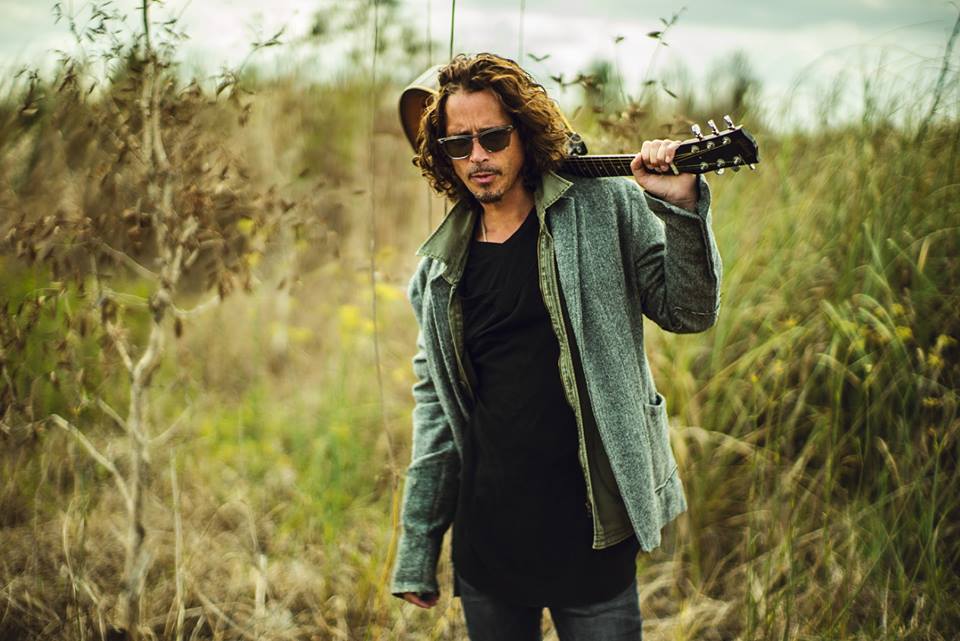
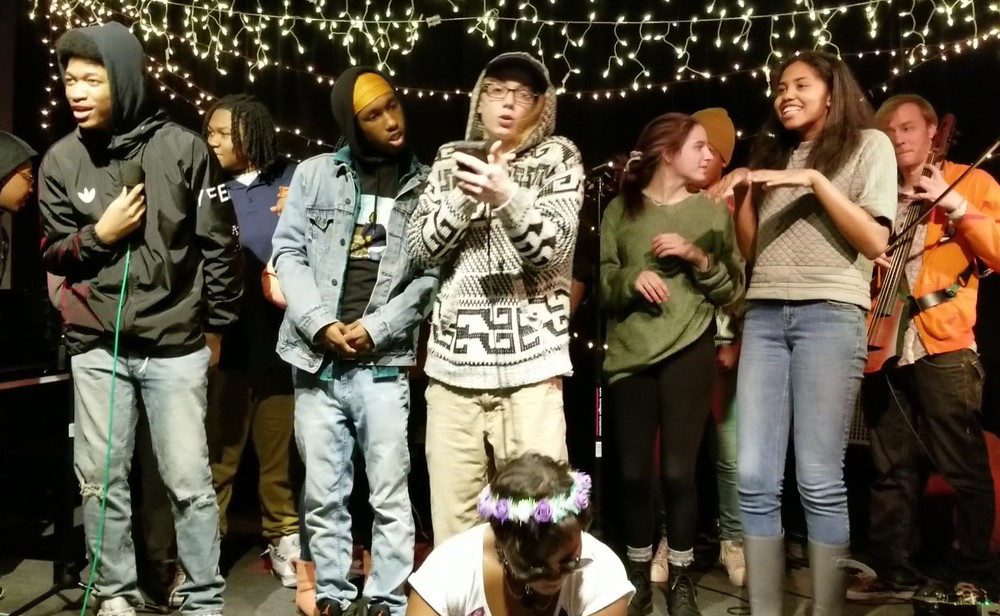
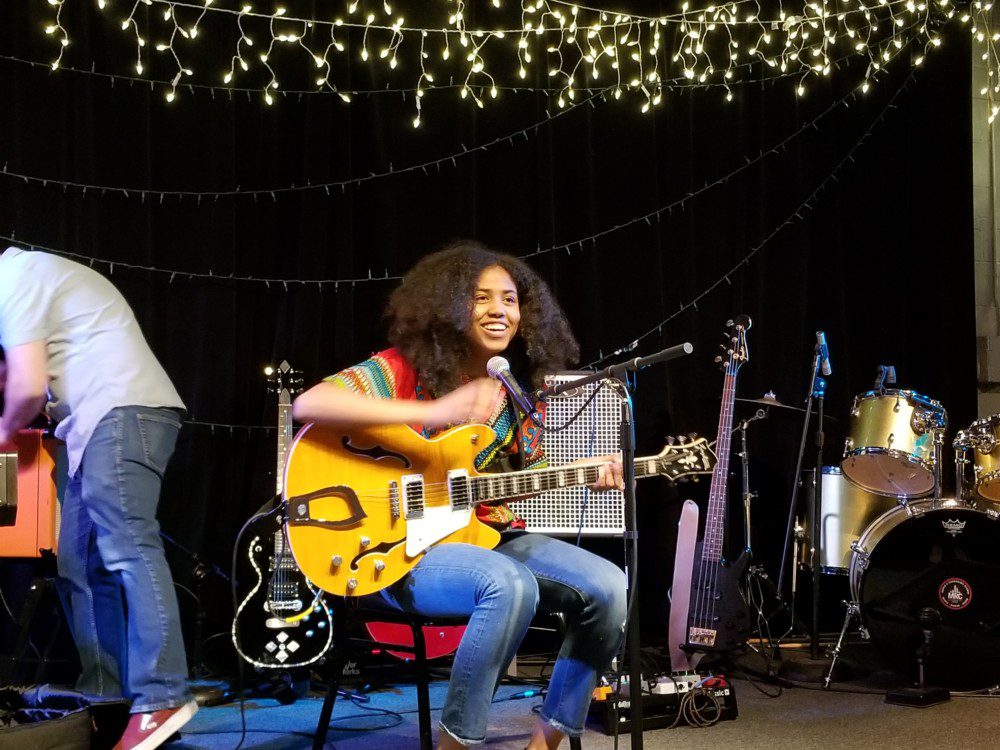
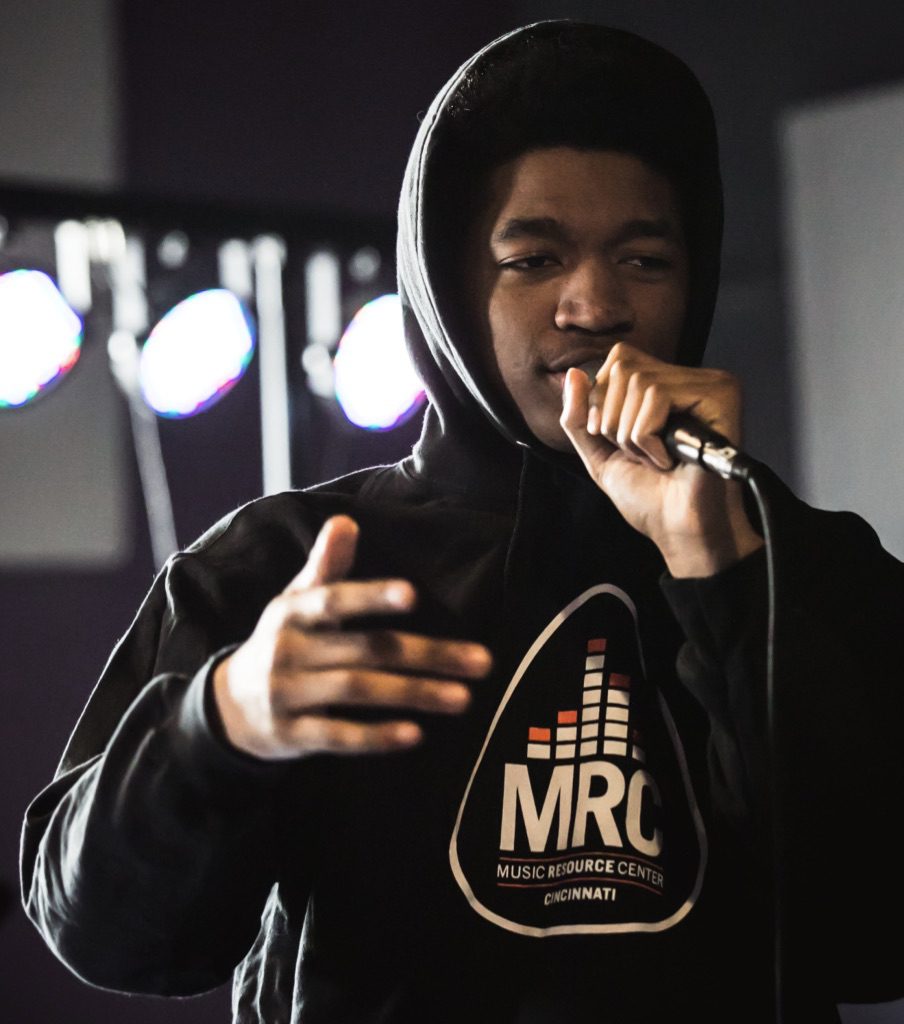
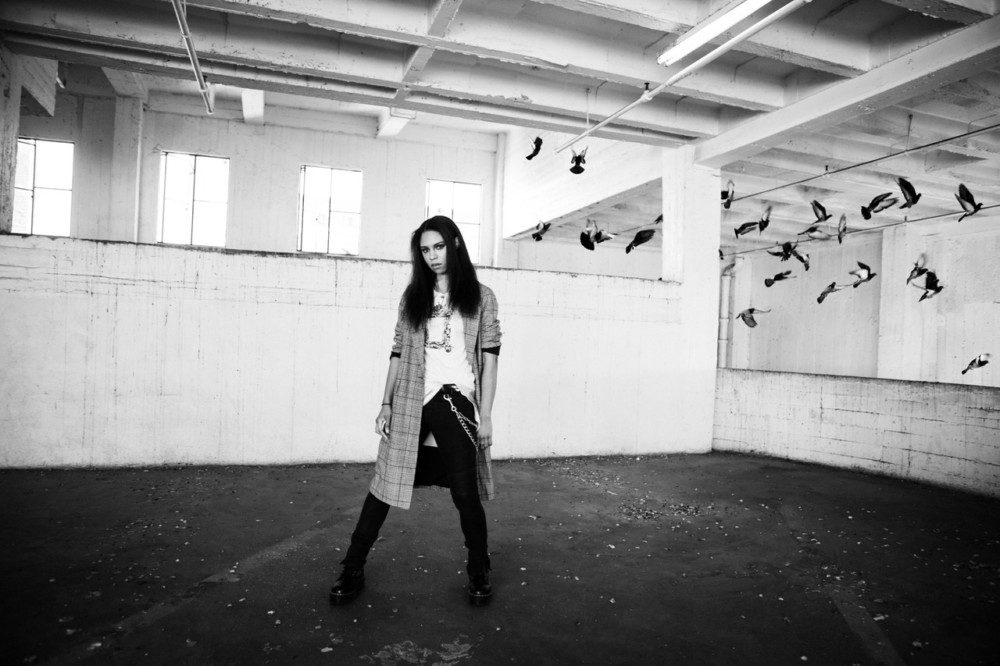
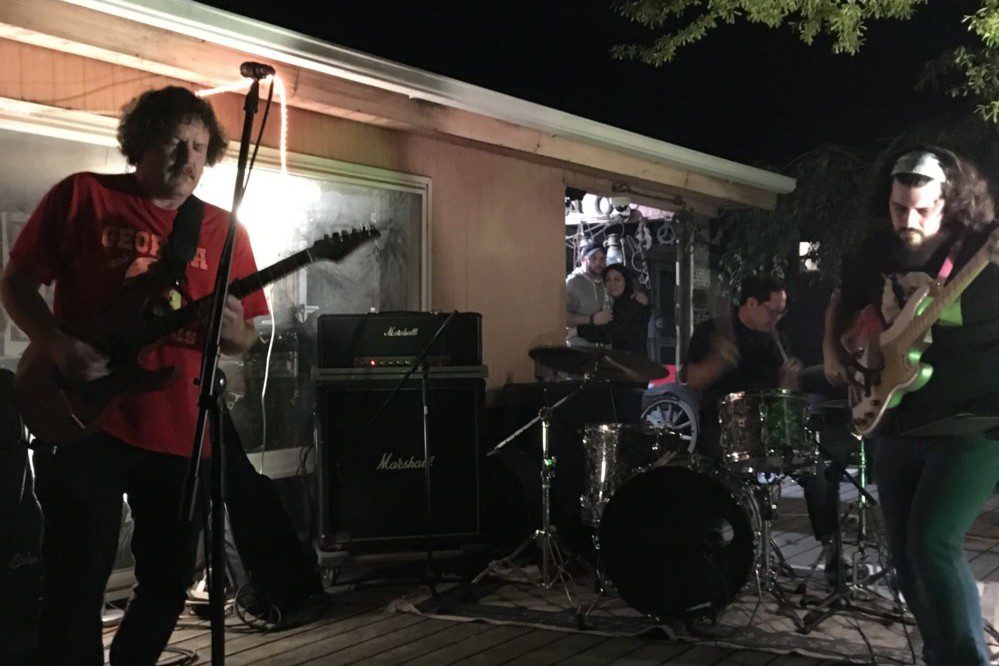
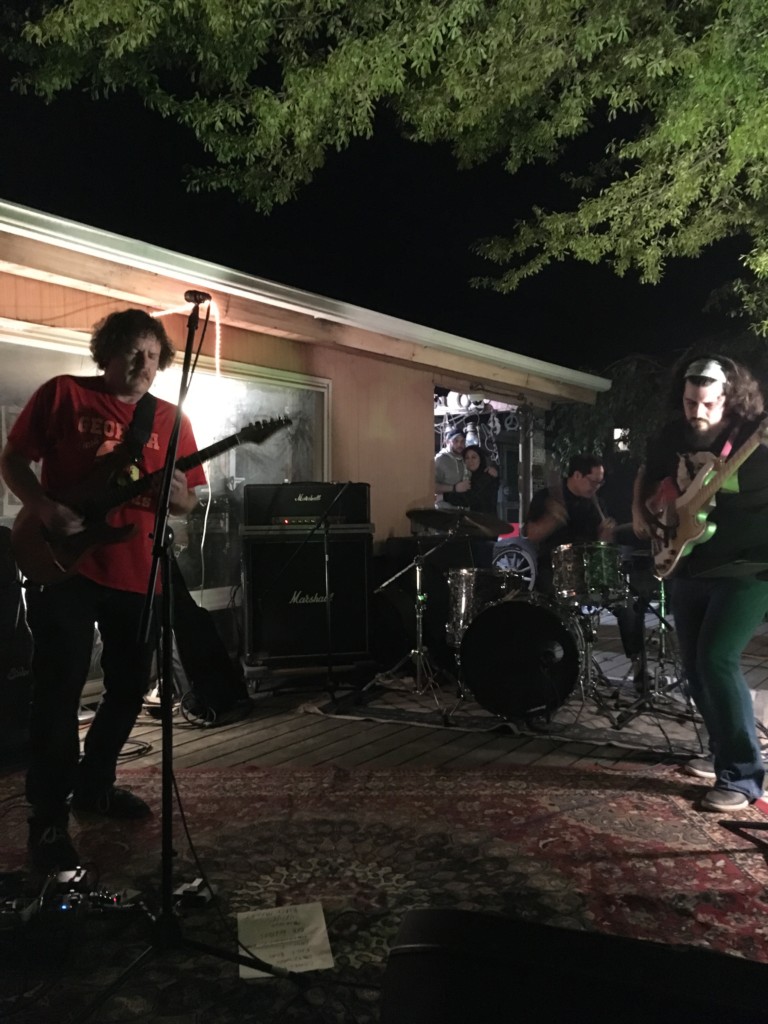

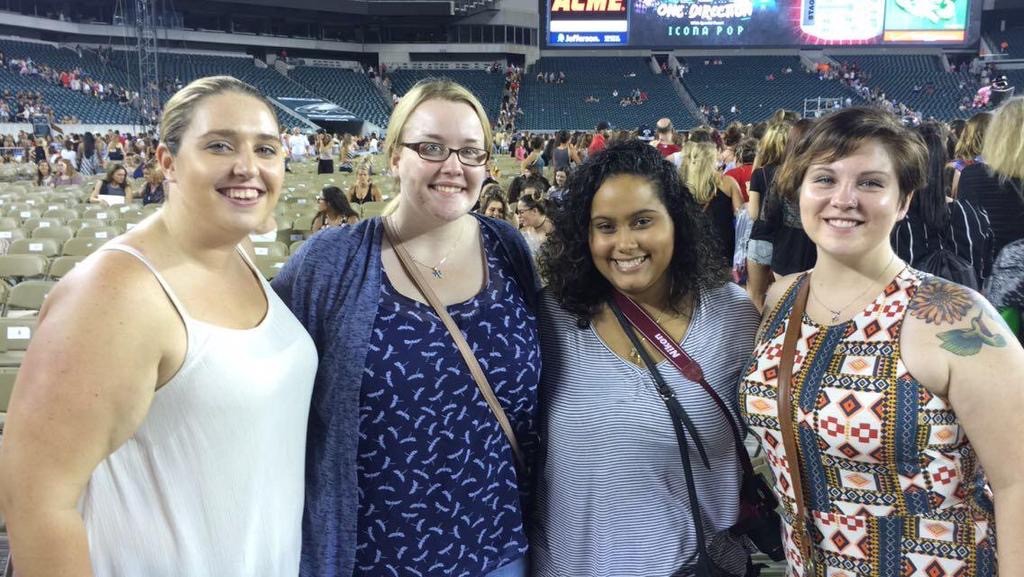

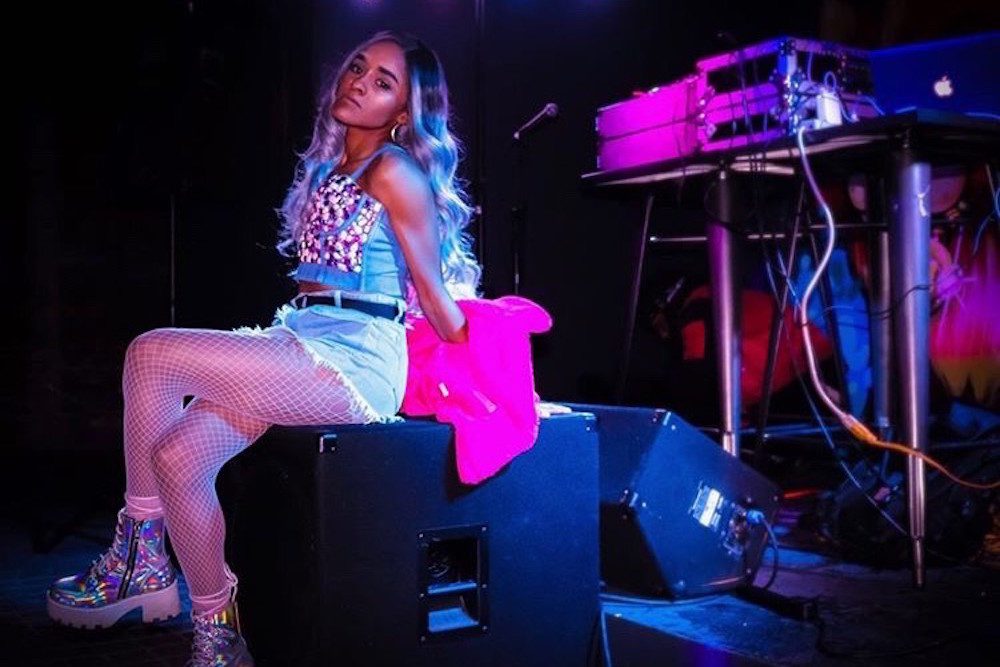
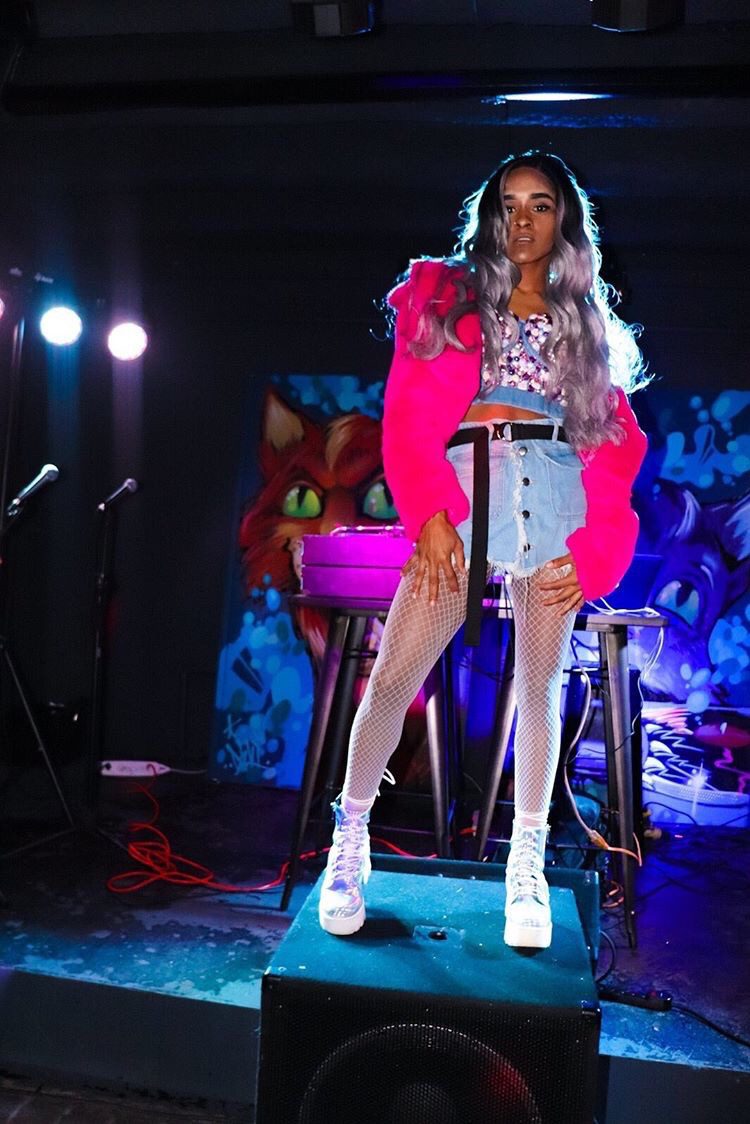

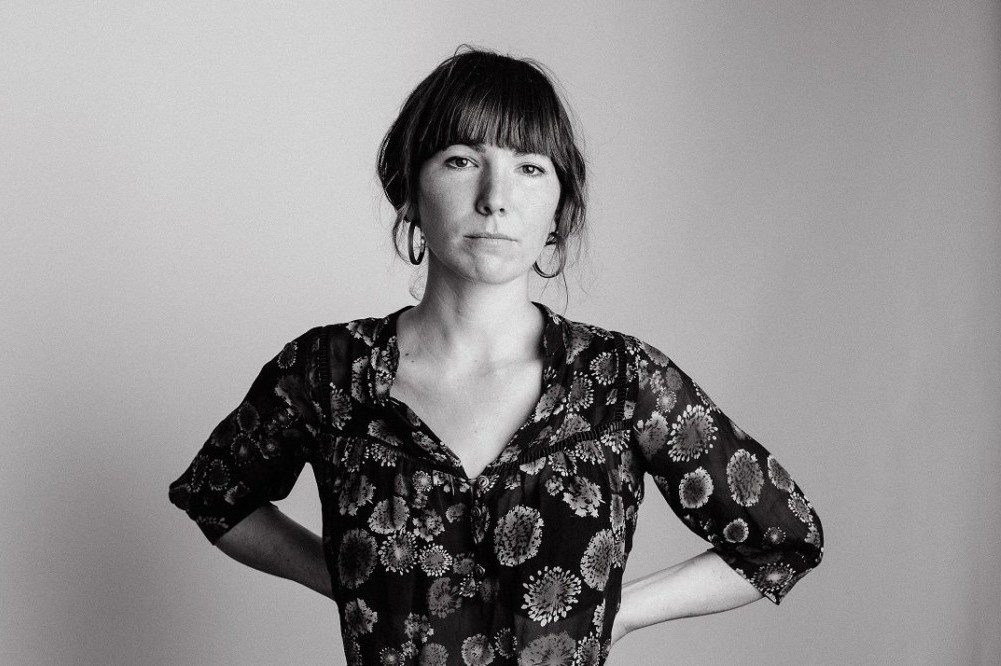
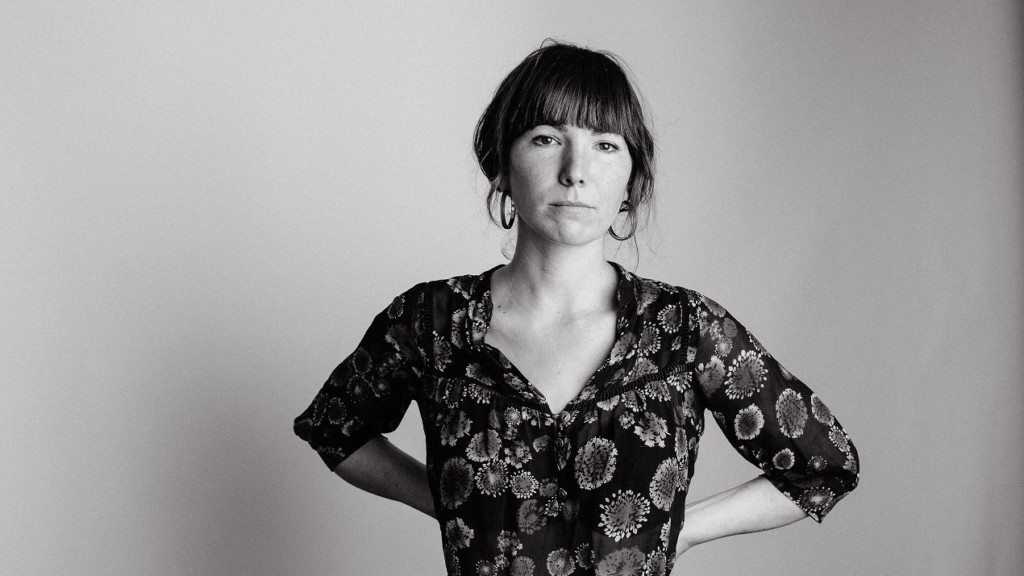

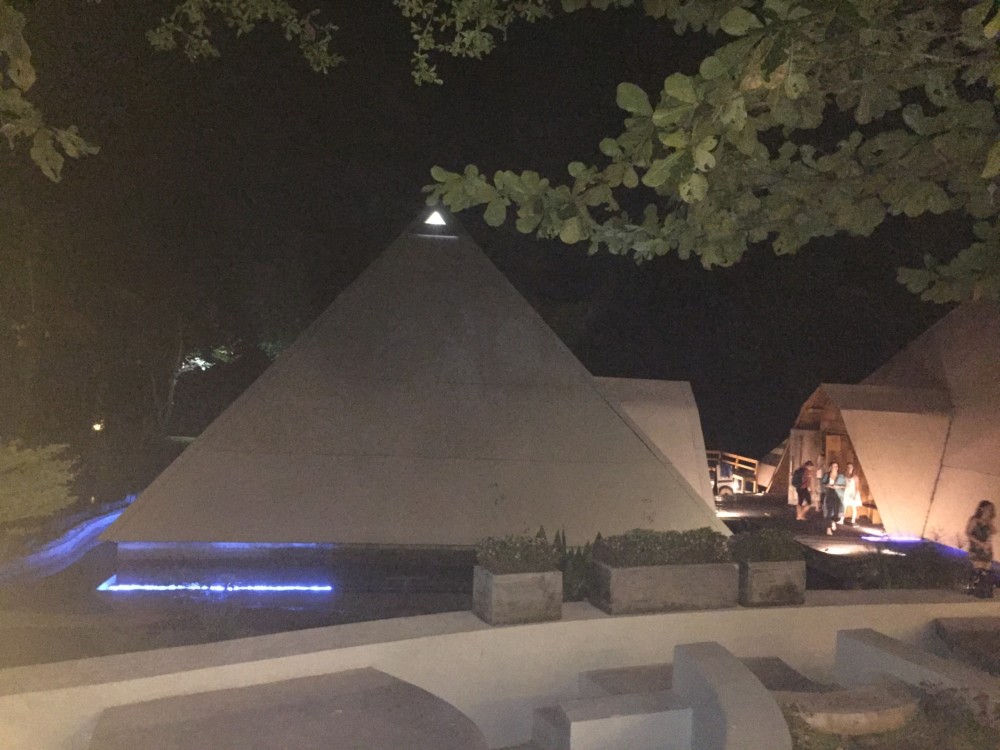
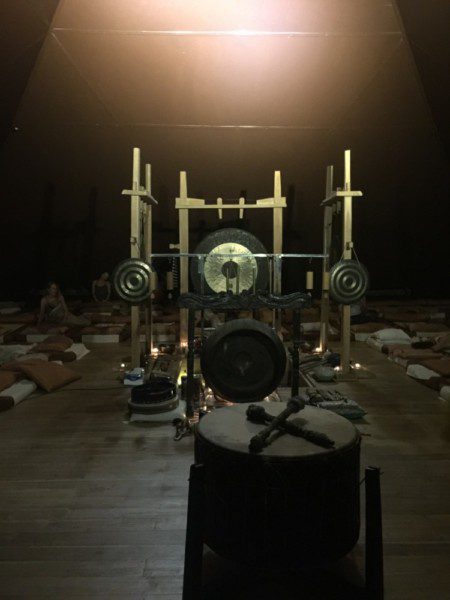
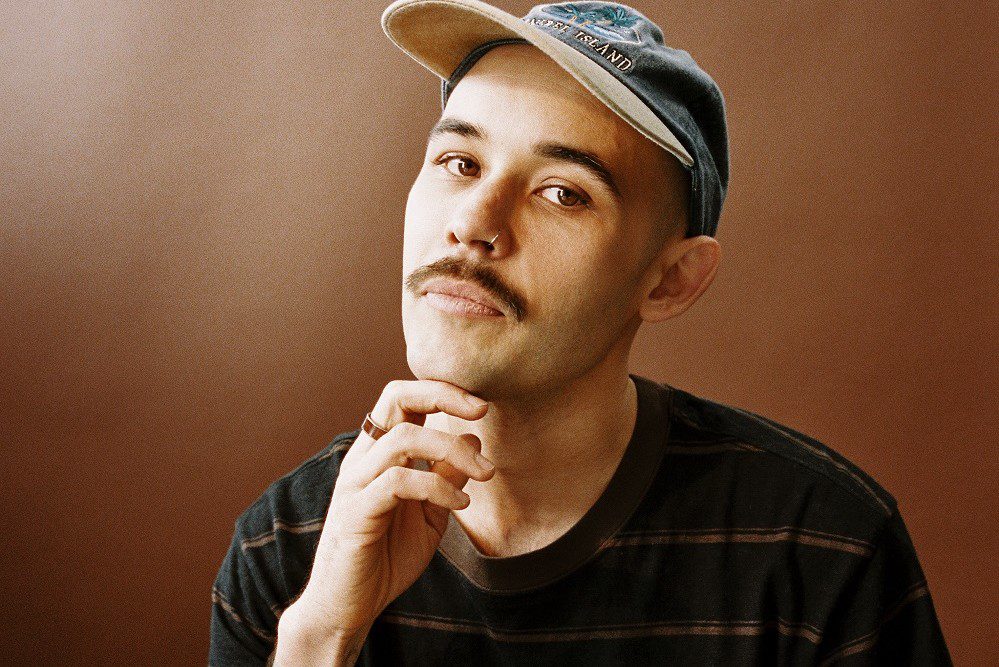
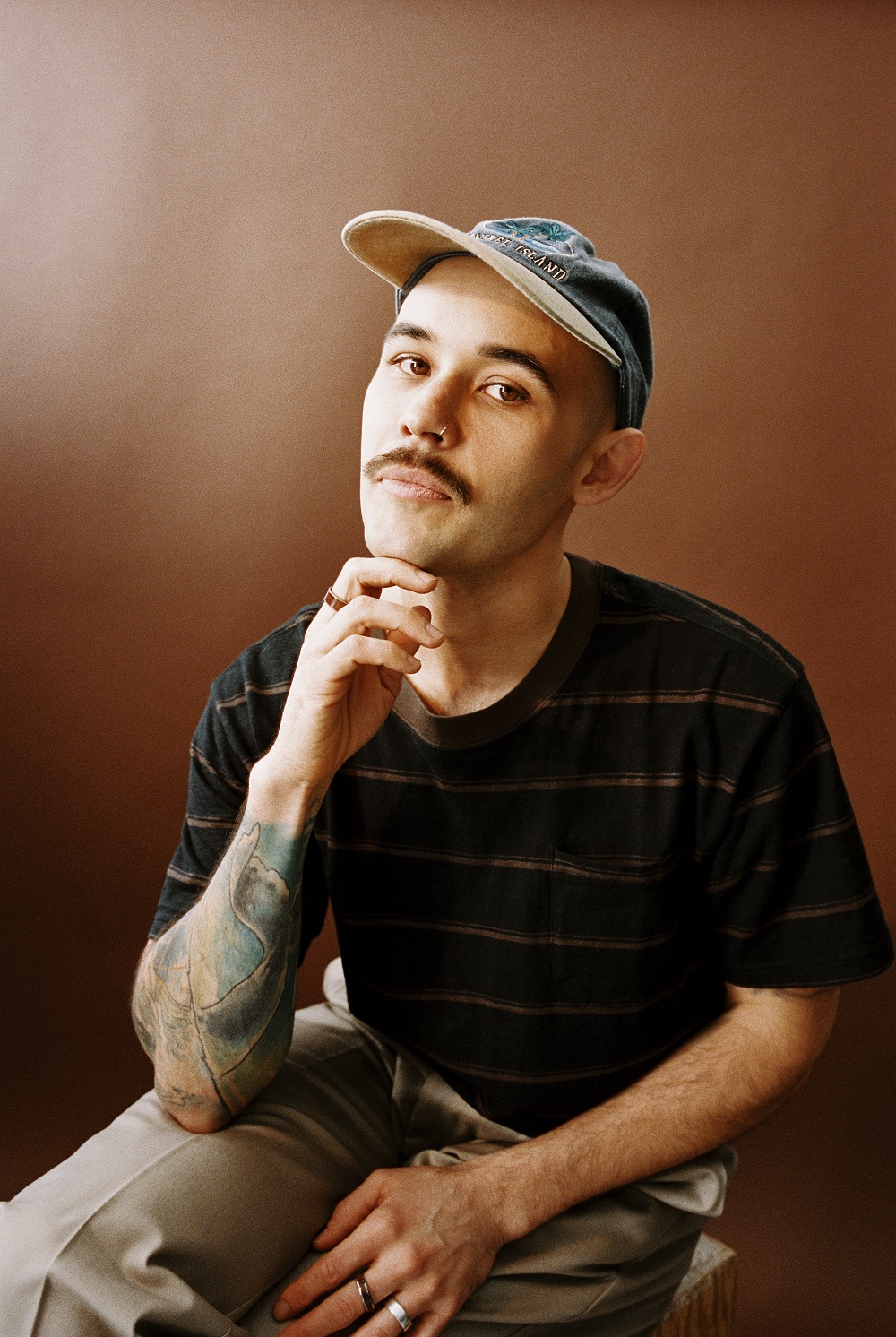
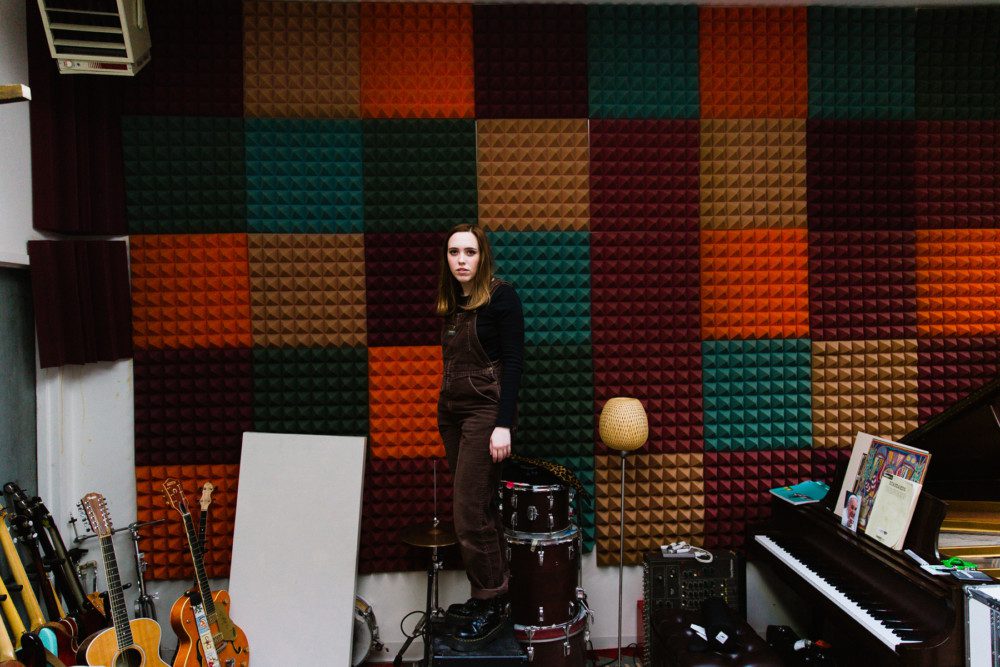
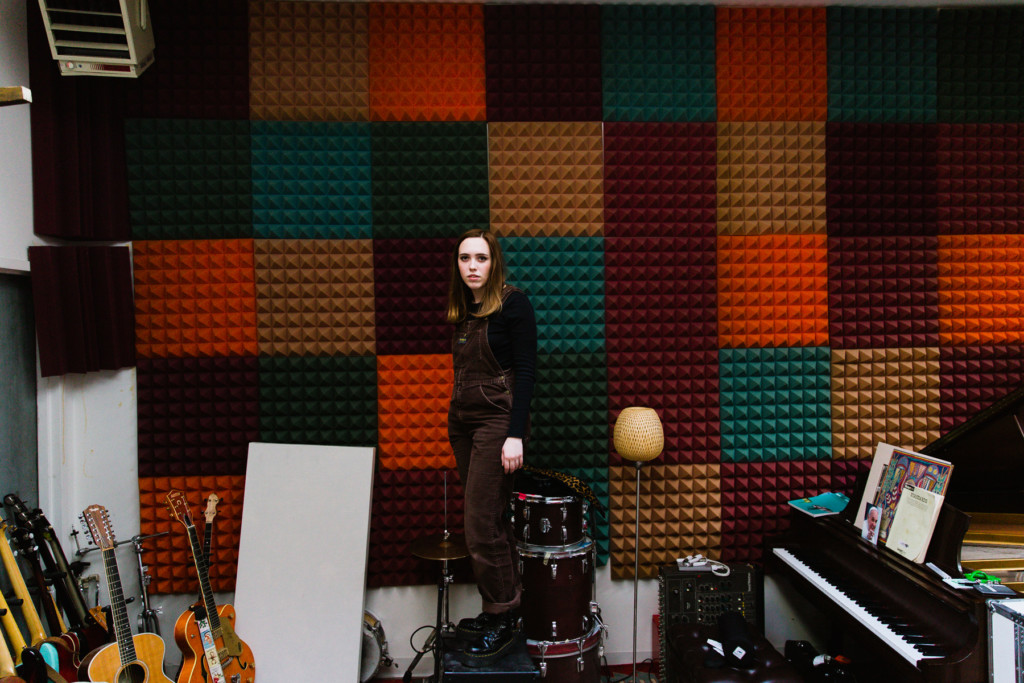

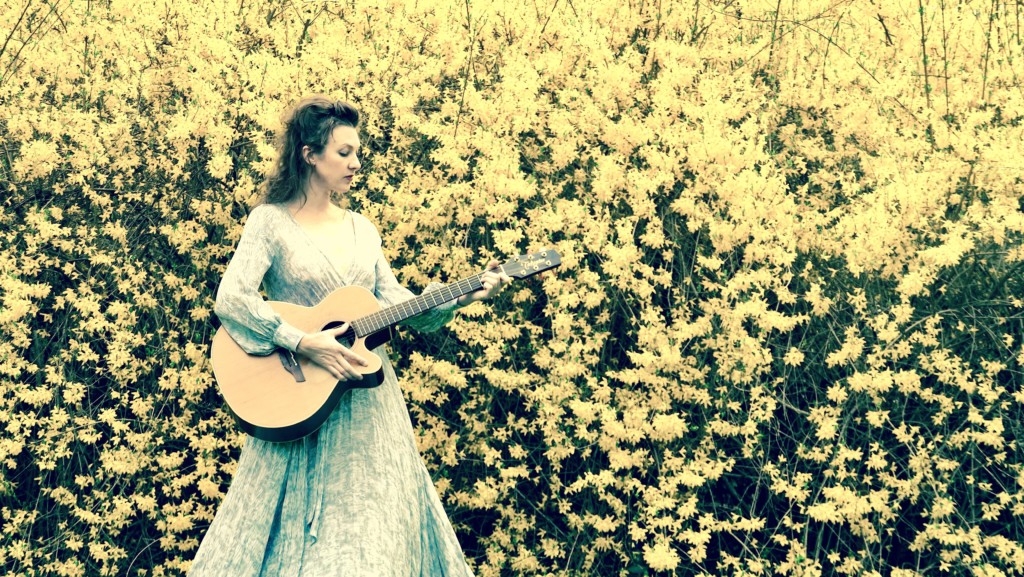
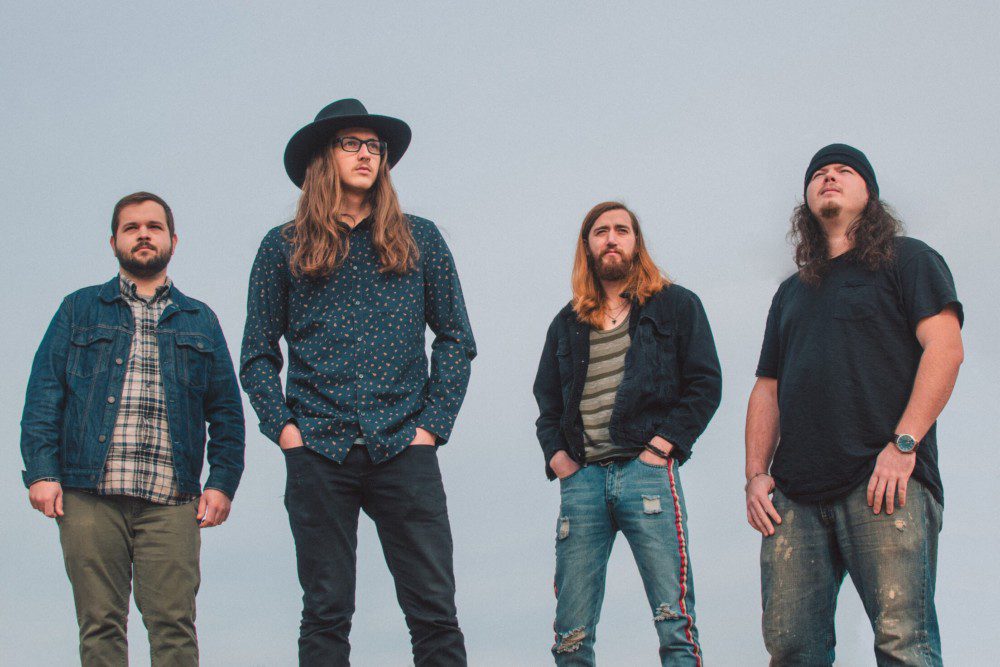







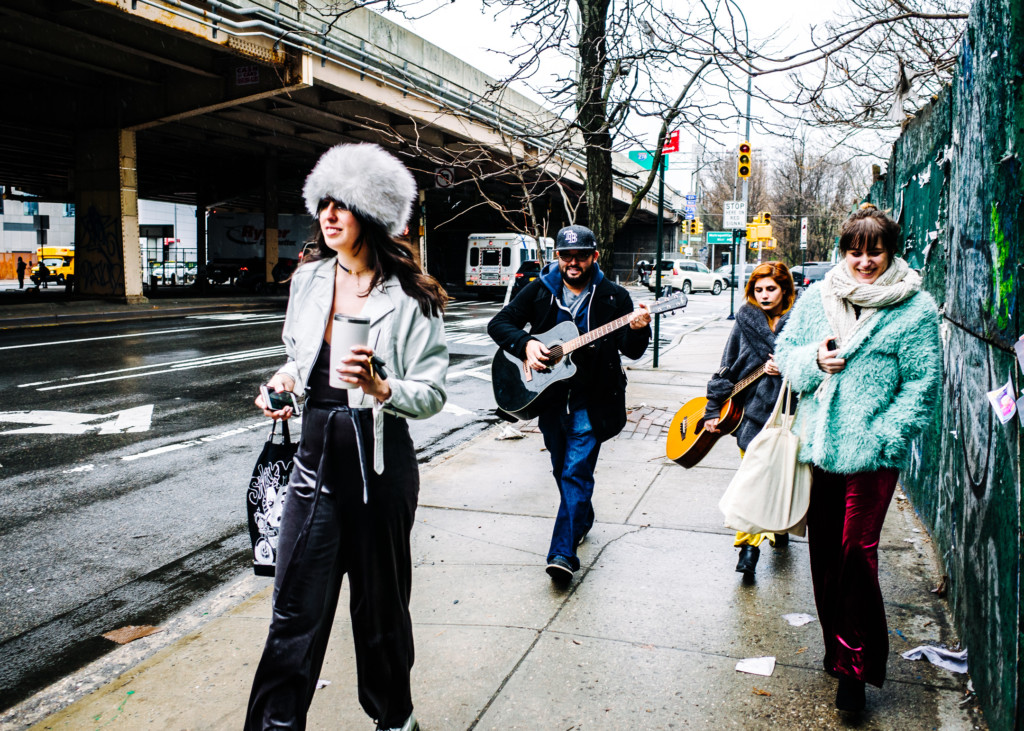
 When I first got Mojo, I was listening to a lot of Kraftwerk and some of their cuts, like “Computer Love” in particular, would typically calm him and lull Mojo to sleep. So, I think he’d be on that wave. I think his project would have a strong visual aesthetic; however, for such a cute dog, he’s very weary of photos, though. So, he wouldn’t tour very much and would only give the occasional rare interview. He’d be like the Burial of dog-fronted bands.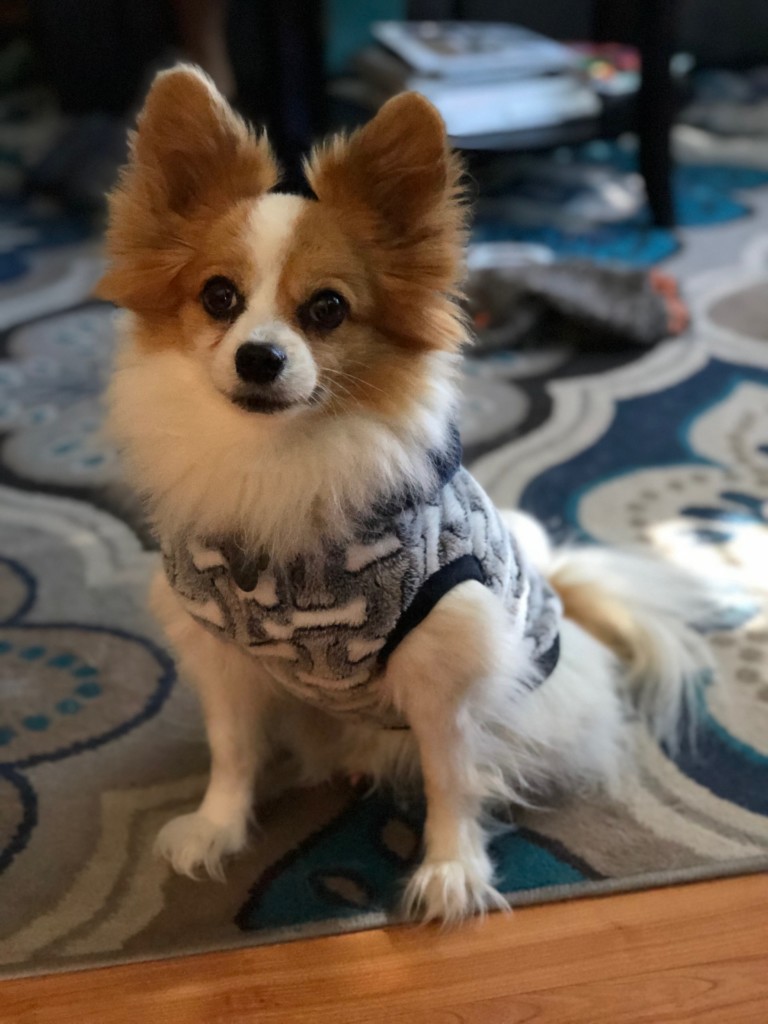

 Yet every day he goes out to the patio and tries his hardest to catch a lizard. One day, an unsuspecting lizard somehow made its way to Mojo’s side of the screen and Mojo captured the lizard in his mouth. He brought it right up to me, so I could see what he had accomplished. He didn’t hurt the lizard, he immediately dropped it and let it run away, but I could tell he was proud of himself. He did it. Being successful is all about finding the perfect mix of timing, perseverance, and luck. Mojo knows to never give up.