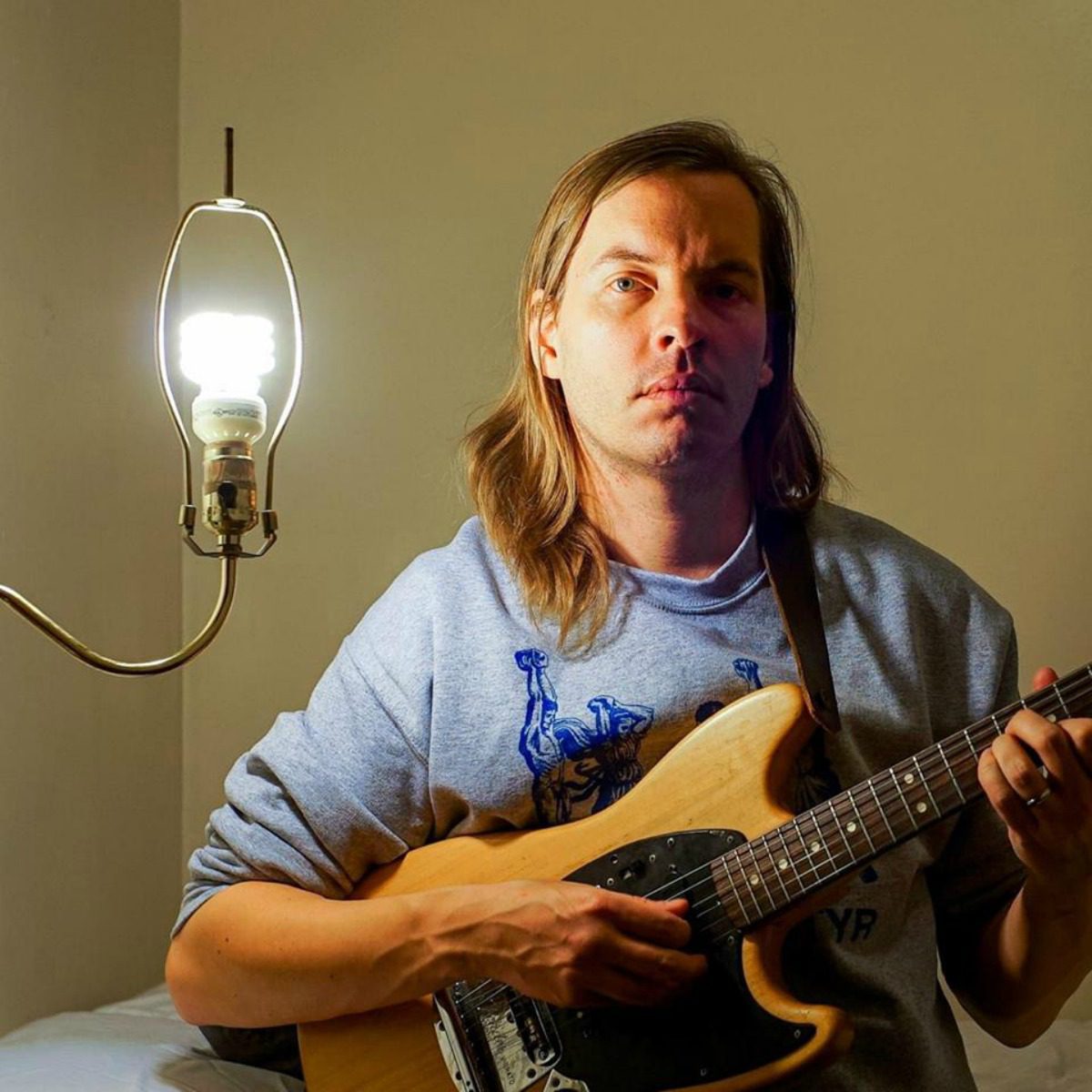
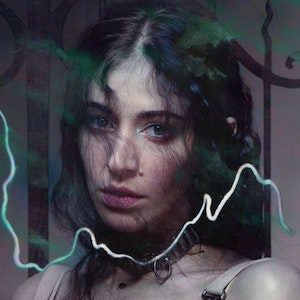
Fred Thomas has a lot of feelings (and he really wants to talk about them). He may fear transformation in the same way he might fear another perturbed thought of how he could have prevented a previous love affair from going to pieces. He may relish in the scratching of the many surfaces that camouflage and protect his tender, gooey existential crisis-inflamed interiors. But what is made clear by Fred Thomas’ latest beautifully neurotic mind-mapping narration “Voiceover” (the first taste from his forthcoming record Changer due out later next month) is that he doesn’t quite have it all figured out and if he did, well, he might not know what to do.
“Voiceover” is a sleepless, chorus-deprived and worrisome dashboard “check engine” light. Self-deprecatingly confrontational, this pared back rock jam feels like a tightly woven string of doubts that overcame by means of emotional overload. The video is a life on loop. Repetitive thoughts are mirrored with commonly overlooked/performed imagery. From lipstick application (and lipstick removal) to uncorking wine, and to book to bookshelf placement to the subtle beauty of gently falling hemlines against the back of kneecaps, what is captured visually here is the same crisp mundanity expressed in Thomas’ artfully composed run-on sentences.
View Fred Thomas’ latest GIF-like emotional exploit below:
Opening with a crash of drums and bending guitars, “Horoscope” captures your attention instantly. Then Jenni Cochran starts to sing, and her powerful voice demands it: “Pack your bags, you’re leaving for a little while.”
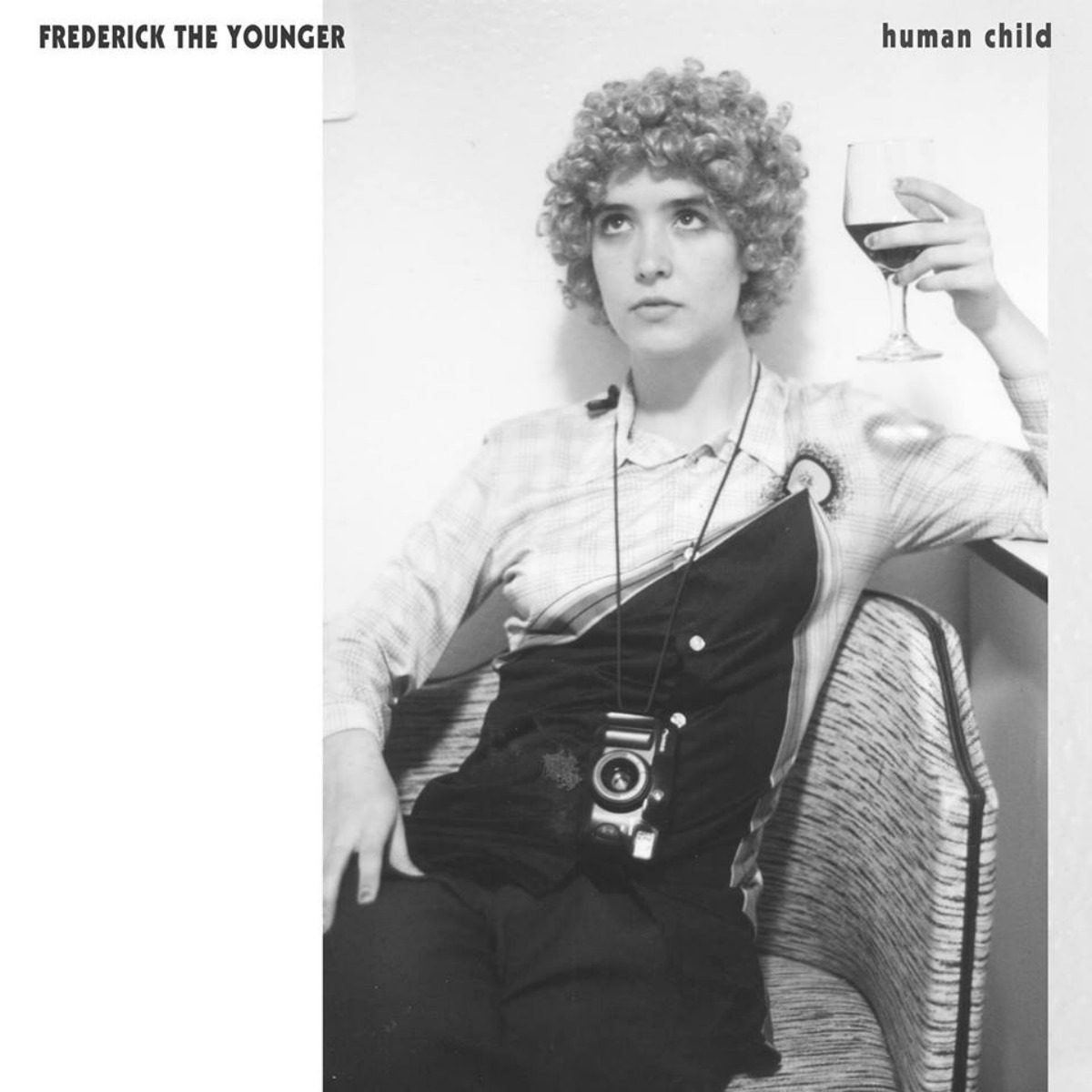
“Horoscope” is the lead single from Frederick The Younger’s upcoming debut album, Human Child, and it’s an infectious throwback to sultry 60’s soul mixed with strong hints of psychedelic pop.
The song is propelled forward by an intense energy from every instrument. Starting with a note that “says you’re leaving for a little while,” it tells the tale of someone who was left behind, and the one who left them, switching scenes between the two effectively. As the song fades out, you can’t help but wonder, how does this story end?
Human Child was produced by Kevin Ratterman (of My Morning Jacket, Andrew Bird, Twin Limb, Houndmouth) and will be available 2/3. Listen to “Horoscope” below.
Have you ever listened to a song that feels both fast and slow at the same time? Well, once you’ve listened to Memoryy’s “Read My Lips King Deco Remix” you can say you have.
Memoryy’s remix adds a sultry, sexy twang to King Deco’s original track, commanding your attention with spine-tingling synths and bass. The song carries you along a slow build up of snaps and airy vocals to end with a fiery synth explosion that’s endearingly cacophonic. It grows outward and upward, climbing like a vine along a wall, and before you know it, you’ll be sitting on the edge of your seat sitting straight up, fully immersed in its beauty as it blooms before you.
Take a listen to the track below, and let it shape your week.
As well as being a musical pioneer who was one of the first to utilize electronic music and the creator of “deep listening,” Oliveros also frequently addressed and challenged gender inequality in the world of music, particularly when it came to composers. Listen to one of her most well-known works below, “Bye Bye Butterfly.” To create the song, she tweaked and altered Puccini’s “Madama Butterfly.” (It’s kind of a remix, if you will).
Your Guide To Rocking Out For A Good Cause
There’s a lot of terrible stuff going on right now. Do you want to help? Do you also want to rock out? Read on for a list of December’s benefit shows in the New York City area.
TONIGHT 12/2 @ Silent Barn
A benefit for: Migrante NJ
Who’s playing? Punk rock karaoke- go sing your favorite punk tunes. “Punk Rock Karaoke is a DIY, fund-raising event that benefits a different community group at each event.”
12/5 @ Shea Stadium
A benefit for: Standing Rock
Who’s playing: Sharkmuffin, What Moon Things, The Adventures of the Silver Spaceman and Sodium Beast.
12/7 @ Shea Stadium
A benefit for: Planned Parenthood
Who’s playing: Milk Dick, Fraidycat, Medium Mystic
12/11 @ Silent Barn
A benefit for: “expressing solidarity and support with the Standing Rock Sioux tribe and the water protectors risking their well-being in Cannon Ball, ND.”
Who’s playing: OSHUN, Bunny Michael, Professor Caveman, Laura Ortman, Esoteric Ayanna + Benjamin Lundberg
12/12 @ Brooklyn Bowl
A benefit for: Standing Rock
Who’s playing: Performances by “Aztec dancers, Taino singers, Shinnecock drummers and Hawaiian hula dancers and chanters will kick-off the evening. Following the indigenous acts, we will have performances by Immortal Technique, The Skins, Constant Flow, Cole Ramstad, Holly Miranda, Diane Birch, a DJ set by ST LUCIA, and more TBA.”
12/15 @ Housing Works Bookstore Cafe
A benefit for: Housing Works
Who’s playing: This event is “a gathering and marathon-style reading of responses by and for artists and arts organizers. Line-up to be announced. Artists of all disciplines will read their short responses – of any form – to the results of election 2016 and the imminent administration.”
12/19 @ Silent Barn
A benefit for: The ACLU
Who’s playing: Shunklings, birdbird, Shake, Beeyotch, Dog Petter
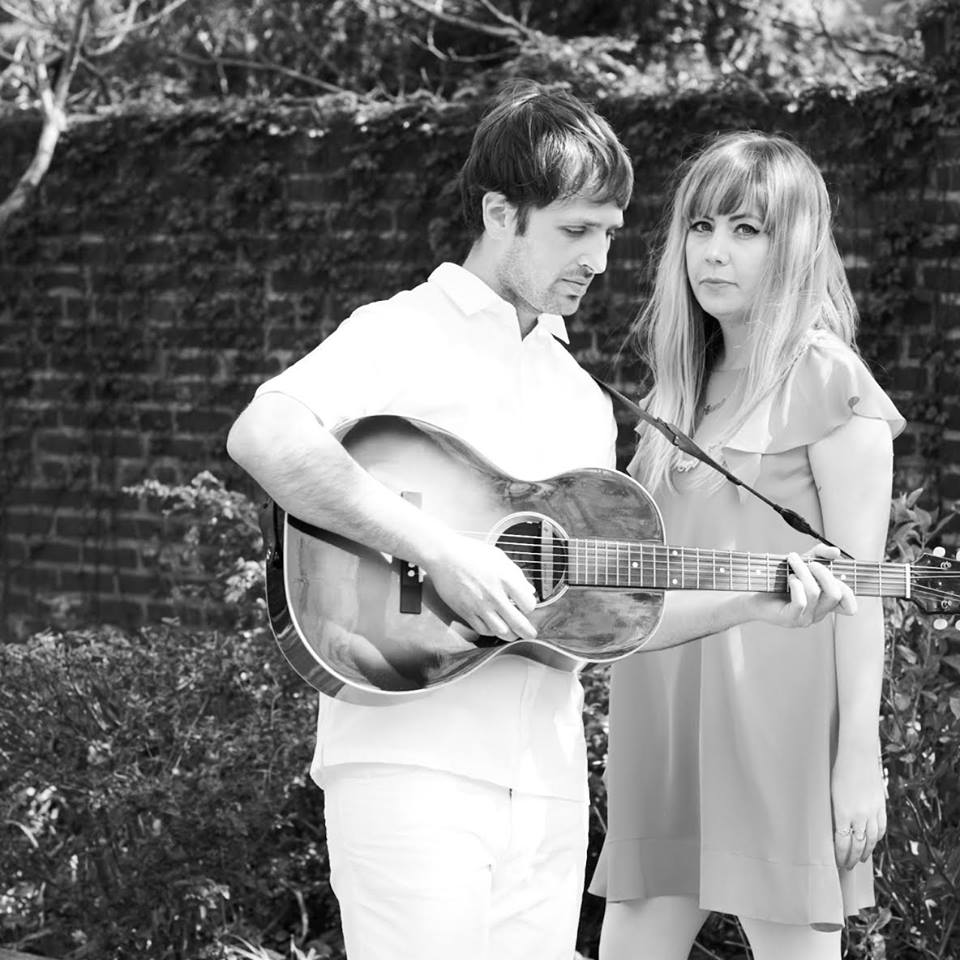
Brooklyn-based indie pop duo, TAMMY(Brooke and Aaron), are releasing their beautiful new track, “Doing Something Right”, today ahead of their debut album coming out this month. Containing beautiful, slow-moving melodies that harken back to 1920s old-timey blues, and understated musical arrangements, “Doing Something Right” strikes a perfect balance between high gloss and accessible. Though the track is a departure from their headier more pop-focused material we’ve been hearing thus far, it still retains the band’s signature style thanks to Brooke’s unique vocals. We’re looking forward to what else they have up their sleeve with their debut full-length (and they have a release show at Berlin in NYC in 12/7 that we’re excited to attend.) In the meantime we got to have a little chat with the two about their work together. Read below, and take a first listen to “Doing Something Right”.
Audiofemme: So I read in your bio that you guys met at Iona in Wburg (love that place!) and that’s when you decided to start your band. Can you tell me about how this spark ignited?
Aaron: I had just moved to NYC and was working with Brooke’s brother at a cafe near Iona. I had booked a show to play solo but at that point wasn’t really sure what I was gonna play or how it was gonna go. So when I found out Brooke was a singer I asked her to join me and from there it sparked. We had some really great initial sessions.
AF: Where does the name TAMMY come from?
Aaron: in the beginning we were writing songs that revolved around two characters in an up and down relationship down in Tennessee. They were Luke and Tammy. We were gonna make it into a rock opera but we never did do that.
Brooke: Yup Tammy is the lead in a rock opera we never made.
AF: How does your songwriting process unfold? Is it collaborative?
Aaron: Yes, it’s very collaborative. We have a lot of fun with it. Sometimes it’ll be my take on a story from Brooke about a relationship or in some cases a break up. When we do that it’s cool cause I can write about something intimately without being emotionally invested. And then Brooke can sing these lyrics about her life, which are probably a bit harsher and more direct than anything either of us would write about ourselves.
Other songs, like “Los Angeles” (which will be on the album) and “Doing Something Right” were written collaboratively after deciding about what we wanted to write about. Like, let’s make fun of Los Angeles. Recently I realized everything we said making fun of them, like their sun and their lack of worry, was actually complimentary.
AF: What was the inspiration behind “Doing Something Right”?
Aaron: It started it in Aaron’s backyard at a time when he was listening to a lot of willie Nelson. We got together and nailed it down and decided Brooke ought to sing lead on it for the Tammy vibe.
AF: It has a decidedly cabaret feel to it which is a departure for you guys, based on what I’ve been listening to. What prompted your foray into a new style?
Aaron: I think Brooke’s voice had the power to turn a country vibe into cabaret.
AF: What would you pick as your superpowers?
Aaron: telepathy, ability to fly
Brooke: breathe under water
AF: We MUST ask: Are you guys a couple? I can’t tell because a lot of your songs are about toxic relationships.
Aaron: we love each other
Brooke: very much
AF: What are is your favorite and least favorite thing about living in NYC?
Aaron: favorite – always so much going on.
Least favorite – winters
Brooke: favorite -NYC and all the amazing people in it!
Least favorite- the subway when you are having a bad day
AF: What is your favorite venue to play?
A and B: Petes candy store and union pool
AF: Lastly, what can we expect from you guys in 2017?
Aaron: songs about trump and maybe some west coast action. Maybe even LA.
Brooke: starting to write a new album!
Pardon me for mumbling. I simply haven’t released my *facepalm.*
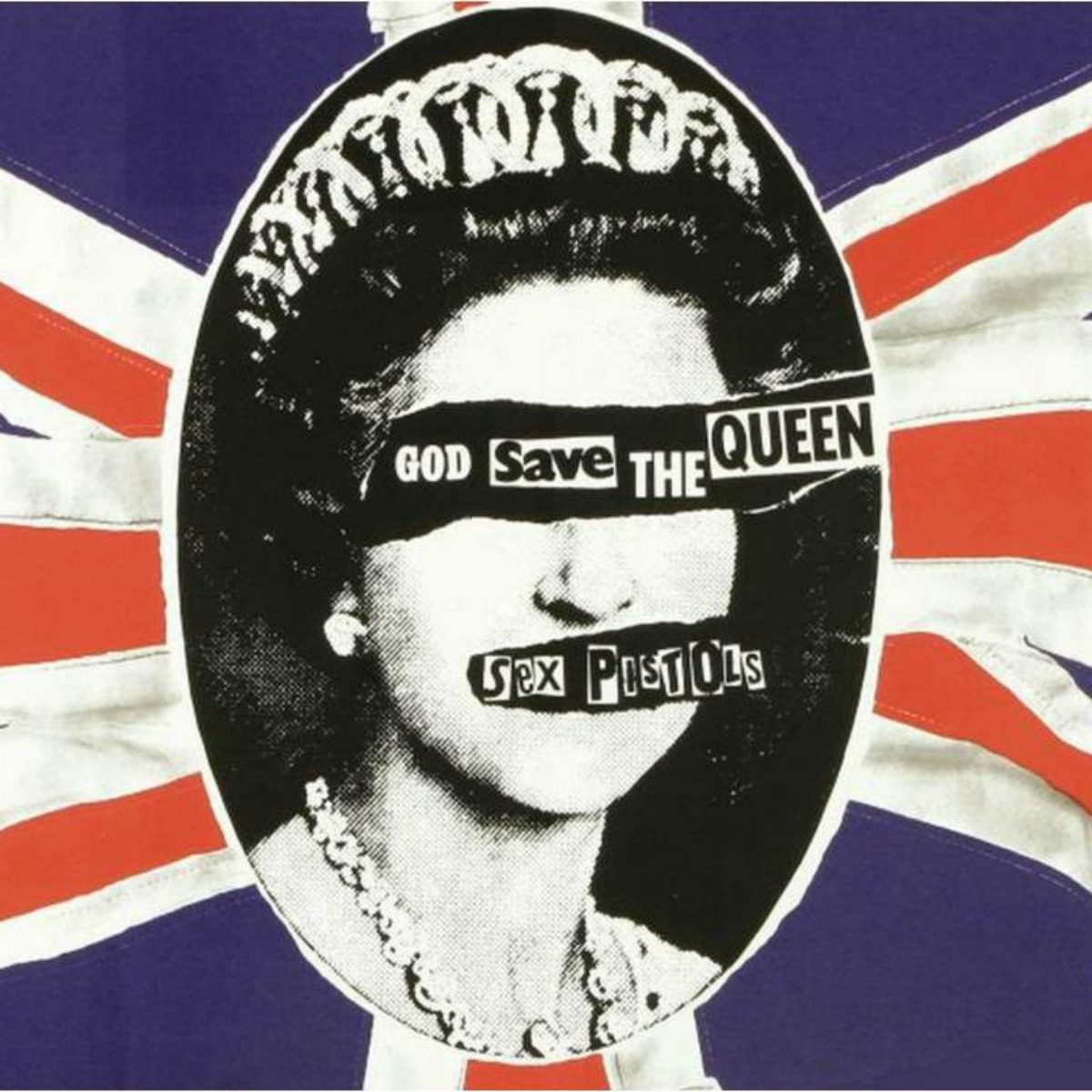
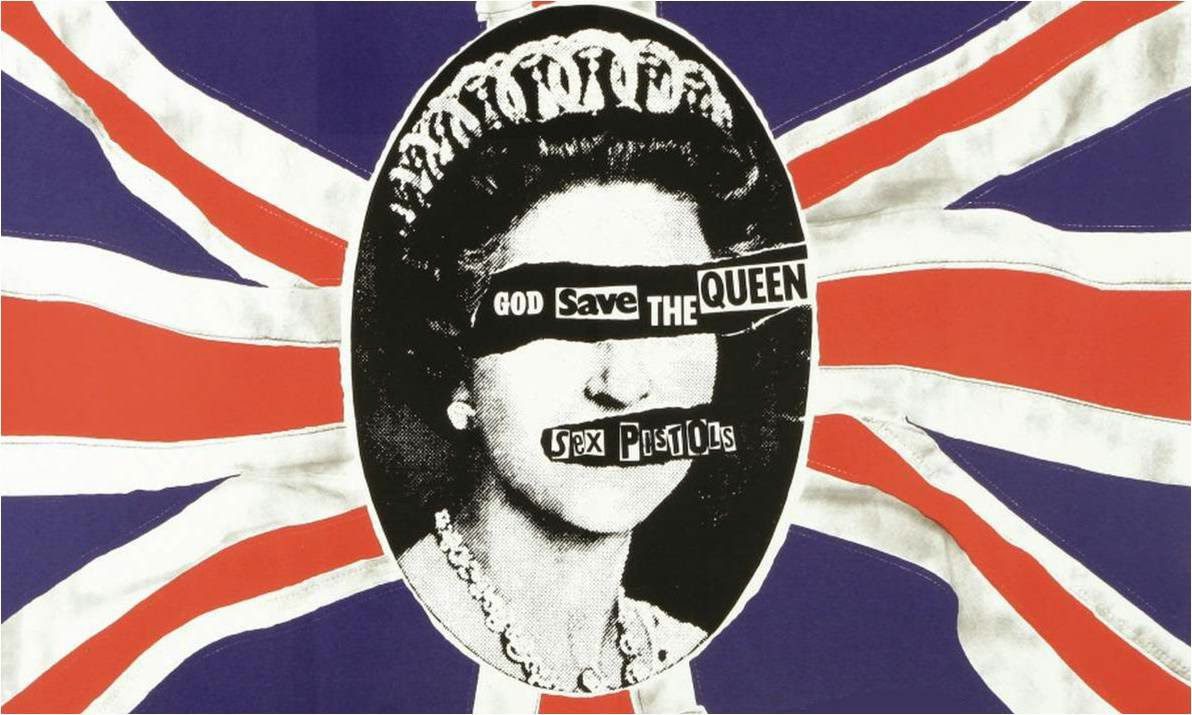
In the past few months I’ve been following allegations that multimillionaire Joe Corré – spawn of fashion designer Vivienne Westwood and late Sex Pistols manager Malcolm McLaren – would set fire to roughly $6,000,000 worth of punk memorabilia. That’s right. Six. Million. Dollars worth. Or five million pounds worth, if you’re across the pond.
Corré’s pyro-maniacal threat was sparked in response to Punk London, an admittedly cheesy, year-long cultural celebration of punk’s history supported by the likes of former London mayor Boris Johnson, The Heritage Lottery Fund, and other emblems of – as Corré stated in an interview – “the establishment.” Whatever that means. (Does it mean white, multimillionaire males, perhaps?)
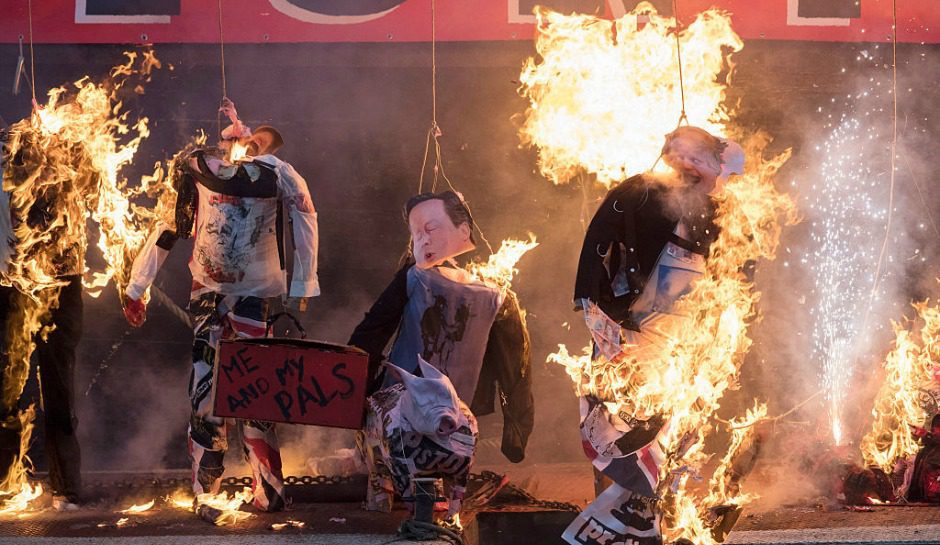
I wasn’t sure if Corré, who is also the founder of exorbitant lingerie brand Agent Provocateur, would follow through with the burning. It was doubtless a publicity stunt, but would the match be struck? Apparently so. While we were still trippin’ on tryptophan this past Saturday, Corré, who hired a PR firm promote the event, took to the River Thames with Westwood in tow and burned the artifacts on a boat; complete with flaming effigies of David Cameron, Theresa May, etc. Flames engulfed everything from rare Sex Pistols recordings, punk-era merchandise, and clothing that belonged to Corré’s famous parents. The date, November 26th, marked the 40th anniversary of the Sex Pistols single “Anarchy in the UK,” which is super hilarious because I imagine Corré must have had to get a permit to set fire to things on a boat in the fucking Thames river. Or maybe he just paid the relatively small fine of 5,000 pounds to get out of trouble. That must be chump-change for a man with millions of pounds to actually burn.
Corré’s actions and statements are all so conflicting, hypocritical and ironic, it is difficult to know where to begin untangling such a knot; almost as difficult as figuring out how to get the hell out of an Agent Provocateur “playsuit.”
Where do I begin?
The first problem with Corré’s “thesis” is one of timeliness. To say, as he told The Guardian, that “the establishment” has “privatised, packaged and castrated” punk, and that the movement has become a “McDonald’s brand … owned by the state, establishment and corporations,” is wildly funny to me. Because: no shit. Is it really news to anyone over the age of 12 that punk has been commodified like every other branch of subculture that has ever existed? Where was Corré with his torch in 1988 when the first Hot Topic was opened? Where was he in 1992, when mum Vivienne Westwood accepted her Damehood from The Queen of England, or again in 2006 when she accepted another such honor from the Prince of Wales? Corré has stated that one of his issues with the Punk London affair was its affiliation with the Queen, but I don’t see him setting fire to his mom’s $100 t-shirts over her affiliation.
Another problem is Corré’s warped notion that punk was ever anything philosophically aspirational to begin with. Politico-punk didn’t surface until long after punk was officially declared dead, long after the nihilistic first wave in the ‘70s petered out, which had nothing to do with providing answers for lost youth. And as someone who believed in the “ethos of punk” so much that I had an entire cigarette burned into my left wrist because I found it “symbolic” – that is still hard for me to say a decade later.
Punk is music, sprung from boredom and disenchantment with a previous era. It is a reaction, a notch in history’s belt that is perpetually replaced by the next one. Jerry Lee Lewis. Dylan. The Stooges. Wu-Tang Clan. Nirvana. They all disrupted a previous form, but no one ever wrote a manifesto. To think that punk ever existed in a vacuum safe from historical cause-and-effect is beyond naïve.
The fact that Corré chose the 40th birthday of “Anarchy in the UK,” is doubly hilarious because he seems to forget that the Sex Pistols were a marketing tool…an entirely fabricated band – fabricated, by his dad.
Corré’s remark that punk is now a “McDonald’s brand” is undercut by the fact that the Sex Pistols were, from day one, a McLaren brand. The late manager and former owner of SEX – the clothing store that first began co-opting punk culture – was entirely divisive when putting together Rotten, Vicious, and co. In Gillian McCain and Legs McNeil’s famed punk oral history Please Kill Me, McLaren explains his motives for the Pistols:
“Richard Hell was a definite, hundred percent inspiration, and, in fact, I remember telling the Sex Pistols, ‘Write a song like ‘Blank Generation,’ but write your own bloody version,’ and their own version was ‘Pretty Vacant.’”
“I just thought Richard Hell was incredible. Again, I was sold another fashion victim’s idea.” “He was this wonderful, bored, drained, scarred, dirty guy with a torn T-shirt. I don’t think there was a safety pin there, though there may have been, but it was certainly a torn and ripped T-shirt. And this look, this image of this guy, this spiky hair, everything about it – there was no question that I’d take it back to London. By being inspired by it, I was going to imitate and transform it into something more English.”
Perhaps hypocrisy is all Corré knows, given the conflicted business legacies of his parents, both of whom have profited heavily on punk. Vivienne Westwood’s fashion empire is wholly at odds with her “activism.” I noticed this especially when I interned at her Battersea studio in the summer of 2013, straight out of college.
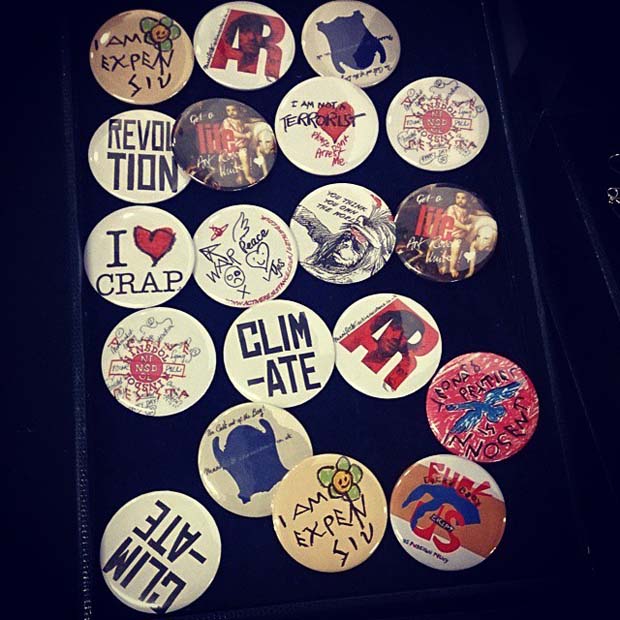
Interning is regrettably unavoidable in the fashion industry, and companies often depend on the free labor they exploit. This is certainly the case at Vivienne Westwood Gold Label, where unpaid interns trace and draft patterns, cut fabric, sew samples, run errands, create technical sketches, and perform numerous other invaluable jobs. I once made a tulle skirt as tall as me with something like 30 meters of fabric. It took about two weeks. The studio was littered with plastic buttons, which we sometimes had to make, emblazoned with slogans like “Climate Revolution” and “Global Warming;” the unsustainable material of the buttons themselves completely betraying such phrases.
I wasn’t the only person to notice the hypocrisy of a high-end fashion brand hiding behind faux ethics. In 2013 a sustainable fashion publication called Eluxe Magazine, which claimed after one of Westwood’s fashion shows that:
“The sheer number of outfits (there were literally dozens of looks) and obviously petroleum-based materials shown on the runway seem to have already violated both her ‘cut out plastic whenever possible’ and ‘quality vs quantity’ points, proving that the Vivienne Westwood label is not eco-friendly.”
It has also been mentioned that despite Westwood constantly urging consumers to “buy less,” her company produces nine full fashion collections per year. The hypocrisy is rife.
But I digress. More infuriating than Corré’s blatant hypocrisy is his cynicism. His arrogance. His flagrant assholery.
To torch five million pounds worth of anything, even, say, toilet brushes, is an insult to all of those who cannot afford such pointless, teenage acts of “rebellion.” Corré’s actions reflect his superior economic status. It reminds me of one of my favorite fashion history facts:
Prior to the French Revolution, it was en vogue amongst high court and the aristocracy to powder one’s skin and hair to a shade of ghost white. We’ve all seen the rococo paintings, but do you know what they used as powder?
Flour. They used food, while hoards of peasants were starving to death. But what did Marie Antoinette care? She had plenty of cake. And Corré has plenty of money.
And he didn’t torch toilet brushes. He set fire to cultural artifacts – to patrimony. I feel like there was a group of people in the 1940s who used to burn items of artistic heritage, like, maybe books? I just can’t remember what they were called…
Outside of all of these issues, the saddest thing to me about Corré’s bonfire is he could have done something constructive with his inherited, entirely un-earned wealth. There have been numerous suggestions, including the request that he sell the lot and donate the proceeds to charity, to which Corré replied that “the job of the state is now taken up by the charity sector. We have charities where people are earning £250,000 a year to sit on the board, these things are becoming corporations in their own right.” What a convenient response.
My personal suggestion to the pompous Corré, the punk heir and lord of overpriced panties, would have been to donate the materials to a non-profit, anti-capitalist organization such as The Archive of Contemporary Music (ARC) in Tribeca. The ARC’s sole purpose is to preserve our audible culture, and all media related to it, for the sake of posterity and education. Highbrow, lowbrow – it is all worth preserving regardless, because its very existence teaches us about ourselves as creative beings.
But as destruction is the opposite of creation, perhaps Corré can’t wrap his head around that.
French cultural powerhouse and music/fashion/art tastemaker, Kitsune will be hosting the last installment of their “Afterwork” series on 12/8 at The Soho Grand. The event will feature sets from: AMBRÉ, RIVER TIBER DJ SET, ERIC DINGUS, ALEXANDER SPIT. RSVP only here! Open bar until 9PM! See you beauties there.
Tribeca-based gallery The Untitled Space is currently accepting artist submissions for its forthcoming group exhibition, “Angry Women”, running 1/17/17-1/22/17 featuring the work of 20 up and coming female artists in the community. The opening reception will mark the 44th anniversary of Roe v Wade, and the show will work in partnership with the ERA coalition, to benefit their goal of passing and ratifying the Equal Rights Amendment into the United States Constitution. For those interested in submitting their work for consideration, please visit untitled-space.com/ or email info@untitled-space.com.
Curator and gallery owner, Indira Cesarine’s statement regarding the show speaks to our greater social imperative to protect the rights of women in the face of the impending Trump presidency:
“Right now it is important time for women to demonstrate solidarity in face of the threats upon us in regards to women’s rights. The 2016 presidential election has brought to the surface extremes of sexism, racism and discrimination. Many women are deeply disturbed not only by the negative stereotyping and sexist attitudes towards women that have surfaced but also the threats to roll back women’s rights. The exhibit gives female artists a means to express themselves in regards to the social and political climate in America, and empower others with their visual imagery. We are proud to partner with the ERA Coalition and help raise money for their Fund for Women’s Equality. Right now more than ever women need to unify and work together to ensure that our rights, which were fought for with blood and tears for many decades, are not only assured, but continue to progress.”
More about the ERA and their Fund For Women’s Equality:
The Fund for Women’s Equality is a charitable organization working to raise awareness on gaps in the laws that leave women without legal recourse from sex discrimination, and developing educational resources on the need for a constitutional provision to protect and promote equal rights for women. Founded by Jessica Neuwirth, author of “Equal Means Equal”; the ERA Coalition board also includes Gloria Steinem,Teresa Younger and many other prominent women’s rights activists.
Sonically celestial crusader Humons dropped his debut EP Spectra earlier this month; a whirling, spacious collision of emotional decluttering and the rhythmic freedom of danceable electronica. Humons paired up with director Shane Ford of The Work to produce the video for “Try it for Me,” a stunning visual marriage of organic and digital landscapes, both of which reflect the sincere duality of Spectra as a whole bringing Humons’ vision full circle.
The video follows our unassuming, wanderlust-ing heroine, dressed notably in white for the entire ride. We are introduced to her apartment, then the beach where she seems entranced by having her hands in the sand like some goddess of the elements. Some of the most beautiful frames are set in a lush forest where our blonde, angelic maven of mysticism crosses path with a woman who inhabited the forest before she came along. Their eyes beg with curiosity and when they touch, though innocently, we are reminded of our own guides, pathways, and our personal sensuality. Where the video challenges reality is in the toggling between what seems like three different realms; waking life, dream life and the world trapped in between. The pulsing camera work in conjunction with the throbbing synth beats breaks the walls between viewer, voyeur, and participant. This ever changing dial of realities is illustrated by a digital distortion that feels more vortex inhalation than noise. From echoing images that vibrate to hazy, pinhole visions the deja vu sensation is calmed when we are finally led to the water’s edge with our two spiritual pilots. What the video champions is the encouragement to search one’s self and ones environment; a rite of passage you can dance to.
Ride the waves of Humons latest vision quest with the video for “Try it for Me” below:
No shrinking violet, Effie Liu arrives to our lunch date with head turning fanfare. The native Californian is a compact, doe-eyed entity of Taiwanese descent all swathed in black mesh with a headful of shocking flamingo tresses, highlighter pink pout and meticulously penned black eyeliner extending from her far-reaching lashes. She wafts santal and checks her smartphone with a flourish of iridescent white acrylic fingertips. It’s no wonder our smitten teen server keeps asking her if she’s satisfied with the roast beef sandwich he’s brought her. As she makes short work of his carb-rich offerings, I ask the singer/songwriter, who’s dropped an effervescent seven track reggae-inspired brainchild titled Magenta Agenda, about the trials and tribulations of pursuing a career in music. Chowing down on a handful of cheese fries, Liu effuses that this is “the chillest interview ever” and knocks down a series of questions that’d leave many hemming and hawing. Here’s how it plays out.
AudioFemme: Unsigned musicians are constantly searching for the “breakthrough” formula. Based on what you’ve experienced so far as an independent artist so far, what would you say the recipe is?
The most important thing is remembering what the hell we’re doing here in the first place, and it’s not necessarily about being the illest on social media or looking good. At the end of the day, music is the core competency of what we’re talking about. You have to surround yourself with people who are supportive and honest. Then it comes down to navigating the seas strategically. And of course there’s that X factor: luck and timing.
Who are your greatest influences?
My friend, artist Penelope Gazin, the most fearless woman I know. She’s so creative and lets her freak flag fly. Also Gwen Stefani, Blondie, Madonna, Rihanna… I just like fearless, bad bitches.
What’s the best thing that could happen to you professionally at this point?
That’s a multiple choice question. Realistically speaking, I’d love to be supporting an artist on tour whose music works with mine. Live performance is where it’s at for me. I write songs not just to express what I need to say but to share them live and give people an experience they can’t download.
You have an unmistakable statement look. What role do cosmetics play in your life?
Such an on-brand question! You know, I have a degree in apparel design and survived the Devil Wears Prada scenario when I first arrived in NYC from Cali, but I couldn’t stand to be treated like that so I moved on. Cosmetics are like getting dressed for me- another form of expression, only on your face. I love a decent-sized sharp [/fusion_builder_column][fusion_builder_column type=”1_1″ background_position=”left top” background_color=”” border_size=”” border_color=”” border_style=”solid” spacing=”yes” background_image=”” background_repeat=”no-repeat” padding=”” margin_top=”0px” margin_bottom=”0px” class=”” id=”” animation_type=”” animation_speed=”0.3″ animation_direction=”left” hide_on_mobile=”no” center_content=”no” min_height=”none”][liquid eyeliner] wing and hot pink lip to match my hair. Those are my ritual in preparing to face the world and when I see other women being creative with their makeup it’s like “shout out!” I also wear this magical scent that rubs off during hugs and makes people smell expensive. I’d love to do a fragrance or collaborate with a brand to design a line of athleisure wear. Or a smelly candle line.
What are your thoughts on the limited visibility of women of Asian origin in mainstream American pop music?
At the end of the day, I don’t want to be filling some “affirmative action” void just because I’m Taiwanese American. I feel like awareness of racism as a whole is on the rise but there really is a scarcity of Asian visibility on the charts. At least there are more Asian actresses in Hollywood now. It’s a start. With the fuckload of talented minority performers in America, people are slowly starting to figure out that creativity comes in all colors and shapes.
What’s surprised you most in your musical pursuits to date?
I’m surprised whenever anyone says they love my new album Magenta Agenda. Maybe I shouldn’t admit that, but you have this desire to create and the bravery to share it… and then once you throw that message in a bottle out there, you can only hope that it’ll wash up on somebody’s shore and that they’ll like what’s inside.
Get ready to dance off your extra Thanksgiving turkey weight to DRUZY’s latest track “How You Feel,” a vulnerable and raw pop track. Vocalist Brianna Conroy brings a real, sultry side to this track as Luc Alexiades crafts the music into an upbeat, addictive song. The Los Angeles-based duo is creating feel-good music that’ll get you up and moving while also digging into your more passionate side.
Our boy Von Sell is back with a sparkly new version of his 2015 hit, “Ivan”, reviewed today on Audiofemme. This iteration, “revisited”, is like the original but on steroids – with new percussion arrangements, higher bass levels, new guitar lines and a dramatic twist at the end containing a totally different bridge that will surprise you in the best of ways. Of the new version, Von Sell cites a work in progress writ-complete: “I always knew though, that ‘Ivan’ wasn’t finished, and that eventually I wanted and needed to release a final and official version of the track. So here it is now.”
Take a listen below! Von Sell will be performing for the Audiofemme holiday showcase in December. All details TBA this week.
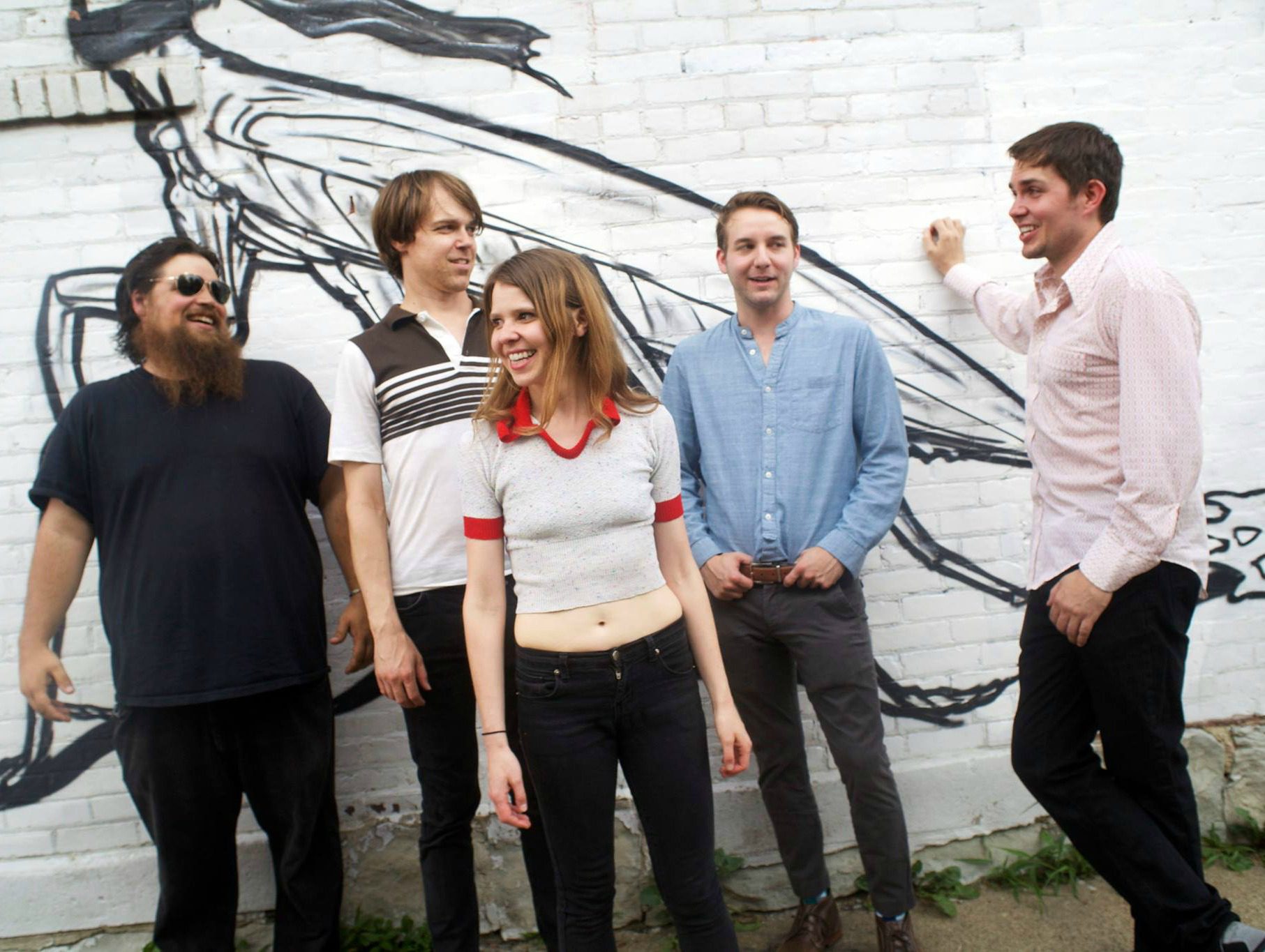
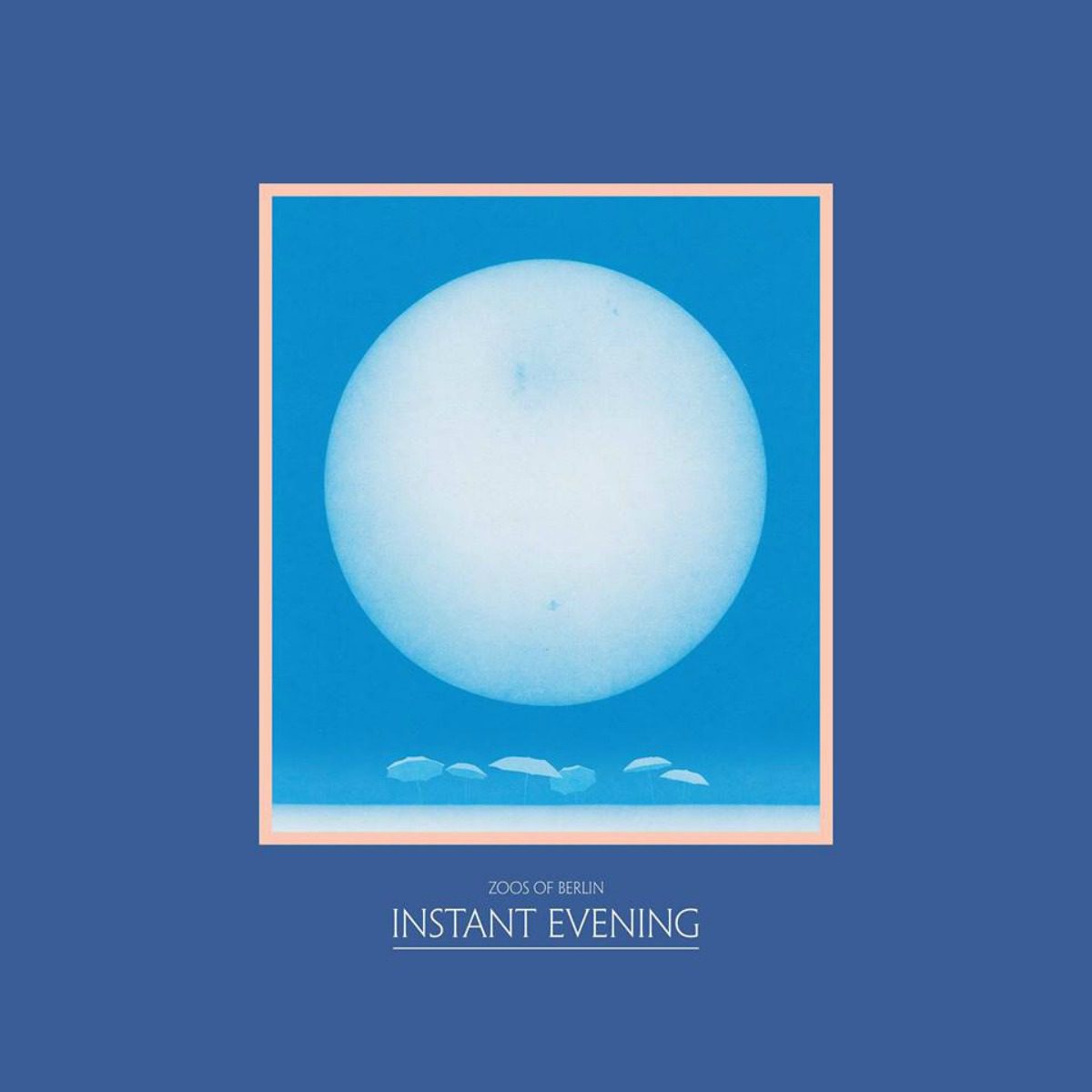
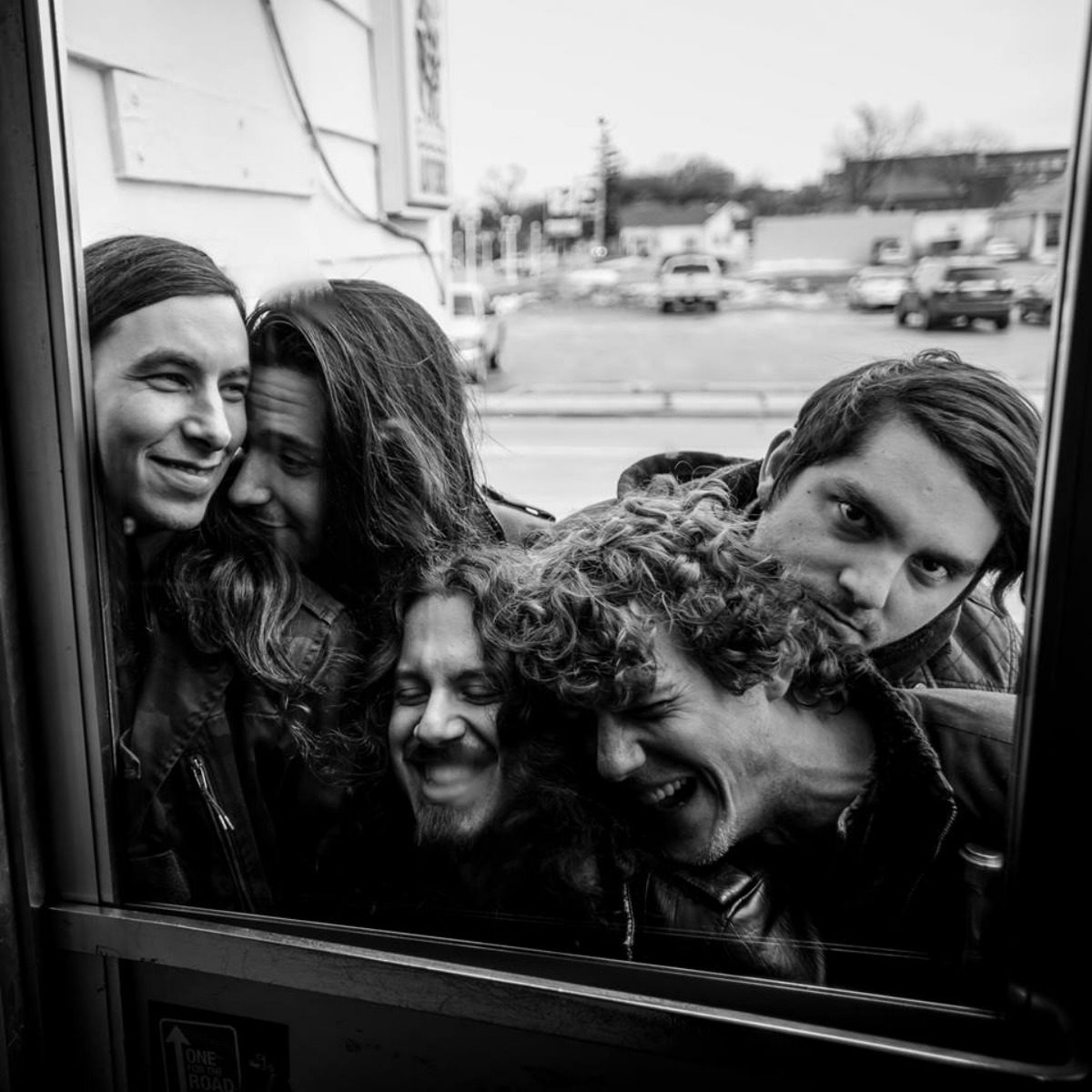
It’s been three years since Detroit’s sonically poignant pioneers of quietly turbulent indie rock, Zoos of Berlin, last full-length release. Earlier this month, Collin Dupuis, Will Yates, Matthew Howard, Daniel I. Clark and Trevor Naud returned with an open door and a detour. An oceanic space dive, bridging the waters and atmospheric distances between way up and deep down, Instant Evening is a mystifying abstraction and a perilously purifying journey that renounces gravity in the same breath from which it praises it. The band is asking us to pretend that this is their first record which would displace 2013’s pleasantly unstable Lucifer in the Rain and their airily sedated debut record Taxis from 2009. But maybe they’re right to ask this of us. After all, what Zoos of Berlin has masterfully achieved with Instant Evening is the aural embodiment of time lapsed and time stopped and in several cases time reversed. A transcendental escapist mirror of the self and the whole, Zoos latest, first record is a new language in a native voice.
Their emblematic cadence is more well-rounded here, more complete as assisted by their collective patient tonality and fluid melodic velocity. There are comparable moments to the likes of Belle and Sebastian, LCD Soundsystem and most notably the late David Bowie’s final opus Black Star, but the comparisons aren’t a distraction as they usually tend to be. In fact, what makes Instant Evening an instant “yes” is its commitment to not only sound but to its deeply personal and uniquely porous temperament and languish whimsy. The opening track “Rush at the Bend” is an upbeat whirling dervish that uncorks the intent of the record, a gentle tug and ripping of the seams. The delicate balancing of layers within layers never feels thick or overthought. Case and point, “Spring from the Cell” an echoey and deliberate lamination of vocal harmonies, twinkling prom-night synths and dreamy acoustics. As the album progresses, the sensationalized belief that night is approaching grows apparent. “A Clock Would Never Tell” is a parade processional love song that begs to come in from the dark and the cold and leads shortly into “Always Fine with Orphan” a glittering and robust longing-for-summer anthem that manages to braid melancholy with pleasant memories of making love under the sun. We are left with the orbit-less “North Star on the Hill” which poetically stands alone on the record. Like hands missing each other in the night, gracing only fingertips before the invisible tethers pull and draw them apart, the albums closer is unassuming in its heartbreak. A swallowing of stars and a ghost caress, Instant Evening ends with an ellipsis.
Flowery and airy, carrying you away from the hellscape that our country has become in the last two weeks to instead deliver you to a place where beauty and comfort exists is Ex Reyes’ new EP Do Something.
The EP starts out with their single “Bad Timing,” which is a jazzy, upbeat track that showcases falsetto vocals from Ex Reyes, aka Mikey Hart. It’s epiphanic and revelatory, which is a perfect lead into the piece as a whole. It also flows smoothly into the next track, “If U Come Runnin,” which will tinkle around your head for days with its quirky synths that spiral away.
From there, you’ll experience “Keeping You in Line,” which will do anything but that. You’ll feel yourself floating this way and that throughout this track as the music washes over you and transports you to a different world. Following that is a sobering dose of reality from the brief interlude track “Hard to Stand,” which will ground you after your mysterious journey from the prior song. The EP closes out with “Where U Callin From,” which features Wild Belle. With brassy elements that recall ska days of yesteryear and tinkling keys that dance up and down your spine, it’s a fantastic note to end the album on. Plus, Wild Belle and Ex Reyes’ vocals seamlessly complement one another.
If you’re looking for a bit of music to help you realign and center your soul, then you’ve found the artist to follow.
Let’s settle this once and for all, guys: Yoko Ono didn’t break up the Beatles. Even she wasn’t coasting on the coattails of John Lennon’s success, she was creating radical art before she ever met him. Now that we’ve gotten that out of the way, some news: The Yoko Ono Reissue Project will be releasing the musical projects she created from 1968 to 1985. Want to understand how big of an influence she was on some of your favorite musicians? Read what they have to say about Yoko Ono, via Pitchfork.
A Tribe Called Quest Release New Album, Video
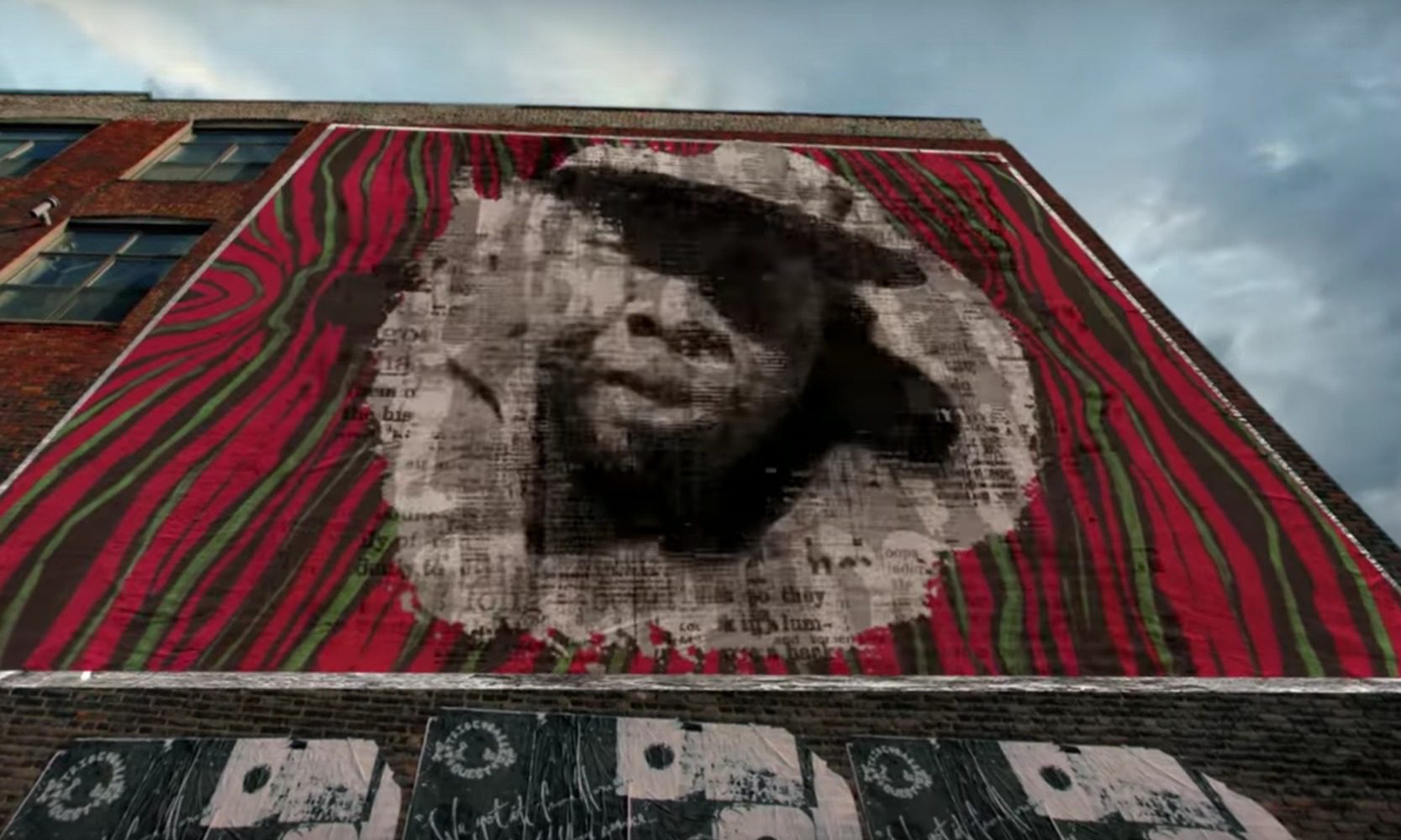
We Got It From Here is the group’s first album in 18 years and features appearances by Jack White, Anderson Paak, Kendrick Lamar, Elton John. Continuing a tragic theme of 2016, the record was finished soon after founding member Phife Dawg’s death earlier in the year. The rapper comes to life in ATCQ’s new video for “We The People” as an animation; check it out below.
New Collaboration by Parquet Courts/WALL/Merchandise
Members of Parquet Courts (Austin Brown), WALL(Sam York) and Merchandise(Carson Cox) have teamed up on a gloomy disco track called “Fire Dance.” Squeaky synths and sparkling, haunting melodies decorate the track, which Carson describes as “an ode to downtown New York” and speaks of “lost memories.” Listen below:
Read This, Too: The Oral History of the Space Jam Song
If you’re between the ages of 23 and 30, chances are you loooooved the movie Space Jam when you were in elementary school. It had everything: Basketball! Looney Toons! Michael Jordan acting in front of a green screen! I know I did (kids are weird), and it was mostly because of the soundtrack: “I Believe I Can Fly” Seal’s “Fly Like An Eagle,” and of course, the Space Jam Theme song. Even now, it will randomly get stuck in my head for no reason at all. Read the history of the song here, via Spin.
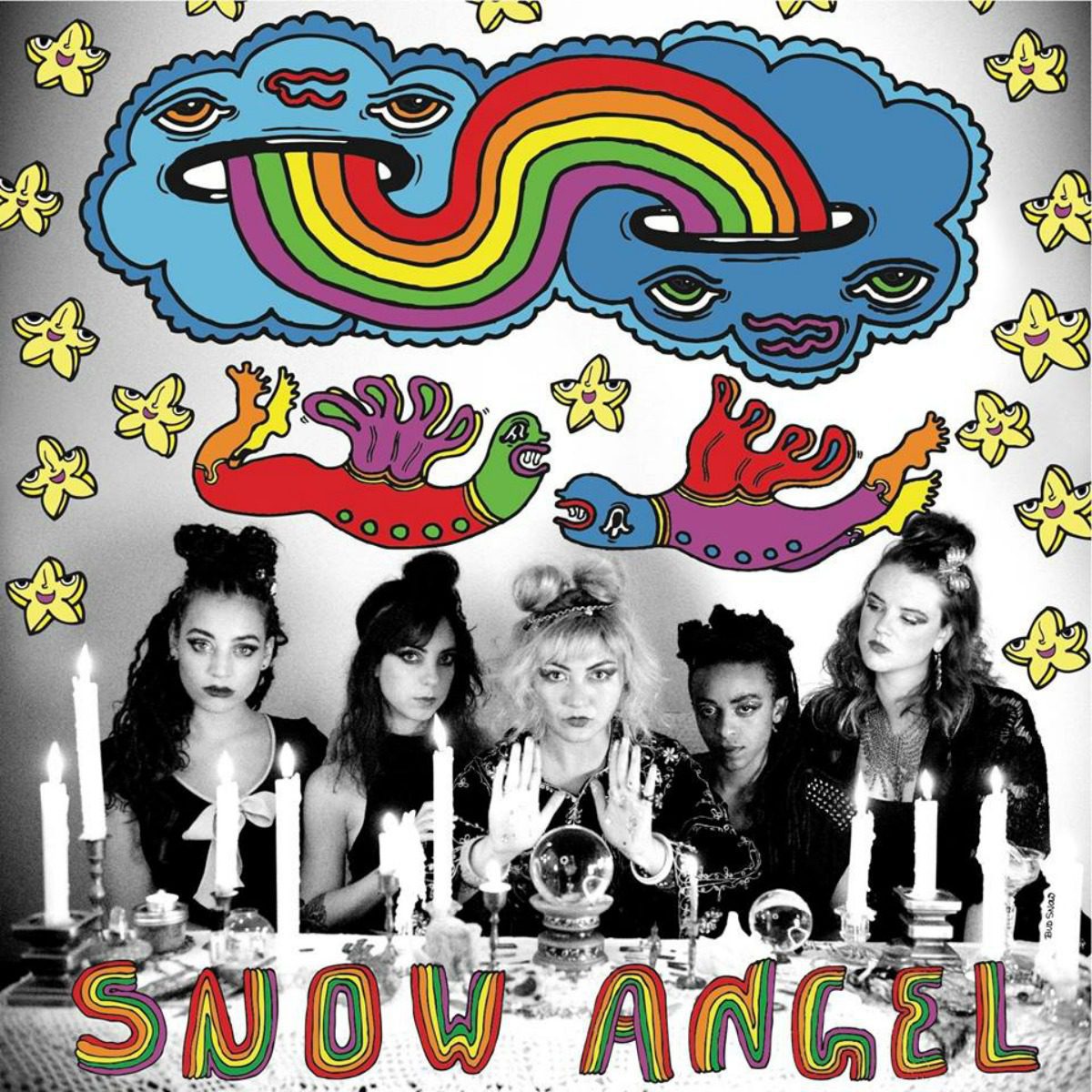
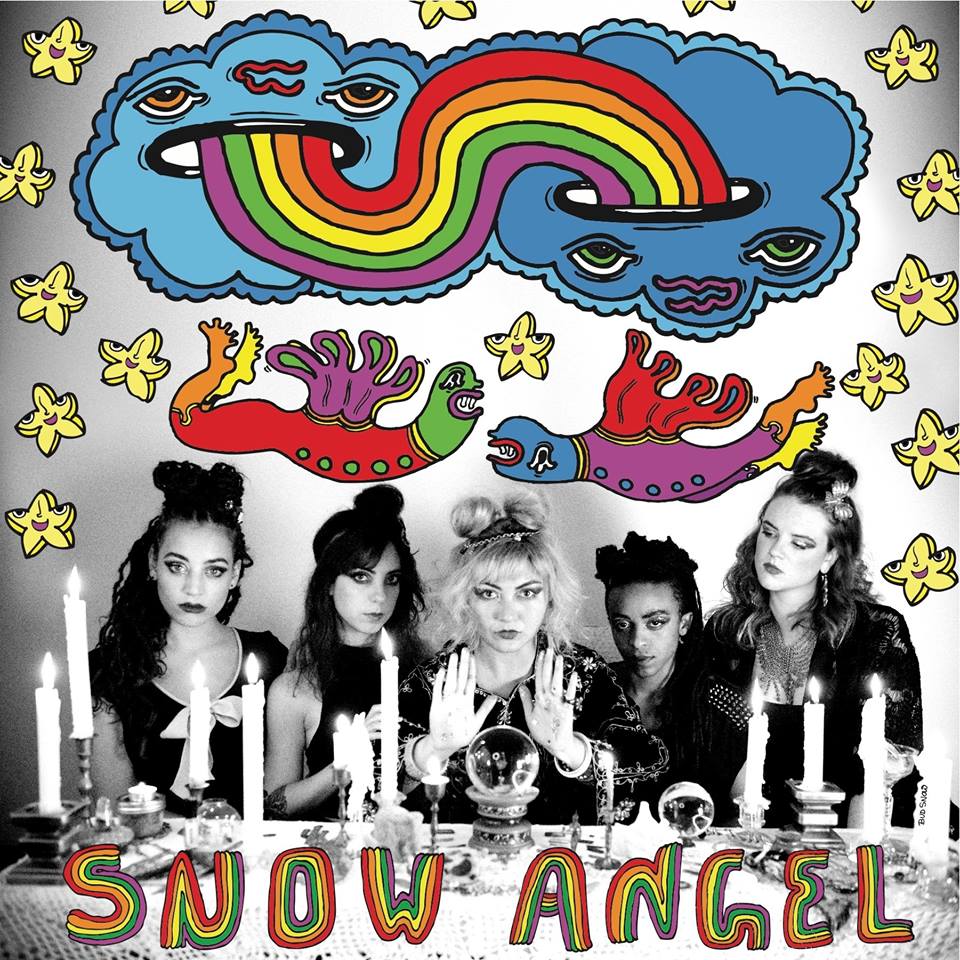
Thank fucking goddess it’s Friday. It’s been a hellish month, yet rising above the heated political climate are women helping women. California-based Snow Angel are here to sprinkle their magic into the girl power fire with their latest single “Trampoline of Emotion,” off their upcoming first full-length out this fall. Celebrating the importance of friendship, and crucially, the complicated truth of being yourself, “Trampoline of Emotion” is an anthem for anyone who needs a reminder that they are powerful.
“‘Trampoline of Emotion’ jumps with introspective joy into the realm of the emotional self,” says front-woman Gabby La La. “As human beings, we experience intense extremes which are in our nature to feel. Insecurity, pain, loss, love, compassion, defeat… no one is perfect, but that’s exactly what makes being human so unique – those sparks seem to hold all of the power in the universe!”
The whimsical and catchy dose of self-love features the five women in a variety of Snapchat-ready scenarios that will have you dialing up your besties ready to finally get out of the post-election fetal position, and accept that things are difficult right now, but the most important action is to take care of yourself and your friends. “I wanted this song to express acceptance of these fluctuations within myself and others. It’s OK to be moody, or freak out!” says Gabby, who also plays the upright electric sitar. “It’s all part of what makes finding balance so difficult and so rewarding. As a community and in our case, a band, it is important to be there for one another and act as a guide in leading each other down the yellow brick road and back to that place that feels like home.”
Watch “Trampoline of Emotion” below, and try to have some fun tonight.
Heat Thunder, aka Joe Montone, hailing from Doylestown, Pennsylvania, is a folk musician whose music you’ll want to become quickly acquainted with. He recently opened for Anthony Green of Circa Survive on his Pixie Queen Tour and also released his long-awaited EP Phoenix. His thought-provoking lyrics and entrancing guitar chords are enough to make anyone more than slightly curious about the man behind the music — it’s immediately apparent upon first listen that Montone has an enviable natural and clear connection with music that goes far beyond being a hobby. Passion is embedded in his music because it has become so deeply ingrained in his life, and Montone’s appreciation for the process behind creating and performing music is humbling.
AudioFemme got a chance to chat with Montone about a bit of his musical history and what plans he has for the future.
AudioFemme: Tell me about your musical background. How did you get to this place in your musical career?
Joe Montone: The summer before I began high school, my suburban world changed and expanded. Skateboarding and music were still cultural rites of passage, and I knew I needed the good stuff. But all I had was Kmart. That year, 2003, my older sister Mary picked me up and drove me an hour away to get my first skateboard. That’s what it took to get to a REAL shop.
She bought me a skateboard video that day—the music behind those skate parts still gives me chills thinking about it. Sunny Day Real Estate, Placebo, and Built to Spill were featured. My cousin John further contributed to this expansion infinitely. He brought me to Warped Tour that same year. 2003 was still legit: Coheed, Taking Back Sunday, Brand New (before Deja Entendu was released!). It’s funny to think about now.
I aspired to start a band all throughout high school. Writing lyrics, playing piano and guitar—it was something I demanded, and it was my entire life.
It was then I found the Doylestown’s punk and hardcore scene and later joined my first band, I Am Alaska, featuring ex-members of Phineas, which was my favorite band at that time. Getting invited to sit in on one of their practices and then becoming a full-time member was an insane honor. I played piano and synth. We signed to a label, toured, put out EPs, and then the main songwriter left. So I followed.
For the next three years, I started really crafting my own songs. I released my first EP as Heat Thunder (Melody, Love & Soul) in 2010 while everyone else was graduating college. It was during this time that I really just played guitar, absorbed music, and worked in a coffee shop on repeat every day.
I have been guided to ever-changing, natural progressions in my life inspired by new friends sharing sounds and art. And I am so grateful.
What does Heat Thunder mean to you?
“Heat Thunder” to me means a space given to listen and express. However fast or slow the rhythm may be. Something I can be enveloped by.
What was the inspiration that led you to create Phoenix?
Phoenix was created while the four-piece band variation of Heat Thunder was fizzling. Another gigantic shift began to happen. I began reading “The Artist’s Way,”living on my own, and listening to Scott Walker featuring Sunn O))), Roy Orbison, as well as any honky tonk/country western song before 1980. The main theme during all of this though was to begin honoring myself and listening to my heart. I began to cultivate a deeper relationship with myself and the artistic process.
How was it touring with Anthony Green on the Pixie Queen Tour?
It was an honor to be invited onto that tour by Anthony. Throughout the past 11 years, Circa Survive has also been a constant. Being on that tour was so deep because I felt like I knew everyone in those audiences. This was also the first time I ever played my own music in a different city other than Philadelphia. With a friend and inspiration like Anthony? It’s an indescribable feeling.
What was the most unique or interesting thing that happened while on the Pixie Queen Tour?
The most interesting and unique thing was on this tour was to meet so many people. Reflecting on mine or Anthony’s music with them reinvigorated and further instilled my own bond with music and the journey of life. This sort of connection was impacting. Everything since has felt more personal than I could have ever comprehended. It is all a gift.
Who are some of your musical inspirations?
Besides The Beatles: Nirvana, Springsteen, Circa Survive, old Western stuff, weird awesome afro-beat grooves, endless YouTube discoveries—mmm—old blues records. Anything I can get my hands on, truly. It comes back to rhythm and soul for me. Something that moves and I can believe in.
What do you enjoy doing when you aren’t creating music?
I like hanging. Whether with my girlfriend or close friends. Riding my bike or swimming. Eating sushi. Listening to music.
What are your plans for the future? Any musical milestones or goals you’re looking to hit?
Right now I am navigating how and where to play in other cities. I would like to put out something with label support in the future and connect with a manager. My goal is to keep sharing and feel the changes that come with growing.
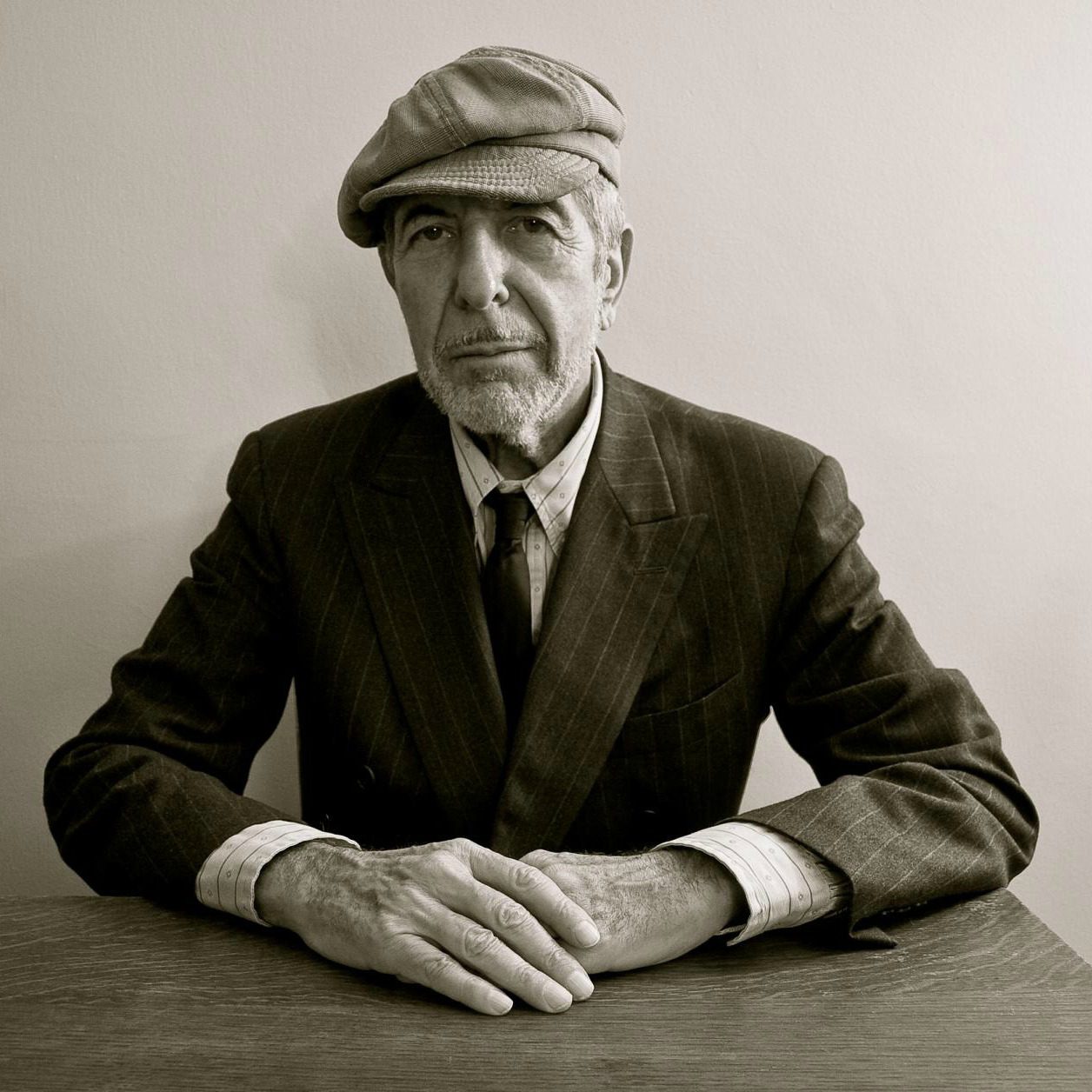
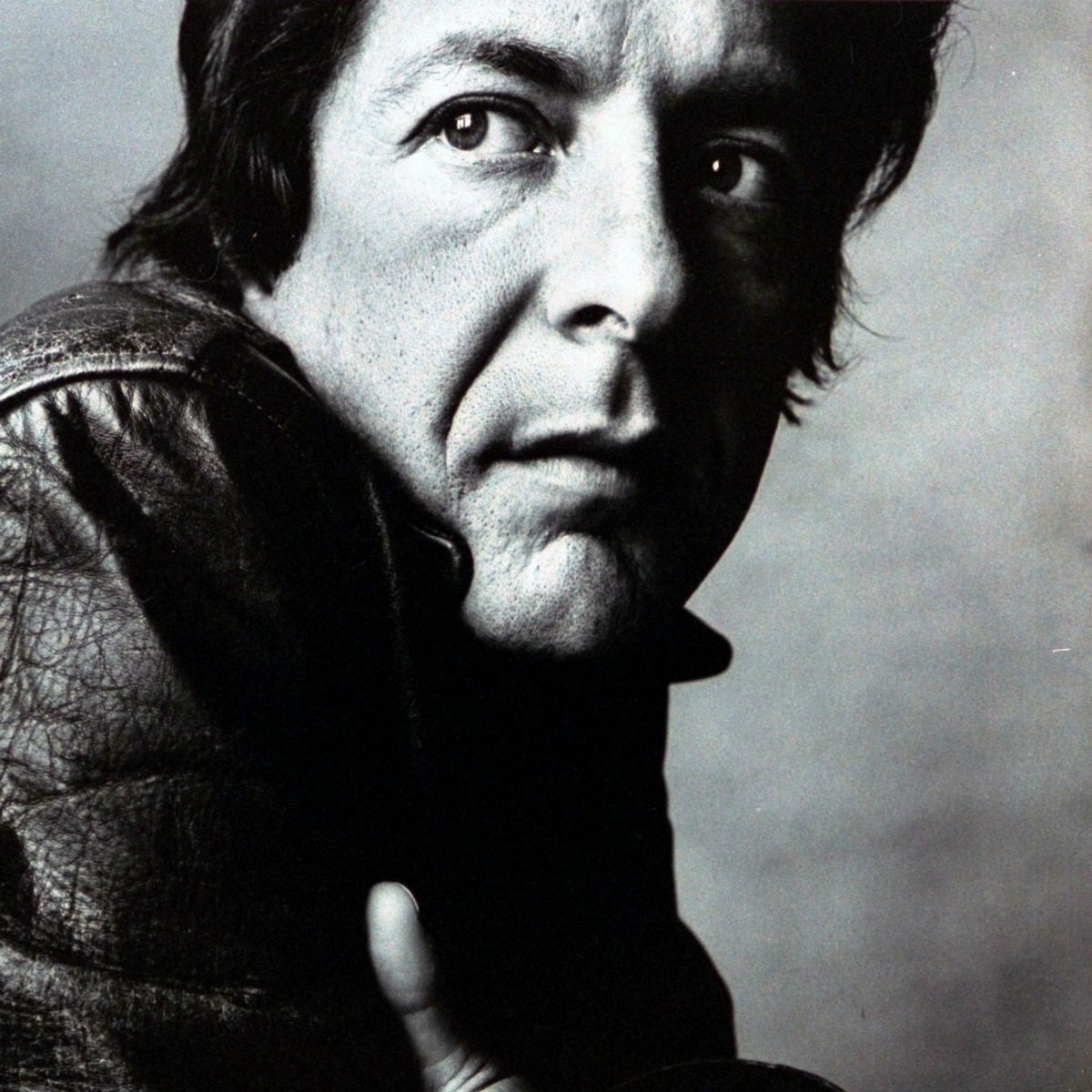
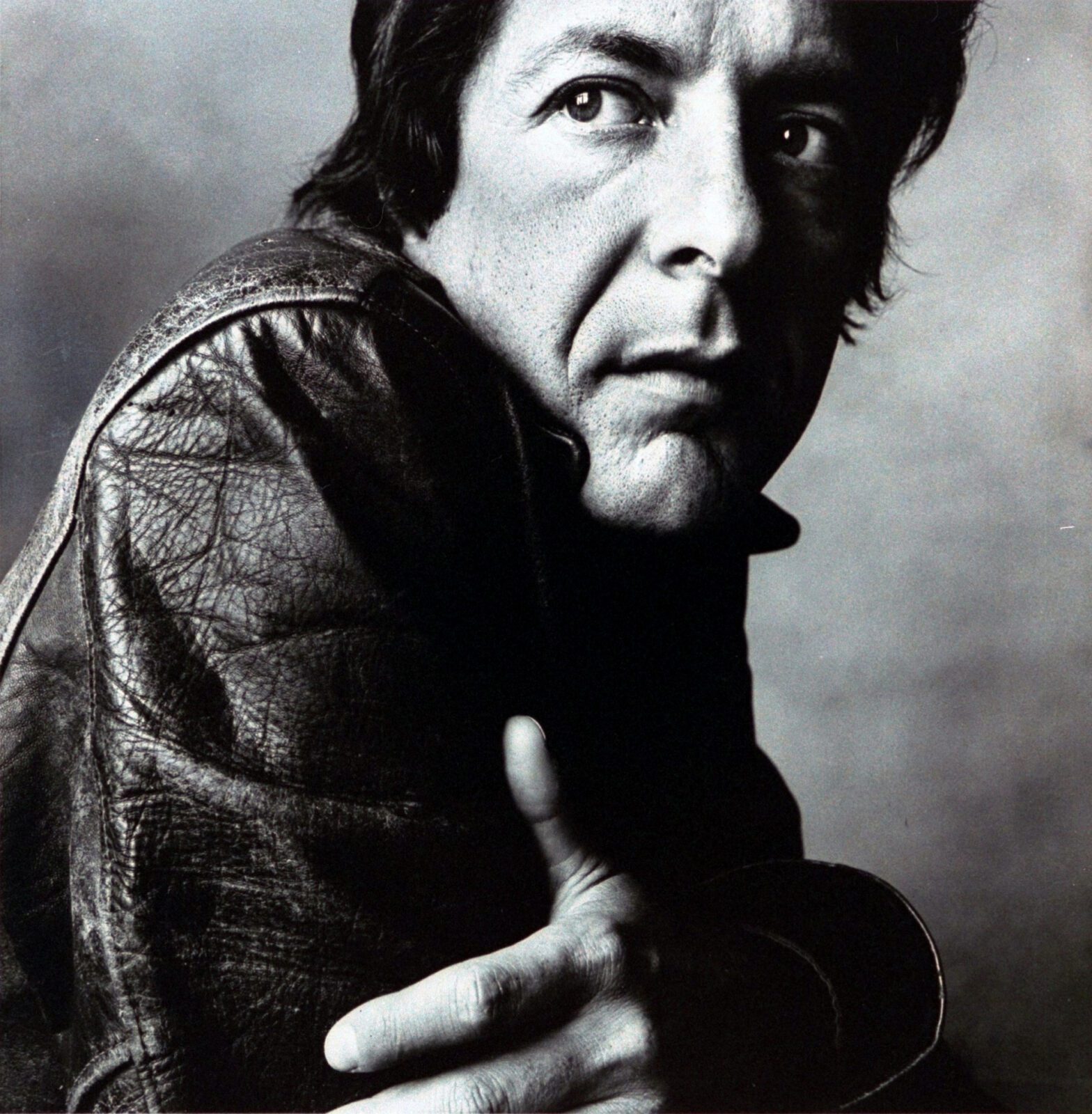
No one really wants to be a curmudgeon all of the time – not even me. If Only Noise leans more towards the darkness one week, I strive to be more upbeat in subject matter the following week. But in addition to the numerous tragedies that befell us last week, including the election, the death of Leon Russell and the election, we also lost one of the greatest poets of all time, Leonard Cohen. His name has now been added to a long list of the year’s casualties. The enormity of the musicians 2016 has robbed us of – David Bowie, Prince, Alan Vega – is seemingly colossal, as if the stars were perfectly aligned for the fall of giants. I fearfully wonder who will make it through the year, and dare not speak a word for fear of cursing anyone.
When David Bowie passed in January, I was distraught with the rest of the world. Having just pitched an article to The Guardian the night before his death investigating what Blackstar could teach contemporary musicians about longevity, I felt cosmically complicit in his death after the fact. Imagine the spook I felt waking to “RIP David Bowie” tweets the following morning. That night I sat at my desk, staring straight ahead at the wall, until my phone buzzed, and I boarded a cab to Sunset Park. I entered a sweet-smelling, steamy apartment that felt like it was in another city – in a house perhaps, with books and scraps of paper everywhere. The man who lived there offered me seltzer water and Oreos. A framed Leonard Cohen poster hung to the right of his bed.
I could barely express the overwhelming sadness I felt from the loss of Bowie that night. My companion was less distressed, but had witnessed such mourning all day long as his work was a scant block from Bowie’s SoHo home. “It is sad of course, but honestly, I’ll be more upset when Leonard Cohen goes,” he said gravely.
Ten months after we lost The Thin White Duke, I found myself slowly ascending the escalator of a theater in Times Square, meeting the very man with the Sunset Park apartment for post-election, action movie distraction. Tweets suddenly flooded my phone: “RIP Leonard Cohen,” “Now Leonard Cohen! Fuck this year!” and the like. I was already wobbly from the political climate, but I nearly fell off the goddamn escalator at the sight of such news.
It is only now I am learning that Cohen himself suffered a fall the night he passed, which directly contributed to his death. As the press release from his manager said, Cohen’s death was, “sudden, unexpected and peaceful,” which contradicts the songwriter’s claim in an October interview with The New Yorker that he was “ready to die.”
When Cohen’s parting masterpiece You Want it Darker came out last month, I thought of another pitch idea – one that never made it into an email but that I’d mentioned to friends and family. It went something like: “Is You Want it Darker Leonard Cohen’s Blackstar,” insinuating that the aged poet, like Bowie, knew his fate before we did, and was saying goodbye in the best way he could. Given this pattern, I am now convinced that I am slowly killing my favorite musicians by way of my unsuccessful pitches, which is depressing on numerous levels.
We have lost a songwriter, yes – a poet, of course. But we have also lost an invaluable translator of human emotion, in all its unperceivable complexities. When I came to his music in high school, his abstract yet exacting lyrics left me stupefied. I believe that his words truly altered my approach to writing, and while I am not and never will be anywhere near the caliber of a writer he was, I know I am all the better for being exposed to him.
And isn’t that the point of pop music? Of any kind of music, or art? To better know ourselves, in ways we couldn’t imagine were possible. Cohen’s art, his words particularly, cut so sharply to the core of human experience that you can’t really feel the incision until after his knife is removed. It is a clean cut – the effect of a specter whose impression lasts far longer than its presence in the room. He was a subtle legend. A quiet titan.
As with most musicians who have altered my perception of what makes great art, there is typically one or a few people that I directly associate with the artist. With Leonard Cohen, it is no different. One friend who is much older than I am bears an eerie resemblance to a young Cohen. He was the person who played me his music, despite the fact that a copy of Songs of Leonard Cohen had been nestled in my dad’s record collection my entire life. So when I heard “One of Us Cannot Be Wrong” for the first time, and it effectively floored my soul, that album was waiting for me right at home.
I called my old friend as soon as I could upon hearing of Cohen’s death, and asked him what the poet had meant to him. This friend, who often speaks in florid non-sequiturs, said that to him Cohen seemed like “the standard for effortless grace…you can listen to him over and over and it just keeps opening up. He really is a sort of sacred ground that’s vast, elusive, and hard to talk about.”
It is perhaps even harder to speak of for my friend, who was sired into the lugubrious cult of Cohen by his mother in the ‘70s. Not long after, his mother died when he was only 12, and I sometimes wonder if Leonard Cohen is a signifier for her in the same way that Bowie is for my mother. Memory cuts deep and clean just like a perfect song.
Leonard Cohen, though enormously different than David Bowie, was similar in the sense that he never tarnished. In his decades of writing and recording, he remained at his own golden standard, one that few others have touched. Despite his grave, death-welcoming remark to The New Yorker last month, he adjusted his statement in a later press conference, smirking and clutching a cane with his right hand:
“I said I was ‘ready to die’ recently, and I think I was exaggerating. One is given to self-dramatization from time to time. I intend to live forever.”
Regardless of Cohen’s dry humor as he spoke those words, and the uproarious laughter that met them, there is a peaceful truth within them. Yes, it is eerie that Cohen died not long after redacting his pact with death, but I think he knew exactly what he was saying. And who’s to say that he hasn’t lived forever already?
Perhaps true immortality lies in the ability to look death in the face and acquiesce to its beckoning, imparting one last gift to the world as you leave it.
Alt-indie five-some, Handgrenades delivered their sophomore LP Tunnels earlier this month, a diversified, hook-laden kaleidoscope that explodes with disciplined revelry. There’s nothing particularly weighty about Tunnels, and no molds were forged nor broken but what is accomplished here are a series of consistent and caffeinated arrangements that propel the record into the new familiar. Each track wants to so badly to be so many things but is done so with equal parts focus and frenzy resulting in a record that ends up being an inspired version of itself.
“Daily Routine,” has a bloody but sunshiny mid-2000’s-vibe alt-anthem with jittery percussions and heartbroken choral bursts of desperation leading into “The Watcher,” with foggy distortion and jutting guitar licks feels trapped between genres without a destination. The albums valiant single “Suffocating,” though lyrically meek, is rescued by its Muse-esque vocals and purposefully and effectively spastic instrumental choreography giving the aural illusion of both gasping for air and receiving it making the track. “In Abesetia” dances with theatrics and “Wrapped in Plastic” parties with Brand New inspired vocals and guitar vs. percussion spacing and when preceding Tunnels eery final track “Daydream” (which is sort of reminiscent of Radiohead’s track “Daydreamers” from their latest but with ample restraint) reminds the listener that this record is a complete thought. All the territories they sought to explore were touched, and in doing so, Handgrenades concocted the perfect formula to fuse their wide and wild expressions with a polished fervor that seems more seasoned than not and more than sincere than flippant.
Find the light at the end with Handgrenades’ latest below:
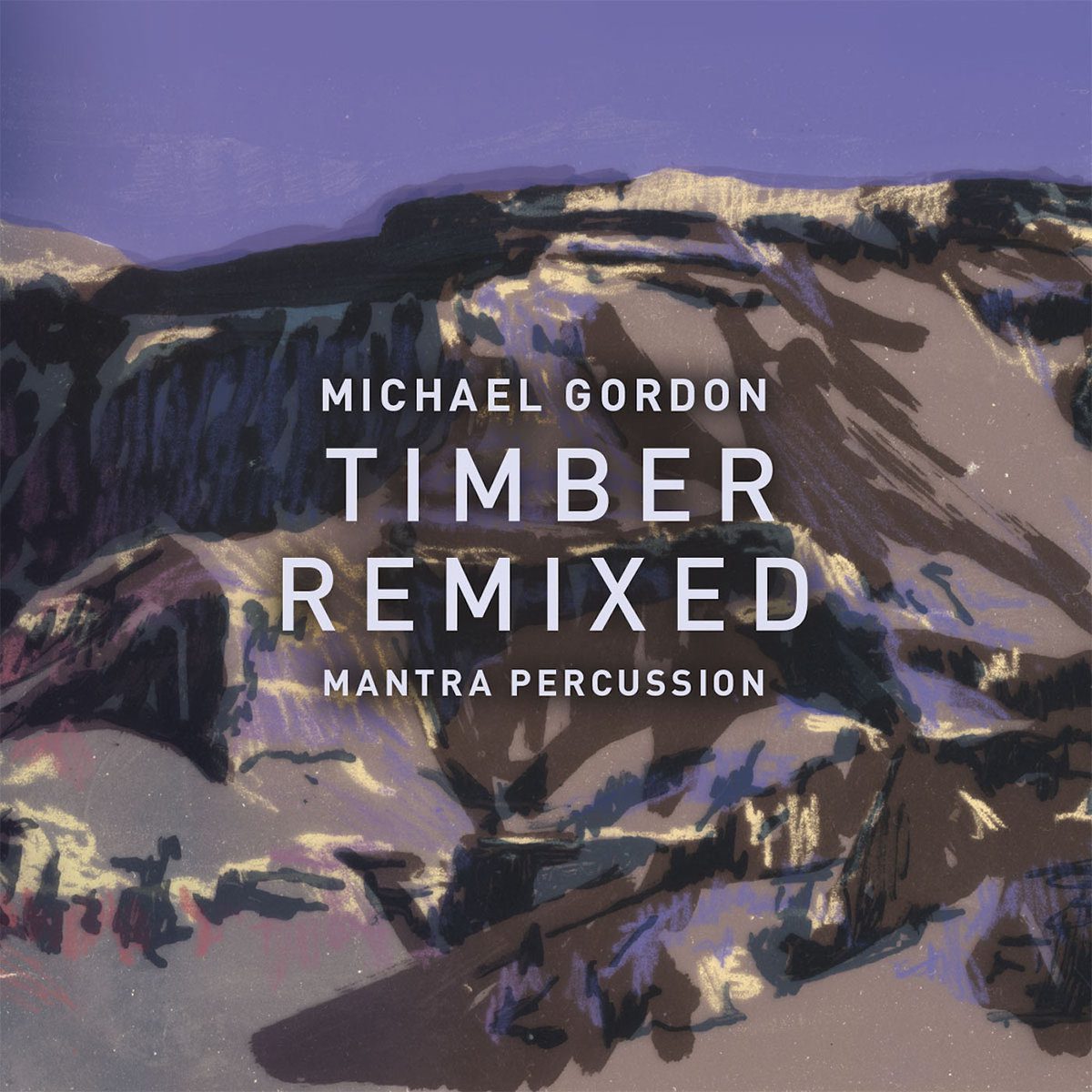
Not too long ago a friend asked me, “What music consistently gives you the chills?” It was more difficult to answer than I would have imagined, and I could perhaps attribute said difficulty to the unrelenting musical sameness we are bombarded with daily. What may have given someone chills in the 1960s, say, psych rock, may no longer have that effect, due to its repetition and ubiquity. So when I first heard Michael Gordon’s Timber Remixed and the hair on my arms stood at attention, I knew it was something special.
Originally releasing Timber in 2009, Gordon – a founding member of the Bang on a Can collective – conceived the work live, when he placed six wooden 2x4s of differing lengths in a circle and then arranged six percussionists around the newfangled instruments to create wildly primal rhythms. The varied lengths of the 2x4s allowed for different pitches to come forth and the wood’s sonic properties resonated to the point that the audiences believed electronics were present.
In September, Mantra Percussion’s Mike McCurdy – who has been heavily involved in the recording process and live performances of Timber – told Stereogum:
“As Timber was first brought to the public’s attention in 2010-2012, one of the most frequently heard responses from audiences, listeners and reviewers were about the electronics in the piece. But there are no electronics in the piece! As it was performed over the years, a disclaimer was actually given in the concert program before each performance that the sounds being produced were all natural, and that the wood itself had such lush harmonics as to deceive the ear, as though some electronic process was being applied to the sound.
All this talk about electronics got Michael Gordon thinking, and he proposed the idea in the fall of 2012 to find people to remix the album. So we came up with a favorites list of composers and musicians to take the music and do whatever they wanted, as long as the underlying composition could be perceived.”
The result is Timber Remixed, a gorgeous, haunting record that is so otherworldly it is difficult to describe. I wouldn’t even say one can hear this album, as it seems more appropriate to say that you will feel it…as if it is happening to you. A kind of vibratory massage throughout the body. As McCurdy mentioned, star producers stud this album, including the likes of Tim Hecker, Fennesz, Oneohtrix Point Never, Squarepusher, and Hauschka to name but a few. Each track is like it’s own warped world, though the 12 remixes form a galaxy as a whole.
While the original Timber is a testament to lumber alone, doing for wood what Glenn Branca has done for the guitar, Timber Remixed re-contextualizes Gordon’s vision into a layered multiverse of electronic manipulation. Timber’s pitch is higher, while Timber Remixed is more guttural, like the boom of a falling redwood.
Favorite moments occur during Fennesz’s ambient, spacey, whirring take on the piece, as well as Greg Saunier’s aggressive, staccato beats that recall video game machine guns. But the final remix by Hauschka has to be my favorite, as it disassembles and puts back together the material, fashioning a complex collage that sits nicely between reworking and staying true to the original.
Please take the next available two hours in your schedule. Lie on your bed, turn off your lights, and listen to Timber Remixed. It’s cheaper than Flotation Therapy and you won’t get salt in your eyes.
This week, the thought of getting out of bed and doing anything at all filled me with dread; scraping together thoughts and words about an album was the last thing I wanted to do. I feel for any band releasing music this week, I really do. Everyone feels terrible, and everyone’s mind is definitely not on music. But what originally drew me to Del Caesar makes me glad I’m writing about their latest release, EP 2, even now.
EP 2 opens with the jaunty “Like They Always Say,” which has an energy that defies the fact that it seems to loosely take place the morning after a bender. “Lie To Me” has a catchy call and response chorus that lodges pleasantly in the brain, while “Never Be Alone” is a moodier, soulful track that opens with perfectly complementary guitar parts.“I’ll Bet”so encapsulates the sound of a 60’s/70’s love song it’s hard to believe it’s not a cover.
Their sound is true-to-the-original, decades old garage rock, with melodic bass lines and fuzzy, psychedelic guitar solos. There are flashes of the Stones in the vocals, which contain a hint of a playful sneer, and glimpses of T. Rex in the guitars. It truly feels like listening to a different era, which, at the moment, means a nice escape from reality. I highly recommend that you do yourself a favor this weekend and check out this album. Here, you can even listen to it below:
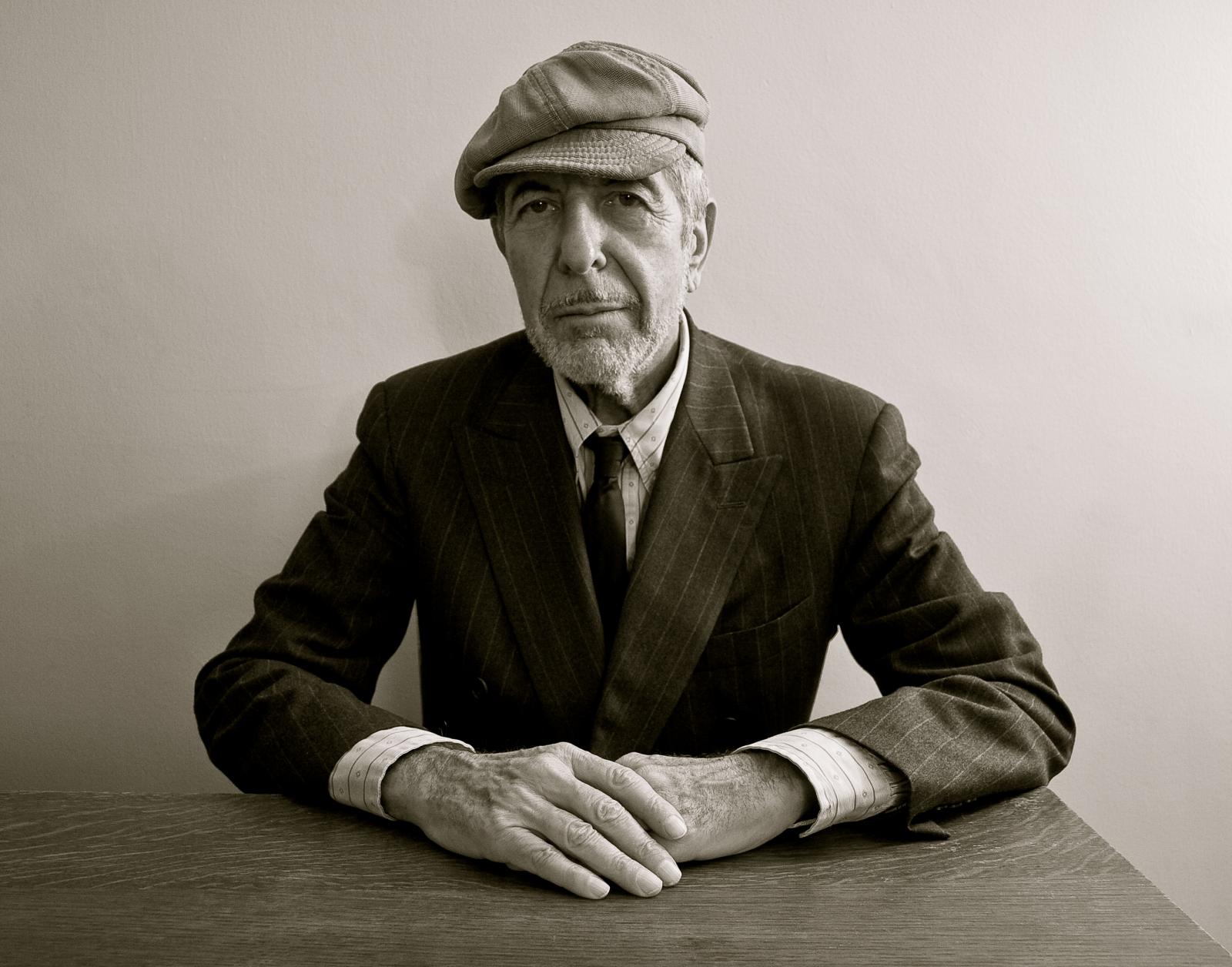
Piling onto a week we thought couldn’t get any worse, the family of Leonard Cohen announced yesterday that the singer had died at age 82. The poetry of his words, and the darkness and depth of his voice which be sorely missed, but at least we have decades of his work to remember him by. Like David Bowie, he recorded an album shortly before his death, You Want It Darker.
Read This: Jessica Hopper On The Future State Of Music
“In the months leading up to the presidential election, there was a glib joke that journalists, musicians, and fans would default to. The silver lining to winding up with four years of Trump…is that music will be better: Punk will rise up, or maybe pop will deflate and get ‘real.’” Jessica Hopper shatters this cliched illusion by with a serious reality check, pointing out that many of our best artists fall into the groups a Trump presidency will actively harm, and asks, “If your favorite creators are made to feel even more unsafe…than they already were before this hateful prick came into office, why should we expect them to tour?” Read the whole article via MTV here.
A Brief Roundup OfMusical Responses To The Election
Run The Jewels’ ”2100”: Though it was scheduled to be released along with their upcoming Run The Jewels 3, this song is seeing the light of day earlier, for obvious reasons.
Charly Bliss’ “Turd”: As singer Eva stated on Facebook, “I wrote this song a year ago after I was catcalled repeatedly on my walk home from a guitar lesson… I wrote this song to make me feel like I had some power in a situation where I felt totally powerless, and we’re releasing it for the same reason.” All profits from Bandcamp will be donated to Planned Parenthood.
Black Lips’ “Deaf Dumb And Blind”: Short, to the point, and angry. The band stated that after learning of Tuesday’s results, they “felt like making an anarchy style punk song.”
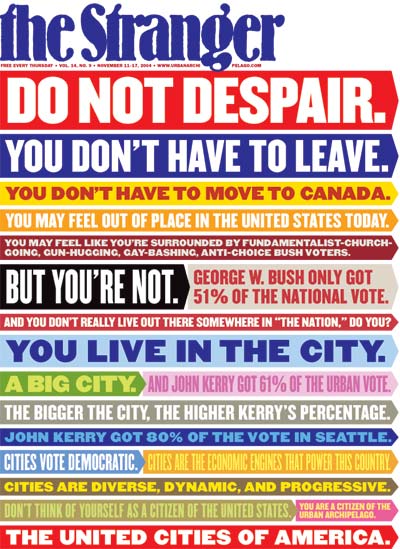
“Do not despair. You don’t have to leave. You don’t have to move to Canada. You may feel out of place in the United States today. You may feel like you’re surrounded by fundamentalist-church-going, gun-hugging, gay-bashing, anti-choice Bush voters. But you’re not.”
This was a portion of the cover Seattle’s culture rag The Strangerran in November 2004 when George W. Bush was reelected. I remember it well. I remember it well, in part, because that cover page has been framed and hung on the wall of my sister’s house since. The remainder of the text encourages Seattleites by reminding them “Kerry got 61% of the urban vote…got 80% of the vote in Seattle,” essentially praising the power of the “urban archipelago,” which some might consider a flaccid pat on its own back. A warm glass of milk while the world burned.
I remember this well because leading up to that day I had followed my dad to every political event we could find. To a Howard Dean rally in the months before Kerry’s nomination, to speeches by Michael Moore, Jim Hightower, and the venerable Amy Goodman. I remember it well because it was the period of time I was more involved in and educated about politics than I have ever been. All hope was on Dennis Kucinich in our household, who seems now like an early, less successful incarnation of Bernie Sanders. I remember it well because in the years leading up to Bush’s reelection, politics had hit a lot closer to home.
We lived in a small town. My Dad owned a mercantile in an even smaller town – one of 97 people, to be exact. One of those people was Justin Hebert, an exuberant teenage boy with wheat colored hair and a wily smile. He used to sweep the floors of my dad’s shop as an after school gig, and I, from a young age, had a massive crush him. Justin, like so many kids in my hometown, came from meager economic resources and couldn’t dream of being able to afford college tuition, despite his enormous desire to attend university. So, he joined the army, which plied him with the lure of travel and $50,000 towards college upon discharge.
As his obituary reported in 2003, “his flight to basic training was the first time he was ever in an airplane.” Justin was 20. He was the 250th American to die in the Iraq War, and the 52nd to perish after Bush so hubristically declared the war was over in May of that year. You remember that “Mission Accomplished” banner, don’t you?
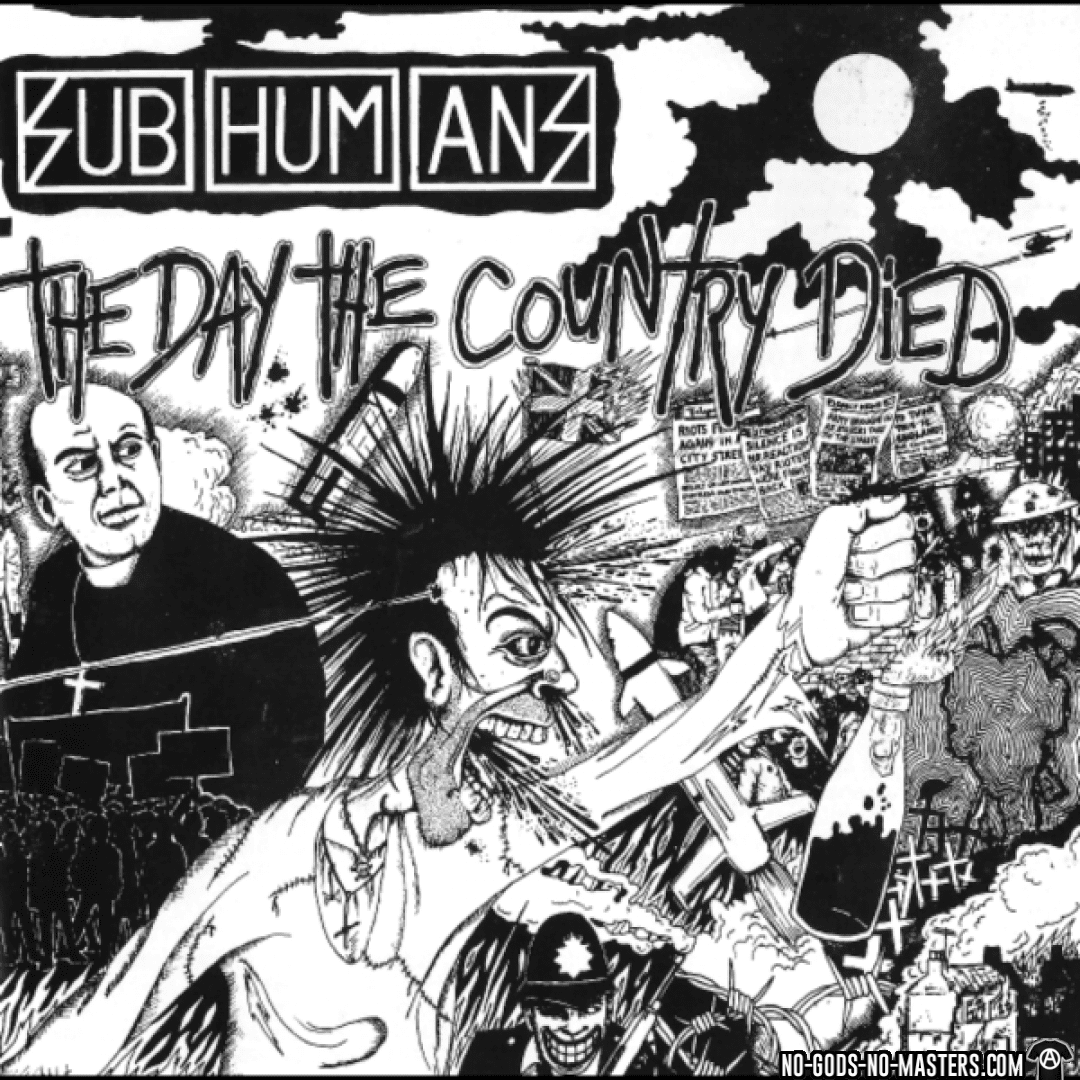
I do. Like it was yesterday. Because that was my induction into politics. That banner searing into my brain as I heard the news of Justin’s death. That was the turning point for me. I carried the newspaper clipping of Justin’s obituary in a little hardback book that listed the Amendments to school every day, and would use it as ammo when scolded for not standing for the Pledge of Allegiance. All I wanted to talk about was politics from then on, an unpopular pastime for a middle schooler. In eighth grade I wrote a paper (much to the pride of my father and chagrin of my teachers) entitled “The Day the Country Died” as a simultaneous nod to the Bush administration and a Subhumans record by the same name.
The paper is now lost, likely in a dusty box in my dad’s garage somewhere. It was written by a 13-year-old, and is probably not very good. But in the fallout of what has transpired with this week’s election – and I know that was a lengthy preamble – I am reminded of that seventh-grade sentiment. That burning, sickening and powerless feeling. This is perhaps the first time in my life I have felt history seemingly repeat itself…like I am slumped in a parallel universe across from my thirteen-year-old self, asking with a quivering voice how this could possibly happen again.
I am no political analyst. I am no sociologist. I am not even a political journalist. However, it would feel irresponsible and delusional to write about anything else today. So I will write about it, with as much knowledge, honor and honesty as I can offer.
In my years of being scorned for wanting to discuss politics, the past several months have brought me so much joy, because, for the first time in so long, people were willing to talk again. They wanted to shout, even. To see folks my age so thrilled to support the Bernie Sanders campaign moved me in a way I’d never felt before, and I will continue to revere that memory. But after Bernie lost the DNC nomination to Hillary Clinton, I saw a kind of regression within the allegedly “progressive” peers all around me.
I cannot tell you the number of people I met, who so arrogantly snorted that they weren’t voting at all. These were educated, middle class, privileged people, such as myself. One woman, whom I met at a bar in Brooklyn, haughtily blurted that her “morals were worth more than stooping to the farce this election has become.” This woman was an educator (guess what programs consistently get cut first by conservative administrations?). She then went on to describe the magical utopia that is Burning Man.
One thing I have consistently encountered lately is this misdirected idea of how things actually work. You can go to Burning Man all you want if you can afford it, but you still live here. In reality. In the U.S. of A. And as of this election, you now live under the Trump administration. And it’s important to say that, no matter how difficult it is to hear. Because burying our heads, drinking ourselves numb, doing molly, and thinking this is only going to be a four-year thing, is the last thing we want to do right now. We must remember that whatever force was summoned to try to stop Trump from winning this election, needs to be amplified exponentially to make sure it never happens again.
Of the 44 pre-Trump leaders this nation has elected, less than 12 have been one-term presidents. The model tells us that incumbents almost always win reelection. So I would like to encourage all of us, four years in advance, to remember that, and to never have the thought “there’s no way that could happen!” again. Because it can happen. It just did.
It is a harsh reality we face today, tomorrow, and beyond. But I will not leave you on this note. If you’ve been kind enough to read this far, you’re due a bit of optimism. Optimism is not the atheist’s game. Many of you may believe in God, in the afterlife, in reincarnation. I have never believed in reincarnation on a metaphysical level. But I do believe in reincarnation on a historical level. The movements left unfinished from one era recur in the future, hopefully, closer to achieving their original goal with each wave, each rebirth.
The Suffragettes (and I am HEAVILY paraphrasing) carved a path for feminists in the ‘60s and ‘70s, and so they did the same for the contemporary feminist movement, which, let us not forget, took part in getting the first near-win for a female presidential candidate ever. From the abolition of slavery to the Civil Rights struggle, to the Black Lives Matter movement – it is a continuum that is unfortunate but necessary to keep improving the quality of human life in this country, especially when those in control consistently deny that there is a problem to begin with. So while I say that today is “The Day the Country Died,” please know I believe in its eventual rebirth.
In addition to all of the things I am not, I’m no historian. But if I had to propose a historical theory of progress, it would be this:
Progress seems to me like a hamster ball, moving along a horizontal axis. We humans are the hamster, the ball itself being micro-history: the events that occur within a generation’s lifetime. The horizontal axis being macro-history, meaning all the events that have ever happened and will happen in this big clusterfuck we call human history.
So. I envision that as the hamster fervently turns its ball, producing a dizzying amount of rotations, it cannot tell that it is simultaneously moving forward along the horizontal axis. It feels only the wild revolutions, the ups and downs, the unrelenting cycle of positive acceleration and negative regression in our shared history. But in fact, in tiny, infinitesimal increments, it moves forward along that horizontal line. It cannot go backward.
So please. Wither not. Do not let your education, your influence or your rights fall prey to your own cynicism.
If you were like me, you likely stayed in bed this morning a little too long wanting nothing more than to wake up but without ever having to open your eyes. The future we collectively rallied behind, hoped for, and deserved became a hungover breach in clarity. “Did this happen? How did this happen?” Where am I?”
This morning, however, was remarkably similar to many of my mornings. Cats pawing at my chest and the sound of children’s laughter, squeals, and declarations of play invited itself to wake me, through closed doors and windows. The Ellen Thompson preparatory academy located in the backyard of my apartment building holds recess sometime around 11am. The school is at least 95% African American and at least 5% of the children have hollered at me through the chain link fence “Are you Taylor Swift?” while I take my trash out. Playing along, I say yes but promise them to secrecy. This drives them wild and they frantically disperse in fits of excitement, laughter and the belief that maybe I am telling the truth. Today I stood with my face against the fence, trash in hand, watching the recently emptied tire swing sway like an uneasy and haunted pendulum. I watched it slow to a stop as the last of the tiny jackets disappeared behind the school doors. In the deafening silence, I hummed to myself a familiar song about dancing and the need for sweet, sweet music.
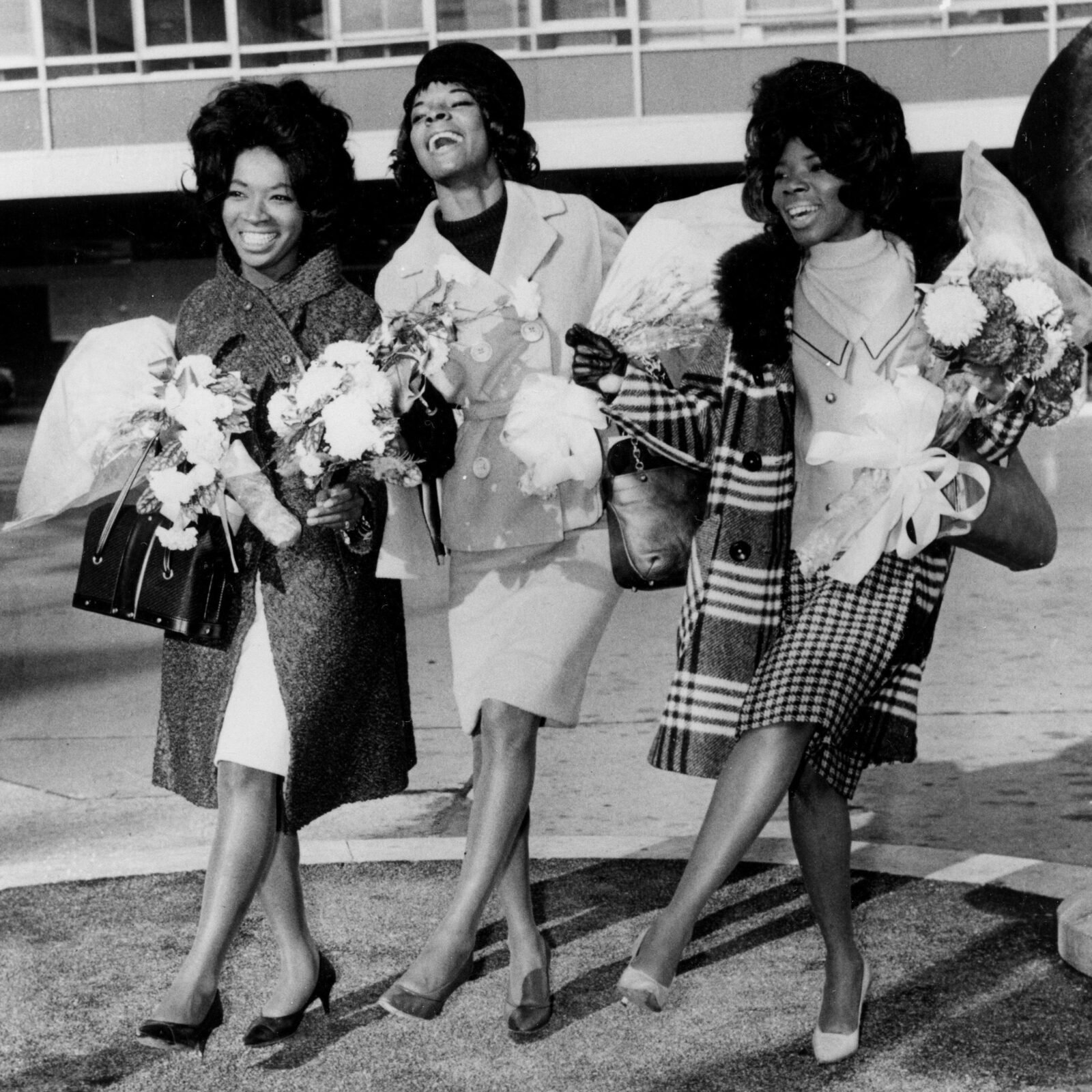
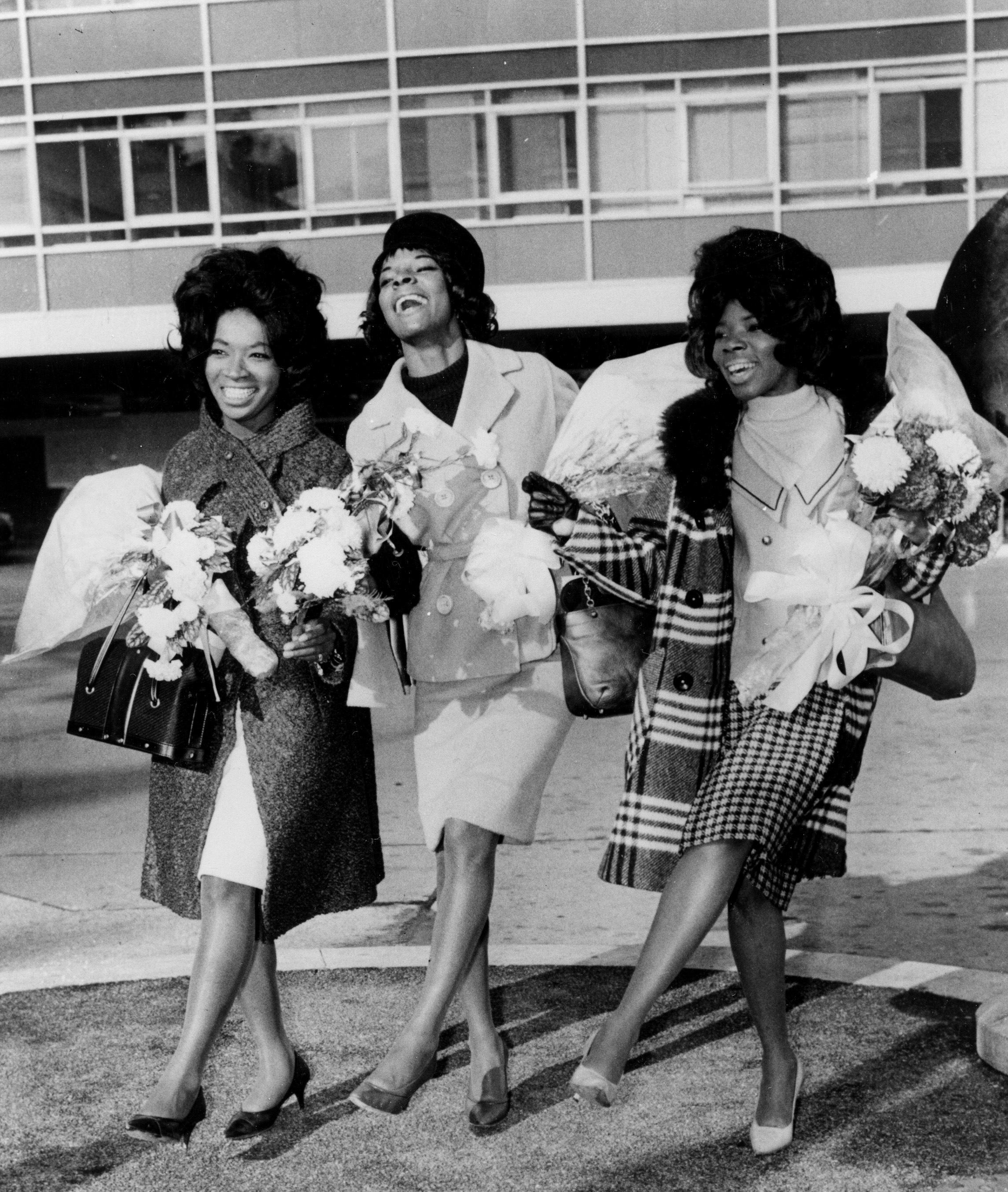
“Dancing in the Street” by Martha and The Vandellas was innocently inspired by Detroit residents who resorted to fire hydrant water to cool themselves from scorching the Summer heat. Released during the summer of 1964 in the thick of the Civil Rights crisis and in the midst of the Vietnam War, the upbeat chart-topper became an unexpected anthem of freedom for the disenfranchised and a nightmare feared by those who trembled in the shadows of social progress. Banned from radio stations for allegedly eliciting riot behavior and rebellious violence from the African-American community across the country and most notably in Detroit, the pop song about a party urgently ushered a call for change, unity and yes, even 52 years later, the power of sweet, sweet music.
This morning was remarkably similar to many of my mornings. Except today was different. I have more hope than I did yesterday. Not because of what has happened but because of what will happen. Recess will resume tomorrow and so will the future; the daily sea of toothless grins and bouncing pigtail braids promise this.