“There’s no place like home, there’s no place like home…” These words bring us back to the childhood story we know so well – they conjure an image of Dorothy deciding to leave the magical place she’s just discovered, tapping her ruby red slippers in the hope of returning over the rainbow to rejoin the dull black and white society she came from.
Artist Kat Cunning has found her own version of the colorful and magical Oz in the queer community of New York. Her latest video and single “Wild Poppies” is a tribute to this playful world and what that journey has felt like. Known for her work in the visual arts, Cunning has also been a singer and dancer in shows like Sleep No More and Cirque du Soleil’s Paramour. She is one of those rare talents who has the ability to translate her vision into a variety of mediums, all while staying true to her authentic self. “Wild Poppies” is Cunning’s video debut; the single was initially released late last year. Premiering on January 30th, the visual clip unites her various passions of dance, theater and music, giving her admirers the chance to watch them all come together at once.
In a studio session with Paste Magazine Kat Cunning explained that “music… feels like the place where everything that I do actually can live together. I’m inspired to create the world where the beautiful things I see get to live.” The video brings this sentiment home, given that Cunning wrote the song, choreographed the dance, and helped with costume and makeup design. She truly is creating her own world in which all her friends can play.
Story is the uniting force in the “Wild Poppies” video, which depicts, through graceful movement, a person coming to find themselves and opening up to a new version of who they are. Her lyrics reference cyclones, ruby shoes, and emerald eyes as she dares listeners to chase her “over the ledge,” hinting that this is the only place to truly find yourself and your bliss.
The tonality of her vocals come from a place I can only perceive as the soul, as her deep, almost haunting voice adds weight to the familiar story. Early on, Cunning was inspired by jazz musicians in the scene where she first started dancing after moving to New York. Her music fuses this influence with a love of pop, and a Brooklynite’s healthy taste in indie music. She is both hypnotic and seductive, creating a painting with her vocals that dance across the spectrum of the musical scale.
In an interview with Refinery29, Cunning tied together how The Wizard of Oz impacted the creation of “Wild Poppies.” “[fusion_builder_container hundred_percent=”yes” overflow=”visible”][fusion_builder_row][fusion_builder_column type=”1_1″ background_position=”left top” background_color=”” border_size=”” border_color=”” border_style=”solid” spacing=”yes” background_image=”” background_repeat=”no-repeat” padding=”” margin_top=”0px” margin_bottom=”0px” class=”” id=”” animation_type=”” animation_speed=”0.3″ animation_direction=”left” hide_on_mobile=”no” center_content=”no” min_height=”none”][Dorothy] has so many adventures,” says Cunning, “and for me that story is akin to finding your community of people and particularly a colorful queer world full of beautiful freaks.”
Diving head first into the colorful world she is creating, it doesn’t seem Cunning will be clicking her ruby red slippers any time soon.[/fusion_builder_column][/fusion_builder_row][/fusion_builder_container]
One year ago, editor and photographer Heather Taylor conceived of Hiss Mag, a quarterly “femme run publication covering contemporary art, music, and culture.” Its first issue, “Juicy,” which included 39 artists working in multiple mediums, was featured by the Wexner Art Center, and since its inception, Hiss Mag has expanded its geography beyond Columbus to reach the rest of the country by coordinating print availability in bookstores across state lines. Now, Hiss Mag is gearing up to release issue two on March 3rd.
The words Taylor uses to describe the project seem as intentional as the art picked to spread its pages; in one post, Taylor dedicates the publication to “the visionaries that feel marginalized and silenced that are choosing a unique, inventive path for their lives,” in another, the editor writes that Hiss is to be “tangible” at the end of the month. Tangibility and uplift seem imperative to the project, which seeks to “create a platform where people can discover and listen to new voices and visions from the artists we feature.” Pointing out that women, gender non-conforming, trans, and LGBTQIA artists often get left out of mainstream publications, Hiss Mag‘s commitment to the weight and prestige of a printed publication echoes a larger question in the art world: who gets to take up space and why?
On the pages of Hiss Mag, at least, it is artists systematically blocked from other institutional support who are invited to sprawl. And Hiss Mag‘s community support clearly extends beyond paper – the magazine’s Facebook and Instagram are both littered with examples and promotions of featured artists’ work. It’s relieving, frankly, to watch a magazine cheerlead its own contributors, and energizing to see the amount of collaboration that can be built in just one year. The glossy finish of the print, the crowd-funded publication, and the enthusiastic praise of artists from Hiss all point to the possibility of support, rather than exploitation, in contribution.
Lissa Bella Donna, featured in Hiss Mag issue 1
This Saturday, Hiss Mag will celebrate its latest launch at 7pm in the 934 Gallery in Columbus. Food and drinks will be provided by Four String Brewery. There will also be copies of issue two available, which promises features of 49 artists – an almost shocking number of collaborators for an independently run magazine. In addition, the party is promoting the launch of a companion zine to Hiss, “Dont Spit,” a “photo collective created by women to highlight and encourage female photographers.”[/fusion_builder_column][/fusion_builder_row][/fusion_builder_container]
Sic Tic has one of the most innovative rock sounds in the Brooklyn scene, pairing the raw rip of grunge with the precision of jazz musicians. I have had the pleasure of seeing them evolve over the past five years to form their current line up; their sound went to a whole new level when guitarist Frank Rathbone asked bassist Jenna Nelson and drummer John Swanson to join the band several years back. They have also been active members and proponents of the Brooklyn-based DIY label GP Stripes.
Frank, Jenna, and John are the type of people whose connection you feel through their stage performance—not only in the sense of creative back-and-forth, but of friendship. There is a warmth about the band’s vibe that you can feel, and I think that is a testament to their closeness as individuals as well as artists. Knowing that Frank and Jenna also co-parent some fur babies together, I was interested in hearing how the process of being partners in so many facets of life crossed over into various channels.
AF: When did you each start playing music, and what were your first instruments?
JN: Viola was my first instrument, which I began playing in fifth grade. I was good friends with my neighbor who was a year older, and she played the viola when orchestra club began in fifth grade, so I wanted to as well. She stopped after that first year, but I really liked it and continued playing. I spent a lot of time hiding out in my closet (I’d kill for a closet this size in NY) when I was growing up, especially in middle school because I was socially awkward and got teased a lot. Sometimes I would sneak my dad’s old acoustic Ovation guitar out and pretend to play “Wild Thing” and imagine a different life for myself, which, in retrospect, seems a lot like my life now. I got my own guitar in high school and wrote dozens of awful sappy emo songs. I was also very active in my youth group and sang in the band. I sort of played the bass, too, but I was just borrowing it and didn’t really know what I was doing with an electric instrument yet. I finally got my very own bass when Sic Tic formed!
FR: I learned the trumpet from my grandpa when I was 8. When I was 12 my uncle gave me a guitar and I started a band with my friends in my basement. We would write a ton of songs, record them to tape, then never play them again. I still have all those tapes.
AF: Was there a particular band, song, or genre that drove you each respectively into the music sphere?
JN: I was really into Rickie Lee Jones when I was in preschool. I would carry this ragged record cover around with me, even to the grocery store. It’s a picture of her wearing a beret and smoking a cigarette. Pretty sure I knew all the words to this album. I remember being afraid the first time I heard music with screaming in it – but the kind of glittering fear that drives you toward the thing. It unlocked something inside me that had been bottled up for a long time, or started to at least. I wanted to learn how to evoke this feeling, to feel powerful.
FR: When I was in 3rd grade the high school band, orchestra, and drum line came to our school. I remember feeling moved by the drum line.
AF: How did Sic Tic form?
FR: I had a few other groups that played under the name Sic Tic, but they were disbanded when I met Jenna. When we first started dating I wanted to show her my music so I wrote some songs and booked some recording sessions. Jenna started learning the songs and we decided to start up a group. I had been sending songs to my old friend John in Texas, so I called him up and asked if he wanted to come to NY.
JN: Yeah, we started dating in mid-2013. I hadn’t been involved with any music for a long time and wanted to get back into it. I’d been living in Brooklyn for about seven months. Mutual friends kept telling me what a great musician Frank was, but he didn’t play anything for me for the first several weeks. When he finally did I was like “damn, they weren’t kidding!” He recorded that solo album to impress me, which obviously worked. I encouraged him to keep the name Sic Tic. The following summer we were ready to get serious, and at the same time, a room opened up in our apartment. Frank called John, who had been living in Austin for two years, and was like, “Dude! We need a drummer and we have a room, get up here!” I think that was a Tuesday and he showed up with a backpack and a guitar on Friday. Gigawatts Fest 2014 was that weekend and we all went out and got stoked to be a band together. We had our first show that September at Palisades.
AF: How did you two meet?
FR: We smiled at each other a few times at Little Skips. Then one night at an art opening there our friend Linda introduced us. I told Jenna I always thought she was cute.
JN: We sort of instantly hit it off. We went to a couple shows that night, at the Silent Barn and Fitness, which used to be in our basement, and then he said he had to go walk his dog… I basically never left.
FR: Pretty sure Shorty sealed the deal.
AF: How does the writing process work within your band?
JN: Frank writes most of our material. Usually he gets a rough idea of a song done and then brings it to me and John. We’ll work out the arrangement, drums, bass, and vocal parts together from there. Then maybe we’ll make a demo and see how it all sits, rework it, etc. We all live, practice, and record together. John’s been putting a lot of work into our home recording setup lately, so that’s been more accessible to us.
AF: Have you ever written a song about animals?
JN: Just human animals!
AF: Can you introduce your fur babies to us please?
FR: Shorty is a little biscuit colored pit bull.
JN: With white paws and chest, nine-and-a-half-ish-years-old. Very affectionate, cat enthusiast, hater of the doorbell, the most personality of any dog I’ve met. She’s basically my therapy dog. We also have a cockatiel, Joey, who is endearingly obnoxious. We’re frenemies. Frank found him at Little Skips, too, trapped in the gate.
FR: 7 or 8 years ago my friend Maggie was working at a vet clinic. Someone brought in a pit bull they had found abandoned in Prospect Park, tied to a fence with a big bag of food. They named her Honey. Maggie sent her my way and I took her in and called her Shorty.
JN: My family almost always had a big dog and an indoor/outdoor cat. There was also a smattering of Betta fish and various small rodents. For a year or so when I was in fifth grade, we had to rent a house that was furnished and the owners left some of their pets behind! This included a pretty generic fish tank and a hedgehog that lived in a big box in the carport that we had to feed cat food. In college I had a chinchilla, and later a ball python which I would bring around to parties.
FR: Yeah, we had a lot of animals in the house too. Dogs, cats, rats, hamsters, guinea pigs, birds, snakes, lizards, fish, frogs. We had a parrot named Picasso that escaped. I drew a picture of him and put posters up around town. The next few months we would get calls. He was hanging out with a flock of crows.
AF: What were your first experiences with animals? first pets?
JN: My first pet was a Siamese cat named Jasmine that had been my mom’s before she married my dad. At one point they lived on a lake and she caught fish. She died perfectly healthy at 17, bitten by a coral snake. Up until the year we moved into that hedgehog house, my family had lived in these dense woods in central Florida, bordering a nature preserve, near Rattlesnake Lake, off of Rattlesnake road. This is the land that was an island before the rest of Florida emerged from the ocean. You could find ancient shark teeth in the white sands of the woods, between 200–year-old oak trees and towering pines. There were herds of wild boar that would come through our yard, flocks of wild turkeys, our neighbors pair of peacocks, beautiful iridescent Indigo snakes, bald eagles, owls, the rare panther… Nearly all of our neighbors had horses, but I was allergic and my parents were too hippy to give me allergy medicine, so no horses for us, although I did take riding lessons. We also had chickens, and a turkey once which I was very sad to find out was not actually supposed to be my pet.
FR: I don’t remember. They were just always around.
AF: If your pet had a band, what band or genre would it be for? What instrument would they play?
FR: Shorty really likes soft finger picky folk songs. She would be the singer.
AF: If your pet could be the mascot for any food item, sports team, musical gear company, etc – what would it be?
FR: Blueberries.
JN: We joke sometimes that she would run a junk yard called “Shorty’s Trash Mountain.”
AF: Did you meet any cute or interesting animals on tour?
JN: Yes! We did our first tour in the fall with Haybaby which was completely a dream come true. Leslie graciously put us up in Richmond – we played a lot of places near there, so we were able to stay in their beautiful house for like 5 nights – and we got to hang with the two cats a lot. There were also got some nice fish and their downstairs neighbors have a couple of very friendly dogs. Sic Tic played our first show with Haybaby and personally, they are one of my absolute favorite bands on the planet, ever, and they are wonderful people. I get kinda overwhelmed with happiness thinking about that tour, and when it was over I honestly missed seeing them perform every night.
AF: What are Sic Tic’s plans for 2018 (and beyond)?
JN: We’ll be releasing a lot of music and more music videos. Still working on the timeline for everything, but we are very excited about the new material. Hopefully we will be hitting the road again soon! I’ve got the tour bug. There’s so much of this country I have not yet seen and I want meet everyone and share sounds. Touring overseas or out of the States is also a huge goal! Iceland, Germany, Japan, Norway!
AF: Do you have a favorite song about animals?
JN: The Stooges’ “I Wanna Be Your Dog”? That’s the first thing that comes to mind. I really like that one for karaoke.
It’s been eight years since Sade released Soldier of Love, but on Tuesday the sultry singer’s return to music was revealed in a very 2018 way – via Twitter! Movie director Ava DuVernay announced that the British-Nigerian musician and her eponymous band wrote a song for her upcoming movie, A Wrinkle In Time. The track, “Flower of the Universe,” will be included on the official soundtrack, along with songs from DJ Khaled, Demi Lovato, Sia and Kehlani. Composer Ramin Djawadi will write the original score for the film.
Although Sade’s fans are always pining for her return, the singer gives good reason to back up the long breaks that she takes between albums. She previously explained to The Guardian’s Adrienne Gibbs, “If I were forever in the music machine or on the road, doing TV and in that sort of commercial world, I don’t believe I would be able to step back and write the songs that I did.”
View the trailer for A Wrinkle In Time below. The film comes out in the United States on March 9th.
The 2018 BRIT Awards
On Wednesday, The BRIT Awards schooled The Grammys when it came to gender representation, diversity, and political relevance. Dua Lipa took home the award for best British breakthrough act and female solo artist and Lorde won the trophy for international female solo artist while Kendrick Lamar won in the male counterpart to the category. Gorillaz took the title for Best British Group; during their acceptance speech, Damon Albarn took a stand against Brexit. Stormzy came out on top, winning the award for best male solo artist as well as album of the year for Gang Signs & Prayer. The Grime MC closed out the show with an intense performance (rain literally fell on his head the whole time) of “Blinded By Your Grace.” For the BRITs, he added a freestyle verse criticizing Prime Minister Theresa May for her handling of the Grenfell Tower Fire, a massive fire that consumed a public housing project last June leaving seventy-one people dead. Stormzy rapped:
“Yo, Theresa May, where’s that money for Grenfell? What, you thought we just forgot about Grenfell? You criminals, and you got the cheek to call us savages. You should do some jail time, you should pay some damages, we should burn your house down and see if you can manage this.”
American performers, take note.
New Claims of Harassment Against Charlie Walk Surface
A Rolling Stone investigation into the misbehavior of former Republic Records head Charlie Walk has uncovered new accusations. This adds to claims made earlier this year by record executive Tristan Coopersmith and three anonymous women, which resulted in his removal from Fox’s music competition show The Four, where he was a judge, as well as his dismissal from the label, whose roster includes The Weeknd, Ariana Grande, Lorde, Florence + the Machine, Phantogram, Drake, Nicki Minaj, Black Sabbath, and James Blake among others.
Other Highlights
In an update to last week’s stories, artist Lina Iris Viktor is going to court with SZA and Kendrick Lamar over imagery used in their “All The Stars” video; she is suing for copyright violation. Quincy Jones has issued a public apology for calling the Beatles “the worst musicians in the world” as well as some other controversial comments he made earlier this month.
Producer Boyd Jarvis, a house music pioneer, passed away this week at the age of 59 following a battle with cancer. His legendary career included projects with Madonna, Prince, and Herbie Hancock. Black Moth Super Rainbow return with their first new material in four years. “Mr No One” will appear on their upcoming album, Panic Blooms, out May 4th; the band comes to Music Hall of Williamsburg on June 2nd. Twin Shadow debuted two tracks this week. His next album is due April 27th. Janelle Monáe also did a dual release – on Thursday she premiered the videos for new tracks “Django Jane” and “Make Me Feel.” Car Seat Headrest gave us the unexpected this week with a cover of Smash Mouth’s “Fallen Horses.” Drake’s newest video is going to make it a lot harder to diss the Canadian rapper; in his new clip for “God’s Plan” he does good deeds in Miami to the tune of almost one million dollars. Hot Chip’s Alexis Taylor also debuted a new video this week. “Beautiful Thing” is the title track off of his upcoming LP, out April 1. Bon Iver manager Kyle Frenette is aiming for political office, hoping to unseat Republican Sean Duffy in a bid to win a House seat representing Wisconsin’s 7th Congressional District. The lineup for FORM Arcosanti is out and will bring Beach House, serpentwithfeet, Blood Orange, Chance The Rapper, Courtney Barnett, Daniel Caesar, Fleet Foxes and many more to the Arizona desert from May 11th to 13th. Last but certainly not least, Young Thug would now liked to be called “SEX.”
I saw Elli Perry for the first time in 2010 or 2011 (back when Brooklyn seemed to be at the height of its chillwave/synth-pop ’80s revival), wailing her lungs out with an acoustic guitar. I was too insecure and intimated to start a band, feeling surrounded by pretentious dudes who only listened to whatever had the Pitchfork stamp of approval. My pretty artist boyfriend-at-the-time brought me to this small loft party where Perry may have just have spontaneously picked up the guitar and I couldn’t be more thankful. Her authenticity and powerful voice filled me with a feeling of relief that there were inspiring women in Bushwick who could express themselves at any time, without inhibition. Her new intimate and bluesy number “Without You,” from her EP Totality, captures this magic totally. Her performance encompasses a swaggering attitude that reflects her spontaneity and freedom balanced with a sweet vulnerability.
Perry has long since left Brooklyn and currently lives in an RV in the southwest with her husband, allowing her to tour the country non-stop. Totality was recorded while camping out in her friend’s living room in Collins, CO inside of a blanket fort with one microphone. The EP as a whole is a prime example of how much power she can harness in her vocal performance alone by utilizing such a minimal set up. Totality comes on the heels of her second record, which included members of Deer Tick and My Morning Jacket as collaborators. We had a chance to chat with Elli Perry about her nomadic lifestyle and what happens when you accidentally cross the Mexican border without a passport.
AF: Can you give me a brief synopsis of all the places you’ve been to and important experiences that have happened since the last time I saw you in Brooklyn?
EP: I moved out of Brooklyn in the spring of 2011. Since then, I’ve lived in New Orleans, in an adobe geodesic dome on a mesa outside of Taos NM, in Fort Worth TX, on an island off the south coast of Georgia, in a small stone cottage in the French countryside, in a wallless shack on the Nicoya Peninsula in Costa Rica, for one very long year in Nashville, and in more Walmart parking lots, public lands, and random driveways than I can count since moving into our RV in February of 2017. Some of the moments and experiences that stand out from those years and places are dancing in Mardi Gras super parades with the carnival krewe I was a part of while living in New Orleans; getting a crash course in self-sufficiency while learning how to homestead, grow my own food, maintain a composting toilet, and other such things that come along with living off grid; getting a divorce; touring 200 days a year for multiple years on end out of my beat up Nissan Cube; lying on the floor of a bistro in the 10th arrondissement of Paris the day after the 2015 terrorist attacks, during the midst of what was thought to be a second attack (but was fortunately a false alarm); recording to tape for the first time while I was tracking my last LP Little Thieves in Nashville; meeting my husband, who I married during the total solar eclipse in August of last year; renovating our RV together; experiencing the kind of confidence and peace that comes from knowing you are making art you truly believe in; and adopting our dog, who is the weirdest creature in the world and my best friend.
AF: 2017 looks like it was an incredibly momentous year for you! How have your performances, creativity, and songwriting evolved over the year?
EP: 2017 was as humbling as it was momentous for me. I had taken several years off from touring and releasing much music, as I had gone through a dark season in my personal life, and needed a lot of time to write and release my last record. By the time it came out and I was back on the road promoting it, I had changed so much that I kind of had to relearn how to be a performer and how to tour. I had gotten sober during those years, which really blew the doors open on my creative output. I can’t overstate the impact sobriety has had on both the quality and quantity of my artwork. But I also had to figure out how to get on stage and then talk to people afterwards without a drink in my hand. That was a challenge, as someone who deals with social anxiety, and who is also front and center by herself all the time – I don’t tour with a band, so there’s no one else who can help be my buffer or take up some of that interactive slack with the audience. I’m also touring with my home, husband, and dog with me now, which is about as different as can be from road-dogging it out of a car and living in motels or sleeping on air mattresses in the living rooms of strangers. But once I started to work out the kinks of those new logistical elements, it ended up being one of the most powerful creative periods I’ve ever experienced. Releasing a record that I had spent so much time on cleared up vast stretches of mental real estate for other creative work. I’ve grown a lot as a writer, and my writing process has changed significantly. I’m also a visual artist, which was something I concentrated on a lot last year. I painted all of the artwork for my last album packaging, and collaborated with my husband on the artwork for this EP (he’s a photographer, so we spend a lot of time working on projects together). I decided to make Totality about halfway through last year, and was chomping at the bit to get into the studio by the time I was able to actually plop down and record it somewhere. I’m about halfway through writing my next LP, which I plan to record later this year. Suffice it to say, 2017 left me with a lot of inspiration and drive.
AF: How did you come to the decision to move into an RV? How did you find your RV, does it have a name and what is your favorite RV-related story that’s happened so far?
EP: I started thinking about buying an RV after establishing the release date for Little Thieves. I didn’t want to be away from my husband for months on end, we didn’t like where we were living nor did we want to keep paying an exorbitant rent to be there, and I knew I wanted to tour differently than I had before. As you know well, road life burns you the fuck out. I just didn’t want to go through that again. The idea of being able to cook my own dinners and crawl into my own bed after shows sounded very appealing. I started obsessively scouring online sales listings, and finally found our rig in Savannah, Georgia, about an hour from where my parents live. It is named “The Turtle.” We gutted and renovated it ourselves – that was a story and experience in and of itself. Apart from that, my favorite RV story is no doubt when my husband accidentally drove us into Mexico without passports, and we were detained by Border Control while they searched the RV with dogs for nearly an hour. They were so convinced that two people who look like we do, who “accidentally” crossed the border were packing something illegal. We weren’t. Stress and subsequent hilarity ensued.
AF: After creating a super-polished full length record and a more bare-bones EP, which recording experience did you enjoy more and what do you think you would like to do next production wise?
EP: I loved both recording experiences equally. For all their differences, they share two significant commonalities. First, they’re both projects I was immensely proud of, and material that I really needed to get out of my head/heart and into the world. Second, and probably most importantly, both were collaborations with my friends. The musicians who played on these two records are folks who I admire to no end, and they also happen to be people I love. You can’t ask for much more than that when bringing a record to life. I will say that from a technical perspective, I far prefer analog recording to digital. For the next record, I hope to marry the two experiences by bringing together collaborators from both projects. Adam Landry, who produced Little Thieves, is such an amazing friend, and is my guitar guru. Bryan Gibson, who played cello on Totality and mixed the EP, is one of my oldest musical mates. We’ve been playing together since I was a teenager. Getting those two in the same room together would be a dream. The next record will be full band again. But I’ll probably follow it with another stripped down EP for the hell of it. I don’t want to have to choose one approach or the other. And I certainly don’t want to ever go three years without releasing a record again! That shit is for the birds.
Listen to the full Track of The Week Playlist below…
My dad’s record collection has always been a significant source of music in my life. Its sheer volume and variety has never ceased to amaze me, and that is likely why I write about it so often. Each time I head home for the holidays (or between jobs) it is one of the first things I check on after settling in and petting my childhood cat. When I look at the six foot wide, five-story shelf of LPs, I see every house they’ve lived in, and every alphabetized box we’ve unpacked them from. On the southernmost shelves I see the evidence of three or four kittens, who’d used the spines of records “U” through “Z” as scratching posts. Those kitties always ended up conveniently “running away.”
My method for discovering music in my dad’s collection has never been strategic or efficient, and because of that, my memory of first finding Steve Harley and Cockney Rebel’s 1975 LP The Best Years of Our Lives is blurry. Thinking on it, I’ve whittled it down to two possibilities. It’s possible that my dad, in one of his many attempts to find a middle ground between his tastes and the ‘80s street punk I was listening to at the time, hooked me with a line about Steve Harley being related to Dave and Ray Davies. The second theory is far simpler; while thumbing through my dad’s collection, I came across an album sleeve picturing a handsome and stylish young man, who dare I say looked just like the Davies brothers.
Whatever the circumstances were, The Best Years of Our Lives made its way from shelf to turntable one day, and it damn near knocked me over. The record fulfilled the promise of Marc Bolan’s glam and the Kinksian wit Harley hinted at on the album cover, his shag haircut and sharp jacket doing all of the talking. Best Years was a spotless collection of music in my opinion, save for the opener, “Introducing ‘The Best Years,’” which stinks of ‘70s excess. One song on the album was so fantastic, however, that I can remember freezing the first time I heard it, my arms dripping with soap and water. One of my favorite ways to listen to music was at top volume, alone and doing the dishes before my parents got home from work. I was scrubbing away when the stylus slid onto “Make Me Smile (Come Up And See Me),” and within seconds I was motionless, holding a sudsy plate in mid-air.
At the time, “Make Me Smile” represented two very incorrect things to me: 1) an obscure pop gem, and 2) a love song. This was a point in my life when the Internet bored me, and I referred to it only for concert listings and homework assignments. The result was a lot of misinformation and the over-mythologizing of my father’s record collection. I assumed everything he owned was rare, and while some of it was, Best Years was certainly not. A pop gem it was, triumphant with its gospel-like backing vocals, beaming synths, and unlikely acoustic guitar solo – but considering the chart-topping tenure of the single, it’d be a stretch to call this record “obscure.”
On this very day in 1975, “Make Me Smile” reached No.1 on the UK singles chart, where it remained for two weeks. It has since entered the Top 10 in 15 different countries and sold around 1.5 million copies. In other words, it’s about as obscure as the Stranglers’ “Golden Brown.”
“Make Me Smile” is also about as far from a love song as you can get. I was unaware of this when five years after first hearing it, I put it on a sappy mixtape for my first New York boyfriend. Maybe it was a self-addressed omen that things wouldn’t end well between us. “Make Me Smile” was written about a relationship, just not a romantic one. It was a snide and biting reproach of Harley’s former bandmates – the original Cockney Rebel. Last year, Harley spoke to The Guardian about the making of his biggest hit. “In 1974, my band Cockney Rebel were on a roll,” he said. “We’d had hits with Judy Teen and Mr. Soft and a sold-out UK tour had generated hysteria. At some venues, police on horseback were needed to get us out. It was every young man’s dream. Or so I thought.”
That roll came to a skid when three of Harley’s bandmates asked if they could start writing songs, hoping to receive a bigger slice of income in the future. “Not for this band,” Harley told them. With that, the band members walked out, just before the group was scheduled to play Reading festival. Rather than pull out of the prestigious event, Harley reformed Cockney Rebel with all new members, retaining the original drummer, who’d remained loyal to Harley.
Harley felt utterly betrayed by his former bandmates, and whether or not that feeling was justified (it seems a bit despotic to not let musicians express their creativity and then expect them to stick around) he channeled that perceived mutiny into one of most gorgeous kiss-offs in rock history. Produced by prog rock messiah and studio wizard Alan Parsons (who engineeredAbbey Road, Let It Be, The Dark Side of the Moon, and countless other important records), “Make Me Smile” is as dense musically as it is lyrically. Sonically it’s chewy, with false stops, lush harmonies, and a rubbery bassline that counters starship synth swells. Its words are no more modest, featuring veiled insults and biblical allusion. In the first verse, Harley croons, “You spoilt the game, no matter what you say/For only metal – what a bore.” Harley claims that this line “is a biblical reference. Metal is money: it’s Judas and 30 pieces of silver.”
Melodramatic? To be certain. Though despite Harley’s self-proclaimed egotism in his younger years (he was only 23 when The Best Years of Our Lives was released), there is a sense of genuine heartbreak when he sings that sky-high chorus: “Come up and see me, make me smile/Or do what you want, running wild.” Harley admitted to The Guardian that he looks at the events leading up to his hit song differently now. “We’d all been young and brash and arrogant,” he said. “But later I felt sorry for [fusion_builder_container hundred_percent=”yes” overflow=”visible”][fusion_builder_row][fusion_builder_column type=”1_1″ background_position=”left top” background_color=”” border_size=”” border_color=”” border_style=”solid” spacing=”yes” background_image=”” background_repeat=”no-repeat” padding=”” margin_top=”0px” margin_bottom=”0px” class=”” id=”” animation_type=”” animation_speed=”0.3″ animation_direction=”left” hide_on_mobile=”no” center_content=”no” min_height=”none”][the original members of Cockney Rebel]. It must have been difficult watching me singing that song on Top of the Pops.” Steve Harley must know better than anyone, that the best form of revenge is success.
Thanks to Detroit-based booking company, Party Store Productions, Marble Bar – a venue generally known for hosting electronic and house DJs – has been bringing in a steady roster of local and visiting rock bands. This week, Philadelphia-based prog rockers Palm were joined by Spirit of the Beehive and local Detroit band Double Winter for a delightfully disorienting show. Palm’s outré time signatures, erratic vocals, and incandescent synths make for a refreshingly novel sound arriving at what can be described as “mathy-Beach Boy-grunge-jazz.”
Although the complex tempo changes and musical layers sound like a bunch of technically trained musicians blissfully nerding out, none of the band’s members – Kasra Kurt (guitar/vocals), Eve Alpert (guitar/vocals), Gerasimos Livitsanos (bass), and Hugo Stanley (drums) – are classically trained. They formed Palm as more or less novices after meeting at Bard College in 2011. However, the band has more than made up for their lack of conventional training by rehearsing for hours on end, resulting in virtuosic experimental playing. If anything, the band’s lack of classic training adds to their novel sound by freeing them from adhering to any set of musical parameters.
Performing songs from recently-released sophomore album Rock Island as well as last year’s short-but-sweet Shadow Expert EP, Palm completely captivated the audience with their transcendent sound. The band shows their full musical palette with songs like “Composite,” where Kurt’s Brian Wilson-esque vocals are fragmented by puttering guitar patterns and syncopated drum beats. Instead of attempting to keep up with Palm’s insane changes in tone and time signature, the audience seemed content with falling into a euphoric trance.
In a world where it’s hard to capture someone’s attention for more than 15 seconds, much less an entire concert, Palm had most in the room hanging on to every last distorted guitar jab.
“This is a weird time,” Alex Paquet tells me as we sit down over coffee to talk about his musical project, Field Sleeper. “I’m not usually this bright of a person. There was a very long time – a good year and a half – where I was ultra-sensorially attentive and very, very calm. And it’s still all bursting out right now.”
I feel lucky to have caught Paquet during this period of his life. Throughout our interview, his thoughts, interests, and experiences really do seem like they are bursting out; though I try to wrap up the interview after 50 minutes, we keep talking long after, trading favorite contemporary artists, theory, and installations. We laugh over a picture I took at the Columbus Museum of Art, at an exhibit that Paquet found particularly moving. The photo is of a tag, written on by a museum passer-by, which reads: “I don’t often view creative professional men as creative types, so it’s nice to see a stern man softly.” Paquet says that he often feels stern-er than most, but when I apologize for keeping him so long, he reassures me that he’s happy to have made a new friend, which doesn’t feel stern at all. We part ways in the rain; Paquet catches the bus to get to a nail appointment, and I take a damp walk to the library, Field Sleeper’s upcoming record streaming through my ear buds.
That record, Better Grid, which is slated for release on Scioto Records on March 16, walks the line between stern and soft exceptionally well. A blend of pop, rock, drone, and even jazz-inspired elements, the album highlights Paquet’s gift for musical arrangement. And as compared to previous musical projects, Paquet tells me, Better Grid was “a lot more purposeful, and I was trying to use as few voices as possible in each. I’d also played the songs a lot more – the songs have a lot more personal attachment to me.” In order to give the album a feeling of “performance,” Paquet tracked each component as though he was giving a recital, playing all of the guitar parts at once, and then the vocals, and then the synths, and so on. “I was really inspired by jazz recordings,” he says. “It seemed like there were less tricks – it seemed so clear.” The level of clarity which Paquet perceives in jazz–which he also calls musical efficiency–was integral to the making of Better Grid. Paquet tells me that he focused on giving each component enough space for the audience to fully engage. “A big question that I had to ask a lot,” Paquet says, “is, if this is here, what isn’t someone paying attention to?”
Though Paquet approached the record with intent to strip songs down, handling each sound and “voice” with care, the actual recording process he tells me, “happened by feeling; it wasn’t by design.” Paquet was first approached about recording by Groove U, a music-career specialization program in Columbus, in the fall of 2016. That, Paquet tells me, got him thinking about recording a full album. He recorded the first five songs of what would become Better Grid in February of 2016, during a period of his life where, he tells me, he just wanted to get some songs down to learn more about them. Then, after an East Coast tour in June, Paquet came back to Better Grid, recording four more songs for the project (one song, out of the nine recorded, never made it on the album). “Maybe what the recording can represent is trying to learn what’s really going on with the set of songs,” Paquet says. He calls the period of time spent on Better Grid the “cognitive height” of Field Sleeper. It encompasses “a lot of tours,” he says, “and a lot of time spent making music and thinking about making music.”
After Paquet was done with his recording, the album was mixed by Mike Shiflet, a noise musician and avant-gardist who Paquet calls “the big time.” Shiflet “had a really big impact,” Paquet says, “on how the thing sounds. There are some tracks, like on ‘Shed,’ where the vocals are panned really hard to one side and the guitar is on the opposite – that was all him.”
Now that all of the recording and mixing is over, Paquet says that listening to Better Grid “can honestly calm me down sometimes.” Still, Paquet is conscious of how he wants the project to evolve onstage. “When I was recording it,” he says, “I think I took too much life out of it… Now, I’m trying to think [fusion_builder_container hundred_percent=”yes” overflow=”visible”][fusion_builder_row][fusion_builder_column type=”1_1″ background_position=”left top” background_color=”” border_size=”” border_color=”” border_style=”solid” spacing=”yes” background_image=”” background_repeat=”no-repeat” padding=”” margin_top=”0px” margin_bottom=”0px” class=”” id=”” animation_type=”” animation_speed=”0.3″ animation_direction=”left” hide_on_mobile=”no” center_content=”no” min_height=”none”][about] how much more life I can bring into it, and then I know that if push comes to shove I can rely on whatever it took to make.” Onstage, Paquet plays with a rotating cast of musicians and collaborators, including Felix O’Connor, Seth Daily, Kyle Kerley, and Dylan Reese. It’s a lot of people to juggle, but Paquet says that he relies on his collaborators to “bring different things out in me, and to learn more about the songs that I’ve written.” Bringing out something new in his songs, Paquet says, is part of the “joy” of collaboration. And he’s learning to let go a bit on stage by placing faith in his colleagues. “I need to, in some way, push myself or get myself feeling uncomfortable,” he says. “There’s excitement to that, and to seeing other people do that.”
It’s clear that Paquet brings just as much intentionality to the stage as he does to his bedroom recording. “There’s a very important way that performance can make someone feel better, and it’s not just all about me,” he explains. Beyond the audience, Paquet is also thinking more and more about what it means to be a band member. “I’m excited to write songs now because I can think more about what song would fit what group,” he tells me. “It still all just feels like a time to experiment I guess.”
all photos by Kaiya Gordon
With the making of Better Grid behind him, Paquet seems bursting with possibility. He tells me about the new approaches to lyrics he wants to try: spending hours chasing one image; focusing smaller scenes; writing about the world around him. “It’s really easy to become, I think, cyclically secure in yourself, if you write about yourself,” he says. “It’s important, I think, to keep reminding yourself how little you know.” He lays out plans for bringing his quantitative skills to the art world (the NEA, he reminds me, has whole sections of grants looking at how art impacts communities), and talks about the position he has as assistant to the maestro at Opera Project Columbus. For somebody who just told me he “took the life” out of his upcoming album, Paquet seems to have a lot of life left in him. “I’m just trying not to be so exhausted,” he says. “I want to be more personal, I want to be more relaxed. I want to see what comes out of that.” Recently, Paquet tells me, a friend made a basketball metaphor about creation that really stuck with him. “Toward the end of the game when you’re more fatigued you’re more likely to go for the first shot you can take,” he says, “whereas, if you weren’t fatigued, you might wait for one more pass back and forth before you do it.”
There are several upcoming passes that Paquet seems poised to make. Over the winter break he spent time writing with O’Connor and Reese, focusing on collaboration, rather than just practical skill. Paquet says the three of them spent time considering whether a musical piece felt good to them or not, often asking themselves “is there a better way to play this, rather than one that just fits into the grid of everything that is already presented?” Based on Paquet’s re-telling of the practices, it suited them all; Paquet felt able to change his parts to “let something else shine more,” resulting in “new songwriting and sonic possibilities.” They “felt like a band,” he says.
But Paquet isn’t done with solo songwriting, either. “I would also, before the end of this year, make a hard drone ambient album,” he tells me. “I’d like to give some performances of just classical guitar pieces too […] rather than trying to put all [styles] into one thing.” He pauses, thinking about the album. “I know it’s my thing,” he continues, “but, it’s pretty cool.”
Catch Field Sleeper in Columbus this Thursday, February 22nd at 9pm at Kafe Keroac, or at one of their upcoming stops on tour:
Mar 10 Philadelphia @ All Night Diner
Mar 11 NYC @ Lantern Hall
Mar 12 Providence @ TBA
Mar 13 Boston @ TBA
Mar 14 Portland ME @ TBA
Mar 15 Troy NY @ River Street Pub
Mar 16 Buffalo @ The Modeling Factory
Mar 17 Cleveland @ Mahall’s
Mar 29 Album Release @ Ace of Cups[/fusion_builder_column][/fusion_builder_row][/fusion_builder_container]
Do you have too many band t-shirts? I have so many that I recently I gave my college bestie, favorite neighbor and Gustaf front woman, Lydia Gammill, about 30 of them to send to her cousin to make into a queen size blanket for me. I still have at least 15 band shirts remaining in my closet, and even with this surplus, I’m sure I’ll accumulate more on my next tour. I’m not complaining; t-shirts remain a classic and one of the best sellers on any band’s merch table. But there are so many other products you can cheaply and easily slap your band’s logo onto!
Lydia Gammill is about to venture on her first tour with Gustaf this March and is creating her band’s product line cheaply and efficiently so that they make enough funds to reach their next destination as well as leave a lasting and clear aesthetic impression on newfound fans.
How is she doing it?
“Selling merch is all about being creative and having variety! It’s important to sell smaller $2 or $5 items in addition to higher priced vinyl and t-shirts. You want it to be easy for people to support you and you want to sell them something that they will enjoy. Things like postcards have a high profit margin (you can make 50-10 for under $10) and they’re a great way to write some friends from the road! I also like to offer services like tarot card readings or hand massages because they cost nothing (except your time) and are a great way of connecting with your fans.
When I am in between shirts on the road I like to make merch from stuff that I thrift at Goodwill. You can score unique pieces that look cool and promote your band. Band shirts go to t-shirt purgatory if they aren’t fun to wear!
Branding is a great tool as well! Having a strong visual concept or logo takes all the hard work out of making merch. Gustaf fell into the orange motif and now we use it on most of our stuff. Our motto? “Just throw a couple oranges on there!” - Lydia Gammill
Don’t want your band’s t-shirt to end up at the Goodwill?
Here are more DIY merch making tips…
Basics
Stickers & Buttons
Tour Posters / Zines
Physical copies of music
Download Cards: cheapest option
Print your own via Bandcamp.
Give it away or sell DL cards with:
Taco Bell hot sauce packets (Ex-Girlfriends Special)
Fuck Boy repellant (essential oils in glitter roll-on container)
Cassettes: for broke people who drive old cars, cheap dublication here!
Flexi-Disc Records/Post-cards: “a phonograph record made of a thin, flexible vinyl (or paper) sheet with a molded-in spiral stylus groove, designed to be playable on a normal phonograph turntable,” pressed by Pirates Press.
Vinyl: most expensive
Takes about 6 months lead time if pressing yourself
T-shirts, Sweatshirts & other wearable items
Silk Screening: order a screen + buy paint or learn to make one yourself!
Stencils & fabric paint
One-of-a-kind vintage store finds that you customize yourself
Extras
You can slap your logo on anything, but be sure to keep your band’s visual palate in mind.
Sunglasses
Lighters/Matches/Eye-Drops (if your band name is The Big Drops)
Black Panther doesn’t hit American screens until today, but Kendrick Lamar’s soundtrack for the film is already dominating music news for its star-studded collaborations and a copyright controversy. The album, which will soon be released on vinyl and cassette, features SZA, Vince Staples, the Weeknd, Schoolboy Q, James Blake, and many more. Yesterday, Jay Rock released the video for “King’s Dead,” his Black Panther track with Lamar, Future, and Blake. This latest single follows the debut of lead single “All the Stars” (featuring SZA), which has been the main source of the controversy; the creators behind its video have recently been accused of plagiarizing the work of British-Liberian visual artist Lina Iris Viktor for the clip’s imagery. She and her lawyer say that her painting series, “Constellation,” which features gold patterns and black female figures, was copied for a section of the video. The comparisons do seem too similar to be a coincidence, and in fact, Viktor alleges she was contacted by the “All the Stars” team about using her work but she declined to give permission – not once, but twice. The issue opens up a multi-layered debate about artistic license and usage (remember “Hotline Bling” and James Turrell?). Viktor told the New York Times, “It’s an ethical issue, because what the whole film purports is that it’s about black empowerment, African excellence — that’s the whole concept of the story. And at the same time they’re stealing from African artists.”
Check out Lina Iris Viktor’s work below and then hit the three-minute mark in the video to compare.
Congratulations On Your Efforts… Not!
In an attempt to make themselves look slightly better, the Recording Academy have given another lackluster response to the lack of female representation at The Grammys. In a letter to members, they present a challenge to USC Annenberg’s findings on gender disparity in the music industry. The study noted that among major categories in the Grammy’s between 2012-2017, only 9.3 percent of nominees were female. The Academy points out that these numbers only included Album of the Year, Record of the Year, Song of the Year, Best New Artist, and Non-Classical Producer of the Year. If you take all of the Grammy categories into account then the percentage of women is a whopping seventeen percent!
Other Highlights
Borns plays Terminal 5 tonight. Beach House released a new song this week; “Lemon Glow” will appear on their next album, which is slated for a springtime release. Frank Ocean also has a new track release, but it’s an oldie. Listen to his cover of “Moon River” below. “Black Kennedy” is the latest from mega-group August Greene (featuring Common, Robert Glasper, and Karriem Riggens). Nick Cave and the Bad Seeds will release a documentary film of a Copenhagen concert. Distant Sky will have a one-time screening around the world on April 12th. The next day, Brazilian Girls will release Let’s Make Love, their first album in a decade! They recently unveiled the video for “Pirates.” The band will embark on a short US tour, starting with Williamsburg Hall of Music on May 5th. Sleigh Bells are staying busy! On Tuesday, they played at Brooklyn Steel. They’ll return to New York in July for opening slots on an upcoming tour with Weezer and the Pixies. The Smashing Pumpkins are celebrating their 30th anniversary with a North American summer tour. Kook Keith’s alter-ego, Dr. Octoagon, is back after more than two decades! He reunites with DJ Qbert and Dan the Automator for the song, “Octagon Octagon.” Zola Jesus and Yves Tumor play an immersive performance at House of Vans next week on February 23rd. On Valentine’s Day, Kanye West reactivated his Instagram account by posting many, many pictures of celebrity couples. He’s since deleted that account and bid farewell to social media again.
If you were lucky enough to get them, you must admit: by now the chocolates have been eaten, and the roses are beginning to droop. Maybe there are a few once-bitten, raspberry cream rejects left in that heart-shaped box of truffles your main squeeze gave you, but they will retire to the trash can only a few days before the flowers. Valentine’s Day was this week, and if you couldn’t guess by my tone (and annual, grumpy V-Day column), the only thing I did was my laundry. Afterwards, I ate a shrimp Panang curry for one, and listened to the stories of my one true love: NPR.
I know what you must be thinking, and you’re right. Being a single human in New York is thrilling. Despite all of my sarcasm, it really can be. You don’t have to answer to anyone outside of work. You get to take yourself to dinner and read a book instead of forcing conversation or watching your date scroll through his Instagram feed. You can travel spontaneously, flirt at will, and cat-sit for your married friends with better apartments. But societal constructs and the bulk of pop culture are not here to make single people feel better. Carrie Bradshaw, the fictional star of TV’s Sex and the City and patron saint of single ladies for years, gets hitched in the series’ first film adaptation. In the Fifty Shades trilogy, what’s disguised as a taboo romance ultimately ends in marital normalcy, including the overbearing husband, kids, big house, etc. Off the top of my head, I can probably think of two romantic comedies (and I’ve seen a surprising amount of them) that ended realistically, with the lovers in question going their separate ways.
But music, as a medium, is far more honest about the harsh realities and banalities of love. The love song does not promise a happy ending. In fact, converse to romantic comedies, I can barely think of a love song that ends well. The most memorable ones end horribly, or at the very least, unresolved. Some convey longing for a relationship that never was and never will be. Others pick at the untidy details of a failing one, as if plucking wilted petals off a flower until only its bald center remains. The former yearning can be found in classic pop songs like Sam Cooke’s “Cupid,” which, despite its blissful melody, is about the most extreme version of unrequited love. “I love a girl who doesn’t know I exist,” Cooke sings, which seems as hopeless as it does impossible. How can you really love someone when you’ve never had an interaction, let alone a date?
Cooke’s song maintains a promise reinforced by decades of film, television, and (some) pop songs: that if you could only get the person you desire to look at you, to kiss you, and to eventually love you, that everything will be ok. The movie ends with the first kiss. The TV show draws out and dramatizes the dating ritual for seasons on end. The song, however, has only so many minutes to tell a story, and nothing – not even a kiss – is ever guaranteed. To me, love songs have always felt like snapshots documenting individual phases of a relationship, or lack thereof, rather than the broader perspective visual storytelling can offer.
One master of these snapshots is Elvis Costello. Costello’s breakup songs are so biting I often wish he worked on commission to pen vengeful letters to exes. But he’s also capable of conveying the most vulnerable aspects of monogamy. Tracks like “Little Triggers” (from This Year’s Model) and “Different Finger” (a song about infidelity on an album called Trust) strip the varnish from matrimonial bliss. Costello succinctly captures the spiteful side of relationships in the first few lines of the former, when he sings of “Little triggers that you pull with your tongue;” if you don’t know exactly what he means, I suspect you have never dated, and had parents who hid their arguments well.
The love song is in a category unto itself, but it splinters into infinite subcategories spanning countless genres. The unrequited love song; the breakup song; the disintegrating-relationship-but-not-quite-breaking-up-yet song; the song about cheating; the song about being cheated on; the you-broke-my-heart-but-I-still-want-you-despite-having-no-rational-excuse-for-that song; the song about being so hurt, you pull the emotions plug and cut yourself off from ever loving again; I could sit here for days digging heartbroken anecdotes from the crevices of pop’s past. I could also list of some pure love songs, the ones that stay true to their title and end happily ever after. But who needs to hear those right now? The people lucky enough to be in love don’t need help this week. They got their chocolates and their flowers. And what do the rest of us get? I suppose almost every song ever written is a good place to start.
For anyone feeling pangs of loneliness on Valentine’s Day, Detroit electro-pop saxophonist The Dropout (otherwise known as Andrew Ficker) has gifted us with a timely video release for his new single “Old Parts, New Beginning.” An upbeat collage of synths, saxophone, and electronic beats, Ficker describes the song as “a short story of a robot finding happiness in the face of lost love.” The video perfectly encapsulates this narrative, starring a broken-hearted TV with a body who finds happiness through solitude, streaking, and a shit-ton of color bombs.
An equally colorful troupe of mask-clad dancers also makes cameos throughout the video, whirling through clouds of dust and color atop construction machines. The constant bursts of light and color pair well with Ficker’s luminous sax and serve as a reminder that there’s always beauty in darkness. As the song fades out, the video cuts to a shot of the robot sitting alone at the bar, smiling with hearts in his eyes, suggesting that loving yourself is enough.
“America, it’s the land of the free/Most have rights, but they don’t extend to me.” These powerful lines open The Turbos’ latest release, “‘Murica.” Filmed by Caden Huston, the video that accompanies the new song shows the four-piece playing in front of a screen that flashes images of police brutality, sirens, and hashtags naming those who have been killed at the hands of police. As the video progresses, the images become distorted by screen glitches. With lyrics that describe faults between police testimony and recorded events, these increasingly glitchy images suggest a link between violence and manipulated truth. At the same time, The Turbos’ driving rock performance, as well as singer Alex D.’s moving vocal performance, compels the listener to think about resistance.
It’s an apt video to release in Columbus Ohio, which has one of the highest rates of deadly police shootings in the country. Just weeks ago, unarmed teenager Joseph Haynes was killed by police at Franklin County Courthouse. On Monday, members of Columbus’ #BlackPride4 were found guilty on 6 of 8 charges related to police interaction, despite months of communitypush-back.
“‘Murica” comes approximately a year after The Turbos’ debut EP Alternator, which was recorded after the members of the band – Matt Love, Cameron Reck, Lucas Esterline, and Alex D. – started working together as a side-project. The songs on Alternator take influence from the members’ disparate bands, as well as the Columbus rock scene as a whole. Though the EP comes in at just under 25 minutes long, each of those minutes is texturally ambitious, giving the overall project an anthemic impression.
The lyrics are charged, but that’s part of what makes listening to The Turbos dynamic–and the overall force of the music is reminiscent of your favorite ’90s garage-rock artists. It’s music that makes your body want to move.
At 8pm on Saturday, The Turbos celebrate their new single at The Shrunken Head in Columbus. They’ll be joined by Miller and the Hunks, who are releasing their new EP, And Jeff…pt. 2, as well as The A.M. Soul Society and Courtney from Work. For the sake of Columbus music fans, here’s hoping the show is only the first sign of more work to come from The Turbos.[/fusion_builder_column][/fusion_builder_row][/fusion_builder_container]
Members of long missed DC band Fugazi are coming out with an album in this spring. A self-titled debut fromThe Messthetics, featuring Brendan Canty and Joe Lally, is out March 23 via Dischord. Johnny Cash’s family will release a music version of his poetry collection, Forever Words. Kris Kristofferson, Willie Nelson, Brad Paisley, T. Bone Burnett, John Mellencamp, Elvis Costello, Chris Cornell, and Jewel are among the artists involved in the April 6th release. American Guilt,Unknown Mortal Orchestra’s new record will also come out that day. The band have announced a tour in support of the follow-up to their 2015 record, Multi-Love; they’ll play Brooklyn Steel on April 25th & 26th. Nils Frahm has announced a tour in support of recent album, All Melody. The ambient musician makes a stop at the Knockdown Center in March. On April 3rd and 4th, rapper Talib Kweli shows his hometown some love, bringing his full band to Brooklyn Bowl. SIR,Fischerspooner’s first album in 10 years, is out on February 16th. They play three dates in California in March. Depeche Mode continue their road run. The legends have announced another round of US dates for their Global Spirit tour. They will play Barclays center on June 6th.
Quincy Jones Trashes Michael Jackson, The Beatles, U2 in Latest Interview
In a recent interview with Vulture, iconic record and film producer Quincy Jones implied (among making claims that he dated Ivanka Trump and knows who killed Kennedy) that The Beatles barely knew how to play their instruments, Michael Jackson stole material for some of his best-loved songs, and that U2 is no longer making good music (despite having very warm words for his friend Bono). Surprisingly, these are not the only shots he fired – he also criticized T-Pain’s work on a 2010 collaboration they did, recalls Cyndi Lauper nearly ruining “We Are The World,” and grumbled about the state of pop music today, saying, “It’s just loops, beats, rhymes and hooks… There ain’t no fucking songs.” Jones is nearing his 85th birthday in March but isn’t slowing down, with a ton of projects in the works, including a Netflix documentary and a CBS special hosted by Oprah.
Festival Updates
Bonnaroo announced its day-by-day roster this week. The fest is still light on women, but compared to much of their competition, the organizers have done a slightly better job at including female headliners, although we’re not clapping yet. Sheryl Crow, Sylvan Esso, Paramore, Dua Lipa, and Alison Wonderland will be there this year. The Friday lineup includes festival EDM mainstay Bassnectar, as well as Khalid and Muse. Saturday gives us Eminem, Bon Iver, Kaskade, Anderson Paak, and Nile Rodgers. Sunday’s finale will showcase The Killers, Future, Broken Social Scene, and Alt-J. The 2018 Bonnaroo Music & Arts Festival is June 7 to 10th in Manchester, Tennessee. SXSW has announced even more additions for this year’s fest. Princess Nokia, Tennis, Bugzy Malone, and many more will play from March 9 to 18 in Austin, Texas.
Other Highlights
It’s the end of an era! Best Buy, once a major player in national music sales and your favorite high school shoplifting spot, has announced that it will stop selling CDs in stores on July 1st. Meanwhile, Target is attempting to switch its music sales business model to a consignment-based system. The soundtrack for indie coming-of-age movie Call Me By Your Name is having an unexpected sales streak in vinyl. The record is a mix of classical music, Euro pop, and Sufjan Stevens’ originals. The American troubadour penned three songs for the album, including the single “Mystery of Love,” which is up for Best Original Song at this year’s Oscars. Lana Del Rey got emotional on stage at her show in Atlanta following an attempted kidnapping thwarted by Orlando police. Finally, an awards show where Frank Ocean may finally get his due! He’s among the nominees for Music Artist of the Year at the 2018 British LGBT Awards. Speaking of the English, the BBC have released a list of the “12 essential records that capture the spirit of New York City.” Their picks include Wu-Tang and The Strokes. St. Vincent visited Spotify to record two new tracks, a stripped down version of her original song “Los Ageless” and a cover of Rihanna and SZA track, “Consideration.” Black Panther: The Album comes out today as well as new music from Palm, 2 Chainz, Franz Ferdinand, MGMT, Dashboard Confessional, Citrus, and Frankie Cosmos.
Tonight I’m going to do something I’ve wanted to do for a long time. I am going listen to a record, in full, and with all of the lights off, while doing nothing else, so help me god. This is how I used to listen to music. Before I had a smart phone, or a laptop, or a job. Before I had deadlines, a.k.a. homework I actually cared about. Before I had to cook my own meals. Back in those “before” days, the best place for listening to records was my friend Daniel’s bedroom, where we’d flip off all of the lights and dive under the blankets covering his bed to listen to Pixies’ Doolittle or the new Modest Mouse record. We would listen to these albums in full, and never speak a word.
The next best spot was my bedroom. I didn’t have my own full-sized turntable back then, but I did have a funny little portable vinyl player that my dad leant me. It was a highly precarious object, as the LP itself was largely exposed. A strip of plastic held it in place down the center, but the remaining surface area of the record (I’d say a good 80%) jutted out the sides. This made for an interesting time when you listened to records through headphones, which I always did late at night to avoid waking my parents. I would clamp in the record, plug in my headphones, and gingerly lay next to the contraption, trying not to flinch or make any sudden movements on my way down. There was a constant fear of ripping my earbuds out mid-song, or worse, knocking the mini turntable over completely. I remember lying on my back, closing my eyes, and letting the jagged guitars and hissing hi-hats of AFI’s Very Proud Of Ya take me outside of my wood-paneled bedroom walls. I knew that this was the ultimate way to listen to music: alone or with a quiet companion, eyes shut and fully immersed.
It is difficult to make time for this kind of listening now. Listening requires not only attention but intention. But despite how challenging it can be to sit still and take in a record in full, I’m determined to do it more often. This week, and hopefully many more weeks to follow, I’ll pick an LP from my collection; I’ll drop the needle, sit down, shut up, and listen. Tonight, after a dreary first week of February, I’m looking for a pick-me-up, and I can’t think of a better record to do the job that the Specials’ 1980 sophomore LP More Specials.
After discovering a promotional copy of the British band’s self titled debut in my mom’s record collection, I knew the Specials were going to be an important band in my life, even if I was discovering them 25 years too late. Regardless of how much I loved that first album, it was all I knew of the 2 Tone group, and I was always a bit surprised I didn’t see more of their work in record stores. It took me two years to find More Specials, and I didn’t even know I was looking for it.
It must have been 2005 when my mom and I drove to Laguna Beach from my grandmother’s house in Huntington. At that point in time I would have assumed that Laguna would not be to my liking – surely it would resemble the television show sharing its namesake. The Orange County city surprised me, however; as I walked through the doors of Underdog Records, I knew I’d found a place just for me.
I located a vinyl copy of More Specials within minutes, and shelled out the high price of $13.99 for it (the Day-Glo orange price tag is still plastered on the upper right hand corner of the sleeve). Little did I know, the man who sold the vinyl to me was Mike Lohrman, lead singer of the Stitches, a band I would later see live and meet in Seattle, when my best friend would open for them. Underdog was his shop, but not for much longer – sadly, it closed just a year after I visited.
Record shopping in Southern California always presented a frustrating dilemma – the region had some of the best secondhand punk record stores I’d ever seen (most of them, like Underdog and Costa Mesa’s NoiseNoiseNoise, are now sadly out of business). I would make out with absolute treasures: Circle Jerks’ Wild in the Streets, Minor Threat LPs, and all the Social Distortion bootlegs a girl could ask for. Sadly, I had no place to listen to them, until I went home to Washington after visiting Grandma. The anticipation made my private listening sessions all the more exciting, however. Playing More Specials tonight brings about a sense of wonder similar to what I must have felt 13 years ago.
More Specials was never the critical darling that was 1979’s Specials, but it’s still an exceptional record. Songs like “Rat Race” and “Hey Little Rich Girl” are built for the skank floor, but rife with British snark. “Pearl’s Café” is one of the most terrifying depictions of old age, irrelevance, and loneliness, and contains one of my favorite ways to say fuck it: “It’s all a load of bollocks/And bollocks to it all.” Again, despite the song’s depressing nature, the Specials provided an exuberant, sing-along pop number. Then again, with the Go-Gos as your backing vocalists, how could you not achieve catchy perfection? The pinnacle of this sad story/sweet song dichotomy is reached during “I Can’t Stand It.” Had it been left entirely to singer Terry Hall, this song would have been glum enough – but paired with the quavering vocals of the Bodysnatchers’ Rhoda Dakar, it is nothing short of heart wrenching. It is a breakup song for the ages, and it rarely fails to make me cry a little.
It continually amazes me how many memories fit inside the sleeve of an album, even ones that haven’t been played in years. While there is constant pressure to remain current, to look to the future of music, I find it cathartic to look back occasionally – to flip through my records like a dust-coated photo album. It is a collection of memories I hope to revisit more often.
Combine brutal self-awareness, melancholic love affairs, and a natural pop sensibility and you will arrive at Quit the Curse, Anna Burch’s debut album. The Detroit singer-songwriter has spent years paying her dues playing in bands like Frontier Ruckus and Failed Flowers, but seems most at home as a solo act, singing a collection of lost-love songs tinged with irony and infectious hooks.
On Quit the Curse, Burch intermingles quirky candidness with familiar clichés, offering a refreshing take on age-old breakup anthems. Despite their dim subject matter, the songs possess a weightlessness brought on by Burch’s bright chord progressions and the occasional pedal steel swell. This contrast makes the album feel like laying in the sand with a piña colada but also browsing through pictures of your ex and their new partner.
The record reaches its height of beachy-ness on “Belle Isle,” a gorgeous play on cookie-cutter 1960’s surf-pop (complete with time changes and irreverent one-liners) that name-drops Detroit’s much-beloved island park gem. Burch sings “I wish that you would hold me in your arms/Like the night we made out on Belle Isle,” in a sweetly deadpan voice atop sunny pedal steel; equally endearing and amusing, it feels like an inside joke that we’re all in on – one called modern romance.
But the album is not solely a list of sugar-coated grievances. In “What I Want,” Burch hones in on the importance of moving forward and gives herself and anyone else who’s listening some words to live by. “I won’t play the victim just because I can’t get what I want,” sings Burch, followed by “Self-destruction is so played out/So is self-pity and self-doubt,” offering some genuine self-reflection and taking a jab at the melodrama of heartbreak.
Burch’s matter-of-fact line delivery and decade blending instrumentation heed a laid-back listen that reflects the indecision, apathy, and confusion involved in most post-millennium love stories.
Their first album since 2015’s Back to Dreaming, Damn the Witch Siren’s latest release, Red Magic is brooding and addictive. The band’s tags on Bandcamp almost say it all: “electronic, electropop, pop, sex, witch rock, Columbus,” they read. But along with the sex, and the dance beats, and the fizzy electronics, Damn the Witch Siren have, once again, produced a project which manages to make lyrically ambitious work sound effortless.
“On nights when I’m feeling superstitious/I light all the candles and burn the corners of my room,” starts Red Magic on opener “Sex U Up.” But the exterior ritual set up by these opening lines quickly turn interior; attention transitions from the “room” to “skin,” which, much like the image of burning candles before it, “spills.” Simultaneous to this physical transition, the lyrics introduce a level of–apparently sensual–taste, which continues through the rest of the song; “superstitious” becomes “superdelicious,” though the similarity between the words suggests that the two are closely tied.
In other words, Red Magic immediately introduces a complicated relationship between body and ceremony, sex and superstition. But it succeeds in doing this work without sounding strenuous; singer Bobbi Kitten’s driving vocals, paired with a quickening dance beat, are irresistible, weaving together to make music which almost compels the listener to moan along – vowels, notes, whatever halves of lyrics you can hear over the throbbed electronic sounds.
Formed in 2012, Damn the Witch Siren is made up of Columbus locals Krista Botjer and Nathan Photos (stage names Bobbi Kitten and Z Wolf, respectively) who came together after discovering a shared interest in experimentation and interdisciplinary art. Since then, they’ve collaborated on three albums and one EP. It’s a pretty prolific output for two people in six years, and their live performances are even more ambitious – the pair draw on theater backgrounds to build elaborately composed performances heavy on visual elements.
The band’s been interested in gendered experience, sexuality, and magic since the beginning, so while Red Magic doesn’t necessarily signal a stylistic depart for Damn the Witch Siren, the sleek production and general breadth of sounds invoked exemplify the years and labor that have gone into the project. One stand-out on the album is “Forever Young,” which invests a full minute in layered beats and noises reminiscent of twinkling lights before Kitten’s voice is folded in. It’s an excellent paring of high and low: quicker, vibration-heavy noises sometimes migrate into piercing range, and Kitten’s voice is partially obscured by twanging synths, but a low and steady bass beat grounds the song throughout.
Above all, each song on Red Magic is dance-able – in fact, the album almost insists upon movement. It’s fun and finessed pop, anchored by lyrics deeply interested in embodiment and bodily possibilities. And until the band’s album release party (Saturday, February 10th at Spacebar, accompanied by Columbus’ own Betsy Ross and Osea Merdis), I plan on binge-listening; letting myself get lost in the varied sounds; feeling both scary and sweet.
When you hear the phrase “sex, drugs, and rock and roll,” you usually picture male musicians: Lou Reed croaking out the words to “Heroin” or “Waiting For My Man;” The Weeknd’s famously numb face; Kurt Cobain finding God in “Lithium;” The Beatles on LSD; Neil Young’s coke booger immortalized in The Last Waltz.
Stereotypes about drug users aren’t flattering to any gender, but female celebrities are held to especially high standards of behavior, with sex, drugs, and other supposedly hedonistic behaviors deemed “unladylike.” Maybe that’s why more women seem to avoid drug references—and why those who make them convey a special brand of “IDGAF.” Being unladylike, after all, is part of many artists’ images. Here are some women who have changed the public’s perception of women and drugs through drug references.
HALSEY
Halsey sprinkles drug references throughout her songs, which looks like a way of solidifying her image as a rebellious woman, until you realize few of them actually describe her taking drugs. “Are you high enough without the Mary Jane like me?” she sings in “Gasoline,” inspiring a remix by K.A.A.N. titled “Mary Jane.” In “Hurricane,” she sings of someone who “tripped on LSD, and I found myself reminded to keep you far away from me.” “Colors” centers on another toxic person: “You’re only happy when your sorry head is filled with dope.”
These songs may tell an anti-drug message, but in “New Americana,” she sings, “We are the new Americana, high on legal marijuana.” Confirming that “we” includes her, she said at the 2016 VMAs, “I smoke a lot of weed.” Altogether, her songs give an (accurate) picture of drugs as potentially both positive and destructive.
But Miley’s not ashamed of her drug use. “I think weed is the best drug on earth,” she said in a Rolling Stone interview. “One time I smoked a joint with peyote in it, and I saw a wolf howling at the moon. Hollywood is a coke town, but weed is so much better. And molly, too. Those are happy drugs – social drugs. They make you want to be with friends.”
She did, however, announce last spring that she’d stopped using alcohol and drugs. “I haven’t smoked weed in three weeks, which is the longest I’ve ever [fusion_builder_container hundred_percent=”yes” overflow=”visible”][fusion_builder_row][fusion_builder_column type=”1_1″ background_position=”left top” background_color=”” border_size=”” border_color=”” border_style=”solid” spacing=”yes” background_image=”” background_repeat=”no-repeat” padding=”” margin_top=”0px” margin_bottom=”0px” class=”” id=”” animation_type=”” animation_speed=”0.3″ animation_direction=”left” hide_on_mobile=”no” center_content=”no” min_height=”none”][gone without it],” she told Billboard. “I’m not doing drugs, I’m not drinking, I’m completely clean right now! That was just something that I wanted to do.” Her reason? “I like to surround myself with people that make me want to get better, more evolved, open. And I was noticing, it’s not the people that are stoned.” Halsey might beg to differ.
RIHANNA
Rihanna’s “We Found Love” video is believed to be an ode to the relationship-healing powers of MDMA, with montages of pills, raves, and expanding pupils as she and a male actor rekindle a dying love, though she then appears to leave him after they crash back to reality. The lyric “yellow diamonds” is thought to refer to the drug. But mostly, Rihanna’s a proud stoner, singing in “James Joint,” “I’d rather be smoking weed whenever we breathe.”
NICKI MINAJ
From raving about a guy who “might sell coke” in “Super Bass” to saying she’s “high as hell, I only took a half a pill” in “Anaconda,” drug use is one of the many things Nicki Minaj is unapologetic about. She also establishes herself as defying conventions of femininity by dropping sports references in her songs. (Billboard counted 42.)
MADONNA
With music embracing female sexuality and celebrating clubbing as a way to lose your inhibitions, Madonna created a new archetype of femininity. MDMA was such a central part of this image, she named an album (and a skincare line) MDNA. But when she tried to speak to a younger generation of drug users, it backfired. “Have you seen molly?” she asked a crowd at Ultra, eliciting criticism from Deadmau5 and Paul van Dyk. In response, she claimed she was simply referencing a Cedric Gervais song, tweeting, “I don’t support drug use and I never have.” One notable exception: urging a lover to “get unconscious” in 1994 hit “Bedtime Story,” which she promoted with a pretty trippy video.
JENNY LEWIS
Like most of Jenny Lewis’s music, her drug references paint depressing images. In “Rabbit Fur Coat,” she sings of her estranged mother, “She was living in her car, I was living on the road, and I hear she’s putting that stuff up her nose.” In the eponymous track for her first solo album, “Acid Tongue,” she sings, “I’ve been down to Dixie and dropped acid on my tongue, tripped upon the land ’til enough was enough.” But drugs seem to be a thing of the past for Lewis. Later in the song, she sings, “To be lonely is a habit like smoking or taking drugs, and I’ve quit them both, but man, was it rough.”
JANIS JOPLIN
Long before Halsey or Miley Cyrus, perhaps the OG of female stoner artists was Janis Joplin, whose ode to marijuana, “Mary Jane,” is somewhere between a celebration of the drug’s benefits and a confession of addiction. “I spend my money all on Mary Jane,” she sang. “Now I walk in the street now lookin’ for a friend, one that can lend me some change, and he never questions my reason why ’cause he too loves Mary Jane.” Of course, she would later lose her life to another addiction, dying of an accidental heroin overdose.
AMY WINEHOUSE
Aside from publicly refusing to go to rehab, Winehouse referenced her drug habits in lyrics like “I’d rather have myself and smoke my homegrown” in “Addicted” and “You love blow, and I love puff” in “Back to Back.”
In 2007, she toldRolling Stone that the change in her musical style from jazz to R&B reflected a change in her drug of choice from weed to alcohol. “I used to smoke a lot of weed,” she said. “I suppose if you have an addictive personality then you go from one poison to the other. The whole weed mentality is very hip-hop, and when I made my first record, all I was listening to was hip-hop and jazz. The weed mentality is very defensive, very much like, ‘Fuck you, you don’t know me.’ Whereas the drinking mentality is very ‘Woe is me, oh, I love you, I’m gonna lie in the road for you, I don’t even care if you never even look my way, I’m always gonna love you.'”
ELLA FITZGERALD
Drugs were a central part of 1930s jazz culture, and Fitzgerald was no exception. In “When I Get Low I Get High,” she sang about numbing her pain with drugs, and a few years later, she got more explicit in “Wacky Dust,” a song about a substance that “gives your feet a feeling so breezy” and “brings a dancing jag”—presumably, cocaine. It ends on a less celebratory note, though, warning listeners that “it’s something you can’t trust, and in the end, the rhythm will stop. When it does, then you’ll drop from happy wacky dust.”
TOVE LO
“I can’t lie,” Tove Lo told BBC of “Habits (Stay High),” whose video features her downing drink after drink at a club (and whose lyrics reference the munchies). “What I’m singing about is my life. It’s the truth. I’ve had moments where that [drug-taking] has been a bigger part than it should be. It’s hard to admit to, and I could filter it or find another metaphor for it — but it doesn’t feel right to me.”
“There are so many dudes singing about the same subject,” she elaborated to Untitled. “I wonder if they get the same question or is it because I’m a girl that people ask me, ‘Don’t you feel like you have a responsibility to be a role model?’ And I think: do I have that [responsibility] more than dudes because I’m a girl and I sing pop? I think there’s a kind of denial on how much drugs are a part of people’s lives.”
Despite a bombastic performance from Kendrick Lamar, a rallying #MeToo speech from Janelle Monae, and an incredibly emotional Kesha moment, last Sunday’s Grammys disappointed in a giant way. Hip-hop got shut out from the major categories again (this time by Bruno Mars) and women were all but ignored, claiming only eleven of the 84 trophies. Best new artist winner Alessia Cara was the only solo female to win a Grammy. She beat out SZA, who despite being the most nominated lady of the night, went home empty-handed. In a night filled with multiple appearances from U2, Sting, and Shaggy, many wondered why Lorde (the only female nominee for Album of the Year) did not perform. Following the show it was revealed that the Melodrama artist was never offered a solo slot, only an appearance in a Tom Petty tribute, which she understandably turned down. Asked for comment on the matter, Grammy executive producer Ken Ehrlich told Variety, “We have a box and it gets full. She had a great album. There’s no way we can really deal with everybody.” His idiocy was quickly eclipsed by Recording Academy president, Neil Portnow. When asked about the lack of female representation in the awards, Portnow made the following tone deaf statement:
“It has to begin with… women who have the creativity in their hearts and souls, who want to be musicians, who want to be engineers, producers, and want to be part of the industry on the executive level… [fusion_builder_container hundred_percent=”yes” overflow=”visible”][fusion_builder_row][fusion_builder_column type=”1_1″ background_position=”left top” background_color=”” border_size=”” border_color=”” border_style=”solid” spacing=”yes” background_image=”” background_repeat=”no-repeat” padding=”” margin_top=”0px” margin_bottom=”0px” class=”” id=”” animation_type=”” animation_speed=”0.3″ animation_direction=”left” hide_on_mobile=”no” center_content=”no” min_height=”none”][They need] to step up because I think they would be welcome…”
Many were not happy with his comments, especially his suggestion for women to “step up.” Pink and Charli XCX were among those that took to Twitter to lambast Portnow; others followed suit by using #GrammySoMale to voice their disapproval. On Thursday, in response, Portnow announced the establishment of a new task force that will investigate gender bias at The Grammys and the Recording Academy. On the same day, music-business lawyer Rosemary Carroll spearheaded a group of female music executives’ call for Portnow step down. In an open letter, the executives state, “Today we are stepping up and stepping in to demand your resignation.”
Janet Jackson’s Super Bowl RevengeOn Sunday night, Justin Timberlake returns to the Super Bowl for the halftime performance. The move has prompted many to ask “What about Janet?” It was fourteen years ago that JT and the “Rhythm Nation” singer shocked television audiences when Timberlake revealed Jackson’s breast at the end of their 2004 halftime performance of “Rock Your Body.” While Timberlake’s career has continued to flourish, Jackson was virtually blacklisted from the industry after the event.Though Jackson won’t be present at the Super Bowl, she is finally making her deserved comeback. Coachella organizers Goldenvoice have announced Jackson as one of the the top billers of the 2018 Panorama music festival. From July 27 – 29, she’ll headline along with The Killers, The Weekend, SZA, Father John Misty, St. Vincent, The War on Drugs, Due Lipa, Gucci Mane, Cardi B, The XX, Fleet Foxes, Migos, Odessa, and David Byrne.
Speaking of David Byrne…
Byrne made news for several events this week. The Talking Heads founder is releasing a new album, American Utopia, in March, and yesterday he released a playlist in response to a certain political figure. “The Beautiful Shitholes” is a collection of tracks from the likes of Amadou & Mariam, Orchestra Baobab, and Calle 13. Byrne released the following partial statement along with the playlist:“I assume I don’t have to explain where the shithole reference came from.Here’s a playlist that gives just the smallest sample of the depth and range of creativity that continues to pour out of the countries in Africa and the Caribbean. It is undeniable. Can music help us empathize with its makers?”Read Byrne’s full statement and listen to “The Beautiful Shitholes” here.
Other Highlights
After a couple of years of heavy touring with a live band and the exit of Rhye co-founder Robin Hannibal, Mike Milosh is back with Blood, the follow up to Rhye’s 2013 debut, Woman. “Count To Five” is the first official video off of the sophomore release. Albert Hammond Jr.’s upcoming album, Francis Trouble, is out March 9th via Red Bull Records. On Thursday night he performed new track, “Muted Beatings,” on Conan. Chvrches released a clip this week for fresh single, “Get Out.” The Scottish trio will play Governor’s Ball in NYC on June 3rd. The tracklist for the soundtrack of upcoming Marvel movie Black Panther has been released; Grammy-winning rapper Kendrick Lamar co-produced the soundtrack which features SZA, Khalid, Jorja Smith, Jay Rock, and more. The first single off the album, “Pray For Me,” is out now and features Lamar and The Weekend. The soundtrack drops February 9th. King Krule is asking listeners to submit photos inspired by the cover of his latest album, The Ooz. The collection of pics are being published on a new Instagram account and prizes may be involved. Flatbush Zombies have three new projects in the works. The rappers’ sophomore album, Vacation in Hell is out April 6th, their touring life is chronicled in Building a Ladder, a new documentary out April 2nd, and group member Erick “The Architect” Elliot is releasing Arcstrumentals2 on February 16th. Nas performed his seminal album, Illmatic, with the National Symphony Orchestra. The concert airs on PBS tonite at 9pm. Noughties nostalgia is fulfilled on “Get It,” a new track from Missy Elliot, Kelly Rowland, and Busta Rhymes. The copyright floodgates have been opened! Kanye West and Solange are both being sued by Prince Phillip Mitchell for unsolicited use of his song “If We Can’t Be Lovers.” West sampled the track for 2007 song, “Everything I Am,” Knowles used it in her leaked 2008 release, “Fuck The Industry.”
Last night, Sleigh Bells brought their dark electro-pop to a packed El Club for a fiery performance that had everybody in the audience sweating, despite the frigid Detroit winter. Feeling under the weather, lead-singer Alexis Krauss enlisted local artist Tunde Olaniran an hour before the show to help her out on “Rainmaker,” one of the most emotional and vocally taxing tracks from the band’s latest record, Kid Kruschev. Olaniran, who opened for Sleigh Bells on tour last year, was a perfect compliment to Krauss’ infectious stage energy, and the two absolutely “sleighed” the performance (don’t hate me, I had to).
Krauss later praised Olaniran with this adorable Instagram post:
Unfortunately, a subsequent post from earlier today confirmed that Krauss and her bandmate Derek Miller both have the flu and have had to cancel tonight’s performance at Metro Chicago, though they are hoping to reschedule it for a later date. There are no cancellations thus far for the rest of Sleigh Bells’ Kid Kruschev tour; dates are listed below.
02/01 Nashville, TN @ The Basement East
02/03 Austin, TX @ Mohawk
02/05 San Antonio, TX @ Paper Tiger
02/06 Dallas, TX @ Granada
02/07 Houston, TX @ White Oak Music Hall
02/09 New Orleans, LA @ Republic
02/10 Athens, GA @ 40 Watt
02/11 Raleigh, NC @ Lincoln Theatre
02/13 Brooklyn, NY @ Brooklyn Steel
02/14 Washington, DC @ 9:30 Club[/fusion_builder_column][/fusion_builder_row][/fusion_builder_container]
Columbus’ Saintseneca has grown a lot since their start in 2007. But when they returned to Columbus on tour, playing two sold-out nights at Ace of Cups, it was clear that their hometown base hasn’t budged.
Joined by two other burgeoning local acts – Counterfeit Madison and Connections –Saintseneca’s show last Friday night was packed wall to wall with clearly joyful fans. And the joy was for good reason: along with buoyant performances by all three bands, the night was filled with affirmations of Columbus’ local music scene. Acts gave frequent shout outs to each other – and Ace of Cups’ sound engineer, Nick – often expressing disbelief at the luck they had in playing alongside their colleagues. Selling out a local bill on a larger stage doesn’t happen often (let alone twice) and it felt good to witness.
By the time Saintseneca took the stage, the crowd had thickened and warmed, and they poured themselves into the front of the room to press closely to the band. It was an impressive set-up – four of the five touring musicians lined up next to each other at the front of the stage, each of them with a full row of pedals and synths. They looked like a team. And when the band, at once, burst into play, the coiled energy that they had built together paid off in a big way.
Though the show felt, energetically, like a homecoming, the band itself continues to grow and change. Saintseneca released two new singles in 2017, which they played on Friday alongside their classics. The band also played material from a forthcoming album, which they’ve said is expected in 2018. But all of this material is compelling for the same reasons that the four-track, self-titled 2009 EP that started it all was – the musical complexity and depth, paired with sharply tuned songwriting, feels at once plaintative and deft.
The set itself was varied in composition: singer-songwriter Zac Little took the stage alone for several songs (while the rest of the band sat criss-crossed on the stage and watched, a move that I found very endearing), and the members often switched instruments. Twice, the band invited flautists Lesley and Laetitia onto the stage to play alongside them. With the flutes’ notes bouncing against the fullness of Saintseneca’s string selection, and wafting up to the high ceilings of the bar, the whole space felt transformed into a place of reverence.
Sharon Udoh of Counterfeit Madison expressed a similar sentiment during her set. “I live seven minutes away from here,” Udoh said to the audience, “and I want to talk about the privilege we have of watching Saintseneca perform.” She continued: “I grew up in church, and last night watching Saintseneca was one of the most religious experiences I’ve had.”
Udoh’s performance, too, was remarkable in its fervor. Each song from Counterfeit Madison’s debut feels intensely crafted, as though many different musical threads were woven tightly together to make songs which spring forth with energy. That energy is only further intensified onstage. Udoh and her band screamed, smiled, and laughed; Udoh’s physical presence on the stage was very much a part of her performance too. As she sang, Udoh flung her microphone onto the ground, picked up her keyboard to play it sideways, and at one point, threw her body into the crowd to finish the performance while writing on the ground.
If Counterfeit Madison’s performance was punk in its inhibition, it was also sweetly sentimental. “Bitches,” Udoh announced to the audience at one point, “I’m a queen. But Connections and Saintseneca are heroes, and I’m really proud to be around them.” Taking a step back and surveying the audience, Udoh continued: “I need to stop before I start crying.” It was a sentiment that many others in the audience, I think, echoed. By the end of the night, I would have been surprised if no tears had been shed.
Happy New Year! I hope everyone is starting 2018 off on the right foot. This month, I got to chat fluffies with a fellow cat lady: Amanda Yun of Crazy Pills. For those of you who have not yet experienced this band, it is time to check them out. Amanda can solo like all of the classics while incorporating unique melodies and some early ’90s rage into the mix. Along with being an animal lover, she has been an outspoken advocate for feminism and the promotion of female artists on the Brooklyn scene.
Amanda and I first met back in spring 2013 while playing a show together. At the time, my singer had a sprained ankle and our drummer was recovering from a stomach virus, so we were a little late to load in. The sound engineer was not too thrilled, and Amanda totally stuck up for us, despite having just met us. It is no surprise she likes the clawed, elegant feline as she definitely shreds with her own paws on stage. However, knowing her to be friendly, affectionate, and loyal, it makes sense that she actually views herself more as a cat-dog hybrid. It was a pleasure to hear about Amanda’s wild and successful 2017, her upcoming release and projects, and animal-loving history.
AF: I know you are a fellow crazy cat lady! Do you remember where you love of cats stems from? Perhaps a first feline that caught your heart?
AY: WONDERFUL QUESTION! I believe a past life had something to do with cats as I have such an inexplicable affinity for them. (I don’t think I was a cat – my personality is more dog-like in terms of being eager to please and high energy at times. Maybe if I get this life right I’ll earn a cat’s life.) In this life, I think my maternal grandmother, whose presence in my life was brief but incendiary, helped that along. I lost her when I was 9, so I never got to ask her about her love of cats. But it’s one of her enduring legacies.
AF: Any animals that come second to cats in your book?
AY: Probably dogs. I love them too, in a different way than cats. I get the dog mindset. I’m earnest and transparent, I smile a lot. I want to love everyone and everything, and receive that love back, like a dog. Or pigs. They are so smart and so misunderstood. It’s a shame how they are stigmatized in many cultures.
AF: What do you see as the main difference between cats and dogs?
AY: Body odor/grooming. Dogs have this natural musk – it smells to me like raw eggs. Also lethality factor. Some domestic dogs are physically designed to be pretty powerful and efficient guards. They’re able to rip a human trachea out. Be nice to them. Always receive consent before petting them and sticking your face in theirs. (Goes for everyone, animal or human, really.)
AF: Can you introduce us to your current pets?
AY: Ha sure!! We have two freeloadin’ roommates and wards, Bibinka “Binky” (he/his) and Snuggles (she/hers). They’re both gray tabbies, Muhammed’s “M” mark on their heads with little white paws. They look similar from a distance, but per the vet clinic from where both were adopted, they’re not genetic siblings. Binky is 7, he loves sleeping on warm pizza boxes & is a fan of Ween’s The Mollusk. Snuggles is 4, and she does not actually like to snuggle. She’s into performance art and her current work is called “Fuck Your New Couch,” a deconstruction protest piece under constant revision.
AF: I remember your internet handle used to be Tha Kitten: what is it about cats that make them your spirit animal?
AY: Ah geez, I miss that moniker. (Stupid Facespace policy forced me to change it. I wanted to be THE Kitten but at one point there was a The Kitten and Thee Kitten so I went phonetic. But now, there are no more “Kitten” people. I digress. Anyway.) Yes, cats. What can I say, I can’t even really put my finger on it. It’s so basic for me. What isn’t it about cats? They’re tiny and vulnerable and soft, and yet their mystical magical energy is so powerful that they kind of provoke strong reactions by most folks I’d say. They’re seen as halal in Islam, beloved by Muhammed. All my favorite writers and musicians loved cats. Not for nothing, it’s documented that Hitler and Genghis Khan were terrified of cats. So what can I say. Their intelligence is very obvious, though like most non-human intelligence, is not measurable by human standards. They’re also aesthetically beautiful animals: their stride is unique to them and horses; they’re very quiet but when they speak it’s a healing rhythm (purring) or a musical, tonically diverse meow. Their eyes are so pretty, they have triangle ears and such beautiful coats… I mean, the Egyptians worshipped a feline god, Bast(et) so I know I’m not the only one who’s ever observed that they’re living works of art and a case for a benevolent god and intelligent design. Did I mention that I love cats?
AF: When did you start playing music, and what instrument was your first instrument?
AY: I started trying to play music at age 9 or 10, I think. I took piano lessons. I started out strong but bailed after a few sessions of “Bobo and Toppy,” the cartoon monkeys in the books my nice but checked-out piano teacher was using. So at that point, guitar came into my life, and I got to a level on both instruments where I could adequately express my ideas at a slow and steady pace from that point on.
AF: Was there a moment of inspiration that drove you to play music? A band, song, or personal experience?
AY: Been wracking my brain here. I cannot really remember any singular event or influence. Hmm. For the longest time I was pretty shy and quiet and used painting and drawing to identify and express my feelings and myself. I really didn’t see myself as a verbally expressive person. But that creative drive was there. It’s just like something in me was growing and had to take its time to emerge. How it pivoted to music, though, that’s the question. I’m fortunate in that when it felt like radio was just starting to hear the value of non-bro musicians, I was at that level of comfort with guitar that I could learn alongside bands like The Breeders, Belly, PJ Harvey, The Cranberries (RIP D.O.), et al. Seeing and hearing them helped me gain confidence to realize the compositions in my head. Representation matters. It must be that all things happened at the right time – my acquisition of serviceable rhythm guitar skills and the rising visibility of musicians who looked and sounded like something to which I could connect.
AF: What was the name of your first band and when did it form?
AY: My first band was called “Naka naka yaru na” and it was comprised of a group of Japanese and Western immigrant (aka “expat”) pals I met when I lived in Japan. We liked to assemble at this snack bar and just noodle and jam until 5am. That’s when I stepped into the front-person role and got closer to the electric guitar. We mostly just did covers of rock and roll and punk stuff like “I Wanna Be Sedated,” “Hanging on the Telephone,” “Cherry Bomb,” stuff by the Kinks and the Stones. Really good times. The name is a Japanese phrase you say to someone after they mildly surprise you by managing to exceed your low expectations. There’s not really a direct translation but since irony doesn’t really function the same linguistically in Japanese – it comes off as either absurd or profoundly rude and inappropriate – this is the closest approximation, and the guys were ok with it. Miss those super late night jams.
AF: How did Crazy Pills come about?
AY: In 2010, I was sitting in traffic on the way back from a show I’d just played with my last band, pow wow! which is our bassist Eddie and his brother Jeff’s band and for which I played lead guitar. (I think a young Sharkmuffin played a show with pow wow! & that’s how we met, isn’t it?) My mind wandered to a song in my head that I wanted to write but didn’t feel would work with pow wow! as I was happy to stay peripheral in that band. It’d been awhile since I’d collaborated with non-male musicians so I put out a call for collaborators on Craigslist via which I met our first drummer, Becca, and bassist Stephanie. I envisioned a band of fun people that could play seriously and make good tunes but also have a sense of levity and humor amidst all the absurdity, pain and awfulness in the world. I tend to make music for people as isolated as me – a small, East Asian, non-dude, lonely weirdo very well-acquainted with afflictions of the psyche who grew up in a blue collar Irish Catholic town. I’ve been gaslit my entire life so a name riffing on a quote speaking to that seemed both hilarious and affirming. And so we became: Crazy Pills. The line-up shifted around a bit (especially with bassists), but after a few years it stabilized to its present membership: my ex-bandmate (and now husband) Eddie, our drummer bud Jim, and myself. We’ve held it down since 2012.
AF: Any other musical projects you are currently working on?
AY: The amazing Rachael Pazdan of Le Poisson Presents curates a woman-centric collaborative series called The Hum and at my girl Shilpa Ray’s recommendation, invited me to participate in the 2017 season. Through that, I have a quasi-ongoing collaboration with Zula and Toebow’s JoAnn Hyun and Desert Sharks’ Rebecca Fruchter. (We are still figuring out a name, haha.) We are recording one of the tunes we developed for that performance at the request of NO ICE singer Gwynn Galitzer and Suffragette City Zine for an upcoming compilation. I name drop purposefully to show how fucking amazing this network of rad musicians is and to show how critical it is to be supportive and in touch with each other we must be. Rock and roll / “punk” (whatever that means) / guitar-based music on the national or global level is being accused of dying or being dead. I have to disagree. It’s only dead if you’re ignoring the emerging voices from communities and people who were sidelined by the old guard (see: any Rolling Stone magazine cover of the past ten years for reference). I’m proud to be among this community, creating with the tools I have with some damn great and talented people.
AF: Have you written any songs about animals?
AY: Haha no, not as of yet, though folks are welcome to interpret the subjects and topics of Crazy Pills’ tunes as they wish. I have covered Shonen Knife’s “Catnip Dream” before.
AF: Do you have a favorite (non-human) animal-inspired song?
AY: Shonen Knife’s “Catnip Dream”? ^..^ or “Wop a Din Din” by Red House Painters.
AF: Would you consider your bandmates’ spirit animals to be cats?
AY: Oh the guys will love this. Jim’s this gentle giant, I do think he’s dutiful & dependable, happy when others are happy, sensitive. Maybe he’s a Great Dane? Eddie, our bassist, is canid in a way too but maybe, but more mysterious as he’s an Aquarius, so like, a panther or jaguar.
AF: What do you consider to be some of your greatest accomplishments of 2017 to be?
AY: Definitely finishing up our long-delayed sophomore record, A Reckoning. Super psyched about how that turned out. We worked with our dear friend and beloved engineer, Jeff Berner at Studio G. That felt so good to track and mix! I also had a blast backing the amazing (and super down to earth sweetheart) legend Peaches in Thundercunt! for Samantha Bee’s “Not the White House Correspondent’s Dinner” in D.C. alongside some badass shredders including Gina Volpe of Lunachicks, Betsy and Laura of Ex Hex, Alyson of BETTY, Jessica from Alekhine’s Gun and Brujeria, Kathy from The Julie Ruin and Bikini Kill, Ann Hairston… highlight was an understatement. Collaborating with Jo and Reb for The Hum was also amazing. And personally, I stepped into a professional role working with the Manhattan and Queens communities to educate folks on consent, healthy relationships to eradicate power-based personal violence from our spaces. Love my team and that program. So, these amazing developments in my life were all were significant protective factors against the general awfulness I and our communities have been facing to escalating degrees.
AF: What are your plans for 2018? Any upcoming shows?
AY: Release and distribute A Reckoning, tour the hell out of it and win a prize! Continue developing materials and discussions to eradicate all the vestiges of predatory capitalism (racism, sexism, trans- and homophobia, xenophobia, ableism, all this shit) from what is also a beautiful, dynamic and diverse world. Next show is February 9th at The Bell House for this Brooklyn Brewery party and then after that we party with our friends The Space Merchants and a special guest at one of our fave little hidden DIY spots, Pet Rescue on February 23rd. See ya there!
Ever been to a karaoke night and heard a voice rise up that actually sounded… really good? Christine Fink has one of those voices. She’d relegated her talents to karaoke nights in crowded Alabama bars – that is, until her sister Orenda, well-known for her work with Saddle Creek mainstay Azure Ray, dragged her into a bigger spotlight.
Christine moved to Omaha to form High Up with her sister, brother-in-law Todd Fink (also of The Faint), Josh Soto, and Matt Focht. This month, they released a self-titled four-song EP that blends classic Southern rock and soul, with a little punk vibe thrown in for good measure. Thematically, its songs capture longing and love in the tradition of Otis Redding and Aretha Franklin, but also critique the Capitalist machine with sassy bangers like “Two Weeks” and “Your System Failed You.”
Whether belting out a protest anthem or crooning an ode to a crush, High Up is a band that feels good to listen to, like slipping on a favorite jacket you haven’t worn in a while. Their debut album You Are Here, slated for release next month via Team Love, continues along the same lines, mixing up bluesy, heartfelt ballads and raucous shout-along refrains, like on album opener “Alabama to the Basement,” which we’re premiering below.
The song is a celebration of letting go and rocking out, with clear autobiograpical vibes regarding the band’s origin story. As a kid in middle school, there were certain songs I would set my radio to wake me up to; this song has that same rush, that energy you need to fight through another day, or push through a shitty situation on your way to something better. It’s the perfect introduction to an album that that tonally runs the gambit from high energy cheer to soulful sorrow.
We sat down with Christine to talk about loving your parents music, what it’s like writing with her sister, and when we can see High Up out on the road.
AF: You’re originally from Birmingham, Alabama correct? What did you grow up listening to as a kid?
CF: Yes, born in Birmingham, but spent varying years of my life in other towns – Ashville, Oneonta, and Muscle Shoals. My parents exposed me early on to stuff like Pink Floyd, Screamin’ Jay Hawkins, Hank Williams, Graham Parsons and the like. I was really into oldies as a kid – Frankie Valli, Beach Boys, etc. My first real exposure to soul I think was when I saw Smokey Robinson on Sesame Street in the late ’80s. I was never really the same after that. As I grew older, I developed a taste for punk and indie as well, and all those styles kinda melded to form my tastes as an adult.
AF: I always find it funny when people initially reject their parents music, only to come back to it later on with more perspective. Music can be so interesting when styles collide.
CF: Absolutely. I don’t remember really ever having disdain for what my parents listened to. They have great taste! Of course, they might remember differently!
AF: The story goes that your sister and band member, Orenda Fink, saw you perform karaoke in Muscle Shoals, Alabama. She was blown away and immediately thought you should start a band together. Was this a scary proposition?
CF: I jumped at the idea. It was really a big reason for me moving to Omaha to begin with – giving up the corporate grind and pursuing more creative endeavors. I’ve always had such great reverence for Orenda and her work, and wanted a chance to work with her creatively. The scariest part is probably the financial instability of playing music more or less full time. And rejection of course. But those fears come with the territory and the rewards outweigh the risks in my eyes.
AF: What were your go-to Karaoke songs?
CF: I love trying out all genres, so I pepper in a little bit of everything. My go-tos are usually midnight train to Georgia – Gladys knight and the pips, whole lotta love- Led Zeppelin, sometimes I’ll throw in some Radiohead or Dolly Parton for kicks.
AF: Can you tell us a bit about the songwriting process for High Up? Is there a lot of back and forth between you and Orenda? Or does she take lead when it comes to composition?
CF: Orenda does the bulk of the songwriting, but I co-write and we have a few other co-writers. The whole band collaborates on the tunes to varying degrees. It’s very open and collaborative.
AF: I love the video for “Two Weeks.” It really nails the playfulness and soul of the band. What was the production process like?
CF: Thanks! We recorded the video over the course of two days I believe? Harrison Martin directed and filmed and we had so many friends help. It was a blast and very low stress. It’s important to have a good time and we wanted to reflect the good vibes of the group who gathered to help us. It was a relatively quick and easy process because of the professionalism and talent of everyone involved. The scariest part was probably me having to stand on the table without busting my ass!
AF: “Blue Moon” really hit me in the gut. Can you give me a little background on its genesis?
CF: It hits me too to be honest. I’ve struggled with mental illness most of my life, and the song is really a way to express an almost constant sinking feeling, of feeling like I’ve exasperated those I care most about. There’s a little glimmer of hope in there: “I can’t take it much longer… Or so I say.” Because I can, I hope we all can, and can learn compassion, patience and love for those in our lives who are struggling.
AF: It’s wonderful that you felt comfortable sharing that kind of emotion. I myself struggle with anxiety and depression. It can be comforting to hear someone else’s journey. Were the lyrics difficult for you to share with the band? Or was it more of an unburdening?
CF: I feel like not sharing that emotion would be disingenuous. It’s who I am and I’ve gotten such comfort from other musicians who have been brave enough to open themselves up. Orenda and Morgan Nagler of Whispertown actually wrote that song for me, culled from many tearful admissions on my part. They took what I was experiencing and their reactions to it and wrote the song. It was heartbreaking to read for the first time, but also very cathartic. I’m so very grateful for their talent and ability to fine tune my messy emotions.
AF: Many of the songs on the album take their subject matter loosely from the Bible, such as “Glorious Giving In.” How does spirituality (or your reaction to it) play into High Up’s themes and material?
CF: I can’t speak for other members of the band, but I don’t have any kind of religious belief system. I love religious iconography and many of the allegories associated with religion, but I don’t subscribe to the actual belief system. We use spirituality and references of such because they do speak to the human condition a lot, and I appreciate that. I’m more of a nihilist, with a heavy dose of the Golden Rule.
AF: Can we expect to see High Up on tour soon?
CF: Yes!! We have a nationwide tour in the works for the month of March in support of our first full length, You Are Here, which comes out February 23rd on Team Love.
AF: What do you hope the audience takes away from a High Up show?
CF: Lots of merch! Just kidding… My goal is to entertain and connect. I want people to have fun, get mad with me, get sad with me, laugh and cry with me. We’re all pretty fucked up, right? And so many times we feel like we’re the only ones, but we’re not. It’s important to reach out to others and say hey, you’re not alone, we can get through this together. If you can dance and sing along through the anger and tears, so much the better.
Preorder High Up’s debut album You Are Herevia Bandcamp, and be sure to check them out on tour this Spring.[/fusion_builder_column][/fusion_builder_row][/fusion_builder_container]
On Sunday night, the music industry’s most momentous ceremony returns to New York City after ten years in Los Angeles. The 60th Grammy Awards will be held at Madison Square Garden and this year the pressure is on for the Recording Academy to prove that they are still relevant within the cultural zeitgeist. In 2016, Taylor Swift’s 1989 was awarded album of the year over Kendrick Lamar’s To Pimp a Butterfly. The win prompted many, including Frank Ocean, to accuse The Academy of shutting out minorities. In a move that Ocean called his “Colin Kaepernick moment” he declined to submit his seminal sophomore album, Blonde, for 2017 consideration. This action was echoed by Drake who did not enter his immensely popular Views into the competition. A year later, at the 2017 ceremony, a collective “WTF!?” was felt across the music industry yet again when Album of the Year was awarded to Adele’s 25 (herself in disbelief) over Beyoncé’s Lemonade.
This year, everyone is wondering if the Recording Academy will finally give artists of color the credit they are due. Will trophy wins match the Billboard charts, which have have proven that we are living in the age of hip-hop and R&B? If the nominations are any indication, all signs point to yes. Childish Gambino, Jay-Z, Kendrick Lamar, and Bruno Mars are all up for album of the year (no rapper has ever won the honor). The last time that four non-white artists were included in this category was in 2005. However, we still have to ask, “Where the women at?” Lorde is the single female nominee in the group. In contrast, the 2018 Best New Artist selection bodes well for racial diversity and gender equality. SZA, Khalid, Lil Uzi Vert, Alessia Cara, and Julia Michaels round out that category.
Gender Disparity In The Music Industry
A new study by USC Annenberg’s School for Communication and Journalism has confirmed something we already knew: women are vastly underrepresented in the music industry. To make its conclusion, the study analyzed the gender make-up of songwriters, performers, and producers of top-charting songs on the Billboard Hot 100 charts for a five-year period. From 2012-2017, female songwriters counted for only 12.3 percent of those hits; 22.4 percent of the performers were women. The study found that different veins of gender inequality within the music industry are all linked. It’s a chain reaction – female artists tend to work with female songwriters more than male artists do. Less ladies on stage mean less ladies behind the lyrics. However, the biggest industry disparity is present in the recording studio. Only two-percent of producers credited for the Billboard hits were women. In other words, male producers outnumbered the ladies, forty-nine to one.
The Annenberg school is hoping that by highlighting these numbers, the music industry will be called to action and put hiring practices in place that are more beneficial to women.
RIP Mark E. Smith (March 5, 1957 – January 24, 2018)
On Wednesday, post-punk legend Mark E. Smith passed away at the age of sixty. As lead singer and founder of The Fall, the Manchester musician was a complicated figure whose immense talent and vitriolic disposition simultaneously captivated and repelled his greatest collaborators & fans. Smith formed the Fall in 1976 after seeing the Sex Pistols in concert. Before his death, he churned out thirty-two records with a rotating cast of band members. Despite a lack of commercial success, the Fall proved to be a defining influence for future generations of punks and indie-rockers. The Fall’s last release New Facts Emerge came out last year.
Other Highlights
According to Prince’s estate adviser, Troy Carter, the world will one day hear new music from the late musician. However, there’s no telling when the unreleased material will be available to the public as it is tied up in legal battles between record labels, Prince’s legal heirs, and his estate. Sir Elton John has announced that he will retire from touring but you still have several years to catch him on the road. The seventy-year-old Rocket Man will bid his farewell by playing three-hundred shows over the next three years. Two pop heavy-hitters gave us videos this week: Lady Gaga released the clip for a piano-centric version of “Joanne” while Justin Timberlake prompted Bon Iver comparisons (and insults) with “Say Something.” JT’s vid is produced and directed by La Blogothèque, the French collective best known for their YouTube performance series, the Take Away shows. The #MeToo movement is quickly making waves in music industry. This week, hip-hop mogul Russell Simmons and rapper Nelly were accused of sexual assault. Simmons has vehemently denied the accusations; Nelly has yet to make a statement.
The Misfits may be returning to NYC with their original lineup. On January 26, Live Nation tweeted “#ALLHELLSGONNABREAKLOOSE” accompanied by the iconic skull logo in the shape of New Jersey, the band’s home state. Amanda Palmer and Jherek Bischoff paid tribute to the late Dolores O’Riordan by releasing covers of The Cranberries’ hits “No Need To Argue” and “Zombie.” Due to overwhelming demand, indie darlings Haim have added a second Radio City date to their Sister Sister Sister tour. They also released a new video directed by Paul Thomas Anderson. This month has been great for new albums – Hollie Cook, No Age, and Ty Segall all released new material today. No Age will be playing in Brooklyn on May 2.
Ticket Giveaways
Each week Audiofemme gives away a set of tickets to our featured shows in NYC! Scroll down to enter for the following shindigs.

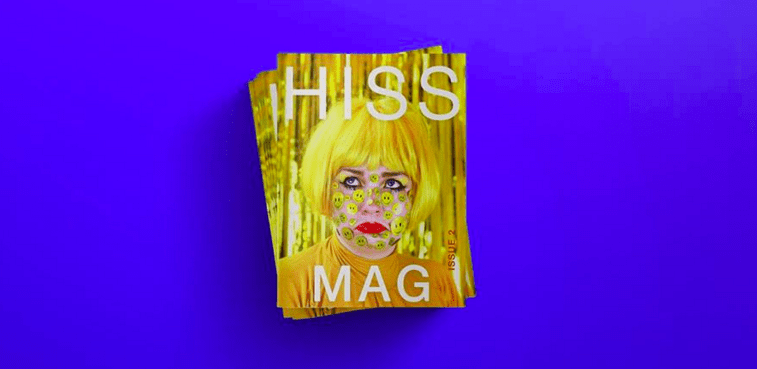

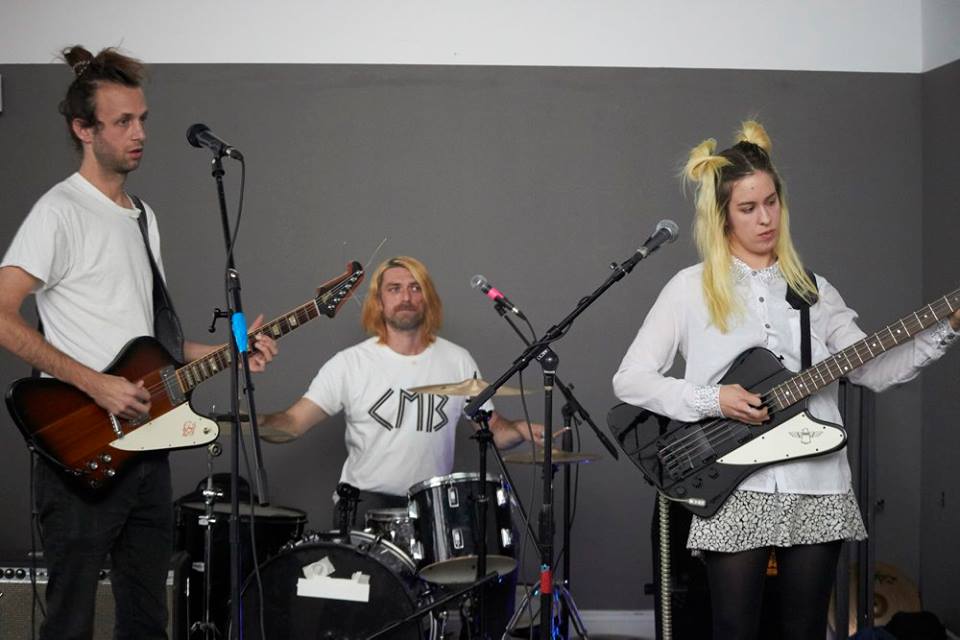


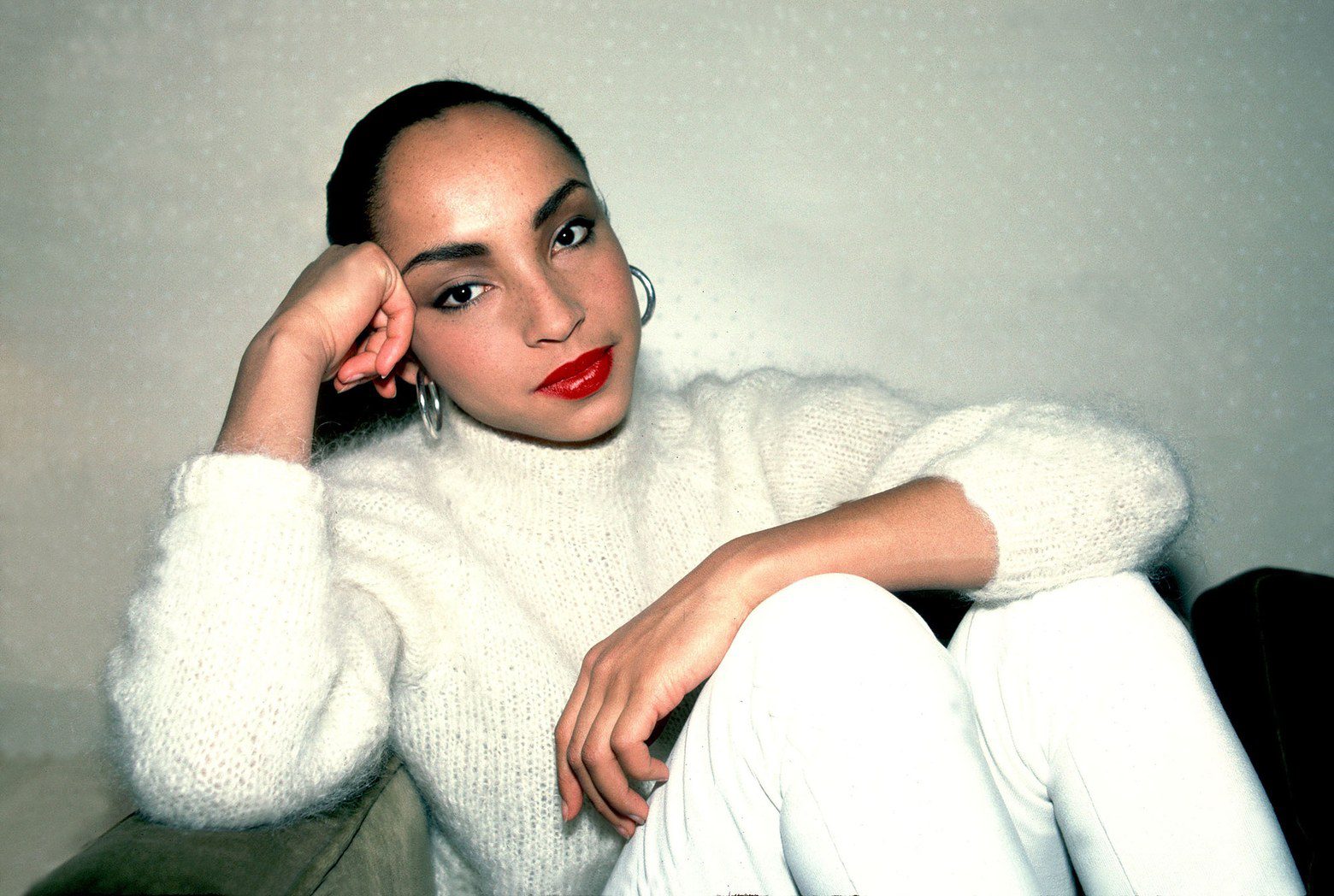
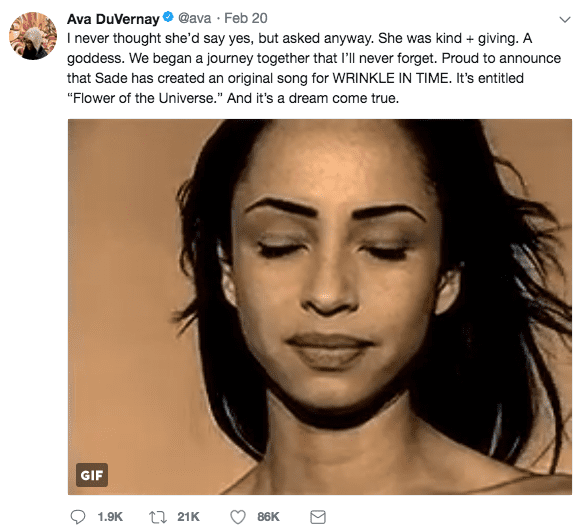
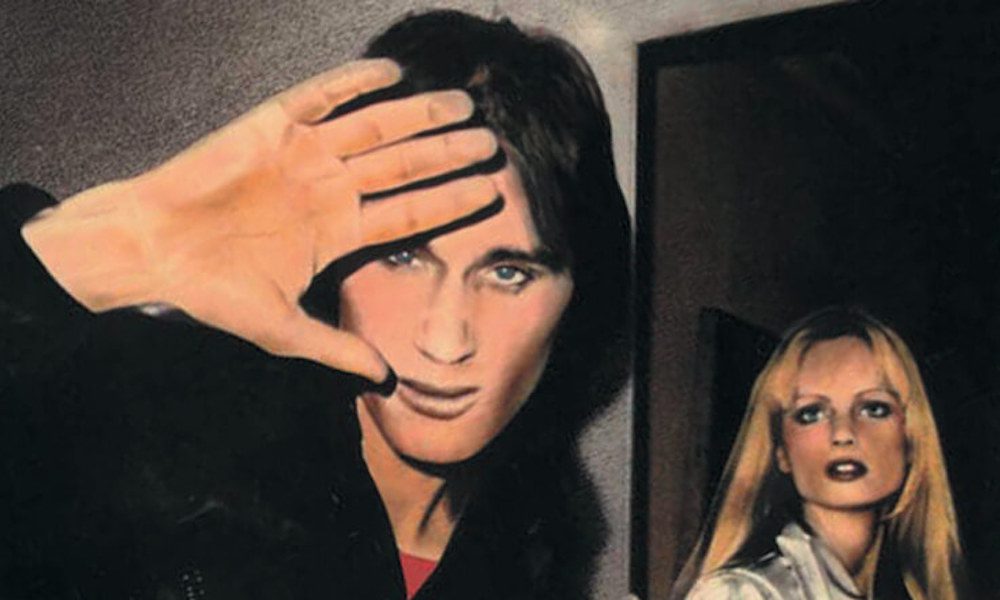
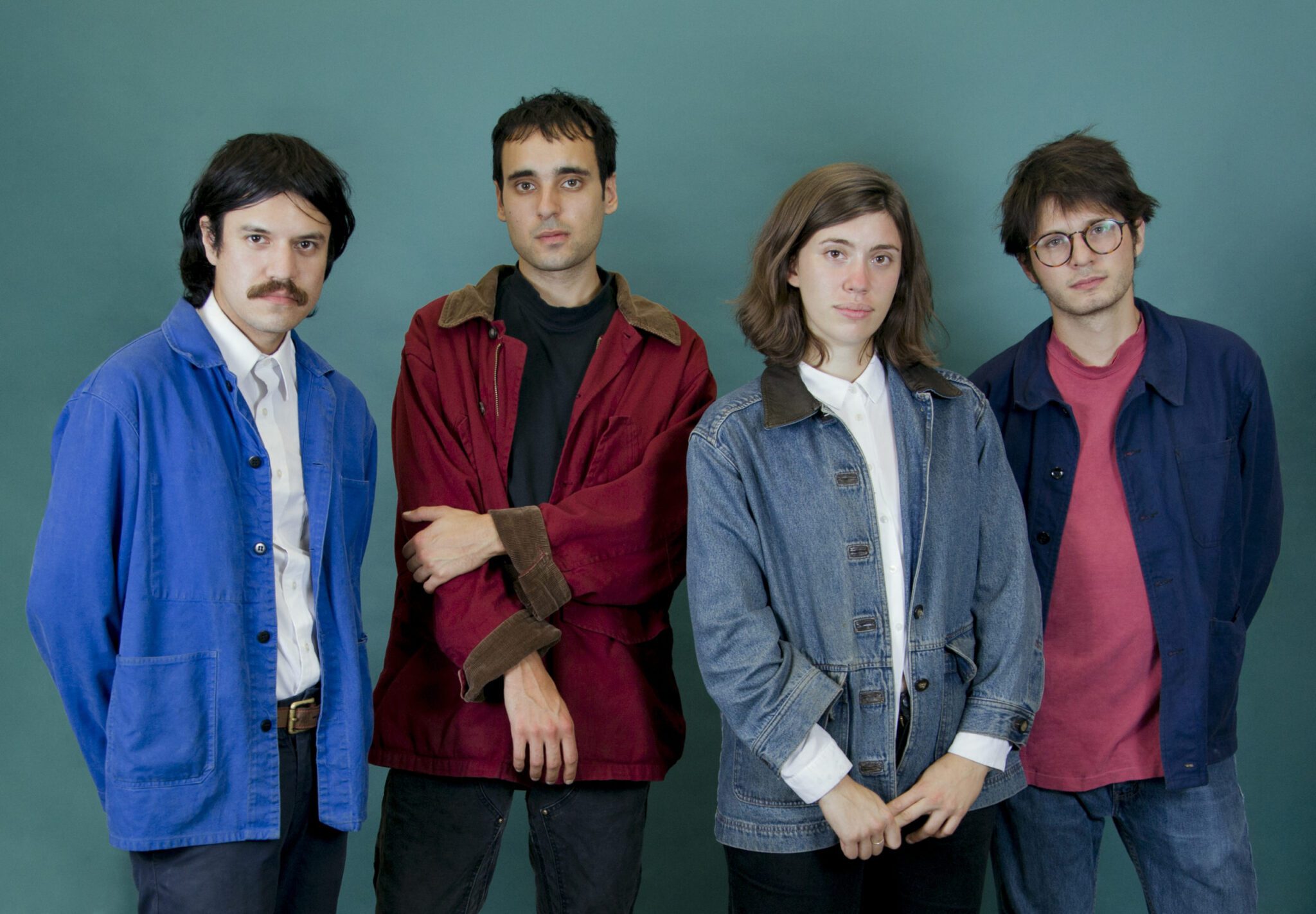
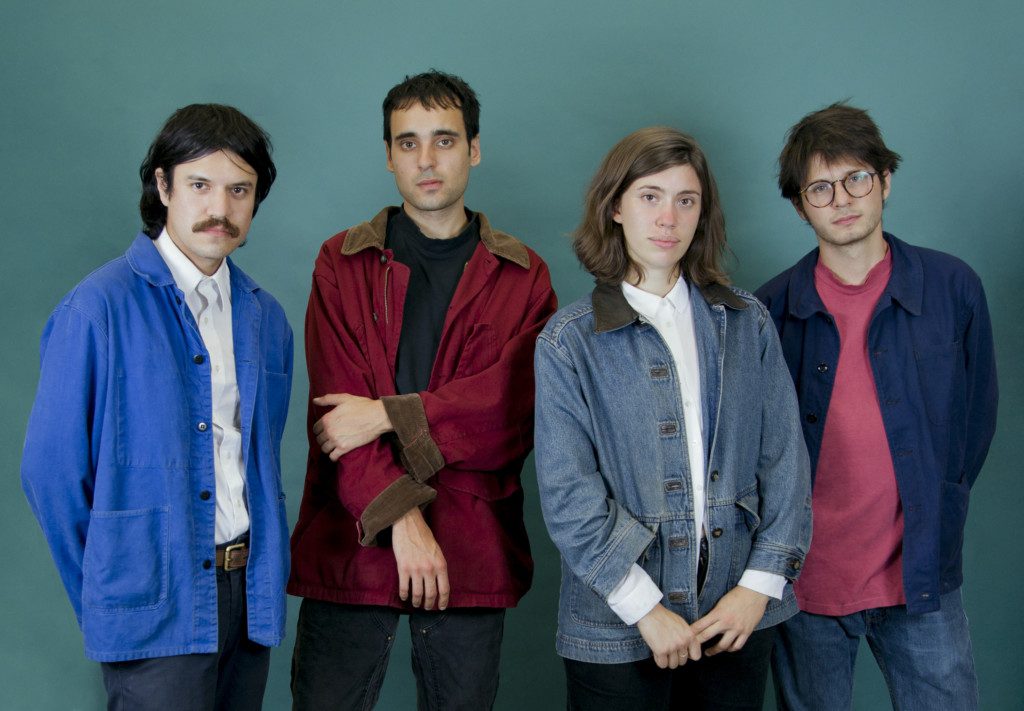
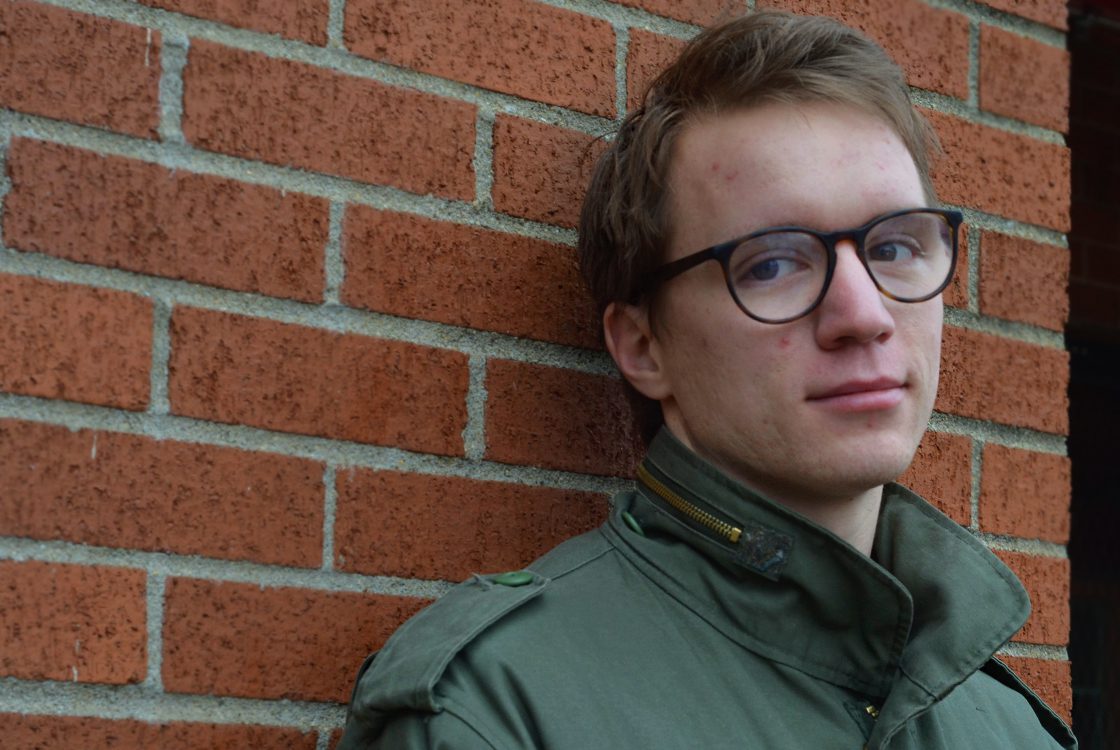
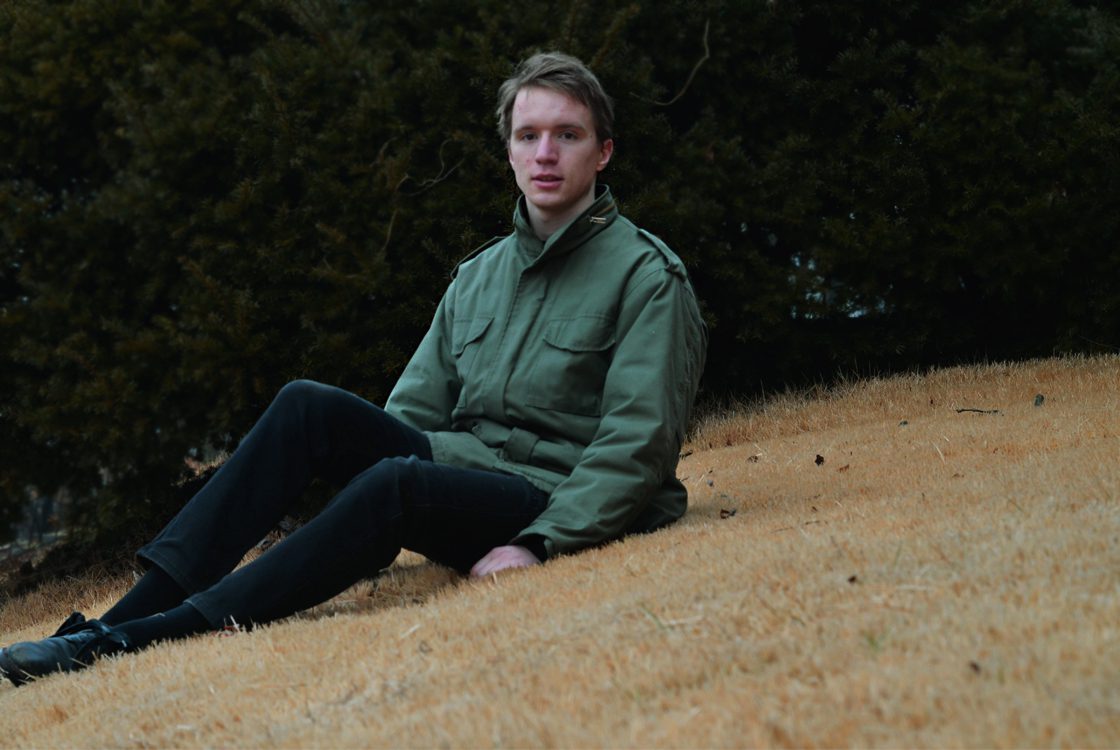
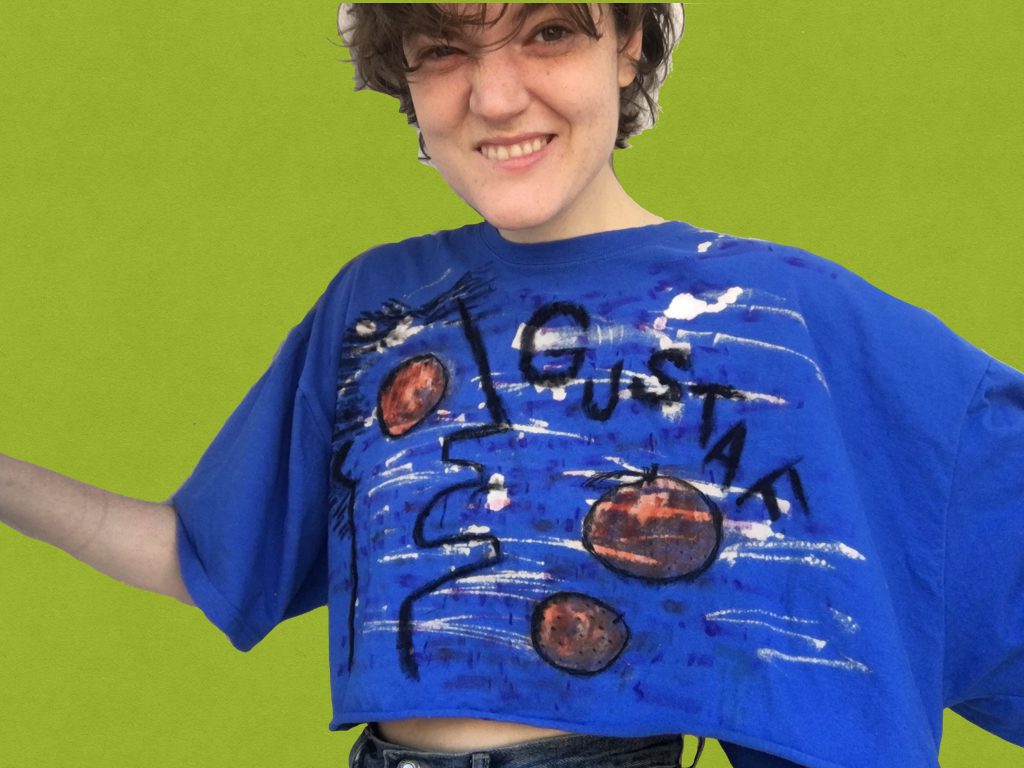

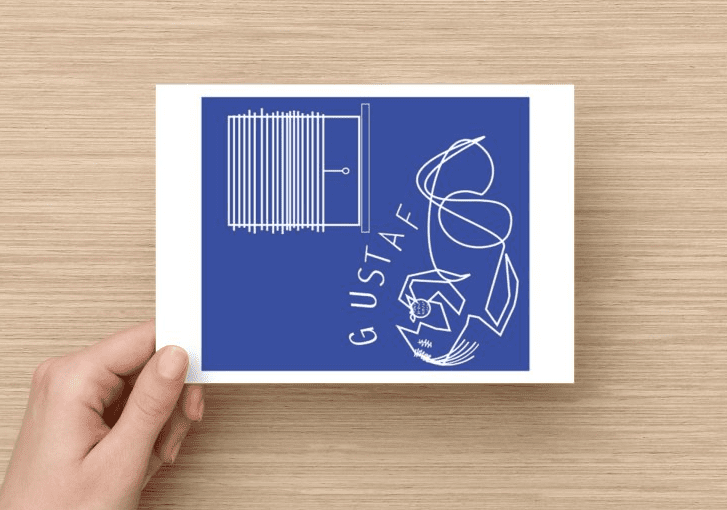
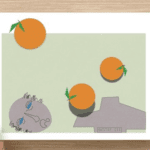
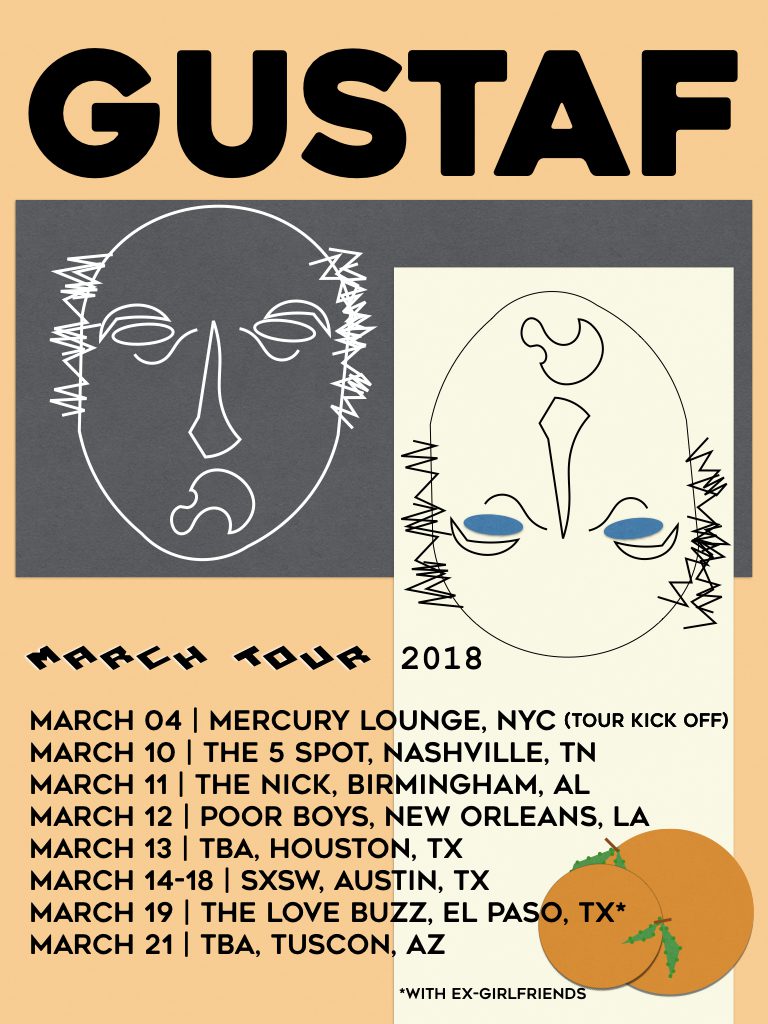
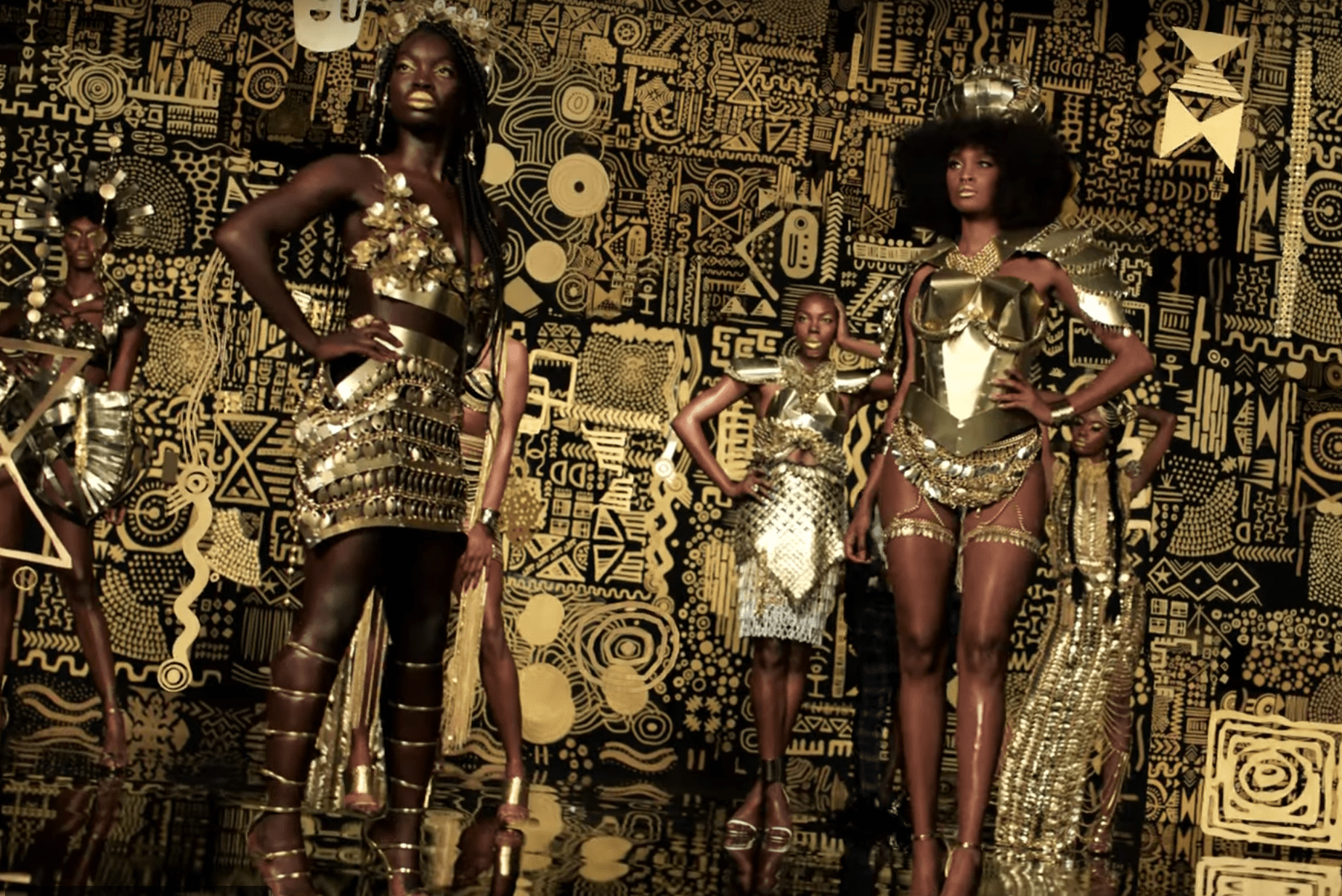
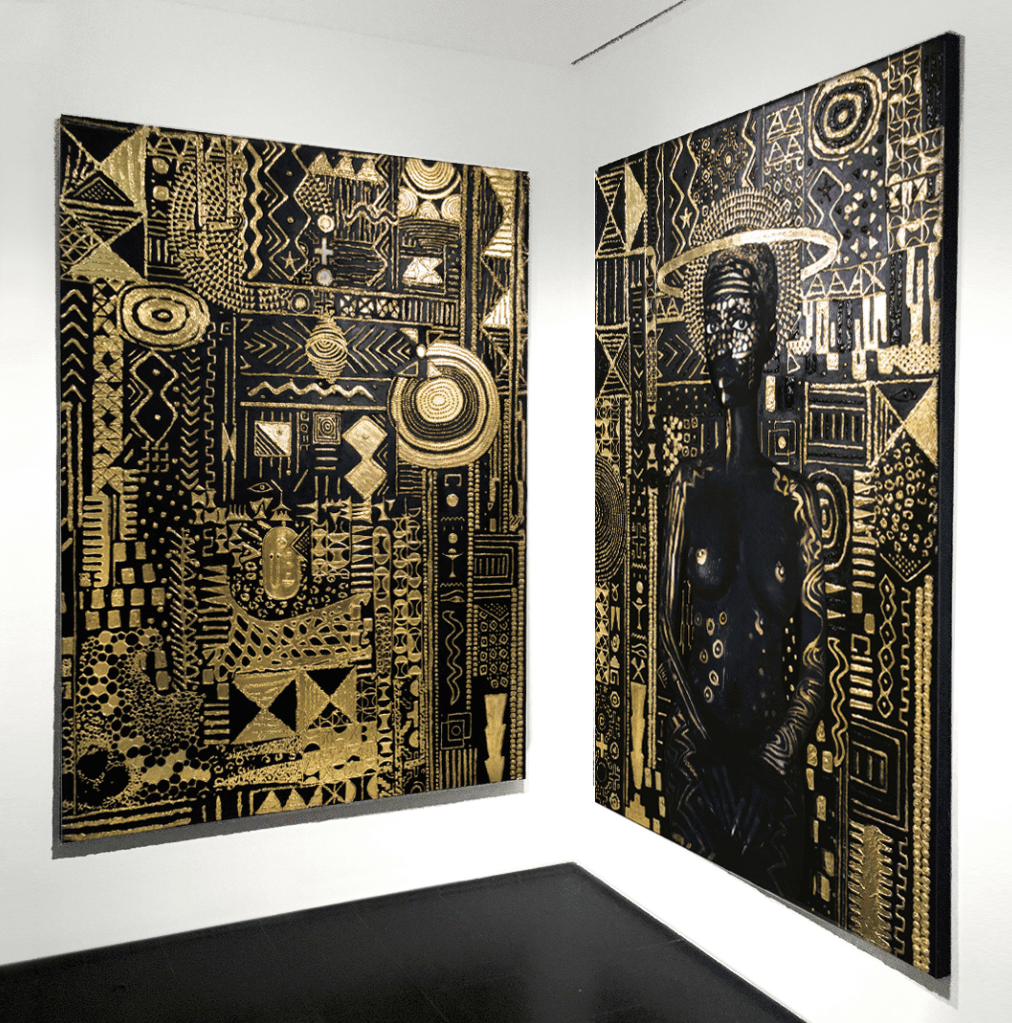
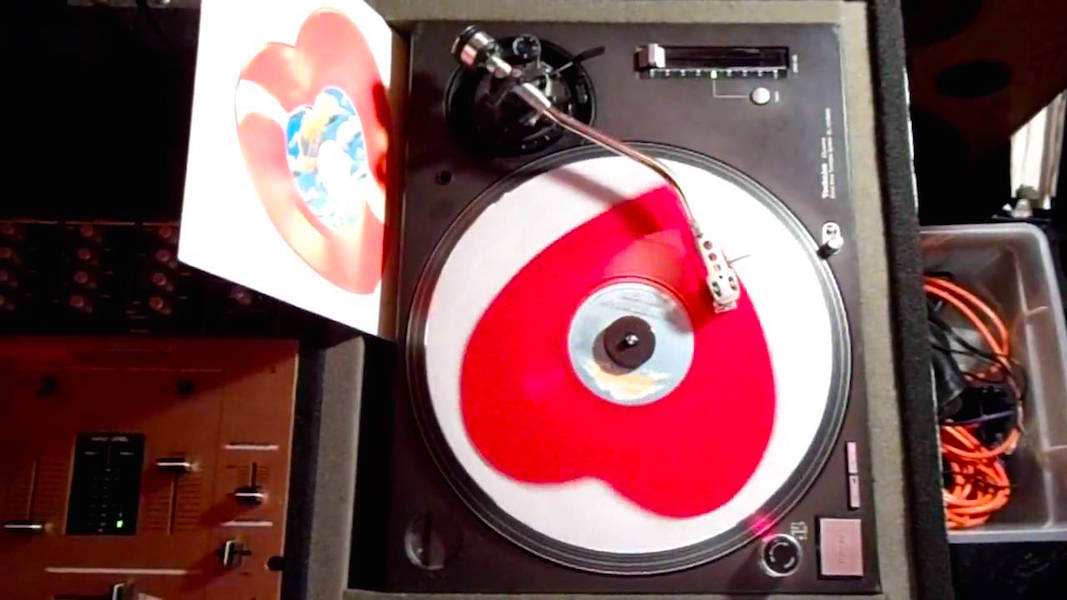
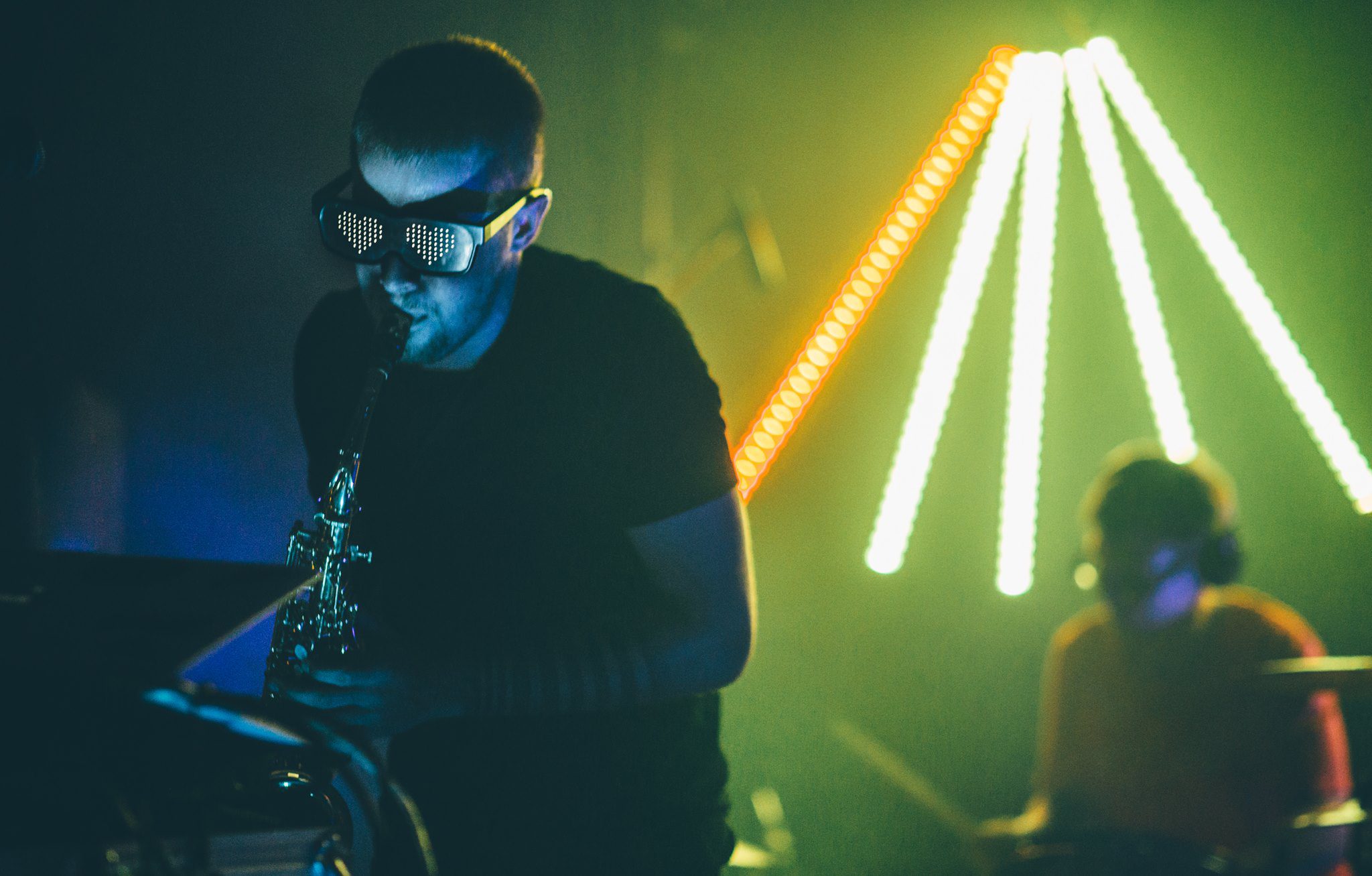


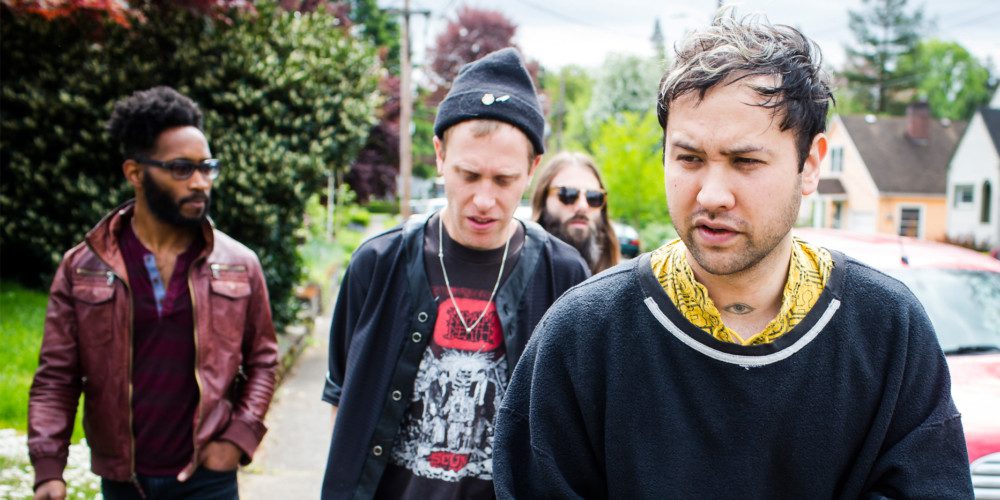
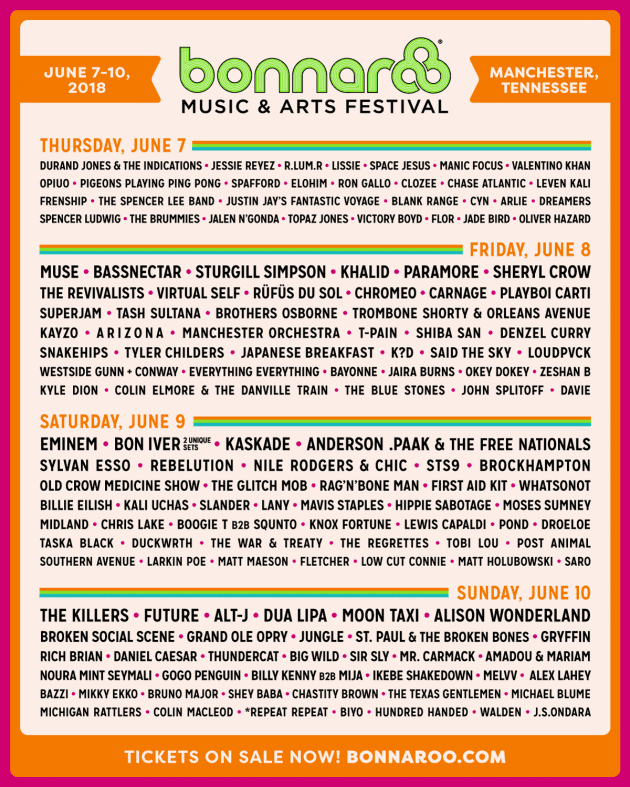
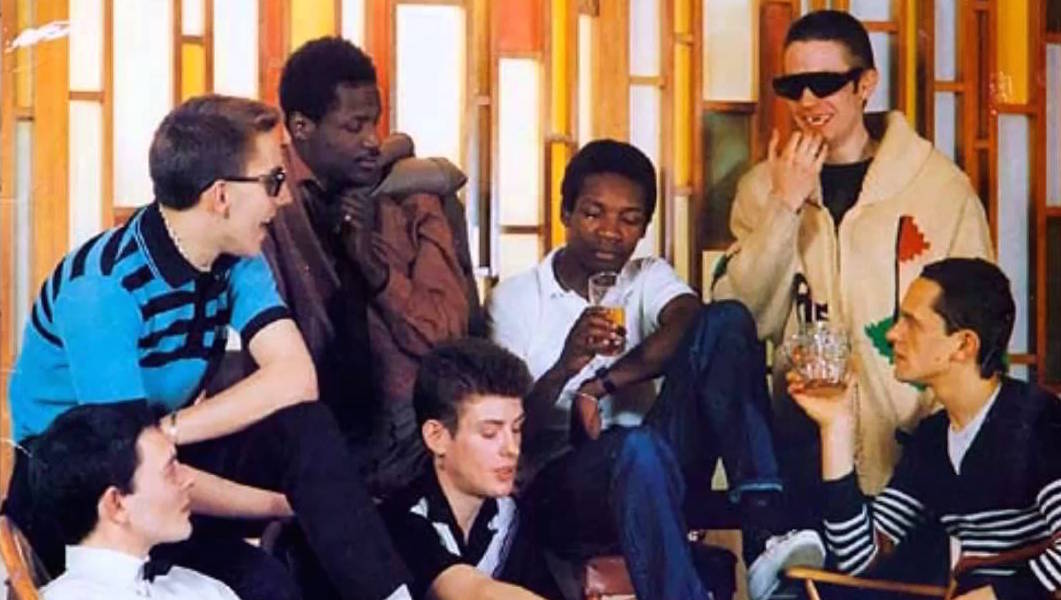
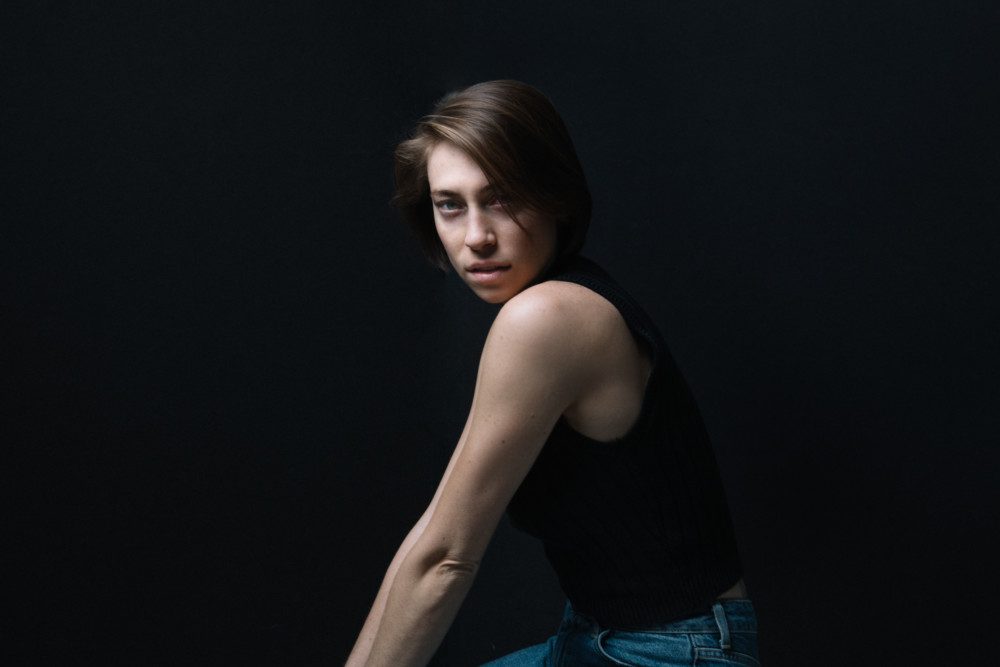
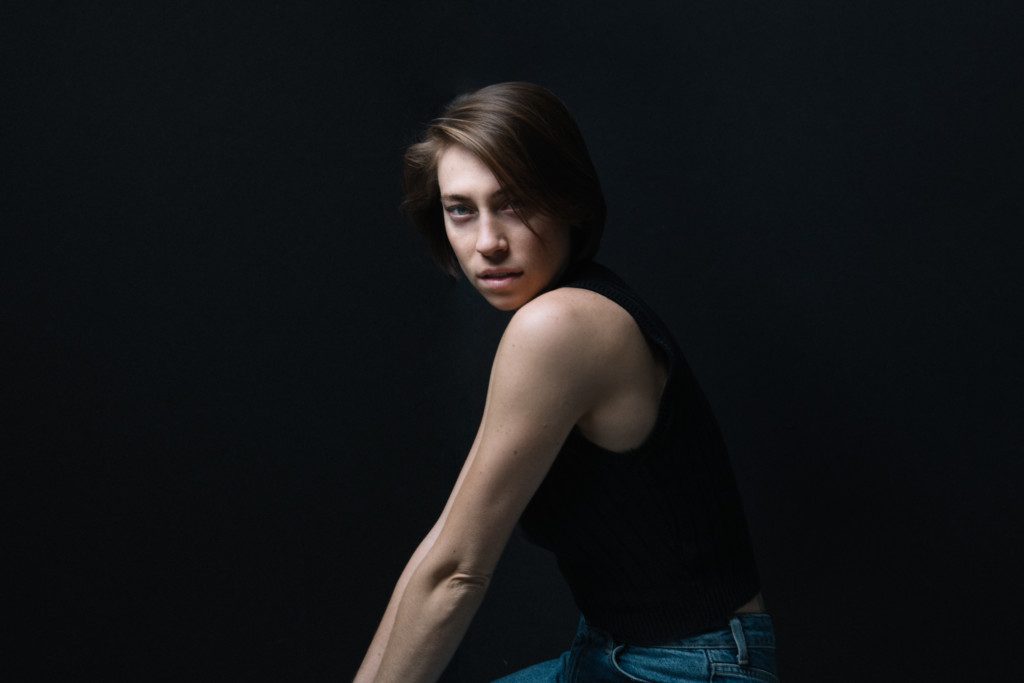
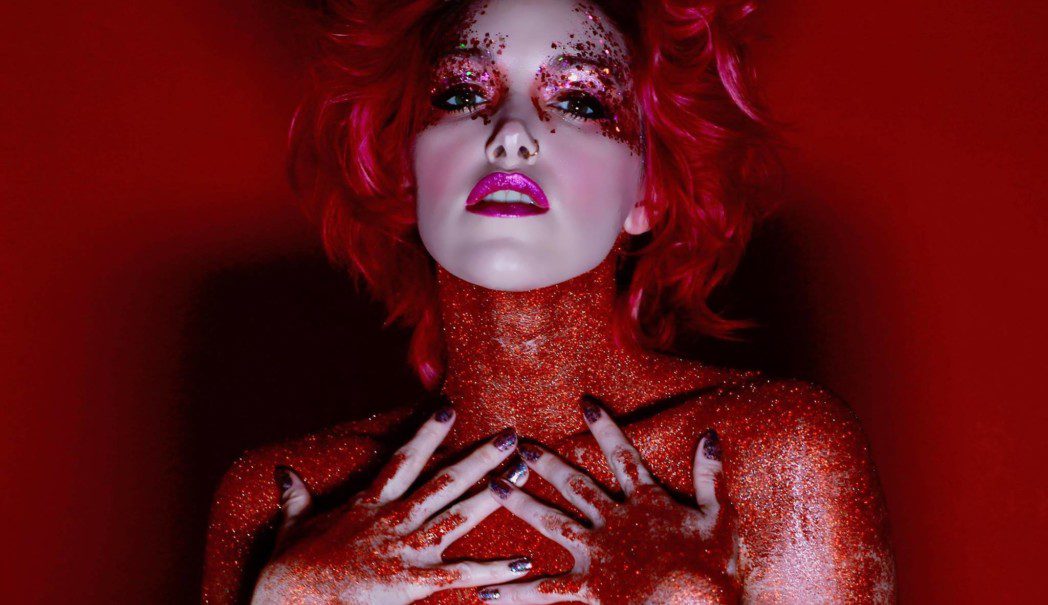
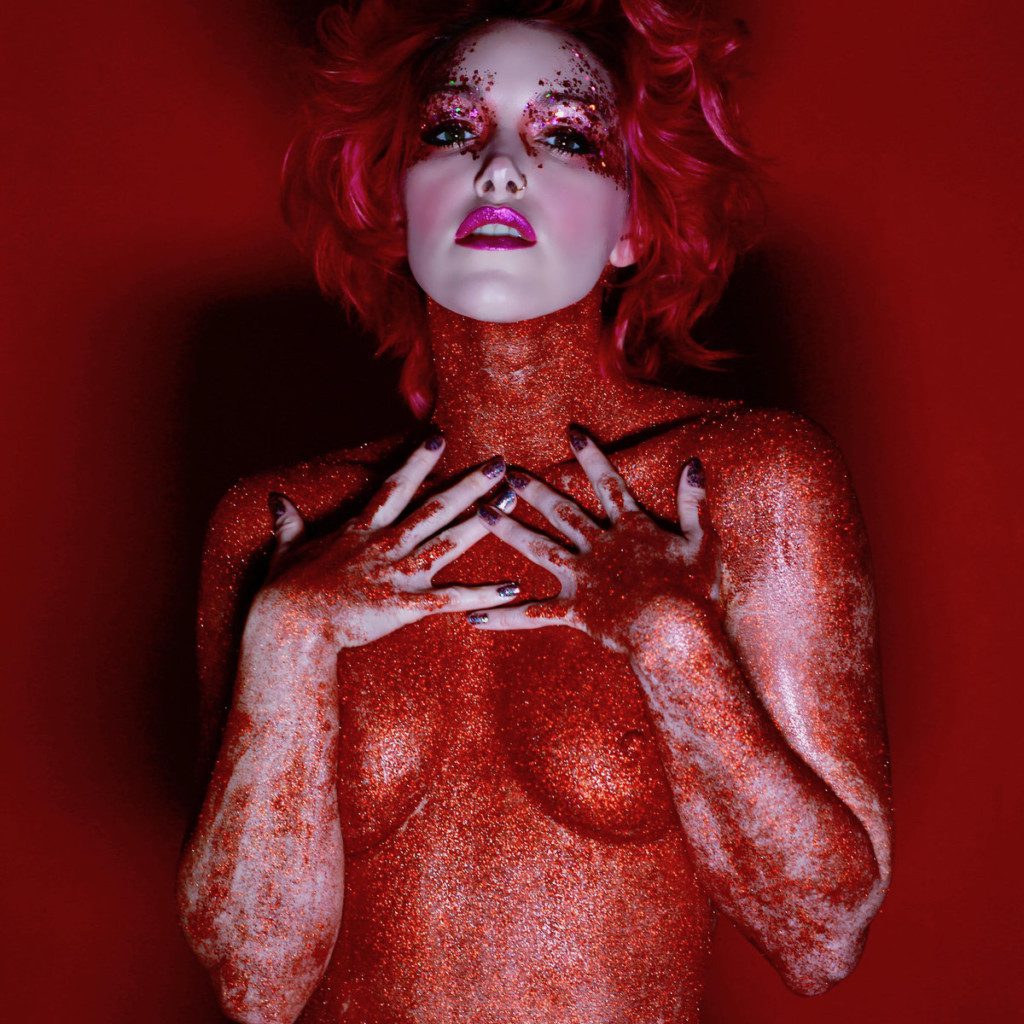
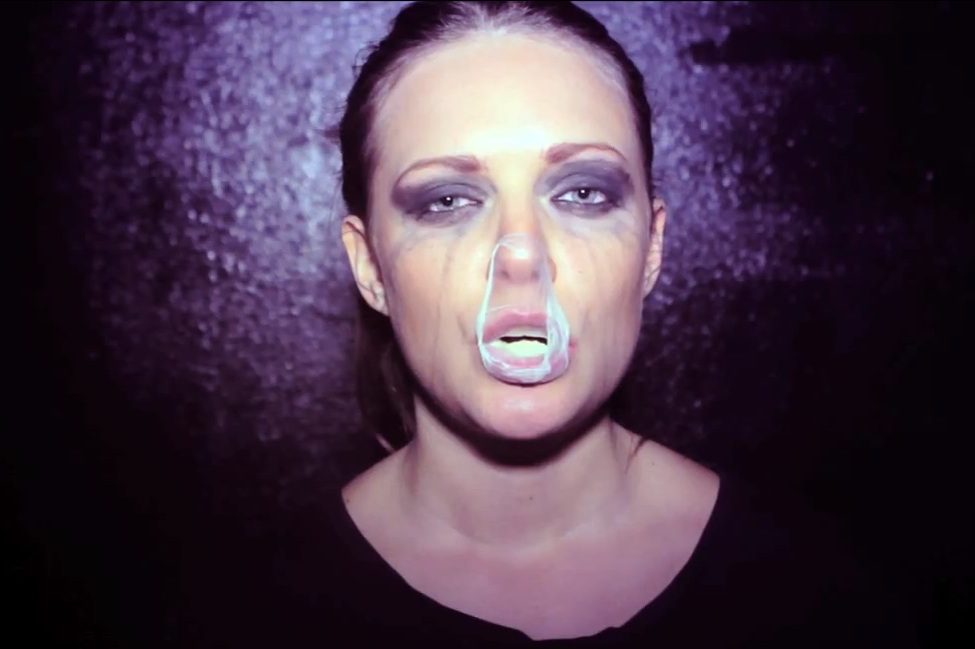
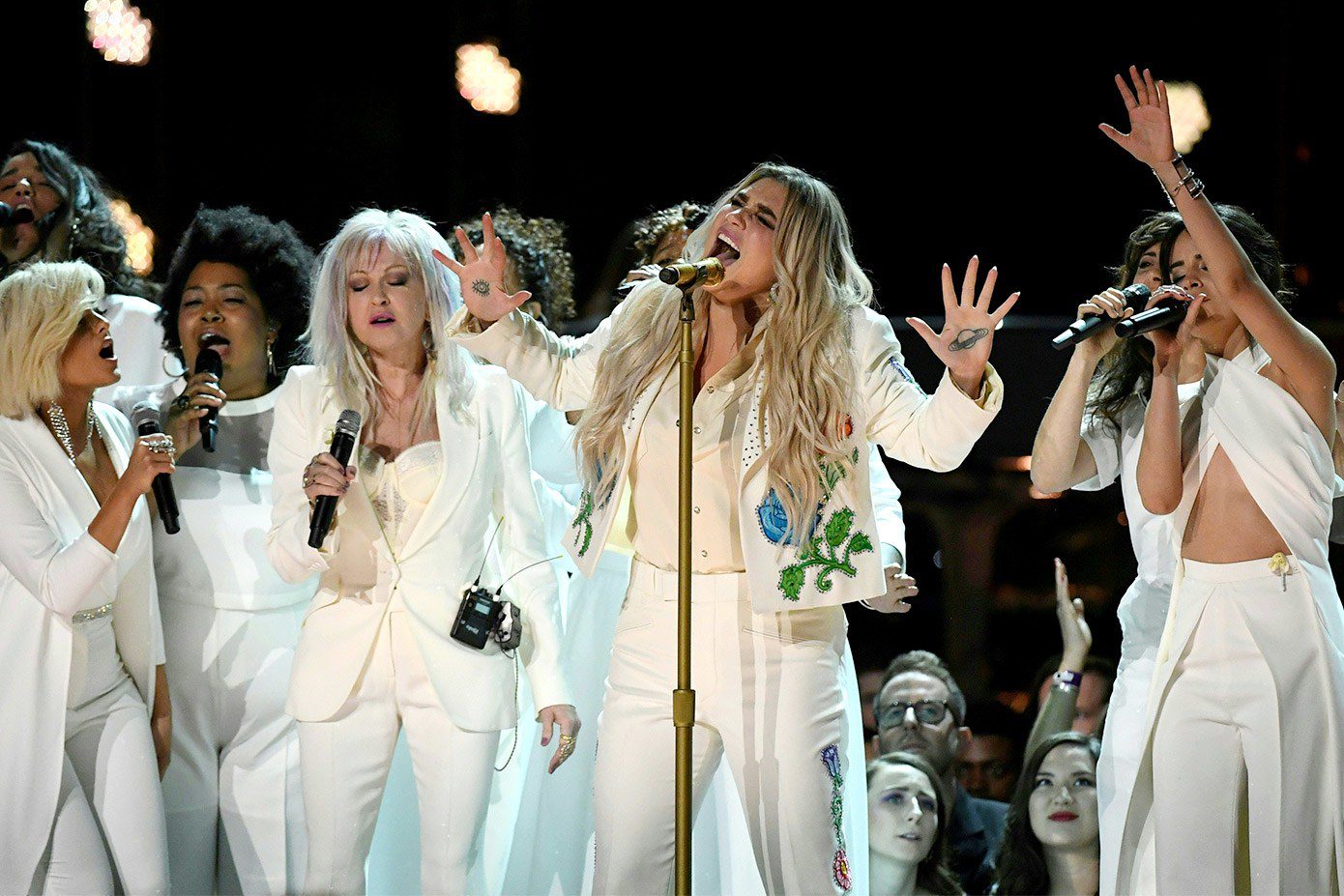
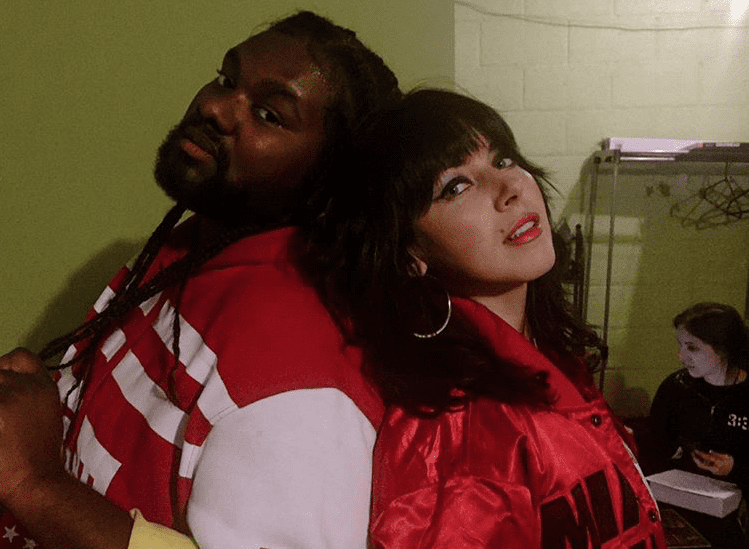
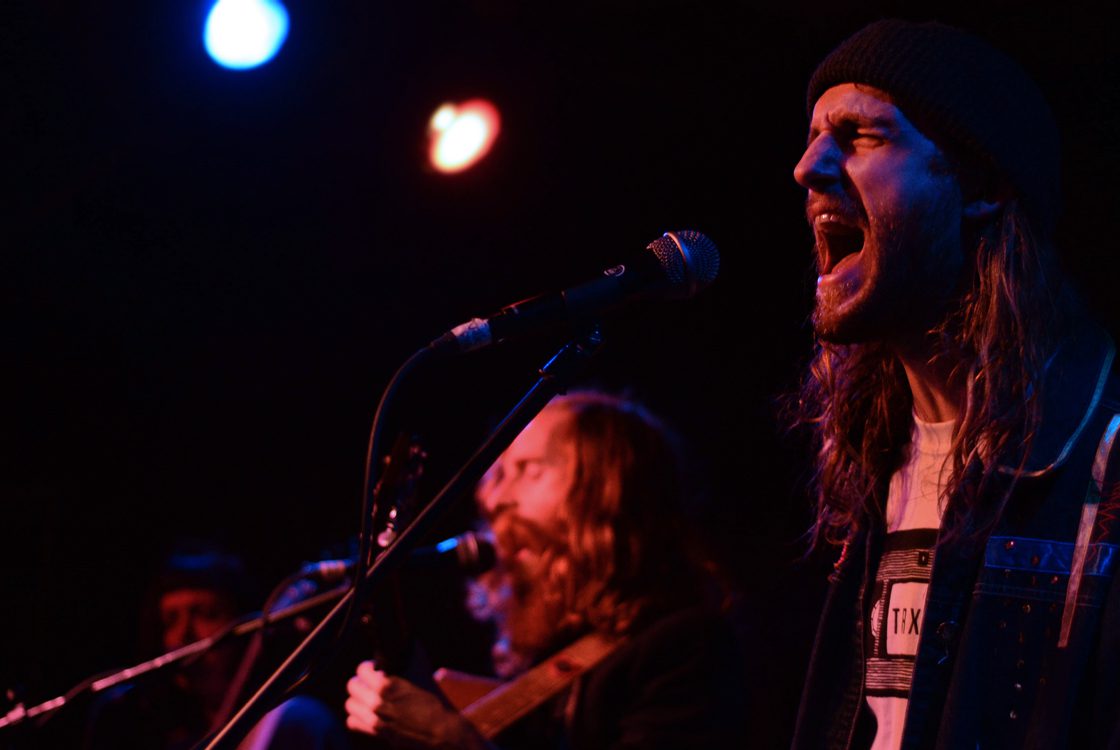
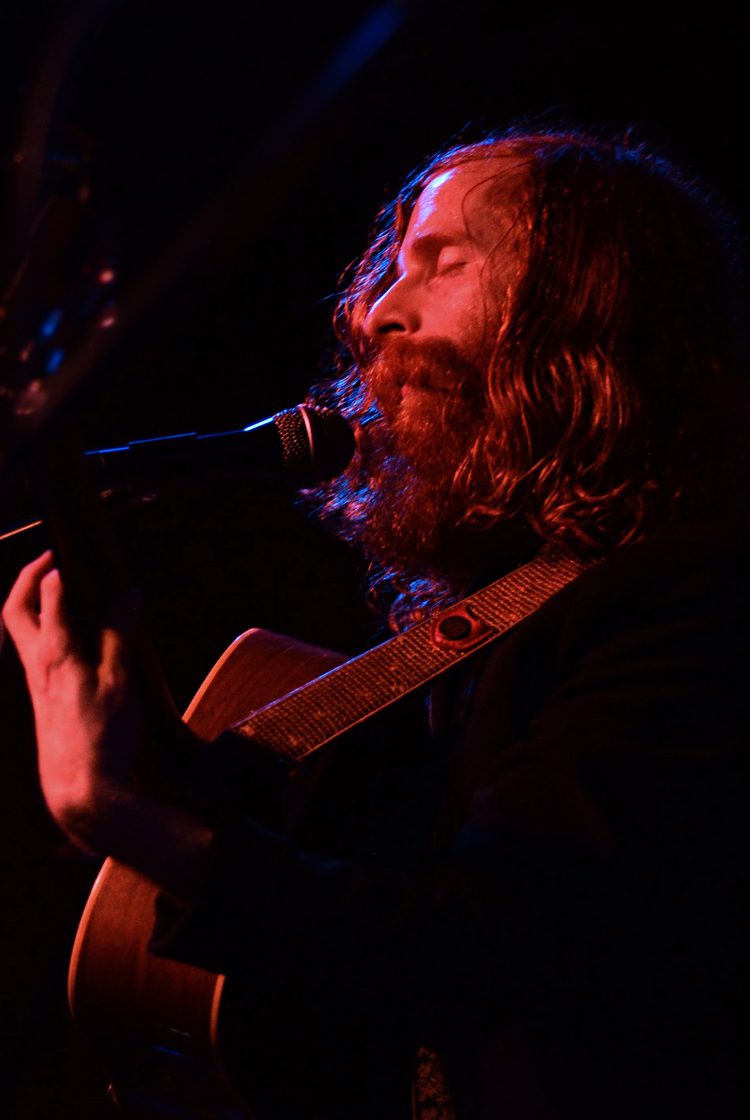
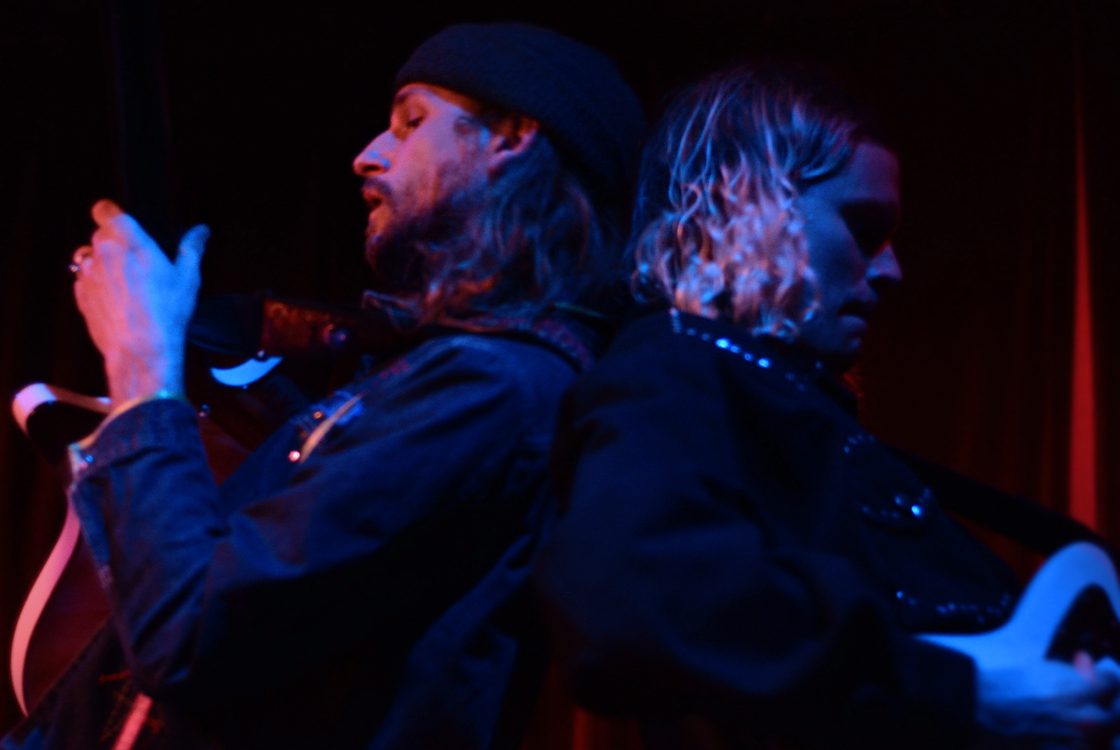
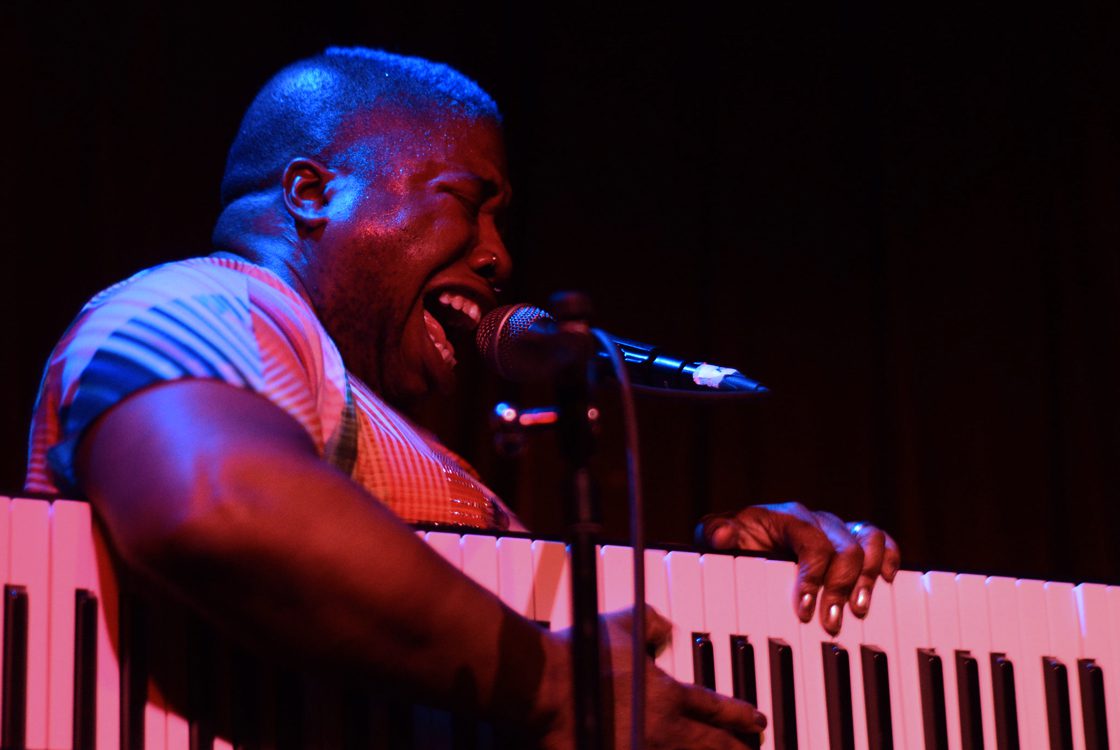
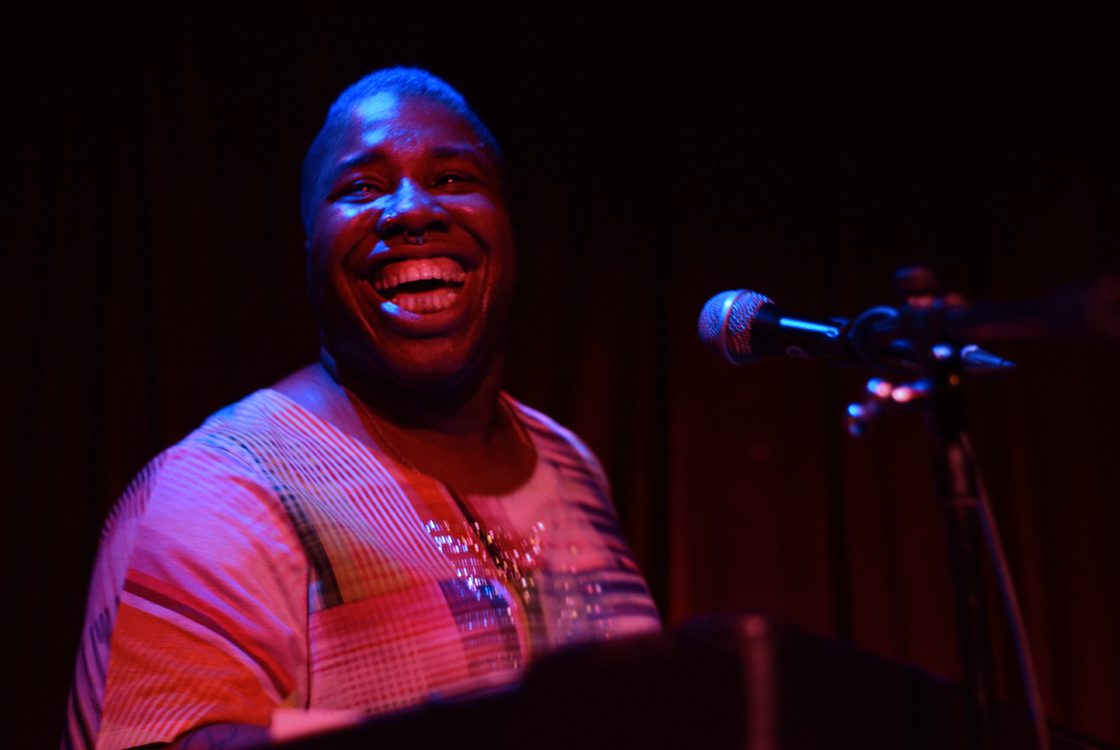
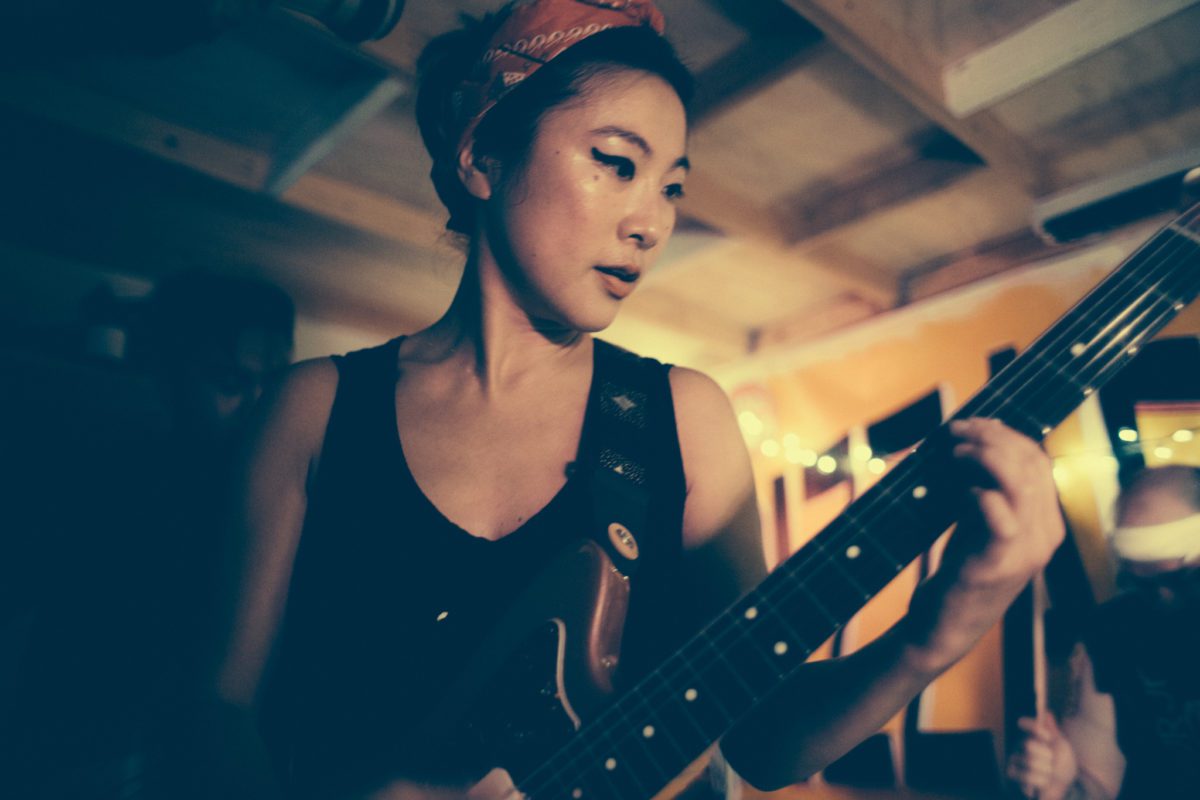
 [/fusion_builder_column][/fusion_builder_row][/fusion_builder_container]