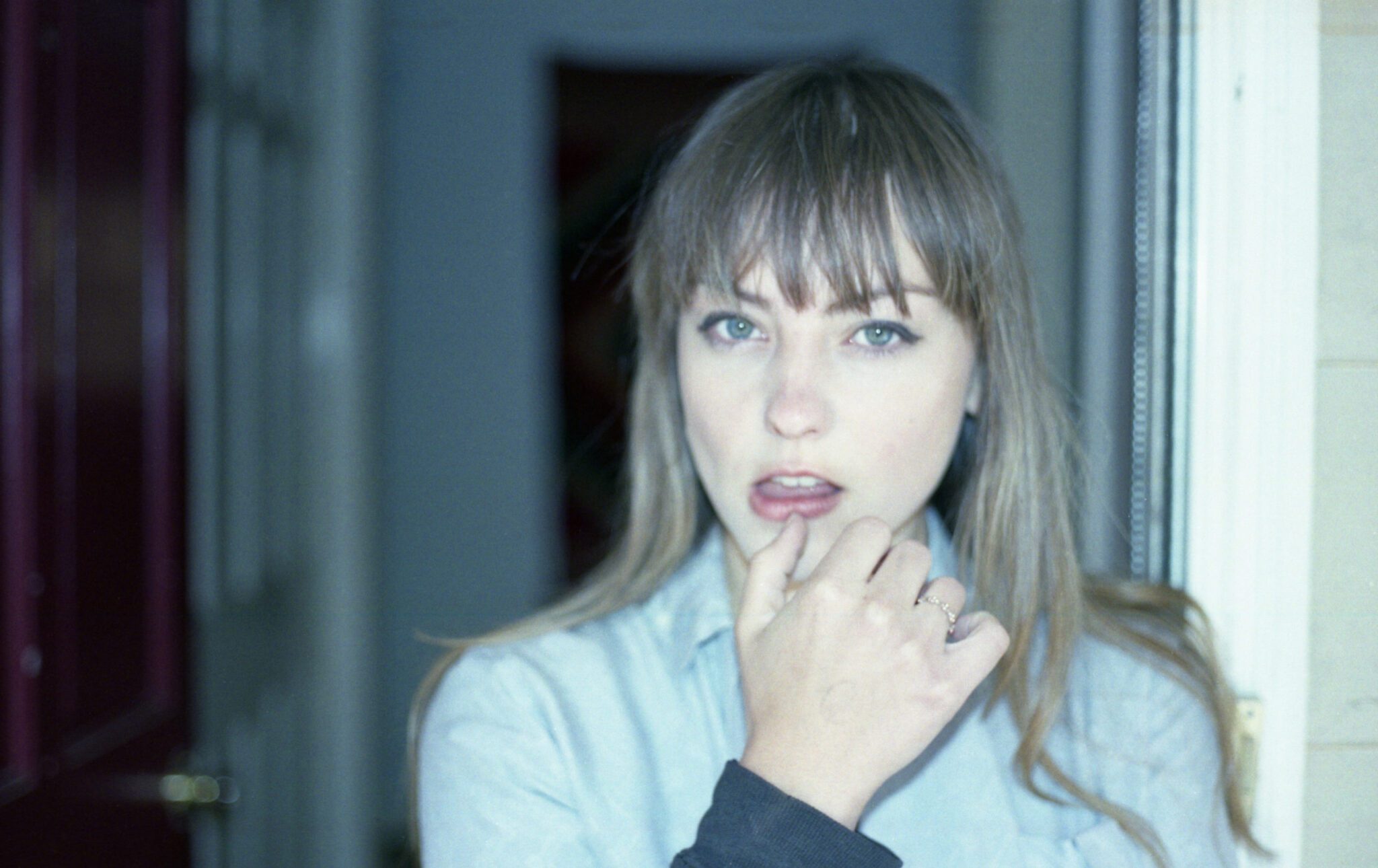
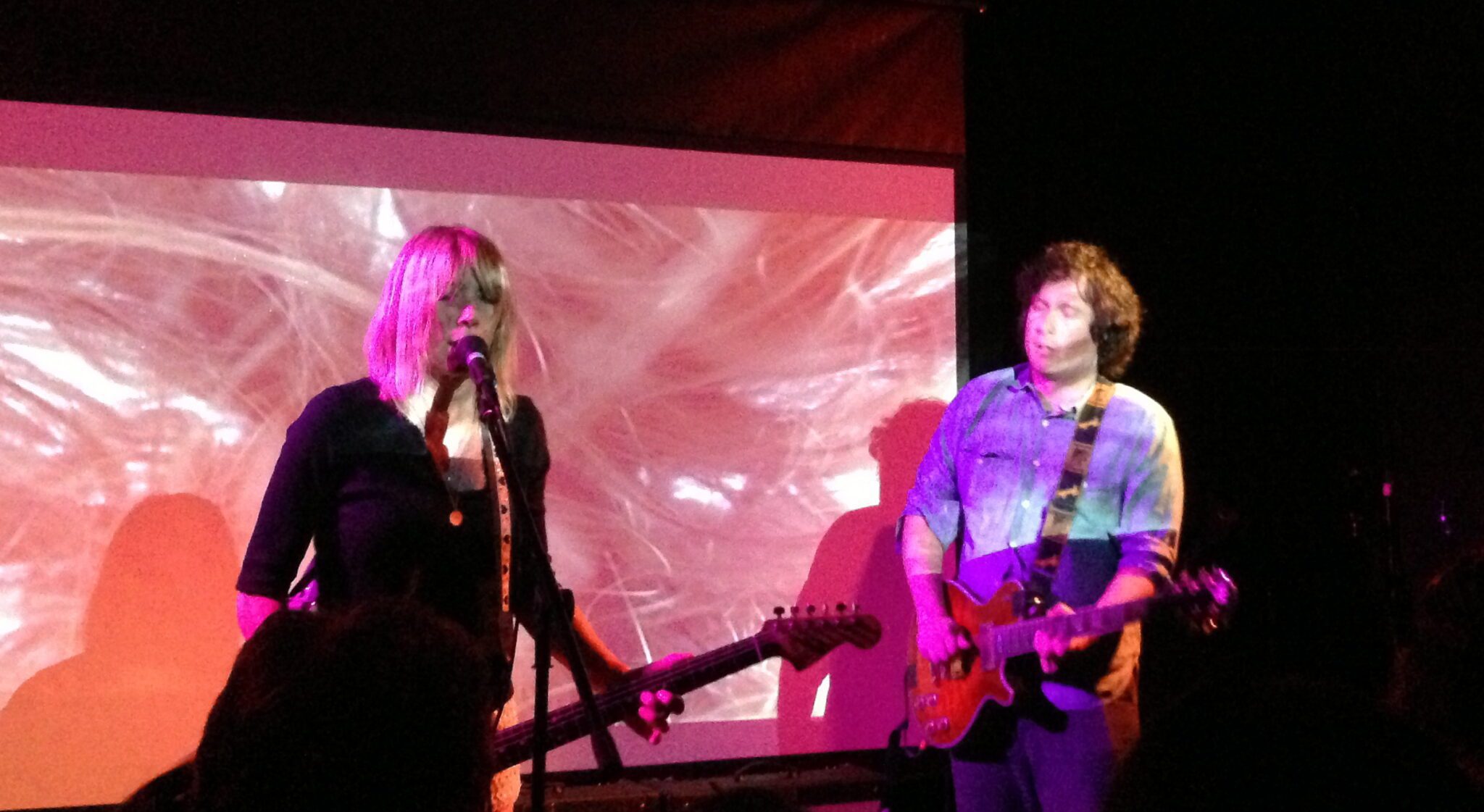
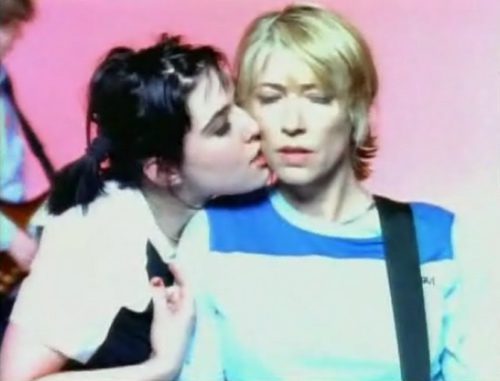
“I feel so lonesome I could cry,” Angel Olsen half warbles, half snarls on “Hi-Five.” The new single off her forthcoming album, Burn Your Fire for No Witness, blasts by in just under three minutes . Olsen’s voice bristles with clarity, striking a shimmering balance between vulnerability, earnestness, and rock and roll swagger. Pegged as an early frontrunner for a 2014 favorite, Olsen released her debut, Halfway Home in 2012. The first album favored folky acoustic guitar stripped down to spotlight the singer’s voice—one worth spotlighting, with a barreling, Southen-tinged electricity to it that ultimately overpowered its acoustic backdrop.
Nothing could make Olsen’s voice sound bad, but “Hi-Five” is flattered by its harshly lo-fi backdrop. Swampy guitar lines seethe in reverb, prolonging their high notes in the same way that Olsen draws out the highlights of her vocal lines. One of the singer’s many talents has always been an elegant lyrical handling of angst; her songs deal with isolation, betrayal, and being unable to speak one’s mind. The vocal lines double back on themselves too quickly to be mistaken for self-pity, the dejection cracks a smile, and on “Hi-Five,” Olsen follows up the crooning “Are you lonely too? Are you lonely too?” with an unsentimental “High five, so am I.”
The new album is a more rugged approach to familiar material, but that doesn’t mean Burn Your Fire will lose the intimacy of Olsen’s previous work. Although the increase in guitar work can make it seem, on first listen, as if Olsen is abandoning the folky stylings we saw so much of in Halfway Home, it’s really just a punchier interpretation of the same gorgeous, forlorn soul music. Instead of a new direction, Olsen’s recent singles seem to better encapsulate the goals she’s always had.
Burn Your Fire for No Witness will be out February 18th on Jagjaguwar. You can listen to “Hi-Five” below via SoundCloud, and click here to watch the video “Forgiven/Forgotten,” the first single off the new album.
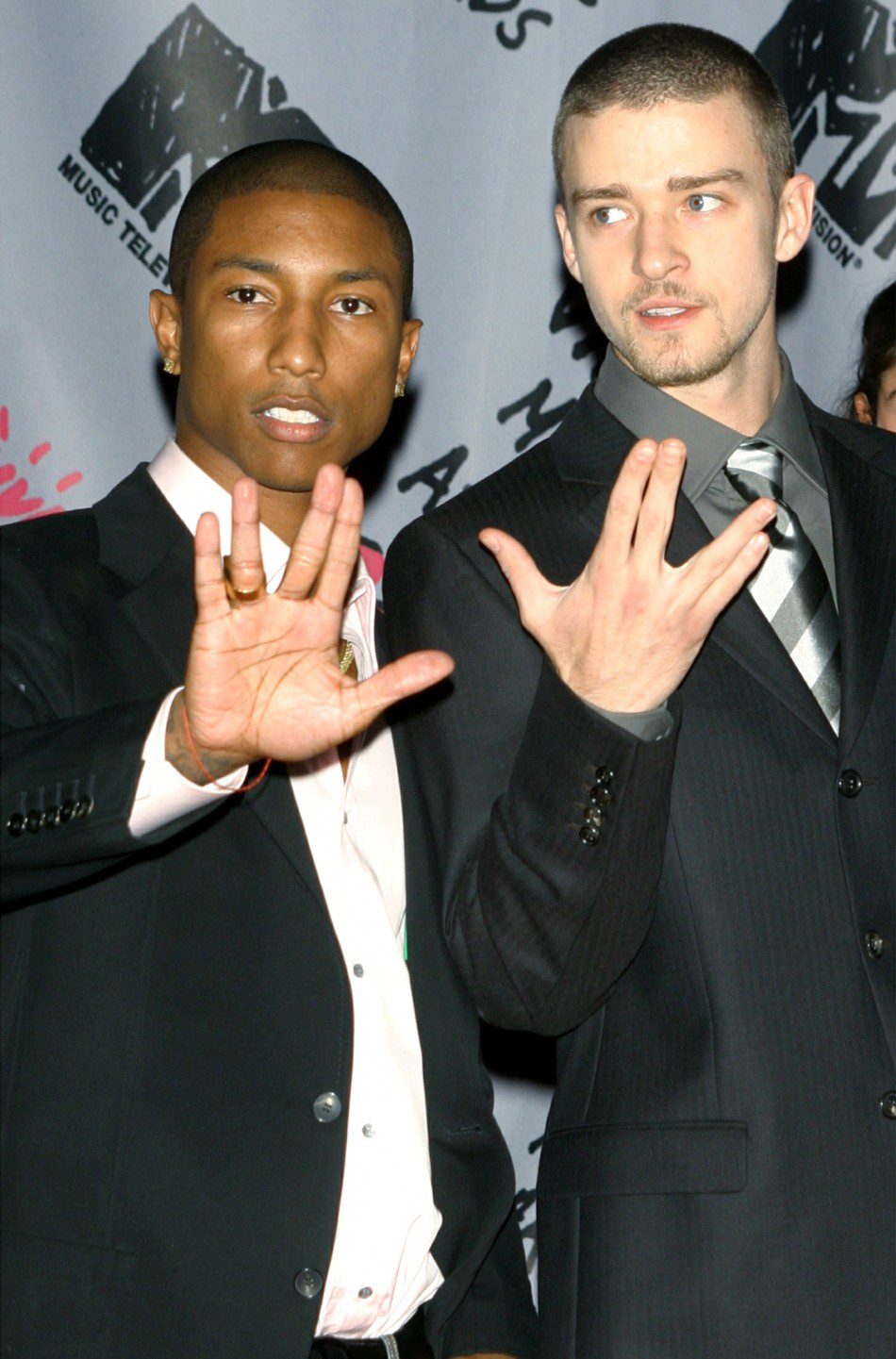
In hopes that the rumored Clipse reunion circulating the blogosphere this week is for real, we’re going through the best moments in The Neptunes’ career, which now spans two decades if we consider Blackstreet’s “Tonight’s the Night” their first official gig as a production team. Chad Hugo and Pharrell Williams have come quite a long way since 1994, hitting the top ten in Billboard’s Hot 100 with 24 of their produced tracks throughout the ‘90s and ‘00s and collecting Billboard and Grammy awards left and right along the way. Here’s a rundown of a few of their more memorable successes:
N*E*R*D
The Neptunes’ side project with Shay Haley is now sort of a cult favorite, though most would recognize their early ‘00s hit songs “Lapdance” and “She Wants to Move.” The trio deftly mixed rap with funk and rock, exuding swag long before the word was a trend. N*E*R*D gave Williams and Hugo the space to do everything their own way and show off the former high school band geeks’ instrumental abilities.
Britney Spears’ “I’m a Slave 4 U”
Brit knew she wanted a turning point in her already well-established pop career, and she chose the right guys to make it happen. “I’m a Slave 4 U” was not only produced but also written by the Neptunes, who had originally intended it for Janet Jackson; but let’s be honest: in Jackson’s hands, the song would’ve come off as more of the same. In the hands of a 19-year-old, virginal Britney Spears, though, it was explosive. And—especially when paired with an albino python at the 2001 VMA stage—it was perhaps the peak of this megastar’s career.
Gwen Stefani’s “Hollaback Girl”
After working with No Doubt on “Hella Good,” The Neptunes continued collaborating with Gwen on her breakout solo album, co-writing and producing the hottest hit off of Love Angel Music Baby. It seems like this is what the Neptunes do best: turning pop musicians into pop superstars.
Work with Kelis
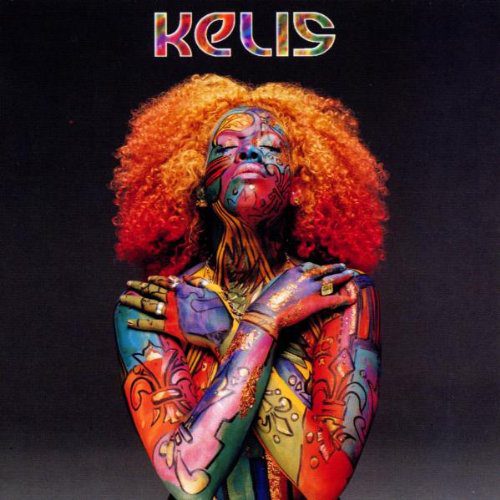
The Neptunes’ very first full album production gig came with Kelis’ debut record, 1999’s Kaleidoscope. In fact, they didn’t just produce that entire album, they also wrote, arranged, and provided instrumentation and vocals for the majority of it. Kaleidoscope didn’t do so well commercially but critics gave it high praise and Kelis continued to work extensively with the Neptunes for her sophomore record, Wanderland, and of course for her third record, Tasty, which featured the Neptunes-penned track we all know: “Milkshake.”
“Drop It Like It’s Hot”
Snoop Doggy Dogg may have come up under Dr. Dre, but his first single to ever reach number one on Billboard’s Hot 100 was written and produced by none other than the Neptunes. For a while, this song was the most substantial mainstream representation of Pharrell, who provides vocals and is heavily featured in the video, but his and Hugo’s behind-the-scenes production work on the track is what gave it that unforgettable, tongue-clicking sound.
Work with Clipse
Pusha T and brother Malice were to the Neptunes as Eminem was to Dre. Their mainstream success was limited back in the day—“When the Last Time” being their biggest hit—but Pusha T in particular has significantly developed his sound, especially with last year’s solo album My Name is My Name. Any new Clipse material would likely be a huge step forward from their last release, ’09s Til the Casket Drops. Pusha T recently posted pictures on Twitter of Hugo and Williams in the studio, so here’s to hoping Malice is getting in there soon, too.
Justin Timberlake’s Justified
As most of us know, JT’s debut solo album included pop gems like “Senorita,” “Like I Love You” (featuring Clipse), and “Rock Your Body,” all of which have the Neptunes’ instantly recognizable fingerprints all over them. Truth is, Justin’s transition from N’SYNC to solo career would not have gone so incredibly smoothly without the Neptunes’ work on those supersmash hits; and who knows, without the crazy success from his first foray as a one-man-show, maybe today’s JT wouldn’t be nearly the pop legend he has become. So let’s all take a moment to silently thank Hugo and Williams for introducing to the world the Justin Timberlake we all know and love today (not just figuratively but literally, if you count those first few seconds of “Senorita”).
2004 in general
This was a great year for the dynamic duo, who snatched the Grammys not only for “Best Pop Vocal Album” as the producers on Justified but also for “Producer of the Year, Non Classical.” The Neptunes were also nominated that year for “Best Rap Song” and “Best Rap/Sung Collaboration” as producers for Jay-Z’s “Excuse Me Miss,” Snoop Dogg’s “Beautiful,” and Pharrell’s own “Frontin’.” These guys were basically ubiquitous in 2004—hell, even theNew York Times ran an article about them. This was their heyday, but hopefully with Hugo and Williams back in the studio along with Pusha T, plenty of good things are on the way.
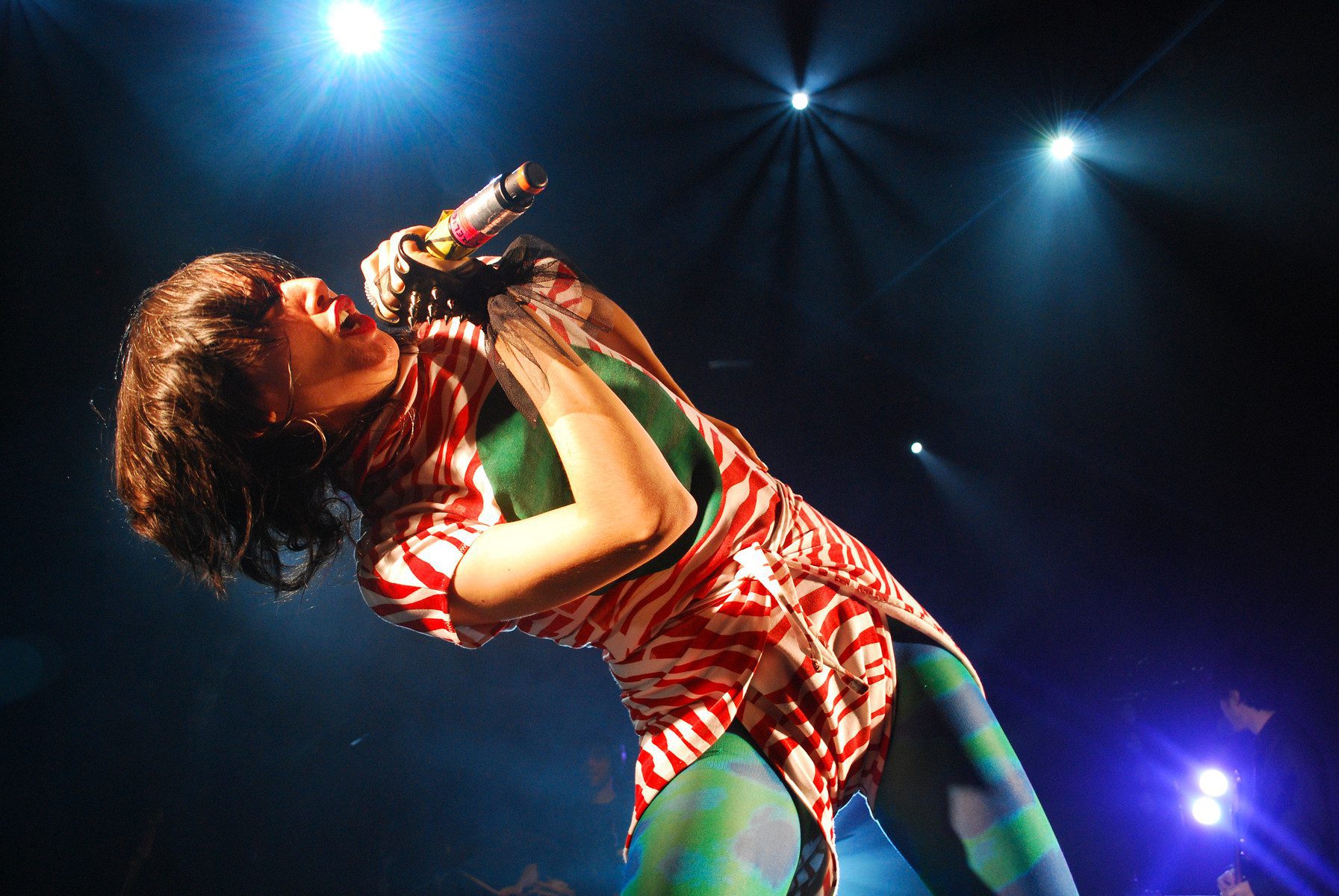
Every Thursday, AF profiles a style icon from the music world. This week, we bring you Karen O, whose loud mixed patterns and punk rock glam has been setting trends for over a decade.
When Yeah Yeah Yeahs released Fever To Tell in 2003, Karen O already had a reputation as one of the New York dance-punk scene’s most brazen babes. Her off-the-wall aesthetic extended from her fashion sense, to her outrageous behavior, the band’s raw glam rock sound, the DIY-inspired album and artwork and merch, and the band’s cool, creepy videos. What was hard to imagine back then was that Karen O would be able to keep up with her own antics. But ten years later, she’s only grown more creative, remaining a true visionary when it comes to owning an outfit.
Karen O’s madcap style grew out of her beginnings as a visual artist. Her crazed costume collaborations with Christian Joy put her on the style map from the get-go. Part wardrobe, part wearable art installation, Karen’s outfits were just the beginning of her rowdy performance persona. She has said in interviews that certain outfits served like a Superman costume, imbuing her with momentous power and confidence. She’s never given up her classic mic-swallowing, water-spitting moves, even as her style has evolved.
From outrageous patterns far wild than your typical animal print to gold and silver lamé bubble dresses, one-of-a-kind kimonos, and custom-made costumes, you’d have to get a little crafty to totally emulate Karen O’s style. When she’s not modeling berserk ornaments and prints, she’s keeping it cool with studs, but even her trusty leather jacket is personalized with her initials. In the video for “Despair,” she rocks a yellow jacket, studs on the collar – classy and edgy simultaneously!
Accompanying her sterling jackets are usually silk-screened tees, with some kitschy images like hearts, coffee cups, or lipstick. Other times she goes for simple stripes. Karen O ais one of the most elegant and edgy punk-rock chicks to ever dress for the stage. We’ve provided some suggestions for incorporating her bad-ass style into your own look on our Pinterest board below. Browse while listening to one of this avant-garde fashionista’s most recent jams here:
Sondre Lerche‘s shadowy soundtrack to the Sundance contender The Sleepwalker opens with a love ballad turned inside out: “You Sure Look Swell”, is a familiar melody of lullaby arpeggios, touched with a creepy distortion that becomes more prevalent as the album progresses. Picture an empty gas station with flickering lights, at a nowhere intersection in the middle of the night, with an old radio behind the counter playing Skeeter Davis, the song slowly being overtaken by radio static. That’s the effect.
The track—one of a minority of vocals-heavy songs on the record—ends with a total disintegration into the white noise that has been threatening it from the very first chord, the initially sweet lyrics melting into something sinister. The vocal lines recall the balladry of sixties country pop, and their incongruency with the surrounding music defamiliarizes their warmth. The contrast is further accentuated, in the three subsequent vocal tracks on the record, by silvery female vocals. Ably handled by Marit Larson, Nathalie Nordnes and Sylvia Lewis, the mournful prettiness of the singing offers relief against the instrumental tracks, where the album is at its bleakest.
Spooky ambience and chaotic classical influences mark a sharp departure for the Norwegian musician and composer, whose discography since his debut in 2000 has circled around friendly indie rock melodies flecked with jazz, lounge and eighties pop influences. Sleepwalker is his second soundtrack (in 2007, Lerche recorded a pop collection for Dan In Real Life that bore his musical signature so strongly it could easily have been released as a standalone album). This was a credit to Lerche: his music framed the film without deferring to it, and although the album shifted gracefully into the role of chronicling for a visual storyline, the album was still essentially a collection of songs.
Not so in Sleepwalker. Lerche wrote the music for the soundtrack with Kato Ådland, an actor and composer who had an acting role in Dan In Real Life. The result—Lerche’s first collaboration—is a far-reaching, textured soundscape with elements of spiny, jumbled classical and jazz. Particularly on the less linear second half of the album, the songs don’t feel so much like songs as they feel like one large, shapeshifting piece of music. The guitar arpeggios that predominate in the first track fade in and out of the less melody-driven back half of Sleepwalker, but feel farther away, as if they’re emerging out of a thick fog or through a dream. A common beat—a foreboding, clock-like rhythm shared by strings, electronics, and percussive instruments—recurs as the tracks wear on.
The Sleepwalker soundtrack may come as a surprise from Lerche, but it’s perfectly in line with the aesthetic of the film, which tells the story of Christine, who makes an unexpected appearance at the estate where she grew up as her sister Kaia is in the midst of renovating the property with her partner Andrew. It soon becomes clear that Christine’s grip on reality is growing progressively looser, and the unraveling of family grudges and relationships that ensues is heightened by the uncanny element of Christine’s sleepwalking. Themes of night and obscurity loom large, both visually and in this soundtrack. Moments of ambience serve as blank spots, unrevealed secrets.
And Lerche more than does justice to the creepiness of the mysterious stranger trope on this album. Flanked by warmth—pretty songs, lines of gentle pop harmony—Lerche bottoms out the murky depths of the story, and ends on the ambiguously resolved “Take Everything Back,” a gorgeously harmonized duet between Larsen and Lewis. In the song’s chorus, the bass line descends into a surprising minor modulation, diverging subtly from the predominant thread of the music. At its end, the album’s resolution is ambiguous, retaining a lot of the mystery that it started with.
“Not bringing what I’ve learned through this process into my future songwriting and albums would be impossible,” Lerche has said of creating the Sleepwalker soundtrack. “It’s been so fucking liberating, I can’t turn around now.” Many of the new directions the music takes in this album do, indeed, feel like revelations, most visibly in the way Lerche plays with time, ambience and rhythm on the soundtrack. Will this mean a permanent shift in Lerche’s work? We’ll have to wait and see. For now, enjoy the Sleepwalker soundtrack, which comes out next Tuesday, January 14th via Mona Records.
Listen to “Palindromes,” off The Sleepwalker Original Soundtrack, and watch the trailer for The Sleepwalker below!
Governor’s Ball music festival announced the dates for its 2014 edition earlier today. The New York City event—in its fourth year, now—will take place Friday, June 6th through Sunday, June 8th in Randall’s Island Park. Keep an eye out for the lineup and ticket details to be announced very soon!
Brooklyn-based four piece Bear Hands announced the release of their anticipated sophomore album Distraction on Feb. 18 on Cantora Records. The band will co-headline a tour with the Miniature Tigers starting Feb. 27 right here in Brooklyn!
Todd Rittmann’s Dead Rider announced new album, Chills on Glass, out March 18 via Drag City.
Fat Possum Records and Self release 1995’s Subliminal Plastic Motives on vinyl, 20 years after its original release. The band are reuniting for their first concert in almost 10 years at the Gramercy Theatre on January 10.
The Casket Girls are returning with their sophomore album True Love Kills The Fairy Tale out Feb. 11 on Graveface Records, and available for pre-order now.
Back in October, enigmatic folk artist Cass McCombsreleased his seventh full-length, Big Wheel and Others, a double album that led us through hypnotic rhythm cycles and tangential, but beautiful, guitar passages, intimate if shadowed vocal lines, and lyrics that fit together like a Rubik’s cube—the meaning behind them was always there, but eluded direct visibility even when the text was at its most confessional. A meandering intricacy has always graced McCombs’ work.
Cass McCombs seems to belong to another era, one without modern video or recording technology, so it’s a little disorienting to realize that his songs have music videos. But so they do: the video for the (almost) title track of the new album, “Big Wheel,” premiered from Domino Records today courtesy of McCombs’ friend and collaborator Albert Herter, who shot the footage in New York, California, and China. “Big Wheel” opens with a foreboding, cyclical guitar line that speeds up at the pace of a rumbling freight train. In the video, these first bars are accompanied by a procession of slogans: large, all-capitol letter words like “JUSTICE,” “MASTER,” and “EVERYTHING” appear on the screen, over backdrops of a closeup of a chicken’s face, a lit-up building facade at night, or a basement door that’s opened when the song’s drums kick in. What follows is a busy psychedelic collage, montages intersperse with home video clips, with all the bleak grandness and obscurity of the song itself.
Images of cities, surreally collaged-together kaleidoscope imagery, and clips of talk show hosts with black ovals pasted over their faces aren’t what immediately comes to mind when you listen to Cass McCombs, whose music more closely embodies a grainy picture of solitary travels through America’s West. The cuts in this video are diverse—a grainily filmed dog coming towards the camera, a surreal, abstract, colorful backdrop with the word “WOMAN” written over it—and a lack of linear development makes the video seem a little unpredictable, even threatening.
The range of the collage is wide, and their apparently random sequence heightens the violence and surreality of the images, but this video is held together by a strange and distinct perspective. Many of the actions are filmed from the point of view of the viewer; in one recurring clip, a hand that appears to belong to the person holding the camera reaches out to open a door. The doctored visuals, the words that flash onto our field of vision as we watch the imagery unfold, puts us in the mindset of a personality that remains constant throughout the video. The only sense the chronology makes, by the end of the three and a half minute “Big Wheel,” is that established by the perspective from which these images are filmed. True to McCombs’ aesthetic, we’re not given an image of this video’s protagonist, but we’re given a detailed tour of all the scenery inside his head.
Watch the video for “Big Wheel” below, and learn more about Cass McCombs’ latest album, Big Wheel and Others, by going here!
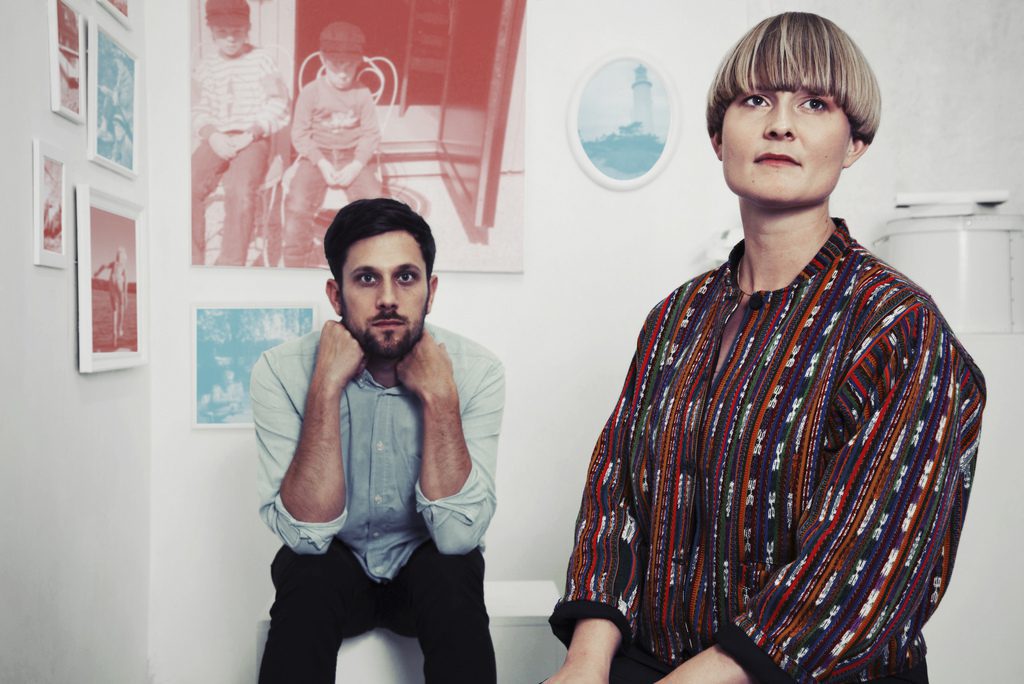
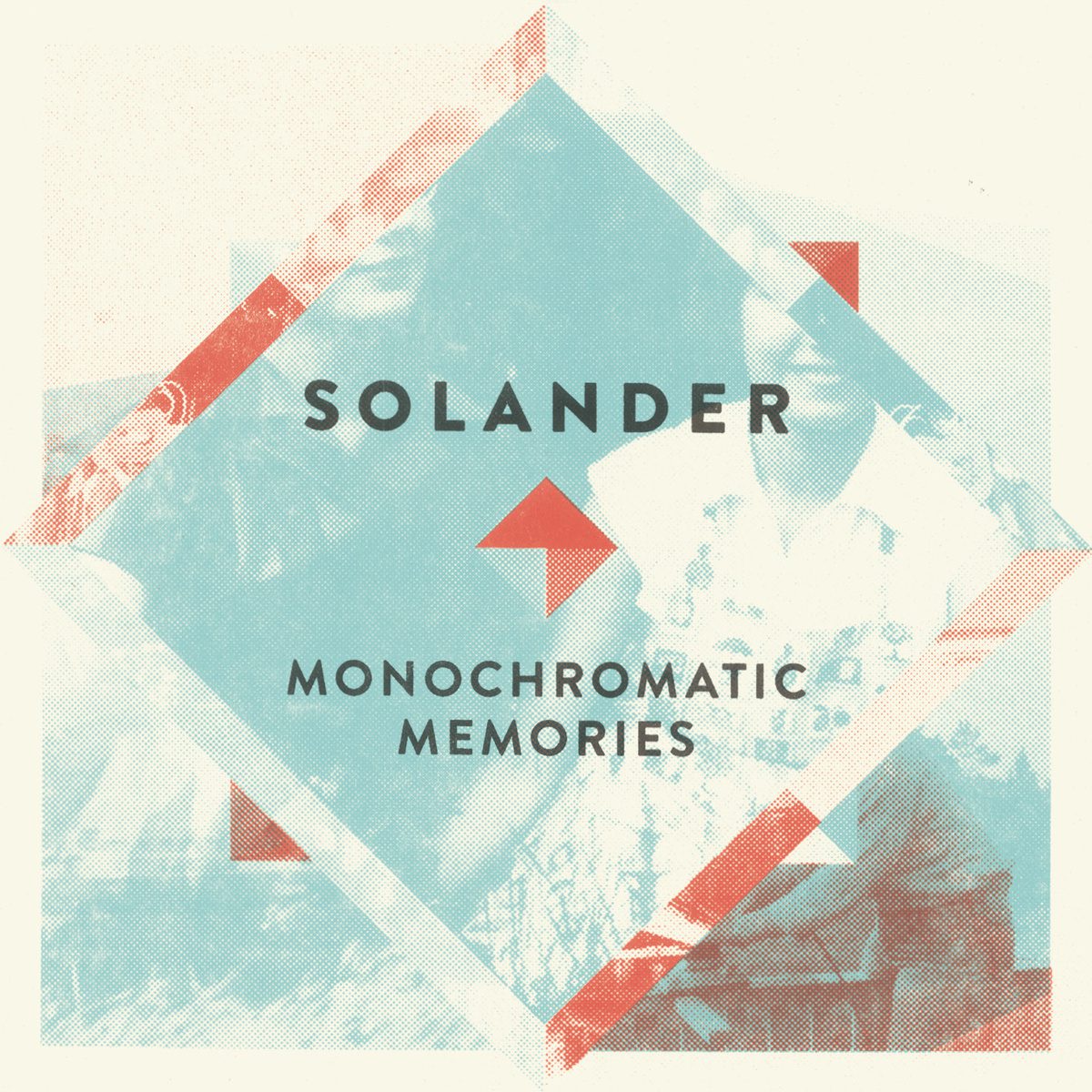
Here’s a new song that simultaneously warms you up and gives you chills—a perfect complement to the coming post-Hercules weather. Solander’s second single from their upcoming album, Monochromatic Memories, is a sweeping track that alternates between a sense of motion and suspense, combining rolling percussion and guitar work with a haunting cello. The lyrics, on the other hand, take you through loss and feeling lost, and are clearly meant for wintertime (“The road to your house looks snowy and white”).
The pop/folk/indie Swedish duo, comprised of Fredrik Karlsson on vocals and guitar and Anja Linna on synth and cello, has been active since 2009, and Monochromatic Memories will be their third full-length release. “The Woods Are Gone” follows the release of the album’s first single, “All Opportunities,” available on Spotify (and in today’s mix of the day!). So far, it seems like this album was made for brisk mornings and snowy nights, so keep your eyes peeled until the album’s release on Feb. 3.
Deny it all you want, but there is a point in every New Yorker’s day during the bitter winter cold when we think, screw it, I’m moving to California. While I will never act on this moment of temporary insanity, it is nice to keep the dream alive. Regardless of the fact that I am doomed to live in New York forever, by blasting the heat in my apartment, closing my eyes, and turning up “Obstacle Eyes” by Morgan Delt, I feel at least one step closer to a California beach somewhere in the far distance.
“Obstacle Eyes” is the second track off of California native Morgan Delt’s self titled debut album. There are a number of elusive elements to the floaty, psychedelic pop/rock “Obstacle Eyes,” making it hard to fully grasp on the first listen. “Obstacle Eyes” may only be 3:27 minutes, but there is a lot to take in. I’m probably up to my 50th listen at this point and I’m still picking up on new flourishes, variations and musical dimensions. The varied instruments, sound effects and vocals blend with each other seamlessly to create a final product that is a diverse amalgamate of a number of musical elements.
“Obstacle Eyes” begins with a solo guitar playing an instantly catchy hook. It suspends for a moment before the music exhales, as various instruments and musical phrases develop. Once established, the song continues with an upbeat and forward moving, yet laid back rhythm.
Delt’s breathy vocals are introduced last, and wash over the instrumentals like a wave hitting the California (have I mentioned California enough yet?) coastline. They are in the end just another element of an already complex track, blending with the music to create a single product.
The track is both retro and modern. With esoteric lyrics (there’s something crazy growing// way back inside your eyes// there’s something crazy growing// obstacles in your eyes), distorted guitars and harmonized vocals, “Obstacle Eyes” is definitely a nod to ‘60s west coast psychedelic pop-rock, however the electronic elements that Delt incorporates give the whole thing an inspired twist.
Morgan Delt clearly wants to take you on a journey with his music. He did all the legwork. Now all you have to do is turn it up, close your eyes, and let the California sun warm your skin.
Morgan Delt’s self titled debut album will be released off of Trouble In Mind records on January 28th.
I’d love to say that it was Bob Dylan who got me into T-Bone Burnett. Burnett toured with Dylan’s Rolling Thunder Revue for over a decade. I wish I could credit a cross-contamination between Burnett and Tom Waits (a cover of Waits’ “Time” appeared on Burnett’s 1986 self-titled LP). And I’d be relieved if I could claim that my discovery of T-Bone Burnett occurred during another rummage through Dad’s record collection. However, none of these scenarios would be true.
In actuality, I found out about T-Bone Burnett via the band I scapegoat as my token guilty pleasure: The Wallflowers. Now, before you retroactively discredit any knowledge or opinions I’ve espoused on Audiofemme, hear me out. I’m not going to try to convince you to like The Wallflowers (yet) or the solo work of Jakob Dylan and his unassailable dreamy-ness. However, if you were forced to listen to every Wallflowers album and pick the best one, you’d be hard-pressed not to select their second full-length release, Bringing Down The Horse. The reason this album received so much acclaim in my opinion was due to the producer, Mr. T-Bone himself.
So as 17 year old me purchased every Wallflowers album on e-bay (most going for 50 cents a piece) and implored my friends to give the band a chance, I found a tour date for Jakob Dylan, opening for none other than T-Bone Burnett. It was only then that I noticed the production credit on Bringing Down The Horse. The next step was to consult the internet, (which divulged Burnett’s connection with Papa Dylan) and eventually my father; had he ever heard of him? Of course he had.
Sure enough I found two T-Bone LPS in the late B’s of my Dad’s collection: 1986’s T-Bone Burnett and 1987’s The Talking Animals. I was more entranced by the former, with its sweet and eerie country ballads. Burnett’s vocals are clean yet honeyed–like Roy Orbison’s humble younger brother, perhaps. The record is melancholic at times, like on “River Of Love” and “Time,” but Burnett’s sense of humor breaches with his acerbic rendition of Elmer Laird’s “Poison Love.” To boot, the entire album is carried by phenomenal pedal-steel croons.
I’d bought the ticket to see Burnett, so I figured I’d better buy the tour’s accompanying album. It was 2006 and Burnett had just released The True False Identity, his first full-length record since 1992. I bought it on a family vacation in Portland, and it was the soundtrack to our drive home. The record is a swampy, deep-south, voodoo-soundscape with a progressive agenda. The influences on this record are far more bluesy and psychedelic than his earlier country work, and lyrically the album relays Burnett’s unflinching wit and poignancy regarding the contemporary political climate.
But why bring up Burnett now? So what if he came out with a record I liked in ’06? I suppose the desire to mention him is two-pronged: the initial reason is the same as always, namely, to shed light upon an artist who’s spent so much time making other people’s music better, that he is often overlooked himself. Though the more relevant incentive is that T-Bone is out with a new project; his fourth collaboration with filmmakers Joel and Ethan Cohen on their latest: Inside Llewlyn Davis.
Burnett put together soundtracks and scores for The Big Lebowski, O’Brother Where Art Thou? (for which he was heavily awarded) and The LadyKillers. He worked alongside Joaquin Phoenix and Reese Witherspoon in Walk The Line, and co-wrote “The Weary Kind,” the theme song from 2009’s Crazy Heart.
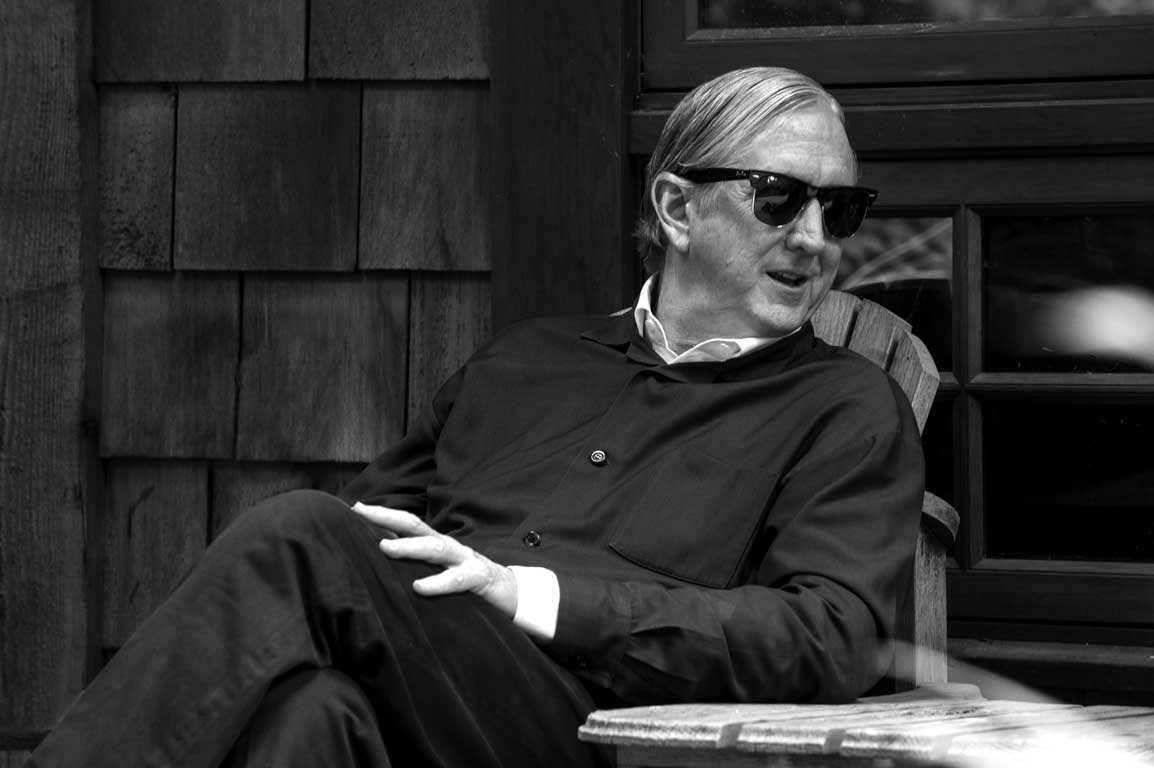
Burnett has produced dozens of records, including those by Elvis Costello, Tony Bennet, Alison Kraus, B.B. King, Elton John, and Roy Orbison, to name a few. He’s 65 years young, looks like a younger, slightly more devilish Tom Wolfe, and is releaseing and producing records to this day. I can’t wait to see, and hear what he’s cooked up for the new Cohen Brothers film, which is out now. But before you see it, school yourself on some vintage and recent T-Bone.
Every Thursday, AF profiles a style icon from the music world. This week, we bring you the ever-vibrant FKA Twigs, whose bright patterns and bold colors have us longing for warmer climes.
Gloucester-born London transplant FKA Twigs is an anomaly on many levels. Her image is bold, but her profile low-key. She currently resides in one of the world’s busiest cities, yet hails from the farmlands of Southwest England. Her videos are ripe with voyeuristic tension, while her music remains sultry and delicate. With all of this contradiction it is no wonder that Ms. Twigs presents herself in such eclectic garb. Born to a Jamaican father, and partly Spanish mother, her lineage is a melting pot all its own. Twigs adorns herself with halos of colorful flowers, embroidered jackets, and gold hoop-earrings fit for Salt n Peppa. She is never without her lipstick or her long black braids, both of which liken her appearance to a budding and sexualized Frida Kahlo. Here are some items that remind us of the songwriter, who I find more to be a wildflower than a twig.
Peruse our pinterest page for notes on how to get this exotic girl’s look:
NYC band Daytona has been a long time in the making. The trio released an EP—Storm So Long—back in 2012,but on the full-length debut that came out this past September, Daytona’s brand of bouncy, garage pop comes through in all its high-energy, jubilant glory.
A few years ago, bassist Jose Boyer, drummer Christopher Lauderdale and guitarist Hunter Simpson lived in Chapel Hill, North Carolina. The three became friends, and occasionally played together, though they were all active in separate bands. Each of these groups—Harlem, the Wild Yaks, and Siberians—had already earned stripes as high-energy garage rock, churning out anthemic riffs and epic, overarching vocal melodies. Independently, the three musicians followed a similar credo: their music was loud, catchy, and chaotic. In combination, Daytona could easily have continued along the garage rock trajectory.
Not so. Moving to New York must’ve gotten the trio in touch with their philosophical side, or maybe the new lineup put the group in the mind for a little melancholy introspection. While Daytona has kept their straightforward structure and catchy beats, Storm So Long offered sharp lyrics laid over an intricate backdrop of guitar lines that meander from feel-good to nostalgic, and wistful, shimmering vocal harmonies. The melodies shift easily between moods, and at their most ethereal, live up to the carefree warmth of the band’s name.
“We were certain that it was the name of an Indian chief,” Simpson explained in an interview with Blip.tv‘s BTR Live Studio. The Florida city seems like an odd thing to name your East Coast rock band after, but for Daytona, the choice was half aesthetics, half process of elimination. A little research disproved the Indian chief theory. In fact, the beach that boasts the nickname “Spring Break Capital of the World” is named for its founder Mathias Day, Jr., who financed the area’s beginnings as a beach community in 1871. Day lost the land less than a decade later after encountering financial ruin, but his name lives on. “We liked that disconnect,” Simpson added, “between your expectations and the dorky reality of things.”
An initial listen to “The Road,” the first track off Daytona’s latest album, yields a powerful, joyous road trip vibe, brimming with danceable melodies. At its core, though, the music will last you past the party and into the dreary next day. The music is complex and elastic; it’s filtered through its surroundings. Sometimes melancholy, sometimes uplifting, Daytona’s self-titled album hits the spot.
My maternal grandmother, Mary Ann Brown (she is both my namesake and the genetic source of my snarkiness), died three years ago today. She passed away in her sleep at the age of 93 after out-living the entire 20th century and even the first decade of a new millennium (I remember the evening we prank-texted my youngest cousin). She raised three brilliant daughters and saw 8 grandchildren evolve into relatively high functioning adults (jk my cousins are all amazing people). She taught us every card game on the planet (Quiddler being her fave), cooked delicious green bean casserole perfected exclusively by those who lived through the Great Depression, and talked me back from the emotional cliff’s edge after Bush got reelected. It was a sunny November afternoon in DC. I was on the phone with her in tears, me, the idealistic college junior, freaking the fuck out about the world’s imminent demise as a result of what…? Bad policy? She gave this inimitable chuckle of hers and talked to me about all the national elections she’d witnessed in her life. She told me about how with hindsight, you can see that the metaphorical pendulum indeed swings inexorably back and forth across the entire spectrum of human experience, yet when you insist on standing beneath the damn thing watching it from that myopic vantage only the youth seem to stake, one apprehends nothing more than the looming shadow it casts. This simple axiom is something I’ve managed to carry with me and apply to more than the disquieting circumstances surrounding electoral politics. Like, for example, situations in which I have felt powerless to life’s inertia. Or situations in which dead certainty (regarding anything–love, friendship, one’s sense of epistemic truth) becomes crippling doubt in a matter of moments, leaving you with the feeling of numbing loss. Or the experience of slowly crawling back from heartbreak…when the jaws of hell may just finally snap you in half…You feel stamped out, exhausted and dehumanized. Yet, sure enough, (and as if by some act of alchemy), the pendulum swings.
At Mary Ann’s funeral the entire room sang an old Christian hymn “Morning Has Broken”, one of her lifelong favorites, and a beautiful and befitting send-off. And since then whenever I hear it (usually the version below, popularized by Cat Stevens) it stops me dead in my tracks. There’s something indelible and compelling, albeit it elementary, about the chord progression–it starts off in the key of D major and then jumps to C within the first few bars before the opening verse begins (a common device used to induce the feeling of physical transcendence). Halfway through it switches back to D, keeping us in its grips, only to fall to C again. Back and forth it goes for the track’s entirety. By the end it feels like you’re dismounting an emotional roller coaster. This is one of my favorite kinds of songs to listen to: simple and physically gripping in equal measure, all as a result of exceptional composition. The truths expressed lyrically are universal, and coalesce with those exact words of wisdom that she imparted to me nearly a decade ago: A new morning awaits, and you should praise it, for whatever it may bring whether it be adversity or peace, joy or pain. It comes and it goes. And it’s going to teach you something about yourself, which is all we really have in the end.
Listen with your eyes closed (unless you want to see a montage of Cat Steven photos–even though holy shit he was hot in his youth).
If the videos of Emily Pelstringwere suits they’d be cut from outlandish cloth, but they would fit perfectly. Between her recent work with Meghan Remy, a.k.a U.S. Girls, and Canadian song-man Slim Twig, Pelstring has perfected the ability to depict artists as exaggerated forms of themselves, perhaps in part due to her fascination with the “politics of representation”. A self-professed postmodernist, Pelstring seems to be at ease with conveying various incarnations of identity, depending upon the quirks of the individual artist. There are instances when this portrayal appears so accurate, that it could even surprise the artists themselves, almost as if Pelstring extracted their very essence out of them.
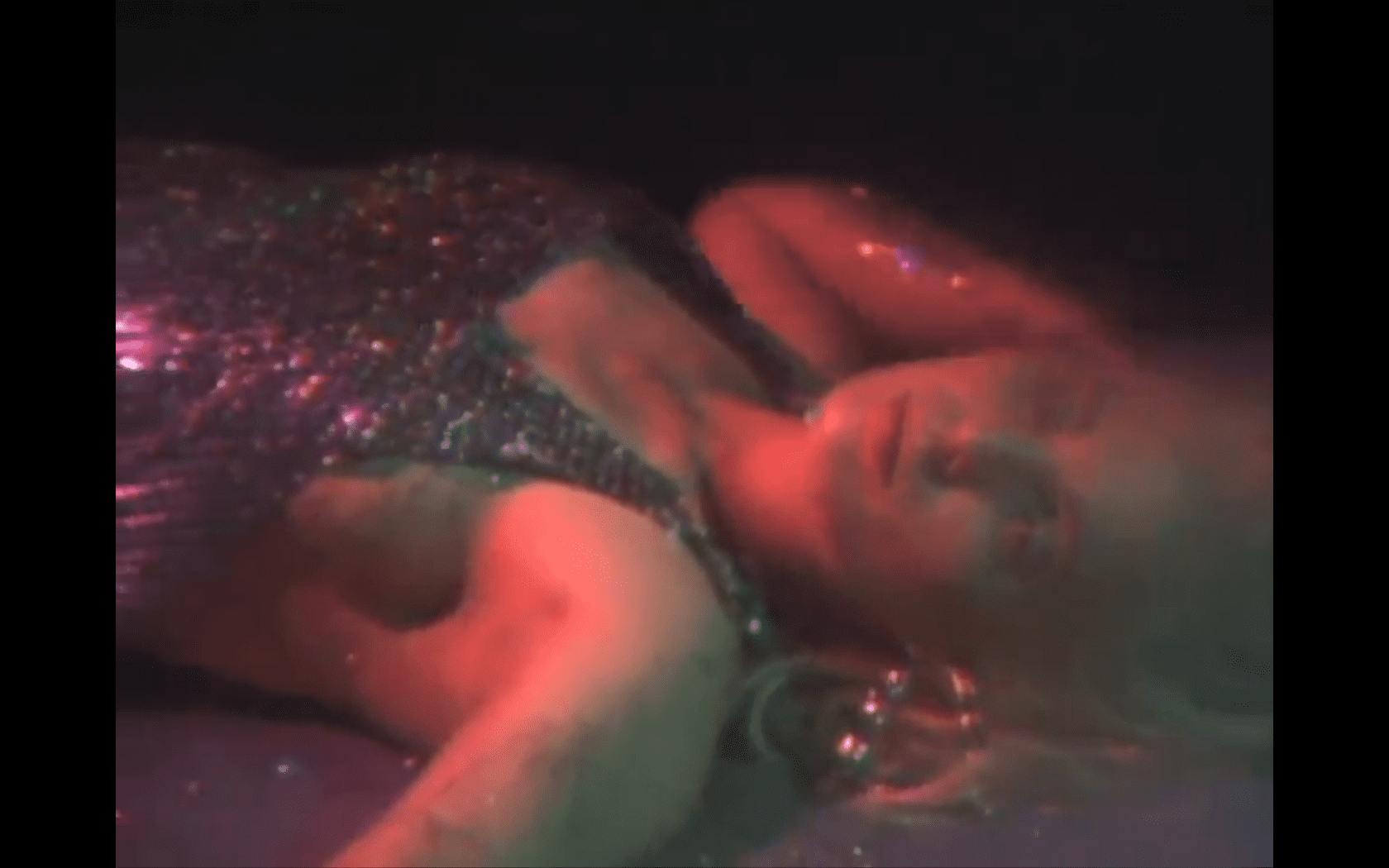
While working with U.S. Girls on her music video for “Jack”, Remy certainly had her fair share of input. However it was Pelstring who hit the nail on the head when deciding to shoot with a VHS camera. The fuzzed-out image quality is a soft contrast to the sparkling glit throughout the video, on dresses, skin, and all over the ground. It’s never perfectly clear where Remy is, as the frame of the camera doesn’t pull too far away from her, but the lighting suggests she’s is on a stage, performing to an empty room, signaling the last days of the glam-diva, perhaps.
In the video for “28 Days,” another nostalgia-inducing jam by U.S. Girls, Pelstring directly and boldly underscores the 1960s entertainment ethos . The song itself is catchy pop throwback to girl groups like The Shangri-Las and The Ronettes, and its lyrical subject matter is no less female. “28 Days” refers to that monthly burden all of us ladies share: yes, yea-ol’ menstrual cycle. The video features a gaggle of beehive-crowned, rather sullen looking chicks dancing through a barren town as Remy shimmies and sings in front of them.
Though both U.S. Girls videos are humorous, they don’t hold a candle to Pelstring’s work for Slim Twig’s “All This Wanting.” I’d say the headiest contributor to this video’s hilarity is contrast. First there is the discrepancy between Slim Twig’s appearance and his voice. Here’s this scrawny dude (Slim Twig is not just a clever name) with a white-guy fro and a moustache. I expected him to sound a bit shrill. Yet, he’s got this barrel-chested voice more akin to Nick Cave’s. The music is not Cave-esque in any way, however. The thumping piano and catchiness are more likened to up-tempo Harry Nilsson and Mungo Jerry.
The second and most prominent form of contrast in the video is the real star of the screen: the sock puppets. They start off doing everyday sock puppet things, singing in unison, bobbing their heads, etc. By song’s end, one has caught fire, another is hitting the bottle, while a pair are getting hot and heavy on the dining room table. It’s an adorable and accessible display of dark humor that exemplifies Pelstring’s talent as well as her wit. She certainly has a wealth of both those things.
Audiofemme recently got to have a little chat with the lady behind the camera, about music, media, and life in the creative lane. Here’s what she had to say:
AF: Your videos seem to be heavily influenced by the 60s and 70s, particularly those you created for both Slim Twig and U.S. Girls. Is there any particular reason for this? Does that era of time hold any special significance for you?
EP: I do draw influence from different time periods, but the range is broader than the 60’s and 70’s. Part of the reason is that I am just curious about the history of moving image formats and I like researching what the limitations and possibilities were perceived to be at the time that specific developments happened. The Slim Twig and U.S. Girls video for Jack are each inspired by specific television programs from the mid-1980s. In the case of those two videos, I had acquired a studio television camera that was made in 1983—and it still worked! So that was really exciting. I had learned about analog video in workshop-type situations before, but these projects gave me a chance to develop a style with it.
There is certainly a 1960s reference in the choreography and fashion in 28 Days, motivated by the Supremes sample that is used in the song. Meg and I have a shared obsession with ‘60s girl groups. One of the references she gave me was for the Exciters’ promotional film for “He’s Got the Power” (1963). I also looked at Nancy Sinatra’s “These Boots are Made for Walking” (1966) for choreography. But I staged the video with contemporary environments and shot on hi-def video instead of film, because it’s a little more interesting to me when the references to media from different time periods are combined fluidly.
A more extreme example of that kind of conflation of historical media would be the video for Yamantaka // Sonic Titan’s Hoshi Neko. For that, we wanted to combine early video game aesthetics with the visual textures of the silent film era. We wanted to imagine what a 1920s video game might look like, and throw the chronology of aesthetic/technological developments completely out the window.
AF: We’re all very aware of the low-fi direction music video media have taken in the last couple of years. What do you attribute this to? Do you think it is a contrary reaction to high-tech innovations, CGI, etc?
EP:To me, “low-fi” means distorted, visibly processed imagery. Though I don’t really consider a lot of my own work low-fi, I can certainly think of compelling reasons for artists to be using low-fi aesthetics. When I do something that I would consider low-fi, (because it embraces technical malfunction, or includes disruptive glitches), it is certainly done in dialogue with mainstream aesthetic standards, like everything. There are these cultural narratives of technological progress, authorial mastery, and structural coherency that I do think can be questioned. In my own work, it is part of a feminist agenda—a criticism of some of the values of the industry.
If you are just talking about the trend of shooting with vintage cameras in order to achieve a retro look, to me this is just a stylistic choice, like a fashion or design trend, and cultural nostalgia is everywhere in fashion, design, and music. Is not at all surprising that the visual trends in independent or underground music are things that would be easily accomplished with low budgets, because economic factors make it practical for independent music video makers to embrace lower production values. What is fun to see is that, now that we have developed the 2000s-early-video-revival in the world of commercially unsuccessful artists, mainstream artists are finding a way to spend millions of dollars approximating it! The whole thing is like a conversation, or a snake eating its own tail or something, and it’s been going on forever.
AF: When you’ve worked with artists in the past, do you find that they tend to seek you out, or do you have specific musicians in mind for your concepts?
EP: I usually just work with friends, or people within my social circle that I want to collaborate with. Sometimes it’s an excuse to get to know somebody better who I think is interesting. I have done a few commissions for Pop Montreal where I had to select a musician to work with out of a few options, and they were people I didn’t know, but that’s rare.
AF: How much of a collaborative effort are your music videos with the artists/bands?
EP: Sometimes it is actually 50/50 collaboration, like with Ruby Kato Attwood of Yamantaka // Sonic Titan, but even when I’m not co-directing, there is always a lot of planning and conversation leading up to the making of the video. This usually involves sending video references, storyboards, treatments, location images, etc, and this is when most of the ideas get worked out. I like this process because I feel like my relationship with the musician gets stronger on a personal level. The whole reason I do these collaborative projects is that I want to get closer to people through art-making, because I find it a fulfilling way to communicate ideas.
AF: Given the nostalgic quality of your work, how do you maintain relevance? How are these references relatable to the young viewer?
EP: I think nostalgia itself is totally relevant to the young viewer. One would be hard-pressed to find an example of contemporary media that is not in some way nostalgic, or that does not owe something huge to the past. Nostalgia has this connotation of longing and desire for a time we think that we can’t access. That feeling motivates me and I think brings a sort of pain/pleasure to some viewers.
AF: What is the most difficult part of your process?
EP: With each project I am attempting something new on a technical or organizational level. The difficulties involve coordinating casts and crews, managing schedules and budgets, testing equipment and workflows, and trouble-shooting in advance of a production. A lot of this work is physically demanding (hauling heavy gear, pulling long days). But, I am usually very prepared for a shoot, and that enables me to foster a harmonious working environment where people are happy to be there, expressing themselves, being fed, and having fun. For 28 Days,we actually shot the whole thing, all 7 locations, in 3.5 hours. That was no miracle: everything was meticulously coordinated. I could never do any of this without Lesley Marshall, my absolute, go-to, all-time best Production Manager/Assistant Director/Right Hand. You should see the two of us change a lens together! We can do it in like 5 seconds flat. Usually my crew is small- sometimes just me and Lesley, and that leads to situations where Lesley is like, holding Meg’s cigarette in one hand, a 500-Watt light in the other, and operating the smoke machine with a remote between her knees.
AF: Where do you fall in the debate between digital and analog processes?
I use digital, analog, and hybrid tools, simultaneously and interchangeably. Most recently, I made something where I used my vintage camera to make video feedback with a CRT monitor, which was then processed by an analog colorizer and a new digital video mixer before being edited in an animation program and then converted into animated gifs for a web-based artwork. Since this kind of hybrid process is so typical in my work, I don’t usually bother engaging in a debate about it.
AF: Who do you consider your biggest influence within the realm of film/cinematography?
EP: I always cite Maya Deren as the reason I ever wanted to start making films, and Kenneth Anger as my biggest filmic influence. But, in terms of cinematography, I have been looking to my friend and collaborator Jessica Mensch, who is primarily a painter, and relatively new to video. Her camera work is so subjective and exploratory that you can feel her decision-making process as she searches for compositions and moves through scenes (see The Fuzz). This interests me because it is different from my approach, and I think I can learn from it.
I have been thinking about a few coming-of-age narratives a lot lately: Chantal Akerman’s J’ai Faim, J’ai Froid(1984), and Jane Campion’s A Girl’s Own Story (1984), which has a haunting musical ending. I also recently watched an Australian psychological thriller by Peter Weir called Picnic at Hanging Rock (1975). I liked that because half of the movie is a bunch of boarding school girls roaming around this awesome geological formation and becoming enraptured by the mysterious forces of nature.
AF: Which of your projects is the most personal to you?
EP: The projects that are the most significant to me are the ones where I feel like I am truly meeting another mind through the process. In terms of the music videos, Jack and 28 Days feel like proficient expressions of issues and ideas that Meg and I both care deeply about. But the work I do with Jessica as Inflatable Deities is personally important because she is one of my best friends, and when working with her I feel more encouraged to explore uncharted territory.
AF: Do you find yourself more at ease shooting within the confines of a set, or out in the open/ on location?
EP: Both present their own special challenges. In-studio, I tend to take a lot of time figuring out the set and lighting. Outdoors, you are pressed for time if you want specific lighting, and you have to worry about factors like the weather, or the rights of other human beings to be in the public spaces that you want to shoot in. I do enjoy outdoor location shooting, but in Montreal, it is just too shitty outside for 11 months of the year.
AF: Out of your contemporaries, who would you most like to work with on a collaborative project?
EP: I would love to finish something with Brandon Blommaert. He is a friend and a very talented and skilled animator. We have done some really cool experiments.
AF: Have you ever felt comfortable in front of the camera, or solely behind it?
EP: I have a lot of dance training and am always into doing anything crazy with my body, for stage or camera. I do performance art and perform in videos pretty frequently.
AF: This one is born of the season: What is your favorite Christmas Special?
EP: I’m going to leave you with a couple of my favorite music videos instead, consider it a Christmas present if you haven’t seen them already…
So epic, I can’t:
Another power balled from the same year. Jessica turned me onto this one, it takes an amazing turn around the 2-minute mark:
Any video from the “Ooooooohhh… On the TLC Tip” era is fantastic, but this one especially makes good use of giant props, and they just look like they are having SUCH a good time.
Every Thursday, AF profiles a style icon from the music world. This week, we’re gushing over Charli XCX’s gothic wardrobe. There’s tons of black and velvet and we can’t get enough.
Charli XCX has the ability to pull off cropped tees, netted shirts and even the 90s-redux plaid skirt. She’s a tough girl with a strong voice, which is why it’s so hard not to notice her style. She piles on black on black and then smears on black eyeliner to complete her look. She’s the smokey temptress who is bound to steal the heart of anyone who crosses her path. Take a goth lesson from this UK pop star as you browse our Pinterest board and listen to her hit, “You (Ha Ha Ha)” below.
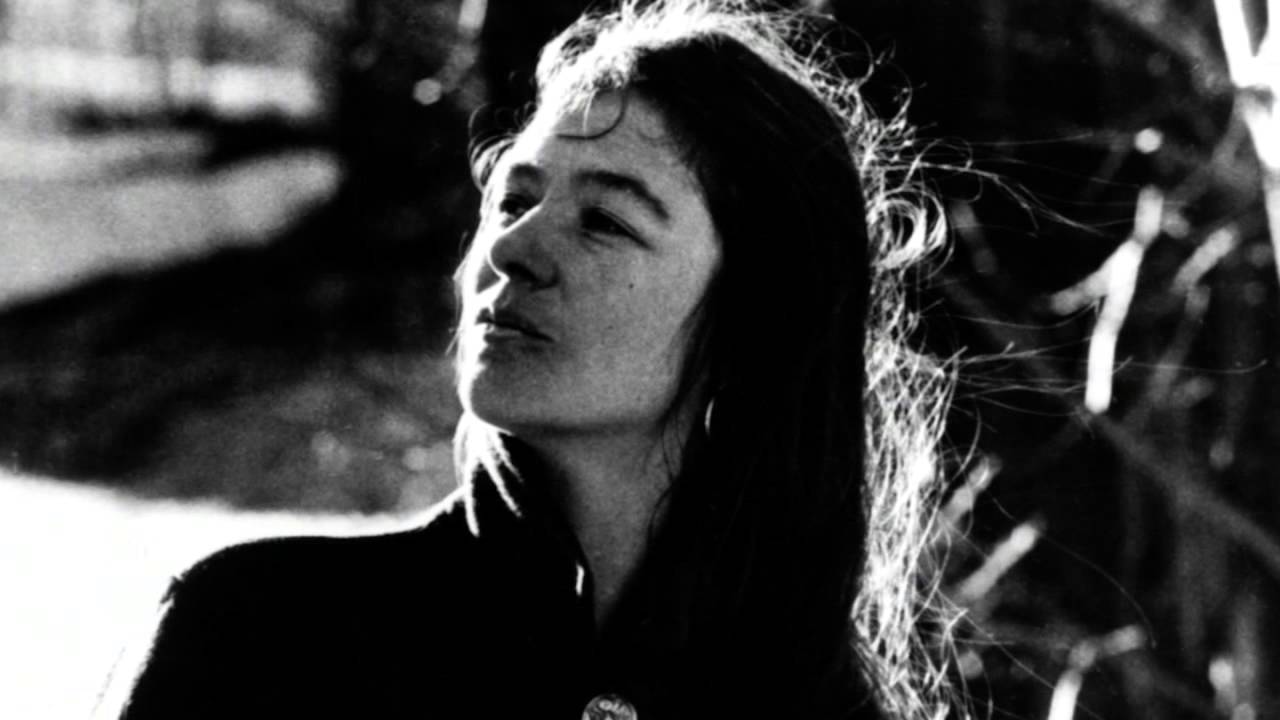
Karen Dalton’s mystique, largely a product of her personal misfortunate, makes her an easy candidate for legend: it’s fun to imagine her, half Irish, half Cherokee, in a wooly, bohemian large-pocketed coat, Dalton had thick dark bangs and two missing bottom teeth knocked out when she got between two fighting boyfriends, and spent the sixties wandering Greenwich Village, palling around with Bob Dylan and enchanting tiny apartments full of literati with her banjo and her incomparable voice.
Most often liked to a folksy Billy Holday, Dalton’s voice is bluesy and husky, perfectly timed, but especially haunting for the sadness behind it. Dalton was criminally overlooked during her lifetime, and barely recorded, both because of her inconsistencies with the kind of pop music that got signed at the time and because of her own stubbornness and famous refusal to perform. The story of how her debut album, It’s So Hard To Tell Who’s Going To Love You The Best, was made has become a legend unto itself:a friend tricked her into playing the songs, and secretly recorded the performance. Dalton released that album and one other, In My Own Time, and then disappeared off the scene. She struggled with drug use until her death from AIDS in 1993.
In My Own Time, released initially in 1971 and then again in 2006, epitomizes something of the intimacy and romance that had haunted her voice on It’s So Hard. The record was undoubtedly more comfortable, and Dalton’s experiments into the bluesier aspects of her voice (“When A Man Loves A Woman”), which even switches some of the lyrics of that song around to fit a female protagonist, feel natural alongside the beautifully archaic banjo-based tune “Katie Cruel.” Then there’s “Take Me,” a simple, heart-shattering song built around fermatas and soul, that hits a new peak of earnestness in Dalton’s career. However, the most memorable track on this album, for me, is the first one, “Something On Your Mind.”
The mythologizing of Karen Dalton, as much as it skews the life it imagines, lets you take the music for your own, and so it is with this song. “Something On Your Mind,” honest and comforting, utilizes a set of lyrics just vague enough to apply to anything—Yesterday, anyway you made it was just fine/So you turned your days into nighttime/Didn’t you know you can’t make it without ever even trying? And something’s on your mind, isn’t it—and cutting enough to feel like a conversation. More than thirty years after the song was recorded, “Something On Your Mind” is balm for the wounds of the lonely two thirty AM subway rider, the recently dumped or the recently unemployed, the weary traveler, or the woolen-jacketed wanderer through a snowy Greenwich village. Her voice, an acute blend of lonely weariness and deep strength, sounds like nothing to come out before or since.
Take a listen to “Something On Your Mind,” off In My Own Time, below:
Anyone who’s worked in retail can tell you what a headache Christmas carols can be. You’re working eight hour shifts surrounded by irate customers who forgot the meaning of holiday cheer in a rush to get presents for their shitty boyfriends and picky sisters. These people have no regard for the fact that you’re stuck in a mall neatly folding the pile of t-shirts they just demolished instead of out getting sloshed with your friends or exchanging gifts with your loved ones. And all the while, that awful Mariah Carey song is just blaring. Over and over and over again.
I’m of the opinion that not even David Bowie could save “Little Drummer Boy” from being the most annoying piece of music ever composed, and that “Baby It’s Cold Outside” is basically a rape-carol. But that doesn’t mean the whole Christmas catalogue is a lost a cause. There have been a handful of songs (usually lesser known and therefore less overplayed) that can still manage to put me in the holiday spirit instead of making me want to gouge my eyes out with a nutcracker. These are my personal favorites.
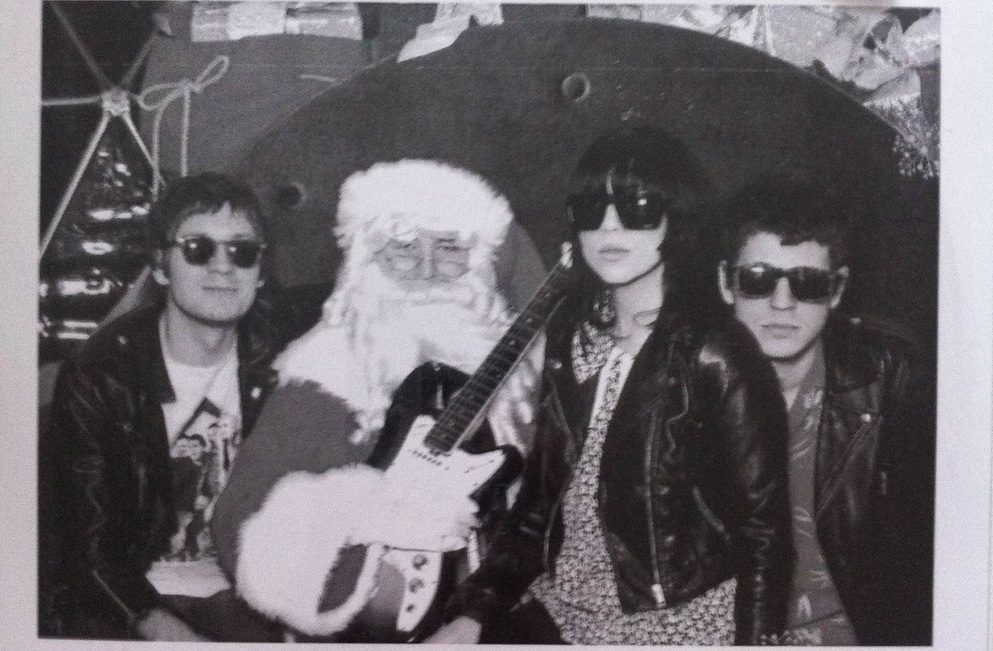
[fusion_builder_container hundred_percent=”yes” overflow=”visible”][fusion_builder_row][fusion_builder_column type=”1_1″ background_position=”left top” background_color=”” border_size=”” border_color=”” border_style=”solid” spacing=”yes” background_image=”” background_repeat=”no-repeat” padding=”” margin_top=”0px” margin_bottom=”0px” class=”” id=”” animation_type=”” animation_speed=”0.3″ animation_direction=”left” hide_on_mobile=”no” center_content=”no” min_height=”none”]Dee Dee of Dum Dum Girls & Brandon Welchez of Crocodiles teach Santa to rock on their single “Merry Christmas Baby (Please Don’t Die)”
The Kinks – Father Christmas: Somewhere along the line, I stopped asking my parents for gifts around the holidays and started requesting practical things instead: a trip to the dentist, a gift card to Target, rent money. These things would keep me alive whereas candles from the Dollar Store would not. So I am not sure if I side with Ray Davies or the antagonistic children who mug him while he was playing Santa, but choosing sides isn’t the point. On the one hand, threatening violence is not cool, children can be terrifying, and machine guns are not appropriate gifts. But what these kids really want is jobs for their dads or the cold hard cash that will allow them to survive their harrowing, impoverished existences, rather than dolls or blocks or whatever. They’re just trying to check some volunteer Santa’s privilege (and ours) by reminding us that there are plenty of folks out there who can’t put food on the table at Christmastime (or any other time). But this isn’t some depressing ballad; the message comes in a catchy rock ‘n’ roll wrapping, its riffs Xmassed up with some cheery chimes that make a nice foil for Davies’ ragged snarl.
Sufjan Stevens – Christmas Unicorn: The thing about Sufjan is that all of his songs are about 10,000% better if you just imagine he’s a singing unicorn. And from the first line of this song, he presents himself as not just any unicorn, but a Christmas unicorn, with a mistletoe nose and a shield and a gold suit. Sounds cool right? But wait: Sufjan as the Christmas Unicorn is actually a symbol for American hypocrisy, out-of-control consumerism, Christians adopting Paganism, Baby Jesus, drug addiction and insanity. But this outlandish gem from last year’s epic (what isn’t epic with Sufjan?) Christmas-themed limited edition six LP vinyl boxset Silver & Gold doesn’t stop there. It goes on for twelve minutes and gets so weird it needs a play-by-play. After the introductory takedown of hodgepodge Anglo-American Christian-Pagan ideals, there’s an expansive instrumental break that falls somewhere between swirly space rock and something you’d imagine playing over loudspeakers at a Ren-faire, flutes and all. About halfway through, the meandering melody grows pegasus wings and starts flapping around all wildly a la those choruses from “Chicago”. And eight minutes in, it becomes a Christmasified cover of Joy Division’s “Love Will Tear Us Apart”. This song is the best kind of holly-jolly trainwreck.
Joni Mitchell – River: Easily one of the most gorgeous songs in Mitchell’s oeuvre (and of all time, pretty much), the power of “River” lies in Mitchell’s ability to evoke nostalgia via her contemplative lyrics and her timeless voice. She’s alone on Christmas due to perceived failures on her part, ruminating on a recent breakup and feeling detached from the festive mood of the approaching holiday. It’s an anthem for any adult’s first Christmas away from home, the first holiday where those carefree childhood days have faded and you can no longer escape all the grown-up responsibilities you have in the simple act of lacing up a pair of skates and taking to the ice. Extra points on the shout out to all the evergreens slaughtered for the sake of Christmas spirit.
The Waitresses – Christmas Wrapping: The Waitresses had two songs. One was the theme song for “Square Pegs” which famously starred Sarah Jessica Parker (before she was famous). And the other is this Blondie-esque narrative about a semi-Scroogey girl having a frustrating holiday/life. See, all year long she’s been bumping into this cutie, and because of her first world problems (like sunburn – ugh!) she’s never actually able to connect with him. The daily stresses keep piling up until she just, like, can’t even with Christmas. I mean, her turkey was all in the oven and she forgot cranberries! But in a fateful trip to the only all-night grocery, she finally finds love; her crush is in the check-out line, having also totally fucked up his grocery shopping. Bright brass and zippy guitar lines are the perfect accent for this tale of bitterness diminished by serendipitous Christmas magic.
The Sonics – Don’t Believe In Christmas: While it seems like any number of bands (especially those on the Burger Records roster) might write a song like this today, it was released in 1965, a decidedly un-scuzzy era for rock n’ roll. It’s snarky and skeptical and goes beyond greedy to straight up entitled, moving about a mile a minute all the while. When you don’t get cool presents or kisses from the ladies, there’s simply no reason to celebrate. Ironically, the single finds its home on an Etiquette Records compilation entitled Merry Christmas, also featuring The Sonics’ singular contemporaries The Wailers and Galaxies. Most of the songs are brilliant originals completely overlooked every December. It makes sense that they don’t play The Wailers’ scathing anti-consumerist romp “Christmas Spirit???” in Saks Fifth Avenue but “She’s Coming Home” and “Maybe This Year” evoke melancholic hope with a slightly psych-tinged execution. That sound carries over into the Galaxies’ unique covers of Christmas favorites. Elsewhere on the record, Santa stiffs The Sonics once again; lead singer Gerry Roslie asks the titular Claus to bring new guitars, money and babes in his sack but gets “Nothin’! Nothin’! Nothin’!”, according to Roslie’s embattled cries. Looks like not believing in Christmas didn’t stop the guy from trying.
John Lennon & Yoko Ono – Happy Xmas (War Is Over): Shortly before the rest of The Beatles started recording Christmas fluff, John Lennon furthered his anti-Vietnam War protest efforts by releasing this 1971 single featuring Yoko Ono and Harlem Community Choir. Lennon believed that coating the political content in sweet, sugary Christmassiness would make his message easier to accept (his Christmessage?). It was not an instant classic, but endures today as a reminder that we should all just get along. It also reminds us that the English say “Happy” instead of “Merry” which shouldn’t fuck with my head as much as it does. The track was produced by Phil Spector (who certainly did not get along with Lana Clarkson, the actress whom he murdered). If you’re going to listen to traditional carols, though, you can do no better than 1963’s A Christmas Gift for You from Philles Records on Spector’s label. There’s even a bearable version of “Frosty the Snowman” by the Ronettes.
The Everly Brothers – Christmas Eve Can Kill You: It’s not just the twangy pedal steel that gives this song its melancholy mood. Its emotionally devastating lyrics are narrated by a sad hitchhiker trying to catch a ride on a frigid Christmas Eve, ignored by drivers in a hurry to get home to their families. The moral of the story is that you should really be kind to your fellow man, especially in the winter, and even more especially on holidays. But let’s also be real – it’s actually dangerous to pick up hitchhikers; they can kill you too.
The Fall – (We Wish You) A Protein Christmas: Okay, so this bizarre offering from The Fall is way more cryptic and terse than say, “Dashing Through The Snow” – what is a Protein Christmas anyway? We may never know. It’s a reference to (and a rewrite of) “Proteinprotection” but, just like a previous episode of Lost, we had no idea what was going on the first time around either and were basically left hanging without answers to the mystery. It might have something to do with DNA, or aliens, or both. But Mark E. Smith’s atonal poetics and Scizophrenic laughter punching through meditative, repetitive bass rhythms make for a great debate winner with your punk friends who think they’re too cool for Christmas.
Sharon Jones & The Dap-Kings – There Ain’t No Chimneys in the Projects: No one’s gonna make a fool out of Sharon Jones. Least of all her mother, with that trifling explanation of how presents wound up under her Christmas tree. Replete with a jazzy sax solo that revisits “Jingle Bells”, this groovy soul number from the prolific funk revivalists takes a cynical look at all the continuity errors in the Santa myth while simultaneously pointing out economic inequalities that don’t simply end with a lack of fireplaces in housing developments.
The Flaming Lips – Christmas at the Zoo: In this hazy, lazy jam from Clouds Taste Metallic, Wayne Coyne sings about freeing animals from the zoo Brad-Pitt-in-12-Monkeys style. Zoos are sad fucking places, it’s true, but something about listening to this song is akin to flipping through and filling in a coloring book with your most psychedelic crayons. Rubbery guitars waver like the bars bent back on peacock cages, trumpets sound like liberated elephants. Coyne’s Christmas obsession didn’t fizzle after the release of the song in 1995; they released a secret Christmas album in 2007, re-recording one of the tracks (“Atlas Eets Christmas”) four years later with Yoko Ono Plastic Ono Band. And then there’s Christmas on Mars, a film Coyne wrote, directed, and starred in with other members of the Lips. It debuted at Sasquatch Festival in 2008.
Joey Ramone – Merry Christmas (I Don’t Want To Fight Tonight): This is the only worthwhile selection on Joey’s 2002 Christmas Spirit… In My House EP. It’s got to be one of the few Ramones-related songs that separates “want” and “to” instead of using the stylized “wanna”; I was under the impression that the Ramones had no idea such a thing could be done. Yet here it is, right at the intersection of Christmas cheer and heartfelt pleas to your significant other to end the bickering for once. The reason this song is listenable when the others on the EP are not is mainly because it hearkens back to Ramones glory days, only trading a bit of the usual grit for some shades of Doo-Wop and festive jangle.
Crocodiles/Dum Dum Girls – Merry Christmas Baby (Please Don’t Die): Dum Dum Girls’ collaborated with Crocodiles in a 2009 all-night recording session that resulted in this Yuletide look at love and mortality. Christmas, no joke, is a time when a lot of people struggle with depression, and this song is particularly sweet in that it addresses a lover who seems to have fallen prey to those demons. Real-life couple Dee Dee and Brandon Welchez take turns spreading the cheer in this garage pop jam, which should be enough to rouse even the saddest bopper.
Kishi Bashi – It’s Christmas, But It’s Not White Here In Our Town: In this short and swoony number, the multi-instrumentalist with a heart of gold longs for an idyllic, frost-covered wonderland, the reflections as dreamy and romantic as a tape on rewind. Kishi Bashi’s vocals are extra angelic, layered airily over sweet strings. It could have been a great opener for one of those claymation Christmas specials, maybe one in which the protagonist has to fight to save the town from a snow-less winter. But in a real-life heroic move, the musician donated all proceeds from sales of the snowflake-shaped flexi-disc to Ear Candy, a charitable organization that provides kids with used instruments.
The Pogues – Fairytale of New York: There really aren’t enough Christmas songs with the word “faggot” in them. JUST KIDDING, THERE’S ONE TOO MANY. Kirsty MacColl’s cavalier use of the epithet almost disqualified it from the list, but this song is a fixture on so many lists already because all anyone associates with it is ending up in the drunk tank on Christmas and those triumphant “And bells were ringing!” chorus declarations from Shane MacGowan. I considered including Wham!’s “Last Christmas” or The Vandals’ “My First Christmas (As A Woman)”, decided that the latter did more harm than good and that the former represents the kind of annoying things I hate about Christmas songs in the first place. Incidentally, there is no such thing as the NYPD choir. According to the song’s Wikipedia entry, the NYPD does have a Pipes and Drums unit but they didn’t know “Galway Bay” when they appeared in the video for “Fairytale”, playing the Mickey Mouse Club theme instead.
So there you have it. These songs go above an beyond the cloying carols dripping with good tidings. Whether political or personal, they represent a more thoughtful, far less narrow view of what Christmas is about, embracing the controversial and updating the conventional.
In other news, Iggy Pop wants you to have a happy holiday, or go swimming, or cuddle with his cockateel, or something.
“Don’t wake me up,” howls Blank Paper‘s lead vocalist, Marie Kim, on their new track “Ambien.” It’s not a track that will put you to sleep in the least; instead, it’s more likely to hypnotize you with its sharp beats and bombastic percussion. You, too, won’t want to be woken up from this electronic dream of a song.
The Brooklyn-based synth-pop foursome was formed last year by Taylor Bense (synth, keys, guitar), Chris Holdridge (drums, sampler pads), and Cory Sterling (bass, synth bass), along with Kim. Their new track, with its blustering and glittering ’80s sound, recalls contemporary favorites like the Gorillaz and The Knife—a compelling dance beat paired with fervent vocals that give off both a sweet and edgy feel. You can’t help getting lost in this track, which makes it ideal for the dance floor.
The song even comes with a 30 second teaser that’s equally as slick, replete with vivid visuals of leather jackets, darkly contrasted facial close ups, and a retro-looking car.
Check out the track below, and keep your eyes peeled for Blank Paper’s new EP coming out in early 2014!
[fusion_builder_container hundred_percent=”yes” overflow=”visible”][fusion_builder_row][fusion_builder_column type=”1_1″ background_position=”left top” background_color=”” border_size=”” border_color=”” border_style=”solid” spacing=”yes” background_image=”” background_repeat=”no-repeat” padding=”” margin_top=”0px” margin_bottom=”0px” class=”” id=”” animation_type=”” animation_speed=”0.3″ animation_direction=”left” hide_on_mobile=”no” center_content=”no” min_height=”none”][fusion_soundcloud url=”https://api.soundcloud.com/tracks/125050525″ params=”color=ff6600&auto_play=false&show_artwork=true” width=”100%” height=”166″ iframe=”true” /][/fusion_builder_column][/fusion_builder_row][/fusion_builder_container]
Let’s all just agree to agree that hip hop as a genre won the album cover contest this year, okay? Much of the new heavy metal out this year bore covers that ran the gambit between overstatedly woodsyto just plain inexplicable, and pop albums favored stark, angular glamor shotsand occasionally left us confused as to why these artists are so mad at us. Release for release, hip hop had some stellar, memorable artwork, much of it instantly iconic portrait art, like Drake’s diptych of his child self mirrored with a matching image of himself as an adult. However, one exclusion from our favorite cover art of 2013 is a hip hop album worth mentioning: Kanye West’s Yeezus.
I know, I know: Yeezus saves. Equally loved and detested, West’s new album will, I predict, come to be one of the lasting albums from 2013, and he’s had his share of notable, exquisite, and ridiculous moments. But Yeezus’album cover art isn’t any of the above. First of all, the red tape slapped onto the homemade CD is at best a humble-brag for the contents’ breadth and slick production–the record itself is far more magnum opus than it is demo tape, and both West and Yeezus know it. Secondly, it’s neither iconic nor indicative of the year West has had–the image is tepid, and in 2013, the rapper was anything but. Number 10 in our Year End Album Cover countdown employs the same understated formality of Yeezus’ image, but goes for an effect more subtly surreal.
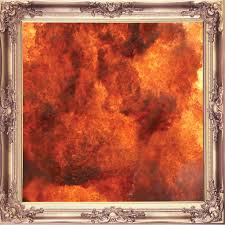
10. Kid Cudi – Indicud
The contrast of the stately frame makes the fire in this image come alive, as if it’s three-dimensional. Dangerous, uncontainable things come inside unassuming packages, and this image is so memorable because it’s unpredictable, framing a scene that doesn’t naturally observe boundaries.
Listen to “Unfuckwittable” off of Indicud here via Grooveshark:
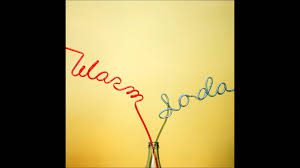
9. Warm Soda – Someone For You
Flat, room-temperature yellow backs this ambivalently nostalgic cover, bringing listless summer days to mind. In fact, the image captures the album’s blistering-but-catchy, vaguely seventies-era sound perfectly.
Listen to “Someone for you” off of Warm Soda here via Grooveshark:
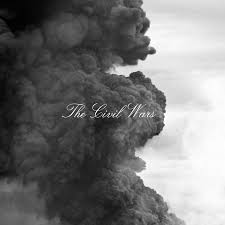
8. The Civil Wars – The Civil Wars
High-definition billowing smoke, a black and grey scale, and the austere white script across the dark grey cloud make this album cover memorably melancholy and archaic. This image looms, foreboding, channeling the loneliness and stark beauty of this band’s self-titled album.
Listen to “From This Valley” off of The Civil Wars here via Soundcloud:
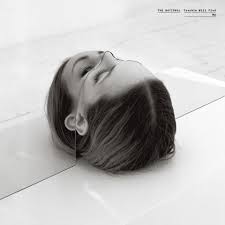
7. The National – Trouble Will Find Me
This odd, and vaguely threatening, photograph evokes a chilly quirkiness that The National’s Trouble Will Find Me delivers. The sterility of the floor–bathroom tiles, maybe–lends a particular spookiness to this shot.
Listen to “I Should Live In Salt”, off of Trouble Will Find Me here via Grooveshark:
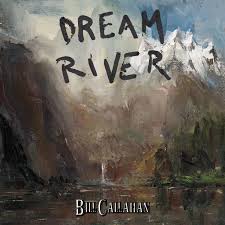
6. Bill Callahan – Dream River
The broad brushstrokes of the album’s title look almost like vandalism, as if they’d been painted over an otherwise stylistically intact impressionistic scene. Vast and epic, the foggy image draws my attention to that peeking square of sky above the mountains, and the music on this record is equally complex and easily obscured.
Listen to “The Sing” off of Dream River here via Grooveshark:
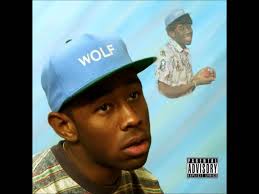
5. Tyler, the Creator – Wolf
The yearbook aesthetic is brought off with hilarious attention to detail, but what really makes this cover so bizarre are the faces Tyler, the Creator makes here. Simultaneously nostalgic for and mocking innocence, this rapper nails high school’s un-selfaware awkwardness (no surprise, since the rapper was only twenty-one when this picture was taken).
Listen to “Awkward” off of Wolf here via Grooveshark:
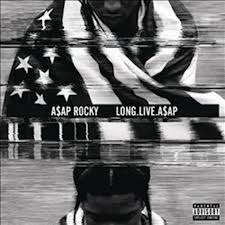
4. A$AP Rocky – Long. Live. A$AP
Sweet baby Jesus, this album cover is terrifying. Strongly evocative of a screenshot from The Ring, A$AP Rocky huddles with his head down, cloaked in an American flag, as the (presumably) VHS film recording him stutters between frames.
Listen to “Purple Swag” off of Long.Live.A$AP here via Grooveshark:
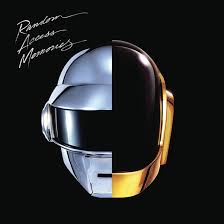
3. Daft Punk – Random Access Memories
Adapting the cursive script made iconic by Michael Jackson’s Thriller to a shiny, austere image of their own, Daft Punk set the standards high for their 2013 release. The album delivered on a grand, complicated scale, setting the band’s course for dance music that was at once nostalgic and intensely intellectualized.
Listen to “The Game Of Love” off of Random Access Memories here via Grooveshark:
2. Death Grips – Government Plates
There’s nothing frill about this stark, badass album, and nothing frilly about the stark, badass album art, either. As nihilistic as the music within, this image zooms in on the message.
Listen to “Birds” off of Government Plates here via Soundcloud:
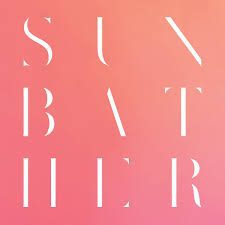
1. Deafheaven – Sunbather
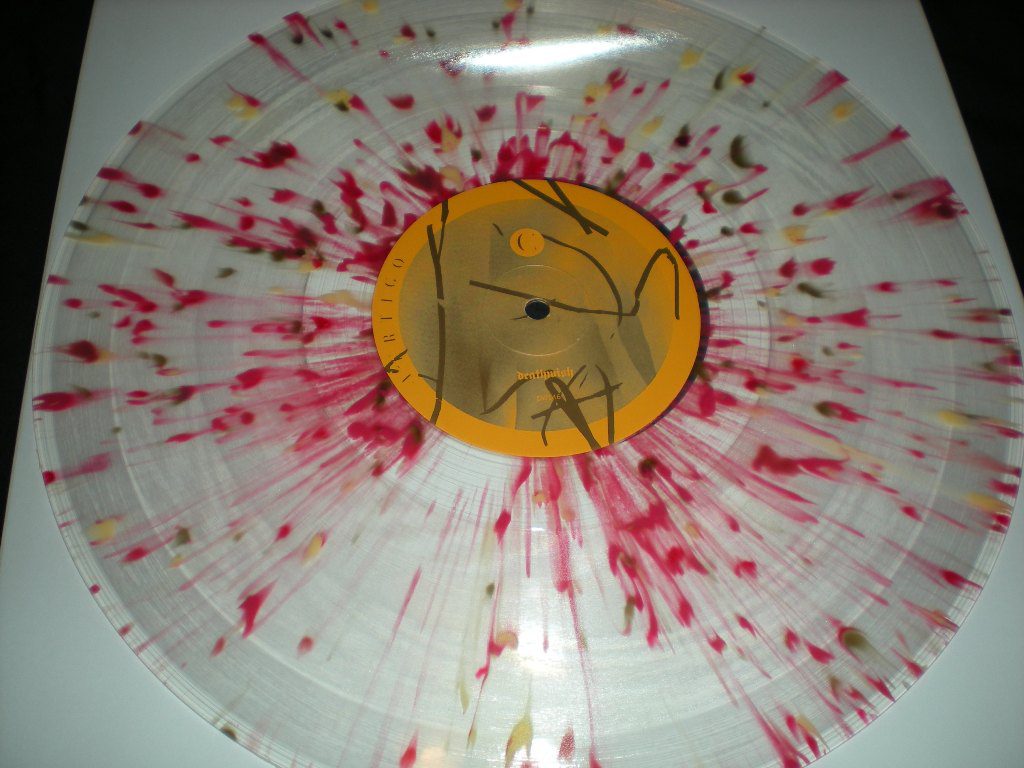
Like shoegaze metal itself, this cover–an utterly pink black metal album–seems like an illogical combination of things (see the album’s gorgeous Abstract Expressionist-inspired Vinyl design up top as our featured image), but makes glorious sense taken altogether. The image represents a view of the sun from behind your eyelids, a harsh and not wholly possible ascent towards the sublime that perfectly mirrors the journey the group takes over the course of the album.
Listen to “Dream House” off of Sunbather here via Bandcamp:
I think it took me a whole week to fully regain consciousness and physical awareness of myself after seeing !!! (chkchkchk) last Friday night at Webster Hall. This was the first time seeing the 8-piece ensemble, and at the show I felt both violated and honored at the same time. It should’ve come as no surprise to me that Nik Offer, frontman and lead singer, was performing for the whole hour and a half in boxers. Indeed, their prank pulling reputation (they’ve been around since the 90s after all) truly does precede them.
!!! consists the same amount of people as your high school’s marching band, it seems. We got Nic Offer as the lead scoundrel, Justin van der Volgen playing the bass, Tyler Pope and Mario Andreoni on guitar, Dan Gorman on trumpet/percussion, Allan Wilson with the saxophone/percussion, Mikel Gius on drums, and finally, Jason Racine on percussion. I can’t stress enough how well !!! pulls off being a “fun” band and at the same time makes instrumentally complex music. I don’t think I’ve danced to a song in which the trumpet and sax take main stage since the famous scene in The Mask when Jim Carrey’s green-faced double whisks away a young Cameron Diaz at the Coco Bongo Club.
The show at Webster Hall was not one of those nights where it was party in the front, bobbed heads in the back; the whole floor was one colossal dance party, rocking out to old songs as well as new tracks off of Thr!!!er. I’m pretty sure most of us in the crowd slung back a couple drinks right when we arrived, not to necessarily get obliterated, but to give ourselves the chance to dance wildly and spill-free. !!! always delivers a positively savage performance, making it hard for anyone to stand motionless. The band basically brings the dance party to you, personally (Nic Offer even jumped off-stage and jived around in the audience at one point).
From what I learned at Webster Hall, a !!! show can never be too long; I found myself having withdrawel the minute they exited the stage, despite their amazing encore for which they play their Christmas time newbie, “And Anyway It’s Christmas,” which is currently available in limited edition on 7″ vinyl.
Though all things must come to an end, Nic promised us that he was going to see us in 2014, so I can’t be too dejected. I hope you can wait. In the meantime, boogie-down to the holiday jam, here, via Soundcloud:
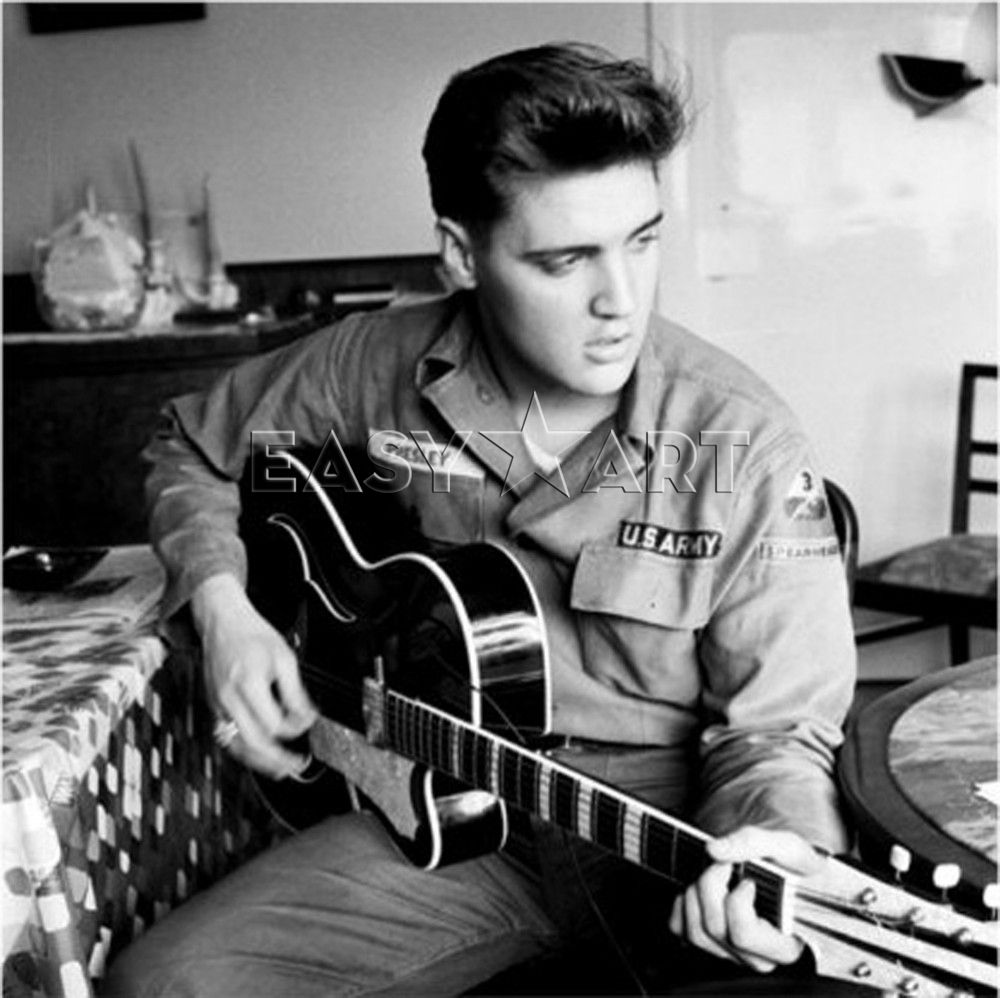
As 1957 wound to a close, Elvis Presley was twenty-two and a mega-star. He’d taken several steps during that year towards becoming the icon he’s remembered as today: earlier in 1957, he began dying his hair blackand made his third appearance on the Ed Sullivan Show There he was filmed from the waist up, per censors, although by that time the sex appeal ship had sailed for Presley: already he’d been dubbed “Elvis the Pelvis.” He bought Graceland, his iconic Memphis mansion, and moved in with his parents in time for Christmas.
On December 20, Presley received the draft summons that sent him to Germany the following year. Though Presley apparently feared that the notice would sabotage his career, his image as soldier only bolstered his appeal, particularly because he’d been given the choice to enlist as Special Services and perform for troops. He chose to be a foot soldier instead. His time spent in the army was fateful in several ways. Presley grew dependent on barbiturates while serving–a habit which triggered later drug use and contributed to his early demise. But more positive, less personal changes ensued, too—the army made Presley a more flexible icon. Already established as smooth-talking, sharply-dressed rock ‘n’ roll royalty, Presley’s army career added ruggedness to his public image. News crews filmed Presley being sworn in and, three years later, discharged. Subsequently, stories about this time in his life figured him an American hero—not just a pop star.
When he was drafted, Presley’s single at the time, “Jailhouse Rock,” moved the singer away from his golden boy image into grittier territory. “Jailhouse Rock,” featured in one of his most successful movies, achieved fanatical acclaim in the second half of 1957. Aside from the generally seedy aesthetic the song cultivates to go along with its subject matter, it’s a miracle that “Jailhouse Rock” ever snuck by the censors at all—famously homoerotic lyric “Number 47 said to number 3/You’re the cutest jailbird I ever did see/I sure would be delighted with your company/Come on and do the jailhouse rock with me” made Presley’s unwholesome side exciting and sexy, and not in a “Love Me Tender” kind of way. The army similarly expanded the reach of Presley’s reign, confirming the heroism his deep bass and dance moves had always posited.
Check out the original video for “Jailhouse Rock” below:
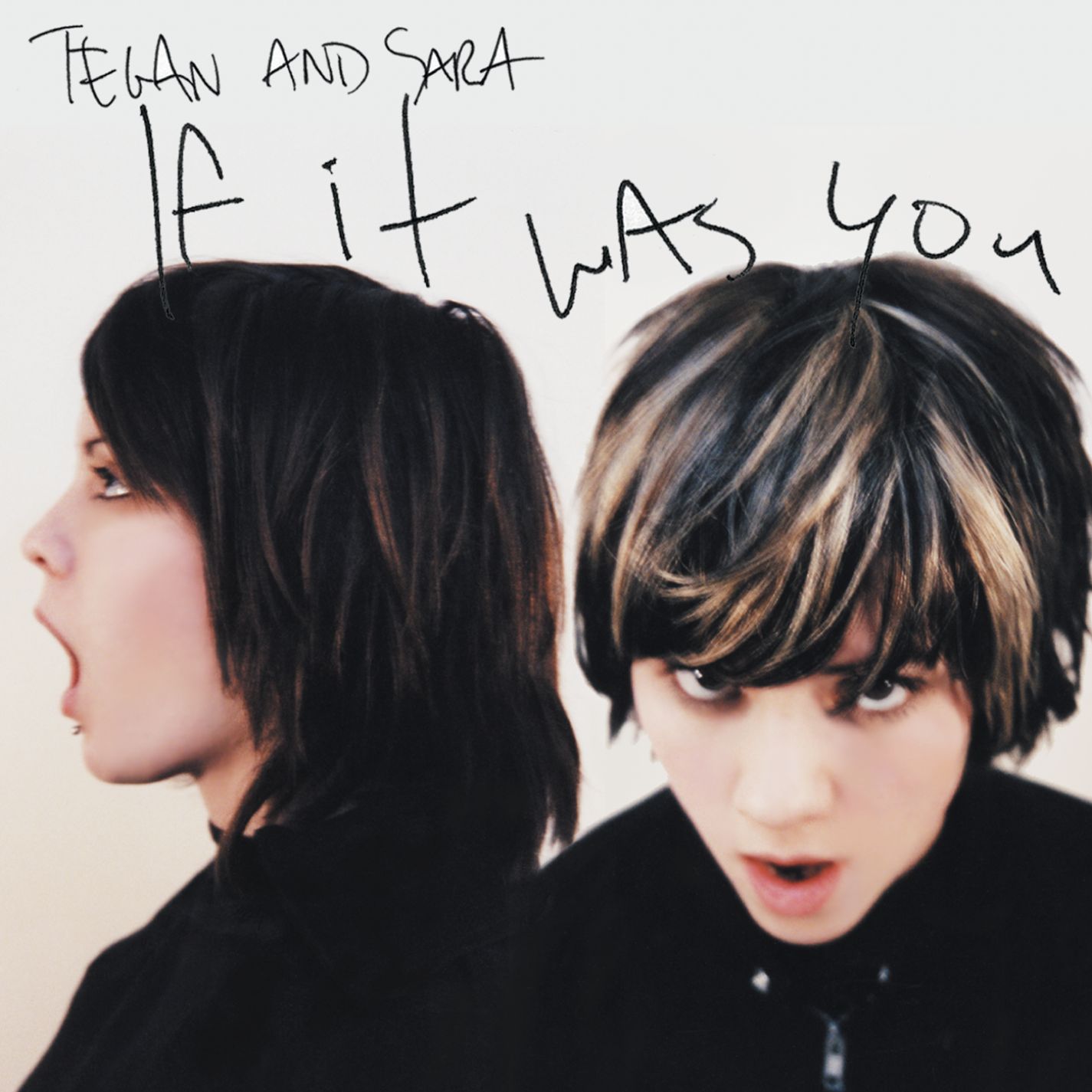
It’s 2002 and you guys just released your third album, If It Was You. The record is a little bit “indie rock” and a little bit folk and a little bit understated pop—a combination that works like a magical key to unlocking all of your best attributes. It sounds honest and genuine. These days, people are still calling you “Lilith Fair spin-offs” and throwing around names like Ani DiFranco and Alanis Morissette in trying to categorize you, but that’s a tough thing to do when all you two truly sound like are yourselves.
A little over ten years from now, critics will praise you for your “new pop direction” and your chart-topping, synthy single “Closer.” But right now, in 2002, If It Was You couldn’t even graze the charts, and it’s not trying to. Instead, it’s just softly playing from my headphones, and I’m listening intently to your fingers slide on your guitar strings and your gritty voices leisurely singing “Love pull your sore ribs in / I will pull your tangles out.”
This is the kind of intimacy that your music allows for—no, is made for—in 2002. And in ten years when you release your third DVD, “Get Along,” a live rendition of “Living Room” (the eighth track off of If It Was You)will set the stage, introducing the entire movie. And I’ll think about whether that means that you both feel that song still encompasses you two as songwriters and musicians, more so than your most recent work.
Your most recent work today, in 2013, is Heartthrob, the complete antithesis to If It Was You. This album is laden with electronic beats and hazy synthesizers and your voices are polished and neat. You explain your evolving sound as a product of a “calculated risk:” you both sat down and discussed what you wanted as musicians (your names on the Billboard charts, your songs on the Top 40 radio stations, your live shows in arenas). You made a conscious effort to “bite off a bigger piece of the mainstream,” as Tegan put it in an interview, and you succeeded. And I’m happy that you’ve achieved what you set out to achieve.
See, I’m not writing to you to tell you that you SOLD OUT. I’m your fan in the truest sense of the word: I’ll respect and support you two even when you stray pretty far away from what I’d normally dip into. The truth is I hate Heartthrob—it feels, to me, like your work on The Con, and So Jealous, and If It Was You was able to musically highlight all the nooks and crannies of your songwriting, whereas Heartthrob simply drowns your quirks in synths. But I can’t really knock an album that was pretty universally loved by critics and blogs and most of the general population (congrats, by the way, on making so many of this year’s “Best Of 2013” lists). In the end, I just can’t help wondering if you miss the way you once sounded as much as I do.
Twice a month, audiofemme profiles artists both emerging and established, who, in this industry, must rebel against misogynist cultural mores. Through their music they express the attendant hurdles and adversities (vis-a-vis the entertainment industry and beyond) propagated by those mores. For our first installment, Rebecca Kunin profiles Perfect Pussy, who burst onto the scene earlier this year and jolted the music world with its message: women can scream just as loudly as men, and have just as much, if not more to say.
PERFECT PUSSY: I HAVE LOST ALL DESIRE FOR FEELING
Perfect Pussyis a noisy lo-fi punk band from Syracuse, New York. Meredith Graves heads the band as the lyricist and singer. She is backed by guitarist Ray McAndrew, drummer Garrett Koloski, bassist Greg Ambler and synthesist Shaun Sutkus. Perfect Pussy combines Graves’ screaming lyrics with catchy guitar riffs and driving drums. The instrumentation, which is heavy on reverb, fuzzy guitar and feedback constantly battles Graves’ inaudible shouts. This results in an incredible, yet anxiety inducing and electrifying audio experience.
On April 25 Perfect Pussy released their debut demo,I Have Lost All Desire For Feeling. This EP includes 4 tracks, appropriately titled “I”, “II”, “III” and “IV”. I have Lost all Desire for Feeling features intimate and emotionally evocative lyrics from Graves’ personal life.
I’ve been lying to get attention.
Thankfully none of it ever happened,
nothing ever really happens.
I have a habit of telling extravagant lies;
Ask anyone, they’ll tell you.
So why didn’t I come forward, why didn’t I?
Ha ha ha, I deserve to be hurt like that.
Ha ha ha, it’s so funny isn’t it.
Oh, why didn’t I come forward?
It’s not your fault that I didn’t feel safe.
It is no surprise that Perfect Pussy is paving the way in the bk DIY scene, and mapping new frontiers within the nexus of feminism and punk rock.
Perfect Pussy Live: Shea Stadium 12/6/13
I went to see Perfect Pussy at Shea Stadium in Brooklyn last Friday. They were playing with a string of up and coming punk bands (Blessed State, Flagland, Yvette and California X). Their performance was penultimate.
The first thing that my roommate said to me after entering the venue was, “Geez, there are so many men here!” This statement was very true. The male-to-female ratio was about ten-to-one.
Perfect Pussy took the stage nonchalantly, chatting with the audience and one another as they set up their instruments. After a sound check where Graves had the sound engineer turn the mic way up, (my poor ears!) they paused, and over the impossibly loud reverb and guitar feedback, Graves addressed the audience. “Hey everyone, we’re Perfect Pussy.” There was another brief pause, and the music began.
Then Meredith Graves opened her mouth, and the gender comment my roommate made no longer mattered. Screaming at the top of her lungs until she was red in the face and the veins were popping out of her neck, Graves wiped away all of my previous gender awareness in one fell swoop.
A moshpit instantly formed (the only one of the night) while Graves writhed, pirouetted and hurled her body around haphazardly. Graves commanded power when she flexed her biceps and formed fists on the stage. She even got in one mosher’s face while singing “I.” , pulling the stranger forward so that their faces were almost touching while shouting “She’ll forget her actions. Someday I’ll forget her actions. Ashes to ashes to ashes, we will all die someday.”
In seemed like as soon as the set started, it had already finished. I had heard that they put on short shows but I didn’t expect it to be quite so short (They played 3 songs that lasted less than 15 minutes). I like to think that Graves and the gang put so much into their performance that they exhausted themselves after only a few songs. Also, the fact that they have only released 4 tracks makes a 45 minute set perhaps more of a challenge. Regardless, they played an incredible show, well worth the hearing loss that I likely incurred (my ears are still ringing!)
Femme Unfiltered: PERFECT PUSSY
In her music and performance, Meredith Graves presents an aggressive, unattainable and intimidating attitude. Her lyrics are often aggressive or sexually explicit. “There’s no room in this world for people who hate men, fuck you // My best friend is back in town. There’s a bad taste in my mouth. Her eyes fell low and heavy with shame and cum.”
Graves’ also displays a more vulnerable and insecure side of herself. “How long will I have you? // Who am I to speak of permanence? // I’ll be fifty in the book of names but goddamn it, I’ll be the last on the list // Someday I’ll stop begging you of who and how.”
She represents a person who is both aggressive and intimidating yet also shy, vulnerable and flawed. Graves doesn’t seem to care about whether or not she is supposed to be the shy, vulnerable Taylor Swift type or whether she is supposed to play the domineering Beyonce/Lily Allen role. Those models are impossible extremes and, just like men, women are complicated beings. We are sexy, ugly, skinny, fat, mean, nice, shy, outgoing, slutty and prude, all in one person. Graves is brave and honest enough to expose the complexity and confusion of femininity. She displays her battles with aggression and insecurity in her lyrics. “First I was softer, then I was stronger, now I am frightened, would you look at me now?” // I’m a tough boy, wild and innocent and dangerous as hell.”
In an interview with Pitchfork she mentioned that the band’s name, Perfect Pussy is a response to her own insecurity about her body image. “Perfect Pussy” is Grave’s declaration that she no longer cares if she is ugly.
“Nobody can look at me and say shit about my appearance or my body, which is all too common for women in music. It’s like, ‘Are you going to call me a cunt? Are you going to tell me I’m ugly? Well, here’s my band name, ‘do your worst, motherfucker.’”
The contradiction posed in aggressive name of the band and her own feelings of insecurity indicate indicates that this complexity extends from her music to her life and back.
Graves’ combination of both femininity and masculinity in her writing and performing is seemingly genuine and effortless. Too often female musicians are pigeon-holed as certain “types”, yet Graves is able to successfully blend various colors of femininity into her music, thus promulgating power through honesty.
*******
Perfect Pussy has just finished playing a number of NYC events this past month and is now headed on a country-wide tour. Listen to I Have Lost All Desire for Feeling here via bandcamp:
Every Thursday, AF profiles a style icon from the music world. This week’s icon is M.I.A., whose bright, crazy patterns have mesmerized us since the beginning of her career.
The controversial pop icon M.I.A. never disappoints us with her crazy stunts and her awesome outfits in equal measure. She’s become known for both in the music world, and you’ll rarely see her in a tame outfit or mood. She typically sports large jackets with swagger or an array of mismatched patterns, likely in a neon spread. Sporty hip hop gear crossed over into high fashion when she collaborated with Versus Versace for a collection of full-body patterned outfits in colors like gold, green and black. It’s not likely that she’ll stay out of the news any time soon, whether for her actions or clothing choices. Listen to M.I.A.’s “Bad Girls,” while you check out our picks from Nasty Gal and Urban Outfitters, all inspired by the goddess herself, of course.
It is a goddamn golden age for girl-fronted punk. It’s not that there haven’t been important works by women in the ensuing years, but 2013 saw a Riot Grrrl Renaissance unlike anything since its early ’90s inception. Back then, Kathleen Hanna had to make safe spaces at Bikini Kill shows for female attendees by calling out aggressive dudes. The ladies at the forefront of the movement had to blacklist the mainstream media that painted them alternately as fashion plates, dykes, or whores (sometimes all three, and always with negative connotations; it shouldn’t be implied that to be any of these things is bad or wrong in the first place). By all accounts, they “couldn’t play” anyway, so the medium and its messages were barely worth discussing as anything more than a passing trend. Meanwhile, riot grrrls preached their radical politics one Xerox at a time.
If the wisdom of these women seemed to skip the generation that adored Britney Spears’ “Hit Me Baby One More Time” without criticism, it has finally come full circle in a way that feels vital and urgent now. Not only are we as a culture stepping up to finally examine sexism and exploitation and appropriation within the industry, there are more acts than ever completely unafraid to do their own thing – be it overtly political (see: Priests) or revolutionary in its emotional candidness (looking at you, Waxahatchee). Maybe it has to do with direct influences of stalwart ensembles like Sleater-Kinney and Bratmobile, and maybe it’s a thing that’s happened gradually as those first voices carved out room for other female performers (for instance, in establishing Rock Camps for young female musicians throughout the country, a project that initially came about through discussions and direct action in riot grrrl communities). There’s no way to make an inclusive list of all the phenomenal bands (punk or otherwise) now blazing their own trails through their various scenes but taking a tally of at least a few of these acts felt like a necessity for me as someone whose entire life was informed by music like this, and girls like them. And because fifteen years after I discovered it for myself, 2013 feels like one giant, celebratory dance party/victory lap.
CARRYING THE TORCH
If 2013 is the year female-fronted punk broke, it has to be said that not all 90’s era veterans burned out or faded politely away. In fact, two of the grunge scene’s most influential women put out intensely personal releases this year.
[fusion_builder_container hundred_percent=”yes” overflow=”visible”][fusion_builder_row][fusion_builder_column type=”1_1″ background_position=”left top” background_color=”” border_size=”” border_color=”” border_style=”solid” spacing=”yes” background_image=”” background_repeat=”no-repeat” padding=”” margin_top=”0px” margin_bottom=”0px” class=”” id=”” animation_type=”” animation_speed=”0.3″ animation_direction=”left” hide_on_mobile=”no” center_content=”no” min_height=”none”]Hanna and Gordon in 1994’s “Bull in the Heather” video
Body/Head, Kim Gordon’s noise project with Bill Nace, created a moving exploration of feminine and masculine tropes in the form of a noise record. I wouldn’t want to reduce Coming Apart to a document of her split from long-time partner Thurston Moore, but the whole thing feels every bit as raw and awkward as a life change that catastrophic must have been. It’s Gordon’s most powerful, wild moments in Sonic Youth distilled down and then blown up. Her vocals can sound desperate and strained at times, but this is ironically the most forceful aspect of the recordings – the anger and the vulnerability existing together in all its anti-harmony.
[/fusion_builder_column][fusion_builder_column type=”1_1″ background_position=”left top” background_color=”” border_size=”” border_color=”” border_style=”solid” spacing=”yes” background_image=”” background_repeat=”no-repeat” padding=”” margin_top=”0px” margin_bottom=”0px” class=”” id=”” animation_type=”” animation_speed=”0.3″ animation_direction=”left” hide_on_mobile=”no” center_content=”no” min_height=”none”]Kim Gordon and Bill Nace perform as Body/Head in June at St. Vitus
Likewise, Hanna’s record is not a chronicle of her late-stage Lyme Disease, the chronic illness that forced her to quit touring with socially-conscious electro outfit Le Tigre (for that, check out Sini Anderson’s brilliant Hanna doc The Punk Singer) but a testament to the triumph that creating it had over her sickness. Reviving her moniker from ’97’s bedroom-recording project Julie Ruin by adding a “The” to the front and four incredible musicians and co-conspirators at her back, the band released Run Fast in September. It manages to meld every one of Hanna’s prior sonic sensibilities, burnishing the the dance-punk of Feminist Sweepstakes with the sass and cacophony of The Singles and adopting the confessional tone of that first solo record.
This is riot grrrl all grown up; though neither project should necessarily bear that particular label, it feels like a continuation of the story that in turn validates its importance. And the influence of Gordon and Hanna and others of their ilk can certainly be heard in a whole host of bands with break-out records that landed this year. Again, it’s not that anyone in these bands are running around calling themselves riot grrrls, just that they’d be right at home on a playlist with bands who did (and bands of that era, from Red Aunts to Discount to that dog., that demanded my affection as equally).
NEXT WAVE
Katie and Allison Crutchfield have been making music since they were teenagers, most notably in P.S. Elliot before splitting up to pursue creative projects as separate entities. Katie released American Weekend in 2012 and Cerulean Salt in March, Allison released a self-titled record with her band Swearin’ last year and followed it up with Surfing Strange a few months ago. The girls are mirror twins, meaning they’re identical but that their features are reversed in some instances, and that’s a good approximation of how their musical projects merge and divide. Cerulean Salt is stripped down sonically and hyper-focused on thematic subject matter, dealing directly with her family history and its personal stories. Swearin’ takes a music-making approach more classic to pop punk, its subject matter just as earnest but with a broader focus. The two have reunited for one-off projects (like an incredible cover of Grimes’ Oblivion for Rookie Mag) and live together in Philly with their boyfriends (both of whom play in Swearin’). In interviews and in their song lyrics they espouse feminist ideas unabashedly and have talked openly about finding inspiration in the riot grrrl movement.
Speaking of Alison’s boyfriend, Kyle Gilbride produced girl-punk supergroup Upset’s debut album, She’s Gone, out this year on Don Giovanni. Uniting Vivian Girls contemporaries Ali Koehler and Jenn Prince with Patty Schemel of Hole, She’s Gone is a quirky collection of catchy, rapid-fire jams that at first listen might come off as slightly superficial. But at the crux of the record is the idea of examining female experience, in particular the formative teenage years, in which break-ups and female rivalry loom large. Taking what might be written off as juvenile and giving it its due importance in song is what makes the album both accessible and relevant. If it seems precocious to compare one’s dreams to a dinosaur, at least it validates them by re-calibrating the scale.
Don Giovanni put out another astounding release in The Worriers’ Cruel Optimist. Fronted by Lauren Denitzio of Measure, the project seeks to combine her interests in literature, art, and queer activism in a way her past musical projects have not. Over hooky guitars and crashing drums, Denitzio talks about privilege in feminism and the need to re-evaluate personal politics with growing older on “Never Were”, references Jeanette Winterson as a way to talk about androgyny and gender identity on “Passion”, and ruminates on the toll that conservative politics took on a personal relationship in “Killjoy”. The album closes with “Why We Try”, a triumphant reminder of the reasons these discussions still need to happen in music and elsewhere. “If we expect something better / things won’t just move forward / Remember why we try“.
In talking about New Brunswick’s esteemed DIY circuit, we’d be remiss to not include Marissa Paternoster, active for several years now in the punk scene there, releasing work under solo moniker Noun as well as with her band Screaming Females. It’s the latter’s most recent release, Chalk Tape, that sees the band going in some very interesting melodic directions with their particularly searing brand of guitar rock, recording most of the songs without revisions based around concepts scrawled on a chalkboard. Paternoster’s commanding vocals, gliding easily between out-and-out aggressive and tender, looped sophistication, paired with her exceptional guitar work, make Chalk Tape a tour de force. Here’s hoping a few misguided Miley fans accidentally stumbled on the wrong “Wrecking Ball”.
Nestled in another well-respected DIY scene, Northampton-based Speedy Ortiz represent a collective of 90’s-era rock enthusiasts with a poet at the helm. Sadie Dupuis feels more comfortable behind a guitar than on open-mike night, but the lyrics she penned for Major Arcana and delivers with brass are practically worthy of a Pulitzer. Razor sharp wit, slyly self-deprecating quips, and vitriol marked by vulnerability characterize the general tone of the record, its particular lyrical references so nuanced and clever it begs about a million listens.
Potty Mouth sprang out of the same scene when Ally Einbinder, frustrated with the difficulties of booking shows and playing in bands with men who rarely asked her input when it came to songwriting, decided to form and all-female punk band. Einbinder and her cohorts are frequent participants in Ladyfest, which has sought to showcase feminist artists across different mediums for thirteen years running. Bursting with energy and attitude, Potty Mouth’s debut Hell Bent calls bullshit on punk scene bravado, questions obsessive tendencies, encourages punk girls in small towns “it-gets-better” style, and delivers acute, sharp-tongued kiss-offs to any doubters.
Though the pun alludes to classically trained harpist and witchy-voiced weird-folk patron saint Joanna Newsom, Alanna McArdle and her compatriots in Joanna Gruesome stray pretty far from that reference point. Instead, the UK band cherry-picks from shoegaze, twee, and thunderous punk with Adderal-fueled ferocity. McArdle is a study in contradictions, one moment singing in a sweet-voiced whisper and the next shouting psychotically, often about crushing skulls or some other, equally violent way of expressing her twisted affections. The group met in anger management, and every second on Weird Sister sees them working out some deeply seated issues, the end result proving what a gift anger can be.
NEXT YEAR
This particular calendar year, it seems, is only the beginning. With a record crate’s worth of amazing releases from 2013, there’s a bevvy of bands with bandcamp profiles, demos, EPs, cassettes and singles that hold a lot of promise for future releases. Across the board, when asked how their bands formed or when they started playing, the response is “I wanted to do it so I got a guitar and I just started playing.” The DIY ethos and “fuck it” attitude are what make these projects so vital and exciting.
Priests
The DC group are explosive live, in particular thanks to Katie Greer’s spastic growl and Daniele Withonel’s revelatory drumming. The band’s been known to spout off about anti-consumerism between songs, out of breath from the high-energy set, but there’s plenty of radical content in their self-released tapes, too. Those searching for manifestos need look no further than “USA (Incantations)”, a spoken-word bruiser that skewers the non-inclusive founding of America and ends with “this country was not made for you and it was built on lies and murder”; it kind of makes me want to vote for Priests for president. Elsewhere on Tape 2, Withonel steps from behind her drum kit to flip the script on the male gaze, with perfect Kathleen Hanna pitch. Whether they’re singing about Lana del Ray or Lillian Hellman, these self-described Marxists provide an electrifying listen.
Perfect Pussy plays notoriously brief shows – if you blink during their set, you’ll miss ’em – but all have played the Syracuse scene for years now. The quartet got a lot of attention this over I Have Lost All Desire For Feeling, a four song EP with walls of guitar fuzz and synths and some forceful vocals from Meredith Graves buried low in the mix. Trained in opera but trying out punk, she’s said that because she’s insecure about her singing they’ll likely stay that way when the band records a full length. But it’s not because she’s trying to hide her words – you can read them by clicking through each song on Perfect Pussy’s bandcamp. They are well worth extracting from the sludge, coming across like a Jenny Holzer send-up of rape culture, mixed in with some personal meditations on growing past a female betrayal and catharsis through relationships thrown in for good measure.
Ellen Kempner writes off-kilter lyrics that perfectly distill the wonder and worry that comes with being a teenager, but with a wise, almost nostalgic tone that does not belie the fact that she is, actually, a freshman in college, living these experiences for the first time. Her musician father taught her how to play guitar, and in high school she was in a band called Cheerleader before releasing some solo recordings that morphed into Palehound. Their excellent Bent Nail EP came together this year, featuring the quintessential “Pet Carrot”, which seesaws from sing-songy folk to scuzzy 90’s grunge more reminiscent of Liz Phair than of Lorde.
The Philly trio are a perfect picture of female solidarity, repping other girl bands from Philly in interviews and inking their bodies with matching arrow tattoos, as well as getting involved with Philly’s Ladyfest. They sing about friendships and loss and the city around them with a raspy roar, holding back just enough on their three-song demo to hint at the spaces they’ll grow into.
Coming out of Columbus, Ohio’s great lo-fi scene (which bands like Times New Viking and Psychedelic Horseshit helped build, and contemporaries Sex Tide and Connections will only continue), All Dogs take that same energy and clean up the grime just a bit to let Maryn Bartley’s hopelessly catchy vocal melodies shine. There’s a youthful exuberance and earnestness that propels the material on their split cassette with Slouch and their self-titled 7″ released on Salinas Records. The Crutchfield sisters have been big early supporters; Katie booked them as openers on an upcoming Waxahatchee tour after saying they “made her cry”.
About an hour south in Cincinatti, Bridget Battle takes an endearing 60’s girl group intonation and spits it snottily into a microphone while her bandmates in TWEENS play messy, immediate punk rock. Their CMJ performances earned them rave reviews and helped them release a bit of the energy they’d pent up during the recording of their first full-length in DUMBO, set to see release sometime this spring. Until then, they’ll be touring with fellow Ohioans the Deal sisters for The Breeders’ extended reunion shows.
“I don’t care what you think as long as I can’t hear it / I’ll be a fly some other place. / I don’t care what you do / As long as you stay away from me / I can’t stand the way you do the things you do.” So begins “All the Girls” from Heavy Bangs’ bandcamp demos. It’s a departure from the quirky indie pop Cynthia Schemmer played as guitarist for Radiator Hospital, but it takes cues from the same attention to clever melody. The best indication of what might come from her solo project are the artful and contemplative postcards she posts to her tumblr (http://cynthiaschemmer.tumblr.com/) before sending them to to friends, apologetically explaining why Philly drew her back after time in New York, or recounting conversations she had with a therapist over the loss of illusions. Like the two tracks she’s shared, these can feel sad but are intently self-aware, the attention to detail speaking volumes between the lines.
Are those alive in a golden age ever able to really realize it? Or can it only be understood by looking back? With the passage of time we grow older and wiser and we’re better able to put things into context, but there are some moments that are simply meant to be lived. If you’re not screaming at the top of your lungs to these records or dancing in the front row at one of these shows, you’re doing it wrong.