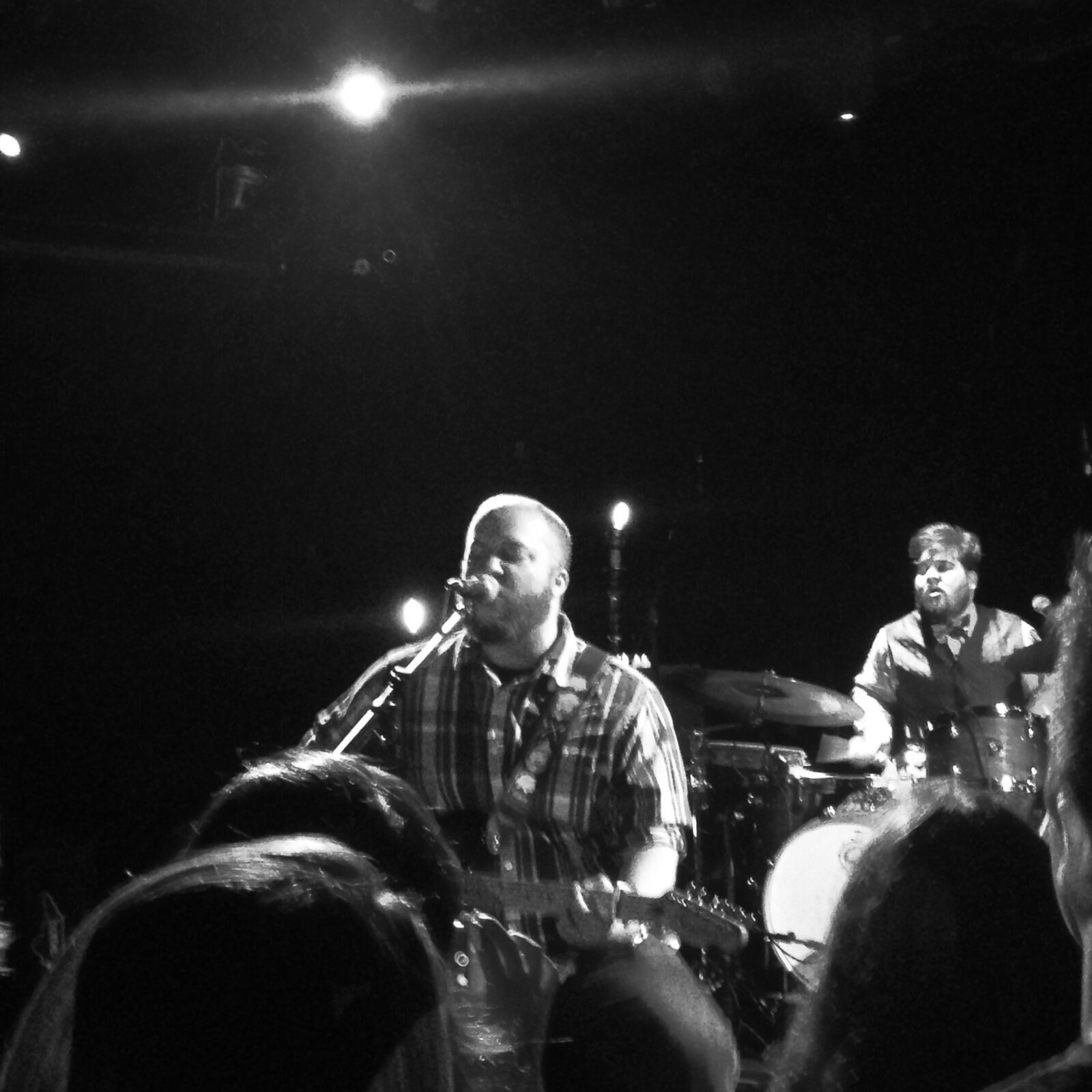
To get you as pumped as we are for our CMJ 2013 showcases, we’re introducing each band to you by asking them five unique questions. Kings is playing Sidewalk Cafe, 94 Ave. A in Manhattan on Wednesday, October 16th at 10PM. You can RSVP onfacebookorDoNYC.
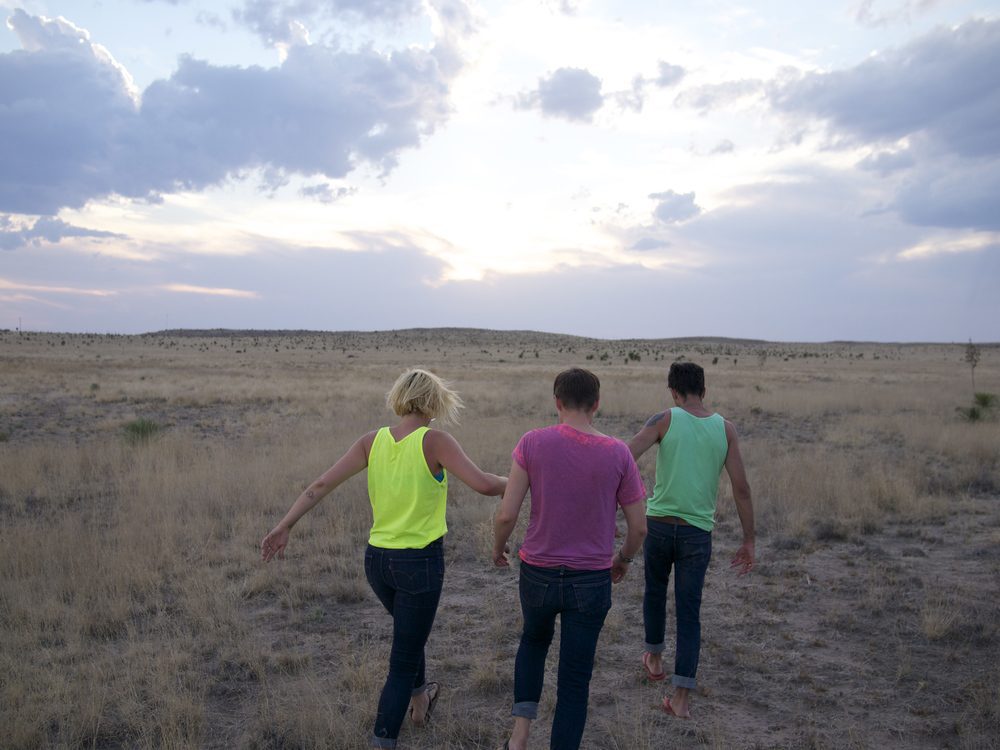
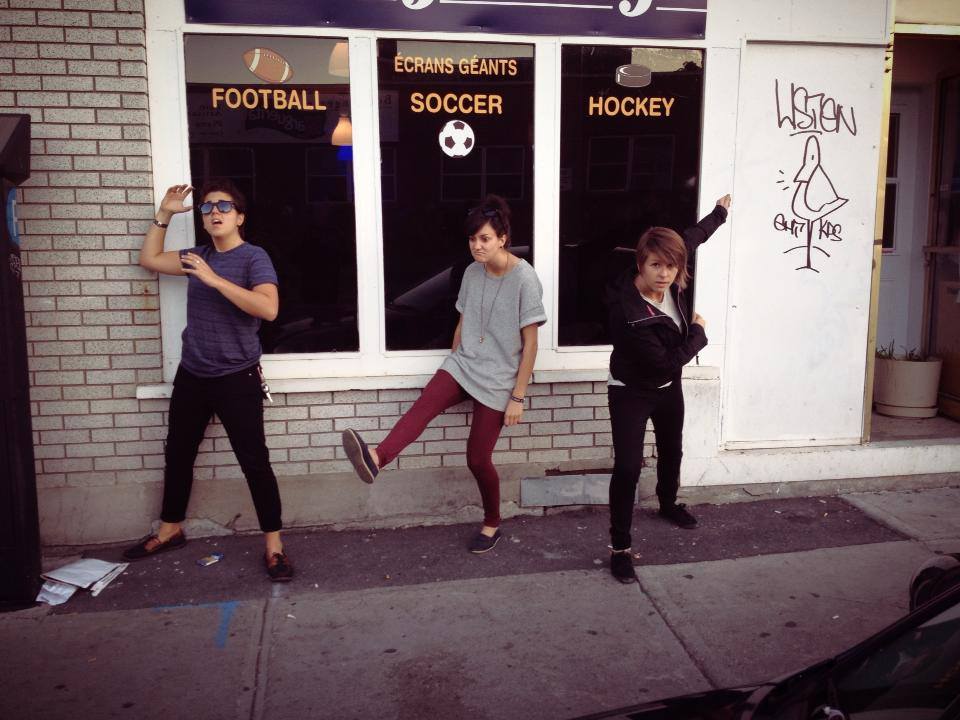
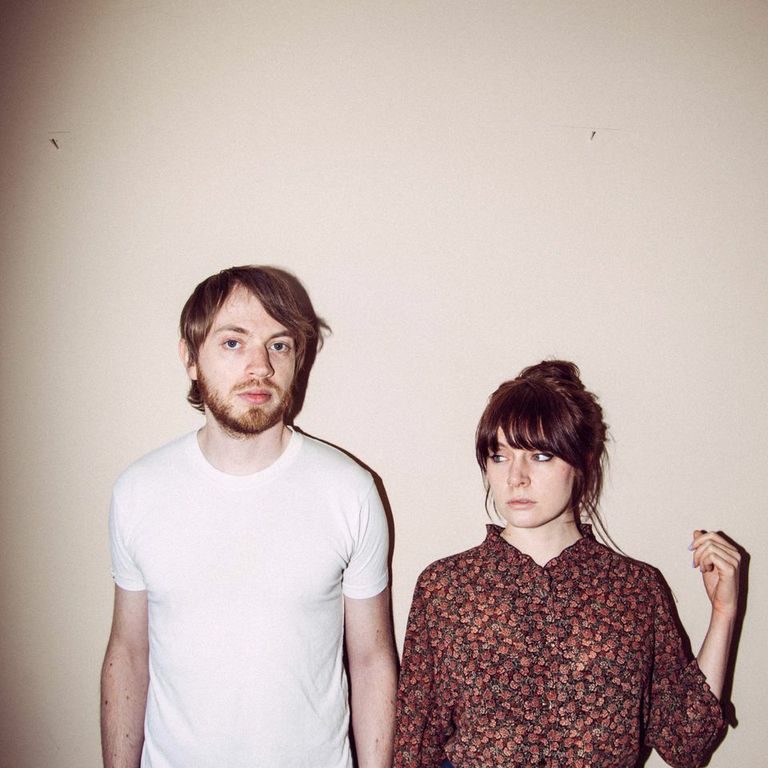
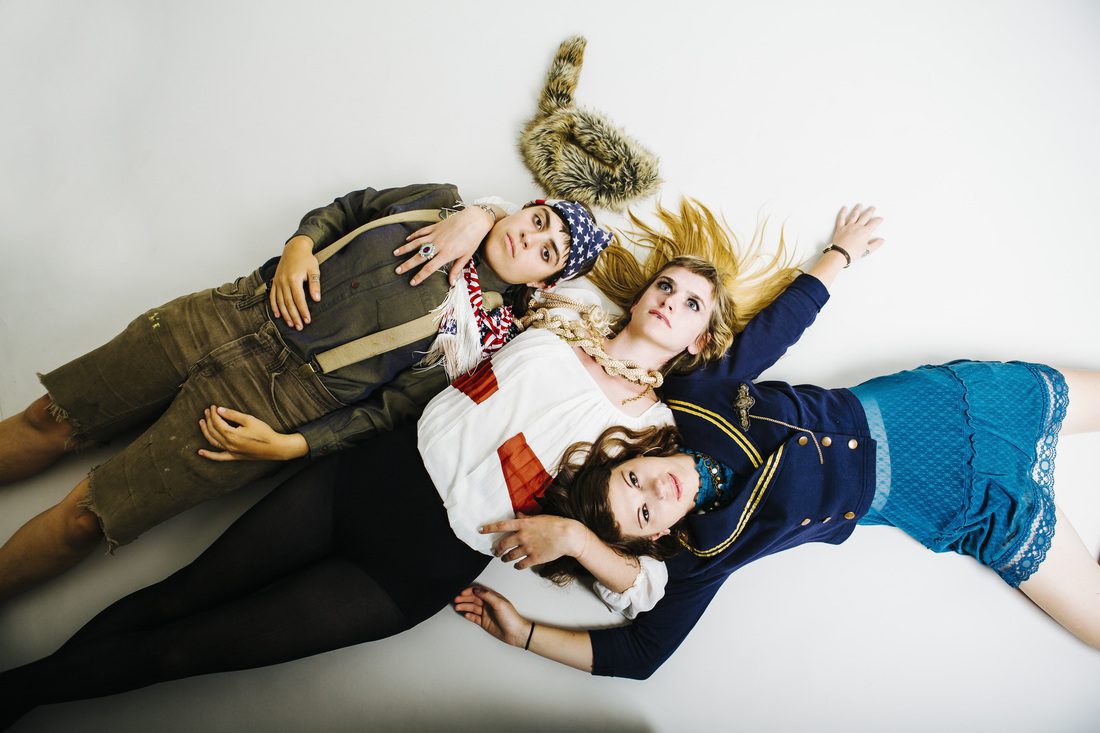
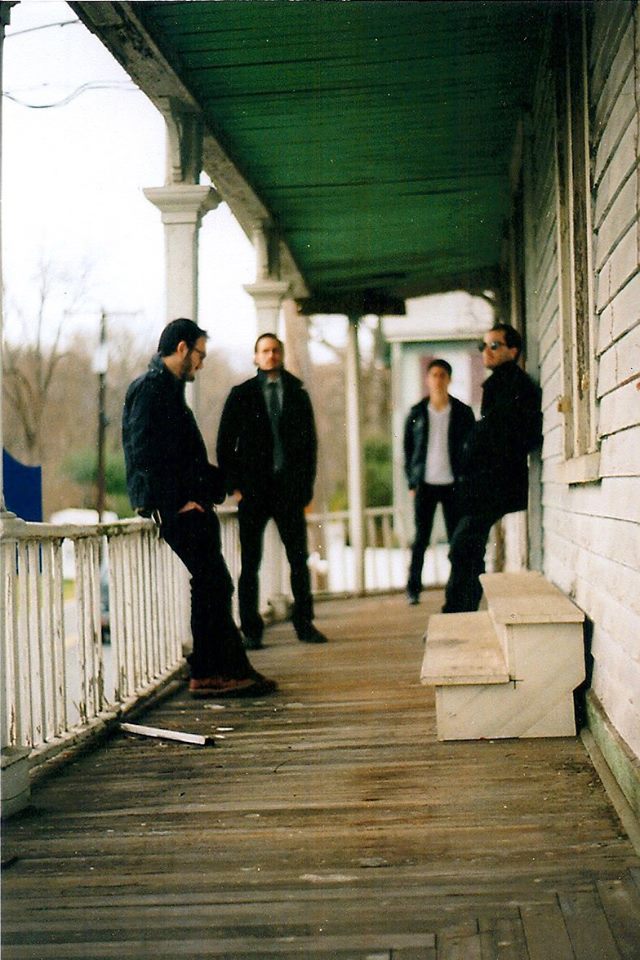
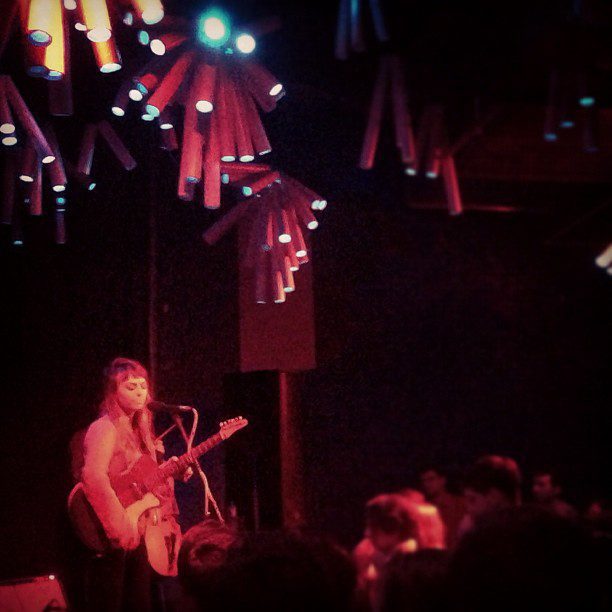
Kings are a three-piece country band composed of Brooklynites Emily Bielagus, Steph Bishop, and Robert Maril. Together, their exquisite harmonies, pedal steel and bright banjo weave together stories along the lines of traditional country, bluegrass, and folk, but the band has a deeper agenda, too. As activists in the queer community, they’ve made their music a reflection of that identity, composing narratives around the LGBQT experience.
AF: You describe Kings as queercore alt-county and perform with a very powerful mission in mind – in your own words, “to open up a space for queer people inside traditional country music”. What’s been the most difficult part of fulfilling that mission, and what’s been your most triumphant moment?
KINGS: We know that we’ll never be on Top-40 Country Radio, and that’s OK with us. Really, our goal is to reach some queer kid living in Bumblefuck, Oklahoma/New Hampshire/Poughkeepsie who loves country music, but is currently stuck listening to mainstream heteronormative bullshit music about drinking beers out of red solo cups and riding dirtbikes. Don’t get us wrong, those things are fun, but we want that kid to know that they can enjoy country music AND still feel queer pride. It’s been hard to accomplish that yet because we’re still so unknown outside the Brooklyn music scene. But hopefully not for long?? One of our best moments so far was when a music writer mentioned Chely Wright in one of our music reviews. We were like, “Yes, EXACTLY.” That’s exactly the movement we’re championing.
AF: Though Kings’ music evokes the sensibilities of the Western plains and other wide-open rural spaces, you’re based in Brooklyn. Is it ever difficult to cultivate and maintain a country sound in such a huge, urban city?
KINGS: Nice Dixie Chicks reference! [fusion_builder_container hundred_percent=”yes” overflow=”visible”][fusion_builder_row][fusion_builder_column type=”1_1″ background_position=”left top” background_color=”” border_size=”” border_color=”” border_style=”solid” spacing=”yes” background_image=”” background_repeat=”no-repeat” padding=”” margin_top=”0px” margin_bottom=”0px” class=”” id=”” animation_type=”” animation_speed=”0.3″ animation_direction=”left” hide_on_mobile=”no” center_content=”no” min_height=”none”][Eds. Note: It actually wasn’t, but having grown up on country music I guess it seeped in to me a bit, too.] No, it’s been easy. It’s the kind of music we all listen to on the regular, and it’s a timeless sound. Americana/Folk/Country music is having its trendy moment these days (it’s also maybe a part of this somewhat insufferable trend – the Brooklyn handmade knit-bomb moustache homebrew ball jar suspenders thing) but I’m glad people are into it. The three of us grew up in rural places, and it’s the music that’s just a part of who we are. It’s almost like we cling to it and create it because we live here – we maintain this sound for our big-city survival.
AF: How do you collaborate when writing songs? We’re dying to know how you develop those breath-taking harmonies!
KINGS: We generally come in to rehearsal with a few songs already written, or a few song “nuggets” that we flesh out together. The songs that stick around are the songs that lend themselves to our 3-part harmony and, honestly? That harmony just kind of happens. It’s sort of magical, and it’s how we first realized we were on to something when we first got together. We sang a couple lines of harmony and we were like “oh shit! That sounds good.”
AF: You just finished recording your gorgeous debut EP, Bones. Do you like recording or playing live shows better?
KINGS: Yikes – that’s like a choice between the best and the other best! Oh man, being in the studio is the best best best, though. We joke that we could spend all day every day in the studio, but actually, it’s not really a joke. We loved our Bones studio days and we can’t wait to go back and record more. However, we’re theater-kid performance-junkies at heart, so the live shows keep us going. They also inform our songs. You can write a song and rehearse a song for hours but you don’t really know what the song’s personality is until you sing it live.
AF: If you could hear any classic country singer cover a Kings song, which one would you want to hear and who would you want to sing it?
KINGS: I think all three of us would lay down and die if Dolly Parton covered “Western Sky.” I would absolutely never recover.
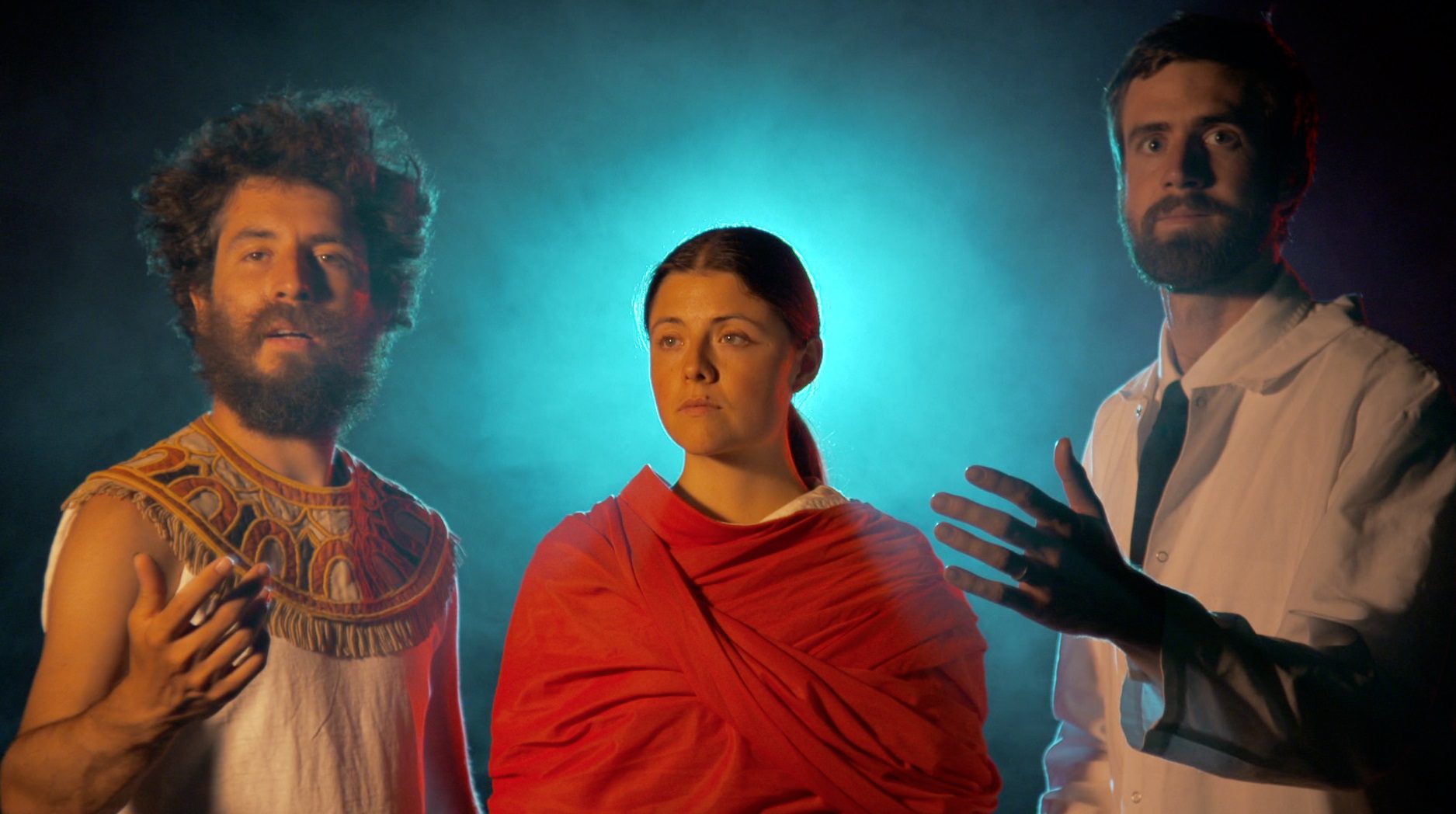
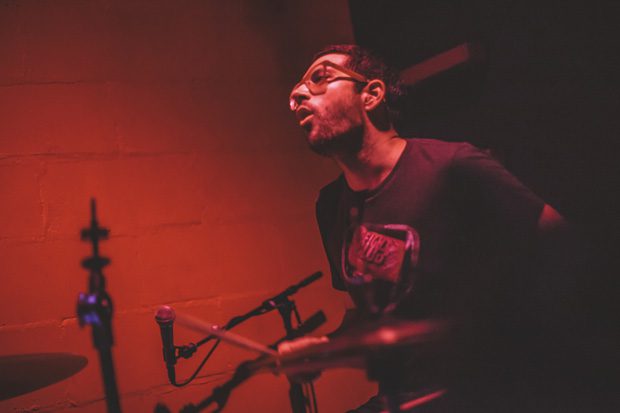
To get you as pumped as we are for our CMJ 2013 showcases, we’re introducing each band to you by asking them five unique questions. We love Diamond Bones so much that we invited them to play both of our showcases! The first is at Sidewalk Cafe, 94 Ave. A in Manhattan on Wednesday, October 16th at 10PM. You can RSVP onfacebookorDoNYC. And if you can’t make it to LES, you get a second chance to see DB at Spike Hill, 186 Bedford Ave. in Williamsburg, BK on Thursday, October 17th at 1PM. You can RSVP onfacebookorDoNYC.
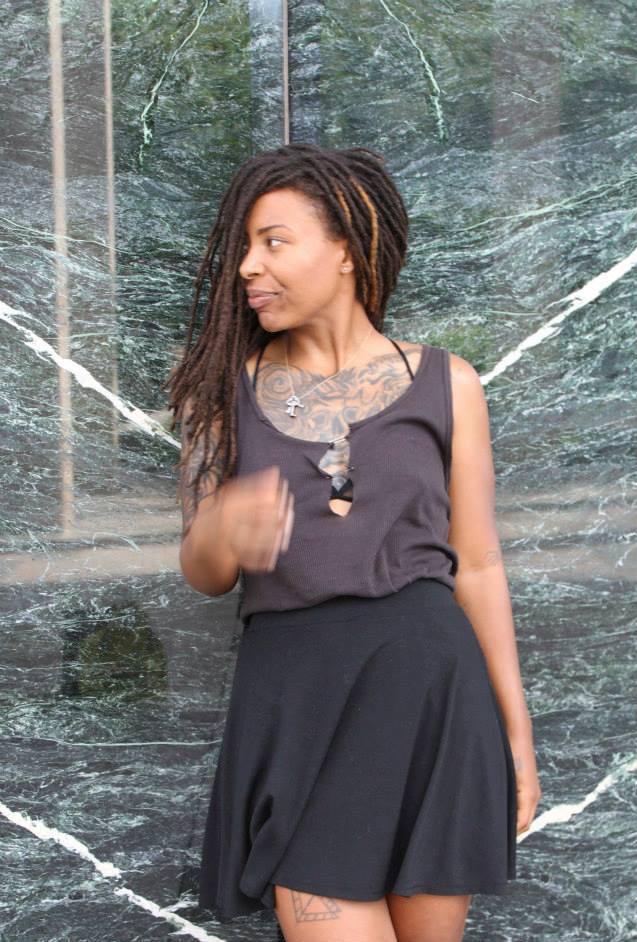
Influenced by dreams of past and future, Diamond Bones creates something in between psychedelic electro & shoegaze pop music, rooted in raw emotion. Their songs invite you in with hypnotic rhythms and gripping melodies, and charm you with haunting lyrics that convey unfeigned experience. Their sound, once described as “dark disco” has evolved over the year they have been together into something along the lines of “tribal dream pop.”
AF: Tell us about the music scene in Montreal!
DB: There are (and have been) a lot of great bands from the Montreal music scene and it’s known as a kind of music haven but we think it has a great community vibe and lots of opportunity to be creative. There are tons of great venues, festivals and events put on by different organizations year-round and the musicians seem to be really supportive of each other from coming to see each other’s shows to lending gear around, etc. It’s definitely a scene we’re proud to be part of.
AF: How did the three of you meet and what made you decide to play music together?
DB: Isabelle and Lana met on the first day of college and soon started playing music together in Lana’s garage. A few bands and a few years later, Lana’s high-school friend Michelle moved home from Toronto and came to a jam session. The chemistry was aces! and without being too cheesy here, the three of us knew we were doing the right thing. Diamond Bones was born just a couple of short months later.
AF: We just can’t wait for the new album! What was the process of recording it like?
DB: Dream come true, yo! We were lucky enough to record at Montreal’s esteemed Breakglass studio amid an array of beautiful equipment and a killer vibe. We’re hoping that comes through in the finished product! The three of us got pretty goofy after the first few days, There were lots of late nights filled with corner-store wine, chocolate bars and home-cookin’. It was amazing though- such a great environment for creativity and collaboration- It was one of our favourite experiences (as a band) to date- we loved not having to be anywhere or do anything else while we were in studio. We’re super excited to get the finished product out there!
AF: Has anything embarrassing ever happened to you on stage?
DB: Lana frequently hits herself in the head with drumsticks. Actually, she’s frequently injuring herself on stage. Isabelle once played a whole song on the bass without realizing the amp wasn’t on. Michelle once just stopped playing in the middle of a song. We’re a little awkward in general so we put time aside during rehearsals to practice our stage banter. That’s fairly embarrassing, no?
AF: Are there any other bands playing CMJ who you’re particularly excited to see?
DB: Half Moon Run (Montreal sweethearts), CTZNSHP (another home-brew), we’re hearing a lot of hype about Haerts so we’re definitely going to check them out. Alpine, Human Human, many more I’m, sure. We’re just excited in general!
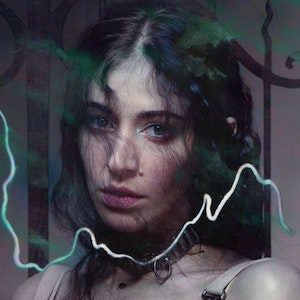
To get you as pumped as we are for our CMJ 2013 showcases, we’re introducing each band to you by asking them five unique questions. Dark North is playing Spike Hill, 186 Bedford Ave. in Williamsburg, BK on Thursday, October 17th at 1PM. You can RSVP onfacebookorDoNYC.
Full disclosure: Emily and Glenn Forsythe are friends of mine from back in the day when we all used to live in Ohio. But it wasn’t until the siblings moved to Boston that I got an invite to the then fledgling band’s MySpace page (this pre-dated facebook, of course). I remember clicking the link, listening, and practically tearing up, partly because what I was hearing was so beautiful, and partly because I had no clue that Emily could sing like that. The band has gone through some major growth since that time – morphing from “Forsythe” to “St. Claire” before finally settling on Dark North just a few months ago; taking on new members and saying goodbye to old ones; moving from Boston to Brooklyn and traveling the world in between. Their sound has grown too, from winsome, heartfelt folk into wise, intricate story-telling.
AF: You’ve performed for years as St. Claire but recently changed your name to Dark North. What was the impetus behind the name change? Was it scary to shed your old identity?
DN: Dark North just felt right. I love the name for hardly any reason. I wrote a song called “Dark North” and it just felt like how I feel right now. There’s a lot in there that I think fits the band the way it is at this time and I’m really excited about it. That said, yes it’s hard to change. But soon I have faith that people who liked St. Claire will know it’s still us– but better– and embrace it.
AF: What was the first song you remember hearing that made you want to start a band?
DN: Wow. Hard one. I have to say listening to Neil Young when I was really young just made me feel like I could and should sing. He had so much to give and I wanted to do the same. I guess I always really knew that’s what I wanted to do!
AF: You’re from Ohio, have traveled all over the world, and finally settled in Brooklyn after living in Boston for a while. How has exposure to such varied music scenes influenced you?
DN: I have seen a lot of how where you are influences you– and doesn’t. A lot of people value where they are and think that defines them. And it does have a big effect… but you can’t rely on that making you who you are. There are amazing, talented, brilliant, and kind people everywhere. I love knowing that that’s true no matter where you go– be it New York, Paris, or small towns in Ohio. I think what you have to give is more important that what scene you’re a part of.
AF: Being siblings, is it ever difficult for the two of you to work together?
DN: Ha. That’s easy. No, it’s not hard. It’s a blessing. Glenn got the heart and the brains and I got the heart and the wanderlust. We are a great team and it’s only ever fun to discover new ways to connect and make things happen.
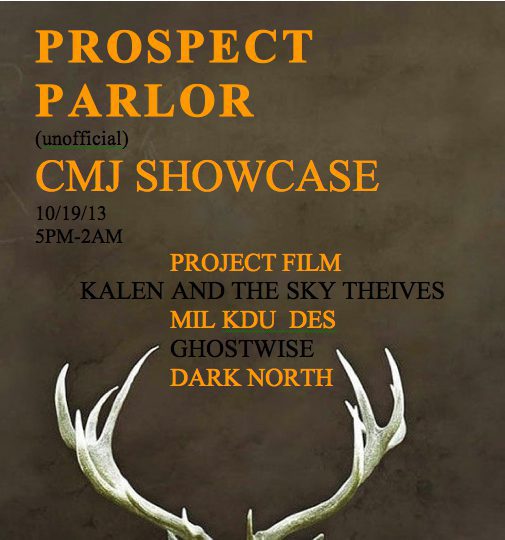
AF: You’ve been booking bands for a series of house shows in Crown Heights called Prospect Parlor. How did that get started? Can you talk about that process and about some of the bands you’ve hosted?
DN: We love putting on shows there. It’s our home and sharing it with tons of strangers is the best. We grew up going to shows in Columbus that were really raw– in basements and squats and warehouses… There’s just nothing like the way that felt. The goal is to bring that kind of spirit to a space where people can feel that they are really a part of the music. I think that’s the way music should really be experienced. Come to our CMJ show on Saturday! There will be 6 bands all day long!
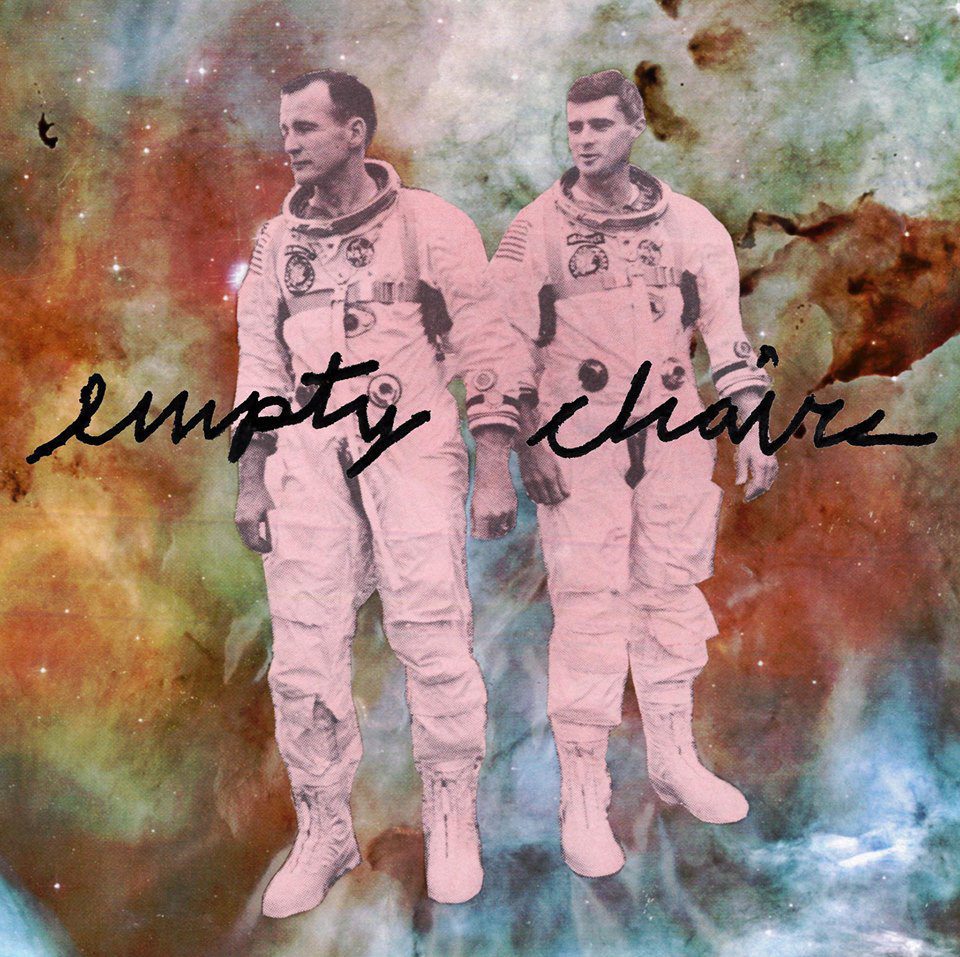
Brooklyn natives Empty Chairs are continuing on their wave of rhythmic harmonies toward the release of their first full-length album with a video for their single “GTMO.” The album, Caveat Emptor, drops on November 5, but for now, you can check out the exclusive premiere of the video here on AudioFemme. Frontman Peter Spear debuted Empty Chairs’ 5-track EP back in April 2011 and has since been joined by bandmates Whitney Broadstreet, synth and vocals, and Matthew O’Koren, percussionist.
Leading up to the new album, the band released singles “Akira” in July 2012 and “War Cries” in March 2013. Now, they’ve given us “GTMO,” a dreamy harmony of synthesized guitar and keyboard. They keep within the same psychedelic sound as the EP, which in this case isn’t a bad thing. Elias Gwenn shot the video and Empty chairs teamed up with him to produce it at Velidoxi Studios.
The video follows Spear walking around New York with an acoustic guitar — clearly not the instrument responsible for the song’s electronic-heavy sound. The footage appears to be playing backward: as Spear walks around Washington Square Park heading toward the camera, pedestrians behind him travel in reverse. It’s a clever touch that takes a second to notice, for the focus is on Spear. The video is reminiscent of a type of home-video montage and evokes thoughts of sunny skies and brighter days. As Empty Chairs continues to grow, their infectious rhythms are keeping our attention.
To get you as pumped as we are for our CMJ 2013 showcases, we’re introducing each band to you by asking them five unique questions. And The Kids is playing Spike Hill, 186 Bedford Ave. in Williamsburg, BK on Thursday, October 17th at 1PM. You can RSVP onfacebookorDoNYC.
And the Kids is made up of Hannah Mohan (lead vocals, electric ukulele and guitar), Rebecca Lasaponaro (vocals, drums, bells) and Megan Miller (vocals, synth, glockenspiel, woodblock). Playing what they call accessible unconscious existential indie folk rock glitter popsicle crisis music, they have been packing the sidewalks and clubs from Northampton to Boston to New York City with their fierce infectious harmonies, tight and unique grooves and songwriting that has the ability to reach down and tug at the truths of their generation and beyond. Hannah and Rebecca met in their grade 7 music class and have been collaborating ever since. Megan Miller direct from Canada met Hannah and Rebecca at the Institute for the Musical Arts (IMA) in Goshen, MA at a women’s recording and sound engineering program and together the trio is on a mission to inspire the hearts of all living beings of light and laughter one stage at a time.
AF: Hannah and Rebecca – you met in 7th grade music class. What are some of the songs you remember singing as kids?
ATK: The first song we sang together is Tom Sawyer (that irresponsible child…)
AF: During the filming of your “Cats Were Born” video you were living in a tent and practicing in an electrified portable storage pod. What made you decide to do that? Can you tell us more about the experience?
ATK: It’s really hard to find a place when you have two dogs, you wanna play really loud music all the time, and you have no money. Eventually the place was condemned so we had to leave. Overall, it rocked.
AF: There’s some unexpected twerking toward the end of that video. What do you think about all the controversy surrounding twerking these days?
ATK: We don’t think of the controversy – our twerking was hilariously spontaneous.
AF: For a while you were running an underground studio space and performance venue called JamPony – it sounds rad! How did you start it and what ended up happening to the space?
ATK: Long story short, Hannah and Rebecca rented a commercial practice space in Holyoke and it came with a bar and pool table so they had shows there. Then Hannah slept there for a while because she was without home. We found out during the end of our lease that a lot of our equipment was being stolen (from the manager’s coke-head son…seriously). So Hannah and Rebecca peaced when the lease was up.
AF: You stated that you’ve mostly built a fan base by busking in and around Northampton – is that true? When you’re in the streets vying for the attention of passersby are you performing as And The Kids or doing something else altogether? What was the strangest reaction you ever got from someone?
ATK: Yes, we busk as an acoustic version of And The Kids. Funny you should ask, one time a listener waited until our song was done to talk to us and we knew the whole song that they really wanted to talk to us. They offered us free drugs, a hair tie and a pig roast for our birthday party. Just kidding, nothing really strange happens except for the occasional asshole who tells us to stop playing.
To get you as pumped as we are for our CMJ 2013 showcases, we’re introducing each band to you by asking them five unique questions Time and Temperature is playing Sidewalk Cafe, 94 Ave. A in Manhattan on Wednesday, October 16th at 10PM. You can RSVP onfacebookorDoNYC.
Val Glenn began Time & Temperature as 4-track recording project in 2005. Though T&T occasionally expands to include other musicians, Glenn performs and records mostly solo, her soulful croon relating stories mournful and beautiful. The music has a timeless, folk-noir feel; one gets the sense that these songs are beings of their own accord, birthed by magic into the air. Her guitarwork is deliberate but takes its time, weaving through Glenn’s intimate narratives with confident ease.
AF: You recently relocated from Columbus, OH to Minneapolis. What has that process been like as a musician? Has it inspired any new songs
T&T: Well…I moved to Minneapolis because I wanted to be closer to a music community that I felt better understood in. I have some really good long term creative friendships there that I wanted to be closer to. But, I was thrown a curve ball when one of my dear friends was killed on her bike 2 weeks after I got there. It’s been a real tragedy and basically immediately changed everything in the community I’m involved in. Friendships changed, motivations changed. Also, a lot of great venues in Minneapolis have closed or stopped doing shows recently so it’s hard in a way for people not to have the ending of things on their mind a lot right now. The process has been more challenging, actually. In terms of my inspiration, I still think it’s been good. Having more time to think and feel and challenge the way I do things is still as good for my creative process as doing the rock star thing where I’m just going out being awesome with other awesome people all the time. It’s like a rebirth. Or something.
AF: Where did you learn to play guitar? What artists inspired you to pursue a music for yourself?
T&T: Well, I started playing guitar when I was 11. My parents didn’t want to buy me a guitar because I was super shy as a kid and everyone at school thought I was a geek so they thought that maybe it was best to keep me away from things that would have me interact with society. I took lessons for a year but I’m mostly self-taught. My teacher wanted me to learn theory and I was like, jesus christ. A lot of people are like me and learn the basics and then just play along with their favorite records.
I actually listened to a lot of metal as a youth and a lot of classical, but I think initially I was inspired by early indie rock bands and proto-punk bands because it seemed like they were conceptually compelling but not like, prodigal musicians at all. Like hardly even good. I figured I could at least do that.
AF: Some time ago, you were planning to release a follow-up to Cream of the Low Tide but only released one single from those sessions. What are your plans for that material?
T&T: Yeah! I just self-released a tape of that material for this tour that I’m on right now. I also have a full length record coming out in a few months but I wanted to keep doing short run releases before that record comes out.
AF: Your songs seem so personal and yet you deliver them unflinchingly. Do you ever get nervous sharing your work in intimate spaces? Does it make you more nervous to play for strangers or for people you know?
T&T: I initially thought this said “does it make you more nervous to play for stranglers”.
I totally get nervous. It always depends, it depends on the crowd. Nerves are always good for me. I get more worried when I’m not nervous. It means my head is not in what I’m doing.
AF: What kind of bird makes the worst sound?
T&T: Lovebirds, definitely. The bird kind and the human kind.
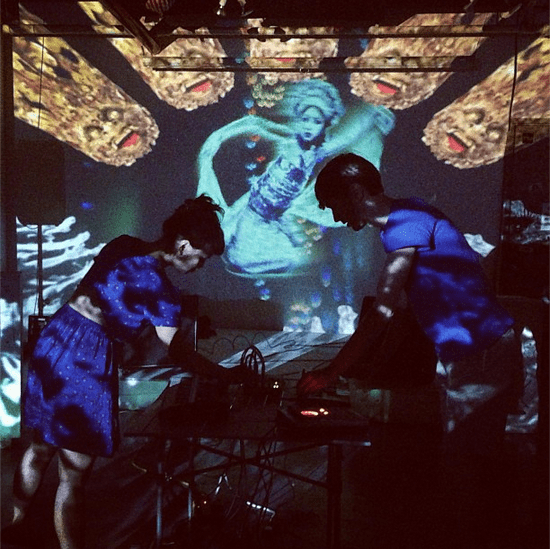
To get you as pumped as we are for our CMJ 2013 showcases, we’re introducing each band to you by asking them five unique questions Trabajo is playing Sidewalk Cafe, 94 Ave. A in Manhattan on Wednesday, October 16th at 10PM. You can RSVP onfacebookorDoNYC.
Brooklyn electronic duo Trabajo is Yuchen Lin & TJ Richards. Their sound explores traditional and popular regional music from across the globe, refracting each style thru an experimental framework of samples, loops, and avant noise-scapes. From lush ambient drones to bursts of high energy postpunk, Trabajo is a constant diversity of sonic investigation and stylistic celebration.
AF: How did the two of you meet and when did you decide to form the band?
Trabajo: We met at a Rubulad dance party in Brooklyn 3 years ago this week! We shared a love of wild and world music so we started jamming. After a few months we got serious and then played our first show in August 2011.
AF: Trabajo performs, in my mind, world music interpreted through a Brooklyn lens. One of your records, for instance, focuses primarily on Indonesian gamelan samples. How do you source those types of elements and build them into your songs?
Trabajo: We sampled from the Nonesuch Explorer Series and performances on youtube. Composing this way is a little like doing a puzzle – you start with a few core samples and then fit beats, melodies and other samples around or against those central themes.
AF: What’s the best and worst thing anyone’s ever said about your music?
Trabajo: Somebody told us we look like we’re worshiping the music in performance which was a really keen, affirmative observation. Dunno about the worst thing, tho… in certain contexts not commenting is probably the worst, right?
AF: What’s your favorite venue to play in Brooklyn?
Trabajo: Probably no single favorite venue but our pal Gabe curates shows with multi-channel quadrophonic mixing which elevates the live music experience at any venue.
AF: Can you make up a color?
Trabajo: I’ve always wanted to play our music for someone that experiences chromesthesia and have them describe what they’re seeing…
“Our tours are cursed,” Radical Face frontman Ben Cooper explained from his position seated in a chair onstage. Elaborating, he detailed a series of misfortunes including surgery on his head and a recent chiropractor visit for his injured back as an apology for his seated state. This opening remark was an unfortunate foreshadowing for the rest of the concert.
Even before Cooper and the band took the stage, the atmosphere at Le Poisson Rogue was uneasy as the audience endured what at first was a promising opener in Johnny Rodgers, who uses reverberating glass recorded on a loop to enhance his songs. However, after the first track, the novelty and impressiveness of this skill wore off and exposed mediocre lyrics and strange, contorted facial expressions Rodgers displayed while performing. By the end of the gig, the buzz of the audience talking rather than listening was apparent.
Then it was Radical Face’s turn to save the show. Crew aided the band in setting up the stage, scattering tiny, electronic candles throughout the equipment and placing a chair directly behind the leading microphone. Unfortunately for Cooper, his injury made it more difficult to connect with the audience, as they could barely see him from his position so close to the ground. He did make an effort, however, to bridge the gap by engaging in conversation with attendees and explaining the meaning behind each song before performing it. On the opposite end, the audience responded in unfunny, unnecessary shouting matches, hopelessly trying to communicate with Cooper, forgetting that they were attending a concert and that dialogue between the artist and the crowd in a packed space is pretty much useless.
In accordance with the “tour curse,” Cooper snapped a string partway through the set and try-too-hard-overdressed-drummer whose name I can’t even remember was recruited to fix the broken string while Cooper covered Sinead O’Connor’s “Nothing Compares 2 U.” Cooper explained the misfortune by stating, “Nothing we do is planned. We decided you pay money to watch us practice.” The self-deprecation was meant to be humanizing and funny but came off as unprofessional and juvenile. This coincided with occasional jokes about how depressing and dark each of the songs are and declaring all of their romantic relationships unsuccessful. The string replacement itself was an awkward moment that was next filled by the “former professional yo-yo-er” drummer’s yo-yo performance. Sadly, the tricks were the most impressive portion of the show.
The performance continued in the same shaky way it began, with the band not quite sounding like themselves. No one expects artists to sound the same live as they do on recorded albums, but they were so far off the mark it was depressing. Radical Face is by no means a barrier-breaking band, but the greatest strength they possess is that their songs sound so pretty. The live version just doesn’t transfer that sound. The littlest salvation came when the band united as one and jammed out on several tracks, with swooping guitar chords that — albeit simple, basic skills — were effective in rallying the crowd. Crowd-favorite tracks such as “Wrapped in Piano Strings” and “Always Gold” elicited joy and nostalgia from the crowd.
When it came time for Cooper to introduce the band’s most popular track, “Welcome Home,” he declared that he needed some assistance for the crowd to sing along to the chorus: on the recorded track, there are multiple voices present and on stage there is just Cooper’s. He informed the crowd that the drummer “is kind of a dick” and compares each city’s rendition of the song, that they should sing as loudly and as heartfelt as they could. This seemed to convince them to ban together, as many voices filled the small space when the chorus came around. However, not even the nostalgia for the hit and assistance from the crowd could save the performance.
Radical Face gave it their best effort, and they truly did try. Unfortunately, this time it just wasn’t enough.[/fusion_builder_column][/fusion_builder_row][/fusion_builder_container]
A forrest gives way to a wide, open river where the air is warming up with the dawning of the sun. The smell of trees and ground colliding with the freshness of the clear water. The only sounds heard are crickets chirping and the water splashing gently against a canoe — a quiet place before the world is fully awake. This is the serene setting that I imagine soaking in Breathe Owl Breathe’s album, Passage of Pegasus.
Most of the band’s sixth album involves smoothly crafted melodies blended with vocalist Micah Middaugh’s throaty, deep hymns. Middaugh’s baritone is reminiscent of The National’s frontman Matt Berninger. With the booming pitch comes an atmosphere of not only relaxation, but also a hint of despair. “Love’s become an artifact/ a rattle in your hand, archeologist,” Middaugh croons in the opening track, “Vision Quest.” It is a brooding that is difficult to resist. There’s no better way to shed your own depression than singing along to someone else’s; it’s a consolation that we’re not the only person who feels that way sometimes.
The dreamy, moody songs are easy to soak up and revel in. Titles such as “Vision Quest,” “Silent Movie” and “Hologram” further advance the dreamy, other-worldly feeling the songs themselves elicit. Lyrics also reflect the daydreaming playfulness of the songs. In “Ferns Move,” Middaugh croons, “In the fortress of the mind, make believe never dies.” The band has clearly spent time getting lost in their own alternative version of reality and they invite the listener to join them with comforting guitar strokes and smooth cello plucks.
With all of the brooding, the first half of the 10-song album burns slowly. But it’s not a bad thing. Middaugh joins bandmates Andrea Moreno-Beals, cellist, and Trevor Hobbs, keyboardist, to create an enjoyable ride through several folksy alternative songs. However, Passage of Pegasus takes a turn halfway through when Middaugh and the gang adds some electronic mixing and more pronounced beats to the album on “Explorer,” as well as the following track, “Sand Stone.” It’s a nice break from the heaviness of earlier songs.
Breathe Owl Breathe still showcases Middaugh’s baritone voice and moody lyrics, but this time with a variety of instrumental accompaniment. The contrast in deep voice and light electronics is fun and playful. At times, Moreno-Beals joins Middaugh on the chorus to give the songs a fresh punch with her somewhat shaky, yet overall enjoyable singing. Her singing adds a joyful tone to the otherwise uneasy “Followin Ya.” The chorus declares, “I know something is followin ya,” which could be creepy without the upbeat tone in which it is sung.
The album concludes with a descent back into the tone of the first half of the songs in “Two Moths.” The track begins with the narrative of two moths who help each other through a difficult time. When they find each other, things become better and seem to go alongside the uplifting, sweeping instruments as well as several rounds of “oh’s” and “ah’s.”
Passage of Pegasus explores a journey through the band’s experiences leading up to this point. Having come together almost a decade ago, they have weathered much to get to the point where they currently stand. The effort doesn’t go unnoticed and results in an album expressing not only despair, but also some hope. Breathe Owl Breathe have crafted an offering of acceptance and provide a sound that relates to both their fans as well as new listeners.
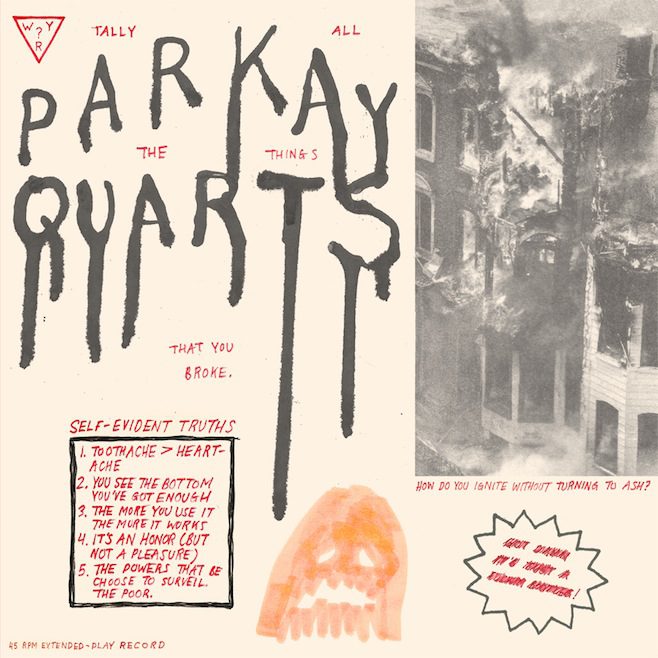
It’s been a little over a year since Brooklyn’s very own Parquet Courts gave us their debut LP Light Up Gold, a release that has garnered a considerable amount of attention and approval from DIY enthusiasts and mainstream music publications alike. Since then, the band has built up quite an impressive resume consisting of a couple of mini-tours throughout Europe, much-talked about gigs at SXSW, Austin City Limits Festival, Pitchfork Music Festival, and even a stint opening up for alt-rock legends the Pixies at NYC’s Bowery Ballroom earlier this fall.
After much anticipation, the band finally released their follow-up EP Tally All The Things That You Broke on local indie label What’s Your Rupture? just earlier this week. The opening song, “You’ve Got Me Wonderin’ Now,” kicks off with a punch of their signature stoner, indie-punk sound that quickly progresses into an addictive chorus “Toothache’s better than heartache, baby/I’ve figured that much out/And I thought I knew a thing or two about the blues/but you’ve got me wonderin’ now”, all accompanied by the shrill sounds of a recorder mimicking Andrew Savage’s vocals in the background.
“Descend (The Way)” continues with the same agile, garage punk stamina. In “The More It Works”, Savage entrances listeners with the ongoing, fervent proclamation “The more you use it, the more it works,” amongst the backdrop of obtrusive guitar feedback and piercing, frenzied riffs. Parquet Courts takes a break from their spazz-punk vigor for a moment and transitions into a 70’s post-punk, Richard Hell & Television-esque strut in “Fall On Yr Face” with a series of vocal snippets contorted by a number of effects. The biggest departure from the band’s ongoing garagey, post-punk sound throughout all of Tally All The Things That You Broke however, is in the final song “He’s Seeing Paths”. The band plays around with a simple (but nonetheless very catchy) hip-hop loop similar to what one would find on an earlier Beastie Boys record.
Although Parquet Courts wanders off from the stoner-punk sound on 2012’s highly-acclaimed Light Up Gold, Tally All The Things That You Broke gives us a glimpse into the band’s musical versatility and the desire to step away from the indie/post-punk/garage genre they’ve been pigeon-holed into.
Rumors of Justin Vernon forgoing Grammy-winning Bon Iver for other projects have been spreading for months. Vernon himself has fed these rumors, confessing in a recent Reddit Ask Me Anything session along with other members of Volcano Choir that, as far as Bon Iver goes, he has “no plans, not sure what I or the world needs from that perspective anymore. We’ll see. VC [fusion_builder_container hundred_percent=”yes” overflow=”visible”][fusion_builder_row][fusion_builder_column type=”1_1″ background_position=”left top” background_color=”” border_size=”” border_color=”” border_style=”solid” spacing=”yes” background_image=”” background_repeat=”no-repeat” padding=”” margin_top=”0px” margin_bottom=”0px” class=”” id=”” animation_type=”” animation_speed=”0.3″ animation_direction=”left” hide_on_mobile=”no” center_content=”no” min_height=”none”][Volcano Choir] is where my heart is at these days.” Even if this does mean the death of Bon Iver, Volcano Choir’s second album, Repave, and the live performance of Volcano Choir’s catalogue are proof that as long as Justin Vernon is making music, he need not be tied down to a singular vehicle of that talent.
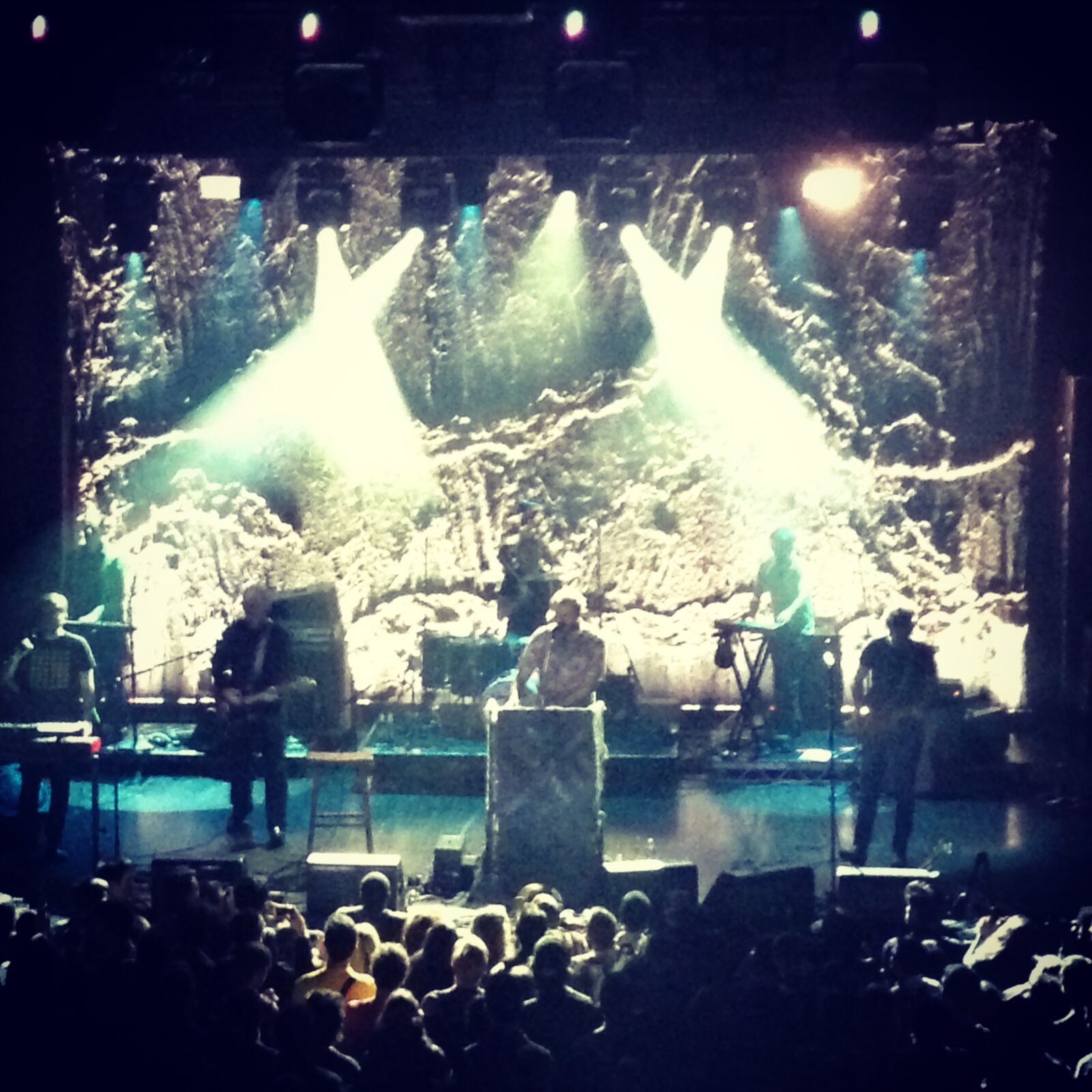
Volcano Choir, stitched together by members of Collection of Colonies of Bees, All Tiny Creatures and Vernon, in its first U.S. tour, brought to Webster Hall Saturday energy upheld by the sea of fans throughout the night.
Sylvan Esso opened up the concert with a startling electronic performance, mixing pounding beats with catchy lyrics. Vocalist Amelia Meath danced around her half of the stage, belting out tracks while electronic musician Nick Sanborn pounded out beats on an electronic mixer on the other half. At times, the two would take a break from expressing their own response to the music by temporarily making eye contact and dancing with each other from across the stage. At first it seemed like a (pleasantly) surprising and somewhat odd choice to open up in such a loud, energetic way, but Sylvan Esso clearly shared the same passion for music and the opportunity to emerge from a small town that Volcano Choir represents. Each is dedicated to focusing on the music and getting lost in the art.
Toward the end of their performance, Sanborn took a minute to express their gratitude to the members of Volcano Choir. “They’re going to fucking slay,” he predicted. He was right.
Volcano Choir’s own passion was clear from the moment they stepped onstage. They held the audience captivated from the first song to the encore performance. Part of this was due to a wondrous stage set up. Whether intentional or not, Repave takes a sense of a nautical theme, expressed through various lyrics as well as the album cover, a picture of The North Sea taken by Chris Arnol. The album cover was recreated by netting hung behind the band as it played, turned to shades of blue, purple and yellow with lighting. It all blended so well with the band’s sound and created an atmosphere of peace.
The band had been touring only a week before playing at Webster Hall and was set to take a break in touring for a few weeks. Collectively, they expressed their regret of the short touring time, and in almost an offering of apology and consolation, guitarist Chris Rosenau announced they would be playing “almost ever song we know” as well as several unreleased tracks that “haven’t found a home.” Surprising, considering the recent release of Repave on September 3. The new songs, including a track tentatively titled “The Agreement,” “Valleyonaire” and “Nini” were a departure from the sound of other songs. They took on a guitar-heavy, almost hard-rock sound that hasn’t been heard in previous works. Rosenau was correct in identifying them as tracks that did not have a home. Although catchy and well-played, they would not have fit in with the more mellow rock of Repave.
In familiar songs, such as “Tiderays,” single “Comerade,” “Dancepack,”Acetate,” and “Byegone,” the band filled the hall with pounding instruments and a heartfelt crooning from Vernon, who did his share of dancing to the beat and playing air drums. His excitement in touring with these other talented musicians is palpable in the energy put forth in his performance, and it seems to inspire the rest of the band as well. Although the performance was set in the mid-sized Webster Hall, the musicians exuded a presence that could command an entire arena. It was easy to get lost in the scenery, pulsing music and honest joy felt through those in the room.
The crowd rallied in cheers during the first few notes of “Still,” a remix of Vernon’s “Woods” under Bon Iver. The beefed-up version had Vernon back in his well-known falsetto, bringing feeling of nostalgia to those who have been listening to him from his beginning. But the loudest response came during “Byegone,” as attendees joined Vernon as he pumped his fist in the air, singing, “Set sail!” Regardless of the track, the band had the crowd with them the entire concert.
Partway through the concert, Vernon looked out at the packed hall and gushed, “It never gets old… It never gets old, to work really hard to produce something for a long time and have people actually give a shit about what you did.” At the very least, the live manifestation of Volcano Choir’s work proved that following Vernon and those he makes music with never gets old, either.[/fusion_builder_column][/fusion_builder_row][/fusion_builder_container]
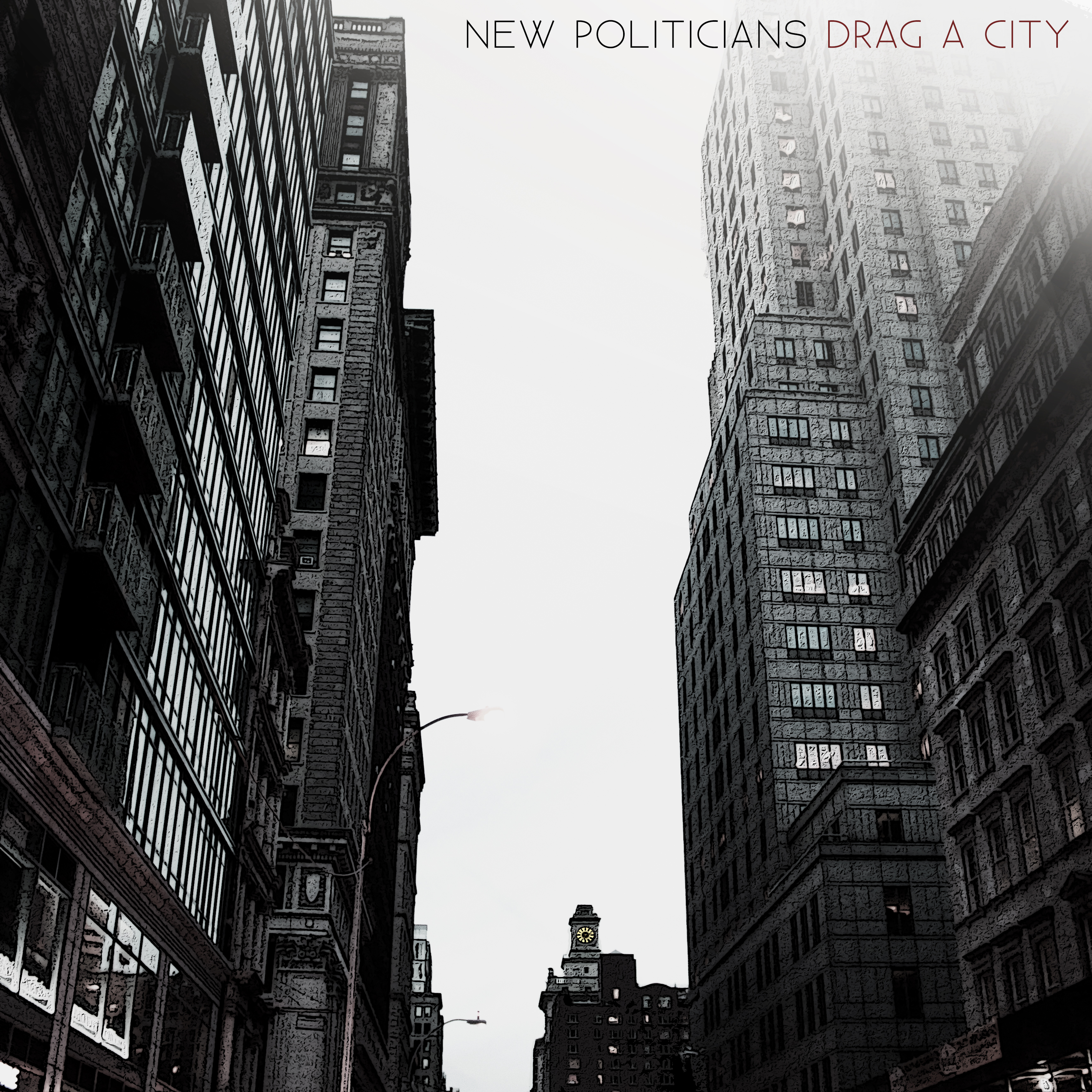
New Politicians capture the angsty, stick-it-to-the-man mentality that defines the guitar and synth-heavy post-punk genre in their second EP, Drag a City. The quartet of New Jersey natives harness a strong voice in the form of vocalist Renal Anthony and provide a background of significantly guitar-laden accompaniment from bassist Winston Mitlo, guitarist/vocalist Gian Cortese as well as Anthony himself. Evan Glickman serves as the pulse of the action as drummer. They use the four-track EP to remind their listeners of the music introduced in their first EP, “Alpha Decay,” as well as recruit new fans by delivering a refined, professional sound. For lack of a full-length record, it’s not a bad start.
Drag a City begins with the catchy “The Length of Our Love,” where a medley of dreamy guitar chords supported by a pulsing beat deliver Anthony’s crooning ode to the length of his love — for which he would tear down a city. It’s hard not to get lost in the pretty combination of instruments and voice and pay less attention to what Anthony is saying in favor of how he is saying it. It is quite easily the catchiest track on the EP and would likely serve well as a single.
The EP transitions into a similar sounding “Sail Away” where Anthony describes his love as plucky guitar chords set the tone. The most captivating part comes at the end when Anthony repeats a hypnotizing plea, “Take me home/ Sail away, away from here” as guitars and drum form a lovely, equally-hypnotizing cushion to the lyrics.
Drag a City picks up with “Are We the Dining Dead,” which is the most anthem-like song on the track. A call to awareness, the band pronounces their lives lonely because of their mistakes and lies. They offer up causes for their own unhappiness and hint that they have no other choice but to live their lives this way. Whether this is a cop-out or revealing of facts about their personal lives and journeys and the obstacles they have faced is unclear. Regardless, it will likely serve to form a bond between all those with similar outlooks, collectively nodding their heads and raising their fists at the unfairness of it all.
The EP closes with the track for which is is named: “Drag a City.” The song winds up slowly, building with short drum rolls to a soft promise to a lover to drag a city down, akin to Anthony’s love declaration in “The Length of our Love.” One thing’s for sure: the lover is worth fighting for. Once again, the instruments provide a great accompaniment to Anthony’s crooning. It’s fun to listen to and be swept away by the melody.
Put together, the New Politicians’s Drag a City contains a solid array of contents that blend well together and create a pretty package.
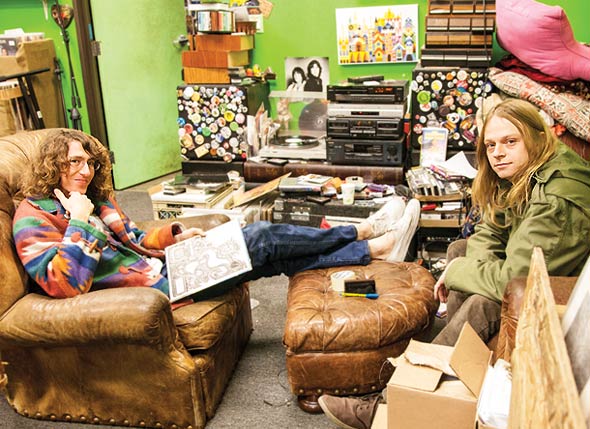
[fusion_builder_container hundred_percent=”yes” overflow=”visible”][fusion_builder_row][fusion_builder_column type=”1_1″ background_position=”left top” background_color=”” border_size=”” border_color=”” border_style=”solid” spacing=”yes” background_image=”” background_repeat=”no-repeat” padding=”” margin_top=”0px” margin_bottom=”0px” class=”” id=”” animation_type=”” animation_speed=”0.3″ animation_direction=”left” hide_on_mobile=”no” center_content=”no” min_height=”none”]Lee Rickard, left, and Sean Bohrman, right, founders of Burger Records
In a little less than six years, Lee Rickard and Sean Bohrman of Burger Records have built an accidental empire. What began as a way to release records for their band Thee Makeout Party and their friends’ bands (Audacity, for instance) quickly morphed into one of the more prolific purveyors of cassettes tapes during a reawakening of cassette culture. It was not just that they were releasing tapes, it was the sheer volume of tapes they released. And quality was never spared for quantity; Rickard’s and Bohrman’s impeccably curated catalogue quickly earned them a reputation as taste-makers and made Burger a bellwether in terms of what bands to watch, particularly in punk, lo-fi DIY recordings, garage rock, and slightly left-of-center pop performers. There are plenty of acts on Burger’s roster who can’t be so easily classified, but there’s an overarching aesthetic here, infused with a carefree, West Coast, sometimes vintage vibe.
A few weeks ago, Rickard set out with a stable of Burger’s most buzzed-about acts (including Cosmonauts, The Growlers, Habibi, Colleen Green and Gap Dream) for Burger’s second “Caravan of Stars” tour. While Rickard is away, Bohrman is running the record store in Fullerton, California – also mailorder headquarters – with a very diminished staff. When we first called for an interview there was a pressing matter in the warehouse he had to attend to, insisting that he “take care of it himself”. Though Bohrman was slightly more relaxed when we called back, he never stopped working, even during our interview – he went right on buying someone’s collection of Japanese hardcore records.
It’s that kind of work ethic that’s often glossed over when the label is discussed; the pair are oft represented as stoned goof-offs who like poop jokes and bubblegum pop and started Burger to bring the two together. “It’s really easy to make fun of what we do,” says Bohrman. He cited a recent write-up about Cassette Store Day in which Billboard referred to Burger as “scabby truants” while using sun-dappled in the same sentence to describe Moon Glyph. “People have been hating on Burger since the beginning. That’s been part of the process of growing as a label and learning. The more people who know about your label, the more times you’re gonna get people fuckin’ making fun of you or just like, dismissing your whole operation in a sentence.”
Describing Burger as an “operation” is perhaps more accurate a term than “record label”; it’s a label first and foremost, sure. But there’s also the record store, which has changed the landscape of Fullerton’s music culture. Fullerton shaped Burger’s sound, says Bohrman, “because we’re so influenced by where we are, and Disneyland and the suburbs and [/fusion_builder_column][fusion_builder_column type=”1_1″ background_position=”left top” background_color=”” border_size=”” border_color=”” border_style=”solid” spacing=”yes” background_image=”” background_repeat=”no-repeat” padding=”” margin_top=”0px” margin_bottom=”0px” class=”” id=”” animation_type=”” animation_speed=”0.3″ animation_direction=”left” hide_on_mobile=”no” center_content=”no” min_height=”none”][having] nothing to do. We have a lot more cool shows coming through town now, and a lot more people coming out.” Burger has turned Fullerton into something of a Mecca for fans and bands interested in what the label is doing. Just last December, Gabe Fulvimar (who records and plays music as Gap Dream) moved to Fullerton to record his second LP under the support of Rickard and Bohrman – he actually lives in a storage space in the store. Almost like a cult or the Mafia, Burger welcomes bands into the fold and they automatically become family.
“Any kind of way you can think of a band getting on a label, we’ve probably done it,” Bohrman reflects. “We put out so many different bands. We’ve had them come to us, we’ve gone to them, we get demos, we’ve had labels coming to us wanting to put out the bands. But for the most part, we seek out stuff.”
Bohrman and Rickard’s uncanny knack for identifying unusual talent is, by and large, the biggest factor in establishing the label’s momentum. They’ve been instrumental in introducing and supporting acts like King Tuff, Ty Segall, Mikal Cronin, Black Lips and Thee Oh Sees, now stalwarts of the scene. Bohrman shrugs this off. “Ty and all them were already on their way up.” But Burger’s rise to recognition goes hand-in-hand with the bands it is so often associated with; their trajectories actually compliment one another.
“I remember we were at Kirby’s Beer Store in Kansas City on tour with Makeout Party and Audacity and I was sitting in the driver’s seat and I was like we should put out tapes of all these records ‘cause none of the records coming out at the time has cassette releases with them.” Bohrman recalls. “So I just immediately emailed Ty who was in The Traditional Fools at the time and I emailed The Go and I emailed Apache. And those were our three first cassettes that we did outside of Makeout Party or Audacity or anybody. Then we got ahold of a bunch more people, then people started getting ahold of us, and it just started growing and growing and growing.”
Burger’s stars also aligned with the resurgence of cassette tape collecting, and in many ways, contributed directly to it. “I think actually we kind of helped create the craze that’s around cassettes right now, as far as just releasing so many things in the face of people telling us that cassettes are stupid and no one buys cassettes and why are you making cassettes?“ Now, there’s a whole new generation interested in the medium. “A lot of older people will complain that it’s just nostalgia, it’s just a fad, people will get over it. But for eighty percent of the people who are buying our cassettes there’s no nostalgia involved. It’s a whole new thing to them. They’re getting cars passed down from their parents that have cassette tape players in them and people want to listen to music and if you offer them a way to listen to good music, they’ll take it. That’s what we found out.”
And so they kept putting out tapes, sometimes five a week, amounting to, at current count, over 500 cassette releases (not to mention fifty-some vinyl releases). Bohrman and Rickard exhibit a level of enthusiasm for promoting each and every release that’s unparallelled. And they’re clever at branding too, placing the Burger logo not just on cassette spines, but also on tees and buttons that bands proudly sport in music videos. “We’ve just always been hype men, I guess. Once we quit our jobs and started the record store and started working 100% full-time on Burger that’s when it started getting really big.” says Bohrman. “This year, we got proper PR, we got proper distribution… that’s why you’ve been seeing us in a bunch of the bigger magazines and things. It’s cause our PR people rule. They’re really really good. And we’re really good ourselves just doin’ the grassroots thing.”
Their latest grassroots promotional project is their effervescent YouTube channel, known as BRGRTV. The theme song is performed by Free Weed and is as catchy as anything else in the Burger catalogue, begging the questions “What makes the ladies think you’re cool?” and “What’s your favorite TV show?” before responding with a dreamy “Must be BRGRTV” and launching into fuzzy clips of in-store performances or outtakes from music videos. BRGRTV’s off-the-cuff feel bares the mark of genius, but like most Burger endeavors, BRGRTV seems to have happened organically. “We met this kid Steele O’Neal” Bohrman explains. “He turned us on to Cherry Glazer and some other bands, and we really liked his name and he was interested in filming stuff. And then we had Jack Sample, who also has a really good name, who had done the Between Two Buns documentary for a high school project.” O’Neal and Sample had just graduated high school when they were asked to film BRGRTV episodes full time. “It just came from me and Lee getting stoned together and talking about random stuff and within a week and a half we had the first episode with the theme song. It all came together really really quickly. Since that episode we haven’t missed a week.”
That’s truly an accomplishment, considering the tours and showcases they’ve been immersed in executing. They virtually took over SXSW last spring with what seemed like an endless stream of raucous parties. Buoyed by the positive response, they began plotting their current tour. “We did a Caravan of Stars tour back in 2010. It was good, but it was hellish on the road. People knew what Burger was but it wasn’t like this big thing yet, and it was The Cosmonauts first tour. So it was a rough ride but everybody had fun.”
The road should be less bumpy this time around, because at this point, Burger seems like an unstoppable machine. The tours and the TV show, the acclaimed releases, the thriving record store and the enthusiastic new audiences all seem to highlight an incredible amount of dedication, hard work, and forward thinking. But Bohrman remains nonchalant. “We really haven’t planned anything that’s happened. Everything has just happened, with no we’re gonna put out this many tapes or we’re gonna do this tour or we’re gonna release all these things and we’re gonna be the biggest! It just kind of fell into our laps, and just started happening. It’s crazy.” But that doesn’t mean there aren’t plans for Burger’s future. “We definitely have plans for world domination.” Bohrman jokes. “New York, Tokyo… we want to go all over the world. It’ll happen. As long as we keep it in our heads it’ll happen eventually.” He adds, “We don’t have a lot of time to sit back and like, look at what we’ve done. We’re moving so quickly and there’s so many things happening all the time.”
Bohrman’s dream project is a bit unexpected. When asked what he’d been listening to, he mentioned Burger favorites The Memories, Cornershop, White Fang, John Krautner, Curtis Harding and Gap Dream. And then, without any hint of irony, gushed “And I listen to a lot of Weird Al. He’s not a Burger band yet, but I listened to him today. I’ve met him a couple of times. I’m a super huge Weird Al fan.” Is a Weird Al and Burger Records collaboration in the works? It might be closer to happening than you’d think. “He actually knows about us, cause we were trying to get him to play one of our festivals, and he wanted a lot of money but I kept telling people ‘Get Weird Al, get Weird Al!’ and like out of nowhere I would just send a text and be like ‘I reeeeeally want Weird Al for this’ and his people wrote back “Why do you want Weird Al so bad for this show?” It was for Burgerama and so I wrote them a really long email about how much of a fan I am and why we wanted him but I never heard anything back. He’s had a lot of original songs too that he could put to tape. I’ve dreamed about putting out an original Weird Al record with no parodies.”
Weird Al aside, the key to understanding Burger Records is that first and foremost, Bohrman and Rickard are consummate music fans. At the heart of everything is a passion for music and the effect it can have on the listener. Even if some media outlets refer to Burger’s sound or ethos dismissively, Bohrman and Rickard and surely everyone they’ve brought in to help out as the label expands are earnestly attempting to share with the world music in which they hear something special. There are destined to be those that don’t understand it, but perhaps more importantly, there are easily as many folks who absolutely comprehend the label’s vision, and to them, Burger is beloved.
“We didn’t see that when we first started making cassettes… but as time went on we could see that something was happening and it was growing and there was a real movement happening for what we were doing. Which has just been the best, most blessed thing ever,” Bohrman reflects. “I mean, that’s what we want to do – turn people on to music and create a legacy for Burger and for us and actually make a difference in music in general. ‘Cause music is so important. It can change feelings and it’s just a really magical thing and to be a part of it – to be like, a bigger part of it than I ever thought I would have been – it’s just the greatest thing ever. It means a lot to us that people are listening and getting something out of it; it’s more than we could have ever asked for.”
[fusion_builder_container hundred_percent=”yes” overflow=”visible”][fusion_builder_row][fusion_builder_column type=”1_1″ background_position=”left top” background_color=”” border_size=”” border_color=”” border_style=”solid” spacing=”yes” background_image=”” background_repeat=”no-repeat” padding=”” margin_top=”0px” margin_bottom=”0px” class=”” id=”” animation_type=”” animation_speed=”0.3″ animation_direction=”left” hide_on_mobile=”no” center_content=”no” min_height=”none”]Gabe Fulvimar of Gap Dream. Photo by Steele O’Neal, courtesy Pitch Perfect PR/Burger Records.
Gabe Fulvimar neglected to bring a towel, toothbrush or dental floss on a cross-country tour with Burger Records’ Caravan of the Stars, but he departed Fullerton, CA with a few choice essentials. “I forgot everything, I just brought…I brought a backpack full of underwear, that’s all I brought. Fuck,” he laughs when we catch up with him via phone. He is somewhere between Olympia and Vacouver, and his companions on the road are traveling even lighter. “Lee [/fusion_builder_column][fusion_builder_column type=”1_1″ background_position=”left top” background_color=”” border_size=”” border_color=”” border_style=”solid” spacing=”yes” background_image=”” background_repeat=”no-repeat” padding=”” margin_top=”0px” margin_bottom=”0px” class=”” id=”” animation_type=”” animation_speed=”0.3″ animation_direction=”left” hide_on_mobile=”no” center_content=”no” min_height=”none”][Rickard, half the founding duo of Burger Records] didn’t bring no underwear. He doesn’t wear underwear, he doesn’t wear socks. He is free of socks and underwear. He has unleashed those burdens from his back.”
Fulvimar, better known in certain circles by his musical moniker Gap Dream, isn’t letting his lack of toiletries get to him. He’s riding high on the impending release of his second LP, Shine Your Light, out 11/12/13 on Burger Records, the Fullerton based imprint that built a reputation on releasing eccentric lo-fi, garage, and punk cassettes. When asked what he’s most excited about, he enthusiastically responds “I’m excited about all of it! I’m excited about the release date, I’m excited about the catalogue number, I’m excited about the cover, I’m excited about the little piece of paper that’s gonna go around the cover… oh it’s crazy.” M Wartella, famed NYC-based illustrator known for his work on Cartoon Network’s Mad Magazine, designed the holographic artwork, having recently hooked up with Burger labelmates King Tuff to animate the band’s trippy video for “Sun Medallion”. “He’s one of the most brilliant artistic minds of our time. It’s gonna look like Lisa Frank shit on mushrooms. It’ll be sick,” says Fulvimar.
As mind-bending as the cover art sounds, we’re not gonna lie – it’s the music that we’re most excited about. Gap Dream’s warped synths, vintage-tinged riffs, and intricate, infectious drum rhythms left us humming material from the self-titled debut since it came out last year. In the interim between records, Gap Dream released swanky singles “Chill Spot” and “Fantastic Sam”. While the newer tracks stay well within Gap Dream’s wheelhouse, it’s fun to hear Fulvimar amping up the synths. “I love synthesizers and I’ve always loved them, and I’m always going back and forth between guitars and synths. Right now I’m in a synth phase,” he says. “I just got a Moog Little Phatty that Burger bought for me, and I’m using that on the tour, not playing guitar, and it sounds great. It’s the best sounding thing on the planet. I love it.” Fulvimar’s reverence for synths ensures he’s not in any danger of treading into cheesy 8-bit territory on tour or on the new record. “It’s a classy instrument. You’re supposed to treat it right. You’re not supposed to treat it like Nintendo.”
Other than synth obsession, there’s another factor which stands to have a huge influence on Shine Your Light. Fulvimar moved from Cleveland to California last December. “The new record has more of a West Coast sound than the last one, which is funny because I didn’t think the first one had any sort of West Coast sound,” Fulvimar says. In Fullerton, he’s fully integrated into Burger culture. “I’m living in a storage space,” he says. “We have a good time. We work on Burger stuff and Gap Dream stuff all the time. It’s a great place to be. Everyone’s great, it’s like we’re a family living there. I love being there.”
During the recording of the record, Rickard and Sean Bohrman (co-founder of Burger) were constantly exposing Fulvimar to obscure music. “At any given moment I was hearing something different. We’re all hanging out, listening to music, you know, enjoying rock n roll. So it came out in the songs. It’s interesting to listen to that collection of songs and see how all over the map I was at the time. But you know, it definitely changed the sound. I dunno in what way, if it was good or bad, but it did.” These new influences provided ample inspiration for Fulvimar to take Gap Dream in some new directions. “I don’t like to do the same thing twice. I’m always trying to do something that I haven’t done yet when I write songs. I’m always trying to break new ground and trying to make something that I haven’t heard yet, I guess. I’m just trying to make songs that I want to hear.”
Gap Dream is poised to go a long way with Burger’s backing. Rickard is literally at the helm on the Caravan of Stars tour; Fulvimar says he’s “driving us all over the country, making sure we don’t, you know… fall into peril. He’s like our spirit guide, he’s the best of the best, he knows his way around every city in the country. He’s the man.” He met Rickard on the first Caravan of Stars bus tour, back in 2010. “That’s when I was introduced to Burger. And ever since then, it was me ordering tapes from them, and getting really stoked on ‘em and excited about what they were doing, and then it turned into me submitting my own stuff.” The label put out Gap Dream’s first LP and it gained momentum among fans and critics interested in its breezy, psych-tinged sound. “It just kinda took off based on the fact that Burger put the tape out, [and] people were interested. They got me out of the house pretty much.”
For someone who has been playing guitar and recording his own music for nearly two decades, there’s a level of modesty involved in those statements. Fulvimar remains modest in discussing his musical background, as well. “I started playing guitar when I was in like fourth grade. I never really took it seriously enough to learn anything as far as theory, but I always recorded myself and always found ways to do things with limited means. I guess you could classify me as ‘studio nerd’.”
Gap Dream doesn’t come across as your typical bedroom recording project, and in a live setting it takes on a life of its own. When I saw Gap Dream at now-defunct Brooklyn DIY space Big Snow Buffalo Lounge during CMJ 2012 it was a four-piece rock n’ roll outfit, but for Burger’s Caravan the line-up has shifted again. “Now we’re trying to hammer it down so we do have a set lineup, just because it’s becoming a pain in the ass to deal with that every time we go on the road. We don’t have a drummer on this tour, we’re just using a drum machine. It has more of a vibe like the record does.”
Assisted by Bobby Burger on bass, Fulvimar’s “buddy” Corey on guitar, and a drum machine, Fulvimar explains “It’s a groovier set. It’s got more of a dance feel to it and it’s more chill, more angular. It’s fun, people have been getting into it. We just did our first show last night, and it’s been a positive reception and fun, you know. We’ve been having a good time.” That good time is an essential motivating force behind Fulvimar’s project. “I love playing. Like, we love playing for people and getting their minds off how they owe rent or whatever. We just like to spread a good vibe and hopefully, you know, make some dough in the process.”
Along with The Growlers, Cosmonauts, Habibi, Pangea, White Fang and Colleen Green, Fulvimar and crew are about halfway through the tour, which rolls into New York tonight for a sold-out show at Bowery Ballroom. That performance, and the tour as a whole, is sure to get folks talking about the new LP. “I feel like if you love to play something and if you love what you’re doing it’s gonna come out sounding good, because you’re gonna put the care into that is necessary. It’s like cooking. It’s like anything.” He’s got his backpack of underwear, his best friends, and one other essential item: his signature yellow-lensed sunglasses. “I mean, I just started wearing ‘em because I liked ‘em. I had a bunch of different colors and my actual glasses broke and I needed something on my face so started to wear those all the time, and they just kinda stuck.” With the release of Shine Your Light, Gap Dream is similarly destined to become a permanent fixture – a little retro, a little brazen, and unassailably cool.[/fusion_builder_column][/fusion_builder_row][/fusion_builder_container]
Norwegian vocalist Susanna Karolina Wallumrod has roamed from singer-songwriting solo work to electro-pop collaborations. She’s teamed up with musicians, conductors, and arrangers from different genres to form Susanna and Ensemble neoN. Ensemble neoN is known for their flexible and experimental work, blending art forms, and partnering with visual and installation artists. The sound they have created with Susanna is hard to define, somewhere between classic, pop, and chant. It’s breathtaking, but easy to fall into, conjuring otherworldly spaces to accompany Susanna’s gorgeous, inviting vocals.
The first track is “The Forrester I, II, and III,” actually three songs in one and totaling fifteen minutes. “The Forrester I” very minimalist, in all aspects – mellow, minimal melody, minimal words repeated in different ways, minimal build and movement between parts. I find this an interesting choice for the opening song. There’s a bit of Bjork here, but, surprisingly, given Susanna’s pop background, it’s the Bjork of “Anchor Song”, not “Play Dead”. It’s more beautiful and less powerful in this case, though. Susanna’s voice is sweet and lovely, reaching some truly melancholy high notes.
The music does pick up a bit here and there with guitar and reverb in “The Forrester II”, but it’s a little bit boring. The music is close to creating a great atmosphere – it succeeds at some parts of the song with wind instruments and violin doing some world building – but fails to make enough of an impact a lot of the time. It has a score-like quality. I imagine if they pushed it just a little bit more in terms of melody and harmony it could inspire brilliant visuals instead of waning into something soft and sad and somehow less natural.
“The Forester III” has lyrics that push the storytelling into a more navigable space. “We can hear our children call,” Susanna cries, “Forest leaves us cold.” There’s still that melancholy that’s so easy for quieter, minimal music to fall into, but it feels less confessional and more actually personal.
Susanna sounds great on “Hangout” with its easy to follow melody and far more casual lyrics than “The Forester”. “Why can’t you hang out with me a little longer?” She pleads with someone unknown to us. The music also seems to take most of its direction from her vocals. This puts the importance of the song in the words, which is intriguing for a fairly classical sounding piece. The logic is simple – “When you’re not here / I wish you were here . . . Breathing the same air,” but the effect is very sympathetic. Though we don’t know who Susanna is singing to, it doesn’t really matter. That loneliness, that longing is palpable to us as human beings, something we can understand without getting at the complications or details.
When I say cross-genre, I mean it. The piece “Oh, I am Stuck” combines the group’s classical and jazz elements with a pop piano and vocal melody. Susanna seems more comfortable singing on this track. I’m not sure if I like that better, but I think it provides a necessary juxtaposition to the softer sounds on the rest of the album (the dreamy, wistful “Intruder” and the unexpectedly upbeat “Lonely Heart”).
This record is definitely worth a listen if you can get into a space that combines human fragility and daydreams of dark, enigmatic woods. Listen to “Intruder” by Susanna and Ensemble neoN below:
The Bowery Ballroom is a place I only remember through other people’s experiences. I’ve picked up at least two friends from the venue, each emerging from the darkness with tales of music, drink and being hit on by skinny hipsters. New York has an uncanny ability to recreate memories for you, and as I walked into the space I was immediately greeted by a few dejavu’s: the solemn look of the audience as they wait for the opener, the look of contempt from the people you share a couch with, and that beautiful look whiskey gives off…under any circumstance.
We sat in a back room with the light bulb twisted off (the overhead brights were too much to take) waiting for the opener; Rye Coalition had unexpectedly cancelled so it was up to Sacramento band Sister Crayon to bring the initial heat. Lead singer Terra Lopez’s voice cuts through ambient sounds to deliver clear, borderline operatic vocals; her dynamic with Dani Fernandez, who plays backing tracks, is arresting. Terra almost always sang in the direction of Dani, allowing the music to build seamlessly throughout the set. There isn’t a great deal of show in Sister Crayon, the feeling of watching the group ran parallel to the way they were lit: single colors, dark, unfocused; the perfect music for reflection.
The highlight of the set for me was Sister Crayon’s stellar performance of their single “Floating Heads”; the song has the right combination of the bands best traits: moody undertones, backed by the power of Lopez’s voice: “You can keep the past away. You can keep the past away. Mouthing mantras to make me calm, look at what I’ve done.” The band has gone through a lot of changes in the two years since their initial formation; Lopez and Fernandez performed as duo Silent and Clementine for the first year, before bringing in keys player Genarro Ulloa and drummer Nicholas Suhr. Lopez said of band’s name change: “I didn’t want to be shy anymore, and I wanted to have a name that was bolder, and a completely different alter ego”.
Bosnian Rainbows may relate to the feeling of changing alter egos. The band was created when ex-Mars Volta/At the Drive-In guitarist Omar Rodríguez-López invited Teri Gender Bender (Le Butcherettes), Deantoni Parks and Nicci Kasper (KUDU) to perform material off of Rodríguez-López’s Octopus Koolaid; it was during impromptu jam sessions that the group first saw the potential of starting a new band. Rodríguez-López said of the group “It’s completely different in that it’s completely collaborative. All four people are composing. We all have input on everything. A track can start from anything. It can go from a phrase that somebody likes lyrically to a track that the rest of us flesh out and flip around. The idea was to put together a group of four band leaders, four producers, four composers…Nobody has a reason to be here except wanting to serve the music”
The first time I saw Bosnian Rainbows live I watched Teri Gender Bender punch herself in the throat while singing. It is a moment that has come to epitomize the band for me: a group of artists who normally push back even in collaboration, finding a common ground to build upon. My own anticipation of their performance was apparent as I sucked down my whiskeys and talked excitedly beside dull-faced strangers.
“Eli, Eli, you can’t tell left from right
Eli, Eli, your eyes are black and white
Why, why, why, why do you smile at me?
Oh, why do you smile at me?”
In Gender Bender’s first moments on stage she stands like a rock; the music drifting around her body as she slowly bends, her voice expelling the words. The band works like a well-oiled machine: no lyric, no note out of place. The audience connects to the music through Gender Bender; it’s her hands they get to touch, her body that is flung out into the crowd, her bare feet moving lithely across the stage. “I use my body as an instrument”, she has said of her movements; indeed the way that she contorts her body throughout a performance has the power of speech. Just as she is the only band member who sings lead, she is also the only one who speaks between songs; her ‘thank yous’ are sweet and disarming, very different from her on stage persona.
The inclusive nature of the group is apparent within the scope of this debut album; it isn’t an album where one could pick out who wrote what. It has a great deal of range between singles, but the arc is decidedly spooky and popish. Bosnian Rainbow’s next project is a Spanish version of the same album. The group hopes that this will open up new doors in Latin Rock, as many concert venues in Latin America only allow acts that play in Spanish. Whether their next show is in Spanish or English, I know that I will be there.
The show was solid; entertaining; introspective and dangerous all at the same time. It’s music that forces your body to move, even though I doubt anyone would call it dance music. But I did dance. I danced to the beats of ‘Dig Right In Me’; I bounced to the hypnotic, sinister ‘I Cry For You’; I swayed to the lovelorn feel of ‘Turtleneck”.
Bosnian Rainbows doesn’t do encores. And as far as I can tell, there is no need for them to start. By the end of a Bosnian Rainbow show the audience is exhausted, drunk from the performance as well as the whiskey gingers.
Mike Doughty has been through a lot in his musical career. He divorced his commercially successful band Soul Coughing, which he considered a “dark, abusive marriage”, was dropped from Warner record label, and battled it out with a drug addiction. Through his struggle, he’s grown into a grounded solo artist who makes music with simplicity, sincerity and wisdom. This June 19th he brought his stripped down singer-songwriter act to Music Hall of Williamsburg, and shared the headline with Low, another Americana inspired band. Doughty’s mischievous demeanor and catchy singer songwriter style balanced Low’s emotionally drenched slowcore approach.
Doughty’s songs revolve around poetic storytelling. Doughty recently released a book of poetry entitled Slanky, and uses this brand of poetic wordplay and fantastic imagery in his lyrics. The lyrics are heady yet relatable and touch on classic folk and americana themes of love, leaving and emotional journey. With only guitar and drums on stage, the vocals are exposed; thus his strong lyric writing abilities carry the songs.
“Looking at the World from the Bottom of a Well” is Doughty’s most commercially successful song, and was created out of literary inspiration from Haruki Murakami’s novel Wind-Up Bird Chronicle. On stage, Doughty quips “Sandra Oh made out to this song in an elevator once.” The hit song was indeed featured in an episode of Gray’s Anatomy, as well as on Veronica Mars and on DavidLetterman. Doughty also draws inspiration from John Denver, and his latest album The Flip Is Another Honey includes several covers. “Sunshine on My Shoulders” is a cover of Denver’s “Sunshine”, and unexpectedly incorporates rapping. The impetus for this style mash-up, Doughty explains, is that he needed to impress his rapper girlfriend.
Doughty’s music is best live, as he inserts amusing tidbits of his musical journey and colorful past. Doughty quickly lets the audience in, shares his secrets and disarms the crowd. His guitar playing is not virtuosic, nor does it need to be. He plays with unique flare, as though his guitar is nearly too hot to touch, and keeps an upbeat rhythmic style coursing throughout. He pokes and prods drummer Pete “Pancho” Wilhoit, as Wilhoit has quite the serious attitude in relation to Doughty. The exchanges between the two were entertaining, partly because Doughty’s musical background sounds more instinctual than technical, and can be a challenge for a technically minded drummer to follow.
Dave Matthews is a professed fan of Mike Doughty, and it’s no wonder; they sound quite similar at times. Just add a soulful saxophone solo to Doughty’s “Looking at the World…”, and the Matthews songwriting formula is captured. Doughty’s signature vocal lilt and low bluesy rasp, folk rock/blues influenced range compares closely with his American rock contemporary. Yet Doughty diverges from Matthews in his stripped down performance style and ability to catch his audience off guard.
Mike Doughty has released five solo albums and is currently in the process of reworking some of his older Soul Coughing songs. His music connects to emotional depth and honesty, but keeps it light all the same. He’s a singer songwriter who boldly shares his wisdom from mistakes and struggles, all with a twinkle in his eye.
Low has made a career of slowcore, which is a feat to sustain over the course of their lengthy run as a band. The slowcore genre envelops listeners with minimalist melodies, downbeat tempos and emotionally vulnerable vocals. Low embodies this genre, and rarely diverges from the melancholy mood they create onstage.
The band is based out of Duluth, Minnesota. In my college years at the University of Minnesota Duluth, Low was an unforgettable musical discovery. In 2009 I saw them perform on a small stage of Teatro Zuccone, and I was electrified by their ability to shift the mood of the entire theater, hush and lull the crowd, and create a beautifully vulnerable performance. Now, seeing Low again after all these years, I was elated to hear the band stay true to their roots and the sound they crafted years ago.
Low played plenty of crowd pleasing hits from their catalog, including “Violent Past”, “Monkey”, and “Dragonfly”, but also languished in their newest album The Invisible Way. This album breaks a bit from their traditional sound, as the music focuses more on drummer Mimi Parker’s vocals. She sings with a rich, dark , trembling tone, and her vocals are thick with expressiveness and a hint of sadness. Parker typically sings harmony to Alan Sparhawk’s lead vocals, so this shift added greater variety to their sound as a band.
By committing to this mood influenced style, Low limits their musical range. The band rarely performs upbeat music, although they do have the ability to uplift their listeners or bring them to a sad melancholy state. Their vocal harmonizing melts the heart, and Steve Garrington expertly upholds the melody on piano and bass. Parker’s drum playing is extremely simple and straight forward, and serves as the heart beat of the band.
“On My Own” was a weak spot in the set. The song is off the latest album, and falls flat on stage. Sparhawk sings the words “happy birthday” over and over until he begins to sound like a broken record. Possibly the intention was to transport the audience through repetition, but to where, it was unclear. Low closed with the song “Canada”, which has a driving drum beat and an uplifting mood, and showed off the band’s emotional range.
The set at Music Hall of Williamsburg was pretty, emotionally wrought, exposed, dark, sad, gentle and intense. Low captures so many nuances in their songs, and continues to grow and deepen as a band. If you’ve been a longtime fan, or are hearing them for the first time, you’ll hear a sound that is current and familiar all at once.
Five years ago I was depressed. I was going through my first real breakup, I was drinking too much (the kind of drinking where you justify having vodka with breakfast) and I was taking a lot of two-hour long walks. It was during those walks along Lake Superior that I first fell in love with The National. Matt Berninger’s forlorn voice was the perfect companion for my sorry state; he didn’t judge me as I drank by myself watching ‘How I met Your Mother’, he sat right along side me, laughing with that gravely voice of his.
When I imagined seeing The National live, I pictured sitting next to Berninger at Club Saratoga (a strip club/music venue in Duluth) while he serenaded me sweetly across glasses of whiskey & rye. Instead I entered the belly of Barclays center, clutching my Stella as I looked around the auditorium thinking, “Is this really where I want to see The National?” The arena seemed imposing and the stage looked liked a child’s dollhouse in comparison; the amount of sound & stage presence needed to fill such a venue was not something that I would normally attribute to The National.
Opening act, Youth Lagoon, seemed determined to prepare the audience for the night’s melancholy orgy. Standing in a straight line across the stage, the bands music as well as its style was strangely uniform. It took me a good four songs to figure out who was the lead singer, and by that point my beer glass was empty so I quickly vacated to the booze line. Overall, the Boise, Idaho band, fronted by singer Trevor Powers, gives off the feeling of listening to music under water: pleasant, calming, easy to ignore.
The National, from the moment they stepped on stage, gave off the confidence of a band well seasoned. “This is where it all started. We’re so happy to be back at Barclays, “ Berninger quipped with an uncomfortable laugh. “Don’t Swallow the Cap”, from their most recent album Trouble Will Find Me, lead off the night, but the third song “Mistaken for Strangers” was what got audience attention. The most interesting part of the night was watching the band’s nervous, excited energy shift throughout their set as they reacted to the crowd. The audience was practically a member of the band: encouraging, singing backup, quick to clap at the slightest inference of a beat.
“We know this song better than any of our other songs right now. We’re well rehearsed,” Berninger joked of the song “Sorrow” from 2010’s High Violet, which the band recently performed at MoMa Ps1. Created by Icelandic artist Ragnar Kjartansson, the installation was titled “A lot of Sorrow”; the band performed the song for six hours, a total of 105 times. The joke was lost on me at the time, but after the show I was able to watch the exhausting repetition. Similar to their Barclay show, fans drove the music, raising their voices in unison to the memorized words.
St. Vincent’s Annie Clarke joined them on stage for their performance of ‘This is the Last Time’; her voice was airy and barely floated in the background. It would have been an interesting song to do a different take on, but as it was, it felt like Clarke wasn’t even there. Another aspect that didn’t quite hit was the inclusion of stock video in the background; it wasn’t until I saw video of smoke billowing up behind a tree line that I once again became aware of my lack of beer.
While I would still have preferred to sit close up at a bar or a tavern, breathing in the moody gloom, I was duly impressed with the energy The National conveyed on stage; the space they were able to easily fill. After a three-song encore, the band played an unamplified performance of “Vanderlyle Crybaby Geeks,” from 2011’s High Violet; the performance was sparse, raw. As my date for the night noted, “I think that was the most honest moment of this whole show”.
Harvestworks Digital Media Arts Center announces the 2013 New York Electronic Art Festival (NYEAF) in collaboration with River to River Festival, Trinity Wall Street, The Lower East Side Girls Club, The New York Hall of Science, The Hells Kitchen Cultural Center, Electronic Music Foundation and other partners. This summer series of concerts, workshops, and exhibitions is centered on the cutting-edge work being done at the intersection of art and technology. Events will take place of Governor’s Island and in venues around the city, and will include performances from industrial music pioneer JG Thirlwell, 2012 John Cage award winner Pauline Oliveros, augmented violinist Mari Kimura, and many more. The festival runs until Sept 2nd, and is full of free events which are open to the public. For a full listing of performances, see: http://www.harvestworks.org/nyeaf-new-york-electronic-art-festival/
DJ and electronic music producer LongArms has released a dance-worthy mix exclusively for Audiofemme. This 40 minute feel good track is perfect to pump at the club, or blast at your next rooftop party. The mix is laced with some serious attitude, yet maintains an upbeat high which may induce feelings of invincibility, a spring in your step, or a strong desire to spontaneously break out into dance.
Originally based out of Miami, Florida, Danny Lannof has been on the New York electronic music circuit as his alter ego LongArms since January 2013. This 23 year old producer has been creating music for years, and his tracks cover everything from electro-crunk to future funk, and everything in between. With a love for side-chained four on the floor beats, 80s synth pop stylings, and inspiration from Daft Punk, Justice, Louis La Roche, Vangaurd, and The Bloody Beatroots to name a few, LongArms melds these styles to create his own electro funk flavor.
This mix solidly transitions from one musical idea to the next, and doesn’t linger long enough for listeners to settle too comfortably into one particular song. Vocals sit toward the back of the mix, and are run through filters, and cut up and distorted to obscure most lyric meaning. Listen in at 8:40 to hear vocals expertly played like notes on a keyboard. These vocal lines serve as instrumentation and effects, and allow catchy hooks and beats to take center stage.
LongArms is riding the synth pop/ nu-disco wave that has hit the electronic music scene. Artists such as Calvin Harris, Viceroy, Breakbot and Aeroplane have reintroduced classic 70s and 80s sounds into their tracks, and the genre has made a successful comeback in countless clubs and electronic music festivals. LongArms cleverly weaves in this retro aesthetic that fans connect with, and mixes with current, edgy dance and house sounds, so the music remains relevant rather than nostalgic.
The mix relies heavily on the an unwavering four on the floor beat, which is also characteristic of classic 70s era disco music. Yet LongArms could stand to mix things up a bit more. He sticks close to the four on the floor beat, only delving into more complex rhythms on rare occasion. Greater diversity with his beat making could give this track the detailing needed to make this a stand out mix. He’s got us hooked, so we’ll keep dancing even if he changes up the beat.
Daft Punk is paid homage to in this mix, so listen closely for hints of their classic sound. Dubstep wobbles, airy 80s synths, robotic vocoder vocals, and crisp clean beats are all layered in, and the result appeals to a wide range of electronic music aficionados, as well as those who just want to dance. This mix is a must have for the summer. Listen to more LongArms here And as a bonus for Game of Thrones fans, LongArms has an 8-bit inspired GOT theme song remake which can be found on Soundcloud. For a listing of upcoming shows, follow this link.
Nightlands is the solo project of Dave Hartley, who plays bass for The War On Drugs. On his own, he makes dreampop records that reveal new elements upon each listen, like gems that throw off a different light every time you pick them up. His voice is lush and warm, and he often records himself singing in multiple registers, lending a choral quality to the vocal tracks–which is by far one of the most interesting aspects of his musical style. His first album, Forget The Mantra has expansive electronic underpinnings, while his new work, Oak Island (Secretly Canadian)–released earlier this year–has a decidedly more cohesive sonic narrative, with inventive, R&B-inspired brass lines and soaring, romantic melodies that make you feel like you’re floating in space, eliciting simultaneously sad and happy thoughts, perfect for anyone who’s recently had their heart broken, with just enough melencholia to open up those crevices of pain, but not too much that it takes you down. Take a listen to the album’s beautiful first track here.
AudioFemme was lucky enough to get a a little chat in with Hartely, to discuss his musical journey since the age of 13 when he picked up a bass for the first time, how the unconscious affects our creativity, and how we can all take steps to look at ourselves with more circumspection. Less heady stuff too, like Dave’s dream collaborations–which include one of my all time favorite producers (maybe you can guess who it is).
Here’s what he had to divulge to us:
Thanks for taking the time to speak with us, Dave!
AF: Tell us a little bit about your musical background? At what age did you know you wanted to be a musician? What kind of music did you listen to growing up? How many instruments do you play?
DH: I have always loved and been interested in music, but I think the shift occurred when I realized that I could feel good about myself through music instead of sports–when I was 13 or so. As hard as I tried, I just wasn’t great at basketball–the bass guitar came easily to me. I can actually remember being in my friend Andy’s basement and picking up his Peavey bass and cranking his massive Trace Elliot amp to 10 and hearing the entire house shake when I hit an open A note.. I went home and begged my Dad for a bass immediately.
The first tape I owned was ‘Born in the USA’, then came the Beatles, LL Cool J, Michael Jackson, Boyz 2 Men, things of that nature. In middle and high school I started to get really into classic rock and angsty grunge. Pretty standard stuff–I’m a child of the suburbs. It wasn’t until I moved to Philadelphia that my real musical education began.
Bass is my main instrument, but I’ve been playing guitar forever and trumpet since I was a boy. I can play drums and some keys/synth. Anybody who has been in bands for 15 years, well, you just learn by osmosis.
AF: What inspired your decision to go solo?
DH: I never considered it “going solo”, per se, I just started recording music by myself. Secretly Canadian wanted to release it, I was happy to have them do it, and soon enough I started trying to get a live band together. The War on Drugs (and other bands I play with) take up a lot of time, but there is also significant down time between records and tours. I wanted to write my own songs and stack vocals the way I like to.
AF: It’s been said that your new album, Oak Island, was conceived of with the help of your bedside tape recorder, which you used to document dreams and other night time musical epiphanies. That’s so cool! How do you think your unconscious affects your creative process?
DH: That was actually my last record, Forget the Mantra. I really think our brains are constantly taking stimulus, rearranging it, and spitting it back at us. When we are asleep it slips past our natural filters, I think. I’m always hearing melodies and things while I’m falling asleep.. I think they’re always there, it’s just really hard to tune into them. For Oak Island, I didn’t use this technique, simply because I’m better now at accessing that part of my brain. I can write songs without a bedside tape recorder…. although someday maybe I’ll go back to it.
AF: Is Oak Island a real place, or is it metaphorical?
DH: Both. It’s an island off the coast of Nova Scotia where people have searched for rumored buried treasure for hundreds and hundreds of years. It represents, to me, mystery without end.
AF: Are there aspects yourself that you discover through the music you make?
DH: Absolutely. I’m always surprised at the lyrics that come out of me. I don’t mean them to be coherent, but they often are extremely coherent. I didn’t mean to write ‘Other People’s Pockets’ about getting lied to by a friend, it just came out all at once.
AF: Do you think Carl Jung would like your new album? What about Freud, what would he think?
DH: It’d be pretentious of me to say yes, but perhaps Jung and Freud would be interested in analyzing my dream tapes–there are some really crazy, unhinged things on there.
AF: How does your new album differ from Forget The Mantra?
DH: It’s much fuller, with more low end. I didn’t really play any bass on Forget the Mantra because I wanted to test my musicianship as a non-bassist. Also, I’ve played bass for so long, that it is very hard to use it as a writing tool. It’s one of the last things I add. It’s much easier to write a song on an instrument you have little knowledge of. I also mixed Oak Island professionally with my good friend Brian McTear, so it is just sonically different. I also worked a bit more on songcraft, honing the lyrics and rearranging things a bit. Forget the Mantra was all about committing early.
AF: Which Mantra should we forget for that matter, and why?
DH: It’s just a play on words. It’s repeated and therefore becomes a mantra. It’s a paradox.
AF: How have your work and your artistic leanings generally evolved from your earlier days with The War On Drugs?
DH: I’ve learned a lot through The Drugs. I have tremendous respect for Adam and have definitely learned a lot from watching him and being around him, although we have totally different brains and working styles. When I started playing with him 7 years ago, I don’t think I was really capable of making an interesting recording.
AF: Your tagline is “Onwards and Inwards.” What does that journey entail for you? What do you think we can all do to begin taking those first steps inward?
DH: Great question. That is my tagline because ‘Onwards and Upwards’ never made sense to me. I’ve never been a social climber. In a fit of anxiety and depression I nearly enrolled in law school a few years ago–that would have been a tremendous mistake. I am not a mystic or an academic or a rigorous intellectual; I simply think that we must be careful that this experience of being human on the planet Earth doesn’t just wash over us as “normal” or, heaven forbid, “boring”.
AF: If you could collaborate artistically with anyone, living or historical, who would it be?
DH: I’d love to work with Brian Eno. He is a hero of mine. He is a man whose talent is almost exclusively this uncanny ability to look differently at things.
I would also love to play bass in the Rolling Stones.
AF: If you weren’t a musician what would you be doing with your life?
DH: Writing elevated science-fiction.
AF: What is the most inspiring place in the world for you?
DH: San Sebastian, Spain.
AF: Is there a superpower you wish you possessed?
DH: No.
AF: What exciting stuff do you have planned for the coming year?
DH: Some fun tours, recording projects and some sojourns across the continent and world.
Thank you so much for talking to us!! Your new album is a real work of art.
On Saturday night, half of New York City filed into Grand Prospect Hall for DFA Records’ twelve-year annivesary party, hosted by the aural, modern day equivalent of Jay Gatsby – Red Bull Music Academy, who have been throwing insanely well curated parties, shows and talks in far-flung venues all over the city over the past month or so. Tickets were hard to come by, released in bunches only to sell out immediately. So if you couldn’t get one, or if, say, you don’t prefer the glossy synths and throbbing beats of Yacht, James Murphy, or Planningtorock so much as you do Pharmakon’s heart-rending shrieks or Vår’s punishing electronic wave of noise, then you did what around a hundred or so people did instead and crammed yourself into pop-up DIY venue The Rink.
At the former (possibly current?) photo studio, there were no laser beams. Just a built-out loft with a sweep in one corner, covered in white plastic, Anthony Naples DJing remixes of the theme from Twin Peaks, a metal tub filled with water, and a pile of dirt. That was, until Pharmakon and Vår took the stage, together (billed cleverly as Vårmakon), just after 11PM. They wore matching white shirts and black pants that vaguely gave them the appearance of cater-waiters, but instead of rattling off the nightly specials with the skill of a Marlow & Sons pro, they hunched morbidly over a table of gear illuminated by red spotlights and took turns playing each others songs, each seamlessly blended into the next.
The event was hosted by Pitchfork and Sacred Bones Records, the latter of which just released Abandon (Pharmakon’s debut) and No One Dances Quite Like My Brothers (Vår’s first full-length). As such, it was meant to serve as a release party, but toward the end of the set it turned into something a little more like Spa Castle; each member of Vår doused themselves in water and rubbed dirt all over their clean white shirts, faces, arms, each other. When Margaret Chardiet finished performing “Crawling On Bruised Knees” (her quintessential set closer) she joined the boys in literally soiling themselves, then the group played one last song as a filthy whole.
I’ll admit that antics like this make my job as a music writer and observer of musical happenings way, way easier. It also makes Instagrammers blow up Twitter with pictures of Elias Rønnenfelt wearing a blindfold. And that’s probably the goal Pitchfork and Sacred Bones had in mind when staging the whole thing. It’s not that I wasn’t expecting something slightly controversial to occur during the performance after witnessing Vår’s onstage makeouts last summer. But honestly, it would have been better if Vår had just played their record, which is phenomenally beautiful and heavy but has these very strange, ultra-gorgeous pop inflections.
And Pharmakon? This woman does not need gimmicks. Her voice, and her vision as an artist, have made my pulse quicken every single time I’ve had the pleasure of catching her riveting performances. I liked the idea of the two entities collaborating, but I had imagined Chardiet’s signature shrieks over Vår’s dark, atmospheric washes, something new created by the act of playing collaboratively. I almost heard in my head her voice blending with Loke Rahbek’s, or with Rønnenfelt’s, or the three of them singing (or screaming, or whatever) together.
Instead, I was reminded of Johnny Ray Rucker III, a goofball kid I went to art school with. We referred to his girlfriend as Art Boobs because he hung all these naked pictures of her covered in fake blood up in the dorm hallway (it was with her consent; she was a bit unhinged as well). I know art school is a magnet for weirdos, but even among weirdos this kid stood out as weirder then the rest. Once, he announced a noise show he’d be performing by himself in the fluorescently-lit student center. During it, he screamed, he writhed around on the ground, he mauled a perfectly innocent sandwich, and doused himself in chocolate syrup. This is what Pitchfork has reduced Pharmakon and Vår to in my mind, and both are way, way better than that.
So what’s behind the shenanigans? Is social media to blame? Are record labels and blogs and booking agents so desperate to generate buzz that they’ll encourage bands to forgo any emphasis on their music and turn its live iteration into a circus? Should we veteran show-goers be glad that someone is giving us something to comment on, whether those comments are snarky or awed or some mix of both? It’s hard to know for sure, and that’s one of the reasons it’s a weird and wonderful time to be in thick of it. I might have found Vårmakon’s performance piece slightly trite, but I certainly enjoyed scrolling through my friends’ Vine feeds of the lasers over at Grand Prospect Hall.
The first twangy strains of Angel Olsen’s “Lonely Universe” drift over a packed crowd at Glasslands. The girl next to me goes breathless. She swoons, gasping this is my jam as though we’re teenagers and Rihanna just came on the radio, but Olsen’s measured, sorrow-tinged crooning is far from club jam, and the girl standing next to me is actually Sharon Van Etten.
This is how you know Angel Olsen is the next thing in indie folk – her biggest fans are the heaviest hitters in the same genre. Whether it’s Bonnie “Prince” Billy asking her to join up with his Cairo Gang or Marissa Nadler posting a lilting version of a Richard and Linda Thompson song the two covered together on soundcloud, Olsen is poised to follow the same trajectory.
The singer-songwriter honed her unique vocals by recording homemade tapes as a teenager in St. Louis before relocating to Chicago. It was there that she perfected her warbling, soulful wail, channeling something at once mournful and powerful. She released a six-song EP, Strange Cacti, on Bathetic in 2010, and it managed to grab the attention of the right people. Soon after, she was introduced to Will Oldham through Emmett Kelly, and her work with the pair taught her the joys of singing with a full band, learning harmonies and traditional folk songs while writing the material that would appear on last year’s stunning full-length debut, Half Way Home. Jagjaguwar is set to release her next offering, having signed her in April of this year, so at this point there’s pretty much nothing stopping Angel Olsen.
Whether her confidence is innate or bolstered by the reality of impending success, Olsen is far from a shrinking violet onstage. Lyrically, her songs are intimate and confessional, even seeming forlorn at times, but she infused them with an unflinching fierceness during her set at Glasslands last Sunday. Comprised mainly of familiar material, the live renditions were fleshed out by a full band that even included lush cello. It was a pleasant surprise to hear these usually sparse songs transformed, but the most poignant and heart-wrenching moments came during an encore in which she performed solo, calling on the same unabashed strength she’d displayed with four other musicians behind her. It was impossible to keep my eyes from welling up, and I imagine that this was the case for many other attendees.
Olsen might be billed as singer-songwriter but in a way she’s also a hypnotist, able to project a compelling electricity into a crowded room; the show that night was sold out but there were moments when I could have been the only person there. Part of that is in the revealing nature of the stories she is willing to sing, but there is also magic and seduction in the space she creates just by singing at all. With that voice, names from a telephone book might sound just as devastating. Instead, she casually delivers lines like “it’s known that the tiniest seed is both simple and wild” and it comes off simultaneously as winsome musing and a kind of warning; simple and wild are the perfect pair of words to describe Olsen herself. What comes next from her could be totally unexpected, but it is sure to possess all the timeless allure that’s captivated fans and her musical contemporaries alike.
The house was packed at Rockwood Music Hall for the album release party of Beat Music this April 25th. A solid vehicle for Mark Guiliana’ssignature brand of drumming, Beat Music combines jazz, rock, drum n’ bass, experimental electronic, and more, and melds these styles into a new amalgamated genre. Modern Drummer magazine states Mark Guiliana “may well be at the forefront of an exciting new style of drumming.” Guiliana’s precise yet unpredictable technique is thrilling to experience. An equally eclectic cast of musicians joined him on stage for a night of densely packed rhythms and dark yet danceable electro-inspired hooks.
Guiliana gained acclaim for his long-time partnership with jazz bassist Avishai Cohen. The pair toured internationally, and notably played and recorded at world class jazz club Blue Note, among other such venues. Guiliana joined the electro-groove trio Now vs. Now with keyboardist Jason Lindner and bassist Panagiotis Andreou, and the group continues to perform in New York City and abroad. Beat Music is a new iteration of Guiliana’s highly stylized drumming and original compositions. This release marks the first album under the Beat Music moniker.
To pin down Mark Guiliana’s style is tricky, as he seems to have created his own technique. He continually changes up rate, phrasing, dynamics and instrumentation so his sound constantly evolves. He anchors the music with his aggressive, inventive beats, and simultaneously establishes subtlety and nuance. Musicians in the audience were quick to absorb his penchant for a-typical time signatures and mathematical precision.
Steve Wall and Guiliana are responsible for weaving electronic texture into the music. Wall uses a Novation Launchpad to trigger recorded vocal samples, such as dial tone operator messages and sampled quotes from speeches. The recordings sometimes disintegrate into bizarre, warped tones that can give the music a psychedelic feel. These speech recordings are interspersed throughout the songs, and add narrative to the set as a whole.
Singer Jeff Taylor made a guest appearance part way through the set. He is the modern jazz rock incarnation of Tom Waits. Taylor nearly explodes onstage with energy and a bent towards uninhibited expression. He throws wild curve balls with his voice. He oscillates between an exposed, breathy pop quality, and a rumbling, raspy low belt that seems unhinged from reality. He scats, screams, whispers, croons, and electronically enhances and distorts his voice.
Taylor scaled back a bit for a duet with jazz vocalist Gretchen Parlato. Parlato slowed things down by deploying her smooth, hushed tones on a gentle yet smoldering song “Heernt.” She brought some much appreciated femininity to an otherwise male dominated set. Parlato and Guiliana recently announced their engagement, so fans can hope for more collaboration to come.
Chris Morrisseyis a smart addition to the group, as his bass playing is as inventive as Guiliana’s beats. Morrissey gained experience playing with a long list of Minneapolis based artists. As I spent my college weekends driving into the Twin Cities to see bands like Mason Jennings, Haley Bonar, and The Bad Plus perform (all of whom Morrissey has played with), it was a treat to see a fellow Minnesotan establishing himself in New York.
Long-standing collaborator Jason Lindner manned the synth keyboard. Lindner’s love for complex rhythms seems inseparable from Guiliana’s musical vision. The two thrive on each other’s energy and match one another in technical ability. With over 35 recordings under his belt, Lindner is an active player in the jazz tradition. He seems to be having the most fun on stage, and his exuberance is contagious.
Although Beat Music focuses on Mark Guiliana’s signature drumming style, the music ultimately relies on the individuality and technical mastery of a colorful lineup of musicians. This project is a fresh take on a wide range of genres, and defies typical categorization. Beat Music is for listeners who like to be challenged and surprised.
The Beat Music album was released under Rockwood Musical Recordings, and is available for download at http://rockwoodmusichall.com/recordings/10-mark-guiliana-beat-music.html
Ticket Giveaways
Each week Audiofemme gives away a set of tickets to our featured shows in NYC! Scroll down to enter for the following shindigs.