How Holly Foster Wells, Granddaughter of Peggy Lee, Keeps the Iconic Singer-Songwriter’s Legacy Alive

Photo Credit: Christopher Mortenson

It was 1988, and Peggy Lee was finally going to take a stand. She was representing no one but herself, but she nonetheless was determined to face off against one of the largest media conglomerates in the country — Walt Disney Productions. In one corner, there was Lee, singer, songwriter, and actress. In the other, home of Mickey Mouse, numerous classic films, a cable network, and ever-expanding theme parks. David, meet Goliath.

At issue was the release of Disney’s 1955 animated feature, The Lady and the Tramp, on videocassette in 1987. Peggy Lee had co-written all of the film’s songs with Sonny Burke, in addition to voicing a number of the characters, including a Pekingese named after her, Peg, who sings the song “He’s a Tramp.” Peggy contended that she wasn’t being properly compensated for the VHS release. “I think it’s shameful that artists can’t share financially from the success of their work,” she told the New York Times at the time. “That’s the only way we can make our living.”

She would eventually win her case, which established new standards for how artists would be compensated for such releases in the future. It just might be the most important part of her legacy; something that will benefit performing artists for years to come. Yet a lawsuit is probably not the first thing that comes to mind when you think of Peggy Lee. You’re more like to think of the songs she’s most associated with, which, in addition to those Lady and the Tramp numbers, include “I’m a Woman,” “Is That All there Is?” and, of course, “Fever.” But again — how many people know that Lee not only wrote new lyrics for “Fever,” she was also responsible for its distinctive arrangement?

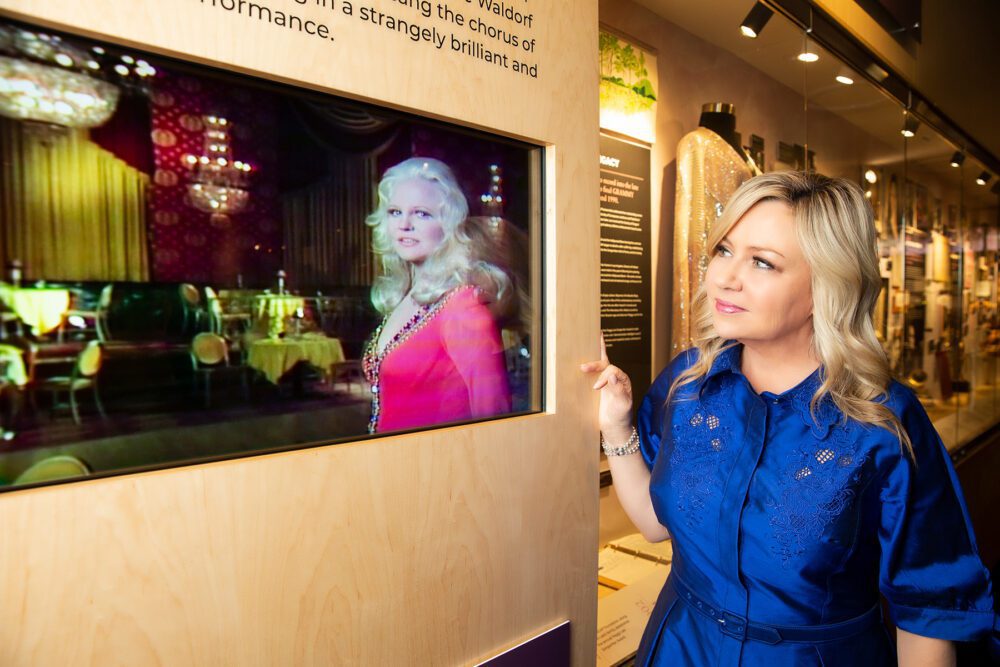
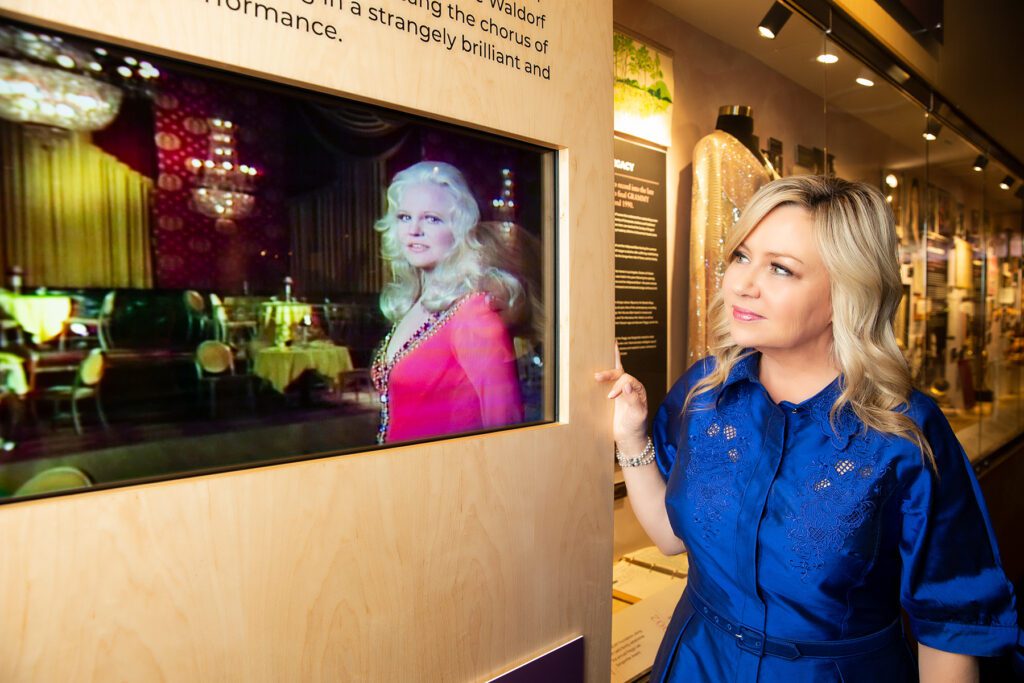
One could say that in spite of all her achievements — the hit records and films, the sold out tours, the awards and honors — the full breadth of Peggy Lee’s accomplishments has tended to be overlooked. Look to some new releases and events this year to offer a fresh perspective. The concert “Tribute to Peggy Lee and Frank Sinatra,” set for July 27 at the Hollywood Bowl, matches the timeless work of these two iconic artists with performers like Billie Eilish, Bettye LaVette, Seth MacFarlane, and Debbie Harry, among others, backed by the Count Basie Orchestra. LA’s GRAMMY Museum in Los Angeles is currently hosting the exhibit “100 Years of Peggy Lee,” running through September 5, featuring a wealth of personal items, including Lee’s paintings and drawings, scrapbook clippings, and her fabulous jewelry collection. Finally, there’s the reissue of Miss Peggy Lee: An Autobiography in an expanded edition that updates Lee’s story since the book’s first publication in 1987 (in the UK; US publication followed in 1989).

Overseeing all this is Holly Foster Wells, Lee’s granddaughter and president of Peggy Lee Associates. “I always kind of laugh at that title of ‘president,’ because really the title is ‘granddaughter,’” she says. It’s a job she began preparing for as a child, when she began traveling with her grandmother, laying out her makeup before shows and keeping her company backstage or in the recording studio. Now she works to keep Peggy Lee’s music alive for subsequent generations, overseeing record releases, licensing deals, publishing, and keeping up with new developments in communications, like streaming and social media.

“My grandmother told me when I was six years old that I was going to be doing this job,” she says. “I didn’t understand it; I didn’t even know what she was talking about. And as I got older she started giving me little nuggets of information along the way; my whole childhood growing up, she was teaching me what she wanted. And what I did understand was that her music was so important. And the fact that she was entrusting it to me felt amazing; I mean, that she would trust me that much. She had a lot of business people around her, but she wanted to know that someone who knew her and understood her and cared about her would keep it going in the way that she created it. So I think that’s why she picked me, because I was her flesh and blood, and a lot like her. She trained me.”
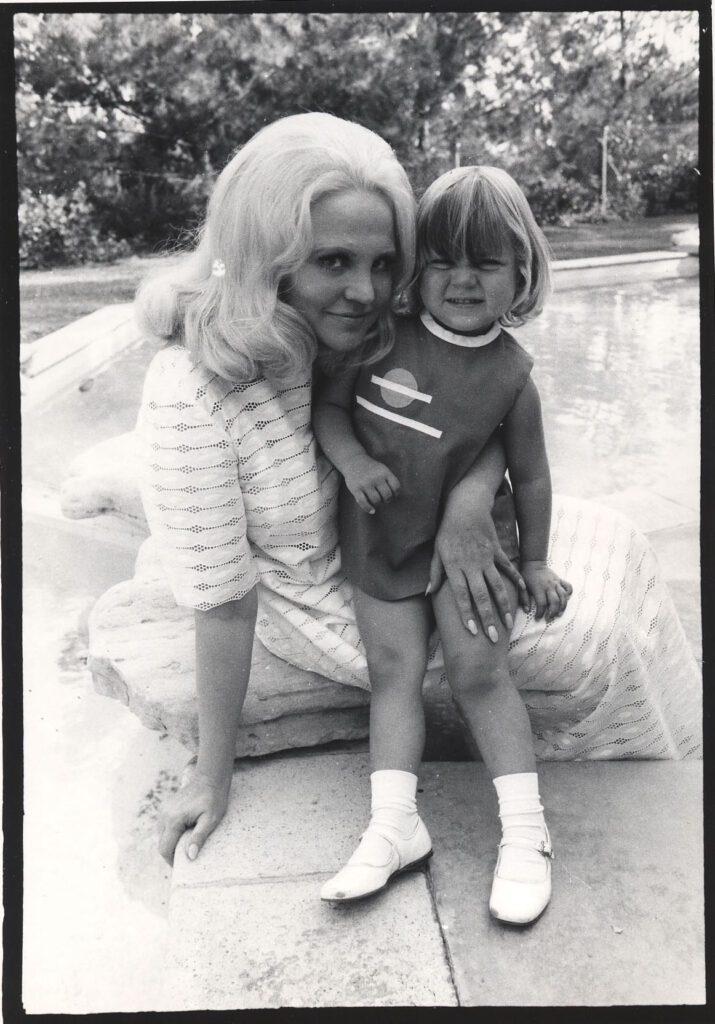
Holly as a toddler with her iconic grandmother

Lee loved keeping her family close, though her own upbringing had been difficult. Born Norma Delores Egstrom on May 26, 1920, she grew up in rural North Dakota; the former train depot where her father worked in Wimbledon is now a museum with a permanent Peggy Lee exhibit. Her mother died when she was four, and her stepmother proved to be monstrously abusive. The music on the radio and the glamourous worlds seen in the movies provided a mental escape before she could engineer a physical one.

She started out singing with a local dance band, and performed extensively on radio; it was during her time on the air at WDAY that she was rechristened “Peggy Lee.” There were subsequently trips to California, where she worked variously as a waitress and a carnival barker while gaining a foothold in area clubs and eventually performing more widely. While performing at the Buttery Room at the Ambassador Hotel West in Chicago, she was spotted by Benny Goodman, who hired her as the “girl singer” for the Benny Goodman Orchestra in 1941.

Her first recording with the Orchestra, “Elmer’s Tune,” was released soon after, a lively number with the kind of lyrics (“What makes a lady of eighty go out on the loose?”) that matched Lee’s own playful sent of humor. After a rough start with the critics (one photo of her was captioned “Sweet sixteen and will never be missed”), the hits began to arrive the following year. Following her marriage to Benny Goodman Orchestra guitarist Dave Barbour in 1943, she tried to quit show business — “tried,” because offers of work continued to come in. With the encouragement of her husband (who thought she may regret not taking advantage of the opportunities before her) she signed with Capitol Records, as well as developing a new talent: songwriting.

It was an atypical move for the era. “Back then, there were not singer-songwriters,” Wells explains. “There were songwriters and there were singers. So it was really unusual that she was doing this. That has been one of my missions, talking about her songwriting and how she was one of the first contemporary female — or not even female, just one of the first singer-songwriters. And she then had the foresight to start her own publishing company, which is the company that I run to this day. She had a head for business on top of being an artist, which is kind of unusual.”

Peggy’s first collaborator was Barbour. “I Don’t Know Enough About You” is a teasing tune about trying to figure out one’s partner (in the promo film, Peggy looks like she’s interviewing a job applicant). “It’s a Good Day” makes something as mundane as paying your bills sound like lots of fun. “Golden Earrings” was the hit song for the film of the same name, and she went on to provide songs for such films as Johnny Guitar (the only Western to star Joan Crawford), Anatomy of a Murder, and the Russians are Coming! The Russians are Coming! Over the years, she collaborated on songs with such notable names as Duke Ellington, Quincy Jones, Cy Coleman, and Harold Arlen.

“She wrote around 270 songs,” says Wells. “And I keep finding more, so that number just keeps going up. It’s kind of crazy, because I just keep going through boxes of things and I’ll find lyrics. And then I go through tapes that she made and I find demos that she’s recorded. It’s really astounding, but I have learned not to be surprised.” Given that only 1989’s The Peggy Lee Songbook: There’ll Be Another Spring focused on Lee’s songs (and a mere thirteen of them at that), a collection devoted to her songwriting seems long overdue.

In addition to her songs, Peggy also wrote poetry, and the updated autobiography features all the poems that appeared in her book Softly — With Feeling: A Collection of Verse by Peggy Lee, which she had privately published in 1953 (the title refers to her understated style of singing). The poems of nature and relationships reveal Lee’s more contemplative side; it would’ve been wonderful if she’d done a recording of, say “For People Who Are Not Sentimental,” an extraordinary look at how childhood disappointments lead people to build emotional walls around themselves.

Wells’ favorite is an untitled piece that begins, “I give my will to life and let it live me/All my mistakes to love/Love will forgive me…” “It says so much about her,” she says. “This shows her spiritual side and really what she believed; she was always telling me to let things go, turn things over to a higher power, or the universe. She was always talking about the light. When you think something negative, she would say, ‘Don’t give power to that; send white light to that thought.’ She was very much about positive thinking. She had a lot of hardship in her life. A lot of hardship. And back in the day, you didn’t go to therapy and go to rehab or workshops and work through your trauma. So her outlet was poetry, songwriting, music, singing, and spirituality.”

Lee didn’t write “Fever,” but her final touches shaped it into a classic. Written by Eddie Cooley and Otis Blackwell (under the pseudonym John Davenport), the song was originally recorded by Little Willie John in 1956. Whereas that version is an uptempo blues with a decided swing, Lee chose to make her own version, released in 1958, a study in minimalism, insisting on having only bass, light percussion, and finger snaps backing her, the better to highlight her “softly with feeling” delivery. She also wrote new lyrics for the song.

Yet not only did she receive no credit for being a lyricist, the song’s Grammy Award nomination for Best Arrangement credited the session’s orchestrator, Jack Marshall, and not Lee (“Fever” was also nominated for Best Female Vocal Performance and Record of the Year). Capitol Records executives told her not to make a fuss about it; did she want to be seen as a troublemaker? So Lee kept quiet — then.

But she didn’t hesitate to push back just over a decade later, when the songwriting team of Jerry Leiber and Mike Stoller brought her “Is That All There Is?” The song is a meditation on the meaning of existence, with the narrator left unmoved by a series of life events: the tragedy of a house fire, the antics at the circus, the sorrow of heartbreak, even the inevitability of death itself. “If that’s all there is, let’s keep on dancing,” the song concludes with a weary sigh, “Let’s break out the booze and have a ball….”

“I will kill you if you give this song to anyone but me,” Lee told the songwriters. “This is my song. This is the story of my life.” Leiber and Stoller were agreeable, but Lee’s memoir recalls “resistance everywhere” about her recording the song, which was seen as too much of a downer. Even after its recording, the label didn’t want to release it. Lee finally forced Capitol’s hand when she promised to make an arranged television appearance if the label agreed to release the song. Lee had the last laugh; “Is That All There Is?” became her first Top 20 twenty hit since “Fever.” And she also won her own Grammy for Best Female Pop Vocal Performance.

Peggy Lee was proud of her work and no longer hesitated to speak up if she felt she wasn’t getting her due. She’d been happy to help promote The Lady and the Tramp when it was reissued in the 1980s. “She imagined that she would be getting a nice big royalty check, because here was this new way that people could see old films,” Wells explains. “And when they didn’t give her the royalty check, and she saw how much money they made, she was furious — not just for herself, but for other artists, because she just felt that artists should be paid for their contribution. And by that time in her life, let me tell you, she was a strong woman, and there was no part of her that was going to be quiet. So she was not at all afraid to sue.

“It was a very intimidating situation and it took years and it was intense and grueling,” she continues. “But I never saw her be meek or worried. She was just, ‘This is wrong, and I need to fix it.’ The one thing I did see is it took a huge toll on her health. She was not in the best of health at that time, and it was a lot of meetings, and depositions, and it went on for years and years. And then it went to trial. And for her to get up every day, looking like a star and getting to downtown LA was a huge effort. And I went with her to court several times. It was hard on her. But she was so proud when she won and again, not just for her, but for all artists. It was a precedent setting case. And so she was really proud of that, that she had fought for the rights of other artists and really redefined home video rights. And when you see certain language in contracts now, it stems back to that case, about technology now created or created in the future.”

After spending her childhood accompanying her grandmother as she worked, Wells took some time off when she was in her late teens. “I told her that I didn’t want to work for her anymore; I just wanted to be her granddaughter. I felt like I needed to do my own thing. She said she understood, but that she just needed to know that I would look after her affairs when she was gone. And I said, ‘Absolutely, I promise you.’ It really mattered to her.” Wells pursued a career in television, until signing on at Peggy Lee Associates in the late 1990s. By then, Lee had stopped performing, and she’d released her last new album in 1993. But there were always projects to oversee, like new compilation and box set releases or organizing her voluminous archives.
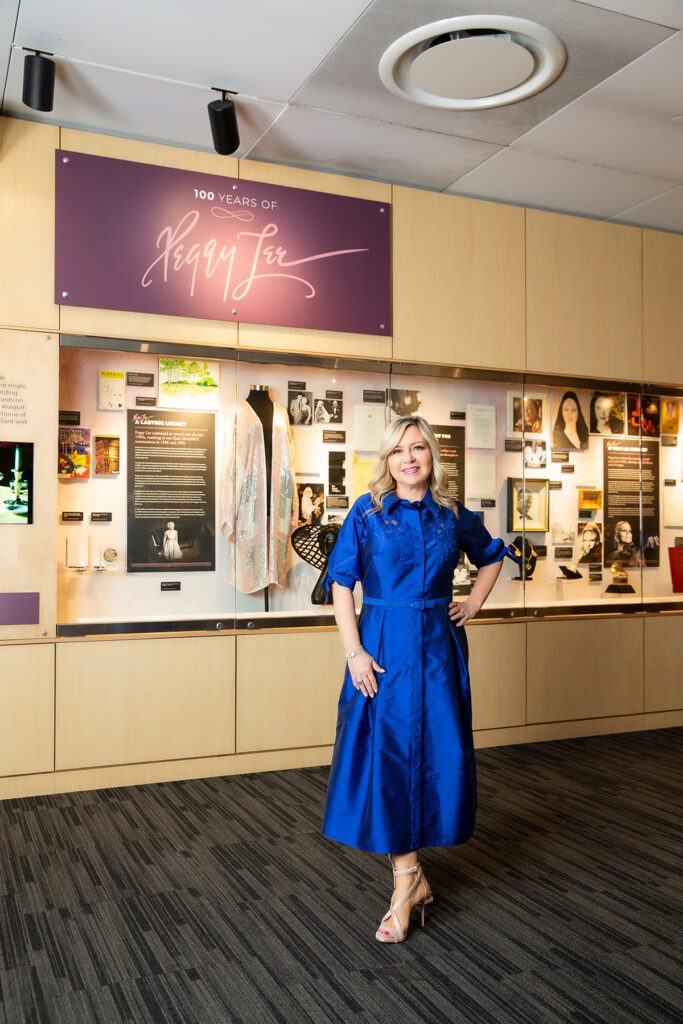
Photo Credit: Christopher Mortenson

Peggy Lee died in 2002, at the age of 81. “When she died, I will never forget walking through her house and thinking, ‘What am I going to do with all this?’” says Wells. “It was overwhelming. I’m still sorting through all her things.” Among the many boxes, she found a number of timelines her grandmother had put together of her life and career, one in particular singled out with a note, “Most Important Timeline — Save!” “I was amazed,” Wells recalls. “Like, who is she saying this to? And it was all in caps, typed. And then she had handwritten something on the top of it, like ‘Save!’ And it was in plastic. I swear to you, when I go through these boxes sometimes, I feel like she’s left me a treasure map. It’s like breadcrumbs that she’s left in the forest that I’m following. Like she knew that I would probably be the one that would be looking through all of this, and that she wouldn’t be here to tell me certain things. And she left me all of these notes and signs and recordings and it blows my mind every time. And, you know, even though I’m running a business, this is my grandmother. So it’s very personal to me. And I sometimes have to stop and just breathe and think. I cry. I’m grateful. It’s like, wow. And I wish I could ask her things now that I just didn’t have the foresight to do back then.”

Along with the records and the licensing deals, other Lee-related projects are currently on what Wells calls “my Peggy Lee bucket list:” a coffee table book, a documentary, and a feature film, set to star Michelle Williams and directed by Todd Haynes. Peggy Lee has proved to be the kind of legacy artist whose work is constantly being rediscovered, as when the use of her 1949 song “Similau (See-Me-Lo)” in a commercial for Samsung’s Galaxy Note 8 phone led to its unexpected appearance in Billboard’s Jazz Digital Song Sales chart. And now Wells is the one telling her own sons that they’ll be carrying on that legacy.

“I’ve explained to both of them, ‘So, when I’m gone, you will be the keepers of the flame.’ I’m starting to look to at, what happens when I’m not here? Because it’s going to live on beyond me, and the next generation doesn’t have that direct connection to her. So I now feel this responsibility to keep it going. I’m getting the stories out so that they don’t go with me.”

Follow Peggy Lee on Twitter, Instagram and Facebook for ongoing updates.
MUSIQUE BOUTIQUE: JNA, Jaws of Brooklyn, Liza Minnelli, Student Nurse, Doris Troy

Welcome to Audiofemme’s record review column, Musique Boutique, written by music journo vet Gillian G. Gaar. The last Monday of each month, Musique Boutique offers a cross-section of noteworthy reissues and new releases guaranteed to perk up your ears.

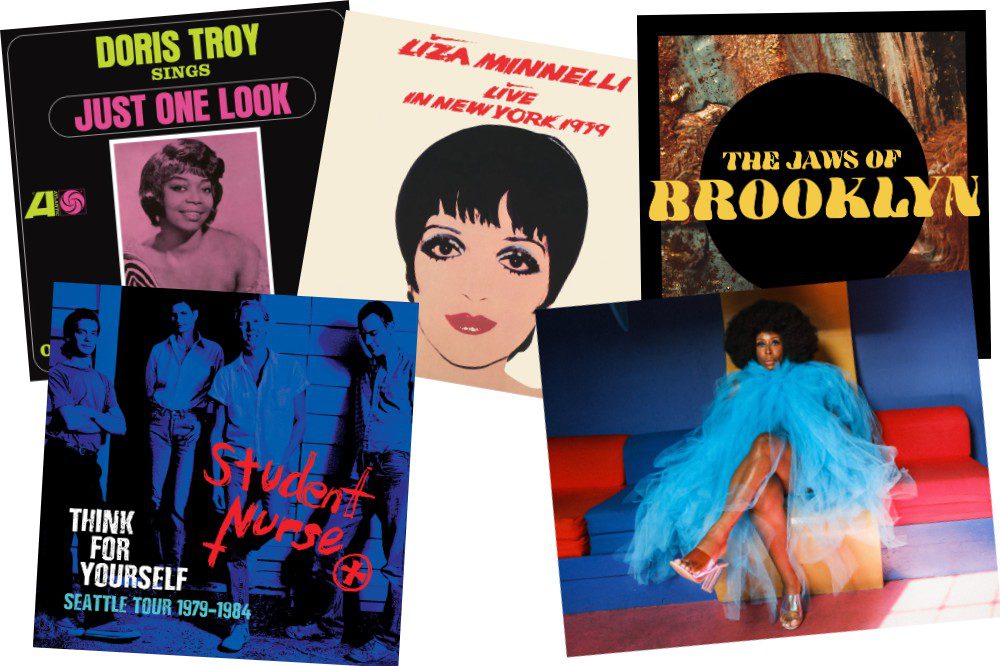
Put on JNA’s debut EP, I Have Good Taste But For Some Reason I Like You, close your eyes, and you might feel you’ve been transported back to the era of hypnotically blissful ‘70s numbers like “Love to Love You Baby,” “Funkytown,” and “Le Freak.”

“Tell Me Why” gets the party started with a toe-tapping hook, keeping the beat going with its strutting bass and insinuating synthesizer. JNA’s voice is cool and clear, musing in about her inability to get over a lover whose presence she senses everywhere; there’s also a teasing quality to her delivery that suggests she’s not that anxious to move on – and why should she be? But in “Only You,” she sounds more vulnerable, heartbreak lashed to a snappy beat. The dreamy “Freak” is a whisper of seduction, an invitation to a night of commitment-free fun. “I Need You” has the same pulsating energy as Donna Summer’s “I Feel Love,” in a song of steadily percolating desire. Here’s hoping that on her next outing, we get the full-length album treatment.

They might be based in Seattle, but the Jaws of Brooklyn wanted to soak up the kind of Southern blues you can only absorb by actually visiting Muscle Shoals, Alabama – the region that’s home to the legendary Fame Recording Studios and Muscle Shoals Sound Studios, as well as Sundrop Sound, where they laid down their debut album, appropriately titled The Shoals.

It’s the more forceful numbers that make the biggest impression. The opening track “Give It a Try” has the thick, chunky sound of 1960s soul pop, all fuzzy guitars and organ, with vocalist Lindsay Love standing in for Dusty Springfield. “Forever and a Day” mixes the effervescence of the Supremes with slices of garage rock guitar. “Sugar Sugar” is light and sweet and “Fever” is smokey and smooth. The perfect songs for a sizzling summer.

Liza Minnelli’s record setting run at Carnegie Hall in September 1979 (with all eleven shows selling out) was documented on the 1981 double album Live at Carnegie Hall. Now a newly expanded CD reissue, Live in New York 1979 (Real Gone Music), offers both the original album and the complete show, the latter released in its entirety for the first time, in sparkling remastered sound.

Minnelli was at her peak as a vocalist during this decade. There’s a terrific version of “Some People” from the musical Gypsy, which featured some of Stephen Sondheim’s best lyrics (“Some people sit on their butts/Got the dream, yeah, but not the guts”), and will make you wonder why Minnelli has never been offered the role of Mama Rose. “Arthur in the Afternoon,” from her 1977 musical The Act, is also cheeky good fun. And of course you get “Cabaret.” But she also taps into modern pop, with a snazzy rendition of James Taylor’s “Everybody Has the Blues” and a lovely version of Melissa Manchester’s “Come In From the Rain.” The three CD set displays this consummate song stylist at her best; there’s also a shorter two LP set on luscious red vinyl.

In the eyes of the outside world, the Seattle music scene of the early 1980s had nothing going on. Ah, but that would be overlooking the innumerable smallish bands who came together, released a few tracks, then sank into oblivion. Such as Student Nurse, founded by Helena Rogers, who moved to Seattle in the late 1970s, bought a guitar, took lessons from the same man who taught Bonnie Guitar and Nancy Wilson, then joined musical forces with her then-husband, drummer John Rogers. Think For Yourself: Seattle Tour 1978-1984 (Salish Sea Records) features the handful of tracks the band released at the time, and eighteen songs that remained in the vaults until now.

It’s spirited, spiky, punky new wave, with forays into funk and ska; check out that swingable dance beat in “Discover Your Feet,” about the joys of walking once the oil reserves have dried up (though most vocals are by Helena, it’s bassist Joe Harris on this one). “Tough Guy in the Lab” has a similarly nervy energy about creepy laboratory goings on. “Bad Gossip” skips with giddy pleasure, and you sure wish “Sperm Bank for the New Order” had lyrics. Compiling the CD inspired the band to give their first show in 38 years; good to have them back, however long it lasts.

Doris Troy is best known for “Just One Look,” her biggest hit, which she also co-wrote under the name “Doris Payne.” Her first album, Doris Troy Sings Just One Look & Other Memorable Selections, is a solid set of 1960s-era soul and R&B, with Troy co-writing most of the tracks, including such treats as the musical mash-up “Bossa Nova Blues” and slow, pleading “Lazy Days (When Are You Coming Home?).” You can pick it up on newly reissued green vinyl from Real Gone Music.

How We Mourn on the Dance Floor

In Audiofemme’s monthly column, The Beat Goes On, DJ Liz O. takes readers inside the booths of the dance clubs, bars and assorted L.A. events where she has been DJing for over 20 years. 

Depeche Mode circa 1987

The crowd inside the club thins as the last song for that Friday night, “Sorted for E’s & Wizz” by Pulp, fades. Yet, a handful of people remain on the dance floor, even in the seconds after the music stops. One guy shouts for another song. “Play one more for Andy!” 

Less than 48 hours earlier, word spread across social media that founding member of Depeche Mode Andy Fletcher had died. It was news that would have sounded like a hoax had it not come from the band’s official social media accounts. And it was heartbreaking. 

I have no personal connection to Depeche Mode. I’m just someone who claimed them as one of my all-time favorite bands back in elementary school and managed to stick with that proclamation for however many decades that have passed since then. And in Los Angeles, the city where I was born and still reside, that’s not unusual. Depeche Mode has been massive here since my 1980s childhood. In the L.A. that exists now, you could get away with playing the band in virtually any type of club. At the indie, alternative and goth nights, DJs can easily pack the floor with album deep cuts and B-sides. 

Needless to say, my very L.A. social media feeds were instantly flooded with tributes. I watched the photos, song clips and personal comments flash by in Instagram stories, and pop up one after the next on the main feed. Twitter and Facebook weren’t that different. 

There has been plenty written by both journalists and academics about online responses to celebrity deaths. But, the outpouring of grief from fans upon the death of someone famous long precedes social media. In 1977, Elvis Presley’s death brought tens of thousands of fans from across the country to Memphis for his funeral. The New York Times reported that close to 1000 fans turned up outside of The Dakota on the night that news of John Lennon’s murder broke. In the last few weeks of 1980 that followed, fan-led memorials popped up everywhere from Los Angeles to Moscow. Following Kurt Cobain’s death in 1994, about 10,000 fans attended a vigil in Seattle. 

When a musician dies, it often seems fitting that we should memorialize them through the songs that remain on Earth. If you’re old enough to remember a time when death announcements came via radio stations, then you can probably also recall hearing the deceased’s music after the DJ shared the news. If the musician had an impact on a specific scene, you might hear DJs dropping songs into their sets or bands covering personal favorites that weekend. And, if the musician was local, there might very well be some kind of gathering in your town. It’s part of how listeners show their appreciation for the gift of music.

Even in the social media age, that hasn’t changed. 

It didn’t take long for impromptu tributes to the band to pop up at venues across Los Angeles. And these weren’t limited to music events. At a Dodgers game on May 30, organist Dieter Ruehle paid homage by playing several Depeche Mode songs. 

Over the course of that final weekend of May, I ended up playing two Depeche Mode-heavy sets. On Saturday, I added a handful of Depeche Mode records to my crate and joined my friend, Malvada, who also brought her Depeche Mode stash, for an all-vinyl early evening gig. I ultimately lost track of how many Depeche Mode tunes I played altogether. It was as many as people needed to hear, or I needed to hear, at that moment. 

Part of DJing is saying what’s on your mind without actually talking. The songs do that for you. Sometimes, we do this in an obvious way. We might select a tune with lyrics that, on some level, reflect current events. Other times, it’s much more personal. We might pick out a song because it’s particularly meaningful to us, or it sends a message to someone we know is in that room. We might play something for someone who isn’t in that room— like a friend who recently died — because that person is in our thoughts. And we might play a song because a musician that we admire is now gone. 

I check the time on my laptop. We’re edging pretty close to the moment when everyone needs to get out, but the house lights were only beginning to brighten and no one at the bar has motioned for me to kill the sound quite yet. I really can’t say no, despite having played more than ten Depeche Mode songs that night. I quickly scroll through Rekordbox taking note of what I’ve already played— a handful of the hits and some fan favorites, like a request for “Puppets” — and realize that I hadn’t played “Enjoy the Silence.” That was truly the best choice for tonight’s closer. One more. For Andy.

For ongoing updates on gigs, sign up for Liz’s newsletter. This month, catch her at the following spots:
7/23/22 — Nitzer Ebb vs. Front 242 @ Akbar w/ Tommy Rocker, Manuelito, Damascus Knives (EBM set)
7/26/22 — La Dolce Vita @ The Mermaid (disco set)
7/29/22 — Club Underground @ Grand Star Jazz Club w/ Larry G. (indie, Britpop, alt ‘80s, post-punk)
8/05/22 — ‘90s House Party @ The Lash (throwback house) 

Laura Veirs ‘Found Light’ Amid Loss for Her Latest Album

Photo Credit: Shelby Brakken

It’s impossible not to recognize Laura Veirs‘ distinct voice and mystical, almost spoken lyrics. Having released twelve albums since 1999 (the last being 2020’s My Echo), she just put out her new album Found Light, on July 8 — and the 14 tracks feature the same folky melodies and natural themes found through her work, as well as some ear-catching experimental sounds.

Veirs wrote the album while going through a divorce, which influenced the topics of the songs as well as her production process. This is her first album that was not produced by her ex-husband; instead, she co-produced it with musician and composer Shahzad Ismaily in Brooklyn and Portland, Oregon, bringing in live guitar, drums, saxophone, flute, and violin, with Veirs herself on guitar and keyboard. “I had my hands on the reins of every song,” she says. With lots of vocal echoing, soft, angelic harmonies, and unexpected instruments, Found Light is as surprising as it is soothing.

Lyrically, much of the album deals with processing loss and the end of a relationship. The most recent single, “Eucalyptus,” uses eucalyptus trees — which can spontaneously drop their branches, making them potentially deadly — as a metaphor for what Veirs’ divorce felt like: having something suddenly fall on your head. Punchy electronic beats build momentum and drama, and the sound of rainfall creates the earthy feel of a forest as she sings: “Eucalyptus smells sweet/and with its grey-green leaves, it’s beautiful/and like you/it’ll drop its branches suddenly.”

Veirs meditates on several other natural themes in Found Light, echoing older albums of hers like 2007’s Saltbreakers and 2018’s The Lookout. The single “Seaside Haiku” is based on a poem she wrote about a trip to the beach, which a Patreon follower encouraged her to set to music. Out-of-time, washed-out guitars mimic ocean waves and give off a garage-rock vibe.

“I care about climate change and all the issues going on, but when I’m writing, it’s coming from a place of enchantment and mystery around nature,” she says.

“Winter Windows,” another single off the album, is about setting boundaries in a world where women are socialized not to. “I used to watch them/watch you light up every room/now it’s up to me/the lighting I can do,” she sings against energetic guitars.

“Sometimes, it’s been hard for me to not give too much of myself in relationships — so this is a meditation on boundaries and not giving everything of yourself away, aimed toward the woman listener,” she says.

Veirs took inspiration from the book The Field Guide to Getting Lost by Rebecca Solnit, who writes about getting lost on purpose. “I definitely felt lost,” she says. “It’s okay; it’s the human condition, really, if you think about it. No one knows where they’re going. Life is unpredictable. We are always grasping for security and stability because life is unknown and unpredictable and chaotic. But I do feel we can find our own internal stability, and also the stability of the people around us to be guides and to not feel too lost.”

As she was working on the album, she was learning to become more comfortable being in the dark — both in terms of her divorce and in terms of the pandemic and the societal injustices occurring over the past few years. The album’s title, Found Light, describes the ability to find positives in this state of uncertainty. It references the Langston Hughes poem “Helen Keller,” in which he writes, “She/In the dark/Found light/Brighter than many ever see.”

All in all, the album is “about finding light where you didn’t think it was available to you — and, specifically, the freedom and brightness that can come after a bad breakup,” she says. “That’s why people break up: because their relationship’s not working. But you don’t know if you’re gonna find the light at the end of it. But I found that in a visceral way. I did find a lot of light at the end of that tunnel.”

In addition to her music, Veirs teaches songwriting and creativity workshops and creates visual art, which she shares and sells on her Instagram. She’s currently on a tour spanning Europe and the U.S. — her first in three and a half years — which represents, in some small way, the light emerging at the end of the tunnel of the pandemic.

For those who feel as if we’re still in the dark, it may be helpful to take a lesson from the album and the process Veirs went through as she wrote it. “If you’re feeling lost, there’s fruits within that,” she remembers realizing. “There’s the fruit of connection to another person who also feels lost, or the fruit of connection with yourself to make sense of that by, in my case, making a piece of art or a song or a story around that. That’s, for me, what art does: it makes sense and beauty of what could be perceived as this chaotic void or meaningless existence.”

Follow Laura Veirs on Facebook and Instagram for ongoing updates.

Tunnel Premieres Title Track from Debut LP Vanilla

Photo Credit: Frank Mojica

Singer and multi-instrumentalist Natasha Janfaza returned to her hometown of Los Angeles after spending seven years in Washington D.C., where she attended Georgetown University, but she couldn’t leave the local music scene behind. “I decided that I wanted to start fresh and become integrated in the scene here,” Janfaza says on a recent phone call from the West Coast, “but, ultimately, my roots [in D.C.] are so strong that, over the pandemic, we pretty much made this album together.”

That album is Vanilla, the eight-track debut from Tunnel, set for release on July 15 via DC label House of Joy. Janfaza handled all songwriting duties, sings and plays a good chunk of the instruments. Her collaborators for the release are producers and multi-instrumentalists D. Saperstein and Owen Wuerker, both of whom Janfaza knew from the D.C. scene, and drummer Brendan Canty, known for his work with Fugazi, Rites of Spring and The Messthetics. Together, they made an album that’s equally noisy and sublime, harking back to 1990s indie rock despite a very 2020s recording process (save for one song, “Figure 5,” which was written back in 2019, when Janfaza was still living in D.C., the album came together through remote collaboration). Tunnel’s short East Coast tour this month will mark the first time the full band has played together on the same stage. The title track, out officially on July 8, premieres on Audiofemme today. 

“There were several rounds of me trying to figure out what songs were going to be on the album, what the album was going to look like,” she says. “At one point, I was like, I’m going to choose 10 of my favorite songs that I’ve written and it’s going to be guitar and vocals and that’s it. I was originally thinking very bare bones.”

Janfaza tracked a lot of the songs herself, using Logic, and ultimately ended up changing directions. “I decided, why not flesh this out?” she remembers. She thought of two people with whom she would want to play: her good friend Saperstein, as well as Canty, who she had known for a while, after meeting him through a college professor.

Then, while visiting family in D.C., she was able to connect in person with her collaborators. During a songwriting session, she says, Saperstein took on a producer role, helping Janfaza decide on her best material for the album. “This was really helpful for me refining my catalog of songs. I have a lot of stuff and I can do stuff in a bunch of different styles,” she says. “I would say that’s where we took this knife, this sharpening knife, and made everything the best that it could be.”

Growing up in L.A., Janfaza played violin. “It really was my passion from the start,” she says of the instrument. “I knew that I wanted to do music. I even considered going to school for music.” However, a repetitive stress injury prompted Janfaza to rethink what instrument she should play. “I lost interest at a point in college with violin,” she says. “I felt like it was really competitive and not the healthiest environment and it wasn’t really conducive to creativity, it was more like music as a sport, I would say.”

So, by college, Janfaza turned towards rock music. “Not many people discover that they want to be a rock ‘n’ roller that late,” she admits. But, “That was when I felt like there was really a need for me to take that path and go to shows and be involved in the scene. I just needed to feel like I had a place at my school and I didn’t feel connected.”

“This was how I discovered my voice. My confidence improved a lot because I feel really connected to what I’m doing and there’s so much support around me,” she adds.

Janfaza picked up other instruments during this journey as well. “I was really new to guitar at the time,” she says. “I’ve gotten a lot better, but I still don’t consider myself a technical guitar player. It was just punk music: show up, it’s about your energy. It’s about your effort and your passion and expression.”

She got a firsthand view of how music communities come together, particularly when she wanted to organize a benefit for gun control law reform. She reached out to other locals in a Facebook group and was able to set up the benefit at St. Stephen, a church that’s known for its longtime connection to the D.C. punk scene. “These were the kind of events that made me feel like there was substance to my involvement,” she says. “I wasn’t just going to shows, I was also trying to organize and bring people together.”

These days, Janfaza, who also plays in the band Taciturn, is also familiarizing herself with the L.A. scene. “I’m trying to be more involved and really build community here,” she says. 

She’s also thinking about the role of music in a time filled with so much strife. “With everything going on in the world, in our country at least, with regards to abortion and gun laws and all that, it’s really depressing. It’s grim. What role does my music have to do in this really uncertain future?” Janfaza considers. “That being said, I feel like I have to keep going and we’ve got to live day by day.”

She also sees the value of music during difficult periods. “I don’t think that we can fight back if we’re burned out. Things like music and art are really important. They bring us together. They re-energize us. They give us inspiration,” she says. “Otherwise, if you only look at the reality, which is really depressing, we’re not going to have the energy to act.”

Follow Tunnel on Instagram for ongoing updates.

La Femme Closes Out North American Tour With a Party for the Ages

La Femme at The Belasco in Los Angeles, 6/24/22 (Photo: Liz Ohanesian)

Midway through their set at The Belasco in downtown Los Angeles, La Femme rips into “Antitaxi,” the synth-surf-punk opener of their 2013 debut album Psycho Tropical Berlin. The packed crowd on the floor of this grand, old theater erupts with glee. There are hands, cellphones and drink cans punching the air as the mass of bodies bop up and down in unison. On stage, the band members are getting down. They are joined by Sam Quealy, the Australian singer who already wowed fans with her opening set tonight and is now hyping up the crowd with a series of ‘60s go-go moves. It’s the penultimate night of La Femme’s U.S./Canada tour and they are throwing Los Angeles a party for the ages. 

In the studio, La Femme is a duo, Marlon Magnée and Sacha Got, making synth-heavy tunes influenced by everything from big band jazz to rockabilly to cold wave. “We like to mix all of our influences, even rocksteady and ska and skinhead reggae,” says Magnée when we chat during the soundcheck earlier that Friday. 

If you have heard Paradigmes, their 2021 album, then you’ve well aware of just how eclectic La Femme can be, from the jazzy “Paradigme” to the neo-psychedelic “Cool Colorado” and “Tu t’en lasses” to the new wave revivalism of “Foutre le bordel.” Their latest single, “Sacatela,” dropped just ahead of the tour.

In a lot of ways, La Femme embodies the spirit of this particular time. They aren’t married to any one genre or aesthetic. They work across media, even producing their recent film, Paradigme: Le Film, which is available to watch on YouTube. They do a lot of the work themselves; Magnée spray painted band t-shirts when they sold out of their stock earlier in the tour. But, he is also quite candid about how independent a band can be in this moment. 

“We are completely dependent on Spotify, Apple Music,” Magnée says. “That’s why being independent is all bullshit because, at the end, you’re always dependent on the system. We are in that system.” 

La Femme at The Belasco in Los Angeles, 6/24/22 (Photo: Liz Ohanesian)

Yet, La Femme is still blazing its own trail. Transforming what is, essentially, a studio project into a live one is their strength. “For the studio, sometimes we use 100 tracks for a composition and for live it’s what you see, six musicians, so we have to rearrange it for live and make it more simple,” says Magnée. 

The aesthetics are important for the band as well. Magnée says that, in the early days of La Femme, they lamented the lack of really cool visuals in music. “It’s not like the ‘80s. You had so many cool bands with strong visuals: Nina Hagen, the B-52s. All those bands were amazing,” he notes. “We were like, fuck it. We’re a band, we want to be cool and bring back all the visual things.”

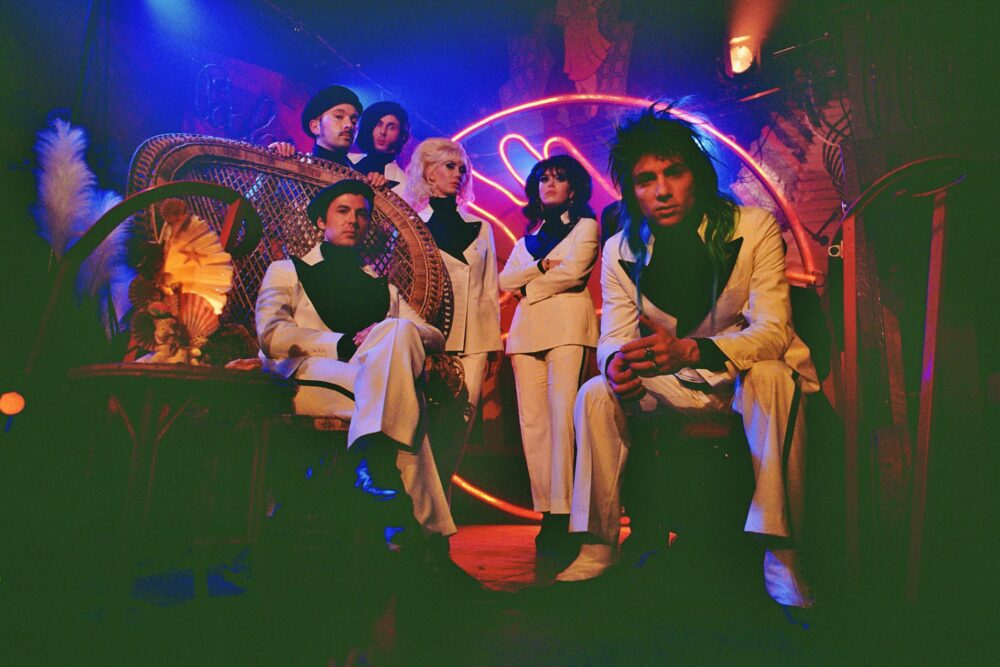
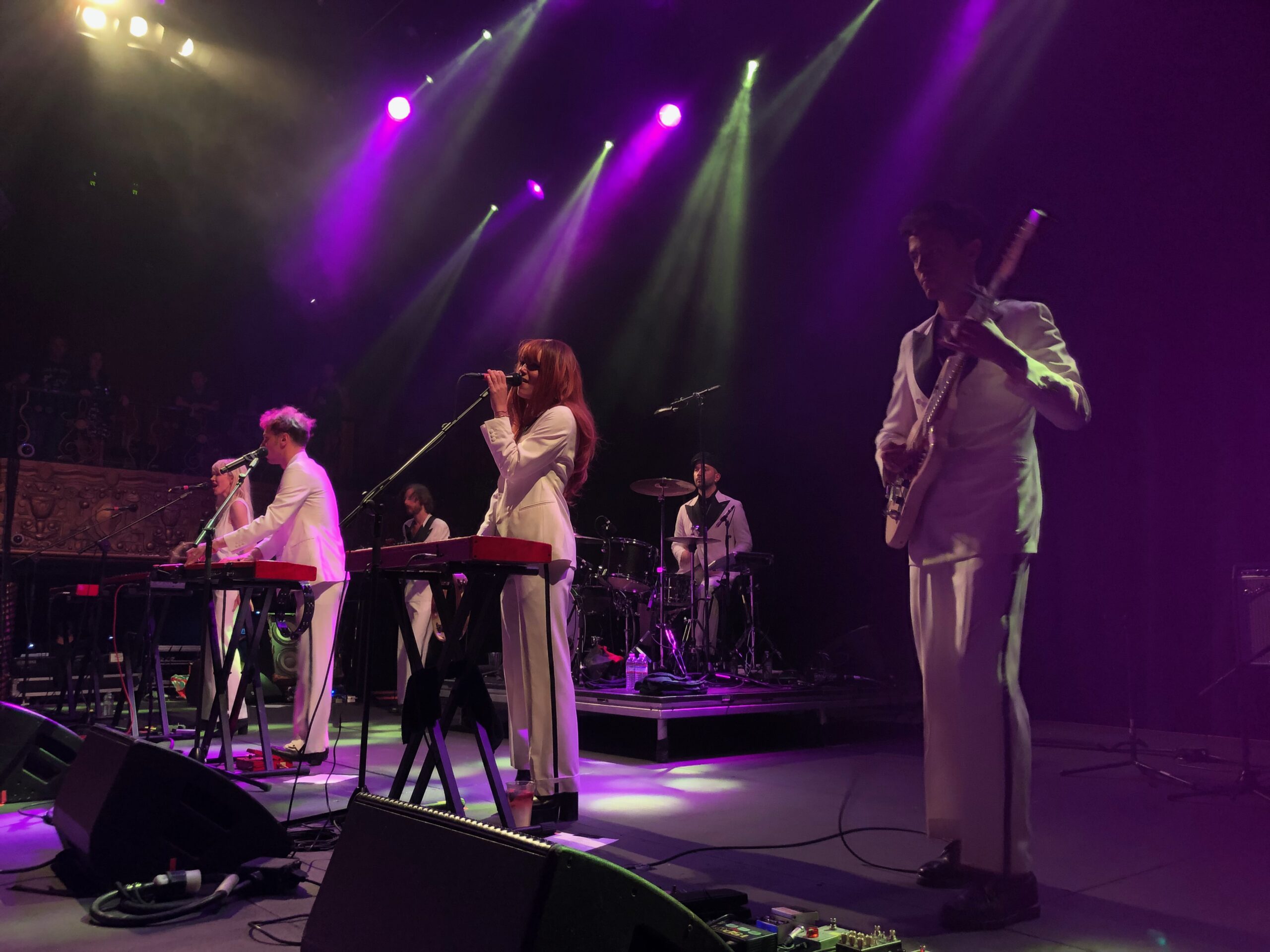
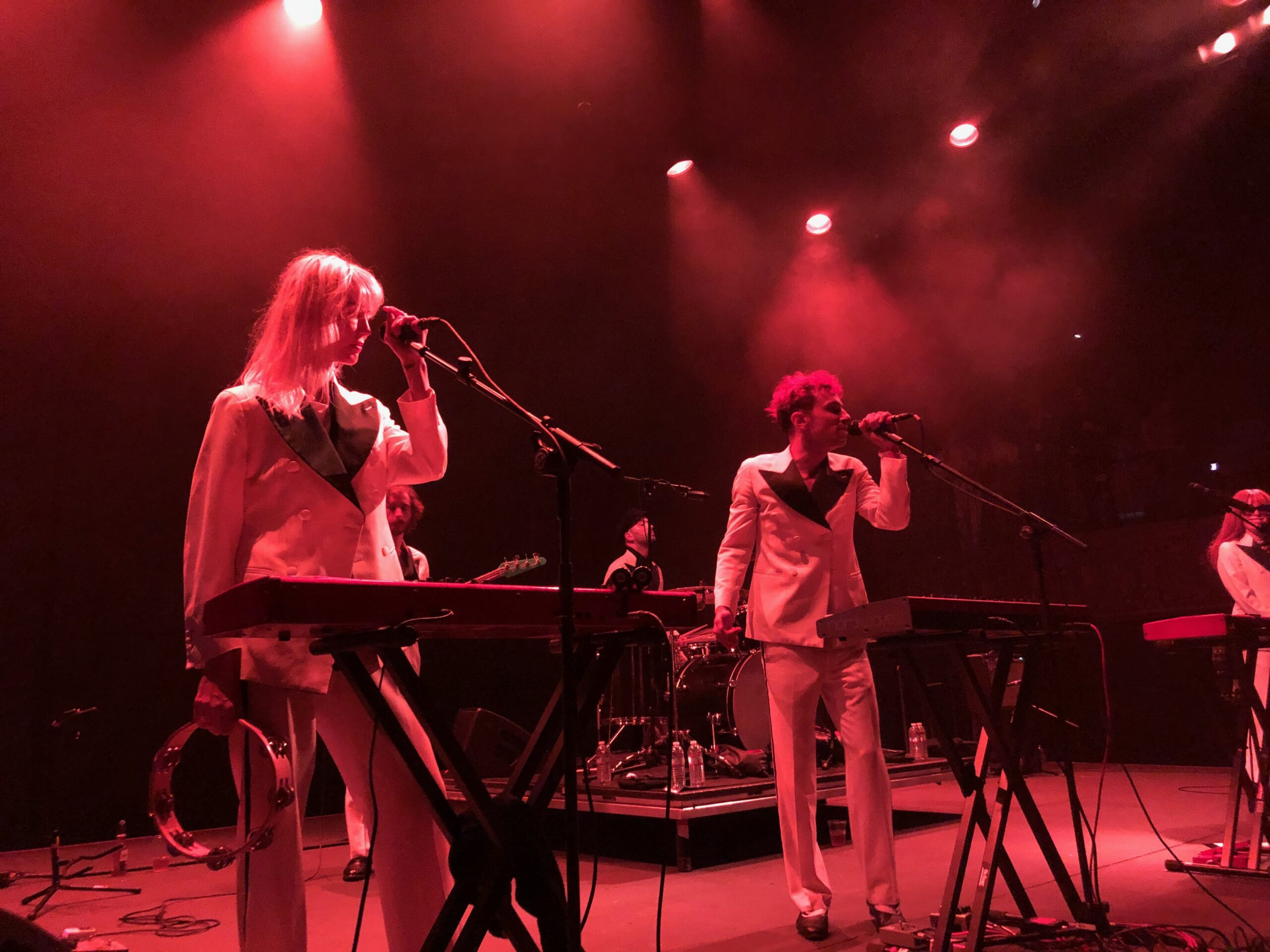
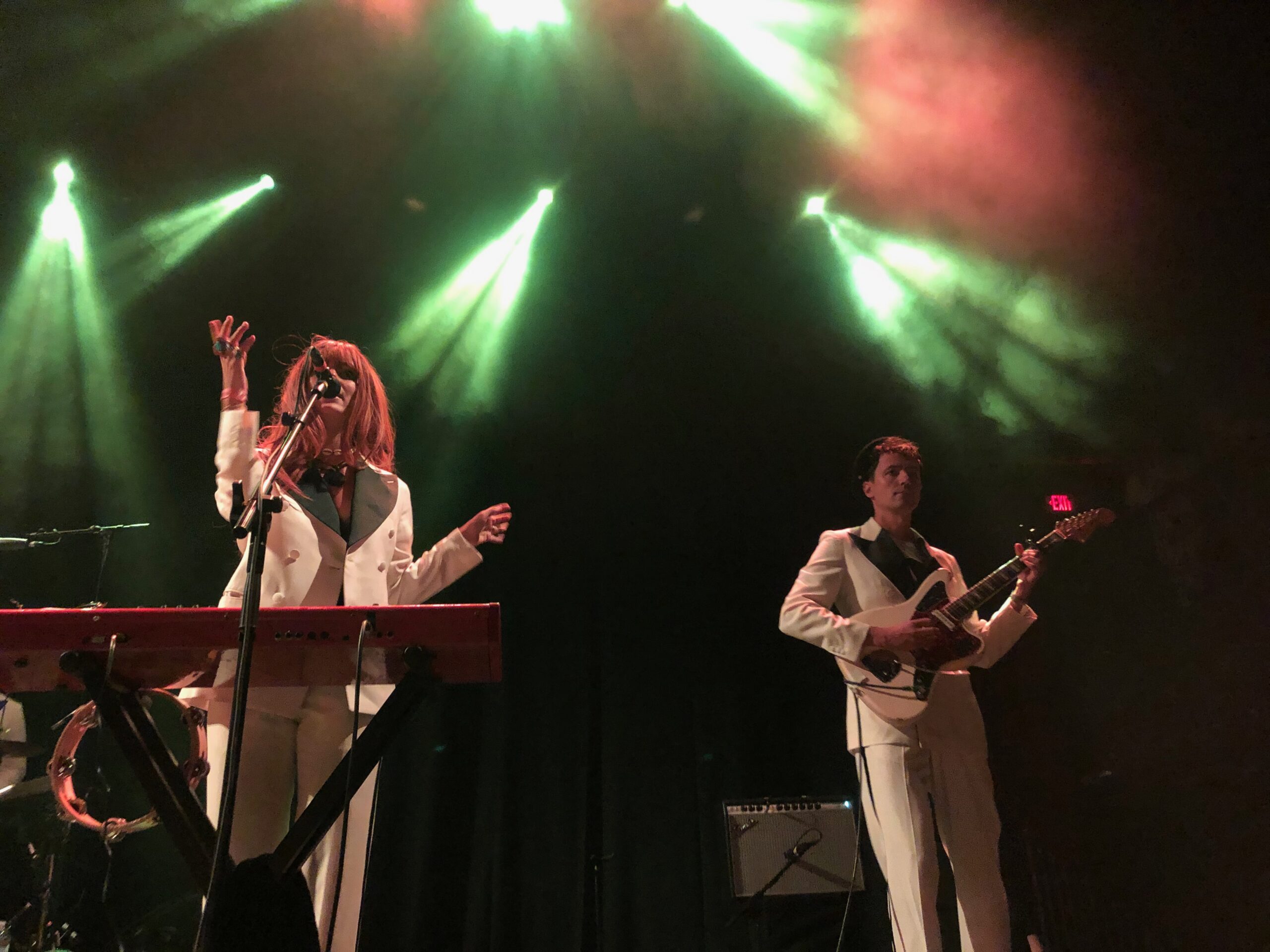
Onstage in L.A., La Femme is a sextet dressed in matching white suits. At the front of the stage are four red and pink synths. They open with the groovier jams and the crowd response is immediate. During “Cool Colorado,” only the second song of the set, those pressed up close to the barricade are ready for a sing-a-long. The energy builds as the show continues. By the time they get to the bop “Foutre le bordel,” almost all of the band members have tossed aside their suit jackets. They’re bouncing and shimmying as they play. Magnée dips into the crowd, hops back on the stage and does the twist for a second or two. Out in the audience, the dancing is ecstatic and the heat in the venue rises. 

Magnée was a punk kid who loved NOFX. Then, at 14, he flipped over Lou Reed. Strange as it may seem, you can hear both those influences in La Femme, along with all the other bands and genres he’s connected with over the years. “Since I was a kid, I just didn’t give a fuck,” he says. “ I’m going to mix new wave, cold wave, rockabilly, all of this.”

La Femme at The Belasco in Los Angeles, 6/24/22 (Photo: Liz Ohanesian)

As Magnée points out, all those subcultures that existed with little-to-no crossover back in their heydays are now so small that the scenesters have to mix with each other. Tonight, that’s all happening at La Femme’s show, where you’re as likely to see club kids made up in glitter as you are to see folks decked out in metal band paraphernalia.

Pulling off a tour in the aftermath of COVID-19 wasn’t particularly hard, Magnée says, but it has challenges. “It’s hard to book the venue at the right time because, after COVID, all the bands started to tour again at the same time,” says Magnée. Plus, he adds, the glut of tours crossing the U.S. in the year after live music resumed meant that it was more difficult to find engineers and technicians who were available. On top of that, there’s the pressure to sell tickets and Magnée was conscious of the fact that plenty of folks might not have the extra cash for concerts. That’s all in addition to the usual stress of getting visas to play in the U.S., which has long been a notoriously convoluted and expensive process.

All that aside, the tour has gone well. Throughout it, Magnée says, he’s been able to chat with fans. “Before the gig and after the gig, I always say hi to the fans. Walk around and say hi to them, have a cigarette,” he says. For some fans, it’s been their first show since the pandemic. Others, he notes, have told him that La Femme is their first concert ever. “Everyone is in a very good mood.”

On that last night of the tour, the mood is better than good. A La Femme show is truly a party. Even as they slow down the pace, the audience remains rapt. By the time the house lights brighten, about 90 minutes have passed since the start of the set, yet, people don’t seem quite ready to leave. It’s the kind of night you don’t want to end – one that draws from wildest strains of 20th century music, mixing it all together for a 21st century audience that pulls together people from virtually every scene in Los Angeles.

Follow La Femme on Instagram and Facebook for ongoing updates.
Katie Alice Greer Tests a Tenuous Grasp on Reality with Solo Debut Barbarism

Photo Credit: Kathryn Vetter Miller

“This may be a record that literally nobody else gets or likes, or like, you know, is into,” says Katie Alice Greer, former vocalist of DC post-punk outfit Priests, of her first solo effort Barbarism, out today on Four Four Records. “But that’s okay, because I made it first and foremost for me.”

I first came to Greer’s music as a DC resident myself, when I saw Priests perform for the first time in 2013 as the opener at a Pygmy Lush show at the Pinch in Columbia Heights. In my mind, they ushered in a new era of the DC sound, such that it had been confined to hardcore for as long as I had been a part of it, and before that even. This was new, different, in many ways mind-blowing – I had never heard a band like this come out of DC. They forged a path forward for bands like Flasher, Gauche, and even Snail Mail (who’s from the Baltimore area, but this is a technicality) – all of whom put out releases on Priests’ Sister Polygon Records. Priests exploded into more national recognition with their debut full length Nothing Feels Natural in 2017 (coincidentally, the first album I ever covered for this very website). But enough about Priests.

They went on hiatus in 2019, and Greer relocated from DC to Los Angeles. This was her fresh start, and she was eager to collaborate with new artists. But then, given the timeline, I don’t have to tell you what happened.

“It was a really strange time to move here,” Greer says. “I think obviously that informed a lot of the process of the record as well. I never really set out for it to be a thing where I played and wrote every single thing on it, but just logistically, it was kind of how it turned out. It was really important for me to make something that didn’t feel informed by any external sense of what I thought anybody else would want to hear or what might seem cool, or resonate with other people.”

And so, she says, this is the “weird record that came out.” She balks that she hasn’t come up with a better elevator pitch for the record except to call it weird, but I think that’s fine – it is weird, which is part of its charm. It doesn’t sound like Priests even a little bit, but it doesn’t sound like anything else either. It’s rife with noisy industrial sounds, layered under Greer’s vocals, which jump all over the place. At times they’re sweet, nearly bridging the gap to hyperpop (notably on the opening track, “FITS/My Love Can’t Be”), which sounds interesting and textured against the harsh backing music. At other points it feels nearly reminiscent of something you might hear on a Sacred Bones record, haunting and ethereal like Marissa Nadler or SPELLLING. And in that sense, I could offer Greer a few more adjectives – rich, refreshing, and perhaps most importantly in the lens of what she set out to do, unlike anything I’ve heard lately.

Greer inhabits a unique space as a musician, in that she has no formal experience. This particularly informs her practice as a songwriter – she references the Werner Hertzog documentary Burden of Dreams as one of the few tangible influences on her process writing this album. 

“It’s about him making this really epic movie in the jungle, in the Amazon, and how every single thing went wrong in the process,” she explains. “I think there were a lot of points in time while making the record where I just felt so totally lost in it, and I was completely frustrated by gear not working, or my computer being too full, or just you know, the world’s crumbling around me. Having felt like a lot of my internal world had crumbled or come to an end after this really significant aspect of my life was over and I moved away from what I considered home.”

During the height of the pandemic, Greer – and the rest of us for that matter – might as well have been in the Amazon like Hertzog. Many felt their individual worlds crumble in very individualized ways over the last few years, but what’s so special about Greer’s songwriting, in general and on this record in particular, is that while it feels personal, it never feels diaristic. While the feeling of isolation as familiarized by COVID is evident on this record, it’s not explicit. She approaches songwriting almost like a novelist or a filmmaker, defining her own feelings and building a character, a concept, a fantastical storyline around it. 

“Thinking about music in these more visual, or cinematic ways just makes more sense for my brain,” she explains. “Diaristic, confessional songwriting is very hard for me. I don’t make work that way. But I can take things that I’m feeling or thinking about and get a little bit more imaginative, or like, blow those out of proportion, or try to write a different storyline around them.”

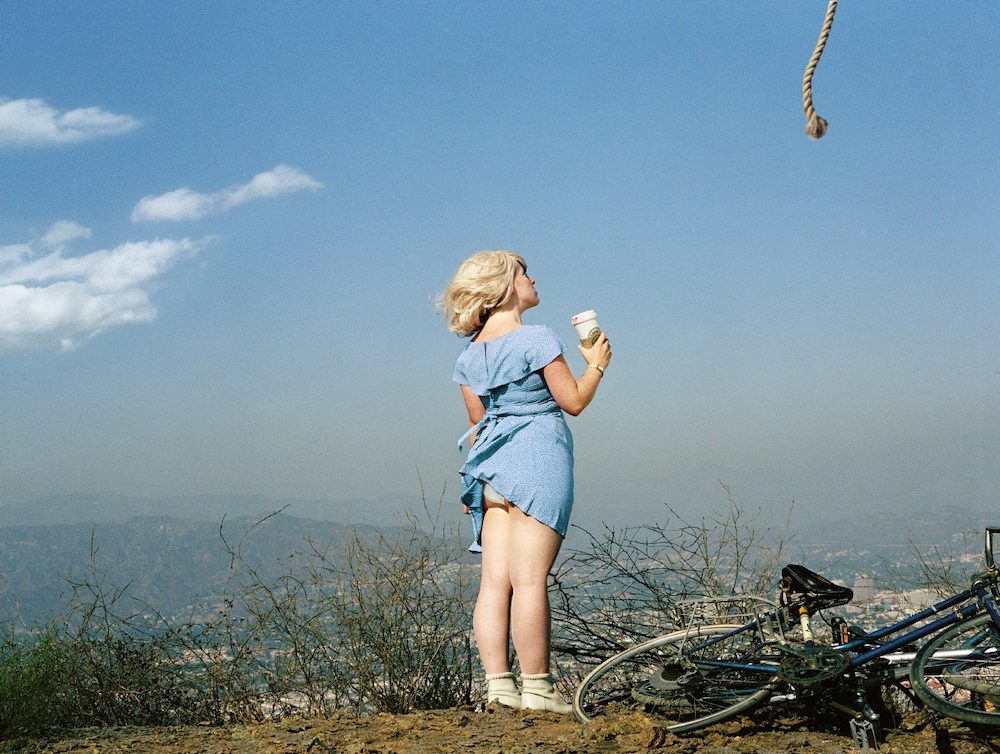
This visual, cinematic approach shines in the accompanying videos for the record, namely for the single “Captivated.” She notes David Lynch and photographer Alex Prager as influential to the album’s visual elements as well, an emphasis on the surreal that screams in this particular video. In it, a woman sees a plane flying backward, and Greer’s vocals fade in: “A mystery to be unraveled.”

Photo by Alex Prager, a visual influence for the album

It’s a snapshot of sudden isolation, the world crumbling around you, everything going wrong when you’re lost in the wilderness. “She realizes that airplane just…flew backwards? Like, what’s going on in my brain?” Greer asks. “Is anybody else experiencing this? What’s happening? She’s maybe losing touch with reality, or maybe the world is, maybe this is an external thing. It’s hard to know.”

And in that, Greer’s personal experience, morphed into this fantastical storyline, reveals the universal. In these precarious times, it’s hard to know what’s real and what isn’t – are you going crazy, or is the world going crazy all around you? Greer’s Barbarism blurs the line to the extent that we might ask, does it even matter? Just go ahead and make the weird record, the one you wanted to make.

Follow Katie Alice Greer on Instagram and Twitter for ongoing updates.

MUSIQUE BOUTIQUE: Linda Martell, Petrol Girls, the Inflorescence, Diamanda Galás

Welcome to Audiofemme’s record review column, Musique Boutique, written by music journo vet Gillian G. Gaar. The last Monday of each month, Musique Boutique offers a cross-section of noteworthy reissues and new releases guaranteed to perk up your ears.

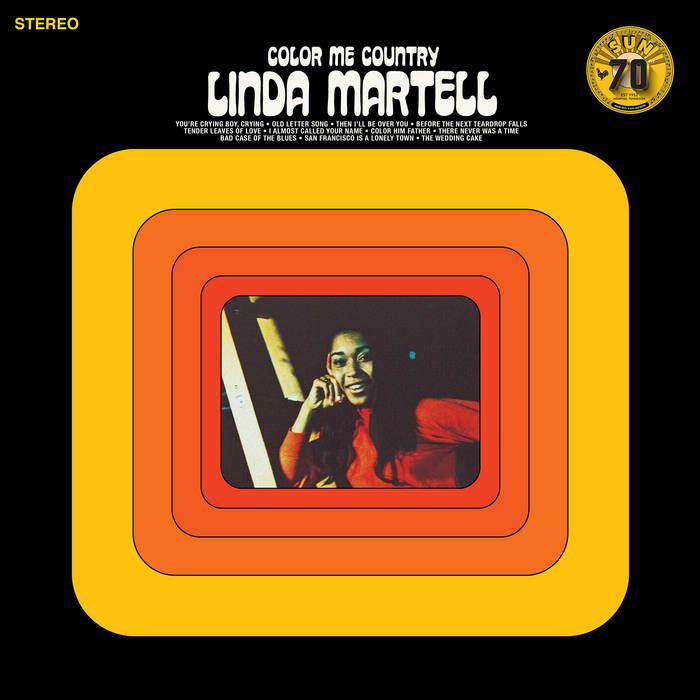
In 1970, Linda Martell made history when she became the first Black woman to play the Grand Ole Opry in Nashville, Tennessee. That same year saw the release of her sole album, Color Me Country, which reached the No. 40 in Billboard’s Top Country Albums chart. Now, the album is being reissued (on transparent orange vinyl, no less) for the first time since its original release, for Record Store Day, courtesy of ORG Music.

Martell (born Thelma Bynem), began singing with her sister and cousin in an R&B trio; after being rechristened by a DJ, they released singles as Linda Martell and the Anglos. She then pursued a solo career, and when an aspiring manager convinced her to try country music (which she’d grown up listening to), she decided to dive in. Color Me Country was the result. As you’d expect from the genre, there are weepers, such as the disintegrating relationship depicted in “San Francisco is a Lonely Town.” But there are also heartwarmers, like “Color Him Father” (a Top 30 country hit) where a stepfather heals a broken family, and her clear-eyed assessment of marriage in “The Wedding Cake.” These are stories about real people, and Martell brings them to life with great empathy.

Formed in the UK a decade ago, most of Petrol Girls had since relocated to Austria – which is where lead singer Ren Aldridge found unexpected inspiration. While taking a walk one day, Aldridge encountered a group of pro-life protestors outside an abortion clinic. “I saw red,” she recalled, “and before I knew it I was circling them screaming ‘I had an abortion and I’m not sorry!’” Hence the song “Baby, I Had an Abortion” from the group’s new album, Baby (Hassle Records). It’s a proud song of defiance (and yes, that “Shame, shame, shame” line is a Game of Thrones reference), that’s fully in keeping with an album that Aldridge describes as “playful, a bit unhinged.”

Baby is a powerful punk rock assault on hypocrisy (the sanctimony of religion in the incendiary opening, “Preachers”), patriarchal oppression (“Fight for Our Lives”), and police brutality (“Violent by Design,” co-written with activist Janey Starling), each pounded out with vigor by the band (along with Aldridge, the group includes guitarist Joe York, bassist Robin Gatt, and drummer Zock). But there are also songs of self-reflection, like “Bones,” which examines the struggles inherent in following one’s own path: “Thought about giving up, secretly/Precarity, haunting me/Looked at a normal life, wistfully/Question the point of this, constantly.” A smart acknowledgement of life’s complexities.

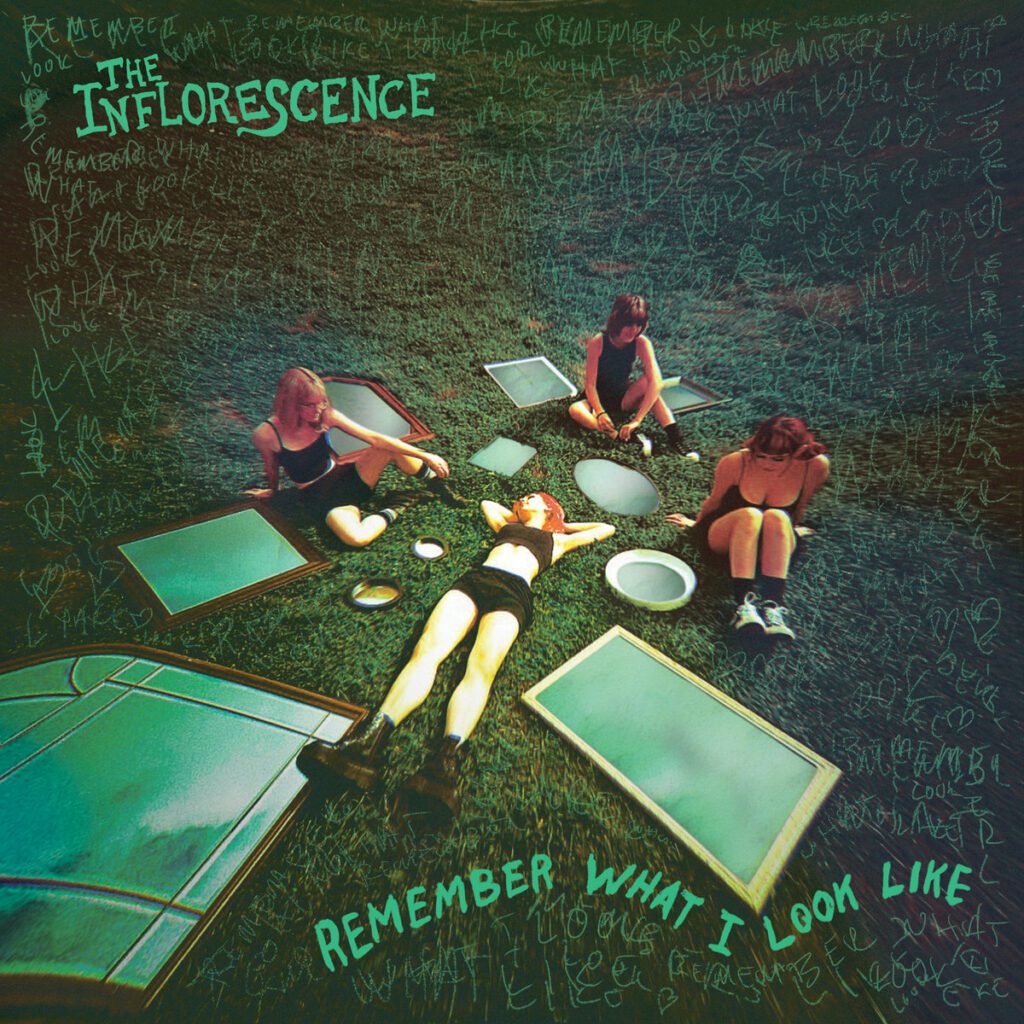
It’s not surprising that the Inflorescence exude such an all-for-one/one-for-all camaraderie. Turns out the foursome (Tuesday Denekas, vocals/guitar; Charlee Berlin, guitar/vocals; Sasha A’Hearn, bass; Milla Merlini, drums) have been friends for years, with the closeness that comes from being in high school together (A’Hearn’s the one in college). Their debut album, Remember What I Look Like (Kill Rock Stars) is indie pop, but with a decided edge. The songs snap, crackle, and pop with a lively energy.

The album gets off to a brisk start with “Phantom Feelings,” a song whose giddy spirits might make you overlook that it’s about an unrequited relationship, the prevailing theme throughout the album. “I try to set my expectations low,” Denekas sings in “Are You Sorry,” but they can’t help sliding into disappointment anyway, concluding “How much more can I really say/until you just drift away?” And “Board Game” decries how relationships can become a competition (“I’m not just a piece in your little board game”) in a number that steadily rises from a soft beginning to a surging, roiling ride.

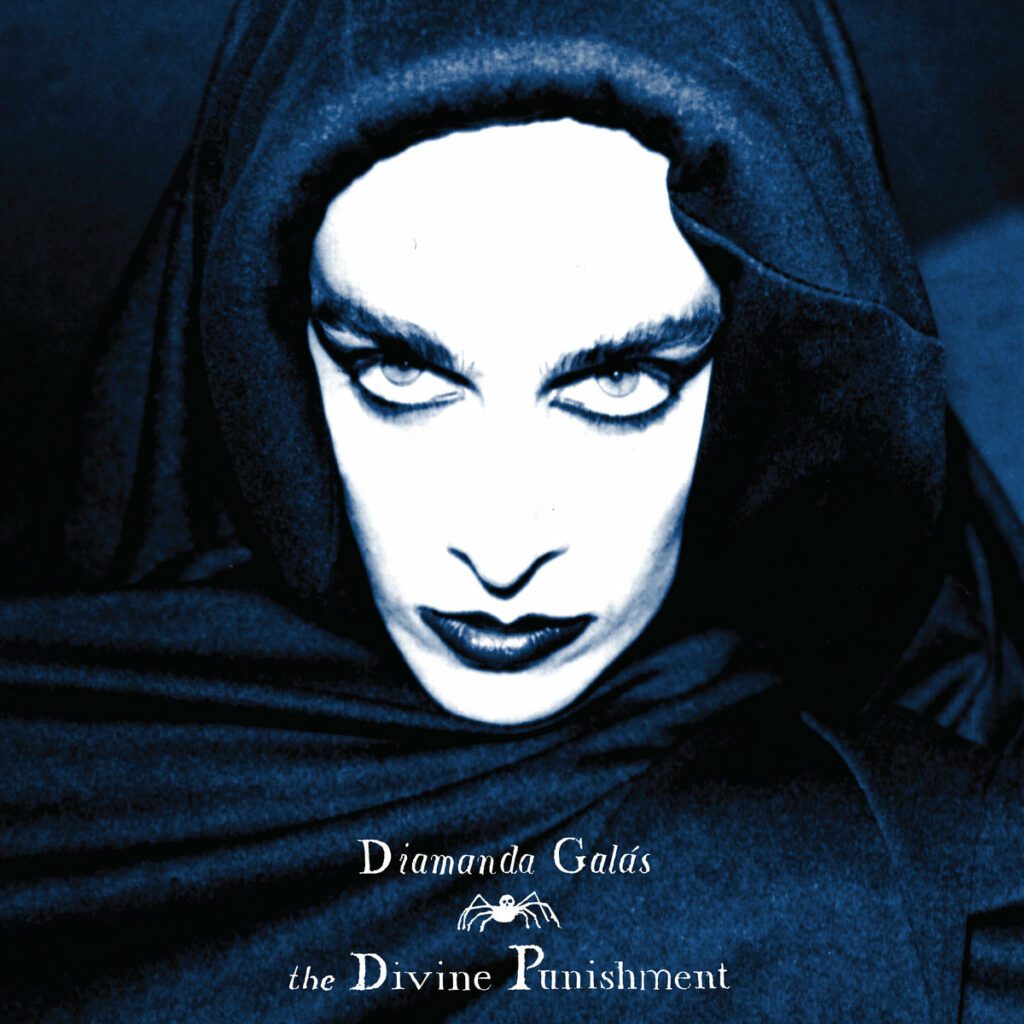
Diamanda Galás has a voice that’s like nothing you’ve ever heard. Classically trained, and with a background in jazz, blues, and the music of her Greek heritage, her formidable talents could not be contained by simple categorization. Avant-garde work is rooted in the classics; “Litanies of Satan,” from the album of the same name, is based on a poem by Charles Baudelaire, for example. Or she might push the limits of hard rock, as on This Sporting Life, a riveting collaboration with Led Zeppelin bassist John Paul Jones.

And then there’s her 1980s trilogy about the trauma of the AIDS crisis, The Masque of the Red Death. The first album in the trilogy, The Divine Punishment, has been newly reissued on CD and digital platforms by Intravenal Sound Operations; vinyl release follows in August. It’s an uncompromising, emotionally powerful work. Against a spare backdrop of keyboards, Galás delivers Biblical texts in a voice that swoops from guttural howls to sizzling whispers, giving voice to pain, outrage, despair, and fury. It’s a descent into the pits of hell, but Galás makes it a spellbinding journey. Look for her new album, Broken Gargoyles, to be released later this year.

Σtella Incorporates Vintage Greek Sounds Into New LP Up and Away

Photo Credit: Dimitra Tzanou

With her latest album, Up and Away, out June 17 via Sub Pop Records, Σtella has been diving deep into the influence of mid-20th century Greek music. In a way, it is a rediscovery of music that had been a part of the Athens-based singer’s youth.

“When you listen to something since you were very young, you’re kind of sick of it in a way. You don’t give it much credit,” says Σtella on a recent Zoom call. But, perhaps like a lot of music listeners, those songs heard during childhood hit differently years later. Σtella herself returned to the music of artists like Grigoris Bithikotsis and Tzeni Vanou, both Greek singers who came to prominence during the 1960s. 

“Maybe it has to do with just the fact that it’s something that I listened to and it’s in my head, but I hadn’t found a way to recreate it or to appreciate it before,” she says. “Lately, I’ve been finding these songs that I was probably listening to when I was 10, because of my parents and their friends. I’m listening to these songs again now and I’m like woah, this is a masterpiece. But, it took a long time to listen to them like that again.”

Since the release of her 2015 self-titled debut, Σtella has developed a reputation for synthesizer-tinged indie pop. On Up and Away, though, she steers the music in a different direction, incorporating Greek instruments to create something that is, at times, extremely funky and a little psychedelic, giving a modern twist to classic sounds. 

The genesis of Up and Away began in 2018, right after Σtella finished work on her 2020 album, The Break. She had been listening to a lot of music from the Texas-based band Khruangbin, who themselves are influenced by global funk and psychedelic music. She met producer Tom Calvert, also known as Redinho, who had an interest in Iranian music and had spent time in Greece. “The stars were aligned,” says Σtella. “Initially, Tom sent me some instrumentals, which I really loved. I loved the vintage sound.”

To round out the production, they brought in Christos Skondras on bouzouki, a Greek musical instrument that’s part of the lute family, and Sofia Labropoulou on kanun, a zither-like instrument that’s used in Greece and throughout the Middle East. “Working with these two musicians really gave the album a lot of color and gave so much to the sound,” says Σtella. “I’m so grateful that we worked together.” 

With Skondras on the bouzouki, Σtella was able to create a vibe that reflects music heard in her formative years. “Growing up, I was listening to a lot of my parents’ old records and to a lot of bouzouki,” she says. “Bouzouki is carved in my head as a sound. Even on my past albums, I was playing guitars and trying to make them sound a little bit like the tone that the bouzouki has, but I was never brave enough before to actually record a bouzouki.”

She adds, “Because I’m Greek, for me, it’s also weird to choose an instrument that I’ve seen so much all my life and listened to my whole life.”

In collaborating with Calvert, though, she was able to do that. “I always say that I think it’s funny that a British person convinced me to put a bouzouki in an album,” says Σtella. 

Σtella crafted the melodies for Up and Away before the instruments were brought into the process. “What happened was something that happens in traditional Greek music with bouzouki,” she explains. “The bouzouki kind of follows the melody of the vocals. That’s something that’s pretty standard in old ‘50s and ‘60s Greek songs that have bouzouki.”

Progress on the album was slow moving, as Σtella and Calvert collaborated remotely while she was in Greece and he was in the U.K. Then, after completing work on the album, COVID-19 hit and Σtella learned that Arbutus, the label that had released The Break, would not be able to handle her follow-up. 

“I was devastated, obviously, in the beginning,” she says. But, Σtella adds, she made a decision to not get “too upset” about the setback and to start reaching out to people in search of a new label. “I think it took two months and I sent an insane amount of emails. I was emailing labels every day and people every day,” she says. In May of 2020, she heard from Sub Pop, who was already the publisher of her music, that the Seattle-based label wanted to discuss releasing Up and Away

For the album’s title track, Σtella draws from Greek musical history in a video that she directed, with illustrations by Yokanima and animation by Yokanima and George Kontos. The clip follows two Greek musicians as they leave a gig, encounter Nazi soldiers on a street and escape through a race track. It’s inspired by a true story from World War II.

Another highlight from the album is “Another Nation,” where Σtella turns up the Mediterranean funk heat while singing about her ambition to branch out as a musician. 

“When I was writing new songs, I was really hoping that I would, in some way, leave Greece,” says Σtella. “I think this song is about my excitement with the idea of leaving my country, not completely leaving the country, but trying to be in a more global conversation musically with this album, trying to be part of a bigger picture.” With Up and Away, she does exactly that. 

Follow Σtella on Instagram and Facebook for ongoing updates.

Lolli Morlock Brings the Heat on Debut EP from New Seattle Supergroup Hell Baby

In 2015, the give-no-fucks garage punk of Mommy Long Legs stole the hearts of Seattle underground music fans, many of whom knew every line of the band’s anti-capitalistic anthem, “Assholes” (and even now, Mommy Long Legs’ 2018 song, “Call You Out,” has become a viral hit among twenty-somethings on TikTok).

Despite the major love for the group, the band had a bad break-up in 2018, convincing Lolli Morlock, a driving member of Mommy Long Legs, to take a long, self-imposed break from music. But on May 21st, 2022, Morlock ended her musical seclusion with All Babies Go To Hell, the debut EP from bratty post-punk Hell Baby, a four-piece outfit for which Morlock is a dominant songwriting force.

Hell Baby was born in 2019, when Morlock began regularly jamming with new friends like Sylva Helgager (of The Carols and Plexi), after her workdays tattooing at Bad Apple Tattoo in Seattle’s International District.

“I found a lot of my identity and myself in Mommy Long Legs. Not having that anymore was really such a shock to my system and it took me actually years to feel confident playing music again,” says Morlock. “I thought for a long time that I wouldn’t be able to have that with another band, but slowly I started jamming and playing music with Sylva.”

Eventually, Sidney, a drummer Morlock knew from Everett-based band Sleepover Club, and guitarist Spencer Johndrew, who is also co-founder of the band’s label Youth Riot Records, joined the jam. Soon, the foursome began writing songs together and decided to form a band, which they named after one of the cheeky cherub tattoo Morlock drew for flash event at her tattoo shop.

At the same time, crediting the pandemic’s isolation with giving her more time to look inward, Morlock entered therapy to process a recent romantic relationship that had re-triggered a lot of her childhood trauma and trust issues. Her personal journey over the last few years brings a depth and unguardedness to the EP’s lyrical content, primarily written by Morlock.

“I’ve never come from such a vulnerable place when I’ve done any songwriting. It’s always been a joke or a half-joke, or talking about in Mommy Long Legs these like big structures we’re trying to dismantle and shout about and this is way more personal to me,” says Morlock.

On the bouncy opening track, “Pink Convertible,” Morlock directly calls out her ex’s lying, shout-singing, “You said you don’t/Lie but it goes to show/I’m driving in my car alone,” which she imagines as her dream car—a pink Cadillac convertible.

On “Hell,” the band’s first-ever song, Morlock’s lyrics—disjointed and chaotic at times alongside a repetitious and uneasy guitar melody—conjure the feeling Morlock would get during their arguments.

“We started writing ‘Hell’ just out of a jam, so [I heard] that little bass riff and then I came up with that windy guitar part,” remembers Morlock. “Then that sort of evoked this spirally feeling that I get when I’m upset and triggered.”

Though the songs have become more personal for Morlock, they still bring the heat. On “100%” for instance, the energy throughout is high and the snark is palpable as Morlock’s girlish voice lilts over a heavy, driving lick in the bass and guitar, and builds to a deranged shout at the chorus. With the lyric, “Consent/To terminal occupation/Consent/Subliminal violation/Consent/Was written in application/Consent/The value of your ambition/No less than 100%,” the garage-y banger calls bullshit on the capitalistic mindset that’s filled Seattle’s streets with Yuppies and hyper-modern townhomes.

“That one was just sort of an ironic take on like, the 9-to-5 workday and how you’re supposed to be investing every single ounce of your energy into the system,” explains Morlock, adding that the band plans to put out a music video for the song, featuring the members of Hell Baby as ragged, coked-out corporate shills completing a business merger with four sex dolls.

Such a wacky scene encapsulates Hell Baby’s devilish sense of humor—which saturates All Babies Go To Hell—and the way the band members support each other’s creative whims. It makes the EP a very cohesive and fun listen.

“I have never felt so open playing music with a group of people before. First of all, we have a hilarious dynamic with one another. We have a lot of chemistry as a group and we really balance each other out. If I have an idea, people are down to explore it,” says Morlock. “We’re all coming at it with out own vulnerability and we’re all trying to heal. When you can really connect with a band and like, have a method of [writing together] that feels good for everybody, then that’s really special and pretty rare.”

Hell Baby plans to go on a mini West Coast tour down to Humboldt County this summer and to release a full length within the next year. In writing the new album, Morlock says she’s got every intention to continue to bring in more of her personal life. After all, we’re each walking through our own brand of hellfire.

“I was always worried about being vulnerable in that way in my music but… the world is so utterly fucked up and so blatantly in our faces right now that like, it’s kind of like, well who gives a fuck?” she said. “I’m just going to say how I feel.”

Follow Hell Baby on Instagram for ongoing updates.

MUSIQUE BOUTIQUE: Ann Wilson, Nancy & Lee, fanclubwallet, Stoney & Meatloaf

Welcome to Audiofemme’s record review column, Musique Boutique, written by music journo vet Gillian G. Gaar. The last Monday of each month, Musique Boutique offers a cross-section of noteworthy reissues and new releases guaranteed to perk up your ears.

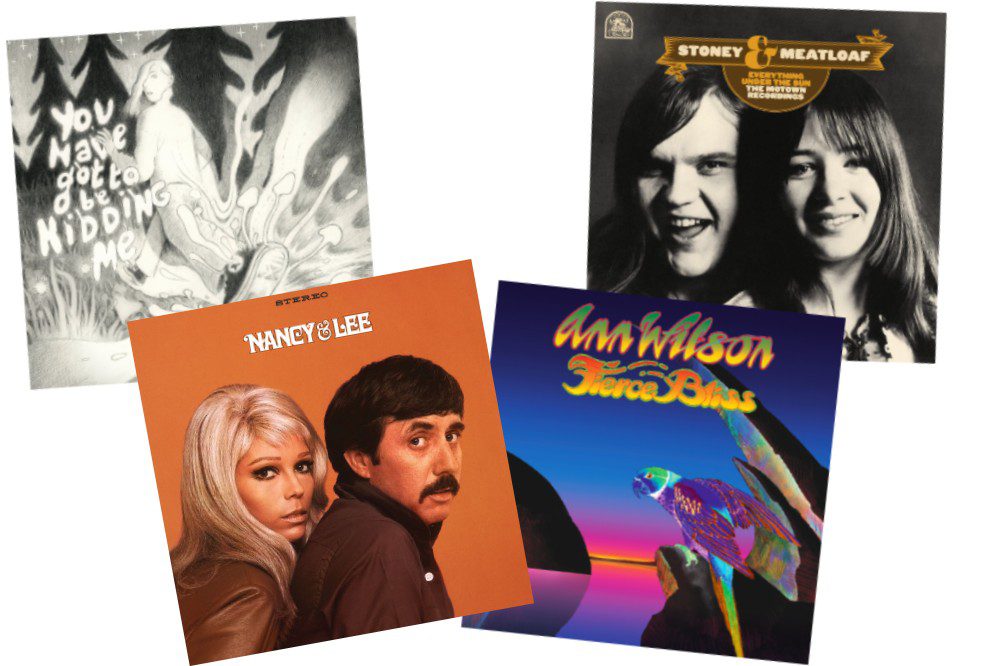
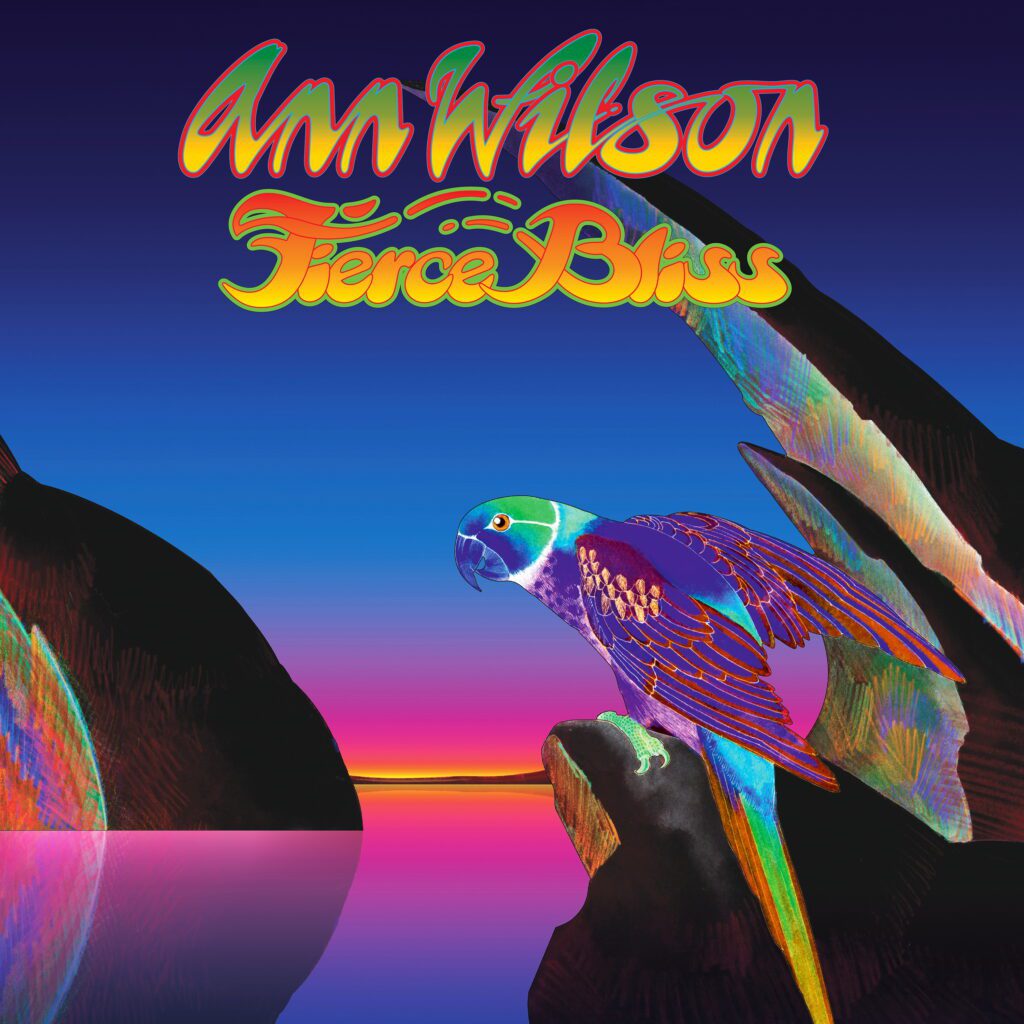
Ann Wilson has one of the most recognizable, and impressive, voices in rock, whether she’s fronting her own band Heart or going solo. Fierce Bliss (Silver Lining Music) is a solo outing, and sees her making one of her own dreams come true; recording for the album began at the legendary Muscle Shoals Sound Studios in Alabama (where such artists as Elton John, Cher, Willie Nelson, and Millie Jackson have recorded).

There are some well-chosen covers; a beautiful version of Queen’s “Love of My Life” (sharing the vocal with Vince Gill), while tackling Eurythmics’ “Missionary Man” is an obvious pick for a voice as powerful as Wilson’s. And her own co-written numbers crackle with a spirited energy. “Greed” turns a critical eye on a culture where however much you consume it’s not enough; “A Moment in Heaven” takes on the entertainment industry (“Hollywood be thy name”), where the next big thing becomes yesterday’s news all too soon. The chunky rock riffs of the ’70s are still Wilson’s musical calling card, and she also loves a deep dive into the blues, as you can hear on the searing “Angel’s Blues.” Wilson is currently on US/Canadian tour through June 24, with a performance at FloydFest22 in Floyd, Virginia, set for July 30.

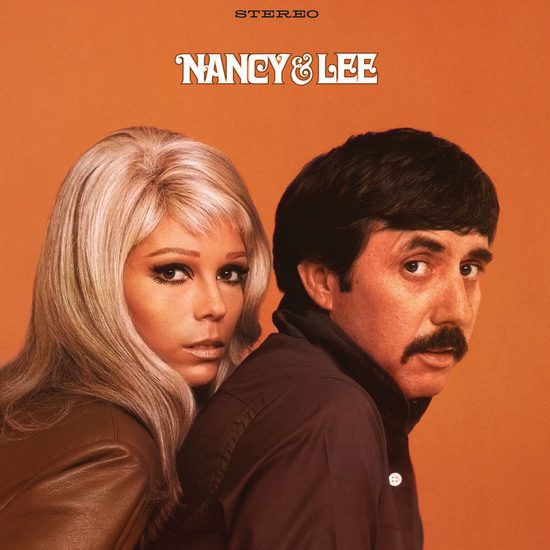
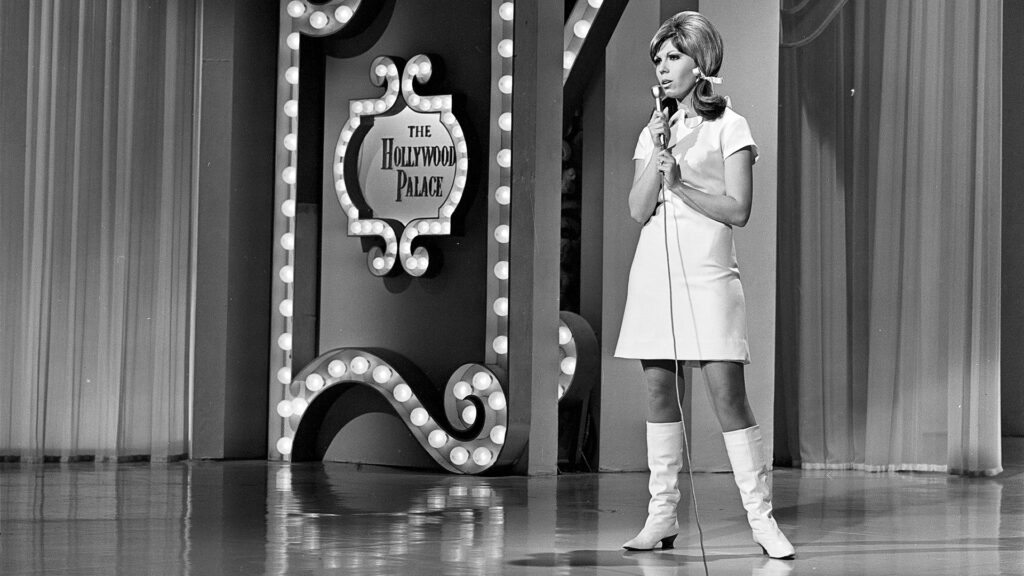
Nancy Sinatra’s career got a huge boost when she recorded Lee Hazlewood’s “These Boots Are Made for Walkin’” (just check out the groovy promo film). But then things started to get really interesting. Reissue label Light in the Attic launched their Nancy Sinatra Archival Series in 2021 with the release of the compilation Nancy Sinatra: Start Walkin’ 1965-1976, followed by a reissue of her first album, Boots. Now comes the reissue of her first collaborative album with Hazlewood, Nancy & Lee.

It was a pairing Sinatra jokingly describes in the album’s liner notes as a “beauty and the beast” match up, with Hazlewood’s stentorian deep baritone and Sinatra’s cool been-there-done-that delivery. In the ethereal “Some Velvet Morning,” she embodies the spirit of the mythological doomed princess Phaedra, as Hazlewood mournfully sings of how she brought him to ruin. There’s a haunting rendition of “Elusive Dreams,” about a couple continually searching for those greener pastures and never finding them. It’s an album of sophisticated adult pop, and this reissue comes with two excellent bonus tracks, a jazzy cover of Mickey & Sylvia’s “Love Is Strange,” and an astonishing remake of the Kinks’ “Tired of Waiting for You.” Look for a reissue of the follow up, Nancy & Lee Again, coming later this year.

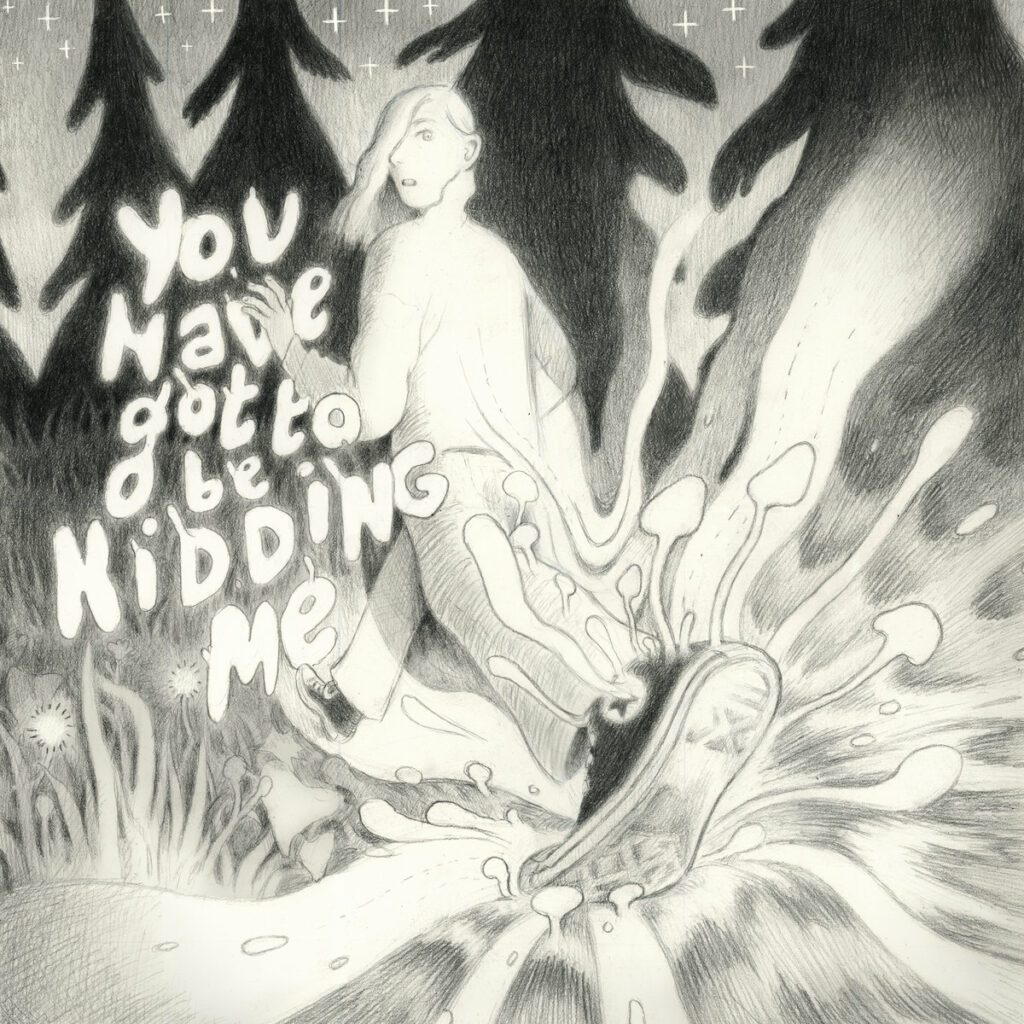
You Have Got to Be Kidding Me (AWAL) is the debut album by fanclubwallet, the music project from Ottawa-based Hannah Judge (who’s also an illustrator). It’s primarily a solo outing, with Judge writing most of the songs, and producer Michael Watson also doing some co-writing and playing drums; the two split up the other instruments (guitar, bass, synths) between them.

This is a break up album that evinces a strong sense of self-awareness. “That I Won’t Do” captures the confusion of contradictions (wanting to talk, not wanting to talk), nicely summed up in the lines “Maybe I can split myself in two/Maybe there’s a me that hasn’t met you.” “Toast” is a song about cocooning, holing up until you feel it’s safe to go outside again (which could possibly be never). “Solid Ground” is about getting back to stability, and the title track is a study in communication breakdown. Everything’s set to a crisp, clean indie rock beat, a sound that’s as bracing as fresh air on a brisk walk.

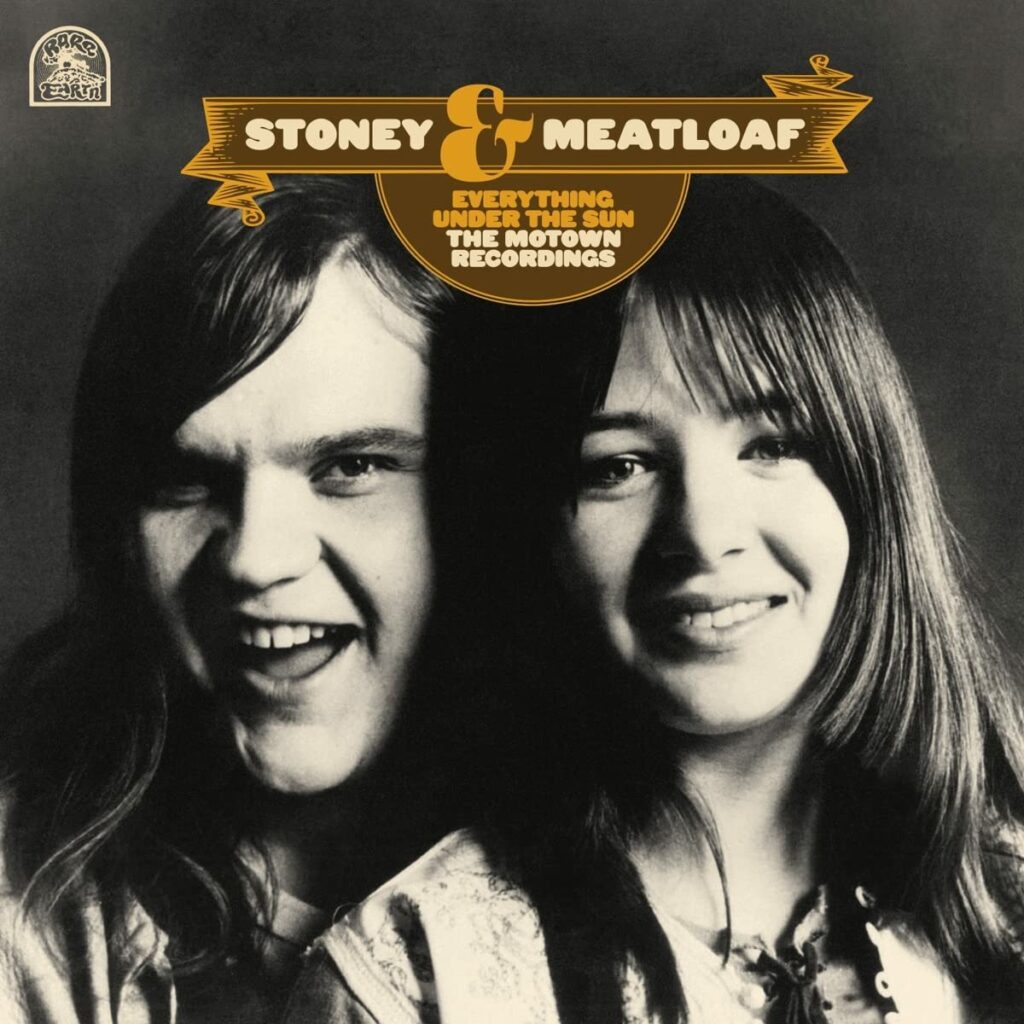
In 1970, Shaun “Stoney” Murphy and Michael Aday, aka Meatloaf (which he’d later split into two names, Meat Loaf), were in a Detroit production of the rock musical Hair, where their singing capabilities captured the attention of Motown Records. The two were signed by the label, and Meatloaf & Stoney was released in 1971. The album’s since been reissued in various configurations, with Real Gone Music/Second Disc Records now fleshing out the original 10-track album to two CD’s worth of songs on Everything Under the Sun: The Motown Recordings, featuring the original album and plenty of bonus tracks.

Both singers have commanding voices (Phillips received acclaim in Hair for her powerful rendition of “Easy to Be Hard”), and their playful jousting in the rousing “What You See Is What You Get” took them into the R&B Top 40. The songs are an eclectic mix of gospel-rock (“[I’d Love to Be] As Heavy as Jesus”), breezy pop (“The Way You Do the Things You Do”) and funky blues (“Game of Love”). The second disc has Murphy’s solo tracks, including her fine 1973 single “Let Me Come Down Easy,” the Bobbie Gentry-styled country rock “Mo Jo Hannah,” and an expressive cover of Janis Joplin’s “A Woman Left Lonely.” A fun record to rediscover.

Rat Queen debuts fresh evolution on new single “Circle the Drain”


Photo Credit: Andy Perkovich

Most groups disband when a key member moves away. But that hasn’t been the case for Seattle’ Rat Queen, the alt rock brainchild of songwriting partners and best friends, Jeff Tapia and Daniel Timothy Desrosiers.

“My friendship with Daniel is hilarious and unconditional and the most fun and affirming partnership I’ve ever had,” Tapia says. Born organically from that friendship, which has long been about making music together and laughing at “really fucking dark shit,” Rat Queen released their hard-edged pop punk debut LP Worthless in 2018. Shortly after, Desrosiers moved to Los Angeles to pursue a passion for film, but the two worked to maintain their close-knit songwriting partnership long-distance, while also dialing in the line-up of their dream band.

Still chock full of punk irreverence, high energy and dark humor, “Circle the Drain,” the first single off their forthcoming sophomore LP Generational Decay, gives listeners a peek in to a new iteration of Rat Queen, featuring an expanded sound and fresh cast of musicians.

While it was hard when Desrosiers moved to Los Angeles, the two kept up their writing over Zoom, even through the pandemic. Tapia also kept up with the band – just a bass player and drummer at the time, with Tapia on vocals and guitar. But as the pandemic continued, the pair realized that the group, their songwriting, and who they were themselves, had evolved. The songs they were writing called for more instrumentation than their three-piece would allow, and it felt organic to move in that direction.

“I started tracking instrumentals right when I moved to LA, so like October of 2018 or something like that, and then I tend to write in a more maximalist way if I’m writing for myself. I was sending these new tracks to Jeff being like, uhh more instruments?” remembers Desrosiers – namely, they were hearing more synth lines and lead guitar.

So the two pursued adding some fresh faces to the band, eventually settling on drummer Paul Davis, bassist Ana Von Huben, guitarists Jordan Brawner and Sean Leisle, and Naomi Adele Smith on keys. John Adams, a.k.a. Johnny Unicorn, was also a key contributor as a bassist and producer, helping Rat Queen bring the polished sound they’d been hearing in their heads to Generational Decay.

Worthless is beautifully lo-fi and both Jeff and I wanted something that sounded a little crisper and a little more hi-fi. [I was] really reaching the threshold of my talent or my ability as a mixer and I wasn’t quite getting it to where I wanted it to be,” says Desrosiers. “We asked Johnny to do it and I was like, this is incredible.”

This new line-up also frees Tapia to just focus on their vocals—which soar on the new record and in performance like never before.

“It’s hard honestly to manage a band of six people and also practice guitar all the time and singing all the time,” explains Tapia. “[Focusing on singing] really frees me up to be as energetic as I want to be on stage.”

Tapia, who also writes much of Rat Queen’s lyrics, says a renewed focus on their mental health, and just generally maturing, has also brought a lot of oomph to their approach to Rat Queen.

“Daniel and I weren’t even planning on starting a band. It just sort of happened. At first we were just like, let’s go out and be seen and be drunk pieces of shit – that’ll be so fun! That’s where we were in our lives,” says Tapia. “But I’ve grown into this more – I’ve just matured so much more… As I grow and I change, this writing style that I have also grows and changes with me.”

Darkly ironic in the face of Tapia and Desrosiers’ sunny self-actualization, “Circle The Drain” explores a decidedly jaded (and hilarious) George Carlin bit that Desrosiers, who wrote the lyrics for the song, has considered more and more in the last few years.

“There’s this interview with George Carlin before he died obviously. He was talking about how he had essentially checked out from society. He doesn’t vote, he doesn’t have strong opinions on politics or society as a whole and he’s explaining a term—CTD,” says Desrosiers. “Circle the Drain, like when there’s no hope of saving a patient and you’re just trying to make them comfortable because they’re circling the drain.”

With a laugh, Desrosiers says the term fits the state of the world right now—with, in no particular order, the burden of inflation, all the microplastics in our food, and the gall of Boomers to blame millennials for our inability to get ahead, they thought it was an apt time to use CTD in a song.

Tapia, coughing into the phone after taking a hit on their bong, agrees, adding that it feels like we’re all just trying to live as good a life as possible as the world burns down around us. That’s why they decided to name their sophomore album (which drops August 26th) Generational Decay.

“Honestly you guys, can I tell you a secret? ‘Generational Decay’ is something someone at my work used to describe when you cross genomes together a bunch of times in weed and it’s not even an official term, it’s just something my coworker said and… I thought it sounded relevant,” says Tapia. “I just like that it invokes imagery of like younger generations getting less and less.”

But, that isn’t to say the pair is willing the world to end, either. On “Circle The Drain,” Tapia sings, “But fuck man, I hope I’m wrong, I’ll eat crow,” again reiterating that a dark sense of humor is part of what keeps them both afloat during hard times.

“I think we’ve both been through some pretty horrible stuff and have been able to make jokes about it. Laughing with each other, to the point where it’s hard to breathe, about horrible things that have happened to us, is really fucking beautiful.”

Even if humanity goes down the drain, Tapia and Desrosiers know how to mop up the mess with a laugh and a screamin’ good song. Catch their release show for Generational Decay August 26th at Clock-Out Lounge with local powerhouse groups Actionesse and Black Ends.

Follow Rat Queen on Instagram for ongoing updates.

Ikwe Forges Her Own Path to Healing with the MAKADEWIIYAASIKWE Project

“What does it mean to be a Black woman? What does it mean to be an indigenous woman? And what does it mean to be a Black and indigenous woman, like myself?” asks Kelsey Van Ert. She creates art under the moniker Ikwe, meaning “woman” in Ojibwe, the indigenous tribe rooted in her heritage, and these questions are central to her work as a storyteller, composer and performance artist.

A winner of the 2022-23 Agenda Artist Grant, Van Ert aims to complete a project she began in 2018 that ultimately got stalled by the pandemic. Entitled MAKADEWIIYAASIKWE (meaning “a Black woman, a woman of African descent,” in Ojibwe), the piece is a 90-minute sound poem backed by Ikwe’s original music. She began piecing it together at residencies at the Shed NY at Hudson Yards Open Call Artist in Residence Program and the Wyckoff House’s Protest Garden Residency, and hopes to finish mixing, mastering, releasing and celebrating the work with her Audiofemme grant. 

The piece is a vehicle through which she grapples with her identity as a mixed race white, Ojibwe, and Black woman from St. Paul, Minnesota. It connects the history and healing process of the Native American and African American people, while shedding light on the Euro-centricity of Elisabeth Kubler Ross’ five stages of grief – you know the ones: denial, anger, bargaining, depression, and acceptance – through the melding of Black music genres with Ojibwe hand drum music, personal narratives, the sharing of shrouded U.S. history, and film. 

Her mother is mixed white and Ojibwe and her father is Black, but she grew up mostly disconnected from her Black heritage in her father’s absence, though she notes her mother was sensitive about things like taking her to a proper Black hair salon. “I grew up reading a lot of Black literature and indigenous literature and seeing narratives about white and Black mixed people, or native and white mixed people, but not really seeing myself,” she explains. “Whenever I visited the rest of the reservation my family is affiliated with, there are mixed Black people, [but I wasn’t] really seeing us being represented.”

She finds herself at a particularly complicated intersection, given the historical prominence of social policing like the One Drop Rule and Blood Quantum measures. As you may or may not know, the One-Drop Rule emerged in the 20th century as a racial classification system, wherein if you had even “one drop” of Black blood, you were considered Black. As Van Ert puts it, “I don’t really say that I’m white, because that’s not how the world sees me… You can’t not be Black, and I think that defines a lot of how I relate to my culture, because I did not grow up with my father and his family.” It has colored a lot of her experience growing up in the Midwest, from her sometimes fraught relationship with her family’s reservation to a particularly egregious incident as a student at the University of Wisconsin, where someone called the police on her, even though she was walking around campus wearing a school sweatshirt.

While the One-Drop Rule was a means of control and classification, the Blood Quantum rule was developed as a tool for the erasure of indigenous communities. As she explains it, it’s “a measure of how much Native American blood that you have. And so it’s a measure of when you’re no longer Native American. And this idea has been adopted by most Native American tribes, and it’s a huge debate and a huge conversation right now, because blood quantum is doing exactly what it was built to do, which is to eliminate indigenous people.” It grows complicated in the sense that there are benefits on the line for indigenous people, like scholarship money, and as more and more people establish interracial families, these bloodlines grow more and more diluted.

“The thing that happens is because there’s a lot of mixing, so much time has passed, and the population that was 100% is now less than 1% of this country, you could be a quarter Native American, but you’re one eighth of this tribe and one eighth of another tribe, and then you can’t be part of any,” she explains. “Our blood quantum is actually off by a generation, because my great, great grandfather denounced his status as Native American to get a job at the post office.”

So when you embody multiple ethnicities, and are simultaneously labeled just one while actively erased from another, where does that leave you? For Ikwe, this is where the stages of grief come in, particularly as this commonly held system erases multi-cultural traditions of therapy and healing. Existing as a minority in a country as hostile to minorities as America is an actively traumatic process – people of color bear the weight of centuries of mistreatment and abuse, while also being constantly confronted with racially motivated violence and hatred on both the news and in their day-to-day lives.

“Right now, the main way to heal for everybody is this very Euro-centric way, through European-style therapy, knowledge, analysis, and cognitive behavioral therapy, that kind of stuff,” she says. “And then there [are] these stages that you go through. And then once you go through these stages, you will be alright. But what happens when you’re from a minority community that keeps having to restart the process over and over again, because you keep experiencing racism or trauma continuously? There isn’t, like, an indigenous map for dealing with grief.”

And so Ikwe has set out to map her own grief and healing through the MAKADEWIIYAASIKWE project, which she was inspired to begin, in part, by her great grandmother. “She was the last one to speak Ojibwe fluently, and when she had Alzheimer’s at the end of her life, she only spoke Ojibwe,” she explains. “But she didn’t teach my grandmother, or my mother, because she was afraid that they would, like, get taken and put into a boarding school. So my grandmother and my mother and I were doing a lot of learning. Part of my process was learning how to make hand drums, and learning songs. Healing songs, stories, every group is very different.”

But most importantly, she notes that when it comes to healing, “Everyone has a way.” And in an attempt to help others like her find their way, Ikwe is finding her own, too.

Follow Ikwe on Instagram for ongoing updates.

DJing Means Rolling with Whatever the Night Brings, Even Tech Failures

In Audiofemme’s monthly column, The Beat Goes On, DJ Liz O. takes readers inside the booths of the dance clubs, bars and assorted L.A. events where she has been DJing for over 20 years. 

It’s after 1 a.m. on what is now, technically, Saturday morning, but the Friday night vibes are still swelling inside the club. We’re less than ten seconds into “These Boots Are Made for Walking.” The crowd has just caught the groove of the song’s iconic bassline. They are almost ready to lip-sync alongside Nancy Sinatra; in fact, I can see a face or two preparing to do just that. If the scene transpires as it normally does, at least a few people will begin to shimmy when the tambourine kicks in about a fraction of a second from now. 

But, right at the moment when all the anticipation built by the bass is set to release into a flurry of groovy moves, Rekordbox crashes. The music stops and so does the dancing. Now all eyes are on the very confused DJ in front of the dance floor. That DJ, dear reader, is me. 

People have a lot of opinions about what makes a good DJ. Some say that it’s all about mixing skills. Others will argue that song selection is most important. Most will add that it has something to do with reading the room, even though they aren’t exactly sure what that means. While those are all excellent skills to have at your disposal, what truly makes a DJ good is an ability to roll with whatever the night may bring. 

There will be times, probably a lot of them, when you botch a mix or drop a track that clears the floor. There will be nights when you’re exhausted or sore or otherwise feeling like crap. And there will be many times when the gear fails you. But, as Sonny and Cher once sang, the beat goes on. Or, at least it will once you can get the music playing again. 

Okay, maybe all eyes aren’t on me when the music stops. Maybe it’s just one or two people glancing in my direction, while everyone else goes back to ordering drinks or talking about whatever it is that people gab about between midnight and last call. But, in that split second when I realize that I’m listening to chatter and not a 1960s dance jam, I fear that I just killed the party. 

The thing about DJing is that it’s never just about the music. There are a lot of components involved in getting that music out through the speakers and each one of them is a potential point of failure. A significant part of your job, particularly in the bars and small clubs where the DJ is also, by default, the sound tech, is making sure that all of the components function properly.

Along your DJ journey, you’ll pick up a few tricks to help get you through any situation. If you play vinyl, at some point, you’ll learn how to turn a cocktail napkin into a slipmat  when there are none in the booth or tape a penny to the shell of a needle cartridge to add more weight to a wonky tone arm. You’ll build up a kit of everything that you’ve ever noticed was missing at the venue: extra slipmats and needles, dust rags, flashlights, extra cables. Digital technology only slightly lightens that load. I still often walk into gigs with an assortment of cables, because you never know if the person who told you to bring an RCA meant for you to bring an RCA to XLR. 

As a DJ, you learn to be prepared for anything. But, at the same time, you learn that, despite all this preparation, some new malfunction will hit when you’re least expecting it, like when the dance floor is at its peak and you’ve just dropped what is ordinarily one of the proven club hits. You’ll be embarrassed, mortified even, but, if experience has taught you anything, it’s that you have to let go of that feeling immediately. Clear your head, tell yourself that you are not DJ Vibe Killer— not tonight, anyway— and bring back the beat. 

The dead air lasts for either a minute or an eternity—I’m not exactly keeping track of time—before Rekordbox relaunches and I drop “Boots” back into the queue as quickly as possible. The crowd fills the floor again for Nancy Sinatra and stays there for 1977 Plastic Bertrand number “Ça Plane Pour Moi.” A few songs later, I drop Wet Leg’s hit “Chaise Longue” and see my friend, who must have just finished her shift working door, run out to dance. After the Pixies, Arctic Monkeys, Gorillaz and M.I.A., I wind things down with “Bad Cover Version” and someone approaches the booth, gushing about how it’s one of the best Pulp songs. I agree.

During the closer, a remix of Jeanette’s classic “Por Que Te Vas,” one person starts singing along right in front of the booth and two others come up and ask who did the remix. The night ends on a high, as if that tech failure never happened.

In the end, it’s not the flaws that people remember. When the night becomes a blur, what will stand out are brief clips of dancing with our friends to favorite songs, of hearing something that we now need to find for our own collections, all of which replay in our mind like Instagram stories. If you can provide enough moments like that, you’ve done your job, whether or not your gear behaves.

Catch Liz O. on June 10 and June 17 at L.A.’s long-running indie night Club Underground, located at Chinatown’s Grand Star Jazz Club and on June 20 at Little Tokyo bar The Mermaid for Mermaider Mayhem. For ongoing updates on gigs, sign up for Liz’s newsletter.

Why Émilie Tiersen Sang in Breton for Her Debut As Quinquis

Photo Credit: Richard Dumas

On her debut album as Quinquis, Èmilie Tiersen, who previously recorded under the artist name Tiny Feet, chose to sing in Breton, the historic, and endangered, language of Brittany. Seim, out on May 20 via Mute, is a Breton word that means sap.

“It’s way closer to Welsh than to French,” says Tiersen of Breton, which is part of the Celtic language family. Although Tiersen herself was raised in Brittany, she didn’t speak the language while growing up. “My mother did, but she was forced to speak in French when she was at school,” she says. 

Tiersen’s grandmother also spoke Breton and inspired the singer to learn the language. “My grandmother had Alzheimer’s,” she explains. “She had forgotten, step by step, everything that she had learned, so she forgot French. She started speaking only in Breton because it was her mother tongue.”

Once this happened, there was a language barrier between grandmother and granddaughter. “I was really close to her and I just couldn’t communicate with her,” recalls Tiersen, who was by her grandmother’s side when she passed in 2011. “I think at that moment I realized that I really needed to learn Breton language.” Tiersen dedicated several months to studying in an intensive language course. Now, she has passed that knowledge on to the next generation. “My little boy is a Breton native speaker,” she says. 

When we connect by Zoom for this interview, Tiersen is in a studio not far from her home on Ushant Island. This is the space where she works on songs before heading to the recording studio that she and her husband, Yann Tiersen, built on the small island at the south end of the English Channel, off the coast of Brittany. Tiersen has lived on Ushant Island for close to a decade, but it’s only recently that she realized the impact it has had on her music. 

In fact, Tiersen says, two years ago, she would have said that Ushant Island did not influence her musically. The COVID-19 pandemic, however, led to a revelation. “During those two years, I realized how deeply linked to here, to this rock, I was, and how the community could really nourish my work,” she says. “On my album, it’s really full of stories about people from the island and full of emotions that I have shared with people here, or not far from here, in western Brittany, where I’m from. I really feel that the sea and the torment of the weather tells me something every day.” Without realizing it, Tiersen says, this would all become a part of her work. 

Amongst Ushant Island’s characteristic features is tumultuous winter weather, with weeks so windy that there is “no semblance of silence” in the area, something Tiersen says can be quite intense. “Nature is powerful here,” she says. “The connection between people and nature is super deep and the community here is a really nice community.”

Tiersen began work on Seim while on tour with her husband, shortly after their son’s birth. “I was following him on tour so that he could see our son,” she explains. She also brought her computer along for the trip and made a plan to work on one musical idea in every tour stop. While she worked on the initial ideas, Tiersen imagined a character telling stories in each of the cities she visited. The tracks developed from there, but would go through several iterations before reaching their final form. “Everything was done by computer. I destroyed everything,” she says of the initial drafts.

At the beginning of the pandemic, Tiersen went back and remade the songs using an electric guitar and acoustic instruments. “I brought all those ideas into the room, where I am at the moment, and I tried to reshape them and go further into these ideas,” she says. “I kept some. I left some.”

After that— “by the end of the first lockdown,” Tiersen notes— she began collaboration with Gareth Jones, the producer and engineer known for his work with artists like Depeche Mode, Erasure and Interpol, while he was in England and she was on Ushant Island. “We really did co-writing on every single track with him using my acoustic elements and trying to link them to his synthesizers,” Tiersen explains. “It was like a dialog between us.”

The end result is a sublime and cohesive collection of songs that feel as in tune with nature as they are with the recording studio. 

Seim also includes collaborations with Ólavur Jákupsson (“Run”) and endurance cyclist Emily Chappell (“Netra Ken”), who lend their vocals in Faroese and Welsh, respectively. The incorporation of these two languages is significant, as both have been revitalized by modern-day speakers and language-learners. “I think that both Welsh people and Faroese people are a good inspiration for Breton speakers,” Tiersen says. 

Writing lyrics in Breton was not without its challenges. “To find the musicality of the language took me a while,” Tiersen notes. Word choices, too, were difficult at times. “I didn’t just want to write basic lyrics, poor lyrics,” she says. “I wanted to try to use words that were beautiful and sometimes, maybe words that are not commonly used, just put them back somewhere.”

The challenge was worth the effort for a Breton speaker like herself to share the language. “Every single person will reach one person,” says Tiersen. That, she says, can help make interest in learning the language spread faster. In using Breton, Tiersen is also doing her part to help spark renewed interest in the language. “We all know teenagers that are able to speak English thanks to the English tracks that they’ve heard,” she says. “Here, the best way to have your kids learn English is to have them listen to rock music.”

Follow Quinquis on Instagram and Facebook for ongoing updates.

Mafer Bandola Paves the Way to the Party for “La Venezolanidad Immigrante”

“As Colombians have places to dance or play Cumbia or Merengue, or Cubans have places to dance Rumba, or let’s say the Brazilians have places to play Samba or Choro or Forro, there’s no place for Venezuelan musicians,” says María Fernanda González, known professionally as Mafer Bandola, of the contemporary dance scene for New York City’s various Latin American communities. “It was missing that.”

But she’s trying to change that. A winner of the Audiofemme 2022-23 Agenda Grant, Mafer Bandola is an instrumentalist, composer and pioneer within the Joropo Llanero genre, an Afro-Indigenous tradition from the High Plains of Venezuela. She’s already known as an innovator occupying a unique place in her field, having performed at institutions like MassMoca, WOMAD, Womex, TED, NPR TinyDesk and more. Born in Barquisimeto, Venezuela, she moved permanently to New York City this past year, where she began to teach dance workshops for her particular genre of music.

That she is able to teach the dance to fellow Venezualians in New York City is integral to her mission. As she explains, Joropo means “party,” but most importantly, “party doesn’t happen without the work of the community.” When she came to New York, she noticed that the people attending her performances were just “sitting to listen to the musicians playing and singing. And now I’m trying to organize this… This is music that you can dance to, but you have to learn how, so I started teaching.” While these workshops are open to anyone, she says she would “specifically like to connect with Venezuelans. I’ve been teaching Venezuelans who have been living here for the last 30 years, and they felt that they didn’t have this space even to learn, or even to meet and talk about what they are doing.” Furthermore, she places great emphasis on teaching the children of these immigrants, so that the tradition can be passed on.

Joropo is a mix of indigenous, African and Spanish traditions, one rooted in resistance. As she explains, “during colonialism in Venezuela, enslaved indigenous and African peoples saw their own Spanish enslavers dance waltzes inside their mansions. As a joke, they created their own dance, making fun of the waltz by exaggerating its movement. Thus, Joropo was born as a kind of resistance against the oppression of the enslavers.”

With her grant, she envisions a “portable community house” of music, song and dance, a multicultural meeting point of Venezualan immigrants, musicians and the general public in New York City, which has become an epicenter of the Venezualan diaspora. Because of the economic crisis in Venezuela, she notes that the recent exodus out of the country is the largest migration that has existed in the history of the Western hemisphere. She says that by the end of 2021, 7 million have emigrated, which is only slightly less than the population of New York City itself (8.4 million). She sees the creation of a flexible community “space” as being crucial to maintaining traditions of “La Venezolandidad Immigrante.” 

So too does she inhabit an interesting intersection in this space – in general, women do not play the bandola in Venezuela. She is one of the only female players of this instrument in the world, and as such, she works to actively promote the integration of women who perform professionally using traditional Venezuelan instruments. In addition to the big ways she does this – actively creating community and teaching this style of music and dance – she does it in small ways everyday as well, oftentimes babysitting the children of fellow female musicians so that they can rehearse and gig. Being a woman in a male-dominated role can be isolating in any regard, but especially when you are one of the first to do so.

“It’s been really challenging for me to actually create a path for oral tradition and professional musicians, because I didn’t have that role to follow in Venezuela,” she says. “There is no female adult playing this instrument professionally. So when I received this grant with this idea, that actually is helping me to be at peace with my traditions, because somehow, I don’t represent my traditions.” 

Her “portable community house” is already underway, in some respects – every fourth Sunday, Mafer Bandola hosts Pipiris Nights at Barbés in South Slope, both in-person and streaming online. Those who’d like to join the party – and support her mission – can catch her next Joropo event is this Sunday, May 22.

Follow Mafer Bandola on Instagram for ongoing updates.

Shara Lunon Finds her Voice Among the Noise with “Bitter Fruits”

“A lot of the goal with my art is to eradicate this idea of homogeneity, of Black people all experiencing and feeling the same thing,” says Shara Lunon, NYC-based multidisciplinary artist and one of the winners of the 2022-23 Audiofemme Agenda Grant. “I’m starting to think all the pieces really focus around the feelings that I felt in particular, and it’s not necessarily how all Black people felt, but just specifically how I felt in my environment.”

Lunon is a Black, Jewish and queer improviser, poet, vocalist and composer. She grew up splitting her time between Florida and New York, where she moved full time to pursue and complete a graduate degree in Performance and Composition at the New School this past year. In her artist statement, she refers to herself as “the product of a culture deferred – a simultaneous mixture of erasure and mutation,” her ethnic identity split between two historically oppressed communities, though as she clarified in an interview with me, “There are different cultural references that I have, but… it’s kind of the same in the sense that if you’re Black, you’re Black.”

She is hard at work on “Bitter Fruits,” a multiform song cycle created in response to what cultivated the “Freedom Summer” of 2020, and the triggering of intergenerational trauma that surfaces when viewing a lynching. She says it is the largest piece she has written to date, examining the idea of what Black people “are” or “should be,” something not only forced upon her but something she has strived to be as a multi-racial individual. She explains that “what ‘I should be’ and how I felt has always lived in conflict.”

The piece features a wig of ten-foot braids that encase wiring, programming of photocells that change sound patterns between pieces, and choreography. While hair is an integral and oftentimes emotionally fraught aspect of the Black female identity, she digs deeper here, explaining that hair – and braids in particular – “has been used as coded language, for maps for people to escape from slavery, or to hide food within it. So I feel like the braids became this secondary way of communicating, not just through my voice, not through the sounds that are coming out of it, but also a representation of Black culture and history, and to transmit other messages of solidarity and pride in my cultural history.”

In other words, it’s a vehicle in which to speak her truth without having to explicitly explain, an emotional labor the Black community has been tasked with since time immemorial but particularly in the racial reckoning that occurred in the wake of the George Floyd, Breonna Taylor and Ahmaud Arbery murders of 2020. For many white allies, particularly those too young to have lived through the Civil Rights Movement of the 1960s, this was a moment of realization of the trauma people of color have lived with for generations, leading to a sudden burst of energy and activism that many BIPOC knew couldn’t be sustained. But while white allies could relax back into their identities once the burst of energy fizzled out, Black people remain Black, and must continue to deal with these multi-generational traumas and issues whether they want to or not. Watching white friends and colleagues wake up on Instagram or in the streets for a few months and then retreat back into the ordinary was an isolating experience.

Lunon explains that the piece has “less to do with the protests, and more to do with the feeling of understanding what an ally could actually mean and those feelings of isolation or sadness. They’re very deep and generational, and combined with this very ‘in the moment’ mission of the allies that for me was like, I will already see the end date before people want to realize.” She says the work is “very reactionary, in the moment and organic to the space that I’m infusing the technology outside of the machine itself. I’ve been building my own little tiny embroidered oscillators. I like the way it responds to motion.”

Photo Credit: Daniel Dorsa

Her practices “parallel my focus on the Black individual, as a way to negate the narrative of the homogeneity of my people – we are all having a human experience.” No one’s art should be limited in theme to their identity, and neither is Lunon’s. While we wait with anticipation for her to unveil her “Bitter Fruits,” she premieres “Sankofa” this weekend at the Brooklyn Botanical Gardens’ Biophony, a walkabout listening experience conceived by the Grammy-nominated collective Metropolis Ensemble. This will feature more than twenty groupings of musicians stationed throughout the gardens to perform fifteen new works of music inspired by birds.

Shara Lunon contains multitudes, more than can ever be encompassed in identity descriptors like Black, Jewish or queer. Even when the work deals explicitly in these themes, the medium is always the message.

Follow Shara Lunon on Instagram and Facebook for ongoing updates.
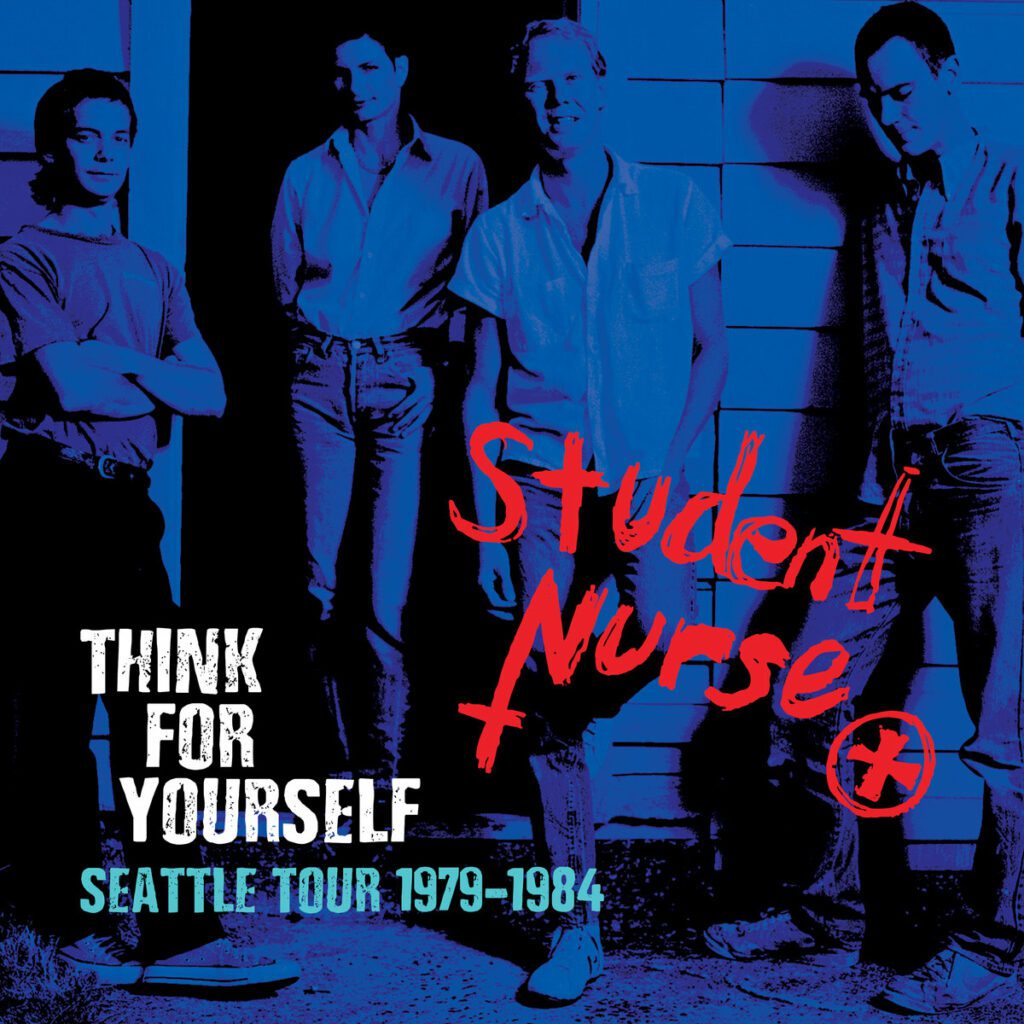
Seattle’s Brittany Danielle Lets It All Go on Latest Single “Hindsight”

Photo Credit: Jasmine Novak

For Washington State University music program graduate and lifelong piano player Brittany Danielle, music is not a new occupation. But after spending years as a student of the classical and jazz greats, she’s only just started to write, perform, and record music that is entirely her own. Today, Danielle releases “Hindsight,” one of the self-penned singles off her forthcoming debut LP, Hindsight. Recently, Brittany Danielle sat down with Audiofemme to discuss the heartfelt, piano-driven track, inspired by the pandemic, Black Lives Matter protests, and the personal struggles that she endured during quarantine.

Interview has been edited for length and clarity

AF: Before I dive into this new single, I want to hear a bit about your background. Did you grow up in Seattle or did you move here? 

BD: I grew up in the Pacific Northwest. I was born in Bellingham and then I went to school in Eastern Washington at Washington State University (WSU). Then, I decided to go to Seattle for bigger and better things. 

AF: What did you study at WSU? 

BD: I started off with piano performance. I was homeschooled for high school and then I went to community college to get my 2-year degree and then I transferred to WSU. I did all my pre-reqs and stuff at the community college and then transferred to WA State and I did music. There was an adjudicator that I had worked with through high school, Dr. Gerald Berthiaume, who taught at Washington State University and he recruited me.

Halfway through I was like, I don’t want to do classical music anymore. What else is there? Have I wasted my whole life trying to do classical music? And another teacher, Horace Alexander Young, he started a jazz improv class and I just decided to do that and it changed my whole life.

AF: How so?

BD: I was stuck in this classical bubble that was really hard. It was really hard on the artistic side of you because you’re not making something your own – [you’re playing] some dead guys’ music and then getting judged for it. There are not a lot of women represented in that genre.

AF: Yeah, there’s something about classical music and white male supremacy, isn’t there?

BD: 100%. I didn’t even know that Scott Joplin was Black for a long time. I studied his music and I had no idea. I was like what? How is this not an integral part of teaching this man’s music? 

AF: Right! So what did you switch to?

BD: I switched to a Bachelor of Arts in Music with an emphasis in piano performance because I already had that going and also an emphasis in piano pedagogy and I got a minor in jazz. And I was so excited about that minor because I went to my counselor and I was like, what do we got, and she was like you have a minor in jazz and I was like way more excited about the minor in jazz than the major.

AF: Before college, what drew you to the piano? 

BD: You know, I’ve been racking my brain to answer this question because someone else asked me this recently and I just don’t remember before. Like, I know that I started piano when I was about 7, and I know that I had a life from 0-7, and I remember things about my life during that time, but I also forget that there was no piano during that time. My mom just said that I was very adamant about it because my neighbor was moving and they couldn’t take their piano and I was like, ‘I want to learn how to play.’

AF: Are your parents musical? 

BD: My dad played blues guitar and I joke about this because my dad will listen to NPR in the car all the time and I was like, ugh, blues, NPR, bleh, this is so boring. And now I can’t get enough of it. I listen to “Sunday Side Up” and all that.

I wasn’t into blues or jazz at first because I though it was for old people but it was definitely an integral part of my musical upbringing. I leaned a lot more towards the jazzy Beethoven pieces or like Joplin or Mary Lou Williams.

AF: And your mom? 

BD: She can sing. She won’t say she’s musical, but she has a good voice.

AD: How did you become aware of piano-driven pop, which inspires your writing today? Are you a Billy Joel fan or did you listen to a lot of that kind of stuff? 

BD: I was obsessed, and when I say obsessed I feel like that’s still too light of a word, with Ray Charles as a kid. I saw him on the Pepsi commercial and I was like who is that and how do I play like that? 

AF: What was it that drew you to Ray Charles?

BD: He’s so cool. He had sunglasses. I didn’t know he was blind at the time. I just saw him wearing sunglasses and he’s just so chill at the piano and he just looks so comfortable versus how I had seen people play piano as uptight, stressed out classical performers. I was like, this is such a radical change to what I’m used to and I want to play like that guy. 

AF: Obviously, as you mentioned finding our way from classical to jazz to your own music has been a journey. Are there any challenges that stick out to you along the way?

BD: There was definitely that change in college between classical and jazz, and trying to balance both. I found out there was a huge disconnect with both of those worlds. It was political, like you’re on one side or the other and I was like, it’s all music. I need all of this to know how I’m going to regurgitate it through my lens later.

AF: That reminds me, was songwriting a part of your musical background?

BD: I had written in pieces. In a lot of the jazz classes that I took, we would write charts. So, I had learned how to write melodies and chords but then separately I would write lyrics to things that never met melodies. I kept them in separate notebooks in separate boxes. Completely separated. This album is what got me out of this period of disconnect, and a funk I was in after college.

AF: What instigated the funk? 

BD: I was just angry. I was so pissed that I had spent all this time doing this thing I loved and I didn’t love it anymore. I was just enraged I spent all this time playing this classical crap and feeling like I was being judged for not playing some dead guy’s music properly, or putting too much of my interpretation on it. But I loved this craft so much that it became a rebellious act to start playing again. My first couple songs were really angry. They weren’t very good but they were a start and they were angry just towards that institution. 

AF: It’s cool that you’re exploring songwriting and trying to find your own voice brought you out of that moment of anger. 

BD: It’s absolutely a therapeutic thing, playing music. I was like, a steaming kettle, aaaah, and then I felt better and I was back to playing piano every day and writing. 

AF: So, tell me about this song in particular, “Hindsight.” Can you remember the day you wrote it and what was happening for you? 

BD: It was during pandemic and it was also during the height of the Black Lives Matter protests. It was an interesting time, also as an artist who wasn’t playing music at all. I was noticing internal unrest around not being able to have access to the music community. I had started a Facebook group with other singer-songwriters and once a month we’d write a song together and perform it for each other and try to hold on to something. So that was a song that came out of that.

I was really married to the piano line—it was something I had doodled on the piano. But I couldn’t sing this song for a long time. I still cry. Halfway through I’d fall apart. It’s mostly about watching the world respond to a pandemic, watching the US respond to a pandemic, and being cooped up and having to face real problems because you’re not distracted with work and bills and all the other things that distract you from things that matter. I was also noticing the unrest inside of myself and [asking,] how do I move through this at all? So that’s where the “let it go” part comes in and like, how to process everything I guess. 

AF: Is this an overarching theme for the album, too? What are some common themes on it?

BD: I think lyrically a lot of the feel is I’m an independent woman and you can’t control my decisions. There’s a song about a roommate that I had… It’s called “Validation,” so the lyric is “I dont need your validations and I don’t trust a word you’re saying.” It’s between my battle with my own mental health and the decolonization of my religious upbringing. There’s also another one called “Rent” and it’s about negative thoughts living in my head rent-free and removing them and getting stronger and growing from that.

AF: So you were raised Christian? When did you separate form the religion?

BD: When I was about 9 my parents went a little bit crazy and we were only allowed to wear dresses – my sister and I were only allowed to wear dresses and when I was 13 I was like, look, if I get my own job, can I buy my own clothes? My dad was like, sure, whatever, and so that was kind of the start of my breaking away and finding an identity through how I presented myself.

I bought myself a pair of Union Bay jeans and a maroon crop top t-shirt and I wore the crap out of that outfit. I would also go buy CDs. I bought the Titanic soundtrack, Jewel, Alanis Morrissette, Nine Inch Nails—because I thought that was really rebellious—and Nirvana. You know, a girl’s gotta do what a girl’s gotta do. 

AF: Do you still have a relationship with your parents? Were they upset that you left the church? 

BD: We didn’t really talk about it for a while. It was kind of an unspoken thing. I didn’t tell them until after they got their vaccines, when my mom and dad came over for Mother’s Day. It was the first time I had seen them in a while, I was six mimosas deep, and I was like, “Look, I don’t want to pretend this is a thing anymore. I don’t want to pray in my house, I don’t want to be polite about going to church services that I don’t want to go to because I don’t believe in it and I don’t want to continue participating in something that I don’t subscribe to and I will respect that you guys will still subscribe to it but I need you to respect that I don’t anymore.”

AF: Wow, that must have taken a lot of strength to say. 

BD: Yeah. It was very hard. My dad said, okay. And my mom said, thanks for saying that, thanks for telling us, and then that was it. We didn’t talk about it anymore. 

AF: That’s a pretty transformative moment being seen for who you are by your family. 

BD: For sure. Yeah, it was huge, very huge. I think that comes out in “Hindsight.” There was all of that outside noise going on and internally I was like, oh, there’s a lot of stuff that I need to deal with. Now I’m here by myself with myself and now there’s a lot of things that I need to address. 

AF: When does your LP come out? 

BD: My LP comes out on June 24th, and I’ll have a release show that night at Conor Byrne in Ballard.

AF: Are you still performing and teaching? 

BD: I’ve retired from teaching to pursue this Brittany Danielle project full-time. During that dark period I mentioned, I was teaching still but I wouldn’t play the piano. I think it was like that until I wrote these songs. I was was like, “Hey, you got stuff to say.”

Follow Brittany Danielle on Instagram and Facebook for ongoing updates.
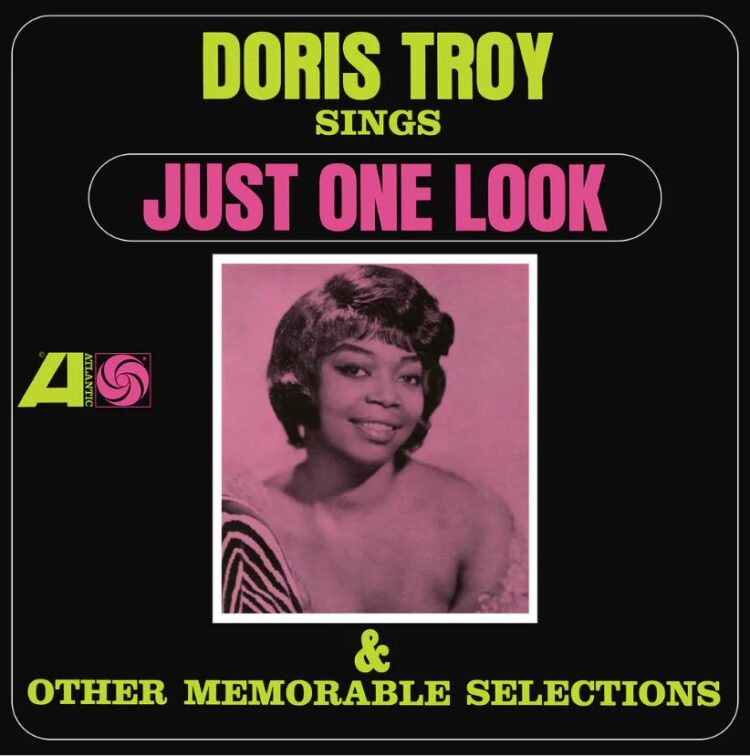
Megan Louise of Desire on the Evolution of Escape

Photo Courtesy of Desire

Earlier on in the COVID-19 pandemic, Megan Louise and Johnny Jewel, of the duo Desire and record label Italians Do It Better, decamped to Palm Springs from Los Angeles. They settled into what Louise describes as a “perfect little mid-century gem” with their daughter and got to work on what would become their latest album, Escape

“We really isolated, me and him and our daughter,” says Louise on a recent Zoom call. “We were in the house and from 9 to 5; we had all this time, suddenly, where we were making sound banks and going through every single keyboard we own.”

They combed through dozens of analog synthesizers, banking the best sounds they found and started building songs. Meanwhile, they were also watching movies nightly, digging deep into horror, like 1981 slasher flick Happy Birthday to Me and Italian giallo films. They found aesthetic inspiration in Dario Argento’s work. “When we were developing our music videos, they were a massive influence from the coloring to the styling to the makeup,” says Louise. 

All of that coalesced into Escape, released May 3, which melds eerie, cinematic atmospheres with pop song hooks and club-friendly dance beats. “We like to say there’s one foot in the cemetery and one foot on the dance floor,” quips Louise. The album is augmented by a collection of eight music videos, the last two of which will premiere in New York on May 27 as part of a screening/live performance event at Roxy Cinema, which has already sold out. 

As a teenager in Montreal, Louise dove into various behind-the-scenes music pursuits. She was 17 when she helped launch a jam space and recording studio inside an old textile factory, 19 when she opened the club Zoobizarre. The club was popular — Peaches, James Murphy and Justice were just a few of the artists who came through the venue — and, through her promotion work, she met Jewel. Louise was also playing with friends in a tribute band who focused on the work of French prog rock musician Jean-Pierre Massiera. When Jewel saw her perform, he suggested that they play together. “After falling in love and creating Desire, he wrote ‘Under Your Spell,’” Louise recalls. “Under Your Spell” became Desire’s most recognizable track after it was featured in Drive, Nicolas Winding Refn’s 2011 movie that went on to be a musical and aesthetic touchstone for the next decade. Meanwhile, Desire started to tour and Louise took on much of the business responsibilities for Italians Do It Better, becoming the indie label’s president. 

“I guess there are two sides of me. One side is really creative and one side is really business-oriented,” she says. That duality has given her a very specific vantage point in seeing the shifts within the music industry as the streaming era took shape. “I remember being like, what is this new thing called Spotify? We were still selling a ton of CDs back then,” she says. 

“Seeing the shift has been the most interesting thing, which has affected us in terms of not taking things too seriously,” says Louise. “For us, it’s still all about the art. We are making records that we want to do that we make for ourselves first.”

She adds, “The way that streaming is going, the way that artists are being paid out, it’s just really difficult and it can be kind of demoralizing in some ways, but that’s not why I’m doing it. It’s truly the deepest passion that I have and I want to keep going and keep doing it as long as I can.”

While working on the album, Louise landed a DJ residency at Palm Springs’ Ace Hotel. She describes her DJ sets as “sugary” and eclectic. She might bring together a cover of “Barbie Girl” from duo Mothermary, who are associated with Italians Do It Better, a Donna Summer disco jam and an African tune that’s been flying under the radar on Spotify. “I’ll jumble it all up and have one big party vibe going,” she says. 

Louise’s DJ sets went on to influence Escape as well. “It really brought a lot of depth to adding dance music elements, having so much music around us and having to do so much research for DJing for five hours,” she says. 

Desire also squeezed in a few collaborations while working on the album, including a cover of “Can’t Get You Out of My Head” with Guy Gerber that was released this past January. 

Escape includes a few collaborations as well, like contribution from Ether, the musical alias of model Soo Joo Park, who sings on the cover of the Korean song “Haenim.” The collaboration began as part of a television project Louise had previously been developing. Another featured artist on the album, Mirage, who appears on “Love Is a Crime,” is actually Jewel’s solo project. “It’s the last track that we finished because we couldn’t put the finger on what was missing,” says Louise of the song. “Johnny got on his vocoder and recorded the lyrics and I was like, oh my God, this is it.”

Another key collaboration was with Vaughn Oliver, who mixed the album. “We’re obsessed with what he’s done with Kim Petras and Chromeo, so we really wanted that sound,” says Louise. “I don’t even know what he does, but it’s genius. We were delivering stems and it was taking weeks for him to finish each song, but we were very patient and beyond happy with the result of what he brought to the record.”

Included in the collection is a cover of the theme from the long-running soap opera Young and the Restless. “That was a really special song for us,” says Louise. She recalls her response to hearing the instrumental that Jewel had initially made. “He presented it to me. I was like, oh my God, you have no idea how much this means to me,” she says. “Me and my father, we watched soap operas. He passed away when I was 12, so I’ve been very marked by soap operas.” 

Louise then showed Jewel a live performance of the song with David Hasselhoff, who played Dr. Snapper Foster on Young and the Restless in the 1970s, singing. “That inspired our version of adding the lyrics,” she says. 

By the end of recording, they had 24 tracks to choose from, whittling that down to the 13 songs that appear on Escape. She says, “We just made the best album that we could possibly assemble with what we had at the moment.”

Follow Desire on Instagram for ongoing updates.

Lily Henley Carries the Stories of Centuries of Sephardic Women on Oras Dezaoradas LP

Part Sephardic and Ashkenazi Jew, New York-based singer, songwriter and fiddler Lily Henley has been a lifelong student of various rich Jewish diasporic traditions.

In particular, Henley has spent several years studying the Sephardic language, Ladino, an endangered language spoken by less than 100,000 people in the world today, and the Judeo-Spanish ballad tradition of Ladino-speaking Sephardic Jews.

On May 6th, Henley released ten adapted versions of her favorite Sephardic ballads on her new album Oras Dezaoradas, which she performs entirely in Ladino. The release show will take place on June 23 in Paris, where she is currently living and studying Ladino music on a Fulbright scholarship, though she plans to announce US dates soon as well.

A distinctive and often overlooked arm of the Spanish romance ballad or “romancero” tradition, and of the wider European tradition of balladry, Judeo-Spanish ballads involve epic, dramatic narratives sung to a tune. Growing up, Henley was exposed to some of these ballads—and always liked them.

“I actually did know some Ladino songs when I was a kid and I knew a lot about Sephardic history,” she tells Audiofemme, adding that her investigation of Sephardic Ballads in adulthood has been more about filling in gaps than discovering something she had never heard of.

Many Sephardic ballads deal with the suffering Sephardic people endured as a result of their exile from Spain by the Spanish Inquistion in the 15th century. As they relocated throughout North Africa and the Ottoman empire, Sephardic Jews kept their history and culture alive through ballads like these, which tell stories of everyday life, historical events, even hero’s journeys.

Growing up Jewish in many different Spanish-speaking parts of the U.S., Henley furthered her relationship with this traditional music, which exudes untouchable resilience and strength in the face of persecution, and honed her Ladino, which she says combines Spanish with Hebrew and several other languages.

“First we lived in the Southwest, so I lived in Arizona, New Mexico, and Colorado, and there’s so many Spanish speakers there, and… Spanish is kind of the root of Ladino so there’s a lot of crossover,” explains Henley. “There’s a lot of Hispanic people there and there was also when we lived in the Midwest, and we experienced a lot of anti-Semitism and I ended up feeling closer to [the] Central American farm workers [because] they were much more accepting of me than the mainstream white Christian community.”

As she came to relate with the ballads even more, and as she further challenged herself and her skills in American folk and Celtic traditions, she began to collect and study more Sephardic ballads. She even had the opportunity to travel and learn from some of the foremost experts in the field of Sephardic Balladry, including Marie-Christine Bornes Varol. In the process, Henley noticed something powerful and inspiring—Sephardic ballads often center strong, self-possessed women, a reoccurring theme that Henley draws out on Oras Dezaoradas.

Most of Oras Dezaoradas‘ bittersweet melodies—which Henley wrote largely based on her knowledge of American folk melodies and adapted to the Ladino narratives—tell stories still relevant to women’s experiences today, especially as Roe v. Wade sits on the chopping block. The upbeat, bouncy track, “Morena Me Yaman,” for instance, tells the story of a young woman who’s been tainted in the eyes of society for owning her sexuality.

“There are a lot of women’s songs [in this tradition] about how miserable and hard it is to be a woman,” she says. “Songs about love, heartbreak, even the really old ones, there’s always some kind of take on it that feels really applicable to the current moment.”

In this way, Henley dialogues with centuries of Sephardic women on Oras Dezoaradas, pushing the tradition—and their stories forward. Even so, Henley admits some have told her these ballads are too archaic, even “too Jewish” for broader appeal—which Henley says is exactly the reason why sharing these stories and songs is important.

“[Some] think Jewish is like, bagels and lox and New York accents or something—but this very deep, multi-faceted culture,” Henley points out.

Ultimately, recording and performing these songs is about reclaiming pieces of Henley’s own cultural identity lost over the centuries and highlighting how we can find fundamental similarity even in things that seem the farthest away from our experience.

“Beyond having a discussion of what is or is not ‘too Jewish,’ you don’t have to give up your own cultural connectivity or… background in order to connect with the wider world,” she says. “I feel like there’s this whole world of poetry and expression and melody and history [in these ballads] where we’re all connected. There’s all these interconnected stories and interconnected melodic feelings and I just want [those stories] to be more included and I want to bring this music to people that don’t even know who Jews are.”

Follow Lily Henley on Instagram and Facebook for ongoing updates.
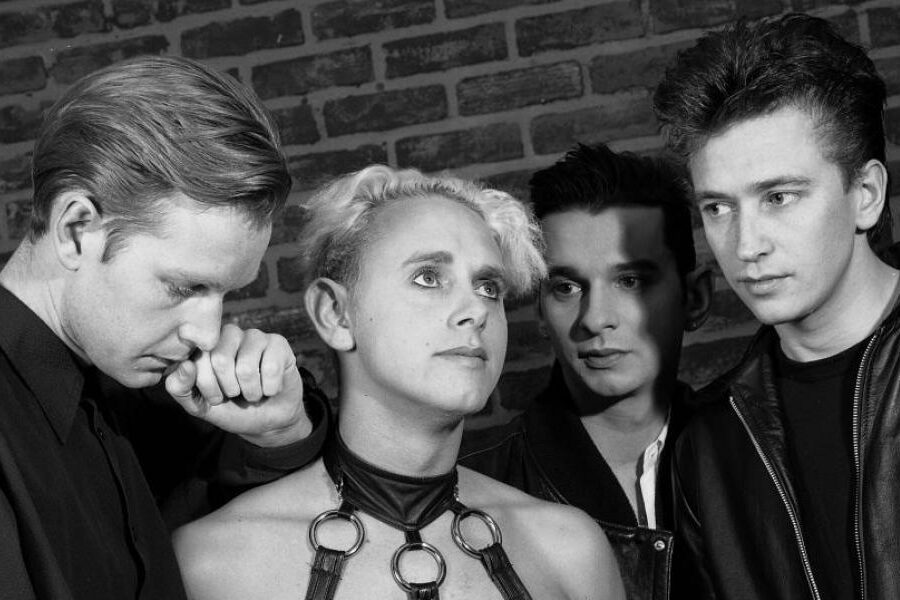
WOMAN OF INTEREST: Kanoe Miller Keeps Hawaiian Tradition Alive as Last Hula Dancer Standing

Kanoe performing at House Without a Key // Photo Credit: Gillian Gaar

Growing up, Kanoelehua Kaumeheiwa often felt embarrassed by her Hawaiian first name. Even then, Hawaii was a very multi-cultural place (she herself was of Hawaiian, Chinese, and German heritage) and though her fellow students had last names like Kahale, Fukushima, or Chung, their first names were all Westernized — Stephanie, Myron, Dave, Mary. “Every time the teacher would call roll, she’d struggle over my name,” she says. “Every grade, every class, even through high school, they struggled to pronounce my name. So much so that, whenever she was calling roll and it got to the K’s and you could see the teacher stop, the whole class would go, ‘Oh, she’s here!’”

Kanoe can smile about it now, but at the time she felt differently. “That always made me ashamed because it singled me out,” she explains. “I was shy. This was 1960, before awareness of ethnicity, ethnic pride. And I thought about changing my name. And of course, when I told that to my parents, especially my father, who was Hawaiian, he became very, very angry. And he said, ‘You need to be proud of who you are. And there’s only one person with your name, so you have to be proud of it.’ So as I got older and I started modeling and running in beauty pageants, he was right. I was the only one with that name. So it was memorable. And then I had pride in it.”

It’s a pride that Kanoe evinces every time she takes the stage to dance hula. She’s been dubbed the most photographed hula dancer in the world, with her image appearing in publications around the globe, innumerable performances available on the internet (here’s a favorite of mine), and a devoted fan base that watches her dance at House Without a Key, a restaurant at the Waikiki’s chic Halekulani hotel, where she’s danced for over forty years.

Yet she hadn’t started out with the dream of becoming a world-renowned hula dancer. “My mother forced me to take lessons,” she laughs. “I didn’t want it. I wanted to take tap. But she said, ‘You have to go because it’s a summer special, and I can put you and your two sisters in there for $12 a month.’ This is in 1966, ’67. But I ended up liking it. And I feel like I learned that I have the soul of a dancer. Because dancers love discipline, they like music, and they like to express. Hula gave me all of that.”

Kanoe and her sisters // Photo Courtesy Kanoe Miller

But when Kanoe began doing modeling work as a teenager, her instructor, Ma‘iki Aiu Lake, sensed her attention was wandering. “I would come to class in a not correct attitude,” she says. “I would come to class with makeup, lipstick, dressy go-go boots, fishnet stockings — I just wasn’t right. So she scolded me and asked me to leave.” Kanoe didn’t stay away too long, drawn back when she decided to run for Miss Hawaii in 1973 and needed a talent for the competition. “I had to go back and ask Ma‘iki if I could do a particular hula which was written for her. That’s the right way to do it; you have to ask permission. So I asked, and she gave it to me. And winning Miss Hawaii put me on the track of sort being in two worlds. I was modeling, but I was also dancing — one foot in the whole modeling fashion scene, and another foot in the Hawaiian cultural scene, which was unusual. Most people either did one or the other.”

Kanoe as Miss Hawaii in 1973 // 10 years later in 1983 // Photos Courtesy Kanoe Miller

It was a heady time to bridge those two worlds. The 1970s saw a rebirth and renewal of Hawaiian culture that came to be called the Hawaiian Renaissance, a time of reclaiming traditions that had been lost through years of repression. When the first missionaries arrived in the islands in the 1820s, they banned hula dancing, among other restrictions. King Kalakaua, the “Merrie Monarch” who ruled from 1874 to 1891, brought back Hawaiian dance (the annual Merrie Monarch Festival is dedicated to him). But following his death, and the annexation of the islands to the United States after the Hawaiian monarchy was overthrown in 1893, repression of Hawaiian culture returned. By the time Hawaii became a state in 1959, children were admonished if they spoke Hawaiian at school.

“The Hawaiian language had almost died,” says Kanoe. “Hawaiian music had almost died. When you walked through Waikiki, the whole Hawaiian traditional thing was not heard very much. It wasn’t ‘in’ and it wasn’t cool.” The Hawaiian Renaissance was about changing all that. “Everybody was finding their Hawaiian roots,” Kanoe explains. “People who maybe didn’t come out initially to say, ‘I’m Hawaiian’ or be proud of who they were, now came out. And if they had middle names that were Hawaiian, now they called themselves by their middle name.” Ironically, after Kanoe married her husband John Miller, she was now sometimes asked why she hadn’t kept her Hawaiian last name. “And by then I been married for, what, fifteen years?” she recalls of one such conversation. “And I said, ‘You know what? I’m proud to be his wife, and I’m proud to be Miller. So I’ll just keep it as Miller.’”

Following her year as Miss Hawaii, hula took Kanoe’s career in an unexpected direction. In 1976, she was asked to fill in at House Without a Key for a dancer who was sick. She quickly became a regular substitute; while other dancers came and went, Kanoe was always available. “It was something of a throwaway job,” she says. “Nobody really wanted it. It was very unglamorous. At the time, in the ’70s, the big shows were happening, really wonderful big shows, Polynesian revues, and there was a lot of work for dancers; if you could do Tahitian and Maori and Samoan dances, you had a job.” But hula was Kanoe’s specialty, and in 1977 she was hired to dance one night a week at House Without a Key, eventually expanding to six (today she dances every Saturday and every other Friday).

Kanoe performing at House Without a Key // Photo Credit: Gillian Gaar

“I loved it because it just fit me,” she says. She loved dancing to the rich palate of music the three-piece bands would perform: songs from the last days of the Hawaiian kingdom; the hapa haole tunes (Hawaiian songs with English lyrics) of the 1930s, “that Royal Hawaiian Hotel kind of period — ‘Lovely Hula Hands,’ ‘Dancing Under the Stars,’ ‘I’ll Weave a Lei of Stars for You’ — that romantic hapa haole, very lyrical, beautiful, descriptive of the natural beauty of Hawaii”; contemporary songs, “very slack key, earthy, folksy music, the kind of music you would hear on someone’s back porch.” And she had an admitted fondness for “cheesy stuff, like ‘Hawaiian Vamp’ — I love to put on that cellophane skirt and dance around.”

But hula is not just mere entertainment. It’s an art form, a means of communication, and a way of preserving history. Before a written Hawaiian language was developed, the Hawaiian people recorded their history through recitation and dance. In hula, the movements all mean something — those “lovely hula hands” are telling a story. “Hula expresses who we are as a people, as a culture,” Kanoe explains. “I have had really good training and I had the best teacher, who was very into the culture, and expressing hula from inside out. Not just thinking about hula like, ‘How’s my hair and makeup, how’s my hands?’ No. It’s more like, ‘Where am I inside?’ I study the words, study the meaning, study the backstory and the history of the song. Then I can come here and dance it. If you don’t know what the song is about, you haven’t done your homework. That’s the way my teacher used to make me think.”

Though she occasionally danced at private events, she found them unfulfilling; at such shows, she really was just part of the background entertainment. “So it struck me, like, ‘Where are you appreciated, Kanoe? You’re appreciated at the Halekulani.’ And so I stopped taking those other gigs. At Halekulani, I feel like I’m doing something more important than just being somebody on the stage at a corporate event. And over the years, I began to think of it almost like my home, kind of like an extension of what I grew up with. I was raised in a very Hawaiian house; you come inside, you take off your shoes, you leave all your anxiety outside, and then my father would pull out his ukulele and my brother his guitar, and we would all start singing and playing. Our back porch became a place friends came to gather. And when I’m on stage at Halekulani, I feel like I’m at home — the audience are like my guests, they’re not strangers.”

Kanoe performing at House Without a Key // Photo Credit: Gillian Gaar

Kanoe eventually developed various outside projects. She and her husband produced the DVD Romantic Waikiki Hula. Doing performances to promote the DVD led to Kanoe putting together full scale shows that she took to Japan. She also began teaching classes in Japan, where hula is very popular, as well as in Hawaii. There was a digital magazine, Hula Studio. There were performances overseas. And there was always an eager audience waiting to see her at House Without a Key. Life was busy, and life was good.

And then came the pandemic.

Kanoe got the first hint of change in the air when she was in Japan in March 2020 to renew her artist visa, which had to be done in person. While in the country, she contacted her students about arranging a get together, but no one wanted to come, Prime Minister Shinzo Abe having announced that people shouldn’t be gathering. “So I got my visa and I just went right back home. And a week later, Halekulani’s general manager called me and said, ‘We’re closing this weekend, so you don’t have to come to work. And we don’t know when we’ll be open again.’” The April shows she had scheduled in Japan were cancelled. When Hawaii went into lockdown, her dance classes were cancelled as well. Suddenly, her every avenue of making a living was gone.

“Believe me, March and April were like, fear and desperation,” she says. “Then one of my students said to me, ‘Why don’t you try teaching on Zoom?’ And I said, ‘What is that?’” After getting up to speed on the latest technological developments, Kanoe and her husband decided to give “the Zoom thing” a try. Their living room was transformed into a dance studio, with a mirror, sound equipment, lighting equipment, iPhones, camera equipment, and a 70-inch TV, the couple’s very first television set. “We’d never owned a television; we always felt it was an ugly piece of furniture, and we just would read or listen to music. So the first time we had a TV screen in our house was like, ugh! But it was necessary.”

Photo Courtesy Kanoe Miller

She quickly found students through advertising on social media. But teaching online gave Kanoe a steep learning curve. “The very first class made me so crazy because I was not used to seeing all these people on the screen going in different directions; it looks like everyone’s not on the beat. And that’s what I thought at first; ‘Wow, these people aren’t hearing the beat at all.’ Every single person, their hand was in different positions. What the hell is this?” By the time her first class was over, she was despondent. “I just thought ‘Oh, my God, this was a mistake. I can’t do this.’ I just rolled myself into a ball on the couch and cried. I did! I thought, ‘Geez, we just changed everything around to do this and we spent all this money. And I think it was a terrible mistake.’”

But once she realized it was the delays inherent in online streaming, which could be as long as seven seconds, that resulted in the seemingly off-beat dancing by her students, things began coming together. She also solicited advice from friends who had already been teaching or attending meetings online. “They said, ‘You need to just calm down and get used to it,’ and they gave me several suggestions. And it turned out to be a wonderful thing, because I was able to reach people all over the world. And of course, people during the pandemic needed something to do because they were stuck in their houses. How perfect. So it actually worked out good for me. I feel like I’m reaching an audience that would have loved to take hula, and now they can, you know? And I think this is the way of the world now and it’s going to go in this direction. So although I may lose some people once things open up, I think I can still continue to have online students.”

During the pandemic, Kanoe and her husband also worked on developing an online show, Hawaiian Rendezvous, patterned after the classic radio program Hawaii Calls (check out the first episode on Vimeo). And as restrictions began to relax in 2021, House Without a Key reopened last fall, bringing a welcome return of live Hawaiian music.

But since Kanoe first performed in Waikiki’s hotels in 1970s, there has been an erosion of Hawaiian music in the beachfront bars. “Yes, it has gone away,” she says. “And it’s not because of lack of talent, it’s because of lack of space. The music and the dance is not the focus; the focus is drinking and having a good time. It’s much easier to just put a musician or two in the corner, so the space for a stage is gone. And then where is the hula dancer going to dance? Well, sadly, right next to the table; it’s not classy and it doesn’t give focus to our culture. That’s why I feel so thankful to be at the Halekulani. And right next door [at the Outrigger Reef hotel] is the Kani Ka Pila Grille, and they have Hawaiian music too, thank God. It’s more backyard time, slack key, which I like; ours is a little more uptown, more elegant.”

Given her championing of Hawaiian music, it’s surprising that Kanoe has received flak from some in the hula world because she dances for tourists. “Isn’t that ironic?” she says. “I think about that. I used to get put down a lot. I still kind of do get put down by certain people. But on the other hand, I’m the one that’s out there trying to share what the hula is — not that the others wouldn’t. It’s just that, sadly, there’s no place for them. That’s what has to change.”

Kanoe on stage at Hawaii Theatre // Photo Courtesy Kanoe Miller

For Kanoe, dancing hula has always been about opening people’s eyes to the richness of Hawaiian culture. “Watching me dance is just the tip of the iceberg,” she says. “It’s just a tip of our culture. And if you want to study it, you can dive down real deep and learn more about it. But people who are here visiting for one week don’t have that kind of time. So I hope that people watching me dance get a sense of the spirit of this place, that they feel like, ‘Wow, that’s something really special, I can tell by the music and I can tell by the dance.’ That’s what I want them to feel.”

She continues, “When I perform the hula, I want the audience to get a sense of Hawaii; its spirit and its natural beauty, its history, and its character. And I want the audience to experience aloha. That they have felt aloha somehow, whether it’s through my dance or whether I spoke with them, or whether my musicians went up to their table and laughed with them. I want the people to get a sense that they felt aloha. That’s what’s important to me. And I guess that’s just the bottom line.”

Follow Kanoe Miller on Facebook for ongoing updates.

Chelsea Jade Makes Enigmatic Pop Music for Outsiders with Soft Spot LP

Chelsea Jade has always felt like an outsider in the music industry. Even after making the voyage to Los Angeles from her isolating home country of New Zealand, Jade’s journey in music has always seemed like something that happened despite her plan, not because of it. She went to art school and dropped out after a year to pursue music. She didn’t quite fit in between the lines of dense art history textbooks, but never really felt at home in the star-studded hustle and bustle of Hollywood. In fact, Jade’s life has been full of paradoxes, and her music makes no exception. Her latest record, Soft Spot (out April 29 on Carpark Records), is a collection of songs that contain both the effervesce of a summer day and the nihilism of Nietzsche. Her ability to weave dark metaphors and prosaic story telling into the tight confines of ABAB pop song structure is nothing short of genius, and result is, simply put, a record full of bops.

“Frankly, I appreciate the parameters that pop [music] provides,” says Jade. Once the barriers are in place, you can just bounce around inside so freely.” Take her song “Optimist.” At first glance, it sounds like a lovesick infatuation anthem – “I became an optimist the minute that we touched/I’m positive it’s love/I don’t believe in much/It’s looking up/‘Cuz I became an optimist the minute that we touched.” But if you listen closely, Jade’s lyrics carry a heavier weight. “It’s about manipulating someone with sex,” explains Jade, “or using them as a salve when you feel affection for them but you don’t know how to maneuver through that honestly, because you have no self-esteem. Does that make sense?” Why, yes, yes it does.  

Through this lens, Jade’s record unfolds in a type of dark love story – the kind that paints your whole world blood red and doesn’t give you a moment to breathe until you’re out the other end. The kind that might actually just be obsession, or lust, or just blatant distraction. In “Good Taste,” Jade elaborates on the idea of sex as a band-aid for any unpleasant emotions. “It’s like a miracle/Feeling your charisma getting physical/And yet I’m miserable/But oooh, it’s such a mood getting sexual.” But, as nature has proven, the fruit is always the sweetest before it decays.

Jade points out that the thesis of the record lies in the first phrase of the title track, “Soft Spot” – “I’m gonna love you from the soft spot where the fruit begins to rot.” It’s a nod to the sickly-sweet decadence that characterizes impulsive love affairs, escapist bouts of romance, or a fling that has run its course. Ironically, the title track is stripped of all the embellishments and lushness present in the rest of the record’s eight tracks, and plays out like an intimate soliloquy.

“This is the art school in me I couldn’t resist,” Jade says of the song’s stripped down production style. “It felt like a good opportunity not to abandon context. Which is a new thing for me.” She explains that as she adds production to her practice, she’s not afraid to add crunchiness or texture to the music she makes. On top of that, she’s not afraid to let what feels natural supersede what anything “should” sound like, especially when it comes to pop music. “The person who’s playing the piano [in “Soft Spot”] is not in the music industry or anything, it’s just my friend who has a piano in his house and we were just playing around after dinner, which is nice too.”

These subversive nods exist throughout the record, whether it’s the dark, repetitious bassline in “Optimist” or the bright twinkling bells set against the foreboding metaphor for relationship-induced isolation in “Real Pearl.” Soft Spot finds its home in the spaces between – between self-awareness and escapism, love and hate, indulgence and sagacity. If Chelsea Jade is an outsider, then we are lucky to get a glimpse inside her enigmatic mind.

Follow Chelsea Jade on Instagram and Facebook for ongoing updates.
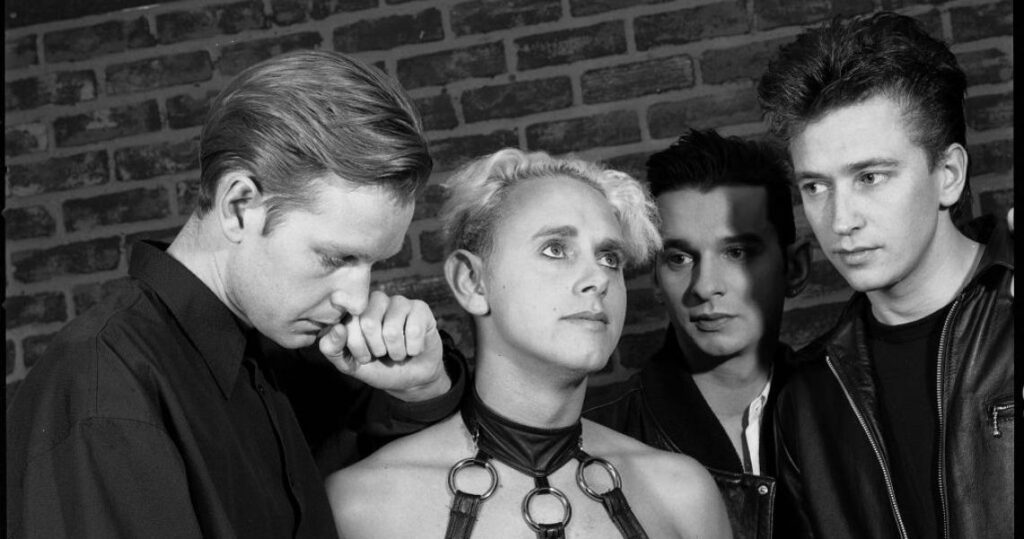
Belltown Bloom Festival Returns to Seattle to Highlight Diverse Artists

Maiah Manser // Photo Credit: Anna Azarov Photography

Delayed two years by COVID, Belltown Bloom, an all-ages festival created to bring the organizers’ favorite bands together and highlight gender and racial diversity in the Seattle music scene, returns this weekend for its second official year.

Belltown Bloom happens on May 6th and 7th at The Crocodile and at Belltown Yachtclub in the Belltown neighborhood of Seattle. The festival line-up is pre-dominantly local (except for bands like the Brooklyn-based pysch-rock band Crumb) and is jam-packed with formidable woman, non-binary, and BIPOC-led Seattle acts, including pop singer Ariana Deboo, punk rocker Haley Graves, and melancholic indie pop artist, Maiah Manser.

Formerly known as Belltown Bash, Belltown Bloom was first organized in 2019 by sisters Veronica and Valerie Topacio of local band, La Fonda, and put on at the The Crocodile, the time-honored Seattle venue where bands like Nirvana and Mudhoney have played. This year, the festival takes place at the newly-remodeled Crocodile space, as well as at the Belltown Yacht Club, a relatively new venue founded in 2019.

“[Veronica and Valerie] have a pretty diverse musical community and that shows in the bands they chose for the festival, not just in gender and race but also in age. The festival features artists across all of these spectrums,” says Nikki Barron, Marketing Manager for The Crocodile.

That said, there is definitely a particular focus on centering women and non-binary people at Belltown Bloom, and in giving gender diverse performers a safe and supportive platform for their art, which research shows isn’t commonplace.

“In 2021, Rolling Stone published an article that reported how from 2012 to 2020, women comprised a total of just 21.6% of all artists, 12.6% of all songwriters, and 2.6% of all producers. What is worse is that those numbers seem to be dropping. No one [is] telling me to go back to the kitchen or anything but the numbers don’t lie. Women and non-male genders are underrepresented and under-resourced in music,” says Barron. “I believe festivals that make intentional choices, like focusing on women, give an opportunity for the music community to have a conversation about the issue, discover artists they may have missed due to unconscious bias, and provide an opportunity for the artists that they may have been unintentionally passed over for in the past.”

For her part, Maiah Manser is thrilled to be part of a festival with such an inclusive mission—and to return to Seattle, where she went to Cornish College of the Arts and got her career off the ground. She moved to Los Angeles in 2017.

“I feel like [Seattle] was so formative to my music growth, honestly. I felt really supported in the Seattle community in general and also, it gave me such a building block for the different kind of hustle that exists here in LA,” Manser says. “I think that living in Seattle inspired me to have a more experimental approach with music. Experimental and dark and a different approach to pop music than if I had moved straight to LA.”

Manser plays the festival on Friday, May 6, on the heels of two new singles—the upbeat, minimalist “Shine,” released March 11, and the darker “I Know,” which drops today, April 29th. These two singles are the beginnings of a new EP from Manser called Third Degree, which considers relationships with the self and with romantic partners. Manser said she self-produced Third Degree, largely due to sexism she encountered in the industry.

“I’ve been starting to self-produce a lot more, so if anybody tries to tell me that I maybe don’t know what I’m talking about, I do know what I’m talking about,” she says. “When I was beginning music, I would experience a lot of men telling me that I couldn’t do something… Or things like, I can hear exactly how I want this to sound, can we please change it? And kind of being met with ‘no.'”

In light of these experiences, Manser adds that learning how to self-produce has been empowering and allowed her to escape constant underestimation as well as other uncomfortable issues – like being constantly sexualized by the men in work-related situations.

“I know a lot of women that can relate to this—feeling like a producer wants to get you into a session just because they want something more with you,” says Manser. “That one can come up and it has come up for a lot of my peers and a lot of women and nonbinary people and it’s an interesting game out there. I think that self-producing feels like it’s safe [from that.]”

In addition to producing her own work, Manser has been producing for other women and LGBTQ+ folks, in an effort to increase their sense of safety and inclusion in the industry and allow them to see their unique artistic visions through.

“I feel that [industry sexism] is changing a bit as more women have spoken out about their experiences and I think it’s important that women continue to speak out about their experiences,” says Manser.

Through featuring artists like Manser, next weekend’s Belltown Bloom festival highlights the struggles women and non-binary artists face in the music industry, and in particular, the authentic and innovative music that spills forth when diverse creators are allowed to create unencumbered by the male gaze and convention.

Barron sums it up best: “Belltown Bloom is about helping underrepresented and under-resourced artists (which are women and even more so trans and nonbinary people) bloom through an opportunity to play such a fantastic festival on some of Seattle’s greatest stages.”

Follow Maiah Manser on Facebook and Instagram for ongoing updates. See Belltown Bloom’s full line-up and buy tickets here.
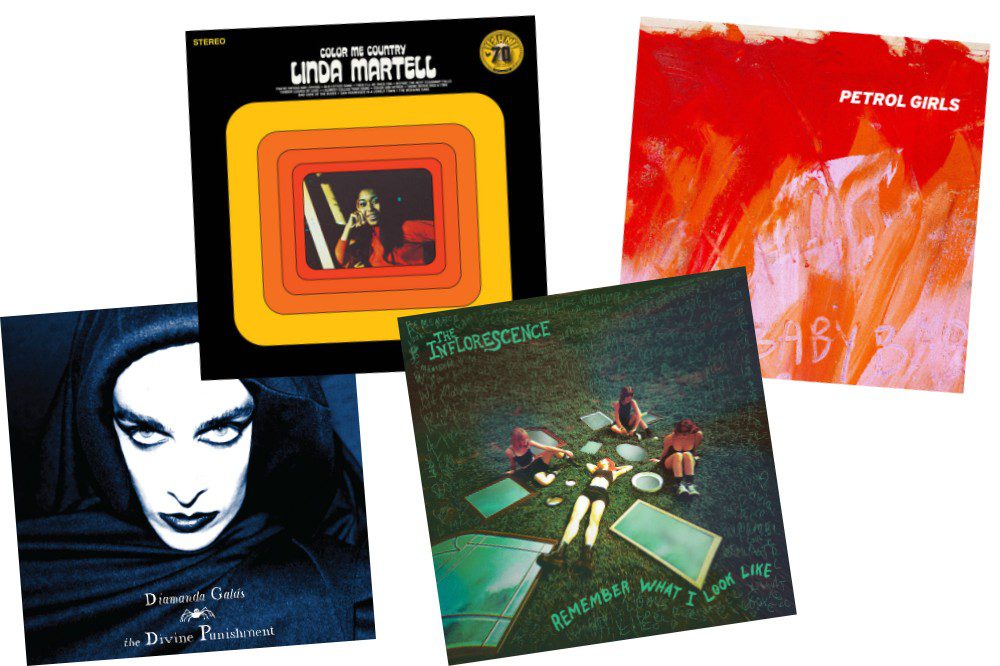
MUSIQUE BOUTIQUE: Oceanator, The Linda Lindas, Suzi Quatro, Flummox

Welcome to Audiofemme’s record review column, Musique Boutique, written by music journo vet Gillian G. Gaar. The last Monday of each month, Musique Boutique offers a cross-section of noteworthy reissues and new releases guaranteed to perk up your ears.

Brooklyn-based musician Elise Okusami has released her sophomore record as Oceanator, Nothing’s Ever Fine (Polyvinyl Record Co.). The album takes you through the course of a single day, an emotional journey that’s both fraught and reflective. The shimmering guitars of the opening track, “Morning,” hint at the turmoil that lies ahead. But the day gets off to a good start with “The Last Summer,” a fond look back at the bygone days of cruising around with your friends, and “Beach Days (Alive Again),” about the glory of spending time in the sun.

Then reality comes crashing back in the stark “Solar Flares,” as that sun turns into a destructive force (“The lights fade/And the grid fails/The phones are down/No water to be found”). From that point on, tensions rise. “Stuck,” with its crunchy guitars and quiet verse/loud chorus dynamic is reminiscent of ’90s indie rock (think Pixies, Nirvana). “From the Van” is a twisted trip on the road to nowhere, a gnarly mash-up of grunge and Beach Boys harmonies. The bright pop of “Bad Brain Daze” can’t disguise the incessant anxiety that runs through the song like the sound of a clock that’s ticking too loudly. Nightfall brings some solace in “Summer Rain.” But while the closing song, “Evening,” starts out with dulcet tones, it soon escalates into an all-encompassing roar of sound that leaves you with a sense of unease. Nothing’s Ever Fine is an excellent depiction of the uncertainties that might plague you during your waking hours, set to a roiling musical backdrop that demands your attention.

The Linda Lindas were already making a splash. The LA-based band, formed in 2018 by two sisters, their cousin, and a friend (then between the ages of 8 and 13), quickly found themselves opening for Bikini Kill, appearing in Amy Poehler’s movie Moxie, and recording a song for the documentary The Claudia Kishi Club. Then a video of the band performing on May 4, 2021, at a branch of the Los Angeles Public Library went viral, and everything ramped up; by the end of that month they had a record deal with Epitaph.

Now comes their debut album for the label, Growing Up, an invigorating, joyful blast of poppy punk. There are songs about cats, like “Nino,” the savage killer of mice and rats who’s nonetheless the “friendliest cat you’ll meet.” There are songs about racism, including the raging “Racist Sexist Boy,” inspired by a comment made to drummer Mila de la Garza at school, and the similarly themed “Cuántas Veces” (the band’s members are of Asian and Latino heritage). “Talking to Myself” is about the anxiety of being alone during a time of isolation (and also has a great video inspired by a Twilight Zone episode). If “Why” strikes a despairing note (“I just shout and never sing/No one likes it anyway”), the overall vibe is decidedly positive, centered around the group’s empowering credo, “We rebuild what you destroy.” And in the best punk tradition, the album’s running time is just under 30 minutes.
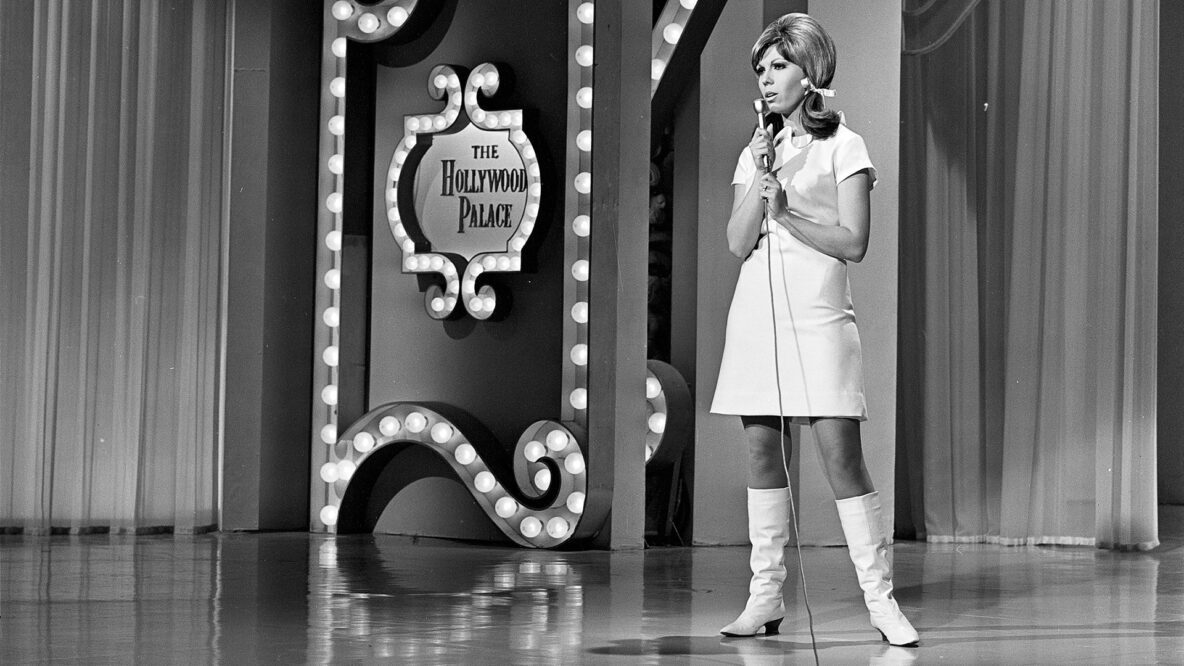
After getting her start in her father’s band, the Art Quatro Trio, and then joining her sister Patti in the Pleasure Seekers, Suzi Quatro moved to the UK in 1971 to pursue a solo career. The hits “Can the Can,” “48 Crash” and “Devil Gate Drive” followed, while in the US she became best known for the song “Stumblin’ In,” a duet with Chris Norman, and recurring role as musician Leather Tuscadero in Happy Days.

She’s since pursued a career in film, theater, and radio, but she never stopped recording, and 7TS Records is now reissuing some of her back catalogue. Up first is Back to the…Spotlight, featuring her first two albums of the 21st century, Back to the Drive (2006) and In the Spotlight (2011), as well as bonus tracks. They’re both albums that take her back to her rock ‘n’ roll roots. On the former, the title track has all the bracing swagger of the best of her ’70s work, the sassy “I Don’t Do Gentle” channels 1950s Elvis, and she powers through a storming cover of “Rockin’ in the Free World.” On In the Spotlight both “Rosie Rose” and Goldfrapp’s “Strict Machine” crackle with innuendo, there’s a rollicking cover of Elvis Presley’s “Hard Headed Woman,” and the best bonus track on the set, a cover of Abba’s “Does Your Mama Know.”

The words “Queer/Transfemme Nashville Prog/Metal band” in the subject heading of the email caught my eye – how can you not want to find out more from that description? Not to mention the “RIYL” tag that included not only Primus and Ween, but also Frank Zappa and Danny Elfman. Thus I discovered Flummox and their latest album, Rephlummoxed (Needlejuice Records).

You don’t have to see the band in performance to know there’s a strong element of theatricality in their work. Alyson Blake Dellinger, the band’s lead vocalist/bassist, says they wanted the track “Pan’s Daughter” (inspired by Arthur Machen’s novella The Great God Pan) “to sound like a horror film,” and the song’s grinding maw of sound, which switches into a pummeling overdrive, then burns out leaving nothing behind but ashes, certainly brings some unsettling imagery to mind.

But not every song sounds like it’s trying to beat you into submission. “Hummingbird Anthem” is something of a country-esque stomper. “Custodian Ralph” has a taut new wave beat underlying an increasingly fractured melody. Then in comes the headbanging power of “The Whispering Banshees,” no holds barred rawk that shakes you down to your shoes. Take a walk on the wild side.