PLAYING COLUMBUS: Grrrls Rock Columbus to Host Halloween in April

[fusion_builder_container hundred_percent=”yes” overflow=”visible”][fusion_builder_row][fusion_builder_column type=”1_1″ background_position=”left top” background_color=”” border_size=”” border_color=”” border_style=”solid” spacing=”yes” background_image=”” background_repeat=”no-repeat” padding=”” margin_top=”0px” margin_bottom=”0px” class=”” id=”” animation_type=”” animation_speed=”0.3″ animation_direction=”left” hide_on_mobile=”no” center_content=”no” min_height=”none”]

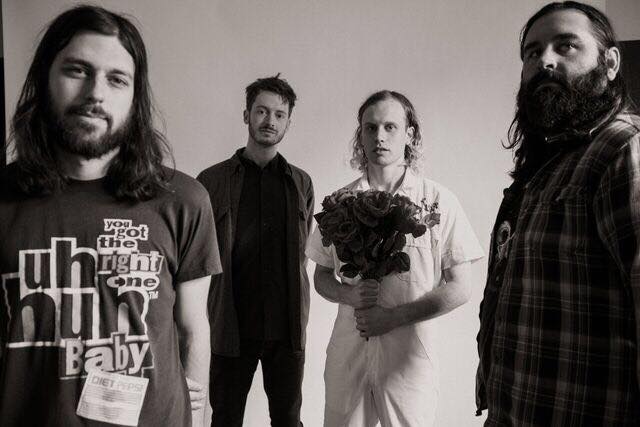
Photo courtesy of grrrlsrockcolumbus.com

Retrograde’s over, we’ve moved into Taurus season, and the snow has finally disappeared for good. It’s almost summertime, which means three things: cut-offs, camp, and second Halloween.

If you’ve never celebrated second Halloween, you’ve been missing a solid costume opportunity. But this weekend in Columbus, you can remedy that horror – Grrls Rock Columbus is hosting a Halfway to Halloween matinee and cover band showcase on Saturday, raising funds for this summer’s iteration of the camp.

Grrls Rock has become a Columbus staple. Started in 2013, the camp offers music lessons (as well as every-summer, can’t-miss-it camp stuff… hello, capture the flag!) to girls, trans, and gender-variant youth from ages twelve to eighteen. It’s an opportunity for transitionally-aged kids to delve into the music world in a supportive and educative environment – one that prioritizes the creativity and voices of those who often don’t get put on mainstream stages. The Grrrls learn instruments, create bands, and step into the spotlight for two concerts. Payments for the camp are sliding scale with available financial aid; volunteers are sourced from the Columbus community; and the campers are matched with mentors. Basically, it’s a youth development dream.

Dreamy, too, is the list of bands getting covered at this weekend’s event. At the matinee, which is all ages and will be held at Used Kids Records, The Hex Girls and Diva as Devo start at 5pm. Then, at 9, head over to Summit, where the line-up includes cover-band-versions of The Cranberries, Sleater-Kinney, Rihanna, Cat Power, Bauhaus, and Shania Twain (I’m guessing the cover artist didn’t expect Shania to be canceled by twitter so close to the show…it happens). The show costs a $5 donation, and costumes are encouraged.

What’s remarkable about the fundraiser, though, isn’t the chance to wear your sparkles–it’s the number of Columbus musicians who will be playing at the event. The Cranberries’ band is made up of members from Didi and Field Sleeper; the Devo iteration by Foxx Smoulder; Cat Power channeled by Pony Dog. The cover show should be weird and wonderful, and I’m looking forward to hearing crossovers between musicians old and new; the styles of each knitting together to make music specific to the space in which it will be created.

Intersections between local artists and local youth organizations are so important, especially with on-going budget cuts to creative programming in schools. There is no way to ethically build a community without that community’s input, and burgeoning artists deserve a seat at the table, joined by mentors they can trust. And though not all of the musicians playing on Saturday will or should take mentorship roles, I’m glad to see the way that GRRRLS rock is woven together by many varied threads.[/fusion_builder_column][/fusion_builder_row][/fusion_builder_container]

INTERVIEW: Mima Good “Bad For Me”

Witches talk back nowadays. Raechel Rosen, aka Mima Good, walks an interesting tightrope thematically; her music weaves together the historical oppression of women with music that more readily brings to mind a candlelit boudoir. It’s the playful banter between hi-concept undertones and sexuality that make her new EP Good Girl stand out.

Raechel says her first single “Bad For Me” is about “attachment to trauma, how traumatic experiences can be so formative to our identities that we don’t want to let them go. It starts with… reminiscing about what it was like to be a young girl, before puberty and sexualization and boys, when I didn’t have to care. I’m mourning the girl I was before patriarchy got ahold of me, in a sense. Once the chorus kicks in, I am fully in its grasp, in a self-destructive trance.”

We talked with Raechel about how feminism influences her work, what the word “witchy” means to her, and how performance art seeps into Mima Good.

Give her single “Bad For Me” a listen below:

AF: Give us a little background on you: Where are you from? What kind of music were you dancing around to as a kid?

RR: I grew up in NYC and was obsessed with music and performing as soon as I could move. My parents raised me on classic rock and disco, my dad spoon-feeding me Springsteen in the crib and my mom blasting Abba, cheering “C’mon Raechy” until I’d begin to bob. The camera was pretty much always rolling; they got a full reality show season’s worth of baby footage.

AF: Where did the name Mima Good come from? 

RR: A feminist theory class in college (lol). We were reading Caliban and the Witch by Silvia Federici and it got me obsessed with the strategies of patriarchy from feudalism to capitalism, and of course witch hunts throughout time, specifically those in Salem in the 1690s. Most of those women burned at the stake were tried as witches based on accusations of being too political or too sexual, suspected queerness, “turning the eye of too many a married man” (literally just too hot); any woman who did not fit within the strict bounds of Puritan society could be murdered for suspected witchcraft. So I combined the names of two of my favorite “witches” and began this project as tribute.

AF: Your music is direct, sensual, powerful. It’s been called “witchy”, which is one of my favorite female musician descriptors (Grimes being one of your tribe). Do you categorize the music you make?

RR: I have a hard time describing my own music. I think its really exciting how much music is being made right now and how everything is fusing together. I kinda feel like we are moving past genre. I don’t know how to compare myself to others but some of my biggest inspirations are Amy Winehouse, Angel Olsen, Nina Simone, FKA Twigs, Talking Heads… I could go on for a very long time.

AF: I love the retro vibe on “My Demon.” Tell us about your writing process. Are the lyrics the frontrunner or do you start with a beat/rhythm in mind?

RR: It really depends on the song. “My Demon” literally came to me in a dream about my abuser – we were both sprinting toward each other ready to fight. Right before I reached him I woke with the first verse and chorus in my head. Most songwriters I know experience this once in a blue moon and it’s really the coolest feeling. I really felt like I didn’t write the song, so much so that I couldn’t finish it until it came to me in a similar manner on the 6 train. With other songs I usually start with the lyrics & melody, developing the chords and beat afterwards.

AF: A trademark move of yours is slowly peeling a banana onstage and circumcising it with a pair of scissors. It reminds me of watching Teri Gender Bender perform in Le Butcherettes: a kind of visceral representation of the lyrics themselves. Is this end of show act the only time you bend into performance art, or is crossing that line a consistent interest of yours?

RR: Haha yea, I was doing that for a bit last fall. I was thinking a lot about misandry at that time, both ironically and genuinely. I do love playing around with boundaries and pushing audiences’ comfort zones. My performance style is constantly changing based on how extroverted I’m feeling and what’s going on in my spiritual practice. Lately I’ve been focusing inward and on delivering my songs as honestly and beautifully as possible.

AF: In 2016, you co-hosted The Witch Ball in Brooklyn, “an inclusive, intersectional feminist party.” What role does feminism play in your work?

RR: I would really love to witness the destruction of patriarchy and all systems of domination in my lifetime, or at least for future generations to experience less gender-based violence. My EP has been an attempt at expressing my journey through a particularly formative trauma, how it held me frozen for years after and what it takes to truly get free.

AF: What artists do you currently have in rotation?

RR: Alice Coltrane, Girlpool, Valerie June, Hole, and ‘Everytime’ by Britney Spears.

AF: When can we see you live?

RR: Tuesday, April 24 at The Good Girl Party at Elsewhere in Bushwick! Doors are at 7:30, I go on at 10. I am bringing up some new live players, drums, bass, a 16-year-old trumpet player and my little sister on vocals for the last song. I am so excited for this show; it’s gonna be a meaningful one for me.

Do you live in NYC? AudioFemme x PopGun presents The Good Girl Party TOMORROW NIGHT at Elsewhere in Brooklyn.Get tickets to see Mima Good’s release show HERE!

NEWS ROUNDUP: The Return of Kanye West & More

Kanye West, The Latest Releases & More

By Jasmine Williams

The Return of Mr. West

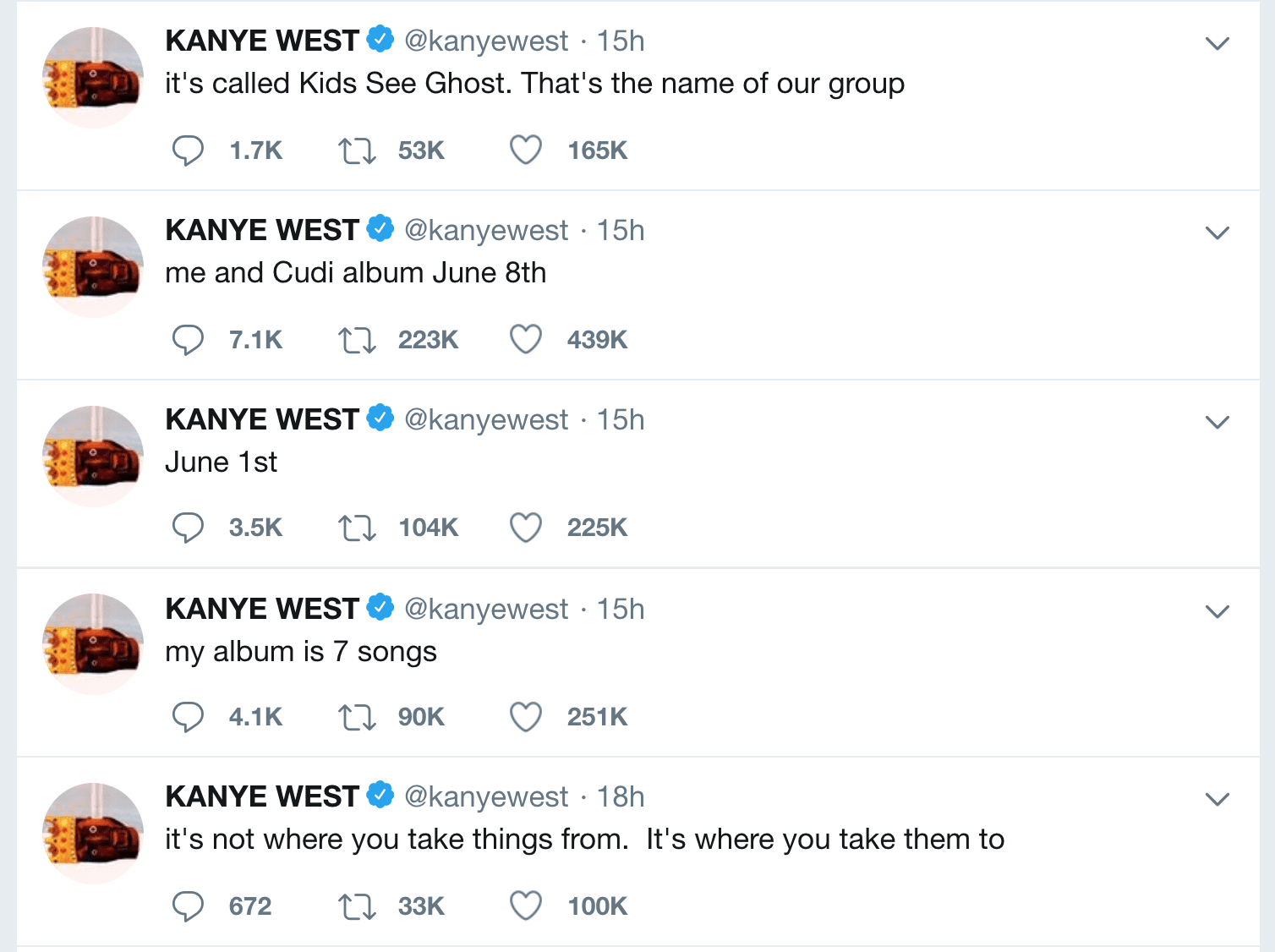
Kanye West has been largely silent since the end of 2016, when he was hospitalized for a mental health emergency following a series of outbursts and the early cancellation of a major tour. This week, Kanye West made his unofficial return to the cultural zeitgeist with a slew of tweets announcing two new albums. During an interview with his interior designer last Friday, West exhibited his latest reincarnation – Zen Kanye. He told Axel Vervoordt, “I don’t wish to be number one anymore – I wish to be water.”

That New New

Happy 420! There’s a lot of new music out for you to ponder while you celebrate the greenest of holidays today. Dream beautiful, sad dreams with cellist-singer-model Kelsey Lu’s latest release, “Shades Of Blue” and “Quiet, The Winter Harbor,” from Mazzy Star. Temper your weird munchies cravings with CupcakKe’s new song, “Spoiled Milk Titties.” Get excited by streaming Half Waif and Speedy Ortiz’ new albums one week ahead of their April 27th releases. Feel the nostalgic feels with the return of Lykke Li. The “Little Bit” singer released two new tracks this week. Get crazy with Britkids Let’s Eat Grandma – they announced their new album’s June 29th release date, a new tour, and shared a new song, “It’s Not Just Me.”

You may have slept on Father John Misty’s brief album leak two days ago but you can listen to two brand new FJM tracks now. His next LP drops June 1st. A few weeks ago, the Pitchfork music festival lineup was released and Lauryn Hill emerged as a headliner, with plans to play a reunion show of The Miseducation of Lauryn Hill. This week, the “That Thing” singer announced that she will embark on a full tour to support her singular 1998 album. Neko Case has also made plans to hit the road in support of her upcoming album, Hell-On, out June 1st. Tickets for Nick Cave & the Bad Seeds’ North American tour are on sale now.

End notes:

  • Record Store Day is tomorrow, April 21st! Check out Brooklyn Vegan’s event guide for NYC happenings on Saturday.
  • Old school hip-hop is getting a lot of love. A week after Ghostface Killah played at a Bushwick-area White Castle, MTV announced the return of Yo! MTV Raps, and New York’s Summerstage lineup was released —it features a whole lot of artists from rap’s golden era.
  • Distraction tactics? Shortly after prosecutors announced that they would not push criminal charges in the case of Prince’s death, his estate release a long disappeared 1984 recording of Nothing Compares 2 U. Sinead O’ Connor cemented the song’s fame with her version in 1990.

  • Marking another hip-hop first, Kendrick Lamar received the Pulitzer Prize for music for his seminal album, DAMN.
  • Janelle Monae’s next album, Dirty Computer, is out next week. The “PYNK” singer recently sat down with The New York Times to talk about Prince, her sexuality, and her upcoming record. She released new single “I Like That” earlier this week.

  • Bernie Sanders continues the pop culture and politics love affair. On Wednesday, The Vermont Senator tweeted his support for Cardi B’s recent statements on social security.


VIDEO PREMIERE: Sera EKE’s “White Room”

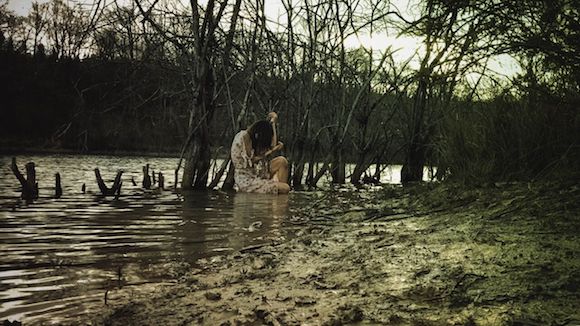
swamp


It’s hard to peg down Sera EKE. As a self-described “artist who self-produces, pretty much, everything – including music, video; photos, artwork”; her work comes in tidy packages, complete with stark, often terrifying imagery. Her new video for “White Room” follows previous incarnations of work from 2017’s EP Coup Coup Coup!

“My hands can’t be trusted / My memory’s adjusted / Put a hand on my body / If I break out of obsession”. There was a mania in Sera’s last effort that’s missing from “White Room”; replacing the frenetic energy is a sensuality, a boldness that feels fresh. Listening to the song, you’re taken to the dark rooms inside the video, you’re blindfolded and left to wander. 90s slow jams are a prominent influence it seems, but Sera’s take feels altogether her own. This is a track for a modern Brontë sister, a woman obsessed.

VIDEO OF THE WEEK: Courtney Barnett “City Looks Pretty” & More

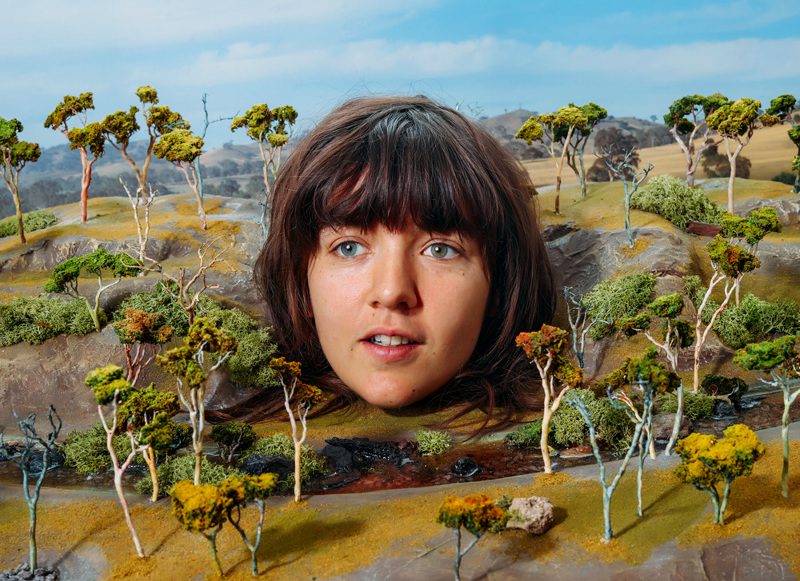
Courtney Barnett will release her sophomore record Tell Me How You Really Feel on May 18 via Mom + Pop, Marathon Artists and Barnett’s label, Milk! Records. For the release of her third single from the album, “City Looks Pretty,” Barnett created what feels like a ’90s throwback video collage.

As fans may have noticed from her last video for “Nameless, Faceless,” Barnett loves to incorporate the element of collage. In “City Looks Pretty” Barnett uses the tool again as she pushes together a variety of different kinds of footage, making a video painting of textures and emotions.

For those of you who can’t wait until May 18 to pick up the full record, “City Looks Pretty” will be available as a Record Store Day release on April 21. The 12” single also features another track from Barnett’s forthcoming album as a b-side, “Sunday Roast.”

Singer/songwriter Alice Phoebe Lou teams up with fellow Berlin street performer in this bluesy single “Devil’s Sweetheart.” It seems fitting that these two street artists would choose circus performers to visually represent music.

We all miss Prince, to be sure, but sometimes when one of your favorite artists passes on you are granted an all-access pass to their past. In this new video for Prince’s song “Nothing Compares 2 U” fans are given a chance to take in never before released footage from Prince’s rehearsals.

Yuno first received notoriety from years of releasing songs via bandcamp. Now signed to SubPop records, his single “No Going Back” was received with enthusiasm from the music community. He’s following it up with another song and video from his album, Moodie, which comes out June 15.

Hailing from Toronto, MorMor combines a variety of musical influences to bring his latest single to life. The psychedelic sounds of MorMor’s shoegazey, airy, dreamlike style slip fluidly into this colorful, abstract video.

ONLY NOISE: Adult Entertainment

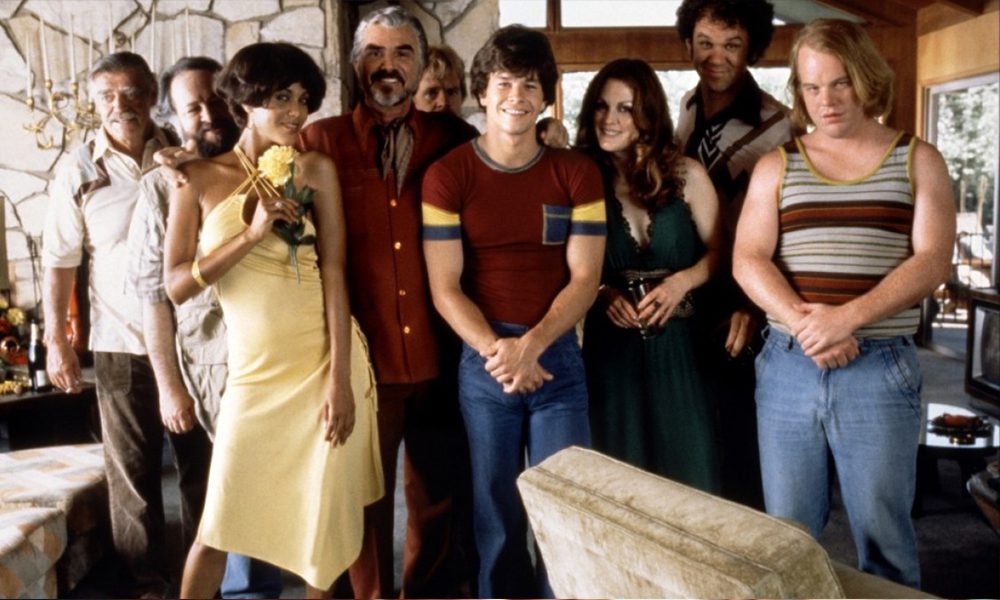
In 1997, filmmaker Paul Thomas Anderson was racking up a lot of “firsts.” He released his first major feature, Boogie Nights, which garnered his first Oscar nomination. Moreover, Boogie Nights was the first widely celebrated Hollywood film about the Golden Age of pornography. Set in 1970s San Fernando Valley, California (aka “Porn Valley”), the film chronicles the rise, fall, and redemption of fictional adult film star Dirk Diggler and his adopted family of pornstars, directors, and one particularly eager Boom Operator.  But despite the movie’s racy subject matter, its initial frames unfold like a glittering homage to ‘70s club culture. There’s a nightclub marquee, a neon dancefloor, the graceful twirl of a babe on roller skatesand it all shakes to the tune of the Emotions’ 1977 megahit “Best of My Love.” Like any successful period film, Boogie Nights is punctuated by the hits of its respective eras; there’s “Low Rider” by War, “You Sexy Thing” by Hot Chocolate, and a brilliant sync of Rick Springfield’s “Jessie’s Girl” with a particularly tense scene at a drug lord’s lair. Though it’s not the focus of the film, the Boogie Nights soundtrack reminds me that there once was an implicit relationship between music and pornography.

This topic is fresh in my mind in part because I recently re-watched Boogie Nights for the first time in over 10 years, but also because of a recent announcement from Pornhub, the most visited adult film site on the web. According to a statement from the website, Pornhub is set to feature a new series of films as part of “The Visionaries Directors’ Club.” The movies will be directed by “creatives of all kinds” and will aim to “diversify porn production and help create more varied content—paying particular attention to Pornhub’s female audience.” First up in the Visionaries Directors’ Club is “The Gift,” an all-female porno directed by New York rapper Young M.A. According to Pornhub, “The Gift” will feature the MC’s music in “key scenes,” though the recently-released trailer does not reveal the placement of her songs.

As it turns out, Young M.A.’s tracks score everything but “key scenes” in “The Gift,” a porno that finds birthday girl Gina Valentina getting lured to an L.A. dream home by her girlfriend (Honey Gold), where eight other women are getting it on all over the house. After calling 555-6969 to get the mansion’s address (it’s on Cumming Street), Valentina approaches the house precariously to the bump of Young M.A.’s “Hot Sauce.” This brief scene summarizes how the rapper’s music will be utilized throughout the movie: largely as background noise while Valentina traverses from room to room, discovering what fleshy delights await her. The ominous synths of “Same Set” trail Valentina as she walks away from two women in the kitchen getting creative with a can of whip cream; “Walk” slinks along as Valentina, er, walks from one end of the pool to the next; and “Praktice” creeps in after Gold and Valentina recover from their cumulative 83 orgasms, kissing and hugging as we fade to credits. As I suspected, the music in “The Gift” was not integral to the action, but relegated to interim shots, filling the space between hi-def fucking like a sonic crossfade.

There’s nothing wrong with this, of course. I personally associate porn music with either cheesy European orgy scenes or softcore X Art films. But music wasn’t always shoved to the sidelines in erotic movies. While contemporary porn either limits music to intro and outro scenes, or omits it altogether, a soundtrack was once crucial to the porno narrative. Take the most famous porn of all time: 1972’s Deep Throat. Not only did Jerry Gerard’s masterpiece boast a 60 minute runtime, but it kicked off with a credit reel commensurate with feature films (the Key Grip doesn’t mean what you’d expect). And, like a Hollywood movie, one of its most notable features (aside from Linda Lovelace’s roomy esophagus) was the music that accompanied nearly every scene. The opening shot of Lovelace driving home through suburbia is set to a bizarre, carnivalesque synth track. An early scene involving Lovelace’s friend receiving cunnilingus in the kitchen rolls to a funky psych jam, while she utters memorable lines like, “Mind if I smoke, while you’re eating?” And then of course, there is the inexplicable Deep Throat theme song, which is part church organ hymn and randy ballad. The lyrics are beyond silly: “Deep throat/Deeper than deep throat,” sings a male voice hovering just above the Hammond B3. “That’s all she wrote.” Every word that rhymes with “throat” is thrown in here, even “goat,”  because like most things in pornography, it is subtle. While the film’s soundtrack certainly doesn’t aid arousal, it is indicative of Golden Age pornography’s tone – fun, narrative, fantastical, and slightly absurd.

On Pornhub’s “Vintage” category page, you can watch the original, full-length cut of Deep Throat, but you can also scroll through decades of adult films, many of which are based on similarly ramshackle plots. There’s “Married Wife Cheats on Hubby,” a “Baywatch” parody called, you guessed it, “Babewatch,” and one simply titled “Vampires.” Many of these oldies feature music more prominently that contemporary pornographythough none as bewildering as the Deep Throat OST. Watching vintage porn often feels like more of a novelty than anything truly seductive, and a big part of that is the music (and the proliferation of mustaches). Quite frankly, it’s distracting, and I think that would remain the case if the songs used were actually good. A great song is a powerful thing, and would likely rip the viewer away from whatever the tiny bodies on their laptop are doing at the moment. Ultimately, it makes sense that porn consumers want crisp, uninterrupted audio to go with their high definition, tight angle shots. Sure, Pornhub offers sections for “vintage” porn and movies that sync top hits to hardcore sex scenes, but these are by no means the most popular categories on the site.

So what does the Visionaries Directors’ Club mean for the long term relationship between music and pornography? Probably not too much. But the series could be a possibility for Pornhub to lend the director’s chair to artists with radical and nuanced takes on sexuality, especially since their goal with the project is to “diversify porn production and help create more varied content.” What if the directors they recruited already had a rich visual language of their own, and plenty of work investigating sexuality and the human body? What if these Visionaries reflected a few of the niche communities that the porn community relies on? What would pornos directed by folks like Jenny Hval, Genesis P-Orridge, SOPHIE, Diamanda Galas, CupcakKe, or Perfume Genius’ Mike Hadreas look like, for instance? Something tells me we’ll never find out.

PLAYING DETROIT: Stef Chura Celebrates Record Store Day with Limited Edition 7″

[fusion_builder_container hundred_percent=”yes” overflow=”visible”][fusion_builder_row][fusion_builder_column type=”1_1″ background_position=”left top” background_color=”” border_size=”” border_color=”” border_style=”solid” spacing=”yes” background_image=”” background_repeat=”no-repeat” padding=”” margin_top=”0px” margin_bottom=”0px” class=”” id=”” animation_type=”” animation_speed=”0.3″ animation_direction=”left” hide_on_mobile=”no” center_content=”no” min_height=”none”]

photo by Ashley Schulz

This Saturday, April 21st is Record Store Daya day that brings us back to a time when the only way you could hear your favorite artist’s new song was by purchasing it on seven inches of vinyl from your local record shop. That’s exactly how Detroit indie-rocker, Stef Chura, wants us to celebrate the annual homage to vinyl culture. Chura, who released her striking debut album Messes in 2017, is pressing a thousand copies of a new 7″ that includes two songs that didn’t make it onto the LP. Both of the songs – “Degrees” and “Sour Honey” – were produced by Will Toledo of Car Seat Headrest and show Chura’s range in emotion, voice, and musicianship.

“Degrees” is a weighty, haunting rumination on mortality that shifts between delicate verses and a blazing refrain. Chura says that the song was originally a plucky folk song, but Toledo had the idea to take it in a Janis Joplin “Ball and Chain” direction, adding gritty layers of guitar that conjure up the image of towering flames.

Falling on the opposite end of the spectrum sonically, “Sour Honey” is a stripped-down solo affair that features Chura’s flickering, elastic vocals accompanied by Toledo on piano. The bare, vulnerable sound is an appropriate match for the song’s subject matter – insecurity and hyper self-awareness.  “I wrote that song when I was working at a strip club in Detroit as a cocktail server,” says Chura. “It was about the visceral, super physical feeling of complete embarrassment and humiliation. I think I used to suffer from a lot of social anxiety and miscommunications, and it was just a very cat-fighty atmosphere.”

The 7″ is a Record Store Day exclusive, which means you’ll only be able to pick it up at your local record store. Chura will perform at Detroit’s Third Man Records in tandem with the release, followed by shows in Cincinnati and Bloomington. Listen to “Degrees” and see Stef Chura’s upcoming tour dates below.

TOUR DATES:
Saturday, April 21st @ Third Man Records Cass Corridor – Detroit, MI
Wednesday, April 25th @ MOTR Pub – Cincinnati, OH
Thursday, April 26th @ The Bishop – Bloomington, IN

 [/fusion_builder_column][/fusion_builder_row][/fusion_builder_container]

WOMAN OF INTEREST: Jacqueline Frances

Jacqueline Frances is a Brooklyn-based stripper, writer & illustrator, standup comic and feminist activist who, through her pithy, impish, irreverent and patriarchy-smashing social media content, has managed to amass a small army’s worth of fans and followers of her “Jacq The Stripper” internet ethos. Her popularity is a sign-o-the-times; at this moment, we have found ourselves at the precipice of a cultural tide change whose catalyst can be attributed to the art+activism of women like Jacqueline. However it can be difficult to remain hopeful that the momentum will persist and continue to build into something larger than its current moving parts, which are all still limited by institutionalized racism, misogyny, classism, ableism, and a whole plethora of  heteronormative moors that preclude greater shifts in political consciousness. Saddeningly and maddeningly so…

Our electoral politics are a soap opera whose cast is comprised mostly of white, curmudgeonly baby boomers, and whose star is a sexual predator. Black people are still getting gunned down in our streets at alarmingly high rates by white law enforcement, and have zero structural recourse. Public schools are still dead broke, yet our Education Secretary is a billionaire. In every industry women still get shit pay compared to men, and are shamed or hushed into just living with it, or told that they simply don’t deserve equal compensation. Sexual assault is so commonplace that it’s rarely prosecuted and for the most part isn’t even considered a violent crime by those who are paid tax dollars to purportedly protect us. Meanwhile the sex worker community here in the U.S. has to fight tooth-and-nail for basic civil liberties, like not getting arrested for going to work. Our politicians have gone so far as to make the world a more dangerous place for this cohort; the recently passed, draconian SESTA/FOSTA legislation misguidedly conflates sex work with human trafficking, criminalizing any sort of digital advertising of sex work in the U.S. and thus making the supply/demand nexus ever more perilous. It also generally infringes on the First Amendment, and sets a dangerous precedent for the continued erosion of net neutrality. For example, sex worker activists like Jacqueline now must face imminent banning by the likes of Twitter, Instagram, Facebook and other online platforms.

Needless to say, while the #timesup movement certainly feels novel right now, it’s necessary to point out that time has always been up. I have personally never had time for this, and the fight is as exhausting as its ever been. Fortunately there are small pockets of the world in which there’s hope to be found, and fingers are crossed that the voices within those pockets will lead the charge to a new paradigm in which we will no longer have to deal with this crap. One of those voices is Jacq The Stripper, and she happens to be extremely funny. I got to sit down for a chat with her, which you can read below. We talked about her life and her art, and about obliterating the patriarchy one sex worker at a time. She is our current Woman Of Interest.

AudioFemme: So. What brought you into the world of stripping?

Jacqueline F: Money (laughs)!!  Money. Yeah. I always wanted to be a stripper, but the stigma was too great for me to actually consider it, until I was broke enough and far enough away from home to actually do it… and that was in Australia.

AF: Oh, Australia. So really far away! Because you’re from Canada, right?

JF: Yeah.

AF: Sex work is decriminalized in Canada, correct?

JF: That’s a great question. I’m gonna say that it’s definitely not like this New Zealand model we’re all chasing after. My knowledge of the laws in Canada isn’t very fresh because I’ve been an ex-pat for 8 or 9 years now, so I’m not fully aware of it. I can’t speak to the exact laws. I’d have to look that up.

AF: I always wonder about places where sex work is decriminalized – if the attitude around the sex industry in general is more relaxed.

JF: Totally, in Australia. It’s way more chill. It’s just like, stripping is stripping, and “full service” is full service, and if you wanna do both you can do both. But people aren’t expecting full service in the same way that they’re kind of optimistic about it here.

AF: That make sense. So how long were you stripping in Australia?

JF: A year. I spent almost a year there, and then I came to New York. I went traveling around the United States for a couple of months with my best friend. I was planning on staying in New York for a summer to make a shit ton of money (laughs)… And then I fell in love here, and I did not make a shit ton of money.

AF: Ha! I guess life can get in the way of plans, no?

JF: Yeah, New York City in the summer is like the worst time ever for money. I wasn’t allowed to work at the good clubs; they rejected me. I had to work at the really shitty clubs. It’s just part of the New York story.


AF: I love that the struggle is part of your story though! You’re admirably frank about the myriad hurdles you have to face in this work. I’ve been having a lot of conversations about intersectionality within sex work and how women within the community kinda self-stigmatize if that makes sense. I just learned the term “whore-archy” for example…

JF: Oh yeah! I mean I was totally guilty of that. You don’t even know you’re doing it in the beginning. But when one enters sex work, it can be such a lonely step. You’re doing it on your own. There are no rules or guidelines. It’s not an industry where teamwork is a pillar of your job. It takes a long time to find the language to express how you’re feeling and to find community. When I started 8 years ago I didn’t really know anything. I just knew I needed to make money and stripping sounded like a good way to do that so I tried it. Nobody was encouraging me to get into it. The narrative surrounding sex work is: “this is terrible; never do it.” When you decide to do it, you’re probably really influenced by that narrative, you know? 

AF: Right.

JF: But maybe now, the narrative’s changing. There are a lot more women speaking about their varied experiences, and I’m so grateful to be part of that.

AF: Yes! I want to get into your work as an activist. I found you on Instagram and started obsessing over your drawings and paintings and graphics, and then I read STRIPTASTIC! and realized you were onto something much bigger than making witty social media posts. What was behind your motivation to start publishing books?

JF: Ugh. Book publishing is the worst; I hate it, but also, I can’t not do it. When I published The Beaver Show, which is my memoir, I self-published. And as I was trying to find a publisher or an agent or anybody to even look at me (which I did not) I just started illustrating comics by accident. I just liked sharing little things that people said to me on social media, and I just realized there was a demand for it. I really enjoy drawing; I like single panel comics. I’m a comedian, so I really like a setup and a punchline. 


AF: Yeah, your jokes are hilarious. I love seeing your work reposted everywhere on Instagram!

JF: Thank you! Yeah, there’s a lot of humor out there. If you don’t have a sense of humor, you probably shouldn’t be a sex worker.

AF: That’s very true.

JF: With STRIPTASTIC!, I was going to have a section be influenced by other people’s experiences. Because my middle-class white girl experience is my experience, but it’s certainly not all experiences, and I really wanted to feature different voices. So I put out a call for a “stripper’s survey.” I was just like “Hey, doing a little survey; if you want to participate, send me an email.” And over 300 people responded. I couldn’t believe it.

AF: Wow.

JF: This was way before any of this was popular on social media. I was floored by how many people wanted to participate, and I definitely was not prepared! The survey was via email. It was so poorly organized. It’s a testament to me being an artist and not an organized person. But it ended up being so much more. I’m really proud of it and so happy that it exists.

AF: Do you think you’ll do more?

JF: Probably. I can’t stop (laughs). I’m doing more art, and I’m doing a lot of watercolors. I basically just do whatever pleases me. With a hustler’s spirit, you can turn ANYTHING into money. So I’m still keen to illustrate and I have a few ideas, but there are other ways that I want to tell stories that are on the horizon that are not single panel comics. It’s all very exciting!

AF:  So, I was reading some of your posts this week and you talked about your struggles with bulimia in the past. How has stripping helped you to cultivate a more favorable body image?

JF: There’s so many ways that stripping saved my life, in that respect. I was a ballet dancer growing up, so there was always this self-loathing feeling that you’re fat. And then I always loved fashion magazines, which is enough to make a child anorexic or bulimic. I struggled with it for a really long time, and then I finally got help, which was a little bit before I became a stripper. Then when I started stripping… I don’t know, being validated with money for your body is so healing. It’s so healing. That’s why it just baffles me when people like “How could you do [fusion_builder_container hundred_percent=”yes” overflow=”visible”][fusion_builder_row][fusion_builder_column type=”1_1″ background_position=”left top” background_color=”” border_size=”” border_color=”” border_style=”solid” spacing=”yes” background_image=”” background_repeat=”no-repeat” padding=”” margin_top=”0px” margin_bottom=”0px” class=”” id=”” animation_type=”” animation_speed=”0.3″ animation_direction=”left” hide_on_mobile=”no” center_content=”no” min_height=”none”][these] things for money”? I’m like “How could you NOT??!” Money is extraordinarily validating for women, because we are so shamed into thinking we shouldn’t have any of it. I’m a very physical person and I love using my body to fuel and finance my life. And that means I have to take care of it. Like, I realized that I actually HAVE to eat… and not purge (laughs). It’s like “No, you need your body to dance and walk around in these shoes for 8 hours.” Plus I’m a bitch when I’m hungry.

AF: I love how you invert this dumb narrative about how selling your body is degrading somehow, when in fact it’s as empowering as anything.

JF: Yeah I could go on for a really long time about how stripping has helped me heal. And anybody looks hot onstage if you put on the right shoes and the lighting’s right. I wish a lot of women had that chance to get up and cling to a pole and be like “Okayyyyy. This looks GOOD.”

AF: So how do you think we can create a safer world for strippers and sex workers? I’ve been thinking a lot about the decriminalization argument, and there are people who are for it and against it within the community. There are a lot of folks who are against because they think they’re going to make less money.

JF: Well, I can’t really speak to what I think would happen because my work is done in the club, but as I listen to the voices of independent sex workers, decriminalization would make the job a lot safer. I think the fear of making less money is part of what the narrative uses to divide us and keep us from wanting it. It would be great if we could unionize. And some people say “I won’t make as much money…” Yeah, but your work is a lot safer and you will be happier in the long run. You’ll have someone to fight for you and you’ll have health benefits. There’s nothing better than health services, because you live in a country where it’s like, a thousand dollars to treat a fucking ear infection if you’re not covered. I definitely want to fight for better labor conditions for strippers, and I definitely think that pimping should be done away with. I think the clubs should be run by women or sex workers. The people who currently run clubs are bad people a lot of the time and that’s pretty heartbreaking. Even I am afraid of being called out at work as somebody who’s an activist. So when I’m on the job, I’m just a very nice, pretty, not complicated blonde stripper. It’s simple what my hustle is. I’m not like a trojan horse in the club, because I don’t want to fuck up my job security.

AF: The ramifications of that would be getting fired for being outspoken?

JF: It’s totally illegal. But then again there are a lot of things that are totally illegal. Anyway, as far as improvements go, I think our work conditions are important to fight for. I also think a lot of strippers are ready to start mobilizing and organizing to make that happen.


AF: Do you sense a sea-change among your co-workers when it comes vocally fighting and advocating for sex work? In the social media community there is this kind of urgent imperative for a shift in thinking.

JF: Yes, absolutely. Now is the time to be involved, and I think a lot of women are starting to feel this way. Strippers, we’re like the flakiest people in the world, and we’re all showing up for each other, and it’s been really powerful. I think people are ready to fight for their rights to work and be treated with dignity and respect, or to be employees and get paid instead of paying astronomical house fees.

AF: So, across the board, you’ve paid these house fees everywhere you’ve worked?

JF: Every single place. Maybe one place I’ve worked where they paid us to go out there, because it was really far away. It was in the middle of nowhere in Canada, in the oil fields.

AF: What are some of your self-care rituals?

JF: Hmm… dancing. I take a lot of dance classes; I love learning from other people and other dancers. Ballet, hip-hop, jazz, whatever. I love dance classes. It still brings me so much joy. People talk shit about dance, but it’s so amazing. Art. Animals. Counting my money on the couch is a ritual, every night, that I do after work; it’s really powerful. Leisurely mornings. Travel. I know I sound so basic; I really love a green juice, too (laughs).

AF: Do you have any travel plans this year?

JF: Yeah, I’m going a lot. I’m going to Cuba with my wife for our fourth anniversary. And then I’m going to Morocco with my mom. And I’m going to Vegas and the Bay Area to hang out with some hos, and that’s in the next two months. I want to see the whole world!

AF: And it sounds like you totally will! Anyway I’ll start wrapping up the interview, but since we are a music blog, what music are you listening to right now, and what are your favorite songs to hustle to?

JF: Haha oh man. My wife is the music person. Hmmm. I listen to Elton John, and funk music. Who else? Love Cardi B. I took a dance class to “Finesse” last Sunday, it was so good. The class was so fun. I was so feeling it. What else. Alanis Morissette changed my life. Holler at my fellow Canadian angry girl! I’m so happy that she found happiness, but no album is as good as that one.

AF: As Jagged Little Pill? No.

JF: Peaches. I love Peaches!! I don’t know, I also love ’80s hair bands. I have my hustle pre-game – the songs I use to get ready for work. Peaches, Blackstreet, Rihanna, Britney, Fetty Wap, Yeah Yeah Yeahs. I like Lil’ Kim, obviously. Salt-n-Pepa. Oh, St. Vincent’s new album, jamming that hard. And when I’m kinda relaxing I really like Nice as Fuck. I think they’re like sweet peace and love music. To dance to, I love dancing to Björk, Nine Inch Nails, and Marilyn Manson, and anything by Guns N’ Roses.

AF: What words of wisdom would you give to baby strippers and baby sex workers who are entering this world?

JF: Try it. You might hate it. If you’re going to be a stripper, show up alone and show up sober. And see how you feel. Don’t have any expectations, just go and try it. And then try it again if you like it. If you don’t like it, don’t go back. Stay true to who you are and don’t do anything you don’t want to do. Your boundaries are your own, don’t [base them on] other people’s boundaries. It’s not your business.

AF: Right, that’s a problem, too – girls get uppity over other girls’ preferences.

JF: Well, that’s slut shaming, and it’s not like we invented slut shaming. It’s a patriarchal thing that’s supposed to divide us; there’s all of these things in place to make us hate each other, and it’s a huge problem. You have to check yourself every day. I know I still have moments of jealousy and shaming others, or imposing my values and my boundaries onto others when it’s none of my fucking business. It’s so deeply ingrained.


AF: How do you think we can elevate the conversation around sex work in an effort to help cast aside all this toxic stigma? Like stuff that we can all do to improve people’s understanding of it. You’re kinda an archetype for it at this point!

JF: I’m an archetype?

AF: Definitely!

JF: It’s great, no pressure (laughs)! I would say… well, in my experience, we can elevate these stories by not thinking that others can tell it for you. When I say others, I’m saying somebody in media who’s like “I love your story, I want to help you tell it” or “let me tell it for you.” A lot of people come up to me and are like “Would you consult for free on this film I’m writing about a sex worker?” No! Absolutely not. People who haven’t done sex work need to sit down, and they need to pay people [that have], because you pay writers, you pay storytellers, you pay filmmakers. Pay people who have done the work to tell their story. If you haven’t done the work, it is not your story to tell. I feel very strongly about that, and I actually have a policy where I don’t really work with people who haven’t done sex work, especially from a publishing point of view, as far as stories getting out there. It’s important to listen. Everybody’s story matters, so let’s listen to theirs, too. Like, the “happy slut” narrative is great, and fun. It’s a hook. I can make people listen to the dark stuff because they’re sitting there laughing. It’s important to just listen. I think men especially have real problems with that.

AF: Yeah, ’cause men are generally so used to having the microphone they don’t know what the fuck to do when it’s taken out of their hands. It’s actually infuriating. Even those who are self-proclaimed woke people still can’t wrap their minds around sex work without either fetishizing it or making it about themselves.

JF: It’s funny, because men are of no concern to me in my activism. And maybe that’s problematic, but that’s just the way it has gone for me. My concern is empowering women to speak their truth and to feel proud of the work that they do. If we have more women that are proud of the work that they do, it won’t be so challenging to do it; it won’t be so random to encounter a woman who is a sex worker and who’s comfortable talking about it, you know?

Below please find our “Striptastic” playlist for all you kindred movers and shakers. Catch Jacqueline at her next live appearance on 4/30 at The Village Lantern. For more info check her site here.

[/fusion_builder_column][/fusion_builder_row][/fusion_builder_container]

NEWS ROUNDUP: Brooklyn Music, Coachella & More

[fusion_builder_container hundred_percent=”yes” overflow=”visible”][fusion_builder_row][fusion_builder_column type=”1_1″ background_position=”left top” background_color=”” border_size=”” border_color=”” border_style=”solid” spacing=”yes” background_image=”” background_repeat=”no-repeat” padding=”” margin_top=”0px” margin_bottom=”0px” class=”” id=”” animation_type=”” animation_speed=”0.3″ animation_direction=”left” hide_on_mobile=”no” center_content=”no” min_height=”none”]

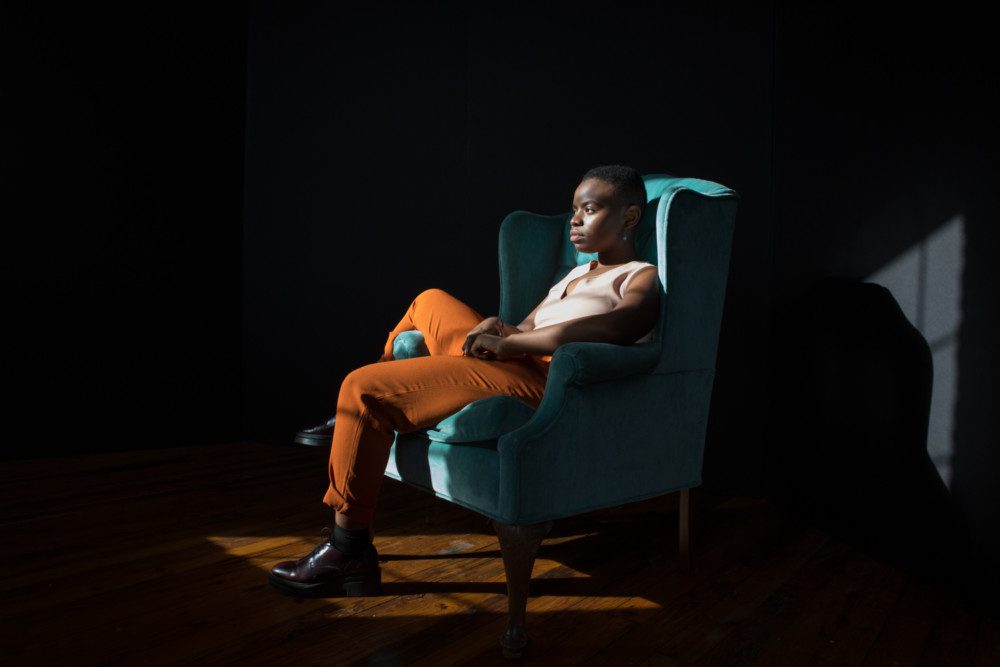
Vagabon headlines one of Silent Barn’s final shows tomorrow night. Photo by Ebru Yildiz.

Brooklyn Music, Coachella & More

By Jasmine Williams

Brooklyn Music News

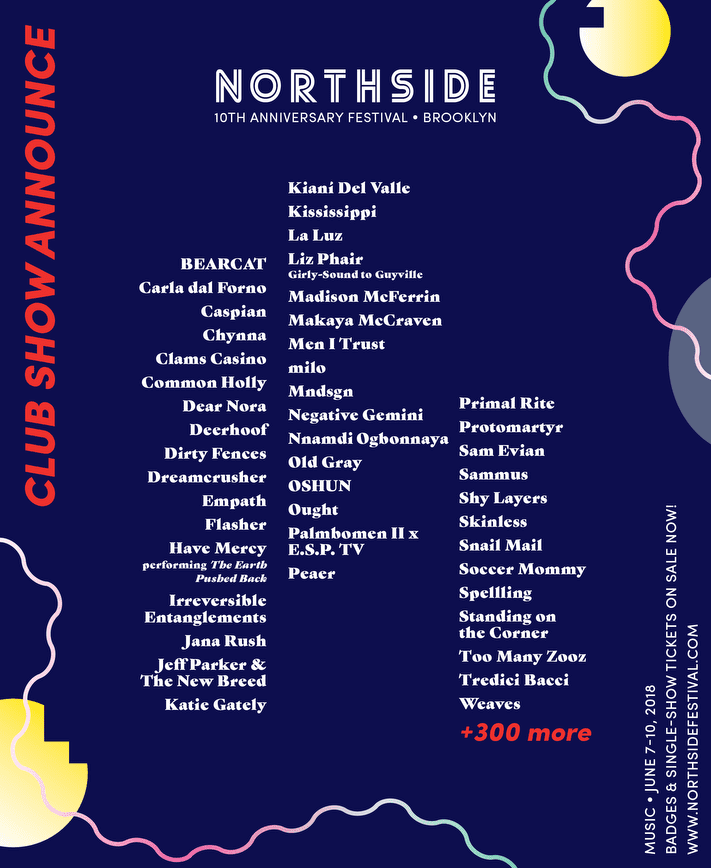
This week is big for Brooklyn announcements! Silent Barn announced their final lineup of shows. The bittersweet list starts with Partner, Katie Ellen, and Early Risers tonite. Vagabon, L’Rain, and Zenizen play Saturday. Northside has released their first round of artists for the 10th anniversary edition of the local festival. Liz Phair, Deerhoof, and La Luz will all play this June.

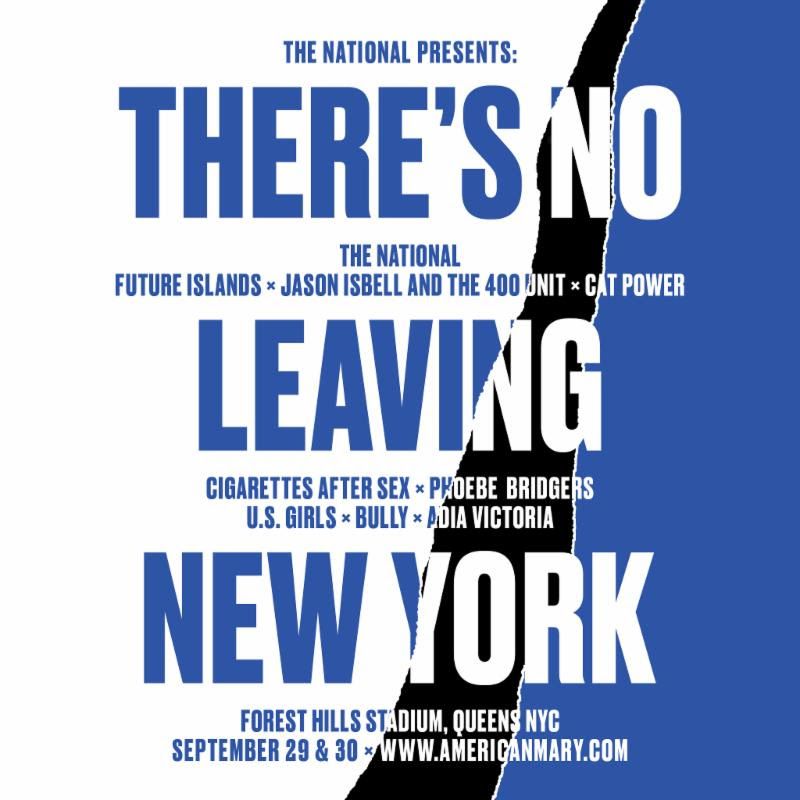
A couple of months later, The National are putting on a weekend showcase. Future Islands, Cat Power, Phoebe Bridgers, Cigarettes After Sex, and more will perform in Queens for the band’s There’s No Leaving New York festival on September 29th and 30th.

Coachella vs. Soul’D Out

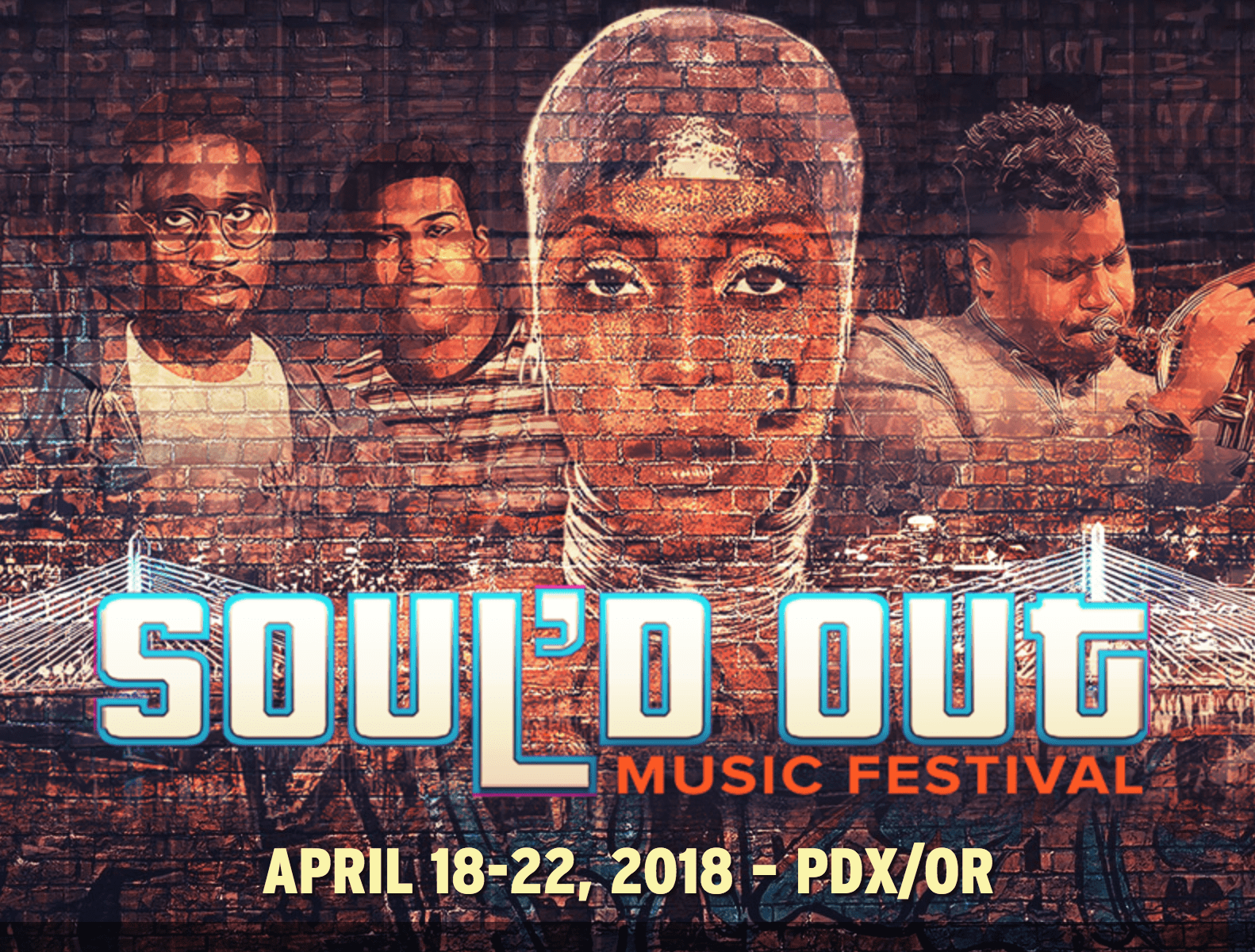
In case you forgot – Coachella starts this weekend. One festival is daring to go up against the mega-fest. Portland’s Soul’D Out Music Festival is suing Coachella organizer, Golden Voice, for creating an unfair monopoly due to their artist restrictions. The flower-crowned festival’s radius clauses mean that Coachella-billed musicians cannot play other events within a certain distance. Artists like SZA and Daniel Caesar were forced to decline performance at Soul’D Out due to the rule.

That New New

Badass-babes unite! are Janelle Monáe & Grimes are back with another collaboration – “PYNK” is a color-worshipping, bubble-gum pop ode to sexuality and body empowerment. Check it out in our Video of The Week column.

How we’ve missed Florence and the Machine! Yesterday, powerhouse Florence Welch gave us the gift of new music with her band’s first release since 2016. “Sky Full of Song” showcases everything fans have come to expect from the singer, and we couldn’t ask for anything better.

The ladies of rap are in command this month! Last week, Cardi B dropped Invasion of Privacy and this week hip-hop co-queen Nicki Minaj dropped not one but three new tracks, causing the Twitter-sphere to declare April 12th “Nicki Day.” Her reign continues today with her feature in Young Thug’s clip, “Anybody.”

New York favorites Gang Gang Dance released “Lotus,” the debut single off of their upcoming album. The release date for Kazuashita has just been announced as June 22nd.

Indie band Cherry Glazerr hit us with a new one this week! Watch and listen to “Juicy Socks” now and catch the band on tour with this month and in June.

Brooklyn Vegan announced other lady-fronted bands hitting the road soon, including Superorganism, Big Thief, Jay Som, Soccer Mommy, and Men I Trust. Mommy and Som have both been added as openers for Paramore this summer. Men I Trust will open for Belle and Sebastian.

Other news:

  • Late rock-soul legend Sister Rosetta Tharpe is finally getting inducted into Cleveland’s Rock & Roll Hall of Fame.
  • This week, Mariah Carey fans learned about her struggle living with bipolar disorder. Her full interview with PEOPLE is up today.
  • Kali Uchis’ much awaited  LP Isolation debuted last week and yesterday, Pitchfork released an interview featuring the “After The Storm” singer’s song-by-song explanation of the album. Uchis stopped by NPR’s World Cafe for a guest DJ session featuring her current influences.
  • In an effort to clear up the murky relationship between tech streaming companies and artists, a new bill is on the table that will establish a public database of music compositions, their songwriters, and who owns the rights to them.

[/fusion_builder_column][/fusion_builder_row][/fusion_builder_container]
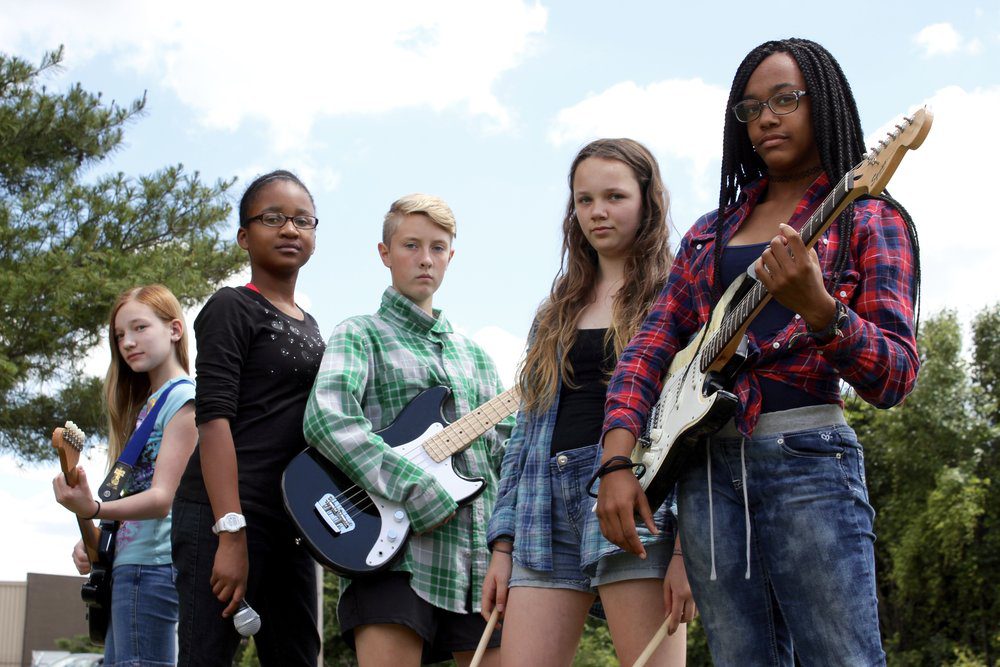
VIDEO OF THE WEEK: Drake “Nice For What” & More

It seems Drake is attempting to brand himself as socially conscious in his latest music videos.

Back in February, he released a clip for “God’s Plan” in which he is portrayed as a sort of Robin Hood character, giving huge wads of cash to people living in impoverished neighborhoods. Its message was somewhat dubious – the overwhelming self-promotion, declaring himself to be a gift from God, and Drake’s distracting display of wealth detracted from the real issues surrounding poverty. Though created in good conscience to spotlight and support impoverished communities, it juxtaposed the real struggles of its subjects with Drake’s perceived might and glory and rubbed many the wrong way.

But his latest video, for single “Nice For What,” gives us renewed faith in Drake as he takes a step back, and stands (for once) in the shadows of some of Hollywood’s most powerful women. It’s about time the hip-hop community made stronger statements in alignment with the feminist movement, given the genre’s history as one that birthed the term “video hoes,” and Drake leads the vanguard here. Featuring Issa Rae from HBO’s Insecure, Letitia Wright from Black Panther, Tracee Ellis Ross from the comedy series Black-ish, and other women dominating in Hollywood, “Nice For What” is a truly refreshing visual representation of the strength in today’s modern women.

The woman behind the lens is just as impressive as those in front of the camera. Bringing her cinematic style to the creation of Drake’s latest release, 22-year-old Karena Evans is quickly becoming a super star director. Her own female gaze captures the true willpower in these women who have fought so hard to be at the top. The song itself pays homage to the women who made a name for themselves in male-dominated industries decades before women’s marches and #metoo movements, all while celebrating another female bad-ass by sampling Lauryn Hill’s “Ex-Factor.”

“Step up, step back” is a common phrased used in communities of activists. It is meant to signify the need for those in power to step back, to make space for those who don’t normally get the spotlight. “Nice For What” is a long-awaited moment where Drake actually heeds that mantra, using his platform to raise up other artists.

Ahead of her upcoming album Dirty Computer, set to be released on April 27, Janelle Monáe she teams up with Grimes and Tessa Thompson, who was also seen in Monae’s “Make Me Feel” clip.  The video for “Pynk” utilizes feminist imagery – from pussy pants to “Grabs Back” underwear – to help Monae make a strong artistic statement.

Brooklyn performance artist and poet Nova Zef turns to her eclectic dance community to create this visually inspiring story. The video is a beautiful, movement-based piece, where bodies set in motion the poetics of Nova Zef’s latest single “Removed.”

Follow Hop Along frontwoman Frances Quinlan’s morning routine in the video for “How Simple;” this fun and emotionally light video will make you feel like jumping out of the right side of the bed.

PLAYING DETROIT: April Releases Flaunt Detroit’s Musical Depth

[fusion_builder_container hundred_percent=”yes” overflow=”visible”][fusion_builder_row][fusion_builder_column type=”1_1″ background_position=”left top” background_color=”” border_size=”” border_color=”” border_style=”solid” spacing=”yes” background_image=”” background_repeat=”no-repeat” padding=”” margin_top=”0px” margin_bottom=”0px” class=”” id=”” animation_type=”” animation_speed=”0.3″ animation_direction=”left” hide_on_mobile=”no” center_content=”no” min_height=”none”]

Photo by Landon Speers

The past week has been a prolific one for Detroit artists, with singles being released from all sides of the genre spectrum. Instead of highlighting just one, I decided to choose a few of my favorites. From Virginia Violet and the Rays’ punchy “Modern Motown” to Tunde Olaniran’s “soft femme trap anthem,” these songs model the deep talent and vast diversity of Detroit’s music scene.

“Vulnerable” – Tunde Olaniran

Flint, Michigan native Tunde Olaniran has proven himself to be an absolute force of nature over the last few years, and “Vulnerable” is no exception. Following in the vein of 2017 releases “Hunger” and “Symbol,” the newest track is an empathetic, empowering ode to self-love, delivered with a sharp tongue and set to a dreamy, danceable beat. Repeating the mantra “What love can I give if I can’t love myself / Go in and go out of this world by ourselves / I just wanna be vulnerable,” Olaniran harps on the importance on discovering your true self and sharing it with the world. And with a voice like Olaniran’s, it’s hard not to be convinced.


“Apartment Fire” – Moon King

Moon King, a.k.a Daniel Benjamin, adds to his euphoric, funk-infused body of work with “Apartment Fire.” Combining ‘80s inspired deep synths with ‘70s funk guitar patterns and a silky sweet falsetto, Benjamin creates a languid, decade-defying sound. The song’s infectious beat and mesmerizing vocals can persuade anyone to move their hips, whether they can understand the song or not. This is a plus for Benjamin, who’ll be heading out on a lengthy European tour this spring.


 “Go on Without Me” – Virginia Violet and the Rays

Virginia Violet and the Rays’ high-charged single “Go on Without Me” puts a soulful spin on the classic Bonnie and Clyde narrative. Virginia Violet uses her robust vocals to tell the story of a lovers’ heist that goes from enthralling to fatal. Her blustering eight-piece band plays an equal hand in spinning the narrative, with Tommy Porter’s apprehensive guitar riffs and a screeching four-piece horn section (Garrett Gaina, Adam Dib, Chris Kendall and Dave Vasella). It’s the perfect song to blast when you’re stuck in rush hour traffic but pretending you’re involved in a high-speed chase. 

“Haunt” – Alexander Lynch

Detroit via Grand Rapids via Norway, Michigan artist Alexander Lynch has a penchant for making sultry songs that make you want to text your ex at 11:00 am on a Tuesday. “Haunt” is one such of those songs. Co-produced with Jon Zott, “Haunt” is a weighty, synth-driven track that accurately captures the feelings of longing and infatuation. While the song’s heavy bass and synth elements recall Flume and Chet Faker, Lynch’s strong, emotive vocals place him on the border of electro-pop and R&B.


 [/fusion_builder_column][/fusion_builder_row][/fusion_builder_container]
PLAYING COLUMBUS: The Sidekicks Tease New LP With “Twin’s Twist”

Weeks ago, I teared up while hearing Columbus poet Hanif Abdurraqib read an essay about a Columbus pop-punk band. That band was not The Sidekicks, but as I listen to The Sidekicks’ latest single, “Twin’s Twist,” I can’t help but recall the essay. I am stirred, settled memories of trauma, pain, joy, ecstaticism (the whole of life) lifting like silt in water. This is just to say that engaging with art – like engaging with life! – is messy and difficult. Despite pop punk’s genre-wide problems and violence, I am drawn to it; nothing unravels me quite like pop punk does, nothing forces me into emotion quite like pop punk does, and nothing, truly, makes me want to punch my fist in the air like pop punk does.

Columbus’ music scene is rich with this music and legacy, and The Sidekicks have the unusual position of being both tied to the building of that legacy, and continuing to benefit from and challenge it with contemporary releases. They’re a prolific band: initiated in 2005, the band relocated from Cleveland to Columbus in 2012, creating and sharing three full-length albums in the meantime. Now they’ve announced the release of Happiness Hours, and if their first single is any indication, the rest of the album will hold both the sour and the sweet – both the pull towards joy, and the frustration that comes after it. “The lemon rind can reek in the summer heat / but then seem so sweet later on,” sings Steve Ciolek, halfway through “Twin’s Twist.” At the end of the song, that image of a sweet and rotten rind is further complicated: “Good morning boring town,” Ciolek sings, “we’re putting on your crown / and singing you Happy Birthday / and force feeding you meringue.”

One lyric points towards the possibility of extricating sweetness from decay; the other implies violence inflicted by sugar, by happiness, by the possibilities of “crowns.” The sound, though it sticks to bouncy guitar riffs, seems to facilitate the challenges and emotionality in the lyrics. Before their third release, much was made of The Sidekicks’ drift towards pop, rather than punk. But why shy away from pop? The music’s buoyancy, its suggestion of dancing and movement, carves out a relationship with the listener one couldn’t get with punk’s abrasion.

Happiness Hours, produced by John Agnello, will be released on Epitaph records on May 18th. One day later, on May 19th, The Sidekicks will play a release show at Ace of Cups, supported by fellow locals Kizzy Hall. That night, I hope to open myself up to both bands, lifted by the growth in their music, as well as whatever it stirs within me. I’m looking forward to the rest of Happiness Hours; to continued engagement with music; and to the possibilities of pop punk in Columbus.

NEWS ROUNDUP: LGBTQ Love Songs, Cardi B & More

NEWS ROUNDUP: Gender Bending Love Songs, Cardi B & More

By Jasmine Williams

Wedding Dances For All!

What do Bob Dylan, Kesha, St. Vincent, Kele Okereke, Ben Gibbard, and Valerie June have in common? All six musicians contributed gender-reversed cover songs to a new EP called Universal Love. In the goal of providing wedding ditties for the LGBTQ community, the compilation reimagines love songs so that they feature same-sex objects of desires. Dylan substitutes she for he in “He’s Funny that Way” while Kesha, an ordained minister who has married two gay couples, transforms a song by her idol, Janis Joplin. Listen to “I Need A Woman To Love” below.

Cardi B’s New Album Drops

Cardi B was the undisputed break-out star of last year Her meteoric rise to the top was the result of a perfect storm of millenial money moves – a reality tv show, a massive Instagram following, a lack of filters (during a red carpet interview she told Guiliana Rancic that she had butterflies in her stomach and vagina), the ability to make everything seem candidly cute (even gang spelling substitutions), and of course, sick verses. Most importantly, she’s become the figurehead of a new feminist archetype: the bad bitch.

Today, the reigning queen of hip-hop is back with a new album. Invasion of Privacy is out now and despite many months of rumors and fake-outs, the LP’s release early this morning still managed to surprise fans – songs featuring her fellow slighted Grammy nominee, SZA, and Chance the Rapper are welcome, if unexpected, additions to massive hits like “Cartier Bardi” and “Bodak Yellow.”

Cardi will make cable history on Monday when she hosts The Tonight Show with Jimmy Fallon. It will be the first time that the television staple features two MCs.

New This Week

The ladies own this week’s new releases! Audiofemme favorites, Zola Jesus, Tart, and Kim Anderson all delivered today. Earlier this week Zola debuted a new video in anticipation of today’s release of bonus and remix album, Okovi: Additions. Listen to Tart’s new track, “Like Lovers Do,” and check out Ashley Prillaman’s interview with Anderson on her debut album, Yarrow.

Azealia Banks debuted “Anna Wintour,” the first complete song off of her long-awaited album Fantasia II. We also heard new tracks from Washed Out, Rae Sremmurd, and A$AP Rocky this week. A$AP’s offering is a new “collaboration” with Moby. The techno pioneer doesn’t contribute anything new for the song “A$AP Forever,” but his late nineties hit “Porcelain” is sampled. Perhaps the credit marks a shift in the song-writing industry – “Blurred Lines,” anyone?

Coming Soon

With exciting announcements coming from various ends of the music spectrum, this week proves to be an exercise in delayed gratification. Live From Here, the variety show formerly know as A Prairie Home Companion, comes to NYC for three Town Hall Shows later this month, featuring Sufjan Stevens, Janeane Garofalo, Courtney Barnett, Neko Case, Father John Misty and more.

Sonic Youth legend Kim Gordon revealed the July 13th release date for Body/Head’s upcoming album.

The Coathangers, The Get Up Kids, and Arctic Monkeys also joined the promo parade this week: The Coathangers’ upcoming album LIVE condenses two nights of refreshingly raucous rock into one electric LP and is out June 1st; after a 7-year hiatus, The Get Up Kids debuted the first single, “Maybe,” from new EP The Kicker, out June 8th; coming off of a slightly shorter break, Arctic Monkeys spilled the details on their new album Tranquility Base Hotel & Casino, which is out May 11th and is the band’s first album in five years.

Last but not least, the indomitable Grace Jones gets the documentary treatment next week. For Bloodlight and Bami, director Sophie Fiennes was granted intimate access to Jones’ life and even trailed the boundary-pushing performer on a trip to her native Jamaica. You can watch the doc on April 13th.

A couple of days later, score tickets to see more music legends on the big screen. The Beatles’ Yellow Submarine will be back in theaters in celebration of the 50th anniversary of the film.

But for those who can’t wait for their next music film fix, Flatbush Zombies and The Shins both premiered long music videos this week. For even more clips, check out Desdemona Dallas’ column for Audiofemme, Video of the Week.

VIDEO OF THE WEEK: Cardi B “Bartier Cardi” & More

Photographer turned fashion star turned director Petra Collins is a perfect artistic match for stripper turned reality TV star turned music tycoon Cardi B. The two internet sensations have risen to the top of their male dominated industries, and their latest collaboration on Cardi’s new single “Bartier Cardi” is the perfect female response to how the world of art is changing, and how the feminine perspective is beginning to take hold at the upper echelon of pop culture.

Cardi and Collins first collaborated in January, on the cover of CR Fashion Book Issue 12. Collins’ identifiable style, which has become renowned in the world of fashion and art photography, is a soft, glowing, diamond studded take on the female gaze. When in front of Collins’ lens, Cardi herself takes on a softer look, without sacrificing her strength as a powerhouse performer. It’s a side of Cardi her fans may not have seen before. And with her much-anticipated debut album Invasion of Privacy dropping tomorrow, April 6th, there are sure to be many sides of Cardi we have yet to see.

In a brand new video for “Broken Clocks,” off last year’s Ctrl, SZA reminds us that it’s still summer somewhere, even though we’re currently stuck in the longest winter of all time. Follow through with your viewing for a plot twist end to the woozy joint.

A Vacation in Hell, the latest album from Flatbush Zombies, comes out April 6th. The crew created a medley video for the album’s release, which chronicles each being visited by their own worst fan.

Yep! They’re back. The indie-rock favorites, who haven’t released an album since 2015, will release 7 on May 11th via Sub Pop and Bella Union. “Dark Spring” is the third single from the record, following “Lemon Glow” and “Dive;” the abstract compilation of black and white images that accompanies it creates a textured ride through chaos and form.

Billie Eilish collaborates with the YouTube channel Colors on this stripped down video. The minimal aesthetic Colors maintains across their platform allows the young singer-songwriter to truly shine in the absence of an embellished production.

PREMIERE: Kim Anderson Debuts “Yarrow” LP

[fusion_builder_container hundred_percent=”yes” overflow=”visible”][fusion_builder_row][fusion_builder_column type=”1_1″ background_position=”left top” background_color=”” border_size=”” border_color=”” border_style=”solid” spacing=”yes” background_image=”” background_repeat=”no-repeat” padding=”” margin_top=”0px” margin_bottom=”0px” class=”” id=”” animation_type=”” animation_speed=”0.3″ animation_direction=”left” hide_on_mobile=”no” center_content=”no” min_height=”none”]

photo by Andreas Hofweber

Debut albums are an interesting lot. Oftentimes, they’re described as a “freshman effort” in an attempt to explain work that isn’t fully realized. Sometimes, they are the product of years, finely tuned and immaculately coiffed, a near-perfect reflection of an artist coming into their own. Kim Anderson’s debut album Yarrow is quiet and introspective, it’s subject matter lying at the crossroads of New York City and nature itself; we’re pleased to premiere the record in its entirety below a day before its release on Biophilia Records.

It’s in the small, intricate details that Anderson truly delights. “In this place we turn from girls to women / Streets like fingers reached out after us / The car alarm screeched with some crazy rhythm / A song we felt we were the guardians of,” Anderson articulates with care on the track “By the River.” There is a plodding, steady quality to the record: it’s a soundtrack meant to accompany a day spent by yourself.

We sat down with Kim and talked about her jazz musician parents, being raised in New York City (before the Highline was a thing), and how her label promotes volunteering as a integral part of being an artist.

AF: You grew up in New York City, raised by jazz musicians. It sounds like a very romantic upbringing. Did you take an interest in music early on?

KA: Always. I can’t really remember learning to play piano, exactly, although I know I had a few lessons. I was terrible at practicing, because I was always just making stuff up. The first songs I can remember playing are weird little melodies I made up on the piano.

AF: So you leaned toward the avant garde! At what age did you begin to really construct songs?

KA: Probably around nine or ten. I was also listening to the radio, too, so much to my jazz-playing parents’ chagrin, the first complete songs I wrote were clumsy pop songs. It wasn’t until a few years later that all that interesting music they played and listened to started to influence me more directly. I still have a big place in my heart for both great jazz and a really catchy, concise pop song.

AF: You went to school at the New England Conservatory in Boston, MA. How did you come to study West African music?

KA: My immersion in the music and dance of West Africa, particularly from Ivory Coast and Guinea, started when I was about 14. One advantage of a great big cultural center like NYC is that people who are masters of their craft come here to teach. And that’s where I got really lucky – there was a dance and drum school just north of Union Square that focused on West African music and dance traditions, among other things. The teachers were phenomenal. A friend brought me to a dance class, and I fell in love.

Today I’ve definitely fallen off my dance game, but I still do manage to take drum classes here and there and participate with a NYC-based Ivory Coast dance and drum company. It’s a kind of apprenticeship, in a way; it’s a great honor that they let me sit in with them and learn as I play.

AF: Yarrow is your debut album. You crowdfunded on Kickstarter to get the initial funds. What was that experience like?

KA: Humbling, first and foremost. I knew I had a community that would support me, but I didn’t know how much of an outpouring of support I would get until I tried it. Anyone who’s crowdfunded a project can speak to the fact that it is both really moving and also very exhausting! Not that I’m complaining. But promoting your project, reaching out to people, following up, making update videos – it felt like a full-time job. Nowadays, when artists don’t have the revenue sources they traditionally did from hard-copy album sales, we’ve got to innovate. Find patronage in our own ways. And both the Kickstarter and my partnership with Biophilia Records have been part of that journey for me.

AF: I’m fascinated with your record label – is it true that they require artists in their contracts to volunteer?

KA: Absolutely! Biophilia is the brainchild of Fabian Almazan, a great musician who was looking for a way to support other musicians he cared about, and doing so in a way that would create a minimal environmental footprint, even be a positive conservational force one day. So all artists volunteer for a certain number of projects – river cleanups, tree-planting, hands-on things.

This was a no-brainer for me because I’ve spent the past seven years or so helping to manage a community garden I co-founded in Bushwick, Brooklyn, and promoting cooperative green spaces and gardens in urban environments like NYC has been a lifelong passion of mine.

Biophilia produces no CDs, which are made with plastics that are nearly impossible to recycle; instead, they produce beautiful hard-copy liner note foldouts called Biopholios. A download code on recycled paper, with the lyrics and album art that a CD or vinyl would normally have.

AF: Nature seems to play a part of Yarrow. The album has a gentle, wistful feel to it, like walking through the woods alone. It’s a difficult feeling to describe. I want to write the word melancholic, but it’s really more uplifting than that. Can you tell us a bit about the themes on this record?

KA: There are definitely literal references to flora and nature in general throughout the record, through the lens of a child in the middle of a great big city. If you grow up instinctively drawn to nature and you live in a place like Hell’s Kitchen, you find it in strange corners. Community gardening was one way of connecting with nature, but I also did a great deal of wandering, and songs on the album like “Yarrow,” “By The River,” and “The Arriving” are inspired by experiences I had searching for solitude, and a place for introspection, in New York.

For example, before the Highline in Manhattan was the magnificent park that it is, it was just an empty elevated railroad track, floating above the West Side of Chelsea. I used to sneak up there (it was closed to the public then), and sit and write. Many decades of abandonment had allowed a kind of scraggly ecosystem to begin taking hold, wildflowers and weeds growing up between cracks, a few small trees here and there. And really beautiful graffiti. The stark contrast between the silence of the elevated, empty Highline and the roaring trucks of 10th avenue resonated really deeply with me.

AF: How does the introspection on the album translate to the stage? Do you find the audience leaning forward, really listening intently to the lyrics?

KA: Onstage, it’s pretty intimate. It’s not a big, loud spectacle. People do tell me that they connect very much with the lyrics of certain songs, and I think that anytime you work hard to translate an experience that’s true into words, it will resonate with an audience, whether they’ve had the exact experience you’re singing about or not.

AF: What advice do have for a young musician still struggling to find their voice?

KA: I’m still on that journey myself, so I’m not sure if I can really speak with authority on that. But I do acknowledge that the struggle to make ends meet, to keep up with social media and a virtual life, to be a “productive” member of society, can be distracting for a person who is a creative soul. I say this to myself as much as anyone else: if it’s music you love, treat it with reverence, and find the time to make it. Even if it’s hard at times.[/fusion_builder_column][/fusion_builder_row][/fusion_builder_container]
ONLY NOISE: When You Walk

There is certain music that you share with close friends and family. Music that scores the first dance at your wedding, albums you recommend to your sister, and songs that make your dinner party mix. There is music that feels inherently a part of a communal experience, and necessitates sharing immediately. And then, there is the music you hold close to your chest like a winning hand. The work of Bill Callahan and Smog has always felt like the latter to me, and maybe I haven’t so much held it close as I have ingested it completely.

I initially associated Callahan’s work with the friend who introduced me to it, but over time it’s started to feel like my own discovery. That friend and I have only ever communed with Callahan’s music together once, and that was nearly two years ago. We saw him in concert in the summer of 2016, during the little residency of gigs he did at Baby’s All Right. Theoretically the live performance is the most intimate and collective way to experience music, but even then it felt as if we were alone in crowd, together.

Despite my attempts to share Callahan’s music with other people (none of whom have latched on as ferociously as I did), I have spent the most time with his music in my bedroom, or alone in the kitchen doing dishes. This is very similar to the way I enjoyed music as a teenager, and it begets a certain kind of isolationthough at times I can’t tell if I’m responding to the alienation of Callahan’s characters, or projecting my own sense of it onto his songs. Either way, his music has reached me alone for the better part of two years, in moments of stillness and domestic routine: folding laundry, writing, cooking dinner. For me, his records exist in a permanent state of solitude, which is a state that suits me pretty well. But in light of a recent news break, my relationship with his music is taking a new, more public turn.

On Sunday, Callahan’s longtime record label Drag City dumped the majority of their collection on Spotify, Tidal, and Google Play. The label had already released a portion of its catalogincluding the discographies of Bill Callahan and Smogon Apple Music last year, but due to my distaste for the platform’s user interface (and general distaste for change), I stuck with Spotify, figuring that physically purchasing Callahan’s records on vinyl and listening to that 2001 Smog Peel Session on YouTube for a 408th time would do just fine. But downloading the entirety of Callahan’s output moments after it appeared on Spotify allowed me to do something I’d never really done before: take it outside and walk with it.

I was walking when I got the news, actuallyheading down Dekalb avenue to meet with Audiofemme’s Annie White and Lindsey Rhoades. I don’t typically listen to music when I walk for a number of reasons, but every single one of those reasons flew out the window when this piece of information fluttered into my Twitter feed. As it turned out, Bill Callahan’s enormous, three decade-deep body of work had been in the palm of my hand for over an hour, and I hadn’t even realized. In a snap of instinct, I located Smog’s 1999 album Knock Knock, and cued up “Held,” a song I’ve always felt sounds like a heavy trod. I’ve listened to this track countless times, but hearing it in a state of motion, chugging down the sidewalk on Easter Sunday, I could pick out crisp details that had been muddied by my indoor multitasking for years. The song’s screeching stretches of guitar and the rumbling percussion seemed to propel me forward with amplified force, and I was surprised by the thudding impact of piano late in the track.

It occurred to me that I’d been missing out on an entire conversation with some of my favorite music, and though I don’t love the lack of spatial awareness that comes with walking around New York with headphones on, it seemed necessary to investigate this exchange further. At least if I got hit by a car, I’d die listening to something I love. On a morning trek to Jackson Heights, Queens, I played my favorite Smog LP, 2005’s A River Ain’t Too Much to Love in its entirety. This record is bursting with naturalistic imagery; there are forests of pine, sleeping horses, and rushing streams. These may not be the kind of visuals that spring to mind when you think of Jackson Heights, but the contrast only seemed to beautify the songs and setting. I walked along Junction Boulevard to the tune of “Rock Bottom Riser.” It was a bright day, and I was surprised that I’d never fully absorbed the painterly imagery of the sunlight Callahan conjures with only a few words: “And from the bottom of the river/I looked up for the sun/Which had shattered in the water/And the pieces were raining down/Like gold rings/That passed through my hands.” The sun in my part of the world was passing through windows of the 7 train and bare branched trees, but it wasn’t any less glorious that day.

This new context of listening has allowed me to reach into different corners of Callahan’s songs, inspecting them from all new angles. But the funny thing about hearing his music while walking among other humans is that it kind of reaffirms that original feeling of isolation. Songs like “Teenage Spaceship” and “Ex-Con” comment on this sense of public seclusion. Callahan wrote the former during a period of nocturnal restlessness; he would go for walks around his parents’ neighborhood late at night, noting his sole presence among the stars and the house lights. Listening to it now, having walked at night with it pulsing at top volume, the image of someone strolling in the dark is undeniable. “Ex-Con,” from 1997’s Red Apple Falls touches on this subject more directly. It is notably more upbeat than “Teenage Spaceship,” and its staggered bleats of horn and synth beckon a brisk gaitbut its lyrics act as proverbs for the Outsider. “Alone in my room, I feel like such a part of the community,” sings Callahan. “But out on the streets, I feel like a robot by the river.” Then again, that’s a pretty good summation of New York City sidewalks: millions of people, alone, together.

PLAYING DETROIT: Tart Premiere New Single “Like Lovers Do”

Detroit shred-pop band Tart meet us at the end of cuffing season with the release of their sexually-charged single, “Like Lovers Do,” a lo-fi, lusty track about the electric feeling that comes with a new crush. The trio, comprised of Zee Bricker (vocals), Adam Michael Lee Padden (guitar), and Donny Blum (drums), achieve their gritty sound by layering Padden’s rollicking guitars and slightly distorting Bricker’s sweet and snarly vocals. The combination of the two result in a genre-bending sound that lies somewhere between New Wave, surf-rock, and power glam-pop.

Bricker says the song’s angsty vibe sprouted from a typical band-practice spat. “Donny was being a perfect angel – it was really Adam and me fighting about something dumb at practice,” says Bricker. “We occasionally butt heads creatively. Donny started playing this awesome beat and Adam was super frustrated, so he started hitting chords really angrily and dramatically. And, for whatever reason, this all made perfect sense to me so I told them not to stop.”

The band’s heated jam sesh translated well into a fiery infatuation anthem, at times almost mocking conventional courtship rituals. “We could shake hands like lovers do / Make plans like lovers do / Take it slow like lovers do,” Bricker sings with an eye roll that can be heard through the speakers. After a face-melting solo from Padden, the song breaks down into a sickly sweet Bricker singing, “I could be gentle / I could be calm / I could be cool for you,” as her vocals slowly work back into a blustery fever dream, guided by Blum’s rousing drum beat.

Ending on a single note from Padden’s warbly guitar, the song leaves us breathing heavily and wanting more, almost as if we’ve got the hots for a new flame. In Bricker’s own words, “The song’s about desire, but in the least melancholic way possible. It’s less about longing and pining, and more about feeling desire as a bubbly, exciting heat in your body. It’s not about love, it’s about crushes.”

HIGH NOTES: Music Can Completely Alter the Course of a Trip

I’m in a living room overlooking the water in Vinkeveen, The Netherlands, surrounded by a dozen people tripping on ayahuasca, when the ceremony’s leader approaches my bed. “This song is for you,” she says. “I’m being guided to come to you.”

She sits down in front of me and looks into my eyes as Libby Roderick’s “How Could Anyone” plays:

How could anyone ever tell you
You were anything less than beautiful
How could anyone ever tell you
You were less than whole
How could anyone fail to notice
That your loving is a miracle
How deeply you’re connected to my soul

I’ve spent the past two ceremonies understanding the impact of my hypercritical parents’ words, and these are the exact words I need to counter them. Tears fill both our eyes as she says, “I’m crying for the same reason you are,” and we hug and cry and hug and cry.

Two months earlier, in the jungle of Yelapa, Mexico, I complain that I can’t feel the ayahuasca. “Focus on the chants,” the retreat’s leader advises. Three shamans chant strange sounds into the darkness as cartoons appear and disappear and warp and dance on the inside of my eyelids in tandem with the rhythm.

What the people in both The Netherlands and Mexico understood was that, whether through chants or pre-recorded songs, whether through tunes or lyrics, music can alter the course of a psychedelic journey.

The ancient tradition of chanting shamans exploits our brains’ affinity for repetition, says James Giordano, professor of neurology and biochemistry at Georgetown University Medical Center. “A repetitive pattern can be grounding or evocative. Grounding can bring you to a continuous sort of neurological activity.”

The “inductive chant” in ayahuasca ceremonies intends to “put you in a trance-like, meditative state” to bring on the drug’s effects, while other chants may calm down a person in the midst of a difficult trip, he adds.

Music has the power to shape trips outside these ritualistic chants, and this isn’t specific to ayahuasca. “In aboriginal societies, music-making has often been closely linked to shamanic work: the medicine-man or priest is often also the musician,” says Mendel Kaelen, an Imperial College neuroscientist who studies therapeutic uses of music. “In our research, we have shown brain processes that music and psychedelics interact on to stimulate the imagination and intensify emotionality. In our therapeutic work, music is often described as a guide or even as a transportation vehicle that carries the listener to various places.”

This is why some designate “rescue songs” to play during bad trips, says Giordano. They find this helpful for the same reason a song we love might lift our spirits after a bad day. Whether it’s a tune we like, positive lyrics, or something we associate with pleasant memories, music alters our mood.

“Very often, you hear songs, and songs will stimulate your autobiographical memories: ‘Where was I when I heard this song? What does this song mean to me?’” says Giordano. The downside of this is that music you dislike or associate with bad memories can exacerbate a drug’s unpleasant effects.

Sometimes, the same music that uplifts you in your usual state of mind can also improve a trip. “There are a range of artists who have become excellent in creating music that help people feel calm, safe, and present in their body,” says Kaelen. “Ambient music was originally invented with this purpose in mind, but other styles – for example, calm neoclassical – can provide the same means.”

But this strategy can backfire if the music pushes down the emotions rising to the surface, rather than helping you work through them. If the song isn’t meaningful to you, it can detach you from your feelings.

“A common fallacy is to think that the best solution when someone is sad or fearful is to play happy, cheerful music,” says Kaelen. “In fact, this is likely to make it worse in most cases. At most, it may help temporarily avoid [fusion_builder_container hundred_percent=”yes” overflow=”visible”][fusion_builder_row][fusion_builder_column type=”1_1″ background_position=”left top” background_color=”” border_size=”” border_color=”” border_style=”solid” spacing=”yes” background_image=”” background_repeat=”no-repeat” padding=”” margin_top=”0px” margin_bottom=”0px” class=”” id=”” animation_type=”” animation_speed=”0.3″ animation_direction=”left” hide_on_mobile=”no” center_content=”no” min_height=”none”][the pain] but not provide a long-term solution.”

“The purpose in psychedelic therapy is to not move away from oneself but to come to greater understanding and compassion for oneself,” he explains. “Emotions carry meaning, and music can be an effective aid in tuning into these emotions constructively.”

Psychedelics can take us to places where distinctions of sight vs. sound, body vs. brain, and self vs. other vanish. I’d like to believe the folk wisdom that says even plants know this, and that ayahuasca itself guided the leader toward me during “How Could Anyone” on that magical winter night.[/fusion_builder_column][/fusion_builder_row][/fusion_builder_container]

NEWS ROUNDUP: Killer Mike’s NRA Interview, New R. Kelly Doc & More

NEWS ROUNDUP: Killer Mike, R. Kelly & More

By Jasmine Williams

Killer Mike ❤’s the NRA

While country musicians are distancing themselves from the National Rifle Association, the pro-gun lobby is getting support from an unlikely ally – Killer Mike. As half of explosive rap duo Run The Jewels the musician has never been known for his subtlety; however, he still managed to catch his fans off-guard earlier this week when he was the featured subject of an NRA interview. The NRATV segment was broadcast on March 22nd, two days before the March for Our Lives. During the 42-minute Q&A, Mike backs up the NRA, criticizes student gun-reform activists and attempts to link civil rights to the right to bear arms.

To be fair, Killer Mike has defended black gun ownership in the past so his arguments weren’t completely new and he did bring up some interesting points about the disparity in the treatment of black versus white activists. However, to choose NRATV to air his opinions was confusing and unacceptable to many; critics pointed out that his partnership with the gun lobbyists undermines some of the core arguments he makes in the interview. In fact, one of the only times that the NRA backed gun reform was in 1967 when it helped get the Mulford Gun Ban Act through. The law banned the open carrying of guns in California. It’s not a coincidence that the act was passed during the same period that the Black Panthers were rising to prominence.

Killer Mike has since apologized for some of his statements and the timing of his interview.

Is R. Kelly the Harvey Weinstein of the music industry?

Compared to the movie industry, the music world has been slow to catch onto the #MeToo movement. Case in point? R. Kelly. For years we’ve known that the R&B hitmaker was a sexual predator. He supposedly married Aaliyah at the ripe old age of fifteen and has since been accused of myriad forms of sexual abuse, starting a cult, and holding women at his home against their will. Recently released BBC documentary, R . Kelly: Sex, Girls and Videotapes has added more disturbing allegations to the musician’s list. The film features interviews with ex-girlfriend Kitti Jones, who describes how she was forced to engage with Kelly and others in a “sex dungeon” and his disturbing practice of “grooming” underaged girls.

Kelly has paid various court settlements to women over the years but has yet to be convicted of any crimes. He is currently on tour.

In other shitty-men-in-the-music-industry news: Charlie Walk is officially out at Republic Group. The record executive is the subject of an ongoing sexual misconduct investigation.

That New New:

Next month the Tribeca Film Festival will screen a new Patti Smith documentary. Horses: Patti Smith and her Band features the final concert of her 2016 tour which honored the 40-year anniversary of her 1975 album. Garbage will also celebrate an impressive milestone with a new-old release. The 20th anniversary of the band’s sophomore album, Version 2.0, will be commemorated with a reissue of the album on June 22nd.

Soul, psych, chill-out queen, Kadhja Bonet released a new track, “Mother Maybe.” It’s the first single off of her upcoming album, Childqueen, out June 8th.

Frankie Cosmos has a new album out this weekend. Vessel is Greta Kline’s third LP.

Phoenix, Real Estate, Nils Frahm, Ty Segall, and Cut Copy have all announced new tour dates.

The festival lineup for the Brooklyn edition of Afropunk is here! Erykah Badu, Miguel, The Internet, Janelle Monae, Ibeyi and many more will play Commodore Barry Park on August 25th and 26th.

A Tribe Called Quest has released their final video. Erykah Badu, Questlove, Common, Janelle Monae and many more guests pop up in “The Space Program,” an eight-minute Afro-futuristic journey that celebrates the seminal hip-hop group’s history while maintaining Tribe’s usual dose of political commentary. Audiofemme faves, Wax Idols, also have a new video out. Watch Mausoleum here and look out for their upcoming album, Happy Ending, out May 16th.

For more new music clips, check out Desdemona Dallas’ new Audiofemme column, Video of the Week.

More Music News:

  • At the beginning of this week, Chance The Rapper put attention on an incredibly racist advertisement for Heineken Light and brought up an interesting point by tweeting “I think some companies are purposely putting out noticeably racist ads so they can get more views.” He might be right – in this age of increasing political correctness and social media sharing, cultural controversies often go viral. Maybe advertisement firms are using this as a strategy; after all, no one has ever touted the industry for its upstanding morality. Heineken has since pulled the commercial but on Thursday, the beer company’s stock was up.
  • On Monday, The Associated Press reported that a toxicology report from Prince’s death reveals that he had an “exceedingly high” concentration of fetanyl in his body. The synthetic painkiller is 50 times more powerful than heroin and is a key facet of the current opioid crisis in the United States. The investigation in to the music legend’s passing remains open.
  • The Bushwick building that hosts soon-to-close venue, Silent Barn, may become the headquarters of Educated Little Monsters. ELM is a “local grassroots youth program and movement dedicated to providing artistic outlets and economic opportunity to native-Brooklyn youth of color.” The organization has launched a fundraiser to raise $50,000 to take over the space. Read ELM’s full statement and donate here.

PREMIERE: Emily Blue Unwraps Heteronormative Romance in “Cellophane”

Former frontwoman of Chicago math rock outfit Tara Terra Emily Blue has added to her arsenal of patriarchy-dismantling sugar pop with her latest single, “Cellophane.” Following the suit of her 2016 solo record, Another Angry Woman, “Cellophane” urges listeners to challenge the way they think about societal norms. Disguised as an irresistibly catchy banger, the song is both a critique of possessive relationship dynamics as well as a reflection on Blue’s habit of preferring fantasy over reality when it comes to love.

“This song is about my tendency to get really excited for the idea of a relationship, then, once I’m in it, realize it’s not the fantasy I built about this person,” says Blue. Blue’s sentiment is relatable to pretty much anyone who has been in a relationship long enough to find out their partner’s flaws, whether it’s leaving a dish in the sink for two weeks or actually enjoying The Big Bang Theory. Once the proverbial new shine has worn away, you can’t help but look back on the golden days when you thought that person was perfect. In Blue’s case, that was before her partner started treating her like a possession – a little more severe than poor taste in television.

“Don’t you wish everything was still like it was back then / When I could call you anything I wanted to, my lover and my friend / And you would not possess me / when you would undress me,” Blue sings in the opening lines of “Cellophane.” Blue explains that the line refers mainly to male/female relationships. “Especially in heterosexual relationships, there’s this sense of ownership over your female partner, and this song is critical of that.”

However, the song’s disquieting subject matter doesn’t stop it from being incredibly danceable. Blue and co-producer Max Perenchio pulled inspiration from the King of Pop himself for the song’s infectious drumbeat and topped it with layers of bubbly synths and Blue’s salient vocals. Following in the steps of female pop transgressors like St. Vincent and F.K.A. Twigs, Blue proves that smart, thought-provoking music and party anthems don’t have to be mutually exclusive.

Although Blue’s upcoming EP is comprised entirely of songs about love and sex, Blue says “some of them are really quirky and almost parodies of types of love songs you would hear. Others are a bit more close to home.” With “Cellophane” as a strong introduction, Blue’s upcoming release is sure to be an arresting addition to the current school of female power pop.

“People think pop is lazy as a genre but it’s a science to me,” says Blue. “I really love flipping the script, because that’s when you come up with something really new and fresh.”

Listen to “Cellophane” below.

https://soundcloud.com/emilybluemusic/cellophane-1/s-qmgpE

VIDEO OF THE WEEK: Surfbort “Les Be In Love” & More

Dani Miller and her band of no-fucks-given cohorts make up the Brooklyn based punk band Surfbort. The band has quickly captured the hearts of the musically saturated Brooklyn borough, with their energetic live shows and their quirky take on punk tradtion. “Les Be In Love” is a single off Surfbort’s first EP, released with Cult Records.

Originally released on February 14th, the single is a reminder not to give love just one day a year. Miller says of the song “‘Les Be in Love’ is our anthem, a call to arms to begin the love revolution. It reminds us that love, humor, magic, and the human sitting next to you are the only antidote to the capitalist hellscape.”

The video is Surfbort’s “letter” to the love gods to end our society’s capitalist agenda and allow all to flourish in the state of love. It’s their statement to bring a little more art, friendship, music and love back into a world where idealism is often replaced by corporate greed.

Miller herself plays cupid in the video, and instead of infecting people with romance, her arrows corrupt people with a true sense of weirdness. The magic arrows take these greedsters out of their corporate suits and flashes them into a colorful world of eccentric weirdos – the world in which the members of Surfbort clearly spend most of their time.

In the video we get a chance to imagine a reality where a bunch of flying weirdos are able to transform anyone into the true super freaks that might be living beneath the suit and tie.

From their humble living room beginnings, to their debut album, the musical trajectory of this sister act has been unique. “The Kids Are Alright Film” is a medley of songs off their debut album, released on March 23rd by Beyonce’s Parkwood Entertainment label.

Gretta Kline, aka Frankie Cosmos, is deeply vulnerable about the sensations of heartache and and feeling invisible in her latest single “Jesse.” Her album Vessel is slated for release on March 30th.

From Ivy Lab, a London based electronic music group, the music video for their recent release “Cake” is a visual feast. Figures glide through shadows, choreographed by Brooklyn-based dancer Justin Conte, to glitch heavy bass.

Wye Oak’s most recent release “Lifer” is an intimate recognition of the privilege Jenn Wasner sees in her own life and has simultaneously felt uncomfortable with. The visuals are simple, drawing more attention to her words. The song “Lifer” is from their album The Louder I Call, The Faster It Runs, which is due on April 6th.

PLAYING DETROIT: Deadbeat Beat Release New Single “Bar Talk”

[fusion_builder_container hundred_percent=”yes” overflow=”visible”][fusion_builder_row][fusion_builder_column type=”1_1″ background_position=”left top” background_color=”” border_size=”” border_color=”” border_style=”solid” spacing=”yes” background_image=”” background_repeat=”no-repeat” padding=”” margin_top=”0px” margin_bottom=”0px” class=”” id=”” animation_type=”” animation_speed=”0.3″ animation_direction=”left” hide_on_mobile=”no” center_content=”no” min_height=”none”]

photo by Eileen Lee

Detroit garage rockers Deadbeat Beat released their single “Bar Talk” this week, and it is a chillingly accurate portrayal of bar-scene anxiety. The band – made up of Zak Frieling, Alex Glendening, and Maria Nuccilli – stays true to its trademark lo-fi sound on the single, with thrashing drums and warbled guitar. Glendening’s blasé delivery recalls proto-punk pioneers like The Modern Lovers and early New York Dolls, mirroring the mundane nothing-talk that inevitably results from seeing the same people at the same bars night after night.

Glendening says he wrote “Bar Talk” at a time when he was frequenting the same bar and felt disillusioned by the social scene. “I was experiencing paranoia from being at the bar too much, and having many ‘acquaintances’ that I didn’t actually know,” says Glendening. “Some nights, no one would talk to me. Other nights, people would want to know all about me and pretend like we had been longtime friends. I’ve since learned that this is just what happens at bars, but at the time it was pretty stressful for me… Also, at that time I was trying out becoming comfortable with being gay while hanging around a bunch of straight people at punk shows.”

The singer’s aforementioned paranoia is made apparent throughout the song, lyrically and musically. “You talk slick, but you’re full of dirty tricks,” Glendening sings to nobody in particular, before the song slows to a distorted crawl. The cloudy stupor is lifted as the song ends, only to transform into the sonic version of the spins, as Glendening decides to close the night with one last drink.

While the song undoubtedly captures the unpleasant cocktail of social anxiety mixed with overconsumption, it also serves as a dizzying metaphor for those meandering through the clusterfuck known as “your twenties” and a comforting reminder that punk rock is not dead.

Deadbeat Beat will head out on a mini-tour starting April 5th with stops in Columbus, Philadelphia, Brooklyn, and Detroit. The Detroit show will be part of a John Waters Birthday Bash where DBB will open for one of their favorite bands, Hunx & His Punx. See the tour dates and listen to “Bar Talk” below.

4/05/18 – Columbus, OH @ Ace of Cups
4/06/18 – Philadelphia, PA @ The Pharmacy w/ don’t
4/07/18 – Brooklyn, NY @ Alphaville w/ Bodega
4/08/18 – Brooklyn, NY @ The Glove w/ don’t
4/20/18 – Detroit, MI @ El Club w/ Hunx & His Punx[/fusion_builder_column][/fusion_builder_row][/fusion_builder_container]
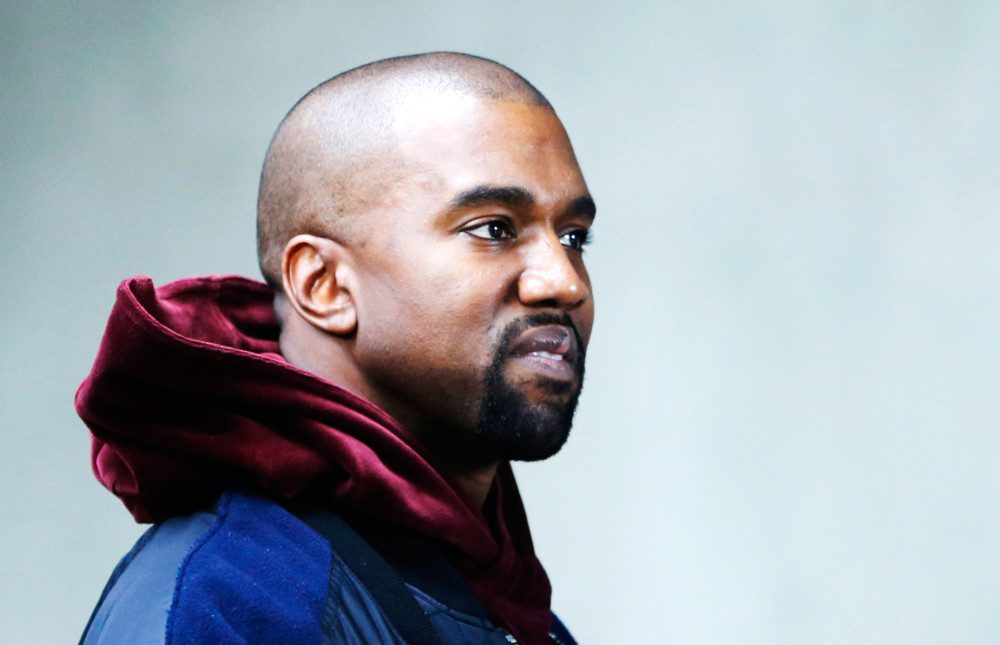
PLAYING COLUMBUS: Stems Fearlessly Fuse Prog and Hip-Hop on Debut

[fusion_builder_container hundred_percent=”yes” overflow=”visible”][fusion_builder_row][fusion_builder_column type=”1_1″ background_position=”left top” background_color=”” border_size=”” border_color=”” border_style=”solid” spacing=”yes” background_image=”” background_repeat=”no-repeat” padding=”” margin_top=”0px” margin_bottom=”0px” class=”” id=”” animation_type=”” animation_speed=”0.3″ animation_direction=”left” hide_on_mobile=”no” center_content=”no” min_height=”none”]

photo by Annie Noelker

Stems started as a high school project, but they’ve come a long way since band class. In the past year, the group – which members describe as “prog-hop” – has released an EP, two singles, and an album; they’ve been featured by Columbus’ Mouth Mag and The Dispatch; and on March 23rd they dropped their debut album with a show at Kafe Kerouac.

That album, Out of Fear, is a forceful premiere. The twelve songs, which range from a breezy 1:36 to 4:14, are decidedly ambitious in their variance. This is not a one-shot album; rather, Stems has been careful to draw from a wide selection of musical references and tools. Mickey Shuman, the group’s guitarist as well as composer, has managed to build out a full album which weaves a wide net: though tonally coherent, Out of Fear wriggles out from under genre-specific descriptors, shifting triumphantly from song-to-song.

The leading song, “Vices,” bounces between vocalist Kendall Martin’s relentless verses and an addictive, staccato guitar riff. It sets the tone for the whole album: beyond Martin’s lyrical explorations, Out of Fear navigates the relationships between disparate compositional elements. It’s reminiscent of a jazz ensemble – elements converse with each other, building the meaning of the song as they stagger in and out of focus. The additional two musicians in the group, Dante Montoto (bass) and Zach Pennington (drums), round out the quartet, grounding the instrumental conversation in a traditionalist four-piece structure.

Given the technical attention on Out of Fear, an initial instinct might be to question whether the album fits within hip-hop. But I’d argue that hip-hop has always been multiply-modal. The introduction of samples, remixing, verses, and electronic adjustment all speak to the relational quality of hip-hop and the importance of multiple voices to each track. What is remarkable about Stems’ work, then, is not the urge to expand their music but the way that expansion highlights each instrument’s vibrancy. Remarkable, too, is the ease with which Stems shifts beats and time signatures within the album, each song, and even within verses. Stems will shrug off one beat and into another so casually it’s easy to forget they’re trying something new each time.

“Out of Fear,” the album’s namesake and second single, is driven forward by an emotional and wrenchingly paced performance by Martin. “My life don’t mean the same as yours / this is America,” Martin raps, “where they judge you by your skin / and not your character.” It’s not the first stirring moment on the album, but it the careful balance Martin is able to strike between clarity, flow, and felt emotion in his lyrics and vocal performance still gives me pause each time I listen.

Stems’ emergence in Columbus comes as part of a long legacy of both hip-hop and rock in Central Ohio. And though, for many reasons, it is often not easy for youth to thrive in Ohio, it’s exciting to see bands like Stems unabashedly experiment with their releases, and to see them collaborating with other young artists, musicians, and makers.[/fusion_builder_column][/fusion_builder_row][/fusion_builder_container]

PET POLITICS: Waxing Furisophical with Emily Oppenheimer

Emily Oppenheimer slaps the bass hard, hits the books hard, and yet maintains some of the chilliest vibes I have ever encountered. She’s sharp, but let’s just say she has a warm and fuzzy side. Very fuzzy. I met Emily through the music scene, and then (like many I am sure) fell in love via social media with her late bunny Taco. Now she has an equally adorable cat whose photos I love to peruse.

Originally from a farm in the southwest, Emily seamlessly transitioned into the Brooklyn music scene, debuting in Total Slacker, later forming Debbie Downer with Heliotropes’ Jess Numsuwankijkul, and now playing in Nicole Mercedes’ backing band.


Emily brings her own style to every project she’s a part of, and her unique flare also carries over to her life as a pet mom – as is evidenced by some of the Halloween costumes she’s concocted for her fur babies. Emily may have gone from farm life and guitar to cityscapes and bass, but her love for animals has remained consistent. Check out all of the wonderful stories about (and pictures of) her pets over the years, keep an ear out for her next show, and sneak a peak at some of her book recommendations!

[fusion_builder_container hundred_percent=”yes” overflow=”visible”][fusion_builder_row][fusion_builder_column type=”1_1″ background_position=”left top” background_color=”” border_size=”” border_color=”” border_style=”solid” spacing=”yes” background_image=”” background_repeat=”no-repeat” padding=”” margin_top=”0px” margin_bottom=”0px” class=”” id=”” animation_type=”” animation_speed=”0.3″ animation_direction=”left” hide_on_mobile=”no” center_content=”no” min_height=”none”]
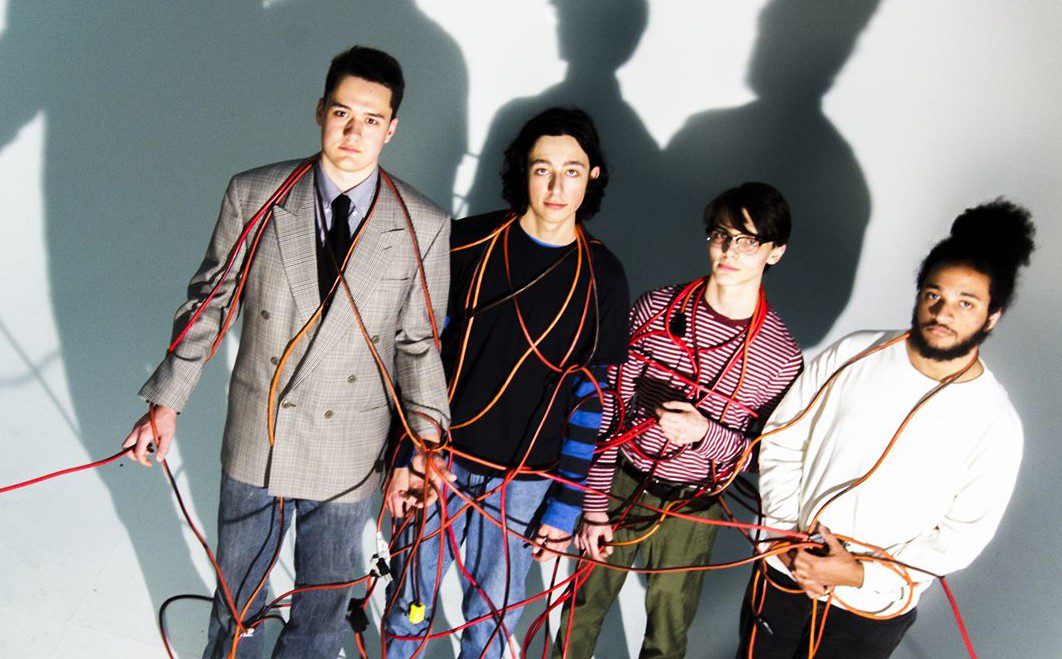
Emily (middle) during her stint with Total Slacker.

AF: What made you choose bass guitar over other instruments?

EJO: It wasn’t intentional, really. I grew up playing classical piano and then classical guitar. When I started playing rock music in Brooklyn, I thought I’d do it on electric guitar. But the first band I played in needed a bassist, and I figured it would be an easy enough transition. By the time the opportunity arose to switch back to guitar and find someone else for the bass, I had become attached to it. I used to be pretty shy and wasn’t confident performing; I liked that playing the bass allowed me to mostly hang back with the drummer when I wanted and to focus on creating texture rather than having to worry about executing flashy melodies.

AF: I think we all remember a special furry friend named Taco who passed away (RIP). Can you tell us a little bit about Taco, his personality, and how you came to be his Mom?

EJO: I had been in New York, pet-less, for two years before getting Taco. I’d grown up around animals, and the biggest culture shock I experienced coming to college in New York from New Mexico was definitely the lack of animal contact. After cycling through apartments and roommates for a while, I finally felt settled enough for a pet. I worried that my place was too small even for a cat, and was inspired by memories of a rabbit I’d had as a kid, Hopper Hoppenheimer. He was so cool. He used a litter box and lived cage-free in my room, and would do things like bite my bedclothes and run to the foot of the bed with them to wake me up in the mornings.

I started compulsively checking rabbit breeder websites and by the time I came across Taco’s baby picture, I had racked up enough baby bunny photo viewing experience to know that he was definitely, objectively the cutest. So, I put down a $15 deposit over PayPal and got on a train to some place upstate. He had been bred for show, but the pattern on his coat was asymmetrical (there was a smiley face on his left side!), so he was spared that particular indignity and came home with me. His personality was like that of a grumpy, disapproving uncle. He liked getting pets – especially cheek rubs – but only on his terms, which usually meant I’d have to lay on the floor to get on his eye-level before he’d share my affection. But he could be silly, and surprising, too. For example, he caught me off guard with his keyboard skills one night!

He was my emotional rock for over six years, the most consistent source of comfort through the weirdness of my early twenties. It was pretty devastating to lose him in October 2016, but I know that he was simply too pure a soul to withstand a Trump-era world. I’m glad that he is remembered.

[/fusion_builder_column][fusion_builder_column type=”1_1″ background_position=”left top” background_color=”” border_size=”” border_color=”” border_style=”solid” spacing=”yes” background_image=”” background_repeat=”no-repeat” padding=”” margin_top=”0px” margin_bottom=”0px” class=”” id=”” animation_type=”” animation_speed=”0.3″ animation_direction=”left” hide_on_mobile=”no” center_content=”no” min_height=”none”]

Emily and Taco (RIP).

AF: What was Taco’s favorite Halloween costume (and please share with the world some of his genius get-ups)?

EJO: I can’t say that he was very pleased with any of them, but I can show you my favorites.

Here he is as a San Loco Guaco Loco Taco (w/ Stupid Sauce), or alternately, “Sexy Taco Belle”:

And here he is as the world’s cutest pumpkin patch:

AF: I know you currently have an adorable ginger fur baby. When did you decide to adopt him, and did you choose him or did he choose you?

EJO: A couple of months after losing Taco, my boyfriend and I moved into a new apartment. We had decided to wait until the place was completely furnished and we were done feeling sad about the little guy to get another pet, but I knew our place wouldn’t be “home” until we’d found another fur-ball friend to share it with us. We had talked about another rabbit, but it was Too Soon and my bf convinced me that we were ready to start moving up the food-chain, so to speak. It wasn’t long before I found myself carrying cans of cat food around on the off chance I’d find a neighborhood stray to lure home (and in one case, unbeknownst to me, someone’s pet). How quickly I became THAT lady. So, to the shelter we went. We made a lap around the room, but didn’t feel a strong connection to any of the cats there. We did another lap, just to be sure. And I saw a cat we’d missed the first time: he’d been sleeping in the back. He made his way drowsily to the front of his cage, plopped clumsily onto his side, and as he let us scratch his chin, he slyly passed his paw under the bars of his cage to try to get at his neighbor’s food, as if he thought that by rolling over and purring he would distract us from his true goal. He made us laugh and stole our hearts. He has a terrific sense of humor. We have a photo of the exact moment we decided to adopt:

[/fusion_builder_column][fusion_builder_column type=”1_1″ background_position=”left top” background_color=”” border_size=”” border_color=”” border_style=”solid” spacing=”yes” background_image=”” background_repeat=”no-repeat” padding=”” margin_top=”0px” margin_bottom=”0px” class=”” id=”” animation_type=”” animation_speed=”0.3″ animation_direction=”left” hide_on_mobile=”no” center_content=”no” min_height=”none”]

Love At First Sight: Hugh spotted by Emily and Stan at the shelter.

It was exactly a year ago this week! This is my tubby little Garfield tiger tabby baby son, Hugh (a.k.a. Huey Lou, Huey Lewis, Hubert, Huberto, Hubert Eleanor Rigby, Mr. L, etc.). He sleeps, cries for food, eats, and sleeps. He has 3 English words in his vocabulary (yes, really). “Mom,” “now,” and “no,” all of which he uses exclusively for “food” and “more food.” His squishy little face is unusually human and expressive. He sleeps with his head on my pillow and sprawls out over half the bed each night. He spends all day lounging on the sofa like the sitcom trope of a guy who’s unemployed, hogs the remote, and eats chips in his underwear all day. He’s an egregious cat-man-spreader. He greets us at the door like a dog and cries when we go out. He loves attention, and does not at ALL conform to the stereotype of aloof and superior cats who don’t care for their owners. His favorite toys are a stuffed lobster, with which he cuddles, and a piece of string. I’ve had cats before, but none to whom I’ve been so closely bonded. I can’t believe he’s only been with us a year.

[/fusion_builder_column][fusion_builder_column type=”1_1″ background_position=”left top” background_color=”” border_size=”” border_color=”” border_style=”solid” spacing=”yes” background_image=”” background_repeat=”no-repeat” padding=”” margin_top=”0px” margin_bottom=”0px” class=”” id=”” animation_type=”” animation_speed=”0.3″ animation_direction=”left” hide_on_mobile=”no” center_content=”no” min_height=”none”]

Hugh giving Emily kisses.

AF: Does he have a favorite brand of cat food? Any human foods that are his guilty pleasures?

EJO: He is pleasantly plump already, as you can see, and has a few missing teeth (and stiiiinky gingivitis breath), so we try to keep him on a diet. He’s a Frisky’s wet food guy, but I can’t imagine he’d turn much away. He’s curious about everything we eat, and runs grunting to the kitchen every time we’re in it. Every now and then he gets a bite of chicken, and for X-mas we gave him a few pieces of shrimp, but no other people foods.

[/fusion_builder_column][fusion_builder_column type=”1_1″ background_position=”left top” background_color=”” border_size=”” border_color=”” border_style=”solid” spacing=”yes” background_image=”” background_repeat=”no-repeat” padding=”” margin_top=”0px” margin_bottom=”0px” class=”” id=”” animation_type=”” animation_speed=”0.3″ animation_direction=”left” hide_on_mobile=”no” center_content=”no” min_height=”none”]

Sleepy Hugh.

[/fusion_builder_column][fusion_builder_column type=”1_1″ background_position=”left top” background_color=”” border_size=”” border_color=”” border_style=”solid” spacing=”yes” background_image=”” background_repeat=”no-repeat” padding=”” margin_top=”0px” margin_bottom=”0px” class=”” id=”” animation_type=”” animation_speed=”0.3″ animation_direction=”left” hide_on_mobile=”no” center_content=”no” min_height=”none”]

Playful Hugh.

[/fusion_builder_column][fusion_builder_column type=”1_1″ background_position=”left top” background_color=”” border_size=”” border_color=”” border_style=”solid” spacing=”yes” background_image=”” background_repeat=”no-repeat” padding=”” margin_top=”0px” margin_bottom=”0px” class=”” id=”” animation_type=”” animation_speed=”0.3″ animation_direction=”left” hide_on_mobile=”no” center_content=”no” min_height=”none”]

Seductive Hugh.

AF: Have you owned any other pets aside from bunnies and cats? Who was your first pet?

EJO: I grew up on a horse ranch, so, yes. In addition to horses, we had dogs, cats, chickens, geese, a mini-burro, a rabbit, a tortoise, and the occasional cow, turkey, and goat. Lots and lots of pets. Here I am with the burro, Yard Art:

I was born into a fairy-tale world of animals, so there wasn’t a first pet. But the first pet with whom I had an intractable bond was Ruby, a Rottweiler that we got as a puppy when I was just a baby. Here’s a photo of me picking her out of the litter:

In contrast to the reputation Rottweilers had, and maybe still have, she was the most sensitive and caring dog I’ve ever known. She was incredibly gentle. She would let me crawl on top of her and ride her around the house, and always let me win tug-of-war games. She even shared her dog snacks with me under the dinner table (ok, gross, I know, but it was only once and I was four!) Do you know those Good Dog, Carl kids’ books? She was like Carl. She was the best. But really, there were too many to mention here, though they all deserve a mention. I could fill an entire book with character profiles of all the great animals I’ve known and that have shaped me as a person.

AF: What made you choose the particular species you’ve parented as companions?

EJO: Space wasn’t an issue, then [/fusion_builder_column][fusion_builder_column type=”1_1″ background_position=”left top” background_color=”” border_size=”” border_color=”” border_style=”solid” spacing=”yes” background_image=”” background_repeat=”no-repeat” padding=”” margin_top=”0px” margin_bottom=”0px” class=”” id=”” animation_type=”” animation_speed=”0.3″ animation_direction=”left” hide_on_mobile=”no” center_content=”no” min_height=”none”][on the ranch]. Both of my parents are animal people, and indulged (almost) whatever curiosities my brother and I had about animals and pet ownership. To this day, it’s one of the privileges I had growing up that I’m most grateful for. I wouldn’t feel right having even a small dog where I live now (unless it’s like, eensy weensy designer dog small), without a backyard, and can’t commit to a reliable walking schedule. Cats and rabbits are relatively independent, so that’s it for me until I move out of state, one day. Which I will do, eventually, if for no other reason than for room to accommodate the pets I plan on having in the future: a pot-belly pig named Pjörk, a pair of black velvet Rex rabbits named Merricat and Constance Blackwood (after the sisters in We Have Always Lived in the Castle, by Shirley Jackson), and a silkie-breed chicken I’ll call Brenda.

AF: What was the first song you remember hearing that referenced (non-human) animals?

EJO: Probably the soundtrack to The Jungle Book. It was my first favorite movie. I think my first word was “book”, and not because I loved to read (though I did love to read).

AF: Would you say your personality is most like a cat, bunny, or dog or a combination of the above?

EJO: In reference to prevailing stereotypes about the nature of each, I share qualities with all of them; I’m loyal like a dog, independent like a cat, and scatter-brained like a bunny.

AF: How have your pets inspired your creative side?

EJO: I attribute a lot of my intuitive, emotional, and cooperative strengths – skills that I think are essential for musical collaboration – to the practice of silent communion with animals. They’ve taught me how to listen in a way that requires all of my senses and attention, and to respond instinctively without overthinking or having to rationalize my response.

AF: I noticed you are in a feminist book club. Do you have any recommendations for our readers?

EJO: Yes, I’m full of them! My favorite book club reads from this year were The Argonauts, by Maggie Nelson; Hunger: A Memoir of My Body, by Roxane Gay; and The Fire This Time, edited by Jesmyn Ward. I’d also recommend Her Body and Other Parties: Stories, by Carmen Maria Machado; Chemistry, by Weike Wang; Inferior: How Science Got Women Wrong and the New Research That’s Rewriting the Story, by Angela Saini; When They Call You a Terrorist: A Black Lives Matter Memoir, by Patrisse Khan-Cullors and asha bandele; and Ask Me About My Uterus: A Quest to Make Doctors Believe in Women’s Pain, by Abby Norman.

AF: Who are the top three female musicians who have inspired your songwriting?

EJO: Brody Dalle (The Distillers), Kim Deal (The Breeders), and Joan Jett.

AF: If these women were any animals other than humans, what do you think they would be?

EJO: Brody: hyena. Kim: red panda. Joan: raven.

Emily playing in Nicole Mercedes Band (Photo Credit: Stan Killan).

AF: Can you tell us more about your current band?

EJO: It’s Nicole Mercedes’ project; she writes all the songs. They are very beautiful hook-filled dream pop songs, but still commanding, not just background music. It’s nice to step away, a little, from the more straight-ahead rock music I’ve played to this point to something slightly more dynamic.

AF: Do you have any upcoming shows where we can catch you in action?

EJO: Catch me playing with Nicole Mercedes at Our Wicked Lady on April 26th and El Cortez on June 1st.[/fusion_builder_column][/fusion_builder_row][/fusion_builder_container]