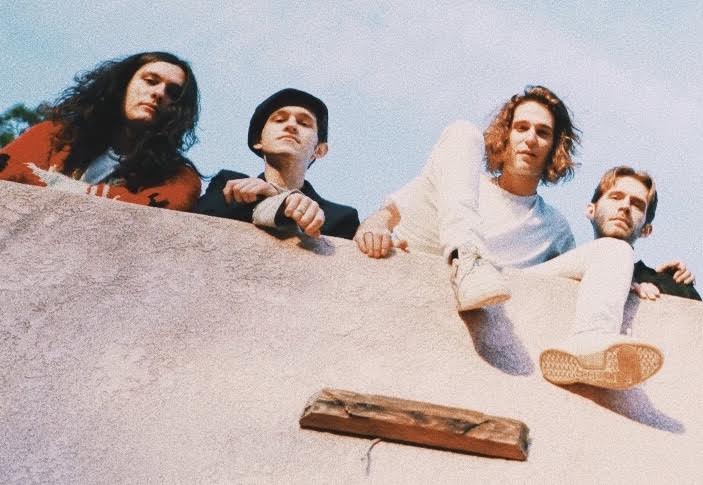
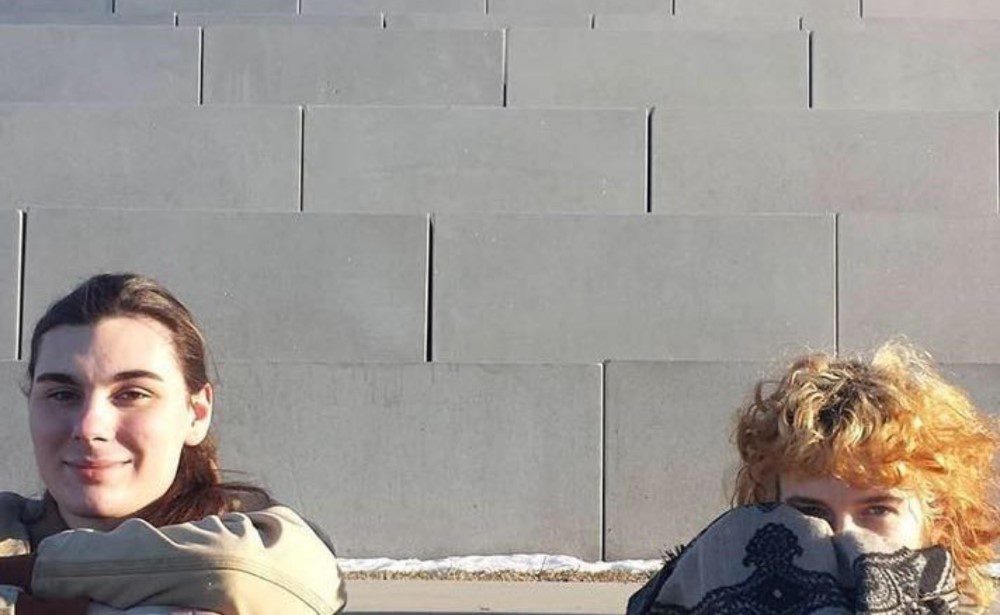
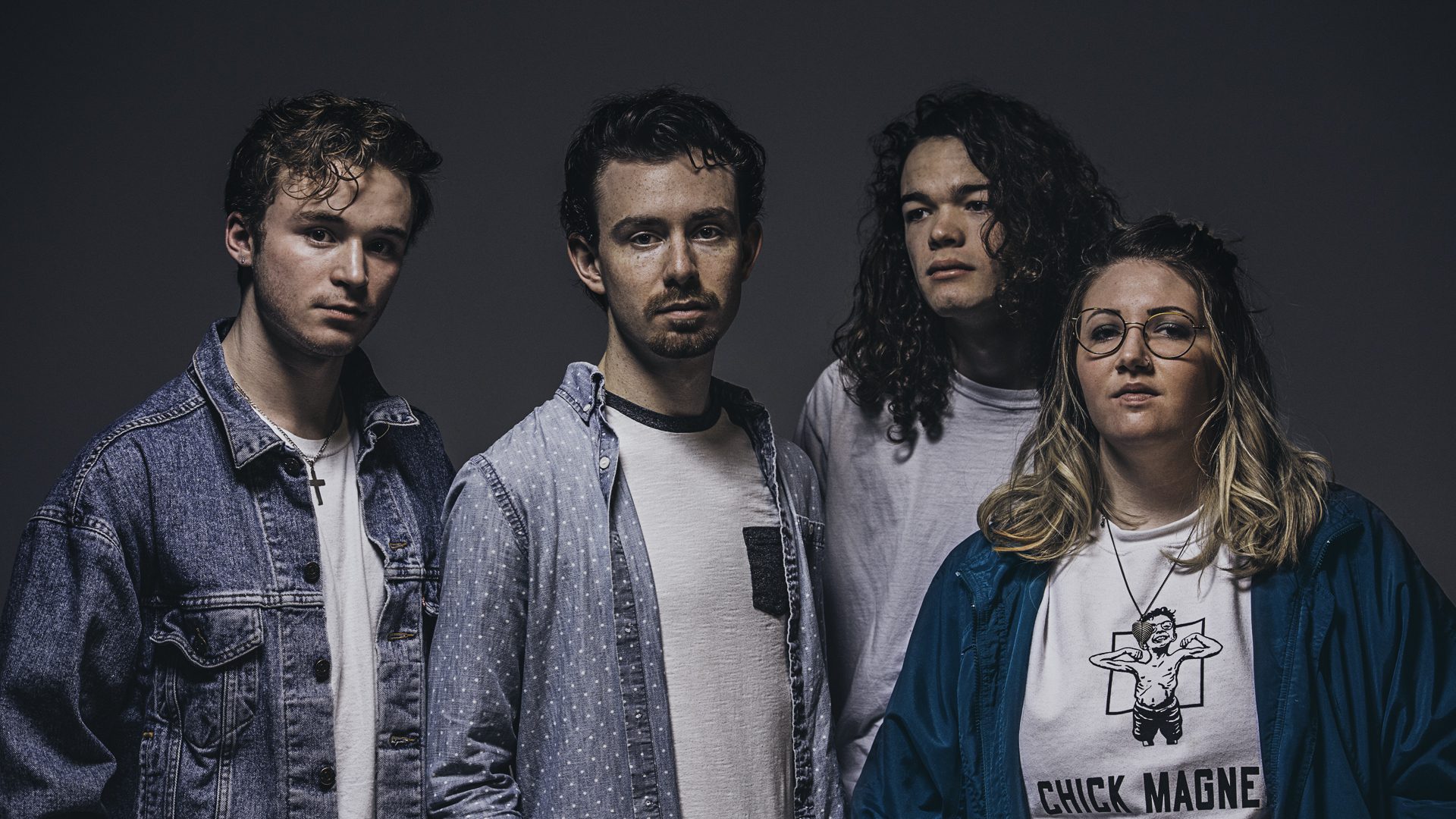
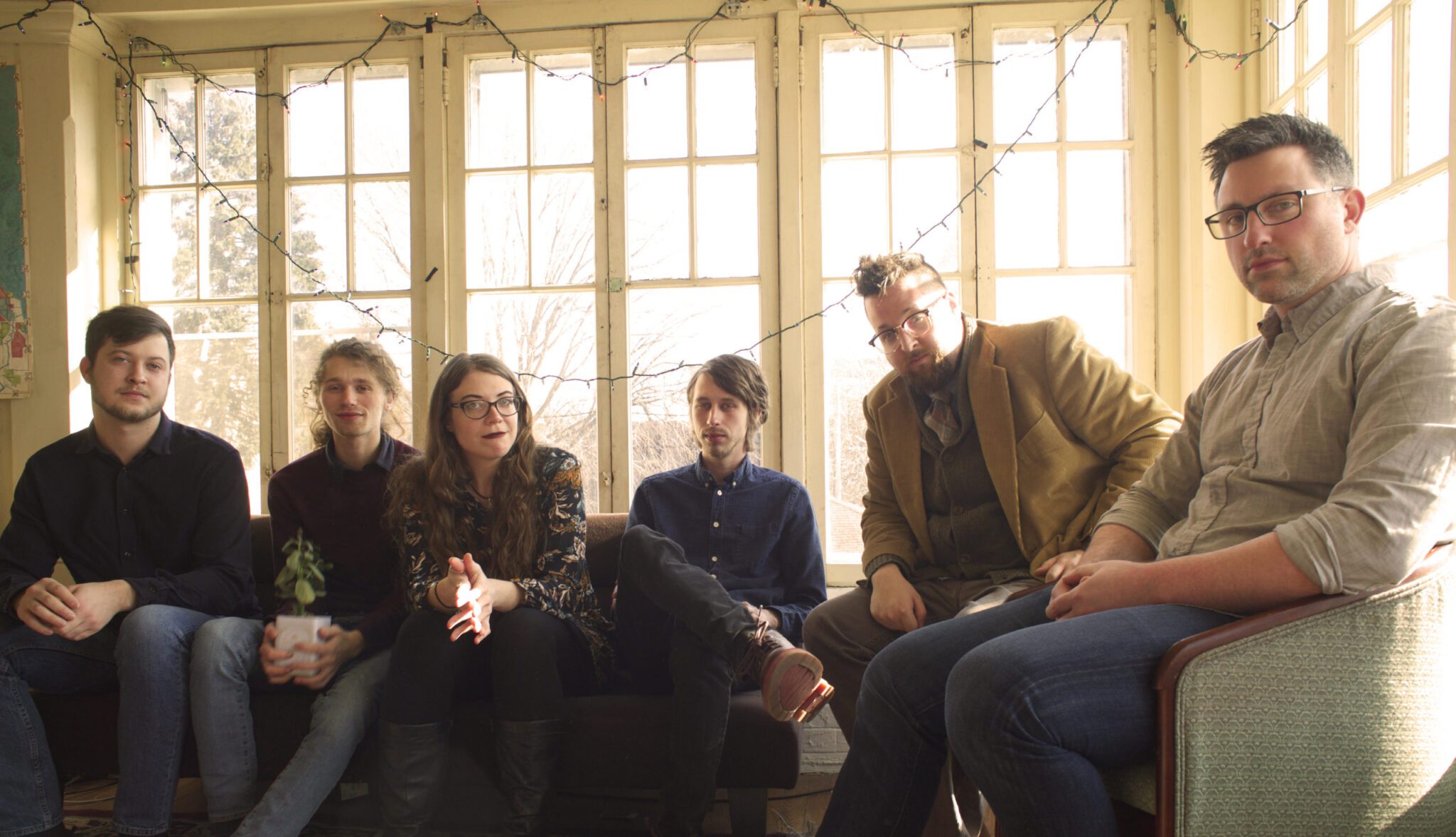
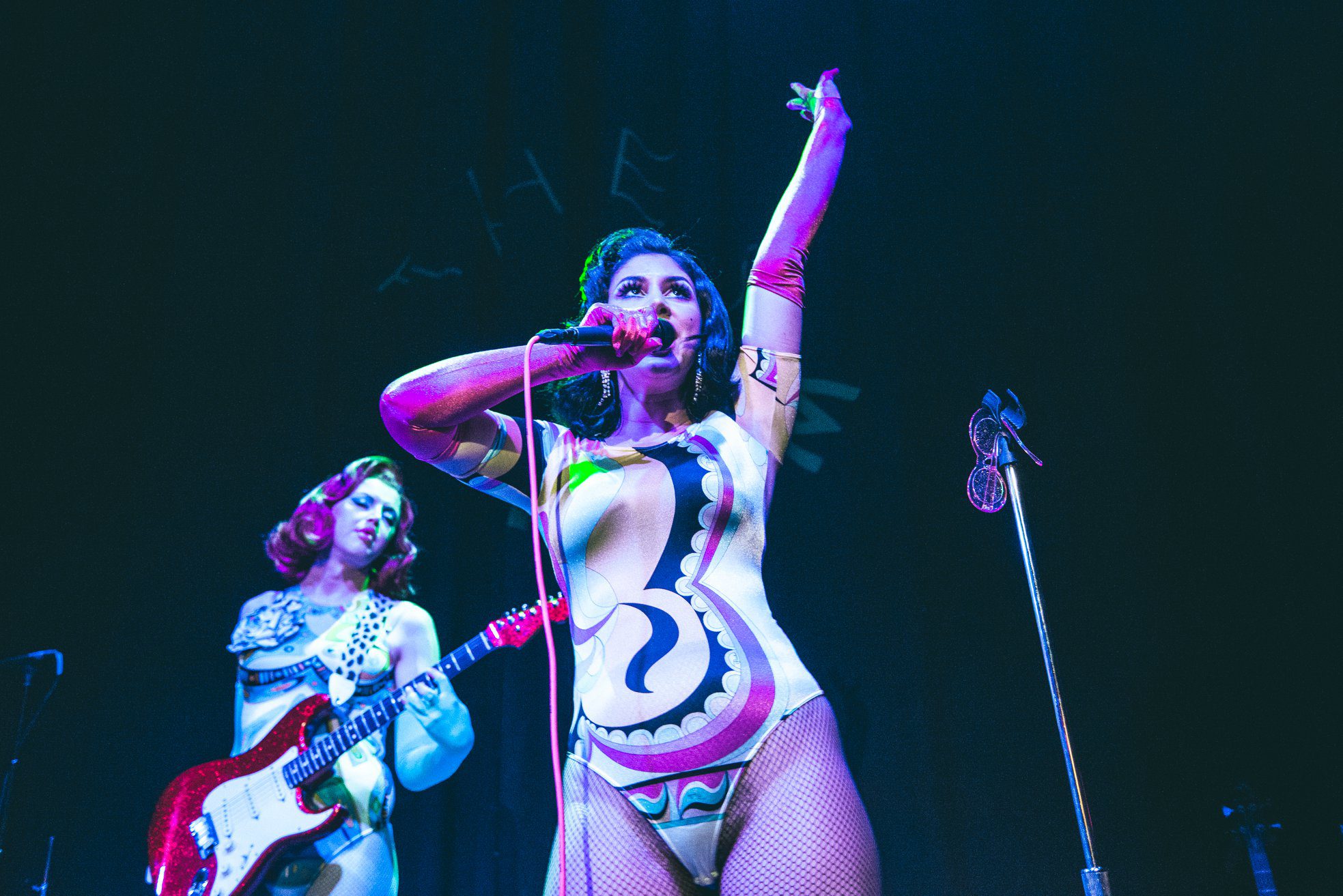
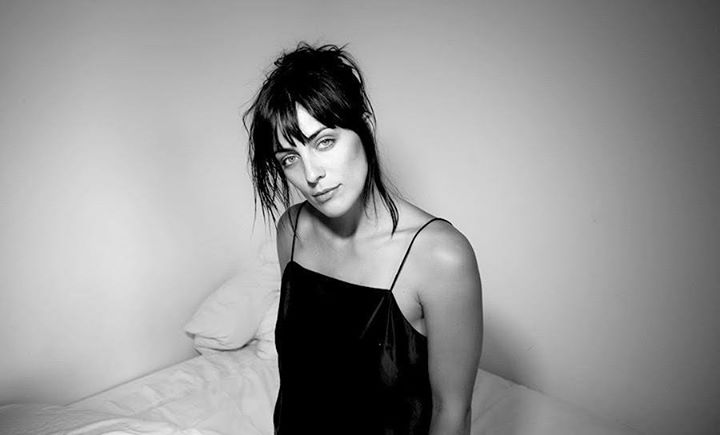
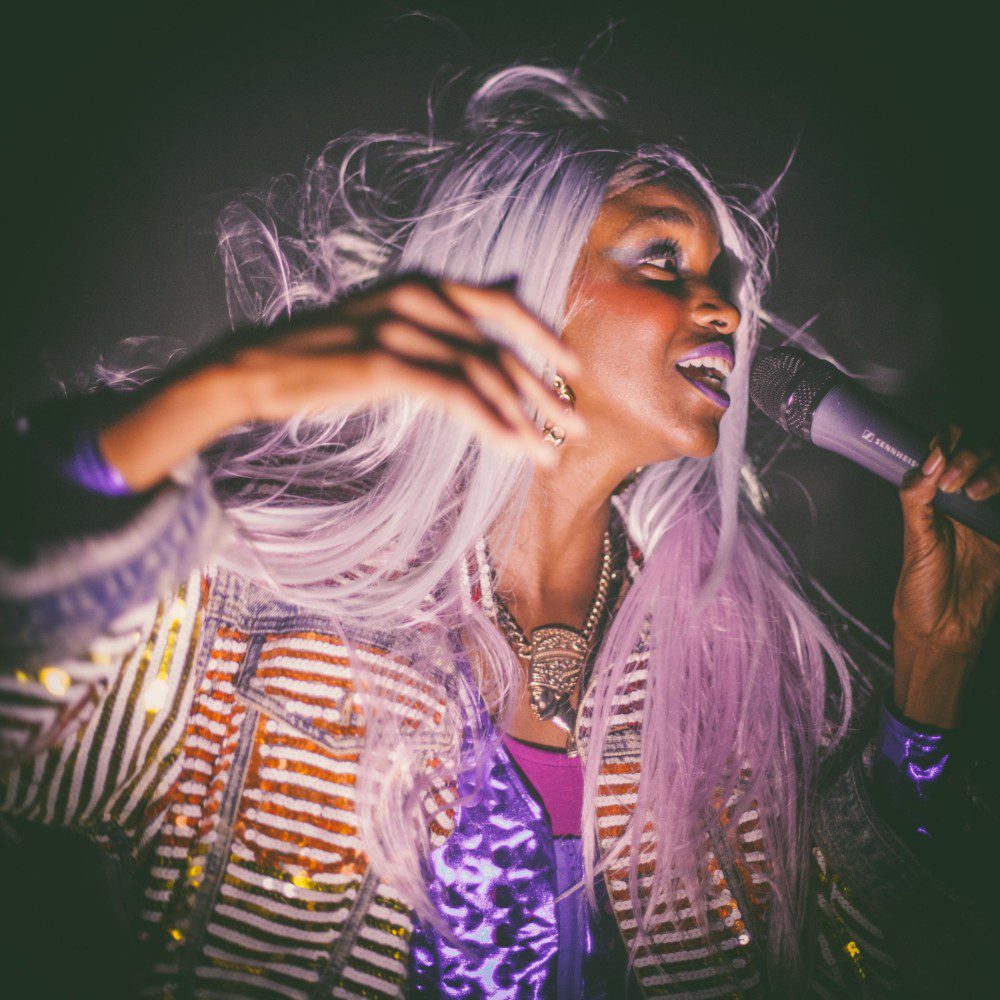
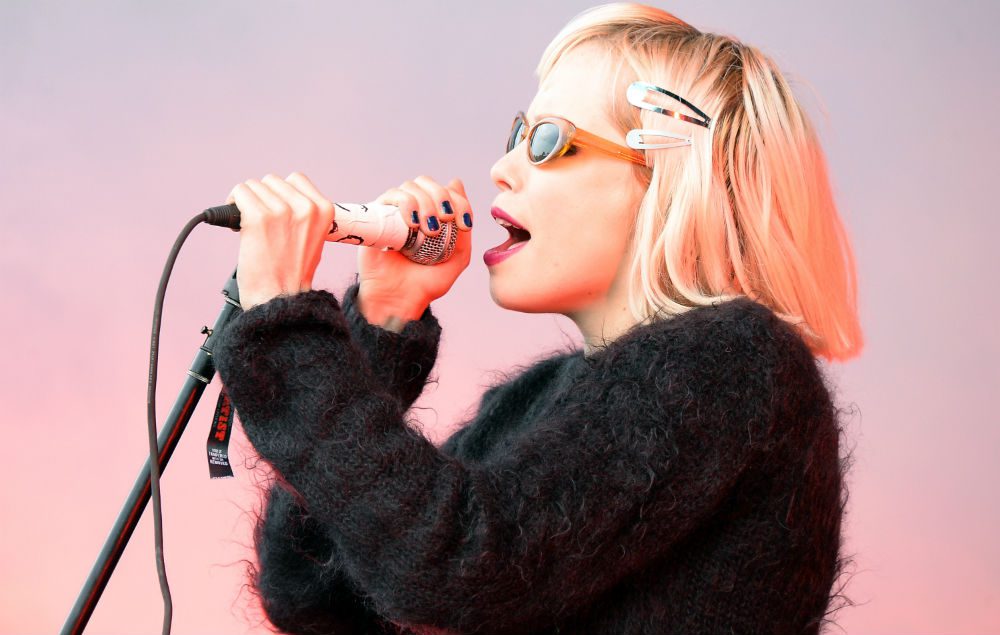
As a kid growing up in the late ’90s, I was often faced with the sad realities of having a limited CD collection. Back then, CDs cost upwards of $20 and I had neither the resources or nor the cool friends needed to expand my musical education. Instead, I pushed play again and again on those old favorites. Kid Bloom’s retro pop is just the kind of jam I would keep on repeat. Their new single “Parents House” is an electronic daydream with the right amount of nostalgic flair; it’s a song you hear once and are suddenly humming to yourself later in the day.
“Parents House” will appear on an EP the band plan to release this fall, entitled Lemonhead – no doubt another reference to a musical era gone by. It follows two EPs in as many years – 2016’s A Different State of Mind and and 2017’s A Long Kiss Goodbye.
We asked Kid Bloom about growing up in California and where they got those laid back vibes.
AF: The band is from Studio City – in fact, ya’ll went to high school together. How does the California landscape and culture play into your music?
KB: Growing up in the area, there have definitely been influences from our surroundings like sitting in traffic on the 101. Actually, the song “When I Dream of You” was written while sitting in traffic.
AF: Kid Bloom formed in October 2014. What have been your biggest growing pains as a band?
KB: Finding a way to truly find our voice and a dynamic that suits everyone. Time has only proven to strengthen our group. We are more cohesive than ever.
AF: What music has been challenging you / inspiring you to write lately?
KB: Current pop music and ’70s and ’60s pop, like Queen and Abba, have been influences.
AF: If you could perform at any music venue (we’re talking dream venue here), which one would you pick?
KB: Madison Square Garden.
AF: What do you want fans to take away from your music? Is there a message, a vibe, a general feel?
KB: We want our fans to feel inspired to go create and do whatever it is that makes them happy!
Kid Bloom’s new EP Lemonhead is set to come out Fall of 2018. In the meantime, follow them on their Facebook page for summer concert dates!
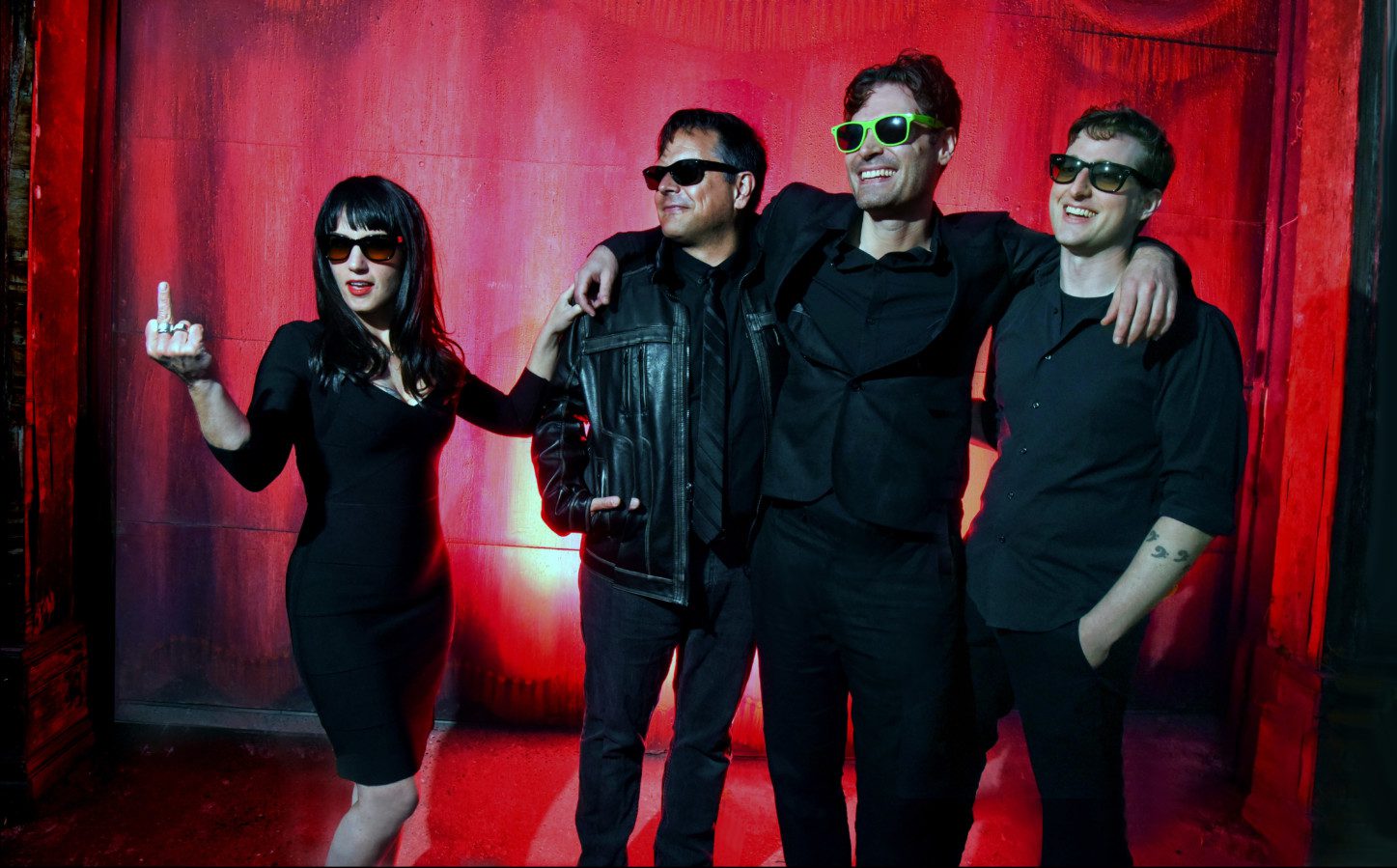
Summer’s here and it’s time for dance parties by the pool. Every year, we’re treated to albums built for rooftop fun, their core aesthetic made for hot days and warm nights by the light of a disco ball. Seattle’s disco punk darlings, The Gods Themselves embody those vibes on their new EP Glamour & Grime – the title of the record tells you all you need to know.
TGT lays out some strong licks alongside their traditional disco beats; “Big $” is a rapid-fire attack on the dance floor, drums wailing next to a steady guitar riff. Lead singer Astra Elane takes center stage on tracks like “Marilyn Monroe” and “Mark on Me”; her ability to throw her voice into the void enthralls, that pitch-perfect echo twisting, grinding its way to repeat listens. TGT told Northwest Music Scene that the album was inspired by the band’s feature on last year’s Seattle episode of Anthony Bourdain’s Parts Unknown:
“The Glamour & Grime EP was entirely inspired by our encounter with Tony Bourdain and his crew, our appearance on Parts Unknown and our trip to New York that coincided with the show’s air date. The man was kindred and turned on by the same things we were: movies, books, music and the beautiful contrasts in life, like the dichotomy of glamour and grime. We dedicate this album to him and all those who he connected with on his journey in this plane.”
Listen to Glamour & Grime below:
The Gods Themselves’ new EP Glamour & Grime is out TODAY. Buy it on Bandcamp HERE.
Last night Kanye West was involved in yet another livestream event. He produced the new Nas album, Nasir, which debuted via a listening party in Queens, New York. While many Illmatic fanboys have lit up the internet with their excitement and praise for the album, others are seeing its open-armed reception as more evidence that the #MeToo movement is having trouble gaining a foothold in an industry where some of the biggest money makers and critical darlings happen to be raging misogynists.
Wear a MAGA hat in a bi-polar frenzy and get scorned by all of the internet but hit a woman? No big deal! West has had his fair share of criticism for recent remarks and Twitter tirades but Nas has barely suffered a scratch following the April allegations of ex-wife Kelis, who claimed that the NYC legend physically and mentally abused her over the course of their four year marriage. Her accusations echo that of Nas’ ex-girflfriend, Carmen Bryan, who said that the rapper punched her in the face during their relationship.
Sony Loves You
Sony recently made $750 million from selling half of their Spotify shares and this week the industry giant pledged to share some of those profits with indie artists. Around 100,000 artists will potentially be able to take part in Sony’s new compensation program, which is outlined in a memo stating that because of the giant stakes sale Sony now has an “opportunity to pay additional compensation to all of our eligible artists and participants.”
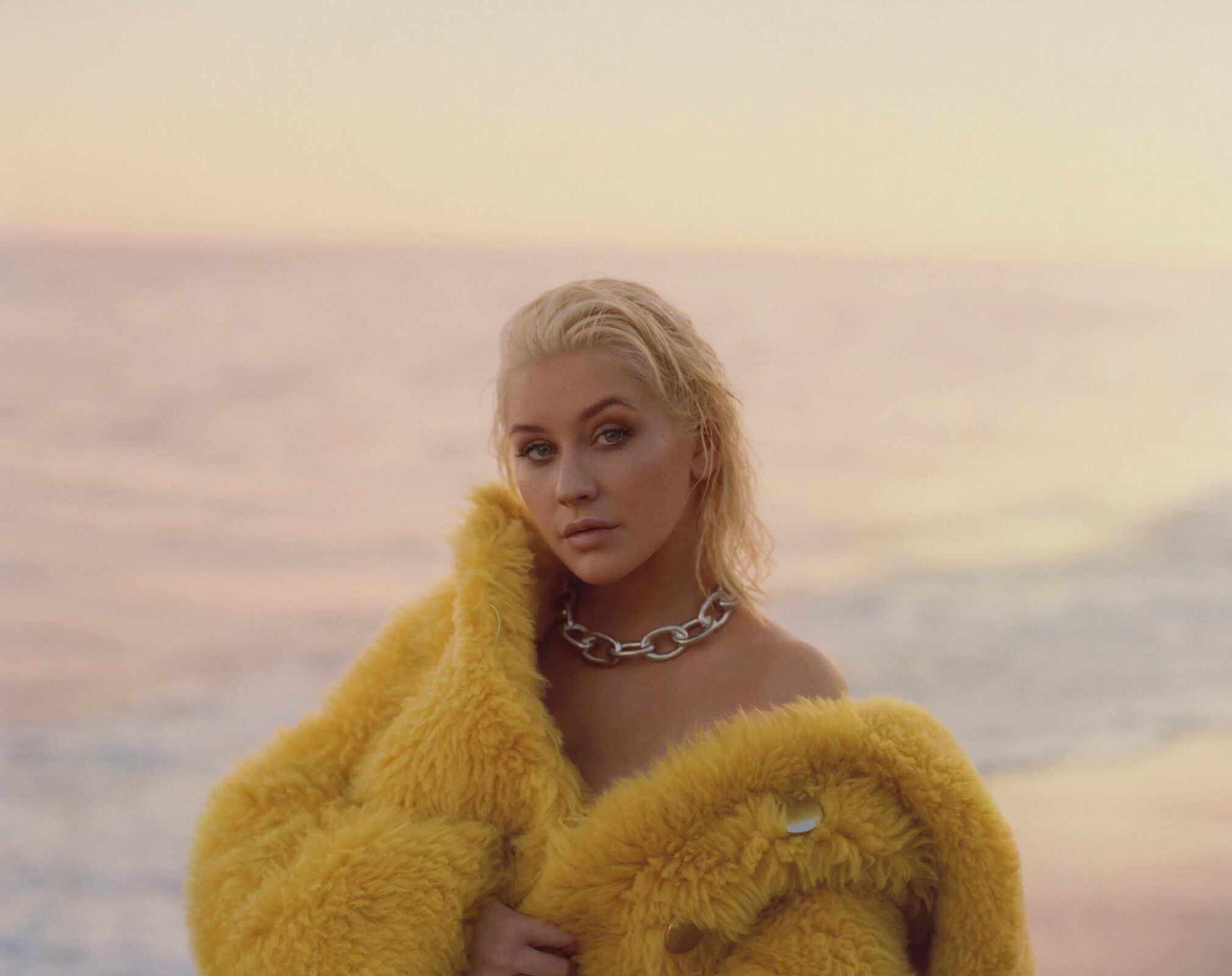
Christina Aguilera’s highly anticipated new album dropped today! It’s her first album in six years and proves that the noughties superstar is no longer concerned with your concerns. As she says in the Zoe Grossman-directed album trailer, “Fuck it, this is who I am and…whoever’s not on board can suck my dick.”
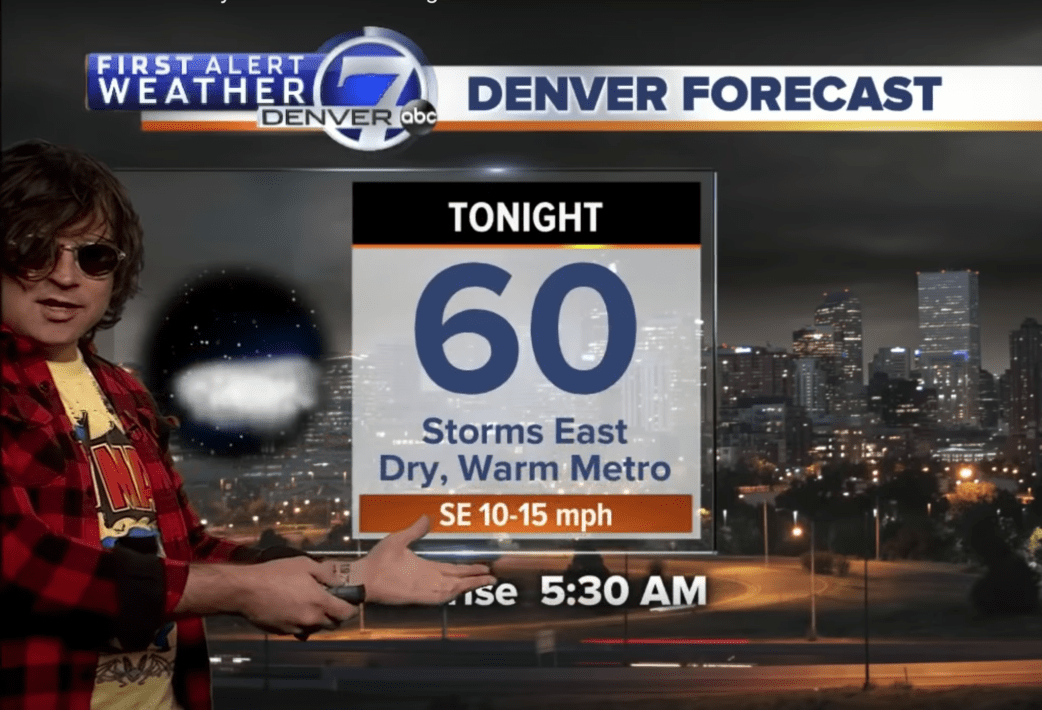
Ryan Adams went from troubadour to weatherman and back again on Wednesday night when he took over Denver7’s weather report. In exchange for letting him play forecaster, (something Adams called a “longtime dream”) the singer-songwriter wrote about Denver7 and dropped a new animated music video on their channel.
Dirty Projectors also released an animated video in support of the single, “That’s A Lifestyle.”
Drake has been accused of keeping fatherhood a secret and blackface photoshoots swept under the rug but there are some parts of his past that the rapper does not shy away from. Case in point? His latest video for “I’m Upset” features a Degrassi reunion, although some are wondering, “Where’s JT?”
End Notes
~Now concluding its 176th season, the New York Philharmonic is the oldest orchestra in the country. For all of these years, they’ve had a pretty strict dress code but that may finally change. The orchestra is now considering loosening up the rules so that female players may no longer be required to wear dress and skirts and men could possible stop wearing white ties and tails.
~Two weeks ahead of the June 29th release of her next Florence + The Machine album, High As Hope, Florence Welch gave an extensive interview to The New York Times. Of her upcoming LP She told journalist Melena Ryzik, “This one, I had a lot of joy in making it.”
When Twin Shadow released his album Caer in April of this year, it brought a sense of relief to fans – not only did it signify recovery from his bands’ catastrophic tour bus crash, the music felt like a return to form. His first two records, 2010 debut Forget and its 2012 follow-up Confess, gained him indie acclaim thanks to their epic ’80s synth pop sound, but 2015’s Eclipse saw him all but abandon his hallmark style in favor of a more pop-friendly sound. Unfortunately, Eclipse didn’t make a good, or lasting, impression on critics or fans, while the bus accident nearly ended his career in the process of promoting it.
Caer sees Twin Shadow – real name George Lewis, Jr. – return to the nostalgic sound that made his music so immediately accessible, without sacrificing his serious pop star ambitions. There’s no one track on the album that emphasizes this more than feel-good jam “Saturdays;” it even features pop rock sister act HAIM. The video for the track doubles down on the nostalgia, as Lewis digs into his childhood memories of wiling away the weekends in front of a fuzzy television set. The video follows a young George Lewis, Jr. look-alike enthralled by what can only be a direct throwback to Nickelodeon’s “You Can’t Do That on Televison” and on into the teenage intrigue scrambled late-night signals, offering an enthralling journey through the visuals that shaped Twin Shadow.
DeJ Loaf is back, and showing fans her softer side. When she broke onto the scene with “Try Me” and followed it up one year later with “Back Up,” her sound was that of a woman trying to prove herself in the male dominated hip-hop scene. But “Liberated” represents the newfound freedom she’s found in defying convention and refusing to play by someone else’s rules. It opens with a potent depiction of the Black Lives Matter movement, eventually encompassing a number of grassroots protests that have taken hold in these challenging political times. The message is clear – the only way to get “Liberated” is to do it for oneself.
With a provocatively titled new track and sensual clip to match, Anna Calvi announces her return to rock, and perhaps her intent to destroy gender roles once and for all. She’ll release Hunter, her third full-length record – the follow-up to 2013’s critically lauded One Breath – on August 31st via Domino.
Trippy Brooklyn music collective Pendulum People continues to invite audiences into their world of spectacle and illusion. This latest video for their song “Paradise” pulls imagery from their live shows, and highlights the elaborate costuming and dance the crew’s fans have come to expect.
We couldn’t be more excited about the return of Alan Sparhawk and Mimi Parker’s experimental rock project Low. This week they teased the September 14 release of Double Negative with a triptych of videos for “Quorum,” “Dancing and Blood” and “Fly.” The new songs and their accompanying clips find beauty in the dark, dramatic, and unsettling.
Late one cold Berkeley evening, troupes of East Bay’s finest music enthusiasts waited outside performance event New Wave Collective on San Pablo Ave., which poured a soft pink light on to the sidewalk. Inside awaited a lineup of up-and-coming performers – singers, rappers, and artists all ready to take their moment on stage. Out of everyone, “a flower [/fusion_builder_column][fusion_builder_column type=”1_1″ background_position=”left top” background_color=”” border_size=”” border_color=”” border_style=”solid” spacing=”yes” background_image=”” background_repeat=”no-repeat” padding=”” margin_top=”0px” margin_bottom=”0px” class=”” id=”” animation_type=”” animation_speed=”0.3″ animation_direction=”left” hide_on_mobile=”no” center_content=”no” min_height=”none”][who] could rap” stood out: Jaji Preme (also known by first name only), who immediately turned heads and reverberated a vital live performance that boomed with energy. For our first installment of Playing the Bay, we tracked her down to discuss her latest single “My Dogs,” her musical influences, and finding spiritual enlightenment; she even obliged our request for an impromptu freestyle. Check out our interview below.
This is how I wrote this review: I listened to If I Had Known for an entire day, ears devouring my headphones as I walked from my office, to get food, to my home, and again as I rode the bus downtown, where I was set to be a Legal Observer at a political action, and again on the bus home, after I observed eight arrests of peaceful protesters. I sunk myself into it, letting the songs dissolve into the day’s feelings: my fear of the aggressive cops downtown; the social distress which has crept up on me in the past weeks; the wariness I’ve felt, stepping into online discourse around Pride; the way I thought to myself yesterday: “maybe I’m too tired to be proud this June.”
––
Columbus’ Queer Kevin released If I Had Known, their debut album, a year ago, but it only became available on Spotify this week. Beyond the re-release and upload, it seems appropriate to revisit the album during this time: the group, comprised of Felix O’Connor and Dylan Reese, is set to come out with their second album soon; the multi-disciplinary arts space, Bloom, that O’Connor and others have spearheaded is set for a pop-up event on June 24th; and June seems like an optimum time to listen to Columbus voices for queer and trans advocacy and liberation.
If I Had Known is thickly instrumental, Reese’s drums and O’Connor’s bass obscuring the vocals (also by O’Connor) so that they appear to be crystallizing through fog, or wafting in from another room. It’s a haunting effect, and one which makes it difficult to discern, on the first try, exactly what O’Conner is saying. Instead, the emotional weight is carried through vocal quality and pitch–each note, weighted by the heavy bass and drum lines, seems to be dragging itself forward despite the burden of attached feelings. Or, as the pair say on their bandcamp: the album is comprised of “songs about crying, or whatever.”
––
In public, I criticize coming out narratives for the ways in which they force self-disclosure from queer and trans people, continuing the violent idea that breaks from heteronormativity must be explained away, presented to be examined. In private, I just don’t have the energy. Sometimes, I think of switching my pronouns once again, just so I don’t have to advocate for myself as often. Waiting for others to intervene drains me daily.
Last year, I celebrated pride by attending the trans march in San Francisco, working a merch table on the day of the parade, getting paid, then immediately blowing the money on a haircut. I spent thirty minutes in front of the diffused light of my curtain, taking selfies until I found myself blurred and unrecognizable. “You know how if you look at something long enough it just becomes shapes?” I asked on my instagram caption. “That’s how I feel about my face.”
––
As much as the album’s affect is driven by its composition, the lyrics, when unveiled, are equally poignant. On “La Luna,” O’Connor sings: “I fell in love with the moon / glowing against my skin / something inside of me / awoke ancient and lost [fusion_builder_container hundred_percent=”yes” overflow=”visible”][fusion_builder_row][fusion_builder_column type=”1_1″ background_position=”left top” background_color=”” border_size=”” border_color=”” border_style=”solid” spacing=”yes” background_image=”” background_repeat=”no-repeat” padding=”” margin_top=”0px” margin_bottom=”0px” class=”” id=”” animation_type=”” animation_speed=”0.3″ animation_direction=”left” hide_on_mobile=”no” center_content=”no” min_height=”none”][…] some days I am a looming cloud / and some days I reign soft / no matter the weather / she stays.” The pairing of surreal sensory detail and planetary personification is moving, and reminds me of another piece of beloved queer art: J. Jennifer Espinoza’s “The Moon is Trans.”
Other lyrics get straight to the point, though that point is no less meaningful. “We’re here, we’re queer, get used to it,” O’Connor announces on “here/queer.” The line is sandwiched between two verses with gut-punching descriptions of bodily control and implied harm, implying that the need to “get used to it” is imperative for the speaker because social discomfort and fear comes with the threat of violence. “Break my back and break my soul / kill me with every step you go / wake up cold, afraid, and alone / I am not a monster,” O’Connor sings. In the last vocal line, this lyric shifts–instead of the speaker advocating for themselves, they confront the listener. Says O’Connor: “I am not your monster.” The result of this progression, as well as the repetition of the “here/queer” refrain, is a song which simultaneously asks listeners to question their complicity in queer death and harm, and assures those same listeners that queer folks will exist despite.
––
After the trans march in San Francisco, my friends and I spent hours walking through the city, laughing through the cool summer air. In Dolores Park, we rolled down grass hills until we were too dizzy to stand. I texted my crush. I realized I hadn’t eaten all day, and we left to get burritos.
This is to say that I only know Pride in how I take care of myself, of my friends. Pride, people say, was a riot–but it was more than that, too, the public unveiling of networked safety and care that queer and trans folks had developed for decades. Riots last more than one night. They are sustained not only by sheer will, but by relationships strengthened by trust, need, the willingness to see one another, to sit at the same table. Marsha P. Johnson and Sylvia Rivera did not only throw bricks; they spent years housing and feeding the trans people, street queens, and sex workers around them. And the work never stops–despite erasure, despite the constant movement and effort needed to keep the names and histories of elders afloat, we know Johnson and Rivera’s names today through the work of another trans woman, Reina Gossett, who sustains the veracity of their legacies with her careful attention and light archival touch. Another member of Johnson and Rivera’s community, Miss Major Griffin-Gracy, has continued to advocate for trans folks–especially incarcerated trans women of color–for decades. And the legacies of Johnson and Rivera’s radical work, including S.T.A.R. house, continues to inform the community’s fight for safety and freedom today.
––
After repeat listens, I am still bowled away by Queer Kevin’s skillful instrumentation and craft on If I Had Known; the album manages to suggest a kind of intimate interiority at the same time that its insistent drum and basslines push the tone and speed of the music. The vocals, intelligible and shifting, pull the listener in, as one whispering a secret might draw their confidant close, but the musical tone is assertive, confident, dark, and driving. It is this weaving of multiple levels, emotions, and points of entry that wraps around me each time I listen; my desire to unravel and then piece the album back together is parallel to my desire to unravel and then piece my own hurts and joys and wants together.
There is a kind of desperate strength to this album that I recognize in myself, and many of the queer and trans artists around me. It is strength desperate in its exhausting and constant need, in the need to take care of one another, to make resources and love out of nothing. But it is a fierce and unending strength too, the ability to fight for yourself, for your friends, to stand and say, clearly, as Queer Kevin does on “Burn all Cis Men,” “you will not hurt me again or I will guarantee to you / you will burn / don’t touch me or it will be the end of your time.”
Most of all, the ability to fight and keep fighting is strong because it is part of a legacy of radical love which reaches back decades. On the bus, listening to If I Had Known, I think of all of the friends and family I have chosen to care for, and to let care for me. I think about how revolutions are built on relationships, and of the connective tissue that has held queer and trans artists together, and which has kept them alive, despite.[/fusion_builder_column][/fusion_builder_row][/fusion_builder_container]
When I was 16 my most essential possession was a small backpack. It was made of a simple worn-in cloth, the fabric comprised of a colorful rainbow of stripes. The colors weren’t overtly vibrant, instead dulled, to give the desired vintage effect. It was a small bag and would fit no more than a cell phone, smoking pipe – concealed in the secret pocket I had prepared in the side wall – a purse, and on beach-going days a small, portable stereo. I had a friend who poked fun at how I always looked ready for a grand adventure. Although adventure was the outward identity people perceived, the backpack was a tool of quite another design.
This small bag was my weapon of armor. It created an innocuous barrier between myself and anyone who might try to add some unwanted grinding to my experience at a show, backyard concert, or festival. The more unwanted and aggressive the attention, the more I would flail the bag from side to side, an effective tactic that kept strangers away, and kept these experiences centered on the music.
For women who attend live music events, it’s common knowledge that while entering into a venue or festival grounds comes with many highlights, there’s always the underlying threat of machismo aggression. Although women have known this (and far too many have experienced it first hand) for years, it has taken festivals and venues longer to wise up and take ownership over the responsibility they have to ensure a level of safety within these spaces.
As far back as 2015, Vice Media started taking notice of these violence at festivals, running an article on Broadly that detailed the extent of the problem, then revisiting the topic again in 2016 with an article inNoisey that outlined some basic steps toward alleviating it. Also in 2016, NBC News covered the growing aggression of sexual violence taking hold in festivals globally. And just last summer, The Guardian posed the question: “Are music festivals doing enough to tackle sexual assault?” Even as they praised grassroots efforts being implemented across Europe, they recognized that there’s still a long way to go.
Now, as we ease into our first festival season in the wake of the #MeToo movement, current efforts are coming into sharper focus. A TeenVogue article published after this year’s Coachella stated that, out of 54 women interviewed, every single one of them claimed they had, in some way or another, been sexually harassed. Instead of waiting for festival policies to change, fans and femmes are creating their own safe utopias, in hopes that mainstream festivals might catch up to grassroots consent training.
Sex educator Emma Kaywin has started to work with smaller festivals on the East Coast to create consent-based teachings for volunteers. Working closely with the consent programs at Brooklyn’s popular art and performance space House of Yes, Kaywin has seen first hand what effect teaching participants of musical experiences can have on the overall safety of an event.
Currently studying for her doctorate in health education, and previously working as the sexual health columnist for Bustle, Kaywin turned to working on consent programs when she began feeling unsafe at clubs in New York. “I stopped going to a lot of parties, because I would just go there, get groped, get triggered and leave,” explains Kaywin. “I just wanted to be in spaces that felt safer.”
In her work with festivals, Kaywin has organized a two-hour long training, which includes information about recognizing microaggressions and how to respond. The training also focuses on intervention – more specifically, how to identify consent violations on the dance floor and how to intervene in situations of violence and intoxication. Those who have taken the training become “space guardians” of the dance floor. It is the job of these guardians to work as professional bystanders, and their purpose is twofold – to act as watchdogs who can intervene before an assault occurs and potentially remove the offending party, and to make themselves available as a trustworthy advocate for someone who feels unsafe.
While these trainings, and the idea of “space guardians,” can be easily implemented on dance floors at smaller festivals, the issue still remains – how do organizers make larger festivals, like Coachella, safe for everyone?
One campaign working with staff and fans alike is Chicago-based advocacy campaign #OurMusicMyBody. The organizers of the campaign work in conjunction with Chicago-based festivals, including Lollapalooza, to address problematic relations between fans and security.
“No one should be told exactly what they should do,” says Kat Stuehrk, co-organizer of #OurMusicMyBody, when discussing what advice she might give to a survivor. #OurMusicMyBody focuses on teaching security staff to first, believe the victims who approach them, then ask before acting what it is the person wants to have done.
Many security guards who are not trained properly will oftentimes immediately call the police, or take other actions victims are uncomfortable with, without asking permission. These actions further extend misdirected power dynamics, heightening the sense of lack of control a victim feels after an assault. #OurMusicMyBody works directly with security to establish protocol to directly help survivors, and communicate with them openly about their needs and wishes.
“We have folks from domestic violence or sexual assault agencies come in and do trainings for the security and the staff, about crisis intervention and how to respond with empathy, and with options for folks who have had those experiences.” explains Stuehrk. “Through no fault of their own, people don’t really know what to say or do.”
Another important component of the #OurMusicMyBody campaign is fan education. When given the opportunity by a festival organization, the campaign sets up a booth to teach practices of consent, and let others know it is okay to call out their friends who are being inappropriately aggressive.
Zero-tolerance policies posted on festival websites are the small first steps festivals can take to addressing the issues of sexual harassment. However, it doesn’t hold a lot of weight if fans themselves aren’t ready and educated with response tools, since even the most sensitive security staff can’t reliably watch over thousands of individuals. #OurMusicMyBody is working to addressing these levels of education, so that zero-tolerance policies can be upheld.
“As far as I’m concerned, every single person who is present at a festival, or works at that festival, needs to know what crisis intervention is and have a basic understanding of how to respond to a report of harassment,” says Stuehrk.
Overall, these various approaches are moving towards one thing; education. For a long time, festivals and festival-goers have refused to admit there was a problem – particularly men, who shockingly seem unaware that sexual harassment has been an ongoing issue for women at festivals. Along those lines, many festivals refuse to talk about how they are addressing these issues on their website or to attendees. It is this fear of recognizing the problem, and allowing those unaffected to stay in the dark, that allows violent behavior to proliferate. By the same token, those pushing for positive change must understand the sensitive, sometimes complicated nature of sexual violence, and take responsibility for their own actions in public spaces.
Writer Vera Papisova, who published the TeenVogue piece, also mentioned her little backpack. “This is why I usually wear a backpack in concert settings,” describes Papisova. “It forces distance between the stranger behind me and my body.” It won’t be the symbolic use of these backpacks that ends the abundance of sexual harassment at music festivals. In a post #MeToo age it is the responsibility of the masses to understand their personal role in maintaining spaces where violence towards women becomes unacceptable.
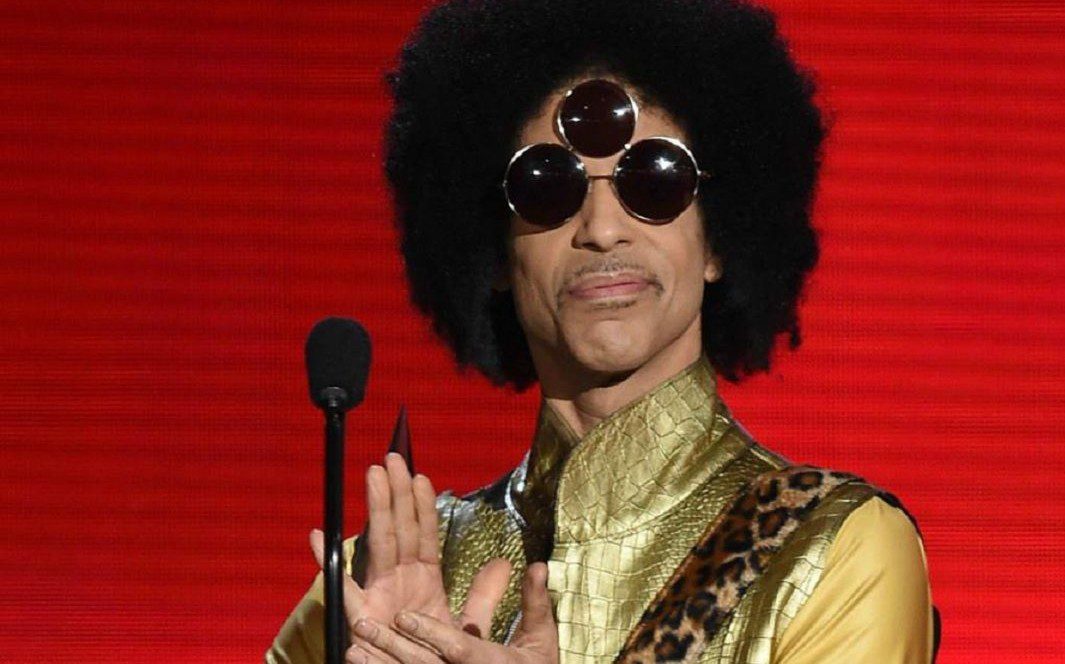
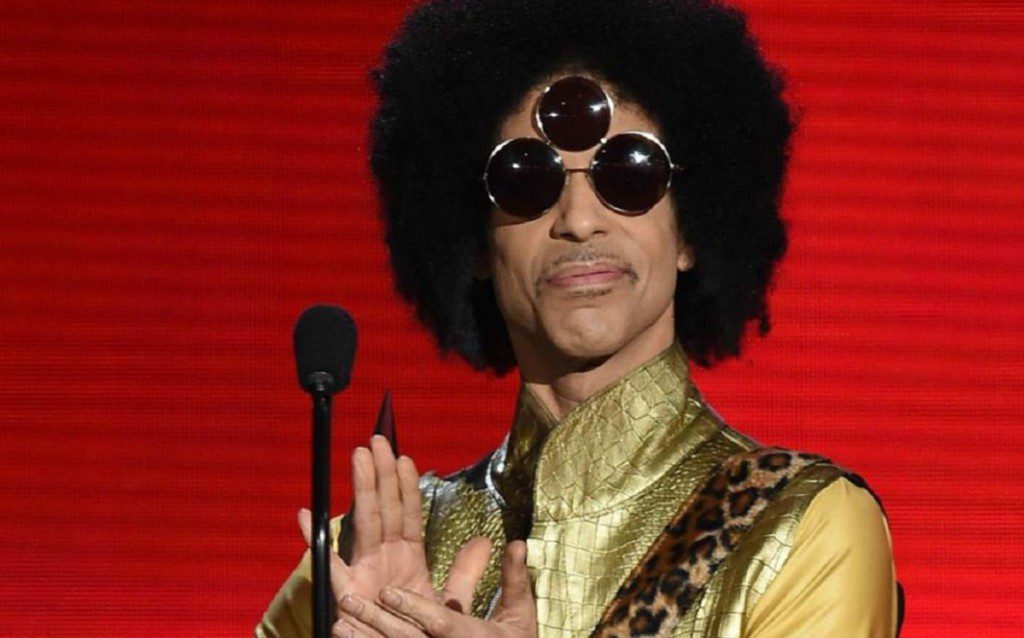
[fusion_builder_container hundred_percent=”yes” overflow=”visible”][fusion_builder_row][fusion_builder_column type=”1_1″ background_position=”left top” background_color=”” border_size=”” border_color=”” border_style=”solid” spacing=”yes” background_image=”” background_repeat=”no-repeat” padding=”” margin_top=”0px” margin_bottom=”0px” class=”” id=”” animation_type=”” animation_speed=”0.3″ animation_direction=”left” hide_on_mobile=”no” center_content=”no” min_height=”none”]Prince would’ve turned 60 on 6/7; his estate will release Piano and a Microphone 1983 in September.
No More Hate…Policy, New Releases & More
By Jasmine Williams
Spotify Says “JK!”
In a continuation of last week’s story, Spotify has completely walked back their recently introduced “hateful content and conduct” policy. The streaming giant announced their decision via a blog post stating that they “don’t aim to play judge and jury” and citing “vague” language that created “confusion and concern” as the reason for abandoning the policy. Critics of the policy accused the platform of censorship and racism; the first and only three artists singled out by the rule were R. Kelly, Tay-K, and XXXTentacion – black males, not yet convicted of their accused crimes.
Spotify’s decision to rescind their policy has also been met with criticism. While only a half measure – the “hate conduct” rule seemed like a step in the right direction for many involved in the #MeToo movement. While Spotify cites ethical reasons for cancelling its new rule, the action could also be seen as yet another example of the music industry pandering to money over the fight against misogyny and sexual harassment. Spofity’s decision to reverse the policy came only days after it was reported that Top Dawg Entertainment (Kendrick Lamar’s label) threatened to remove their artists’ music from the app, while Pitchfork’s Jillian Mapes points out that Sony (R. Kelly’s record label) is a Spotify shareholder.
YouTube Vs. Copyright Infringement
In a preliminary ruling with potentially big implications, the Vienna Commercial Court found that YouTube is at least partly liable for copyright infringement in videos uploaded by the streaming platform’s independent users. YouTube says that it does what it can to prevent copyright-infringing videos from remaining on the site, but that as a “neutral platform” it can’t completely control its users or the content they upload. The court disagrees, thanks to that innocuous little “Up Next” sidebar to the right of the main video that suggests additional content based on whatever the viewer happens to be watching, or has watched in the past. Because the courts see this as helping to determine what viewers watch, they say it nullifies YouTube’s neutrality.
What does all of this mean? It means YouTube could be forced to ramp up its monitoring efforts or face strict fines. Though the hearing in question revolved around Austrian TV channel Puls4, this could change what users see (and upload) on the streaming site the world over.
Meanwhile, the infamous “Dancing Baby” case has been settled after eleven years of back-and-forth between Universal Music and a mom who uploaded a video of her toddler getting his groove on while Prince’s “Let’s Go Crazy” played in their kitchen. With the kid in question about to enter middle school, the Vienna ruling might’ve put blame on the shoulders of YouTube itself.
Oldies but Goodies?
A recent survey in Britain came to the conclusion that most people stop listening to new music after the age of thirty. Music streaming service, Deezer, surveyed 1,000 people and found that more than sixty percent of them mainly listened to music they discovered before the big 3-0.
Break out of the mold and check out brand new music below!
That New New
Shannon and the Clams vocalist and namesake Shannon Shaw released her solo album, Shannon in Nashville, today. She’ll play some solo shows before reconnecting with her band for live shows this summer.
Yesterday Prince would have turned 60. Perhaps in memory of the occasion, his estate announced the upcoming release of Piano & A Microphone 1983, an album of stripped back, previously unheard music.
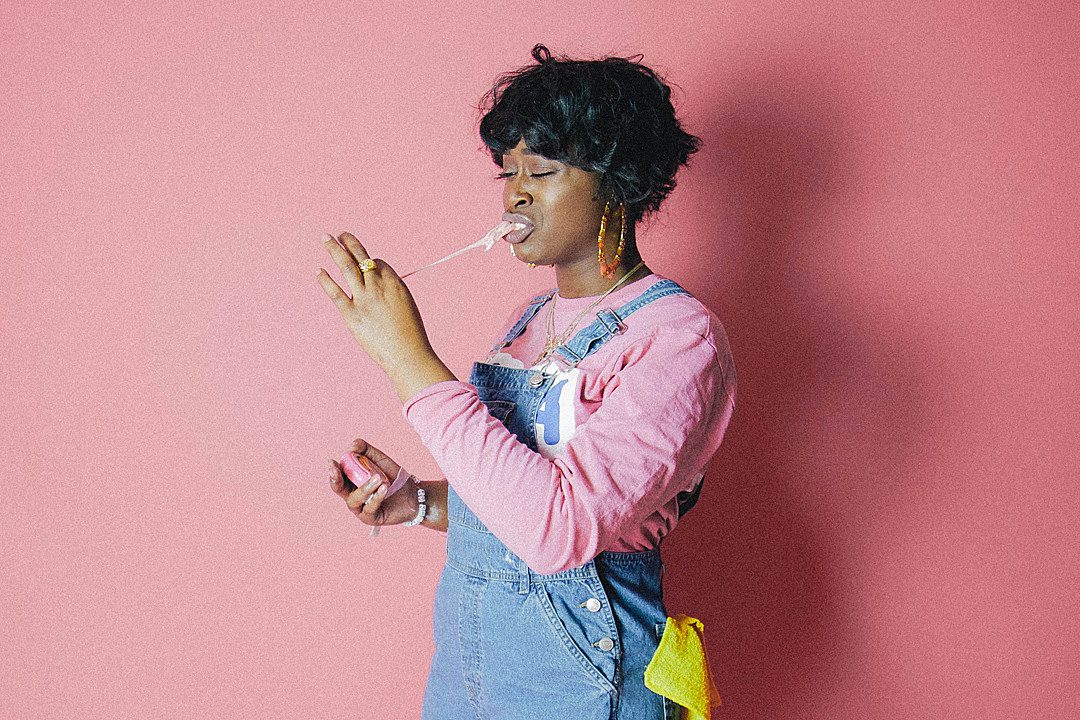
Tierra Whack draws us into the strange world of her own making through her visual album Whack World. The Philadelphia based rapper became a known force in the world of hip-hop last October with her video “Mumbo Jumbo,” which Brockhampton’s Kevin Abstract called the best music video of 2017. Through this acclaim, Whack has become as recognized for her visual stories as she is for her recorded tracks.
“Whack World” opens with a surreal nail salon visit, where Whack hides behind an illustrated portrait of herself. Through the minute long moment Whack uses a number of emoji inspired icons to interpret her lyrics. From there, the video moves through fifteen one-minute musical vignettes with jarringly distinct emotional, visual, and musical concepts and character types.
If this is your first introduction to Tierra Whack, you’ll learn a lot from these fifteen self-created worlds; those already familiar with her work will gain a new insight to her multi-faceted musicality.
Singer Brittney Parks (aka Sudan Archives) combines the sounds of electronic music production and with Northeast African folk violin in her latest release. A mix of scenes – the interior of a beauty parlor, choreographed dancers in a parking lot – shows off Parks’ eclectic, creative and colorful lady crew.
Montreal trio Lonely Parade perfectly capture small town summer ennui in a quirky video for their single “Night Cruise.” Awkward eye contact, angular guitars, neon slushee spit, and a hail of crinkle cut french fries work together to somehow ramp up anticipation for the band’s sophomore record The Pits, due in September from Buzz Records (the label that also reps the likes of Weaves and Dilly Dally).
In their latest video, Die Antwoord has opened yet another portal into the mysterious dimensions of their often sinister creativity. With characters straight out of Pan’s Labyrinth and nightmarish lullaby sounds, the video tells the story of an alien outcast who is “misunderstood, lost and confused, looking for a sign” – much like the band themselves, whose outre style has sometimes been compared to performance art.
New Saddle Creek signee Tomberlin wrote her upcoming album At Weddings in her late teens and early twenties, as she began to question her Christian upbringing. Her debut single, “Self-Help,” plays up the anxiety and sadness through its somber lyrics and intermittent guitar feedback, but remains at turns sarcastic and haunting. Shot on film in an aquarium, the video feels equally adfrift – keep an eye out for the full LP August 10th.
Metro Detroit-based indie rockers Kimball are wise beyond their years. Although lead songwriters and singers Austin McCauley and Emily Barr are only 19 and 20 years-old, respectively, their music possesses an insight about the world that suggests a lifetime of hard lessons learned early. Their latest single, “Guns,” exemplifies this worldly view, and was written during a trying time in Barr’s teen years, when she found out her father was having an affair. The emotion and honesty put into this song resulted in a universally relatable anthem about betrayal, broken expectations, and recovery.
Although Barr wrote the lyrics to “Guns” about the turmoil in her personal life, she and McCauley admit that certain aspects of the song can also be interpreted to be a commentary on gun control. When I suggest that the first line of the song, “It’s fucked up / you got guns / and you still don’t feel safe at night… I’ve been thinking about biting the bullet,” could be taken in a literal sense, the pair says they urge listeners to pull whatever meaning they hear from the song. “A thing that’s so beautiful about music is that people can see a song through their own eyes,” says McCauley. “Even if it’s not necessarily about actual guns, people can take that and feel something that we didn’t even expect it to mean.”
Barr nods at the flexible nature of song meanings throughout time and embraces the fact that the lyrics to “Guns” could be taken in a more literal sense. “I think the first line does speak to the point that we build these walls up around ourselves. And there’s so much fear in our country right now, there’s so much fear of the unknown,” says Barr. “Really, the answer isn’t building up walls, it isn’t arming ourselves with guns, it’s going out and talking to people and getting to know people and understanding our differences”
The band released their debut EP, North Wilson, on June 2nd and will celebrate with a release show at The Loving Touch in Ferndale, Michigan on June 8th. Listen to the full EP below.
On October 10, 2017, I was plotting my escape from my boyfriend’s squished studio apartment. Everything about it made me want to scream: the way his beard felt on my face when he went weeks without shaving, the pizza boxes he’d carelessly strewn all over the kitchen, the obnoxious Homer-Simpson-like “doh” he emitted when he made a dumb mistake. My angst kept me up until 7 a.m., working from his couch, playing my favorite songs on Youtube to maintain my sanity. Then, “Sundress” by Ben Kweller came on.
I want to start going on a morning walk
What about the days when we used to talk?
I don’t need a smile from a mannequin
I just want to hold you in my hands
I do everything you want me to
The opening piano cords hit me hard. The refrain felt like coming home. I went to the bathroom and cried and cried so I wouldn’t wake my partner up. What the hell was I thinking? He would do anything I want him to. He just wanted to hold me in his hands. I missed the days when we used to talk.
“I want to start going on a morning walk,” I announced the next day, not mentioning that I was literally quoting a song. And we did, every day for the next week, getting to know each other all over again. I have not thought of breaking up since. When I start to resent him, I put on that song, and the wall around my heart melts.
This is not the only song that seems to turn certain switches in my brain on and off. Whenever I’m on a run and need some extra energy, I’ll put on Martin Garrix’s “Animals” or Marshmello’s “Alone,” and I get so excited I can’t slow down. Some like to take drugs when they listen to music, but music itself can function as a powerful drug, shifting your brain to different states.
Similar to tones of voice, musical tonalities convey different moods, says James Giordano, professor of neurology and biochemistry at Georgetown University Medical Center. “What music is then able to do is communicate different types of cognitive dispositions,” he explains. “It was probably likely that humans developed some type of rhythmic tonal communication that is similar to music and language at the same time.”
But when we listen to a song, we’re not just hearing the sound; we’re experiencing all the associations we have with it. “What music can do is activate a whole series of networks in the brain, not just the auditory network, but visual imagery and motor output,” says Giordano. “It will engage the limbic system that is involved in memory.”
The imagery, thoughts, feelings, or memories music evokes vary from person to person, Giordano says. After different networks of brain cells are activated together, the activation of one will lead to the activation of the other in the future. For example, if you listen to a song during a happy time in your life, you may come to think of it as a happy song. So, my perception of “Animals” as super high-energy could have to do with the ravers dancing wildly in the video.
Many people have a song that makes them think of their significant other — sometimes, as with “Sundress,” for the lyrics, but other times, just for the mood of the music. “Couples say ‘this is our song, we have a song, the song reminds me of you,'” says Giordano. “It doesn’t have to be the lyrics. Very often, it’s just the melody.”
While we’re listening to music, the song can even modify the brain’s default network — the neural activity going on in the background — which makes you respond to everything differently, says Giordano. If it’s an upbeat song, for example, you may have a more positive outlook on the things that happen to you while you listen to it.
There are lots of ways to take advantage of music’s powerful effect on the brain, from listening to exciting music while you’re working out to playing a song that boosts your mood when you’re feeling down. Or, if you’re like me, you could put on music that reminds you of what’s important to help you come to your senses when you’re getting carried away with petty thoughts. In your lowest moments, let Youtube choose your music for you, and you just might find the song that changes your life.
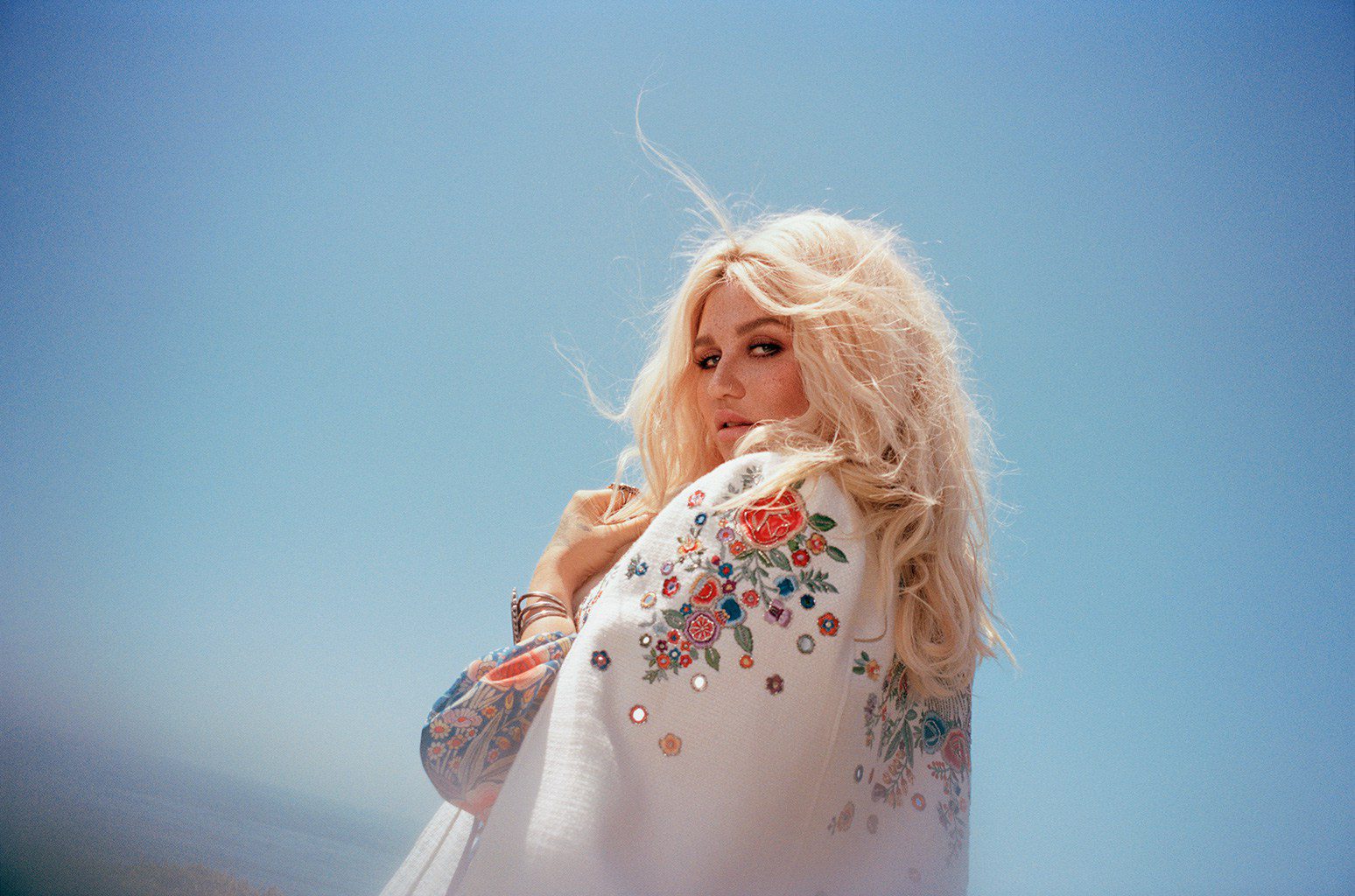
Kesha was dealt another blow in her long battle with Dr. Luke and Sony. On Tuesday in New York, an appeals court ruled that she cannot pursue her countersuit with the producer, who she has publicly accused of sexual assault as well as physical and emotional abuse. The “Praying” singer sought to appeal against Dr. Luke’s 2016 legal claims of defamation and breach of contractual agreement. Kesha is still legally bound to Sony and Dr. Luke. Her most recent album, Rainbow, was released through Kemosabe Records, a label originally formed by Dr. Luke in collaboration with Sony in 2012.
On Thursday, Kesha released a music video in partnership with youth-led immigrant rights organization, United We Dream.
Bye Neil!
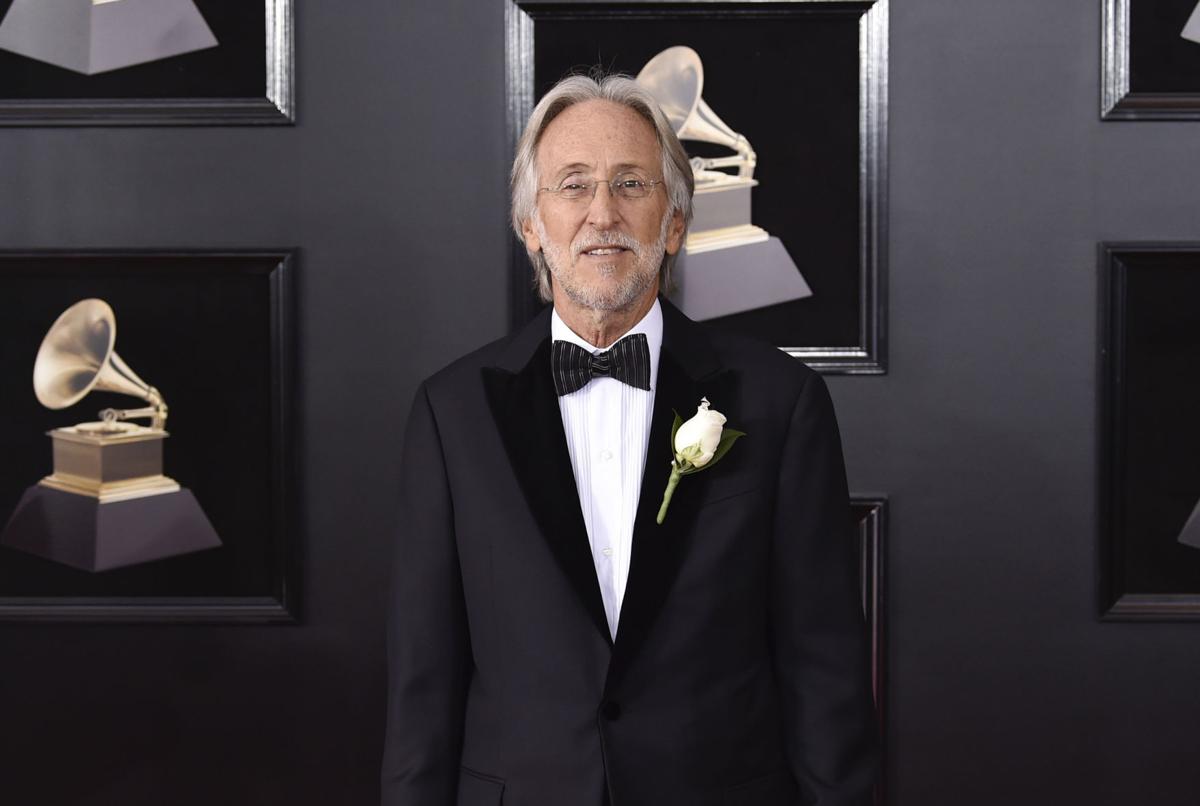
Recording Academy chief Neil Portnow will resign at the end of his contract next July. Earlier this year Portnow came under fire after defending a Grammy ceremony with little female representation. His comments, which included saying that women in the music industry needed “to step up” were met with outcry. In response he created a task force to address “explicit barriers and unconscious biases that impede female advancement in the music community.” He continued to face criticism following his announcement, which was considered a half measure by much of the industry.
That New New
This week brought a wealth of new releases, although we might not call them summer jams. Josh Tillman’s Father John Misty project brought all of the feels on his latest record, God’s Favorite Customer. “In short, it’s a heartbreak album,” says Tillman of the offering, which features songs such as “Hangout at the Gallows” and “Please Don’t Die.”
Neko Case dropped her seventh solo album and it’s a rager, but not in the typical sense. Of Hell-On, she told The New York Times, “I think there’s some sort of heat coming from the rest of the world that finished baking a long-existing rage-loaf that started in my body as a little kid.”
Twitter monster Kanye West released his newest album, YE, via livestream last night at midnight via a listening party in Jackson Hole, Wyoming. We aren’t sure how it sounds yet because we didn’t download the app.
Gorillaz officially announced the album release for their next album and an upcoming stadium tour. The Now Now will come out June 29th. The virtual band accompanied the news with a Jack Black-starring clip called “Humility.”
Kamasi Washington, The 1975, and Charli XCX released singles this week. Washington’s “Street Fighter Mas” comes ahead of his forthcoming album, Heaven and Earth, out June 22nd. The 1975’s “Give Yourself A Try” will be included on their next album, A Brief Inquiry Into Online Relationships, which will come out in October. Charli surprised fans with “5 in the Morning.” The single comes on the heels of her guest appearance on Rita Ora’s controversial song “Girls.”
End Notes
Come rain or shine, New York City festival season is kicking off this weekend with Governor’s Ball. Next week brings the Brooklyn-based Northside Fest.
The internet’s favorite Jurassic Park actor, Jeff Goldblum, has announced an upcoming jazz album.
Pusha T and Drake’s feud reached new heights this week. Talking points of their debate included blackface, multiple sclerosis, a secret child, and more. Hear NYT’s John Caramanica break it all down here.
My summers memories are always decorated with a particular kind of texture – the lingering feeling of grass cuts along my legs, the sting of sunburnt shoulders beneath a backpack full of empty rosébottles, the soft and smooth goo of half melted ice cream on my tongue, skin sticky with sweat but refreshed with a summer breeze. Berlin-based duo Gurr pieces together these fleeting, surreal moments of summer debauchery in the video for their newest single, “Hot Summer.”
Laura Lee and Andreya Casablanca wrote the song on a foggy day in London, and as such, its theme takes that romanticized, freewheeling ideal of summer perfection, then haunts it with a side of disaster. It’s the band’s first single since the late 2016 release of their IMPALA award-winning debut In My Head, acting like a booster shot of the catchy, Go-Go’s indebted guitar pop they’ve become known for across Europe. As summer anthems go, this one comes with the reminder that life’s not always a beach – sometimes it’s sticky, hot, miserable, anticlimactic, or just plain weird.
Though she’s been busy with movie, television, and fashion projects, time hasn’t slowed this early 2000s chart-topper’s ability to create a hit. Uniting J Lo with another Latina powerhouse from the Bronx, Cardi B, this glamorous clip shows who’s really making money move in the music industry – Lopez reportedly donned $4.5 million worth of diamonds from Tiffany & Co to give the track a little extra shine.
Princess Nokia navigates a new musical character on her latest mixtape A Girl Cried Red, which was released on April 13th. This new incarnation revives a Gwen Stefani-esque aesthetic circa No Doubt’s early days and a rock sound that differs from the hip-hop influences fans have previously come to know from Nokia.
Mysterious Toronto-based artist Brahny just released a video for his song “Bloom.” Much like the song, the video is simple and clean – mostly comprised of a single shot following a variety of people throughout a city night, the revelers eventually end up in a laundromat where Brahny himself is performing.
Coming off a week in the spotlight after calling out Cardi B for allegedly dumbing down the conversation around women of color, Azealia Banks released a new video for “Anna Wintour,” a single from her upcoming sophomore record Fantasea II: The Second Wave. The track has a distinctive ’90s house vibe, with Banks rapping, singing, and using textured vocal manipulations over its relentless beat. Though the lyrics mention “diamonds and dreams,” there’s no sign of J Lo’s bling here – Banks vogues across an empty warehouse in little more than cutoff shorts.
Ancient Language exists on a metamorphic scale, constantly shapeshifting to fit the change of the seasons – or life – of original founder Christopher Jarvis. Jarvis started Ancient Language in 2011 as a solo hip-hop/house project, but in the last seven years his music has gone through many different iterations. Most notably, it has grown from solo work to a six-piece folk/indie rock/electronic amalgamation of virtuosic musicianship and varied tastes. HYGGE, Ancient Language’s third release, is the apex of this musical journey and finds the band at a crossroad between genres, using their lyrical voice for the first time.
The LP is a labor of love, recorded over the past two years in a series of sessions in band member (guitar, sax, and vocals) Matthew Beyer’s basement. The band says HYGGE was made during a time of “profound changes, relocating across the country and back again.” Some of these “changes” were more traumatizing than others, including a time last winter when Jarvis’s whole life as he knew it seemed to be crumbling. “When we started writing the record, my brother Zach and I were kind of in a dark place,” says Jarvis. “We were living in Eastern Market and, in the span of a week, I lost my job, my car got stolen, and we got evicted from our place.”
This series of unfortunate events was the nail in the coffin for Jarvis, who grew up between Warren and Sterling Heights. He explains that, although he’s no stranger to Detroit’s brutal winters, that winter was especially debilitating, and he took it as a sign to run towards the sun. Jarvis and his brother, who also plays in the band, moved in with family in Arizona to try and get their lives back on track. During those months in Arizona, the brothers spent time writing music and sending songs back and forth to Beyer. By the time they were ready to come back to Detroit, they had finished an album.
The Jarvis’s desert retreat seemed to be the escape they needed to create a diverse and enrapturing body of work. Although, Chris says that the music itself has always been his true oasis. “That’s how it’s always been for me – an escape from whatever I’m dealing with.”
Ancient Language will celebrate the release of HYGGE this Saturday, June 2nd, with a show at El Club in Detroit. Peep a single from the record below.
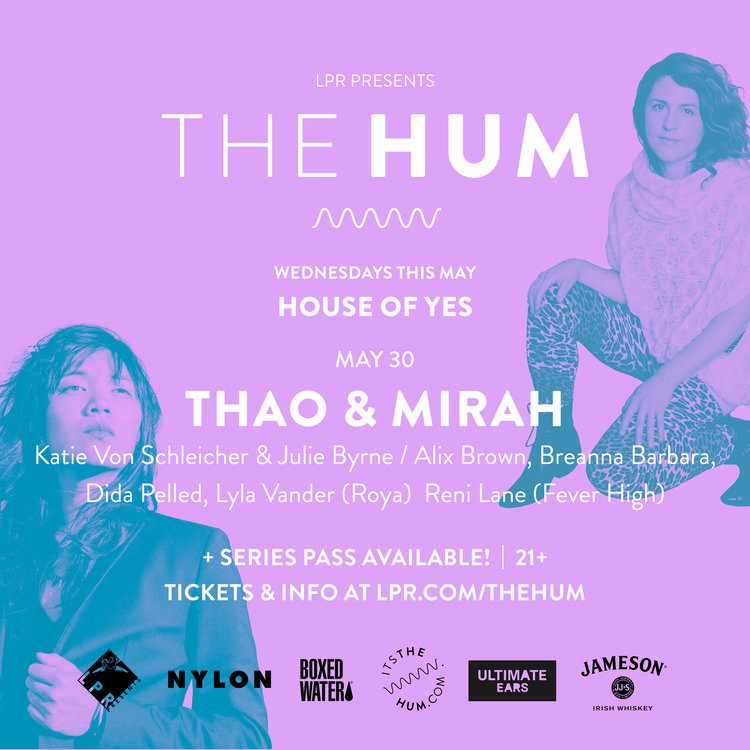
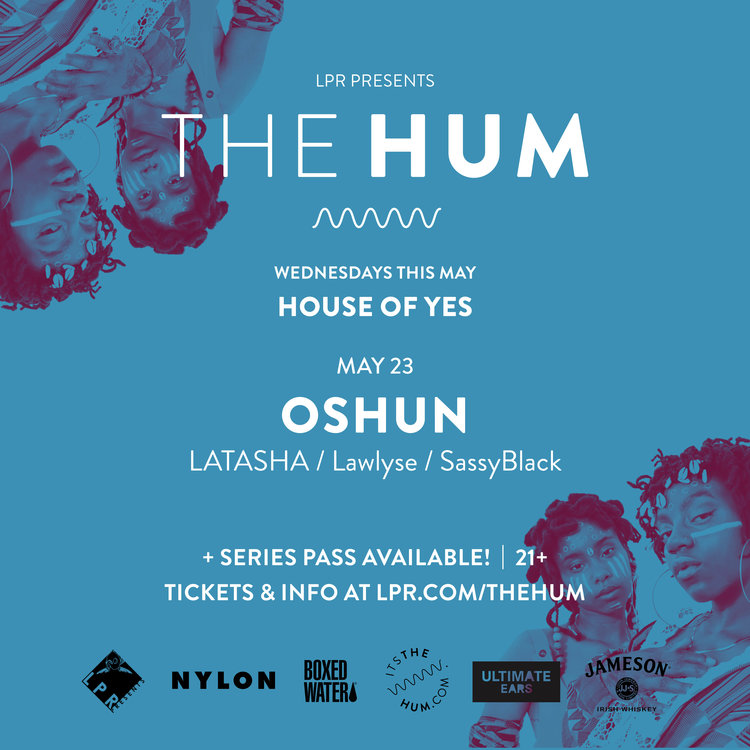
The final show of the 2018 The Hum series will be this Wednesday at Bushwick’s House of Yes, and curator Rachael Pazdan is closing the series out with a bang. Known for its continuously potent female lineup, the closeout not only showcases some of the most promising women in Brooklyn’s music scene, but also includes indie favorites Thao Nguyen of Get Down Stay Down fame and Mirah as the headlining act. Together, they’ll perform songs from their solo catalogs, as well as their beautifully constructed collaborative album from 2001, Thao & Mirah.
As The Hum series comes to a close for the year, AudioFemme took this time to talk to musicians about where they saw the future of female representation in music. Throughout this past month The Hum artists have often mentioned the double-edged sword of highlighting women with a showcase like this. On the one hand, heightened visibility for women in music is still necessary; on the other, a series like The Hum shouldn’t be treated as a novelty, since an all male lineup would never be promoted as such. While The Hum brings a much needed platform for representation, there is a hope among many of the women we’ve talked to that the need for these showcases will be less dire as the music industry becomes more balanced and open in terms of gender, that perhaps finding this balance will usher in a new era of artists presenting something beyond the current binary.
AudioFemme spoke this week with singer/songwriters Breanna Barbara and Katie Von Schleicher, and drummer Mickey Vershbow, about what The Hum brings to the Brooklyn music community, and their dreams for the future of women in music.
AudioFemme: How did you first find out about The Hum, and how did you get involved?
Breanna Barbara: Rachel and I have been in touch for some years now. I used to work at Le Poisson Rouge as a server and I think she started booking there shortly after I left. But it felt like a full circle when she reached out about the Hum.
AF: What musical projects are you currently working on?
BB: Right now I am taking my time, soaking up some life and working on new material for my next record, possibly to record this fall/winter.
AF: Who will you be collaborating with for your performance at The Hum?
BB: We’ve got Alix Brown on the bass, Dida Pelled on lead guitar, Lyla Vander on drums and Lida Fox on the keys. They are all badasses.
AF: What has the collaboration process been like?
BB: It’s been really good so far – every one has their own style and it’s been fun playing each other’s songs.
AF: How does a showcase like The Hum affect your musical process?
BB: It’s definitely been expanding the way I write. I think playing with new people and their music makes you a better musician all around.
AF: How do you see the musical community of Brooklyn affected by The Hum?
BB: There is such a strong community of musicians here in Brooklyn and The Hum really shows that. All of the women I am playing with are bosses, front women, hustlers; it’s really inspiring to be in the same room with them and just hang out. And the Hum has brought us together. That’s really cool to think about.
AF: In the future how do you hope to see women in music represented differently?
BB: All I can hope for – and not just in music but in general – is for any/all shame or insecurities that society/patriarchy has ingrained in any of us will continue to disintegrate. Because to me there is nothing more powerful than a woman being vulnerable and speaking their truth. And I think what the planet needs more than anything right now is more femininity.
AudioFemme: How did you first find out about The Hum, and how did you get involved?
Katie Von Schleicher: I knew Rachael from playing at Manhattan Inn quite a bit while I was just starting out. I was asked to do the Hum a couple of years ago, then, and have followed it since because it was a really incredible experience, doing a one-off set with new collaborators who have since become my good friends.
AF: What musical projects are you currently working on?
KVS: I have my project, Katie Von Schleicher, which takes up most of my time at the moment. I’m in a band called Wilder Maker who have an album out this July. I play in a band called Coffee and just played a few dates in the UK in Sam Evian’s band. I’m also working on producing some things for friends of mine.
AF: Who will you be collaborating with for your performance at The Hum?
KVS: I’ll be playing with Julie Byrne, whose music is so beautiful that I feel a bit intimidated.
AF: How does a showcase like The Hum affect your musical process?
KVS: I don’t feel immediately comfortable doing something off-the-cuff because I don’t have a history of improvisation, so the Hum takes me out of my shell a bit. It’s a gamble and you don’t know what will happen exactly, and that’s a good thing. It’s one night and a 25 minute set, but it informs so much of my thinking afterward. I’ve also played in mostly male-centric bands. In my experience with The Hum, I’ve found we have to get deeper with one another really fast, trying to get on the level of musical and interpersonal understanding without having years of previous chemistry built in. But my collaborators have been such excellent communicators that I’ve found a real bond with them, and realized how important it is to develop a rapport, even if there isn’t much time. When you do something so brief you rely on instinct, and this process has honed my instincts more, made me feel more confident about intuition, which is invaluable.
AF: How do you see the musical community of Brooklyn affected by The Hum?
KVS: Rachael developed this series at a pretty crucial time, and in the past few years I’ve seen the community here become so much more egalitarian in terms of representation. The Hum has been woven into that, and has probably bolstered it a lot.
AF: In the future how do you hope to see women in music represented differently?
KVS: I feel confident that everyone should and will be represented more. It’s already happening but we have much further to go, of course. In, say, rock music, men have a lineage intact, and they grow up knowing they can become a part of that, almost as a rite of passage. I want to see anyone who’s underrepresented grow up feeling that sense of belonging and then taking their place in it, too. It’ll take a generation to set that precedent.
Audio Femme: How did you end up getting involved in The Hum?
Mickey Vershbow: I first played The Hum three years ago and I was at the time working for Tom Tom Magazine. Tom Tom got asked to play The Hum and do a percussion piece. So I was in a group of four people who put together a 20 minute percussion piece, that was really fun. Rachael Pazdan mentions this also, and I love it. But I actually ended up meeting my girlfriend Katrina at that show. So The Hum definitely occupies a special place for me. I’m really excited to play it again. Especially with Mirah, who has been one of my favorite singers since I was a teenager.
AF: Will you be playing any new songs with Mirah?
MV: Yeah! I know we are doing new stuff. I don’t know that she specifically wrote them for The Hum or not, but we have been working on new stuff that we want to play at The Hum. This is more just a group of people that don’t play together that much, coming together to play songs from Mirah and Thao’s catalog.
AF: What other projects are you working on right now?
MV: I just finished making a record with a band called Animal Planet. That record just came out on Ba Da Bing. My main full-time gig is with a band called Kat Cunning. That’s definitely my main gig right now, because I also tour manage for that band. I also play with this artist in New York named Miles Francis. There’s a parallel between both him and Kat, because they are real entertainers. They have a concept behind how they want to perform their music and for me as a drummer that’s really fun, because you kind of just sit back and know that everything up front is good.
AF: How does having access to an all-female based showcase like The Hum affect the Brooklyn, music community?
MV: I think it has a tremendously powerful impact on all of us who get to be a part of it. You just end up making connections that change your life. I mean obviously I can say that. But aside from whether it’s on the level of meeting your partner, and your future bandmate, or just meeting so many people that next time you need a guitarist you have a woman you can call. I feel like without people like Rachael, or Mindy at Tom Tom, who are out there creating this network for us to all find each other, it’s really hard, because you just randomly go to shows and you’re like oh cool the bass player is killing it and she’s a girl, and I would love to work with her, but that is so random and chance. Whereas to be able to network in an environment where you know you’re gonna meet women, there’s something empowering about just feeling like we all have this way that we can get connected with each other. So I’m really grateful to Rachael for continuing to do it. Also I’m getting to discover so many amazing musicians who I don’t think I would have discovered otherwise. Especially because women just don’t get the coverage in other outlets that men more easily do. I don’t necessarily want to make that statement, but I think it’s obviously kind of a thing that happens. So it feels like The Hum creates a platform for us to get more visibility to each other and to new audiences.
The Hum to me is really one of the best things happening in New York right now. It’s so community oriented. It has such a clear concept that benefits a community of musicians, that can do amazing things together. Especially as someone who very often forgets why I live in NY, when I get to play The Hum, I think, “Oh yeah, this happens here.”
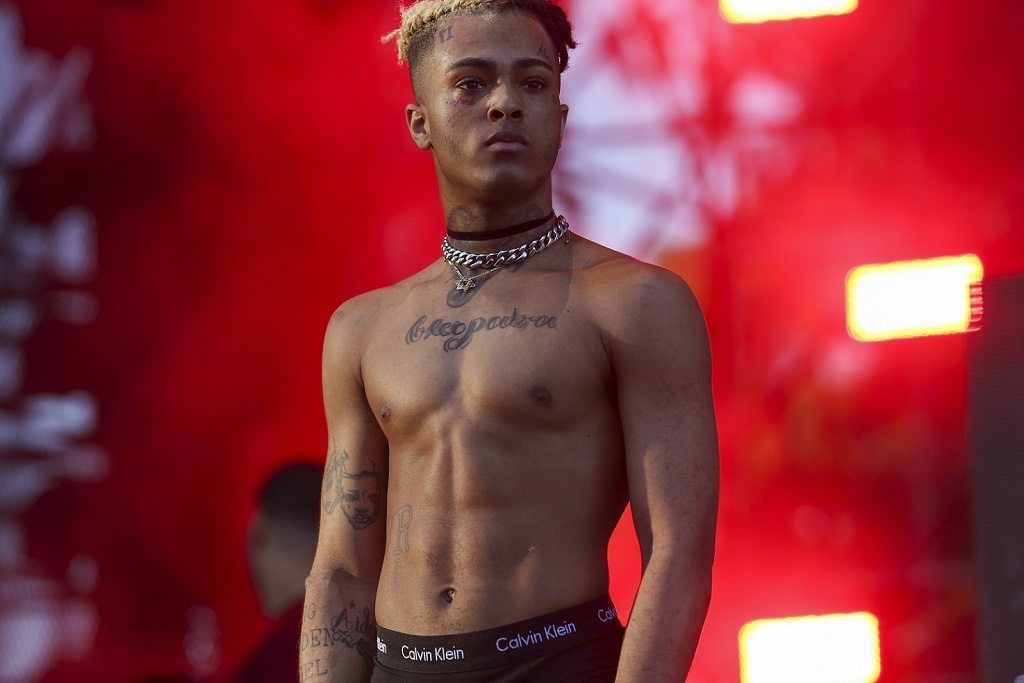
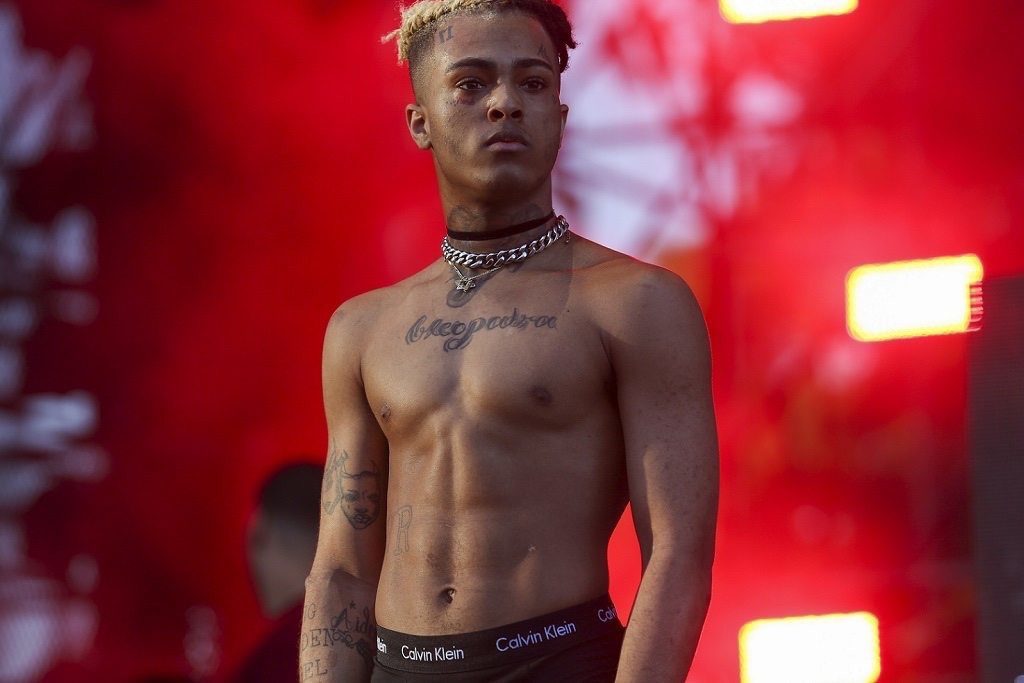
Spotify’s new ‘Hateful Content and Conduct’ Policy has a whole lot of haters. Following outcry from a number of industry heavyweights and rumors of internal conflict, Spotify has backtracked on the rule which stated that Spotify could choose to remove or refrain from promoting artist whose music promotes hate or engages in behavior that is “especially harmful or hateful.” So far, the policy’s implementation only saw the removal of R. Kelly and XXXTentacion from promotional playlists, although their content was still searchable.
Public critics of the policy, including Kendrick Lamar and Top Dawg Entertainment, accused the streaming giant of censorship, vagueness, and discrimination. R. Kelly has been accused of various forms of sexual abuse while XXXTentacion was charged with battering a pregnant woman, but neither have been convicted. In response to Spotify’s action, XXXTentacion’s manager tweeted a list of other artist who have been accused of deplorable conduct.
The controversy over the rule illustrates the music industry’s increasingly complicated relationship with the #MeToo movement. While XXXTentacion’s streaming numbers immediately decreased following Spotify’s policy, the opposite effect was had on R. Kelly who saw a rise in plays on the streaming service. Spotify has announced that they will restore XXXTentacion’s presence on promotional content but they have no plans to reinstate Kelly.
R. Kelly Gets Sued (Again)
In very related news, in New York on Monday, R.Kelly was sued by a woman for sexual battery, false imprisonment, and failure to disclose an STD. Faith A. Rodgers began a relationship after meeting the R&B hitmaker in March of 2017, when she was 19 and he was 51. In the following year, Rodgers alleges that Kelly abused her “mentally, sexually, and verbally,” and held her against her well in various places without access to food, water, or a bathroom. Her lawyer, Faith C. Hills, calls the lawsuit a standard example of R. Kelly’s alleged predatory behavior, stating, “For over 20 years, women across America have been victimized by R. Kelly, and have filed eerily similar claims.”
That New New
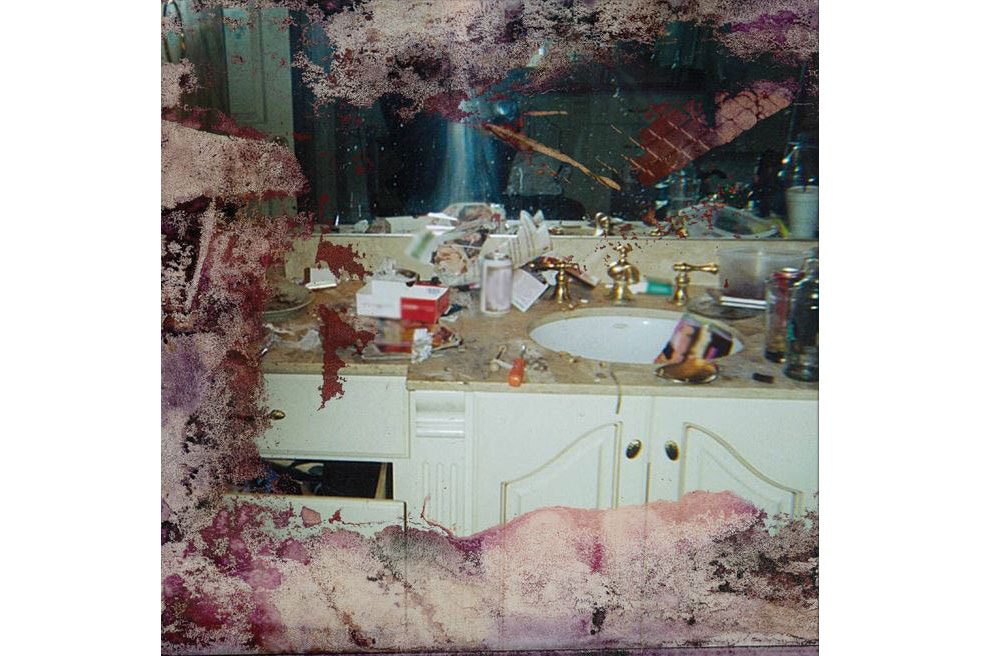
Pusha T dropped Daytona, his third studio album. Right before the release, he spoke with NPR’s Sidney Madden about Kanye West, rap beefs, and #MeToo. Pusha fans have waited three years for a LP from the Clipse member but it’s not just the tracks that have people talking. The album artwork has sparked a controversy. Kanye provided the creative direction for Daytona and made the last minute decision to spend $85,000 to license a photo of the late Whitney Houston’s bathroom for the cover (seen below). Houston’s family is now demanding a public apology.
Asap Rocky also released his third studio LP, Testing. Preceding the release, the rapper/style icon premiered an art performance in which he went through a series of physical challenges in front of an audience at Sotheby’s.
Maggie Rogers returned from a musical hiatus with her new Rostam-produced track, “Fallingwater.”
You could win tickets to Courtney Barnett’s Prospect Park show!
On Wednesday, Redbull Music hosted the U.S. premiere of Betty: They Say I’m Different, a new documentary featuring oft-forgotten funk music revolutionary, Betty Davis.
Bjork returned to television for the first time in six years. She brought the weird (and the flutes!) to Later…With Jools Holland.
I wound up at the Kitchen sort of by mistake. It was a Tuesday – February 23rd, 2016 to be precise. It had been a year since the worst week of my life, and sitting at my desk after a long day of designing women’s underwear, I longed for a little culture that evening, a little date with myself. So I scrolled through concert listings on Oh My Rockness, hoping for a name to leap out at me. February is not the most happening time for live music in the city, and my backup plan involved a movie and/or overpriced meal for one. But the backup plan wasn’t necessary; as I scanned through the concert listings, a name did leap out at me, and though I wasn’t positive why I recognized that name, I bought a ticket without hesitation.
That name was Glenn Branca, and in the days since his death last week, headlines, tweets, and obituaries can all agree on one thing: if you weren’t familiar with Branca’s music, there’s no way you have escaped the music he’s influenced. His brash guitar symphonies were loved by the likes of David Bowie, and imitated by Sonic Youth. He was a pioneer of the No Wave movement alongside John Zorn and James Chance, and he pushed the boundaries of music, noise, and everything in between. His first two solo records, 1980’s Lesson No. 1 and The Ascension from the following year demolished and restructured the contemporary approach to the electric guitar, rock’n’roll, and classical composition. Branca’s work was loud, dangerous, and so cutting edge that it moved legendary avant garde composer John Cage to feel “disturbed” by it.
Branca was the man that conducted serrated, unnerving orchestras with 100 electric guitars, slapped punk rock into something more upright and threatening with his early band Theoretical Girls, and released early music by Swans and Sonic Youth on his record label, Neutral. His legacy coincides with the explosive art movement in ‘70s and ‘80s New York, but unlike many of his contemporaries, Branca never lost a scrap of relevance—in fact, his mystique and ability to stun an audience only seemed to intensify with age. It must have been some peripheral knowledge of all these accomplishments that congealed in my gut when I saw Branca’s name on the concert listings for the evening. Perhaps it was the faint memory of an interview with him I’d read in a copy of The Believer’s 2014 music issue. Either way, I am glad I trusted my gut.
When I entered the Kitchen in Chelsea, the staff was passing out earplugs as guests took their seats. I remember thinking that I’d never been encouraged to wear ear protection at a venue with bleacher seating and a median age of 58, but I figured they knew best. I sat down with my packet of foam plugs and leafed through the pamphlet I’d been handed, which gave the whole event a whiff of the fine art or theater world. I still wasn’t entirely sure what I was getting myself into. And then Branca and his six-musician ensemble crawled out onto the sunken stage.
It was rapturous. Branca, who had stopped playing guitar years prior during Symphony #1, was a dedicated conductor until the end of his life, though his methods of conducting were unconventional to say the least. He used his entire body to communicate with his ensemble, who that night included one drummer, one bassist, and four electric guitarists (one of whom was Reg Bloor, his widow). That evening’s rendition of the Third Ascension was marked by Branca’s spasmodic movements: flits of the wrist, flicks of his hips, and general shimmying that somehow effectively communicated volume, rhythm, and attitude to his performers. It was in fact loud, and so dissonant that it was blissful, like the moment pain becomes cathartic. I remembered a quote from that Believer interview I’d read two years prior, during which Branca said, “If you don’t like loud music, don’t bother with my music.” This, I learned, was a characteristic thing for Branca to say. He was a fabulous curmudgeon, who wore the same black outfit every day, his blazer pocket crammed full of pens like soldiers standing at attention. His teeth were chipped, and he looked like a more brawny, attractive older brother to Shane MacGowan.
In between songs at the Kitchen, while his group fiddled with odd tunings, Branca felt obligated to talk the crowd. His raspy voice and mischievous demeanor felt instantly familiar, perhaps because he seemed a kindred spirit to Tom Waits, or perhaps because he was simply the embodiment of the crotchety old man I hope to become one day. In an attempt to fill the silence, Branca told the audience, apropos of nothing, about the best hot dog he’d ever eaten. It was on a hoagie roll, not a bun. He talked some trash about John Zorn, and introduced his wife Reg Bloor, who seemed delightfully peeved by his antics.
I left the kitchen that night with my mind completely blown open, a side effect of the shrapnel storm Branca’s ensemble hurled toward the bleachers. Walking to the train I felt like I was floating, or maybe vibrating like a struck tuning fork. It was the same feeling of intoxication I had only experienced once or twice before: watching 2001: A Space Odyssey on the big screen for the first time; seeing Diamanda Galas live at a temple on Halloween. Considering the weight of my experience at the Kitchen, I checked weekly to see if Branca and his ensemble was playing in town. I did this in 2017, when they performed at BRIC, and I remember feeling particularly lucky to live in a city where one minute I could be sat at my bedroom desk reading, and the next I walking to see one of the most original and exciting musical performances in existence.
The week before Glenn Branca died, I typed his name into Oh My Rockness’ search bar to see if he had any upcoming gigs. I didn’t know he had throat cancer, but I wasn’t surprised by the news when I found out. Upon hearing about his death, I felt both devastated that I’d never experience his music live again, and immensely grateful that I got to experience it at all. Glenn Branca was a New York treasure you had to really dig for, if not allow yourself to stumble upon, and like all of the best things New York has to offer, he was liable to disappear at any time. Sadly, that day has come—but while the man is no longer with us, his work will be obliterating musical norms for decades to come.
Arctic Monkeys weren’t quite full-fledged rock stars in 2011; in the Suck it and See era, they were still seeking fame, rapidly evolving from acne-clad British teens to California-based, Elvis-inspired rock ‘n’ rollers. Though many die-hards consider Humbug (2009) to be Arctic Monkeys’ most expertly crafted record, the LP left fans somewhat confused, in that it strayed from the hyper-energetic guitar rock of their early work that had earned them stardom. But Suck it and See was a redemption for some critics. They were the darlings of British publications like NME, but in the United States, they were still playing mid-sized clubs, despite a growing army of teenage fans on tumblr. I was one of them.
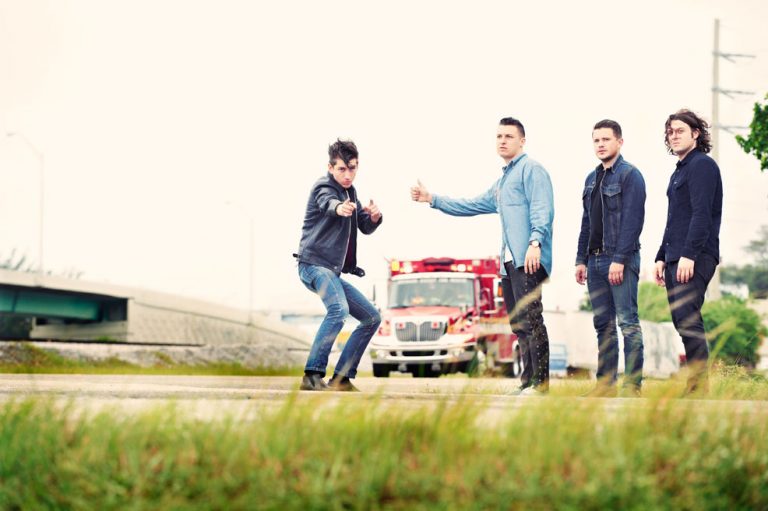
I was sixteen at the time of their Suck it and See tour, which hit Fort Lauderdale’s Revolution Live in October 2011. Arriving at the venue at about half past noon, I sat outside on the hot Florida pavement until the doors opened seven hours later. Earlier that day, NME staged an Arctic Monkeys photo shoot by some abandoned train tracks on the highway; across from the perfectly desolate landscape are mini-golf courses and go-kart tracks, which of course, are not pictured. Every time I drove on that highway, I remembered Arctic Monkeys’ presence.
[fusion_builder_container hundred_percent=”yes” overflow=”visible”][fusion_builder_row][fusion_builder_column type=”1_1″ background_position=”left top” background_color=”” border_size=”” border_color=”” border_style=”solid” spacing=”yes” background_image=”” background_repeat=”no-repeat” padding=”” margin_top=”0px” margin_bottom=”0px” class=”” id=”” animation_type=”” animation_speed=”0.3″ animation_direction=”left” hide_on_mobile=”no” center_content=”no” min_height=”none”]photo by Dean Chalkley for NME
After the Sheffield-bred four piece finally delivered a well-rehearsed and fine-tuned set, I waited outside in a thunderstorm for two hours, hoping to catch a glimpse of Alex Turner. My parents, thankfully willing to deal with my manic obsession, waited in the bar next door.
Revolution Live is more glamorous than the dirty pubs in Miami like Churchill’s, yet it’s nothing compared to the venues that Arctic Monkeys’ stadium-sized sound seemed to desire. Fans like me knew the anatomy of these venues. We shared information on tumblr – how the Arctic Monkeys tour bus was large and white with blacked out windows, and how usually, Alex Turner and Matt Helders would come outside to greet fans in the early afternoon. Sometimes, you could be lucky enough to get invited inside for soundcheck. On tumblr, we found camaraderie with other fans who were just as crazed as us. We bonded over our unique love, travelling to meet each other “IRL.” We saw through Arctic Monkeys’ leather-clad rock star act and remembered their roots as awkward teenagers just like us, yet we still worshiped these men like Gods.
On tumblr, I met two girls a bit older than me named Ronit and Margaret, who waited in the torrential downpour with me. They offered me my first cigarettes, which I declined, worried that I would immediately get addicted, or worse, that my parents would find out. As Ronit and Margaret sparked up, cupping their hands around their cigarettes to avoid the wind and rain, I noticed how cool they looked. They looked like the kind of girls who belonged here. I wanted to belong. I wouldn’t realize until years later that the people who listened to rock music all shared the simple desire to belong. At the time, I belonged more than I knew.
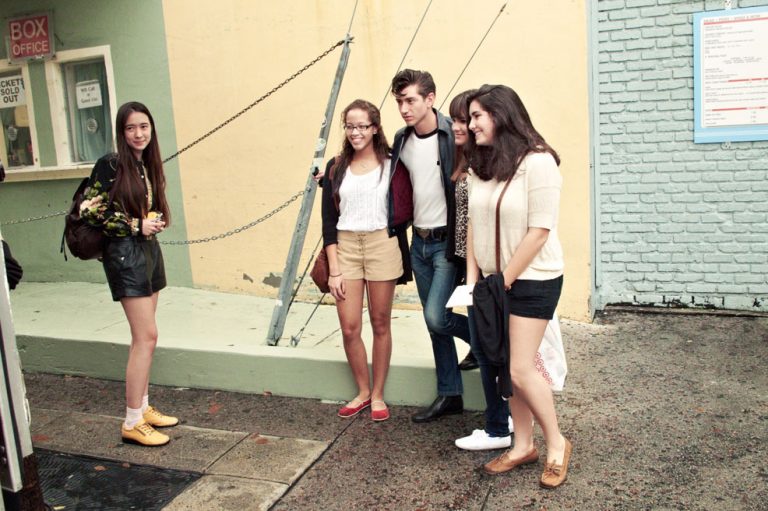
[/fusion_builder_column][fusion_builder_column type=”1_1″ background_position=”left top” background_color=”” border_size=”” border_color=”” border_style=”solid” spacing=”yes” background_image=”” background_repeat=”no-repeat” padding=”” margin_top=”0px” margin_bottom=”0px” class=”” id=”” animation_type=”” animation_speed=”0.3″ animation_direction=”left” hide_on_mobile=”no” center_content=”no” min_height=”none”]Arctic Monkeys fans in 2011; photo by Dean Chalkley for NME
We waited together, huddled under a concrete overhang in the storm. Ronit and Margaret left around 1 AM, because Ronit’s dad wouldn’t wait any longer to pick her up. I was a good kid who did nothing wrong, who was too afraid to even smoke a cigarette with the cool girls from the internet, so my parents were more lenient with me. This was a once-in-a-lifetime night. I never stayed out late. I earned it.
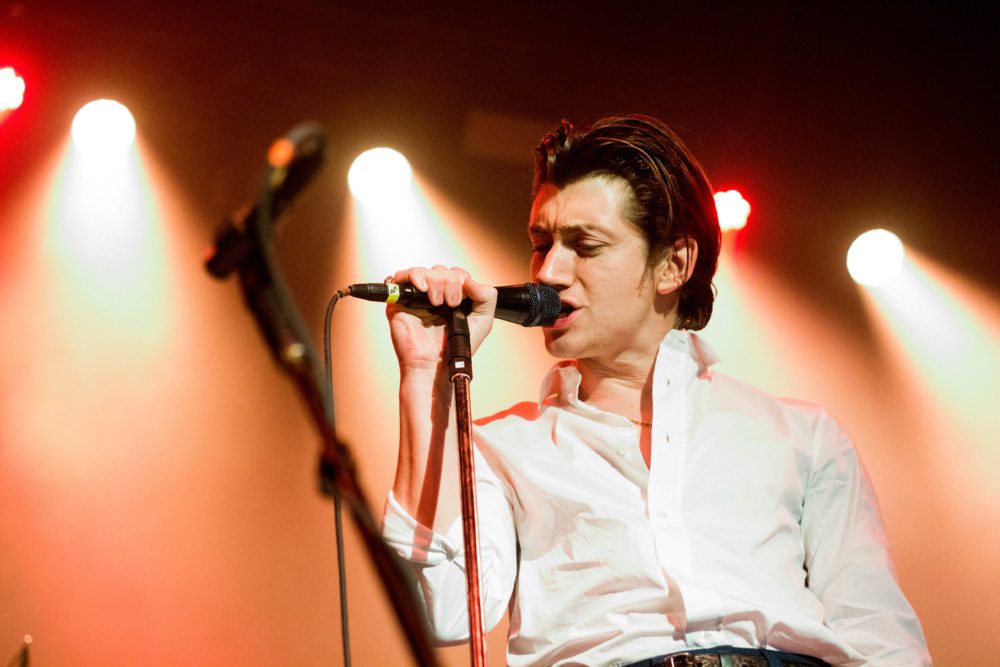
Soon after Ronit and Margaret went home, Alex Turner sauntered out of the back door of the venue with a tall, leggy blonde woman. I became startlingly aware of my youth, my insignificance; I was a sixteen-year-old girl whose biggest stress in the world was perfecting my score on the SAT. I wanted to run after Alex, to take a picture with him to put on my tumblr, to tell him how his lyrics inspired me to be a writer. I was frozen, watching him cross the street in the rain with this beautiful model. They stepped into a stretch limo and drove away. This was Arctic Monkeys in 2011: leather-clad, cigarette-smoking, and motorcycle-riding. This was when Alex Turner’s hair was coiffed (not his best phase). Moreover, I wondered what the value of any of this would be – to run after Alex Turner in the early morning when he clearly didn’t want to be bothered. I started to see rock stars as people, though they are so far from ordinary, even in their most ordinary moments.
My parents soon fetched me from the venue, upset with me for waiting alone after the other tumblr girls left. We walked towards the parking lot. My dad suddenly stopped me in my tracks, pointing at a tall man in a leather jacket.
“That’s one of your monkey guys, right?” my dad asked. I started to tell him it couldn’t be them – that I saw Alex Turner drive away in a limo, but then I turned around. My dad was right. It was Jamie Cook, margarita in hand. In my memory, he’s smoking a cigarette, but I don’t think he actually was – I think I just remember it this way because he was so intimidating to me, a real life rock star, a rock star whose music “changed my life.”
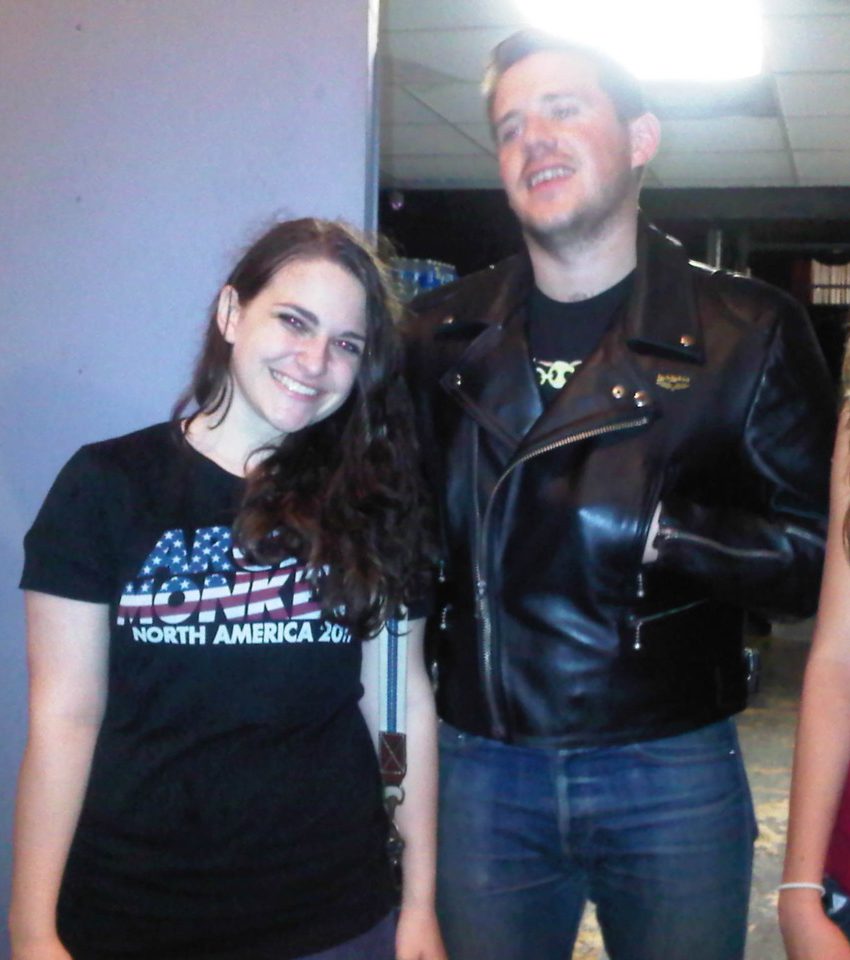
I asked Jamie Cook to sign my album, and we took a horrible photo on my dad’s Blackberry. I dropped my sharpie multiple times, nervous to be in his presence. I knew then that even if rock stars were regular people under all that leather, I wanted to belong in their orbit.
I moved to Philadelphia when I was 18. While studying at the University of Pennsylvania, I became an amateur music journalist. I worked my way up through local blogs, eventually maneuvering my way into bigger publications, determined to begin a full-time career in music journalism. I worked in a New York City-based music PR firm, went on tour with some bands, even interviewed Tori Amos, who complimented my dress and told me I’m “going places.” I got backstage passes to photograph shows, constantly putting off my schoolwork to spend nights at Union Transfer and PhilaMOCA. I even got to photograph the Alex Turner/Miles Kane side project The Last Shadow Puppets a few years ago.
[/fusion_builder_column][fusion_builder_column type=”1_1″ background_position=”left top” background_color=”” border_size=”” border_color=”” border_style=”solid” spacing=”yes” background_image=”” background_repeat=”no-repeat” padding=”” margin_top=”0px” margin_bottom=”0px” class=”” id=”” animation_type=”” animation_speed=”0.3″ animation_direction=”left” hide_on_mobile=”no” center_content=”no” min_height=”none”]Alex Turner performing with The Last Shadow Puppets. April 10, 2016. Photo by Amanda Silberling.
My story isn’t special. So many of us love this band – their awkward hair choices aside – but that’s what makes our collective story meaningful. So many of us can say that our love for this band “changed our lives.” Rock music gave us a sense of identity in a time in life when we felt like we didn’t matter.
I think about the mom in Almost Famous, who claims rock music is satanic, inspiring children to do wrong. And maybe it’s true. I still don’t smoke cigarettes – I narrowly avoided that vice – but it was around the time I fell in love with bands like Arctic Monkeys and The Strokes that I realized that there was more to life than my SAT score.
Rock music was a way for us to break out of our insecurities. We grew up and became better versions of ourselves, confident and passionate, emboldened by records like Whatever People Say I Am, That’s What I’m Not (2006). Bands like Arctic Monkeys gave us something to love as teenage girls, a time when it seemed impossible to love ourselves.
* * *
Today, I wake up early to go to Penn’s Student Health Service. I’m injected with five vaccines: rabies, tetanus, typhoid, hepatitis, and Japanese encephalitis. I’m moving to Laos next month. It’s also the morning that Arctic Monkeys’ first album in five years, Tranquility Base Hotel & Casino, is released. A friend from tumblr who I’d lost touch with texts to ask if I’ve heard the album. I tell her not to spoil anything for me – I’m waiting until I have a chance to really sit down with it, which I can’t do while I’m getting prodded with needles at the health center. Spoiling an album isn’t quite like spoiling a movie, of course, though she knows what I mean. Listening to new music by your favorite band is nothing to take lightly.
After my appointment (and still before I listen to the album), I take graduation photos for my freshman hallmate Regina. We’re sentimental about when we met freshman year (think: the AM era). We joke about when a pipe in my historic quad dorm burst, flooding the room with hot water. My dorm was damaged beyond repair, destroying the walls and everything on it, including my Jamie Cook-signed copy of Suck it and See.
As I listen to Tranquility Base Hotel & Casino for the first time, I can’t tell you whether it’s good or not – maybe this is why I got rejected from that Pitchfork internship. When it comes down to it, I’m really not a great music critic. I struggle to describe the way music sounds. Writing reviews feels like pulling teeth. I’ve realized that what I love about music is the experience. I need to be present, surrounded by people who foster the same irrational passion for these songs as I do.
What I can tell you about the new Arctic Monkeys album, though, is that it feels like a destination. On a literal note, it’s a concept album about a hotel, a place to go and escape monotony – Take it easy for a little while / Come and stay with us / Four stars out of five.
I intentionally avoided reading any articles about Arctic Monkeys in the months leading up to their sixth album release; I wanted to hear the album without a press release lingering in my subconscious. Given that Arctic Monkeys didn’t release a single to promote the album, this press blackout seemed like what the Monkeys wanted.
Upon my first few listens to the album, I imagine the Hotel & Casino to exist in an undefined place: it could be a Southwestern Desert as well as it could be an Asian capitalist megacity. Despite clues from song titles like “Science Fiction,” I don’t know until I read the album’s Pitchfork review that the Tranquility Base Hotel & Casino is supposed to exist on the moon, though this newly charted territory is getting gentrified, as Turner notes in “Four Out Of Five.”
Laos may as well be the moon to me. I never dreamed of moving to Laos – just moving somewhere far away, no matter where it may be. Yet the way Turner imagines this intergalactic resort seems to criticize those with an impulsive desire to escape. I fear that soon, I might realize what a bad idea this is.
In “Star Treatment,” Turner opens the album: I just wanted to be one of the Strokes/now look at the mess you made. In an interview with NME, the now-thirty-two-year-old musician explains, “The first thing that line does is make me think about then and how much time seems to have suddenly passed.”
I, too, think about how much time has passed – how I have changed since 2013, when the band’s fifth album AM came out, and I would drive around Boca Raton, Florida in a beat-up Honda, fantasizing about what would happen if I kept driving without stopping. These dreams were sometimes literal, in which I would drive into a brick wall near my high school and crash. Other times, I would drive north for as long as I could, until I inevitably ran out of gas money and got stranded somewhere in North/Central Florida. It’s no wonder why South Florida feels so suffocating – the weather never changes, and you must drive about thirteen hours to cross state lines. A place that seems like paradise becomes imprisoning. And for Alex Turner, it appears that the paradise of rock stardom isn’t as interesting as it used to be.
[/fusion_builder_column][fusion_builder_column type=”1_1″ background_position=”left top” background_color=”” border_size=”” border_color=”” border_style=”solid” spacing=”yes” background_image=”” background_repeat=”no-repeat” padding=”” margin_top=”0px” margin_bottom=”0px” class=”” id=”” animation_type=”” animation_speed=”0.3″ animation_direction=”left” hide_on_mobile=”no” center_content=”no” min_height=”none”]Alex Turner performing with The Last Shadow Puppets. April 10, 2016. Photo by Amanda Silberling.
When I left South Florida for Philadelphia in 2014, I was naïve enough to believe that geography is what makes us feel trapped, and that a change of scenery would free me of all of my anxieties. And sure, Philadelphia has felt freeing, morphing itself into the first home I’ve ever chosen for myself. But four years and one new Arctic Monkeys album later, as I move to the other side of the world, I know that I cannot rely on the distance and glorification of Southeast Asia to make me feel that I am where I need to be. As Alex Turner shows us, even the fictional Tranquility Base on the moon is still plagued with earthly trials and vices like gentrification, monotony, and gambling. Our goal is not to escape, but to learn something that makes us feel that we belong.
I don’t know how my life will change when I move to Laos, but I know, at least, what album I will listen to on my flight across the world.[/fusion_builder_column][/fusion_builder_row][/fusion_builder_container]
Rising Appalachia has spent their musical career focused on social, cultural, political, and environmental justice. Far before Trump’s presidency, sisters Leah Song and Chloe Smith were singing on the bywaters of New Orleans about envisioning positive change.
The Smith sisters have taken hold of their namesake, working as true wordsmiths of protest movements. The two walk their own talk, showing up in solidarity of national and global protests like #NoDAPL and Occupy Wall Street. Their long legacy of being on the frontlines has been the guiding inspiration for their music.
After years of touring globally, from Italy to Costa Rica, at festivals like Symbiosis and Envision, their latest release “Resilient” is seeing far overdue critical acclaim. Last week Rolling Stone named them among their 10 New Country Artists You Need to Know, calling their music “protest music for the modern age.”
The video for “Resilient” is void of color and frivolous extras; with nothing to cover themselves, the dancers and musicians alike offer only the truest essence of human resilience.
Describing the video, Chloe Smith says, “I wanted to strip away ‘things’ and center the visuals of this song on bodies, voices, instruments, and the simplicity of how each artist chose to express the word, ‘RESILIENT.’ In a time of so much noise and chatter, this song and video felt important to be a more elegant look at humans of all backgrounds and how we are moving through difficult times with deep expression and raw art.”
Their sentiment, philosophies, and unwavering ideals remind me of a quote from David Bowie, who said “tomorrow belongs to those who can hear it coming.” These sisters have been listening, deeply transforming their visions into song, singing in the future they hear coming.
After a recent cameo in Childish Gambino’s sensational video “This is America,” SZA and Donald Glover pair up again in this short and sultry love story, from last year’s impeccable Ctrl LP.
Is it a cult, a genre-bending psych band, or both? Golden Dawn Arkestra share a truly trippy video for “Wings of Ra” just ahead of the June 1st release of their latest LP Children of the Sun.
With the release of her debut single “1950” last February, King Princess instantaneously became the newest icon of queer pop. Unlike her first single, which details the sensations of love won, her newest release “Talia” is a song of love lost.
Set in an airplane graveyard, the latest from folk group Handmade Moments is a more somber tune than the jazz infused, camaraderie inducing, back porch diddies of their familiar repertoire. The lyrics “This old plane is going down” could be a metaphor for many things, but the band’s tendency for political discourse makes it an easy comparison to the United States government. The song is from their new album Paw Paw Tree, which came out May 21st.
Born from a chance meeting in 2016, Virginia Violet and The Rays is the brainchild of musicians Virginia Nastase and Joe Myers. When the two met two years ago, the musical chemistry was incendiary. “We started cranking out songs like it was our last day on earth,” says Myers. Since then, the duo has grown to a nine-piece band, boasting a full horn section and some of the most soulful players in town. They’ve just released their first full-length LP, On the Fringe.
The record is an ode to the indelible sounds of Motown, tinged with a darker twist than you’ll find on most ‘60s soul records. Unlike some of the band’s totems of inspiration – Erma Franklin’s “Gotta Find Me a Lover” and Lou Pride’s “I’m Coming Home in the Morning” – VV and The Rays depart from the traditional topics of love and heartbreak covered in most soul music and offer portraits of tragedy, danger, and sass. From “Chompin’ at the Bit,” which tackles economic disparity in the America, to “Terminal,” a song exploring the relationship between a child and their dying mother, these are certainly not your run of the mill “shoo-bee-doo-bop I wanna love you” tunes.
“I have always found it easier to write about darker topics because that’s when I write the most for therapy,” says Nastase. “Happiness is an experience that is easy to enjoy but tragedy needs to be interpreted and sorted through for me. I think that process allows me to write about those things.” But Nastase isn’t on an island when it comes to songwriting. The pair says they find a balance in their complementary writing styles; Nastase keeps things even keel while Myers prefers the brain dump method.
Although some of their songs lean towards the dark side thematically, the blustering band keeps spirits up with their bouncy, soul-infused arrangements. The four-piece horn section, filled out by Garrett Gaina (baritone saxophone), Adam Dib (alto saxophone), Chris Kendall (trombone), and Dave Vessella (trumpet), adds a layer of brightness that can make even singing about death seem less dim. The brass blowers even go above and beyond on “Muscle Milk,” adding call-and-response background vocals to Nastase’s strong and cheeky delivery.
Recorded in only a few live sessions, On the Fringe feels like stepping into the hottest Motown bar of the 1960s with the angst and unrest that screams 2018. The stellar musicianship is nearly on par with session players from the Muscle Shoals and Motown eras and adds a warmth and authenticity to the record that’s hard to find on any albums recorded post-ProTools. Just as the record would suggest, VV and The Rays’ live performances are even more flooring than the record itself. Though the band doesn’t have any national dates on the book yet, they’re plotting for a tour in the near future and can be seen and heard at scattered shows in the Detroit area.
Listen to On the Fringe and watch their video for “Where I Belong” below.
The Hum Series’ House of Yes takeover continues this Wednesday, when Brooklyn music lovers will get to see some of the best female-identified performers in the local hip-hop scene, expanding the typically rock and electronic music oriented curation to a whole different genre. This is the second-to-last performance of the series, which has so far seen the likes of Jessica Lea Mayfield, Bunny Michael, Xhosa,L’Rain, Lou Tides, and many more. This week’s hip-hop oriented bill features Oshun, SassyBlack, Latasha, Lawlyse, and Shasta Geaux Pop.
Headliners Oshun, a hip-hop, soul duo originally hailing from Washington D.C. and now living in New York, spoke with Nylon Magazine about The Hum. The two said that “being a part of The Hum Series is an opportunity for us to show solidarity to creatives across the spectrum. It’s us saying we support art and all the beautiful souls that create it.” Singer-songwriter-producer SassyBlack, echoes that sentiment in the same piece, telling Nylon, “It is important to have showcases, festivals, and events that focus on the greatness of women, female-identifying, and non-binary artists. Our stories are important and need to be heard as often as possible.”
In the last few weeks we have spoken with a number of The Hum artists, who mirror the reflections of Oshun and SassyBlack. The appreciation for this series and its dedication to women in music is a constant statement these musicians have to share. This week, we talked to rapper Latasha and and performance artist and singer Ayesha Jordan, a.k.a. Sasha Geaux Pop, about what they’re looking forward to in this week’s performance.
Latasha defines herself as an artist who “finds resonance in speaking on spiritual, social and cultural experiences in her music, promoting a much needed agenda for those looking to find inner peace, specifically young women of color.” As someone who was part of the first iteration of The Hum, she speaks to the changes it has made, and how the stage as become more welcoming to a wider mix of genres.
AudioFemme: What was your first introduction to The Hum?
Latasha: I actually did The Hum show two or three years ago, when [fusion_builder_container hundred_percent=”yes” overflow=”visible”][fusion_builder_row][fusion_builder_column type=”1_1″ background_position=”left top” background_color=”” border_size=”” border_color=”” border_style=”solid” spacing=”yes” background_image=”” background_repeat=”no-repeat” padding=”” margin_top=”0px” margin_bottom=”0px” class=”” id=”” animation_type=”” animation_speed=”0.3″ animation_direction=”left” hide_on_mobile=”no” center_content=”no” min_height=”none”][curator] Rachael [Pazdan] first started The Hum. I think I was one of the first artists to actually get on her bill. Rachael and I have been good friends ever since, so I’m here again ready to throw it down for her on the show.
AF: What’s been your experience watching The Hum grow?
L: I’ve been to one other one and I’m really just proud of how Rachael is taking up a lot of different, beautiful artists to be a part of it. When she first started it was really oriented to bands and more electronic, and it wasn’t really a hip-hop scene. I feel like she’s starting to open up to that world, and I’m really excited about that.
AF: Will you be performing any new pieces made for this residency?
L: Yeah. Me and my DJ [Lawlyse] do a cool little freestyle moment every show, where she just starts a beat and I start rapping. So we’ll probably do something like that for this show.
AF: How do you think the hip-hop community benefits from The Hum?
L: I think it’s an amazing experience for hip-hop, just because I personally find out about so many other artists who are in the city that I would have never known about. Especially women artists – in hip-hop of course it’s very male dominated – so we don’t always get to hear about the other amazing women who are out there. Or we do, but we don’t get the chance to work with each other or on the same stages. So this is really a great opportunity for that to happen. I’m also a big fan of Oshun, who is the headliner of this bill. I’m really excited to see what that is going to be like for the audience, to see diverse women taking over the stages, and I think for hip-hop it’s just about time to have all of us be sharing stages.
AF: What kind of effect does a showcase like The Hum have on your music?
L: For me it’s just really inspiring to be surrounded by so many amazing talents. I remember the first time I did The Hum. I performed alongside a few other artists who are in the electronic world, and also in country. It was just really interesting to have me, a rapper, and then someone doing electronic music, and someone doing country music and all in one space. For my ear it was just really important for me to hear how that could work together in a show.
AF: You experiment with some visual elements in your music and shows; can you talk a little about that?
L: I have a performance art piece that I’ve been touring with called “Olive Dream.” It’s pretty much a multi-media performance piece that has documentary with visual installations of the parts of New York City that I grew up in. It includes dance and rap and poetry and monologue, all mixed together to create this world of my understanding. I’ve been doing that and it’s really exciting. I don’t know if I’m going to be able to do that for The Hum show, but I’m definitely gonna give you guys a little piece of that for the show.
Shasta Geaux Pop is the alter-ego of performance artist Ayesha Jordan, who created her over-the-top persona as a way to score acting gigs while living in Atlanta, developing the project further in collaboration with director Charlotte Brathwaite after moving to New York. Partly inspired by the drunken antics of early-aughties It Girls like Paris Hilton and Nicole Richie, Shasta Geaux Pop is known for her energetic satire which pulls inspiration from classic ’80s ’90s hip-hop. This is her first appearance at The Hum.
AudioFemme: Your work is both musical and theatrical. Can you talk a little about the performance aspect of what you do?
Shasta Geaux Pop: It’s an hour long performance event and it’s highly interactive. It’s kind of like going to a basement get down party with music. There are songs about food, about Kegels, and being drunk and famous. It’s just a ruckus hour of laughter. We sneak a couple surprises in there that kind of catch people off guard. So that’s the theater piece.
AF: Are you going to incorporate your theater pieces into the show on Wednesday?
SGP: A couple of little things. I’m gonna throw some sneaky bits in there. I think we are gonna add in a couple teasers so people can get an idea of what we do outside of just music. It’s not just songs; it’s very much audience engagement and trying to activate people in a way that they are not often activated at a show. It’s not like “stand there listen and enjoy;” it’s a little deeper than that.
AF: Having support from other female artists, and having a space created where that’s possible, how does that differentiate from other experiences that you’ve had performing?
SGP: Well for one, it gives me an opportunity to meet and engage with performers I’ve never met or engaged with before. But also the stuff that I have done in the past has been a combination of hosting and performing. I haven’t done a lot of concert-style performances, because most of the people who are familiar with me have seen the theater piece. They’ll ask me to do a snippet of something for an event. So it’s less focused on women – it’s more just about whatever that event is, or specific to that event. I think a lot of the messages I have in a lot of the songs are directly related to women and our experiences, in a lot of ways. So there’s that aspect of it. It’s bringing people together for a specific purpose, and not just a general evening. It’s nice to have something with an intention.
AF: How do you think that these kinds of nights impact the larger music community in New York?
SGP: It brings together an audience that is just overall more welcoming, because they are coming in with a certain kind of expectation. They know they are coming to see female artists perform, so there’s already an automatic level of support.[/fusion_builder_column][/fusion_builder_row][/fusion_builder_container]
Thanks to #MuteRKelly the #MeToo floodgates have opened in the music industry with more stories of rampant sexual abuse and harassment coming out every day. Just this week, allegations surfaced against Dee Dee Warwick and Boyd Tinsley of Dave Matthews Band. While it feels daunting to read more and more about disturbing abuses of power, there is a silver lining. Victims are finally being taken more seriously and with everything coming to the surface, the tides may finally be changing.
Case in point – Alice Glass. Last October, the ex-Crystal Castles front woman authored a blog post accusing her former bandmate Ethan Kath of almost a decade of sexual, physical, and mental abuse. In response, Kath attempted tosue for defamation, calling Glass’ allegations “pure fiction.” His case was thrown out in February, in part because of Glass’ legal team’s citing of anti-SLAPP legislation.
Recently, Kath tried to re-open his defamation case and lost, again! Yesterday, Glass revealed that a judge denied Kath’s appeal. Glass’ statements are protected under the First Amendment right to free speech; she and her lawyer, Vicki Greco, were also able to prove that her comments were made in the public interest. Glass was also awarded $20,000 in damages for her legal fees.
It will be interesting to see if the Crystal Castles cases create a precedent for similar situations such as Gaslamp Killer’s case. The producer has filed a defamation suit against two women who alleged that he drugged and raped them in 2013.
“oh and the bullshit lawsuit by my former bandmate was once again denied in his appeal attempt today. now he owes us legal fees” pic.twitter.com/LRMr2zpDh7
YouTube is throwing its hat in to the streaming ring. YouTube music will launch in several countries, including the United States on May 22nd. The video giant’s global head of music Lyor Cohen is on a publicity tour ahead of the launch. He sat down with NPR to discuss the future of YouTube and his hopes and fears for the industry. Cohen made his name with Def Jam and 300 Entertainment and has long been a controversial figure in the industry. Only last month he was accused of flashing a white power symbol in a photo with a MAGA-hat-wearing, Kanye West. Cohen maintains that his hand gesture has long been associated with 300 Entertainment.
That New New
Courtney Barnett’s new album is out today! Tell Me How You Really Feel is a more personal follow-up to 2015’s Sometimes I Sit And Think, And Sometimes I Just Sit. Christine and the Queens is also back this week, she rolled out a new track called “Girlfriend.” Mitski also gave us a new single, as well as a video. She calls “Geyser” one of her “vaguest songs.”Lindsay Jordan of Snail Mail released the song, “Let’s Find An Out,” this week. The nineteen-year-old is getting lots of love in the media lately. She was recently profiled in The New York Times and W Magazine.Disclosure fans got a gift this week – the brothers just released the six-minute track, “Ultimatum.” Australian duo Kllo dropped “Potential,” their first single since their 2017 debut album.
For more new music, check out recent Audiofemme features on Knotts and Maria Taylor.
End Notes:
Issa Rae has partnered with AfroPunk on a contest to find new music for her hit (amazing) series, Insecure.
Childish Gambino’s “This Is America” is number one on Billboard this week. His video also surpassed 100 million views. His choreographer celebrated the milestone by posting a dance tutorial of the routines in the clip.
This week in random Kanye tweets, the Trump apologist rapper showed some love for the U.N.’s Sustainable Development Goals.
Rita Ora’s new song “Girls” has become a controversial tune, rather than the anthem of bi-sexual freedom she intended. Ora worked with a powerhouse crew of female pop vocalists including Cardi B, Bebe Rexha, and Charli XCX, saying that she was trying to bolster the same type of female inclusion that 2001’s “Lady Marmalade” instigated. But singer-songwriter Haley Kiyoko made a public proclamation against Ora’s song, stating that “this type of message is dangerous because it completely belittles and invalidates the very pure feelings of an entire community.” Similarly, singer Katie Gavin, who performs under the stage name Muna, wrote the following:
Ora’s apology came quickly and with authenticity, when she made a statement on Monday to her fans. “‘Girls’ was written as an accurate account of a very real and honest experience in my life,” says Ora. “I have had a romantic relationships with women and men throughout my life and this is my personal journey.”
The argument from singer Kiyoko focused on the lyrics that implied Ora only felt compelled to pursue women when consuming alcohol. The singer explained that in her experience, she never needed “red wine” to “kiss girls.” But for better or worse, part of pop music’s m.o. has always been making taboo subjects palatable for the masses, even when that results in watering the message down. It’s a double-edged sword, in that tracks like “Girls” can bring more awareness and acceptance to marginalized communities, even if the authenticity of that representation is questionable. No matter what side of the debate you fall on, “Girls” features some of the heaviest hitters in pop music – and that’s something we can get behind.
On Mother’s Day, Lykke Li shared an intimate video of her childhood movies, intermixed with videos of her own son. The video is called “Utopia,” which Lykke Li explains relates to the space her mother created for her as a child. “Utopia is all my mother ever wanted for me,” she says “and all I ever want for him.”
Another ode to the mothers in our life, Common Holly’s latest release features images of her interspersed with flashes to her mother, who lip syncs her daughter’s lyrics. This video was quite a long time in the making – the single is from Common Holly’s album Playing House, which was released in October of 2017.
The latest video from Brooklyn band Wet features its singer, Kelly Zutrau prancing around in a white leotard before a bland background; the minimalist setting is a stark contrast to the musically rich production on single “Lately.”
Beach House released their latest album, 7, for streaming in full via YouTube. The accompanying video follows the aesthetic of their previous releases; black and white graphics drift by as their soundscapes accompany the optical illusions.
Detroit-based singer-songwriter Silence Is The Noise (Jewell Bell) has returned after a three-year hiatus with “Nappy,” a striking “love song for black women.” The song is a positive, empowering ode dedicated to uplifting black women and celebrating physical characteristics that have “historically been derided by white supremacy and make black women who they uniquely are.” Bell uses her soulful voice – which can hold a candle to the greats like Nina Simone, Beyonce, and Jill Scott – to embolden black women around the world.
“I am all too aware of the invisibility and marginalization of black women,” says Bell. “In writing ‘Nappy,’ I felt like it was something that I would not only want to listen to and feel strengthened by, but also for the women whom I love as well as black women globally. That affirmation of our beauty, strength, humanity, and visibility has always been a driving force in my life.”
“Nappy,” which was written and arranged entirely by Bell, touches on both the physical and intangible characteristics of black women. In the chorus, Bell sings, “I’m happy to be nappy/Thicker lips, thighs, and ass cheeks/Got soul that has carried me this far.” The message is simple: no matter what society or anyone else has told you, you’re perfect the way you are. Bell’s soul is evidenced in her gorgeously gritty voice, brushed with the wisdom of the world and personal experiences that have only made it stronger.
After making time for grieving and self-care following some personal losses these past three years, Bell is back stronger than ever and ready to share her voice with the world. She says the time off helped her grow as an artist and plans to follow up “Nappy” with an EP later this year. Listen to the single below.
Ticket Giveaways
Each week Audiofemme gives away a set of tickets to our featured shows in NYC! Scroll down to enter for the following shindigs.