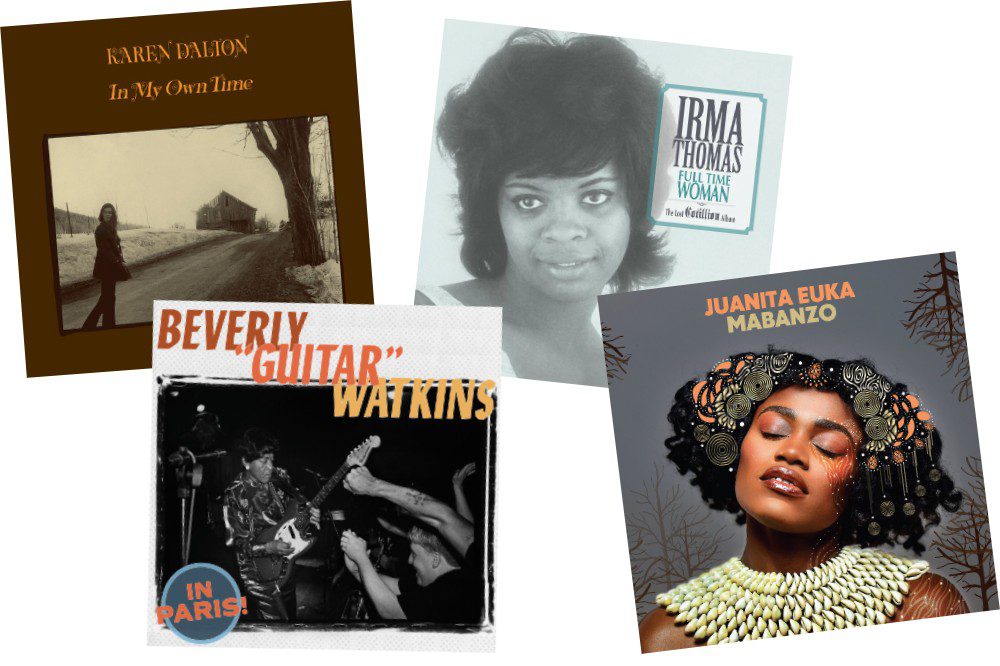
MUSIQUE BOUTIQUE: Juanita Euka, Beverly “Guitar” Watkins, Karen Dalton, Irma Thomas

Welcome to Audiofemme’s record review column, Musique Boutique, written by music journo vet Gillian G. Gaar. The last Monday of each month, Musique Boutique offers a cross-section of noteworthy reissues and new releases guaranteed to perk up your ears.
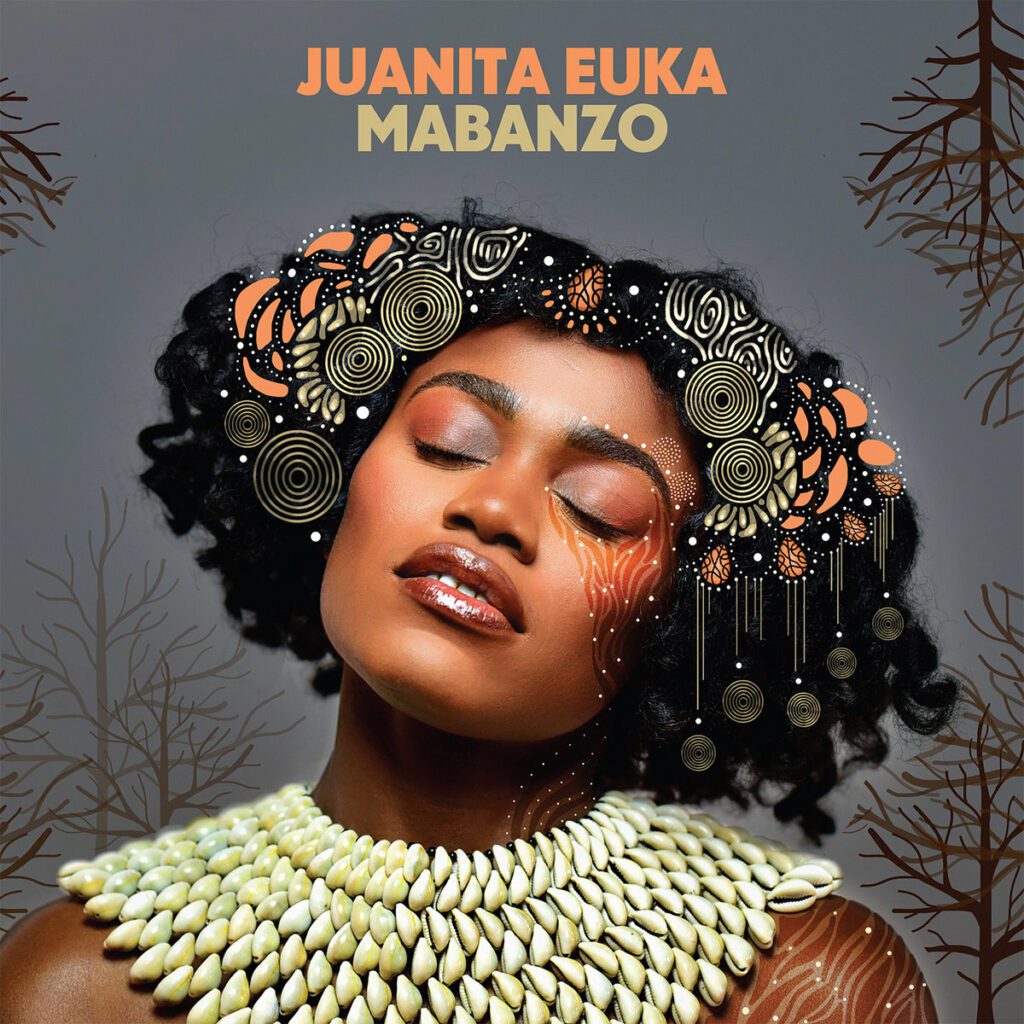
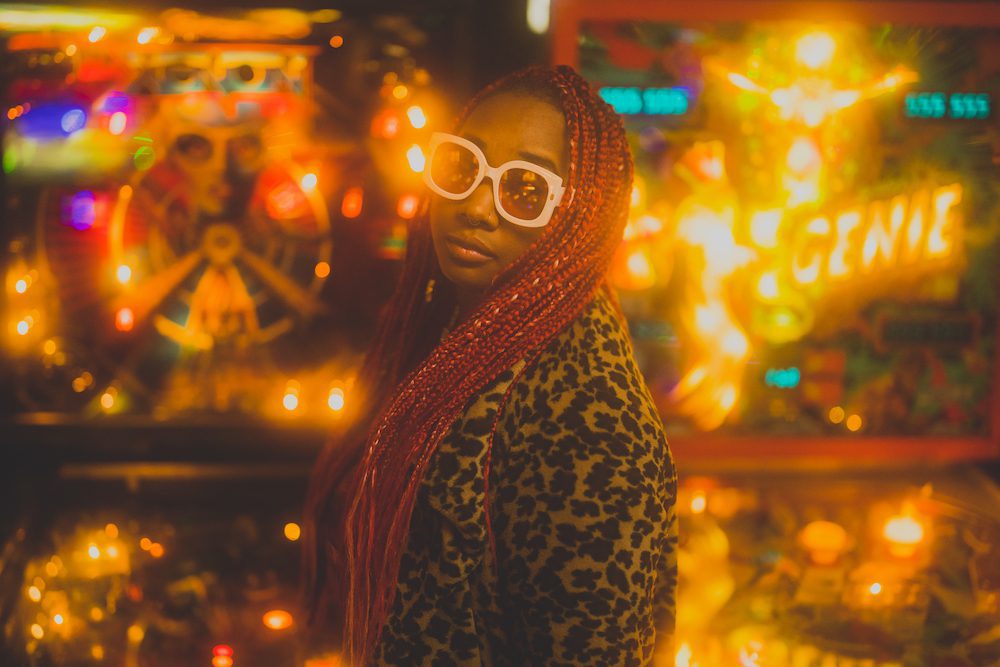
Born in RD Congo, raised in Buenos Aires, and now based in the UK, Juanita Euka has already made a name for herself through singing with groups like the London Afrobeat Collective, Latin/Afro band Aminanz, and Cuban fusion group Wara. Now she steps out on her own, with her exhilarating solo debut, Mabanzo (Strut Records). Euka’s musical heritage encompasses not only Latin and African influences, but also absorbing her father’s favorites when she was growing up in Argentina, like Sinatra and Roxette (“he LOVED Roxette!”), and discovering what she calls “female singers with attitude” (TLC, Salt-N-Pepa) via MTV. It’s a rich tapestry to draw from, making her music especially vibrant and enticing.

The opening track, “Alma Seca” (“Dry Soul”), begins with a simple, steady beat, adds gently tapping percussion, then brings in Euka’s cool voice, her light, breezy delivery offering no clue that the lyrics are actually about a failed love affair. Whether singing in Spanish, English, or French, the percolating rhythms draw you in, and there’s a decided life-affirming subtext to much of the album. “Suenos de Libertad” (“Dream of Freedom”) is a beguiling number about the struggle for justice as a way of honoring the past. “Blood” is a proud, uplifting song about the perseverance of hope. “Camarades” (“Comrades”) accentuates the positive in preparing for the future: “You have to change the day/You have to change your destination/It all starts in your head.” Euka’s musical journey is one that’s worth celebrating.
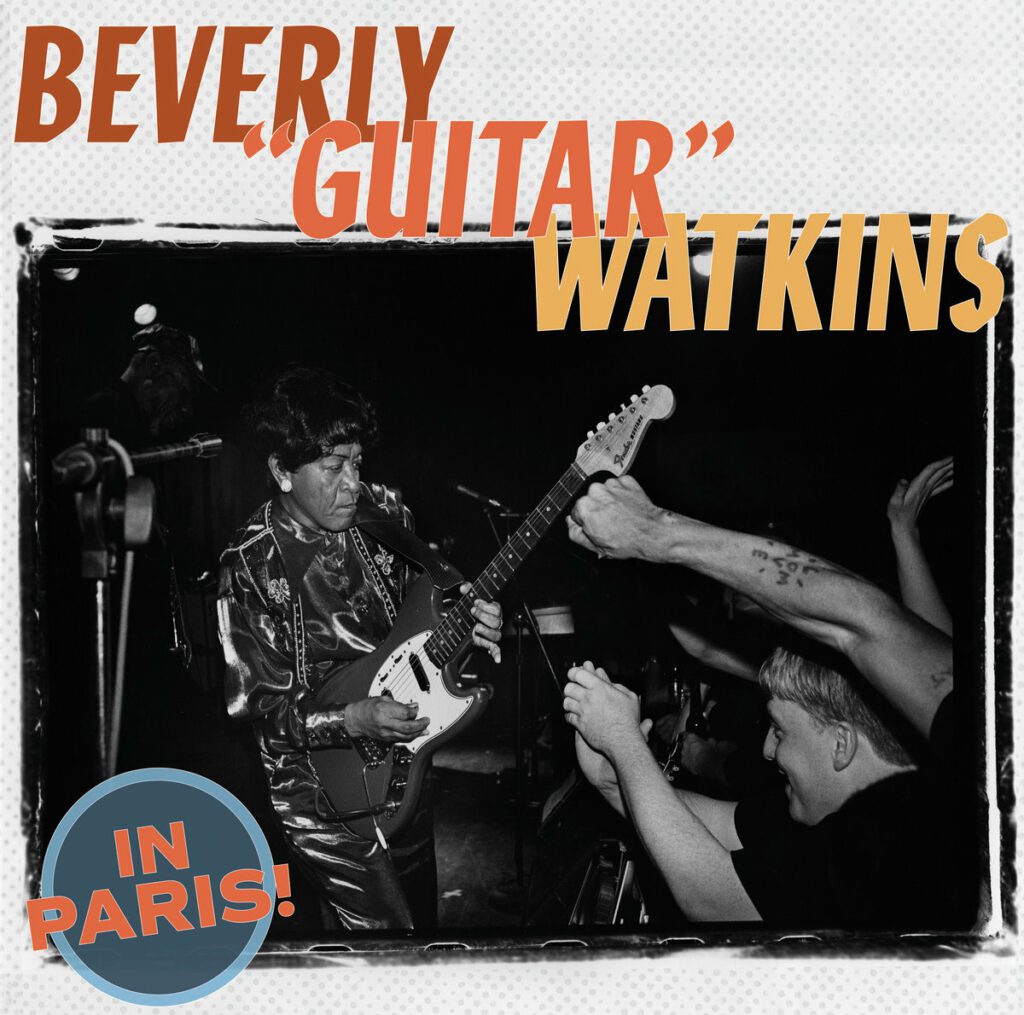
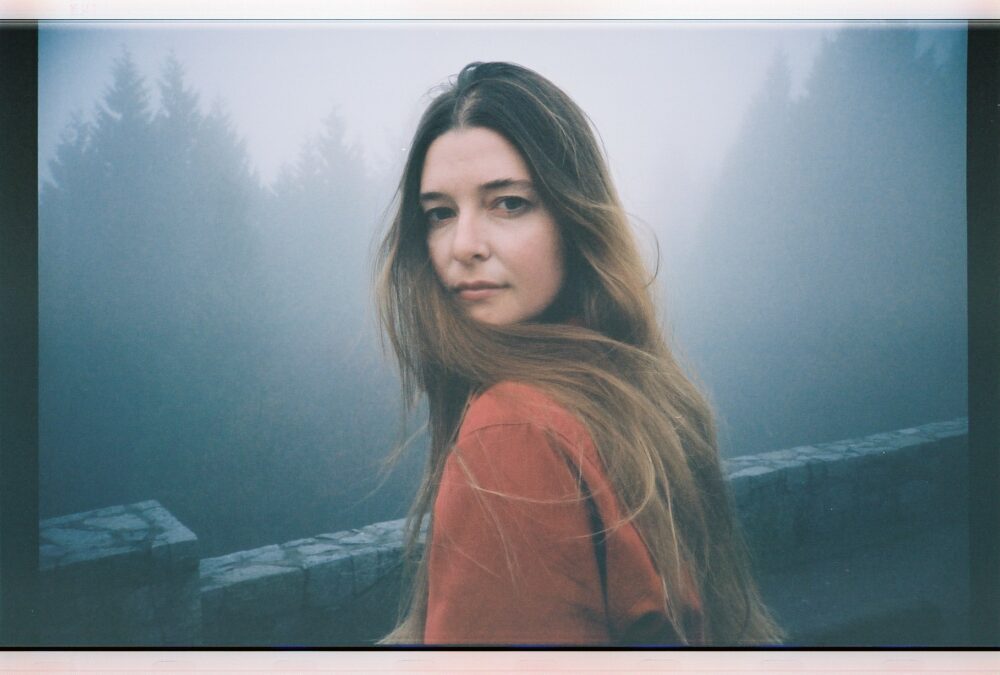
It’s been great to see pioneering women guitarists like Sister Rosetta Tharpe finally getting recognition for their accomplishments. Beverly “Guitar” Watkins is another musician who broke ground as one of the few women musicians on the R&B circuit, wielding her guitar for decades before she finally got the opportunity to release her first album, at age 60. Now, three years after her death in 2019 at the age of 80, comes her first live album, In Paris (Music Maker Foundation), taken from a 2012 show.

Watkins described her style as “real Lightnin’ Hopkins lowdown blues … hard classic blues, stompin’ blues, railroad smokin’ blues,” and she certainly smokes throughout this set, from the anti-war vibes of “Baghdad Blues” to the rollicking wrap up, “Get Out on the Floor.” She growls her way through a fierce take of “What’d I Say” by Ray Charles (whom she used to play with), and sweetly croons Sam Cooke’s “You Send Me.” And for a master class in blues you can’t do better than the steamy “Red Mama Blues,” named after one of her guitars.
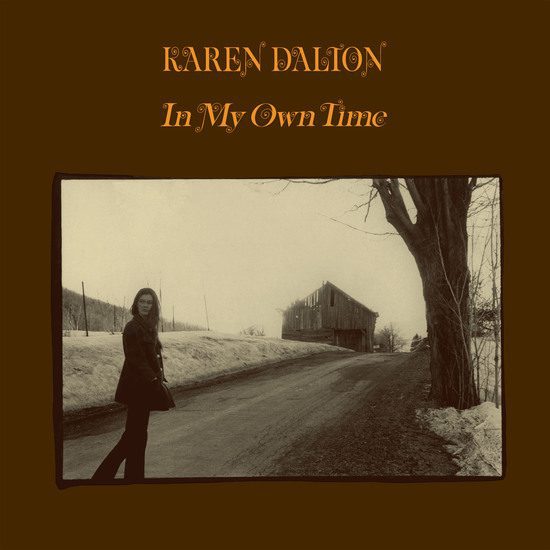
Karen Dalton didn’t sound like any other folk singer, with a bluesy cast to her voice that drew comparisons with Billie Holiday (though she herself cited Bessie Smith as her greatest influence). Dalton, of Native American and Irish heritage, was born in Texas and grew up in Enid, Oklahoma, where she learned to play guitar and banjo. She arrived in Greenwich Village just in time for the folk boom of the 1960s, but never reconciled with the machinations of the music industry, and after the release of her second album, she retired as a performer (tellingly, an ad promoting the record was headlined “For 10 years, Karen Dalton has been trying hard not to be famous”). She later struggled with substance abuse, and died of AIDS-related illness in 1993 at the age of 55.

Over the years, Dalton’s music resurfaced in television series and films (Brittany Runs a Marathon, The Serpent). Now comes the reissue of that second album, In My Own Time (Light in the Attic) in an expanded edition. Dalton generally performed other people’s songs, and the album has a mesmerizing version of the traditional ballad “Katie Cruel,” a sorrowful tale of a woman in decline: “When I first came to town/They brought me drinks of plenty/Now they’ve changed their tune/And hand me the bottles empty.” There’s a fine honky-tonk rendition of “How Sweet It Is,” and, for the first time, the release of Dalton’s live recordings, including “Blues on the Ceiling,” “Are You Leaving for the Country,” and a heart-rending version of her best known number, “Something On Your Mind.”
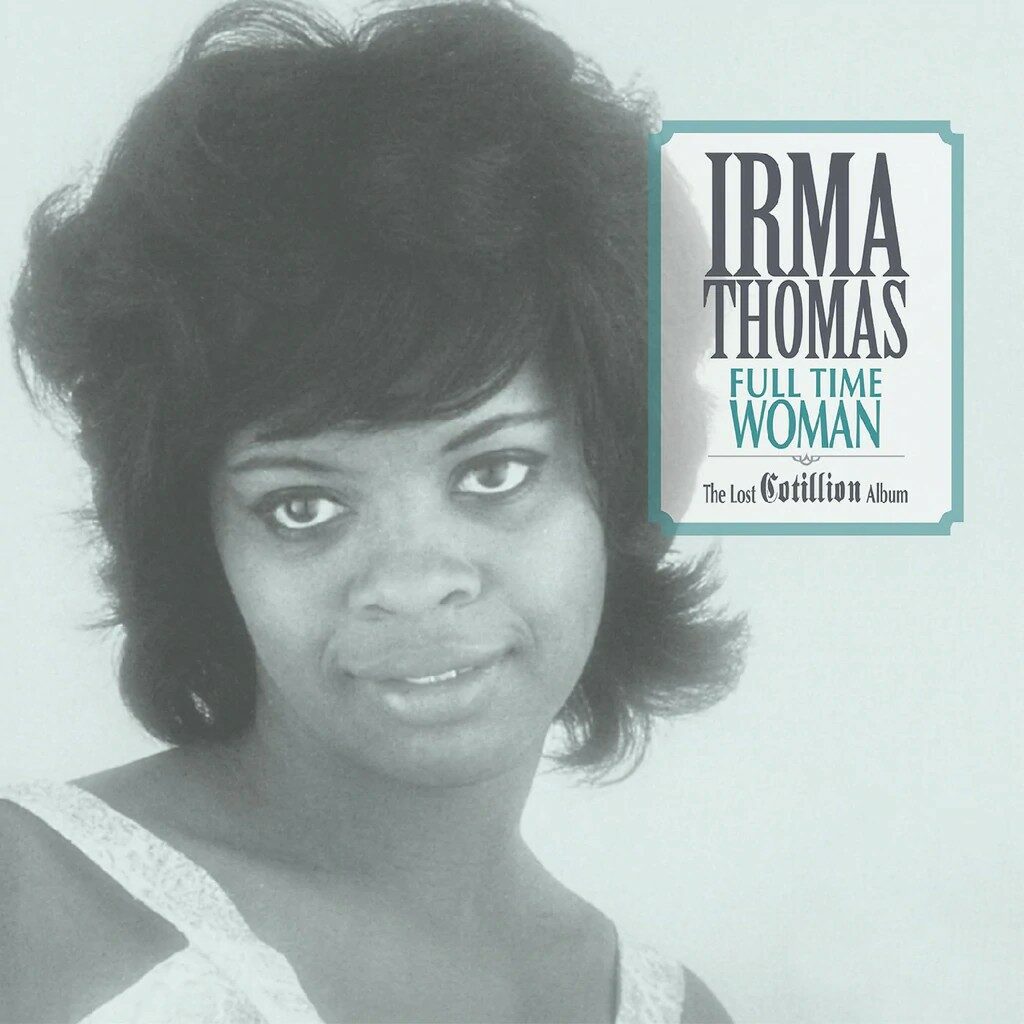
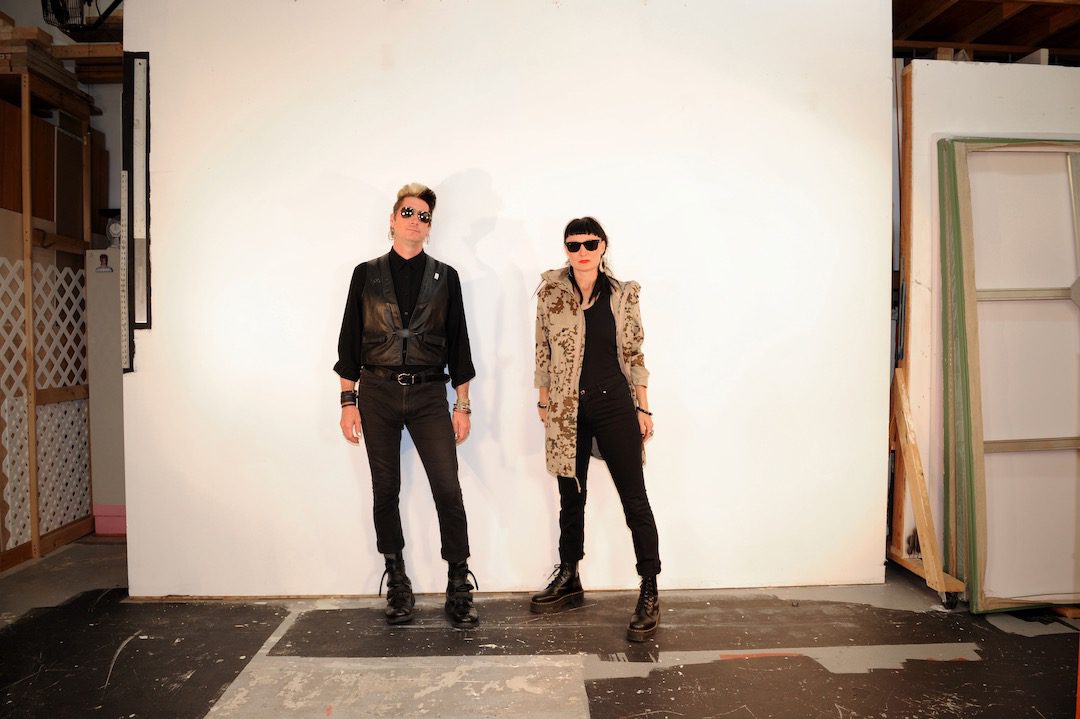
Irma Thomas, “the Soul Queen of New Orleans,” had her first hit when her single, “Don’t Mess with My Man,” reached No. 22 on the R&B chart in 1960; she’d just turned 19. Over the course of her career she landed other hits on the R&B and pop charts, and released a number of gospel albums as well. Her songs also came to the attention of other artists; Tracey Ullman would record “Breakaway,” and the Rolling Stones would cover “Time Is On My Side,” both previously recorded by Thomas in 1964.

In the 1970s, Jerry Wexler signed Thomas to Cotillion Records, but the label only ended up releasing one single by her, “Full Time Woman,” in 1972; the rest of the tracks were left to languish in the vaults. They first escaped on CD in 2014; now vinyl fans can partake in the bounty on Full Time Woman: The Lost Cotillion Album (Real Gone Music), pressed on light blue vinyl. The title track is a stirring song of independence, sung from the perspective of a proud woman in search of personal fulfillment. There’s a powerful version of Bobbie Gentry’s “Fancy,” with Thomas’ own Southern roots adding further authenticity to this tale of sin and redemption. There’s also original material, such as the jauntily optimistic “Waiting for Someone,” with the promise of good times just around the corner.
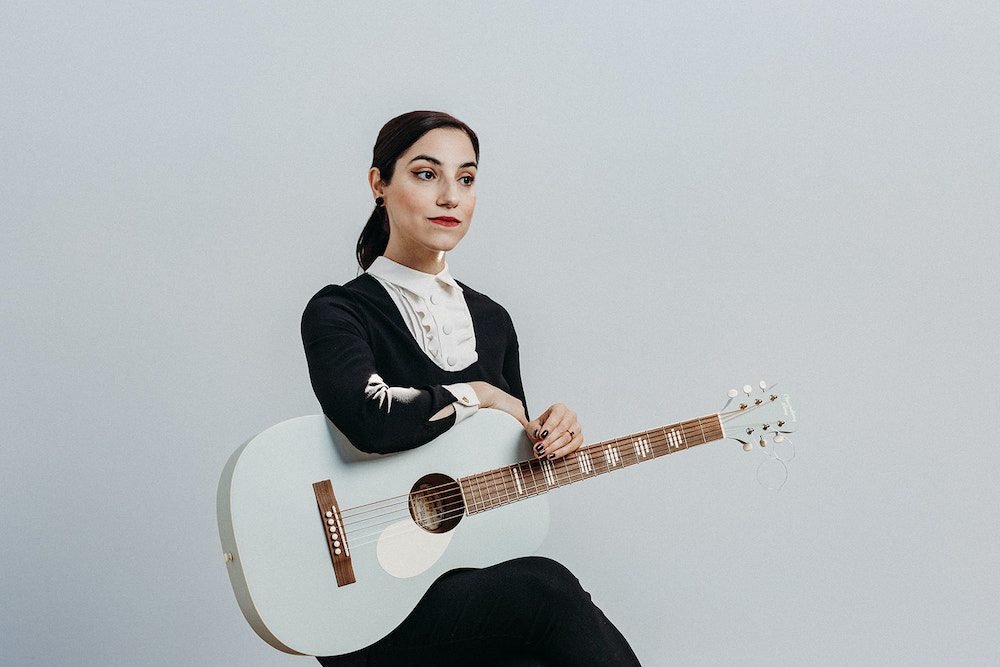
PREMIERE: Savoir Faire Calls on Listeners to Examine Their Privilege with “Alias”

As a high school and college music teacher, Sarah Fard — known by her stage name Savoir Faire — is keenly aware of how people’s race, gender, disabilities, and other factors can affect how they’re treated and what opportunities they have access to.

“There’s a lot of gatekeeping for people with disabilities because of how we are traditionally taught is the correct way to do things; there’s a ‘correct’ or more esteemed way to read music and hold an instrument,” says the Boston-based musician. “Often, it’s the old dead white guys; we’re supposed to be upholding this music as the end-all be-all of what should be in a music curriculum.” To challenge these conventions, she once tried to teach her students hip-hop, and a superior told her that was “something they should do after school.”

She became inspired to write about this topic early in the pandemic while watching the show Alias, which features a spy who thinks she’s doing good work for the CIA but is actually working for a criminal organization. Fard saw connections between this show and the current political climate, where discussions of critical race theory were becoming more prominent throughout the U.S. and also were scorned. In her hometown in New Hampshire, people had trouble acknowledging the lack of diversity in the schools. “There was a lot of ugly talk on social media, and people were saying, ‘This town doesn’t need this, there is no racism no sexism here,'” she recalls.

“I started thinking about this duality of who we like to think we are [and how] we all have this implicit bias,” she continues. “And if we think we don’t, that’s actually really dangerous because then we’re not reflecting on it; we’re not addressing it.”

These implicit biases are the subject of her latest single, “Alias,” which uses jazzy guitar, dark, pounding drums, and deep, rich vocals to explore the hidden sides of ourselves we don’t like to look at. “It’s not a face you think you’re wearing/The identity you think is you/You see, they fed you a backstory/That you think, you think tasted true,” she sings. The highlight of the track is the very end, where Fard’s voice echoes itself against heavy guitar, repeating the lyrics: “Your cover’s been blown my dear/And though you seemed sincere/I found you, I found you, I found you out.”

Fard’s goal was to have the song carry a nostalgic, vintage vibe, as well as a somewhat abrasive, moody sound that might force people to confront themselves. She recorded a demo with the vocals and guitar, then sent it to drummer and producer Dave Brophy to mix it. “The song is kind of an inquisition with the listener, sort of an old noir film where the detective is interrogating the suspects,” she says. “I hope with this song that anyone listens to it who understands its message might have a moment of reflection.”

Trained as a jazz guitarist, Fard released her first album Machine with a Memoir in 2018, followed by the 2020 single “1945” and then “Sweet,” a jazzy single released earlier this year that deals with sexist stereotypes and belittlement. “Don’t confuse helpful with helpless,” she bellows theatrically on the track, which claps back at people who pigeonhole her as spineless or easily manipulated because of her kind demeanor. “I just don’t know that men who are good at their jobs and helpful get called ‘sweet’ in the same way,” she says. She plans to compile “Sweet,” “Alias,” and another soon-to-be-released song called “Think Twice” into an EP within the next year or so.

Her desire to prompt listeners to question their assumptions and biases stems in part from the stereotypes she has faced as a female guitarist. “I didn’t feel like I had that representation growing up to feel it was possible to play,” she says. “That was because all the guitar players were men. You can say the same about flute-playing; boys don’t play flute often. Is it because they don’t enjoy it or because we’ve made it a feminine instrument?”

She makes a point to showcase her own guitar playing in her songs to combat the common assumption that as a woman, she must be primarily a vocalist. All three songs on her upcoming EP feature guitar solos. “A lot of my peers in college thought I was a vocal major or a flute major because people didn’t see me as a guitar major,” she says. “I think it never hurts to have more songs with killer guitar riffs and guitar solos by female-identifying people for the young female-identifying people who need that representation.”

All in all, she hopes her music questions — and causes listeners to question — the social constructs that limit people. For this reason, her songs can be confrontational, which serves an important purpose in today’s world. “Some day, I’m gonna write a feel good song,” she says. “But today’s not the day.”

Follow Savoir Faire on Instagram and Facebook for ongoing updates.

P.E. Redefines the Concept of the Muse on Sophomore LP The Leather Lemon

Photo Credit: Vince McClelland

NYC experimental outfit P.E. get super weird on their sophomore record The Leather Lemon – and I mean that in the best way. Out March 25 on Wharf Cat Records, the album opens with “Blue Nude,” wherein singer Veronica Torres purrs, “You want to make me beg,” establishing a power dynamic right off the bat.

Musedom – or inspiration – is central to The Leather Lemon, which is brimming with mystery, romance and sex appeal. “Blue Nude” references Matisse, while “Lying with the Wolf” is based on a Kiki Smith work. But Torres (who writes the lyrics) isn’t just casually name-dropping fine artists. As she stated in a recent interview: “I’ve always been concerned with this concept of muse… women weren’t allowed to be creators, so they would just be put on a pedestal and inspire art, which I think is bullshit.”

That Torres is grappling with such ideas in her lyricism becomes all the more intriguing when you consider that she is the sole woman in her band, which is a Brooklyn underground supergroup of sorts, composed of members of PILL and Eaters. Jonathan Schenke, Bob Jones, Jonny Campolo and Benjamin Jaffe (who plays the guileful saxophone slinking its way through the whole record) write the music, but as the lyricist, Torres is the megaphone imparting the band’s message. In that sense, Torres flips the script – she is not the muse; rather, she is looking outward at the muse.

When I ask her about this, she makes sure to emphasize that she is “lucky [to be] working with really talented and supportive dudes.” That said, she notes that “the whole muse concept in a historical sense [is] not very far away. You can go to the museum now and get a Guerrilla Girls tote bag – which, I totally want that tote bag – but you know, it’s funny that you’re getting this deliverable item referencing something that was only 30 years ago, which was a piece about how women weren’t in museums.”

While she is critical of this particularly feminized nuance of the muse as a concept, let us remember that its contemporary definition is “a person or personified force who is the source of inspiration for a creative artist.” While it’s a historically female word for the reasons Torres articulates, it really could be anything, and on The Leather Lemon, it is. 

It helps that several members of the band are visual artists. In fact, the album title comes from multi-instrumentalist member Campolo’s visual art practice. “The Leather Lemon is actually a phrase that Jonny Campolo coined,” Torres explains. “He was making these drawings out of lemon and orange rinds. However they fell, he would sketch them, and they often looked like people.”

The juxtaposition of these unlikely materials and textures speaks to a new era for the band. Wharf Cat describes the record as “a wild ride through chewy bubblegum pop, sweeping synthetic orchestrations, and mutant club beats.” Strangely enough, what the record evoked for me was the 1988 thriller Frantic, set in the smoky back rooms of Paris nightclubs against a soundtrack laced with Grace Jones and Oscar-winning composer Ennio Morricone. My mind wanders through the enigmatic, sensual amalgamation of jazz, synthy nightclub sounds, and ’90s Bjork, the last of which Torres emphasizes as a specific influence, although she quantifies it: “Can anybody be ’90s Bjork? No. But it influenced [the record].” At one point during the recording, Campolo even described the sound as “’90s Bjorkish,” to which Torres said, “That’s what I was going for!”

I found this to be the most evident on the latter half of the record, namely tracks like “The Reason for My Love” and “Magic Hands.” The supportive nature of the band knows no gender in the sense that everyone brings their weird, unique ideas and works together to layer them. “Someone will start with something, and then it’s just building, over and over and over, and there’s a lot of editing as well,” Torres states. 

“It’s nice to have people be so encouraging, enabling me to explore a different side of what I’m capable of musically,” she continues. “They’re also just so supportive of my weird lyrics.”

In that way the muse is fluid. Just as much as visual art and the idea of the muse itself are central to the album’s genesis, Torres says she drew equal inspiration from a more traditional source as well: “I’m in love, so there’s definitely love songs too.” So while she’s looking outward at the muse, she looks inward as well, and opens herself up to the possibility of being someone else’s muse.

On “New Kind of Zen,” she sings, “Make me part of your spiritual practice.” When taken in consideration with where we started – “You want to make me beg” – it sums up the idea that we contain multitudes. We can walk and chew gum at the same time. The muse is not a default position of creative resignation for women anymore; on The Leather Lemon, it’s just what you make it.

Follow P.E. on Instagram for ongoing updates.

Seattle Listening Party Premiere Interactive 3D Music Video “Find Ur Grind”

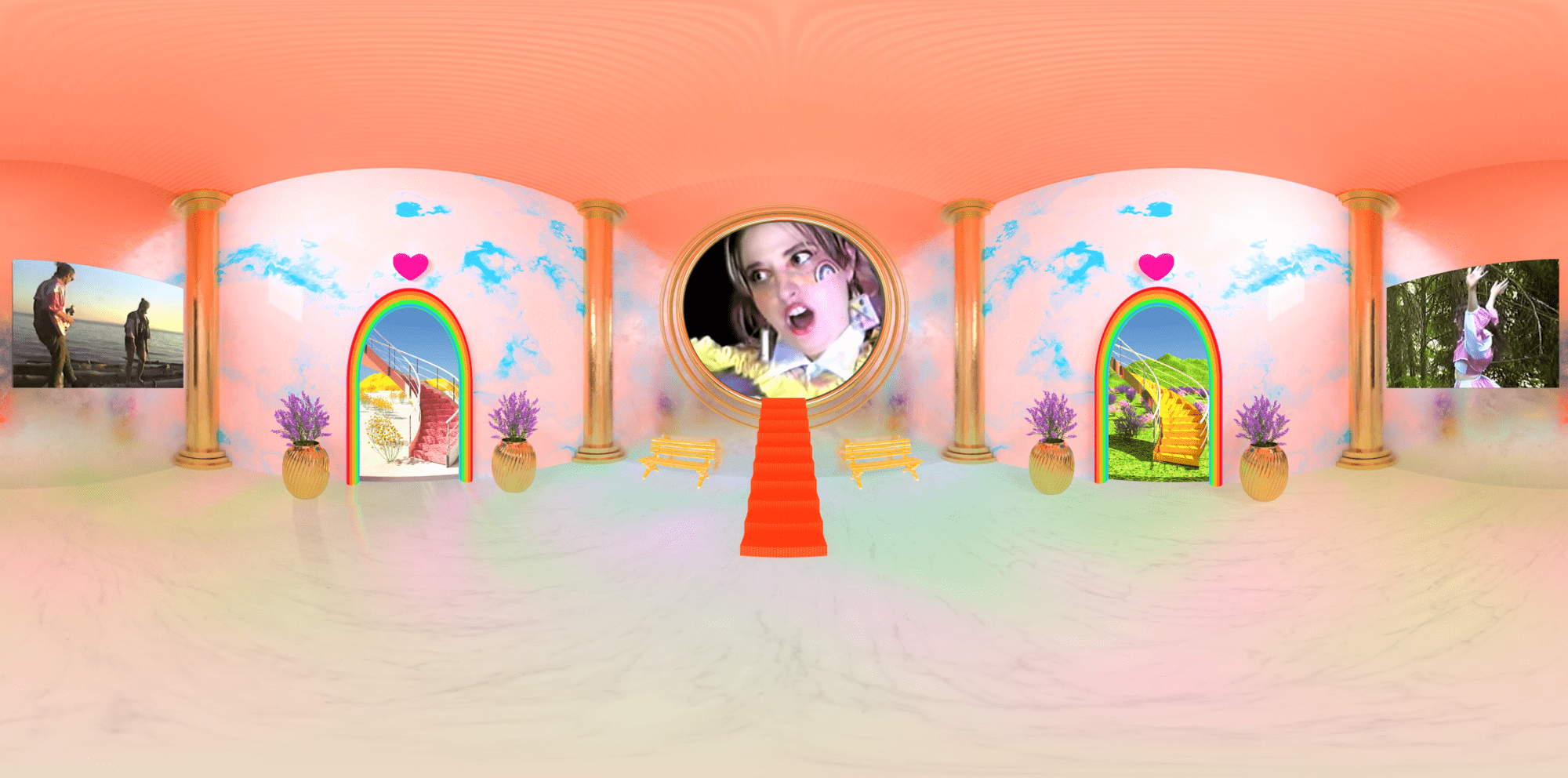
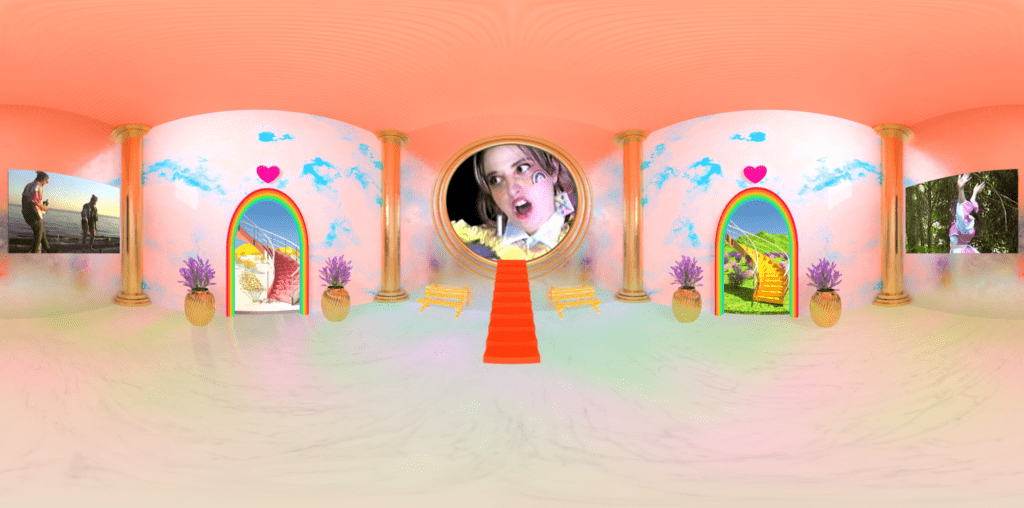
Jena Pyle has designed a music video like no other for “Find Ur Grind,” her recent collaboration with Jack Uppling’s solo project, Seattle Listening Party. Beyond writing the lyrical content and singing on the track, Pyle, who is also a professional illustrator and designer, created a fantastical and interactive lofi-meets-vaporwave 3D space in which she, Uppling, and other musicians on the track sing and dance in elaborate outfits designed by artist Janelle Abbott. By clicking and dragging in the frame of the video, listeners can move 360 degrees around a vibrant, cloud-covered room; on the walls, Pyle installed rainbow-arched doorways, realistic metallic flower planters, gold pillars, and several framed screens with performance clips.

The incredibly unique and interactive video is one of several music videos Pyle’s made for her own band, Sundae Crush, and other local bands like Tacocat. But, Pyle concedes, this is perhaps the most complex one she’s ever designed. “I went to school for design, but I taught myself 3D,” Pyle says. “I watched a lot of tutorials on creating a 360 room and a lot of the trainings. There’s a lot that went into it.”

What’s more, while there are a few other 3D videos out there (like the work of Blake Kathryn, one of Pyle’s favorite 3D artists), “Find Ur Grind” is one of the only music videos that uses this technology.

“Jena worked very hard on the video with Izaac Mellow and I love how it turned out,” says Uppling. “I’d never really seen a 360 room video before and I think it’s perfect for the song.”

Sure enough, the upbeat track paired with the original video offers listeners a really fresh and exciting way to experience the music and the concepts “Find Ur Grind” explores.

Pyle’s lyrics describe the hamster wheel of the of “rise and grind” culture, or the capitalistic idea that your value is first and foremost defined by what you can bring others, and bucks against it—mirroring a very real shift Pyle’s been going through in her personal life.

“I just realized I was giving my time to things I didn’t love or things I didn’t think were going to help me grow as a person,” she says. “So I started to really think more about the time that I had and how precious it was and started setting more boundaries with the things that I was going to allow in my life.”

For Uppling, it’s also a symbol of their perseverance with the project during the pandemic. “I haven’t often been very satisfied with the way my songs have turned out in the past, but this one is different,” he admits. “I really appreciate Jena working on this one with me for so long, throughout the pandemic. Receiving new files from Jena in 2020 were extremely helpful in getting me through the year.”

Uppling moved to Seattle from Ann Arbor, Michigan in 2016 with his band The Landmarks. For the next three years, The Landmarks played shows throughout the city, getting to know other artists and bands. But in 2020, when The Landmarks decided to go their separate ways, Uppling continued to make music on his own and set out to work with more talent from the rich community he’d become a part of. Inspired by the mixtape-style collaborations of groups like Gorillaz and Daft Punk, Uppling formed Seattle Listening Party with the intention to stretch himself creatively and collaborate with more local musicians.

“It’s nice to be able to release electronic and modern classical stuff on my own, but I’m mostly excited about working with different vocalists and musicians. This project allowed me to just do whatever and have fun with people,” explains Uppling.

In 2019, Uppling had already written the music for what would become “Find Ur Grind,” but The Landmarks never got around to playing it. In fact, he had five previously-written songs in the vault that he hoped to shop around and record with collaborators.

One of the first collaborators Uppling approached was Pyle, who was immediately drawn to the demo version of “Find Ur Grind” that Uppling had laid down with engineer/producer Dylan Wall (Great Grandpa) and Razor Clam drummer Jess Bierhaus in 2019. Pyle brought her own colorful sensibility to the track, which Uppling says was initially “inspired by coffee, skateboarding and Lisa Simpson.”

With the success of “Find Ur Grind,” Uppling plans to release other tracks as Seattle Listening Party, including one track with artist Tylee Toyoda from The Landmarks/All Star Opera on drums, Abbey Blackwell from Alvvays on bass, and Laja Olaiya and Alyssa Clarke on vocals, as well as another track featuring Lena Farr-Morrissey from Coral Grief. Eventually, Uppling plans to create an EP or LP of these collaborative tracks.

For her part, Pyle is just happy she got to be involved and make the video, a passion project that reflects her intention to protect her time and enjoy herself more.

“I just wanted to create a really fun music video,” she says. “I didn’t want to overthink it. I wanted engage with my friends, [wear] cool outfits, play around and dance around—to just have fun.”

Follow Seattle Listening Party on Instagram for ongoing updates.

mBtheLight Let Intuition Guide Her Solo Debut, How to Dress Well in the Dark

Photo Credit: James Adams

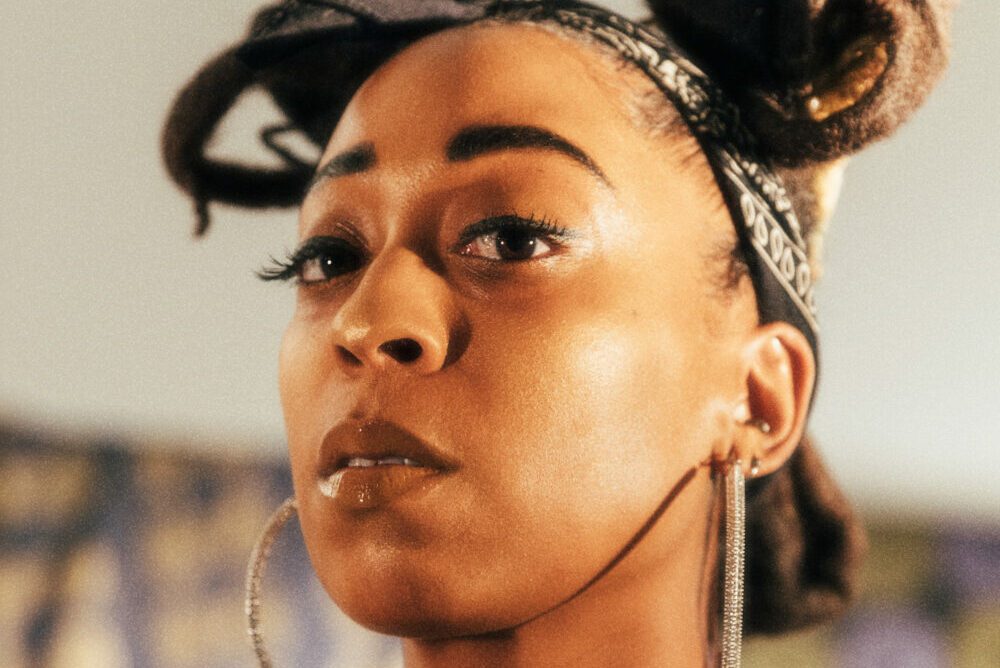
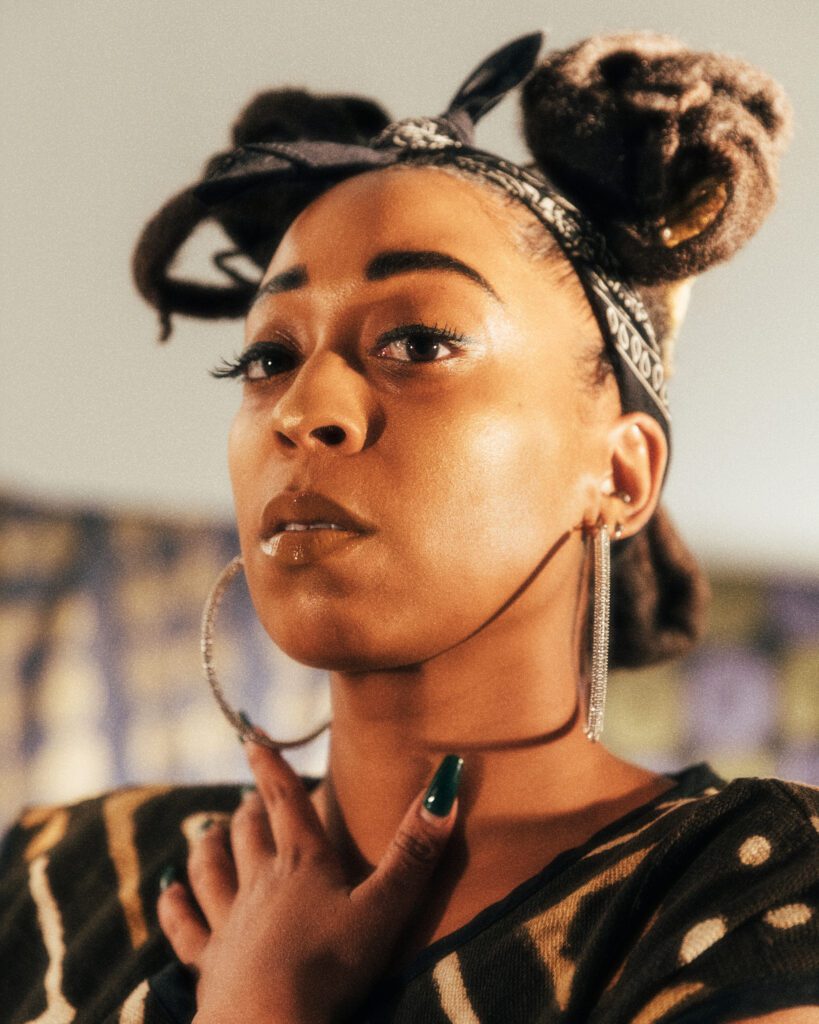
Some people spend their lives trying to make music happen, while others tend to let the music happen to them. It seems that Monica Blaire exists in the realm of the blessed few that experience the latter – acting as a vessel for the words, melodies and rhythms that seems to flow freely through her like a river. That’s not to say she hasn’t spent countless days and years writing music and continually growing in her craft, but that the way she does it is led by intuition and experience rather than any forced or external motivation. Her latest record, How to Dress Well in the Dark (H2DWITD), (released via Moodymann – founded record label, Mahogani Music) proves to be no different. 

“All of the full songs you hear are one takes, three at most. Nothing was written down, they’re all improv,” explains Blaire, who is releasing the project under the moniker mBtheLight. “I’m kinda slowly getting people into the idea that I can be called whatever I wanna be called,” says Blaire. “And that, yeah, Monica Blaire is the foundation, but don’t be surprised if I put out an album and I just called it Blaire or if I put out an album and I don’t wanna be called anything.” This languid approach to her moniker reflects the shapeshifting and transformative themes in H2DWITD.  

The record – which has been three years in the making – unfolds like a sonic diary, giving the listener glimpses into the external and internal conflicts that the artist faced over the last few years. Blaire explains that, after moving back to Detroit from Atlanta in 2018, life didn’t exactly go the way that she planned. She had returned to Michigan with the intention of making a record with Andres – aka legendary DJ and producer DJ Dez (of Slum Village) – and acting as a Creative Director for one of her friends’ projects. But, as she recounts, the process was slow moving and she felt like she had things she needed to get off her chest now. So, Dez and Mahogani Music founder and house music legend, Moodymann, gave Blaire the green light to embark on her solo record. 

Blaire explains that her writing process – for these songs and most of her songs in the past – is a very quick and spiritual process. “We sat in the studio and Moody just played me the tracks,” Blaire says. “This is how it happened –  Moody would play a track and I’d be like, ‘This is dope’ and we would start recording.” She says that she relies on instinct when it comes to writing and doesn’t allow herself to overthink or ruminate on a song. “Whatever the first idea I get is gonna be the one,” Blaire muses. “They normally come fully flushed, like ‘This is the song.’ Maybe not the words, but definitely the melodies and the placement.”

This direct method of writing probably explains the vulnerable and forthright nature of Blaire’s music. H2DWITD pieces together the more produced, fleshed out tracks that Blaire worked on with Andres, Moodymann and Nick Speed, with poignantly fleeting memories, composed solely by Blaire on her iPhone. She says that after sitting with the longer tracks for a while, she started to understand the story she wanted to tell, and wrote the interludes from there. But, although she had an idea of what she wanted to say, Blaire says a lot of the songs on her record told her things that she didn’t know yet herself. “My music tends to be very predictive because of my tap in,” Blaire states. “Sometimes, I’m feeling something and I don’t know why I’m feeling it and I express it through song and later it makes sense.”

Take the album’s lead track, “samesong.” Blaire says she wrote this track on her way home from a tour that was canceled due to COVID, and was surprised by how accurate it was listening back a few years later. “It kinda predicted all the sadness that was coming… and even some of the relationship things… some of it were things I was trying to get closure from, but it also ended up being predictive in some other ways too.”

This foreboding track sets the tone for the rest of the record, leading the listener through the peaks and valleys of Blaire’s self-discovery, acceptance and growth. “This is the darkest I get generally, in terms of what I put out and the things that I do,” observes Blaire. But in that darkness are heaps of hopefulness and clarity. Like in “release,” a cathartic meditation on realizing your needs and letting go of people and things that don’t fulfill them. Blaire begins the song with a reminder of the humanity in all of us – (“Be kind/A heart is still a heart/And a mind is still a mind”) while also maintaining her strength and sending a message to anyone who wants to get close to her (“Fuck with me if you wanna/Know that I’m different, though/I don’t take shit for granted/I dive in deep toes first”). The last minute or so of the song demonstrates Blaire’s unflinching vocal talent in an outpouring of emotional vocal runs that say just as much, if not more, than the words preceding them. 

Each song on the record packs in an equal amount of emotion, whether it’s five minutes or thirty seconds. The interludes, especially, encapsulate Blaire’s complex and genuine spirit, along with glimmers of the turmoil that she experienced while making this record. From her car breaking down and computer dying to going through a complicated breakup and delaying plans to move across the country, Blaire has been through a lot the last few years. From that came this unfiltered, vivacious body of work that yields proof of the beauty in chaos. “When that kind of chaos starts happening, I just know the universe is mixing stuff up and it’s about to be a real good time,” says Blaire.

Follow mBtheLight on Twitter for ongoing updates.

BODEGA Brushes Up on the Classics on Broken Equipment LP

Photo Credit: Pooneh Ghana

“It’s only when things break down does the presence of the thing reveal itself,” says “Bodega” Ben, a founding member of the Brooklyn “art-punk incendiaries” who release their new full-length record Broken Equipment today on What’s Your Rupture?

He goes on: “What good art does is that it reveals these relationships we take for granted. And I like the pun of broken equipment too, because as artists, at least speaking for myself, we’re essentially damaged goods. We’re damaged people. We’re the jesters out in the world, and because of our pain – this is a gross oversimplification – but I think we can see things that not everybody can. We are broken equipment.”

The band borrowed the phrase from German philosopher Martin Heidegger, whose writings on technology and art and their interconnectivity with how we perceive the world loom large over this record. It all began with a philosophy book club, started in early 2020. The band had already written about a dozen new songs, but then the pandemic happened. Isolation allowed time for the ideas they had been grappling with to sink in. So they wrote more songs, and only about half of the originals made the final cut.

The beginning of the pandemic also brought with it some line-up changes, timing that proved serendipitous as it intersected with the formation of the book club. “De facto” book club leader Adam See is a philosophy professor, but also a bassist. 

“I know him first and foremost as a friend from the music scene, but didn’t really get to know him until we started reading philosophy together,” Ben explains. “I figured out he played a lot more bass than I knew, so it was kind of amazing that he was able to slip into being in the band.”

“A band is a gang, and it’s nice to have everyone bring their own personality, but the gang is the sum of its parts. And our band had that in a musical way, but there was something really special about the book club in the sense that it was rejuvenating for all of us,” he says. “It’s really fun to return to the classics that we had all read as undergrads, but in a non-academic setting. And that sort of bookish nature has slipped over into the band in a way that I think is really fun, which is more important than any books we read. It was the idea of reading together.”

So back to Heidegger. He appealed to BODEGA in the way that he, as Ben says, “puts you back in contact with what it feels like to be present in your body.” They were particularly inspired by his essay “The Question, Concerning Technology,” wherein he writes about man’s relationship with technology.

“We tend to think of technology as this neutral concept,” Ben says. “When a tool’s invented, it’s neutral, people use it, whatever. But his whole idea is that you go back to when the Greeks first invented the word techne, what they were really coining was an ideology of man’s relationship to the world, as he uses the [phrase] ‘standing reserve,’ so seeing everything in the world as a standing reserve.”

What this essentially means is that technology is not at all neutral, as it directly informs our experience with the world we exist in. The “I” you once were fundamentally changed when you held that first iPhone in your hands.

“In modern life, we tend to treat our own friends as standing reserve. We tend to treat our own bodies as standing reserve,” he continues. “What can you do for me? There’s this transactional relationship to everything, that extends to inanimate objects as real people. I feel like that rhymed with a lot of BODEGA concerns.”

Which brings us back to Broken Equipment, a logical next title in a series of albums that deal deeply with the ways capitalism, technology and their intersections have shaped our identities and experiences as humans living in the 21st century: Endless Scroll (2018) and its live counterpart Witness Scroll (2019); Shiny New Model (2019). In a way, that’s what this band is about – they read Heidegger so you don’t have to. They break these weighty ideas down into something more digestible, more palatable even, so that they might transmute these ideas that concern them to others in a way they’ll actually consume.

Vocalist Nikki Belfiglio puts it this way, referencing the American essayist Ellen Willis: “The true prophets [in a communication crisis] are the translators. And I feel like in a sense artistry is like that. We show ourselves almost as prophets, in a pretentious way, but in the way of the true form of pretension, we try to be more than what we are.”

She continues: “What I’m trying to say is artists fulfill this role as translators, and are trying to communicate these things, like broken equipment, things that have broken down and are not yet noticed by society, or uncommunicated in a sense, other than on an art-making level.”

As far as artistic endeavors go, this sounds heavy, ambitious even. But they’re also having fun with it. Part of what makes Broken Equipment such a special record is how evident the love and fun that went into making it is. When they set out to write it, BODEGA was tired of being lumped in with third or fourth-wave post punk bands. They believe in allegiance to artists and songs, more so than genre.

“What we want to do is trace how consciousness is changing,” Ben explains, “[but] people say to us all the time, wow your band is so boring. We get it, I’m on my phone a lot.”

In this sense, you might even note the influence of Martin McLuhan here; on Broken Equipment, the media is the message. BODEGA is all about how the constant bombardment of outside influences shapes us in this over-inundated media landscape, and the ways art, music and media have shaped the band are overwhelming on this album. The influences are all over the chart here – you can of course see hints of other contemporary punk outfits like B Boys, and Ben’s vocals are at times reminiscent of Show Me the Body’s frontman Julian Cashwann Pratt, namely on tracks like “Thrown” and “Doers.”

Which makes sense, given that they infused their sound with a lot of ’90s hip hop sensibilities; artists like Run DMC and Eric B. & Rakim come to mind as you make your way through the record. Gasps of pop and classic rock puncture the noise as well; Nikki says she jokingly refers to album single “Statuette on the Console” as their “Sheryl Crow Ramones song.”

With this, the message comes through as genuine, and never preachy. On opening track “Thrown,” Nikki shouts “Watch the thrown,” a warning as it were, to be on guard for all images and content the world will throw at you today. Ben jumps in to list the many ways he’s “thrown” by the world around him, “big rock ads” and “the itch on my back.”

We’re never free, and neither is BODEGA. But the band practices radical acceptance on Broken Equipment, allowing the many factors that influence them to seep together into something greater than its parts. There’s very little any of us can do on our own to stop the progress of technology as it snowballs more and more insidiously into our lives, for better or for worse. The best you can do is be conscious of it, and with that, maybe even have a little fun with it.

Follow BODEGA on Facebook and Instagram for ongoing updates.

Melbourne’s Sydney Miller Melds Crafty Samples and Synthpop on Debut EP The Inside

Photo courtesy of Sydney Miller

When Sydney Miller dropped her track “Out From The Inside” in the middle of 2020, the Melbourne singer-songwriter caused a clamour. Her dancefloor-friendly pop leanings suggested a steady diet of Britney, Ariana and Selena, but her curiously composed samples and glitchy, layered sonics have gleaned inspiration from Róisín Murphy’s debut solo album Ruby Blue.

“She’s a star. I’ve never really resonated with an artist and their progression so much,” states Miller. “My mom would play her dance music throughout the house, before I knew it was her. Once I got ahold of that 2005 album Ruby Blue, I listened to it every day, and it’s a huge reference for the production I learnt how to do. For that album they recorded vacuums and all this wacky sort of stuff, and I thought, why can’t I do that?”

Miller released debut EP The Inside on February 25th, and it’s jam-packed with field recordings, the ephemera of daily life, and manipulated found sounds, but – like Murphy – she has not created a sterile scientific experiment in sonics. Her richly atmospheric, hooky palette of pop flavours amounts to a joyful melange of glitchy, sweeping, artsy synthpop and vibrant, textured electro.

The restless, click-clack percussion of “Bad News” sounds like a spoon trailed over a long line of tall glasses. A thudding rave beat and the distant sound of a dropped-out phone line form the backdrop to Miller’s gorgeously girly vocals. Computer game-style bleeps and chords kick in about halfway through, giving a nostalgic patina to the hyper-fresh dance mood. She’s as inventive and strangely compelling as Billie Eilish, without the bleakly gothic, blackened heart.

“With ‘Bad News’ I was really tired of scrolling through social media and opening the news to all those classic COVID scares,” she reveals. “So, I wanted to make a song about that: sounds of phones, newspapers, books representing the idea of the media holistically. I made samples from that, came up with a hook, developed the lyrics and moulded it all together in a weird way.”

Miller is certain that the “rhythmic fixation” making its way kinetically into her music and songcraft stems from her years of studying dance. “I was a dancer growing up so that has a huge impact on the way that I write,” she proclaims. “I started with ballet and tap so the tap explains my interest in rhythm and textures, but as I got older ballet was too strict for me and I got much more into contemporary and jazz and I loved those.”

“In The Office” was inspired by the job she took up during Melbourne’s long string of lockdowns. As the supervisor at a call centre for COVID queries, she was working 40-hour weeks, often answering calls herself.

“The environment felt so loud because of the sounds and the fast-paced atmosphere, and what was going on at the time with everyone being freaked out,” she recalls. “I needed to make something that replicated the feeling that I felt going into it every day. It wasn’t an environment that I felt like I belonged in. Every day I’d walk in feeling frustrated that I was in that position, when really I wanted to be at home, making music. I felt frazzled and isolated going into that office.”

When developing the song’s sonic palette, Miller reached for the familiar. “I used a kit of chairs and pencils and that kind of thing, so that was pretty easy for me to manipulate at home…I have a weird chair that’s a bit squeaky, so I recorded that… Even knocking on my desk, I got good sounds of out that, wooden spoons, that kind of thing,” she explains. “I filled the gaps with typing on computers, mouse clicking, anything where I thought, hey – that sounds like an office!”

Miller’s singing and production skills go beyond her liberal use of household samples. Following years of choir and piano lessons from the age of four, she was classically trained as a vocalist, including three years under the tutelage of renowned Melbourne vocal coach Angela Wasley during her high school years. Miller holds a Bachelor in Interactive Composition from the prestigious Victorian College of the Arts, and the tiresome and demanding call centre job was her route to saving up to return to uni this year to complete her Honours.

“It’s a bit of a niche course, but it [involved] making and producing music for any art forms that we could get our hands on. I particularly took an interest in making music for installation art and that lead me into this art schooly, weird production thing for a conventional pop fusion,” she says.

Her professor put her forward when Dr. Heather Gaunt, Curator of Collections and Exhibitions at Grainger Museum, was seeking a sound artist to collaborate on an immersive exhibition within the museum.

“The museum was looking for a classical composer, a hip hop composer and a psy-trance composer,” explains Miller. “I did not fit into any of those categories at all… but I submitted anyway. The head of the Grainger was filtering through all the music sent and she called and said she loved the piece I submitted.”

Dr. Gaunt commissioned Miller to create a sound installation that accompanies by custom architectural and animated elements designed by Professor Rochus Hinkel. The exhibition is planned for mid to late March and will also be part of Melbourne Design Week; while the museum has been completely empty, Miller has been recording atmospheric sound and creating her own samples to fit the feeling of the different rooms, be they linear and wooden-walled or curvy and metallic.

While it might seem a far remove from her radio-friendly pop EP, she has approached the process of music making in the same way as ever: forming a concept, building a kit of samples, then methodically turning her song into a story.

“I’m very holistic about the way that I approach a song,” she confides. “I might want to make a song about being trapped in a maze, and then I will find and make all the sounds and create a bank of weird sounds that represent being stuck inside a maze.”

The process is both soothing and cathartic.

“These emotions I’m bottling up or experiencing, I’m then able to compartmentalise it into a piece of music that I can put those feelings to,” she says. “That process of putting my emotions together and going, ‘ah, it feels like this!’ and putting sounds to that… comes together into something complete and encompasses everything I’m feeling into three or four minutes of sound.”

Follow Sydney Miller on Facebook and Instagram for ongoing updates.

Erin Rae Goes Deep on ‘Lighten Up’ LP

Photo Credit: Bree Fish

Erin Rae’s new album, Lighten Up, is an exercise in showing up for herself. 

In early 2019, Rae and a fellow singer-songwriter friend, Louise Hayat-Camard of The Dove & The Wolf, made a pact to write a song each day and send it to each other. For Rae, it was about developing a discipline, holding herself accountable to the craft. In doing so, the songs that comprise Lighten Up started to take shape, including the title track, “Cosmic Sigh,” and “Drift Away.”

“It was when those songs presented themselves that I started to imagine what the record cover would look like and see what the album will take shape around,” Rae describes to Audiofemme. She even sketched out plans for album art and wrote out a tentative track list that helped build momentum for the project, the title itself meant to inspire the listener to lean into curiosity.

“It’s not really my style to be directive and tell people what I think they should do. It’s playing around with that term and inviting people to be curious: ‘What is she talking about? Who does she think she’s talking to?’” she laughs of the “inquisitive” phrase. “Once you get into the songs and you hear that, it’s very much my experience that I’m talking to. Take what you like, leave the rest.” The album was released on February 4; Rae is currently on tour with Courtney Marie Andrews in Australia before returning to the U.S. as a supporting act for Watchhouse, beginning on March 31.

Rae’s previous album, Putting on Airs, confronted her inner darkness and past trauma, diving into her psyche on songs like “Bad Mind.” It details her experience as a queer woman in the South, the feelings she once had to suppress now finding freedom through song. “’Bad Mind’ was a song that I was nervous to share because I was like, ‘Are my collaborators going to think this is weird that I’m talking about being afraid to be gay in this song?’” the Tennessee native pondered, instead met with support from her co-writers. “I’m still aware of the intensity of the subject matter, but it feels like through playing it, I got freed up from any sort of fear around that or being uncomfortable with it.”

Lighten Up continues this healing process. Intentional about maintaining an introspective nature through the music, she wanted to honor the shift that’s occurred in her life since Airs was released in 2018. “Once you have done some of that deep digging and done some healing work, the turning point where I’ve seen all that stuff, now I have awareness and now I want to move into the next part of my life where I’m more into connection with other people and less inhibited by old survival skills or patterns of behavior, negative beliefs,” she explains. 

A major part of this healing journey was allowing all of the walls she’d built around herself to come down. “Cosmic Sigh” directly addresses this, a vintage-sounding acoustic number that sounds like it was transported from the golden era of folk. Here, Rae intertwines this sense of growth with images of the natural world as she serenely sings, “The sun/Day is dawning in the soul/And warms the melancholy/And come what may/She’s won/There’s no need to be afraid/With her illusions falling.”

“Something that I’ve worked with a lot in my life is how anxiety and negative self-belief has hampered that connection, or if I’ve connected with people, being hesitant to be as open as I would like to be,” she says. “Letting myself be known, be vulnerable, be messy, and not seeking to have it all figured out before entering into if it’s a romantic connection, feeling like that needs to be perfect. I think primarily a lot of my work has been to repair that relationship with myself. It’s not so much about ‘What do you think of me?’ It’s ‘This is what I think of me now.’”

Songs like “Cosmic Sigh” and “Drift Away” acknowledge these energy shifts, touching on days when it feels like time has slowed down, to experiencing the magic of one’s own dreams coming to life before their very eyes. Meanwhile, “Can’t See Stars” finds Rae in a soul-cleanse, driving far past city lines to escape the madness of the modern world and soak in the beauty of the night sky.

“One thing that I really enjoy in writing is drawing the correlations between my internal experience and then that of my emotional experience in nature and life itself on the outside that’s continuing to operate amidst all of us in our human stuff that we do,” she shares. “It’s the correlation between an over-saturation of social media and constant distraction and people, the internet, always having somewhere to distract myself, and then how that can add to the disconnect from myself and my intuition and that inner stillness. The physical manifestation of that is literally not being able to see the night sky because we have a billion city lights going all the time, and just needing to create some space and some distance from that from time to time.”  

As she continues to move forward and find inner peace, Rae has a new set of survival skills she’s cultivated through vulnerability, connection and building community, all of which will carry her through to the next bright spot in her journey. “Sometimes there’s a few steps forward and you’re like, ‘I think things are getting better and I feel hopeful,’ and then there’s ‘Why don’t I try to go back to my old patterns because that’s more comfortable and I’m a little scared to move into the unknown.’ And, and then it’s ‘No, we’re going to keep going,’” she notes. “My goal for this album is for it to be giving permission and compassion for myself and whoever listens to it and relates. My intention for this is to help there be a softness towards these deeper, emotional things that we all have, so that maybe there’s some space for them to be brought into the light to be processed.” 

Follow Erin Rae on Instagram, Twitter, and Facebook for ongoing updates. 

Stars Align for Chief Cleopatra with the Premiere of “Afrodite”

Photo Credit: Ismael Quintanilla III 

Raised in Corsicana, Texas, Jalesa Jessie, a.k.a. Chief Cleopatra, grew up feeling stifled by the limitations of her rural environment. In a small town best known for producing honky-tonk songwriter Lefty Frizzell and a “world famous fruitcake,” according to Jessie, she always felt like an outsider. But this outsider status has carried her all the way to the precipice of something big, with the imminent release of her second EP Luna, a follow-up to 2020’s self-titled EP and her first on Park The Van Records. Today she premieres “Afrodite,” the final single before the EP drops on March 4th.

Luna finds Jessie delving deeper into her psychedelic soul roots and more experimental instrumentation, with featured production by singer/songwriter and multi-instrumentalist Walker Lukens and performances by Curtis Roush and Jack O’Brien (The Bright Light Social Hour). “Afrodite” evokes the joy of love – not the heady ephemerality of infatuation, but the peace of consistency and belief in its lasting power. In the chorus she sings “I ain’t got nowhere to be, but with you,” layered over riffs that float along as though suspended in air, flecks of dust captured in the sunlight of a summer golden hour.

“‘Afrodite’ is myself in cosmic form… The goddess of love, eternal and insouciant,” Jessie says. “It’s a special, carefree, universal love song that ties together the very human yet otherworldly intergalactic joyride that is Luna. It’s a romance that starts on the ground and moves beyond the stars as they align.”

There is no insecurity here; there is no question of when or if the lover will leave. There is only right now, and the choice to enjoy the beauty of the present moment, rather than worry about when it will dissolve.

Jalesa Jessie’s first foray into music was classical training on piano, learning in competition with her sister. She quickly realized she lacked the patience to sit and practice for hours at a time, but those lessons revealed her ability to play by ear.

As a teenager, she dove deep into the sonic influences surrounding her (mainly gospel and soul) as well as exploring her newfound interest in rock ’n’ roll: Talking Heads, Smashing Pumpkins, Led Zeppelin. Her parents bought her the Zeppelin discography – alongside her first drum set. “I taught myself how to drum listening to John Bonham. [My parents] didn’t know anything about Led Zeppelin, but they knew I was really into it, so… that was cool,” ,” she says with a laugh. 

She moved to Austin 2012in search of greater musical opportunities, and quickly connected with guitarist Leonard Martinez, who would become her longtime collaborator. They began jamming together with a series of bands over the next few years, but when none of it panned out, the pair forged their own path and began producing music under Jessie’s new moniker, Chief Cleopatra. They released a collaborative EP, Lesa x Lenny Vol.1, in 2019.

From there, it’s been a constant up-and-up. Her biggest inspiration these days is Tina Turner – after watching the recent HBO documentary, she realized, “I wanted to be the next black female rock star.” And she’s well on her way – the band was quickly noticed by and featured in the Austin Chronicle, as well as by KUTX, performing on the station’s popular hip-hop and R&B show The Breaks in 2019, resulting in the band being invited to play the third annual Summer Jam in 2020. 

Though Cleopatra’s new sonic direction echoes fellow pop experimenters Blood Orange and Thundercat, that isn’t to say it will remain that way. “I’m an outsider, I’m an underdog,” Jessie maintains, describing her own genre-bending sound. “Being a Black kid growing up in Corsicana, nobody expected me to be over here liking rock bands, so I’ve always been an outsider in a sense, or outcast, in my hometown. My music is for people with no limitations. People who want to mix all these genres together to make this universal sound, and that’s really what I’m trying to accomplish.”

Follow Chief Cleopatra on Facebook and Instagram for ongoing updates.

Jamie McDell Recalls A Life of Wonder and Risk on Her Fourth Album

Photo Credit: Jake Smith

No pearl exists without the sandy grit that acts as both an agitator and a catalyst for the solid, iridescent beauty that results. So it is with the thirteen lovingly crafted tracks on Jamie McDell’s self-titled fourth album, pearls of wisdom and wonder formed by an adventurous childhood, early music stardom, and a series of migrations across three countries. Released February 25th, the latest LP from the New Zealand singer-songwriter celebrates the blessings alongside the burdens, delving into unexpectedly personal territory for the artist.

McDell spent some of her early years adrift – quite literally. Aged seven, she lived on a yacht with her parents and her younger sister, as her father helmed an exploration of the Mediterranean; it would be the first of many impulsive decisions that would consequently leave the family in financial peril. “It’s been quite a strong narrative throughout our entire relationship,” admits McDell, who is currently living in Papamoa in the North Island, New Zealand. “It probably wasn’t until I was in my late teens and early 20s that I understood the impacts that [taking off in a boat] had on their life.”

But McDell’s song “Poor Boy” is a reassurance and a thank you to her father for providing his daughters with revelatory experiences, and a sense that the world is large, wonderful and available to them if they breach the safety of the limits imposed on them by society, media and their own fears.

The song opened a dialogue between herself and her family that had been coursing below the surface for decades. Before releasing the single, McDell played “Poor Boy” for her dad on acoustic guitar, unsure what to expect.

“He did cry. I must say, I wasn’t entirely sure what the complex theme might have been of what he was feeling. I think my parents still hold quite a bit of shame and, absolutely, before I release something like this I definitely talk it through with them,” she says

“Poor Boy,” too, enabled her to consider the weight of shame in her own life and to alleviate some of its burden, something that she hopes will adjust the dynamic of her relationship with her parents, perhaps recasting their shared memories as formative, not damaging.

“I’m in an interesting stage of life where I’m learning, myself, not to carry so much guilt and shame for some of the decisions I’ve made,” she says. “My parents’ generation, they don’t necessarily have those same tools. I think we’re on a journey to develop our relationship and have it not be based so much around what they consider mistakes, but I consider moments in my life that have given me strength and made me more adaptable as a young woman.”

Now 28, she has known a truly peripatetic life, providing artistic manna ripe for shaping into song. Whisked off to sea when her father gave up his lucrative position within an Auckland law firm, most of what she listened to growing up was her parents’ collection of cassette tapes. The country-folk-rock soundtrack to their sea life was built upon days of Jimmy Buffett, John Denver and James Taylor. Enthused by her parents’ regular duets, young McDell sang along and began to teach herself guitar with the aid of her father’s John Denver chord books.

The experience coloured her 2012 debut album Six Strings and a Sailboat, which won the 16-year-old McDell gold album sales and New Zealand Music Award’s Best Pop Album of 2013.

She takes a deep breath in before discussing her debut.

“I really had an internal struggle with that [album]. It’s something I’m really trying to still feel proud of and what I fought to achieve as a young woman, because I can see that – at the end of the day – I’d gone into the studio, I was able to command these musicians so young, and we recorded a record that is entirely mine, no collaborations. Everything was written by me, no intervention, and I do think that’s really amazing,” she concedes. “I was young and didn’t know how to articulate all the kinds of sounds that I wanted. The aim was definitely to create radio singles and that was quite a different process to what I’m enjoying about music now.”

Her second album, Ask Me Anything, followed in 2015, and tracks like “Dumb,” “Falling,” “Crash,” and “Luck” give a sense of the emotional terrain she was feeling lost in. “My history in the music industry, to me had felt very commercial,” she reflects. “I got into the music industry really young and had one of those kind of dream stories where you sign a record deal and you record this album and it goes out into the universe and somehow all the singles get picked up and do really well. [I was] oblivious to the struggles of being a musician.”

The memories of Americana and country that permeated her childhood beckoned her to Nashville, and in 2017, she moved to the musical mecca, just after releasing her first independent, self-titled record with her sister Tess under the moniker Dunes. “Once I left my record label [EMI], I felt that I’d seen how a successful album campaign worked and there must be options out there for me to set up an independent release. I was really excited about that. I was quite business-minded, really enjoyed marketing and was excited to take it on myself,” she remembers.

In Nashville, seeking to reconnect with the country and roots music she’d loved as a child, she met and bonded with Australian expat Nash Chambers after she sent him a couple of tracks via email.

“I had this big spiel to him about my commercial history and how I wanted to move into a more country-folk sound and he said okay, cool, let’s stop talking about genres now and just worry about songs,” she recalls with a laugh. “I was dancing around what was important about this whole thing and I just think from there, I felt like we had similar values and he was going to be really good for me and getting down to the grounded songwriter that I wanted to be.”

Her third album Extraordinary Girl resulted from that journey. Funded by the renowned producer (and brother to internationally reputed country singer-songwriter Kasey Chambers, who features on opening track “Tori”), it was recorded in Nashville over two days at House of Blues studio, and she proceeded to tour and promote it through Australia and New Zealand throughout 2018.

“Coming from quite a pop background and having Auto-Tune playing on everything, that works for some people. But for me, that’s not how I like to hear my voice,” says McDell. “There’s an imperfection in many of my recordings, whether it’s a chord that goes off, something I’ve played wrong, something I’ve sung wrong, and I love those. I love that part. Nash has been such an amazing producer to work with in that regard because he really celebrates that.”

Seeking a change of scenery but still wanting to be within easy range of Nashville and Chambers, she moved to Toronto in 2019 with her partner. The Visa process was significantly simpler than trying to move to the US, she explains. It also took the pressure off her to be a full-time, hustling musician in Nashville. On the floor of her tiny apartment, she penned “Botox” as a way of expunging the frustration of witnessing a friend’s problematic relationship and her own sense of powerlessness. Released on The Botox EP that same year, the song reappears on her latest album.

McDell didn’t last long in Toronto, though. “Looking back now, we were definitely just surviving in Toronto. There was nothing that we could relate to back home in terms of the landscape, apartment living, a lot of concrete, not much nature, not really knowing anybody. I don’t associate it with a positive experience,” she says. “I did feel like I was running uphill all the time because I was trying to so hard to find a music community… I just wasn’t finding any pathways there.”

That community opened up for her in Vancouver, which proved a vastly more nourishing base for the couple. “Vancouver is like a different New Zealand in terms of landscape and nature; it’s very similar. We’re such outdoorsy people and it had all of that for us so we related to home a lot more and we had new friends there, we immediately felt a sense of community.”

From Vancouver, she had gone on the road, before dedicating herself to the making of her self-titled album. After opening a US tour for Texas Piano Man Robert Ellis in early 2020, she returned to Nashville to work with Chambers in his Eastside studio, joined by a coterie of enviably talented musicians: Dan Dugmore, Jedd Hughes, Dennis Crouch, Shawn Fichter, Jerry Roe, Jimmy Wallace, Tony Lucido, the McCrary Sisters, Erin Rae and Tom Busby (Busby Marou).

“My biggest fear comes from that dreaded imposter syndrome that I get from working in a studio in Nashville with really accomplished studio musicians,” she recalls. “I don’t know if I’ll ever get used to that. Because I’m not technically trained, there’s this sense of unworthiness. Going into the studio I’m always super nervous that someone is going to say ‘what key is this?’ and I won’t know the answer. I’m much more about feel and that’s how I write songs.”

The songs on this latest album are, indeed, brimming and bubbling with feeling. McDell is more open than she’s ever been about the moments that have shaped her life. “I’ve recorded a handful of albums now, and it’s very unlike me to go into it with some kind of theme or whole picture in mind. I definitely write more ballads than I do upbeat tracks and with this album, we had such depth lyrically – so many moving moments – because a lot of the writing did become about my family and some of those personal stories,” she says.

The songs on this record are both poetic and humble in theme and delivery, able to disarm the hardest of hearts. Says McDell, “The balance to the imposter syndrome is that I have such belief in what I’ve written and I rarely feel the need to go in and change things around.”

Follow Jamie McDell on Facebook and Instagram for ongoing updates.

How Isolation Led ADULT. to Becoming Undone

Photo courtesy of ADULT.

Since the late 1990s, ADULT. has gained a cult following of devotees drawn to the Detroit duo’s genre-blurring, dark electronic music and knack for tapping into complicated, relatable emotions and situations. Nicola Kuperus and Adam Lee Miller hadn’t planned to begin work on a new album so soon after the April 2020 release of Perception is/as/of Deception. Yet, by the fall of the first pandemic year, the pair had commenced writing what would become their ninth full-length album, Becoming Undone; both releases draw from very different types of isolation. 

“Once we realized that there was no light at the end of the tunnel, we were like, okay, let’s make a new record,” says Kuperus by phone from Detroit. But unleashing that creativity was harder than anticipated. 

When making Perception is/as/of Deception, Kuperus and Miller opted to work  in a room they had painted black. It was an experiment in sensory deprivation that left sound as their primary form of stimulus. When the album was released, in the early weeks of the COVID-19 pandemic, record stores were largely closed and tour plans were canceled. “It was made in a void and it just went into a fucking void,” says Kuperus with a laugh. 

Where Perception is/as/of Deception was the result of isolation-by-design, Becoming Undone manifested out of an unexpected, but necessary, period of quarantine. “We had to be so careful because we had cared for my dad through hospice at home,” she explains; her father passed July of 2020. Additionally, her mom underwent cancer treatment and they were visiting her frequently. “We were literally not seeing anybody. We felt like we had to protect her,” says Kuperus. “It was a very isolated time.”

“You would think that would maybe help the creativity, but it didn’t help,” she adds. “The whole timeline of COVID seems so crazy to me. It feels like one big blob. Even though it’s two years, it feels like the same thing.”

However nebulous, Kuperus surmises that this period of isolation had a big impact on the writing process for Becoming Undone. “There’s no pressure for the songs to be anything other than they want to be,” she says. “It’s not like this has to be a dance song or a crowd-pleaser, because we were just working in such a strange moment.”

“Teeth Out Pt. II,” the final track on Becoming Undone, was actually the first written for the album. “I got this looper pedal and was experimenting with doing various vocal recordings of just noises I was making. Through my voice and the pedal, I made a structure, almost like a melody or a beat, but it’s far from there,” says Kuperus. “I had been writing down various things after my dad passed and that really came out of that.”

The song, written in November of 2020, would go on to set the tone for the rest of the new material. “In a way, we are making this record for ourselves,” she says. “Not that we ever make records for anybody else, but, let’s face it, there is a pressure and I think that this set the tone for what’s next. Where do we go from this point?”

The pressure, Kuperus later clarifies, isn’t about listener expectations. “I think I’m at a weird point in my life where I’ve been doing this much longer than I expected and we’ve had successes, but we’ve never been a big band,” she says. “It’s more your own legacy. You just want to be credible; you want people to respect and understand your work and, to have that, you hope to inspire other people by making important work.”

“I don’t feel pressure, like, will people like this?” she adds. “I just want it to be important in the realm of weirdo music that we do, that it has some kind of significance and that it’s long-lasting. So, there’s that pressure of making a good piece of work.”

All this led to some really intriguing moments on Becoming Undone. Kuperus brought out the same looper pedal used on “Teeth Out Pt. II” for “She’s Nice Looking.” Vocals build to the repetition of variations of the song’s title, and as it swells, it might make you feel like you’re trapped in an endless Instagram scroll of people commenting on a woman’s looks. The song itself reflects shallow popularity based on appearance. “You find these people saying, she’s nice looking,” says Kuperus. “You get really tired of that.” 

With Becoming Undone now out via Dais Records, ADULT. is planning to hit the road, first for a European tour through March and into early April. Their U.S. jaunt is set for April and May. The tour comes with a mix of emotions for Kurperus. ADULT. has only played a few shows since live music resumed in 2021. 

“You’ve gotta be safe and respectable, but, also, the show must go on and life must go on,” says Kuperus. “Whether it’s the artists or the people going out to the shows, we all need music desperately.”

Follow ADULT. on Facebook and Instagram for ongoing updates.