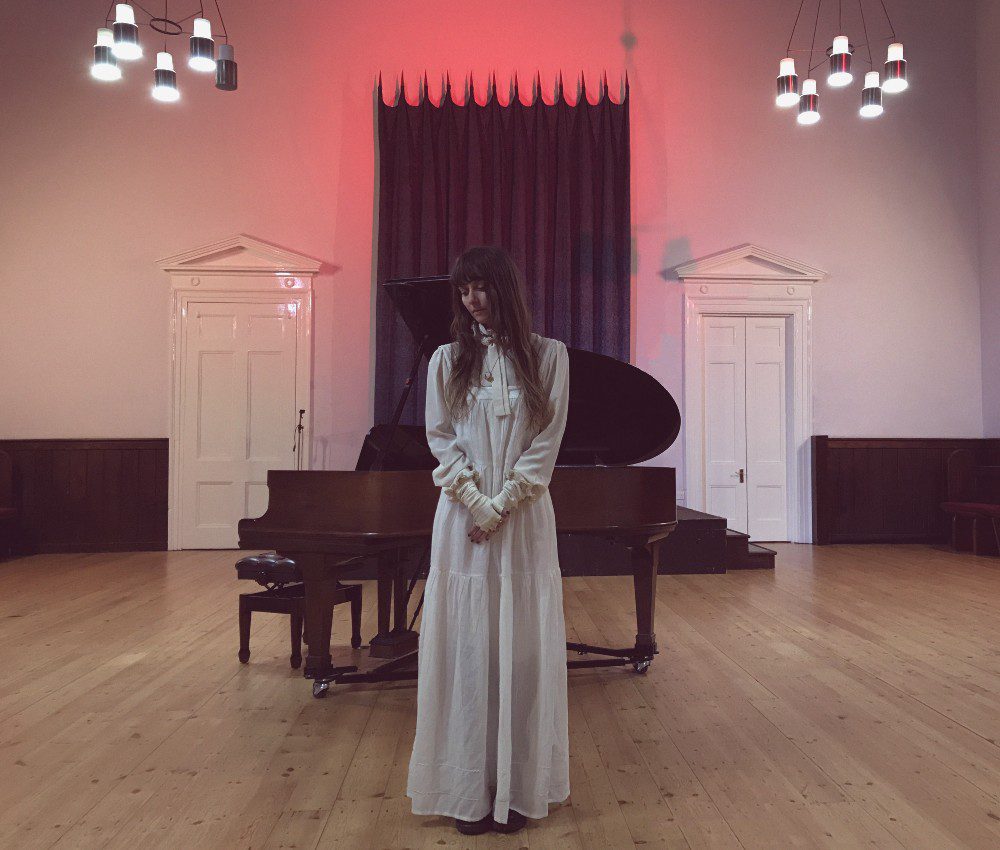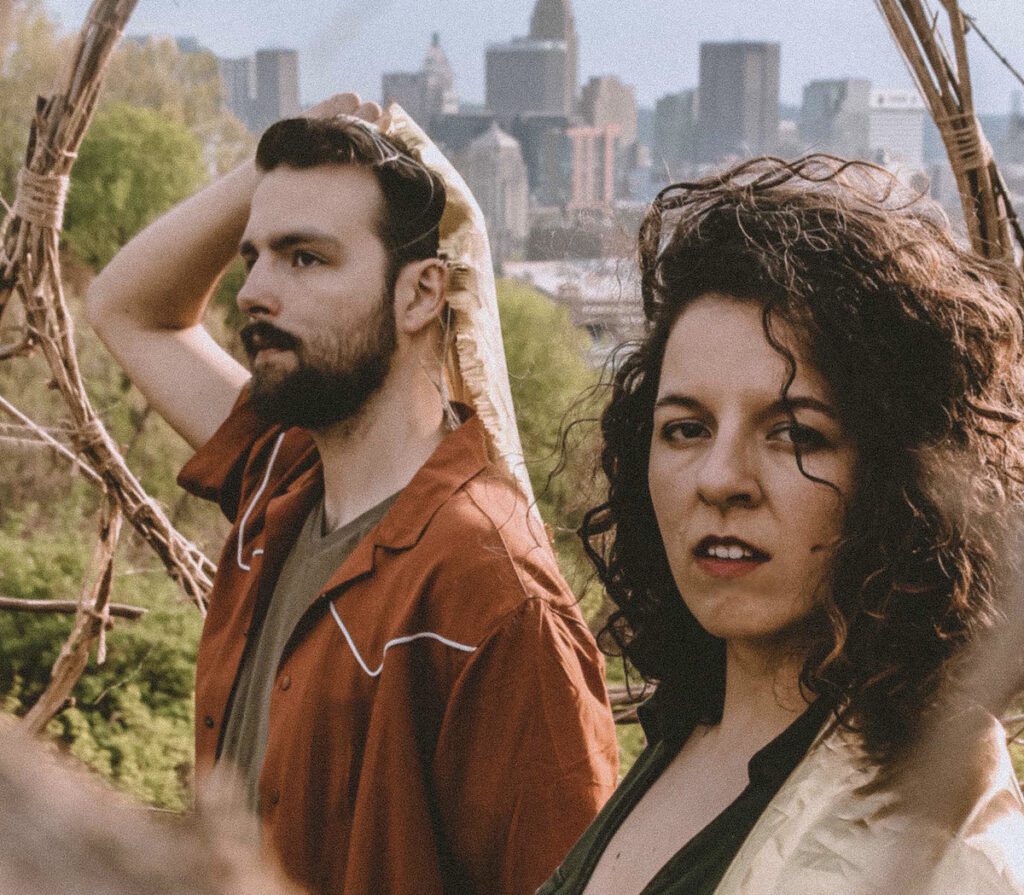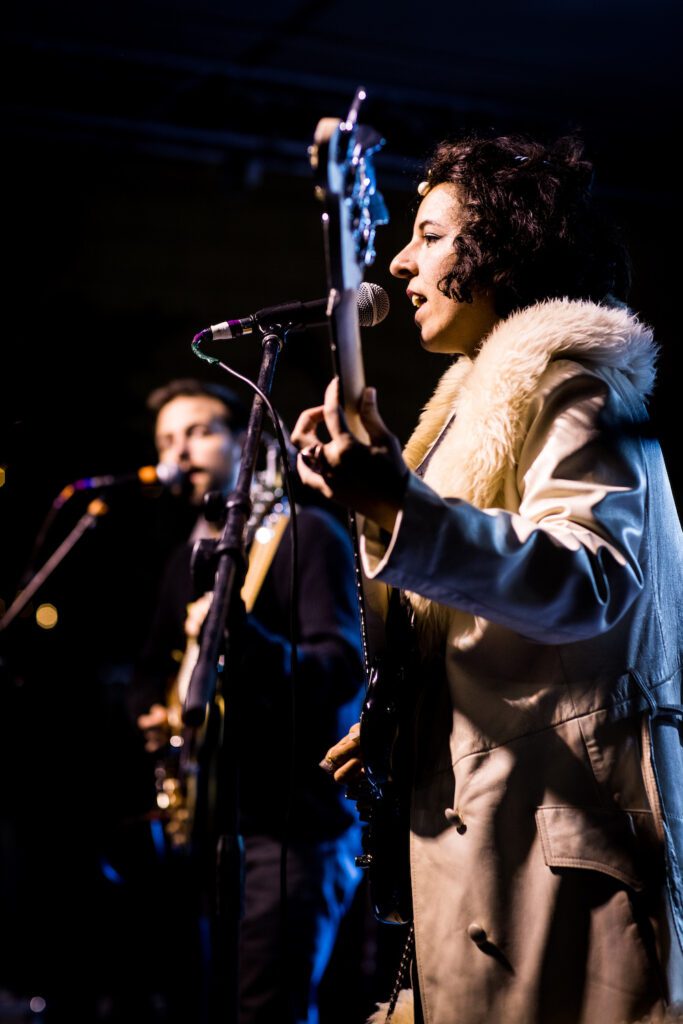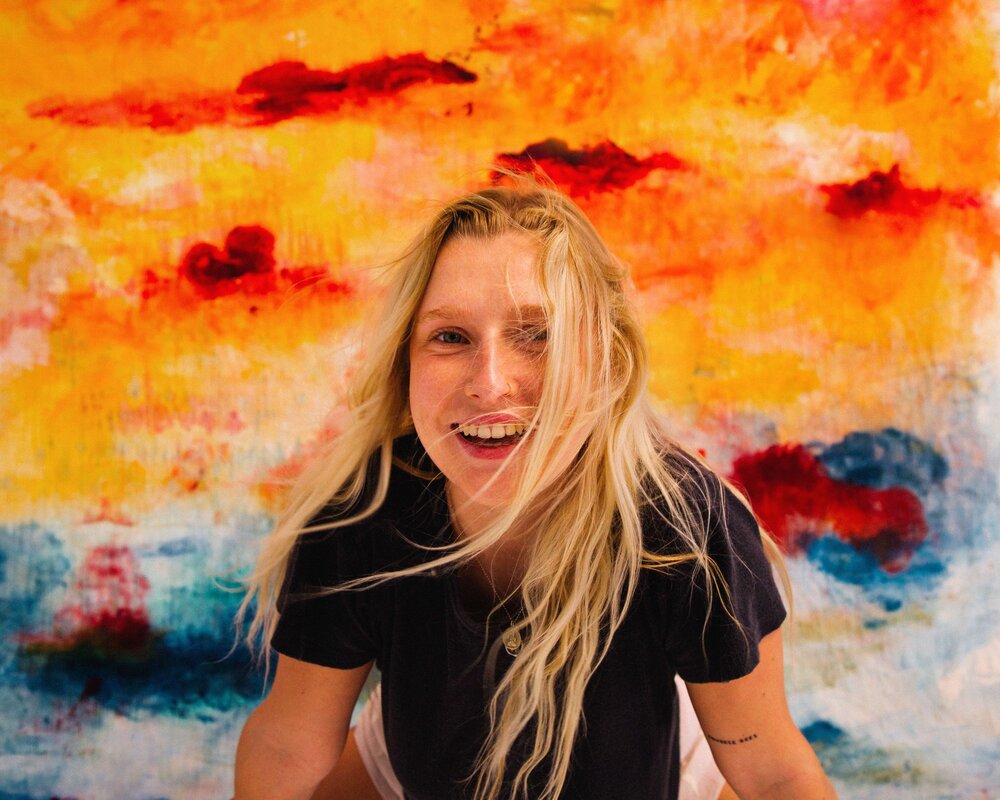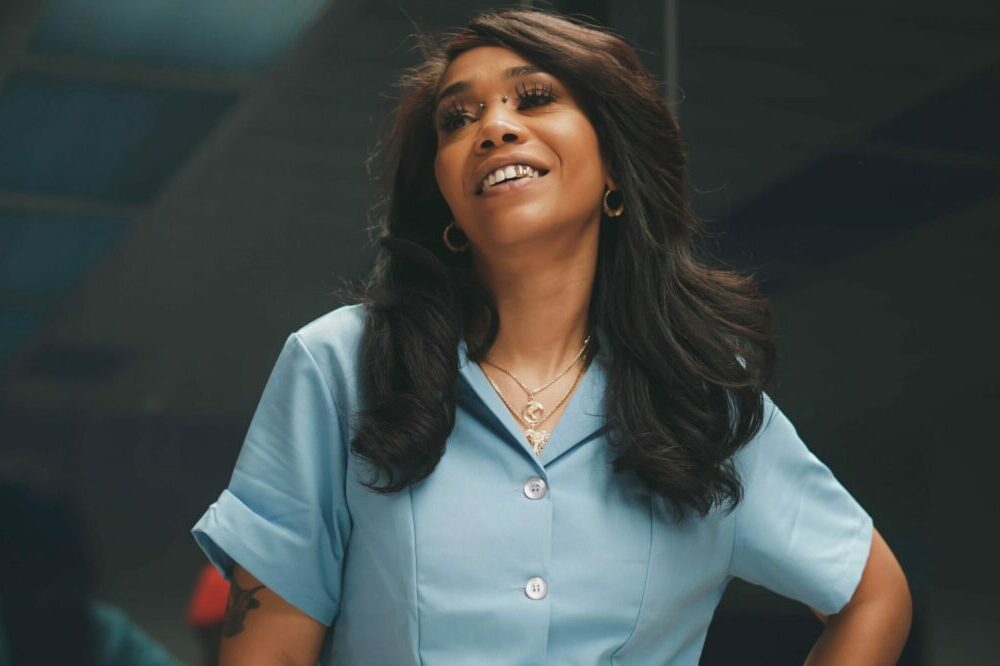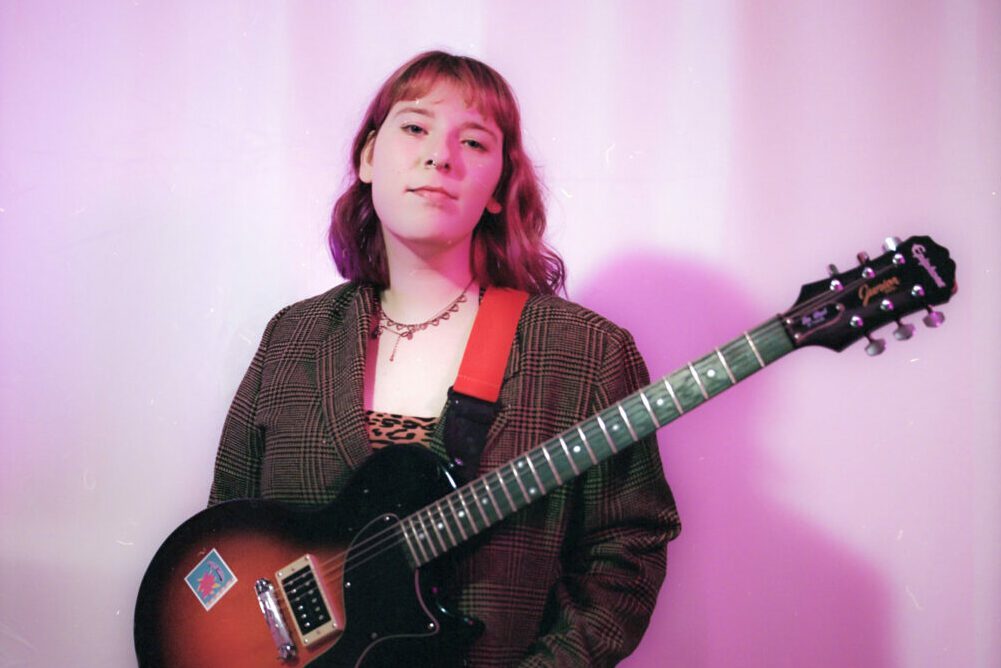
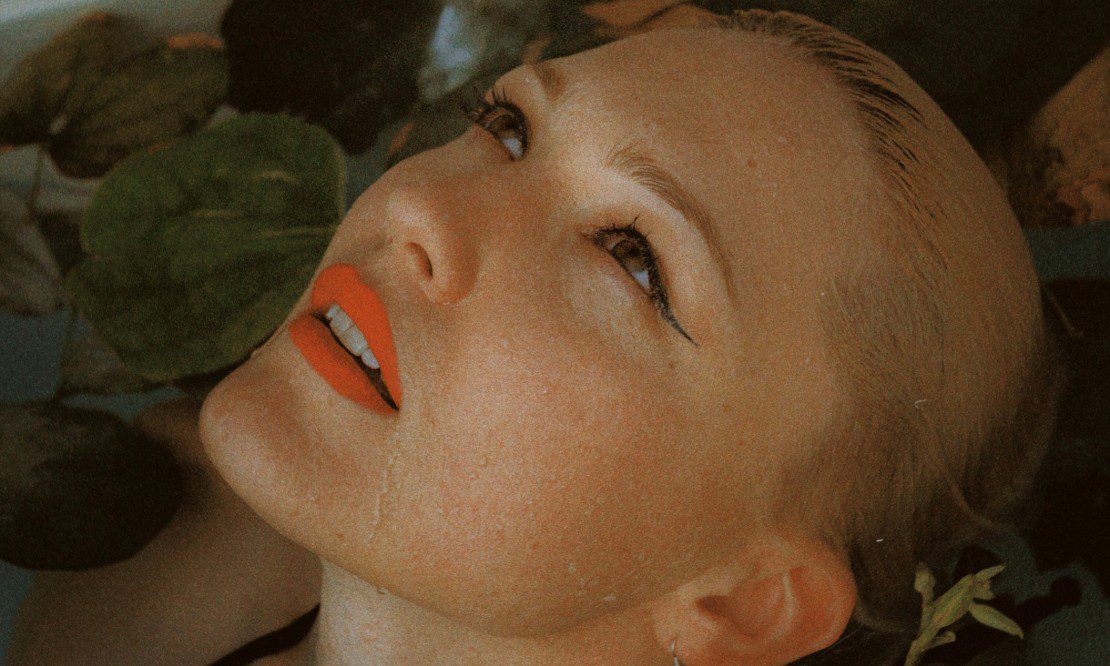
Holiday Sidewinder Explores Weird Pop with Eccentric Collaborators on Sophomore LP Face of God

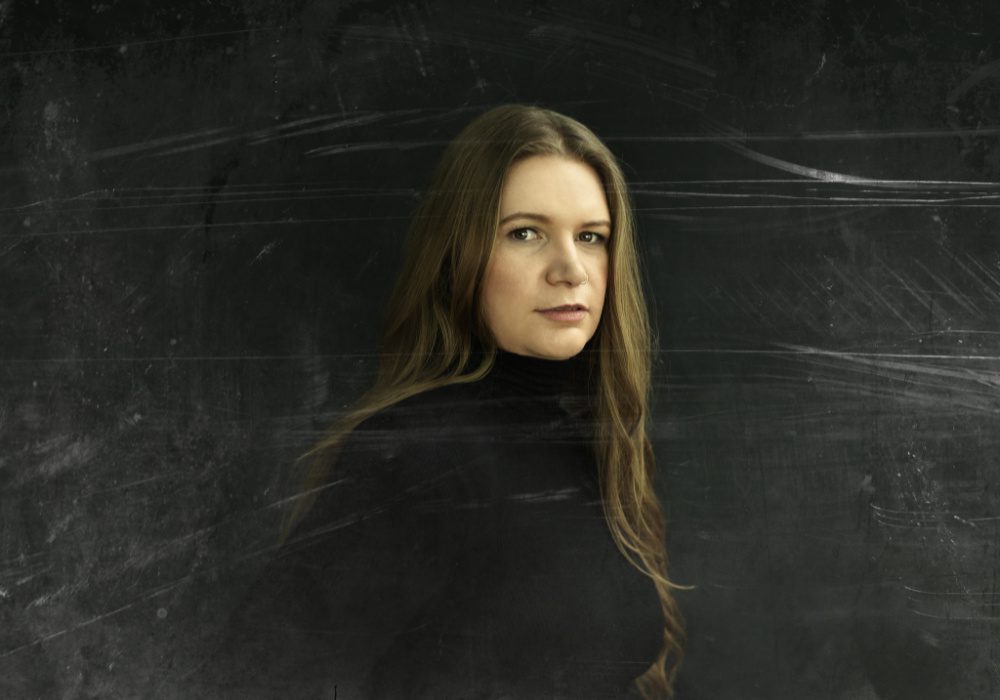
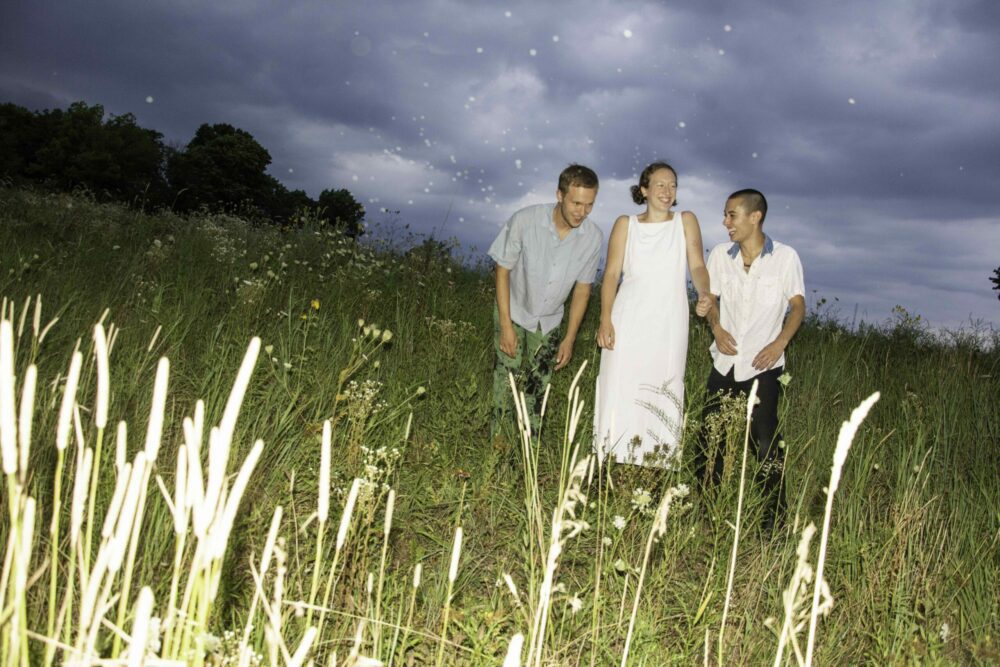
Photo Credit: Julia Rylskova

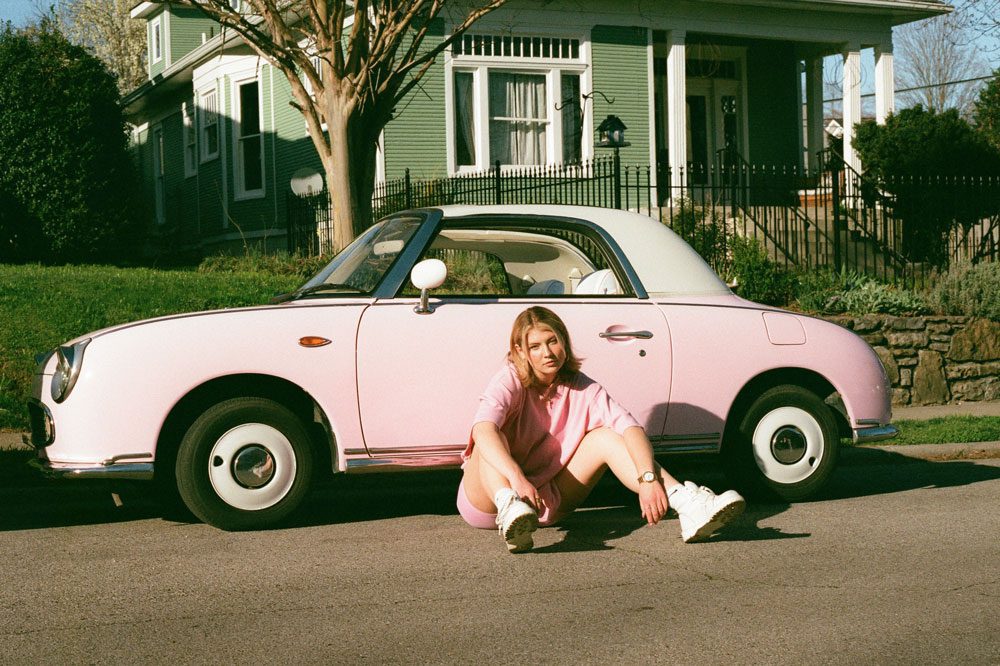
When indie pop songstress Holiday Sidewinder wants to make music, she goes directly to the best in the business. If the business is weird, transcendental, adventurous dance music, all the better. For her second album, Face Of God, she collaborated with dance music royalty Nick Littlemore, best known for his projects PNAU (with Peter Mayes) and Empire of the Sun (with Luke Steele). Australian singer, songwriter and multi-instrumentalist Littlemore has worked with Groove Armada and Elton John, while also stretching his composition skills as musical director for Cirque du Soleil in 2010. For her part, Sidewinder has been in the music business since her early teens, cutting her teeth with Sydney-based experimental indie rock outfit Bridezilla from 2005 until they disbanded in 2013.

Sidewinder has known Littlemore since her Bridezilla days, and says PNAU was the impetus for her own embrace of pop music. “I knew nothing about Nick before I met him when I was 15. I had been flown to Adelaide to sing on a Mercy Arms record and he was producing with Pete from PNAU. He had a shaved head and a missing front tooth when we met, so he had this big gappy smile,” Sidewinder remembers. “In a group of boisterous teenage guys, he felt like a cultured, spirited human that I could connect with. He told me I was a total pro and really boosted my confidence.”

In her final year of high school, Sidewinder did distance education while on tour with PNAU. “It is why I started pop music, actually,” she says. “After Bridezilla [shows], people would be crying, but with PNAU, people were having the time of their lives – they were so happy. It’s what spurred me on, and I thought I could make myself happier too. So I put sad lyrics to happy music!”

Still, working with Littlemore wasn’t on her radar until he asked her to sing his poetry over abstract music for his improvisational Two Leaves project. Both were living in Los Angeles at the time and recorded a rough version of Face of God in his Hollywood-based studio in just five days, with Sidewinder (a multi-instrumentalist in her own right) on guitar and bass. “Nick had that respect for me as an instrumentalist,” Sidewinder says. “I’m always writing my own lyrics, but it was nice to be able to meld someone else’s thoughts and ideas with my own in such an intimate way. Nick would leave me alone for hours to record vocals by myself, so I was able to sing however I wanted to sing without interference, to be vulnerable.”

But the album languished for years while Littlemore reworked the production with Broadway composer Billy Jay Stein and re-tracked the songs in 2017 with a New York-based band that included disco vets Nicky Moroch, Chris Tarry, and Doug Yowell. Finally released May 21 on Littlemore and Mayes’ Lab78, Face Of God is cosmic disco via transcendental dance, taking elements of psychedelic indie rock, electronica and new wave synths to result in a highly-referential, wholly new sonic playground. Depending on the age and musical knowledge of the listener, they may pick up on Bee Gees, Nile Rodgers and Blondie, or they may think it’s more aligned with Tame Impala and the xx, with a dash of Underworld and The Flaming Lips for good measure.

Holiday Sidewinder Carmen-Sparks (indeed, her real name) is right at home working with artists of the mind-bendingly wonderful variety. Her mother, Lo Carmen, is a singer-songwriter and actor, and her father, Jeremy Sparks, is a film set builder and engineer. Both her step-parents are well known actors (Aden Young and Claudia Karvan). Her godfather is the actor Noah Taylor.

As a teen, Sidewinder attended Newtown High School of the Performing Arts, which is where – aged 13 – she formed Bridezilla with a friend in 2005. Two years later, they were signed to Ivy League Records, and in 2009, Inertia Recordings. Their touring schedule included opening for John Cale, Wilco, Stephen Makmus, The Drones, Interpol and Sia. By 2010, the band chose to take a hiatus, re-emerging briefly in 2012, only to play their final gig a month after reforming. In the interim, Sidewinder had appeared on popular local TV show RocKwiz, performing duets with well-known fellow artists in the studio version and the live tours.

Two of those artists were friends Alex Cameron and Kirin J. Callinan, both known for their idiosyncratic artistry playing in bands and as solo artists. Sidewinder has known both since she was in her early teens. She’d toured with Cameron when he was in Seekae and Callinan when he was in Mercy Arms.

“We were a handful of people from that Sydney 2004 new wave, indie, electronic scene, who continued to do music and went on to have solo careers, which also includes Jack Ladder, my absolute best friend. We bonded over that and created a family of musicians,” explains Sidewinder. “Alex called me at a rough time, mid-breakup, and asked me to play keyboards on tour with him. I taught myself by ear how to play his songs and spent the new few years touring with him [until 2019]. Kirin would stay on my couch if he was in London and I’d do the same in LA.”

Once Bridezilla was finished, Sidewinder dedicated herself to relocation and her solo career. In London, she sought to establish herself in pop, and by 2014, had released the single “Carousel,” written with Mike Chapman (Blondie), followed by a string of singles: “Tra$h Can Luv,” “Baby-Oil,” “Whispers,” and “Leo” amongst them. 

These tracks made it onto her 2019 synth-pop debut album, Forever Or Whatever. But her latest album is a much stranger beast. Beginning with the concept itself, the album pushes the boundaries of pop; as melodic and catchy as it is, it is not background music. With Face of God, she was able to return to more of the work she was doing as a teenager, which is “formless, without structure.”

When we connect over Zoom to discuss her new album, Sidewinder is in Thailand after spending a few months in both Estonia and Cypress. She doesn’t know where she’ll head next; she doesn’t like to plan and is a nomad at heart. “I felt like there was a bit of a ceiling for me in what I could achieve in Australia,” says Sidewinder. “You play the same five cities over and over again… and it’s so easy to tour Europe and the UK. The same with America,” she says. “I think there’s more room for niche music, whereas Australia has a tastemaker in radio and if you’re not in that, then you don’t have much of a career. The same set-up exists everywhere – you need to get on BBC 1 or 6 in the UK, but you can still be a full-time touring band without being on the radio because you can be working, interacting with fans.”

Being raw and real suits Sidewinder, and her own passion for music as a listener fuels her desire to write and make music that creates an emotional response in her own audience. “I have always found solace in music – it’s all I’ve known since I was a kid,” she muses. “I’ve been writing songs since I was three. My parents, grandparents, everyone writes songs. My mum worked at a CD store when I was a kid, so we’ve got a lot of indie stuff from the ’90s. I like to do deep dives into genres: there are times I just listen to female rap, or Bollywood music, piano house music, but sometimes nothing is moving me and it’s not until a song hits the right spot that I feel it again.” One song that always gets her there is Callinan’s cover of “Vienna” by Ultravox, she says.

Despite her successes in the music industry, Sidewinder has always had to hustle to get by, never quite able to just pick up a microphone and bypass the typical casual jobs all teens and 20-something creatives rely on to pay the bills. She’s written honestly about her years of (horrible) experience working in bars and cafes on her website, proving herself to be an excellent diarist. It’s easy to imagine her name on the front cover of a book, too – which brings us to a bit of exclusive news for Audiofemme: Sidewinder is working on a book. Her personal posts on her website caught the eye of an agent in Australia.

A Hot Mess is a series of my memoirs, but I’m fleshing it out to write a whole book about my twenties, touring, and my life because I guess it is unconventional. I’m so slow, and I’ve just got to finish it. I think by the end of the year, I’ll have the full book together,” she says. “I’ve been really inspired by [artist and author] Eve Babitz. It’s so refreshing hearing a female voice writing about her life as it’s happening rather than looking back from some point of success in the future. As women, we get written out of history so much that it’s important we write our own stories and capture it.”

Follow Holiday Sidewinder on Instagram and Facebook for ongoing updates.
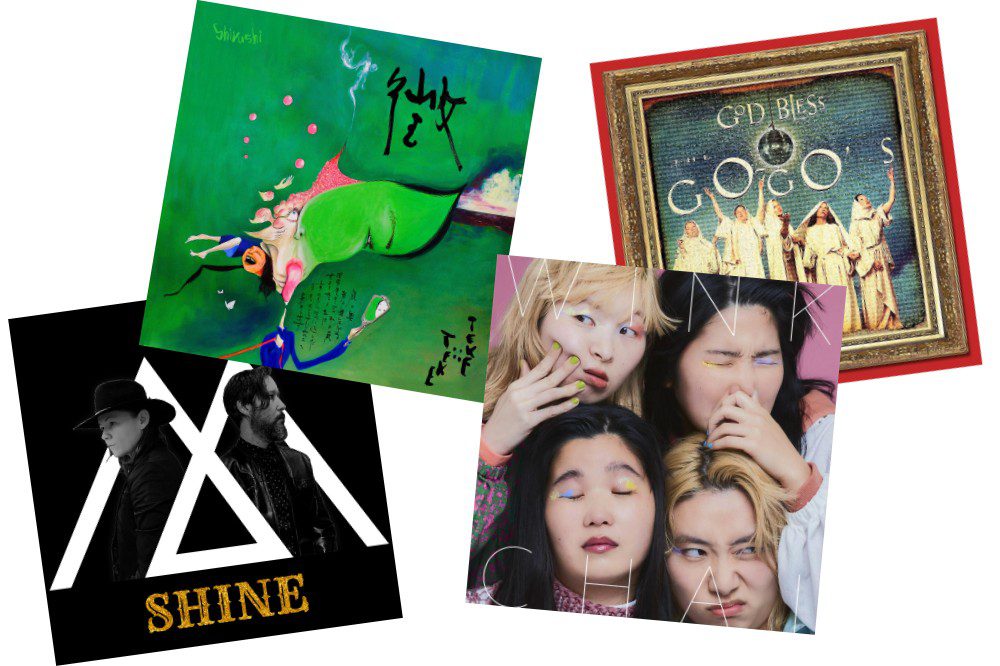
MUSIQUE BOUTIQUE: TEKE::TEKE, Moon, Chai, The Go-Go’s

Welcome to Audiofemme’s monthly record review column, Musique Boutique, written by music journo vet Gillian G. Gaar. Every fourth Monday, Musique Boutique offers a cross-section of noteworthy reissues and new releases guaranteed to perk up your ears.

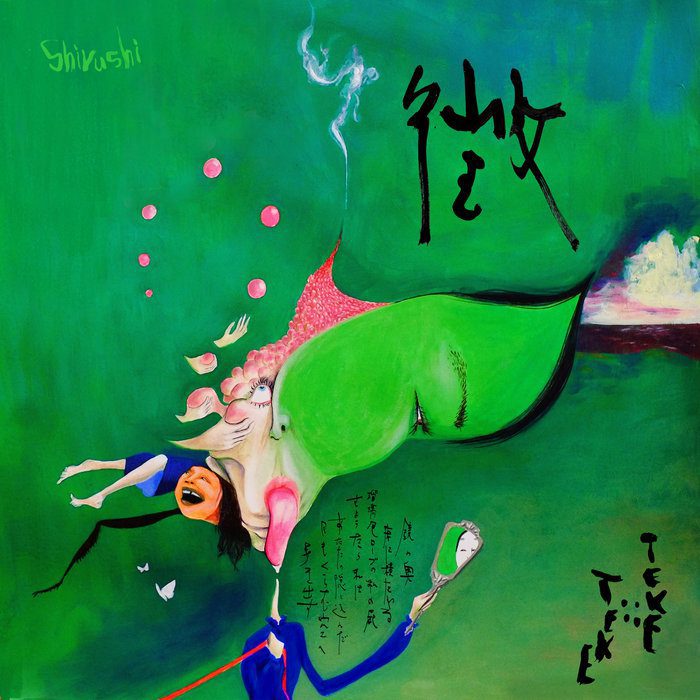
TEKE::TEKE’s Shirushi (Kill Rock Stars) is a wonderous musical potpourri. One minute it’s raging indie rock, next you’re dropped into a surf rock setting, followed by the kind of twanging guitar that brings an Enrico Morricone soundtrack to mind. It’s a whirling dervish of delightful sounds.

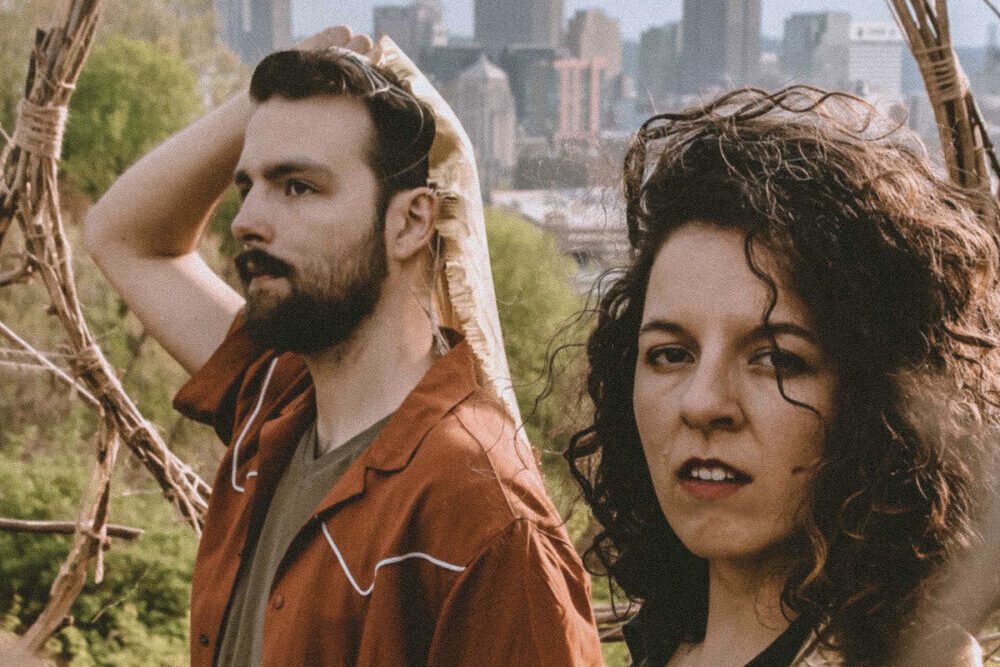
The seven piece, Montreal-based group started out as a Takeshi “Terry” Terauchi tribute act, assembled for a one-off gig at a psychedelic music festival (Terauchi being a legendary Japanese rock guitarist). The performance generated such excitement, they decided to stay together, quickly adding original music to the mix. The blend of Western rock gear (guitars, bass) with Japanese instruments (koto, shamisen, shinobue) gives the band a distinctive sound, unique and intoxicating.

Each number is rather like a mini-movie of its own. “Dobugawa” is a romantic, languid number, enhanced by the cool, whispery vocals of Maya Kuroki. But don’t be fooled; the wild “Barbara” comes tearing in right after, with Kuroki morphing into a bold, confident singer to match the propulsiveness  of the music. “Kizashi” has a hypnotic, industrial drone. The remarkable “Kaminari” starts out in a folk-influenced vein, before the sound drops out entirely, and a short flute line leads into a gorgeous, largely acapella vocal from Kuroki, before a sort of Euro-surf rock beat takes over (and all in four minutes!). This is creative cross-pollination at its finest, TEKE::TEKE busting through musical boundaries to come up with something truly imaginative.

Moon’s Shine is so mighty, you’d never guess such a thunderous sound could come from just two people: LA-based musicians Chelsea Dawn (vocals, drums) and Dan Silver (guitars, synths). The title track, which opens the EP, is a glorious stomper, Dawn delivering the good news with righteous fervor, as the musical backing steadily escalates from a single pounding beat, then ushering in the guitars, keyboards, and other noise to rock it all up. “Never Cross Me” is just as bracing, a fiery proclamation of strength. “When it comes to life experiences, we both have many stories to tell,” is how Silver puts it, “and some days you just don’t want to mess with us.” Point taken.

It’s not all sturm und drang; the rest of this release is more lowkey, though the intensity of Dawn’s vocals means there’s always an undercurrent of tension. “Sweetest Magic” and “My Oh My (I’ll Take You Home)” are love songs of exquisite yearning. “Down By the Water” is a slow-burning number about the true salvation that comes from within: “Down by the water, down by the sea/I found religion/the religion is me.” This is soulful gothic rock that reaches out and grabs you.

There’s a song on Chai’s third album, Wink (Sub Pop), that’s actually titled “Nobody Knows We Are Fun.” Well, that’s something that could only be possible if you’d never heard anything by this Japanese foursome (two pairs of twin sisters), as even the briefest listen to one of their songs makes it clear that their prime directive is to keep the party going.

In comparison to the exuberance of their previous albums, Pink and Punk, Wink is more restrained (the words “mellowest,” “minimal” and “introspective” crop up in the press release). This is a reflection of how the album was created, the band members collaborating over the phone and on Zoom, and recording using Garageband. “Donuts Mind If I Do” is a laidback ramble. “Wish Upon a Star” is a sweet lullaby, with singer Mana only backed by a single pulsating beat, a bit of keyboard, and vocal harmonies from the rest of the group. The cool “Maybe Chocolate Chips,” written by Yuuki, recasts her moles as chocolate chips (“I’m a fickle cookie/Bitter coffee makes it even more sexy”), with Chicago rapper Ric Wilson dropping in to add a bit of an edge.

Then there’s the flipside. The lively “PING PONG!,” with its video game beats and beeps, references a game the band members couldn’t play during the pandemic. The bright “ACTION” was inspired by watching TV coverage of the Black Lives Matter protests in the US. The light pop of “It’s Vitamin C” (it opens with a giggle) is a breezy delight. This is a record that celebrates life’s simple pleasures, from salty salmon rice balls to wearing pink.

Seventeen years after the release of Talk Show, the Go-Go’s finally went back into the studio to make a fourth album, God Bless The Go-Go’s. In celebration of its 20th anniversary, the album’s been reissued on Eagle Records. It’s a sweet pop treat that’s perfectly timed for summer release, providing just the right soundtrack for those carefree, sunny days.

The opening blast of “La La Land” is like an update of “We Got the Beat,” a pen portrait of Southern California life with its allusions to earthquakes and the vagaries of fame. This is a more robust Go-Go’s, the band’s musical chops tighter and tougher, songs like “Stuck in My Car” (another very LA experience) and “Throw Me a Curve” honed until they bristle. Green Day’s Billie Joe Armstrong even drops by to co-write, play, and sing on the brisk “Unforgiven.” It’s the first time the album’s been released on vinyl, and the CD/digital versions feature two bonus tracks, “I Think I Need Sleep” and “King of Confusion.”

Penelope Trappes Completes a Haunting Three-Album Opus on Matriarchal Healing and Self-Empowerment

Photo Credit: Agnes Haus

Penelope Trappes was sitting at her kitchen table when she realized that if she wanted to get her point across, she’d have to drag a dead body across a parking garage. She didn’t intend to commit an actual murder of course – just to use an anonymous woman’s corpse as a stand-in for the societal expectations, emotional labor, and even physical discomfort intrinsic to the experience of living in a female body. The sinister nature of her endeavor would evoke the work of dark auteurs like David Lynch and feminist art icons Cindy Sherman, Francesca Woodman, and Ana Mendieta, soundtracked with Trappes’ single “Blood Moon,” from the third installment of her solo LP series, Penelope Three, out May 28 via Houndstooth.

“Basically the whole album’s supposed to be a film, but due to time constraints that’s not gonna happen ‘til later in the year,” Trappes explains. She’s released equally haunting and gorgeous clips this album cycle, co-directed with Agnes Haus, for “Fur & Feather” and “Nervous,” the latter of which she says “was very much about channeling that sort of romantic gothic witchy stuff… borderline horror… tapping into some sort of subconscious response to what you’re hearing.”

Indeed, those aesthetics play out sonically across the album as Trappes delves into themes related to motherhood, aging, anxiety, grief and healing – the final chapter in a conversation she began in 2017 with her solo debut Penelope One and continued on 2018’s Penelope Two. Appropriately, Three feels like the most fully realized expression of Trappes’ vision, brought to life by atmospheric drones, ghostly vocal loops, mysterious samples, disjointed piano, guitar reverb, and evocative percussion.

“I believe in the power of three – life, birth and death… the holy trinity. There’s so many things that all revolve around the number three. When One came out it was very much about rebirth and birth and new life, and self empowerment. Two came about when a very dear friend of mine had passed away, and it brought up all these feelings of loss and grief. It doesn’t necessarily have to be an actual physical death – there’s all sorts of deaths that we have in our lives; la petite mort, all the way through,” Trappes says. “I found myself surrounded by a darkness in that sense, and the same happened with Three – there’s this struggle between the dark and the light that I’m interested in trying to sonically produce, to find that balance. So with Three comes the closing of the chapters – birth, death, and now life, which is, I believe, in order to live really happily, a constant state of working on healing.”

Trappes began her solo work in earnest after a decade as half of NYC-based electronic duo The Golden Filter, and says the shift in focus came from wanting to express her own personal story more fully. “I’d been very much part of a team. My partner and I, we’re a couple as well, we see eye to eye on everything and it’s wonderful. But it had got to a point of my maturity as a woman where I just wanted to be me, myself, and I, and explore things that were unique to my life to date,” she explains. “Very individual experiences, like being a single mum for a while there, and my childhood growing up in Australia, and traveling before I moved to America, all these things. I really wanted to make it very much as if it was, in essence, sort of a journal entry.”

Because most of her lyrics are more impressionistic than a typical diary, Trappes is able to extract what feels like ancient wisdom from every corner of her existence. From moving to a huge old house in Brighton after years of living in London, to the act of unpacking her anxiety, Trappes’ exploits take stirring, esoteric shapes. Opening with “Veil,” which she says was inspired by meeting a friend’s newborn baby, taking root with “Forest,” in which she visualizes all of humanity as a kind of inter-connected mycelium, and coming full circle with “Awkward Matriarch,” Trappes explores matrilineal bonds in atypical ways. This narrative was inspired by the eternal bonds shared with her daughter (who recently turned nineteen and left home) and her own mother, who has suffered with Parkinsons since Trappes was a teenager but is still “strong in spirit.”

“Motherhood was always going to be one of the main themes with my solo work,” Trappes says. “The music world’s changed so much in the last few years that it’s not a dirty word to say you’re a mother and active musician. It’s ridiculous, but when I first started out I didn’t tell a lot of people because I just didn’t want to hear the judgement, whatever way it comes, you know? There’s this self-empowerment, there’s these things that you struggle through, and the love – whether you ever have a child or not, we all have a mother, and whatever those connections are that people have with their mothers, they shape who you are and what you become or what you struggle with, what you need to heal from. That was really important to me, not just on a personal level about my own daughter and my mother, but on a sociological level.”

Throughout the album, Trappes’ intrepid production elevates these narratives to something intensely primal. “Awkward Matriarch,” for instance, starts off “deliberately super minimal and quiet,” but Trappes chose to build vocal layers over it to symbolize women across centuries and millennia singing together – “all the voices and all the struggle, and the joy in one song,” as she puts it.

“All the demos come from these drones, whether it’s with a synth or a guitar, like just reverb echoing. Meditation moments are sort of what creates the initial demos,” she adds. “And then, a track like ‘Nervous,’ for example, needed more. It needed to almost build that anxiety. At the end you’ve got this lift but there’s still the weight of it all.” Where the song goes, she says, mostly depends on its subject matter.

Though it was written before the pandemic, many will find resonance in the agoraphobic truths at the core of a song like “Nervous” as we begin to re-enter society. Trappes set out with the intention of making Penelope Three about healing, a concept that feels especially prescient now. “Self care has to come into play now, because everything is getting faster and weirder and systems are breaking down and the environment’s fucked,” Trappes points out. “It’s quite heartbreaking, but there’s also a lot of hope still. ‘Fur & Feather,’ for example, tries to address the polar opposites of my generation [and my daughter’s] generation and still trying to hold on to that hope and love.”

“Again, I believe in a very matriarchal sort of self-care and community care and those themes of caring; it doesn’t have to be a matriarchal or patriarchal thing, it’s just self-knowledge and self-care and self-love. Every song has an element of that,” she continues. “Songwriting, or writing of any form, for anyone, is very healing, just to get it out there. And for me particularly, that’s why being solo has been really good.”

Next up for Trappes is a UK tour, for which she’s hired pianist Hinako Omori and cellist Maddie Cutter (Trappes herself will focus on guitar and triggering samples and percussion at the shows). “It was really important to have women on stage with me for this story, this chapter,” she says. “The last album when I did some shows it was just me doing everything and it was kind of exhausting. I was always like a mad professor having to really focus and I couldn’t necessarily engage with the audience the way that I like to do.”

Photo Credit: Agnes Haus

Now in her forties, Trappes refers to herself often as a “mature woman,” and admits that there’s a confrontational, almost punk attitude to the overarching narrative across her three records. She appears nude on the album covers, often twisting her body into alien shapes in defiance of conventional beauty standards, or letting a slow camera shutter distort her form. “As a parent, or as a performer, or I don’t know, any woman out there, is constantly under some sort of microscope as to how she should behave and what have you. So each song is addressing an element of that,” she says. “In every other creative arts industry, you get better with age; a novelist gets better, a film director gets better. Why should a musician be considered somewhat washed up after the age of 35, 30, 25? I find it really fascinating that being a mature artist in music is still frowned upon by certain parts of society.”

Trappes does recognize there’s been a shift in acceptance when it comes to aging and motherhood in the industry, only that it’s been a painstakingly slow one. “Look at Patti Smith and Laurie Anderson. They’re still going,” she says. “And I’m not stopping. It’s what you do, it’s what you love, it’s your life, and creation is life, so it just keeps going.”

Follow Penelope Trappes on Instagram and Twitter for ongoing updates.

Satanic Planet Collaborators Shiva Honey and Nomi Abadi On The Satanic Temple’s Activism for Women

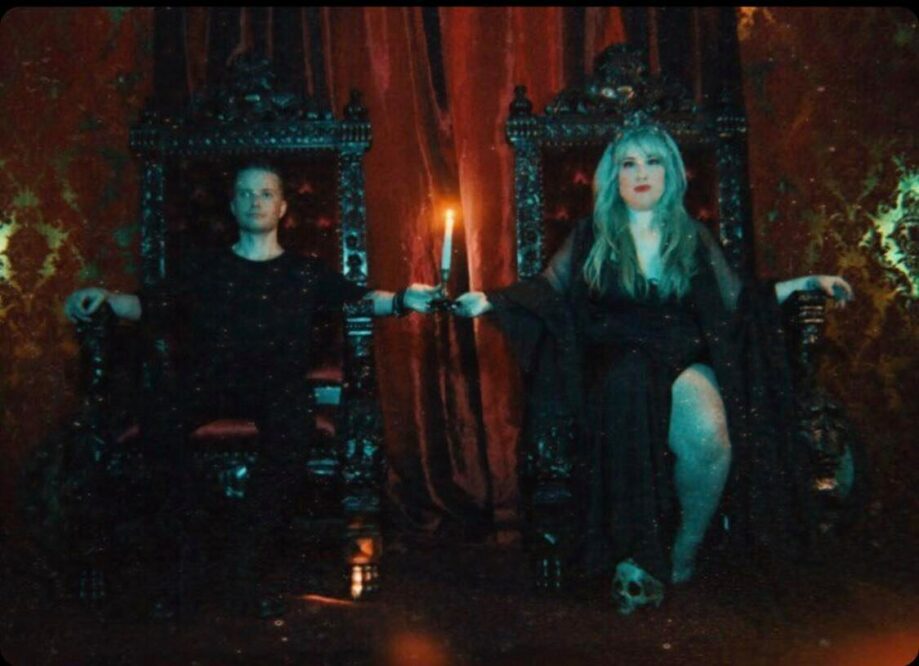
Shiva + Lucien. Photo Credit: The Light Witch

You would be forgiven for not immediately associating the words “Satanic abortion ritual” with the empowerment of women, instead visualizing images of tenebrously becloaked acolytes chanting blasphemies while partaking in demonic rites by the light of hell’s own flames. In reality, however, such flights of fancy couldn’t be farther from the truth (although hang on to that image – we’ll come back to it later). This ritual is actually the fiendishly clever brainchild of The Satanic Temple (TST), which created it as a part of its long advocacy for women’s rights and includes various legal actions to protect bodily autonomy. As a federally registered and non-theistic religion, TST created its “Satanic abortion ritual” to empower women seeking safe abortions by circumventing the medically unnecessary restrictions imposed by some states on Planned Parenthood and other clinics.  

Recently, TST’s deeply held commitment to women’s rights is being embodied in auditory form through the band Satanic Planet, in which TST co-founder and spokesperson Lucien Greaves gives voice to such causes through the medium of music. Alongside members Luke Henshaw (Planet B, Sonido de la Frontera), Dave Lombardo (Slayer, The Misfits), and Justin Pearson (The Locust, Dead Cross), Greaves’ words and lyrics speak of the devil as a symbol of rebellion against injustice and tyrannical authority. Satanic Planet’s debut album (out May 28 via Three One G) spans a dark spectrum of doom-laden industrial soundscapes, often with a distinct flavor of horror – frenzied screeches and howls à la The Exorcist, with snippets of Christian songs creepily sampled into the mix, and a pan-demoniac cacophony of horns juxtaposed against the lyrics “Mark of the Beast, 666” (told you we would come back to that first image of Satanic ritual!).

Satanic Planet is a wide-ranging project that features two women among its collaborators – namely, Shiva Honey and Nomi Abadi, both of whom have dedicated their multi-faceted careers to bolstering the voices of marginalized women. Honey is an ordained Minister of Satan with TST and founding member of the Detroit chapter and International Council. She has been involved in various national campaigns, including the organization’s efforts to bring its infamous Baphomet statue to Arkansas in 2018. Meanwhile, Abadi is a classically trained and Grammy-nominated pianist, composer, and singer, as well as founder of the Female Composer Safety League (a non-profit dedicated to protecting women in the composing industry from harassment) and inventor of the NORY® double keytar.

Nomi Abadi plays the NORY® double keytar she invented. Photo Credit: Jessica Czarnecki

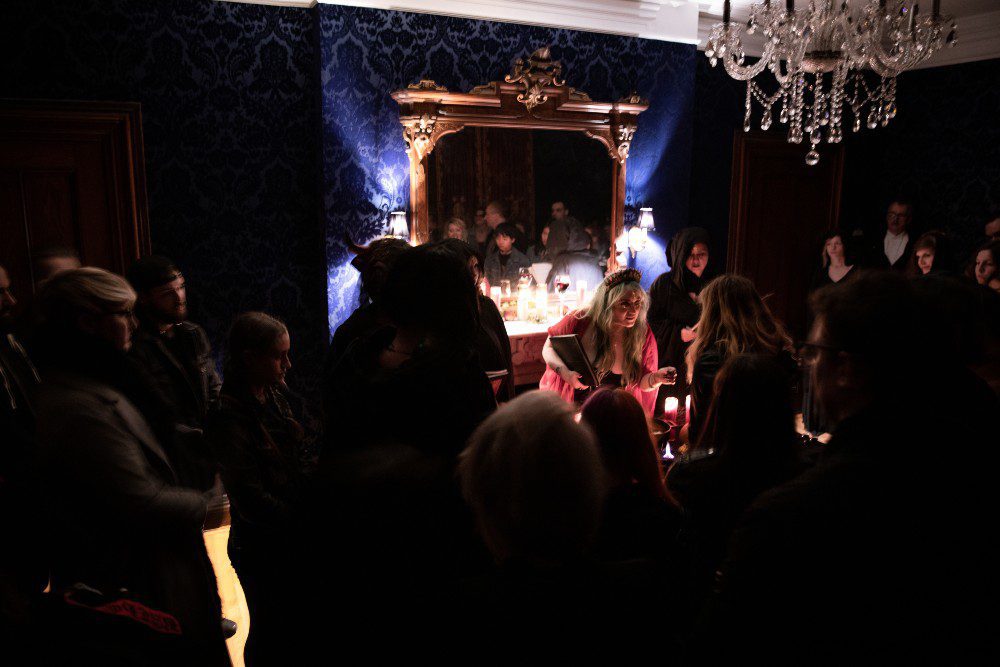
Honey and Abadi’s guest tracks will premiere at Satanic Planet’s virtual album release party, held online via TST’s The Satanic Estate platform on May 28. Tickets are available via donation, and the events include a band panel (hosted by yours truly), drag queen and art videos, and a dramatic “unbaptism” ritual by Honey. Satanic Planet has also released a range of clothing and beach towels, with proceeds supporting The Satanic Temple’s reproductive rights activism. To learn more, we spoke to Honey and Abadi about their powerful contributions to Satanic Planet’s first album and their long-time work that champions women and marginalized groups.

AF: How did you get involved with Satanic Planet? In what ways are the band and The Satanic Temple (TST) meaningful to you?

SH: I became involved in TST back in 2014. I had been doing a lot of creative work and community organizing and became a founding member of TST’s first chapter in Detroit. The tenets and ethos of the organization lined up well with my personal beliefs, and there was an incredible creative, dangerous, and exciting energy within the Detroit group that resonated with me. We were a band of artists and organizers on the creative edge that  became responsible for Snaketivity, the Baphomet Unveiling, and many of the initial actions that brought TST into the hearts and homes of people around the world. During that time, Lucien and I became friends. We worked on setting up the International Council (one of our internal governing bodies for TST) and continuing to establish the organization as it grew exponentially. Eventually we started to collaborate on creative projects. In the fall of 2019 I asked him to contribute to some tracks to accompany my Satanic ritual book, The Devil’s Tome: A Book of Modern Satanic Ritual, and soon after he asked if I wanted to contribute to Satanic Planet.

NA: I was thrilled to be asked to sing and write vocals for “Devil In Me” by my friend and musician, Justin Pearson. I didn’t think twice about involving myself with music from the Satanic Temple. As an Egyptian Jew raised in South Orange County, I grew up sidelined by mainstream society, where being a Christian is a standard American expectation. The opposition I felt toward our system as a whole growing up, and still feel today, is palpable. While I’m not a Satanist, I have always felt warmth and acceptance from the Satanic community more than any other religious community, and believe that if Jesus were around today, he’d probably be a modern day Satanist.

AF: How is Satanic Planet different from your previous musical projects? 

SH: I’ve been writing music since I picked up a guitar when I was 10!  Music has always been my great passion, but I haven’t really been able to pursue it as seriously as I’d wanted until now. I’ve been in bands pretty consistently since I was around 16. They’ve ranged from rock, to jazz to electronic. I started Blood and Honey with my current collaborator Kyle Apsey just before I joined TST. We started staging occult and Satanic live performances the summer before I joined the Temple. I’m currently working with Kyle and Lucien on a record of Satanic ritual music with my band called Serpentīnae to accompany the Satanic rituals in my book The Devil’s Tome: A Book of Modern Satanic Ritual and The Devil’s Deck: A Tool for Satanic Enlightenment. Music has been such an important part of my ritual work, so I wanted to create something explicitly for the Satanic practitioner. The music for Serpentīnae will be super eclectic, beautiful and intense – right now I’m working with live cello, synths, big guitars, and soaring vocals. We secretly released an EP, Solve et Coagula, last year directly to folks who backed my book, so it’s circulating but not available for purchase or on music streaming sites. Satanic Planet is united in Satan, but very different in sound. I’m really proud to be a part of both projects!

Photo Credit: June of 87

NA: It isn’t every day that you get to jump on counterculture music projects with musicians you grew up in awe of, like Dave Lombardo. Aside from TST’s cause, working alongside the musicians involved with “Devil In Me” has been the most incredible aspect of this project to me. I’ve played in so many bands and counterculture festivals (mostly for women’s rights and animal rights), but Satanic Planet is a culmination of so many different voices across the empowered, pissed and disenfranchised underbelly of society. If the system has ever left you out, there’s a place for you in Satanic Planet.

AF: Can you describe how you worked with the band remotely, and collaborated throughout the pandemic? 

SH: I was supposed to fly to California to work on the record before the pandemic, but had to do everything remotely, ultimately. I have a lot of experience recording remotely, as most of the music recorded by Blood And Honey was written and recorded while I was in Detroit and Kyle was in Korea. This was way different because the only person in the band I’d met in person was Lucien, and I was pretty disconnected from everything. It was hard to navigate how much or how to contribute without that personal connection, but ultimately Luke sent me a couple tracks with ideas, and I did my thing. I’m hopeful I can add more to the next record! 

NA: I joined Satanic Planet in the weird and uncertain beginning of the pandemic, and right off the bat, the guys were great to work with. I recorded my own vocals for “Devil In Me,” which sound as kickass as they do because of the magic that is Luke Henshaw.

AF: Nomi, tell me more about your contribution to the “Devil in Me” track.

NA: When Justin Pearson first came to me, I knew they wanted something dark and gruesome, and realized pretty quickly that I probably wasn’t going to be “singing.” I wrote a few different melodies for Lucien Greaves’ gorgeous lyrics, and the notes I kept getting from the guys at first were, “It’s too pretty, you’re singing it too pretty”… So I decided to go back to my black metal roots from high school, when I loosely referred to myself as a Satanist. Then I got the “Fuck yeah, this rules” e-mail back from JP and Luke, which made me really happy. And to be honest, fucking relieved.

AF: Shiva, how were you involved in the “Exorcism” and “Unbaptism” songs?

SH: When the project first started, Lucien Greaves sent over some music to the guys that he and I recorded when we scored Häxan live at the Philamoca back in 2018. Luke heard the vocal melodies and harmonies I created for those performances and wanted to incorporate them into a track. That vocal line became the backbone of “Exorcism.”

The lyrics for “Unbaptism” are based on my Unbaptism ritual from The Devil’s Tome. When the band was working on “Unbaptism,” Lucien asked me to send over photos and the script for the Unbaptisms I created for The Satanic Temple in Salem in 2019. They ended up using a lot of lines directly from my ritual. I also contributed screams, whispers, and vocals to that one. 

AF: Shiva, how will your live Unbaptisms differ from your previous Unbaptisms? What can people expect at upcoming Satanic Planet concerts?

SH: The Unbaptisms will be an interesting feat in this time of COVID. The ceremonies I’ve conducted have been very participatory and intimate. We’re figuring out how to make it all happen as the time for touring draws nearer. I’m hoping the stage show will be grand. When Lucien and I have collaborated on live events in the past, we’ve made them intense, all consuming and engaging.

AF: You’ll be doing an Unbaptism at the Satanic Planet virtual release party at The Satanic Estate. What can the audience expect on May 28?

SH: Unbaptisms are one of the core rituals performed by Satanists. Many adherents find the act of formally separating from their former, often traumatic, religious life a freeing act of defiance and empowerment. As COVID continues to ravage the world and prevent us from gathering together in person, it’s incredibly important for us to be able to engage in these experiences, so I decide to conduct a virtual Unbaptism for the release party for Satanic Planet’s new record. I’ve got all the info on how to participate on my site. 

This is the first time a virtual Unbaptism has been done. To make it intimate and focused, I created an introduction video and a video with pre-ritual work that people can do at home before the day of the Unbaptism. Then, on the day of the release party, I’ll be at TST’s headquarters in Salem to lead participants through their Unbaptism. I’ll conclude the event with a DJ set, then send those who were Unbaptized a certificate commemorating their Unbaptism that they can print at home. 

AF: Satanic Planet has merchandise with all proceeds supporting The Satanic Temple’s reproductive rights campaigns. Can you tell me about why TST’s activism for women and marginalized groups is personally important to you?

SH: I was an organizer for years before I joined TST – one of the reasons I joined the organization was because it gelled so well with my values and ethics. I don’t believe in an afterlife – I believe that it’s my purpose to make life better for people now because it’s the right thing to do. This is part of my devotional practice as a Satanist. Whether it’s through art, music, supporting legal battles, or organizing, I’m trying to stir a revolution within and without. 

NA: Yes, please support TST and their women’s reproductive rights campaigns! I’m deeply grateful to TST for putting a spotlight on these issues directly and intersectionally. For me, alongside founding the Female Composer Safety League (FCSL), which is reinventing the nature of toxic studio work environments and mentorships in film, game and TV composing, I’ve (somewhat unintentionally) brought activism into all my artistic platforms. Anyone who’s listened to my music knows that trauma/empowerment/angst toward our system has always been at the epicenter of what I do, and I have disdain for artists who don’t use their platforms to help others. For me, being an artist isn’t about pleasing everyone – it’s about having something valuable to say, and saying it lovingly with zero fucks.  

AF: Both of you are multi-faceted artists. I’d love to learn more about your other creative projects.

SH: I’m just about to start shipping out The Devil’s Deck; tarot and oracle decks have been an important part of my ritual practice, so I decided to create a Satanic ritual deck that would link to my ritual book The Devil’s Tome and can be used to sharpen inner knowledge, aid in healing, and deepen personal power. I’m really excited – this printing is 666 copies, contains art from Lucien, Alexander Corey, and me and is this beautiful gilded art piece. 

I create Satanic ritual tools through my shop Serpentīnae and just opened my online school. I love working with candles and after teaching workshops around the globe, created my first online course – Finding Your Flame: Cultivating Your Power Through Satanic Candle Ritual.

My next projects will be writing Satanic ritual music with my band Serpentīnae to accompany The Devil’s Tome and to finish up my next book, which will focus on how to approach death and grief from a Satanic perspective.

NA: One of my projects this year will be making a classical piano album. I grew up as a piano prodigy, and now I’m mostly a singer, actor, and horror and fantasy composer. I have a lot of scoring on my plate, including two horror films I’m particularly thrilled about. As excited as I am to return to classical, I anticipate being met by the classical community with many feelings about me rejoining the field as a crossover artist. So we’ll see. On that note, I also have an ’80s throwback project in the works that I play my double keytar on (NORY®) that I invented/patented, which is making its TV debut this year. This is the first year I’ll be embarking on documentary filmmaking, making a movie that ties very much into my nonprofit work, which I’ll be directing and scoring.

Join the Satanic Planet album release party on May 28, at The Satanic Estate virtual HQ. Follow @Nomi Abadi and @Shiva_Honey on Instagram for ongoing updates.

Lauren Lee Defies Vocal Jazz Tradition with The Queen of Cups LP

Photo by Gwendolyn Mercer Photography

In the jazz tradition, the objectification and underestimation of women jazz vocalists (and instrumentalists) is commonplace. It’s a persistent discrimination that was written into the fabric of the genre 100 years ago, as a result of the social conventions of the time, which, in particular, barred most women from the smoky, late-night bars and clubs where the style was born. Women were also kept from learning the instruments traditionally associated with jazz, like saxophone, because it was considered a “male” pursuit.

Within this early jazz context, only the occasional woman singer and/or pianist could exist, and usually only as a sexual object. Remarkably, though the genre and the world have (somewhat) expanded their views of women since, the trope of a crooning, lipsticked singer leaning on the grand piano in her sequined dress remains a time-honored box that many in jazz still want women jazz artists to fit into.

This is a box that New York-based jazz vocalist and pianist, Lauren Lee, would rather avoid completely. This courage is what makes her new piano-vocal jazz record, The Queen of Cups, so special.

“I do not do music like that. I refuse to look like that. I’m not butch, but I’m not a girlie girl at all. I don’t wear dresses. I don’t sit with my legs together half the time,” says Lee, who released The Queen of Cups on April 30th via Ears & Eyes Records. “When your primary instrument is voice… I feel like either people want you to fit into the type of feminized sort of tier or they don’t want you there at all.”

Left to her own devices, Lee creates a swirling dream-space of interlocking, layered vocal melodies supported by adventurous, forward-thinking harmony on The Queen of Cups. With ease and authenticity, Lee turns the typical piano-vocal jazz record on its head, while subtly highlighting how the typical view of women jazz vocalists—that they’re just “eye candy” and that they don’t really understand the intricacies of jazz music—is preposterous.

“I wanted to do something that was very different than that to make people think about what the future of what this type of record, or the future of jazz vocal stuff in general, could be like,” she says. “You’ve got textures, you’ve got bass, and you don’t have so many lyrics and you don’t have really busy, heavy piano solos with lots and lots of striding left hands and chord voicings and things like that.”

On each song of the solo album, she accompanies herself on piano with subtle chordal patterns, oftentimes singing and scatting in duet with her piano playing. Meanwhile, Lee approaches her voice like a saxophonist or trumpeter—singing complex, bebop-inspired lines, and rarely even bothering with lyrics. Her skillful vocal approach to scatting and phrasing is a nod to that of the first jazz artist she ever fell for, Ella Fitzgerald.

“I grew up in rural, like really rural, Illinois. I played piano starting from a very young age. I was in band, I played saxophone, but not jazz because we didn’t have that,” Lee remembers. “I was taking regular bel canto voice lessons – I started getting frustrated around 16, 17. My voice teacher, who was a classical singer was like, wow, I have no idea what to do with you. [She said] ‘Here is a CD of Ella Fitzgerald,’ and I took it and played it in the car on the way home and I was kind of like, what is this? To this day, if I’m learning a new standard, she’s the first person I’d want to hear sing it, if she sings it.”

Fascinated by Fitzgerald’s approach, Lee listened to her records over, and over, and over again until she could scat back every note verbatim. She also began writing out Fitzgerald’s solos, eventually going on to study jazz vocals in undergrad, which then led her to move to New York a year ago to continue her education at NYU.

Once in New York, Lee began to regularly play in trio and quartet settings, which is how she first envisioned the original music on The Queen of Cups would be presented. When the pandemic hit, shuttering venues, practice rooms, and recording studios along with it, she decided to go a route she’d never gone before—a solo record.

“In February of 2020 I recorded four of those tracks, the ones that are all layered, as an EP,” she says. These included “Another Reality,” “Cocoon,” “Boxes,” and “Up In the Air.” “I was writing the rest of the music that you hear on the record to do a trio record,” Lee continues. “I ended up getting a grant for recording [but] I didn’t want to expose anybody to anything and I didn’t know if studios would be down. I started revisiting some of the material that I originally wrote for the trio and I was like, you know, if I’m doing this totally by myself, I can really kind of mess with it a little more than I may have in a trio format.”

In the end, Lee found the process of making a solo recording unexpectedly rewarding and she hopes to do it again. As well, the solo format allows the listener to really understand the breadth of Lee’s creative voice—her whimsical melodic ideas, clean, unadorned vocal presentation, and strong sense of modern composition which shines through, even on her renditions of jazz standards like “Footprints.”

The record ends, poetically, with Lee’s original, “Cocoon,”—an eerie and poignant tune that lyrically chronicles Lee’s deepened sense of self-acceptance and awakening. As she sings, “I can come out of my cocoon,” there is sense of hope and comfort in Lauren’s becoming and in what The Queen of Cups says about who women in jazz can be 2021—a multitude.

Follow Lauren Lee on Facebook and Instagram for ongoing updates.

Earth Girl Helen Brown Explores Greed and Life on New EP

There’s no shortage of problems on Earth, but, when Heidi Alexander conceived of an EP named for our planet, she looked to the issues lying beneath the surface. Earth, the sixth installment from Earth Girl Helen Brown‘s series of EPs inspired by planets, taps into the intersection of greed and life.

“I wanted to deal with what I saw as the most significant social problem plaguing Earth,” Alexander says on a video call from her home in the Southern California Mojave Desert city of Yucca Valley. “If you think of humans as the biggest problem for Earth, what is the biggest problem for humans?”

For Alexander, greed is at the top of the list. “But,” she adds, “at the same time, there’s a biological aspect to that, where greed is a necessity of life. It motivates us to feed ourselves and to do the things that need to happen to keep all lifeforms alive. There’s an element of greed inherent to growth and life.” 

It’s in that juxtaposition of greed as a problem and greed as a necessity that Earth thematically takes shape. Released May 21 via Empty Cellar Records, Alexander describes the EP’s themes as “how to move in the space to where we can think about changing something that is so fundamental to our nature.”

Alexander first inhabited the character of Earth Girl Helen Brown over a decade ago. At the time, she was living in San Francisco and had been invited to take part in musician Sonny Smith’s 100 Records project, which featured music made for 100 fictitious bands. “I really didn’t quite know what the deal was,” recalls Alexander, who now splits her time between Los Angeles and Yucca Valley. Still, she agreed to take part in the large-scale, collaborative art project and enjoyed it. “They were really demanding songs,” she says. 

After 100 Records, Earth Girl Helen Brown briefly spun off as a real band. They recorded a handful of songs and released an EP. When Alexander’s old band, The Sandwitches, toured with Smith, they played a few Earth Girl Helen Brown songs at their shows. A few years later, after Alexander had moved to Los Angeles, they opened for Shannon and the Clams in San Francisco. Still, not much was heard from the group. “There was not a lifespan for that project,” says Alexander. “It was just a thing that happened.” 

Meanwhile, Alexander had gone to graduate school to study architecture and became involved in projects like UCLA Grand Challenges, where she looked at energy infrastructure and stability in Los Angeles. “I think the discipline and grind of grad school for architecture certainly gave me some more muscle to approach a large project,” she says. “It also gave me so much discipline that I was wanting to do something undisciplined.” 

Once she completed her studies, Alexander decided to give Earth Girl Helen Brown a different spin. “The original project was about love and the trials and tribulations of getting along, which is all good and well, but I wanted to talk about some other topics,” she explains. “I tried to take the same approach and involve a lot of folks and be really fast and collaborative, but do it in a slightly different way.” 

In the process, the character had to evolve. “I guess the character changed in the sense that I had to embody her more,” says Alexander. 

This incarnation of Earth Girl Helen Brown reemerged in 2017 for a series of EPs inspired by the solar system. Each EP thus far is named for a planet and takes on a different theme, with sales benefiting charities reflective of those themes. Each EP also delves into a different musical style. “Sometimes, it’s really specific, like house,” says Alexander. “Sometimes, it’s looser, like Sade.” 

Previously, Earth Girl Helen Brown would enter the studio with songs written and it was during the recording that they would “try to infuse them with a genre.” This time around, though, Alexander and the band had an idea to make their own version of house music. “We just jammed,” she says. “We used about half of the tracks that we did and then I wrote over them.” The EP includes contributions from Eric Bauer, Lisa Boldyreva, Emilee Booher, Bradley Caulkins, Bjorn Copeland, Bart Davenport, John Dwyer, Tahlia Harbour, Doug Hilsinger, Warren Huegel, James Finch Jr., Graeme Gibson, Emmett Kelly, Enrique Tena Padilla, and Mikey Young.

Alexander described this process as “liberating” for her. “I’m kind of reluctant to get out of my shell in that way so it was invigorating in that sense for me personally,” she says, “but everybody else had so much chops. It’s the best kind of musical alchemy to just throw a stone out there and see what happens.”

Three of the five tracks on Earth came out of this process. “Fountain of Life,” a collaboration with Lisa Boldyreva, and “Pay to Play,” which was produced by Bjorn Copeland, were made outside of those sessions. 

Like previous EPs, Earth will be released on “100% post-consumer recycled” tapes. In other words, the hard copy of the EP is recorded over pre-owned cassettes. It’s a solution to the issue of making physical releases without adding to a growing pile of waste. “There’s waste inherent in any activity and any purchase or product, and music is no exception,” says Alexander, adding that she had searched for cassettes made of recycled materials and records made out of material other than vinyl. “This is the best thing we came up with,” she says, “but we’re always looking for a better alternative.”

Follow Earth Girl Helen Brown on Instagram for ongoing updates.

Allison Russell Finds Truth, Reconciliation and Forgiveness on Debut Solo LP Outside Child

Photo Credit: Francesca Cepero

Allison Russell has created a masterpiece with Outside Child. As a member of acclaimed supergroup Our Native Daughters alongside Rhiannon Giddens, Amythyst Kiah and Leyla McCalla, and one-half of duo Birds of Chicago with partner JT Nero, Russell steps out boldly and bravely with her debut solo album, released May 21. With a voice that is modern, yet timeless, Russell calls to the listener’s soul with eleven compelling compositions wherein the Montreal native explores the deep trauma of her past, processing the abuse she experienced as a child at the hands of her stepfather.

“This is my attempt at truth and reconciliation and forgiveness – a reckoning and a remembrance,” Russell says in a statement about the album that she admits was difficult to write, comparing it to “sucking the poison from a snake bite.” “This is my attempt to be the hero of my own history.” The singer accomplishes this through deep, vivid imagery and awe-inspiring storytelling that captures both darkness and light, offering a profound perspective on the human condition.

Here are five standout tracks from Outside Child.

“Persephone”

The album’s third track finds Russell immediately addressing the violent physical abuse she endured throughout her childhood. Persephone, who in mythology is the goddess queen of the underworld and spring growth, materializes in the form of a friend Russell runs to as an escape from the abuse. “My petals are bruised, but I’m still a flower,” Russell observes, flexing all the dynamics in her voice. The song exudes a sense of softness in contrast to the tense subject matter it encompasses, as the steel guitar glimmers like a ray of sunshine that casts light in the darkness.   

“Hy Brasil”

The cinematic score that opens the song immediately pulls the listener in with its striking blend of horns, gently shuttering symbols and foreboding drums, all establishing an ominous feeling that Russell allows to simmer for nearly a minute before she speaks a word. There’s a sense of heaviness and intrigue as Russell connects another myth to her complex reality; one can almost imagine traversing the Atlantic Ocean to find the unreachable island of Hy Brasil, with its black rabbits and 21 petals of daffodils shrouded in the mists West of Ireland. “Though I drowned for 10 years/I’m still rising/Stronger for my pain and suffering/My body’s been broken/But my heart’s reborn/I’m freer than the sky,” Russell chants, her intoxicating voice calling to her ancestors as she channels the empowering mantra born from pain and sorrow, her unwavering presence felt through the speakers on one of the album’s best.

“All of the Women”

Russell digs deep into her roots on this track, where a steady kettle drum provides a meditative beat throughout the homage to the one in three women who’ve endured violence and sexual abuse – and the many lives lost to such crimes. Experiencing the song is akin to walking through a dense, dark forest where the North Star reveals itself in the form of an unbreakable woman that remains unbroken despite the relentless trauma she’s faced – much like Russell herself. Get ready for chills as she wails, “It’s fear I can bear/’Cause I’m stronger than anxious/I’m tougher than luck/Never been despised so much/Or hit so hard I couldn’t get back up,” with the sound of choral voices backing her to emphasize the immeasurable strength and resiliency she, and the many others who have experienced abuse, carries within. It feels as though Russell is summoning the souls of all the women who “disappeared” and offers a melody that rings in one’s head long after the song is over, alongside a message that resonates even deeper.

“Nightflyer”

On the album’s lead single, Russell demonstrates some of her purest, most universal lyricism, providing a bit of respite from the heavy material, even as she revisits the painful moments from the past. Embracing all elements of the universe, Russell finds herself in the darkness and light, from the dove on the battlefield to a “violent lullaby.” But in line with a recurring theme of the project, Russell experiences a rebirth through lyrics, “I’m the moon’s dark side/I’m the solar flare/The child of the Earth/The child of the Air/I am The Mother of the Evening Star/I am the love that conquers all.”

“Joyful Motherfuckers”

A title like “Joyful Motherfuckers” is destined to be gold, and Russell certainly does not disappoint. Between a simple, plucked acoustic guitar with sprinkles of piano and soft drums, Russell ends the album on a gentle note that finds joy through the “fearless lovers,” “rainbow shooters,” “hopeful sinners” and “true forgivers.” Trading between English and French, each lyric is rich in wisdom and profound thought in a way that feels as though she’s reconnecting with her childhood self. “You got love in your heart/But it’s way down in the dark/You better let it see the sun/This world is almost done,” she professes, closing the album with the universal call to action: “Show ‘em what you got in your heart.” As Russell processes her trials and triumphs through this unforgettable collection of songs as a stronger, wiser and joyful woman, she provides healing not only for herself, but the world at large.

Follow Allison Russell on Facebook and Instagram for ongoing updates.

Maple Glider Shares Fourth Single “Baby Tiger” From Upcoming Debut To Enjoy is the Only Thing

Photo Credit: Bridgette Winten

If Tori Zietsch wasn’t a musician, she’s pretty certain she’d be a gardener. “I’d be growing lots of veggies, and planting heaps of flowers for the bees, and getting all my clothes and face and hands really dirty.” she tells Audiofemme. As fate would have it, Zietsch became an accomplished folk musician instead, performing under the moniker Maple Glider. Hailing from the sunny shores of Naarm/Melbourne, her debut album, To Enjoy Is The Only Thing, tells stories of love, loss and growth to a backdrop of delicate acoustics and unapologetic lyricism.

Growing up in a religious family, Zietsch found herself reaching for her pen and paper to escape into a world of lyricism and poetry. “Music offered an escape from the reality of what life was for me at that time. I spent a lot of time making up songs as a kid and I’d then lock myself in the bathroom for hours to get that good reverb! It drove my parents wild,” Zietsch remembers.  “Songwriting is a skill I taught myself to self-soothe. Music just always made me feel really good. It took a long time before I even realised I’d spent a large portion of my life pursuing it as a career. I’ve just always felt compelled to be writing and performing.”

To Enjoy is the Only Thing is fuelled by self-reflection and inspired by a time when Zietsch took a break from music, moving to Brighton in the UK, and the period of time that followed. “In 2018 I decided to take a break from working on music, which was actually the first time since I’d started. Coming out of a relationship, reflecting on my religious upbringing, familial relationships, travel, and what it felt like to come home. The themes are pretty broad, but I feel very connected to the songs as a body,” she explains.

The album is out June 25th via Partisan Records and Maple Glider has shared a handful of singles so far as she gears up for the release. This includes hushed album opener “As Tradition,” in which Zietsch repeats the lyrics “love is just a word;” there’s a sense that by using it as a mantra she’s fastening herself to the belief as a method of protection, even as she offers a malleable persona up to listeners (“I can be soft/I can be just what you want”).

Swimming” picks up where “As Tradition” left off, with Zietsch’s vocals and the soft acoustic strumming providing an almost trance-like quality. The mournful, solemn lyrics detail the evolution of Zietsch’s relationship with her ex. “My ex wanted me to write them a love song and honestly that’s all I was trying to do. I really sucked at it though. I just couldn’t make a happy love song. It forced me to be honest about our situation, and how I was feeling. We broke up not long after,” she says. “There were so many beautiful moments within this song though. It’s nice that they can be held onto somewhere.”

Good Thing unpacks Zietsch’s past self-destructive behaviours; poetically raw and sonically rich, her vocals echo over some the album’s finest instrumentation, building to the powerful line “I guess that’s how we learn/By setting fire to things that bring us life/Before we get to watch them burn.” The tangible emotion in her voice only adds to Zietsch’s skill as a storyteller and her ability to relate to anyone with a similar self-destructive streak.

Maple Glider’s latest offering, “Baby Tiger,” emulates a lullaby and was inspired by a cat named Coriander. “I nicknamed our house share cat Baby Tiger; Baby Tiger hates closed doors. She’ll always want to know what you’re doing on the other side. It became routine to hear her scratching at my door. It was something that felt constant and unwavering and regular at a time when I was a bit vacant. Her energy made me feel lighter,” Zietsch says. She had just moved home to Melbourne after living away for a couple of years and was struggling with her mental health. “I think I started to use dating as a bit of a distraction from dealing with it,” she remembers. “I hadn’t really done that before; sought out comfort from strangers.”

Elsewhere on the album, “View From This Side” incorporates an intimate minimalist sound as the track renders delicate portraits of the lives of those around her; “Performer” explores the disconnect Zietsch feels between herself and her persona on stage; the album’s final track, “Mama, It’s Christmas,” juxtaposes the joviality of the holidays with the difficultly of an absent family member. Throughout To Enjoy is the Only Thing, Maple Glider guides the listener into their own world of contemplation and reflection through her rich vocals, which paint a mesmerising sonic picture. The combination of Zietsch’s raw emotional power with the tender instrumentation makes for an unforgettable debut.

“I’ve come to really value the time that I get to spend writing and recording music,” Zietsch says. “I feel so lucky to have been able to make my first record, and to have had the life experience leading up to it that really made me want to create an album so badly.”

Follow Maple Glider on Facebook and Instagram for ongoing updates.

Cincy Indie Pop Duo Blossom Hall Release Their First (and Maybe Last?) Album, Pyre

Blossom Hall Pyre
Blossom Hall Pyre
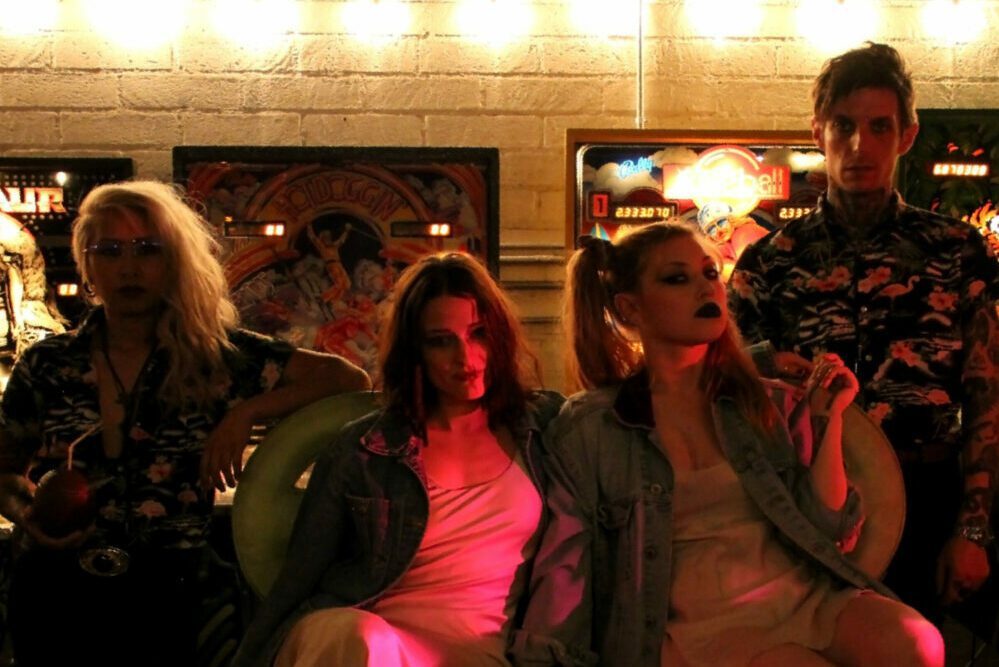
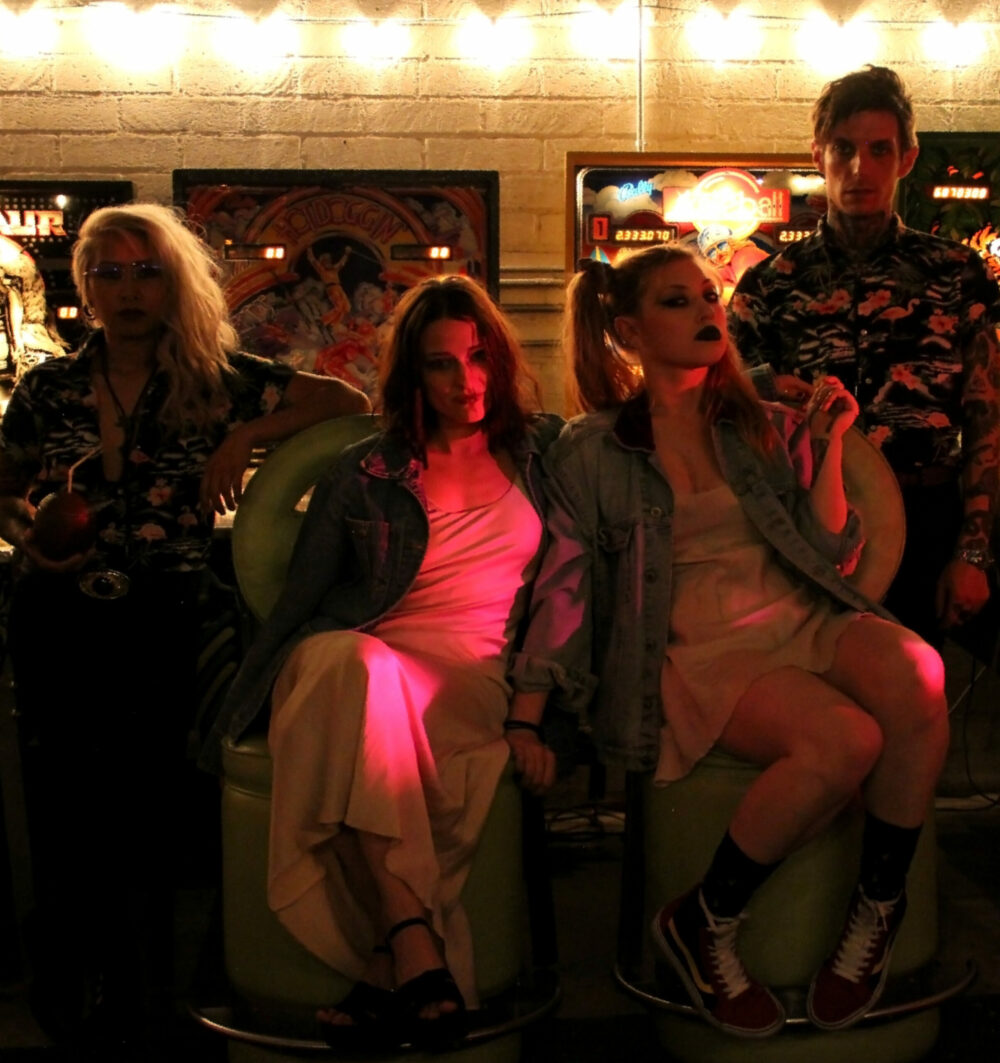
Photo Credit: Eden Estes

Indie pop-rockers Blossom Hall have been household names in the Cincinnati alt-rock scene for the better part of half a decade, and now they’ve released their studio album, Pyre. Notably, it’s both the band’s debut record and their last project before going on a hiatus. It’s also a great summation of the raw songwriting, swelling instrumentals and orchestral flair that the duo – comprised of vocalist/bassist Nancy Paraskevopoulos and vocalist/guitarist Phil Cotter – is known for.   

Pyre also features several other Cincinnati acts, including Strobobean’s Katrina Eresman, MADQUEEN’s Jaki Howser, Molly Brown, Elsa Kennedy and Brooklynn Rae; drummers Zach Larabee, Tim Weigand, Matt McAllister and CJ Eliasen; violinists Sarah Gorak and Jacob Duber; and saw player Andrew Higley. 

Blossom Hall fans were first introduced to Pyre with “God Girl” – the album’s lead single and a fuzzy rock mixture of anthemic drums and haunting vocals about loneliness and the divine feminine. Other highlights on the record including the mantra-esque “Peace to Everything That I Have Hurt and That Has Hurt Me,” and sunshine-pop “Parasols.”

Over the years, Blossom Hall has shared stages with the likes of Broken Social Scene, performed as the Pixies for a Cincinnati tribute show and created a well-defined sound and fanbase. Thankfully, though Pyre is the band’s last album for a while, fans can look ahead to upcoming solo music from both Nancy and Phil and, hopefully, a reunion in the near future.

Audiofemme caught up with Nancy and Phil over email about Pyre, the evolution of their sound, what’s next for the band and more. Read on, and stream Pyre, below.

AF: Pyre is both your debut studio album and your last project before going on hiatus. Do you think this will be Blossom Hall’s official last album, or are you just planning on taking a break?

NP: Probably more of a hiatus. I expect we’ll shift gears to be a recording project.

AF: What prompted the band to take a hiatus?

NP: A lot of things. With the pandemic, my life turned upside down. Before 2020 started, I had planned on leaving my full-time job to go to massage school, which I did in 2020. The idea was it would be easier to tour. But partway through, I realized the middle of a pandemic was maybe the worst time to learn how to be a massage therapist. I left school. I applied to and was hired for my dream job. Life just happens.

AF: Pyre feels like a good summation of the band’s years together — what was the timeline of putting this project together? For example, “God Girl” was originally written 10 years ago, right?

PC: It is a great summation. Nan wrote “God Girl” a long time ago, but the arrangement is new. That song especially, but also the album as a whole, distills the ultimate Blossom Hall sound to me. Darkness with a sense of humor. Big landscapes with minute details.

The timeline of the album is long. We originally went into a studio, which we love, back in 2017. And although the sessions went well, we realized the arrangements just weren’t ready. We wrote new tracks and rewrote some others and began to record the album in my home studio. The acoustics of my space and the gear I use is always evolving, so that created an interesting contrast between lo-fi and hi-fi audio elements. We were originally planning to release it a year ago, but when COVID happened it didn’t feel right. Anyone who mixes audio, especially their own songs, will tell you they could tweak them forever if there wasn’t a deadline. So I spent a huge chunk of quarantine mixing and re-mixing the album. 

AF: What went into the shaping of “God Girl” — adding or changing elements — to make it the song that it is today?

PC: It started as a haunting ukulele tune, entirely written by Nan. When I first heard it, I immediately heard the dynamic shifts possible, as well as the range of strange things we could do around what I hear as a psychedelic vocal. The first thing I contributed was building a rough garage rock demo with the dynamic shifts I heard and more of a chugging, constant pushing rhythm. 

Nan then added a vocal to help me hear the song take shape. Most of the original takes of my drums, guitar and her voice actually remain in the final version. Once her vocal was in there, I knew I wanted background vocals on the loud parts, so I did a few passes improvising them through the whole song and came up with the “sshhhh…hah…hah…” part, which I love so much.

NP: My favorite element that we added to that song are the drums in the bridge. I wanted to encapsulate the deep well of loneliness and self-pity that I had fallen into when writing that song. I asked one of our drummers Zach Larabee to just play something chaotic, which was a feeling I couldn’t have orchestrated alone. 

PC: I knew we needed something ethereal and spooky and started reaching out to friends to see if anyone knew a trained theremin player. I’ve always wanted an excuse to hire a theremin player. Instead, we found Andrew Higley, an incredible saw player. I actually prefer the saw because it sounds more organic, and if you listen close you can hear the dissonant overtones of the bow on the saw. 

After that, we had four non-male singers to come in and replace the placeholder background tracks that Nan and I sang. Then I just had to mix all of these elements sonically so that you could hear everything, but the emotions also come across the way they’re meant to. It’s a dense arrangement, and probably the most challenging to mix. 

AF: In 2018, you played a tribute concert to the Pixies in Cincinnati. What bands influenced the making of Pyre?

PC: For my songs and arrangements: Ohmme, St. Vincent, Roomful of Teeth, Pixies, Dirty Projectors, Fleet Foxes, late era Beatles and early solo McCartney, White Stripes and early Todd Rundgren.

NP: I don’t know if these projects influenced the album, but I was into them the five years we made this particular music. We both love the music of the Dirty Projectors (especially the Amber Coffman era). Dixie Cups, Thelonius Monk, the Pixies, Beams, specifically Billy Joel’s “Vienna Waits for You,” Louis Prima, Mount Eerie, Billie Holiday, Erykah Badu, the song “Joyful Joyful” from the Sister Act 2 soundtrack, Thank U, Next by Ariana Grande, Jeffrey Lewis, Lizzo, the Books, Friendship and not a music project but Dharma talks from the Portland Insight Meditation Center.

Photo Credit: Bobby Tewksbury

AF: Where did the inspiration for the album’s title come from?

NP: The song “Pyre” is about a relationship I had in which I was yelled at daily, called names, there was financial abuse, he was always threatening to break my stuff, he trapped me in the apartment. It was terrifying. When we go through trial by fire, we often come out a different person. The person we were is no longer. Our bodies have new memories, and it is a kind of rebirth – for better or worse.

AF: Will you be celebrating the album’s release with any livestream performances, or playing any in-person shows when things open back up?

NP: Will things open back up? My job has me going to the hospital and going to court regularly. With the new strains, it might be dangerous for my clients and for audiences for me to play bigger shows.

PC: No plans at the moment – we need a break.

AF: Are you working on any solo material/projects at the moment?

NP: I am playing with friends but nothing I want to announce just yet!

PC: Lots of other projects, some would say too many. Solo (folk), Golden Theory (live band hip hop), Party Blimp (soul music) and many freelance music projects for clients. I have a Patreon where I release a song a month, and I follow my whim on what kind of music to make in a particular month. 

AF: What is each of your favorite songs on the album and why?

NP:
I love the song “St. Louis.” It’s sweet and relatively simple. It’s focused on longing, which I try not to live in, but it happens – and can be fun! And Phil and I had fun writing it.

PC:
Gotta be “God Girl” for me. It’s just so damn epic. I’m so proud of that arrangement and I adore Nancy’s lyrics and melodies. “Peace to Everything That I Have Hurt and That Has Hurt Me” is a close second. The first half is so soothingly groovy and pensive, while the second half feels so nourishing and epic.

Follow Blossom Hall on Facebook and Instagram for ongoing updates.

Brisbane artist Tori Forsyth Hails Her ’90s Heroes on Provlépseis

Photo Credit: She Is Aphrodite

Starting off her career as a country artist enabled the public to pigeonhole Tori Forsyth. But Forsyth can’t be tamed. Her voice – rootsy, impassioned, and earthy – has all the glorious storytelling, lived-through-it quality of a country singer, and Forsyth hasn’t packed her bags and left country. She’s eased out the door, but left it ajar.

“When you’re starting somewhere you’re going to get remembered for that particular thing,” says Forsyth. “Country music is definitely something I still listen to and love. As a musician, I learn from listening to different genres and I love indulging that. I do make a point of normalising creative freedom. I was 19 when I wrote that first EP and I’m 26 now, so I’ve had experience as an adult that impacts how I see the world, how I consume and create music. I’ll always make music that is true to my life. Who knows what’s next for me?”

Her newest album Provlépseis is a maturation following her debut EP Black Bird in 2015, and her debut album, Dawn Of The Dark in 2018. Its title means ‘predictions’ in Greek – though Forsyth isn’t fluent, she understands the language due to her mother’s Greek heritage. It was written pre-COVID, but Forsyth says, “It’s interesting to see how much more relevant this record is to me now in post-COVID times than it was when I wrote it.” While that might be true lyrically, Provlépseis will likely sound like a bit of a throwback to those of us brought up on Sonic Youth, Hole, L7, PJ Harvey and Liz Phair.

“I was listening to predominantly ’90s [music] when I was writing this record. A lot of PJ Harvey, a lot of Hole, a lot of Soundgarden, even some Audioslave…a lot of Alanis Morissette and The Cranberries,” admits Forsyth, adding that the album “is very much a ‘90s lovechild for me.”

There are moments throughout the album where the very ‘90s grunge vibe feels less like a homage and more like a nostalgic indulgence. The promotional artwork for Provlépseis does seem like a recreation of PJ Harvey’s iconic 1993 album Rid of Me, in which Harvey is depicted in black and white, her dark, wet hair whipped around her bare face. In other artwork to promote the album at the time, Harvey is in a bath, half emerged. Forsyth, too, has released promotional media shots of herself…in a bath. “[Is it] a complete copy? Absolutely not,” she says. Having been born in 1995, Forsyth is not reliving the ‘90s – she’s discovering it anew, and if younger listeners are inspired to seek out the ‘90s artists who’ve inspired current acts, they’ll be richly rewarded. “I’ve definitely pulled inspiration from PJ – like I said, she was a massive influence on this record. It’s not my intention to be a carbon copy of somebody else, but I definitely pull inspiration from artists that I listen to.”

Another ‘90s icon gets namedropped in the slow-burning clap-back “Courtney Love.” Forsyth croons, “I paid rent, so long/Empty house, broken throne,” and it’s hard not be furious on her behalf, even though the melancholic acoustic ballad doesn’t quite reach “Violet” levels of scorched earth. In a video directed by Emily Avila, Forsyth sits in a bathtub full of dirty water, hugging her legs as the water goes cold.

She’s also worked extensively with Bradley Murnane, who directed the video for “Down Below,” both glamorous and grungy in the style of Garbage and Nine Inch Nails. When it comes to her videos, though, Forsyth says, “I’m definitely very heavily involved, probably a control freak. I love the visual element of creating a story in conjunction with a song. It’s another facet of creativity for me to indulge and I feel lucky that I get to do that in this career. I write the concepts up for pretty much all of my film clips.”

For the new album, Forsyth has again called upon nationally-celebrated producer and country artist Shane Nicholson. “I met Shane at the very beginning of my career,” says Forsyth. “We have a really great friendship now and I worked with him on Dawn Of The Dark. We get along so well because we have very similar musical tastes. It’s an awesome relationship that is built around love for a lot of different music.”

They recorded Provlépseis in Nicholson’s home studio in Gosford, on the central coast of New South Wales (Forsyth had been living in NSW at the time of recording but has since moved back to Queensland). “As far as production, Shane was heavily involved in engineering and producing both my albums. We’ve gone heavier on guitars, which was hinted at on Dawn Of The Dark, but it’s definitely expanded here [on the new album],” says Forsyth.

Provlépseis was written with the intention of being performed live and Forsyth is still in the planning stages. “I’m definitely organising a tour for after June,” she says. “This record was very much written with live shows as a focus. I want to do the songs justice in the way that I see them. When I tour, I’ve got a band: Reece Baines and Zach Miller, who have been a permanent fixture with me on stage for a long time now. My ex-partner was my guitar player so we’re in an in-between stage at the moment.”

Once the logistics are worked out, Forsyth will take her show on the road – enabling her audience to discover the weird and wonderful voice she’s learned to prize. “Early on in my career, I was told I had a strange voice. A singing teacher told me my voice was hard to work with because it was ‘different.’ Being told that it’s weird kind of sticks in my head, but now I’m pretty grateful for my weird voice,” shares Forsyth. “For me, creativity and writing have been about that therapeutic element of self-expression. Having a career out of that as a by-product is incredible and I’m grateful.”

Follow Tori Forsyth on Instagram and Facebook for ongoing updates.
Erika de Casier Sharpens Signature Sound on Sophomore LP Sensational

Photo Credit: Dennis Morton

Erika de Casier spent part of the last year like most of the rest of us – bottling kombucha, making sourdough bread, watching a shit ton of movies and spending a lot of time on her phone. But the other part was spent doing something most people struggle to do – putting feelings of heartbreak, transience and solitude into words and music and bringing a new meaning to the phrase “party of one.” The Copenhagen-based producer and songwriter’s sophomore record, Sensational, glimmers with honesty and danceability and finds de Casier asserting her needs with poise and a tight beat.

de Casier spent the earlier part of the pandemic in a relatable state of existential and literal dread. Between constantly watching Covid-19 numbers rise and experimenting with lacto fermentation, she says that she struggled to find meaning in making music. “Writing songs felt really meaningless,” she remembers. “And then, at some point I realized that it’s the only thing that gives me meaning now… you can escape a little with music. You can still make a song about going to a party with it having a meaning because it means something different for us now to be able to be together.” de Casier’s music, which fuses gentle vocals with R&B chords and UK garage beats, feels like the perfect soundtrack to dancing alone in your kitchen, longing for the days when leaning up against a sweaty body wouldn’t give you a panic attack. 

She encapsulates this loneliness in her video for “Drama,” which follows her on the rollercoaster ride that accompanies complete solitude. It starts with the quintessential “dress up to go nowhere” routine, followed by a luxurious bubble bath and thirst trap selfies, then ends at risky texts and regret. de Casier perfectly describes the aftermath of this specific kind of emotional bender in the chorus when she sings, “I wrote you twice last night/Wish I could press rewind/Take back whatever I said/But I can’t do that/Thought it was going so well/Now I don’t even know.” She balances remorse with levity when she admits her tendency to lean towards the theatrical side of things. “I don’t mean to cause any drama, it’s just somehow, it always gets me.” In fact, de Casier blends self-awareness and irony so well, it’s hard to tell which one is which. Or maybe it’s both, and that’s what makes it so good? 

That duality characterizes Sensational, where de Casier glides from wanting a no-strings-attached romance in “Someone to Chill With” and thinking about a lost flame on “Secretly.” But just like in “Drama,” no one feeling is truer than the other. You can miss someone and still want to explore other people and feelings. You can be an R&B singer with a soft voice and proclivity for trip-hop. It’s what makes de Casier’s music so loveable and so her. She explains that it took some time to reach this signature sound. 

She describes her early recordings as “artsy” and “soundscape-y” with little to no vocals. “I convinced myself that was a choice but, really, I couldn’t make a beat if I wanted to,” she says, followed by a laugh. Feeling limited by what YouTube University had to offer, de Casier enrolled in an electronic music program where she was able to grow her skillset as a producer. She was simultaneously acting as the main vocalist and songwriter for the project Saint Cava, which she started with her friend Andreas Vasegaard. Performing with Saint Cava allowed de Casier to start producing solo tracks on her own, free from pressure. “That’s when I wrote ‘Puppy Love’ and it just made me so happy,” she remembers. “I felt it was completely me.”

But even feelings of euphoria can be interrupted by the dark cloud of imposter syndrome, which is what happened to de Casier. She felt self-conscious about producing because she was surrounded by producers – Vasegaard and her long time friend Natal Zaks – who she saw as way ahead of her skill-wise. “I compared myself a lot with them, like, ‘Why even bother when there are other people who are so talented?’” But her search for the sound that felt right for her inevitably broke down that mental barrier and led her to produce her debut album, Essentials. “I think I reached a point where I actually had this style that I didn’t get from any producers I was working with,” she says. 

If Essentials was de Casier’s first major foray into producing, it’s clear she has a well of talent to dip into, and Sensational proves that. She stays true to the base that she created in her first record while adding layers of more live-sounding instruments and experimenting with genre. “I think what changed is maybe… with Essentials, I didn’t really know what I was doing, I was just having fun with it,” she says. “Now, I feel like, okay, that went well, so I’ll keep doing that I guess.”

Follow Erika de Casier on Instagram and Facebook for ongoing updates.
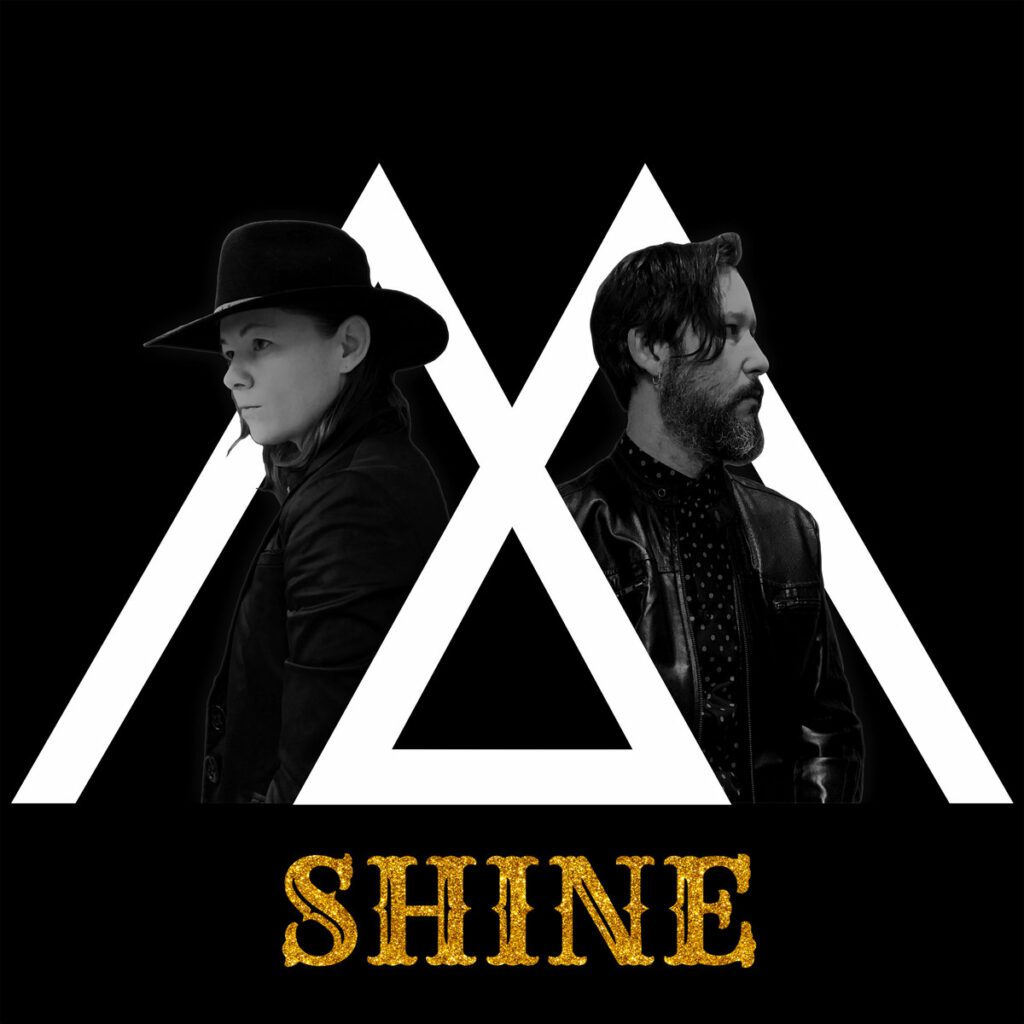
Billie Marten Turns a New Leaf on Flora Fauna

Photo Credit: Katie Silvester

“I have never felt true to my age, and every time someone asks me how old I am, it’s like I’m lying,” says Billie Marten, certainly the epitome of an old soul if ever there was one. Not yet 22, the British singer-songwriter spent her mid-to-late teens releasing delicately rendered folk music across two albums and two EPs; though her work has always exhibited a precocious composure, her latest, Flora Fauna, out May 21 on IMPERIAL Music/Fiction Records, sees her shed the diaphanous layers, materializing into something fuller and more earthy. It’s a confident step away from the ethereal and into the reality of adulthood; on Flora Fauna, Marten feels less like a wispy daydream and more like a woman waking up at the end of the world.

“I think I thought I was very much an adult on the first and second albums, but I was so confused and so impressionable and was trying to put across this very, like, English lit, bucolic sense of personality, which is a section of my personality, but I’ve now realized that it’s not the entirety. That’s why all the artwork this time around is kind of confrontational and I’m literally eating mud to kind of get rid of that whimsical waif idea,” she explains. “I didn’t wanna be this kind of floaty ethereal waif anymore. I got rid of that person.”

Signing with Chess Club and releasing her debut Writing of Blues and Yellows when she was just sixteen, the boutique label no longer felt like “home” by the time they were absorbed by parent RCA/Sony (they’ve since become independent again). Though she went on to release sophomore effort Feeding Seahorses by Hand via the major, she amicably severed ties with her entire team apart from longtime producer Rich Cooper by the time she’d begun writing Flora Fauna at the end of 2019. “I just called him up and we started making sounds together again. And it was so quick and easy and natural to me and none of it was trying to force this particular image or writing style out – it was very immediate for me,” Marten recalls. She took up playing bass, which she says was a “huge moment” musically. “It just made all of these sounds come out louder and broader and more immediate.”

Marten had already been listening to a lot of Fiona Apple as she began recording Flora Fauna at the start of 2020. Apple dropped surprise opus Fetch the Bolt Cutters just as the pandemic put a temporary halt on that process, and while it was more stripped back and jazzy than the previous albums Marten had gravitated toward, it was an important reminder that Marten stick to her own vision. “We just began layering live sounds and re-amping everything and making sure everything had a huge backbone and was massive, essentially, in your ears,” she says. “I wanted that bass tone to be so juicy. I didn’t want any thinness.” Rather than rely on the quirks of incorporating organic sounds as she had on previous records, she wanted Flora Fauna to “feel a lot more live and present.”

That extended to the album’s themes as much as the instrumentation. The springy bassline of album opener “Garden of Eden” snaps around lines like “I’ve been growing leaf by leaf/Dying for the world to see” before bursting into a twinkling chorus. Metaphors meld the natural world with Marten’s personal and musical growth over the course of the record, making statements both direct and roundabout about humanity’s place on this earth.

Sometimes, that’s intensely personal – more than a few of these songs see Marten coming to terms with her human shell. While previous albums were abstract about her experiences with depression, Marten retains the poeticism while offering very literal insights into cultivating “a good healthy relationship with the one person that matters most” – herself. “Growing up I felt very alien to my body. I developed an eating disorder when I was like 13, 14, and I’m still battling with that now, but the past two albums I was not ready to admit that or address that at all,” she admits. “This album takes into account all those hypocrisies and the changing of minds that you have each day; whether you feel positive or negative about yourself fluctuates daily and I wanted to address that in every song.”

On “Heaven” she’s looking for salvation or relief, trilling the mantra “give my body patience to be free” over exotic guitar tones and fuzzy synth. Soaring strings lend conviction to Marten’s boundary-setting assertion on “Kill the Clown:” “After all I ​am not a baby doll/I’ve got bills to pay and they never go away… I see everything in color/And I’m done with that.” On the plucky, self-deprecating “Ruin,” she acknowledges she’s not always friends with herself, stretching her airy falsetto over an elastic alt-pop chorus.

“Something happens when you go through puberty and you develop more and become this womanly shape which is supposed to get you ready for making babies and being strong and traveling and whatever. When you just so don’t want that to happen, you just go into yourself and your posture gets really bad, and you’re trying to be this skeletal image of yourself, which is not accurate,” Marten says. But on album album stand-out “Liquid Love,” she does achieve some kind of balance, even if its only a self-soothing sentiment she aspires to – it’s a breezy, easy-going love letter to what her body is capable of in a sensual self-appreciation slow jam.

“That was one of the quickest songs that came out, cause it’s kind of this repetitive nursery rhyme chant thing I have going,” she says, referring to a repeating line: “all our actions are reactions.” She built chords around a sweetly hummed vocal looped with Cooper’s Yamaha sampling keyboard, added a lazy little bassline “just doing its own thing,” and paired a drum machine with a live kit for a nice mix of digital and organic percussion. “It’s an incredibly immersive pool of a song and it sort of opens you up into this world that isn’t really familiar, but it’s kind of comforting,” Marten says. “There’s no chord changes, no key changes, it just is what it is. I wanted to layer vocals and be my own choir… and then I wanted the main vocal melody to just be an ascending mantra.”

At its heart, the song is about creating a space to protect and cultivate her well-being. “I just wasn’t doing that and I wasn’t hanging around with good people that made me feel good and that’s sort of the first step I think. If you reflect good things they come back to you, and I was reflecting some bad, bad stuff throughout the past year and a half, two years. People have noticed that I’m smiling now, and that never happened. I can kind of carry myself a bit more,” she says. “It’s a big learning curve, for sure. But I’m definitely getting there.”

Marten isn’t wholly preoccupied with herself, but also her place in a world dangling at the precipice of an environmental apocalypse. Her focus on nature as a grounding force is evident enough from the title of the record, and while there’s a subtle vein of confrontation railing against prior generations’ disastrous stewardship of our shared planet, Marten sees climate change as a systemic issue rather than a wholly individual responsibility. “For me it’s about respecting the earth a bit more, and that could be completely impractically – it could be just thinking about it fondly, or making sure you’re walking every day or buying a new plant that makes you feel good,” she says. “Concepts like nature are so abstract and evocative and it can be anything you want it to be, versus very specific problems like self love and self hate and relationships. Knowing that something is that huge puts everything into perspective for me.”

Still, there are times when something as innocuously tragic as a one-legged pigeon sends her reeling into a “long boring old man rant about modern life,” as she does on “Pigeon.” “I’m a very sporadic writer – I’m not good at daily writing. I can only write at the point where something needs to come out of me right now, and it needs to be honest,” Marten says. “I was picking up all these worldly anxieties… just stuff you can’t control at all, things that will happen with or without you. To the point where I’m sitting down and writing, that’s usually just have had it.”

The album ends with a haunting push-and-pull; “Walnut” sees Marten opining the forbidden fruits of love from a nut too hard to crack, while “Aquarium” admits her reliance on friends and lovers alike (“I am too bold without them/I am too cold without them… Couldn’t count on any others,” she sings).

“I wanted to keep up with that cyclical theme – I liked the fact that [Flora Fauna] opens with ‘Garden of Eden’ and you’re set up on appreciation and positivity and growing and goodness, and then in ‘Walnut,’ I wanted to express the forbidden nature of love and nature itself and happiness and how you’re just always climbing through this cave or maze, and it’s more of a struggle than you realize,” Marten says. “Aquarium,” she adds, is a portrait of herself at her lowest points. “Excuse me while I lay here in the shade,” she pleads, retreating into said garden.

The religious allusions throughout the album are more of a Leonard Cohen-esque device for exploring mortality, Marten says, than an indicator of her own beliefs; her father is a “strong atheist,” and although she grew up going to church with her religious mum, “I was mostly just observing; that’s one of my favorite hobbies. I just love looking at other people’s lives and being very quiet,” she says. “But religion is often talked about within song because quite often you’re trying to describe something that is unattainable. It’s a good way to connect the abstract with immediate things.”

Marten has always been skilled at tapping into resonant imagery, but if anything, Flora Fauna feels like the truest rendering of her personhood to date. “I wanted to face things head on, and lyrically speaking, I got much less abstract and just said how I felt, and it felt amazing,” she says. “I didn’t have to carry the pretense of being an artist – and now I separate the two, you know? I’m not who I am writing songs and on stage, that’s not my entirety. I’m a completely different person when I’m not making music and that’s something to accept.”

Follow Billie Marten on Instagram and Facebook for ongoing updates.
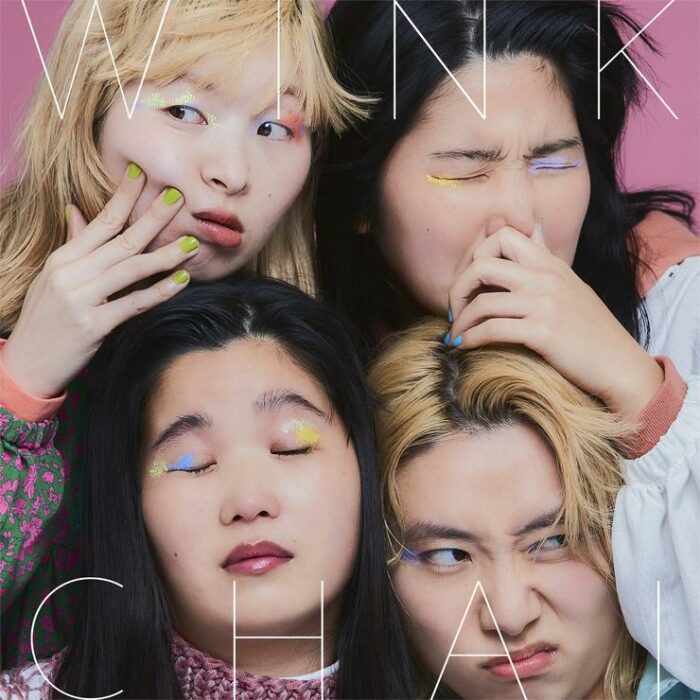
PLAYING SEATTLE: Julia Francis Has a Fierce “Cinderella” Story to Tell

On the newly-released version of her single “Cinderella,” Seattle rocker Julia Francis repeats the phrase, “Getting intimate in my mind,” with rasping, smoky vibrato. Francis’ distinctive vocal performance—and the emotionally tumultuous content of “Cinderella”—brings to mind Janis Joplin and something she once said: “I’m a victim of my own insides. There was a time when I wanted to know everything. It used to make me very unhappy, all that feeling. I just didn’t know what to do with it. But now I’ve learned to make that feeling work for me.”

Francis, too, once had a difficult time facing the storm of emotions she had inside. This is evident in the lifespan of her single “Cinderella,” and its psychedelic new video that Audiofemme premieres today. She first wrote the song in the early 2000s as a way through divorce and addiction, but the new version of “Cinderella,” which will appear on Francis’ forthcoming Live at The Royal Room, is a powerfully re-contextualized comment on self-empowerment and Francis’ journey to “celebrating her grief.”

“’Cinderella’ was written in the early 2000s and I actually released it on my first album in 2005, an album called Five Challenges to Flight,” says Francis. “And the song, I feel like it’s a wonderful snapshot of my own internal journey in that when I wrote it I was going through a divorce, I was dealing with addiction and a lot of difficult things. At the time I wrote it because I was feeling like I was somehow trapped or I couldn’t get the love that I needed or deserved.”

There has been significant trauma for Francis to overcome in her life through music—and it started young, when her parents divorced, forcing her to split her time between her California birthplace and the remote island of Kodiak, Alaska, where she eventually went to live full-time with her father.

“My parents divorced when I was 12 and then when I was 14, my mother had a hard time dealing with me because I’m a very independent headstrong person. So, when I was 14 she sent me to live with my dad in Alaska,” remembers Francis. “He’s an alcoholic and very unavailable. So I spent my adolescent years really raising myself and navigating a lot of dangerous, largely sexual, situations without a lot of guidance.”

These dangerous sexual situations eventually led to an assault. “That’s where a lot of my anger definitely came from. And feeling anger towards my father as well, because he wasn’t available to protect me either,” she says.

This hard time—and the loneliness it brought—was what first prompted her to pick up music and express herself through art, a modality with which she felt she could be witnessed safely. Francis found a sort of magic in singing, much like the fairy-tale Cinderella of her song’s namesake, creating peace and love though locked in her own little chamber and denied her power.

“I think for many years I felt my artistic expression was the only safe place to express my emotions,” she says. “As a very young child I remember trying to go into sort of secret places and make sounds and sing. I always felt really connected to the Spirit when I made sounds and I often didn’t feel like it was safe to be heard by others.”

All of this early life trauma played into the writing of “Cinderella” in the early 2000s, as did her leaving a marriage and getting real about alcohol and cannabis, which Francis said she relied on heavily to mute her unprocessed grief. That’s when the “getting intimate in [her] mind” really started—and however salacious the line may seem, she says it’s not about sex.

“It’s more about trying to understand my own internal suffering and trying to dialogue with myself. ‘Why can’t I stop obsessing about people or things?’ ‘Why can’t I sit with my own emotions and feel them?’ ‘Why do I feel this way?’ ‘Where did it begin?’” she explains. “A lot of it is about struggling with having compassion for the self because those voices inside… are telling us ‘You’re not good enough. You’re a failure.’ I think ‘Cinderella’ was about actively acknowledging those voices and trying to find a way to lessen their influence over me.”

While all of these early struggles still color “Cinderella,” the song’s essence has taken on new life for her forthcoming album, Live at The Royal Room, slated for release in Autumn 2021. Francis says there is added fierceness in the new version, which she says stems partly from motherhood, something she left music to do full-time for a decade before returning to the scene in 2015, as a reason for the song’s renewed intensity.

“The experience of having a child was a big part of… owning my own female power. The ability to make a child, and birth a child, it’s a profound, life-changing experience. I was able to open up my voice more expressively to represent all of the different parts of myself inside, the more that I felt the courage to live by my instincts and to fulfill and pursue my desires,” says Francis. “Even though I love her more than anything on the planet, [and] I wouldn’t change any of it, I also think as I revisited the song in the last few years I realized oh, some of that anger is anger at myself that I chose to step away from my music and how unfair it is, [that] as women we often have to sacrifice and put our own needs aside for someone else and there’s a lot of rage in that.”

This newfound conviction also stems from the years of spiritual progress Francis has made through therapy, meditation, and learning about shamanic healing sound healing. Through that personal exploration, she has found a way to further express her pain through her music, in the hopes that it can help others make lemonade from lemons, too.

“If I could boil my work down to one theme it would be grief. That we all have so much grief. I believe we can’t fully move forward and heal ourselves and the planet until we actually express and share our grief with each other. So, I want to be a tool in helping facilitate others to move through and celebrate their grief,” says Francis. “In the 20 years since [I wrote] the song, I have done a ton of internal work and I have explored the unprocessed grief that was passed on to me by my parents and my ancestors, the sexual trauma that I experienced as a teenager… and [I] realized that the song is really more about feeling and channeling all of those emotions to help share my own healing journey in the hopes that it helps others.”

This message is all over the trippy yet simple video for “Cinderella,” as well. It’s in the way Francis carries herself as she performs live with her band in the video. As she “gets intimate in her mind,” she radiates confidence, self-love, and truth. Like Joplin, she’s learned to make the feeling work for her.

Follow Julia Francis on Facebook and Instagram for ongoing updates.

With Debut LP Spirit Tamer, Mia Joy Invites You Into Her Sacred World—On Her Terms

Photo courtesy of Fire Talk Records

For Mia Joy, journeying into the insular, mystic world captured on her debut LP Spirit Tamer has been her life’s work. A meditation on the connection to self, creating and debunking personal myth, enduring changes post-heartache, and believing in the promise of discovering anew, Joy’s nearly three-year undertaking writing and recording the project is detailed across its 10 tracks. Swept up in dreamy guitar, Joy uses her instruments—including her haunting voice—to start a conversation; confronting those she’s met along the way. Not to mention, herself.

Now that the album’s out, she trusts she’s exactly where she should be. “I naturally got here, I think, because of my very niche, specific interests,” she says over the phone the week after Spirit Tamer’s May 7 release via Fire Talk Records. “Luckily for me, they kind of lined up. It all kind of fell into place as I became a user of all the colors I’m made up of and the tools at my disposal.” 

“And,” she pauses, “I just got really lucky that people choose to listen to me.”

Joy, born Mia Joy Rocha, figured she’d be some type of creative when she grew up. An appreciation of music has always been strong in her family, particularly on her paternal side—starting with her grandmother, who had a love of Selena and bar bands, according to a recent Chicago Reader profile. Some of Joy’s earliest memories include singing for her as a child. Joy’s dad is a veteran blues guitarist in the city and her older brother also followed the musician’s path.

“I always sang – as soon as I could talk, I would sing,” she recalls. “My dad would make me sing with him. He always had a studio in the basement and I would sit on his lap and we would sing together. There was a lot of Boomer dad rock: Steely Dan, Jimi Hendrix, Santana. We’re also Chicanas, so he would sometimes show me other traditional Mexican songs his mother showed him.”

“My mom, a poet, loves Sadé and Enya and Bossa Nova,” Joy continues. “She introduced all the R&B ‘90s greats. I’m a melting pot of both of them,” she laughs, “but obviously I went in a lot of different directions as well.”

Though she sang in her church choir with her Sunday School class and spent three years as part of the Chicago Children’s Choir starting in fourth grade, Joy didn’t pursue a formal musical education—instead opting for painting and pottery while advancing her knowledge of indie sub-genres and avant-garde artists at the library or alone in her room. Bands like Cocteau Twins, Grouper, and Deerhunter, and pioneers Brian Eno and Björk served as entry points to another realm of musical possibilities. 

“As a millennial, there was a lot of really legendary indie music coming out of that era,” she adds, remembering aloud. “2009 to 2012 was such an epic time for our generation, and I think that was also the precipice of me not being just a super fan or super music nerd and instead picking up the tools I had around me to replicate the music I was listening to in my own style.” 

As she got older, her interest in storytelling also grew. Inspired in middle school by her English teacher, whom she remembers as “nurturing” and incredibly supportive of her writing, Joy found other parts of herself among the pages of Greek mythologies and the heroes and heroines connected to the cosmic.

An open interest in astrology has become trendier while garnering more mainstream acceptance, but when Joy was first introduced to the study she kept it under wraps; fearing it would further ostracize her “nerdy, little middle school” self from her peers. Practicing in secret until fairly recently (unless you happen to be part of her inner circle), she uses it to explore the spectrum of human experience and connect with others beyond superficial interests. Though she dabbled in music criticism and considered a career path on the editorial side of the industry, songwriting called her back.

The earliest iteration of Mia Joy as a musical expression can be found on her Soundcloud page, started in 2013, where songs “Soliloquy” and “L*U*C*I*D” serve as archives of the artist’s lo-fi roots and other skeletal recordings foreshadow tracks like Spirit Tamer’s stunning “Saturn.” The connections between music, astrology, and storytelling inform her to this day.

“Music is foremost a coping mechanism and a way I kind of regulate how I live and how I feel, and that is the way in which I approach music,” Joy details. “Astrology is in the foreground in the ways I try to understand the world as well and connect with others and myself. It’s naturally made its presence known, especially in the way I write stories and songs.”

“Saturn” is particularly treasured. Apart from being one of Joy’s earliest songs, the first she intentionally wrote along with a melody, it’s taken on new significance in light of her own birth chart. 

“The funny thing is I wrote it when I was 20 or 21 years old,” Joy admits. “It’s written in the voice of Saturn, asking you all the ways it’s helped you or hurt you and how you’ve grown through disappointment and abandonment and sorrow. All of those restricting kind-of life lessons. Then it does this callback to me answering and my specific relationship to Saturn. Now it takes on a different meaning because I’m actually going through my Saturn Return, and my album came out during my Saturn Return.”

Simply put, Saturn Return is when the planet returns to the same place it occupied in the sky at the moment of a person’s birth. For astrologers, it’s an important occurrence that ushers in a period of intense change; leading us out of the last remnants of childhood and into lessons of maturity, responsibility, and discipline (characteristics of Saturn). Basically, it could explain why the end of your twenties can be incredibly turbulent and ultimately, life-changing—and why everyone’s relieved when they enter their thirties. 

“It feels like the album is reaping the benefits of all the sorrow and disappointment, and it’s proof I’ve learned how to be self-reliant and resilient and own those things in my life,” she says. “It’s very symbolic, and I always cared so much about that song and wanted to do it justice by having a more elaborate, higher production-value version of it. I was waiting for the opportunity to make an album to throw it on there. It’s one of my favorite songs. It reflects my music taste and the direction I want to go in.” 

Such intimate consideration is part of Joy’s practice. It’s part of why Spirit Tamer was such a labor of love. As she peeled back the layers, exploring the intersections of her life and extensions of her experiences became central to finishing the album as she envisioned.

“It’s been such a private relationship for 10-plus years,” she adds. “It’s really bizarre to be talking to you about it now, publicly. My parents are pretty religious so I had to hide it from them for years. I’m still hiding it from them, so I’m kind of horrified,” Joy laughs nervously, “but I don’t know why I’m almost 30 years old and still hiding things from my mom. Spirituality is prevalent in our family for sure, and I really appreciate that open-mindedness, but I think I just went really far to the left with the witchy stuff.” 

Photo courtesy of Fire Talk Records

Despite often describing herself as a private person who is usually shy and quiet, committing her truths to tape has become comfortable for the artist. The idea of touring and playing live shows again, however, brings on as many nerves as it does tepid excitement. 

Gigging around Chicago helped Mia Joy build a cult-like following among garage and psych rock fans after the release of her 2017, reverb-drenched EP Gemini Moon, but her interest in more ambient, abstract sounds could be heard bubbling beneath the surface. Replacing the electrified anxieties behind Gemini Moon is Spirit Tamer’s soothing, but no less stirring, state.

Rather than starting things off with a bang, her unassuming stage presence commands its audience as tension builds across her live set. It’s unintentional, but fans have come to recognize when Mia Joy and company have found their groove. Knowing she’s not going to be the loudest in the room, playing shows hasn’t necessarily come with the same certain ease as creating behind the scenes. 

“It feels like this Shakespearean tragedy,” she laughs, poking fun at her stage fright. “The thing I want to do most in life is sing songs and then I have to do it in front of a lot of people.” 

She’s felt at home in the coziness of venues such as Hideout, whereas others have found her in a battle of wits with the crowd. Bantering turns to light heckling to remind patrons talking over the set that someone’s on stage trying to entertain them. Navigating the space between the urge to engage and just lose herself in her own performance has come with time over the past six years of appearing around the city. 

“At different venues, sometimes you can just play a show and know people will talk over you or be annoying. Sometimes I can just have a whatever attitude and be silly with Joey [Farago, keyboardist] and make banter. Those are the good shows, where I’m just kind of in a ‘fuck it’ attitude and have fun with it. Then there are shows where I’m feeling really sensitive and I want to do my best,” Joy says. 

“I do like performing once in a while,” she clarifies. “Once you get into a good flow and you and your bandmates are connecting, it is a wonderful thing. Empty Bottle is where grown men at the bar are yelling and talking, and me and Joey are heckling them on stage as we’re performing. It’s hard to hear, so I just have to be like ‘You in the yellow shirt, what are you talking about?’ I try to do it in a silly way, but yeah, I don’t like people talking over me, of course.”

A showcase of Joy’s musical curiosities in its intricate compositions and audiophiliac production, her work requires your attention to fulfill its immersive purpose. Her voice softly floats just above a gauze of layered strings and synths, exercising restraint without sacrificing its raw power. A husky whisper, with a bit of grit to boot when necessary, she lulls you into tales of forgiveness, forgotten birthdays and exes who loved Korn’s “Freak on a Leash.”

“It was really important to me that I wasn’t pigeonholed or sticking to one sound because it wouldn’t have been authentic to the direction I wanted to go in,” she says. “I listen to and care about so many textures and sounds, it made sense for it to be kind of… across the board.”

Joy reunited with friend and longtime collaborator, Pallet Sound’s Michael Mac for production on Spirit Tamer. The two have known each other since 2014, when she moved into a coach house in Chicago’s Bridgeport neighborhood. Mac occupied the basement, then playing guitar with art rockers Oshwa and recording other local artists in his spare time. He’s since had a bird’s eye view of Joy’s evolution as an artist and confidant. 

“My song ‘10,000 Things’ was my first demo ever that wasn’t in my bedroom – it was with Michael because we lived together. We’ve been collaborating and working together pretty much my entirety of making music,” she says. 

“I feel really grateful, but I also feel so spoiled because I know at some point I’m going to have to work with someone else,” Joy half-jokes. “Michael’s a great person to work with in general, and as far as working with men who are audio engineers, he wants to make the vision that lives in your head. He’s not overstepping his bounds and doesn’t have an agenda other than patiently working with you and listening.” 

Some of the songs on Spirit Tamer were ripped straight from her loop pedal, which she’s had for years. Recorded alone in her bedroom, she says she was “insistent” Mac keep some of those takes; the almost inaudible guitar plucking, dissolving in a haze of Joy’s gentle vocal play – it’s ethereal. 

“That energy is really hard to recreate. You can create a perfect take in the studio, but to me, it’s not the same as having the energy in my bedroom,” she explains. “I think a lot of lo-fi artists can relate to that and it’s easier for me to be secluded and private and take vulnerable vocal takes – especially with tracks ‘Sword (I Carry)’ and the harmonies in ‘Saturn.’ They’re visceral. They pay homage to my roots.”

Most of the folks who lent a hand to the making of the album have been around since the beginning. She tapped friends Farago and Moontype drummer Emerson Hunton to contribute keys and percussion. It takes a village to bring a dream to life and, with the release of her very first full-length album, Joy feels the weight of the love of her own.

“That’s part of what makes this project so special,” she gushes. “Almost every single person that I’ve worked with is a close friend of mine. It shows the trust put into how these songs were made. The people who were involved with this record are also emotionally involved. They wanted to make it happen and wanted it to be out there because they care about me.”

The support from Chicago’s music community and in studio also helped Joy stand firm in her convictions when it came to how she wanted Spirit Tamer to be packaged and how she wanted to be represented as an artist to a wider, general public. In the summer of 2020, she signed with Brookyln-based label, Fire Talk Records. Joy is the fifth Chicago artist to sign to the label, alongside fellow powerhouse acts Dehd, Deeper, Fran, and Accessory (a project of Dehd’s Jason Balla). 

After speaking with Fire Talk’s founder Trevor Peterson, she felt her autonomy was respected and that Peterson shared her mission of fostering a supportive, inclusive environment for artists. 

Further proof of the groundedness she establish through the solitary reflection behind bringing Spirit Tamer to life, Joy – who opened up to Audiofemme about living with depression, experiencing tough times throughout her childhood, and the trauma of losing one of her best friends – isn’t afraid to advocate for herself in business talks. 

“The album was ready and I was feeling very worried that nothing was ever gonna come from it,” she says. “I had sent it to other labels and I’m so grateful things never happened with them just because of general ethics. I didn’t want to feel tokenized as a person of color, being the only person of color on an all-white roster, ran by all white people. That was a conversation I had with Trevor. That’s something I will continue to care about, making the music industry a more intersectional place. It’s essential for me to feel comfortable in the creative community in continuing to be a musician.”

“I’ve never been on a label of this size before,” Joy continues. “I’m new to this industry. [Signing] was very exciting and I was very honored and am very grateful. From the very beginning, as a female, I was very firm in my boundaries and my vision – especially as a woman of color. With a little status behind me in the beginning, I made sure I expressed how I wanted to conduct this and what the sound was all about. Had they not been receptive to it, I would’ve just kept moving on. It’s really comforting to know we’ve established a rapport and trust. I feel very taken care of by my label and think they go really hard for me. I love that.”  

The conversations extended to her public relations team, who would promote singles like “Haha” and “Freak” and “Ye Old Man,” to make sure her music wasn’t reduced to “break-up pop songs” or her continually evolving familial relationships. “The imagery and symbolism of Spirit Tamer and being the master of your own feelings and your own direction, collecting all of your lows and your highs and creating resiliency – it’s supposed to be for soothing and for solace and to contemplate yourself,” Joy muses. “Heartbreak is very strong and very universal and there are songs on there about it, but it’s also like, my dad makes me sad sometimes. There’s a song about my friend passing away that was hugely traumatic and a big part of my life.

“The song ‘Ye Old Man’ is about my dad, actually,” she reveals. “I think it’s important that people don’t think that’s just a cheesy break-up song. Me and my dad had to talk about it because he’s really proud of me and he shares my music with his buddies. I told him, you know, ‘I don’t want you to think I hate you and this is me burning you or anything.’” 

Taking a breath, Joy chooses her words delicately, It was coming from a place of realizing sometimes parents make mistakes and I had to accept him for his flaws. Sometimes they’re not just a parent and sometimes I’m not just a child. We’re learning the dynamics of how to understand and relate to each other as we get older. I think I’m still a puzzle to them. Hopefully I will make more sense to them now that I’m starting to share more of myself with the world. I know they’re proud of me.” 

Remaining aware and vulnerable to the process of understanding and accepting the realities of who and what surrounds you will follow Mia Joy as her ascent persists. It’s the never-ending work she agreed to long ago and if Spirit Tamer is any evidence, her pursuits are paying off. Though live music is making its return, she doesn’t have anything booked for 2021 yet. She hopes to do some performances throughout the year and tour in 2022, but hasn’t stopped writing new material.

Don’t be surprised if her re-emergence feels like playing catch-up.  

“Musicians can relate, especially if it’s a really long-term project like this was for me,” she says. “In a way it’s a cathartic relief. It’s both scary and exciting now that it’s time to think about something else. I’m in a vastly different place, listening to different things, being influenced by different things. I’m going further down the ambient rabbit hole; getting even more avant-garde and wacky and experimental.” 

Grace in her tone, Joy humbly accepts her current place in the spotlight. 

“I can’t say how grateful I am enough. It’s such a crazy privilege to even be able to release anything right now with the state of the music industry and society and everything at large. It’s not lost on me,” she expresses. “This feels like such a shooting star in a really dark time. I’m just a nerdy, anxious little guy over here. It feels really surreal.”

Follow Mia Joy on Instagram for ongoing updates.

Karaboudjan Reaches the Seventh Stage of Grief with “Let Go”

Photo Credit: Tuwie Kim

When Billy Kim left the East Coast to return to his home base in California, he was leaving more than his beloved Italian deli. For some time while writing his debut EP, Imago, and touring with Tycho, his studio was a little table at his now-wife’s apartment. He would miss the waterfront view of New York City and the places where he was healing from the early death of his father.

There was no manual to grieving, just the catharsis of writing his first song for the EP, “Let Go.” The multi-instrumentalist, who adopted the stage name Karaboudjan (a nostalgic nod to The Adventures of Rin Tin Tin), began writing “Let Go” almost a decade ago; the journey of the song’s completion mirrored Kim’s own mourning.

“All I had was the verse for the melody, back years ago. I had this tiny glimpse of some sad lyrics. I didn’t know how to finish it. I needed time,” he tells Audiofemme. Finally finishing the chorus right before recording Imago brought his feelings into perspective, when he had the revelation of completing it in an uplifting way. “It does have a happy and light vibe. I wanted to contrast with the darker lyrics. End with a positive vibe, rather than just sad sad sad,” he explains. It’s the second single he’s released from Imago, following “Seems Like;” the EP will arrive later this year.

The video for “Let Go,” directed by Justin Gaar, emphasizes just how bittersweet grieving for someone who is absent can be, updated to reflect the current reality of the COVID pandemic. Two characters, played by Adam Lee and Nick Ley, twirl around a neon-lit parking garage roller skates – another nod to nostaligia – as the video flashes between memory, fantasy, and the lonely drudge of present day. The carefree magic and love in the choreographed movements is juxtaposed with the weight of loss and sadness in remembering, the instrumentals always dream-like, verses flowing together in an electronic ripple.

The video completed the project as a whole for Kim, who admittedly loves focusing on the instrumentals more than the visuals. “It’s been really fun to work with people who take their own interpretation toward it. I’ve always only written the instrumentals first. For me, it’s a blank space to figure out what mood the song will be,” he reveals. For “Let Go,” the synths and melody embody such strong emotions, that Gaar had no doubts about the vision. “His passion for his vision combined with our top-notch production crew from Half/Half really made for a smooth day of filming,” says Kim.

Last year, the US declared a travel ban on Kim’s birthday while he was overseas. After scrambling to fly back, he had finally buckled down for the long year ahead. The East Coast was where Billy Kim ate his first Grandma slice. Where he met his wife. Where he finally finished recording Imago. And where he finally finished writing “Let Go” in a place of healing and gratitude. “It just clicked. It had to be a big ‘thank you,’ to life and people that we’ve lost.”

Follow Karaboudjan on Facebook and Instagram for ongoing updates.

Tiny Jag Keeps Her Circle Small and Her Spirit Rich in New Single “How It Was”

Tiny Jag has never been one to mince words. Ever since her first EP Polly debuted in 2018, Jag has been known for her no-bullshit lyricism and cutting delivery. Though her sound has grown and shifted since then, the heart of it remains the same: an uncompromising sense of self that’s easy to sing along to. In the video for her new song, “How It Was,” Jag emphasizes the importance of keeping your circle small and supported. 

“When I made this song I was dead in the center of thinking about what relationships were working for me and which ones weren’t,” Jag explains. She says that the last year has been a time of not only looking inward, but looking around her and tempering expectations around friendships and relationships. What she discovered was that supporting herself first and foremost yielded the ability to show up for others in the way that she wants to. “I feel clearer over the last few months since that song has been created,” she says. “Just being comfortable in exactly where I am at any moment… and finding a way to have my own back… makes it easier to figure out what you expect out of the souls and spirits around you.” 

https://www.youtube.com/watch?v=kTJML_cJrts

This realization led Jag to write the ultimate ride-or-die anthem that mirrors the relationships in her own life. She explains that her tendency to keep her circle tight in her personal life bleeds into her creative process. In an industry that is built off of multiple people – sometimes strangers – co-writing songs and cranking them out like an assembly line, Jag takes a more intimate approach to songwriting. She says that 99% of the time, she’s going into the studio with someone she has a prior connection and strong basis of trust with, and if not, that bond is made before the session even starts. “Any producer that I went into the studio with blindly, we probably talked for like two hours before we started working,” says Jag. “I think that for my peace of mind, and the way that my anxiety is set up, I need to focus on the people that feel the pull… some type of law of attraction has brought us together and here we are vibing the fuck out.”

The video follows Jag and her besties (Jag’s long-time DJ and friend Wah Wah and local musician Shannon Barnes of White Bee) as they devise a plan to rob their douchey corporate boss. At some point, we’ve all probably fantasized about tying up our boss and taking all of their money, which makes sense, considering that the average CEO in the United States makes up to 320 times more than a typical worker. The visual shows Jag and her posse enduring various morbid circumstances like domestic abuse, a messy breakup, and debilitating debt. The three decide that in order to escape their current situations, they’ll team up and take down their superior, Robin Hood-style. 

While the video was inspired by fantastical scenes like the Joker walking away from a burning hospital in Dark Knight and the grocery store heist in Good Girls, Jag says her vision was one step closer to reality. “I wanted it to be something that you could see some mother fuckers fuckin’ around and doing,” she says. And that’s how a Tiny Jag song usually makes the listener feel – like you could rob your boss and get away with it. An indestructible aura surrounds her music, permeating through the speakers and touching whoever is listening. It’s fitting, then, that Jag’s ultimate goal as a creative is to be an entity rather than solely a musician. 

“Even when I started doing music, I knew it was going to be a leg of something bigger. I always wanted to be a force more than any one designated thing,” she says. “I would rather be a reminder of something that reminds you to be yourself, or don’t be wasteful, or don’t throw your trash on the ground or whatever the fuck.” She lives out this intention not only through her music, but, more recently, through repurposing old fabrics to make her own merch. She explains that having multiple outlets allows her to nurture her creative self and shift focus from output to being present with herself and her art. 

Jag’s unending quest towards self-discovery is what keeps her music so authentic, and inspires listeners to do the same. “It feels like every time I talk to you, I talk about how I’m being my most authentic self and that’s the best thing that’s going right now,” Jag muses. “But, every time, I feel like I’m getting closer and closer to that most internal piece of myself, that highest self.” 

Follow Tiny Jag on Instagram for ongoing updates.

fanclubwallet Finds the Bright Side on Debut EP Hurt is Boring

Photo Credit: Ian Filipovic

Like the airbag that “popped and knocked sense into me” in her debut EP’s opener “Car Crash in G Major,” Ottawa’s fanclubwallet comes out swinging on Hurt is Boring. The punchy blend of indie rock and bedroom pop, helmed by Hannah Judge, brims with bouncy, high octave keys, asserting joy in a way that contrasts some of its darker subject matter. Hitting you with disaster from the get-go—a violent, traumatizing car crash that serves as a metaphor for a doomed relationship—is way of commanding attention, and Judge’s breezy delivery is a Trojan horse; worms nest so casually in your ears that you find yourself humming about your skin falling off as you brew your morning tea.

Fleshed out while a Crohn’s disease flare-up left Judge bedridden for ten months, Hurt is Boring touches on every emotion across an omnipresent spectrum of existential ennui. Lucky to have podded up with her producer (and grade school best friend) Michael Watson, just a few modifications were made for an adapted recording process in her childhood home that’s as literal as bedroom pop can get, with Judge tracking vocals while lying down as Watson set up shop “at a very tiny overcrowded desk in the corner.” “I’m really grateful that [Watson] was so accommodating and willing to help me find ways of recording that worked for me,” Judge says. “There’s a photo of me somewhere lying in bed with an overhead mic and holding a keyboard. It looks a little silly, but it got the job done!”

Hurt is Boring follows a steady stream of singles dropped throughout 2020 after finding success with her cover of the Talking Heads’ “This Must Be the Place.” The pandemic, coupled with her boredom in recovery, gave her the time and mental space to hone in on her first cohesive project. She fittingly describes this past year as “pretty bonkers…for everyone,” and though disability might not have been what did us all in, the sentiment is familiar: we’re all, categorically, tired; with her upbeat musings and a soft charm, Judge wakes us—and herself—up.

“I love music with a consistent beat, stuff you can dance to or at least bop your head to,” she says. “Whenever I sit down to actually produce things, they end up being a lot happier than they originally sounded just on guitar.” Recounting a relationship’s disintegration in the most brutal way over a bright, almost Sheryl Crow-like instrumental shouldn’t make as much sense as it does, but it’s liberating. 

“I’m never really intentionally trying to write really depressing lyrics, just kind of talking about what I know,” she says. “C’mon Be Cool” came of “overanalyzing how I thought people might feel about me,” she continues. “‘C’mon be cool, I’m not gonna be rude to you’ is just me being like, ‘Okay, let’s all just take a breather… it’s been a rough year.” She renders that misery in small details like a bandaid left on just a little too long, but also offers a little kindness: “I don’t see what you see in making all this fuss.”

Judge scatters these sharp and severe elements throughout the EP, from flying shrapnel to a cold bathroom floor, echoing the lyricism of Hop Along’s Frances Quinlan and Isaac Brock of Modest Mouse, two songwriters she admires. Situating metaphors for bitterness and grief over easy pop beats normalizes them, breaks them down into something less cynical and more serene.

On maintaining mystery to her lyrics, she explains, “I don’t like to give too much away… I think life is really just built up of small moments that we think about over and over until they feel like big ones… It means what it means to me, and if it means something entirely different to you that’s cool too.”

“I would love to write a really happy song, but I’m just not quite sure how,” she confesses, but these tracks are happy, albeit in their own refreshing way. The abrupt fanclubwallet approach comes from Judge’s proclivity for “dwelling” (“I honestly never stop,” she admits), but by the time you reach the EP’s end, you realize that hints of optimism hide between the glittery synths and danceable beats of each track. It’s funny to think that “Hurt is Boring” was written about a year before the others, but makes for a rewarding end—it’s her admission that “Hey, it’s okay to feel like crap sometimes,” simply put. “Otherwise,” she reasons, “you won’t notice the good stuff.”

Follow fanclubwallet on Instagram for ongoing updates.

Stevie Jean Gets Raw and Real On Her Debut Album “The Dark”

Photo Credit: Jett Street

Stevie Jean is an honorary Melbournian. Hailing from Humpty Doo – a small town about 30 miles North of Darwin – she’s transitioned to the considerably colder, wetter city and embraced it as her own. And Melbourne has embraced her, or it will, once her album The Dark gets heard in live music venues around town.

“Honestly, the transition from Darwin to Melbourne was not too bad. I was dealing with hectic stuff in Darwin so coming to Melbourne, living with two of my best friends, and having my own room was a great transition. I’ve been going to gigs, it’s been a good old time,” says Jean.

Released on May 14th, The Dark is a mishmash of her influences from rock and hip hop that she’s made entirely her own. Determined to face her fears, Jean has eloquently revealed what haunts her most and given herself and her listeners permission to be vulnerable but also merciful through the scars we share.

“I was between 17 and 20 was when I wrote The Dark,” says Jean. “Some of the songs took 20 minutes and some took years, and I write alone. The only song that was co-written was ‘Menace.’ That’s got Kapital J on it, and Tasman Keith wrote a little bit of it. I co-produce with an amazing producer Kuya James, based in Darwin. He’s been in the industry a long time.”

Indeed, James is an ARIA-nominated producer, touring musician, songwriter and DJ who has worked with many artists based in the Northern Territory. Kuya means big brother in the Filipino language of Tagalog, and he’s certainly been a guiding force for Jean’s music.

Likewise, Jean credits her mother’s choice to send her to a Steiner school – an alternative educational model oriented more towards holistic learning and social skills than academic achievement – with her embrace of her own creative skills. “I had the privilege of going to Steiner school. My mother was involved in the school opening. She didn’t want me to go to a mainstream school, so the first day of that school opening was my first day of school. There wasn’t enough funding and there was only about 50 kids, so I graduated year 6 [primary school] and it was mainstream from then on.”

At home, Jean’s parents raised her in a music-loving household. “My mother loves R&B and folk and I grew up with rock. I was also hugely inspired by a woman named Netanela Mizrahi,” she recalls. Mizrahi is a composer, music therapist, and music teacher. She’s also the Darwin Symphony Orchestra’s Principal Second Violinist. “She does fellowships all over the world. She was my violin teacher and got me into choirs. She was one of my biggest influences growing up. When I graduated, we started working together on a different basis where she would call me in to do certain projects with her.”

Through primary school, Jean was exposed to “a lot of Vivaldi and folk music” but once she entered the mainstream school system, hip hop became her biggest inspiration. “I found Eminem and then Kendrick Lamar, Nicki Minaj and then later, Princess Nokia, so much amazing hip hop: it’s rhythm and poetry, an incredible thing,” she says. These artists directly influence the EP she made with Tasman Keith, called Evenings, released in 2019.

But The Dark is much rockier and bluesier than her influences in hip hop would suggest, and is more akin to her Blame Game EP, also from 2019. “[The Dark] is my first album and I really wanted to pay homage to the rock that raised me,” says Jean. “So, Led Zeppelin and Black Keys, but then a lot of hip hop too with trap beats, 808… it’s an amalgamation, so you could call it psych rock or punk rock.”

Its title hints at the demons that inspired much of Jean’s lyrics. “I don’t talk about this very often, but for a few years I suffered from [an undiagnosed mental illness]. My brain tells me that nothing is real. I’m dealing with that in my own way – it’s an exaggerated lust for life, because if nothing is real, do whatever you want,” Jean says. “That’s where a lot of music on The Dark comes from. I’ve got it under control, but when you’re 17 and the world is a video game, it’s pretty scary. There are those moments where I felt ‘This is not okay, I don’t want to be here.’ I went to a counsellor who freaked out and booked me in with a psych who told me not to smoke weed, so I just never went back. I don’t want to be put in a box and judged based on having a psychiatric record, so I went on a really strict diet and that took the cloud out of my brain for a year, then I gradually reintroduced things back in, embraced exercise and that is still really important to me.”

Photo Credit: Jett Street

The raw, steely guitars that kick in on the opening track, “Send Me Home” merge with a groovy, boxy beat, and then Stevie Jean’s singularly beautiful, old school blues voice comes in. There’s something timeless about her voice, channeling both Erykah Badu and Rickie Lee Jones in its throaty melodiousness.

Things get much more hectic on “Menace.”

“’Menace’ happened so fast,” says Jean. “I was going to be in a movie, but that didn’t happen. They’d asked me to make a punk song for it, and Kuya James and Kapital J were in the studio and I sat down and wrote the song in about 15 minutes. It was a laugh, to be honest! Tasman Keith put his vocals on it then my backing band in Darwin, Draft Day, played their parts live over the track. That’s why it’s so hectic.”

The Dark was recorded across Park Orchards Studios in Victoria, with Benjamin Edgar sending his guitar tracks, recorded remotely from his home in Germany. The rest was recorded in Studio G (named after Gurrumul Yunupingu) in Darwin. 

Jean’s plan is to play the album live around her new home city, accompanied by “the cool kids” in her band: Miggy Zamba on keyboards, Takoga Smith on bass, and “an incredible drummer,” Myka Wallace.

What would her dream lineup be, if she could perform with a couple of other acts?

“My dream lineup would be Haarper, Ashnikko, Princess Nokia and if The Black Keys showed up, I would probably cry,” she reveals.

But when she’s not performing, she is a prolific writer. “I’m actually halfway through production on my second album – I love writing, I’d do it all day if I could,” she says. “I don’t know when it will come out, but I’m enjoying just creating every day. I’ve taken this album I’m working on in more of a hip-hop direction. The Dark has elements, but the next record is more balanced between rock and hip hop.”

Until her next album arrives, there’s enough soul, rock, and raw, honest truths on The Dark to warrant repeat listens. It is easy to believe Stevie Jean could be the next Australian artist to garner major international interest and shiny, big deals. But, like many talented artists in this nation and worldwide, she’s working a couple of casual jobs to get by.

“As artists, we get treated like we’re replaceable and there’s so many amazing artists in Australia working in [hospitality]. There’s nothing wrong with hospo, but it’s really taxing to work two or three casual jobs and try to write an album. I’m trying to be a poet, an actress, and a musician on top of a couple of hospo jobs. I’d love to see a change in the music industry, I really would.”

Follow Stevie Jean on Instagram for ongoing updates.

cehryl Builds Worlds Out of Distant Memories on Her New EP, time machine

Photo Credit: Jonny Ho

Nestled in a bed of mourning, in homesickness for that space between the first youthful lick of freedom and the whiplash that comes when you’re left completely on your own, comes time machine, the latest EP from Hong Kong-based musician cehryl. Breathy vocals glide over subtle, dreamlike instrumentals, seamlessly immersing you into a past to which you’re more tethered than you thought. Her enchanting EP translates to a moving photo album of her early college years, each track a high-saturation vignette blurred at the edges with the melancholy of loss. 

Clocking in at just 21 minutes, the concise EP covers much of its ground through cehryl’s ability to build worlds out of small, intimate experiences. Her lyricism goes hand in hand with the integrity behind production, intention permeating each second of time machine. From the somber opening track “philadelphia,” which recalls lost friendship, to “callus,” where energetic, bouncy plucks parallel the visceral bite of “thorns and scissors and clippers,” each sonic element carries as much weight as her words. By the time you reach the EP’s closer “outside the party, inside the dream” where cehryl wishes for “sugar and honey and trust,” a waltz-like structure lulls you into a wistful rest.

Cehryl is no stranger to transience, having spent time in the UK, Los Angeles, and Boston, where she attended Berklee College of Music. After COVID-19 put tours with Jeremy Zucker and Cavetown on indefinite hold (“I do have goals to play shows again,” she discloses when asked, “still in the middle of planning and gauging the situation!”) returning to her native Hong Kong took some adjustment. She recalls being “very pessimistic and bummed about it” in the beginning. With gratitude for those who surround her, from friends and fans to her management team and label, she’s “adapted to a very different lifestyle,” which includes juggling a day job and creative pursuits while “getting my feet in the tight-knit music community.”

Though her life is markedly different now, accessing seemingly ephemeral memories of her long-ago Berklee days comes second nature to cehryl, who calls herself “sentimental and nostalgic to a fault.”

“I have no problem recentering myself to channel older feelings,” she continues. “If anything, I have a lot of problems staying present and not reminiscing.”

These emotions drive her art in all its forms. She dabbles in drawing, describing herself as “not very good” (though her Instagram highlights will tell you otherwise), edits videos on occasion, and practices photography. “I think all of these outputs come from the same place even though my drawings can feel very different to my photography, which can feel different to my music,” she says. “Through them, I’m able to explore things I am technically incapable of saying in the other mediums.”

Aptly citing Hong Kong filmmaker Wong Kar-wai as an influence on her videos, she puts songs together like patchwork. It’s her innate creative eye, an intrinsic precision that allows cehryl to immortalize moments in song through the eyes of a visual artist and director: expressive and earnest; reflective, yet raw enough to remain in the moment as though no time has passed at all.

“I find that routines can deaden the magic of making anything from scratch,” she says of her songwriting process. “Sometimes it starts with a phrase of words, sometimes it starts with a melody, sometimes it’s less ‘inspired’ and it just starts with experimenting with a chord sequence. I honestly don’t really evaluate or analyze my own lyrics after I write them. My editing process is just singing through the song and changing words to make the emotion or imagery stronger, but it all feels very ‘zoomed in’ like a small-scale, nit-picky kind of editing and not a pre-planned, big picture, conceptual rubric. More economically put, my process feels very subconscious.”

It’s a stream of consciousness style kept fresh by her commitment to concrete details that keep these songs so present in their stories. “laundry” is a standout for its effortless and poignant poeticism. She invites you to find childlike wonder in yearning for the mundane, singing of a moment “three piles down in our laundry.” cehryl notes that detail is not only “writing 101,” but “memory 101.”

“Without detail, we would not have our own stories,” she explains. “A lot of my writing comes from an autobiographical intent, so each song is like a memoir.”

And that’s the beauty of cehryl’s simplicity. time machine is a collection of songs so honest, they radiate warmth and adoration in spite of sadness, or even within it. When cehryl conjures vivid stories of people who’ve come and gone, though laced with longing, they offer hope, comfort in the belief that maybe you’ve made a mark on someone else’s life as profound as the ones made on yours.

Follow cehryl on Instagram and Twitter for ongoing updates.

Jayli Wolf Reclaims Every Part of Herself on Forthcoming EP Wild Whisper

Photo Credit: Hayden Wolf

With her two new singles “Child of the Government” and “Hush” and their accompanying videos, Canadian-born actress and musician Jayli Wolf is poised and proud of every inch of who she is. But her palpable self-possession and undeniable star-quality has been hard-earned, arising after many excruciating years spent coming to terms with some earth-shaking revelations around her identity.

Wolf spent most of her young life assuming her dark hair and tanned skin were the result of Mexican heritage, only to find out at eight years old that she was First Nations . This discovery—delivered by her estranged biological father who also had no idea he was indigenous—queued a process of personal exploration and reclamation that was later expedited by Wolf’s growing disillusionment with the Jehovah’s Witness community, the religion she was raised in and eventually left completely about a decade ago.

Understandably, the force of relinquishing her entire belief system and learning her true heritage blew Wolf’s world apart. For several years, she fell deep into depression and addiction before beginning to make music again—something that she’d loved since she was a kid, but wasn’t allowed to pursue professionally due to her religion. She charts this progression on revelatory solo debut Wild Whisper, out June 18.

Recently, Wolf spoke with Audiofemme about coming to terms with life after growing up in a “cult,” her indigenous identity, and bisexuality, which her latest singles so bravely and tenderly document.

AF: “Child Of The Government,” comments on the generational impacts of the Sixties Scoop—when, from the 1950’s into the 1990’s, the Canadian Government and the Catholic Church “scooped” more than 20,000 First Nation, Métis and Inuit children from their families and communities. I know you recently learned that this happened to your father. Was he able to get back in touch with his indigenous roots? 

JW: Yeah, he did. He thought he was Mexican because the Canadian government and the Catholic church changed his adoption papers and basically said that he was not eligible for Indian status, that he was not Indian, and that’s part of the erasure, like what they’ve done with our culture. And that was part of what they wanted with the Sixties Scoop. He thought he was Mexican and if he never found his family he never would have known.

So, he went up North. I belong to the Saulteau First Nations community near Chetwynd, British Columbia, and he was able to get the adoption papers and find his biological mother’s name and then he went and found his biological family. He went and he actually lived up on the reservation for quite a few years after he found my biological family. He got to spend a lot of time with them, and I just made it up there two years ago to meet my family. 

AF: Wow. So at the end of the video for “Child of the Government,” when you are standing with two elders—is that your father and your grandmother?

JW: That is actually my biological father but we got an actor for my grandma because of COVID—I didn’t want to fly her in. 

AF: Fair enough. So when was that, that your father got reunited with his family?

JW: I don’t actually know – years ago. I haven’t been close with my biological father so it’s only been the last couple years that I’m trying to rebuild that relationship. We’re not going to be a typical father-daughter but at least we can be acquaintances, so I’m getting to know him again. 

AF: Did he raise you? Tell me a little about your upbringing. 

JW: I was raised by my mom’s family. I grew up as a Jehovah’s Witness in a little town called Creston, BC, and my grandma pretty much raised me. My grandmother was a devout Jehovah’s Witness and my mom had me when she was like 15, so we lived in a trailer – my grandma, her five kids, and me. My grandpa too, but my grandpa, he was like the opposite of my grandma—a severe alcoholic, you know, drug addict. So it was a really weird upbringing. A lot of polarity. And I had no idea I was indigenous. I actually thought that my dad was Mexican. I had heard that he was Mexican. It wasn’t until he let us know that he had found his biological family that I found out I was First Nations.

AF: That must have been an astounding revelation. 

JW: It was weird because when I was little I was outside all the time. I tan really easily, I get pretty dark in the summer, and [I had] long dark hair. Then all my mom’s family is like Danish—so blond, blue eyes. I always stood out in my little family. And then [seeing] my dad, it was like, oh, this is where my brown eyes come from, this is where my dark hair comes from. 

AF: That must have been a huge identity shift for you to know you’re indigenous. What did that process look like for you? How does that make you feel, learning that information? 

JW: Really, really good. Initially when I found out I was still a Jehovah’s Witness so it didn’t really mean a lot to me because the culture would have been something I never would have wanted to be a part of, especially spiritually, the Cree stories, the Star people. As a Jehovah’s Witness, that would have been very demonistic so I never would have honored my culture. And my growing up in a very white—like my mom’s side is Danish— so growing up in that, I had no knowledge of indigenous culture. It was life-changing to find out I was indigenous, but it really took reclaiming it and going back up North and meeting my family and reading and trying to connect with other people in my community… to be proud that I’m indigenous [and start] to understand it. And once I understood what my dad had been through and the history of everything in this country, the history of indigenous people, I was so much more connected to it. 

AF: Totally! So, you went back two years ago to meet your family? 

JW: Yeah. Two years ago I went up North and met everyone. Well, I already knew my dad but I went and met my grandma for the first time, my great grandma, all my cousins, my aunt. It was really cool because when I got to go back there, I started to learn about things that I never knew. Like, my cousin took me out in the forest and taught me how to forage for different plants and make different teas and my great grandma taught me how to make—she was making dry meat because she had her big dry meat rack, and she’s teaching me how to make pemmican. So, I got to learn a lot. She was teaching me words in Cree, she brought out her children’s book to teach me words in Cree. And hearing her stories about what happened to her when she was little and how they came to try to take her residential school… I got to learn so much just by meeting my family and I feel very grateful because I know a lot of people will never be able to make their way back home and have that connection. 

AF: And you put all of that into “Child of the Government?” When did you write that song? 

JW: I just wrote that song like 8 months ago, 9 months ago. 

AF: Was that your first time really writing about your indigenous connections?

JW: I would say so, yeah, because I was thinking about my dad and it just sort of came out and I was like, I think this is worth putting into the world. I think this needs to be said. 

AF: Did you know about the Sixties Scoop before learning about it in relation to your family? 

JW: I had heard things from others in the community when I started to do the reclamation work. But [when] I really talked to my dad, sat down at the table with him, seeing his adoption papers, that really hit me, because I was like, wow, the government literally lied. They literally just took your indigenousness away. They said no. They put a big x, you know?

AF: What did your reclamation work look like? Is that how the community refers to reclaiming your tribal status? 

JW: I mean, not for everybody. I think everybody has their own journey of reclamation. I would say for me it was a part of it but a lot of people don’t want to – a lot of people can’t get their status, first of all, because even if they wanted reclamation they have to be able to trace their roots back in such a way that the government can verify everything. Everyone has a different process of reclamation and for me, I did get my status, I did want to become a part of the community so I can vote and learn about everything that’s going on on the land that my family comes from.

AF: Backing up just a bit, tell me about your upbringing as a JW. Was there music in your life? 

JW: We could listen to music as long as there’s no swearing or debauchery or anything that’s R-rated, but yeah, Jehovah’s Witnesses do listen to music. It’s just… I could never pursue music. I could never be someone who could go on the road and actually be a musician because that would take me away from God, so I never thought I would be a musician. 

AF: Tell me more about that. Why is that considered being taken away from God? Because in some cultures, I know music is used in worshipping God.

JW: To be a Jehovah’s Witness, there’s so much time committed. We had our three meetings a week. I don’t want to go into all [the rules], because we’ll be here all day – the rules of being a Jehovah’s Witness are so time-consuming. You have to be stationed so that you can go to all your meetings and be a part of your little community group and make sure that everyone is watching out, like, if you’re doing good, if you’re behaving, if you’re following the rules. If I’m on the road [as a musician], that’s like freedom, right? I’m not going to my meetings, I’m not recruiting other people and going door to door and doing the responsibilities and that’s a huge part of serving Jehovah, serving God.

AF: Did you want to do music professionally from a young age? 

JW: I thought about it a couple of times but never thought I could actually do it because I was like, I don’t want to displease God. 

AF: Were you exposed to R&B and soul and the stuff you kind of draw on now in your music when you were in the religion? 

JW: My grandma listened to Elvis and she listened to old-time music. I wasn’t exposed to a whole lot of music. It was basically just my grandma would listen to the radio.

AF: So, what did leaving look like, and when did you leave? 

JW: So, I’ve been [out] for a while, more than a few years. First, I’ll answer what it felt like. It’s like dying. It’s like you literally have to die and be reborn. You know you’re going to lose everyone you’ve ever known, your community. Everything you’ve ever lived for and dedicated yourself to, you’re going to lose. And then your belief system comes crumbling down. Like, I talked to God every day and I followed all these rules for so long. And then to be like—I’m free. It’s bittersweet. You’re scared because you have to let go of the hope too, of paradise. So, now I know I’m going to die, but also I’m free. It’s something that’s very hard to put into words. 

AF: What motivated you to leave? 

JW: I figured out it was a cult. As soon as I understood that it wasn’t real, it took months to really deprogram myself and be like, well, this is not based on the Bible. It took a long time and realizing it was a cult was like, well, I can’t live my life like this anymore. I need to do what I want to do and be true to myself. 

AF: What exactly accounted for such a sharp change in perspective? Were you doing a lot of reading on the internet? 

JW: I was just getting into trouble. I wasn’t following all those rules and I stopped going to meetings. I was getting ‘spiritually weak’ and falling away a bit and started to ask questions. I was lucky that there were people around me that came into my life that answered those questions for me. They had already left [the religion], so they helped me to start to deprogram. 

AF: Was Hayden Wolf – your partner and musical collaborator in your other band, Once A Tree – one of those people? 

JW: No, actually I helped him get out. We just met when I was leaving and then within a month he was out. 

AF: That must help to have somebody close to you that can relate to being an ex-Jehovah’s Witness. 

JW: It’s so nice. It’s a whole conversation you don’t have to have. 

AF: Well, I also watched “Hush” and was really touched by the story behind it—how it’s a commentary on what you went through falling for a woman and realizing you were bisexual while you were still a Jehovah’s Witness. Where does that experience and realization fall into the process of leaving the religion? 

JW: I actually had a relationship when I was still in the religion. We hid it, me and this girl. But we both would pray for forgiveness all the time, and pray that the feelings would go away. I’m really happy to say she’s also out of the religion now and we’ve reconnected. I’m very, very happy about that. And before I met Hayden, I was already out, and I started to open up my life and date whoever the fuck I wanted. And yeah, that was so awesome, and so, so freeing. And Hayden is amazing, we have a kind of open relationship, and it’s beautiful. 

AF: Wow. So, is your sexuality received well in your indigenous community? 

JW: Yeah. [They’re] so accepting. 

AF: And as a Jehovah’s Witness that wouldn’t have been the case? 

JW: No. That’s like the ultimate sin, to be gay. [It’s considered] immoral. 

AF: So tell me about making “Hush.” Why did you feel like you needed to tell that story? 

JW: You know what’s interesting? I didn’t actually feel like I was going to ever talk about my bisexuality and then I was just drinking wine and sitting around and I started to talk to the girl [I loved] and we started to reconnect and I was like, man, I do want to talk about this. So, that night I finished talking to her, and I wrote that song. It just came out. I just kind of decided, I’m never going to feel shame over any part of myself and I’m not just doing it for me, I’m doing it for the other people who are still in the religion or thinking about leaving the religion. I wanted to really look at every part of who I am and be proud.

AF: That’s awesome. So, I know you’re calling from the set of a new show that’s coming out soon on Disney. Do you do a lot of acting, too? 

JW: Yeah, yeah. The show I’m doing now is definitely the biggest thing I’ve ever done. I’ve been acting for four or five years now and kind of booking little things here and there like CBC shows and then this movie [I’m in is] coming out in July. It’s called The Exchange and it’s got Justin Hartley and it’s got the Borat director and The Simpsons writer, yeah, so that’s coming out July 29th. And then the show that I’m doing, I’m going to be filming until August. 

AF: Do you see your music and acting going together or are they two separate pursuits?

JW: I think they’re very different pursuits and I curve with it. Like right now I’m in acting mode, and when I get a couple weeks off I go back into music mode and then I’ll take an audition.

AF: I know you said that music has been a really important healing tool for you. Can you talk about that? 

JW: Art in general is so necessary for anyone who’s doing healing work. I think you need to express it, you need to get it out in some way, whether you share that with anyone or not. Dance it out, sing it out, paint it out. I don’t know where I would be without art as an expression. For me it’s very cathartic when I make music, but also it shows me who I am – it reflects back to me where I need to do more healing or how I’m feeling about something. 

AF: That’s powerful. It’s a mirror in a way. Tell me about writing songs for you. Is the process the same every time? Is it organic? 

JW: I like to freestyle. The only way I can write is to freestyle. So I’ll either have a guitar chord progression and I’ll freestyle lyrics, or there’ll be a beat and I’ll freestyle over it. And usually if a song doesn’t come out in a couple times, I move on. 

AF: Is guitar your main instrument? When did you learn? 

JW: I’ve been practicing for a long time. My aunt lent me a guitar before I left the religion, when I was like 15. I’m not a pro by any means. I really actually need to get back to it. This summer I’m planning to start working on instruments again. 

AF: Let’s talk a bit about this new EP. What binds it all together?

JW: It’s called Wild Whisper. It’s my personal story; [I] talk about being indigenous, I go in a little bit about the religion, my bisexuality. This word keeps coming up, but it’s just about reclamation of everything; of my indigenous culture, myself. It’s releasing shame. It’s me stepping into my power.

Follow Jayli Wolf on Instagram and Facebook for ongoing updates.
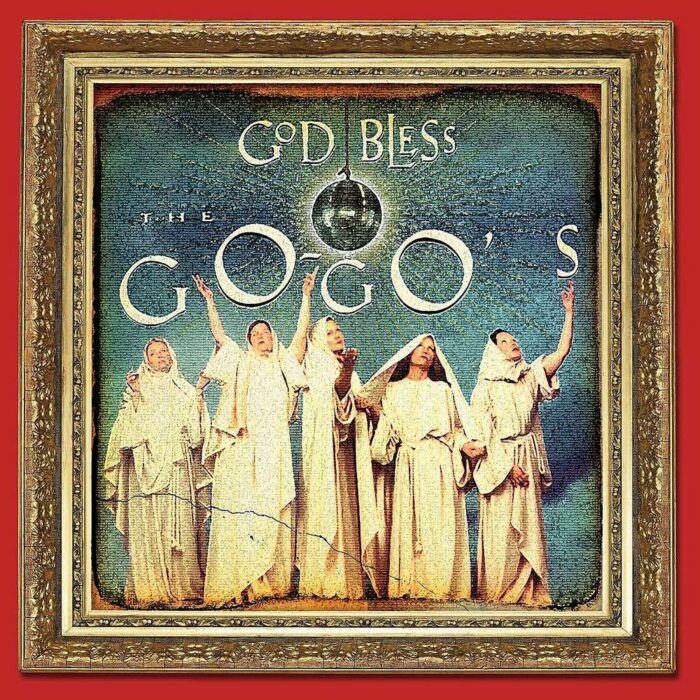
Bodies of Water LP Takes Moontype from Solo Bedroom Songwriting to Chicago’s Most Hyped Rock Trio

Photo Credit: Julia Dratel

It’s fair to say Moontype wouldn’t have become what it is today, a full-fledged rock band, without the interconnectedness of Chicago’s music ecosystem. That, and the power of friendship.

The trio, made up of singer, songwriter and bass player Margaret McCarthy, guitarist Ben Cruz, and drummer Emerson Hunton, released its debut LP Bodies of Water on April 2. While the album is just a month old, its tracks date back to the group’s years at Oberlin College, where they were all students of the school’s music conservatory. Then, Moontype was the minimal, bass-driven recordings born in McCarthy’s bedroom—performed solo at intimate gatherings and DIY shows—while the would-be bandmates orbited each other’s respective friend groups.

It wasn’t until after graduation, and each member’s migration to Chicago between 2016 and 2018, that they were reacquainted and eventually joined forces musically. On Bodies of Water, songs originally imagined by one take on a robust new shape, with the gusto and confidence that can only come from knowing you’re all on the same page; that the folks at your sides have your back.

“It’s a little bit wild,” McCarthy laughed over the phone, the morning the album dropped. “Me, Ben and Emerson got together this morning just to be like ‘Yay, we did it!’”

The solidity of their bond is apparent from the shotgun blast of opening track “Anti-Divinity”—where the clang of guitar and drums take off at the same time as McCarthy’s tender vocals. Withstanding the rumbling wall of sound created by Hunton and Cruz, she’s embraced intensity this time around compared to the song’s early iteration heard on her solo effort, 2018’s self-released bass tunes, year 5.

The album also serves as a showcase for her curious, intimate, and intimately funny lyrics, depicting human connections in the throes of ever-changing surroundings and youthful restlessness. Subtle yet lucid, McCarthy spins narratives that are just as provocative as Cruz and Hunton’s instrumentation. Despite Moontype’s humble beginnings as a one-woman operation, the band standing today is wholly collaborative.

Breathing new life into each of the four tracks from bass tunes (including “About You,” “Alpha” and “Stuck on You”) in addition to eight, more recently composed numbers, that newfound rush is maintained across Bodies of Water. According to McCarthy, the three-piece’s exploration of indie rock – ranging from soft, sparse acoustics to more experimental, textured, math rock and soaring shoegaze – would’ve been impossible for her to find without her partners-in-crime. “They’re incredible musicians. They take [the music] to particular places and have influences and listen to things I don’t listen to. This really is our band, the songs become something they wouldn’t be otherwise,” she says.

“I wrote all the skeletons that are on the album. The lyrics are mine and the feels,” she jokes before continuing to celebrate the trio’s chemistry, “but it wouldn’t have been the same if this band had different members in it or if it was just me. I don’t think of [Moontype] as my project. We fell in together really quickly and easily. When Emerson joined the band, he literally just started playing along and I was like ‘Okay, thank you!’ It was so good.”

Initially expanding with just Cruz after reuniting in the Midwest, the duo invited Hunton to jam with the hopes his steady rhythms would help fortify the songs they’d been rehearsing. Playing with Hunton in the past, Cruz figured the drummer’s abilities would naturally fill the space between he and McCarthy’s back-and-forth on the strings. 

Their perfect fit hasn’t gone unnoticed. In the months leading up to the album’s release, the band received high praise for lead single “Ferry” from The New York Times and NPR. Streams were bringing new fans and a bigger buzz. Noting the track’s lushness and balance of heavy and gentle, Moontype quickly became an act to keep your eye on and Bodies of Water, one of the year’s most highly anticipated releases.

With the band able to capture a noisier, more challenging sound as a whole, McCarthy credits Cruz and Hunton with inspiring her to dig into a more free-flowing, visceral expression vocally and musically – something that the projects she’d created in the past, geared more toward electro-pop, didn’t fully allow.

“I usually will write really late at night, playing kind of softly because I don’t want to bother my neighbors, and I’m singing in my room – it’s just kind of a quiet experience,” she recalls. “So many of the songs ended up becoming loud. There are plenty of bands that are way louder [than Moontype], but compared to me alone in my room, they feel loud and energetic. I think about ‘About You,’ where I was really in my feelings about this friendship when I wrote it. It was a very wordy song where I was just telling this story to myself, but when I play it with them I’m like, this is a rock song.

Recorded at the end of 2019 at Chicago’s favored Jamdek Studios, the pandemic shutdowns and uprisings over the summer of 2020 after the murders of George Floyd and Breonna Taylor pushed activity on the album’s final touches to the backburner to refocus energies in support of the movement.

The year would’ve formally introduced Moontype beyond the city’s tightly-woven scene, with shows scheduled alongside the likes of Ohmme and others. Admittedly, fellow local acts informed the band’s evolving sound once recording sessions had begun. Fans as much as they are active participants in the scene, working at venues such as Constellation and Sleeping Village helped Moontype’s members establish a deeper understanding of the sense of community at its heart. Through that infectious camaraderie, the band found an ally in mastering engineer Greg Obis and a home on the label he co-founded with Deeper’s Kevin Fairbairn, Born Yesterday Records.

“I met Greg [Obis] working at Sleeping Village. He was mixing there and when I started working there I was the stage manager and running lights.” Obis believed in the band’s sound and, after mixing one of their live sets at beloved venue Hideout and seeing the crowd’s reaction, proposed they release with Born Yesterday. 

“The three of us are all in other bands, too,” McCarthy adds, alluding to country outfit The Deals (which includes her, Cruz and Hunton among the “Deal family band”), “and everyone’s bandmates were coming to the shows. We wouldn’t be where we are now without all of those friends.”

The camaraderie and the community has “been so essential to really every part of my life here in Chicago. For this band, it’s definitely important,” McCarthy explains.

After an additional year of sitting on their finished material, the decision to finish the LP was unanimous, and the hype and kind words from the music press are everything a young band dreams of (minus the pandemic, which ultimately prevented Moontype from being able to do much with the recognition they’d received). As time passed, the album’s themes of longing took on new meanings to different listeners; revealing lockdown feelings of “separate but together” in song and lending a relatable, though unintentional, perspective on long-distance pandemic friendships. 

“I tend to really attach songs that I write to the time when I wrote them and the people I was thinking about when I wrote them, so for me personally those songs are still very much attached to that,” she describes. “For someone who doesn’t have those associations, some – if not all – of these songs about friendships and feeling distant could feel really relevant.”

As for many songwriters hoping their lyrics will follow their listeners and change as they do, leaving room for others’ interpretation is part of the appeal for McCarthy. It’s helped keep the tracks on Bodies of Water fresh, while speaking to their universal appeal and the band’s promising sense of longevity. 

“It’s been so long and I’ve listened to these songs so many times before. Now it’s just people hearing them for the first time. It feels really good, and I’m so grateful to all of the news outlets, but it is strange,” she confesses. “It’s a nice form of external validation; it just feels a little bit not real because it’s only online, it’s only on social media. We haven’t actually played a show in over a year, so it feels a little bit removed, you know what I mean?”

While live music’s survival has been challenged, Moontype – like many other artists – are looking forward to the possibilities of touring by the end of the year. Their first performance after Bodies of Water’s release was streamed live from Constellation on Saturday, April 3, and more virtual gigs are in the works. Though McCarthy stands as the trio’s chief songwriter, there’s heightened fervor in her voice when mentioning songs Cruz and Hunton have each composed for possible future release. New music, in general, reignites a spark in the conversation.

“We’ve been practicing only the songs on the record pretty much for the last couple months, and we’re so excited to start working on new songs,” she says. “Honestly, this spring is feeling like a really hopeful and exciting time. Spring in Chicago always feels exciting because everyone’s been inside all winter, but this year obviously – it’s a sign people are starting to get vaccinated; things are looking up pandemic-wise.”

With so many independent artists looking to make up for lost time, Moontype continues to take things in stride. 

“I can’t imagine moving into a crowded space right now,” McCarthy adds, regarding the impending return of concerts in the city as COVID-19 restrictions loosen and summer approaches. “I feel like the first couple times might be a bit awkward, but it’ll only feel good to be playing for people again. I can’t wait for our first show with an actual audience. We’re looking forward to it. We’ll be ready.”

Follow Moontype on Instagram and Facebook for ongoing updates.
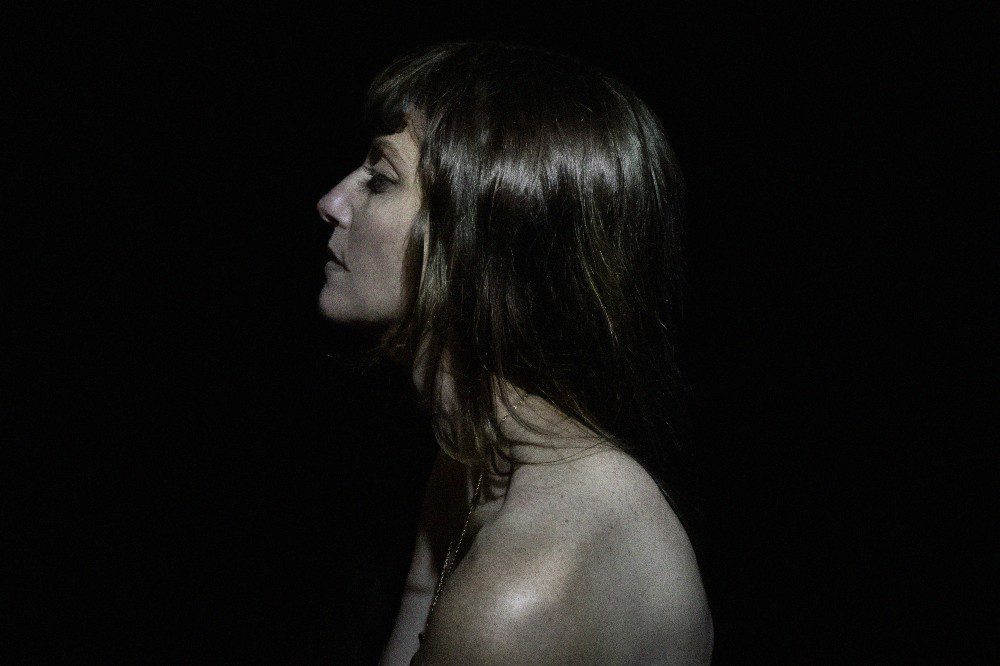
How ’80s and ’90s Horror Films Inspired Latest Glaare LP Your Hellbound Heart

Photo Credit: Brandon Pierce, Julian Medina & Meg Wad

Rachael Margaret Kime, vocalist for L.A.-based band Glaare, hadn’t seen Hellraiser until recently. But, she had been watching and re-watching a lot of ’80s movies when her husband and bandmate, Brandon Pierce, suggested naming Glaare’s second album after The Hellbound Heart, Clive Barker’s book upon which the now-classic horror film is based. 

“It’s so fitting,” says Kime on a recent phone call, since she was writing songs based on movies that she was either watching for the first time, or for the first time in years; when she finally saw Hellraiser, she connected with it and wrote another song.

Your Hellbound Heart is a journey into the dark, twisted cinema of the late 20th century. There are nods to Terminator 2, Total Recall, Prince of Darkness and They Live, as well as cult classic Twin Peaks: Fire Walk With Me on the album. However, the film references are there to make a bigger point. 

Take “Divine Excess” for example. It’s inspired by They Live, specifically, the Bearded Man, who breaks through television broadcasts to speak of the ills of the capitalist world. “I think a lot of what we’re experiencing in this society is a collective madness based on what capitalism has done to us and we’re all after that divine excess,” says Kime, “as though it’s going to make us closer to God in some way, to achieve this excess.”

She adds, “Essentially, I was in the exact opposite position, where I just wanted to destroy everything. I don’t want to build anything. I don’t want to acquire anything. I want to destroy everything and burn it all down. That’s how I wrote the words to that song.”

Glaare began working on what would become The Hellbound Heart in in late 2018. At around the same time, Kime’s father had died. She was drawn the “heady, strange, existential scenes about mankind and the ego and the relationship between it all and how the polarities are working together at the same time in this very harmonious, catastrophic way” that’s often so characteristic of the horror genre. As she watched those movies, she found a similarity amongst the characters that resonated with her. They were often trying to tell a truth to people who simply didn’t believe them. “That’s what I felt like at the time,” she says. 

It was a crucial point of inspiration for Glaare. Since their 2017 debut album, To Deaf and Day, the group has established a reputation for their darkwave sound, but Kime also refers to Glaare as a “cinematic band.”

“We always seen ourselves as scoring a movie that doesn’t exist,” she says, “like we’ve written this non sequitur Lynchian movie that we’re scoring.”

Your Hellbound Heart would prove to be a difficult album to make. The band would spend a few months at work on it and then have to put it aside. They upgraded equipment after finishing the demos, which created some challenges while re-recording vocals. “The vocal takes that we got in the demos were just so raw and they sounded awesome,” she says. However, they weren’t of a high enough quality to mix with the new equipment. Kime adds that her preference is to use the vocals recorded in a first take. “You can’t try to repeat a performance because it will just sound contrived,” she says. “It’ll sound like walking in the uncanny valley.” For the songs on Your Hellbound Heart, they found a solution. “We were able to kind of tuck some of the initial demo vocals in with the new vocals to beef it up and keep it raw sounding.”

In the midst of working on the album, Glaare’s lineup changed as well. When their original guitarist left the fold, bassist Rex Elle stepped in to the spot. Then the band snagged Marisa Prietto as their new bassist. 

“We saw her play years ago with Wax Idols and we just fell in love with her,” says Kime of Prietto. “She’s such a spitfire on stage. I’ve never seen someone move on stage in heels while singing and playing guitar like that. It was un-fucking-real. We were afraid to talk to her because she was so cool.”

In the end, they made a passionate and energetic sophomore album, one that’s dance floor-friendly, while retaining the dark aural aesthetic of their debut. Your Hellbound Heart is as much about the images it might conjure in listener’s heads as it is about the beats and hooks. 

Released on April 30 via Weyrd Son Records, Your Hellbound Heart has been garnering a good response, which makes Kime happy. “I just want truly for people to connect with this,” she says. “I don’t care how many it is, and I don’t care who they are, just as long as somebody is able to feel like there’s someone out there that understands them.”

Follow Glaare on Facebook and Instagram for ongoing updates.

Dasha Premieres “Love Me Till August,” a Folk-Pop Ballad for Fleeting Flings

Photo Credit: Jeremy Aguirre

Just in time for a summer fling, Dasha narrates the complex emotions of a fleeting love affair in “Love Me Till August.” The acoustic track, premiering exclusively with Audiofemme, follows her debut EP $hiny Things; released in March 2021, the project contains half a dozen radio-friendly pop tracks, all embodying sharp lyricism. The folksy “Love Me Till August” continues that trend, a ballad that beautifully blends innocence and reality.

Over the course of the song, the character grows from an naïve young girl to a woman, the first verse laying out the couple’s fate, its narrator aware enough from the get go that the love affair has a time stamp. “We’ll blame it on the timing/What isn’t meant to be will never be,” Dasha sings, acknowledging that “it’s gonna hurt” at the end of the season when they have to part ways.

Meanwhile, the second verse is packed with nostalgia, following the pair on their last day together, capturing the moments through photos as to not forget the memories made, setting up a bridge that takes a subtle jab at the fact that he’s leaving their love behind with the ultimate goal of getting an office job like his father.

Growing up in the coastal town of San Luis Obispo, three hours north of Los Angeles, Dasha cut her teeth performing songs at local venues around town, cowboy boots in tow, as part of a duo with her friend’s mother, a songwriter. The 21-year-old moved to Nashville to study music at Belmont University. “Love Me Till August” came to fruition while Dasha was driving back to California from Music City, having to collect all of her belongings and leave the campus in 2020 due to the COVID-19 pandemic. During their 2,000 mile trek, the idea for the song began to formulate when the singer’s friend told her about a relationship she was in that she knew would only last a season. Dasha was experiencing similar emotions as well, having also been in a relationship she knew wouldn’t last forever.

“I think the cruelest thing the universe can do is bring you the right person at the wrong time, and that’s exactly what I was going through. The worst part is that it wasn’t anyone’s fault,” Dasha tells Audiofemme, adding that the song “was inspired by a personal experience of ‘right person, wrong time’ when outside factors were the reason things ended.”

The chorus leans into that emotion as Dasha describes missing her lover even before they’re gone, setting up a scene bookended by the last day of July and concluding with the song’s fateful premonition. “I thought this was a really cool way of emphasizing the timeline of the relationship, where at first glance it seems like you have months, but really you have a single day left together,” she explains.

“I love the wave of emotions in the song. It’s very honest and very me,” she observes. “All I ever hope for with my music is that my supporters can relate to my songs. I write very honest and vulnerable songs so that people know that they aren’t alone and that I’ve felt the same things they have.”

Follow Dasha on Instagram, TikTok and Twitter for more ongoing updates.
The Stools Press Energy of In-Person Shows to 12″ Vinyl on Live at Outer Limits

Photo Credit: Noah Elliot Morrison

The last time I attended a Stools show was on February 14th, 2020 at Outer Limits Lounge. Somebody in the audience passed out after their first song and I left because it was stressing me out. People were freaking out, but turns out the guy just had low blood sugar or something – he was fine. That being said though, if you’re gonna pass out at a show, it’s probably gonna be at a Stools show. The Detroit-based garage rock revival band is known for their high-octane performances that feel like having a front row seat to a drag race. These invigorating shows are what drive people to see bands live in the first place, and are undoubtedly what fans have been missing the last fifteen months of shut downs. Luckily, The Stools – Will Lorenz, Charles Stahl and Krystian Quint –  have just released their first 12” Live At Outer Limits, which brilliantly captures their rapturous performance and is almost as good as the real thing. 

The album was recorded on December 28th, 2019, and released digitally in May 2020; the vinyl came out a few days ago and has already sold out on their Bandcamp, but you can still grab a copy via Big Neck Records. The band seems genuinely surprised by this success. “I am always surprised when I see so many orders come in, because I really don’t know what to expect,” says Lorenz. “Without playing shows all the time, it’s easy to forget that people outside of our little bubble exist and buy records too! I hope some of the success is due to the snapshot in time aspect of it, a little more than we originally intended though since you can’t see us play for now.” 

Lorenz says that the choice to press their live show wasn’t exactly scientific, but simply due to the fact that it was their longest release to date; the band has favored releasing their songs four or five at a time on small runs of 7″ EPs, including 2019’s When I Left (via Third Man Records), as well as Car Port (via Goodbye Boozy Records) and Feelin’ Fine (via Drunken Sailor Records), both from this year.

He also credits the band’s endearment to local punk bar Outer Limits as a driving force. “As a band we share a love for live albums as well as Outer Limits Lounge in general,” says Lorenz. “Everybody who works there is great and the sound is always perfect. We just waited until we had a chance to fully book our own show there [to record], but we had had the idea for a while.” 

For a band that started out as a manic idea between Lorenz and Stahl, the Stools have reached many milestones faster than some bands ever do. You could make any number of assumptions of why this is, but if I had to guess, it would be because of the band’s genuine chaotic energy. At a time when it felt like garage rock was giving way to shoegaze and “indie rock” (whatever that means), three young guys from Grosse Pointe, Michigan bonded over a shared love of the White Stripes and Black Flag. These influences (as well as youthful angst and energy) are palpable in the band’s live performance. 

The record encapsulates the punk microcosm that resides within Outer Limits Lounge. Nested on the outskirts of Hamtramck, MI – a tiny city that lies within Detroit City Limits – the bar literally and figuratively emits the “outcast” vibe that is historically associated with punk rock music. But, once inside, the humble digs serve as an oasis for “music nerds,” fringers, or pretty much everyone. It’s cool but not exclusive, messy but unthreatening. The Stools’ baby-faced frontmen encapsulate these dichotomies and their music serves as an allegorical safe space welcoming rejects of all kinds – or anybody who wants to scream along in their car. 

Follow The Stools on Instagram and Facebook for ongoing updates.