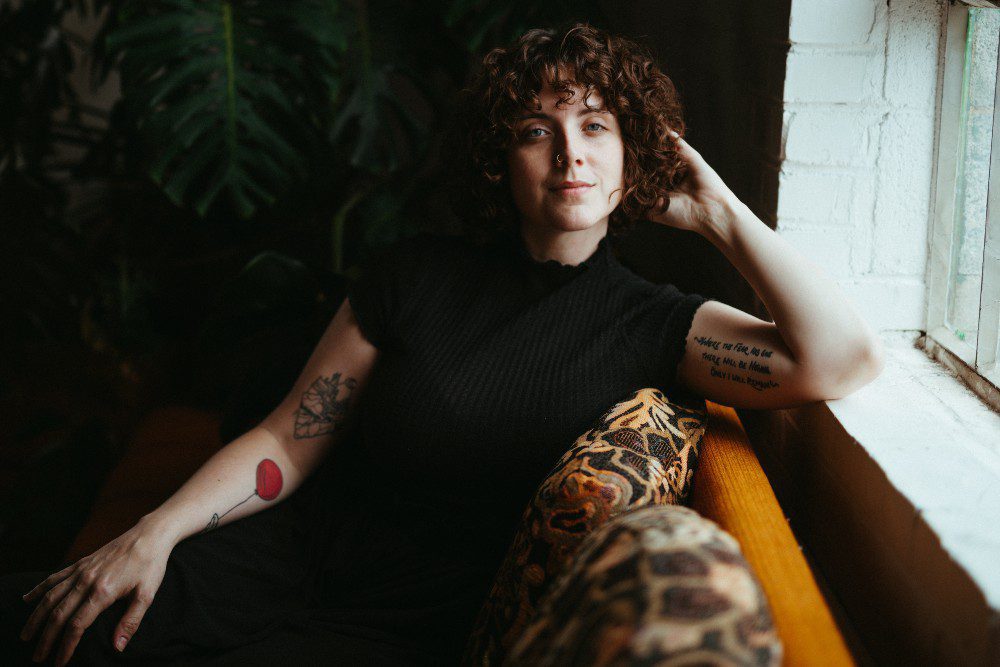
AF: After you decided to come back to piano, were your first songs instrumental?
AW: Actually, no they weren’t. I only wrote my first instrumental piece maybe just two or three years ago. I was really into writing poetry as a kid, and around 7th grade, my love for music and my love for writing collided. I began writing really trite, cringey pop songs and tormenting all my friends by making them listen to them and the rest is history.
AF: What kind of music do you gravitate to? Is it in a similar genre to the music you make or is there some dissonance?
AW: Both. I love pop music, but I also love classical, hip hop, musicals, ambient, experimental, singer/songwriter stuff - I’m pretty all over the board as far as what I like to listen to. However, I do have a special affinity for '80s synthpop and Swedish pop music, and I think that influence definitely shows itself in my music. I love the sonic palette of synth-driven pop music, and Swedish pop has the best melodies.
AF: You grew up in Madison, Wisconsin and have chosen to make that your home base. What’s the music scene like there?
AW: The music scene is very vibrant! Everybody is very supportive of each other, and on any given night there are many live shows to choose between. While we have several venues that can cater to larger acts, there are also a bunch of DIY spaces that really allow for any creative person to feel at home.
AF: “Hindsight” is such a beautiful song. Can you give us a glimpse at the writing process? Do you start with the melody or do lyrics serve as the foundation?
AW: Thank you so much! A lot of times I actually start with the melody, but in this instance it began with the lyric. This past year, I learned a lot about how important it is to know when to say no, and about how to let go of people who have been taking you for granted or treating you poorly, no matter how much you might care for them. I had been thinking about this a lot, so I wanted to write a song that captured the bittersweet catharsis of finally putting an end to a toxic relationship.
I was flipping through the pages of my notebook, and on one page I had written “Next time, you’ll spend the night.” The melody for that line popped into my head as soon as I saw those words, and the chorus came really quickly after that. Once I had the chorus, which really laid out the thesis of the song, so to speak, I was able to build the rest of the story around it.
AF: It’s a song that feels ripe for a dance remix. Is that something you’ve considered?
AW: I’m so happy you said that. YES, absolutely. While I was producing the song, I was definitely hit several times with the urge to turn it into a crying-in-the-club dance song, haha! It’s definitely something I waffled back and forth on a lot, but I ultimately decided that if I really wanted to, I could always remix it later. Or even better, maybe at some point someone else will want to give the remix a go!
AW: Well, I had always loved synthesizers but didn’t really garner a full understanding until I began producing my own music a few years ago. Ever since then, I feel like I’m on a constant hunt, trying to chase down the sounds that I hear in my mind. Modular has always fascinated and sort of intimidated me, and earlier this year I decided to take the plunge. It’s such a beautiful medium for music creation - there’s something incredibly soothing and meditative about the workflow. There is an ephemeral quality to it - you can sit in front of your modular for hours and get lost in a beautiful patch that you’ve created, and as soon as you unpatch everything, it’s gone forever (unless you’ve recorded a snippet of it or whatever). Everybody’s modular system is a reflection of who they are, which I think is so cool.
AF: You’ve performed in bands, as well as solo. What are the positives and negatives of both?
AW: Pros of a band: other people - making music with other people is fun!
Cons of a band: other people - making music with other people is also challenging. Being in a band is like being married to four people at once. You really have to find the right people to make it work, but when you do it’s totally worth it.
Pros of solo: way easier to book shows when it comes to scheduling, and you can do whatever you want whenever you want.
Cons of solo: it can be a lot to take on by yourself. Sometimes I feel like a crazy person running around trying to handle the writing, recording, promotion, social media, booking, etc all by myself!
AF: What do you want an audience member to take away from an Anna Wang show?
AW: Whether it’s a lyric that hits home, a melody that gets stuck in your head, or just a vibe that contributes to a good time, I want to make people feel something. It’s the most beautiful and rewarding thing when somebody comes up to you after a show to say that your music has impacted them in some way.
Follow Anna Wang on Facebook, Instagram, & Twitter for tour dates!