AF: Congrats on your premiere! What made you want to do this documentary-style video, rather than a traditional music video?
LE: Thank you! There were so many risks with it. For one, it’s an interlude. It’s the shortest song on the album, but it really means the most to me because of the commentary. It was definitely a labor of love. But I’m not gonna lie, even premiering it, I’m very nervous about it from a music perspective, with it being a lot more message-centered. It’s in alignment with me, but still. And then the actual music video portion of it is just me touching myself, which was very intentional as well! Every time we see sex portrayed, generally, it’s through a male gaze. Sometimes it’s a woman perpetrating it, but it’s pretty much her putting on a show of her internalized misogyny. As bare as possible, I don’t need to be doing anything extreme, it’s not about that; it’s about the female form.
I think it was Brittany in the video who mentions how women see themselves. She talks about seeing things in lines and curves and shapes and I’m like, sister, I’m with you! When I talk about sex it’s not necessarily in alignment with the way the male gaze perpetrates it. I see lines and curves and shadows and all those things I demonstrated. I’m very proud of myself and the team for executing it and I just hope it’s well received. But at the same time if it’s not, I don’t give a shit! If you don’t receive it, it’s not for you. It is for us, the women who are seeking to redefine that narrative.
AF: Why do this video and style for "The Most"?
LE: There are women, generations even, removed from this conversation. Woman and wife are not synonymous. Woman and nurturer are not synonymous - though, that’s a very positive and beautiful trait of women. My entire purpose of “The Most” was to express female sensuality and female autonomy therein through a woman’s language, a woman’s gaze, because it’s very important to me.
I love my parents, but a lot of their old paradigms and thoughts were manifested into me. 'Don’t have sex until you’re married,’ which I’m not saying is a bad thing, but it can be a bad thing. We’ve gotta get to the why. Why? Why shouldn’t I have sex until I’m married? And why is that the beginning and the end of the conversation? I don’t even know my body and you’re telling me not to use it. I was not comfortable with [the fact] that I was 23, 24, 25, reflecting and trying to figure out my body. And what really sucked is that I’m trying to learn some of these things, and unlearn some of these things, in the middle of conflict with my body. I’m already using my body at this point, and so now I’ve got shame and guilt because of things I was taught that aren’t necessarily true.
Tradition and truth are not interchangeable. My purpose for “The Most” was really like a fuck you to patriarchy and the way that it plays itself out in life and the way that it manipulates women, and men too, and how we’re all bound to it and enslaved by it. Transforming our thought process around sex is important to me because it’s a pillar for bigger conversations.
AF: How did you find women who wanted to share their stories and perspectives of sex?
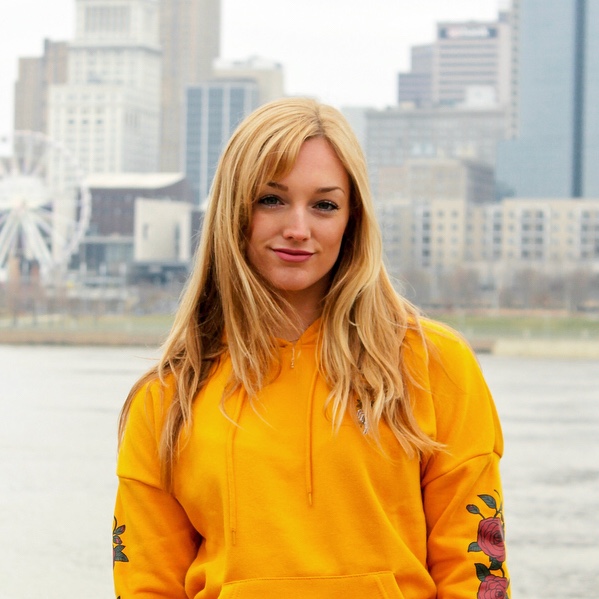
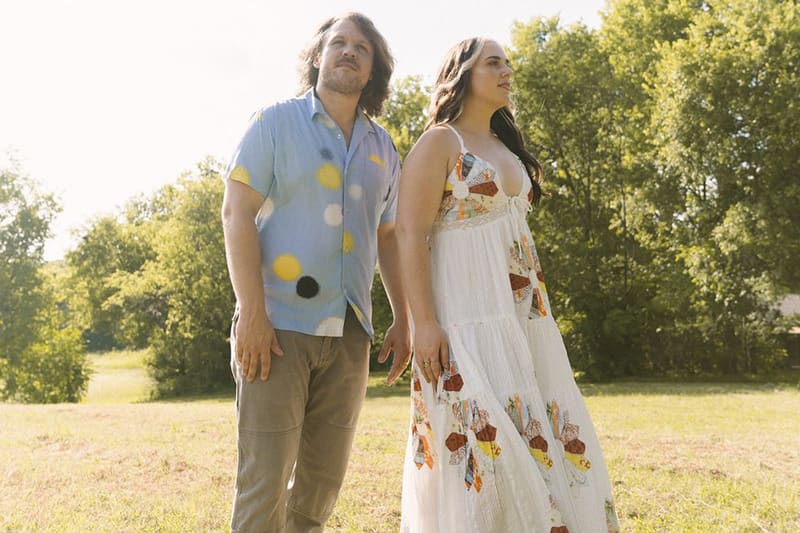
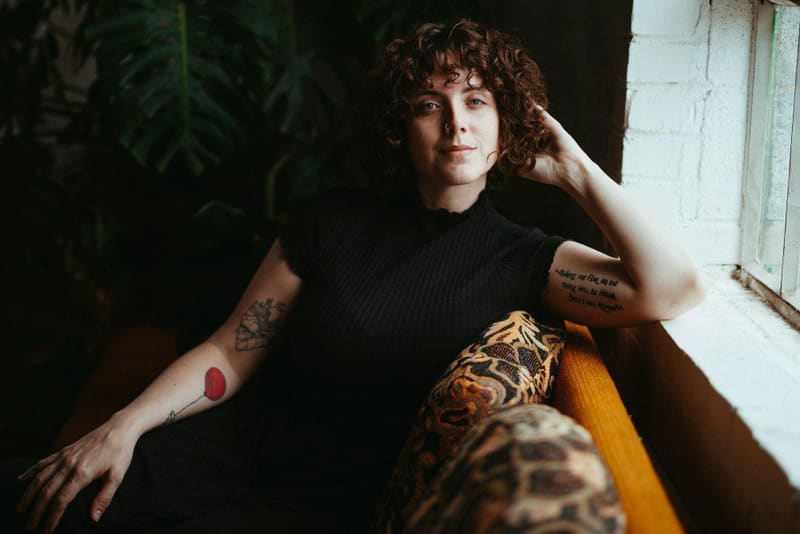
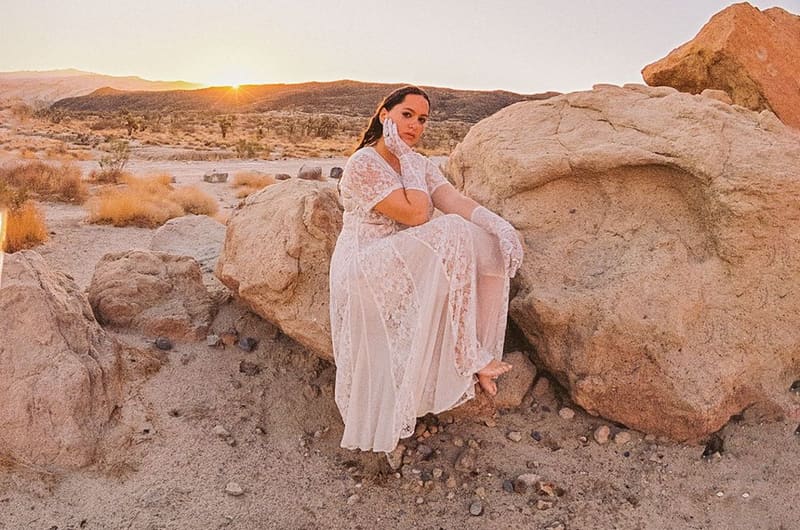
LE: These are all women that I know; we’ve become friends for sure. Brittany, I didn’t know her at all before. A friend of mine called me and said hey, my friend is getting engaged and she wants you to sing for her engagement. I said okay, I sang at her engagement, her and her wife Erica, and then I sang at their wedding. So we’ve built a relationship because I was so involved in their union. And then the other women I’ve worked with in more professional spaces and then came to build a relationship.
It was interesting; I didn’t know anything about them, to that degree. I was grateful that I had different perspectives. Savannah, who’s been comfortable with her body—she’s a dancer, whereas someone like Brittany who grew up in the church and had a lot of issues with her body image. It’s very reflective of women, generally. I appreciated their honesty and transparency. Even the conversations we had off-screen—I was bawling.
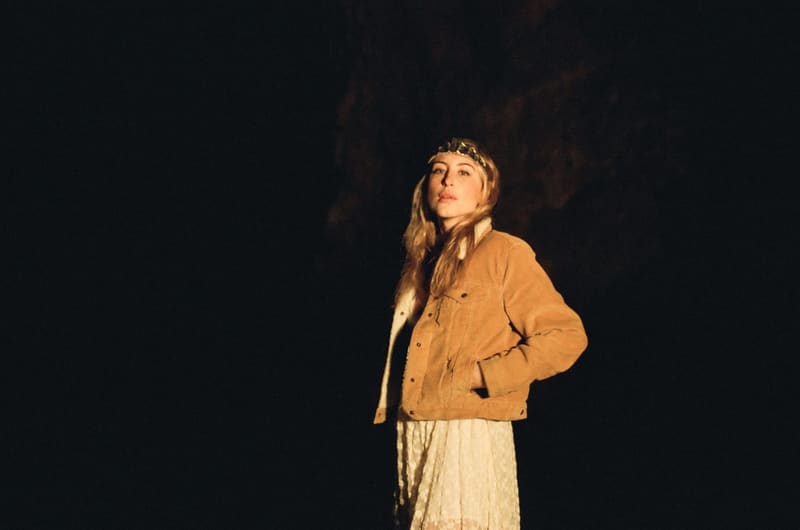
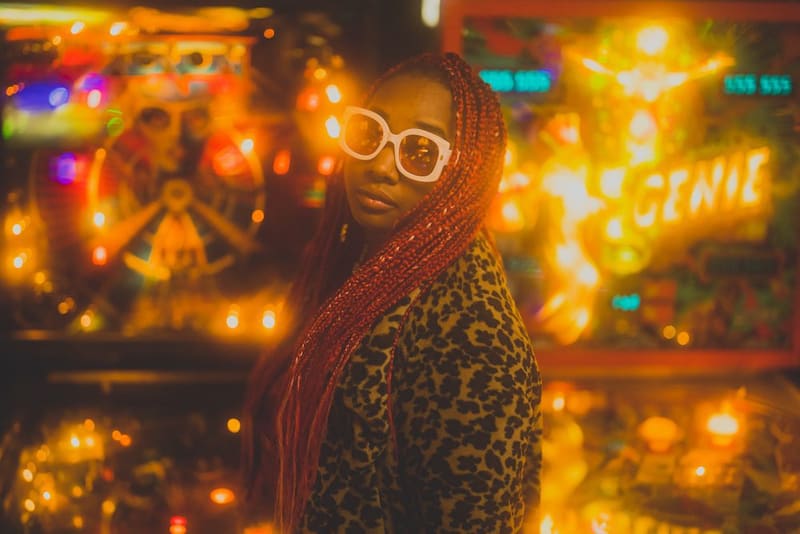
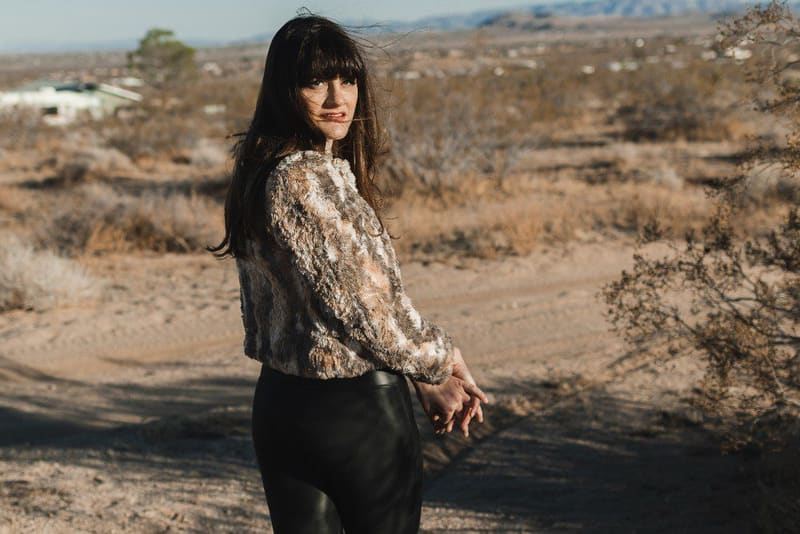
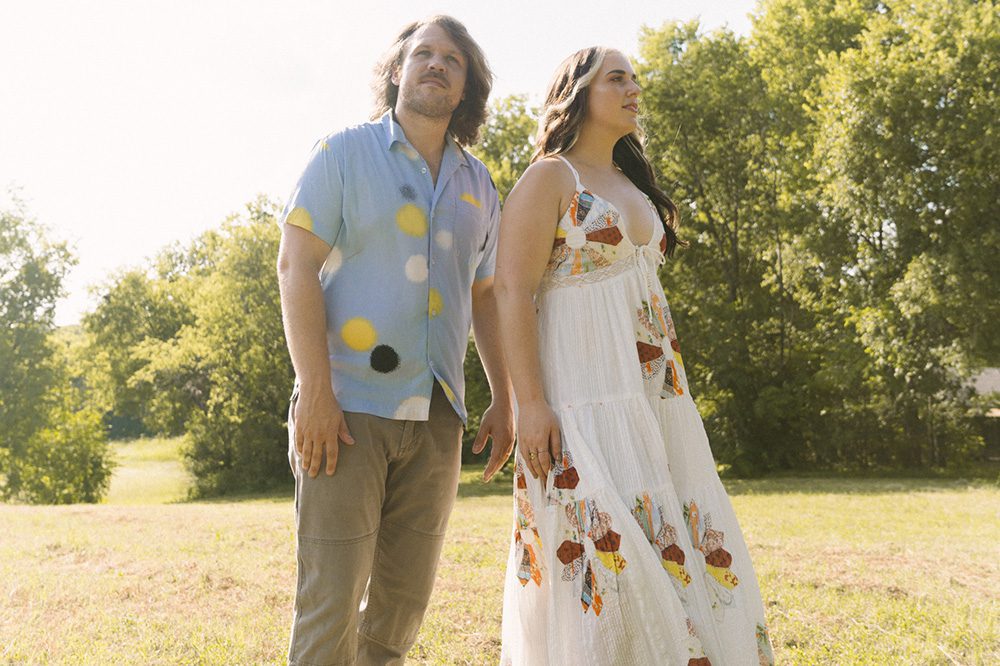
Photos by Kevin J. Watkins (@ohthatsdubs).
AF: What’s something you learned or had solidified in your mind about the various female perspectives of sex through filming this documentary?
LE: Something that was solidified was that I’m not alone in this. And they’re not alone in this. Sure, all different experiences [but] there were so many similarities. It was reassuring that the work I am seeking to do through my art is necessary. Because again, just as there are men who don’t know, there are women who don’t know. Women who are like very stuck in these roles and these beliefs, they don’t even know why they believe them. My thing is always like, believe what you want to believe, but know why you believe it. If your answer is just ‘the way it is,’ nah. Come again.
AF: You talk about how we need to open up a dialogue with other women and men about sex and that you’d also like to turn this documentary into an ongoing series. For future videos, would you include men in the conversation?
LE: Absolutely. We actually talked about that. I have a song that will hopefully make my next project, it’s called “Real Boy.” It’s a play on Pinocchio and it’s very intense. It’s a call for the destruction of toxic masculinity. Masculinity has a place, just like femininity has a place. Neither of them are tied to either sex. Women have masculine traits and feminine traits. But yes, this conversation definitely has to keep going. I’m going to use my art to push that conversation along, so I do hope that I can manifest that with this next song and this next project.
It’s funny because it was a male videographer who worked on this and it was interesting to hear his response to the women and to hear his response to the questions. He was baffled. He was like, ‘Man, I didn’t know.’ He was baffled at the entire concept of these roles not being innate to us. And I know there are levels to that. Some men are deeper in the rabbit hole and some are not. But he even said, I would love to have this conversation with women and more men because I don’t think a lot of us even know about these things.
Unfortunately, we have our experiences, and some of the women talk about their first times and whatnot, we make the mistake of assuming that all men are like those men we had those experiences with, when they’re not. I don’t think any real healing will take place until we have that open dialogue. It’s still going to be an imbalance if we have all these women healing and gaining awareness and then we have all these men falling behind. We’re still not connecting, and that’s important. We’ve got a lot of healing to do!